
26 Rainbow Crafts For Kids for 2026
You’re looking for craft ideas because the kids are restless, not because you’re eager to tackle a project that eats up an hour just to get ready, and then another to clean up.
So many of those “easy” rainbow crafts floating around online require supplies you don’t have on hand, or involve steps that simply don’t translate to actual children.
In this article, You’ll explore 26 easy Rainbow craft ideas for kids and that are perfect for home, school or weekend fun in 2026.
Let’s jump in!
How Can Rainbow Crafts Help Kids Learn Colors?
Rainbow crafts offer a more organic way for children to grasp colors, sidestepping the feeling of a lesson.
As they arrange colors or use them consistently throughout a project, the colors become familiar, almost without effort.
If a child confuses a color and a simple, gentle correction naming the color as they go can help. Verbalizing the color while using it reinforces the learning.
Ultimately, children do not just identify colors they begin to understand the relationships between them, fostering confidence and prolonging their interest.
Save this article for later!👇👇👇

Painted Rainbows
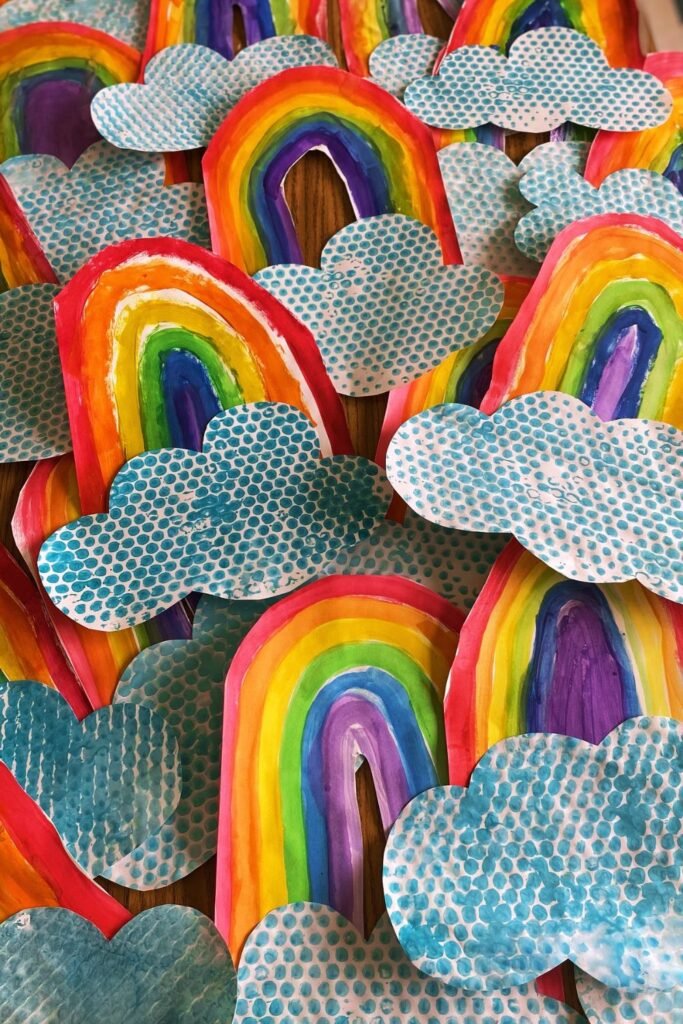
Bright arches stacked together work best for group settings like classrooms or playdates. Paint thick rainbow bands on cardstock so colors stay bold.
Then, cut out simple cloud shapes to round off the corners. Sponges or broad brushes are great for smaller children, as they minimize any potential aggravation.
Arranging multiple pieces together creates a wall display from a single craft, which boosts the kids’ pride and keeps their enthusiasm high as they complete their own work.
Word Rainbows
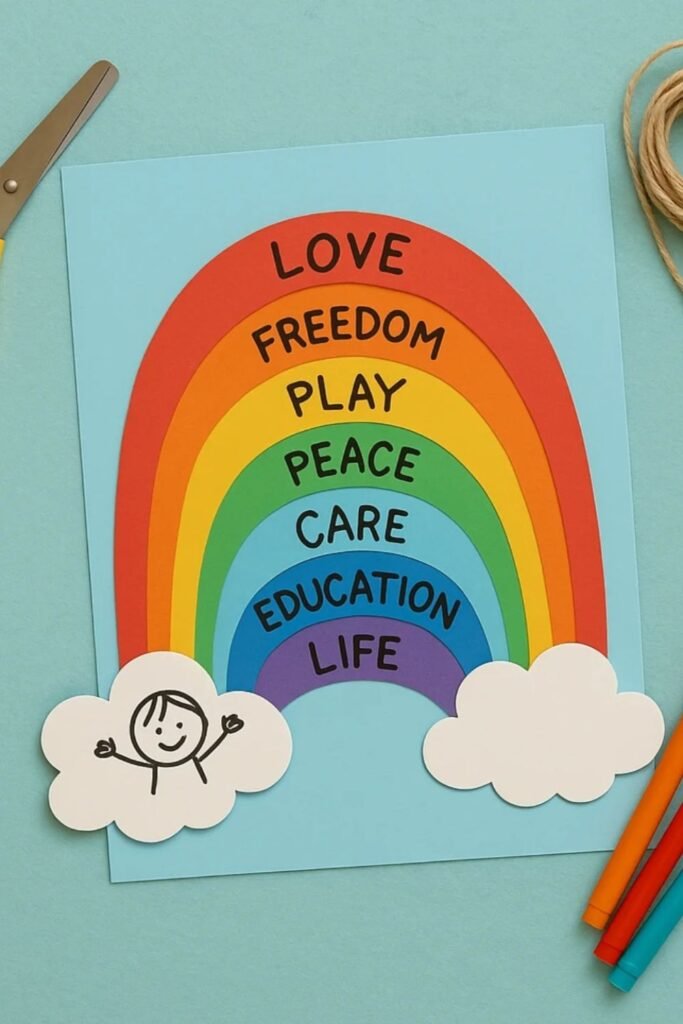
Turning colors into meaning adds depth without adding difficulty. Cut rainbow strips from colored paper, then write simple values or feelings on each band.
Stringing it up is a great option for bedrooms, classrooms or any quiet space. Kids get more involved because they’re not just making something.
They’re selecting phrases that resonate, which subtly expands their vocabulary and emotional understanding simultaneously.
Cloud Drizzles
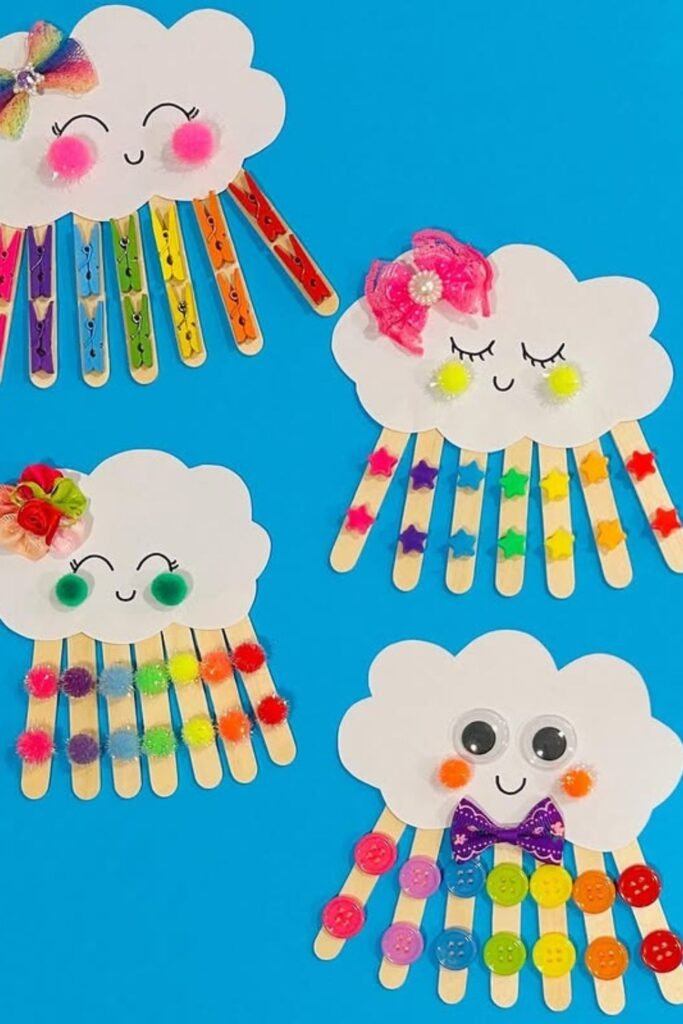
Smiling clouds with rainbow drops turn fine-motor practice into play. Craft sticks work perfectly here because kids can line up colors without cutting tricky shapes.
Buttons, pom-poms, or stickers these are the tools, and the age of the child dictates the level of challenge.
Its a concept that works perfectly for preschool settings or those indoor days when youngsters need something to occupy their time.
Folded Fans
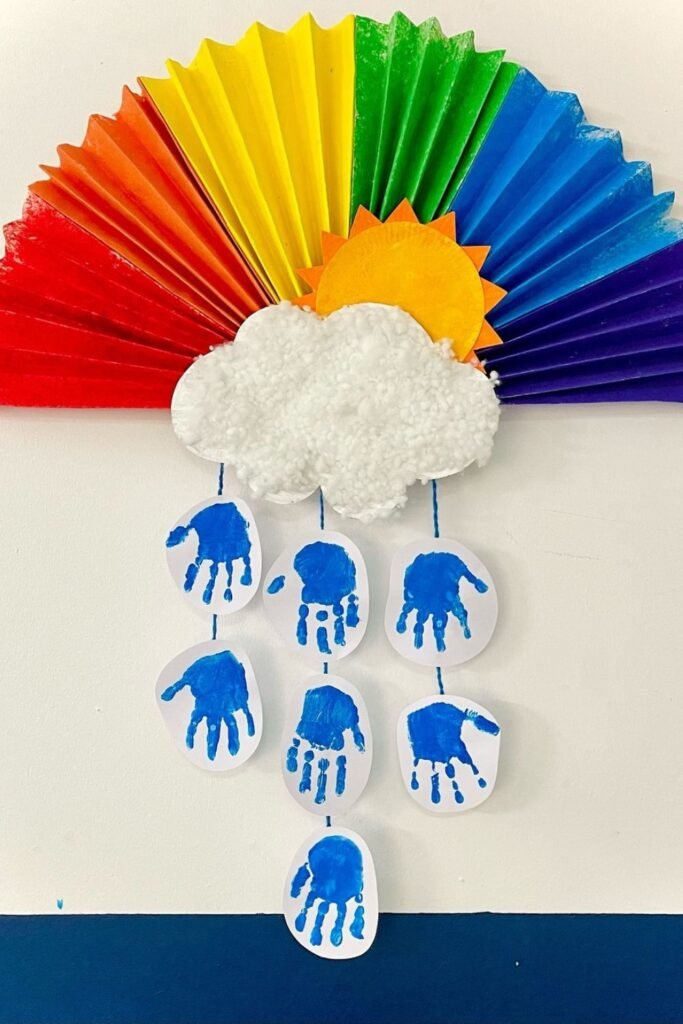
Paper folded into fans turns color order into something kids can feel and see at the same time. Accordion-fold each strip, glue them side by side.
Next, add a gentle cloud, perhaps crafted from cotton or tissue paper. Beneath it, handprint raindrops provide a personal element.
This project makes for a lovely wall display, perfect for classrooms or corridors. The combination of movement and texture is sure to hold children’s attention.
Pop-Up Arches
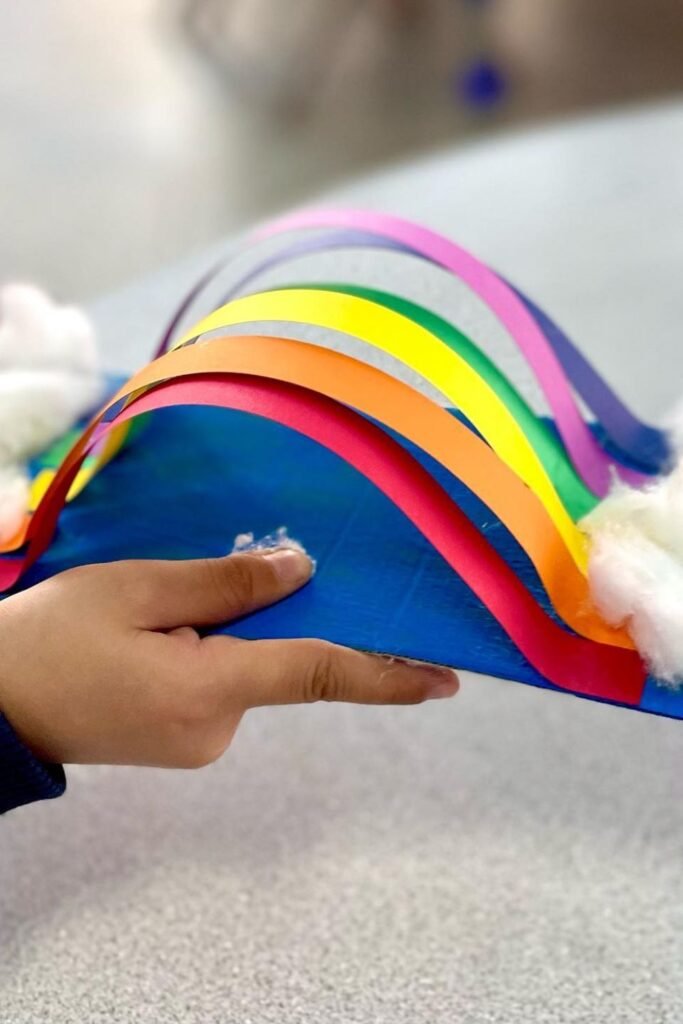
Hands-on rainbows invite kids to build color order in a way they can touch and adjust. Curved paper strips glued at both ends.
Create an elevated impression, something that suggests a bridge. Cotton clouds offer a soft, yielding surface ready to accommodate any slight misalignment.
This concept is particularly effective for small groups. Kids, in particular love the tactile experience of lifting, pressing and verifying their color sequences as they work.
Dot Painting
Color practice feels calmer when kids slow down and work one dot at a time. Using dot markers, paint bottles helps them follow rainbow order without rushing.
Printable rainbow trails offer a clear direction for placement making this a perfect fit for preschool tables and learning centers.
The continuous movement help develop hand control while the gentle repetition subtly reinforces color names and sequencing.
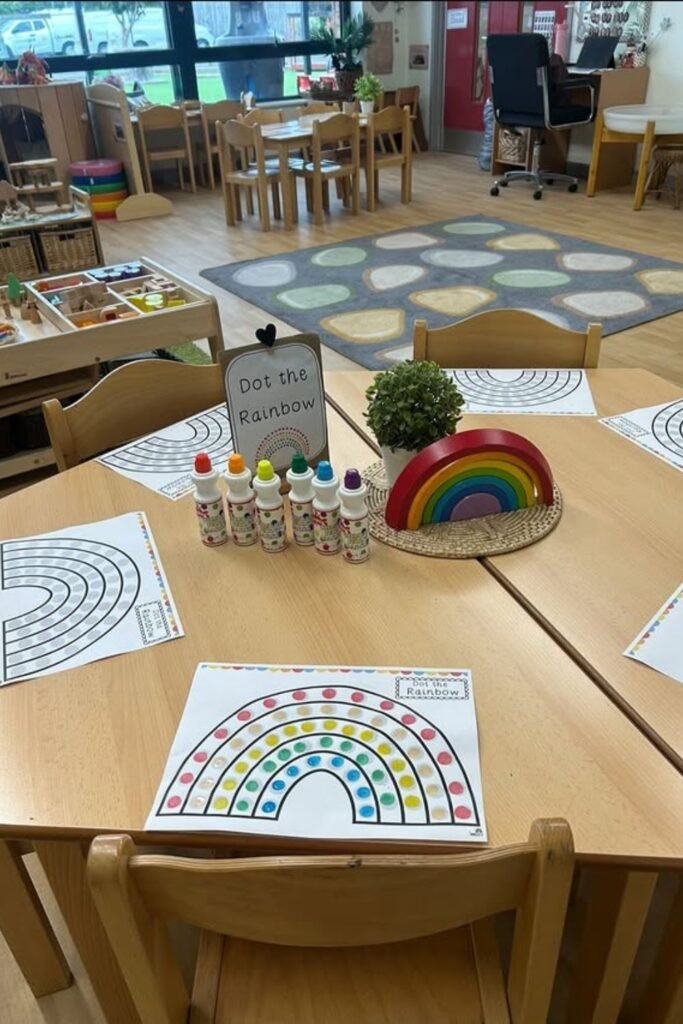
Table Murals
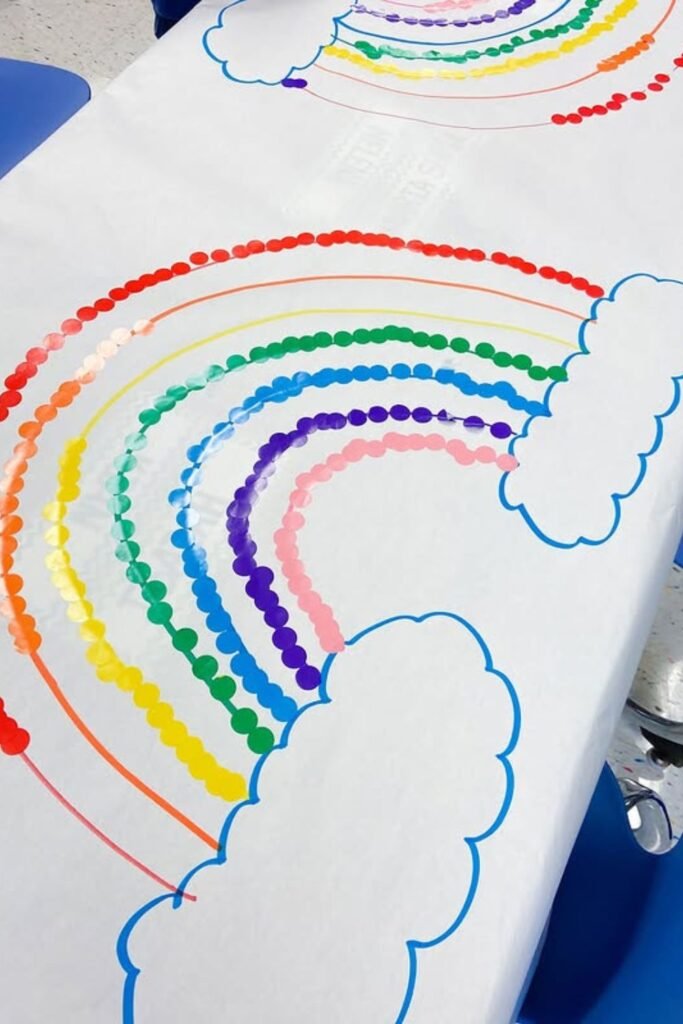
Large surfaces change how kids approach color work. Covering a table with paper gives everyone space to follow rainbow lines.
Using fingerprints, dot markers or cotton swabs opens up a new way of working.
The emphasis shifts from a frantic race to get things done to a shared experience of color.
This approach is perfect for schools and activity days where kids can walk around and work together keeping them interested and involved without constant squabbles space.
Tissue Mosaics
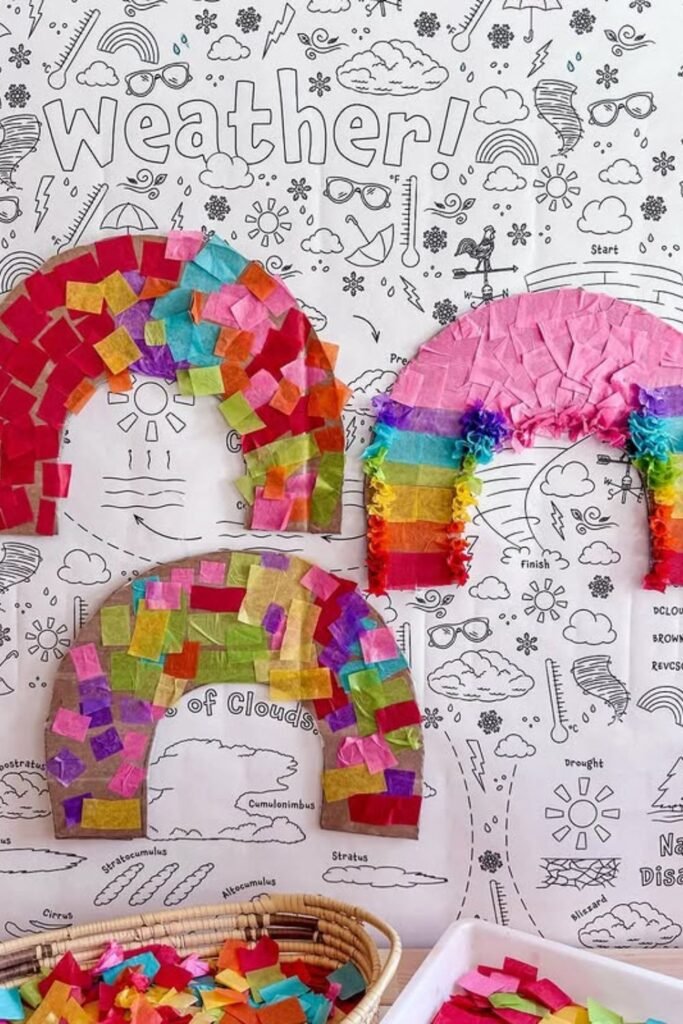
Tiny paper squares slow kids down in a good way. Tearing and placing tissue pieces builds patience while naturally reinforcing color grouping.
Glue sticks make things easier, especially for little hands. This approach works well in weather-themed classes or during peaceful craft time.
Allowing kids to concentrate on filling areas without the pressure of making everything perfectly straight or shaped.
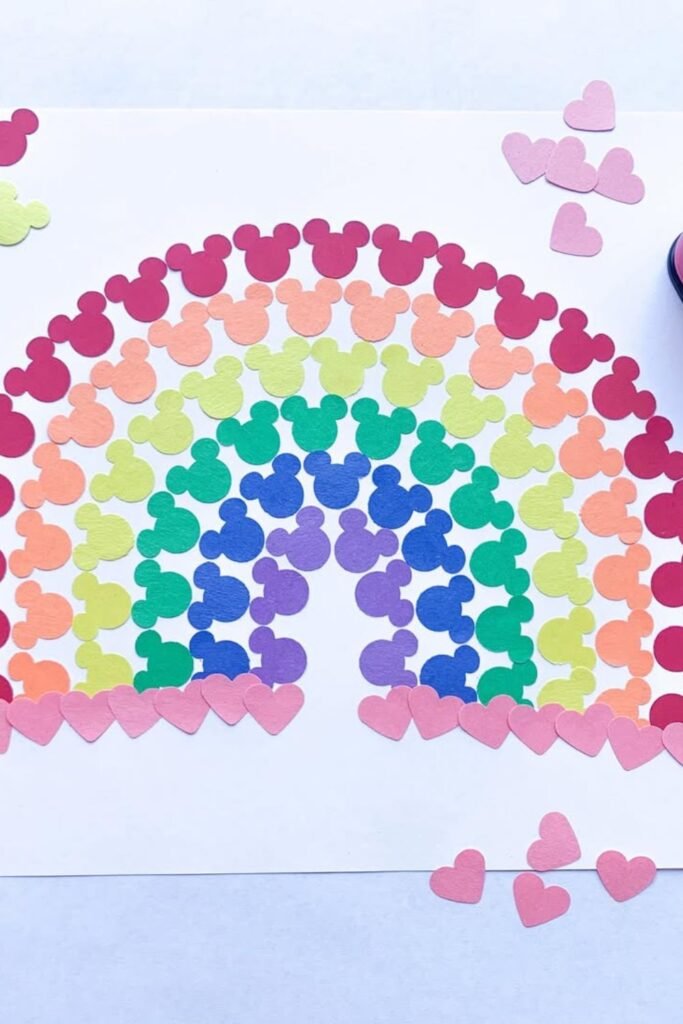
Punch Patterns
Paper punches turn color practice into a sorting game kids actually enjoy. Repeating the same punched shape across each rainbow band.
The emphasis here is on arranging colors not on the precision of cutting.
Glue sticks allow for some flexibility in placement, a feature that’s particularly useful for younger children.
This activity is well suited for peaceful table time for those who finish their work early or at craft station where kids may work at their own speed.
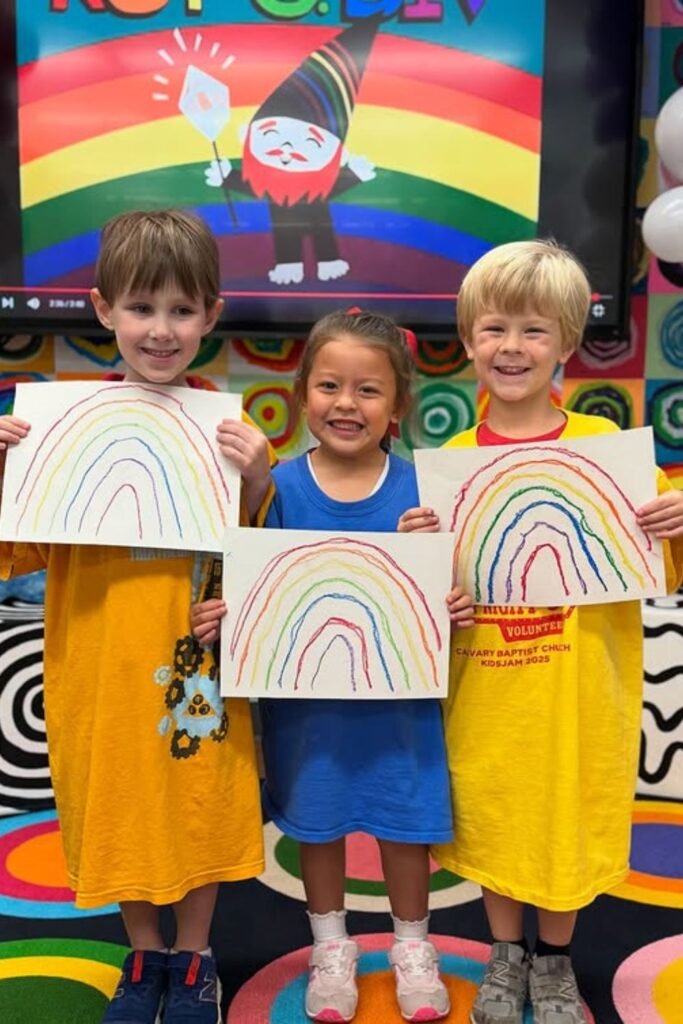
Freehand Rainbows
Confidence grows fast when kids draw rainbows without guides. Loose lines using crayons or markers remove pressure and let each child work at their own level.
Seeing completed pages immediately transforms work into a source of satisfaction particularly during group projects or celebrations.
Where the emphasis is less on strict adherence to rules and more on allowing kids to revel in color and interpret a rainbow in their own unique way.
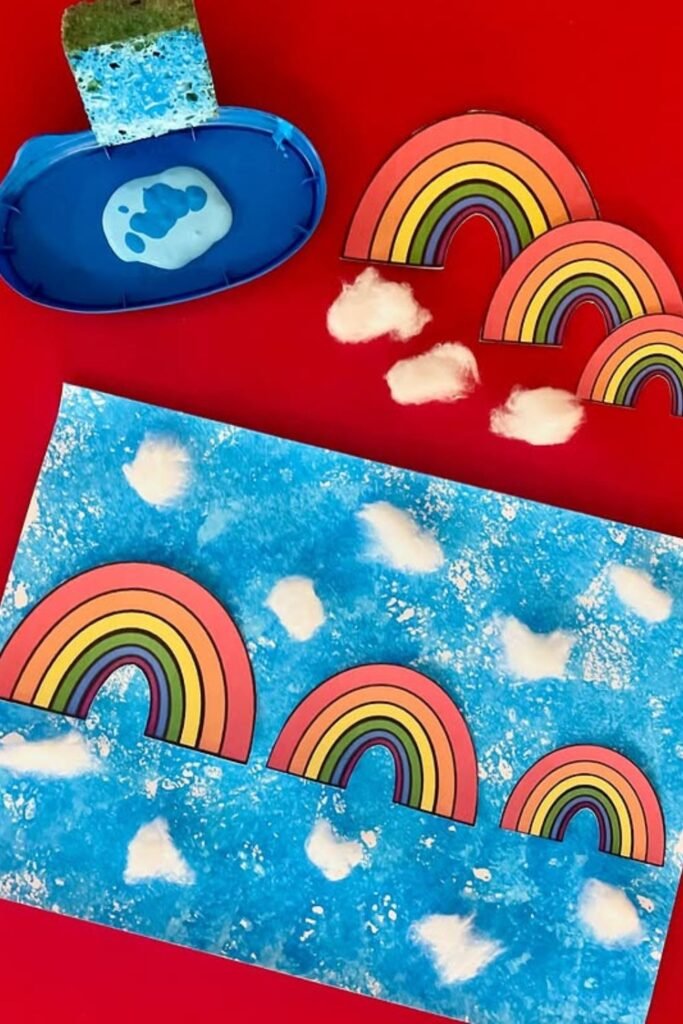
Sponge Skies
Soft textures change how kids approach painting. Dabbing blue paint with a sponge creates an instant sky, while pre cut rainbows remove cutting stress.
Cotton clouds offer a simple way to create dimension.
It’s a great concept for younger children, particularly those who thrive on sensory experiences and brief projects.
Think weather-themed lessons or quiet art sessions where movement needs to be kept in check.
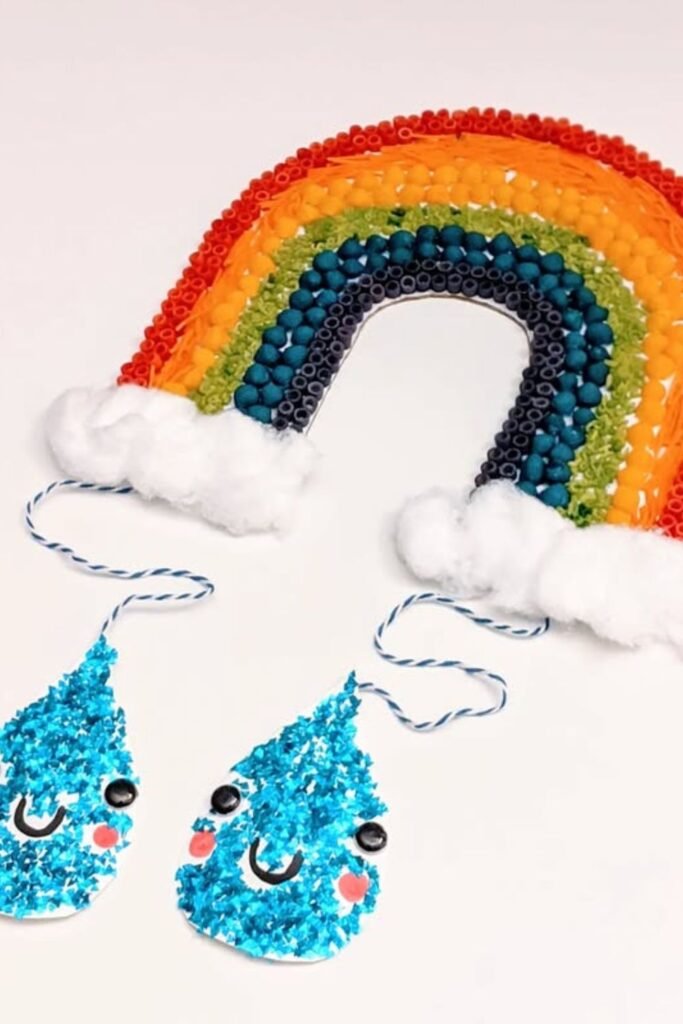
Beaded Arcs
Texture makes this rainbow feel more like a project than a picture.
Threading beads or pasta pieces along each color band slows kids down and strengthens hand control.
Soft clouds at either end conceal the glue spots, and the raindrops, suspended mid-air give the piece a sense of motion.
This approach is particularly well-suited for older preschoolers and younger primary school children.
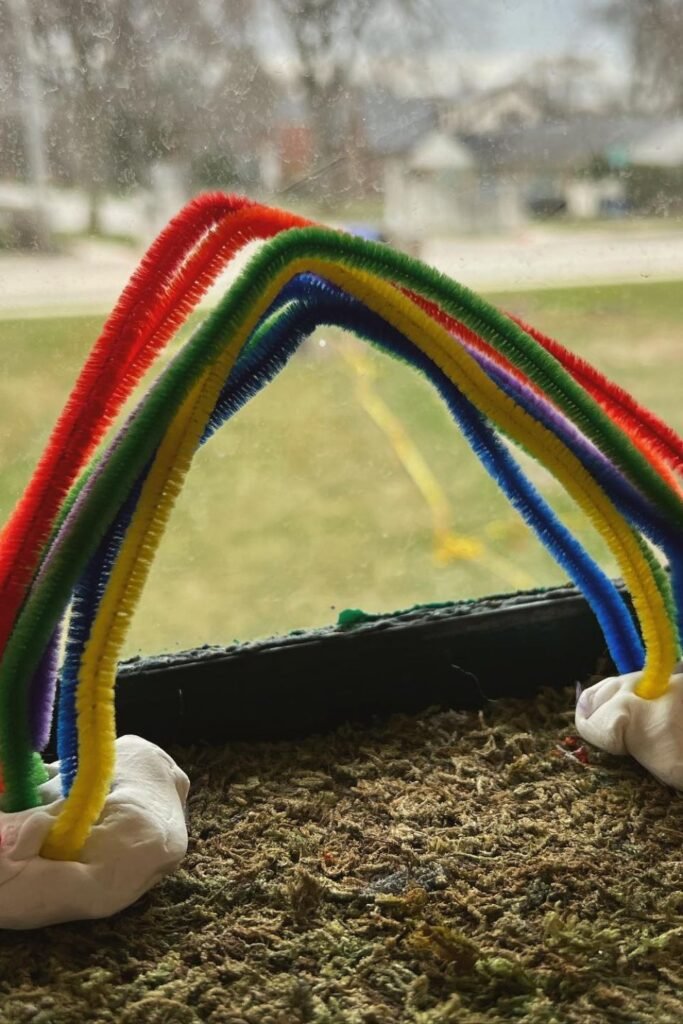
Pipe Arches
Bending fuzzy stems into rainbow curves gives kids instant control without scissors or glue. Pushing each color into soft clay or playdough.
It holds its ground, even perched on a windowsill. The sunlight streaming through the glass makes the colors come alive.
This arrangement works well in sensory play zones or quiet spaces and where the act of constructing is the both soothing and gratifying.
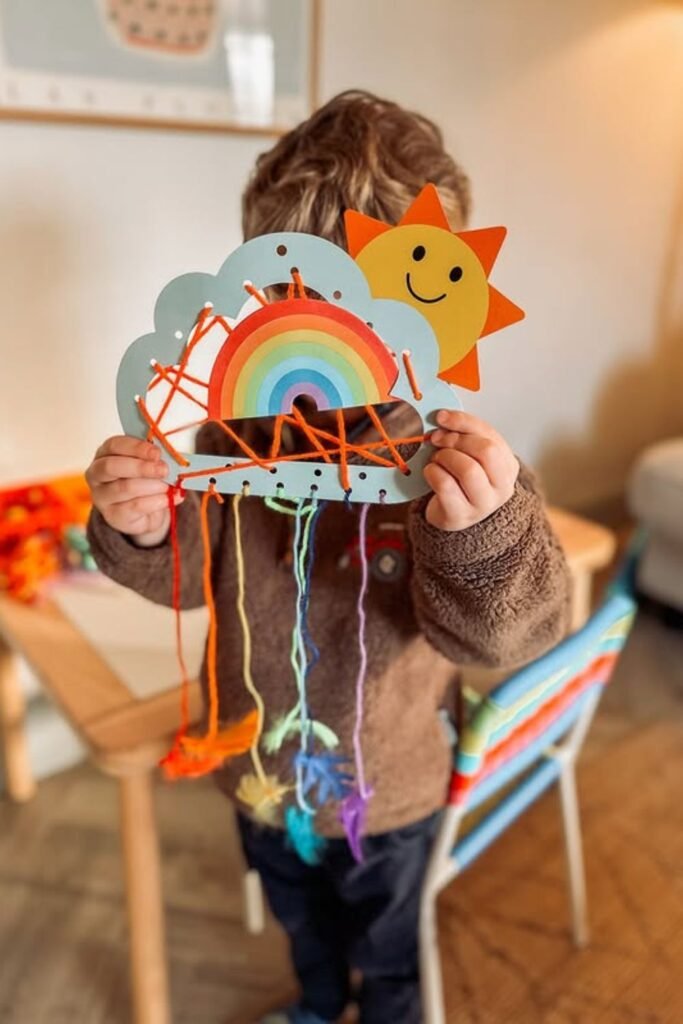
Thread Clouds
Lacing turns rainbow crafts into quiet focus time. Pre punched holes guide yarn across the cloud or colorful strand hang freely below.
Crossing lines is a great way to keep hands occupied and minds settled, particularly for children who find comfort in repetitive actions.
It’s a perfect fit for tables or snug spaces where staying put is the goal, and fine motor skills may be developed at a relaxed pace, with out any need to finish quickly.
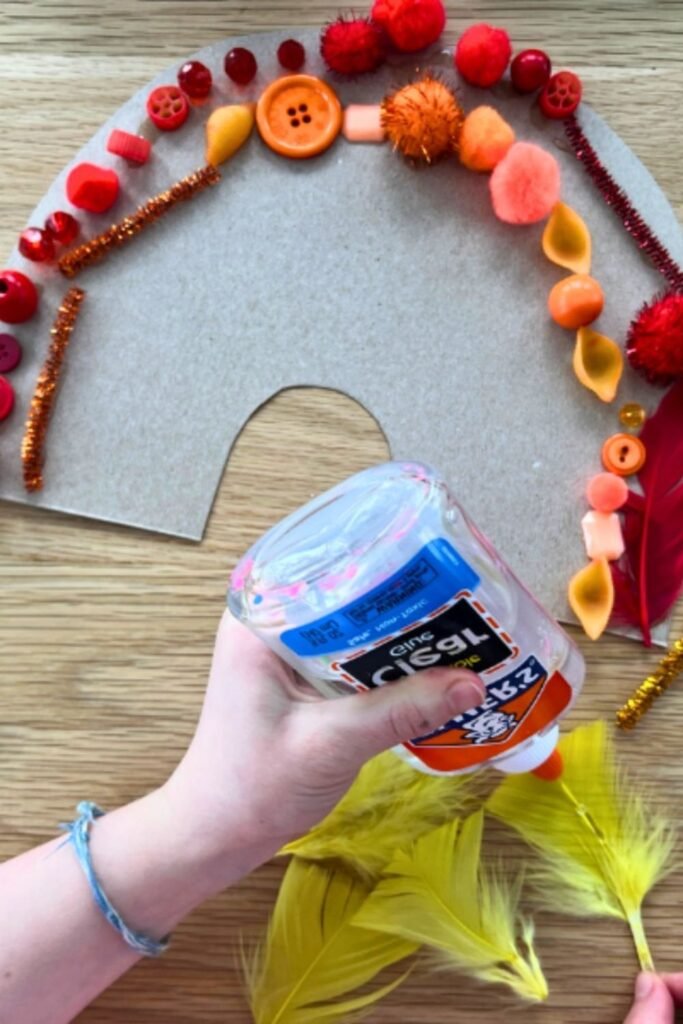
Texture Trails
Different textures pull kids into color work without needing perfect placement. Lining the rainbow edge with buttons, beads, feathers, or pasta.
Transforms gluing into a deliberate, contemplative activity. Blending coarse and smooth materials keeps little hands interested and active.
This concept works well for craft tables or sensory stations, providing children with the opportunity to discover the tactile qualities of colors and textures.
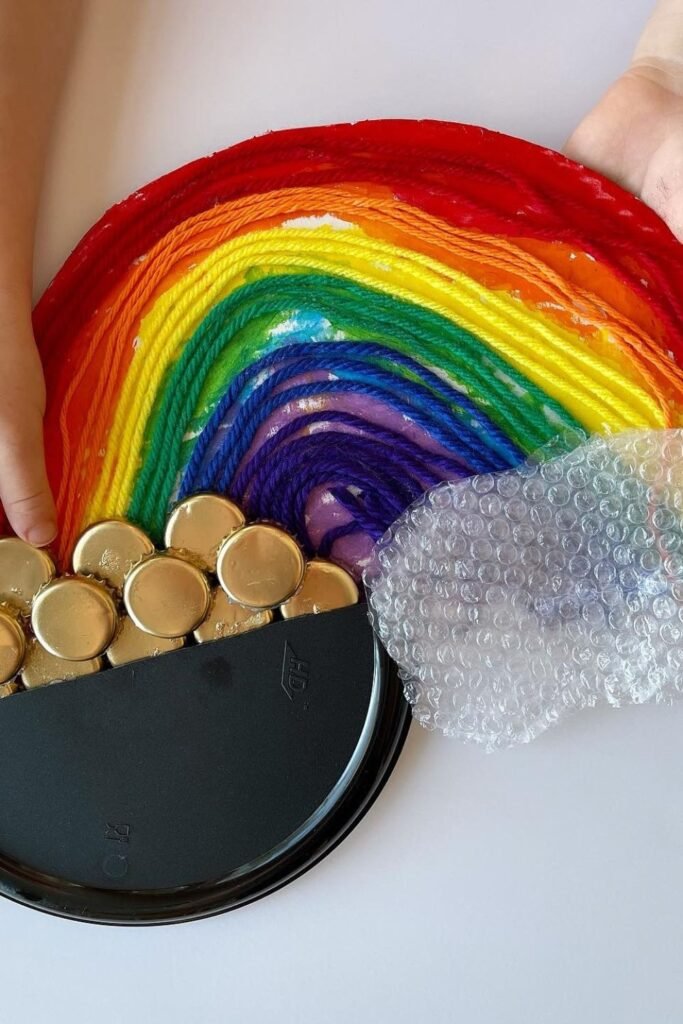
Yarn Arches
Thick yarn glued in curved rows gives kids a clear path to follow without worrying about neat lines.
Pressing each strand down takes time, but it keeps your hands occupied.
Bubble wrap clouds and basic cardboard bases provide structure without requiring any extra cutting.
This approach is perfect for tabletop crafts, especially since kids love the tactile experience and appreciate a result that feels solid when it’s done.
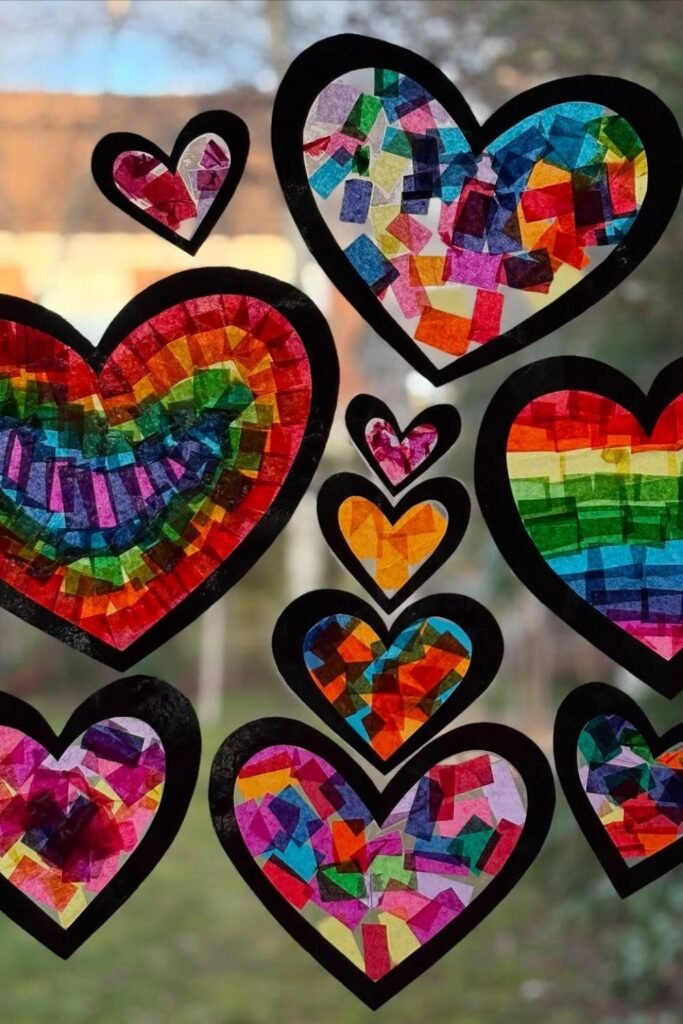
Rainbow Hearts
Light changes everything with this idea. Layering translucent paper inside bold heart frames lets colors glow when placed on windows.
Tearing paper into small bits keeps fingers occupied and eliminates the need for perfection.
This approach is perfect for window displays, soothing crafts or any time children delight in watching their creations shift with the light.
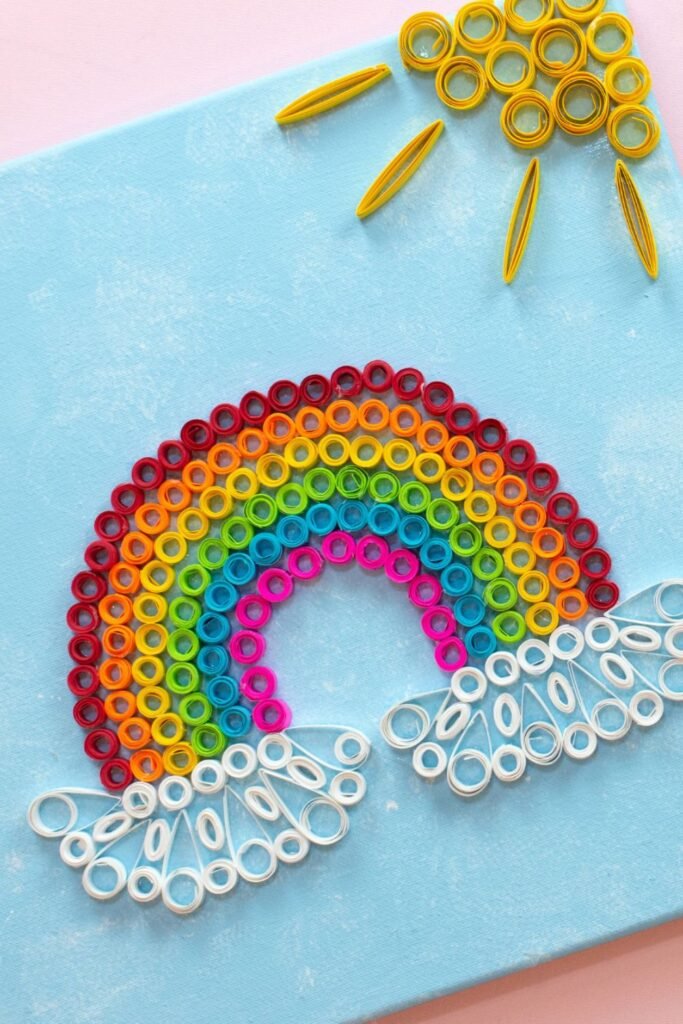
Rolled Rings
Tiny paper loops turn patience into progress. Rolling strips into circles and gluing them row by row helps kids slow down and stay focused on color order.
The act of repetition is surprisingly soothing and rather than tedious. This approach is particularly well suited for older children.
Small groups who appreciate intricate tasks and the gradual unfolding of a design, rather than a hurried conclusion.
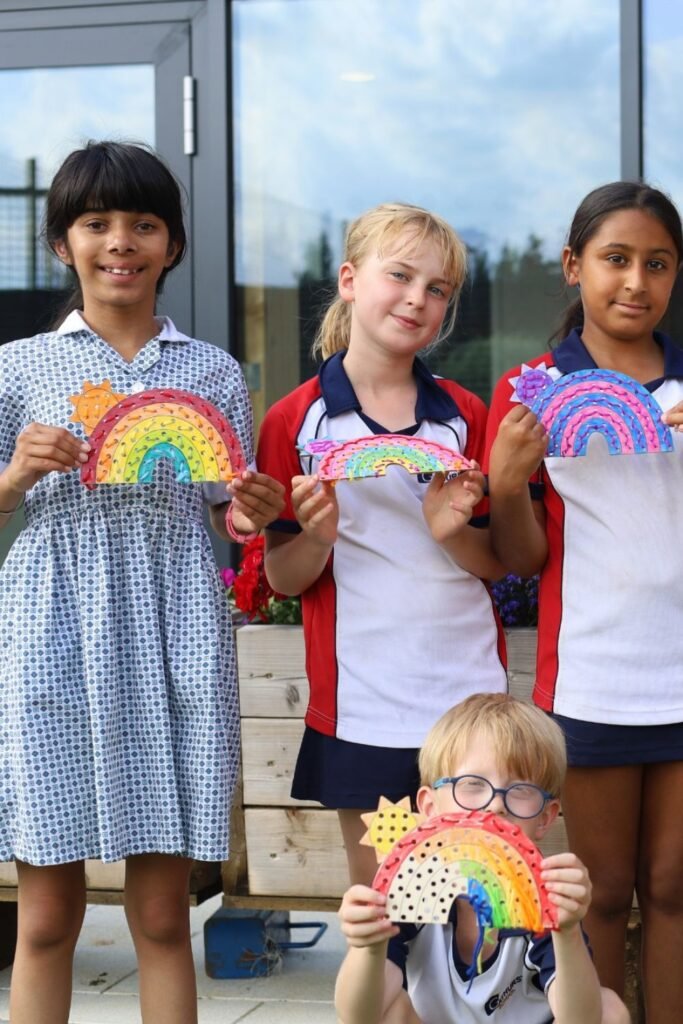
Hole Stitching
Punching holes adds just enough challenge to keep older kids focused. Threading yarn through each arc turns color order into a slow, steady rhythm.
Patterns don’t need to be flawless even a few wobbly stitches might look just fine when the piece is done.
This approach is especially good for small groups or classroom settings. Kid love picking up new skill and seeing their development as they work through each row.
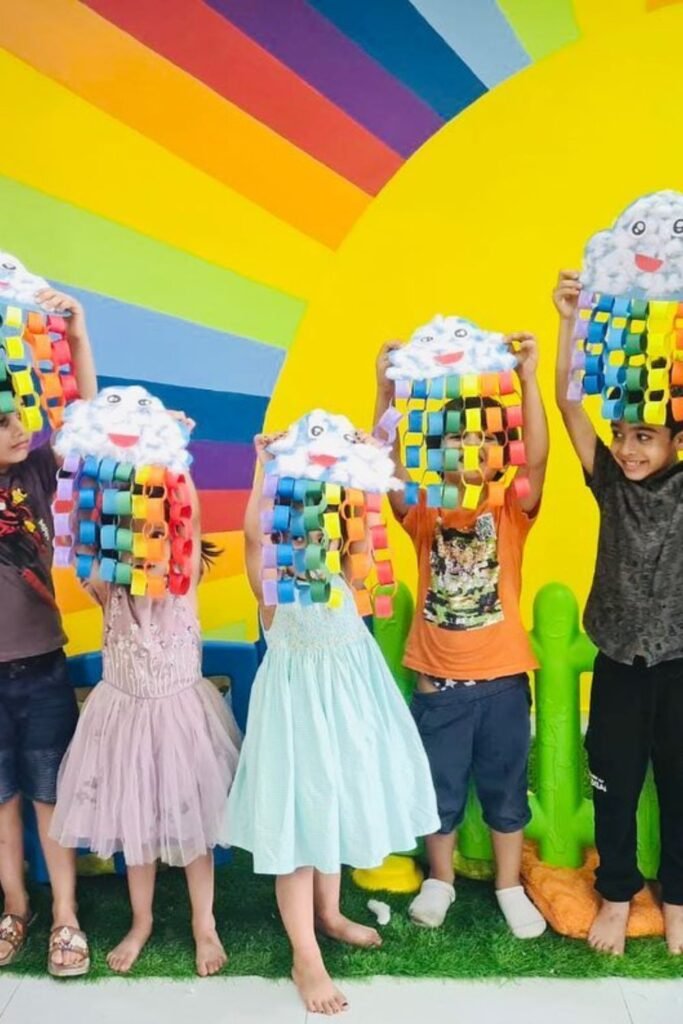
Paper Showers
Movement turns this craft into an experience not just an activity. Long paper strips looped into chains create colorful rain that swings as kids lift their clouds.
Lifting completed item high creates an immediate buzz. This approach really shines in group environments, celebrations, or schools.
Where children thrive on standing, sharing and proudly displaying their work collectively, rather than remaining in their seats.
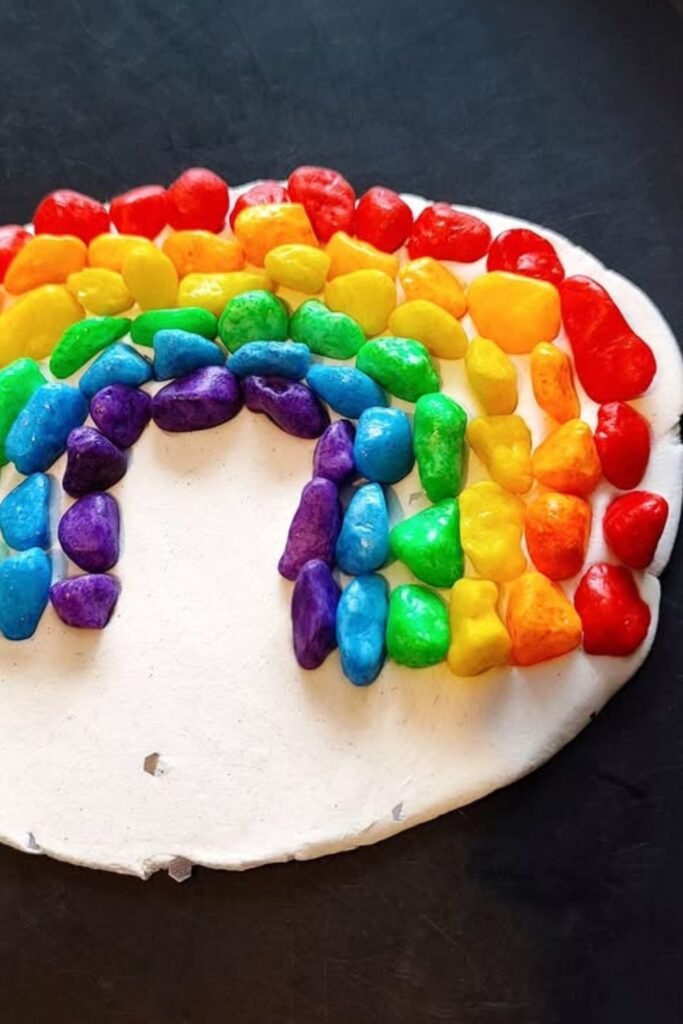
Pebble Rows
Smooth stones slow kids down in the best way. Placing each colored pebble one by one makes rainbow order feel intentional instead of rushed.
Modeling clay or a generous application of thick glue can be your best friend when it comes to keeping things put.
This approach is perfect for those peaceful craft sessions, sensory play areas, or even outdoor-themed projects when children are drawn to the feel of things, the heft of them.
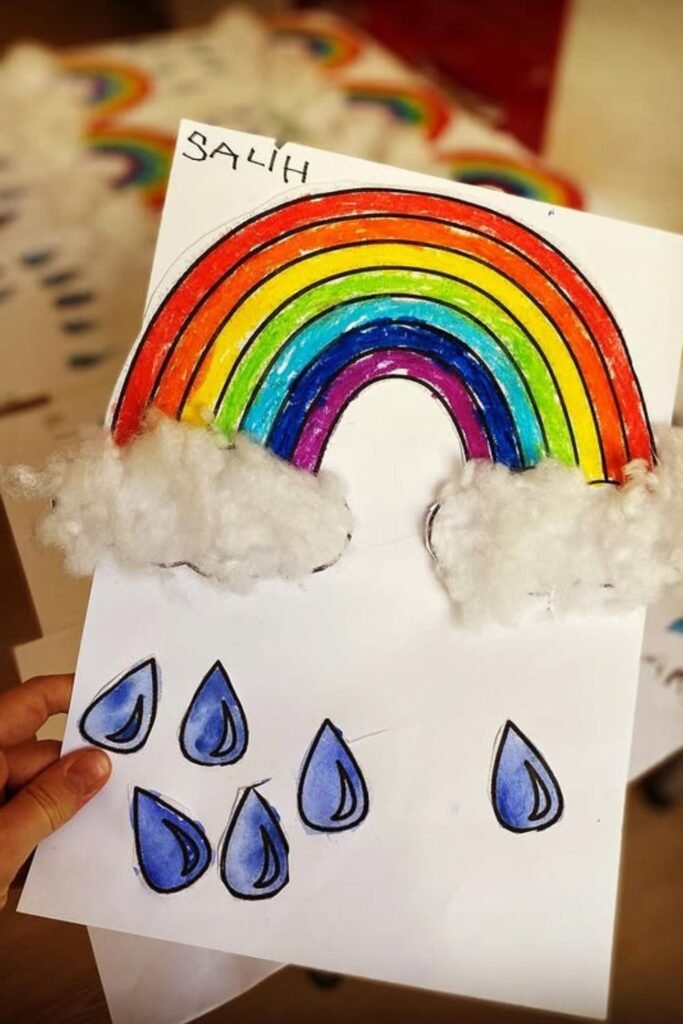
Puffy Drizzles
Soft clouds instantly change a simple drawing into something kids want to touch. Cotton glued along the rainbow edge adds dimension.
Hand-drawn raindrops keep things relaxed and adaptable. Markers or crayons are perfectly adequate which means a straightforward setup.
This approach is ideal for younger children brief classroom projects or those days when concentration wanes but the urge for creative expression remains.
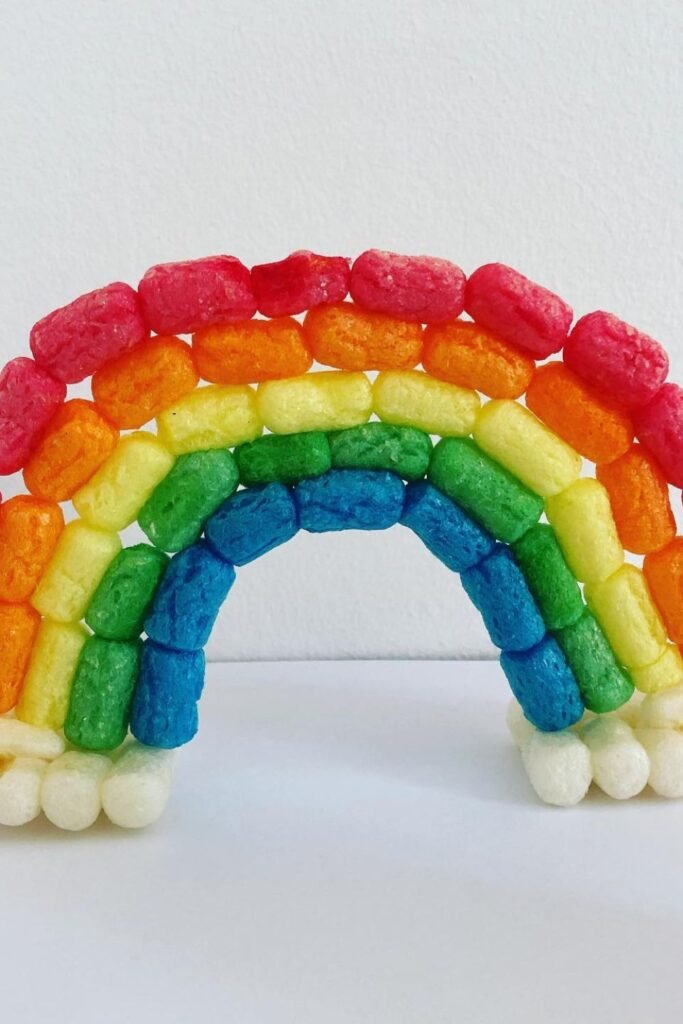
Snack Arches
Edible rainbows turn color order into instant motivation. Stacking cereal pieces or puffs one row at a time makes kids slow down.
Consider where things go before you start eating. A squishy foundation, like as marshmallows keeps everything stable.
This approach is ideal for activities where adults are present small groups, or those days when the weather keeps everyone indoors and kids want to construct before consume.
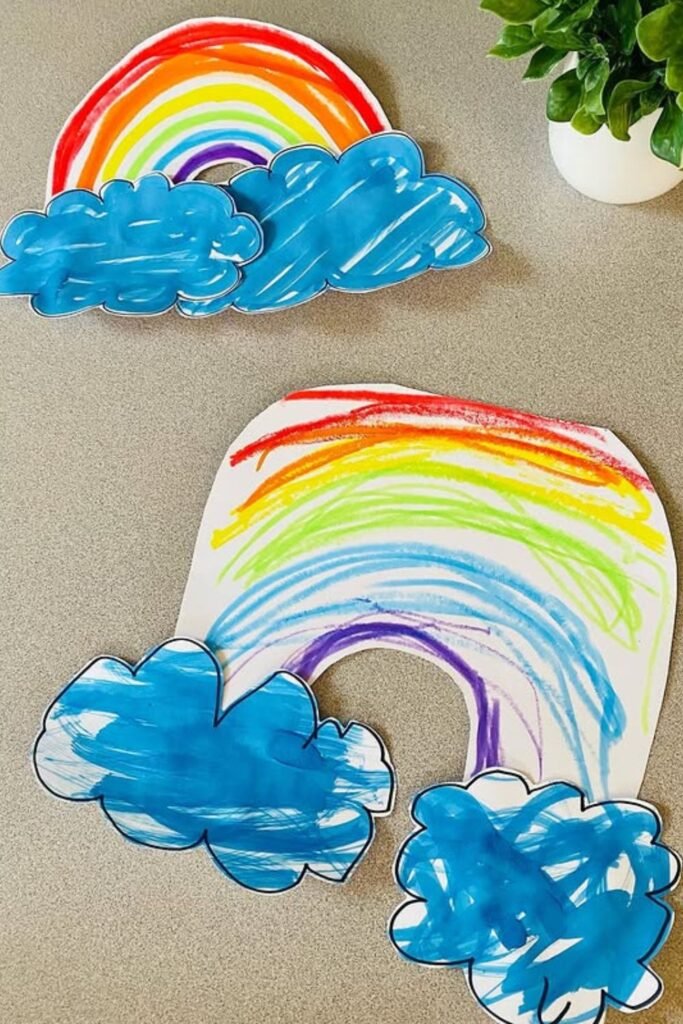
Crayon Clouds
Bold marker or crayon strokes make this one feel fast and forgiving. Coloring wide rainbow arcs builds confidence.
Cutting and layering bits of cloud gives a sense of depth, and its not a lot of labor. Bold edges make the forms pop, even if the lines are not perfect.
Its a good approach for fast school projects or things to do at home, especially when youngsters want something they can complete and show off right away.
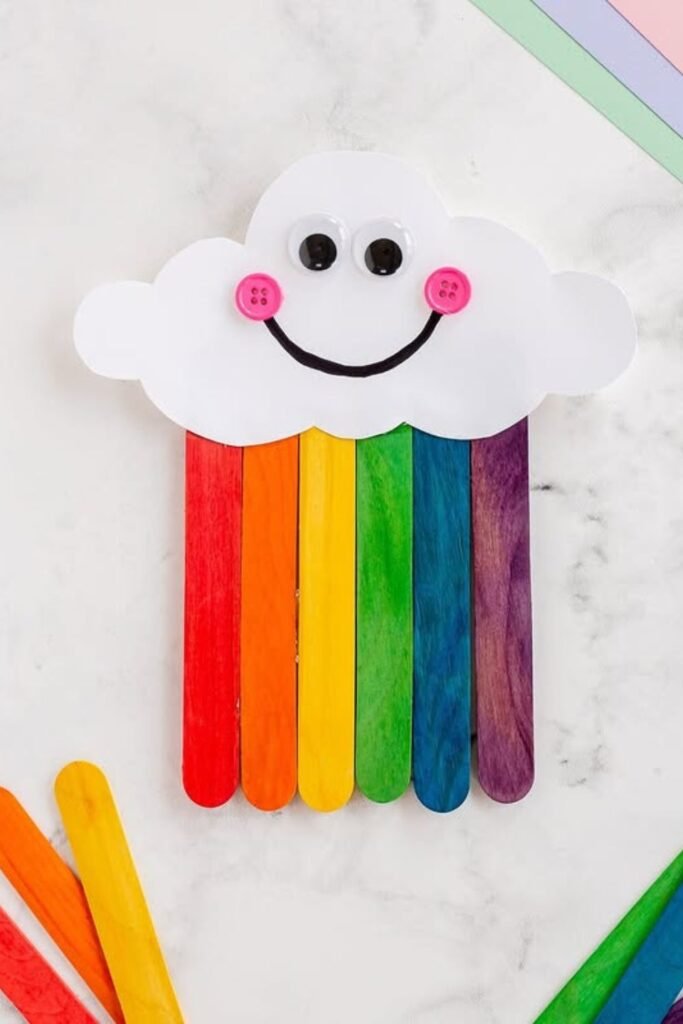
Stick Smiles
Bright craft sticks lined up in rainbow order give kids an easy win without tricky steps. Painting each stick first lets colors dry before assembly.
It keeps irritation at bay. A straightforward cloud cutout unifies the design, injecting character with a basic face.
This approach is ideal for quick activities, party settings or those days when children crave a cheery, easily completed project they can take home.
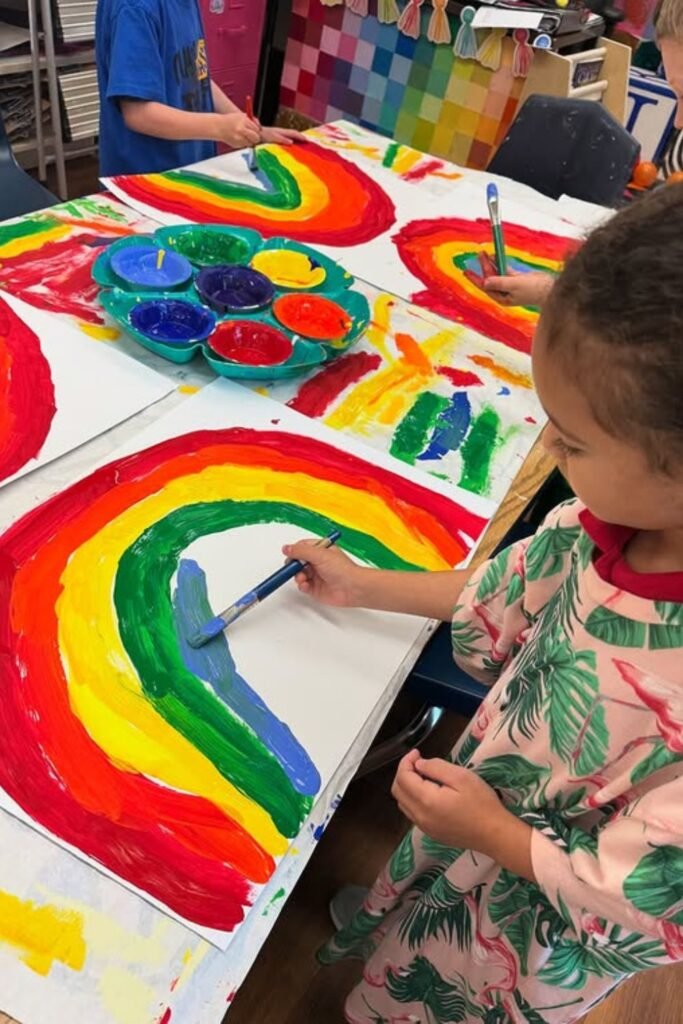
Brush Blends
Bold brush strokes keep kids focused on color flow rather than perfect edges. Thick paint and wide brushes.
Make it easier to move from the one band to the next with out stopping. Collaborative work lets children observe the transformation of colors as they spread.
This arrangement is ideal for painting tables or open classrooms, where the emphasis is on discovery rather than strict order.
FAQs
How do you keep rainbow crafts from getting too messy?
Select activities that include dry materials such as paper, craft sticks, yarn or dot markers. To minimize mess and maintain concentration on the task at hand.
Set out all the necessary items beforehand and restrict the number of colors available at any given moment.
What age group are rainbow crafts best for?
Rainbow crafts are versatile appealing to a broad age range, provided the materials are suitable.
Toddlers, for instance, thrive on projects with sizable components and glue sticks.
Hi, I’m Afaf! I’m a law student who loves writing about everyday life – from home projects and crafts to fashion, beauty, and parenting tips.
I’ve been writing for over a year, sharing ideas that are simple, practical, and easy to try. I write about things I find interesting and useful, whether that’s organizing a space, trying a new DIY, or finding activities to keep kids entertained.
My goal is to share helpful ideas without making things complicated. If it works in real life, I’ll write about it.
When I’m not studying or writing, I’m usually experimenting with new projects or scrolling for inspiration!