One minute your preschooler is all about butterflies and the next minute they’re racing off looking for something more enjoyable.
Finding butterfly activities that genuinely capture a tiny kid’s interest can feel tougher than it should be.
Some ideas require too much planning, some become a massive mess, and some just seem too hard for tiny hands.
If you are looking for easy butterfly activities to keep preschoolers occupied while sneaking in a little learning, you’ve come to the right spot.
In this article, I will show you 20 amazing butterfly activities for preschool that turn simple craft time into exciting little learning moments.
Let’s jump in!
What Are the Easiest Butterfly Activities for Preschoolers Using Simple Supplies?
Easy butterfly activities often work best when you keep things simple and let tiny kids stay hands-on.
Preschoolers don’t require pricey supplies or flawless appearing crafts to have fun. In fact, if an activity feels too hard or takes too long to set up.
Save this article for later!👇👇👇
many kids lose interest fast. Washable paint, pom poms, clothespins, cupcake liners or even old coffee filters.
Few sheets of paper can become enjoyable butterfly play in minutes. Mix crafts with movement, sensory play.
And simple learning activities to keep your preschooler engaged longer, while improving abilities like color matching, hand control, counting and imagination.
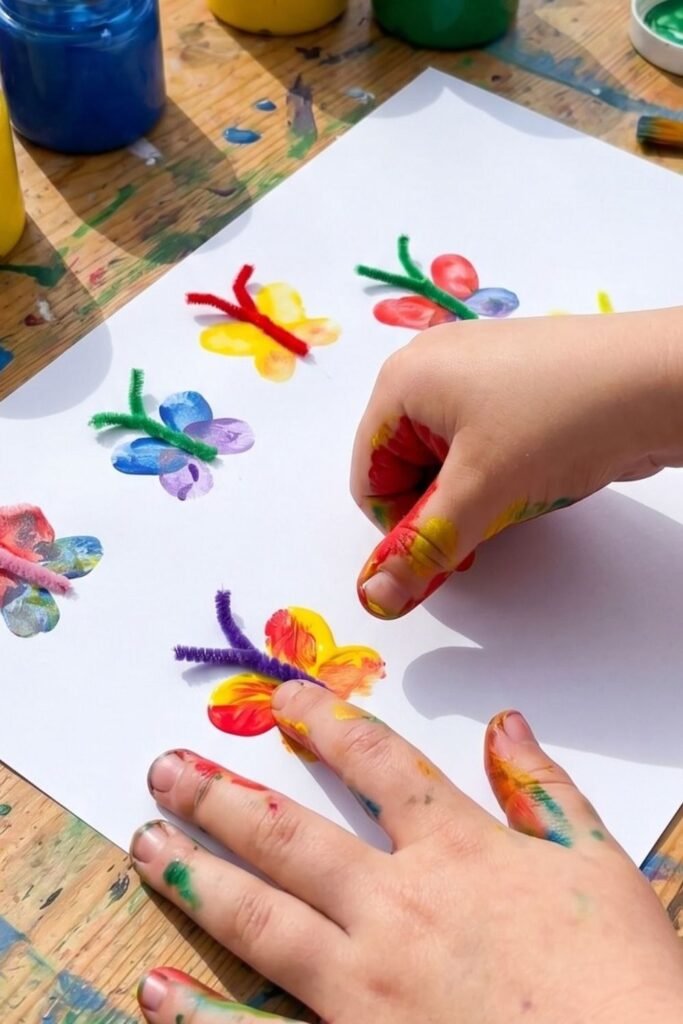
Paint Prints
Tiny fingers usually love things that are a little messy and butterfly paint prints may hold preschool attention much longer than normal coloring.
Butterfly Wings are a fast dab of washable paint on thumbs or fingertips, and pipe cleaners form an easy body and antenna.
This one works great on kitchen tables, classroom art corners or even a picnic mat outside (just put paper underneath first to make cleanup easy).
Each butterfly is different because of the mixing of brilliant paint colors, keeping tiny kids motivated to build one more.
The fun really begins when you ask the kids to name their butterfly colors, or count the number of wings they stamped while the paint dries.
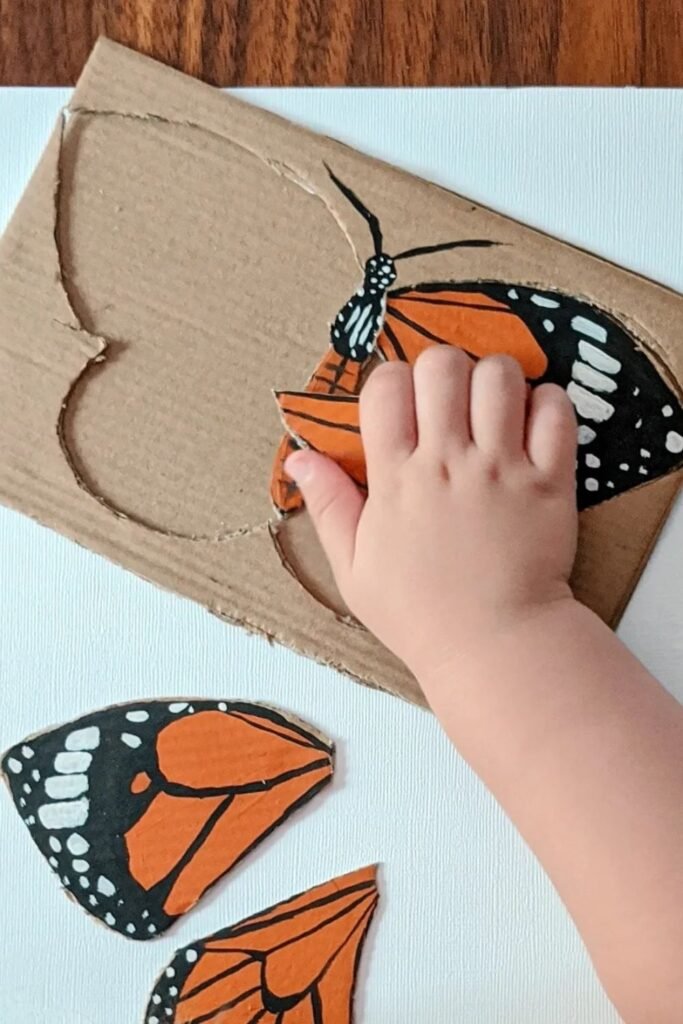
Puzzle Match
Little hands stay busier longer when an activity feels like a fun, not learning time.
Preschoolers who like to fit pieces together may appreciate this easy cardboard matching puzzle using butterfly wings.
With cardboard from an old box, markers and a quick butterfly drawing you may recreate something similar at home or in a classroom center.
Quietly matching the wing pieces helps youngsters acquire problem solving skills, and it helps them see colors, shapes.
And patterns without even thinking about it. Start by taking out a few pieces so the game is less daunting for younger kids.
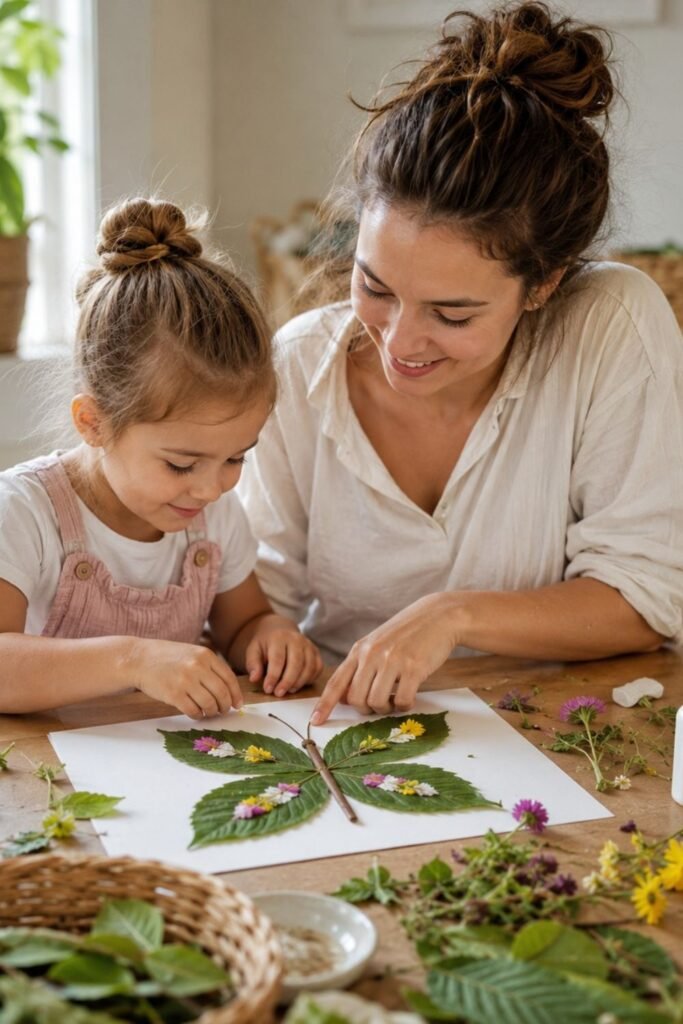
Nature Wings
Getting some fresh air and a brief walk around the lawn might become one of the easiest butterfly activities for toddlers.
Butterfly Wings are made from Leaves, Flower Petals, Little Sticks and a Piece of Paper and Feel Extra Special Because Kids Picked the Pieces Themselves.
Nature-based crafts are a perfect fit for spring themes, outdoor learning days or just a peaceful afternoon when tiny ones need a calm pastime.
Try folding a paper in half or lightly doodling wing forms so kids have a simple guide to follow while putting foliage and flowers.
Dress Wings
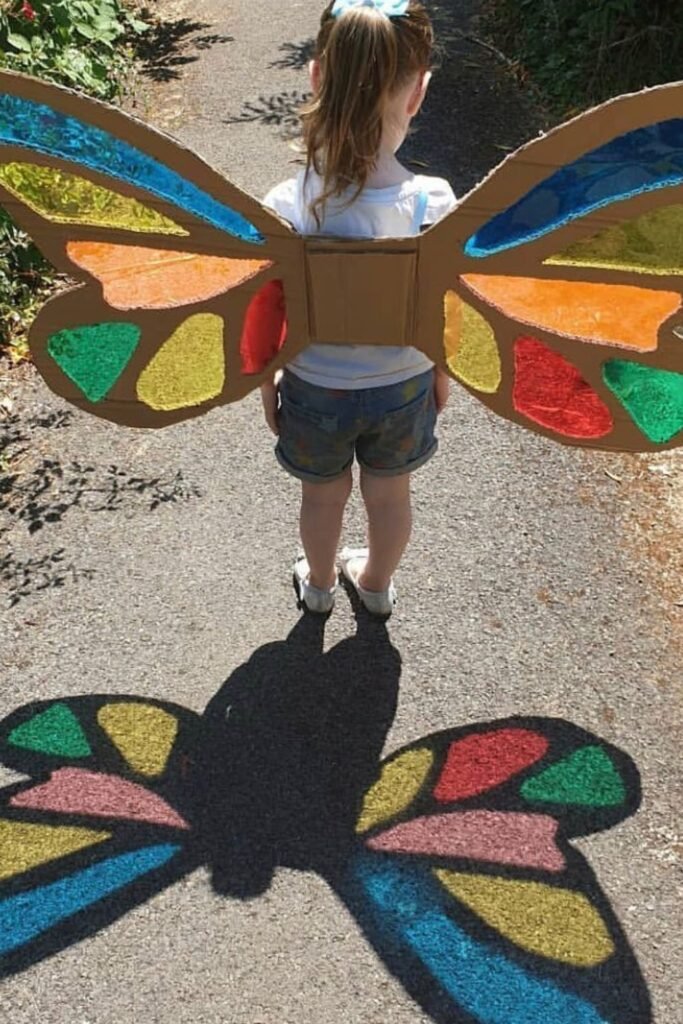
Backyard stroll suddenly become much more fun when toddlers get to pretend to be butterflies for the day.
Large cardboard wings decorated with colorful tissue paper or cellophane can turn a simple afternoon outside into energy.
Burning movement play instead of workout. This pastime is especially great for sidewalks, gardens, school nature days or spring festivities.
As kids naturally want to flap, run and “fly” around. The wings are made of light cardboard and elastic straps for ease of wearing by tiny ones without continual help.
The addition of sunlight through the colors gives an added delightful surprise that usually holds preschoolers’ attention longer.
Flower Wings
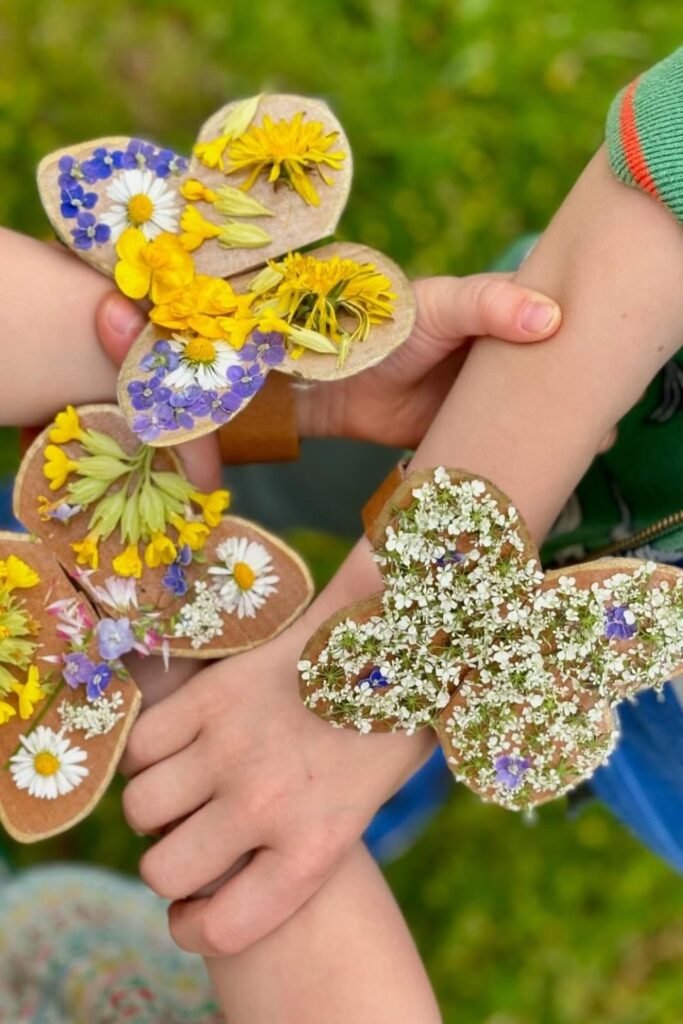
Spring afternoons are even more enjoyable when you kick off butterfly crafts with a brief flower hunt outside.
Cardboard butterfly cutouts, some glue and tiny blossoms collected from the yard make bright nature art that children actually stay focused on.
This activity is particularly great for garden playdates, spring classes, or idle weekends at home.
Because kids get to collect their own materials beforehand, which makes the creation feel more interesting.
There are many various sizes and colors of flowers so young hands may play around and not worry about getting everything to look perfect.
Butterfly Crown
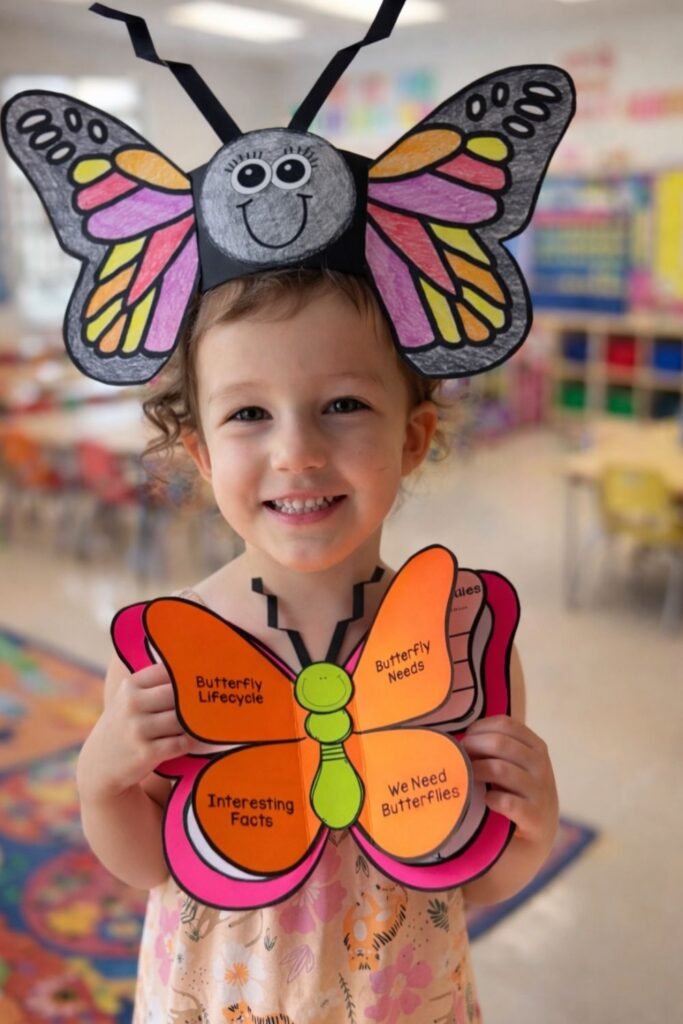
Preschoolers have a lot more fun dressing up when they can put on something they produced themselves.
This butterfly headband is great for spring teachings, classroom insect themes, pretend play, or just plain storytime since youngsters jump right into character.
You can easily replicate a similar effect with minimal prep using printable butterfly wings, crayons, markers and a piece of cardstock.
Coloring the wings first lets small hands settle down, focus, and cutting and taping pieces together softly helps to establish hand coordination.
Make it a “butterfly day” activity by having youngsters flap around and chat about butterfly hues or discover the butterfly life cycle.
Color Sort
Bright colors tend to catch preschool attention quickly, especially when youngsters get to match, scoop and decorate all at once.
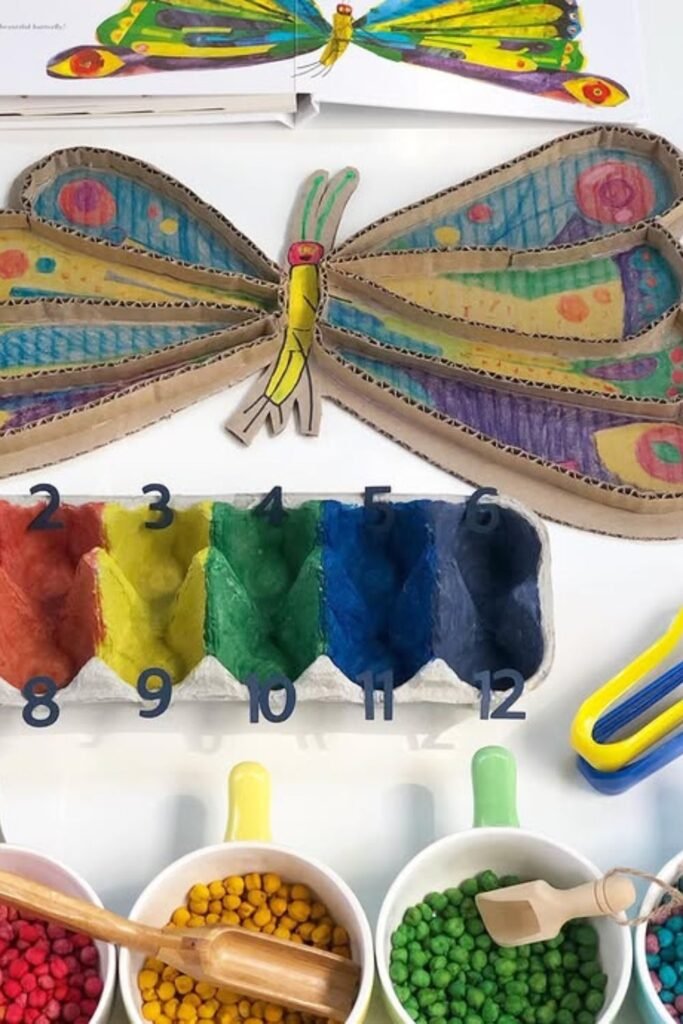
A cardboard butterfly, a rainbow painted egg carton, and bright pom poms or dyed cereal bits.
Can become a hands-on butterfly activity that gently teaches color knowledge. This arrangement seems ideal for kitchen tables.
Daycare facilities, or rainy afternoons at home as young hands stay occupied without needing continual assistance.
Tweezers are also an extra challenge for older toddlers. Fingers are just fine for smaller kids still gaining hand strength.
Butterfly Station
Crafting goes a lot smoother when everything is in one place instead of having to search around for supplies every five minutes.
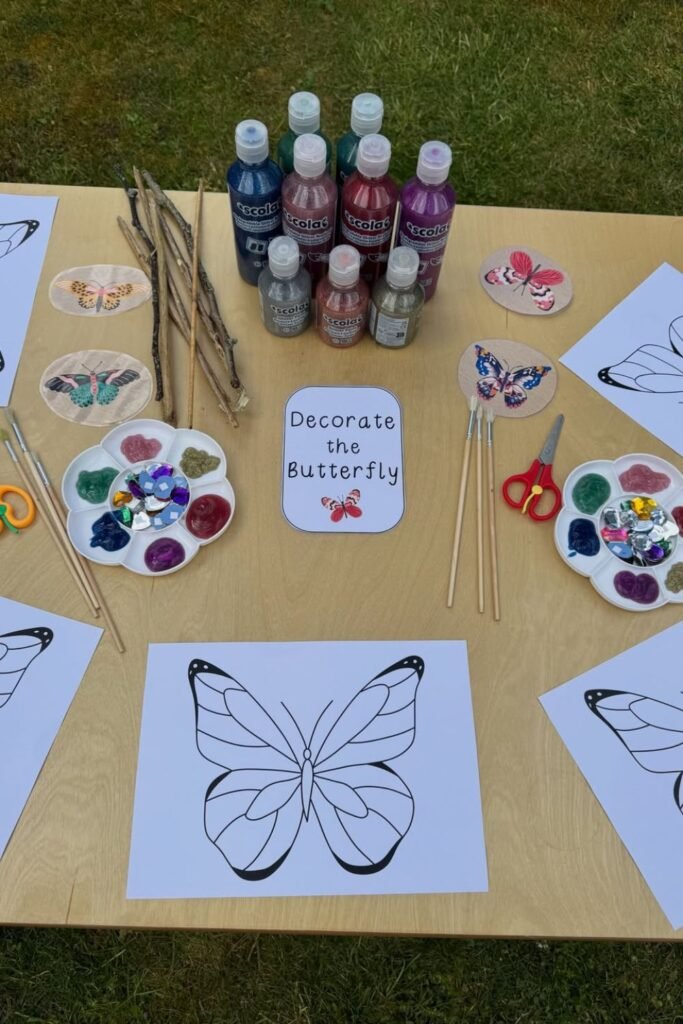
A butterfly painting station with printable wing pages, paint, gems, glue and brushes allows kids to create without step-by-step directions the whole time.
Outdoor tables, classroom centers, or spring playdates work especially well because cleanup is easier and kids can naturally roam around.
With surrounding butterfly photographs, little ones may identify wing colors and patterns as they decorate their own version.
Little trays for glitter, gems or paint can contain the mess and make sharing easier for more than one child.
Paint Wings
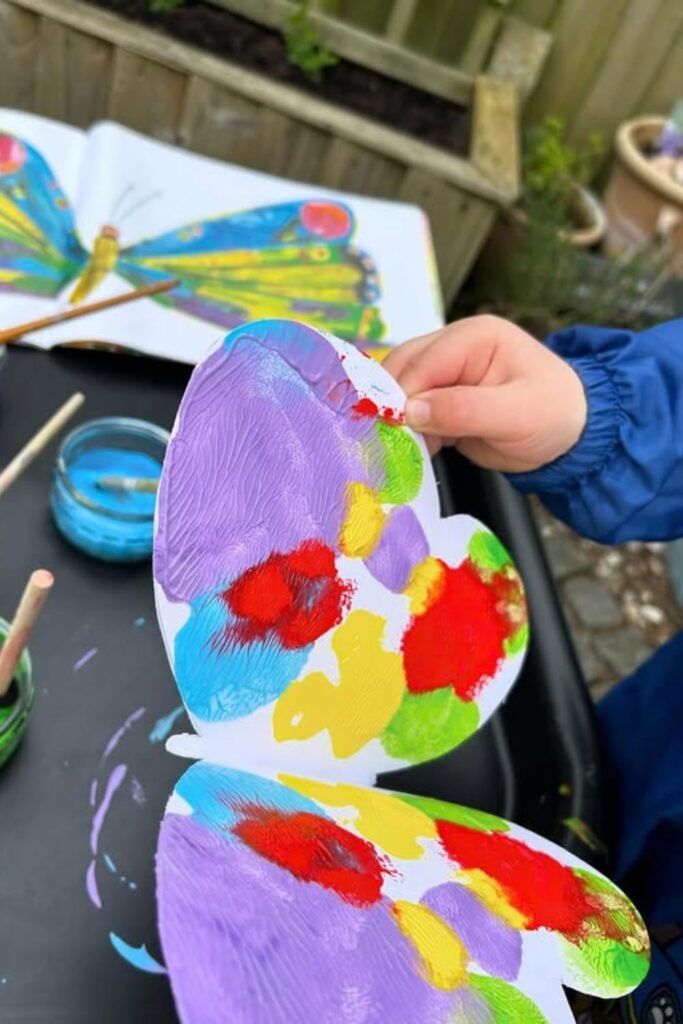
Bold colors somehow make art time lot more enjoyable in preschool, especially when kids can paint freely and not worry about remaining within the lines.
These big butterfly cutouts are perfect for outdoor tables, messy play afternoons or spring craft days since kids have plenty of room to dab.
Swirl and mix colours in whatever way they choose. Use washable paint and a heavier paper or cardboard.
So that cleanup is easy and the wings won’t grow too floppy when the paint dries. Having a butterfly photo around for inspiration is helpful.
Seed Wings
Sensory play is so much more engaging when preschoolers get to push, put and assemble something with their own hands.
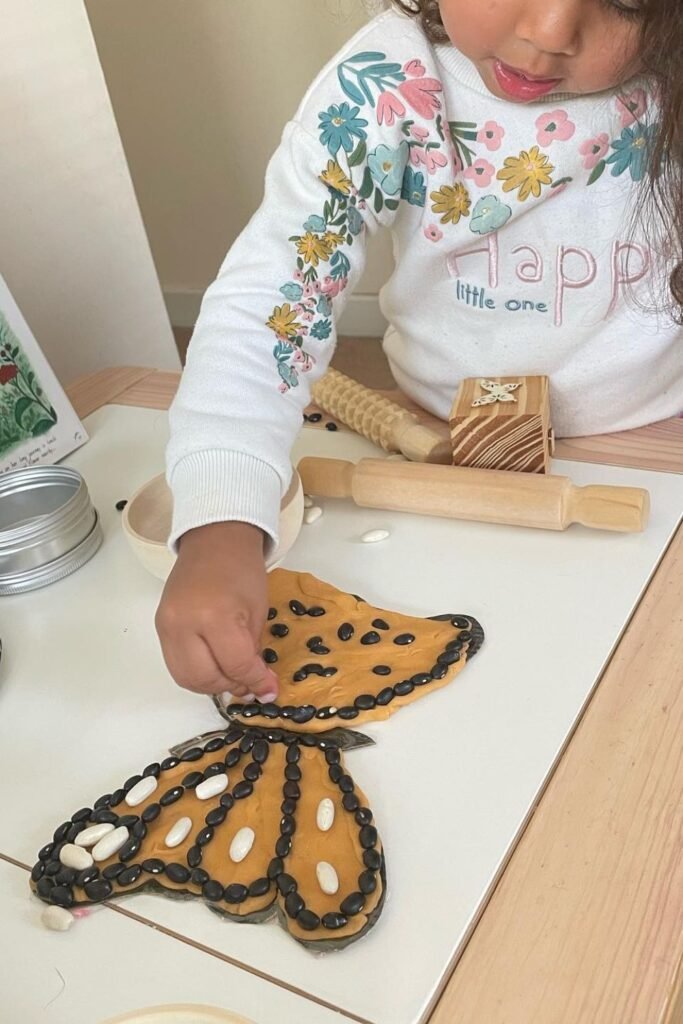
Modeling dough molded into butterfly wings and embellished with beans, seeds or small stones is great for quiet afternoons.
Natural themes or fine motor exercise in a school center. Rolling the dough first provides small hands some squeezing.
And pressing practice before the decorating even begins. Black and white beans are great to imitate butterfly wing designs.
But youngsters usually love to make their own colorful version as well. A butterfly book nearby or genuine butterfly photographs.
Can make the exercise a simple learning moment as kids spot spots, shapes and wing lines.
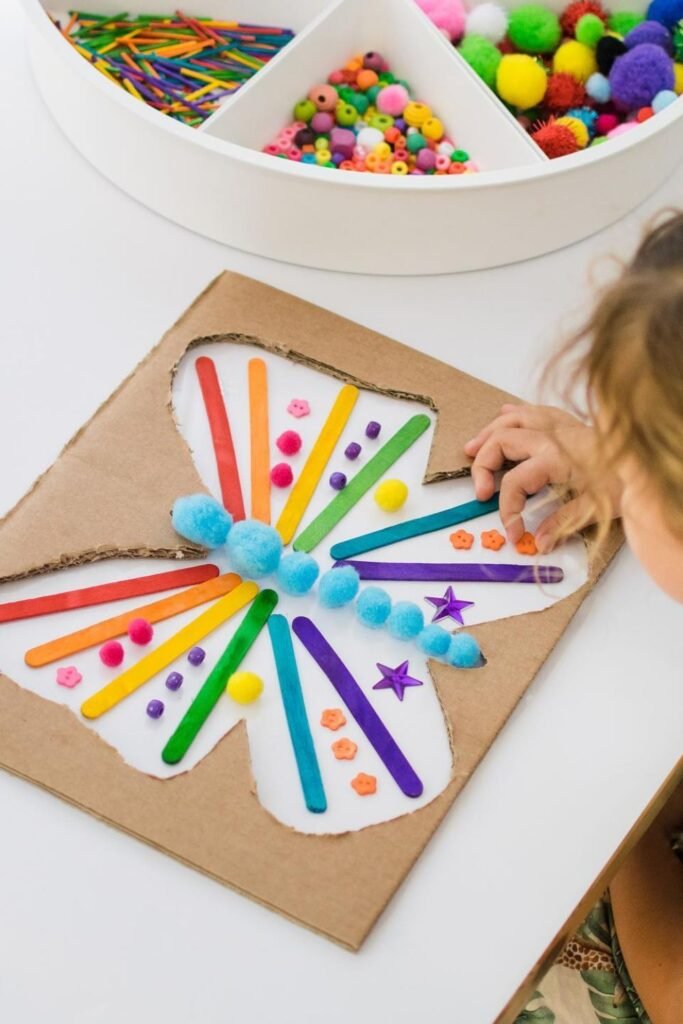
Craft Wings
Kids love picking out their own colors and embellishments, thus loose craft items magically become the longest-lasting preschool activities.
Fun open-ended activity, great for school tables, rainy days or a quiet play station at home.
Cardboard butterfly outlines filled in with popsicle sticks, pom poms, beads and small buttons.
In trays first makes cleanup easier and helps children focus without asking for help every few minutes.
Mixing the vibrant colors across the wings quietly becomes color practice and positioning the small pieces helps strengthen hand control.
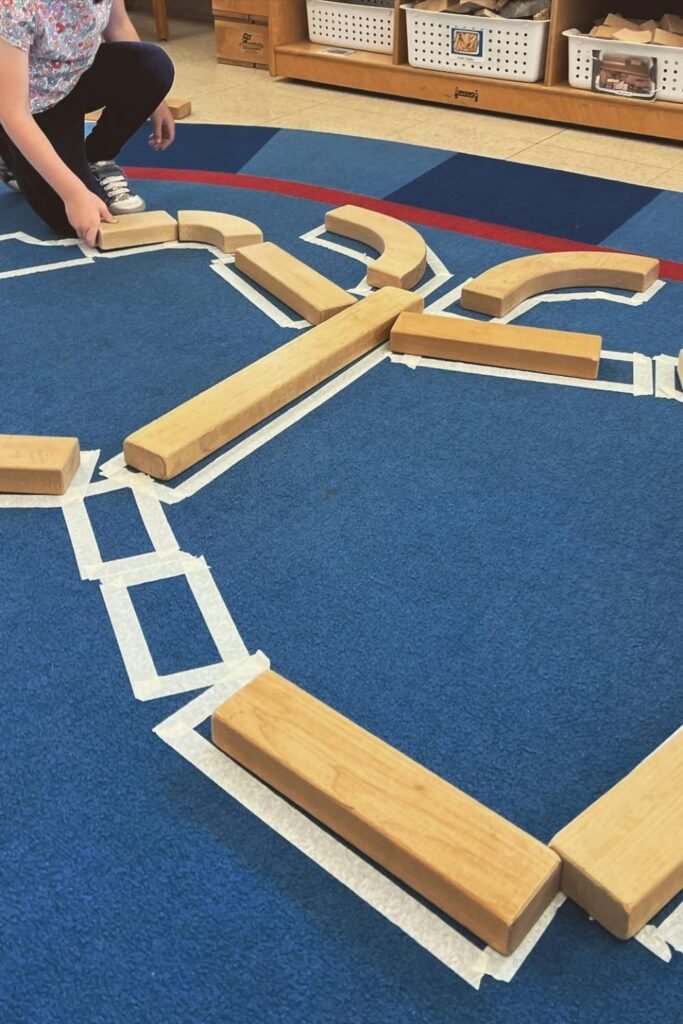
Block Wings
When preschoolers can’t sit still for long, floor activities usually save the day. Wood blocks and masking tape.
Can become a big butterfly building task that is more entertainment than study. Classroom rugs, playrooms, or indoor activity days.
Especially effective since children have enough area to move parts around and create together.
Tracing out the shape of a butterfly offers little ones an easy guide first, but still allows them to figure out where the blocks should go on their own.
The shape is easy to recognize, without annoyance, because of curved blocks for the wings and lengthier parts for the body.
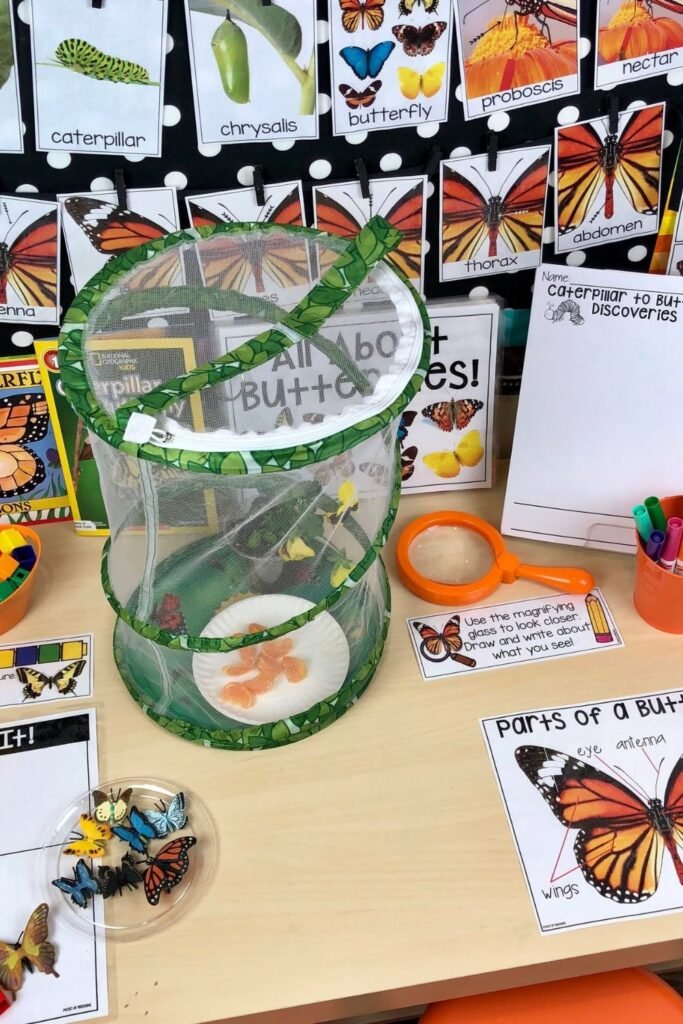
Life Cycle
Curiosity grows fast when preschoolers can actually see how butterflies change instead of only hearing about it.
A butterfly discovery table like this makes learning a hands on play experience with life cycle cards, sorting games.
Magnifying tools and butterfly pictures all in one place. Science corners, classroom themes, or homeschool setups work really well.
Since students can come back to explore a little at a time rather than rushing through everything all at once.
Add plastic butterflies to sort by size or color to keep tiny hands occupied, use simple labels to help children begin to notice terms like caterpillar, chrysalis and wings.
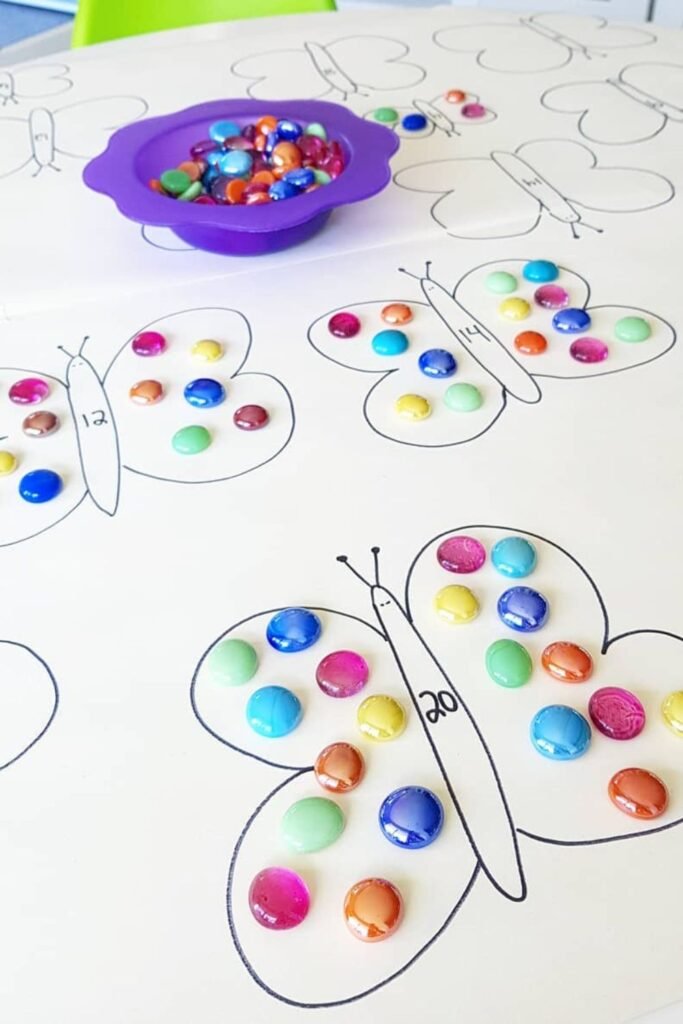
Dot Counting
Colorful little gems somehow make counting feel much more exciting for preschoolers who usually lose interest fast.
Draw simple butterfly outlines on a table sheet or paper and add numbers to the body and this becomes an easy arithmetic practice.
That feels more like decoration than learning. Preschool centers, homeschool tables, or peaceful morning play work particularly well.
Since youngsters may match the right number of dots to each butterfly at their own leisure.
If there are no shiny gems, buttons, stickers, pom poms or cereal pieces work just as well.
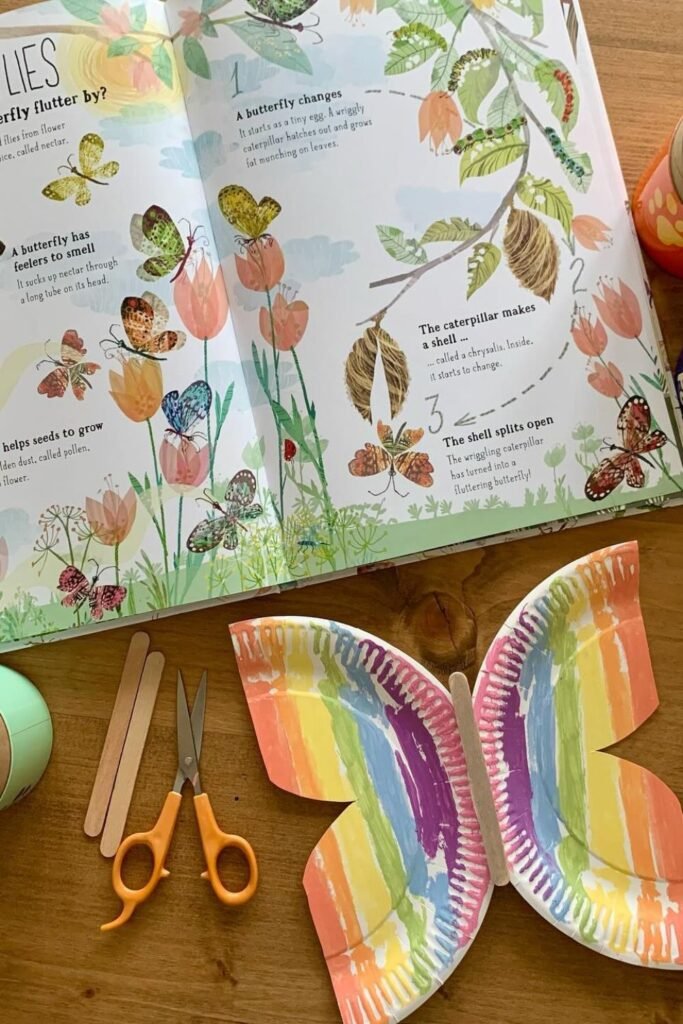
Story Wings
Storytime feels much more memorable when a butterfly book turns into a hands-on activity right after reading.
All you need to construct these bright butterfly wings and keep little kids engaged to what they just learnt are paper plates, markers, popsicle sticks and safety scissors.
Reading about butterflies first works especially well because children tend to mimic colors, shapes or patterns they see in the book.
It seems like a fantastic set-up for kitchen tables, homeschool mornings or classroom reading areas because it subtly blends art with instruction.
The rainbow hues and basic patterns provide lots of room for creativity without making it seem too difficult for little hands.
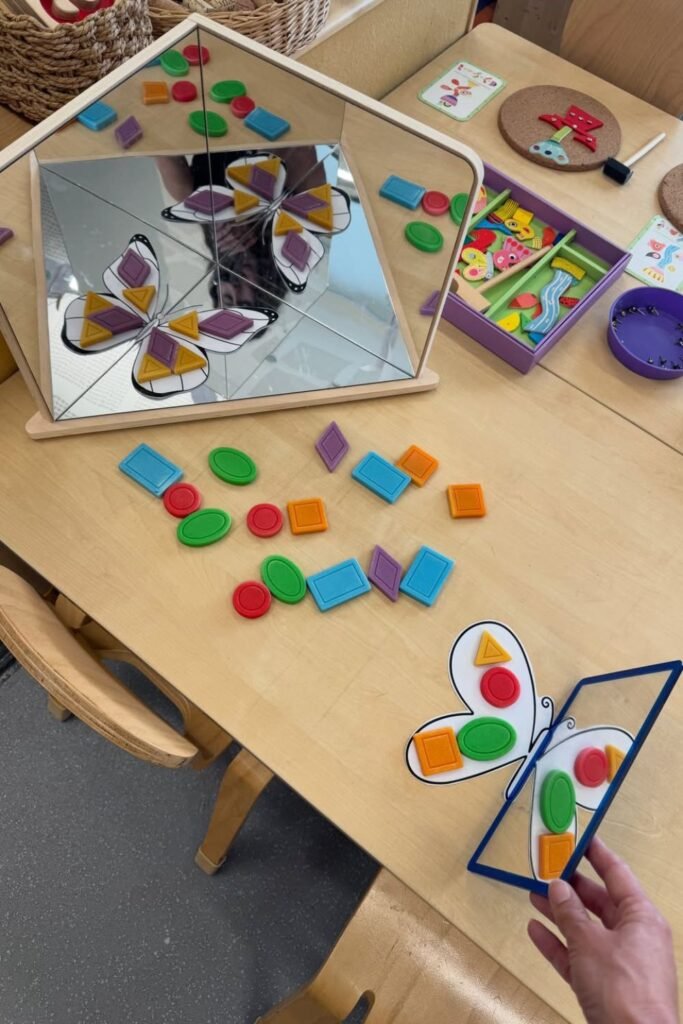
Mirror Match
Preschoolers usually stay curious longer when an activity feels a little like a puzzle and a little like magic.
Butterfly form matching with mirrors is a fascinating technique for kids to reproduce colors.
And patterns as they watch the wings multiply right before their eyes. Magnetic tiles, foam shapes or colored counters are great for replicating.
Something similar at a table at home or in a classroom center. The pattern cards next to the butterfly allow younger kids position.
Shapes without getting stuck, and older preschoolers can attempt to create their own wing designs.
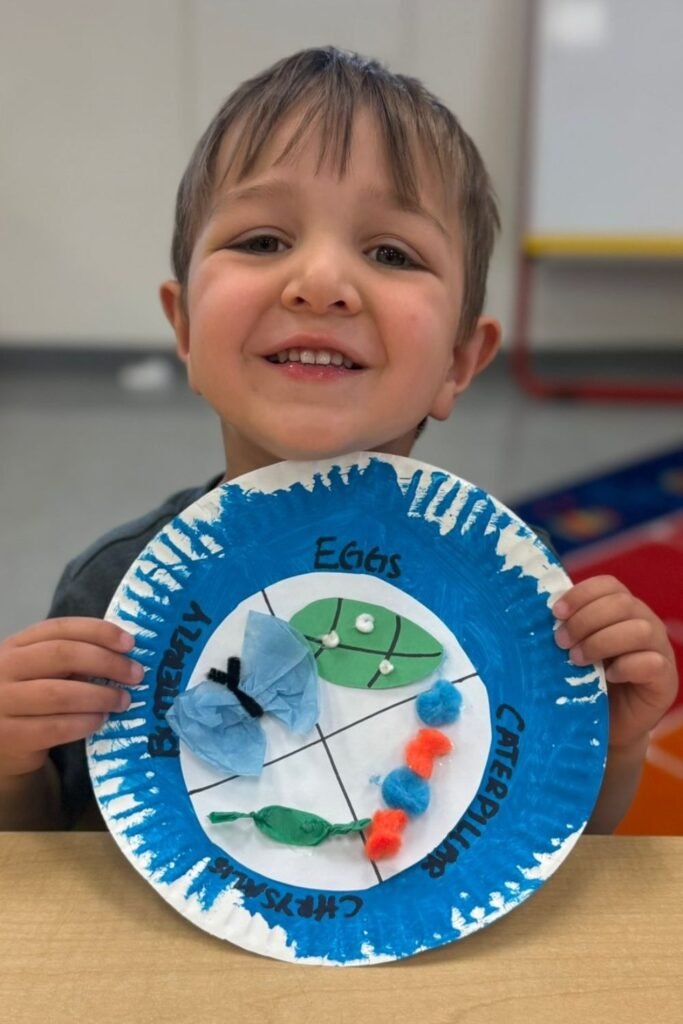
Life Plate
Watching a butterfly change from egg to caterpillar feels much easier for preschoolers to understand when they can build the stages with their own hands.
You can make a simple butterfly life cycle activity that works great for spring themes, homeschool science, or classrooms,
Using paper plates, paint, pom poms, tissue paper, and basic craft items. Little kids can see each development step by step.
And not feel overwhelmed by breaking the plate into portions. Cotton swabs make a simple butterfly egg.
Fuzzy pom poms are wonderful for caterpillars and crumpled tissue paper is amusing for wings.
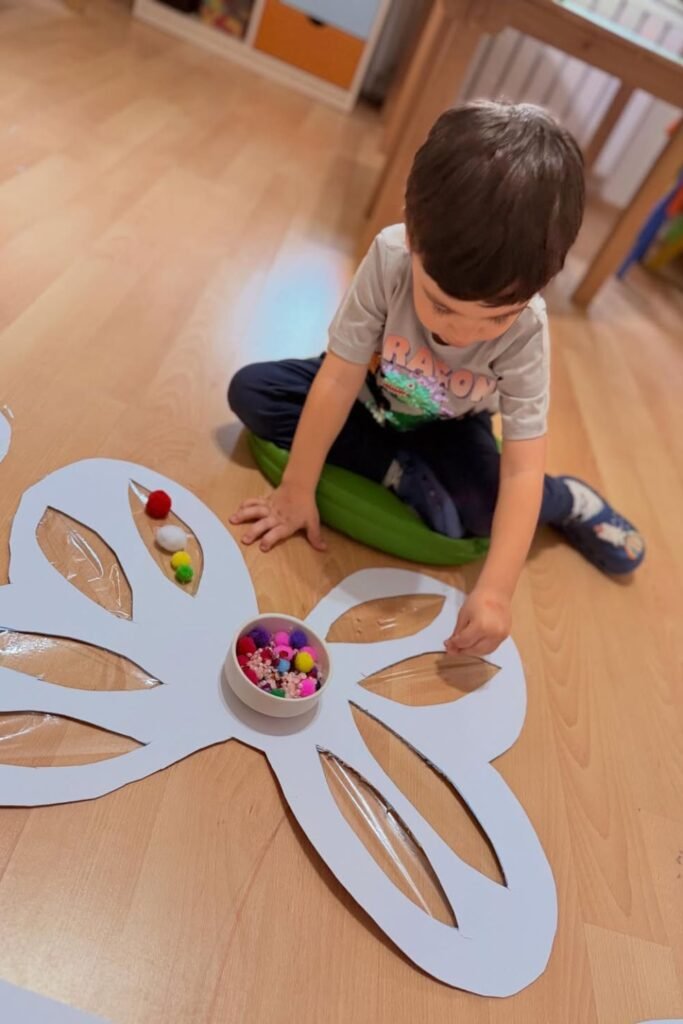
Sticky Wings
Floor activities usually work best when preschoolers need something hands-on that lets them move around instead of sitting still at a table.
Giant butterfly wings wrapped in clear contact paper make an easy sticky activity where young hands can press pom poms.
And beads or soft craft objects right onto the wings without the use of glue or major messes.
This design is great for living room floors, school corners, or rainy-day afternoons at home, since youngsters can kneel, stretch and decorate at their own pace.
Larger butterfly forms also make it easier to share in case siblings or classmates wish to join in together.
Dot Wings
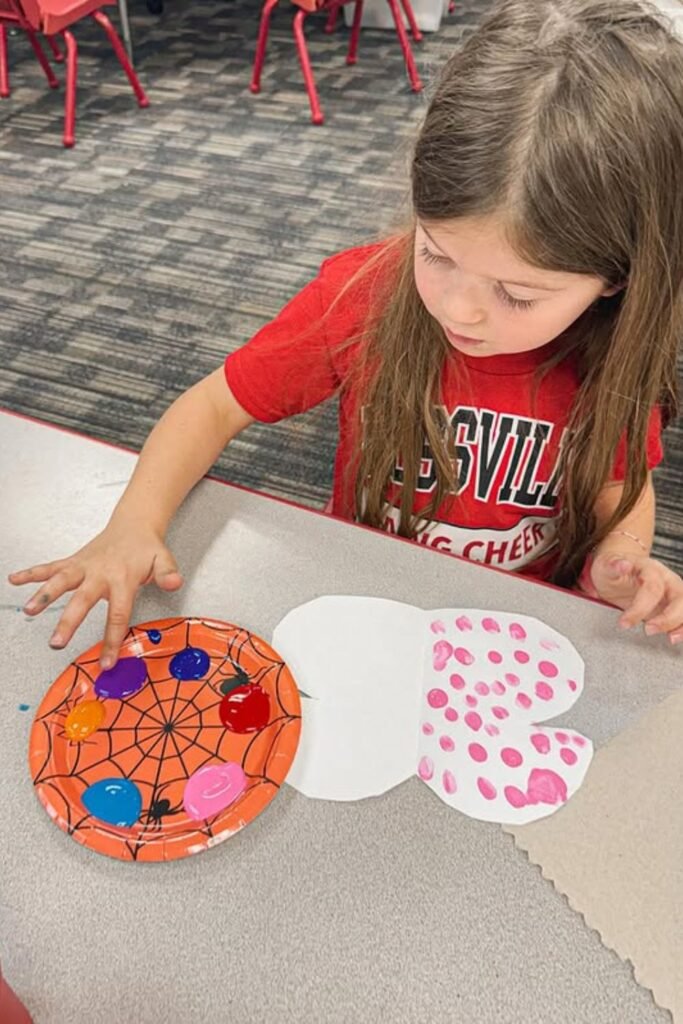
Tiny paint dots somehow turn into one of the easiest butterfly activities when preschoolers want something simple but still colorful.
Paper plates are great miniature paint trays. Fingerprints or fingertip dabs can softly build designs on the butterfly wings without any expensive tools.
They perform especially well as classroom craft tables, homeschool mornings, or quick afternoon activities.
Because the setup takes just a few minutes and the cleanup remains reasonable. Starting with one wing blank.
Might make the exercise feel more enjoyable as children try to reproduce the same dots and colors on both sides.
Nature Frame
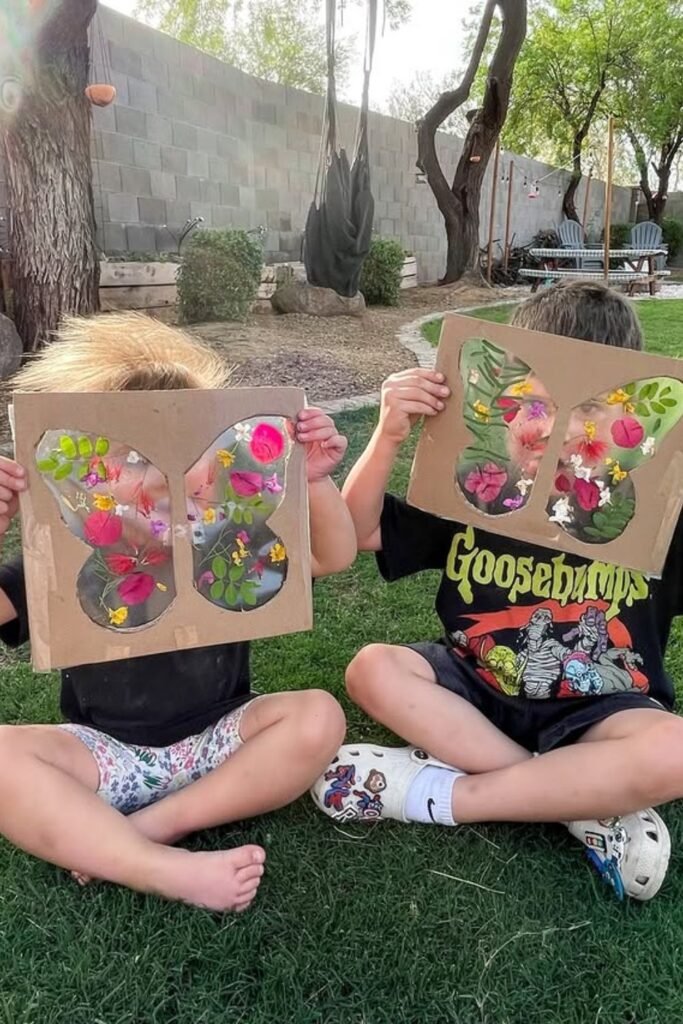
Outdoor time feels much more exciting when kids get to turn leaves and flowers into something they can actually hold up and admire.
No glue? No problem! Cardboard butterfly cutouts with adhesive contact paper inside offer a simple no-glue activity.
Preschoolers may press petals, tiny flowers and leaves onto the wings in whatever way they wish.
Especially good are backyards, park playdates or spring nature treks where youngsters can collect their own items before settling down to create.
Mixing flower colors and leaf forms discreetly develops observation abilities while making every butterfly seem absolutely distinct from the next one.
FAQs
How Do I Keep Butterfly Activities Fun for Preschoolers Without Losing Their Attention?
At this age, short attention spans are natural, so activities that are rapid and hands-on tend to work best.
Instead of only doing crafts, try some new kinds of butterfly fun. A paint project followed by a butterfly movement game.
Or a sticky wing sensory exercise will keep kids engaged much longer. Simple supplies and quick set up helps tiny kids stay excited instead of frustrated.
What Supplies Work Best for Easy Butterfly Activities at Home?
You normally get better results with simple craft supplies than buying costly kits. Paper plates, papers, pom poms, washable paint.
Markers, glue sticks, popsicle sticks, contact paper, pipe cleaners, and even leaves or flowers from the yard make for plenty of butterfly fun.
It’s so much easier to pull out a fast butterfly activity when your preschooler needs something fun to do when you have a little “craft basket” ready to go.