
24 Flower Activities Preschool for 2026
Flower activities sound like a sure hit for preschoolers until little hands lose interest halfway through, glue is everywhere.
And someone decides that the flower petals go on the floor instead. Preschooler activities are often difficult since it’s hard to keep them focused.
If things are going too slowly or require too much help from you, they will lose interest.
“Small kids that are fascinated when they can touch and sort and paint and stick and move while learning without even knowing it.
Looking for floral activities that are fun, easy to put up, and truly retain preschool attention for more than 5 minutes.
In this article, I will show you 24 amazing flowers activities for preschool that work well for group activities and quiet playtime.
Let’s jump in!
How Do You Keep Preschoolers Focused During Flower Activities?
Keeping preschoolers focused isn’t normally a place to start when you want to find the fanciest concept for floral activities.
Kids get bored quickly if they have to wait too long, go through too many stages, or just sit and observe.
Save this article for later!👇👇👇
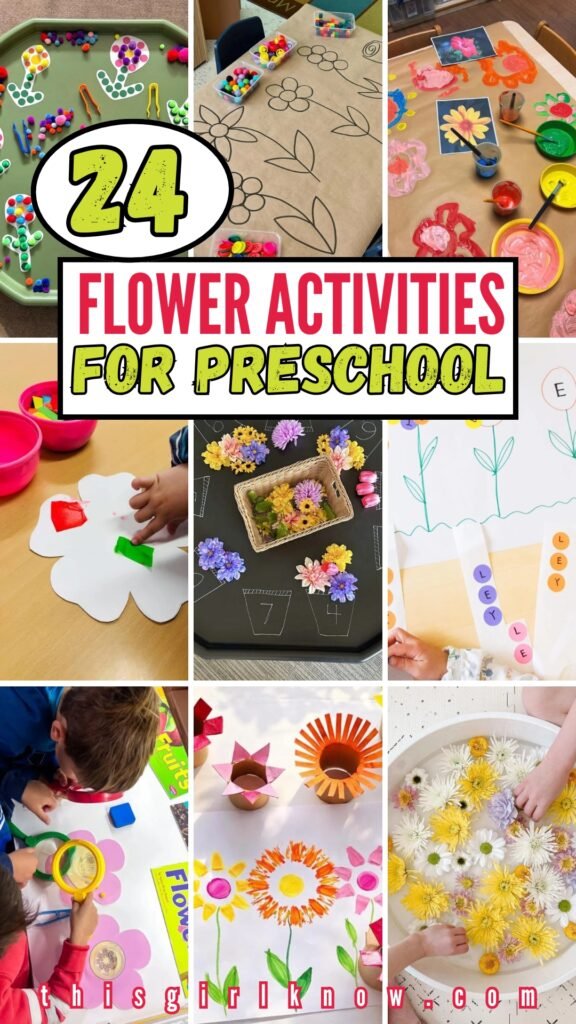
If you keep their small hands active right from the start, you’ll hold attention for longer.
Let them glue petals, sort colors, stamp flowers, sweep up sensory objects, or move about rather than sit the entire time. Short activities work better, too.
When you make flower time simple, hands-on and easy to follow, children frequently stay intrigued longer and actually love learning without even knowing it.
Pom Pom
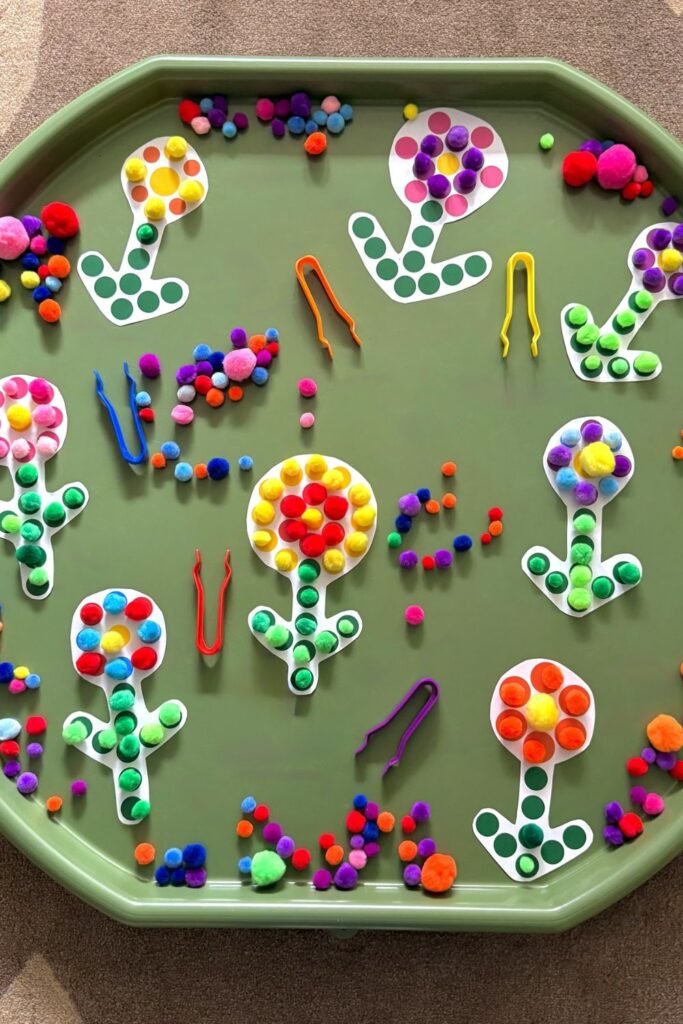
Little fingers usually stay busy longer when an activity feels like a tiny treasure hunt. Pom-pom flower matching works.
Especially good for preschool tables, quiet study time, or spring centers since youngsters get to grab colored pom-poms.
And put them onto the flower circles one by one. Matching colors to petals softly becomes a fine motor task, without feeling like learning at all.
If you’d like to extend attention spans a little longer and aid enhance hand control, add kid-safe tweezers like illustrated here.
Spread even more pom-poms about the tray so toddlers may “hunt” for the proper colors rather than taking everything at once.
Flower Table
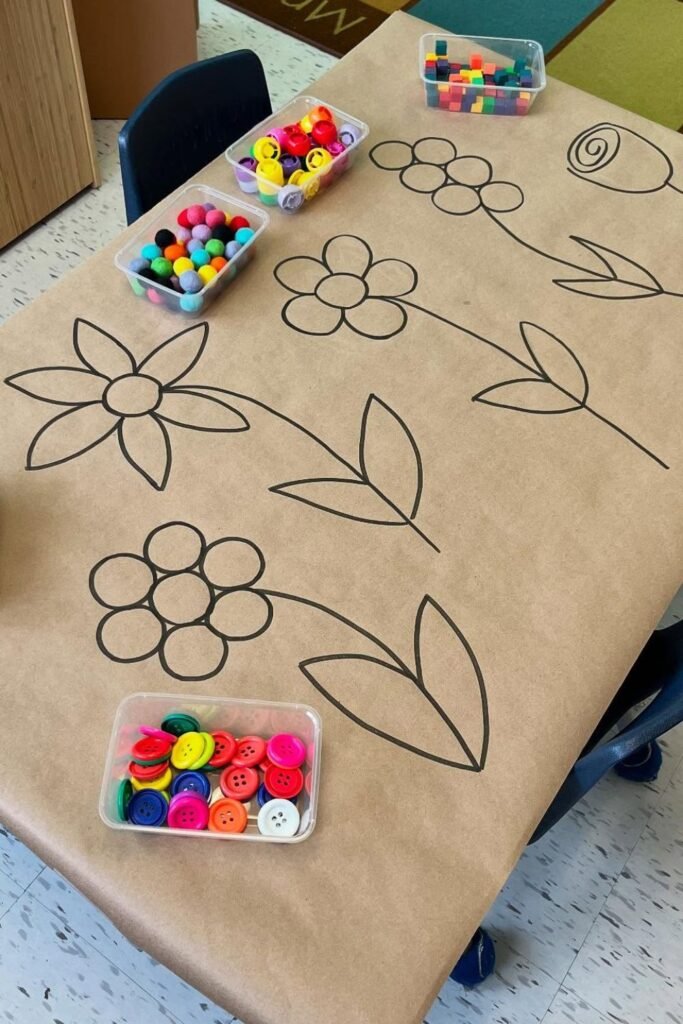
Preschool tables feel a lot more exciting when the whole setup turns into one giant flower activity instead of handing kids a single worksheet.
Little hands can fill petals with buttons, pom-poms, caps, blocks or colorful loose components.
Without worrying about staying inside narrow lines, thanks to the big flowers drawn on butcher paper.
This is a great option for morning centers, spring classroom themes, or group play activities.
Because numerous preschoolers may play at the same time and not have to wait for turns.
Flower Painting
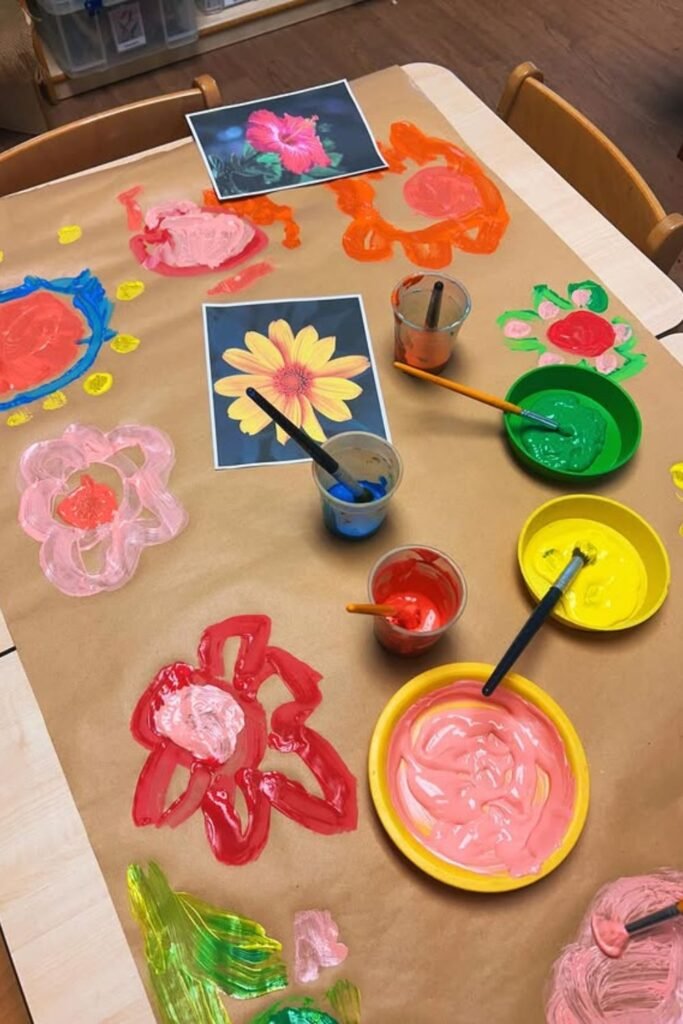
Paint always feels more exciting when preschoolers get to copy real flowers instead of guessing what to make.
Printed flower photographs next to the paper silently make this an easy observation exercise.
Where small artists discover petal shapes, colors and centers while painting in their own sloppy way.
This idea works really well with classroom art tables or spring-themed learning days where kids can stretch out and paint without being rushed.
The large butcher paper makes the exercise stress-free because no one has to stay inside narrow confines.
Flower Counting
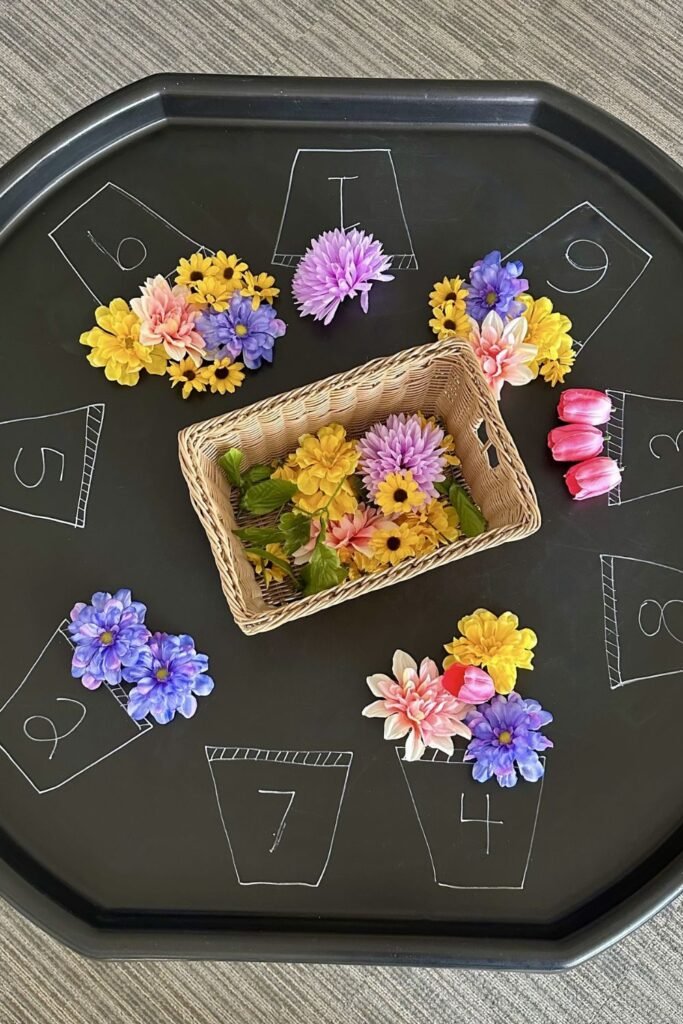
Counting feels a lot more fun when preschoolers can touch real flowers instead of pointing at numbers on paper.
Number flower pots like this turn arithmetic practice into a hands-on spring game, as students plant the right number of flowers next to each number.
This works especially well for this with circle time stations, math corners, or homeschool mornings.
Since tiny learners stay engaged learning counting without pressure. Fake flowers indicate the setup is reusable.
But backyard blooms or paper flowers work great if you want a seasonal touch. Start by tossing all the flowers into a basket.
Sticky Petals
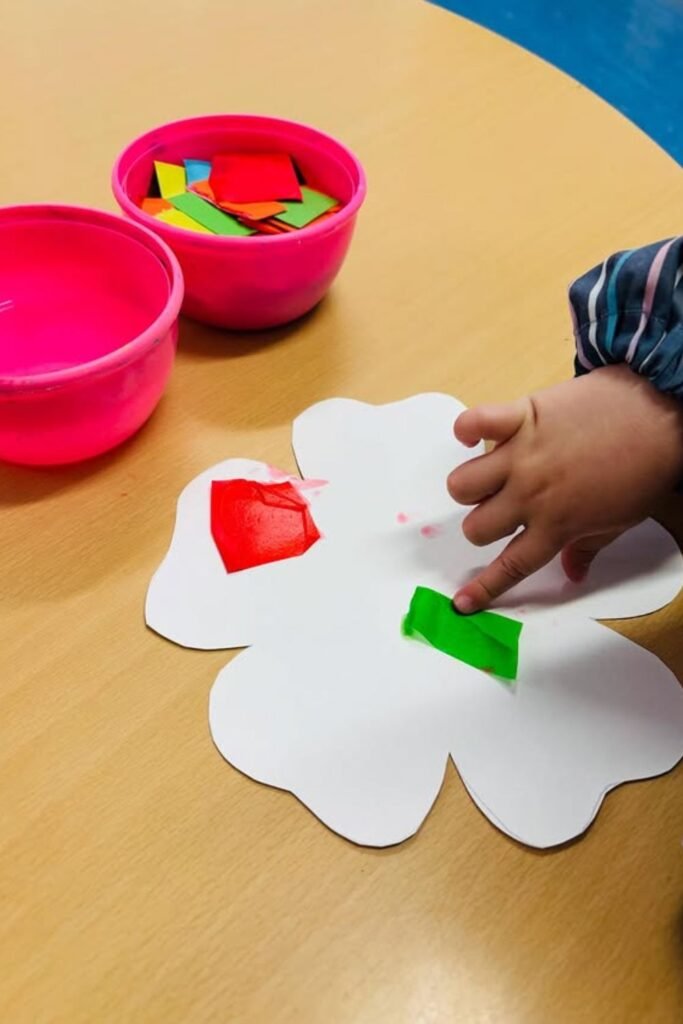
Tiny hands usually enjoy flower activities more when they can peel and stick instead of waiting for glue to dry.
Coloring a giant flower shape with squares of paper silently makes this a simple fine motor game that works.
Especially well for toddlers, preschool tables, or quick spring activities at home. Almost trouble free setup with the use of contact paper.
Sticky backed paper or double sided tape which helps if paint and glue are typically an issue. Bright colors keep little ones fascinated for longer periods of time.
Turn this into a gentle color-naming game by asking toddlers to look for similar hues while they paint the petals.
Name Flowers
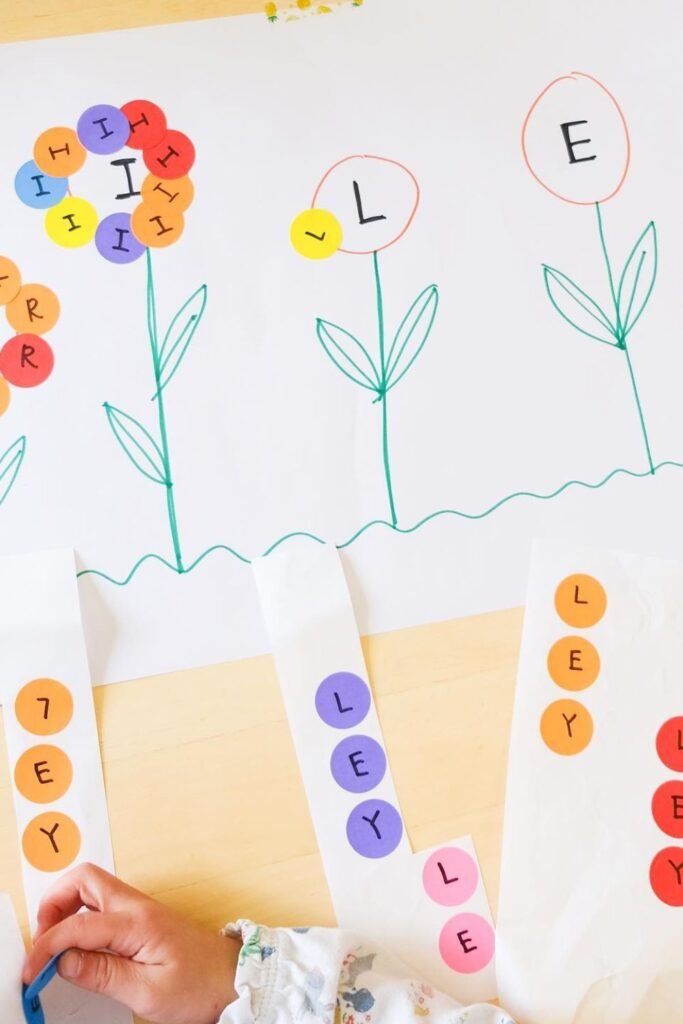
Learning names feels a lot less frustrating when letters turn into flower petals kids can actually build themselves.
Circle stickers or paper dots can be carefully matched to each flower to help preschoolers learn letters without a tiresome writing session.
This works especially well for youngsters to keep focused looking for the proper letters one by one.
Name practice stations, spring classroom themes, or homeschool mornings. “Writing the name of the child in each flower.
It gives them an easy reference without feeling too rigid.” If someone finishes fast and wants to adorn more flowers across the paper.
Flower Hunt
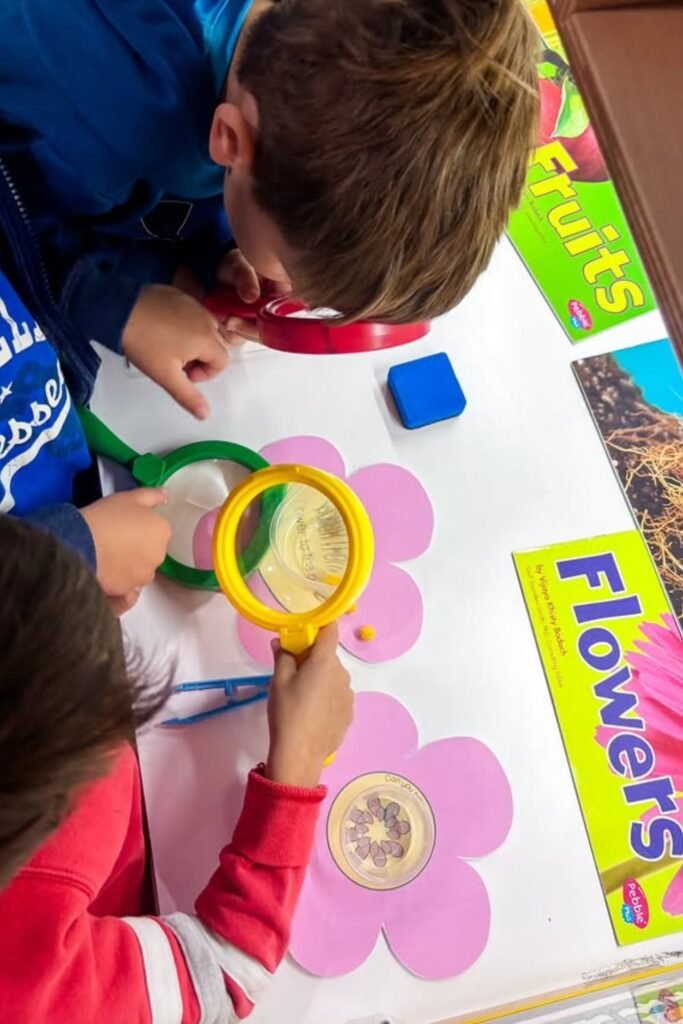
Curiosity usually lasts a lot longer when preschoolers get to play little scientists for the day. Magnifying glasses paired with flower pictures quietly.
Turn this into a hands-on observation activity where kids search for petals, colors shapes and tiny details they would normally miss.
Science corners, spring units, or small group classroom time work especially well for this because preschoolers stay busy exploring instead of sitting still.
Paper flower cutouts and printed close-up flower photos keep the setup simple while still feeling exciting.
Flower Soup
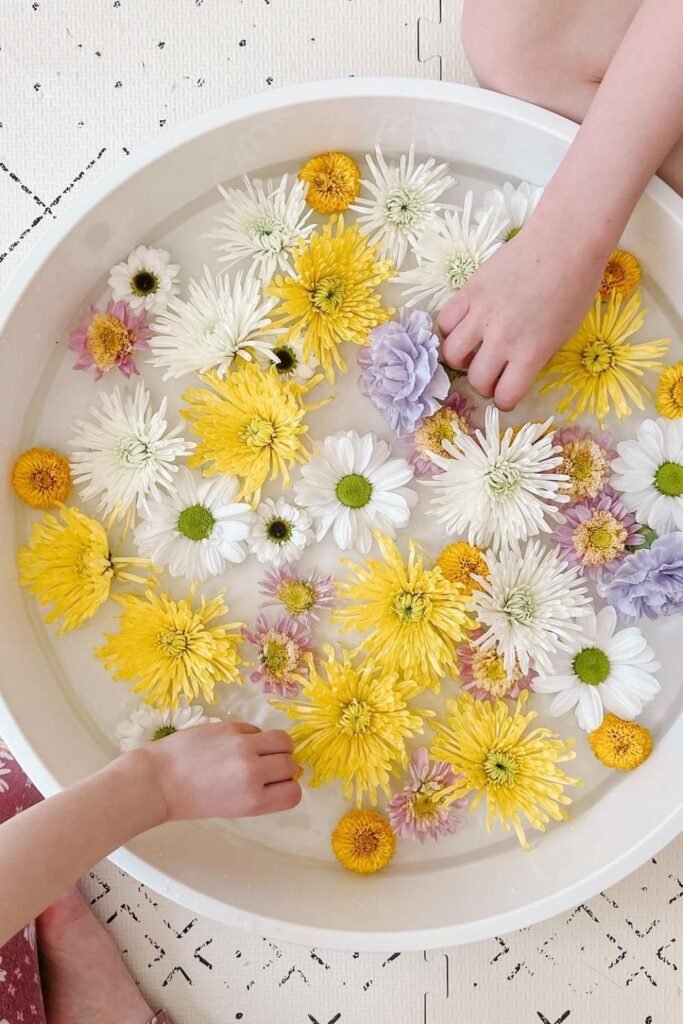
Warm afternoons or quiet sensory time feel extra calming when preschoolers can swirl real flowers through water like they are making pretend flower soup.
Floating blossoms in a shallow bucket turns ordinary water play into something youngsters want to touch, sort and investigate for far longer than you’d imagine.
Outdoor patios, sensory tables or sunny parts of the classroom work brilliantly for this as cleanup is quick and small hands stay busy.
Mix flower colors and sizes to give toddlers the chance to scoop, select favorites or sort petals organically as they play.
If you have plastic cups, spoons or tiny strainers to quietly extend the fun if attention starts to wane, especially for kids who like hands on sensory activities more than crafts.
Flower Stamps
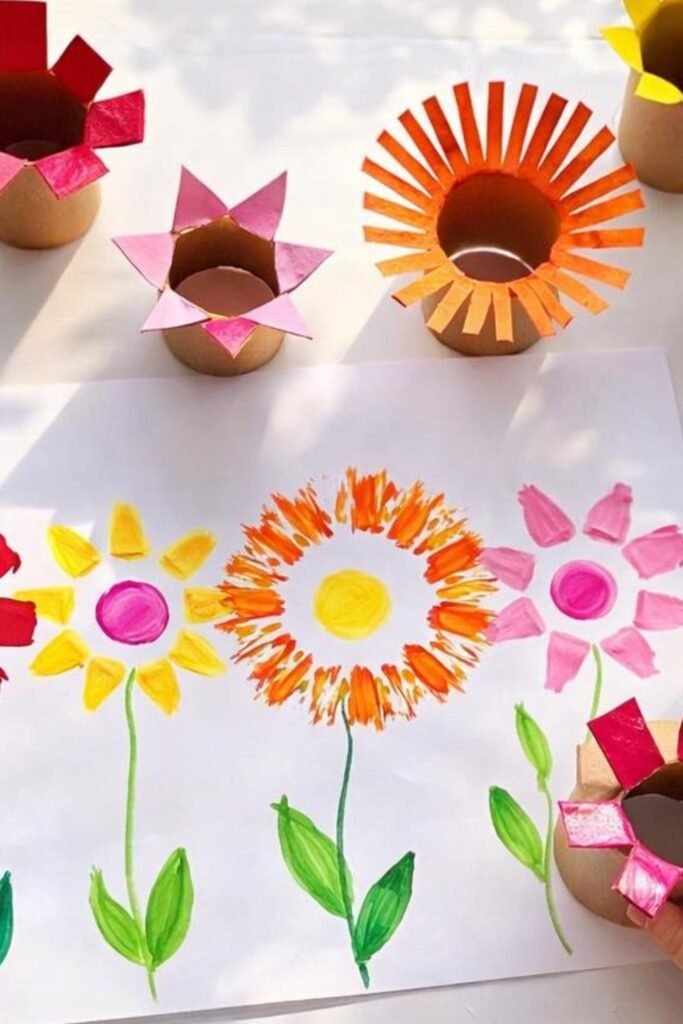
Ordinary paint time feels completely different once cardboard tubes turn into flower stampers kids can dip and press on their own.
This is a simple spring art activity where children can practice stamping different flower patterns without the burden of sketching flawless petals.
Simply snip toilet paper rolls into petal shapes. This is particularly effective with outdoor tables, untidy art nooks or school craft days.
Since young hands get to paint freely without fussing over mistakes. Different cuts around the tube will make each bloom seem different so add pointed petals.
Rounded petals or sunlight type borders to keep the page more interesting. Preschoolers often want to stamp “just one more flower” long after the paper is filled up, thus washable paint is preferable here.
Texture Flowers
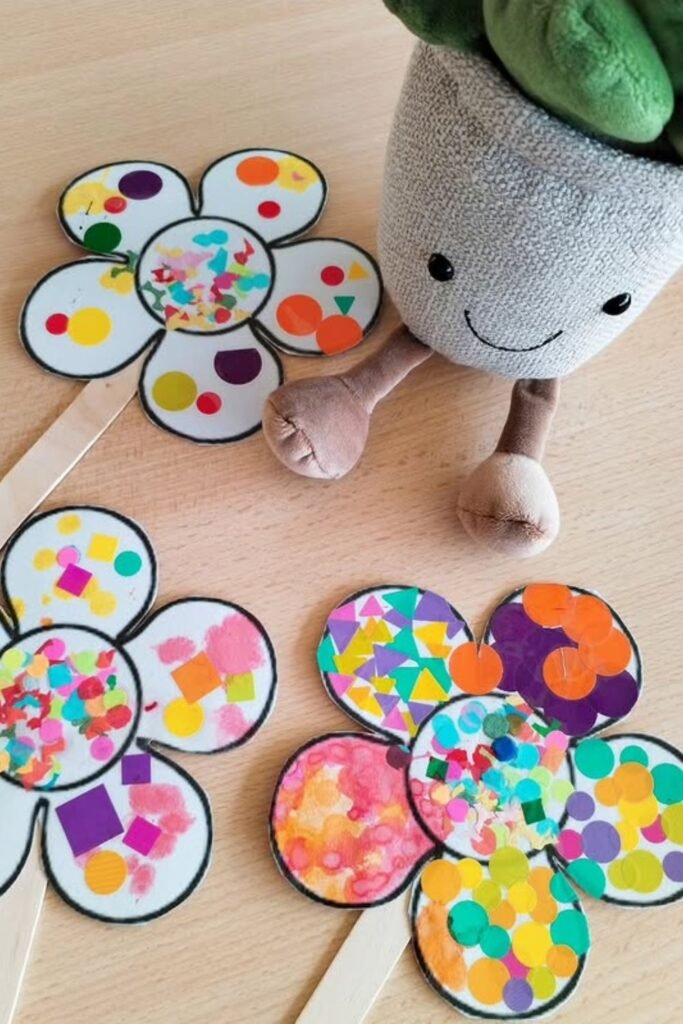
Coloring feels much more exciting when preschoolers can touch, stick, and decorate instead of only holding crayons.
Flower collage sticks such as these turn simple flower designs into sensory art where kids may add tissue paper, confetti, foam shapes, stickers.
Paint dots or small paper bits to each petal. This works especially well with craft tables, quiet play stations, or spring preschool centers.
Since children can decorate at their own time without having to rush. Mixing the diverse textures on each bloom can keep small hands fascinated longer.
And working quietly on building fine motor skills at the same time. Plus, the added craft sticks on the flowers make the finished pieces feel even more unique.
Seed Flowers
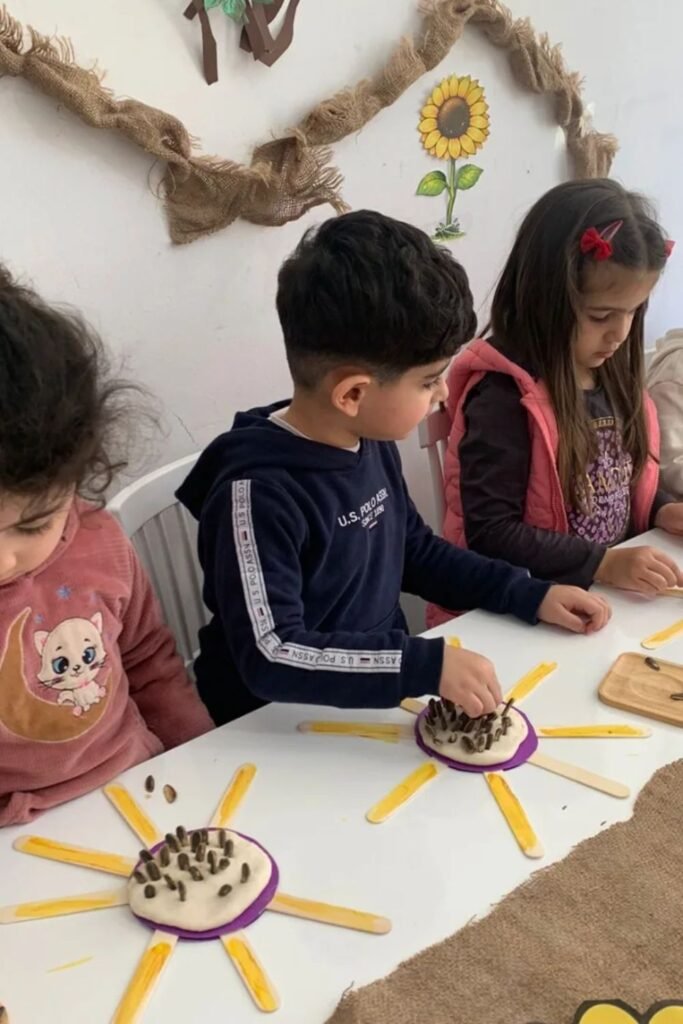
Busy little hands usually stay focused longer when an activity lets them touch real materials instead of only paper and crayons.
Sunflower seed flower art makes a simple spring craft a sensory exercise as children push seeds into soft dough or clay to create their own flower center.
Classroom nature themes or quiet table activities fit this bill particularly well because youngsters can remain quietly engaged without requiring extensive guidance.
Popsicle sticks make easy petals, and a fast touch of yellow paint brightens the flowers without any more work.
Nearby bowls of seeds help keep the game going, especially for preschoolers who like to sort, count, or meticulously place tiny objects one by one.
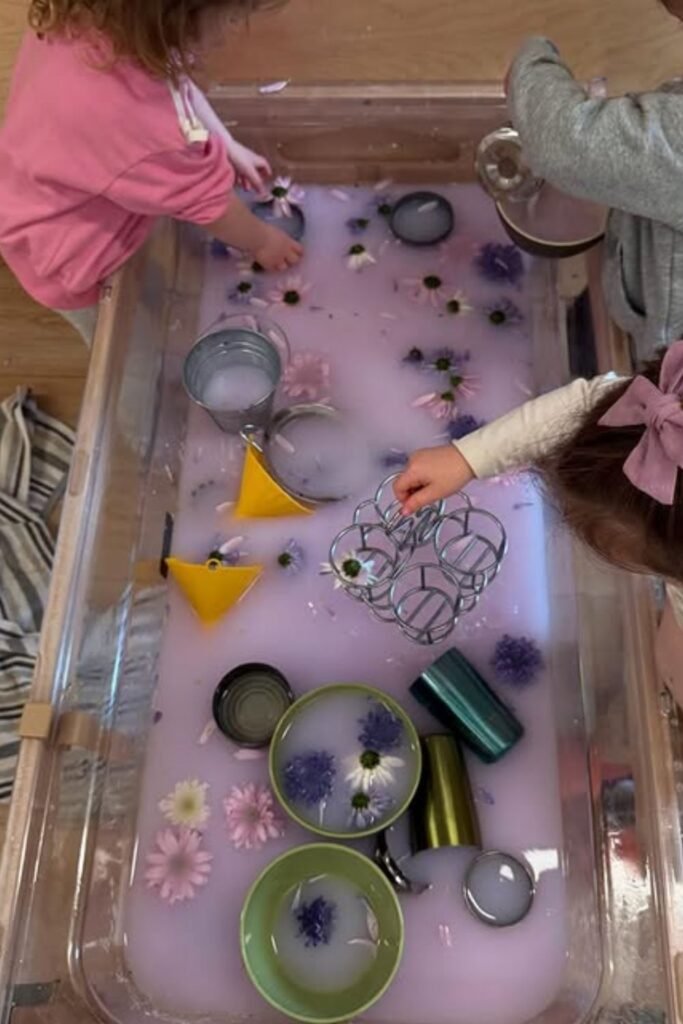
Flower Sensory
Water play feels a lot more magical once floating flowers, scoops, and pouring tools land in the sensory bin.
The muted water color and genuine or faux blossoms transform basic play time into an activity where toddlers pour, strain, collect and investigate.
All the while unaware of how long they have been concentrating. This is especially good for outdoor setups or messy interior sensory stations.
Since little ones readily transition from flower seeking to scooping and pretend play on their own.
Kitchen equipment like funnels, cups, muffin tins or metal strainers offer hours of entertainment for curious hands, considerably longer than basic water tubs.
Flower Garden
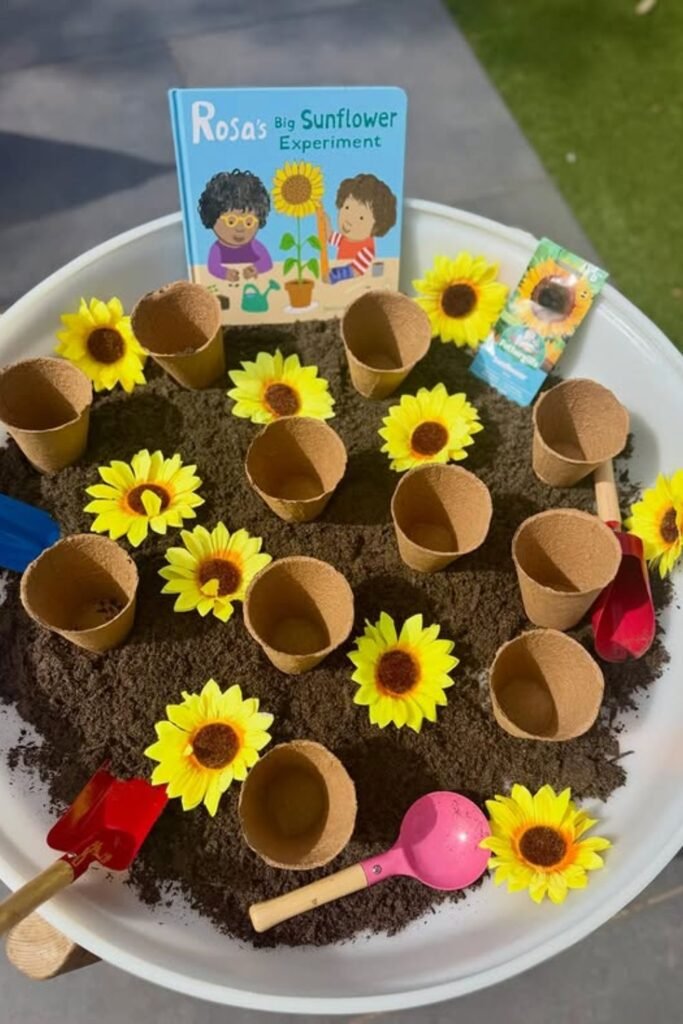
Pretend play feels much more meaningful when preschoolers get the chance to “plant” flowers with their own little tools.
This flower garden sensory tray is a perfect way to combine nature play, digging, and creativity all in one calm activity.
Kids may scoop soil, plant flowers in, and fill miniature pots as much as they wish. This is especially good for spring classroom stations or outside tables.
Where a little mess is part of the enjoyment. Even without an actual garden, the small shovels, seed packages and flower pots make it feel like a true gardening day.
Add in fake or fresh flowers and let toddlers determine where each bloom should develop to stretch attention longer and inspire narrative in their play.
Nature Vase
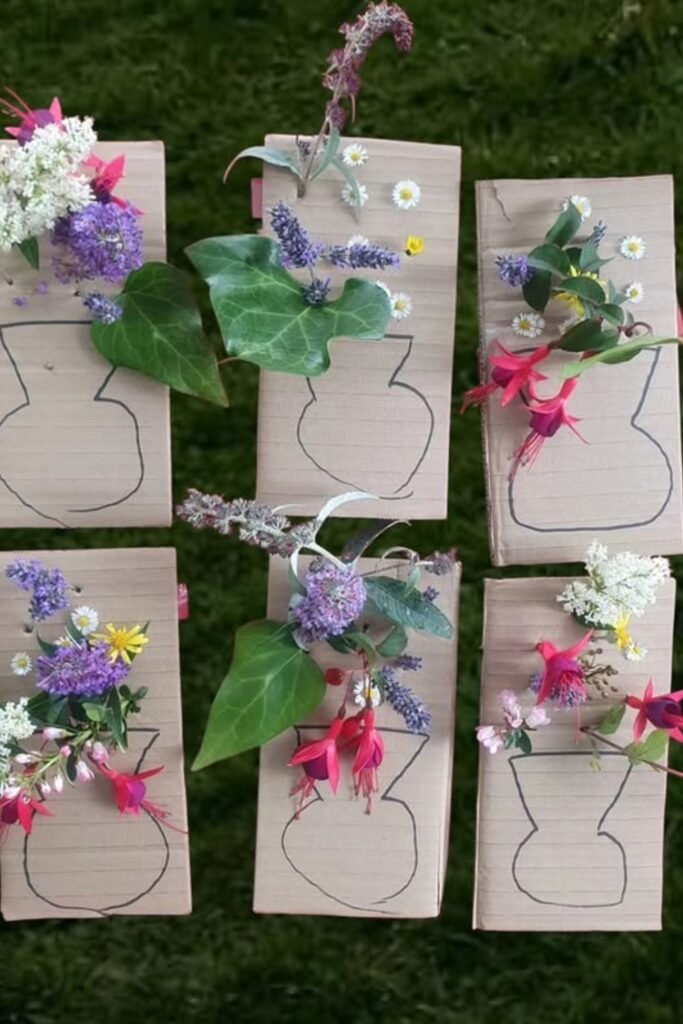
Fresh air and flower picking suddenly feel more exciting when preschoolers get to turn tiny nature finds into their own flower “arrangements.”
A simple cardboard outline of a vase, with little slits for stems, gently makes a walk outdoors a simple spring activity.
Where children may tuck in flowers, leaves, and little branches however they like. It’s perfect for backyard play, nature hikes or garden days in the school.
Every youngster ends up with something absolutely different. Setup is a cinch using recycled cardboard, and even wildflowers or lawn trimmings look great here.
Combine leaves, little flowers and stems of varied lengths for extending the game for the preschoolers who love to collect small treasures outside.
Word Flowers
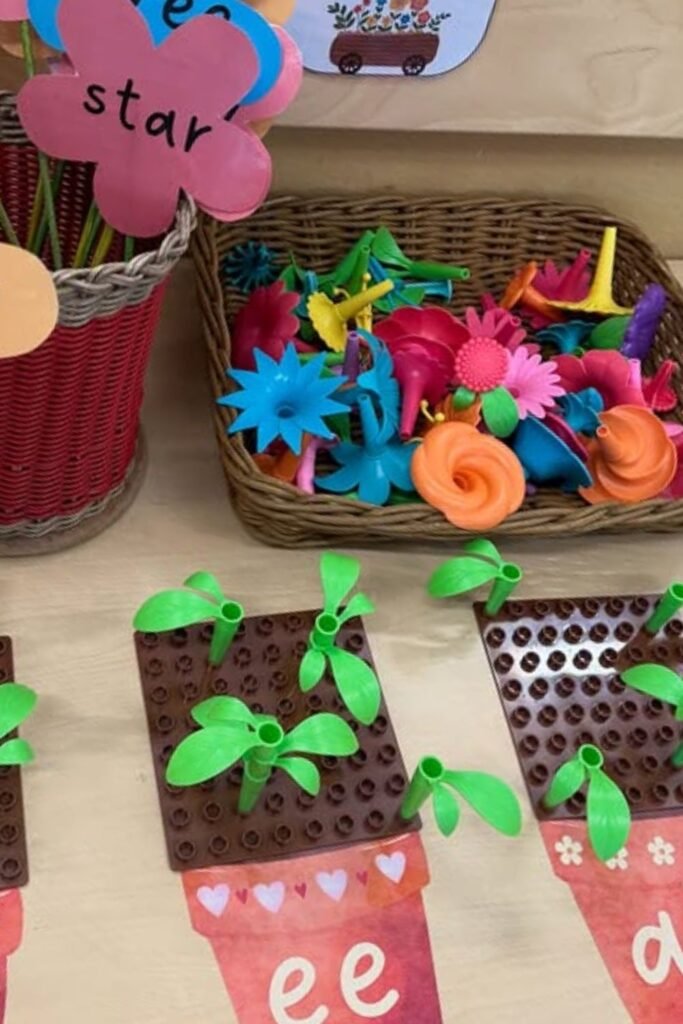
Reading practice feels way less intimidating when words grow into flowers kids can actually “plant.”
Literacy time is a hands-on matching activity where kids choose the right flower to place into the corresponding pot.
The flower stems are labeled with word ends or sounds. This works especially well with the small group learning, phonics centers, or preschool classroom stations.
As the kids are busy moving pieces around rather than just repeating sounds out loud.
Foam flowers or paper blossoms make set-up a cinch, and switching the letters each week makes the exercise easy to utilize for new sounds or sight words.
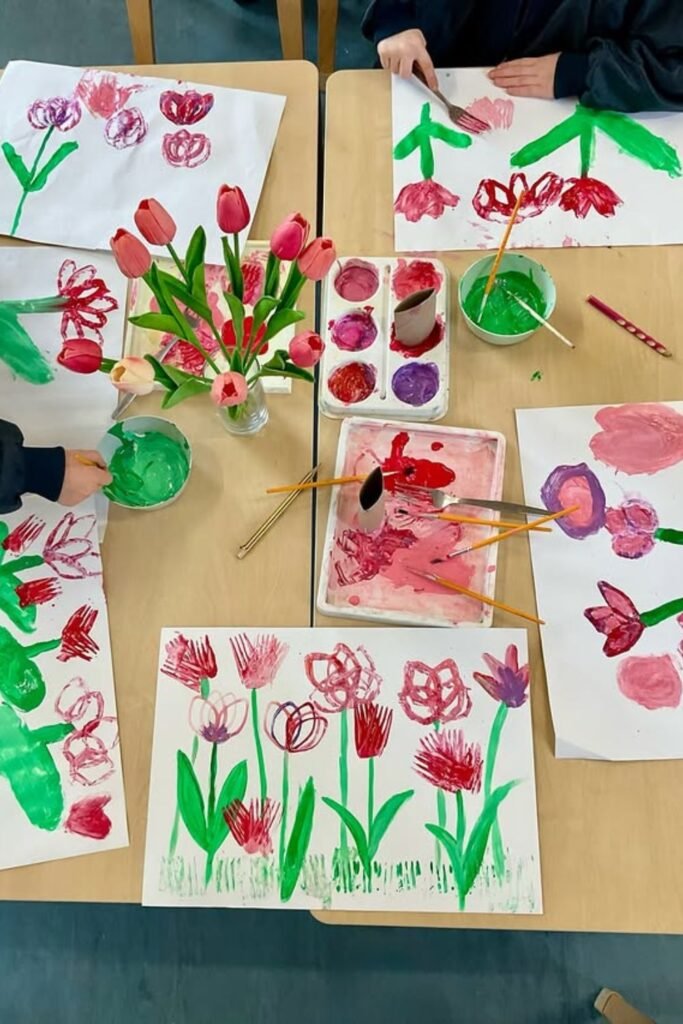
Bloom Painting
Messy paint tables usually become a lot more exciting once real flowers sit in the middle for inspiration.
Preschoolers need a simple direction, but not to imitate every detail, thus looking at fresh blooms.
While painting helps small painters feel more secure with brush strokes and color mixing. This is perfect for group painting tables or spring classroom projects.
Because everyone may paint different types of flowers at the same time with no comparing outcomes.
Thick brushes and washable paints make it easier for tiny hands, especially because petals don’t have to be flawless.
Petal Smash
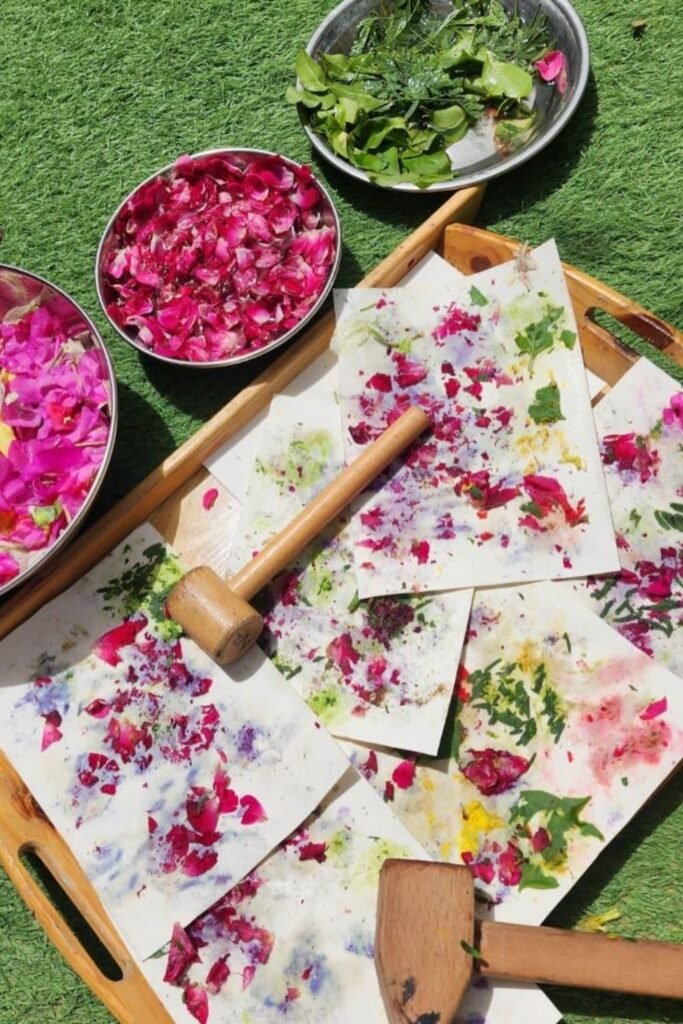
Outdoor flower time becomes way more memorable once preschoolers get permission to the squish petals instead of only looking at them.
Flower pounding art is a fun way to gently tap blossoms onto paper with gentle little hands to create vivid natural prints.
That reveal hidden hues and textures from soft petals and leaves. Backyard tables, nature days, or spring sensory activities are particularly good for this.
Because the mess stays outside and kids tend to remain intrigued longer. All you normally need to reproduce the effect are fresh flower petals, leaves, paper.
And a kid-safe wooden hammer. “Covering the flowers with a piece of paper before tapping makes the colors transfer better.
Flower Sorting
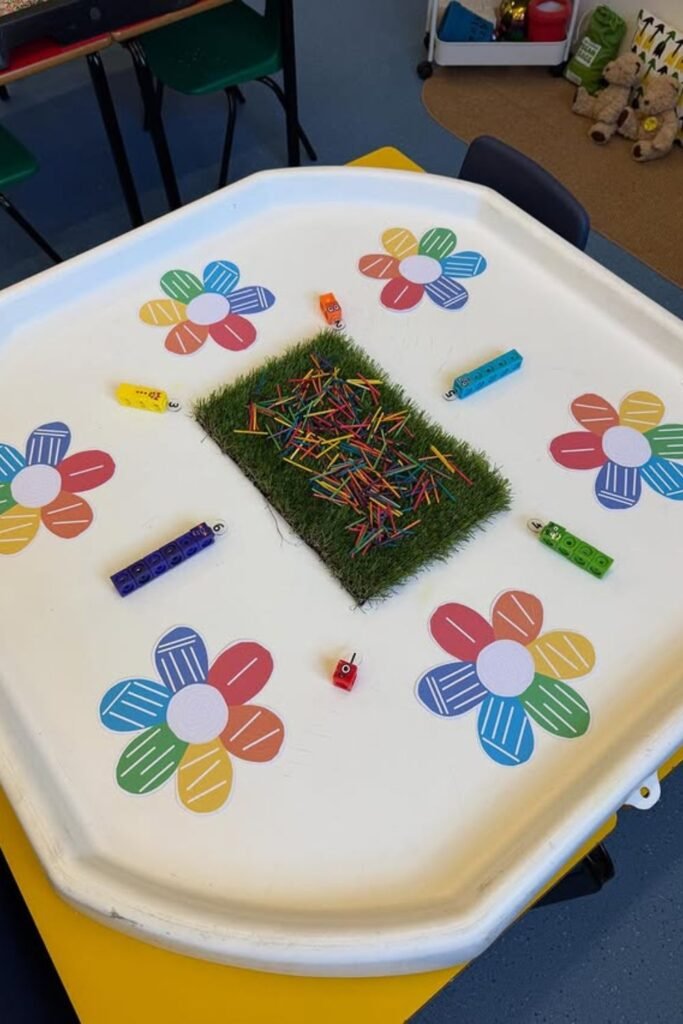
Math practice feels a lot more playful once counting hides inside colorful flower petals. Number cubes, counting blocks, and loose sticks quietly.
This is a hands-on flower game. Preschoolers will count, sort and put the correct number on each flower slot.
This is especially good for little math centers or spring classroom stations because the students can work on their own without feeling.
Rainbow petals keep little learners visually fascinated and textured grass or sensory items in the midst make collecting counting pieces feel more pleasurable.
Flower Ceiling
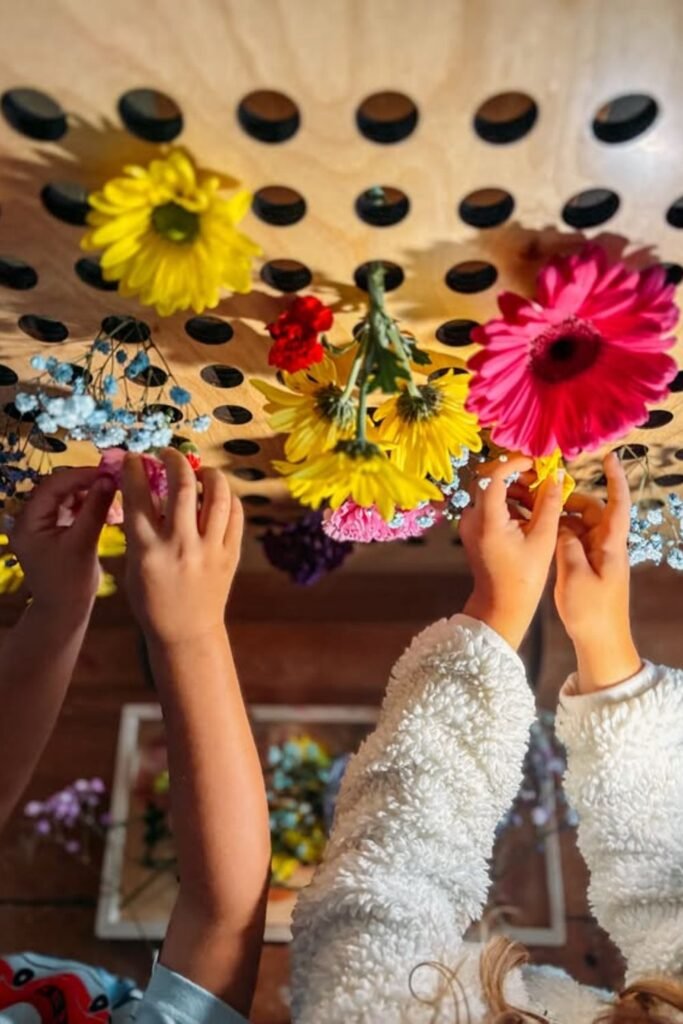
Ordinary flower play suddenly feels like an adventure once blooms hang overhead waiting to be explored.
A calm hands-on game for toddlers is to poke stems through holes in peg boards or hole panels.
And move colors around to create their own hanging flower garden with fresh flowers.
Nature tables, spring classrooms or outdoor learning areas are great, because children naturally stay curious as they reach, sort and change flower spots.
The big blooms with little filler flowers also help the arrangement look fuller and provide little hands varied textures to explore.
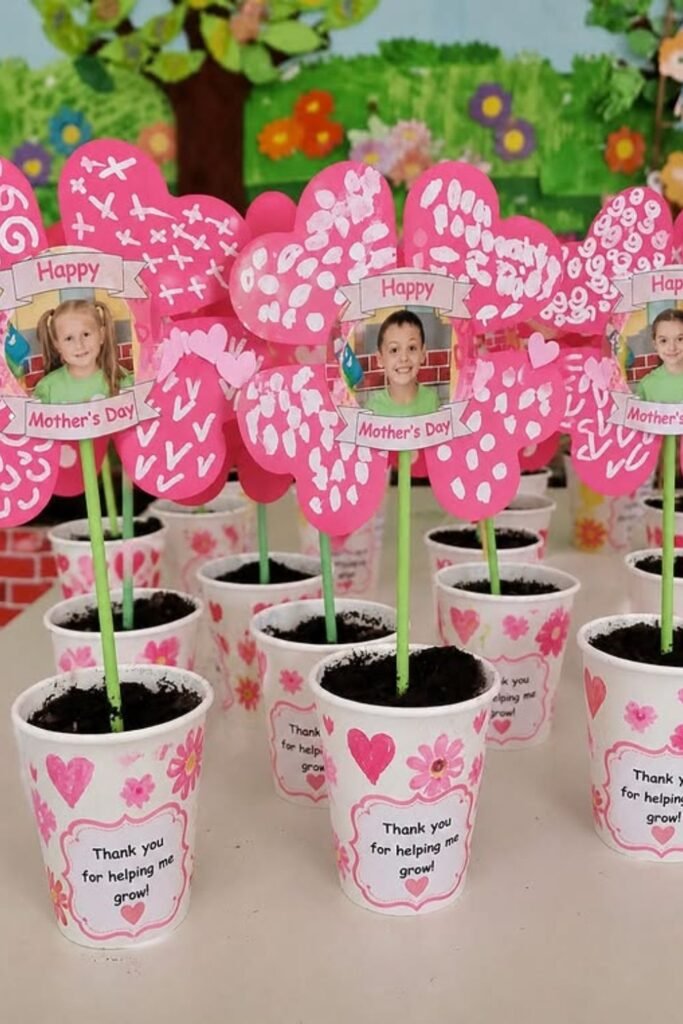
Flower Gifts
Little ones usually feel extra proud when flower crafts turn into something they can actually gift to someone special.
Decorated cups and paper flowers are a simple preschool project that quietly turns into a souvenir.
That works nicely for Mother’s Day, spring celebrations or family-themed classroom weeks.
Photos in the flower center provide an even more personal touch to the project and give children something exciting to discuss as they craft.
You may make them with painted paper petals, popsicle stick stems, and little containers of soil or shredded paper–no fancy supplies required.
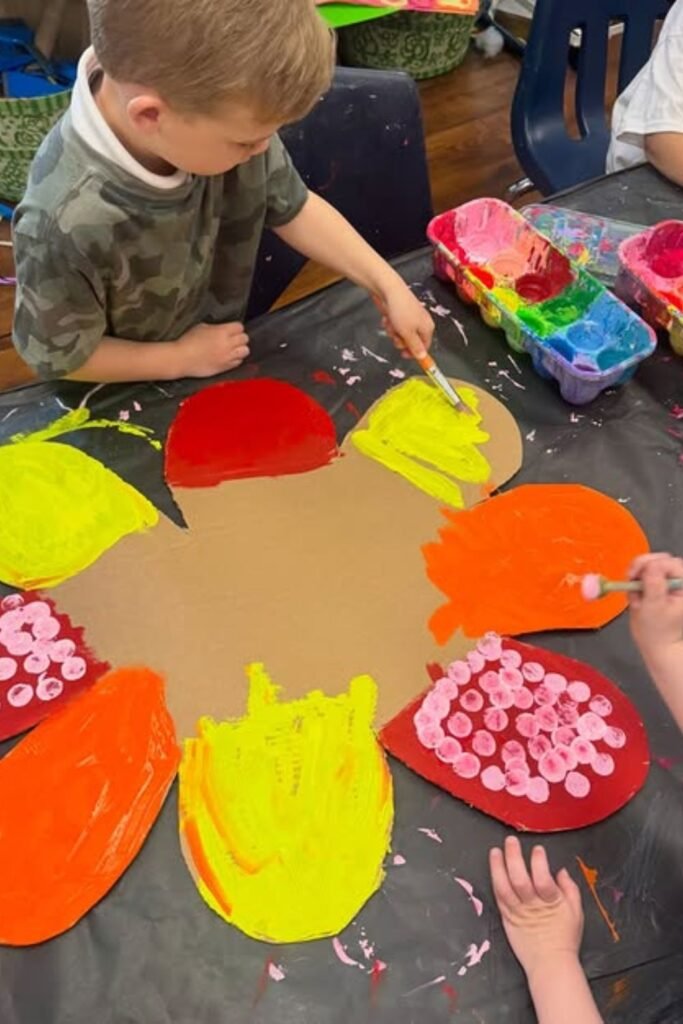
Giant Flower
Big group crafts usually hold preschool attention longer because everyone gets to help build something together.
On the table, large flower petals are spread out and discreetly transform the painting time into a cooperative activity.
With the youngsters painting and stamping and decorating different regions without having to wait for turns.
Spring classroom projects or flower-themed weeks work especially well for this since each child may take responsibility of one petal and still be a part of the final bloom.
Employing a mixture of paint brushes and sponge dotters, finger painting, or bottle-cap prints assist in stopping the activity from feeling repetitive and keep young hands active.
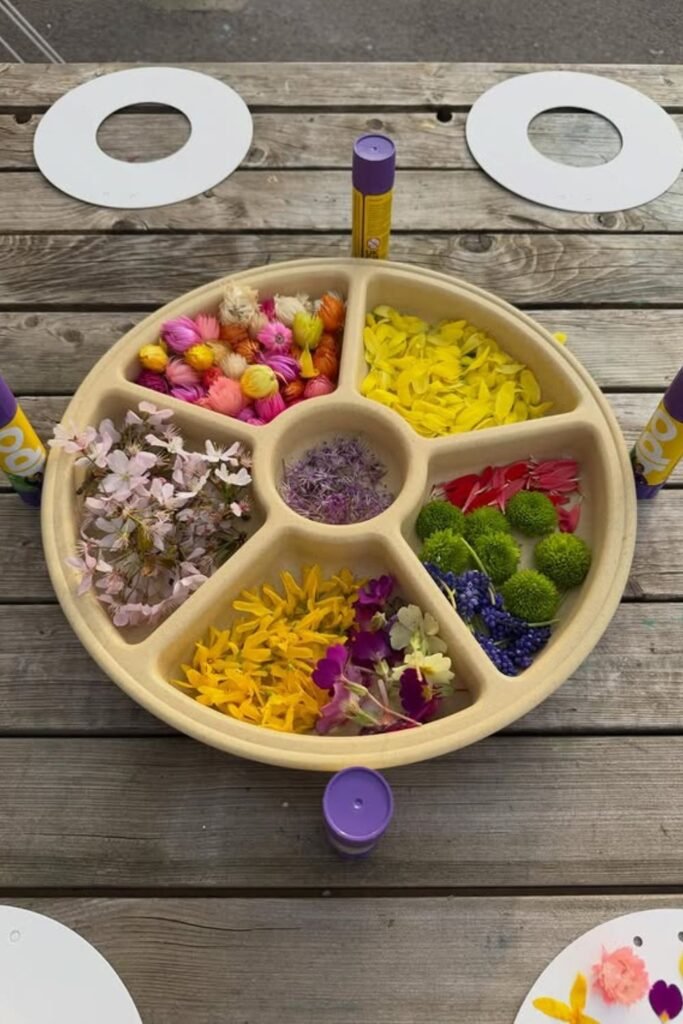
Petal Collage
Flower crafts feel much more special when preschoolers get to work with real petals instead of paper cutouts.
Colorful flowers on divided trays are a silent invitation to craft time as young hands pick and choose petals, leaves and tiny blossoms to create their own flower art.
This work especially well for outdoor settings or spring nature days, as fresh flowers stay easy to grasp and cleanup seems less hectic.
Since wet glue may get messy rapidly on delicate petals, glue sticks are usually better for preschoolers.
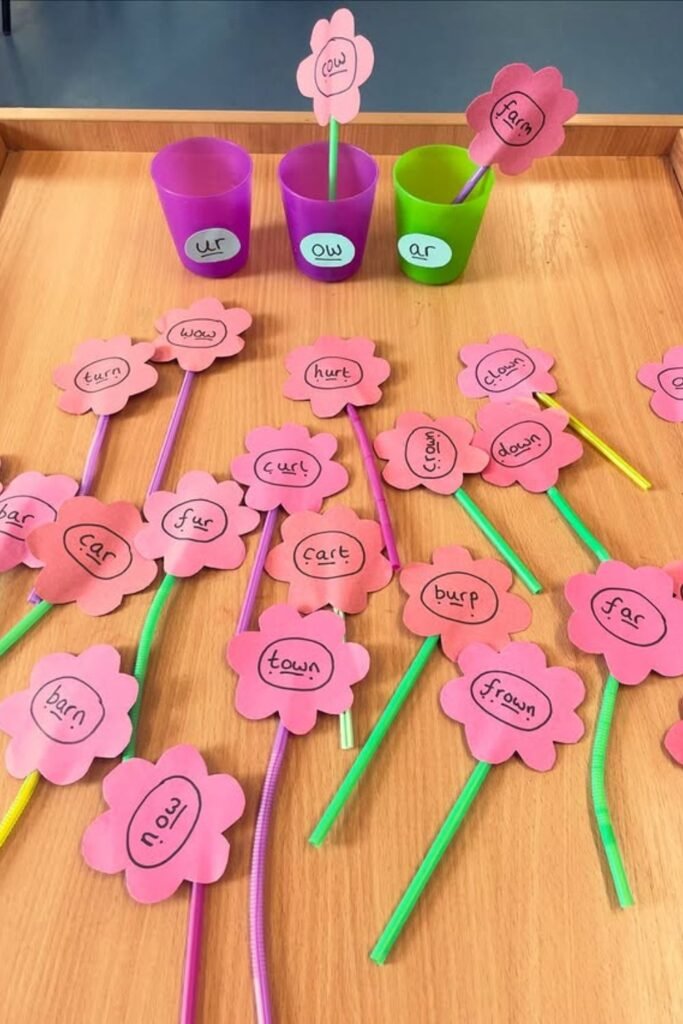
Sound Flowers
Making flower stems into a matching game that kids can move around themselves makes reading practice feel so much more entertaining.
Sound flowers like these are quiet helpers for preschoolers sorting word families, and putting each flower in the proper sound pot.
That makes phonics less intimidating and much more hands-on. Literacy stations, small group learning or quiet places of the classroom are good.
Especially good for this because kids are actively reading and matching instead of just repeating noises out.
The paper flowers tied to straws or pipe cleaners keep the set up simple and changing word endings each week makes the exercise easy to repeat.
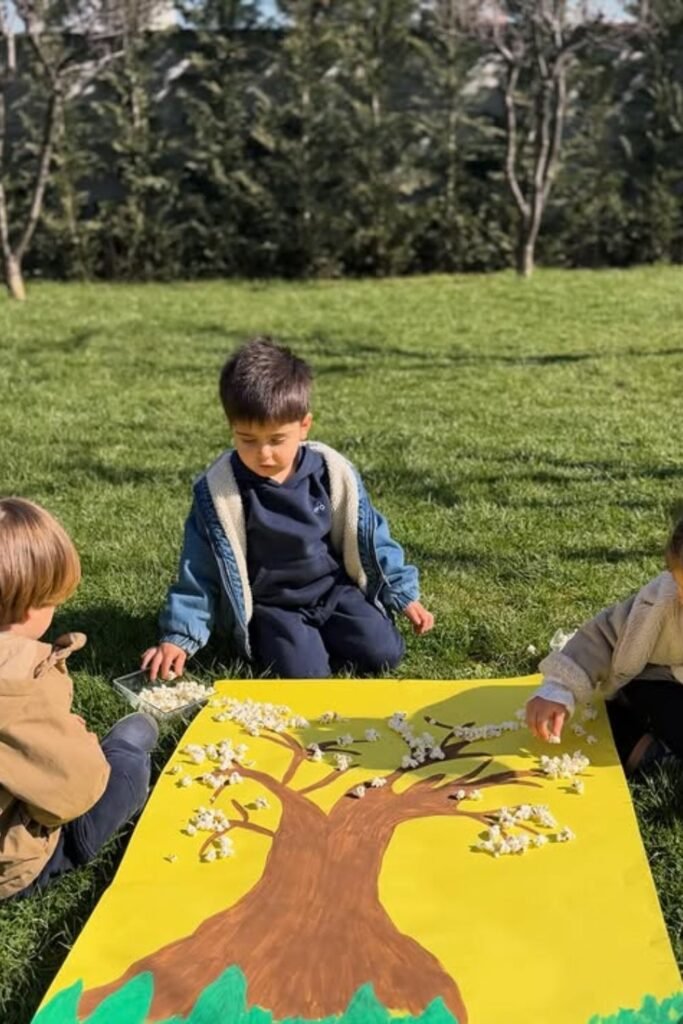
Blossom Tree
Sunny days outside feel even better when flower activities turn into something big enough for everyone to build together.
A Painted Tree Poster and Real Flower Petals gently turn into a spring blossom craft, where preschoolers add blossoms to branches and build their own blooming tree.
This is especially good for parks, outdoor preschool time, or backyard activity days because the kids can run around freely.
While decorating instead of being stuck at a table. Fresh flowers, fallen petals or even small paper flowers help to duplicate the impression without much work.
Extra petals keep young hands busy longer, especially for preschoolers who love filling empty spots and pointing out exactly where they planted every flower with pride.
FAQs
What Are The Best Flower Activities For Preschoolers?
Preschoolers tend to do best with hands-on floral activities. Young children can focus for longer periods.
When they can touch, sort, paint, scoop or build something themselves. Preschoolers learn more via play.
Thus flower sensory bins, petal collages, flower stamping, flower counting activities, and wild flower searches tend to maintain attention.
How Do You Make Flower Activities Less Messy?
Keeping flower activities simple usually helps to reduce down the mess quickly. Glue sticks instead of liquid glue.
Huge flower templates, washable paint, sensory trays, and already sorted items can help with clean up greatly.
Short activities with fewer items can assist preschoolers to stay engaged without flipping the whole room upside down.
Hi, I’m Afaf! I’m a law student who loves writing about everyday life – from home projects and crafts to fashion, beauty, and parenting tips.
I’ve been writing for over a year, sharing ideas that are simple, practical, and easy to try. I write about things I find interesting and useful, whether that’s organizing a space, trying a new DIY, or finding activities to keep kids entertained.
My goal is to share helpful ideas without making things complicated. If it works in real life, I’ll write about it.
When I’m not studying or writing, I’m usually experimenting with new projects or scrolling for inspiration!