
16 General Conference Activities for Kids 2026
The General Conference opens and everybody’s intentions are good. You envision a tranquil weekend.
Where the kids are quietly listening, maybe coloring a bit, and you can finally focus on the messages.
Then ten minutes go by, someone gets bored, another youngster starts climbing up the couch and the “quiet activity” somehow.
Becomes the biggest distraction in the room. If this sounds familiar, you are not the only one.
In this article, I will show you 16 amazing general conference activities for kids designed to keep tiny hands busy without making activities feel boring.
Let’s jump in!
Which Conference Games Keep Kids Interested Without Feeling Distracting?
Selecting the correct conference games is more important than most parents realize. If an activity feels too interesting.
Youngsters tend to stop listening and start waiting for the next turn. And that’s why simple, calm games are best during General Conference.
Save this article for later!👇👇👇
You want something that keeps young hands occupied, yet still helps them focus on what they are hearing.
Listening bingo, speaker trackers, coloring pages on the theme of the conference, and simple word hunts seem to work best.
Because they provide the children a tiny task without drawing all of their focus away.
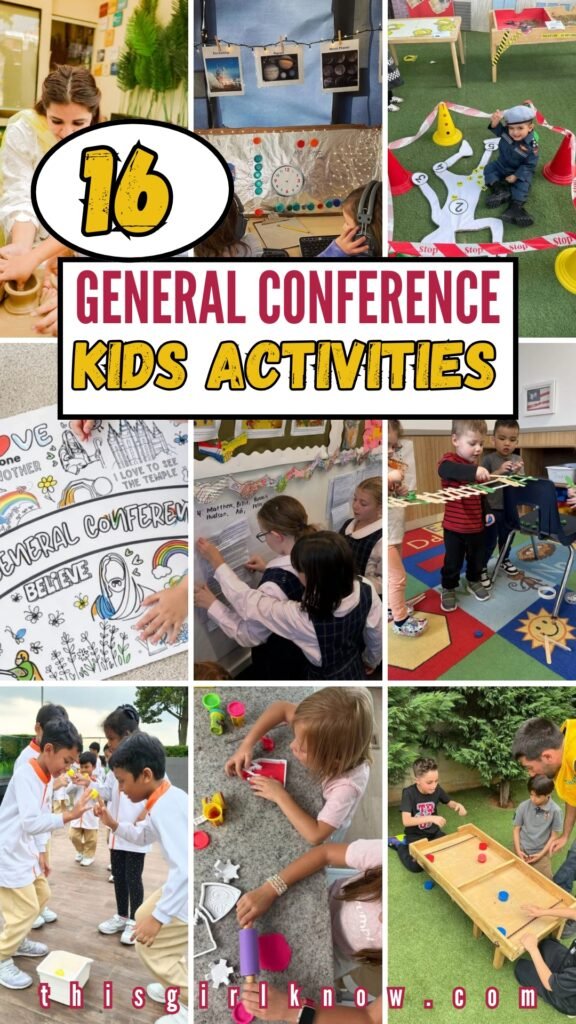
Clay Moments
Little hands stay busy much longer when an activity feels calm instead of noisy, and a simple clay station can do exactly that during General Conference.
Rolling, pressing and molding soft clay provides kids something to do quietly while talks are going on in the background.
It works particularly well for younger kids who have a hard time sitting still for lengthy periods of time to set up.
A small tray with air-dry clay or play dough next to the couch. It can also be a wonderful bonding moment with some gentle instruction from an older sibling or parent.
This craft works best open-ended since youngsters may mold bowls, little animals or whatever pops.
Into their head without continual assistance, which means less interruption while everyone is listening.
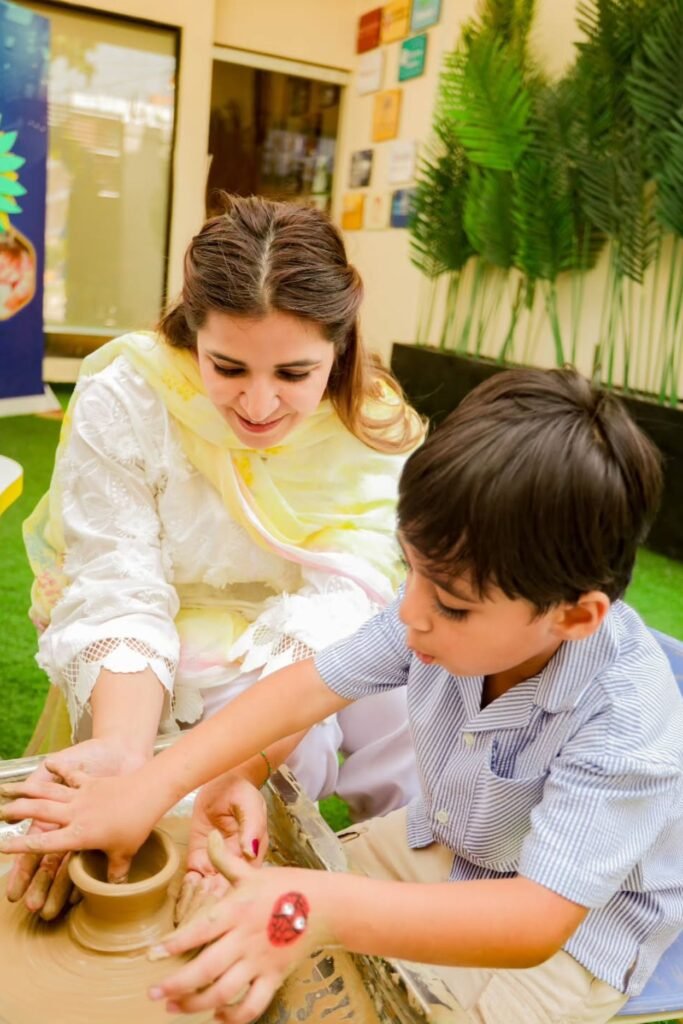
Space Mission
Big imaginations can turn quiet time into something kids actually look forward to and a pretend mission control setup fits perfectly for conference weekend.
Headphones, keyboards, buttons and space-themed printables provide kids with something to focus on that doesn’t include loud toys or constant motion.
It works especially well to set up a modest “mission station” near the family room for elementary-age kids who grow antsy halfway through longer sessions.
Drawing planets, pretending to convey messages, or doing little “missions” might keep hands busy while conversations are going on in the background.
The soft lighting and themed visuals add to the excitement of the activity, but they aren’t over-stimulating, which keeps conference time pleasant.
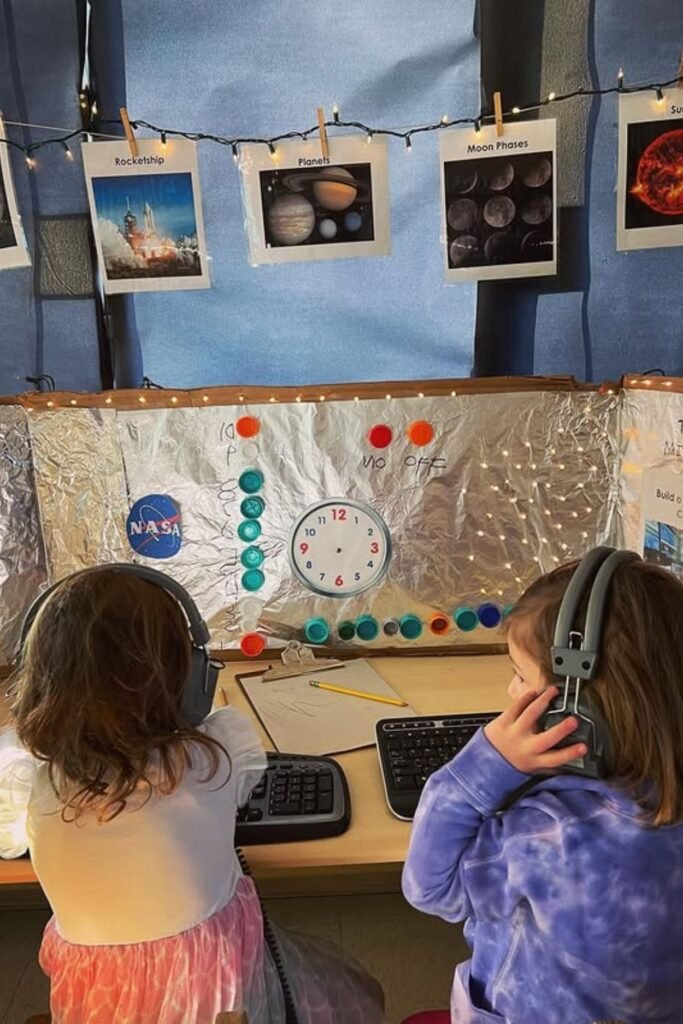
Detective Play
Curious kids usually stay engaged longer when they feel like they have an important job and a pretend detective setup can quietly hold attention during conference.
Number clues, cones, tape and a basic mystery theme turn an average corner into a hands-on activity zone with out screens or loud toys.
For preschoolers and younger kids who love pretend play, the best approach is to set up a little “case to solve” next to the living room.
While the conference speeches go on in the background little minds can be occupied with small hint cards, number matching or hidden symbol discovery.
Rotating little investigative jobs each session also helps stave against boredom, especially for kids who typically start roaming after about twenty minutes.
Team Tasks
Giving kids a small responsibility can completely change how they act during long conference sessions.
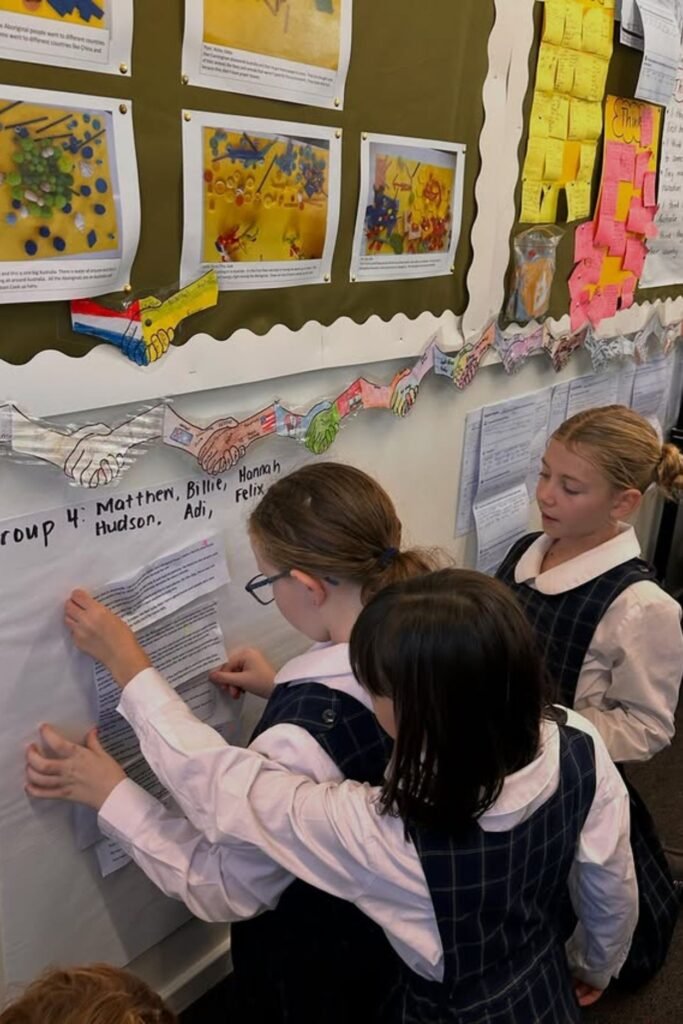
This group type activity wall is great for older kids who become tired with simple coloring pages too quickly.
They can change a conference from something they sit through into something they participate in – printed challenges.
Matching cards, sticky notes or “listen and find” chores. Hanging documents on a wall, poster board.
Even the fridge puts everything in one place and lets kids feel included. The older ones usually love easy things to finish for the little ones too.
And it keeps them busy and avoids the need for repeated reminders to settle down.
Poster Coloring
Long conference sessions feel less overwhelming when kids have one big project instead of switching activities every ten minutes.
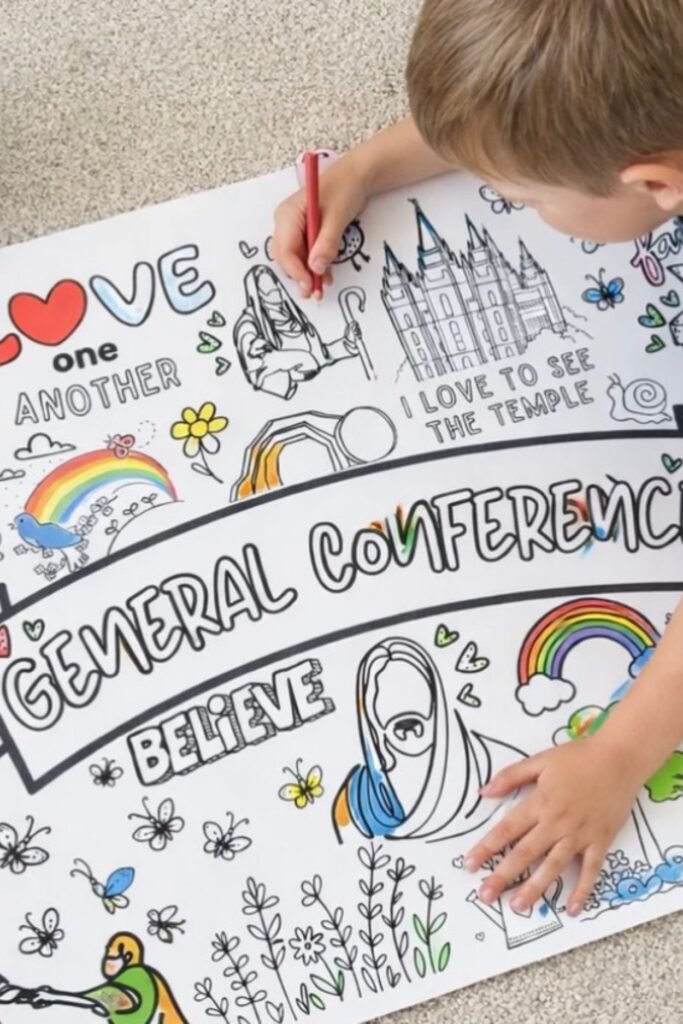
A big General Conference coloring sheet is especially good for kids who love to draw but become bored with little coloring pages quickly.
Put a huge sheet on the floor or coffee table to keep young hands occupied while the talking is going on in the background.
Temple graphics, faith words, rainbows, love, and simple gospel-flavored illustrations discreetly.
Keep conference connected to what youngsters are hearing, without seeming pushed. Keep a small basket of markers or crayons close by for easier clean up also.
Build Challenge
Busy hands often mean fewer interruptions especially for toddlers who struggle to sit still through longer talks.
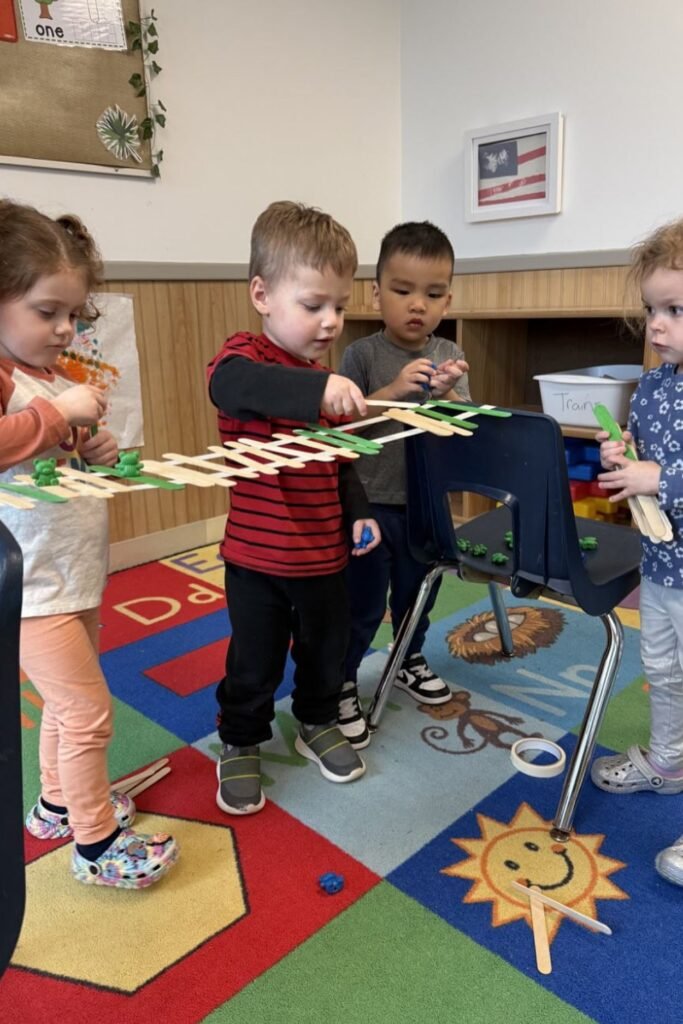
Craft sticks and little building bits can become a quiet basic challenge station to keep youngsters engaged with out tablets or loud toys.
A little basket of popsicle sticks, clay or reusable sticky putty by the sofa works particularly well for smaller kids who love to touch and make things.
Tiny goals like constructing bridges, fences or odd forms help stretch attention longer while conference plays in the background.
You may also rotate things around in the middle of a session, to keep the attention going, especially for kids, who tend to start wandering after a few minutes.
Movement Break
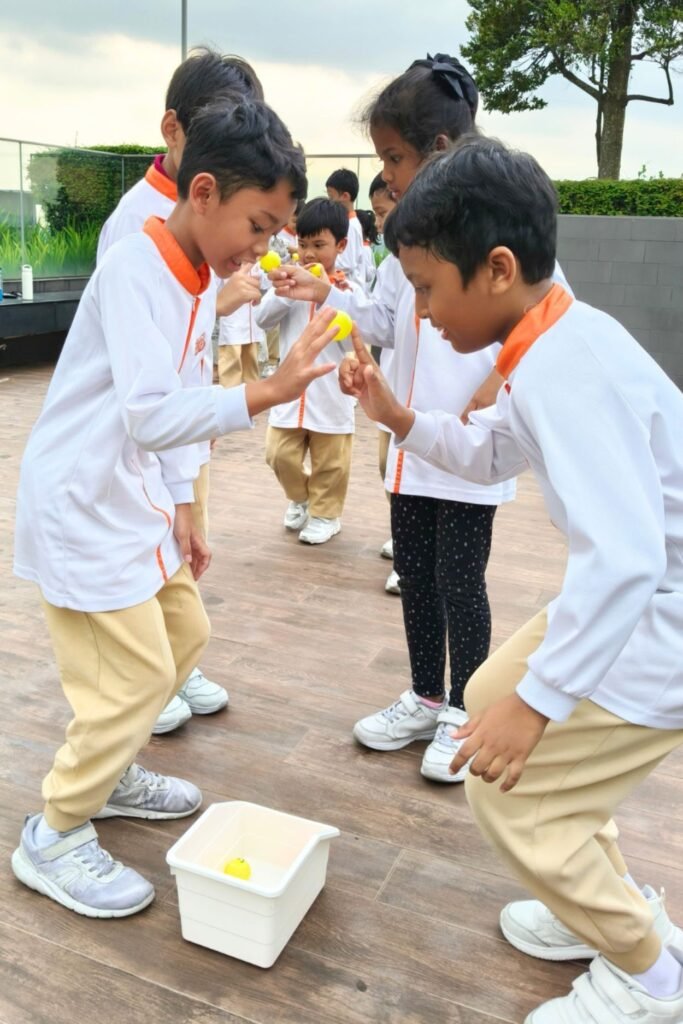
Wiggly kids usually need a quick reset before they can focus again, and a soft tossing game can help without turning conference into chaos.
Small balls, buckets or basic targets perform well when energy begins to build up after a long exercise.
A peaceful “one-minute challenge” between speeches or breaks provides children an opportunity to move without being totally overstimulated.
Soft tossing, counting points or taking turns keeps siblings engaged without loud competitiveness. .
Keep the game brief here, it’s important, because too much enthusiasm can make it harder for kids to calm down afterwards.
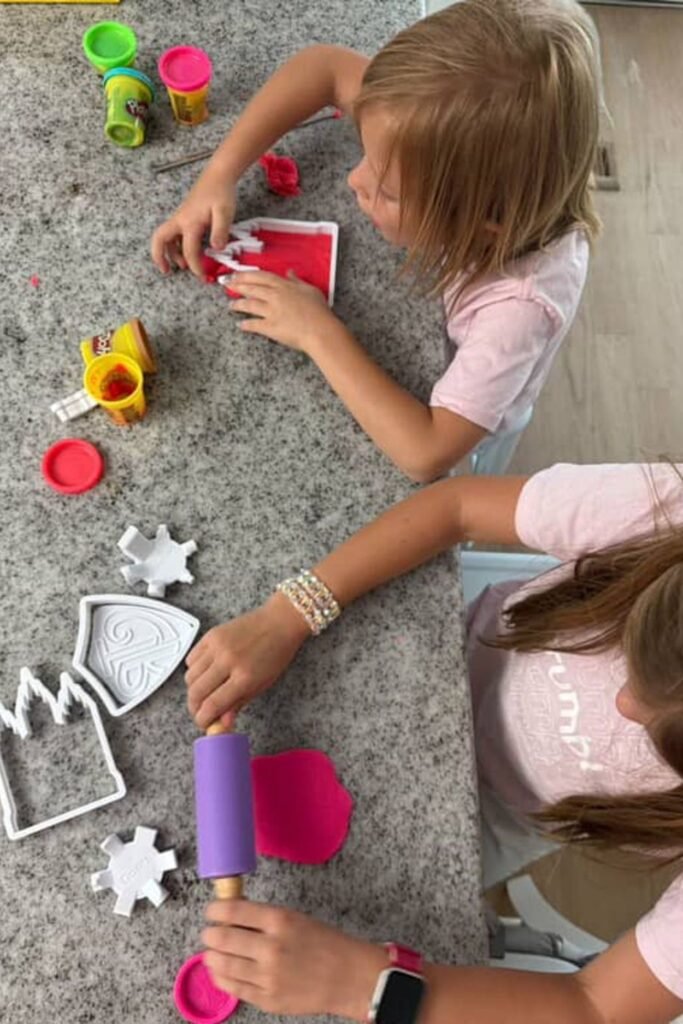
Dough Shapes
Tiny hands usually stay happier when they can squish, roll, and create something at their own pace which makes play dough a lifesaver during conference weekends.
Simple cookie cutters, rolling pins or faith-themed shapes can quietly turn a kitchen counter into a calm activity spot without making too much noise.
Temple shapes, hearts, stars, or simple patterns work especially well because kids can create while still listening in the background.
Keeping one small container of dough per child helps avoid arguments, especially with siblings close in age.
Soft activities like this often work best for toddlers and preschoolers who struggle to sit through long sessions.
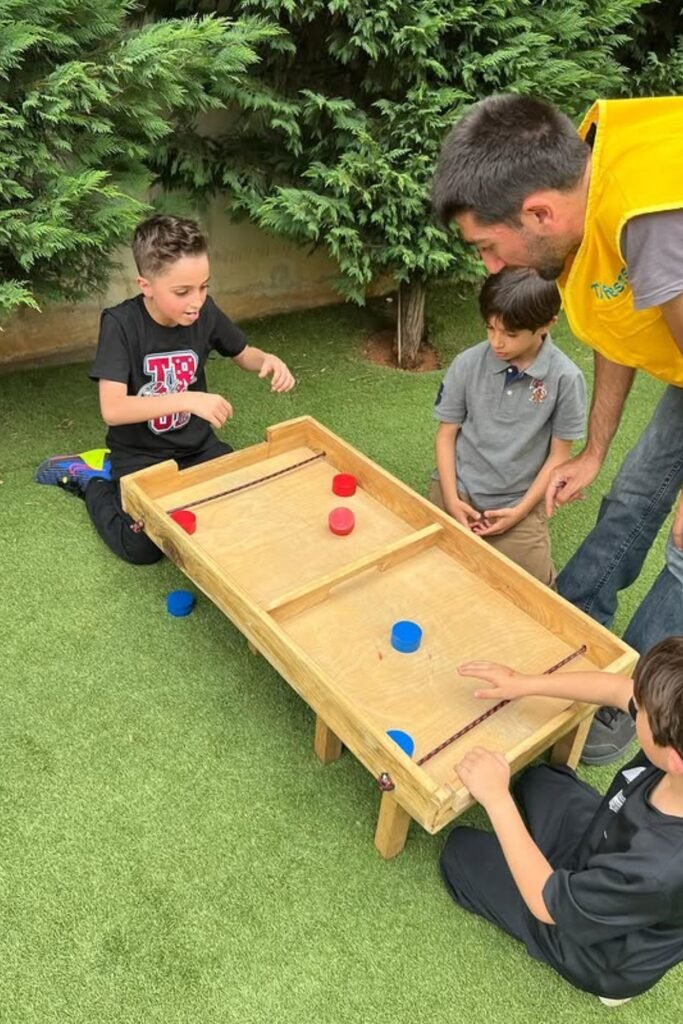
Quiet Competition
Friendly games can work during conference too, but keeping them calm makes all the difference.
A basic tabletop puck game like this is great for breaks in session or peaceful family moments between chats.
Since youngsters get movement without turning the home upside down. Sliding pieces back and forth provides older kids something fun to do.
And is much quieter than running games. Families with many children close in age do well to establish a little score competition.
Sibling tournament outdoors or in the playroom. Short rounds tend to work better here, as pausing after a few minutes.
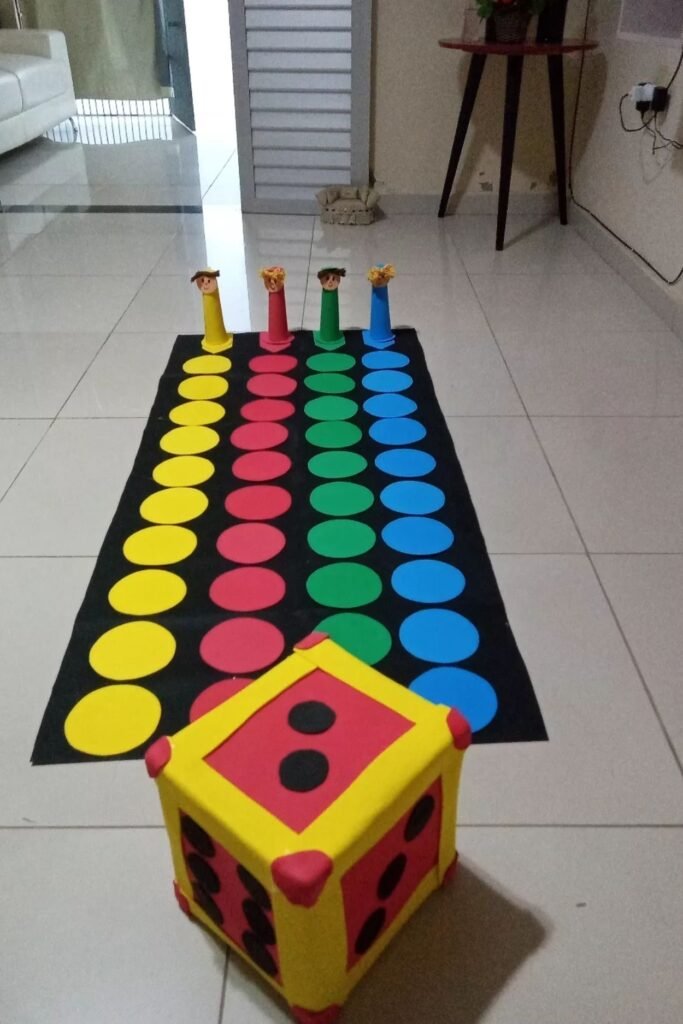
Dice Steps
Tiny bursts of movement can save conference time when kids start getting restless, and a simple floor dice game gives them a fun reset without too much chaos.
Color circles, a soft die and simple movement rules turn an empty hallway or corner of the living room into something kids genuinely get excited about.
Rolling the dice and finding matching colors between sessions or in short pauses when attention is starting to wander works very well.
That’s where keeping the game gentle makes a significant difference, because jumping and racing may get too thrilling real quick.
Simple commands such as jump once, clap twice, or go to a color can burn off surplus energy while still maintaining a calm enough mood to settle back.
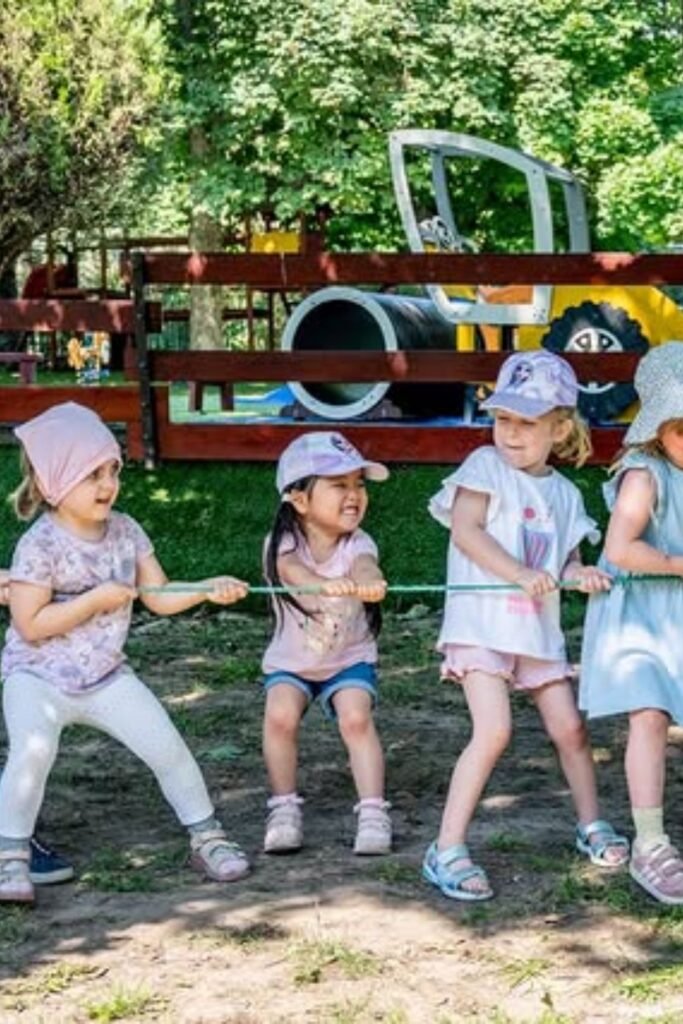
Rope Pull
Quick outdoor games can help kids release energy before conference starts but keeping them short makes a huge difference.
A moderate tug-of-war is a great pre-conference activity or break-time reset, as youngsters move, laugh and burn extra wiggles before sitting down again.
Soft grass, a short rope, and teams of varied ages tend to make the game feel fun without getting too competitive.
Switching teams each round also helps include younger siblings. These small movements seem to help restless kids relax faster at conference.
Here it’s ideal to keep the rounds short, as an exhausted fun usually means calmer listening afterward, rather than over-stimulated moods.
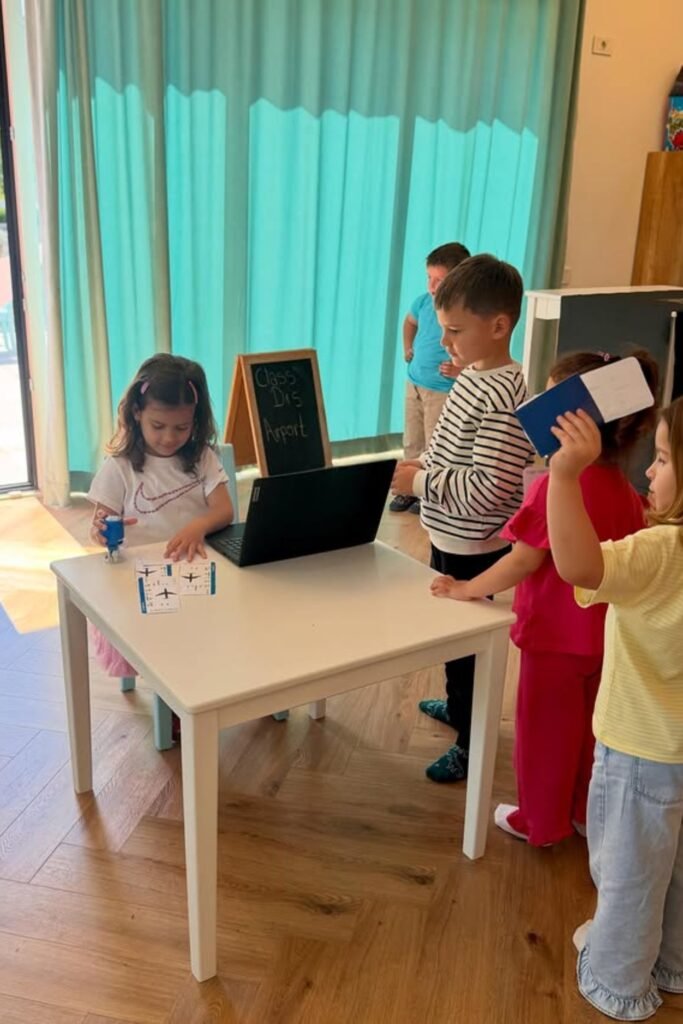
Pretend Office
Important jobs suddenly make quiet time feel much more exciting, especially for kids who love playing grown-up.
A make-believe “conference office” or check-in table might keep kids busy while the conversation is happening in the background.
Clipboards, notebooks, toy laptops, stamps or simple task cards work particularly well for primary kids who feel antsy after sitting too long.
Giving youngsters small tasks like “take attendance,” “write speaker notes,” or organize paperwork allows them feel included without making noise in the house.
Setting up a little table by the family room usually works best because kids are close but yet feel like they have their own personal station.
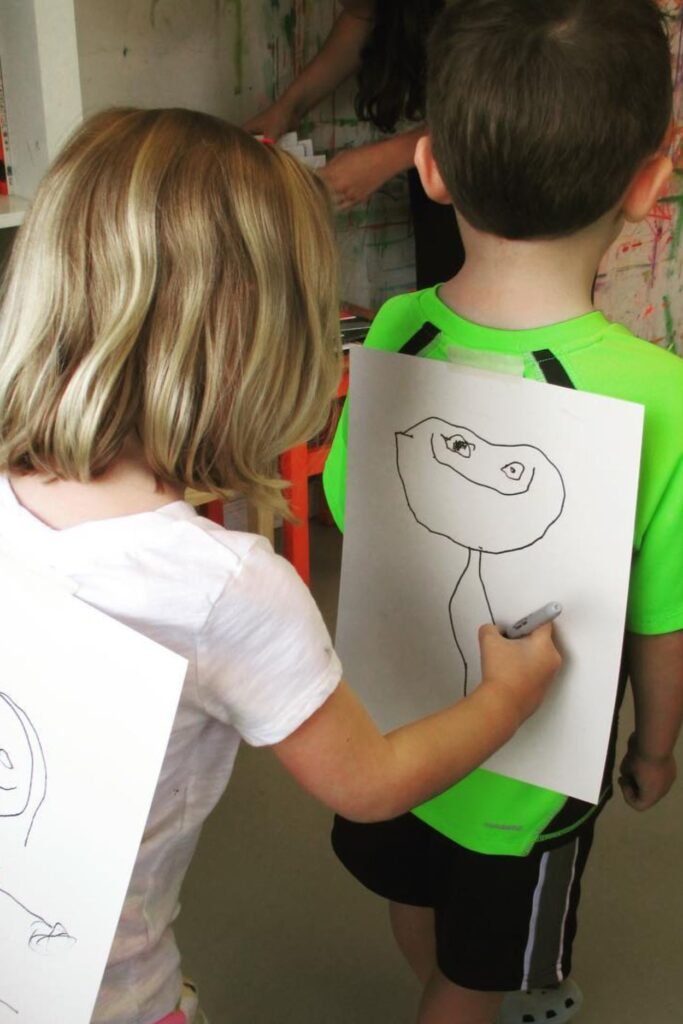
Drawing Match
Giggles usually happen fast when kids get to draw each other and a simple partner sketch game can quietly hold attention without needing fancy supplies.
Regular conference afternoon? A dumb challenge like “draw your sibling” with paper and markers can make that something kids genuinely love.
This is especially good when the youngsters are sitting on the floor near the family room since they stay nearby and still feel busy.
Short drawing prompts related to conference can make it even more meaningful, such as painting something.
They heard in a session, or drawing how they imagine kindness, faith, or service. The key is to make the aim fun rather than perfect.
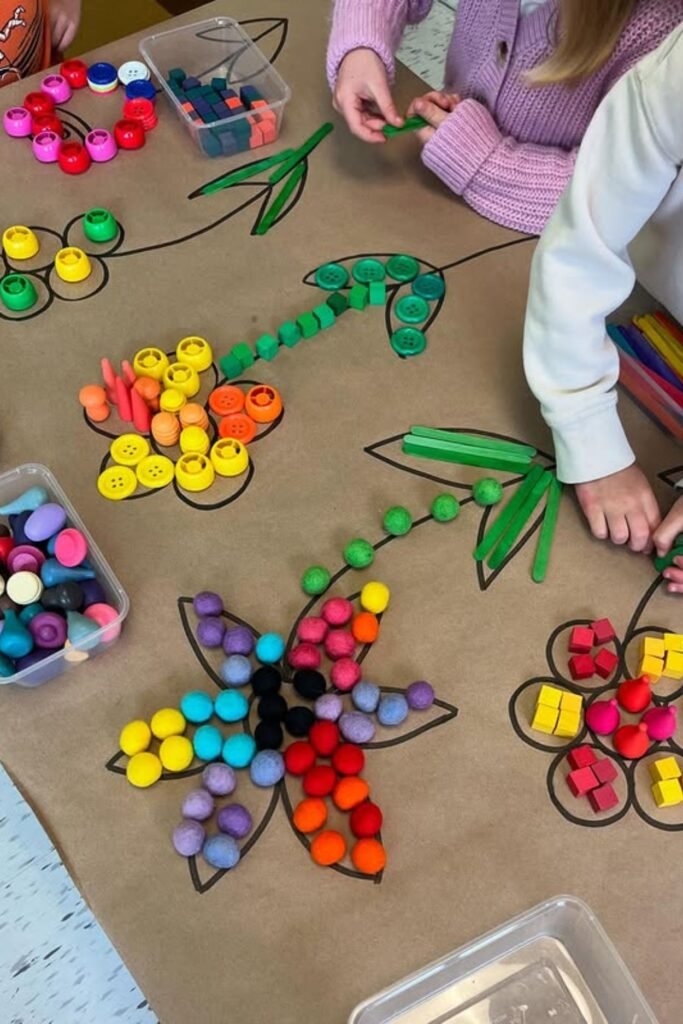
Pattern Sorting
Tiny objects can keep little hands busy much longer than expected, especially when kids love arranging and matching things.
Outlines that are basic and filled with buttons, pom-poms, blocks or craft sticks can make conference time a peaceful, screen-free focus exercise.
A sorting mat on the dining table or coffee table works especially well for preschoolers who require something hands-on while listening in the background.
Kids need an activity to concentrate on that won’t make a mess all over the place, like matching colors, filling in shapes or forming little patterns.
Mixed materials are also more intriguing to the activity since toddlers stay intrigued longer when they may swap between textures.
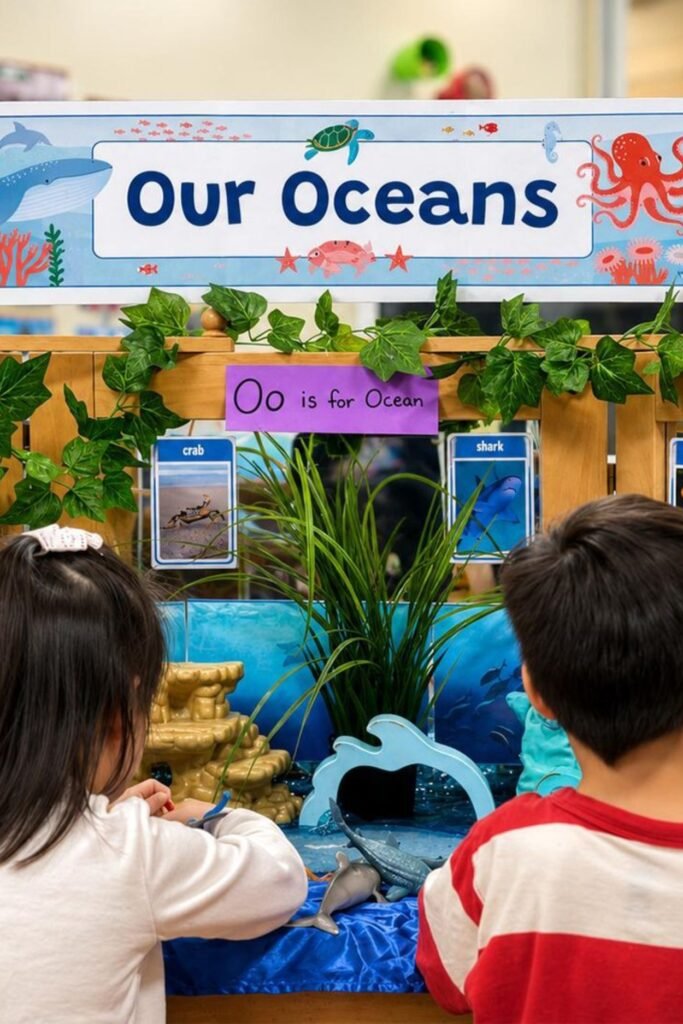
Ocean Station
Curious kids often settle down faster when an activity feels like a tiny world they can explore.
An ocean-themed sensory setup works really well for conference weekends. Because kids don’t need loud toys.
They stay occupied touching, sorting, pretending. Small marine animals, blue cloth, plants.
Image cards can transform one area of the room into a serene location for discovery, a place that gently holds children’s attention.
Easy games like “find the turtle” or “match the animal card” prolong the action and counteract preschoolers’ tendency to lose interest rapidly.
Also helps to keep the setup near where conference is playing. Kids are close but don’t feel left out.
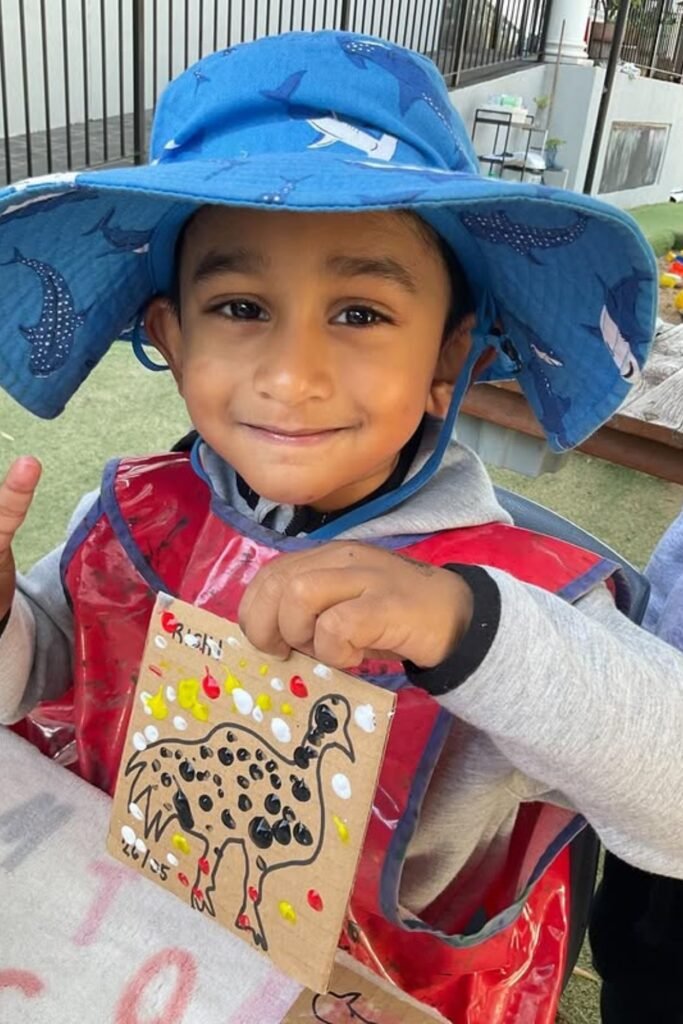
Paint Patterns
Mess-free crafts can feel impossible during conference, but small painting projects often hold attention longer than expected.
This kind of simple dot-paint activity is really good for little ones who like to make things but don’t need a lot of supervision.
A modest table can change into a quiet painting space with printed outlines, paint markers, stickers or cotton swabs.
As conference sessions play in the background. Animal forms, temples, hearts, other conference-themed imagery make the action seem more related.
Without being too distracting. That’s one reason to keep supplies limited, because too many options might make quiet time a greater cleanup job.
FAQs
How Do You Keep Kids Interested During General Conference Without Screens?
Small things usually work better than large entertainment plans. Quiet things like coloring posters, listening bingo, sorting activities.
Play dough or basic painting prompts keep kids engaged without taking full attention away from conference.
Switching tasks every 20-30 minutes might also help to avoid boredom before it turns into whining or distractions.
What Are The Best General Conference Activities For Younger Kids?
Hands-on activities that keep young fingers busy usually work best for toddlers and preschoolers.
Play dough, sticker books, sensory bins, coloring sheets, basic matching games and pretend play stations are extremely good.
Since the kids can be close to the family, but feel amused. Low-mess and easy to switch activities provide for a much calmer conference time for all.
Hi, I’m Afaf! I’m a law student who loves writing about everyday life – from home projects and crafts to fashion, beauty, and parenting tips.
I’ve been writing for over a year, sharing ideas that are simple, practical, and easy to try. I write about things I find interesting and useful, whether that’s organizing a space, trying a new DIY, or finding activities to keep kids entertained.
My goal is to share helpful ideas without making things complicated. If it works in real life, I’ll write about it.
When I’m not studying or writing, I’m usually experimenting with new projects or scrolling for inspiration!