
21 The Very Hungry Caterpillar Activities 2026
The Very Hungry Caterpillar normally begins off strong, but it might be hard to keep that interest up after the last page.
One minute your preschooler is pointing at every fruit, the next they are eager to run off to something else.
Then add in Pinterest ideas that look cute but take time to set up and it gets irritating quickly.
If you’re looking for easy activities that link to the tale, keep small hands busy, and sneak in some learning without it feeling like school, you’re in the perfect spot.
In this article, I will show you 21 amazing the very hungry caterpillar activities for kids that feel creative, playful, and surprisingly easy to set up.
Let’s jump in!
How Can You Turn The Very Hungry Caterpillar Into a Hands-On Learning Activity?
Kids get excited when you read The Very Hungry Caterpillar to them for a few minutes, but the true fun.
When you make the story something they can touch, move, count, and play with. Don’t just close the book and move on.
Save this article for later!👇👇👇
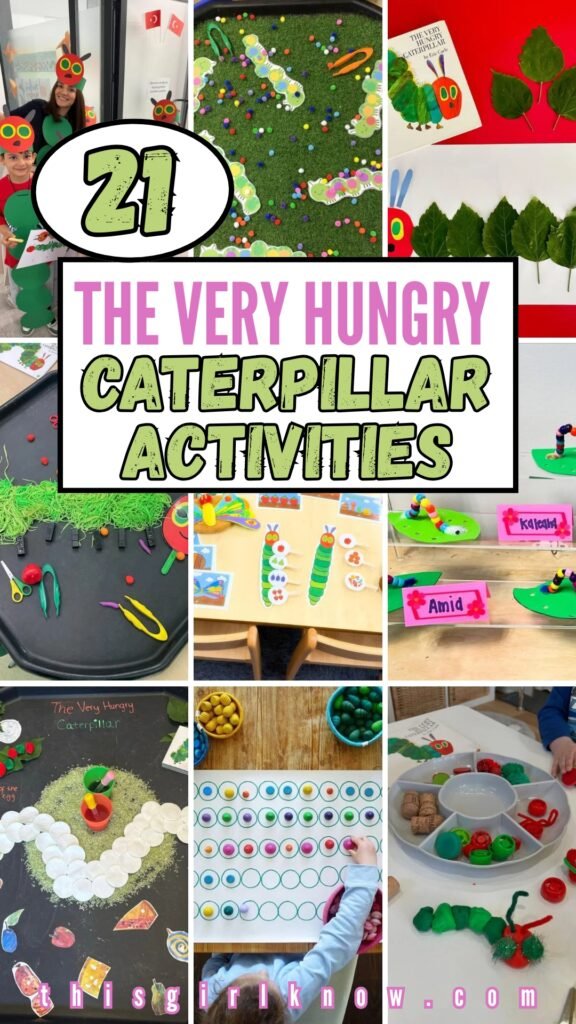
Use the caterpillar’s food, colors, and trip to the butterfly to keep youngsters engaged a little bit longer.
If your child has a hard time sitting still, simple activities such as feeding a paper caterpillar, sorting fruit or playing.
But the life cycle of a butterfly can engage attention without feeling like extra work. Best bit.
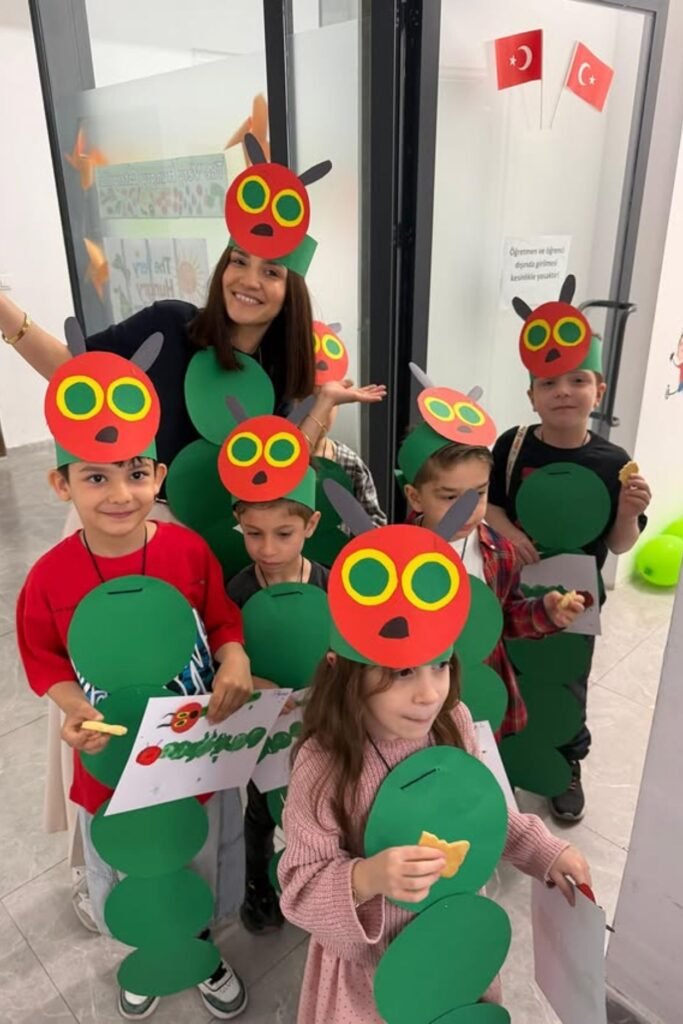
Caterpillar Costumes
Storytime feels a lot more exciting once kids get to become the hungry caterpillar instead of only hearing about it.
Oversized body circles and bright paper caterpillar caps convert a routine reading session into pretend play children actually remember.
Costume-type activities are especially well suited for classroom book week, preschool corridors or daycare story circles.
When kids like to move about rather than sit motionless. To duplicate the look for little money, use colored chart paper.
Cut out big green circles for the torso and add a red caterpillar face headband. Small elements make the exercise feel linked to the novel.
Pom Sorting
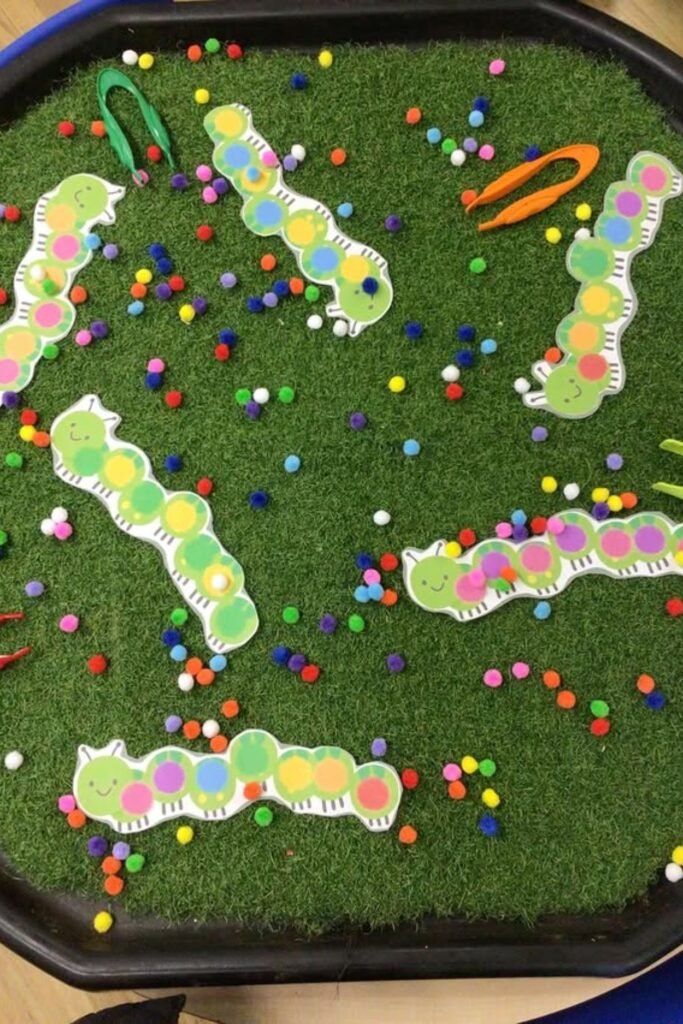
Tiny hands stay busy longer when an activity feels like a game instead of a lesson. Colorful pom poms and caterpillar matching.
Turn The Very Hungry Caterpillar into a quiet learning station where kids naturally practice colors, counting and fine motor skills at same time.
Sensory bins like this work really well for preschool tables, homeschool mornings, or calm-time activities after reading the book.
Print or draw caterpillar templates with colored body circles, then scatter matching pom poms around a tray with kid-friendly tweezers for extra fun.
Matching colors to the caterpillar body keeps little learners focused while building hand coordination with out feeling like school work.
Leaf Caterpillar
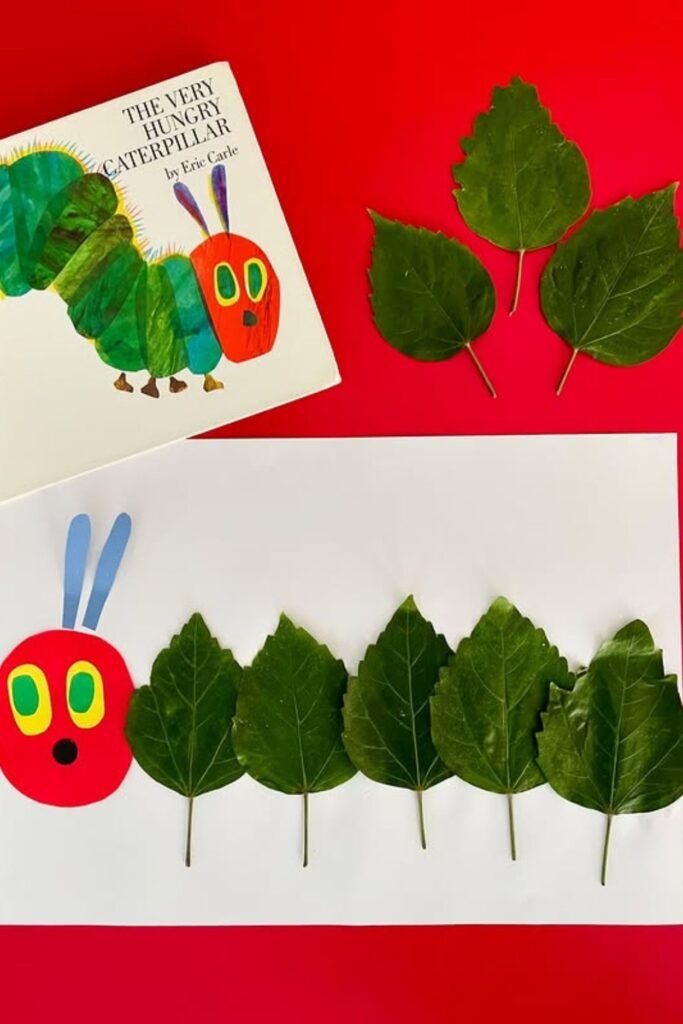
Fresh leaves can turn an ordinary craft table into a little nature lesson without much effort. Real leaf caterpillars feel extra fun.
Kids get to make something out of outside findings, linking it back to The Very Hungry Caterpillar.
Days in the park, backyard play or nature weeks at preschool seem like the perfect venue for an activity like this one.
Collect leaves of comparable size and arrange them to make the body of the caterpillar and attach a simple red paper face to bring the story character to life.
Young learners love to compare leaf forms, count body segments, and discuss how caterpillars live among plants.
Learning Station
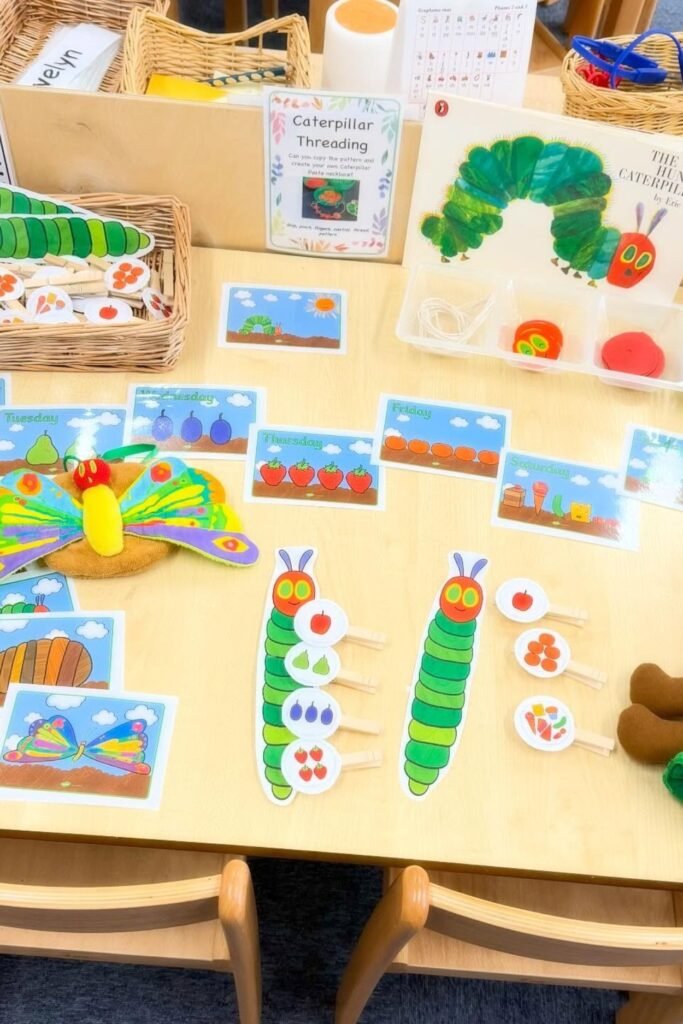
Busy little learners usually stay engaged longer when one story turns into several mini activities at the same table.
Such a design is wonderful for preschool classrooms, homeschool corners, or literacy week since kids can go from activity to task and not become bored.
Food matching to the caterpillar, threading pasta pieces, sorting the days of the week and investigating.
The butterfly life cycle all lend themselves easily to The Very Hungry Caterpillar without being overwelming.
Use small baskets to store items so the kids may get one activity at a time and work independently.
Sensory Caterpillar
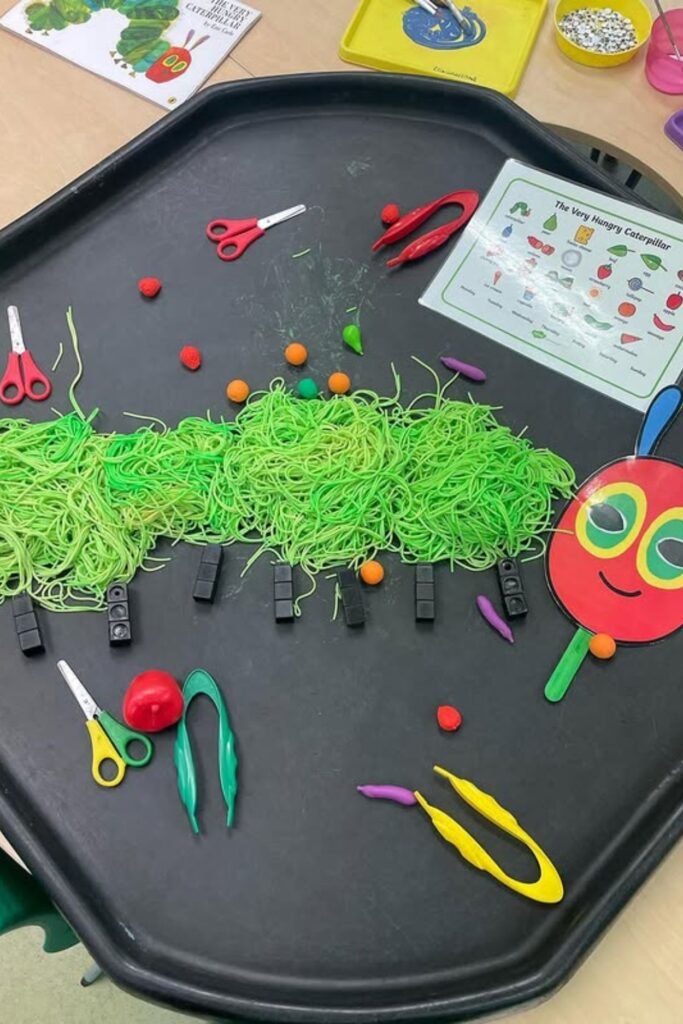
Messy play suddenly feels more purposeful when kids can build the hungry caterpillar with their own hands.
A simple plate of green dyed spaghetti, pom poms, tweezers and small tools make for a hands on exercise.
That will help active preschoolers to focus much longer than a worksheet ever could.
Sensory set-ups like this are perfect after story time when tiny learners still have energy to move and touch everything.
Put cooked green spaghetti in caterpillar segments and let youngsters add “food” legs or tiny details by matching things from the story sheet nearby.
Bead Caterpillar
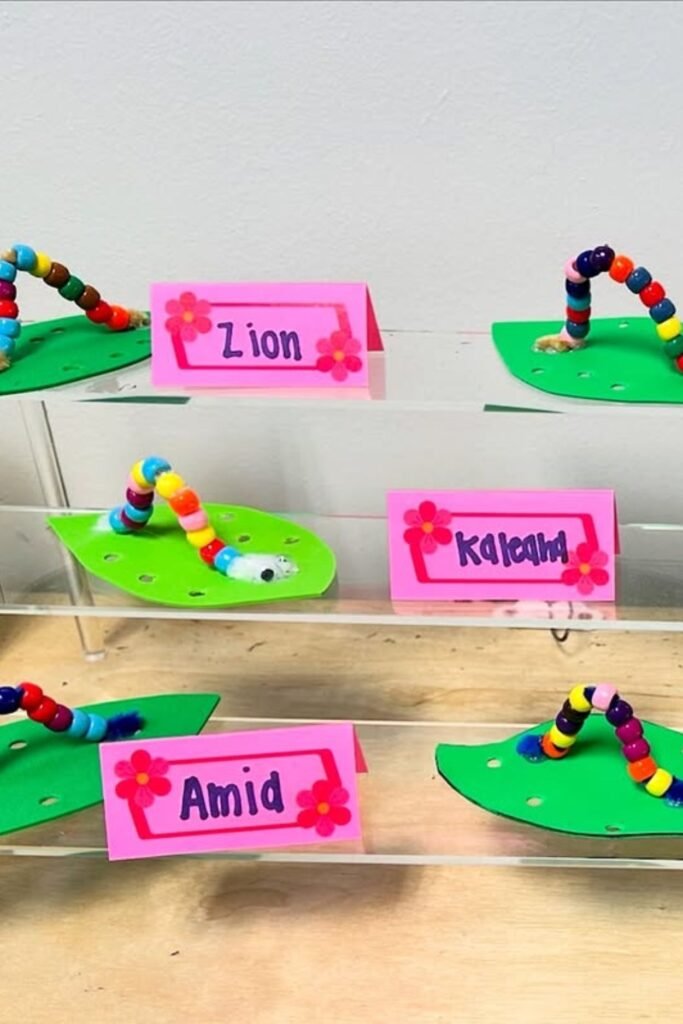
Little fingers love activities that feel more like making jewelry than doing a lesson. Colorful bead caterpillars bring The Very Hungry Caterpillar story to life.
softly helps preschoolers improve hand coordination, color matching and simple counting.
Name stations for the classroom, spring themes or calm morning table activities seem to be just the ticket for something so hands-on.
Recreate the effect by threading brilliant beads onto pipe cleaners and shaping into a wiggly caterpillar on green paper leaves.
Googly eyes will quickly make the caterpillar feel lively, and punched holes in the leaf can tie back to the renowned eating holes from the story.
Pattern Caterpillar
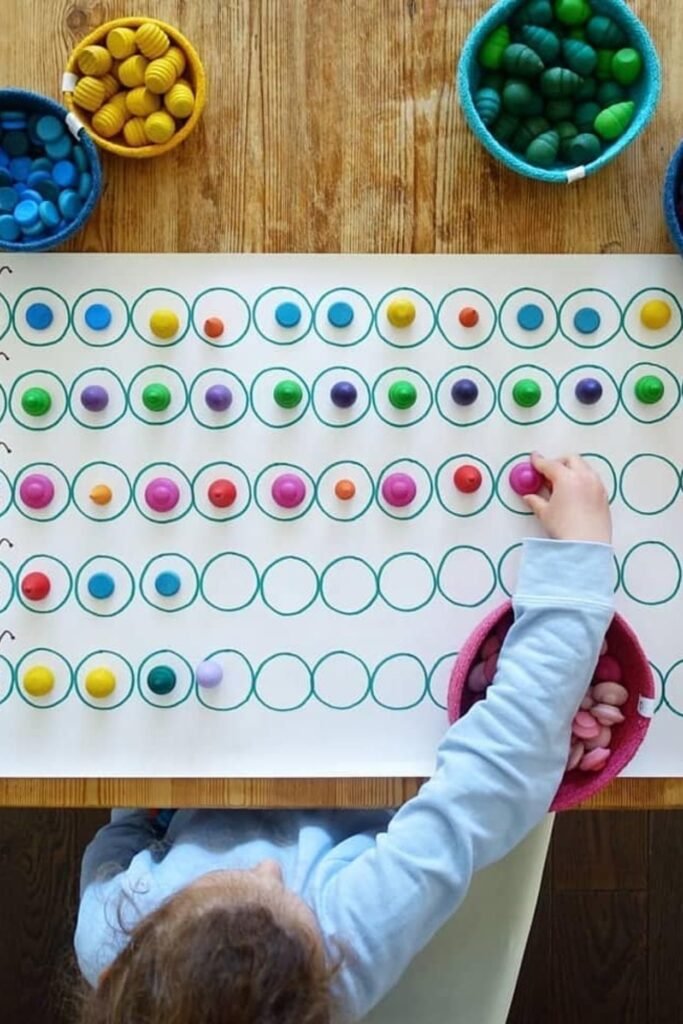
Counting suddenly feels way more fun once colorful pieces turn into a hungry caterpillar instead of a worksheet.
Activities like this develop early math abilities in a calm way, while keeping toddlers attached to The Very Hungry Caterpillar theme with colors and sequencing.
Preschool tables, a quiet learning time, or homeschool mornings are a good choice when you want something informative without hearing, “I’m bored” after five minutes.
Draw basic caterpillar body circles on paper and have bowls of colorful counters, pom poms or buttons ready.
Free-play caterpillar constructing with repeated color patterns allows kids to work on sorting, matching and problem solving on their own terms.
Story Tray
Storytime sticks better when kids can touch the caterpillar’s journey instead of only listening to it.
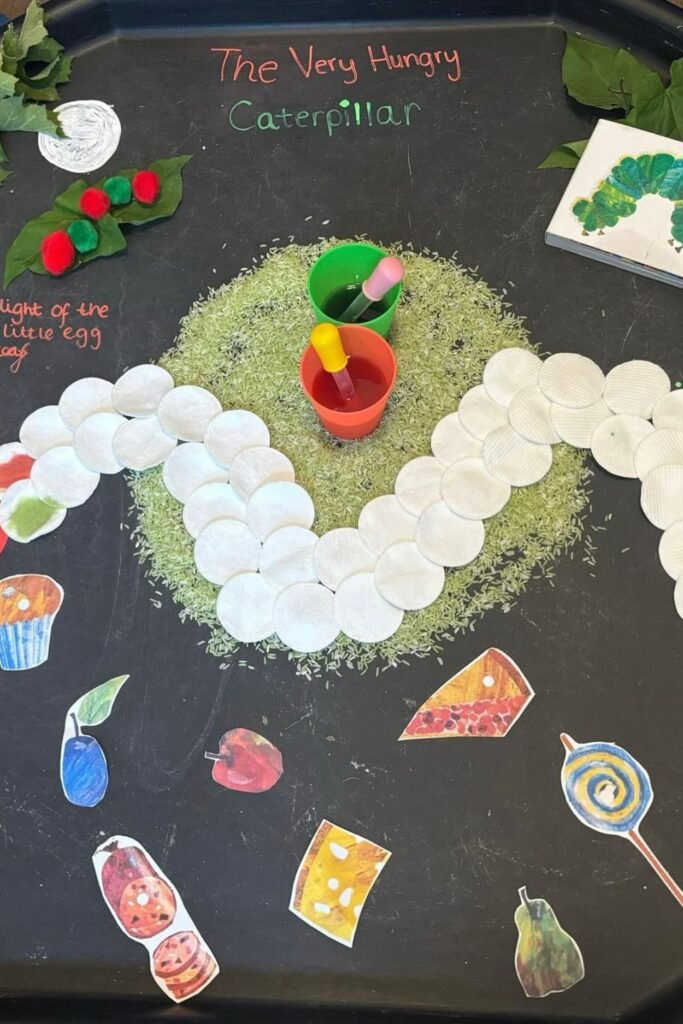
Cotton rounds, food cutouts, and basic sensory items mean the whole book is a fun retelling experience perfect for preschool centers.
Homeschool tables, or peaceful afternoon study. Most little learners love to move through the story one snack at a time recalling what the caterpillar ate next.
Make a huge caterpillar body with cotton pads, and let the kids paint portions green or “feed” the caterpillar by matching food bits from the story.
Then there’s rice in the middle, which adds a sensory element that makes this arrangement feel a bit more appetizing without a lot of work.
Playdough Caterpillar
Squishing, rolling and building usually keep busy hands focused way longer than paper activities.
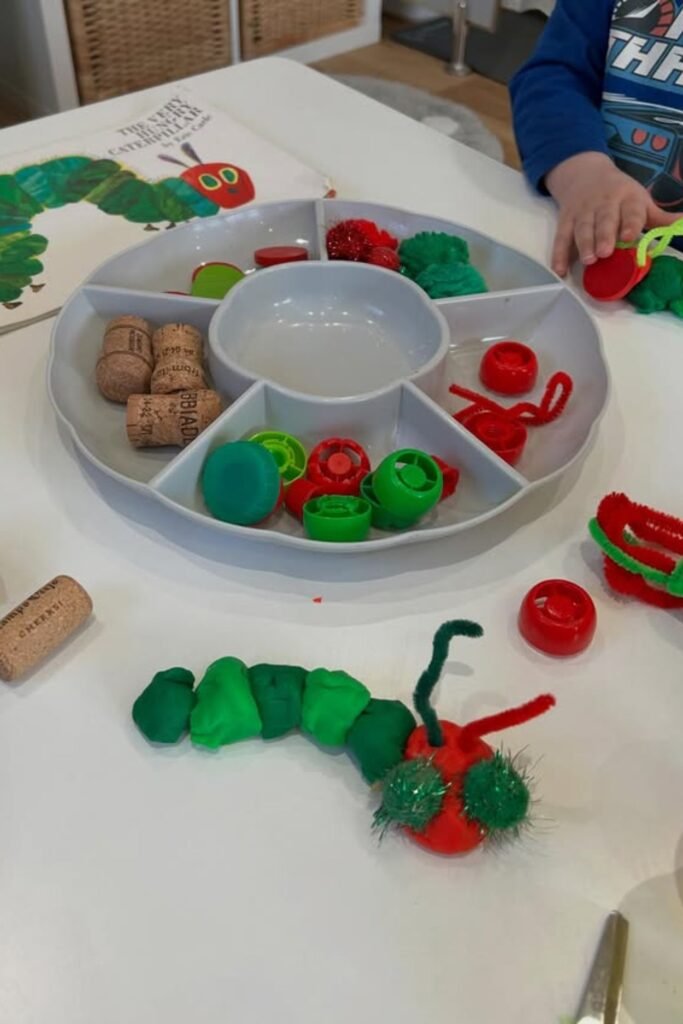
Playdough caterpillars feel especially fun after reading The Very Hungry Caterpillar because kids get to shape the character themselves.
While exploring textures and colors at the same time. Rainy afternoons, preschool sensory tables, or quiet play corners feel like the perfect place for an activity like this.
Roll green playdough into body sections, then add pom poms, pipe cleaners, bottle caps, or cork pieces for silly caterpillar details.
Loose parts trays work really well here because children can mix materials and create their own version instead of copying one exact design.
Tiny tweaks like red faces or fuzzy antennae help connect everything back to the book while quietly building hand strength and fine motor skills through play.
Caterpillar Table
Walking into a setup like this makes storytime feel more like an adventure than another preschool activity.
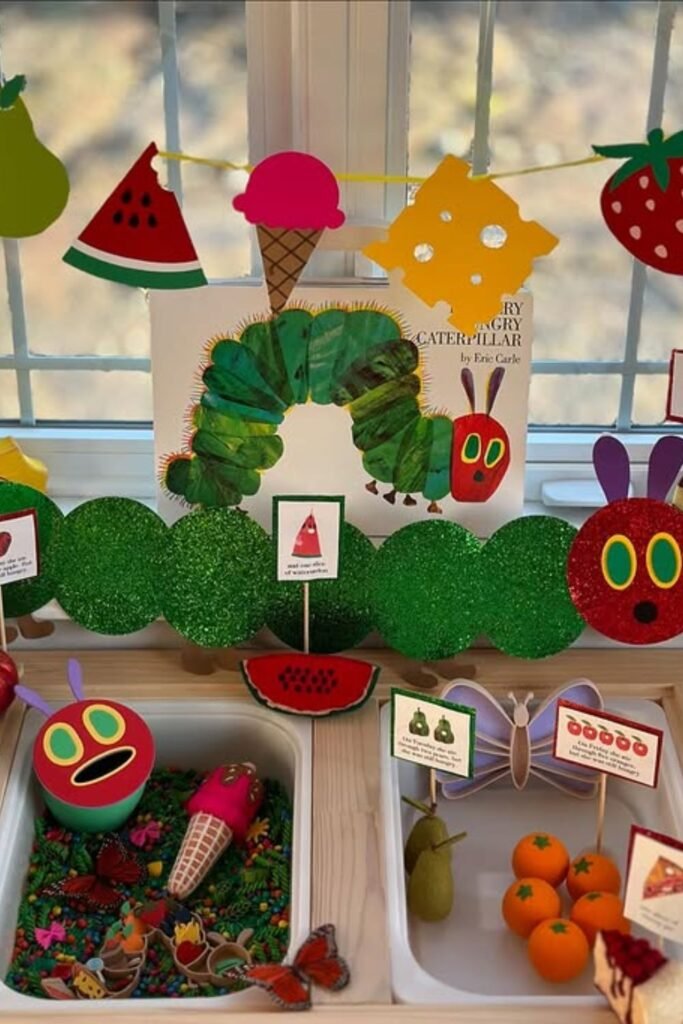
Bright food cutouts, caterpillar faces, sensory bins and hanging snacks get the youngsters straight into The Very Hungry Caterpillar.
With little encouragement to participate in. Something this lively is especially great for classroom book week, childcare themes, or birthday learning stations.
Pick some of the foods in the story pears, strawberries, watermelon, or ice cream and make little paper versions to scatter about the table.
Sensory trays packed with small scoops, toy bugs, pretend food, or colored fillers will give children something to explore as they repeat the story of the caterpillar eating.
Name Caterpillar
Learning names feels a lot more exciting once letters turn into a hungry caterpillar instead of another alphabet task.
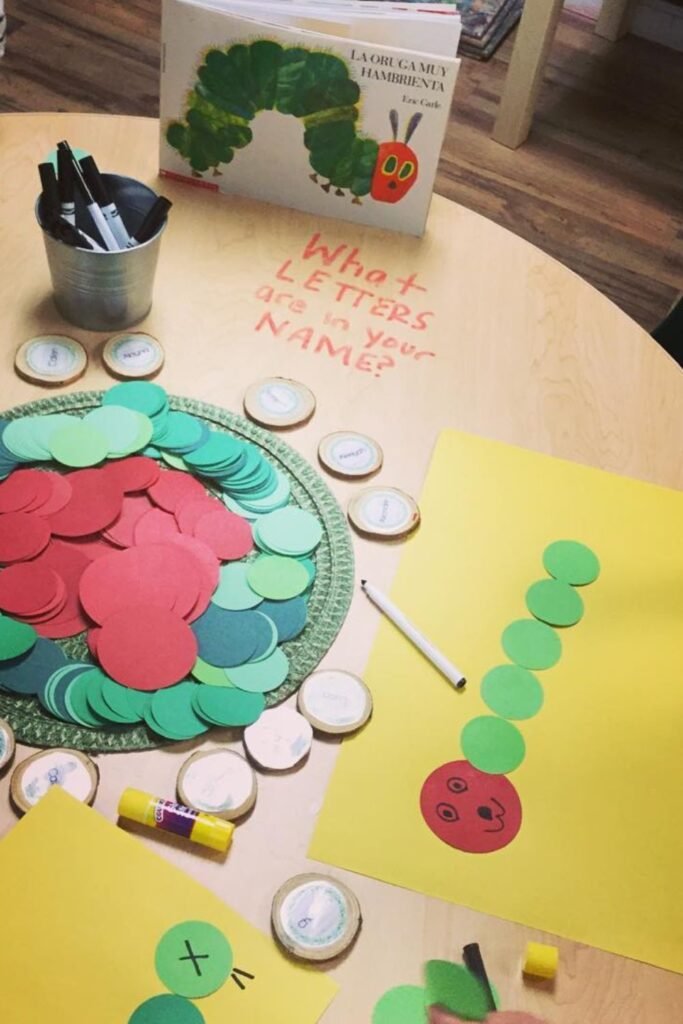
Simple but ingenious game where kids may design their own caterpillar with circle cutouts while practicing letter recognition at the same time.
If you want learning to feel playful, preschool tables, reading week or calm classroom centers feel like a perfect fit.
You can use green paper circles for each letter of a child’s name and conclude with a red caterpillar face to match the figure in the narrative.
The body section letters are written softly, which makes name practice visual and hands-on.
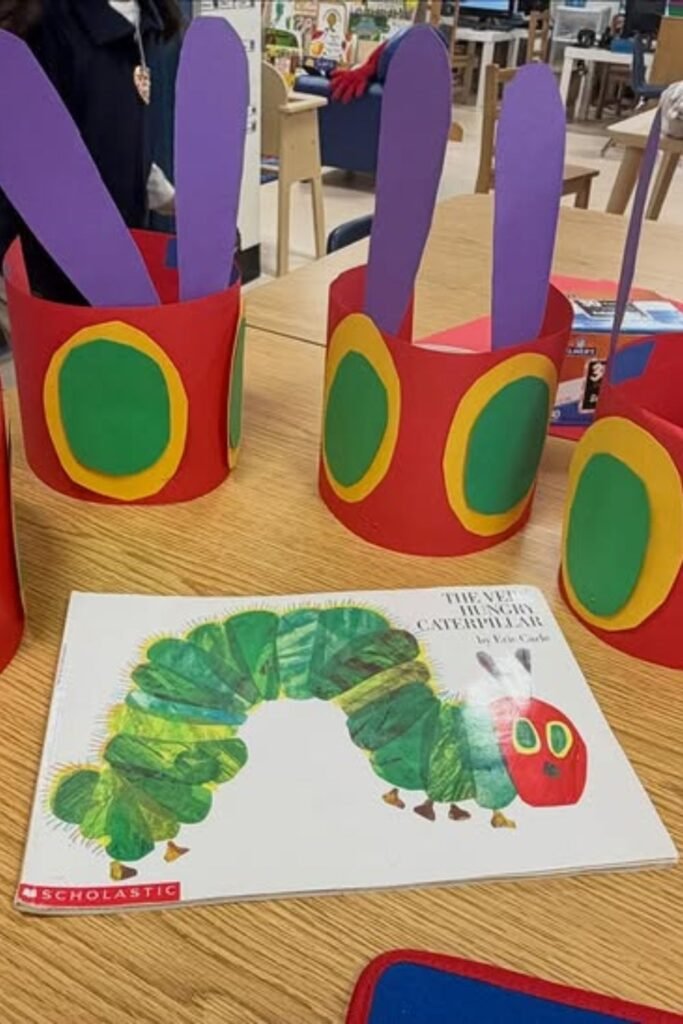
Caterpillar Crowns
Kids always seem to get into storytime a little faster when there are dress up activities. Simple caterpillar hats like these make The Very Hungry Caterpillar.
Something that children can wear, move in and proudly show off throughout the school.
Caterpillar glance of small learners makes reading nooks in preschool, book themed weeks or fun Friday activities especially wonderful.
The activity is simple enough that smaller kids may do it with red paper bands with big green-and-yellow eyes.
And tall purple antennas without requiring elaborate supplies. Cutting pieces ahead of time helps busy classes work faster.
Feed Caterpillar
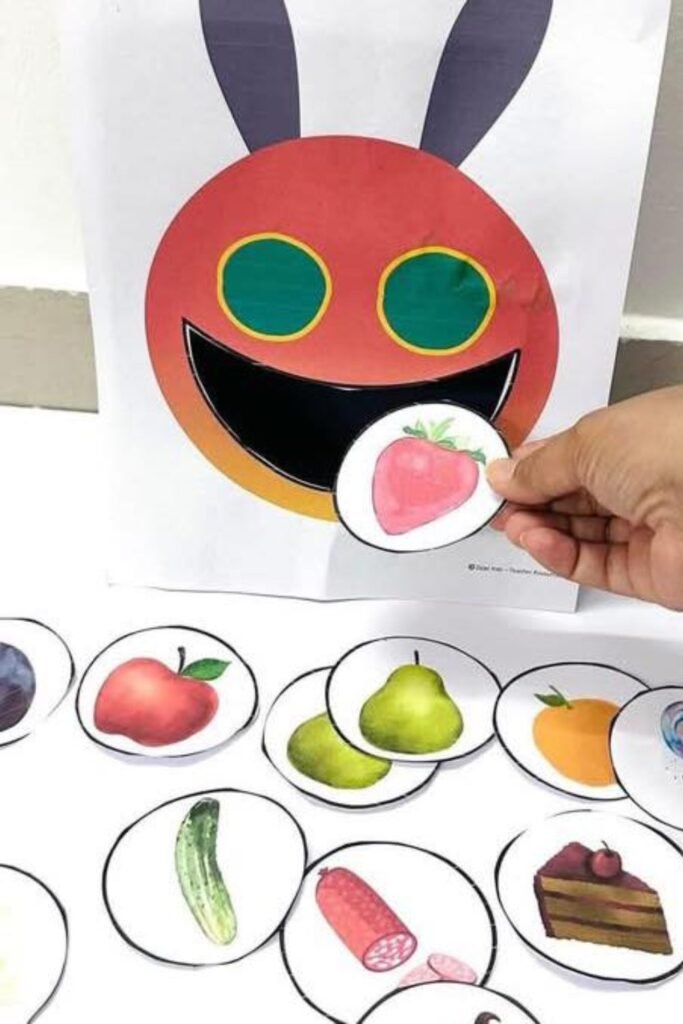
Little learners love activities that let them “help” the hungry caterpillar eat. Food matching games like this turn storytime into something interactive.
As the children can chose treats from the book and hand them one at a time to the caterpillar.
Sounds like a great practice for developing memory abilities while keeping hands moving in a quiet preschool center, homeschool morning or small group reading time.
Cut out a big caterpillar face on colorful paper, leaving the mouth open wide so youngsters can slide food cards inside.
Story fruits and snacks make the exercise feel familiar, especially as the kids try to remember what the caterpillar ate first, next and last.
Butterfly Craft
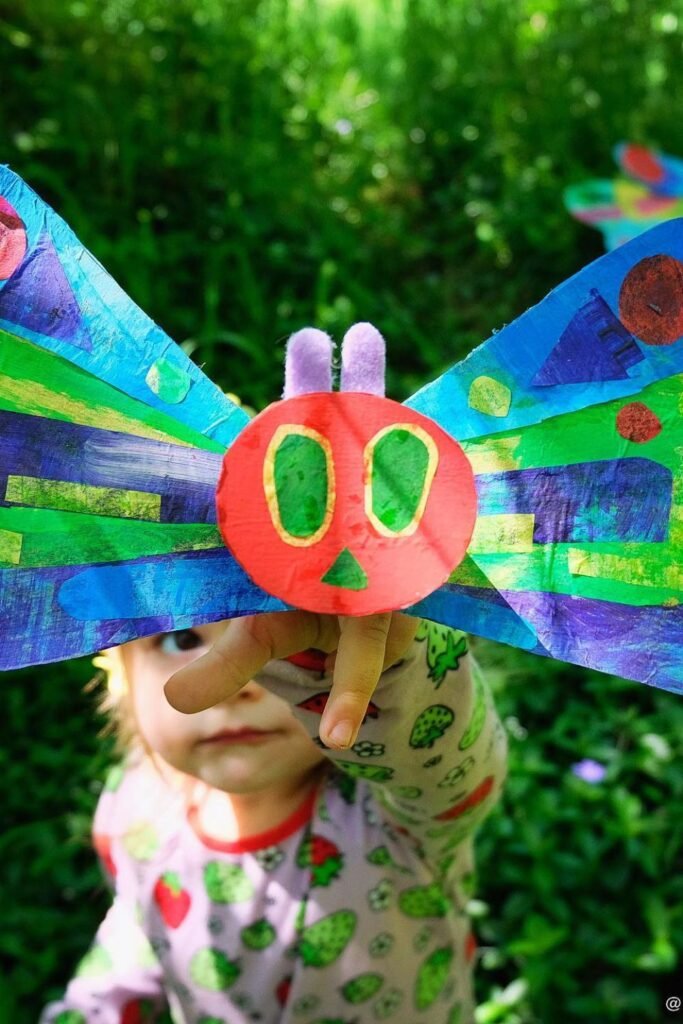
Watching the hungry caterpillar turn into a butterfly suddenly feels more exciting once kids can hold the transformation in their hands.
After reading the book and discussing about what occurs after the caterpillar consumes so much, a butterfly activity.
Like this feels particularly wonderful with bright painted wings and vibrant colors.
Something this vibrant seems like a great fit for outdoor craft time, spring themes, or preschool nature modules.
Paint big paper wings with fun patterns instead of trying to keep flawless lines. Messy brush strokes frequently make the butterfly appear even more entertaining.
Color Experiment
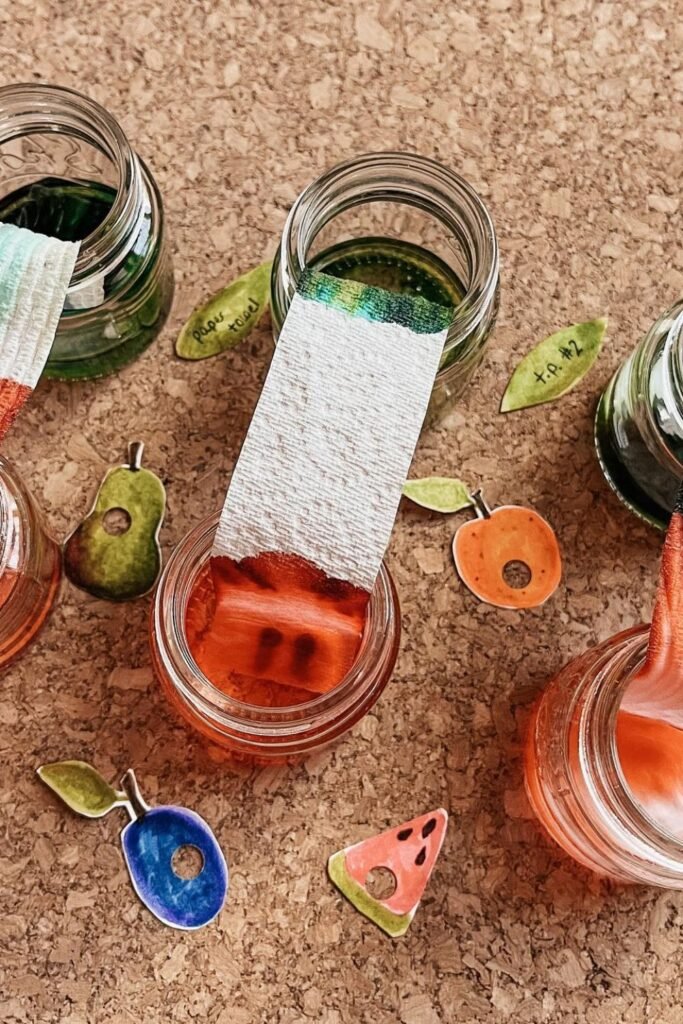
Watching colors slowly crawl across paper feels almost like the hungry caterpillar is moving on its own.
Simple science activities like these are beautiful for times you want something hands on without the glitter, glue or a big craft setup.
Storytime + a little experiment? Preschool science tables? Rainy afternoons? Book-themed learning days? Even more fun!
Cut paper towels into long strips and color one end green and the other red or orange. Insert the ends into jars of colored water and watch the magic.
Curious little learners frequently want to look back and see how the colors move and mix together.
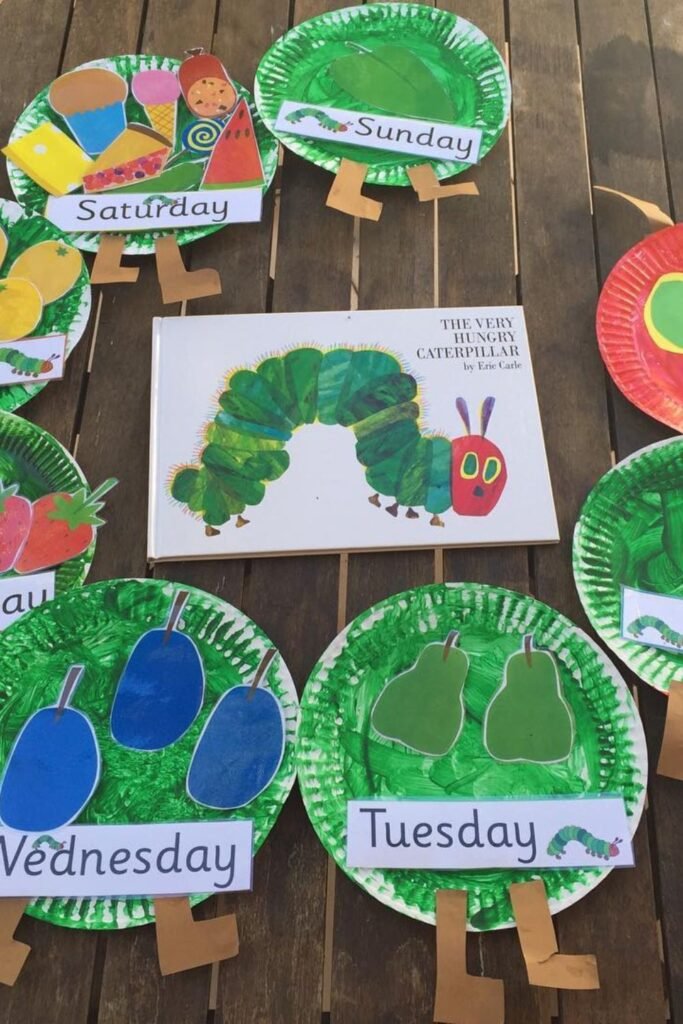
Week Sequencing
Days of the week suddenly make a lot more sense once kids can actually see what the hungry caterpillar ate each day.
Paper plate caterpillars like these turn story retelling into a playful matching game that quietly builds memory, sequencing, and early reading skills at the same time.
Preschool literacy corners, homeschool lessons or circle time feel especially fun with an activity that keeps little learners moving and talking.
Paint paper plates green, add tiny caterpillar legs, and match foods to the correct day from the story to recreate the look.
Monday apples, Tuesday pears and weekend treats help children naturally remember the caterpillar’s eating journey without needing flashcards.
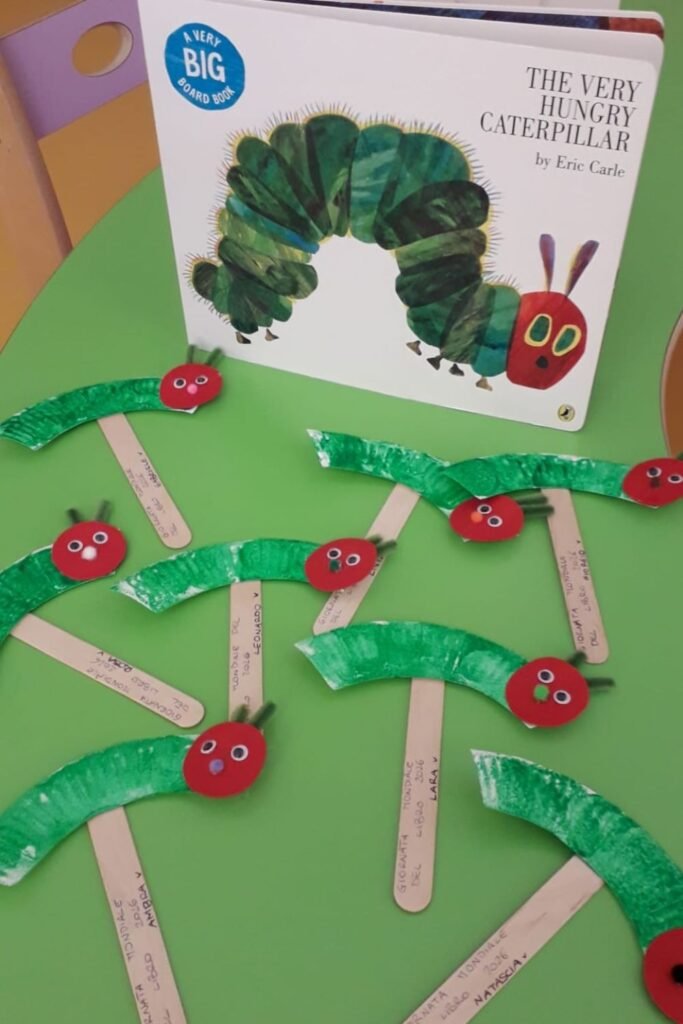
Puppet Caterpillar
Turning a simple craft into something kids can move around instantly makes storytime feel more exciting.
These paper plate caterpillars make story recounting a fun matching game that gently develops memory, sequencing, and early reading skills simultaneously.
It’s a fun game that gets little learners moving and talking and is perfect for preschool literacy corners, homeschool classes or circle time.
Recreate the look by painting paper plates green, adding little caterpillar legs and pairing items with the right day from the story.
Monday apples Tuesday pears and weekend sweets help children recall the caterpillars feeding journey organically with out the need for flashcards.
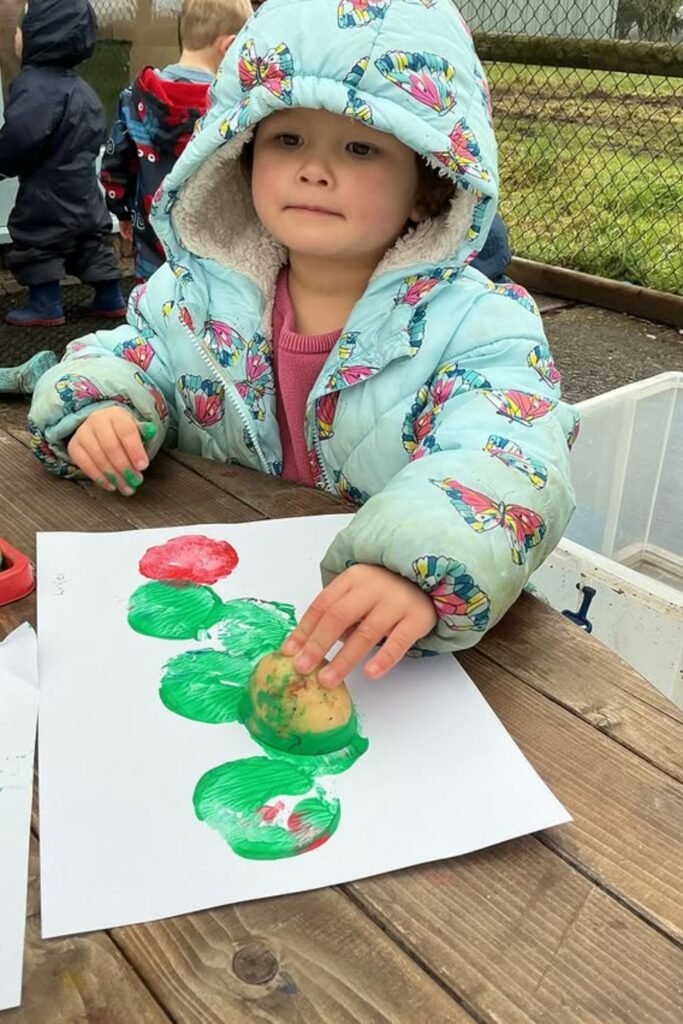
Potato Painting
Paint brushes are fun but potato stamping usually wins faster with little kids who love messy play.
The round potato prints naturally make the hungry caterpillar body, so this activity feels simple enough for children, but still looks adorable when finished.
This, hands-on, seems like a fantastic setting for outdoor craft tables, preschool painting days, or spring-themed storytime.
Dip chopped potatoes in green paint and stamp circles onto paper to make the caterpillar body.
Finish with a bright red head to represent the book character. Perfection is never an issue here as uneven printing only make the caterpillar look more lively.
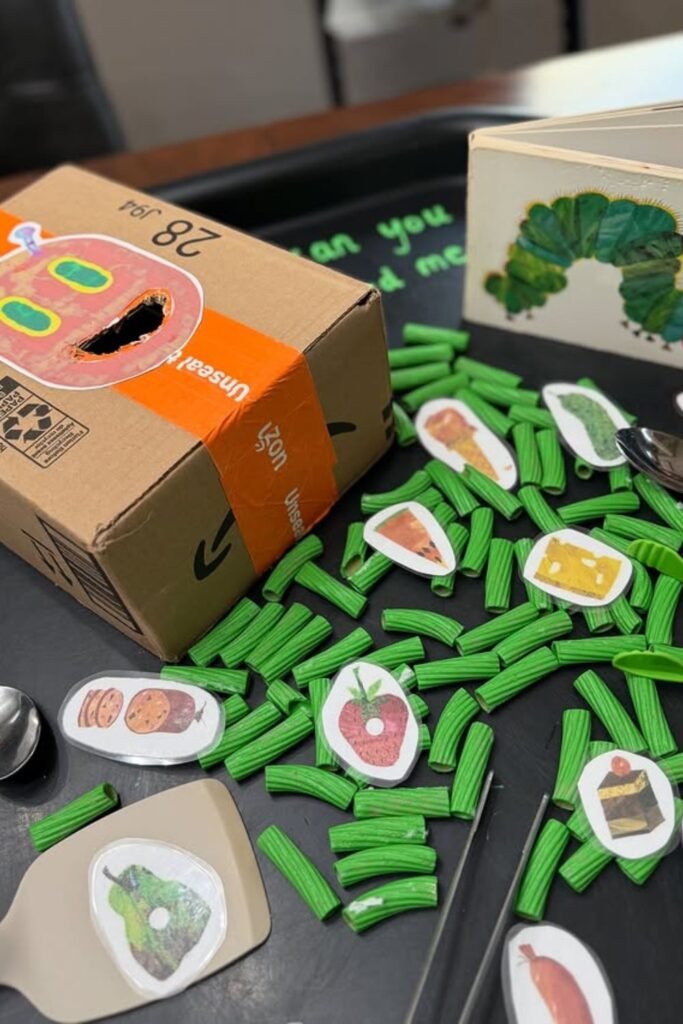
Caterpillar Feeding
“The most exciting part of story time can be simple cardboard boxes when the youngsters get to “feed” the hungry caterpillar themselves.
This fun activity uses whimsical pasta bits, meal cards, and a gigantic caterpillar mouth to subtly assist tiny learners with sorting and tale recall.
This seems like the perfect spot for anything this dynamic, whether it’s preschool centers, sensory stations, or homeschool afternoons.
Cut a huge mouth into a cardboard box, attach the caterpillar face and place food bits from the story nearby for kids to select what to put inside.
Dry spaghetti or sensory fillers around the tray give extra texture and occupy curious hands in between turns.
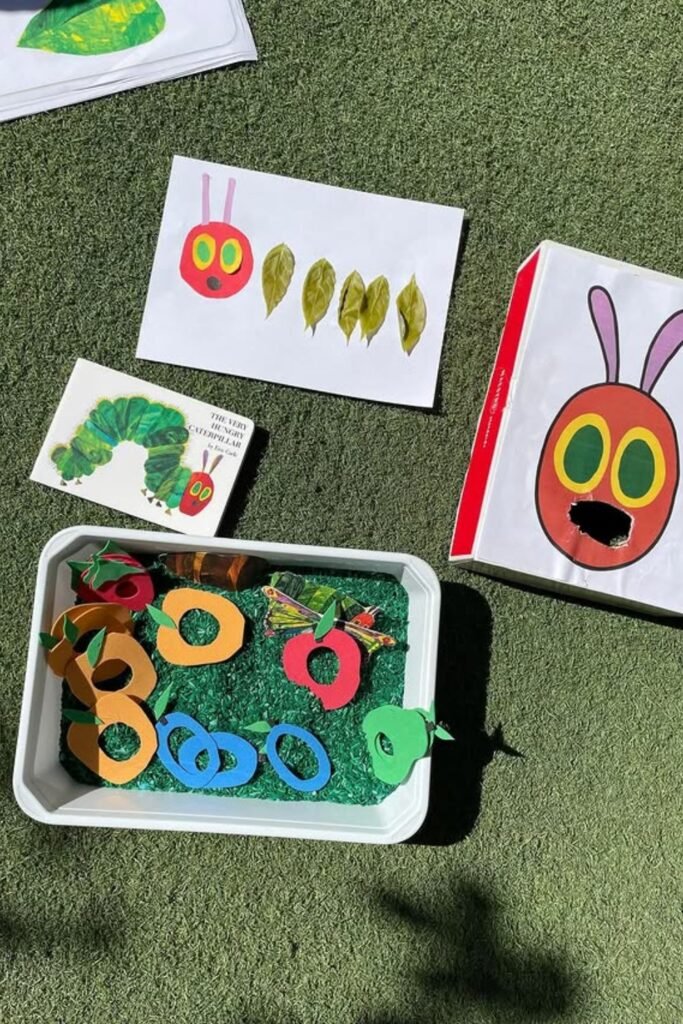
Hole Matching
Tiny holes in the book always grab kids’ attention, so turning them into a matching game feels like an easy win.
This setup feels entertaining with food rings, leaf art, and a gigantic caterpillar mouth, all while quietly helping kids practice matching, sorting, and tale recall at the same time.
Especially fun for something so hands-on are outdoor learning days, sensory tables or preschool centers.
Scatter paper fruits with holes in a sensory bin and let the tiny learners “feed” the caterpillar by matching foods from the story.
Leaf caterpillar art makes an easy natural connection with no extra prep needed. A huge caterpillar face with a mouth opening keeps toddlers encouraged to keep playing.
Sensory Garden
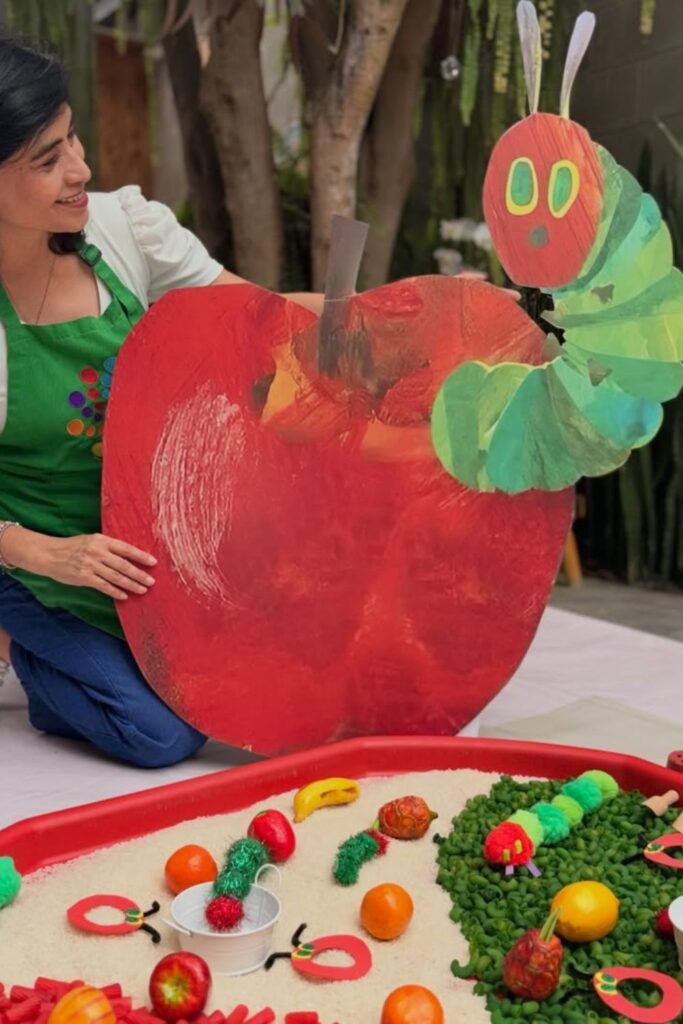
Big sensory setups usually grab attention before storytime even starts. Giant apples pom pom caterpillars scooping tools.
And pretend foods turn The Very Hungry Caterpillar into an activity kids can explore and with their hand instead of only hearing about in the book.
Preschool events, outdoor learning days or themed classroom weeks feel extra exciting once the story becomes something children can actually step into.
Fill sensory bins with colored rice, beans, pom poms, or pretend fruits to recreate the caterpillar’s world in a playful way.
Oversized props like a giant apple instantly connect the setup to the famous story and make the space feel more immersive without needing expensive decorations.
FAQs
How Do You Keep Preschoolers Interested In The Very Hungry Caterpillar Activities?
Short, hands-on activities usually work best because preschoolers lose focus quickly. Mixing movement, sensory play, simple crafts.
And food matching can keep little learners excited without making the activity feel too long.
Small changes like letting kids pretend to be the caterpillar or feed story foods also help hold attention much longer.
What Supplies Work Best For Easy Very Hungry Caterpillar Activities?
Cheap craft supplies can do a better job than pricey resources. You can re-create most of the activities with minimal prep.
Using paper plates, pom poms, paint, colorful paper, leaves, pipe cleaners, sensory bins and downloadable food cards.
Other great low-cost solutions for busy parents and teachers are everyday household goods such as potatoes, cotton pads, and recyclable materials.
Hi, I’m Afaf! I’m a law student who loves writing about everyday life – from home projects and crafts to fashion, beauty, and parenting tips.
I’ve been writing for over a year, sharing ideas that are simple, practical, and easy to try. I write about things I find interesting and useful, whether that’s organizing a space, trying a new DIY, or finding activities to keep kids entertained.
My goal is to share helpful ideas without making things complicated. If it works in real life, I’ll write about it.
When I’m not studying or writing, I’m usually experimenting with new projects or scrolling for inspiration!