
21 Spring Break Activities for Kids 2026
The last day of school is joyful, but then Monday morning comes and your kids are home all day. By 10 a.m one person is bored, another is fighting.
You convince yourself that spring break won’t turn into a week of screens, but you don’t have the time or energy to organize Pinterest-worthy activities.
You’re not the only one who wants to know how to keep your kids occupied, happy, and off their devices without going crazy.
In this article, you’ll discover 21 Spring Break Activities For fun kids’ activity ideas that actually work and are perfect to try in 2026.
Let’s jump in!
How Can You Keep Kids Busy and Happy During Spring Break Without Screens?
Don’t try to keep your kids busy all the time if you want a relaxing spring vacation. That sounds tiring. Simple structure is what really works.
Kids don’t need a lot of things to do; they just need something to look forward to. In the morning, plan one big thing to do, and in the afternoon, plan another.
That alone makes things less boring and stops people from always asking for screens. Next, combine movement with inventiveness.
They stay interested longer if they run, construct, paint, explore, or solve anything. Screens are intriguing because they keep you interested.
So give them pleasant things to do that keep their bodies and minds busy. And here’s the secret: simplicity is better than complicated.
Save this article for later!👇👇👇
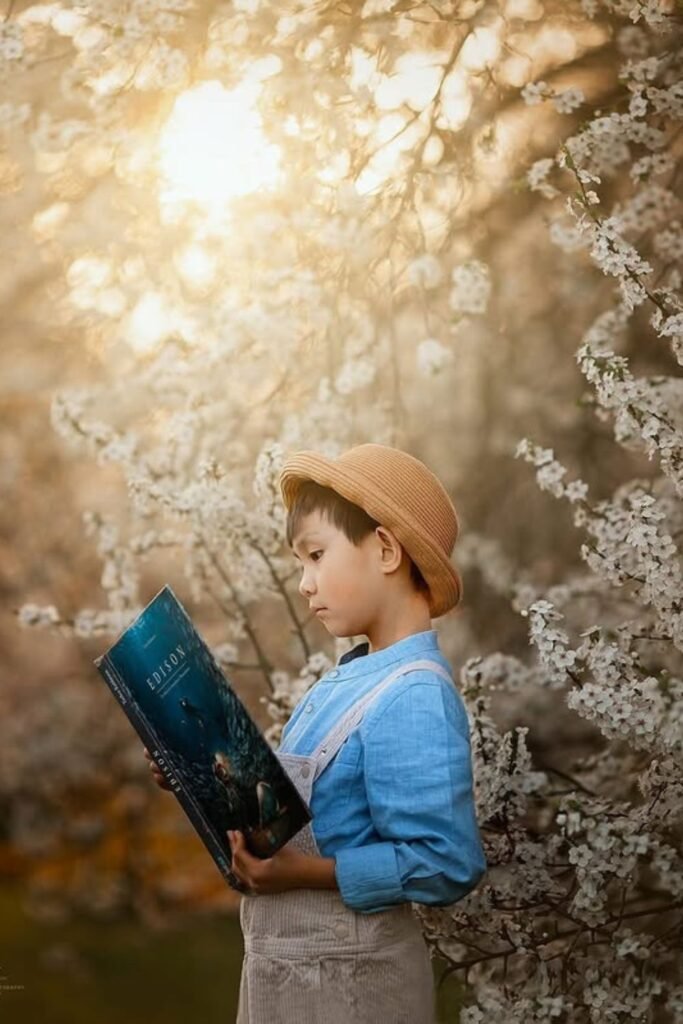
Nature Reading
Silence hits differently when a child opens a book outside. Take storytime out of the house and into the backyard, a park, or anywhere with blooming trees and fresh air.
A peaceful area, a basic blanket, and a beloved book are all you need to make reading fun instead of a job.
Reading outside is best when it’s quiet, like early in the morning or late in the day. Kids stay awake in natural light, and the change of scenery makes even classic stories.
Ask them to stop and connect the narrative to what they see around them if you want to make it more interesting.
Everything, including birds, flowers, and the wind, becomes part of the moment. There doesn’t need to be noise all the time during spring break.
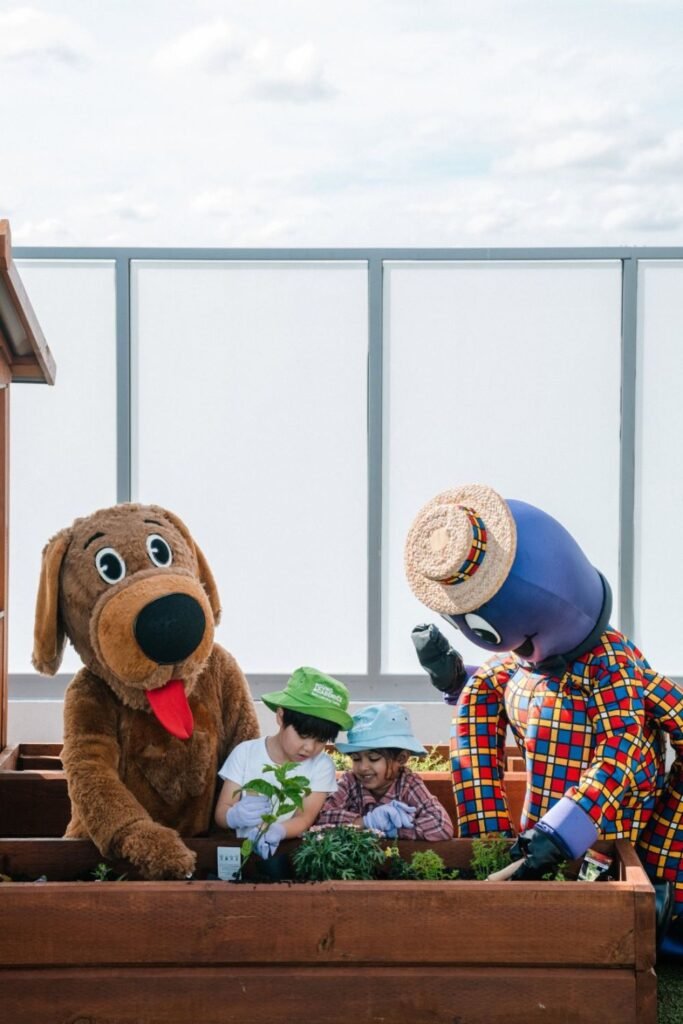
Garden Planting
Hands in soil change everything. Give kids a small patch of dirt, a raised planter, or even a few pots on the balcony and let them plant something they can actually watch grow.
Herbs, cherry tomatoes, or flowers that grow quickly are the ideal choices because they show results soon.
Make it their project, not yours. Let them dig, plant the seeds, and water them. A pair of kid-sized gloves and a basic watering can let kids feel in charge.
Tell them to check on “their” plants every morning. When they own it, growth becomes exciting.
Gardening keeps children active, teaches them to be patient, and offers them a reason to go outside every day.
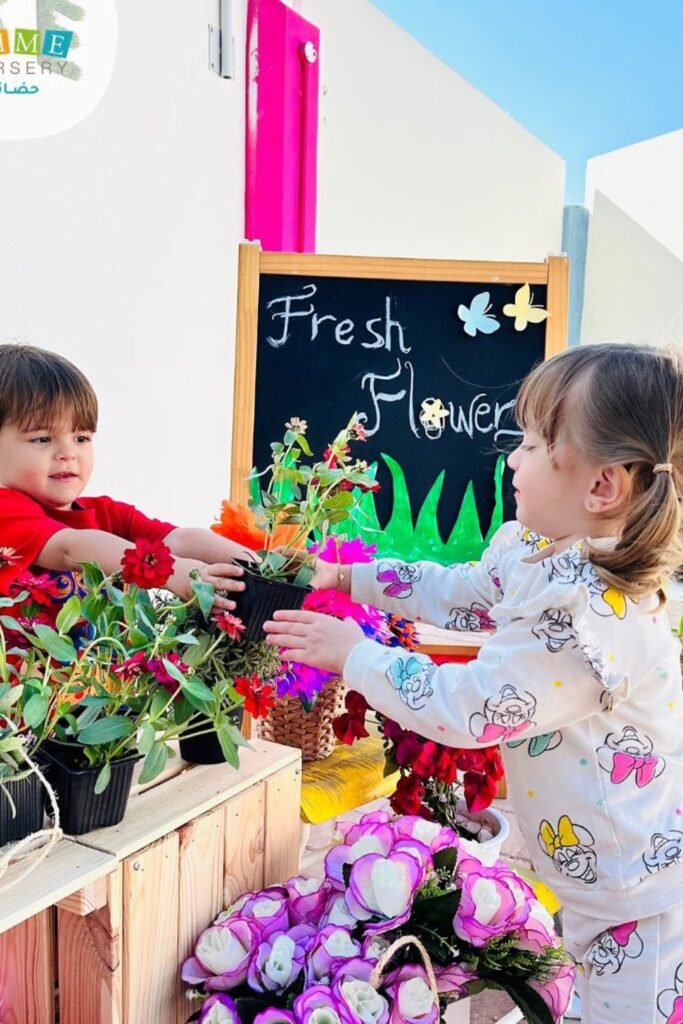
Flower Shop
Kids love pretending they’re running something important. Set up a mini “flower shop” in your yard, driveway, or even the living room.
Get a small table, some potted plants or fake flowers, and some paper price tags, and let them do their thing. It feels official all of a sudden when you add a sign.
Role play keeps children busy longer than crafts because it makes them think outside the box. One child can be the store owner and the other can be the consumer.
Let them practice counting money, putting together bouquets, and saying hello to “buyers.” You can even switch roles to keep things interesting.
Backyards are perfect for this during spring, but it works indoors on rainy days too. You don’t need any costly supplies; paper flowers or leaves from the yard will do.
Coloring Time
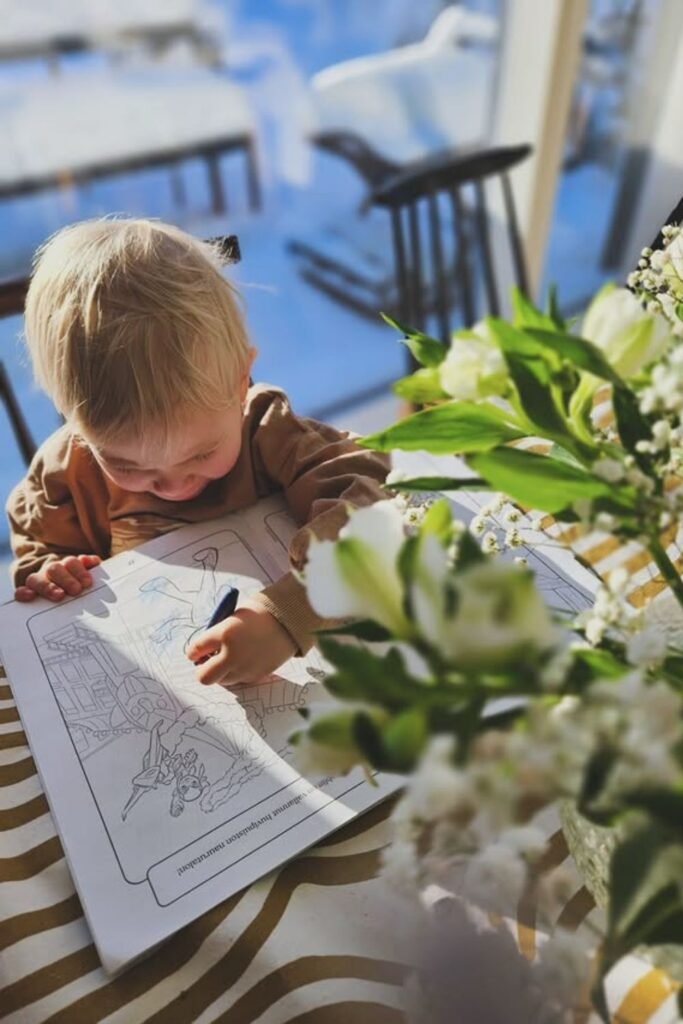
Crayons and quiet focus can save your afternoon. Spread a simple coloring sheet on the kitchen table, open the curtains, and let natural light do the rest.
No hard work to set up. All you need is paper, crayons, and a place to sit. This is great for late mornings or that hour before dinner when you’re restless.
Kids slow down as they color. It keeps their hands busy while their minds calm down. To make it more fun.
Give yourself a little challenge, like staying inside the lines, using only three colors, or making a background for the picture.
Kitchen tables are the ideal because you can keep an eye on things without being too close. If you want to make it last longer, play some soothing music with it.
Wall Painting
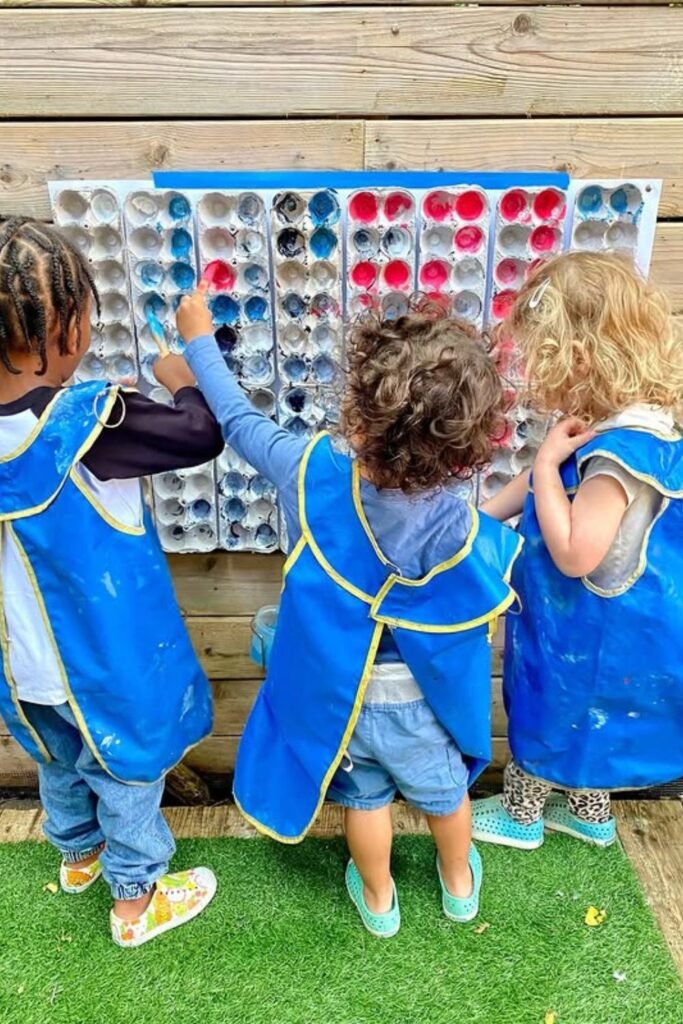
Big movements burn energy fast. Tape empty egg cartons or paper trays onto a fence or wall, pour a few paint colors into cups, hand over brushes, and let kids go wild.
Everything changes when you paint while standing up. Stretch your arms. People move. Energy doesn’t bounce about your house; it pours out.
Outdoor walls are the best because splashes don’t matter. Simple art aprons or old shirts can help you avoid laundry worry.
No rules for art. Encourage people to mix colors, fill in every circle, or make patterns all over the board.
This kind of group setup naturally leads to teamwork. One person paints red, another fills blue, and a third person tries mixing colors.
Sensory Garden
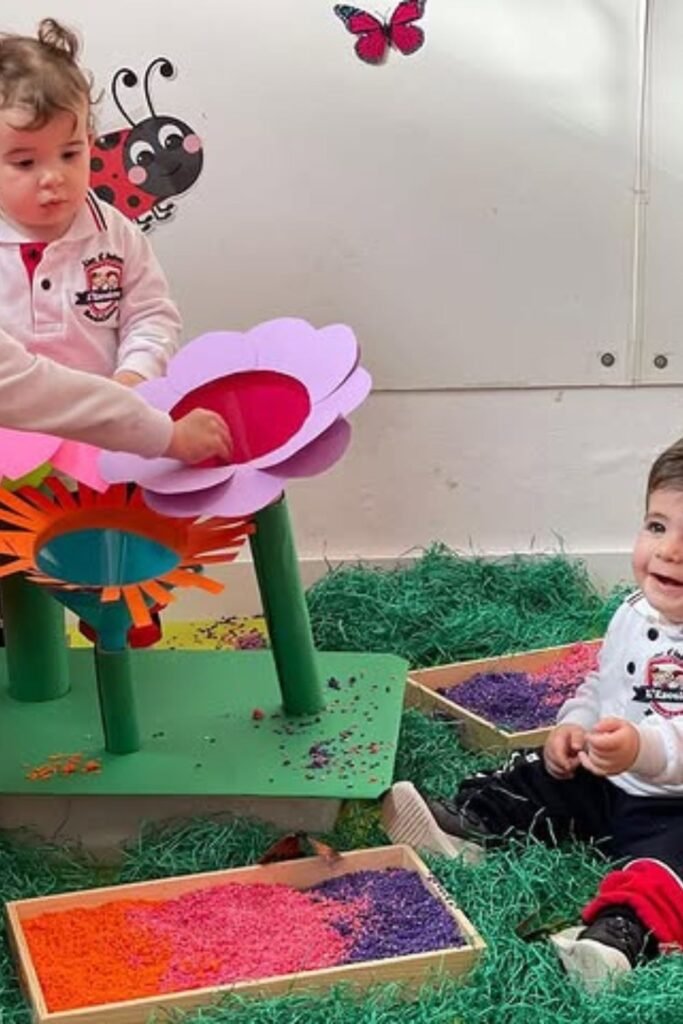
Tiny hands love texture more than toys. Create a mini sensory garden using colored rice, dry beans, shredded paper grass, or even sand in shallow trays.
Put in giant paper flowers or cardboard cutouts with holes so youngsters may move things from one place to another by scooping, pouring, and moving them.
This works well on flooring in the living room, playroom, or patio. Put down a sheet first so that cleaning up is easy.
It can go on forever with small cups, spoons, and containers. Pouring from the tray to the flower center keeps them interested longer than you think.
They use both hands to feel the textures and watch the colors blend. When there is movement, short attention spans get longer.
Paper Bunny
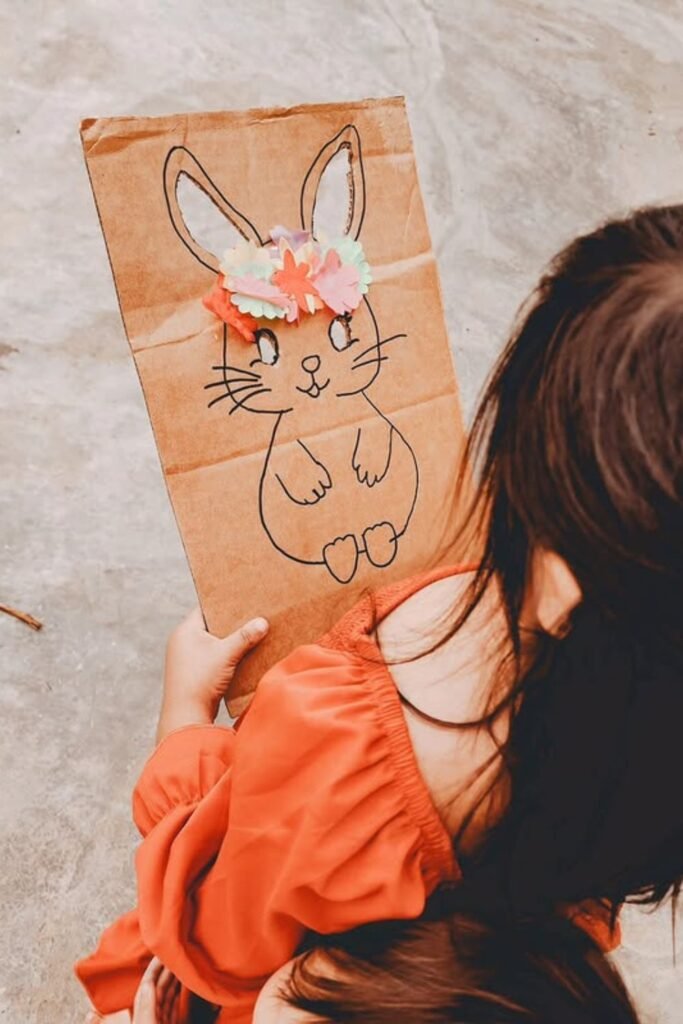
Brown paper bags turn into something magical with one marker and a few scraps of color. Grab a paper bag, sketch a simple bunny outline.
Then let your youngster use stickers, paper flowers, or cut-out shapes to make it look nice. You don’t need to be a great artist; simple lines work best.
This project is great for patios or kitchen tables. Put out glue sticks and colored paper, then step back and let them choose how they want their rabbit to look.
Adding a flower hat, bow tie, or colored ears straight away makes it feel special. When you’re done with the bags.
You can use them as pretend-play props or to carry little treats for spring surprises.
Doing crafts like these keeps your hands busy and gets your imagination going same time.
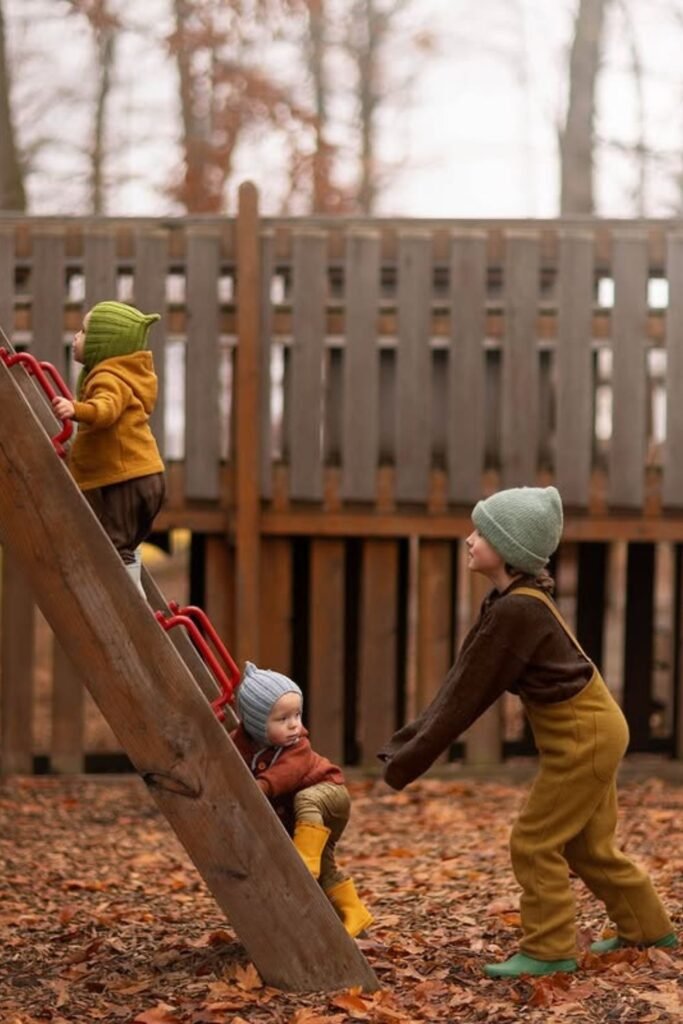
Playground Climb
Fresh air fixes restless moods faster than any app ever could. Head to the playground and let kids climb, balance, and move without a strict plan.
Slides, ladders, and ramps are all naturally fun little trials. “Can you make it to the top?” keeps kids focused longer than you think.
Before the throng show up, mornings are great. Put them in layers so they can move around easily.
Encourage safe risks, such going higher, taking a different path, or assisting a smaller sibling up the stairs.
Playing outside burns off energy that kids generally display by whining at home. Just 30 minutes of jogging and climbing can shift the mood of your whole day.
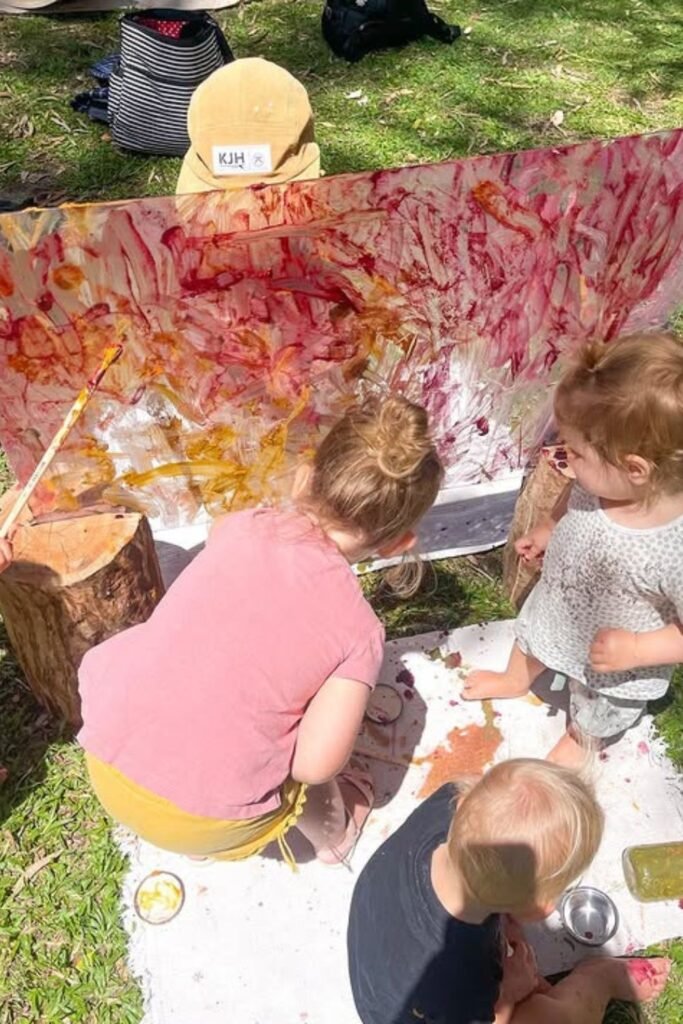
Outdoor Canvas
Mess belongs outside. Set up a large sheet of paper or cardboard against a fence, tape it down securely, and let kids paint freely with big brushes or even their hands.
No straight lines. No stress. Just colors, movement, and room to move about. The ideal studios are outside on grass, patios, or in parks since splashing don’t matter.
Painting in old clothing or with bare feet is a great way to relax. Put some paint colors in bowls and let your imagination run wild.
People pay more attention to big art than to modest crafts. Working together on one broad canvas also helps people work together without making them do it.
A big abstract work of art is thrilling because it’s brash and untidy in the greatest way. When you let your imagination flow, spring break afternoons feel lighter.
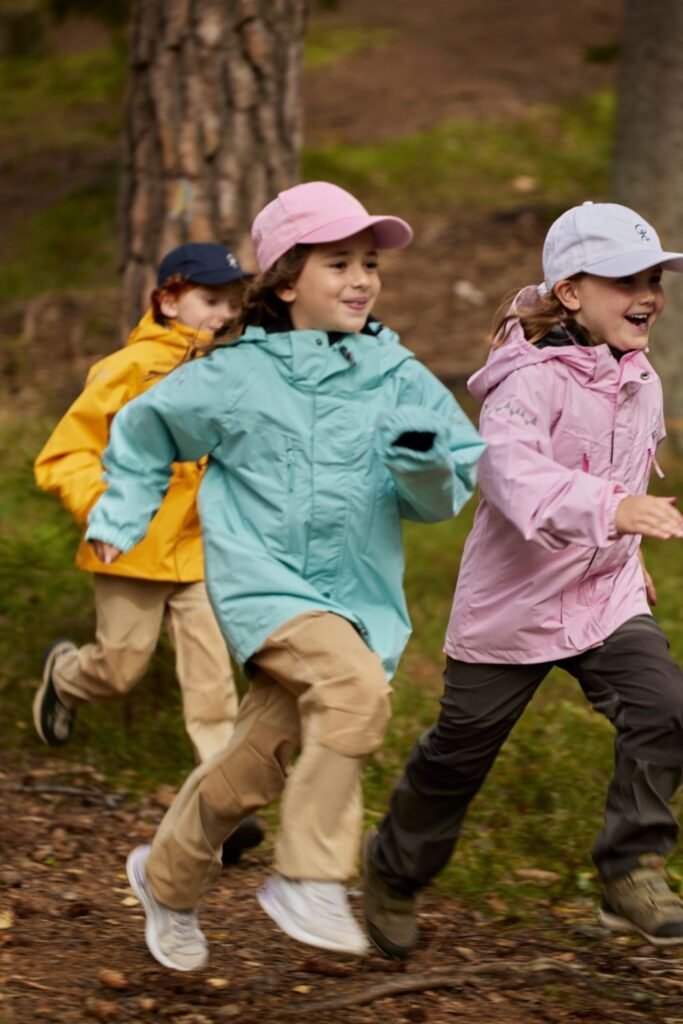
Forest Run
Laughter echoes louder in the woods. Head to a nearby trail, nature reserve, or even a tree-lined park and let kids run freely. No strict route needed.
Instead, choose tiny goals like racing to that tree, hopping over that stick, or following the curving road.
Natural pathways include built-in challenges that make moving around fun. A walk becomes an adventure when the ground is uneven.
There are leaves on the ground, and there is open space. Put them in layers of comfortable clothing and sturdy shoes so they can move around freely.
Energy that feels crazy within calms down fast outside. Running in nature makes you feel better and breaks the “I’m bored” cycle.
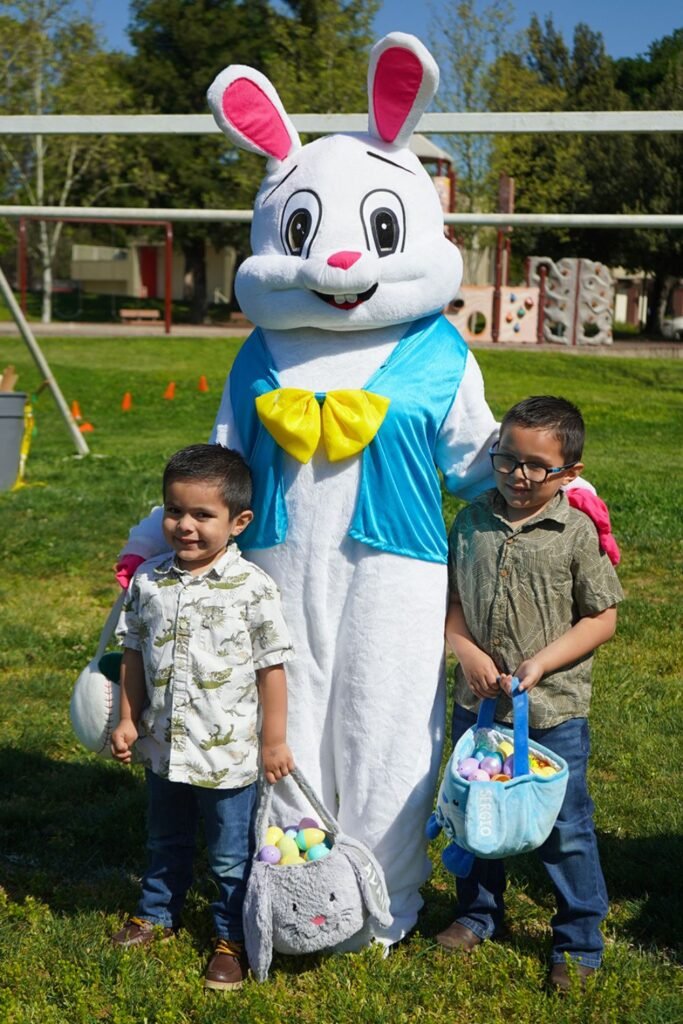
Egg Hunt
Excitement spreads fast when kids know something is hidden. Scatter plastic eggs around the yard, playground, or even inside the house if the weather turns.
Put little goodies, stickers, cash, or simple notes with humorous dares like “hop like a bunny” in them.
It feels more like a real occasion when you invite a few friends to join you in the park or your backyard. Make sure smaller kids know where they can’t go.
If the ages of the kids are different, add eggs of different colors so that everyone gets a fair chance to collect them.
Search-and-find activities keep children busy and focused.
They don’t just stare at screens; they look behind trees, shrubs, and other things, and they celebrate every find.
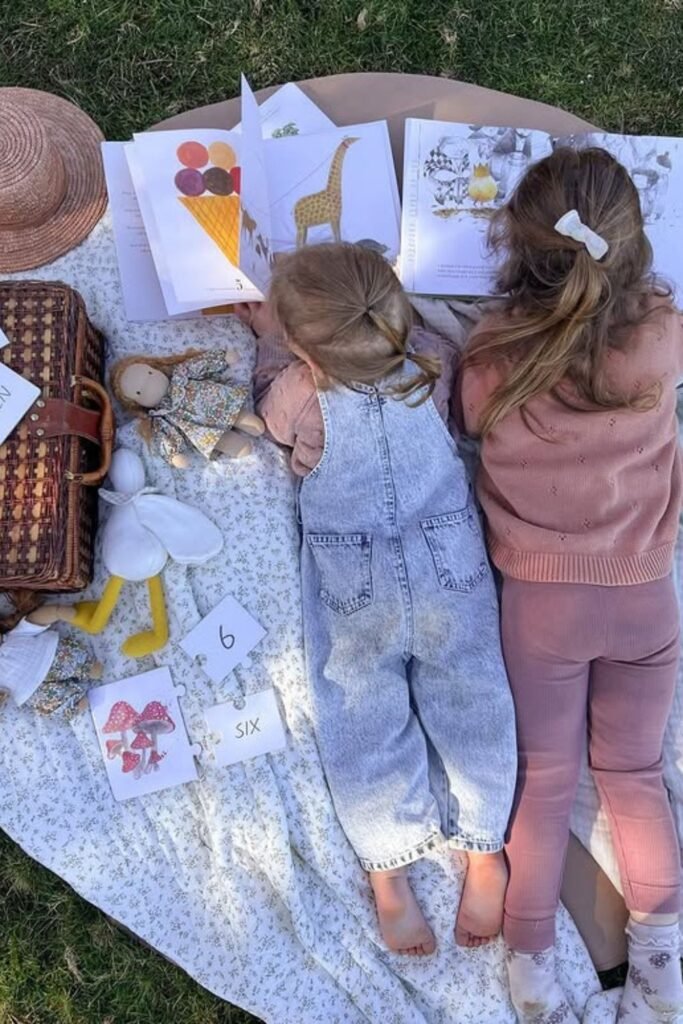
Picnic Reading
Storytime feels different under the sky. Spread a blanket in the backyard or park, pack a few favorite books, and bring simple snacks along.
You can make reading exceptional right away by turning it into a picnic without having to do any extra work.
This configuration works well in the late morning or golden hour. Kids feel peaceful and comfortable when they get fresh air.
And lying on their stomachs and flipping through pages is a nice way to do so.
If you have kids of different ages, switch between quiet reading and short read-aloud times.
Reading outside slows down the day and gives you a pleasant break between activities that need a lot of energy.
Not every moment during spring break needs to be loud. A blanket, a book, and some open space can sometimes do more than you think.
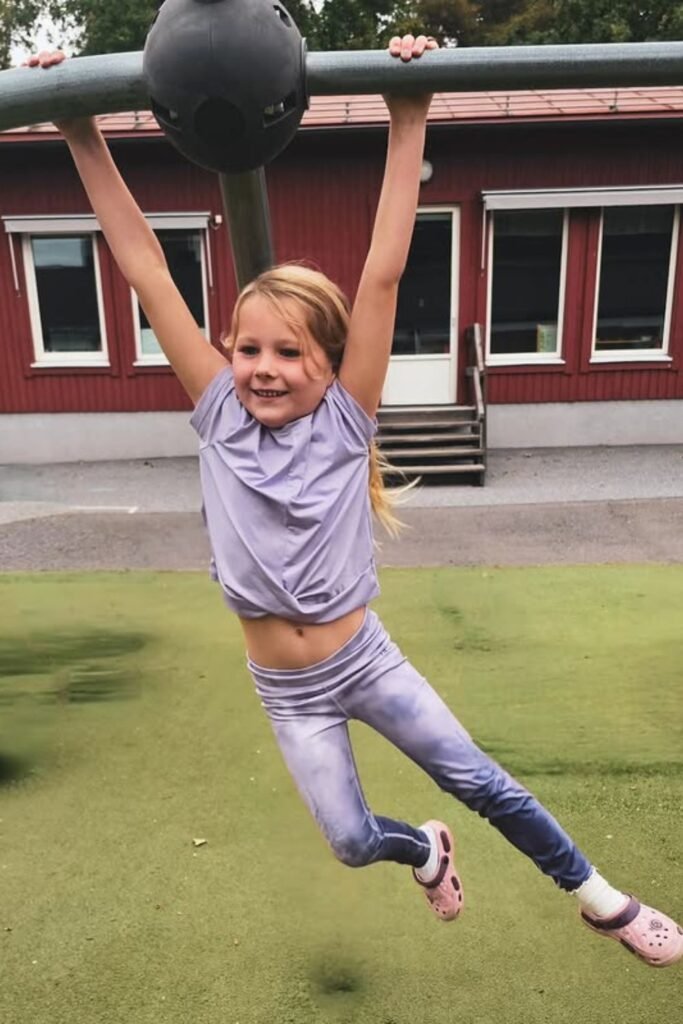
Monkey Bars
Confidence grows one grip at a time. Head to a playground and challenge your child to cross the monkey bars hang for ten seconds or swing from one end to the other.
You don’t need a stopwatch; simply set tiny goals for yourself.
This kind of upper-body play increases strength without making you feel like you’re working out.
If they’re new to it, start with short hangs. Tell them to keep going instead of giving up after one mistake. It seems like a win every time you reach an extra bar.
Playgrounds make this simple, but even strong bars in the backyard work.
Make it more entertaining by timing rounds or making it into a friendly competition amongst siblings.
Physical challenges use up energy and make you believe in yourself more.
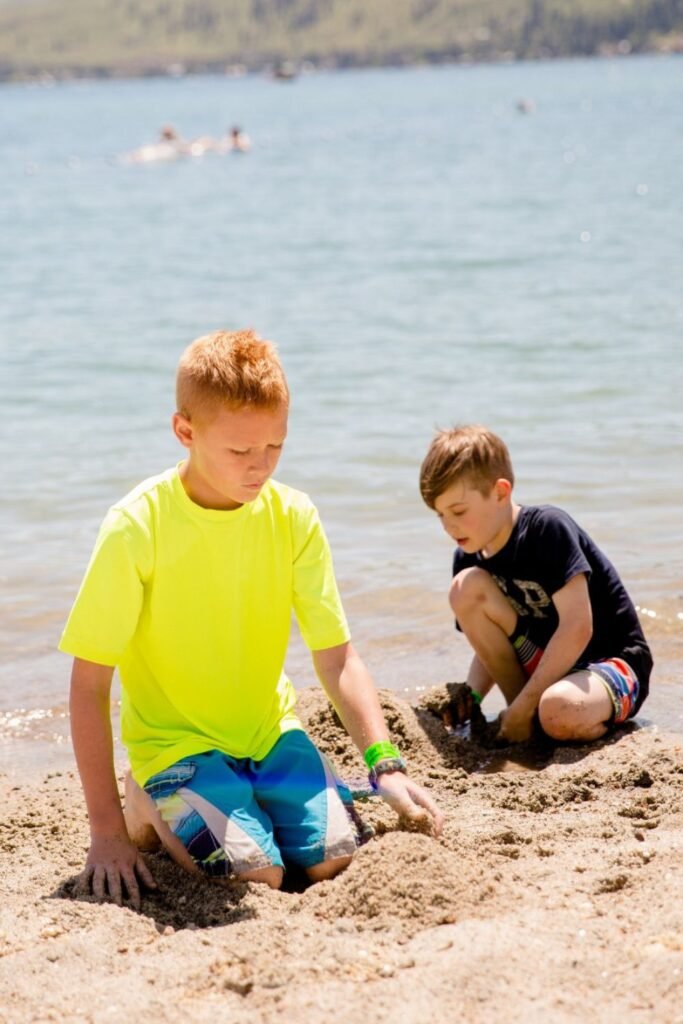
Beach Building
Wet sand holds better than you think. Head to the beach or lakeside and let kids dig, pile, and shape their own little world.
Hands work just as effectively as buckets. Slowly add water until the sand is hard enough to build buildings and tunnels.
Shorelines are great because they can go back and forth to get water. Make it a little game by having everyone build the highest tower.
Dig the longest tunnel, or make a moat that fills up when the waves come in. No formal design is required. Let your mind run wild.
Playing in the sand keeps kids concentrated for a long time. It feels peaceful, like meditation, but you’re still doing things.
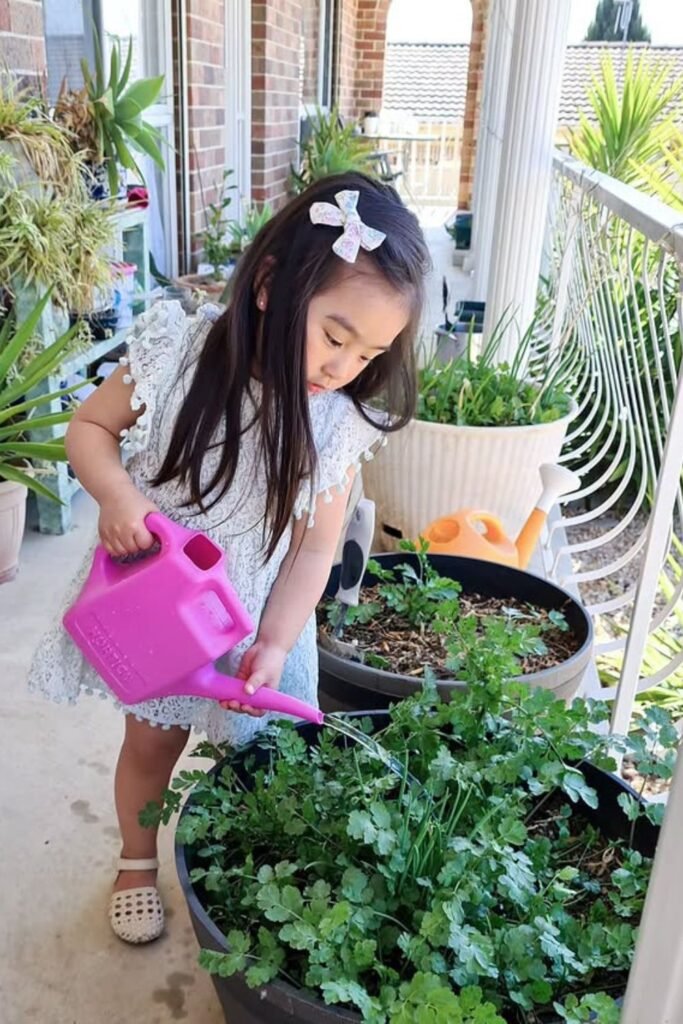
Plant Care
Responsibility feels exciting when it’s theirs. Hand your child a small watering can and let them take charge of balcony pots or backyard plants.
Watering every day becomes a simple ritual that they look forward to. This works great on balconies, patios, and small garden corners.
Pick simple plants like herbs or leafy greens so kids can observe changes right away. Tell them how much water is enough, then step back and let them do it.
Morning care is recommended before the sun gets too hot. If kids like structure, make a brief list of things to do check the water, inspect the leaves, and take off the dry ones.
Kids stay linked to something real and alive when they do simple things like this, instead than staring at devices.
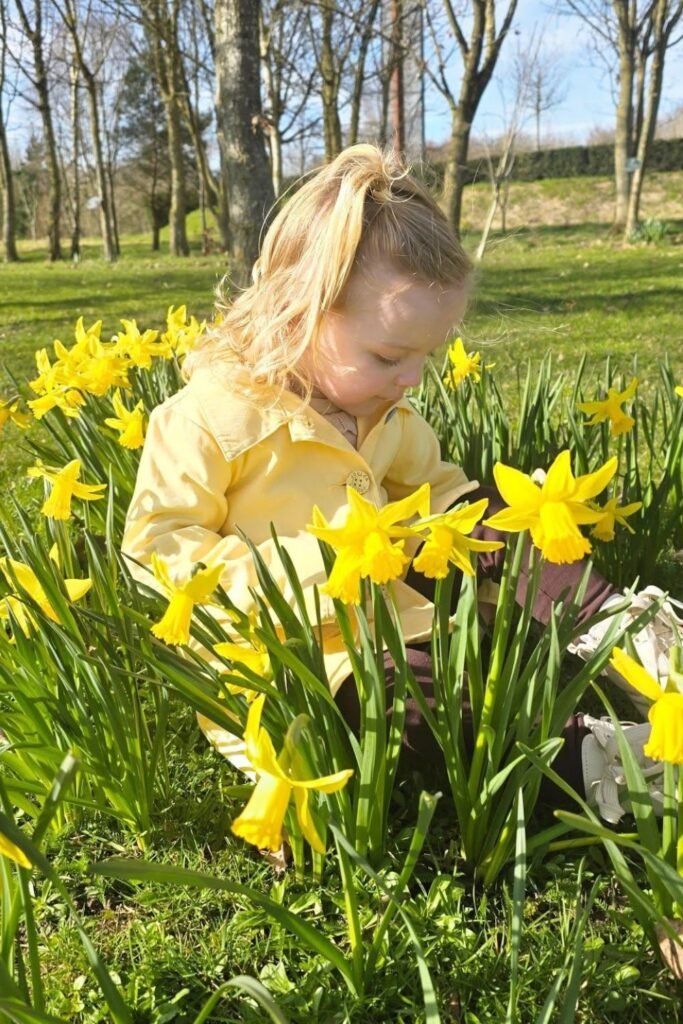
Flower Exploring
Bright blooms grab attention faster than toys. Take a slow walk through a park or garden and let your child stop whenever something catches their eye.
When they can look attentively, everything becomes interesting, from the yellow daffodils to the tiny buds to the fallen petals.
Take your time; there’s no fixed path. Encourage children to look at colors, count petals, or lightly touch leaves.
Ask simple inquiries such, “Do you think this one smells sweet?” Little things you notice might lead to serious talks.
The greatest places to walk around are open parks and calm gardens since they provide you plenty of room to do so.
Bunny Craft
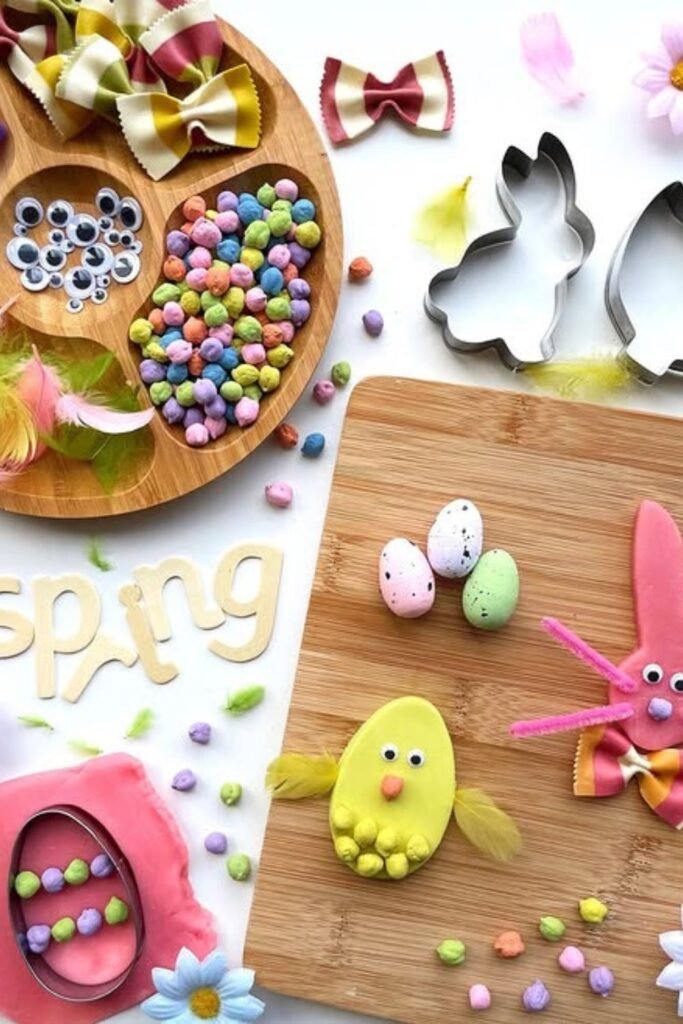
Kitchen counters turn into creative studios with just a few simple supplies.
Grab colorful paper, googly eyes, feathers, small candies, and bunny-shaped cutters if you have them.
Kids can make their own spring characters, such a pink bunny, a yellow chick, or even eggs with decorations on them.
You don’t require precise shapes. A base made of flattened play dough or colored cardstock works well.
Tell kids to add little things like bow ties, pipe cleaner beards, or candy “buttons.” When students pick the colors and layout themselves, their creativity improves.
This kind of project is great for rainy afternoons. Put everything on a tray so that cleaning up is easy.
Flower Faces
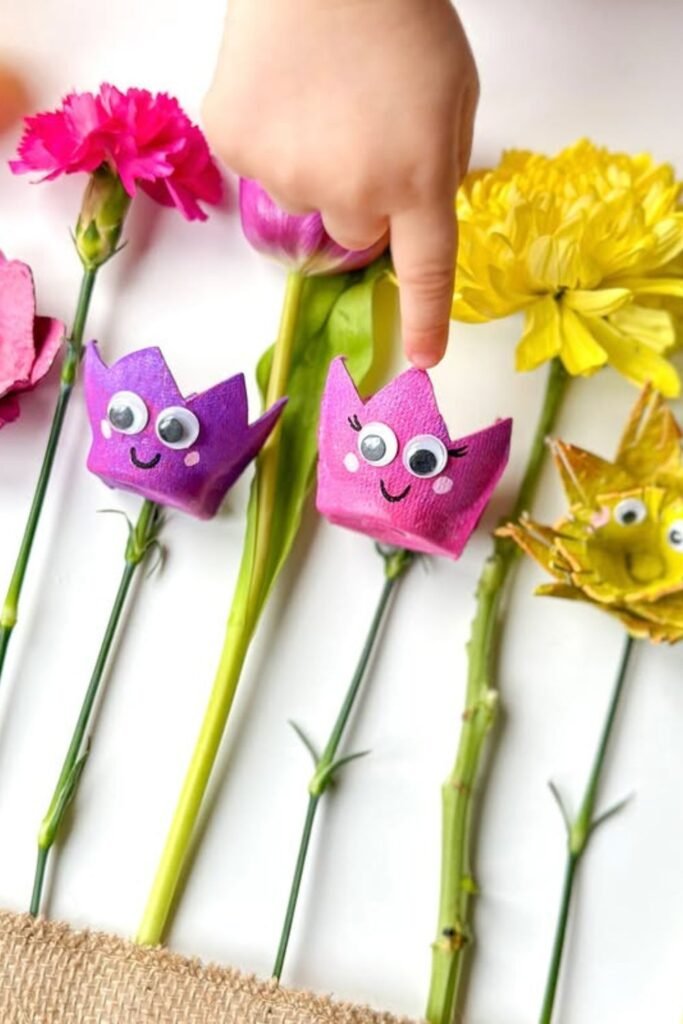
Ordinary blooms turn funny fast with a few tiny details. Pick sturdy flowers from your yard or grab inexpensive ones from the store.
Use glue dots to add miniature paper crowns, cut-out shapes, or googly eyes. Each stem now has its own personality.
This is a terrific thing to do at the kitchen counter or dining table. Keep scissors and craft scraps close by so kids may try out alternative ways to say things.
Some flowers look asleep, while others look astonished or foolish. Let them make the choice. Put the final “flower friends” in a simple jar of water to show them off.
It serves as both a decorative and a remembrance of their creativity. This craft moves rapidly, which keeps those with short attention spans interested.
Aquarium Visit
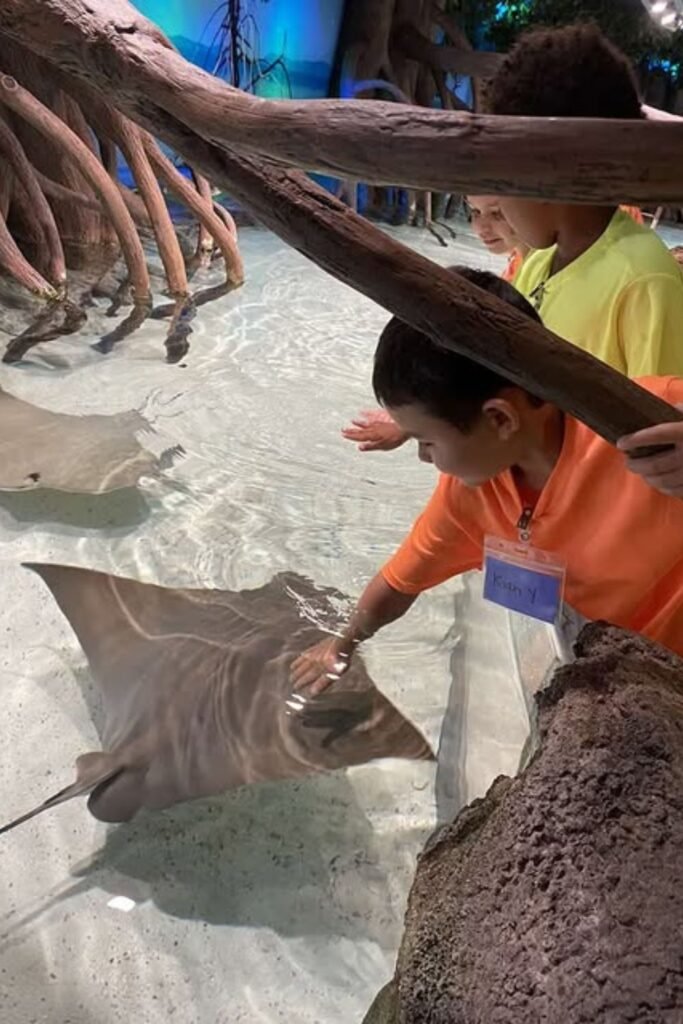
Curiosity takes over the moment water starts moving. Plan a visit to a local aquarium or nature center where kids can see and safely touch sea creatures like rays or starfish.
People pay more attention to hands-on exhibitions than to just strolling by them. Get there early to avoid crowds and give them time to look around.
Having simple chats can make a trip a learning experience without seeming like school.
Aquariums are great for people of all ages since everyone can find something interesting to look at. Bring refreshments and think of it as a half-day trip.
Real-life experiences like this stick in their memory longer than any screen. It’s worth it to go out and see how excited they are to be around living things.
Fair Treat
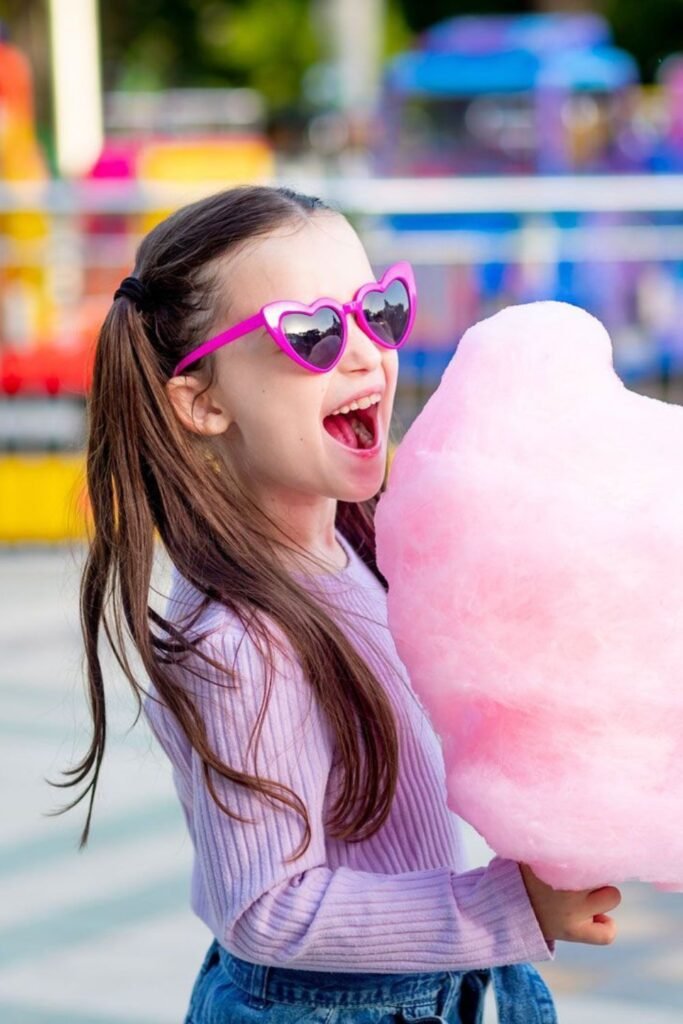
Big smiles don’t always need big plans. A quick trip to a local fair, spring festival, or even a weekend market can turn an ordinary afternoon into something memorable.
People pay more attention to hands-on exhibitions than to just strolling by them. Get there early to avoid crowds and give them time to look around.
Instead of speeding through, ask questions. “How does it feel?” “Why do they move like that?”
Aquariums are great for people of all ages since everyone can find something interesting to look at. Bring refreshments and think of it as a half-day trip.
Real-life experiences like this stick in their memory longer than any screen. It’s worth it to go out and see how excited they are to be around living things.
Stamp Art
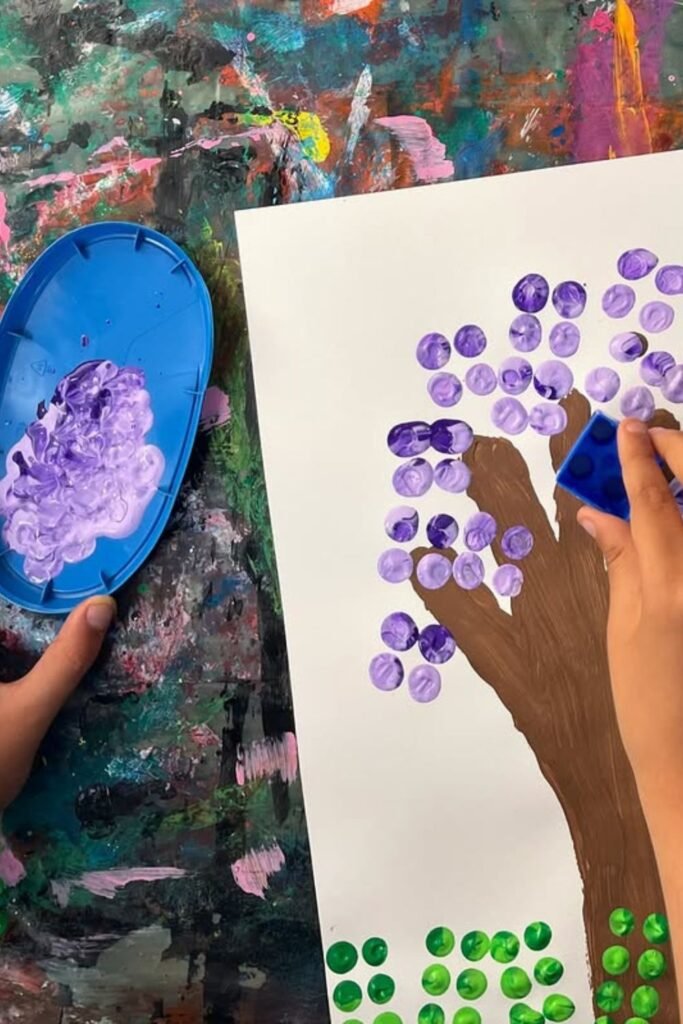
Paint doesn’t need fancy brushes to look impressive. Dip a small block, sponge, or even a bottle cap into paint and press it onto paper to create patterns.
Round stamps are great for making flowers for a spring tree, like the one in the picture. Use a brush or marker to paint a simple brown trunk first.
Once it has dried a little, let the kids stamp flowers with bright dots. For a spring motif, purple, pink, or white look great. You don’t have to make it flawless; irregular prints.
This works best if you cover your kitchen table with old newspapers. To make it easier to handle, pour little amounts of paint onto lids or trays.
Stamping keeps hands busy and helps with coordination without making you angry. It’s both satisfying and creative to watch a simple sheet turn into a flowering tree.
FAQs
How do I keep kids busy during spring break if I’m working from home?
Start by choosing two “anchor activities” for each day, one for the morning and one for the afternoon. Tell them exactly when such things will happen so they know what to expect.
Make the setting easy: have art trays available on the table, books in a basket, and plan outdoor play for after lunch.
Kids don’t have to keep asking, “What now?” when there is a clear structure. Change up the independent activities, including coloring, basic crafts, puzzles.
What if the weather ruins our spring break plans?
Always have a list of backups ready. Indoor obstacle courses, craft stations, sensory bins, baking together, or themed reading time are all great things to do on rainy days.
Instead of turning on screens when your plans outside go through, take something out of the box. Being able to change is more important than being perfect.

Hi, I’m Afaf! I’m a law student who loves writing about everyday life – from home projects and crafts to fashion, beauty, and parenting tips.
I’ve been writing for over a year, sharing ideas that are simple, practical, and easy to try. I write about things I find interesting and useful, whether that’s organizing a space, trying a new DIY, or finding activities to keep kids entertained.
My goal is to share helpful ideas without making things complicated. If it works in real life, I’ll write about it.
When I’m not studying or writing, I’m usually experimenting with new projects or scrolling for inspiration!