
18 Calm Activities for Kids 2026
Some days, it seems like your kid is full of energy. They’re jumping off the couch, fighting over nothing, and getting upset about the wrong cup.
You’re standing there wondering why they can’t just calm down for five minutes. Everyone is tired and overstimulated by the time evening approaches.
If it sounds like you, you’re not doing anything wrong. Your kid isn’t “too much.” Their nervous system is just too much.
In this article, I’ve rounded up 18 calm activities for kids that work well at home, school, and playtime.
Let’s jump in!
What Calm Activities Actually Help Kids Slow Down and Relax?
Not all activities that are supposed to settle kids down do.
If your youngster is already wired, giving them crayons or instructing to go sit quietly frequently makes matter worse.
Why? Because their body is still going strong. When kids get too excited, their nervous system is on high alert. Their hearts beat quicker.
Their muscles stay tight. Their brain is working hard. You need to quiet their bodies down, not just their actions, to help them relax.
The finest activities are those that include slow breathing, heavy pushing or pulling, soft lighting, gentle movement, or calm repetition.
Save this article for later!👇👇👇
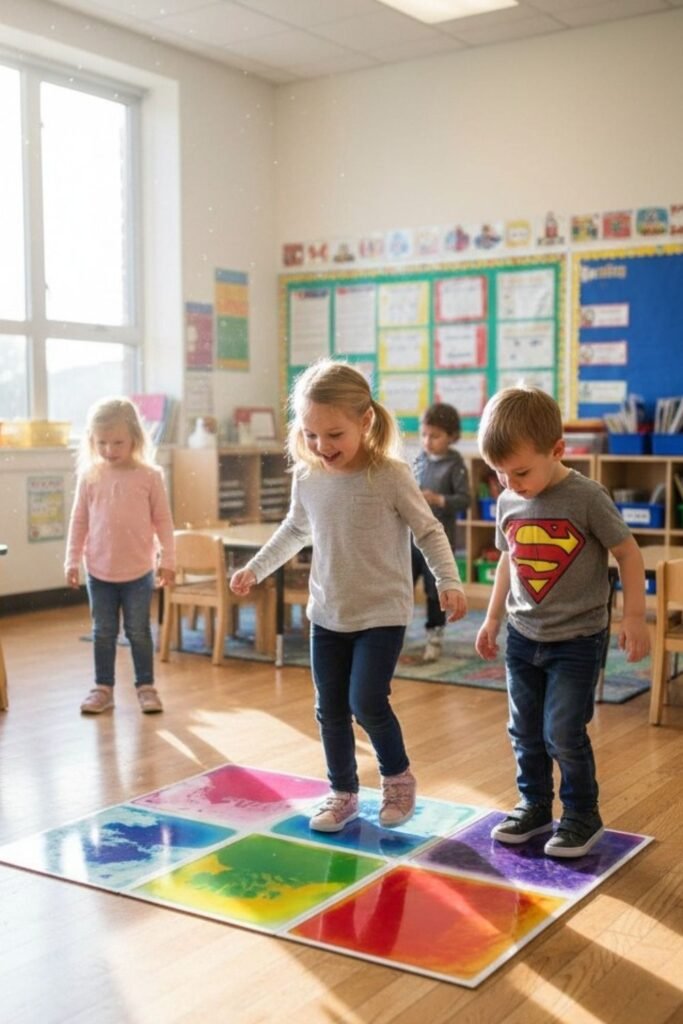
Color Hop
Energy doesn’t always need to be shut down sometimes it just needs direction. A simple color floor game like this turns wild movement into focused movement.
Put colored paper squares or foam mats on the floor. Say a color and let the kids step, hop, or tiptoe to it.
Change it up by saying “slow walk to blue, giant steps to green, or quiet feet to purple. Their bodies start to mirror the speed you set.
Great for after recess, before circle time, or when your siblings are being too loud indoors.
Instead of telling someone to calm down, you show them how to channel their energy into something organized. Rules and movement together make regulation.
Lower your voice when you call out colors slow down the game and watch their breathing ease with out saying a word.
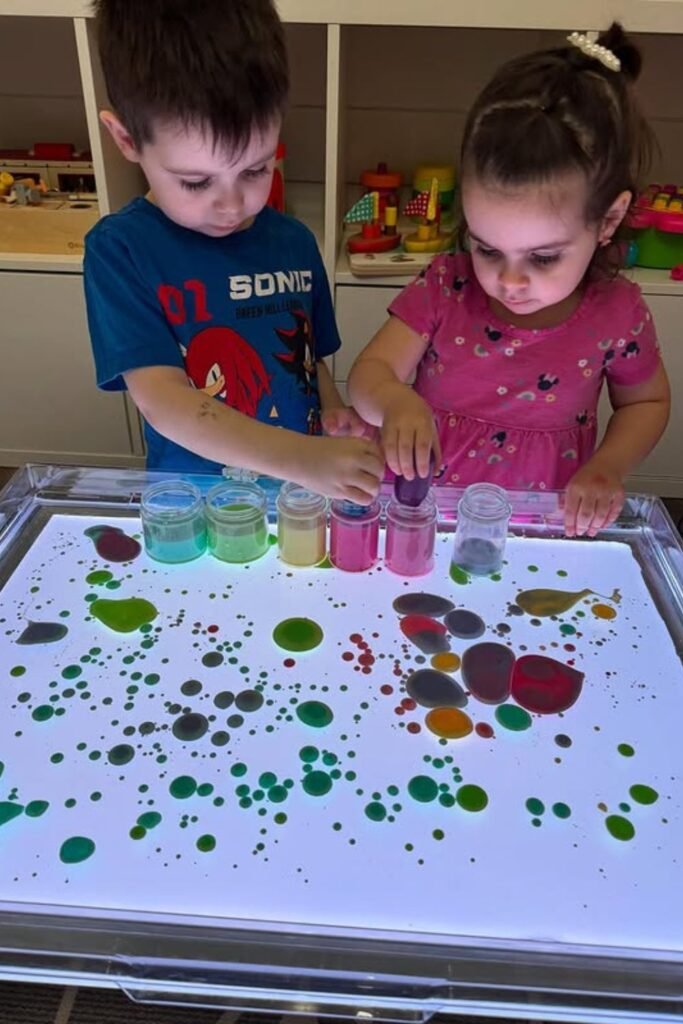
Color Drip
Silence happens fast when paint hits water. Drop a few colors into a shallow tray filled with water.
Then let them gently tap or drip paint on the surface. The swirls spread out slowly, and then everyone leans in instead of bouncing around.
For more visual attention, put this on a light table or near a window. The guideline is easy: just slow hands.
Quick motions make splashes. Slow movements make magic happen. That one boundary makes them automatically slow down.
Best for late afternoons when it’s hard to focus. The constant trickling, the subtle mixing of hues, and the peaceful viewing all bring their minds to one calm point of focus.
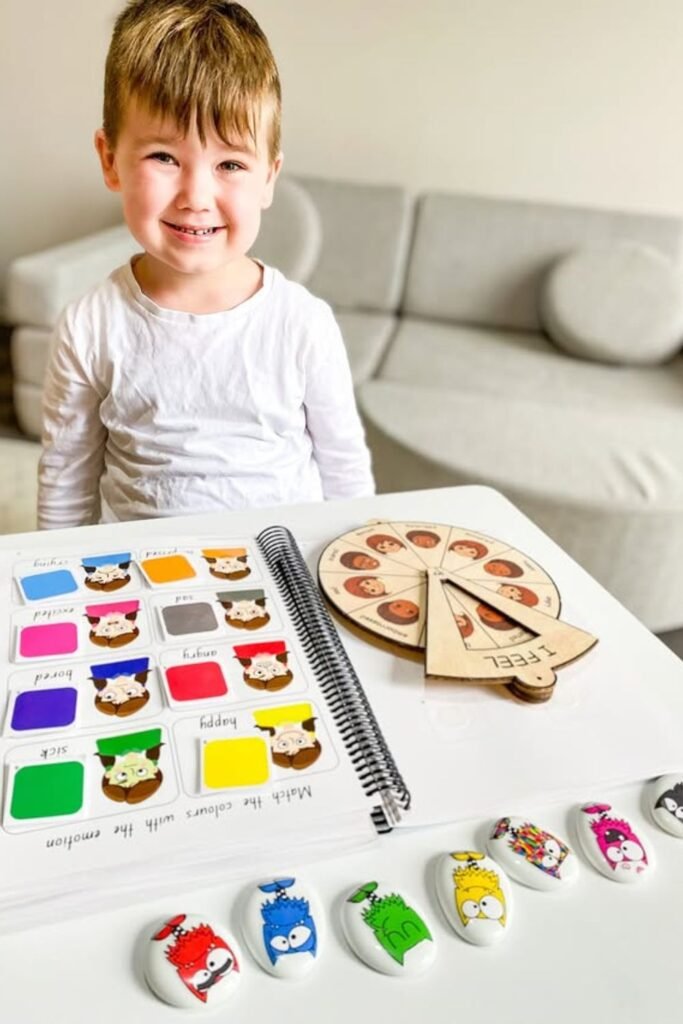
Emotion Match
Big feelings don’t shrink just because you tell kids to relax. Sometimes they need help naming what’s happening inside.
This simple emotion-matching game slows things down because it makes feelings into something people can see and categorize.
Put out emotion cards or stones with different faces on them. Let your youngster match them to a chart, spin a sentiments wheel, or choose the one that fits how they feel.
You don’t have to explain straight immediately. Just matching is enough to stop the spiral. Works great after a tantrum or before bed when feelings are high.
When a child can express, I’m frustrated, their body usually relaxes a little. Awareness is the first step to calm.
Mirror Play
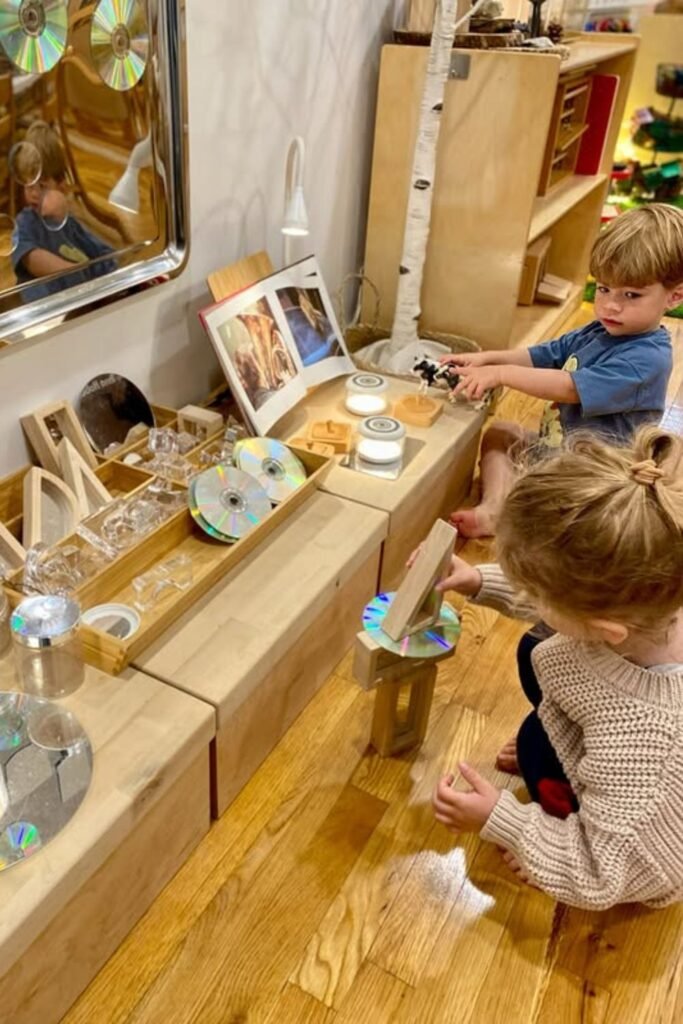
Light has a quiet way of pulling kids in. Set up a small mirror area with safe objects that reflect old CDs and clear jars wooden blocks metal lids.
Reflections naturally slow down movement. Kids get closer. They change the angles. They look at shapes and how light moves. Curiosity takes the place of chaos.
Make sure the space is simple and clear of clutter. Soft lighting is better than glaring lights from above.
Ask them to make small things or stack things and notice how the reflections change. No need for directions. The focus brings the calm.
Perfect for afternoons inside when everyone is bored but you don’t want to play hard. Reflection play helps kids focus without screens, noise or continual direction.
Book Picnic
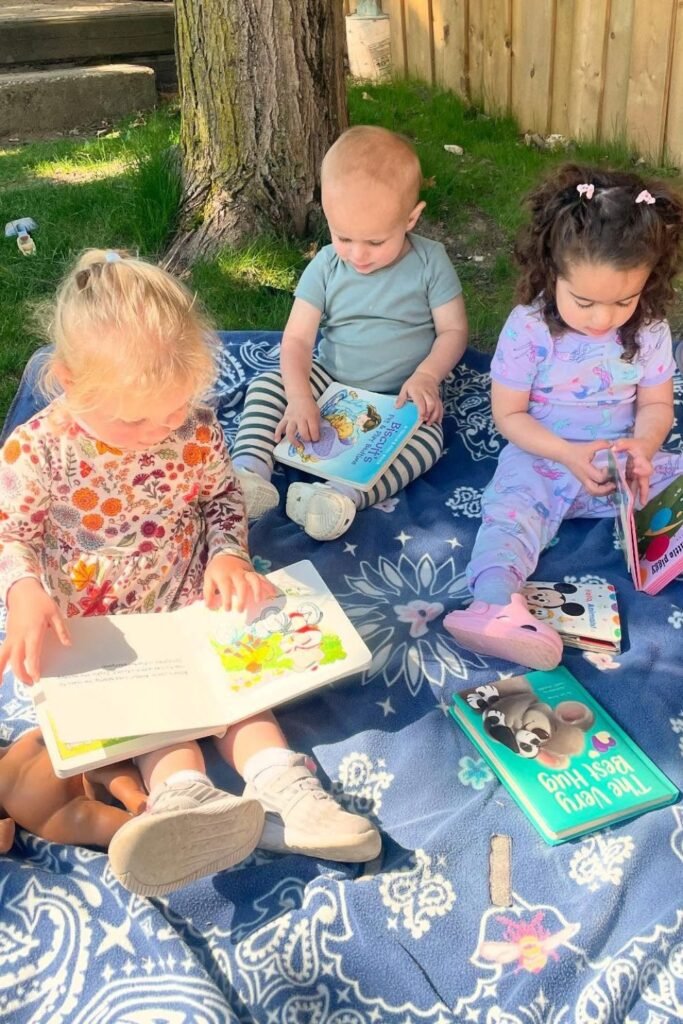
Fresh air changes everything. Spread a blanket under a tree, stack a few board books and let kids settle into their own little reading spot.
No need to hurry. No toys that make noise. Just pages flipping and birds singing in the background.
Reading outside works since being outside already lowers stress. Only quiet voices are allowed. When things are peaceful, even toddlers learn to copy that gentler tone.
Great for late mornings, after picking up the kids from daycare, or when the house is too loud. You don’t need to read a whole story.
Give them time to turn the pages. Sit close by with your own book so they can see how calm you are in real time.
Sunset Art
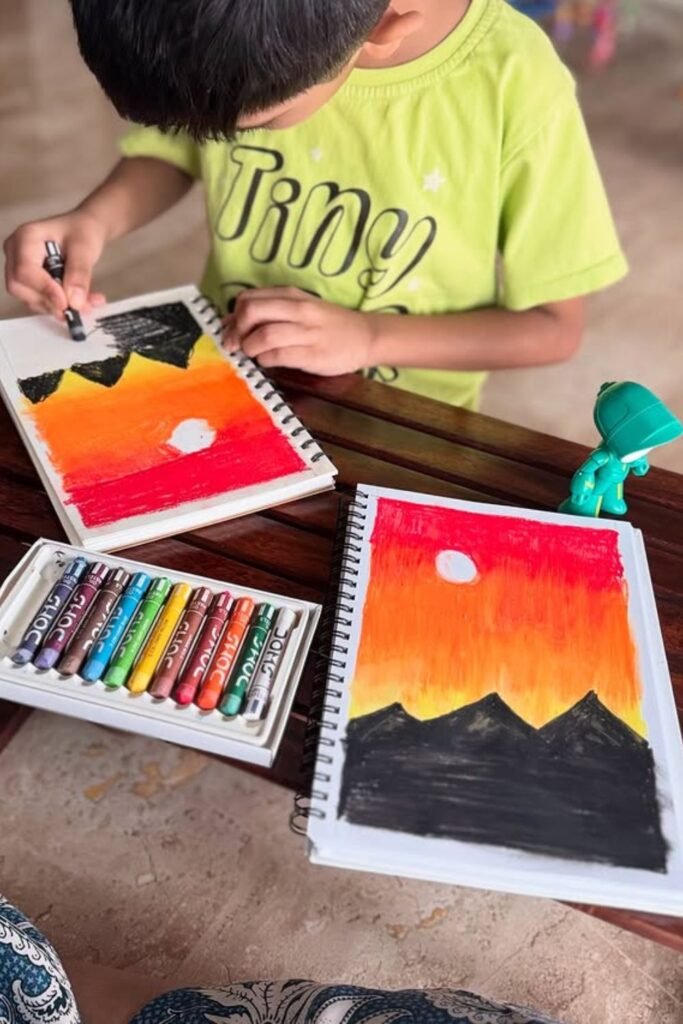
Crayons can do more than fill time they can slow breathing. Hand over warm colors like red, orange, and yellow and invite your child to blend them slowly across the page.
Repetition helps the body settle, which is why sunset drawings work. Coloring from light to dark makes it easy for young brains to follow.
Once the sky looks “just right,” add mountains or silhouettes at the bottom. That brief break before adding black shapes helps people learn to be patient.
Great for nights when you still have energy yet it’s time to go to bed. If you want to make the quiet even deeper, turn down the lights a little and play gentle music.
Talent doesn’t matter in this kind of art. It’s all about the beat. Telling someone to “relax” won’t help them calm down as quickly as slow strokes in one direction.
Egg Sorting
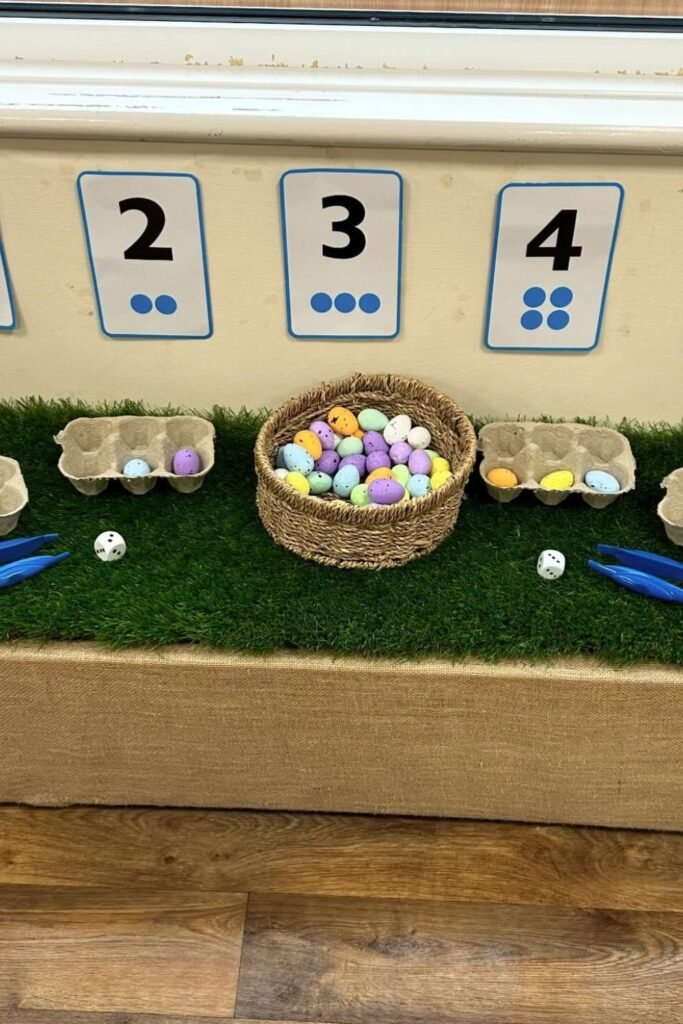
Busy hands calm busy brains. Place numbered cards on the wall and set out a basket of small eggs with empty cartons.
All of a sudden, you have turned pandemonium into quiet focus by adding a pair of tongs and a die.
Count the dots on the dice, then use the tongs to put that many eggs in the right carton. Slow grip. Placement with care. One at a time.
The delicate motor work makes the body stay still. Great for classrooms at transition time or at home before supper when everyone is getting antsy.
Counting offers the brain something to focus on. Automatically, using tongs slows down movement. You don’t have to say “be careful” because the activity requires it.
Doll Comfort
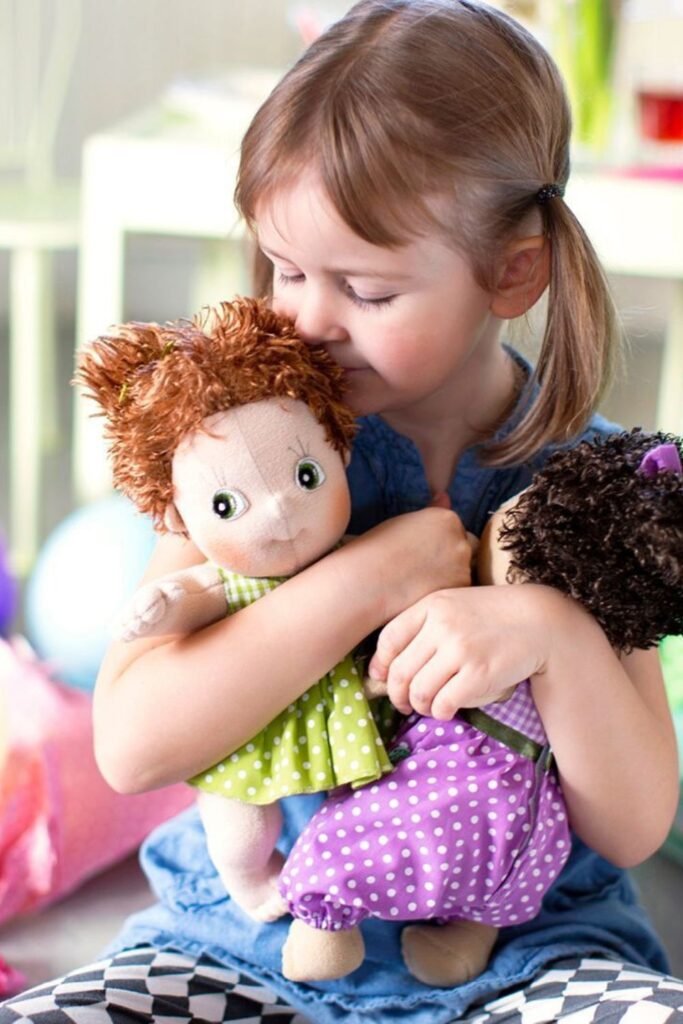
Sometimes the fastest way to calm a child is to let them comfort something else. Hand over a favorite doll or stuffed animal and watch what happens.
The energy changes from chaos to care right away. Ask your youngster to rock the doll, cover it with a little blanket, or say nice things to it.
Caring behaviors make you breathe more slowly without you saying anything. Softness comes out when you play in a nurturing way. Their voice gets lower. Their body relaxes.
Great for when you’re feeling a lot of emotions or having a fight with your brother or sister. Instead of telling children to “use gentle hands.
Give them something that has to be handled carefully. You may even comment, “Your doll looks sleepy.” Can you make her feel safe? That small change makes them look forth.
Yoga Breathing
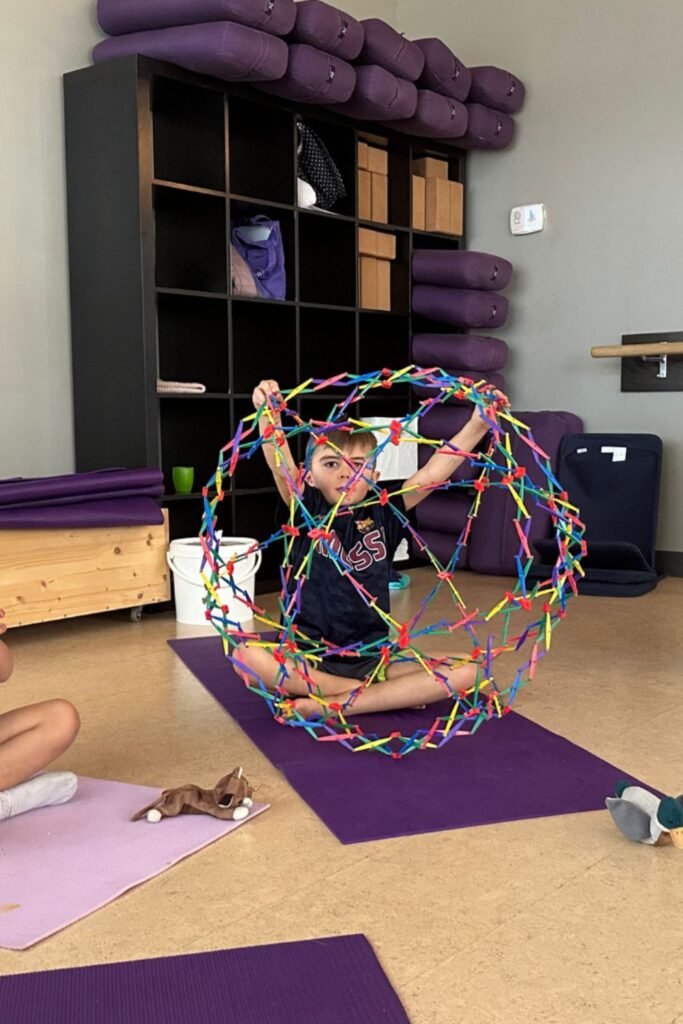
Fast bodies need slow breaths. Sitting on a mat with a simple breathing prop even something visual like a stretchy dome or expandable ball makes the inhale.
And breathe out something that kids may see. Tell them to open the ball wide as they breathe in. Slowly close it as they breathe out.
Take a deep breath through your nose. Breathe out slowly through your mouth. Their lungs follow their hands when they move slowly.
Great for before school, after a tantrum, or when the class is getting ready to start again. Crossing your legs tells your brain to stop.
For kids, breathing is hard to understand. Make it clear, make it slow and all of a sudden, calm is something people can control with their own body.
Magnet Board
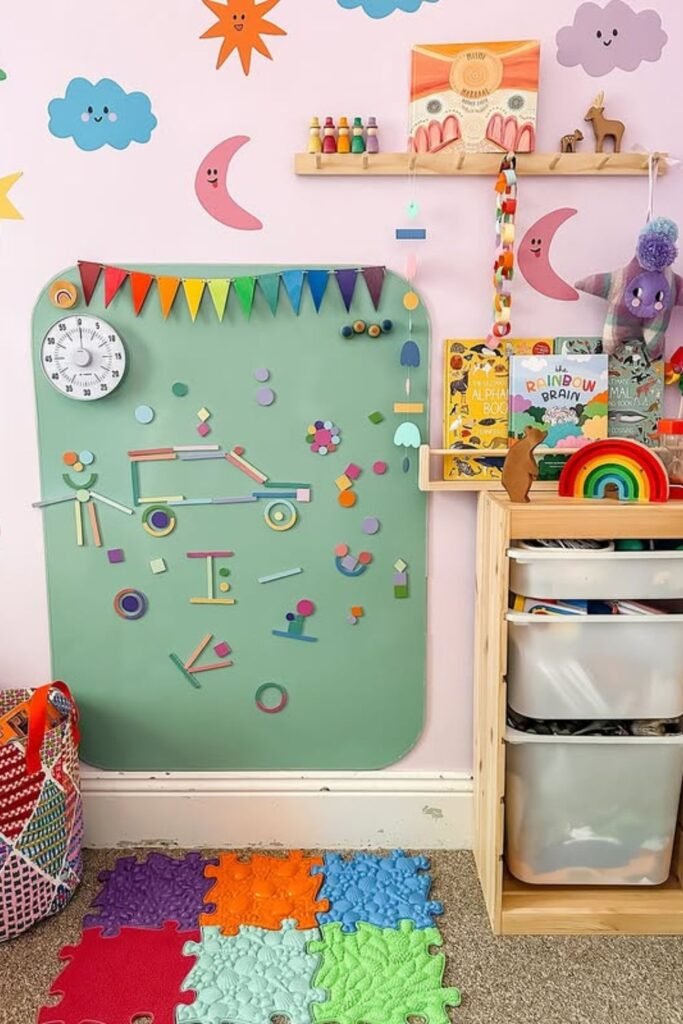
Restless hands love something to arrange. A magnetic board with small shapes instantly turns scattered energy into quiet focus.
No toys that make noise. No lights that flash. Just move the pieces about, line them up, and change them.
Put simple magnets on a wall board in the shape of letters, little sticks, dots, and other shapes.
Rearranging small parts makes your hands work more slowly and keeps your mind on the task at hand.
Great for the time between meals or when siblings need some time apart. Standing against a wall also helps them stay in one place instead of rolling around on the floor.
Shape Building
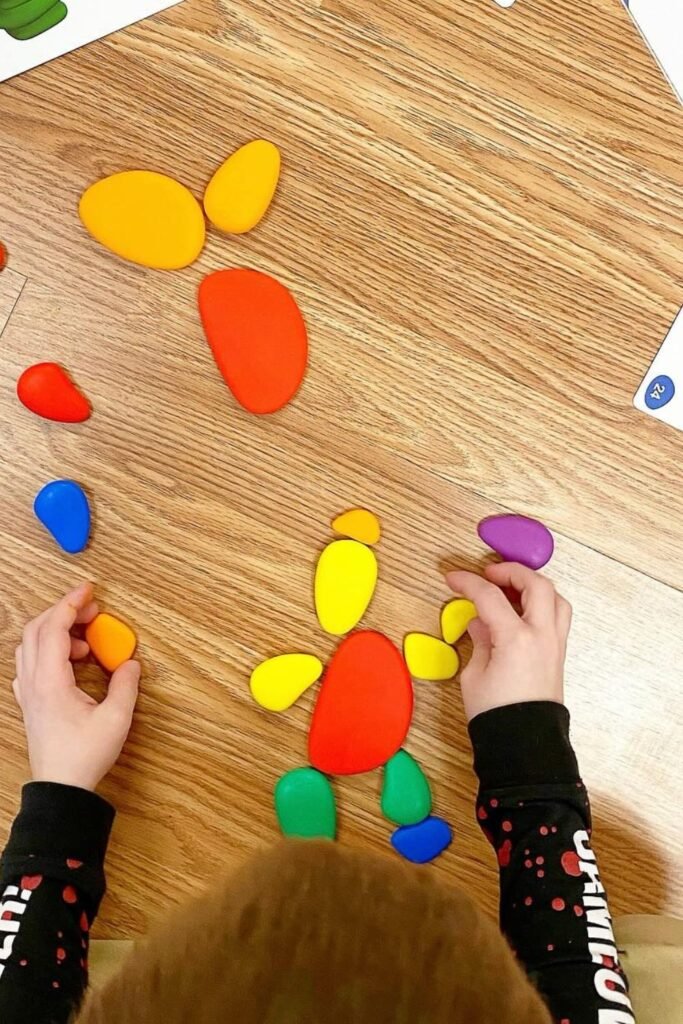
Patterns pull kids into focus without them even realizing it. Scatter a set of colorful stones on the floor and place a few simple design cards nearby.
No clock. No stress. Just do what you see. To replicate a picture, you have to move slowly and carefully as you line up the shapes. Hands stop. Scanning eyes.
The brain can only focus on one small job at a time. That continuous focus automatically makes the noise level go down.
Great for mornings when you want to be quiet, rainy afternoons, or immediately before you do your homework.
If you get frustrated, don’t jump in too quickly; instead, make the design easier. The goal isn’t to be perfect. It’s constant involvement.
Wall Painting
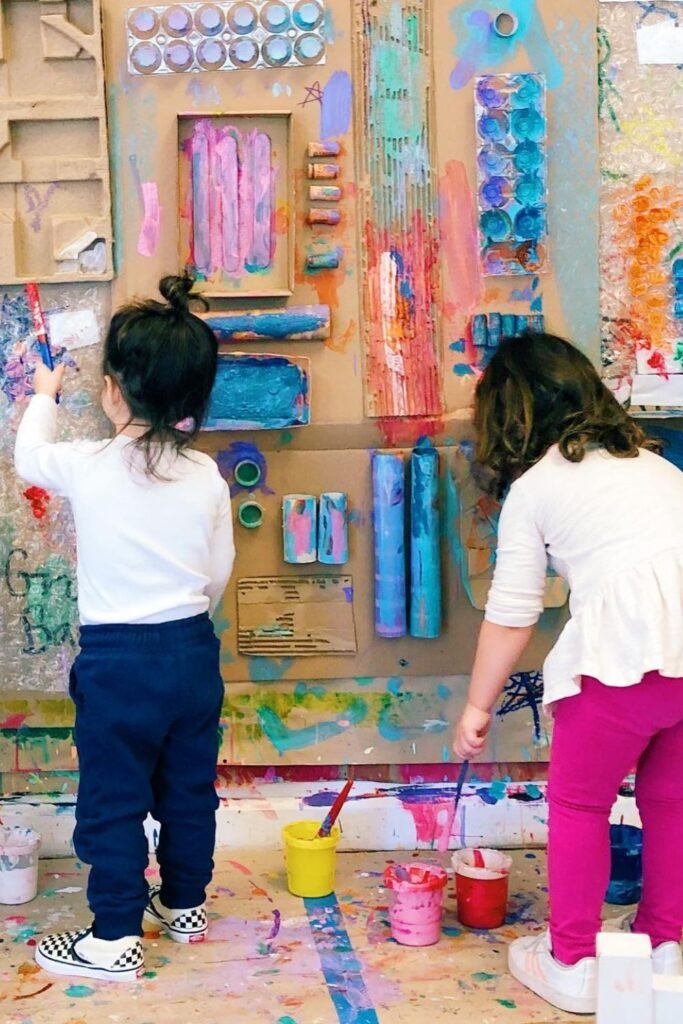
Give them a big surface and watch the chaos organize itself. Tape cardboard panels to a wall, pour paint into small cups, and hand over chunky brushes.
When you stand up to paint, the energy changes completely. Painting vertically helps the body stay still. Longer strokes are used by the arms.
Instead of going everywhere, paint moves up and down. Put in varied textures, such bubble wrap, cardboard tubes, and sponges.
So kids can press and drag instead of just splash. The best thing to do when you’re feeling enormous emotions and words aren’t working.
Big movements let go of tension without becoming rough play. One simple rule: only gentle strokes. If paint starts flying, stop and start over.
Water Station
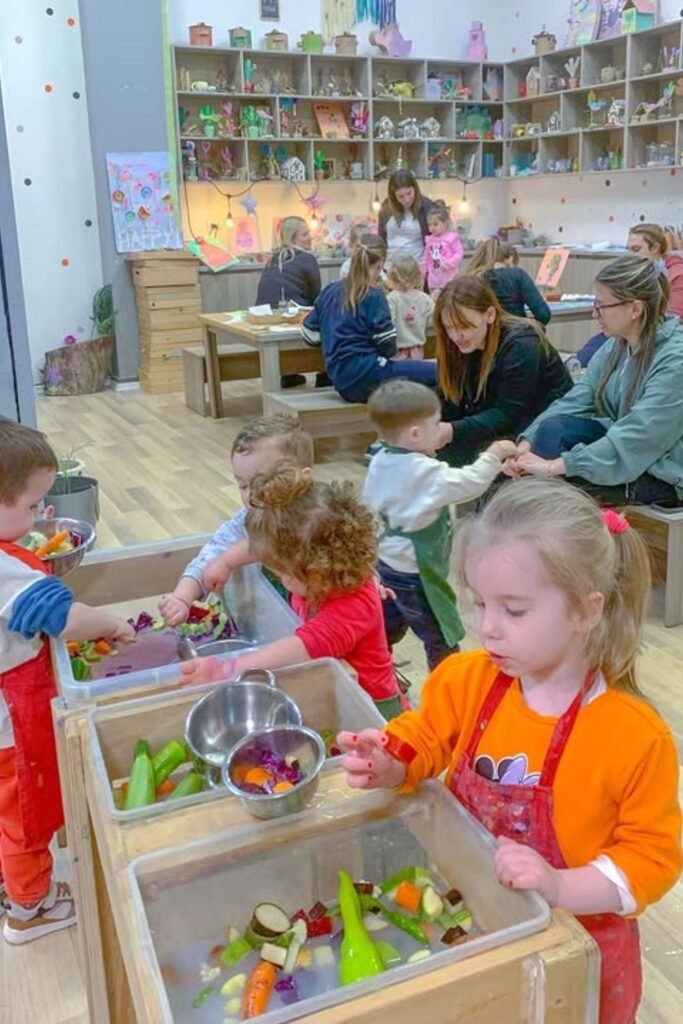
Water changes the mood of a room fast. Set up a simple sensory bin with warm water, cups, spoons, and a few cut veggies or plastic food pieces.
The second hands go in, and the voices go down. Moving water by scooping, pouring, and transferring it makes things move more slowly.
It’s okay if things spill. Put cloths beneath the hands and keep them steady. Kids who are very energetic can calm down when they focus on filling one cup without spilling it.
Works great when kids are playing together, in the classroom, or in the late afternoon when everyone is on edge.
For older youngsters, add measurement cups to help them stay focused. Younger kids can just pour and watch.
Shadow Tracing
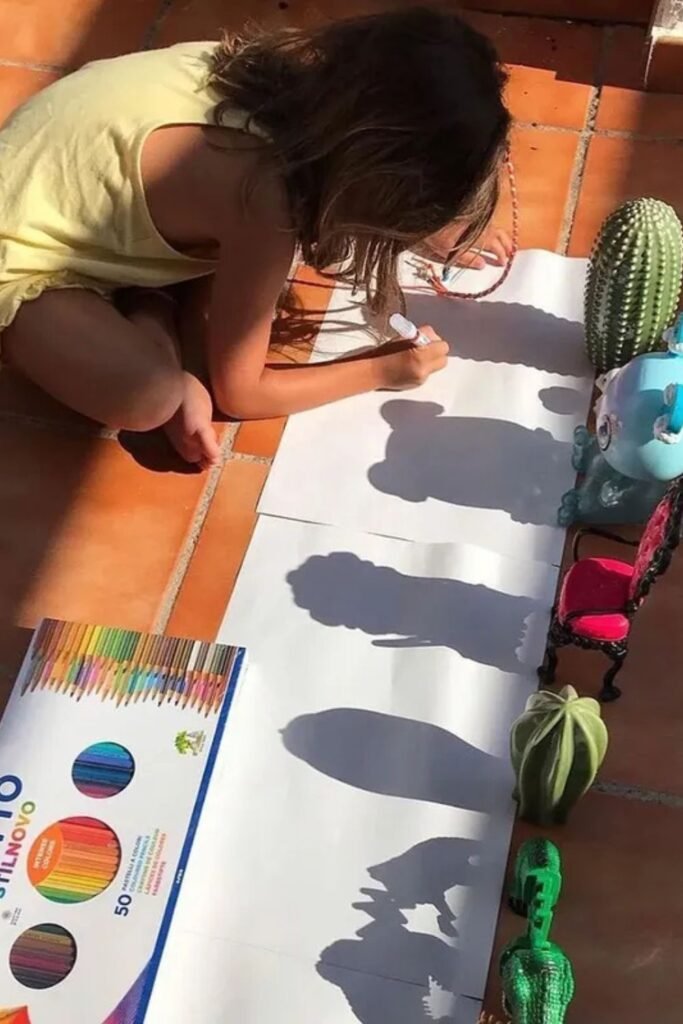
Sunlight does half the work for you. Place a few toys or plants near a bright window or outside on the patio, tape down a large sheet of paper.
And let your youngster follow the shadows they see. Following the outline by leaning in makes things go slower. Focus on your eyes. Carefully, hands slide around the edge.
They change whenever the shadow moves. That little moment of problem-solving promotes patience without stress.
Great for calm mornings or late afternoons when the sun is shining brightly.
Once the outlines are done, give them colored pencils and ask them to slowly fill in the shapes.
Nature decides how fast things go here. Shadows don’t hurry, so neither do they. Watching light change into art draws the mind away from itself and calms it down.
Nature Dough
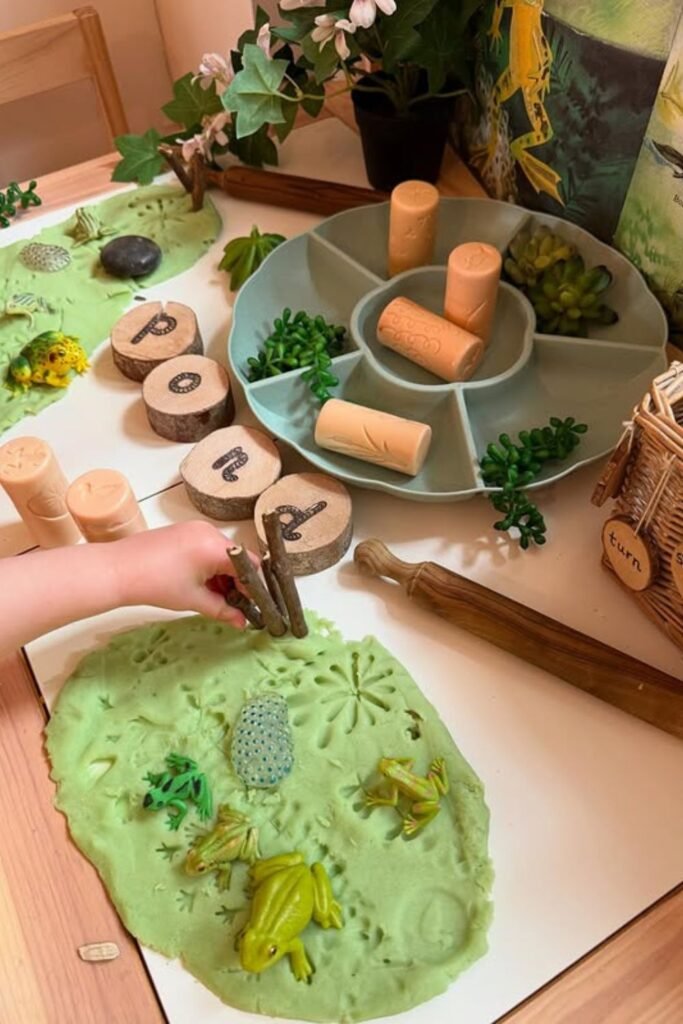
Soft dough has a way of absorbing tension. Spread out a chunk of green playdough and add small nature pieces twigs, wooden stamps, toy frogs, leaves.
Pressing, rolling, and stamping slows the body down right away. Hands go down. Squeeze with your fingers. Patterns start to show up.
When emotions are high, that continuous pressure gives the neurological system just what it needs.
To help you concentrate more, add a little rolling pin or wooden tools.
Works great when things are calm or after a trip that was too much for them. Limit the tools and keep the area calm so it doesn’t get out of hand.
Fewer choices lead to more involvement. Kids get grounded through touch when they play with things like these. They don’t need any help.
Balance Stillness
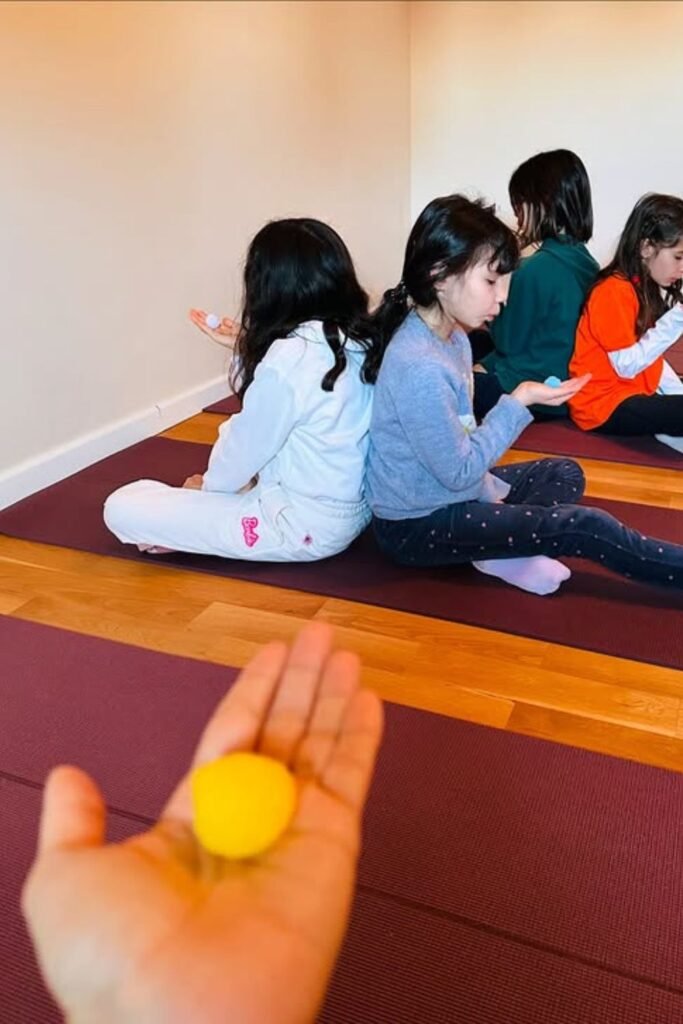
Stillness feels easier when there’s something to hold. Place a small beanbag or soft ball in your child’s open palm and ask them to sit tall without letting it fall.
Wiggling suddenly becomes focus. Sitting back-to-back works much better. Each child has to stay still so they don’t knock the other one off balance.
Quickly, quiet attention takes the place of banter. Great for resetting the classroom, before homework, or any time you feel like your energy is all over the place.
Ask them to breathe slowly and keep your voice down while they balance. “Take a deep breath, hold it, and then let it out.” The object is what keeps them grounded.
Balance activities teach kids how to manage themselves without seeming like punishment.
Routine Board
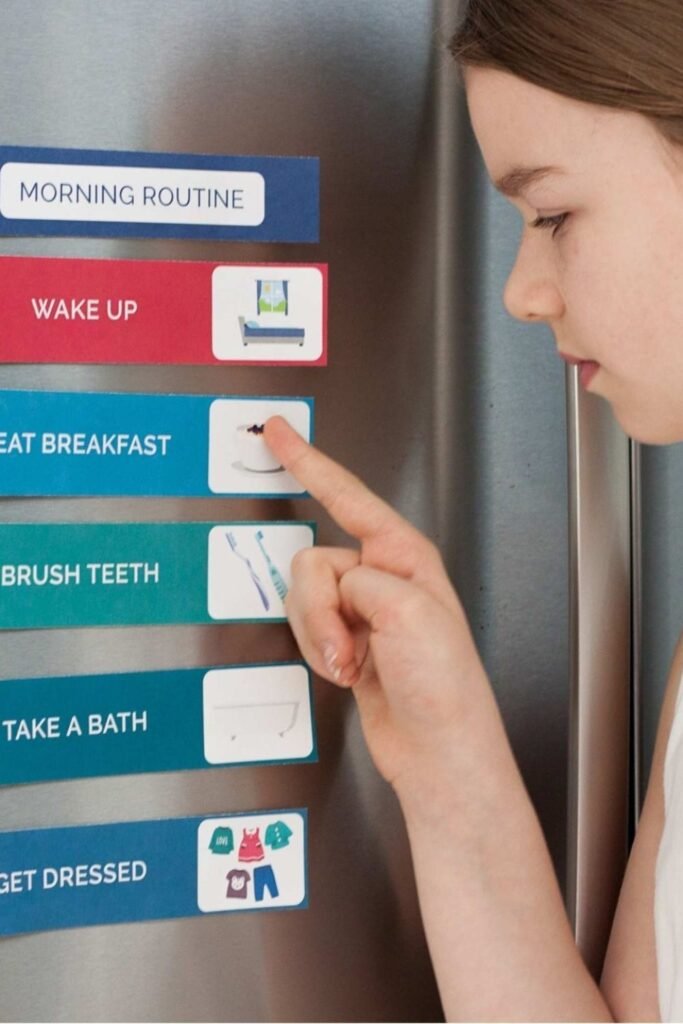
Mornings feel chaotic when kids don’t know what’s coming next. A simple visual routine board changes that fast.
Make a list of clear actions for your child to follow, such getting up, eating, brushing their teeth, and getting dressed.
Pointing to each activity provides their brain a way to organize itself. No more reminders. No yelling. They just say, “What’s next” and look at the board.
Predictability soothes the nervous system. Kids cease fighting every change when they can see the structure of their day.
The pictorial signals are especially helpful for younger kids who aren’t very good at reading yet. Make it basic and at eye level.
Feelings Check
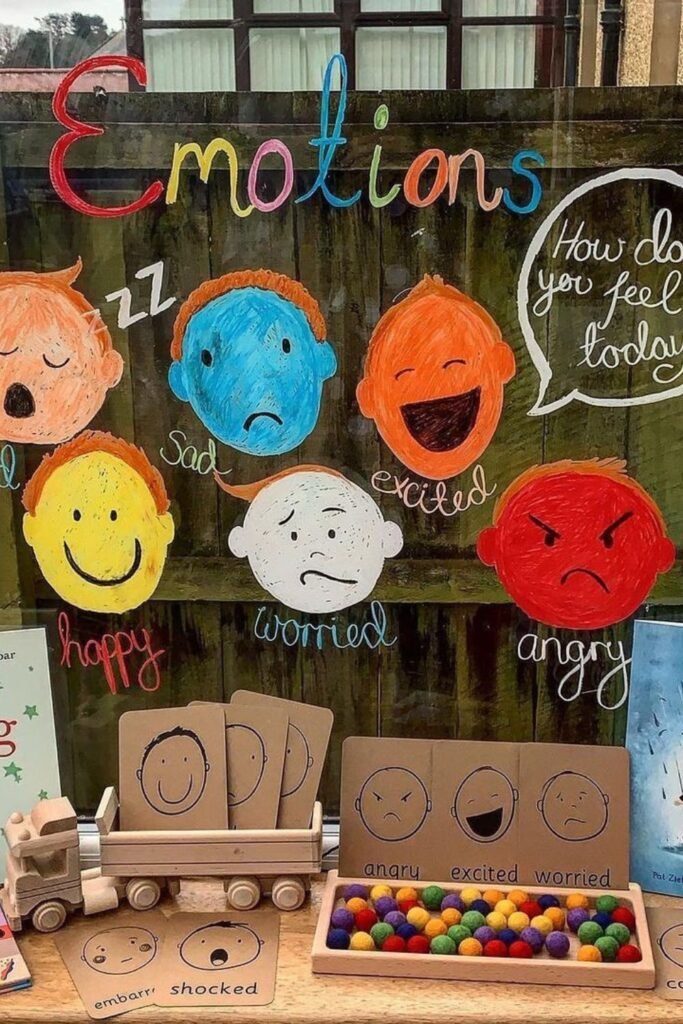
Unspoken emotions don’t disappear they spill out sideways. A simple feelings display with faces and words gives kids safe way to say what’s going on inside before turn meltdown.
Put emotion cards or a chart where your youngster can view them every day. Just ask, “Which face do you feel like right now” No fixing. No giving lectures. Just listening.
Giving feelings names makes them less intense. A lot of the time, when a child says, “I’m worried,” their body relaxes because they finally have a name for the experience.
Put little things like pom-poms or clips in there so they can physically show how they feel. Works great before school, after daycare, or before bed.
Awareness leads to regulation. Kids who can name their feelings deal with them better. Calmness begins with comprehension, even of oneself.
FAQs
How do you calm a hyper child quickly without yelling?
First, lower your own energy. Children copy what they observe. Their bodies will start to move and speak more slowly if you do.
Give them something to do with their hands, such deep breathing with a prop, wall push-ups, squeezing playdough, or coloring slowly.
Don’t give long explanations right now. “Slow hands” is a better way to give directions. “Take a big breath.” “Push the wall.” Calm deeds work more than calm words.
Why don’t quiet activities always calm my child down?
Because being silent doesn’t always imply being in charge. If your child’s body is still humming, putting them at a table with crayons can make them more angry.
Some kids need to move around push, carry, and stretch before they can calm down.
First, think on your body, then be quiet. Their mind follows when their muscles relax.
Hi, I’m Afaf! I’m a law student who loves writing about everyday life – from home projects and crafts to fashion, beauty, and parenting tips.
I’ve been writing for over a year, sharing ideas that are simple, practical, and easy to try. I write about things I find interesting and useful, whether that’s organizing a space, trying a new DIY, or finding activities to keep kids entertained.
My goal is to share helpful ideas without making things complicated. If it works in real life, I’ll write about it.
When I’m not studying or writing, I’m usually experimenting with new projects or scrolling for inspiration!