
18 Obstacle Course Ideas for Kids 2026
If your kids are jumping on the couch, fighting over nothing, and begging for snacks every five minutes, they aren’t hungry; they’re bored.
And “just go play” doesn’t work when you’re confined inside or too exhausted to arrange something difficult. You need something quick.
Something easy. Something that uses energy without destroying your home. What is good news? You don’t need a lot of space or fancy tools.
This article features 18 kids’Obstacle Course ideas that balance learning, play, and creativity.
Let’s jump in!
What Simple Materials Can You Use to Build a DIY Obstacle Course?
You don’t have to buy anything. Look around your home. Get some pillows to jump on, some chairs to weave with, a blanket to burrow beneath.
And painter’s tape to make lines on the floor. Use laundry baskets as targets to throw things at and pool noodles or broomsticks as low hurdles.
You can use your living room as a training area. Make the course fit your area, not the other way around. Start with what you already have.
Save this article for later!👇👇👇
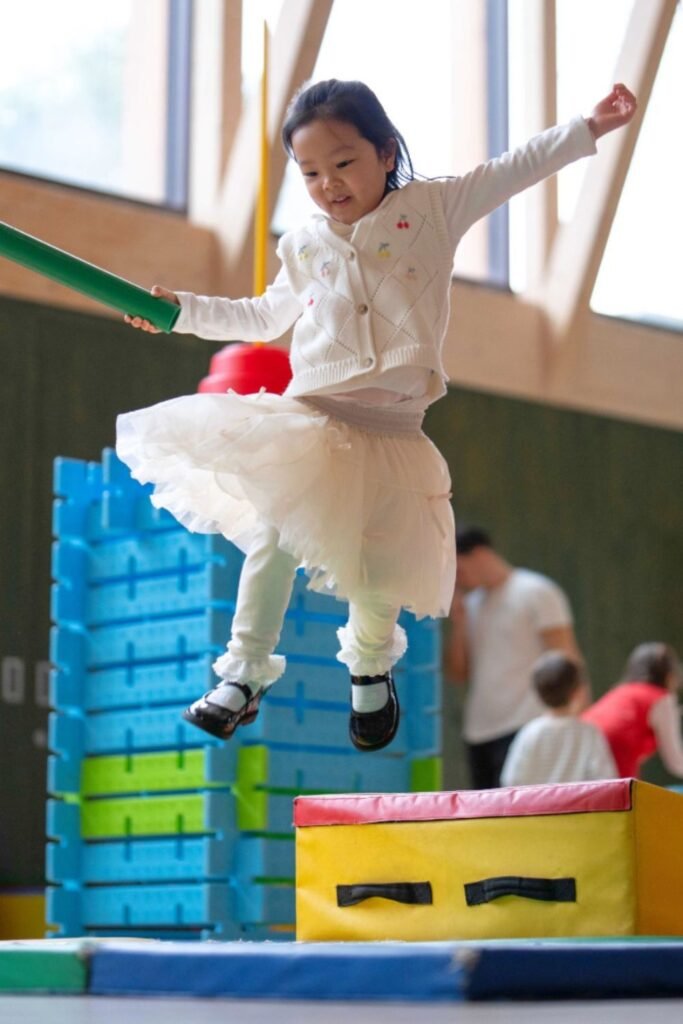
Box Jumps
Energy runs high? Turn it into power. Stack a sturdy foam box, ottoman, or low storage bin and let kids practice jumping up.
And down in a safe way. For beginners, keep the height low and put a soft mat or rug around it.
To keep young feet safe. It makes it more fun and helps with coordination to put your arms out for balance.
It works well in a playroom, basement, or even on grass in the backyard. Want to make it better.
Add a rule: before running to the next station, you have to leap up, turn around, and hop back down.
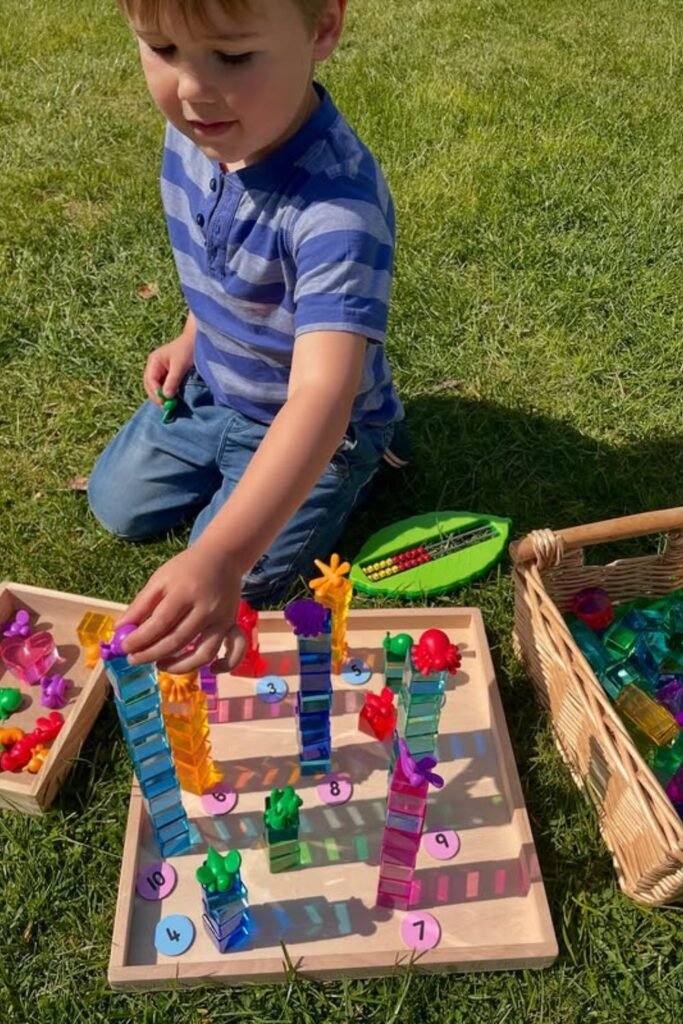
Number Towers
Learning sneaks in best when it feels like a game. Set up a simple number station where kids build towers to match.
The numbers on the ground. Put numbers on paper circles and then tell the kids to build blocks up.
To that number before racing to the next site. Backyard grass is great since it keeps pieces together and is easy to clean up.
Do you have a short attention span. Make it a timed challenge: build, knock down, and then sprint back.
Good for preschoolers who need to walk around and also need to work on counting and paying attention.
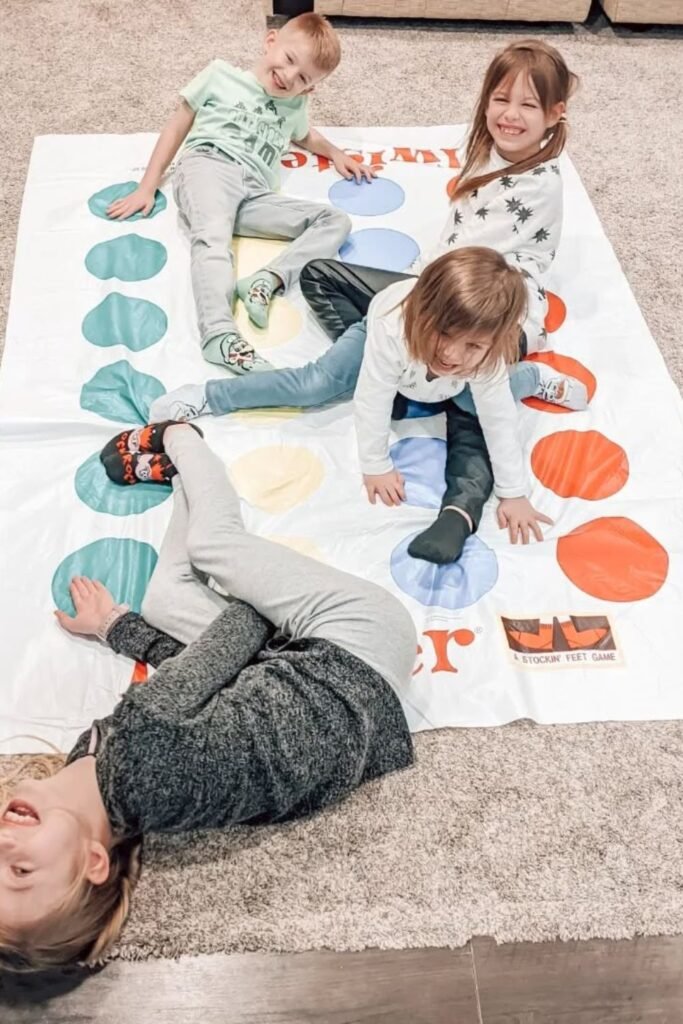
Color Crawl
Giggles usually mean you picked the right activity. Lay out a large floor mat with colored spots and turn it into a crawling challenge.
Say a color and have the kids put one hand or foot on that color before moving on to the next one.
Living rooms are great since the carpet keeps everyone stable. No mat? Make your own by taping.
There are colorful paper circles on the floor. Mix up simple commands like “blue with your left foot.
To help kids learn to listen. Great for getting rid of energy indoors without making a mess.
Chair Tunnel
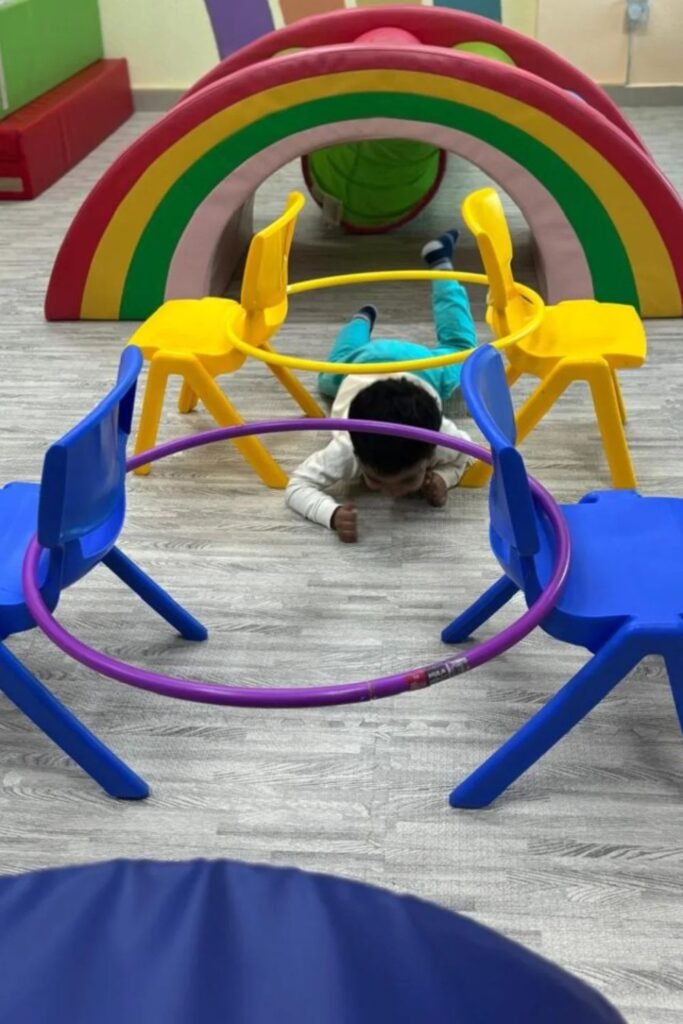
Watch confidence grow with every crawl forward. Line up four sturdy chairs and slide a hula hoop.
Between the legs to provide a low tunnel that kids have to squirm through. Make sure the hoops are low.
Enough to be a challenge but high enough so kids don’t hit their heads. Playrooms and classrooms are great.
Because it’s easy to move furniture around on concrete flooring. Want to make things more fun.
Put a soft pad or colorful arch at the end so they can crawl right into the next barrier. Great for little kids who like to think they’re sneaking through secret doors.
Stick Bridge
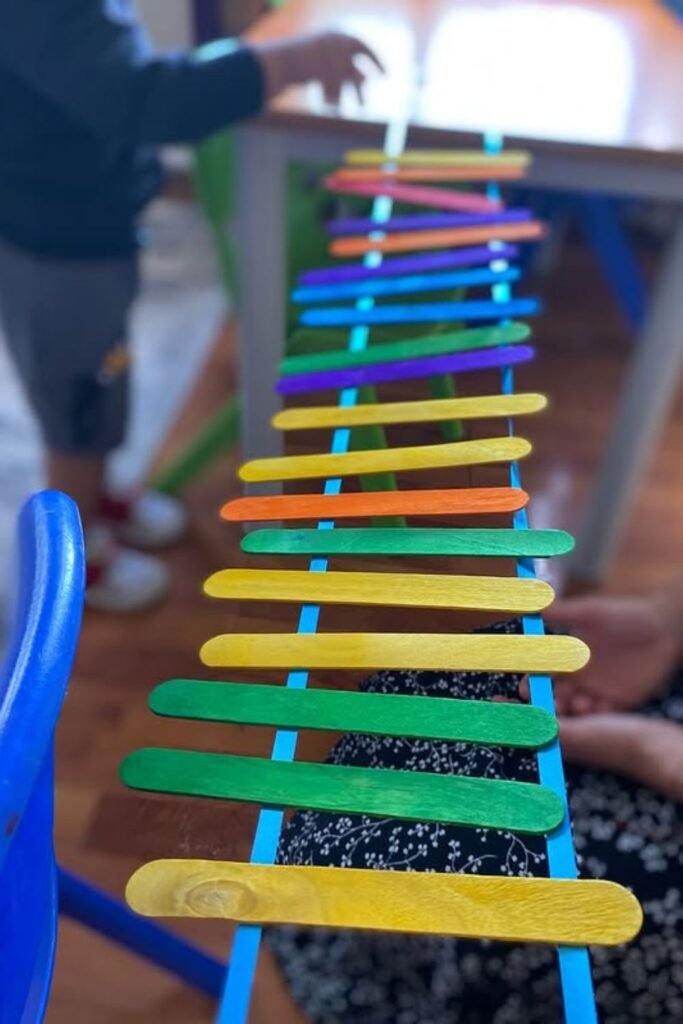
Balance changes everything. Lay two long strips of tape on the floor and place craft sticks across like ladder rungs.
To make a small “bridge.” Kids walk heel-to-toe without stepping off the edges. For novices, spread the sticks out.
For more experienced players, move them closer together to slow things down and help them focus.
Hallways are excellent since the walls make them a little safer. Do you feel creative? Say the colors out loud.
As they walk so they have to look down and think at the same time. Easy to set up, but great for focus and coordination.
Balance Circle
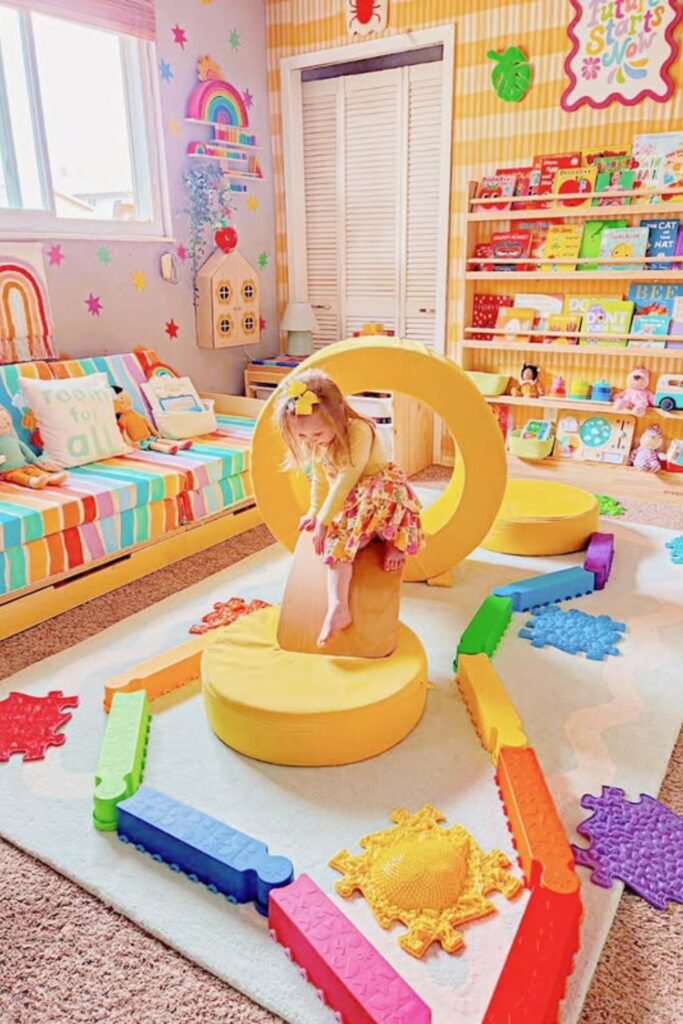
Center of the room just turned into a mini challenge zone. Place a round cushion or foam pad in the middle.
You may also use stepping stones, foam blocks, or even couch cushions to make a basic path around it.
Kids stroll along the path, then climb up and balance in the middle before hopping back down to keep going.
Soft floors make bedrooms and playrooms safe, so they function great. Want to make it longer.
Put in a rule that says to stop for five seconds on top before moving on. A great way to improve your balance, patience, and body control without having a lot of room.
Crawl Climb
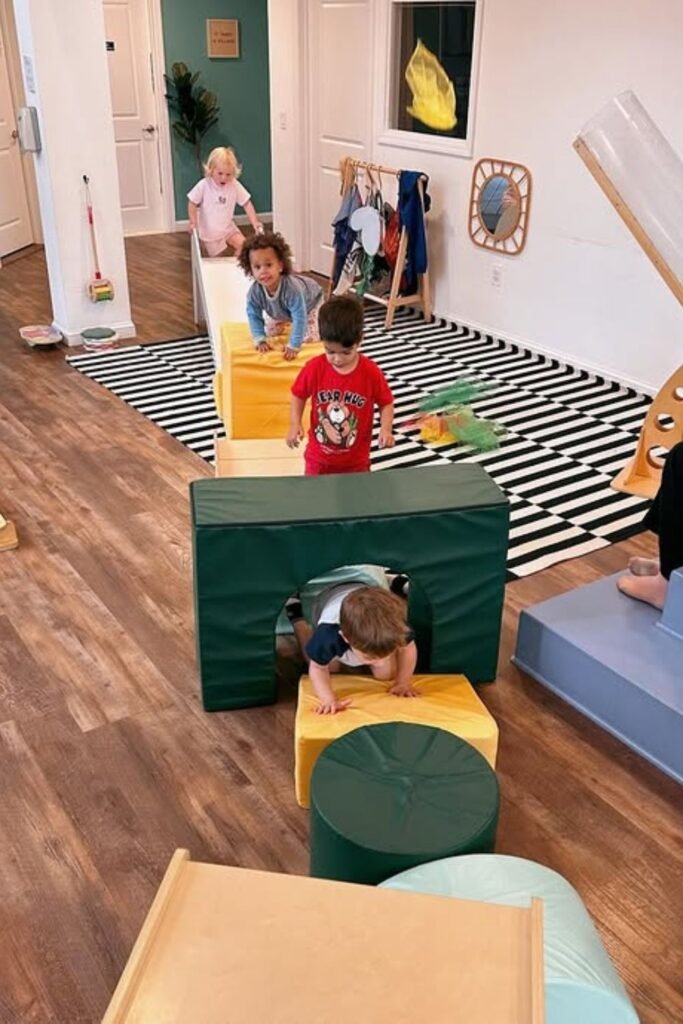
Big energy needs big movement. Line up soft blocks, cushions, or sturdy ottomans in a straight path.
Kids crawl under, climb over, and walk across without stopping. Keep the flow going so it feels like a true course and not just random things on the floor.
Living rooms or daycare centers are the greatest places to do this because you can extend it out in one direction.
Make a basic rule: don’t touch the floor between barriers. That one twist makes it much harder right away.
Great for little kids who like to see how strong they are and learn how to move their bodies across space.
Zip Line
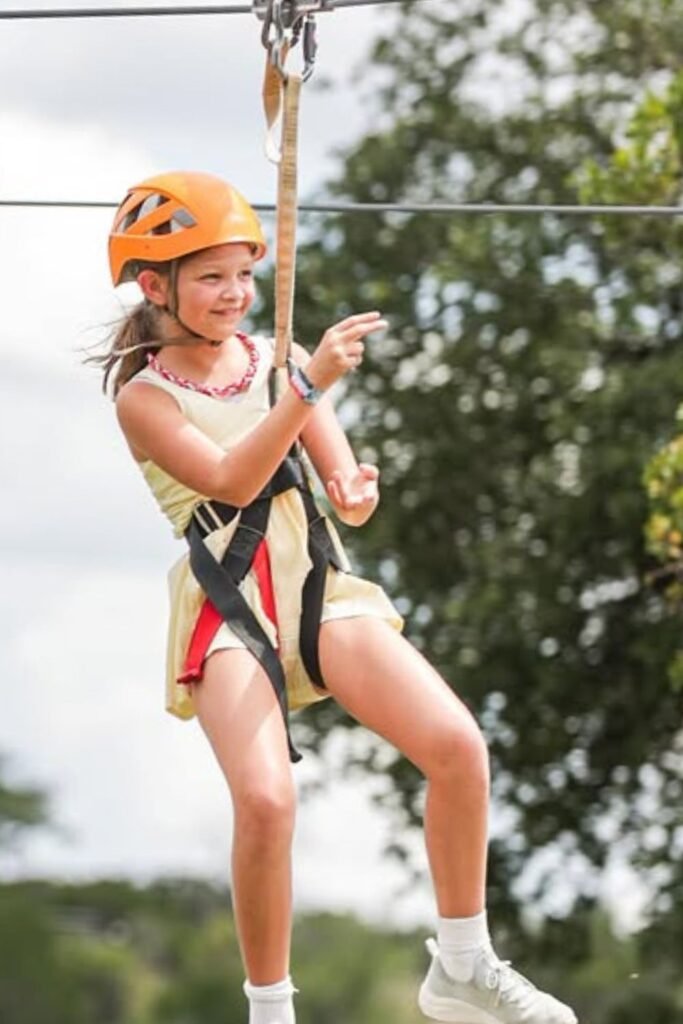
Adventure mode instantly turns up the excitement. Set up a backyard zip line only if you have proper safety gear, strong anchor points.
And supervision by an adult at all times. This is real equipment, not something you can make yourself quickly.
So pay attention to the harness, helmet, and weight limits. Best for older youngsters who can follow directions and hang on tight.
Short runs in the backyard are excellent, but even better, you could do this at a camp or adventure park made for it.
Put it at the end of your obstacle course so kids feel like they’ve earned the big excitement at the end.
Parachute Run
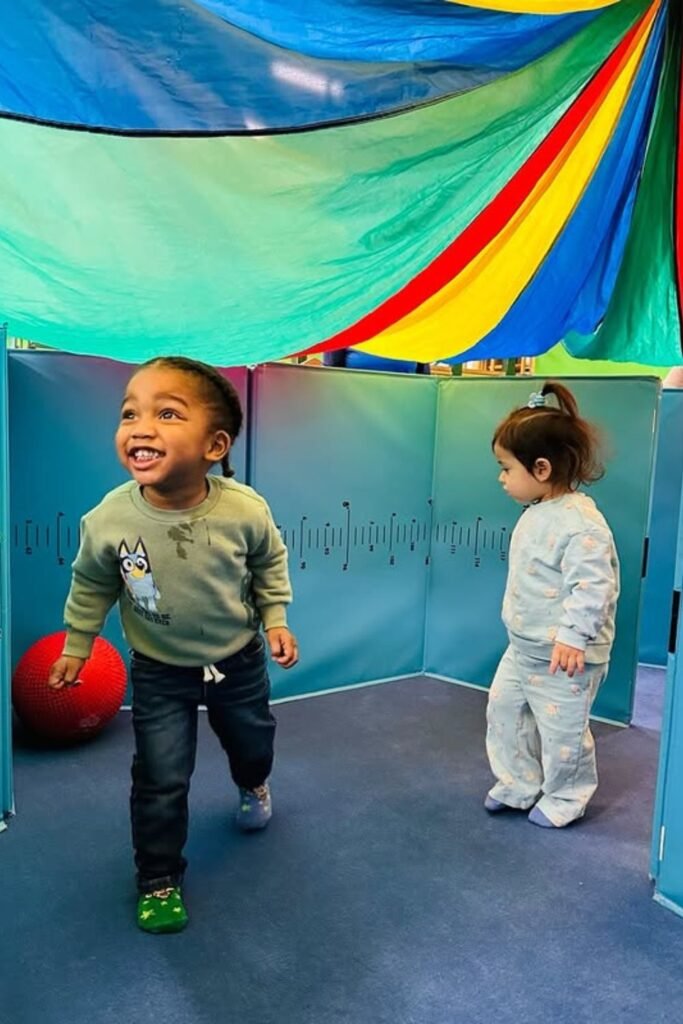
Color overhead changes the whole mood. Stretch a large parachute, bedsheet, or lightweight blanket across chairs.
Use low furniture to make a soft tunnel that kids can run through. Make sure the sides are strong enough to hold up.
But not so strong that they can’t move a little when they go under. Playrooms and schools are preferable.
Since you can safely anchor the corners. Put a ball inside and tell them to grab it before they sprint out the other side.
Great for toddlers who like to be in little places and preschoolers who like the “secret fort” vibe of the course.
Stepping Path
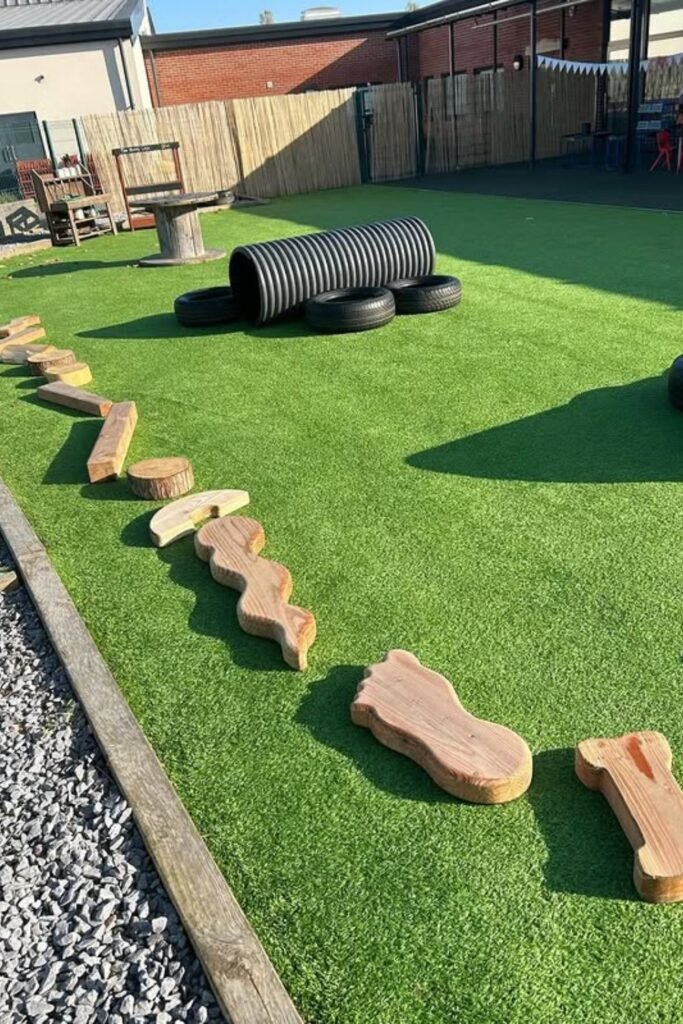
Feet love a challenge when the ground isn’t flat. Arrange wooden blocks, tree stumps, or thick boards in a zigzag line.
Over grass or turf, and let kids jump from one to the next without hitting the ground. For smaller kids, keep the pieces near together.
For older kids, stretch them out to make it harder. Backyards are great because the soft ground makes them safer.
Want to get better at focusing? Tell them to stop for three seconds on each item before going on.
Easy to set up, great for practicing balance, and it turns any open yard into a tiny adventure track.
Rope Walk
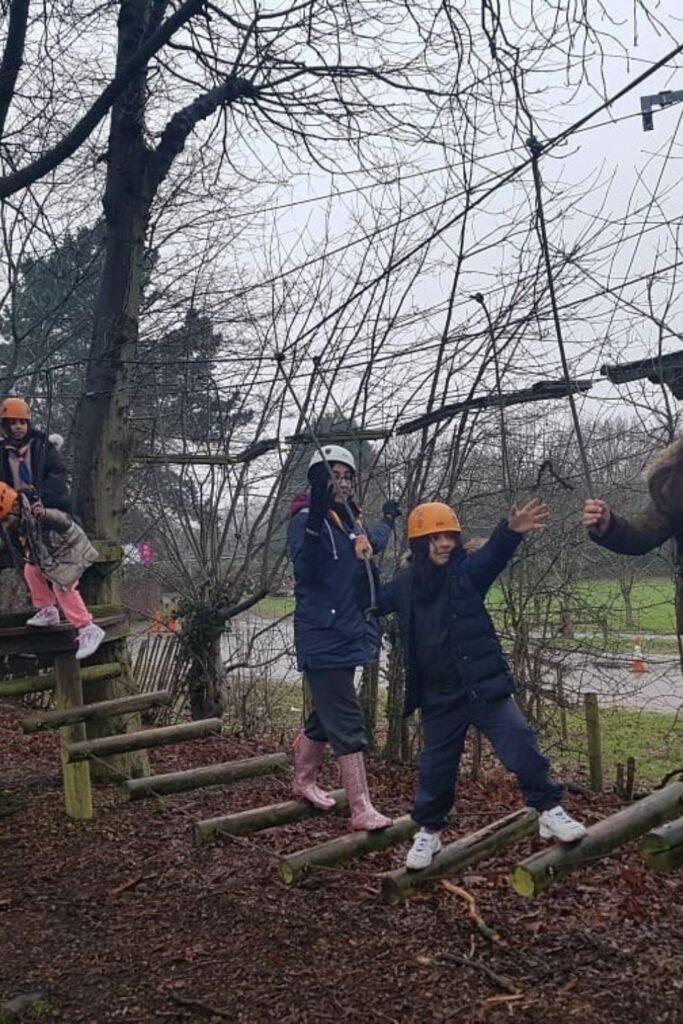
Balance feels completely different when the ground moves. Set up a simple rope walk between two sturdy trees.
Or stakes and put a second rope above them for others to grasp on to. Helmets and strict supervision are important here.
Especially for older youngsters who want a challenge. If you tie everything down tightly, trees in the backyard can work.
But adventure parks or school setups are far better. For beginners, keep the rope low to the ground so they may gain confidence quickly.
Want to make it harder? Put the support ropes wider apart so they have to use their core and focus more.
Tape Maze
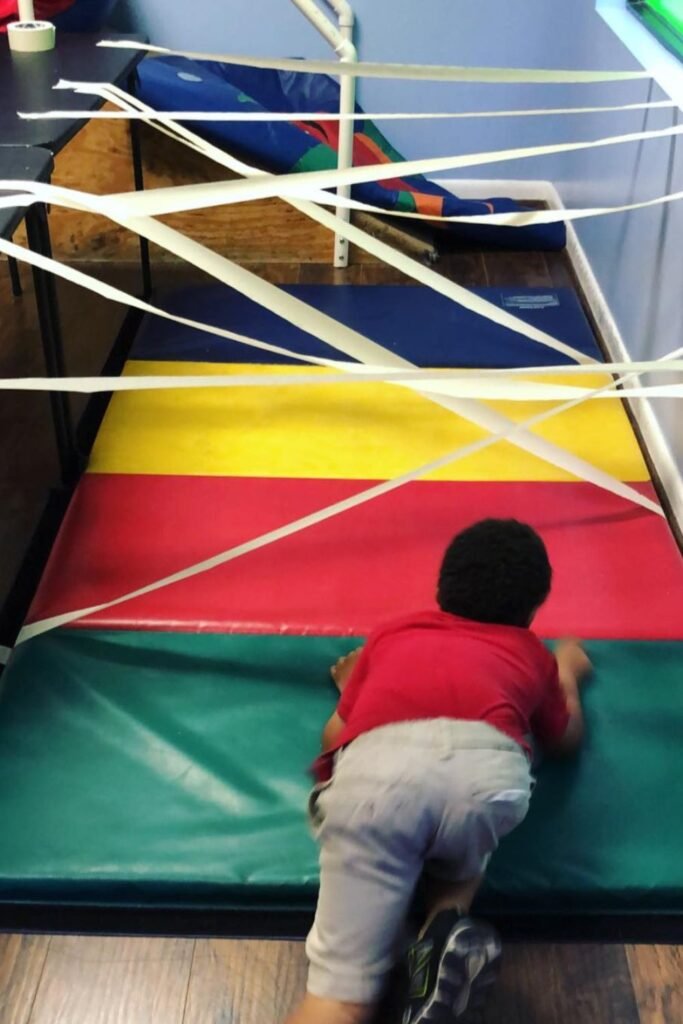
Mission mode makes crawling way more exciting. Stretch strips of painter’s tape across a hallway, between table legs.
Or from one wall to the other to make a “laser maze” that kids have to get through without touching.
Some lines should be high and others should be low so they may duck, crawl, and twist. For extra safety, put cushions on the floor.
Turn down the lights and tell them they’re secret operatives sneaking past security. It works great inside on wet days and takes less than ten minutes to put up.
Want to make things more interesting? Time them and see if they can beat their own record without touching the tape.
Team Sack
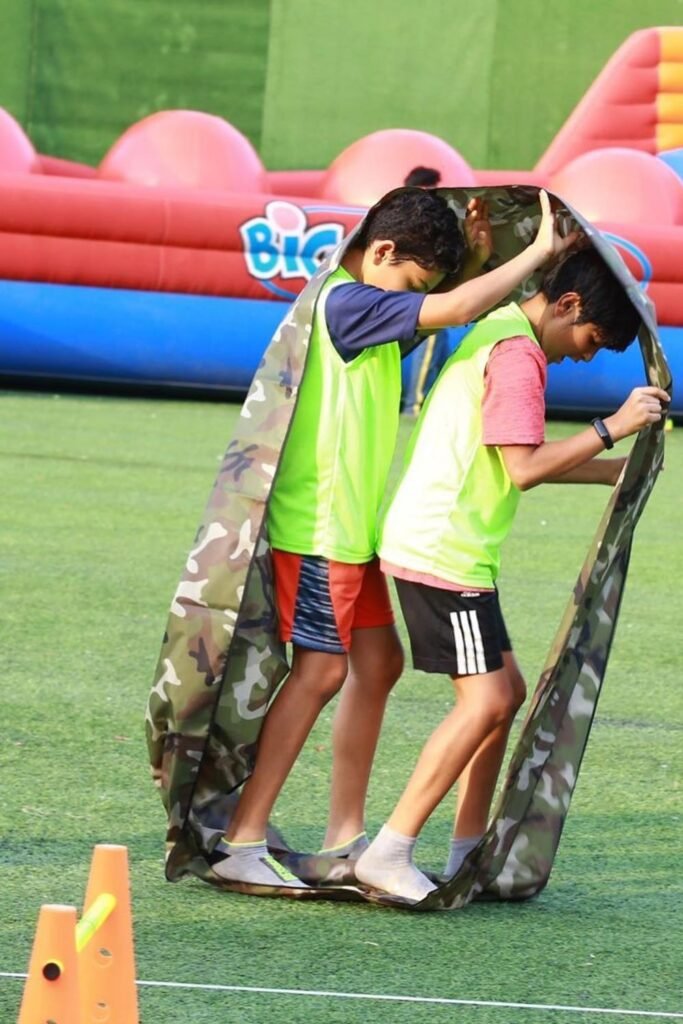
Teamwork changes the whole energy of a course. Slip two kids inside a large fabric loop or old duvet cover.
And let them move forward together between the cones. The fundamental problem is that both feet have to move at the same time.
This one is great for backyards, school fields, and birthday celebrations because you need a lot of room.
Keep the distance short for younger kids so they don’t become too angry. Want to make it a competition? Make lanes and run relay races.
They realize quickly that rushing simply makes them fall, so they laugh and solve problems swiftly.
Tape Trail
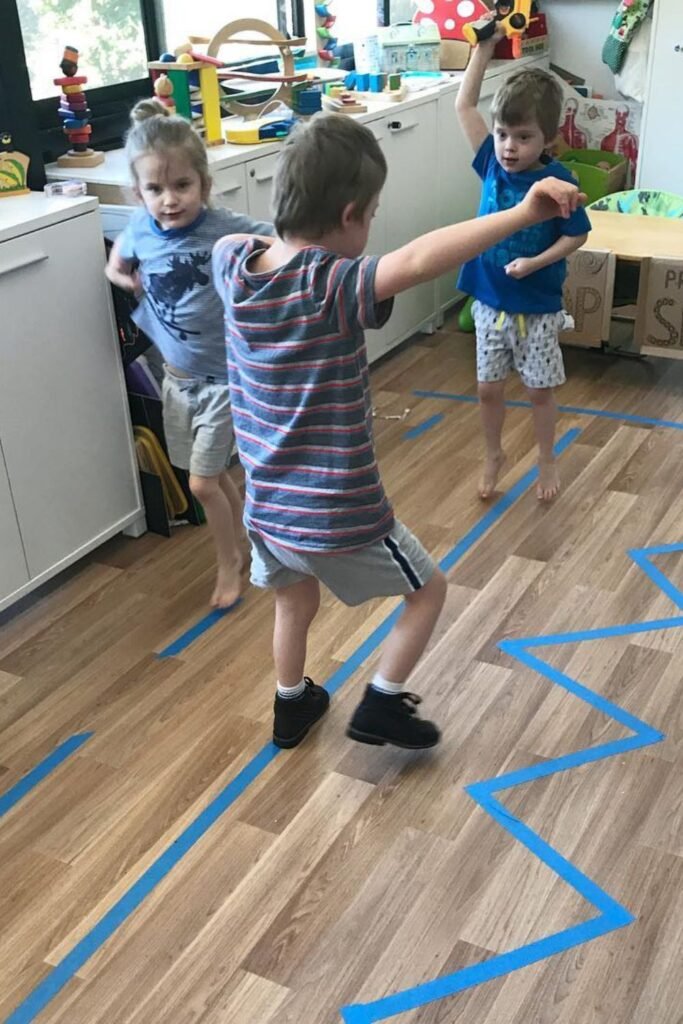
Painter’s tape might be the most underrated obstacle tool in your house. Create zigzags, straight lines, sharp turns.
Put little boxes on the floor. Then, tell the kids to stay on the path without going outside the lines.
Living rooms and schools are great since they are easy to clean. Change things up by having them walk backward.
Along the straight line or hop on one foot through the zigzag. If you want it to feel more like an actual course.
Add arrows to show the way. Easy tape. A lot of different options. And no mess when you’re done.
Balance Pods
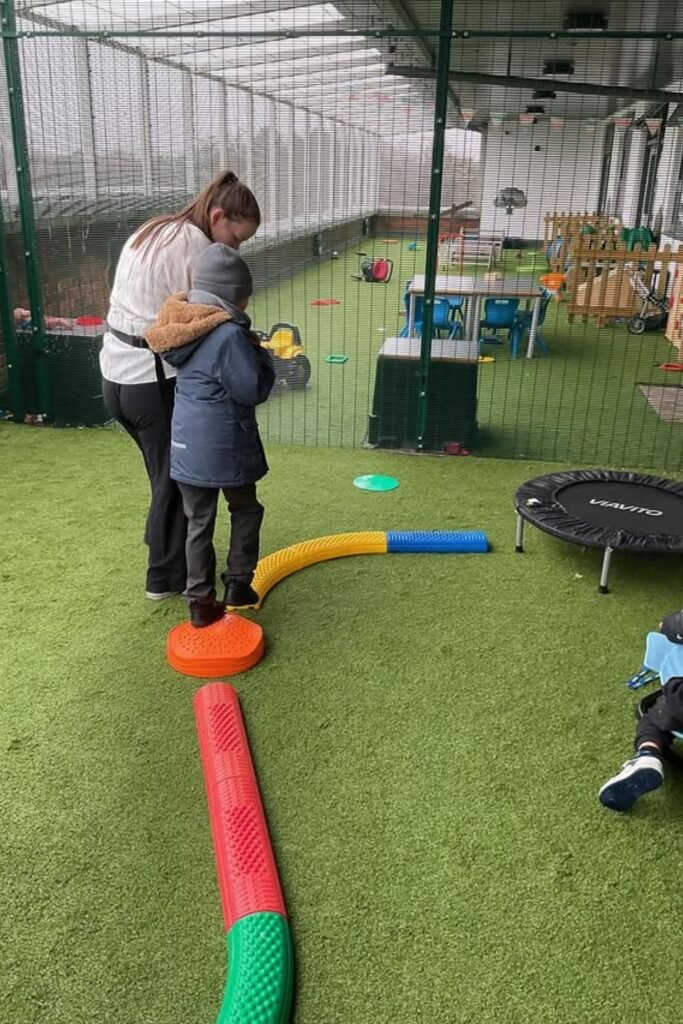
Small steps build big confidence. Scatter balance pods, curved beams, or even upside-down buckets.
Across the yard and make a twisting trail that youngsters have to navigate without touching the earth.
This is ideal with grass or turf because slips are softer. For novices, start with pieces that are close together.
As they get better, make the gaps bigger. Put a trampoline at the end for a great jump as a reward. Want to make it more focused.
Tell them to bring a stuffed animal with them when they cross so they can slow down and think about each step.
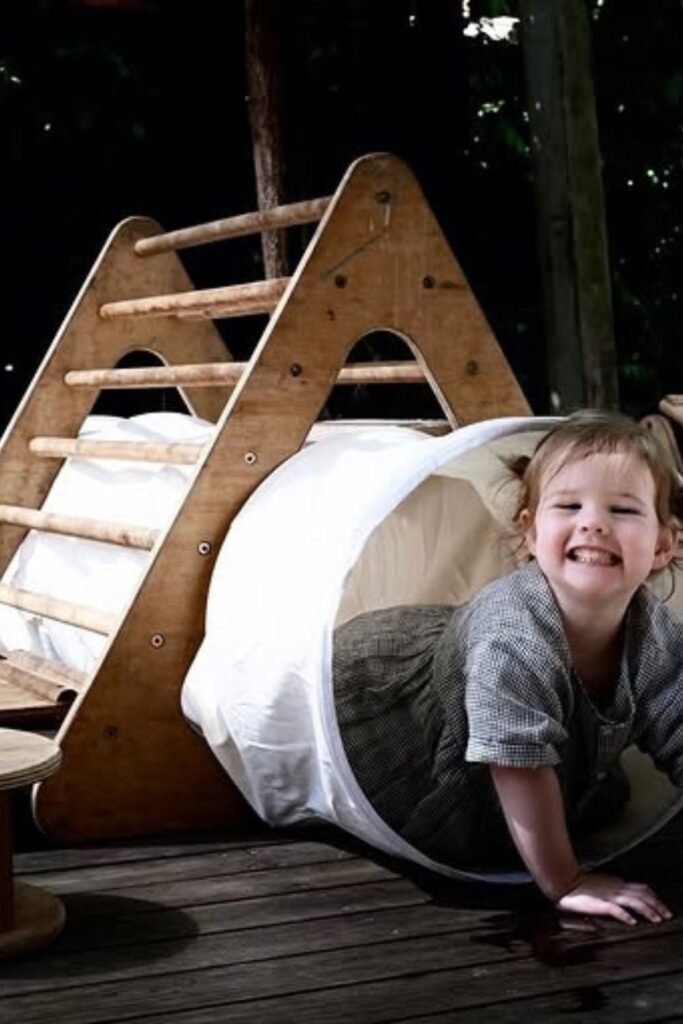
Climb Tunnel
Nothing beats the moment they pop out smiling on the other side. Set up a wooden climber with a fabric tunnel underneath.
Or you could put a play tunnel under a strong table at home to get the similar effect. Kids climb over the top.
Crawl through the middle, and then go to the next station. This design works well on decks, in playrooms.
Or in shaded nooks of the backyard. Make sure the surface underneath is soft in case little knees slip.
Want to make the challenge harder? Put a balance beam just after the tunnel so they can keep going with the next step.
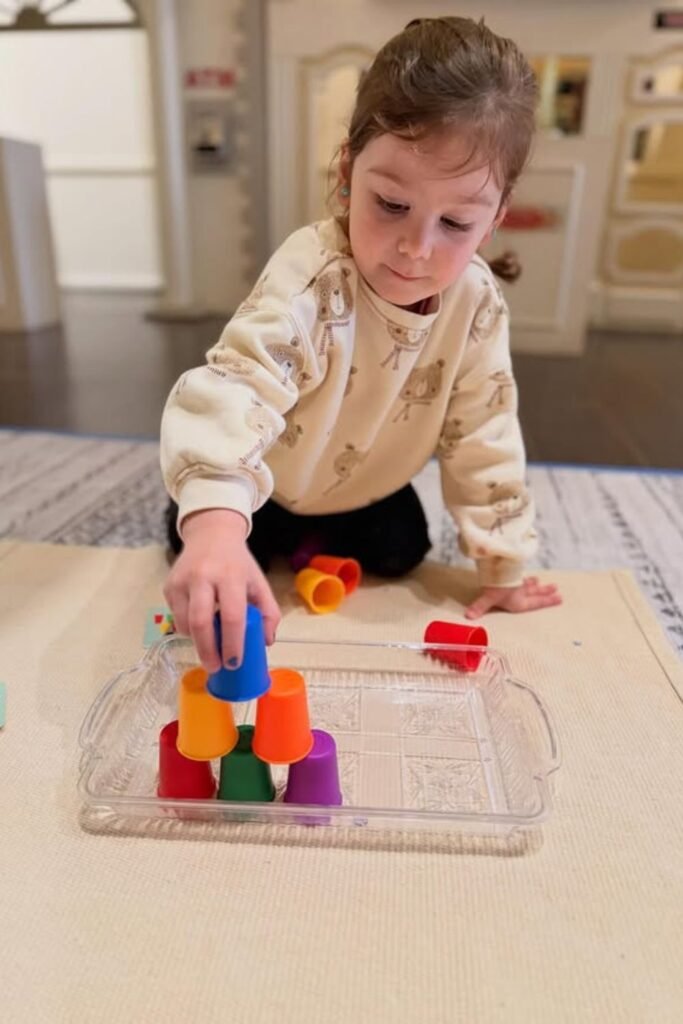
Cup Stack
Focus slows everything down in the best way. Place plastic cups at one station and challenge kids to build.
A little pyramid before running to the next thing. Put a tray or mat under the pieces so they don’t slide about on the floor.
This is a fantastic place to stop between high-energy stations in living rooms and classrooms.
Since it stays peaceful. To make it more interesting, give them a pattern card to duplicate or tell them.
To stack with just one hand. Great for preschoolers who need to move around and focus at the same time.
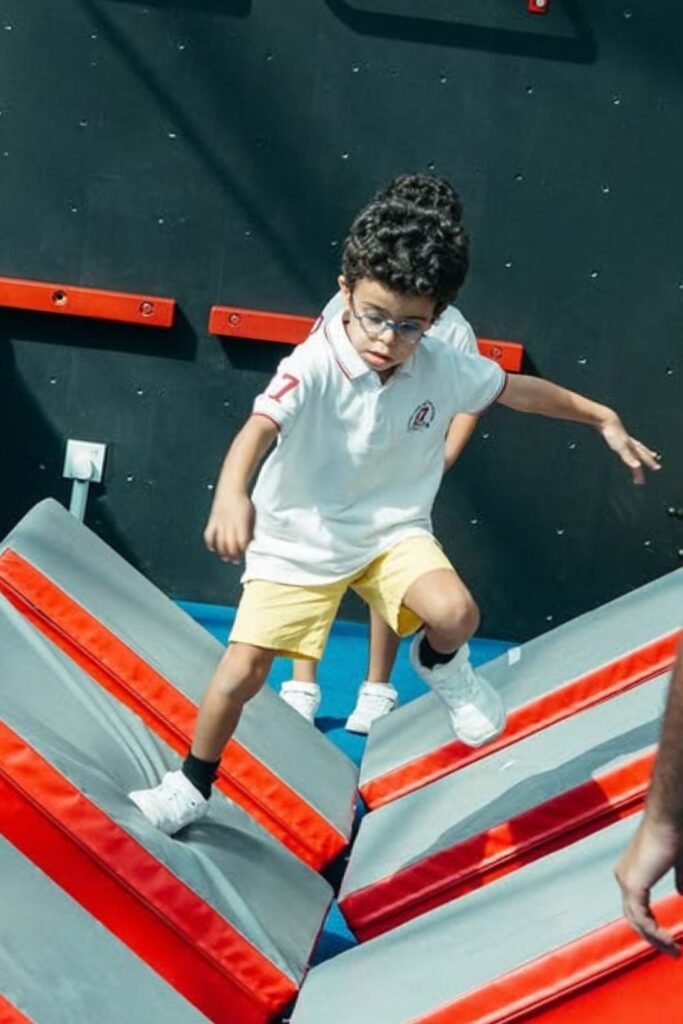
Foam Peaks
Unsteady surfaces force kids to slow down and think. Set up foam wedges, cushions, or folded gym mats in a zigzag pattern.
And let them go up and down without hurrying. For extra safety, especially with younger kids, have a soft pad.
Nearby and stand close. Play areas and garages inside are good because you need some open space.
To keep things under control, make a rule that says “no jumping off the top.” Want to make the challenge harder.
Tell them to stand on each peak for three seconds before moving on. It’s a great way to gain strength, focus, and body control all at once.
FAQs
How long should a kids’ obstacle course be?
Make it short enough to keep their interest. Four to six stations are plenty for toddlers and preschoolers. If the flow keeps up, older kids can tolerate 8 to 10.
The course is too long if they start to lose interest or hurry. They have more fun with quick rounds that they can do again and again than with one big setup.
How do you make an obstacle course challenging without making it unsafe?
Don’t change the height change the regulations. Tell them to hop on one foot, carry a soft toy, balance for five seconds.
Or move backward through a part. Small twists help you focus and coordinate better without putting you at risk.
Hi, I’m Afaf! I’m a law student who loves writing about everyday life – from home projects and crafts to fashion, beauty, and parenting tips.
I’ve been writing for over a year, sharing ideas that are simple, practical, and easy to try. I write about things I find interesting and useful, whether that’s organizing a space, trying a new DIY, or finding activities to keep kids entertained.
My goal is to share helpful ideas without making things complicated. If it works in real life, I’ll write about it.
When I’m not studying or writing, I’m usually experimenting with new projects or scrolling for inspiration!