
21 Screen Free Activities for Kids 2026
I took my son’s tablet away last Saturday and got ready. The mood in the home changed quickly as I heard, I’m bored.
You’re not the only one who has ever felt guilty, frustrated, and “what now?” all at the same time.
You want your kids to spend less time in front of screens, but you also need something that will keep them busy without making you work full-time.
In this article, you’ll find 21 playful screen free activities that help kids stay active and curious.
Let’s jump in!
What Outdoor Screen-Free Activities Help Kids Burn Energy?
If your kids are loud, restless, and fighting over the TV remote, they don’t need another lecture. They need to get up and exercise.
Getting them outside and letting them burn off that energy the proper manner is the quickest approach to change their mood.
Kids’ bodies and minds settle down when they run, leap, climb, and chase. You will see fewer tantrums and better sleep.
The secret is to pick activities that keep them moving for a long time, not just five minutes, but until they are joyfully fatigued.
Save this article for later!👇👇👇
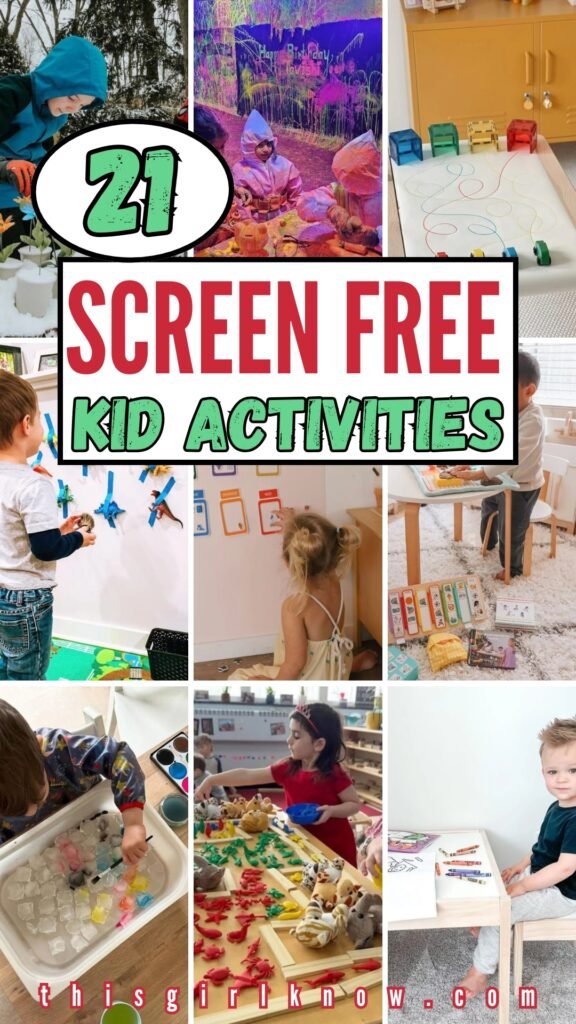
Splatter Painting
Color explosions change everything. Hand kids washable paint, give them a canvas or large cardboard sheet.
And let them hurl, drip, and flick without any rules. The backyard is fantastic, but a garage with plastic sheets fastened.
To the walls makes cleaning up easier. Old clothes or inexpensive coveralls make it an occasion instead of a mess.
Energy flows quickly because people are moving, swinging their arms, and letting their imaginations run wild.
Put on some music, set a timer for 20 minutes, and then step back.
You won’t have another craft that no one remembers; instead, you’ll have vibrant art that they’re proud of.
Snow Gardening
Winter boredom disappears the second color hits white snow. Grab artificial flowers, sticks, or even sturdy paper cutouts.
And make your yard into a “snow garden.” Push stems into packed snow, arrange them up along a route.
Let kids make their own tiny flower store on tree stumps. The cold air makes them keep moving, rearranging, and stepping back to look at what they’ve done.
No mud, no watering, and no long setup. Works great on peaceful winter afternoons when you really want to use your screens.
Give them a simple task like “make a rainbow section” and see how long their creativity lasts.

Color Races
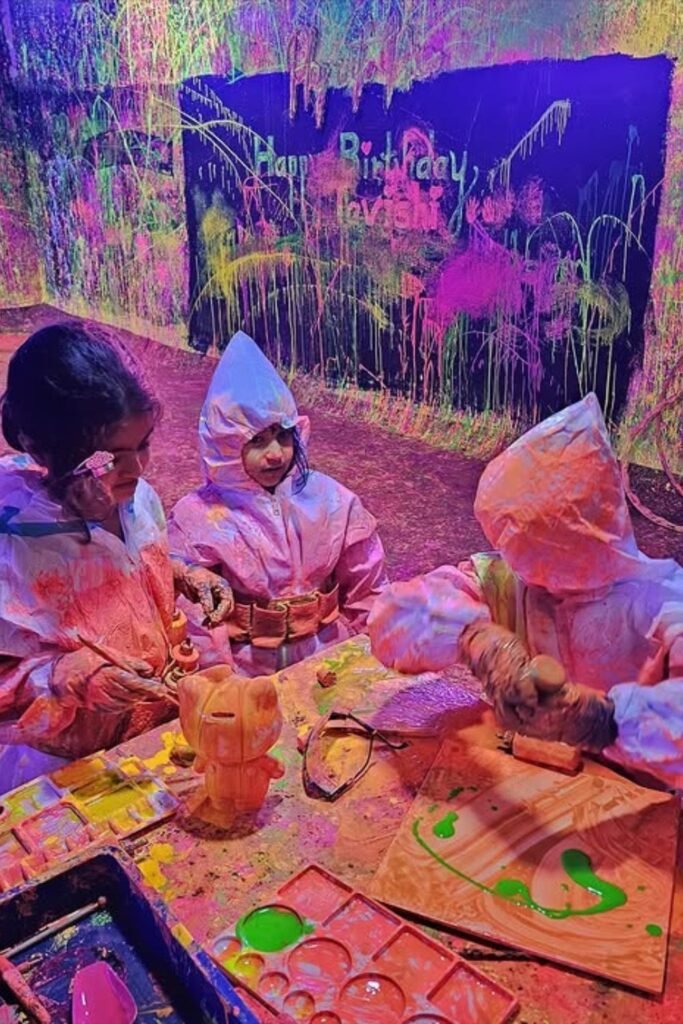
Little cars, big focus. Draw winding lines on a large sheet of paper using different colors, then match each toy car to its own track.
Put the paper on a small table, a seat, or even outside on a patio so the kids can stand and roam around.
As they steer the vehicles. No batteries, no noise just hands guiding the way from start to finish.
You may make it more fun by timing each “race” or asking them to make new tracks when they finish the first round.
Fine motor skills get better without anyone fussing over a screen and competitive energy is released.
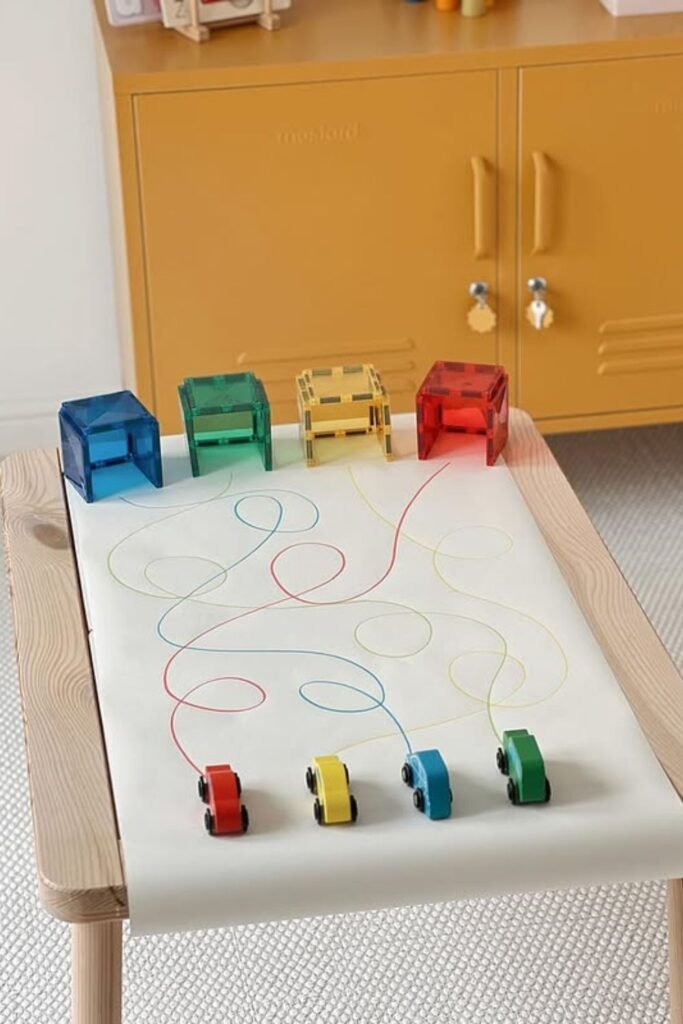
Clay Building
Busy hands calm busy minds. Set a small table near a bright window, place a mat down, and hand over soft clay with a few simple tools.
No need for instructions. Little fingers stay busy while their brains slow down when they roll, press, and shape things.
Perfect for peaceful afternoons when you don’t have a lot of energy yet can’t go outside. Put in small blocks or toy figurines.
So they may make tiny houses, highways, or animals around their clay things. Leave the setting out for a few hours.
And see if they come back to it on their own. Focus naturally gets stronger, and screens don’t seem as important anymore.
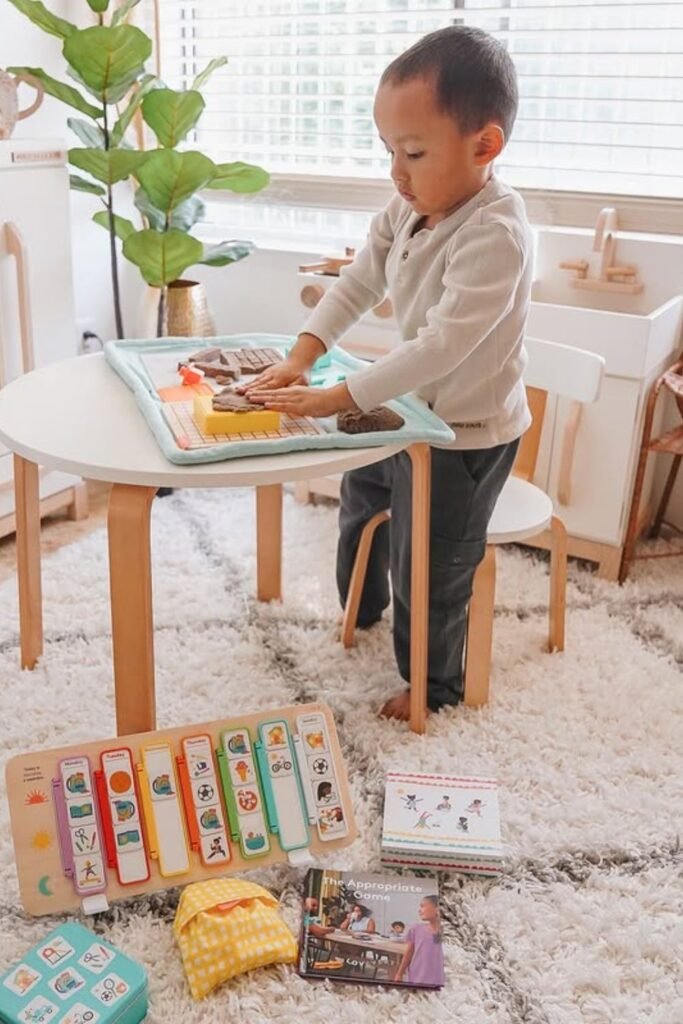
Color Sorting
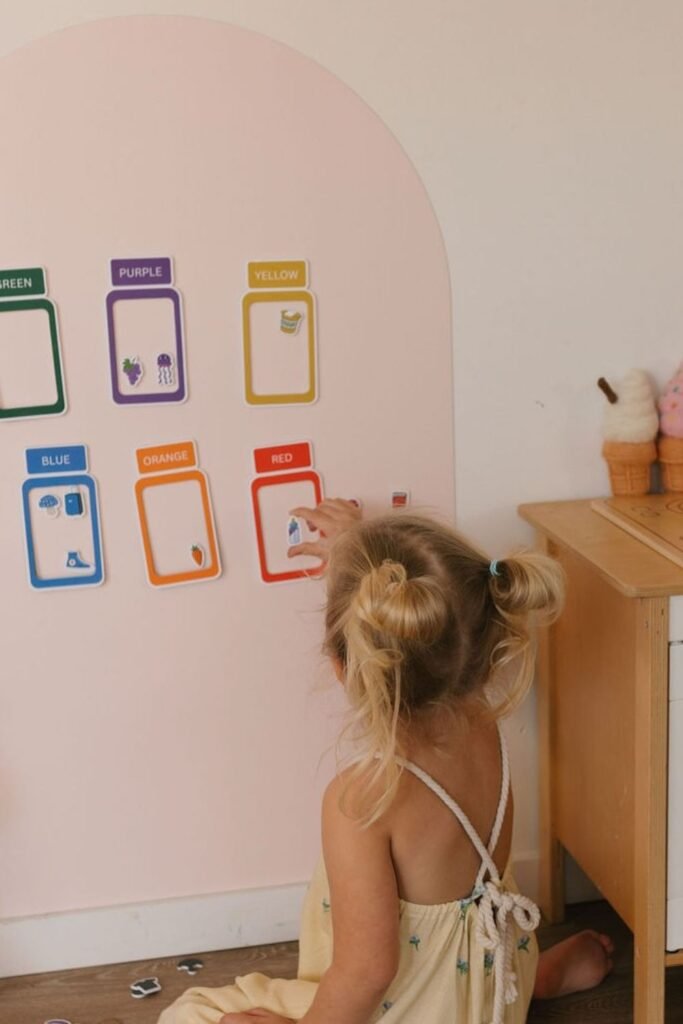
Learning sneaks in through play. Tape colored cards to a wall at your child’s height and hand them small objects or picture tiles to match.
They stay active and their brains perform better when they stand instead than sit. You may make a short activity zone in the kitchen walls.
The corners of the playroom, or even the corridor. Say a color and let them scramble to locate something around that is that color.
Making decisions and moving around quickly uses up a lot of mental energy, which can make you act calmer later.
It only takes a few seconds to clean up; just peel the cards off. Easy to put up, gives you a large attention boost, and no displays are needed.
Coloring Corner
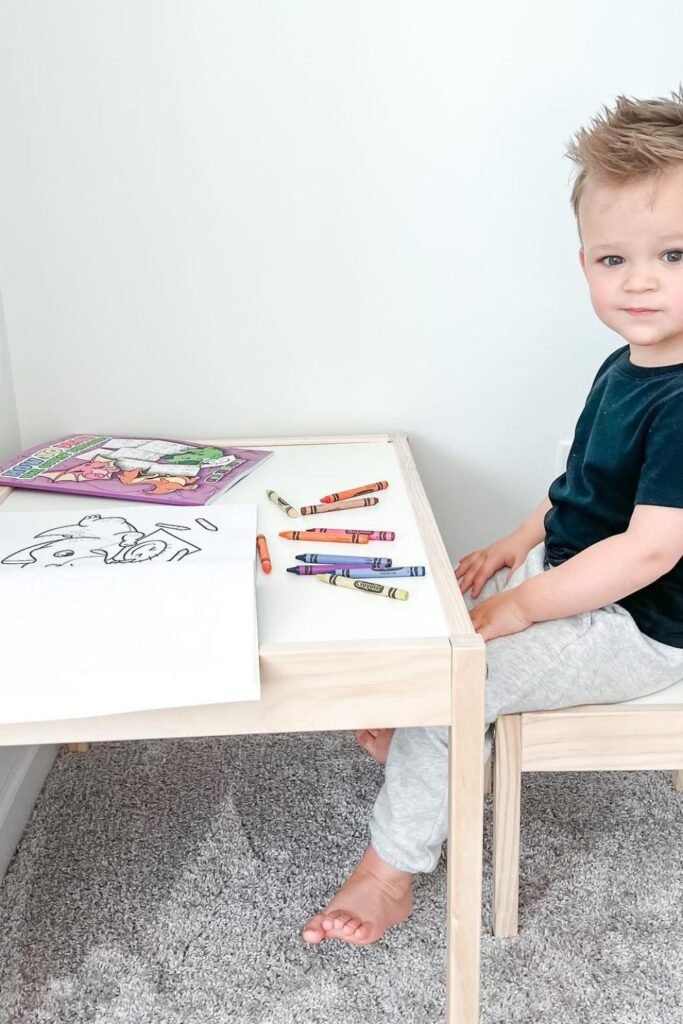
Quiet doesn’t have to mean a screen. Set up a small table in a calm corner with crayons, large coloring pages.
And nothing else that could take its place. Simple is the finest. Only let them see a few colors at a time so they don’t get too many options.
Background music might help youngsters relax, especially after a lot of active play. Great for rainy afternoons or the hour before dinner when everyone is sleepy.
Change up the coloring books every week to keep things interesting without having to buy new ones all the time.
Sitting down, concentrating, and finishing a page teaches patience in a way that fast-moving cartoons never will.
Mini World
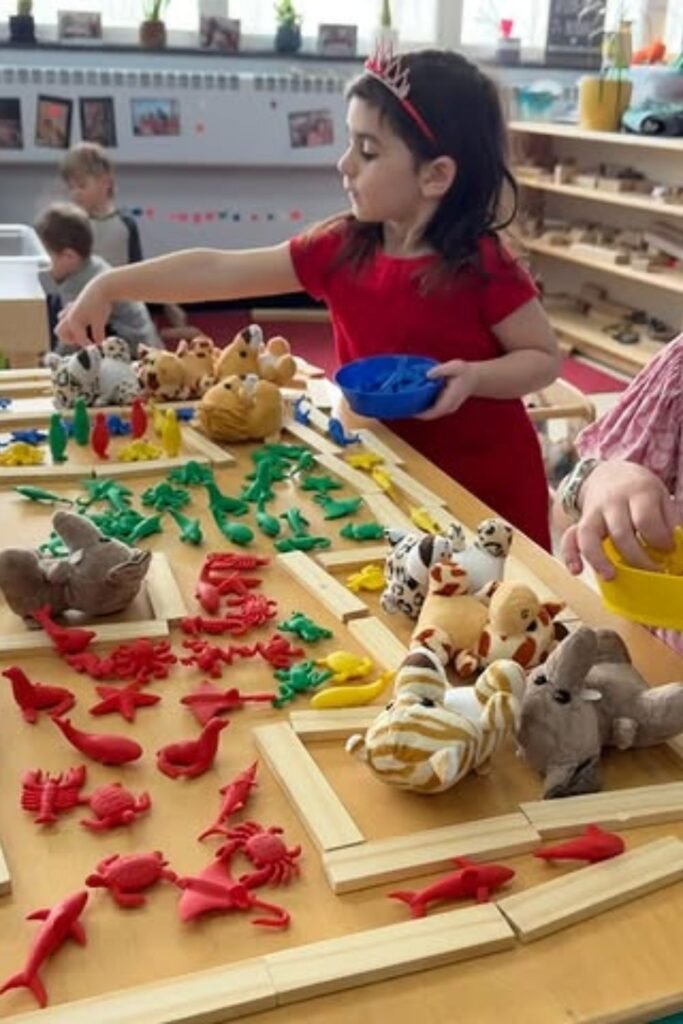
Imagination grows fast when kids build their own world. Clear a large table or floor space and add wooden blocks, small animal figures, cars.
Or anything else you already have. Let them make parts of the scene, like a jungle, a farm, or even an ocean corner.
No script is needed. Once everything is set up, narrating stories comes effortlessly. Works great for playdates.
Because kids can play together without fighting over an item. Leave the setting up for a day or two so the story may go on.
You won’t have to beg for a tablet, and you’ll see that people can focus for longer and have richer conversations.
Dino Rescue
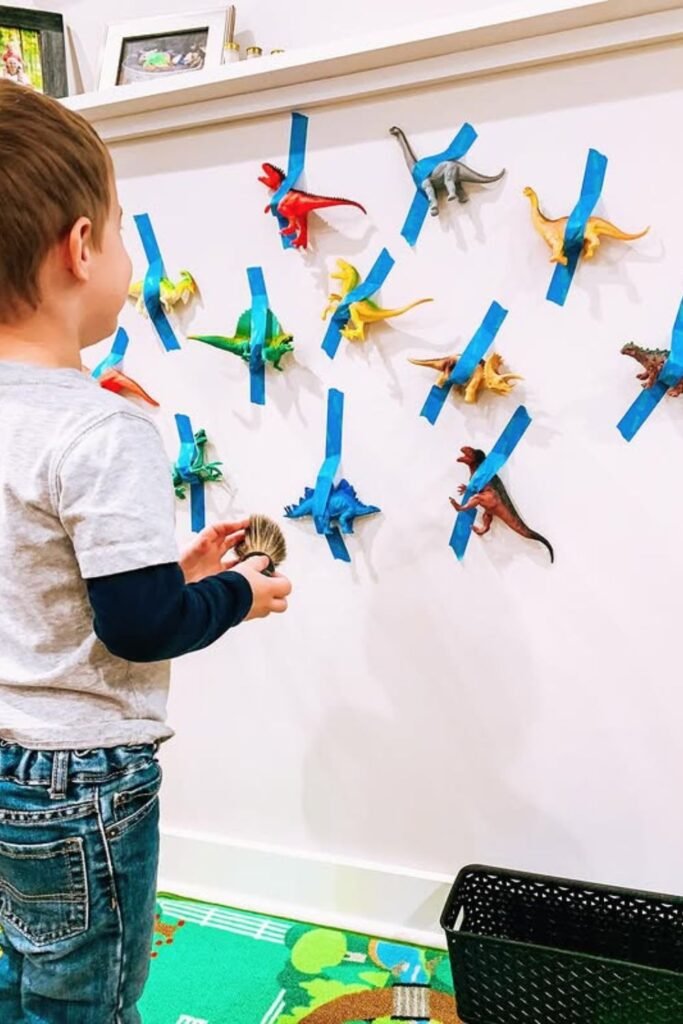
Nothing grabs attention like a mission. Stick plastic dinosaurs to a wall using painter’s tape and hand over a small brush, spoon, or even toy tools.
What is the goal? Save each dinosaur without letting it fall. Standing and reaching keeps the body moving as the brain starts to work on an issue.
Works well on walls in corridors or playrooms where there isn’t much area, but kids can still play vertically.
Put a timer on it to make it more exciting, or provide points for meticulous removal. Easy to set up.
Almost no cleaning, and your youngster is instantly entirely focused on saving dinosaurs instead of asking for a screen.
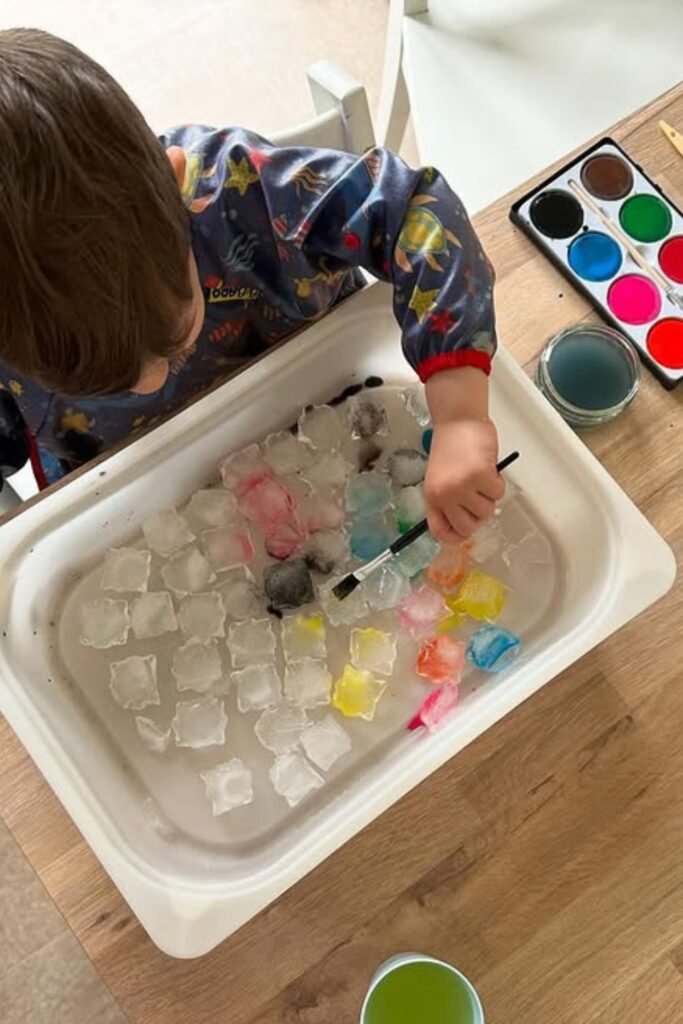
Ice Painting
Cold meets color in the best way. Fill a shallow bin with ice cubes, drop in a few washable paints, and hand over a brush.
As colors swirl and melt together, watch your interest grow. On warm days, outside tables are excellent.
But a kitchen counter with towels below works just as well. Put little toys inside ice cubes to make it a mini rescue challenge.
This kind of sensory play keeps hands occupied and mind focused for longer than you might think.
Bonus: The ice melting slows things down, which automatically soothes restless energy without you having to say anything.
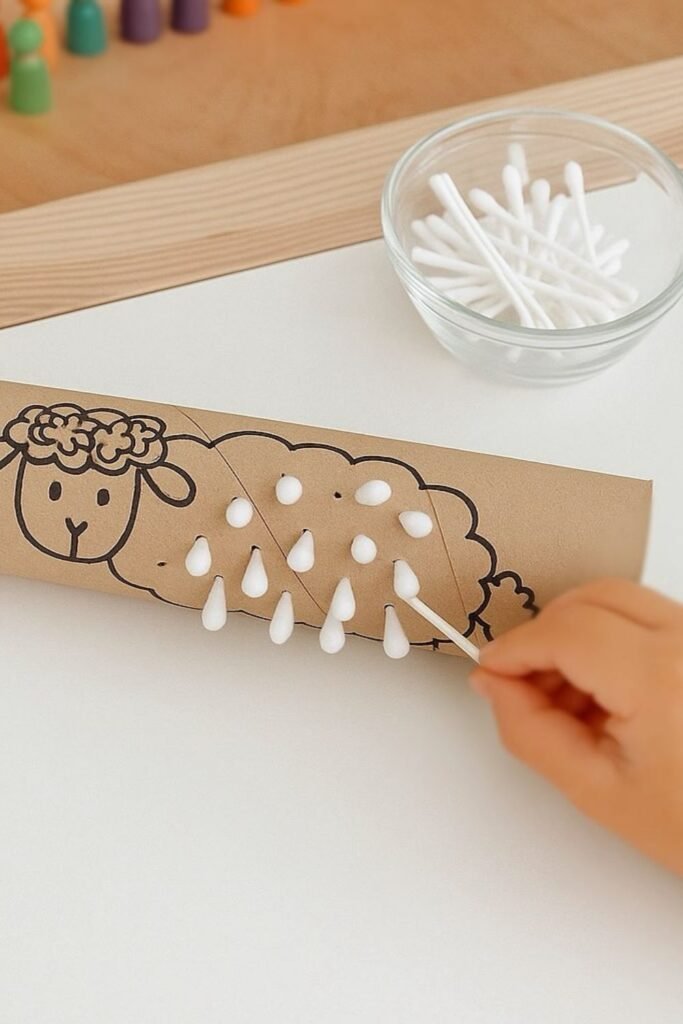
Cotton Sheep
Tiny hands love a simple challenge. Draw a sheep on a toilet paper roll, poke small holes, and let kids push cotton swabs.
Through to make wool that is soft. It’s great to sit at the kitchen table, especially when you need some calm energy.
They don’t even know that their fine motor skills are getting better. Next time, switch up the animal for a dinosaur or hedgehog.
To keep things interesting. Put a small dish of swabs nearby and let them do their thing at their own leisure.
You can focus more, be more patient, and have a tranquil stretch of time without a screen.
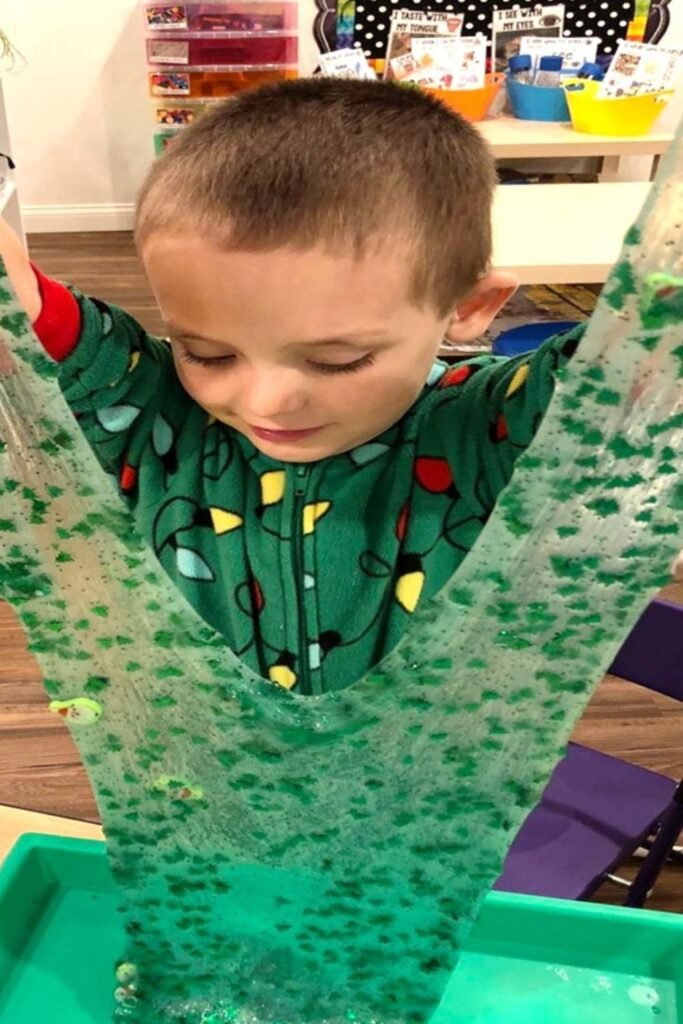
Slime Stretch
Nothing pulls kids in faster than something gooey. Mix clear glue, a little baking soda, and contact solution.
Then add green glitter or little beads to give it some texture. First, put down a plastic tablecloth and let them stretch, fold, and lift it high like a science project.
When the weather is nice, a table in the backyard is great. But a kitchen counter with a tray underneath works just as well.
Put little plastic figures in it to make it a sensory rescue game. Stretching slime gets rid of extra energy by making.
You move and focus at the same time. When you get that extended, quiet playtime with out screens cleanup feels worth it.
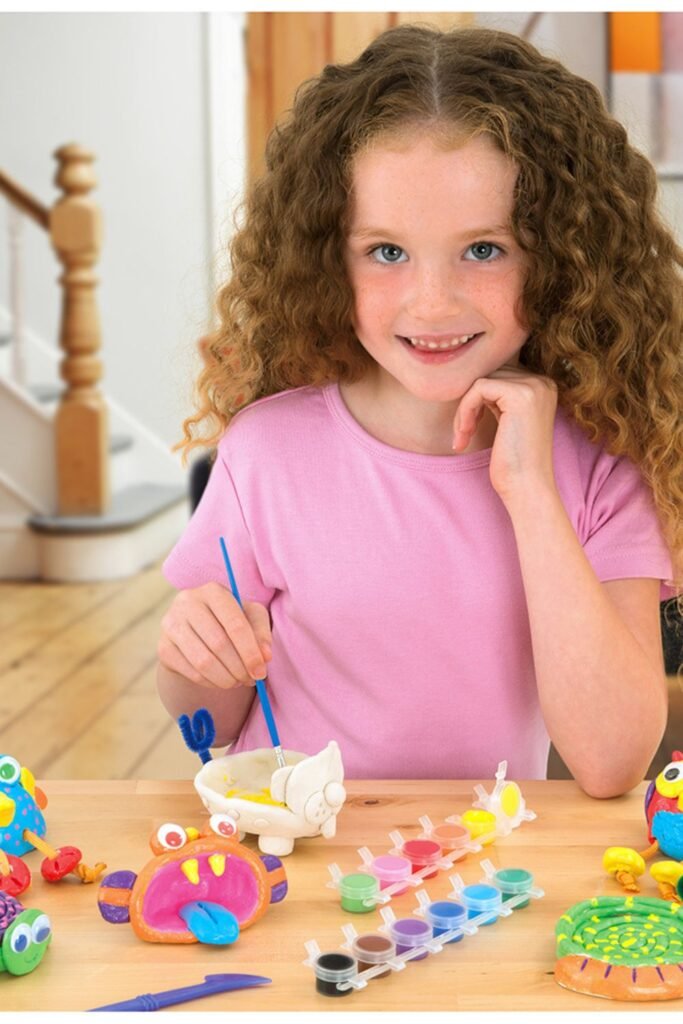
Clay Creatures
Creativity explodes once a lump of clay turns into a monster. Set out air-dry clay, small paint pots.
Add few pipe cleaners then step back. Let kids make bugs, aliens, or humorous animals with big eyes and bright colors.
This works well on dining tables since you can allow your creations to dry overnight and the cleanup stays in one place.
Don’t bother with directions; just ask, “What does your creature eat?” Telling stories starts right away.
Painting the next day makes the exercise last for two rounds of enjoyment without screens. When their created monster is on display, pride comes quickly.
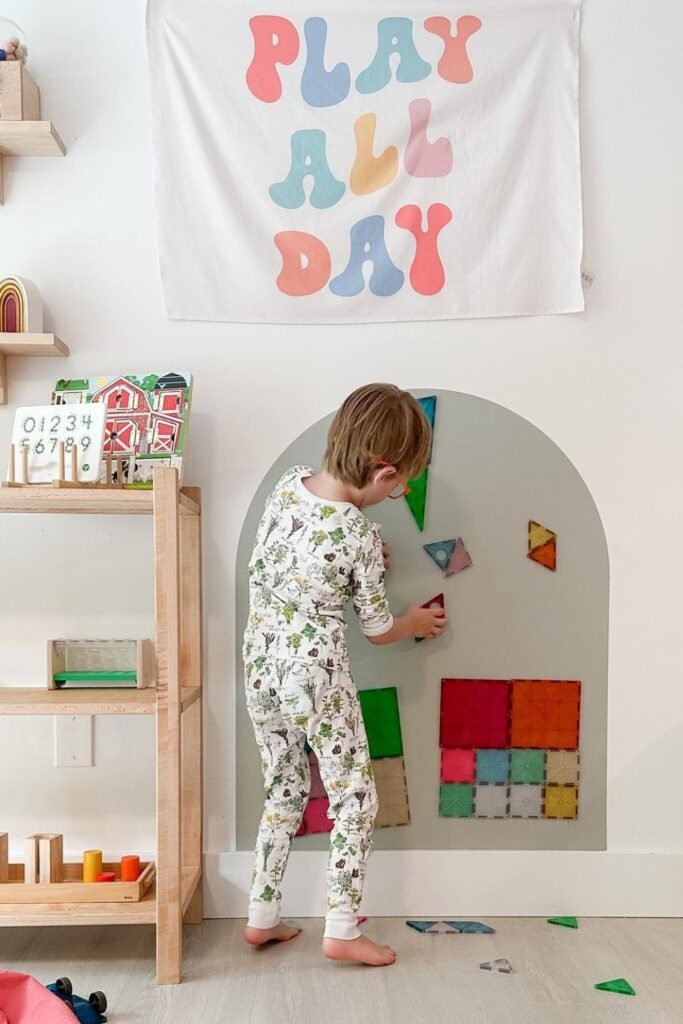
Magnet Wall
Walls can become play zones instead of “don’t touch” spaces. Mount a magnetic board at child height and set out colorful magnetic tiles or shapes.
Kids use more energy when they stand, reach, bend, and move pieces around than when they sit at a table.
This design will work in bedrooms, playrooms, and even a peaceful area of the corridor. Tell them to build a huge structure, a house or a pattern.
That looks like an image you drew. Put a tiny basket of tiles nearby so they can always come back to it.
This kind of open ended architecture keeps kid attention and imagination going much longer than a fast screen session.
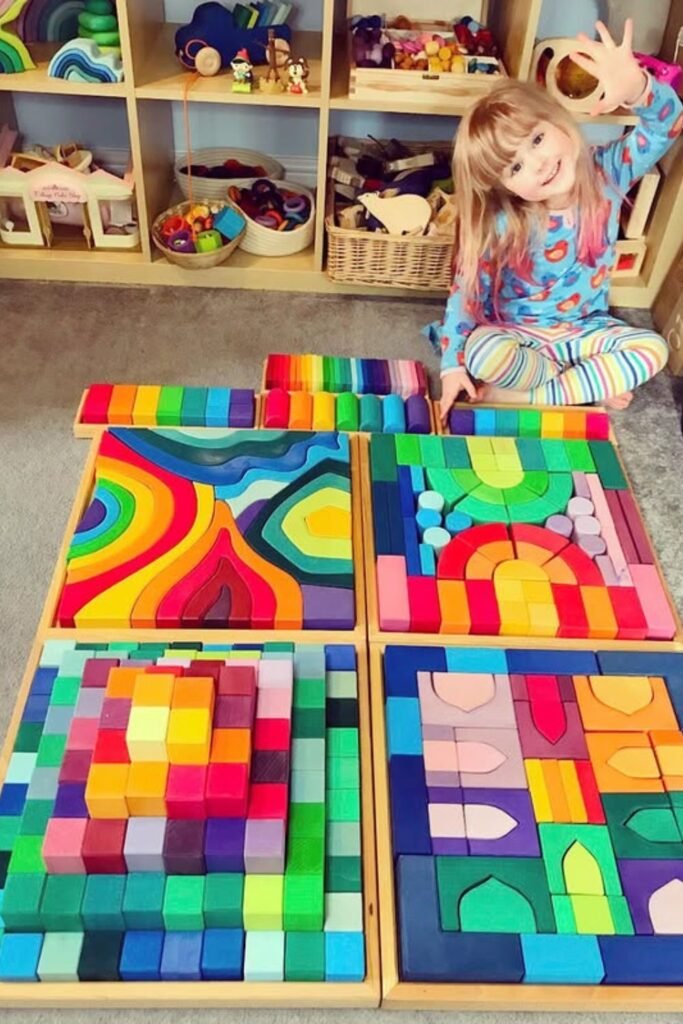
Rainbow Blocks
Color pulls kids in before you say a word. Spread wooden rainbow blocks across the floor and let patterns take shape naturally.
There are no directions or goals. They’ll make enormous skyscrapers on certain days and flat mosaics that seem like giant puzzles on others.
Rugs in the living room are fantastic because they give you space to walk about and stretch out.
To get new ideas, try giving them a simple task like “build something that uses every color.”
Open-ended blocks get bigger as your child does, so this activity stays fun for a lot longer than other toys.
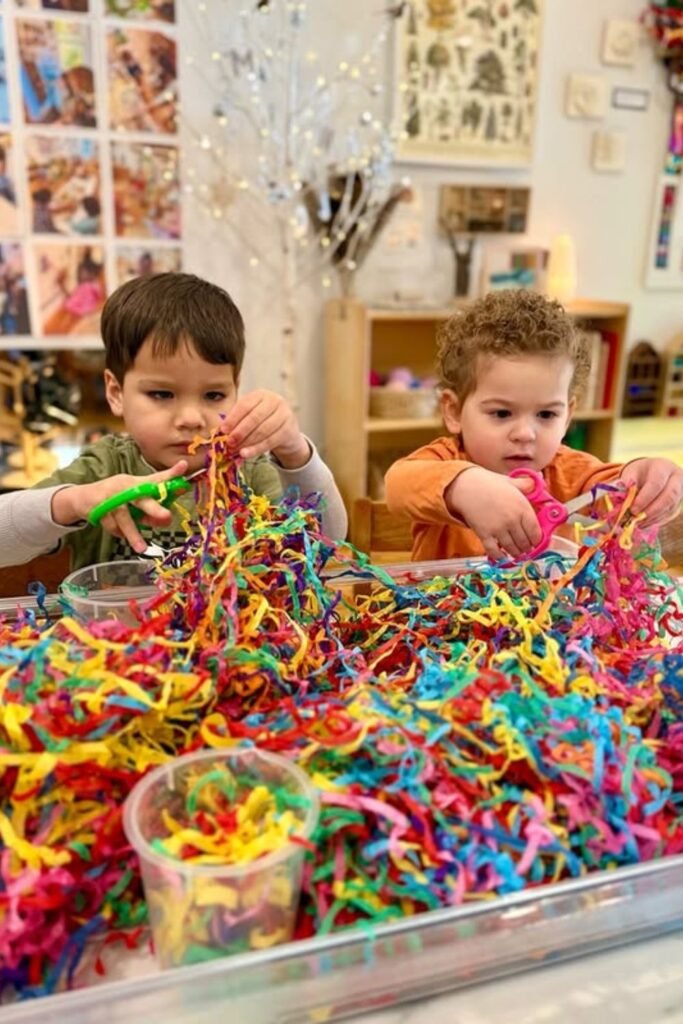
Paper Shredding
Scissors plus a pile of colorful paper turns into serious concentration. Fill a large bin with tissue paper, old wrapping paper, or construction scraps.
And let the youngsters cut freely. There are no lines to follow and no craft objective in the end. Just keep cutting.
Tables for eating or picnics outside are excellent because things will spread out. Put in little cups.
And ask them to sort the pile by color as it becomes big. Snipping improves the muscles in your hands and lets off extra energy in a controlled way.
Another tip is to keep the shredded paper for future creative projects so you don’t feel like anything is wasted.
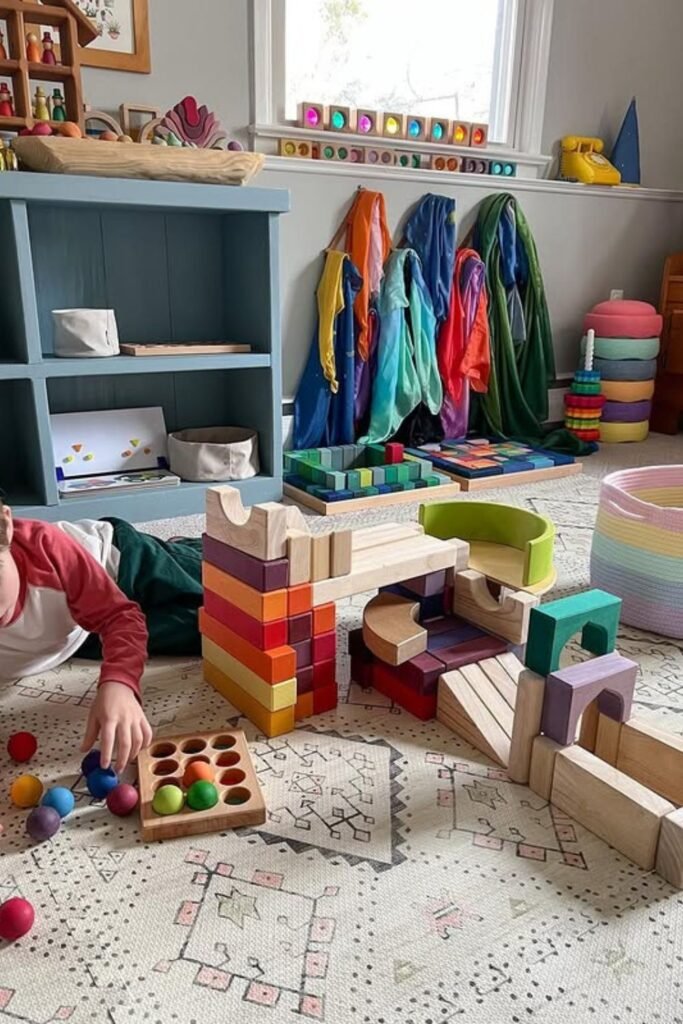
Ball Sorting
Little hands stay busy longer when there’s a clear mission. Place colored wooden balls in a tray.
And set nearby holes or matching cups for sorting. Floor play is great here because kids can move their setup about, crawl, reach.
And change the way it looks. Make it a game by saying a color and letting them race to find the proper place.
To make the challenge harder. Add a basic rule like “no hands, use a spoon.” Sorting helps you focus.
And be patient without making you feel like you’re working. You get a tranquil period of autonomous play instead of screen noise.
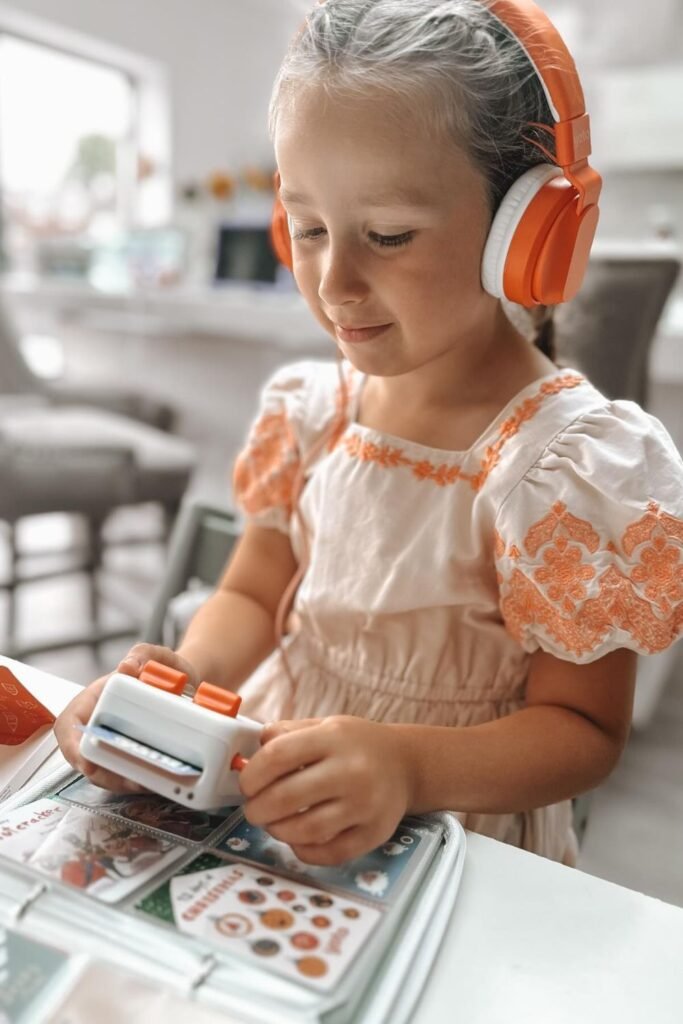
Story Listening
Audiobooks feel magical without staring at a screen. Hand over kid-friendly headphones and a simple audio player.
Then give them image books to look at as they listen. A beanbag by the window or a little table near the kitchen.
While you prepare are great places to relax. Listening helps kids develop their imaginations since they have to make up the scenes instead of seeing them.
Have a short playlist ready so they can pick their own story. Quiet focus stretches out longer than you think.
And you’ll notice how tranquil the atmosphere is when all you can hear is a narrative in their ears.
Music Break
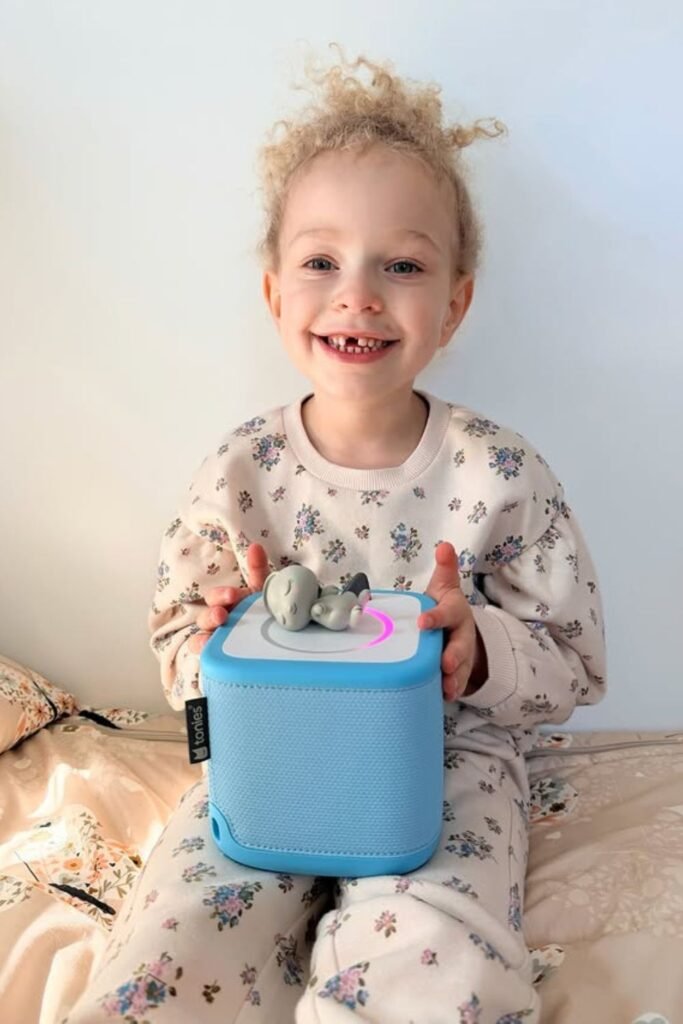
Energy shifts fast with the right song. Place a small speaker in their room and let them control the playlist.
When music plays instead of cartoons morning routines feel less heavy. Afternoon slumps transform into short dance breaks that help you let out your anger.
When the music stops, tell them to leap, whirl, and act goofy. This may be done in bedrooms, living rooms, and even backyards.
Make sessions brief and fun to keep the excitement level high. Moving and keeping a beat might help you relax in only a few minutes.
Kids often play more quietly after a good dancing break, and they don’t beg for a device to fill the stillness.
Pizza Night
Flour on the counter beats cartoons every time. Hand out small pieces of dough, set up bowls of sauce and toppings.
and let each person make their own small pizza. Kitchen counters quickly become places to do things, especially on weekends when there’s no rush.
Give each child a small task, like spreading sauce, sprinkling cheese, or arranging pepperoni.
Cooking keeps your hands busy and your mind on the task at hand since you know you’ll consume what you prepare.
Instead of noise from screens, there is laughter, and people work together without even trying. When dinner is served, the energy has changed from restless to proud.

Ride Around
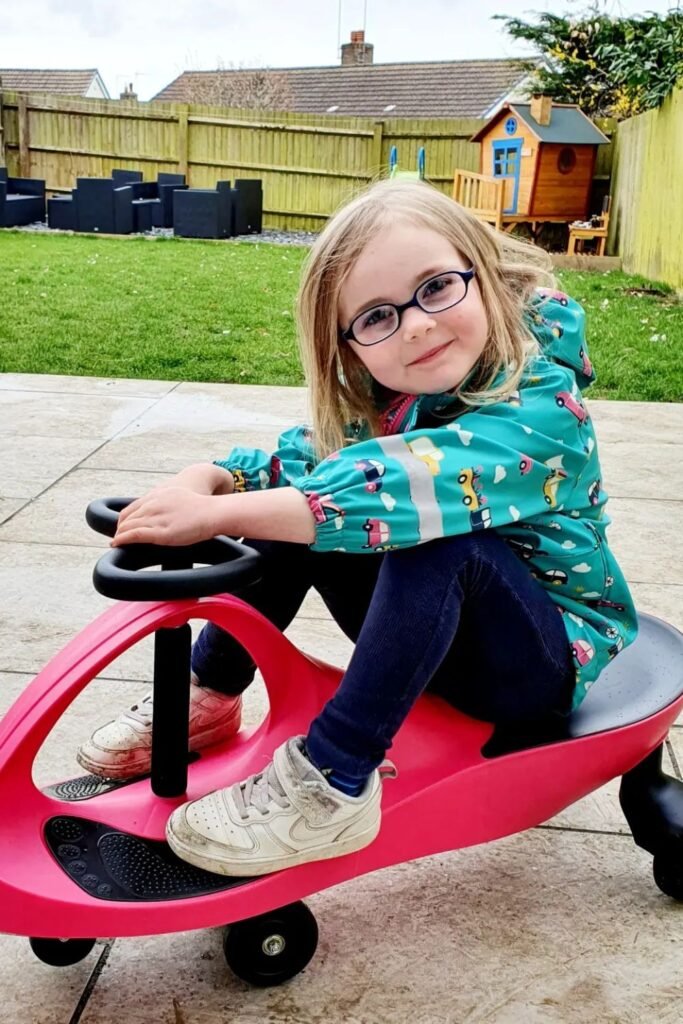
Fresh air changes moods fast. Pull out a ride-on toy, scooter, or small bike and turn your driveway or patio into a mini track.
To make it feel official draw chalk lines for lanes or put up basic stop signs. Short races use up energy rapidly.
Especially after school when kids get restless. To make it more fun, encourage laps, tight turns, and timed challenges.
Riding outside improves balance and coordination without feeling like work. Ten minutes of vigorous exercise.
Outside can typically take the place of thirty minutes of screen time indoors. Easy, quick, and surprisingly useful.
Space Dig
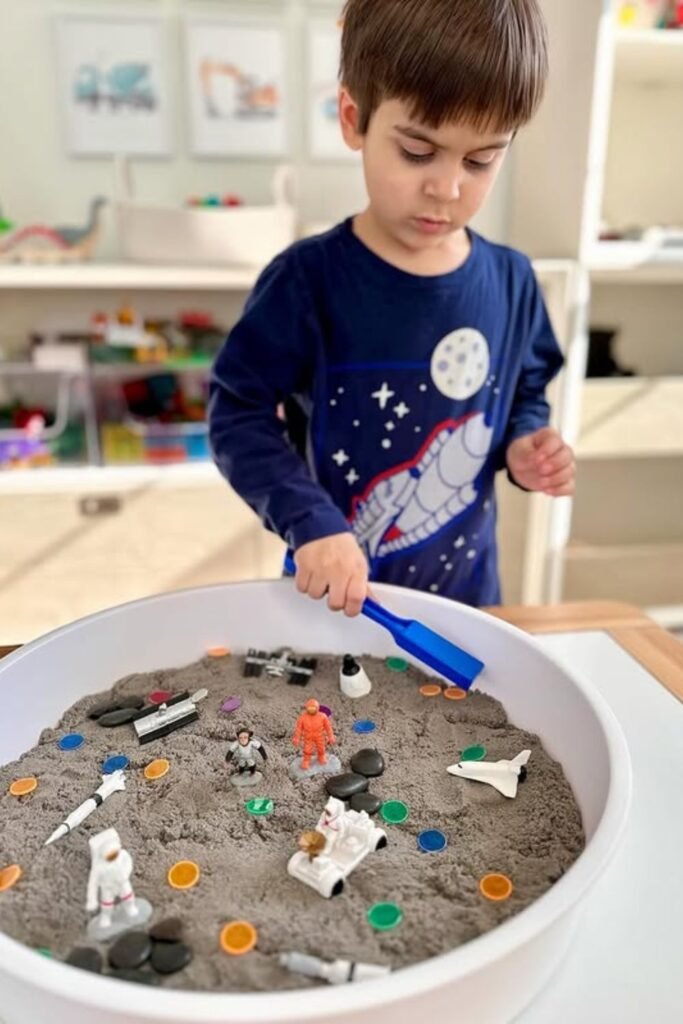
Curiosity takes over once treasures hide in sand. Fill a large bin with kinetic sand a play sand then bury small astronauts, rockets, coins or smooth stones.
Give them a scoop, brush, or spoon and let them start exploring. Kids lean, kneel, and move around while they search, thus floor arrangements work best.
Make it a mission: “Find all the astronauts before the launch.” Digging with your senses keeps your hands occupied.
And your mind concentrated at the same time. If you put a mat under it, cleaning up is easy.
This kind of exploration keeps people’s interest much longer than just watching TV or playing video games.
FAQs
How long should outdoor screen-free play last to actually make a difference?
Short bursts won’t always work. Set out at least 20 to 30 minutes for youngsters to play outside and really move around, such running, climbing, riding, or digging.
That’s generally enough time for their body to let go of extra energy and for their mood to change. It’s fantastic if it lasts longer, but consistency is more important than length.
What if my child refuses to go outside and only wants screens?
Don’t say “no screens” and expect them to be excited. Set up the activity first, though. Put the scooter outside. Put the chalk out. Begin to bounce a ball.
They are drawn in by curiosity more than by orders. “Ride or draw?” is a straightforward choice. Resistance goes down quickly when kids feel like they have some power.

Hi, I’m Afaf! I’m a law student who loves writing about everyday life – from home projects and crafts to fashion, beauty, and parenting tips.
I’ve been writing for over a year, sharing ideas that are simple, practical, and easy to try. I write about things I find interesting and useful, whether that’s organizing a space, trying a new DIY, or finding activities to keep kids entertained.
My goal is to share helpful ideas without making things complicated. If it works in real life, I’ll write about it.
When I’m not studying or writing, I’m usually experimenting with new projects or scrolling for inspiration!