
24 Minute To Win It Games for Kids 2026
You don’t look for “Minute To Win It games for kids” because you’re bored. You look for aid because you need it right away.
You might be throwing a birthday celebration this weekend. It may be raining and the kids are climbing on your furniture.
You want something entertaining, easy, and possible to do with what you already have at home. But you don’t want a big mess, tears, or turmoil either.
In this article, you’ll discover 24 fun minute to win it games for kids that actually work and are perfect to try.
Let’s jump in!
How Do You Set Rules for Minute To Win It Games for Kids?
The game will fall apart in minutes if you don’t make rules before you start. Kids will fight. Someone is going to cry.
And you’ll have to deal with drama more than have pleasure. So make it easy. First, say what you want to do in one concise sentence.
Then show them exactly what to do. The timer rule says that one minute means one minute. Choose whether they will play alone or in groups.
Finally, tell them what will happen if they break a rule. Fun comes from having clear rules. Chaos comes from confusion.
Save this article for later!👇👇👇
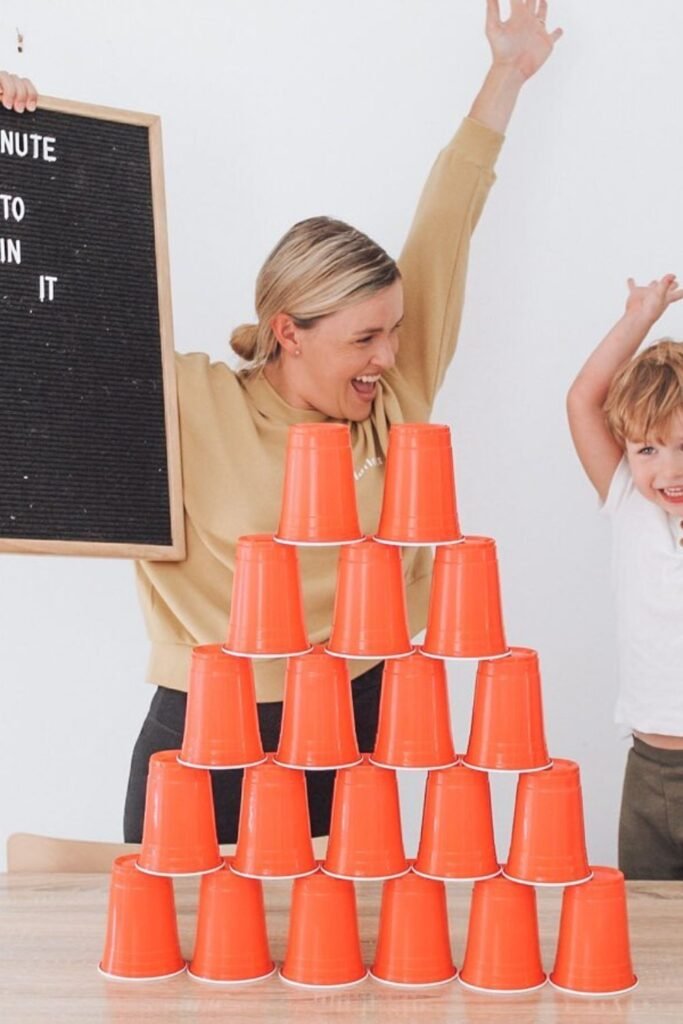
Cup Stack
Energy rises fast when you turn a simple stack of plastic cups into a timed pyramid challenge.
Set up 15 to 21 cups and give each kid a minute to form a full triangle.
Then, without knocking it over, they should take it down. Control prevails, but speed is important.
Great for birthday celebrations where kids need to do something energetic but stay at the table.
Cut down on the number of cups for younger kids. Make it harder for older kids by making them stack with only one hand.
Have extra cups on hand so you can quickly reset and keep the game going without extended breaks.
Ring Toss
Holiday energy hits different when kids compete to hook rings onto antlers in under a minute.
Get some inflatable rings and let one child wear reindeer antlers while the others throw from a short distance.
Draw a clear line on the floor so that no one can move ahead. It gets harder with fewer rings. For older youngsters, more distance makes things harder.
Great for Christmas parties, winter classroom parties, or family get-togethers where you want to do something fun but not too crazy.
Turn the “reindeer” so that everyone has a chance. Keep the rounds short and celebrate every hook to keep the mood light and not too competitive.

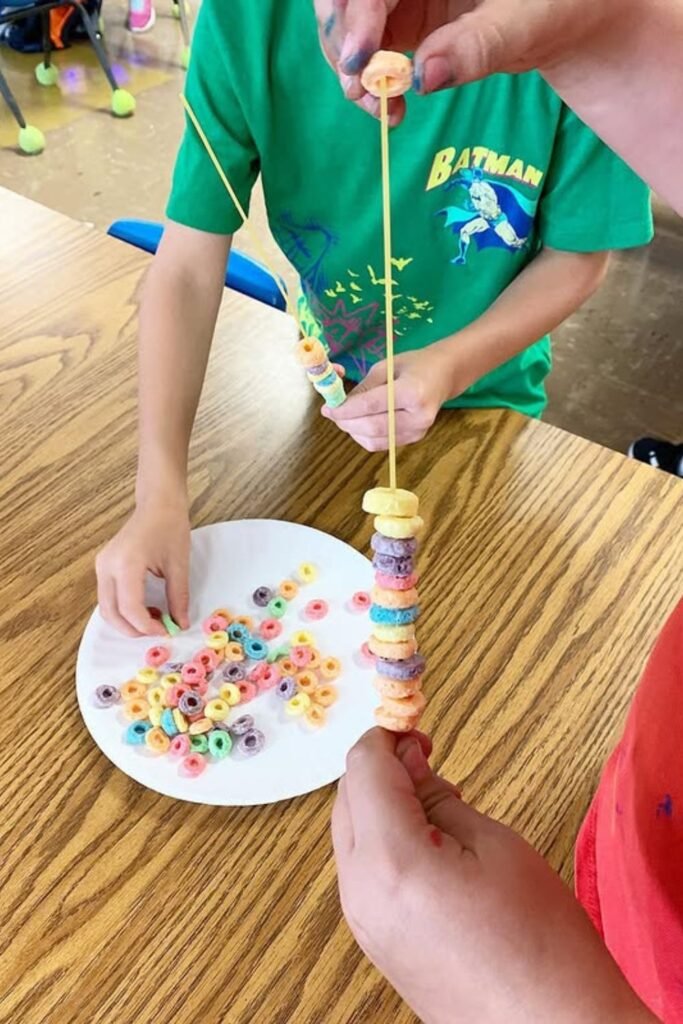
Cereal Stack
Focus gets tested fast with nothing but a skewer and a pile of cereal. Challenge kids to thread.
As many loops as possible in one minute. Without letting go of the stick or using the table to hold it aloft.
This is great for small hands since it feels feasible. But consistent control is what makes it work. Great for school stations or party times.
When you need the kids to sit still yet still be interested. For older youngsters, make them thread with one hand.
Let the younger kids hold the skewer steady at the bottom. Put a plate below to catch spills and quickly reset between turns.
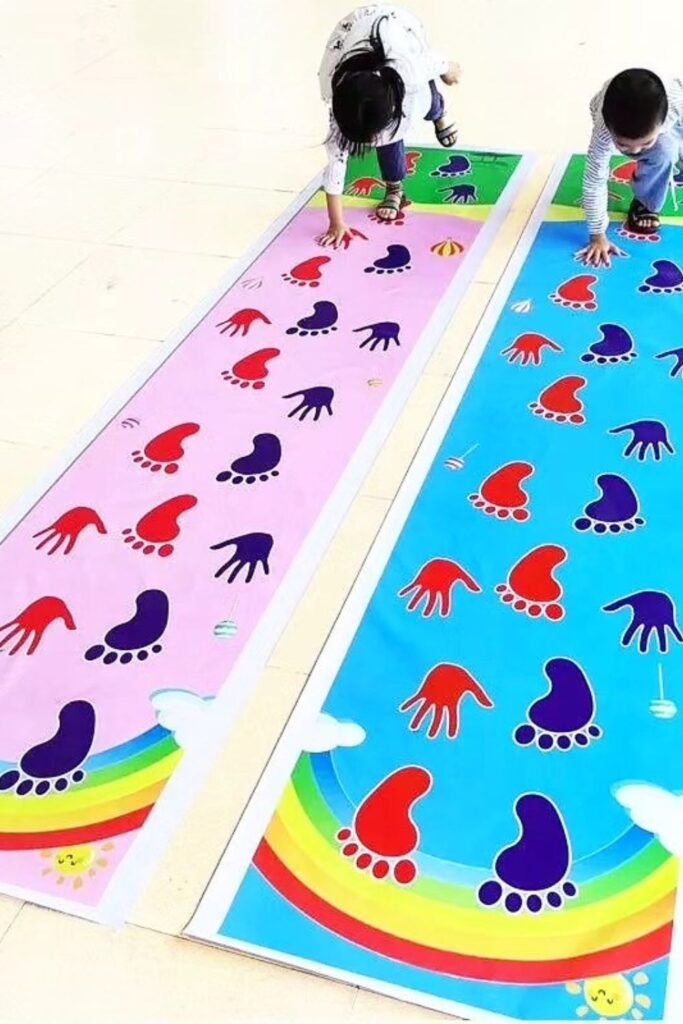
Foot Race
Balance, coordination, and laughter all show up at once with a hand-and-foot mat race. Spread two mats side by side.
And tell them to go from start to end by only putting their hands and feet on prints that match. It’s important to be fast.
But if you put it in the wrong spot, you have to start over. Great for birthday celebrations with a lot of energy or PE-style breaks in the classroom when youngsters need to move.
Instead of rigid hand-foot regulations, younger kids might follow colors. Older youngsters can race against each other to see who can do it faster.
Make sure the area around you is clear so that no one bumps into furniture. Quick rounds keep the line moving and stop people from waiting too long.
Balance Walk
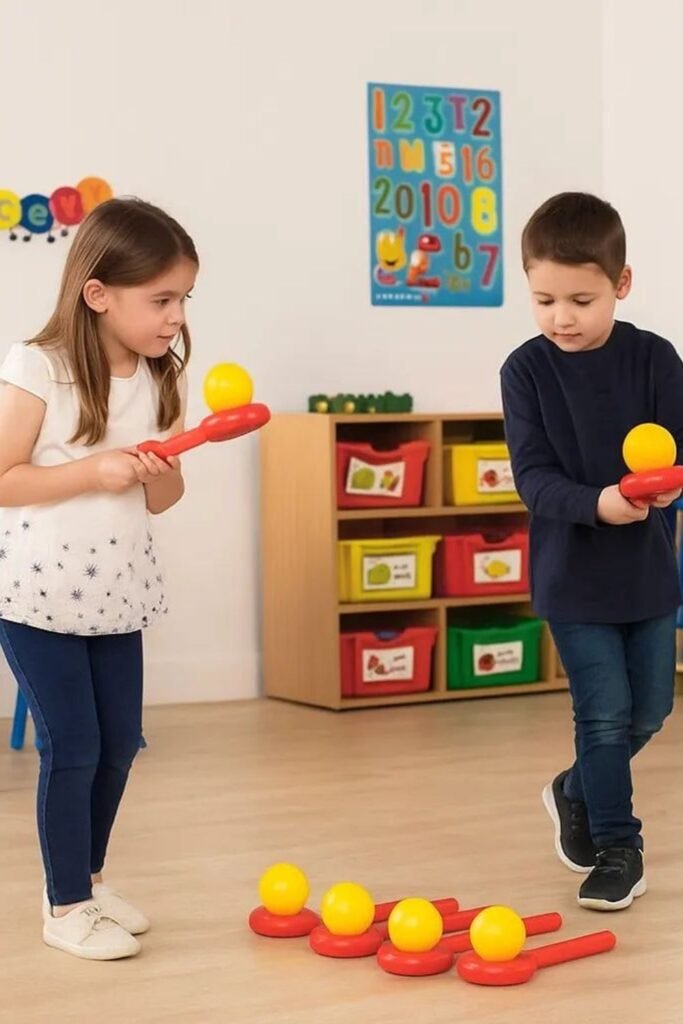
Steady hands decide the winner here. Hand each child a paddle and a lightweight ball then challenge them.
To move from one line to the next without dropping it. It’s harder when you go faster so tell them that patient control is better than rushing.
Great for schools where kids can’t run but need to move around. Use tape to make a simple start and finish line.
They go back to the start if the ball falls. For older youngsters, make it harder by adding small things to step over.
Short distances make things fair and stop people from getting angry. Have additional balls on hand so that rounds go swiftly and no one has to wait too long.
Chip Drop
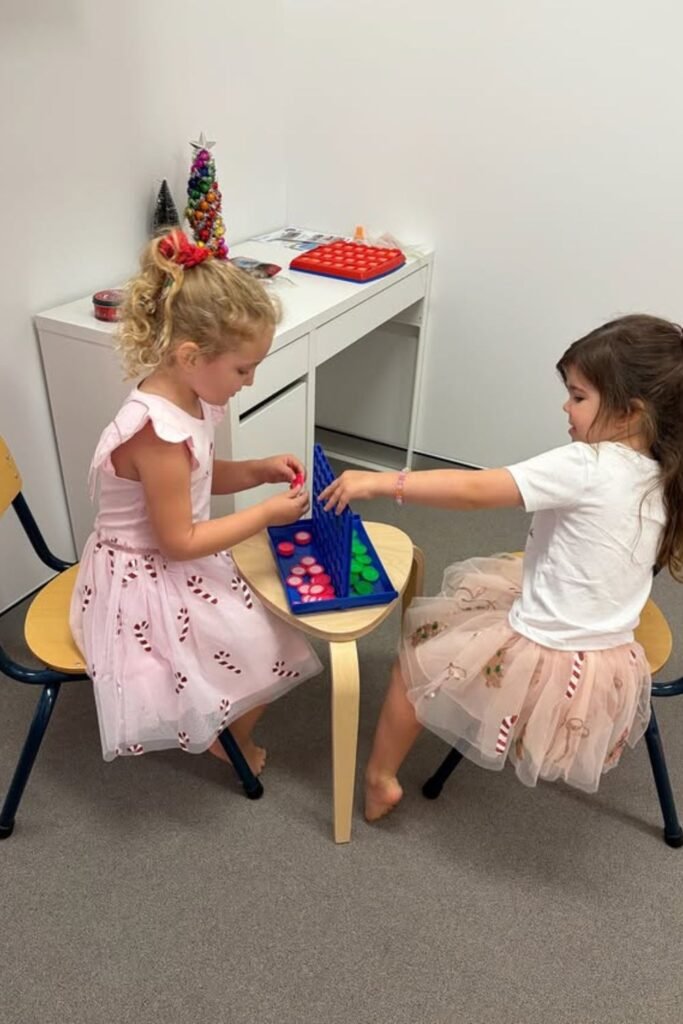
Competition feels calm but intense with a giant connect-style board and a one-minute challenge.
Give each youngster a set of colored chips and tell them to race to drop as many as they can into the grid before the timer runs out.
If you change the game to “first to make four in a row,” strategy is important. But for younger kids, speed works just as well.
Great for tiny birthday parties or playdates inside where there isn’t much room. To keep things under control, have participants sit across from each other.
Count the chips ahead of time so that no one can debate about fairness. Quick resets make it possible to play a lot of rounds without losing energy.
Stack Tower
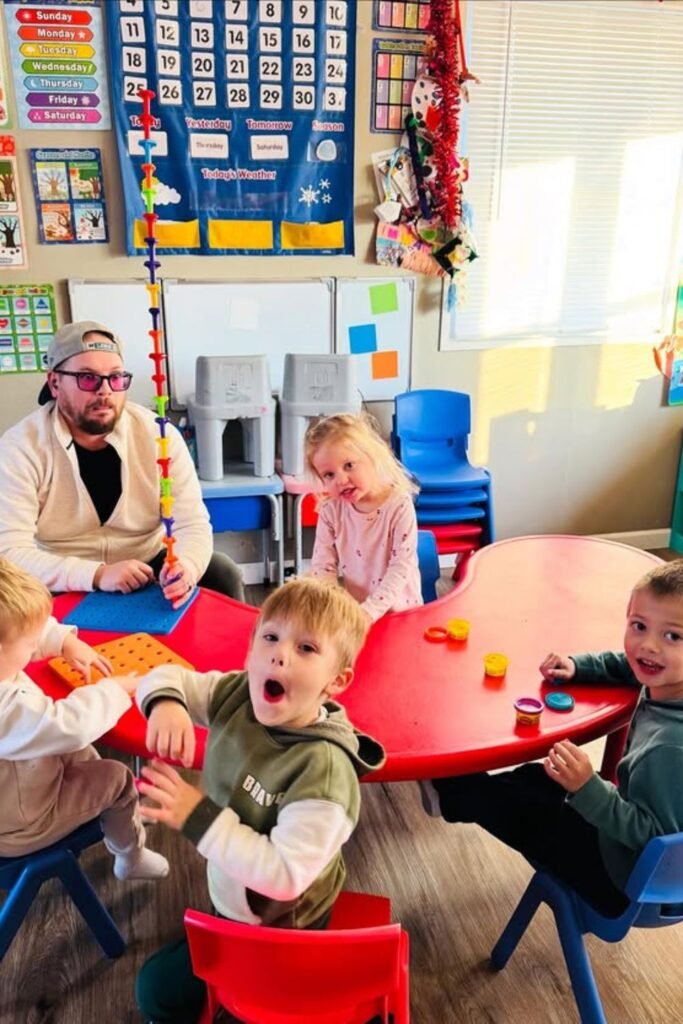
Silence the room for a minute and watch focus take over. Hand each child a pile of plastic counters and challenge them.
To make tallest tower that can stand and before time runs out. Using only one hand makes it fair and harder.
Great for classrooms where you desire competitiveness but don’t want to run or shout. If the kids are close in skill level, count levels instead of speed.
For smaller kids, let them use both hands but make sure they stack steadily. Put the table in the middle so that everyone can see the towers grow.
A quick measurement at the end keeps things interesting without making the round last too long.
Balloon Transfer
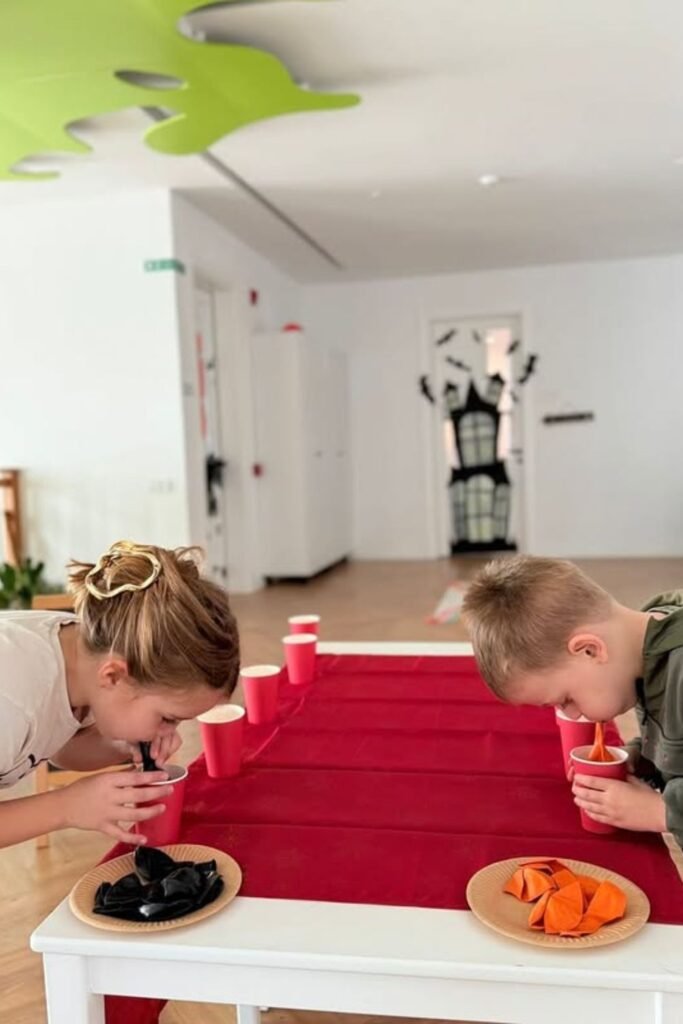
Laughter usually starts the second kids realize hands are off-limits. Give each player a straw and a lightweight balloon piece or tissue.
Then tell them to use suction merely to slide it from the plate to the cup. When you need to manage your breathing, one minute feels like a long time.
Great for birthday gatherings where you want to have fun but still compete. Put the cups in a straight line.
So they don’t bump into each other. Younger kids can stand closer, and bigger kids can step back to make it harder.
Have extra balloons on hand because someone will blow too hard. Fast reset, fast round, and loud laughs.
Balloon Waddle
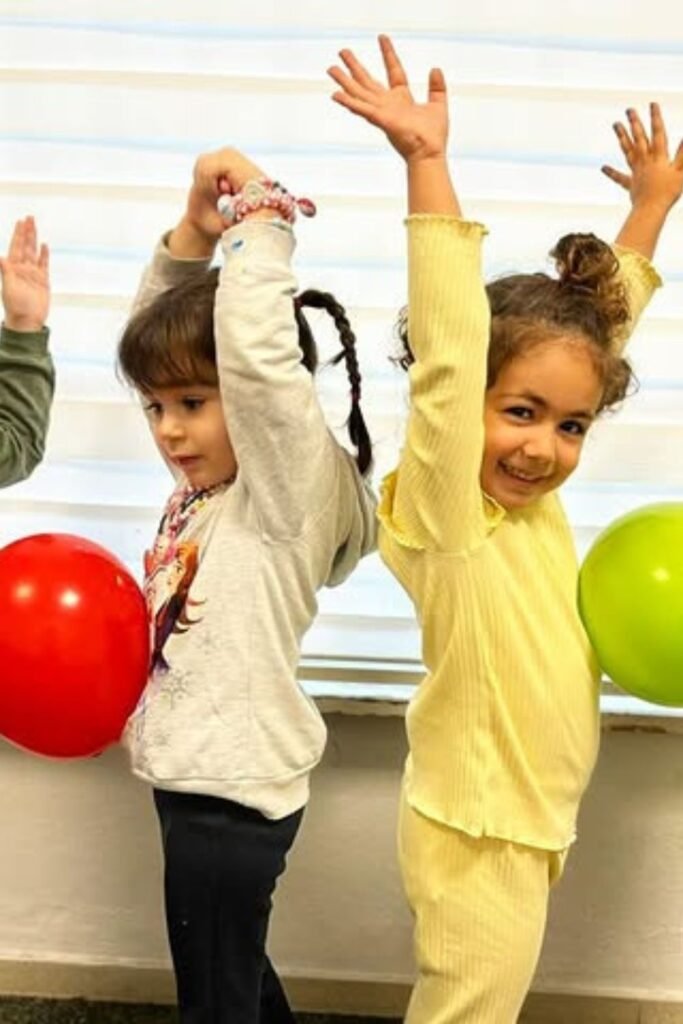
Giggles are guaranteed once kids realize the balloon has to stay in place without hands. Slide a balloon between their knees.
Or put it against their stomach and run from one side of the room to the other in less than a minute.
Let it go? Begin again. Living rooms and classrooms are great places to play since they are small and safe.
For younger kids, keep the distance short so they don’t get upset. To make it twice as hard for older kids, add a turn-around point.
Balloons that are soft keep things fun and safe. Short rounds and lots of cheering keep everyone interested without making things too crazy.
Beanbag Dash
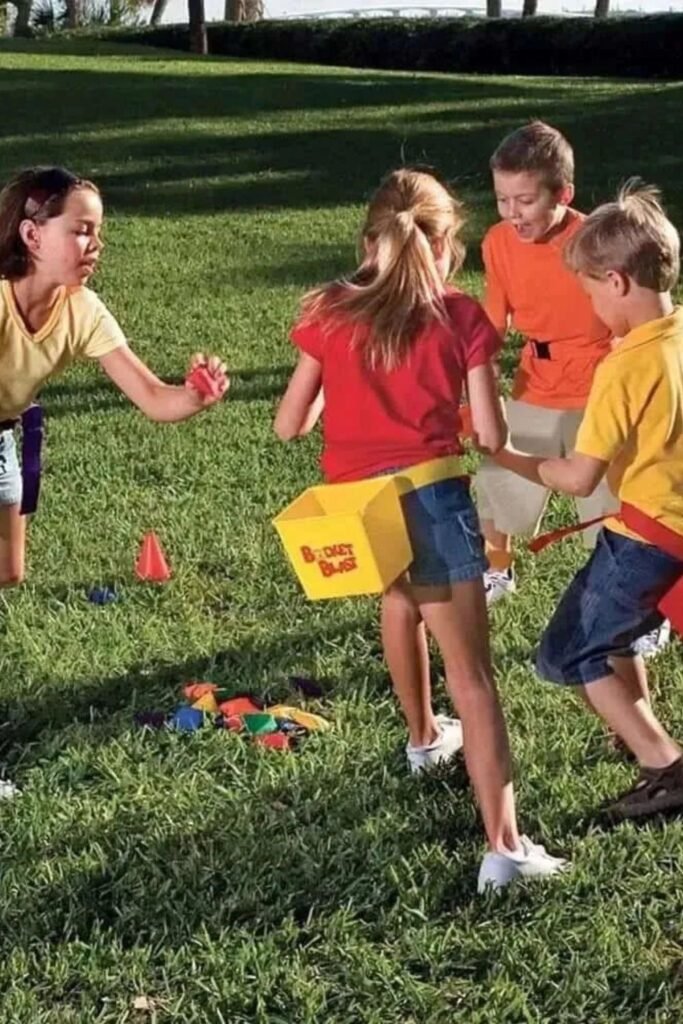
Competition heats up fast when kids have to grab and drop under pressure. Strap small boxes or buckets.
Put beanbags all over the yard and tie them around their waists. Give them one minute to pick up as many.
As they can without using their hands to handle the container. Running, bending, and thinking quickly all happen at the same time.
Great for birthday celebrations outside where there is plenty of room and everyone is full of excitement.
Set a clear line so that no one goes too far. Instead of wearing the box, younger youngsters can carry it.
Candy Sort
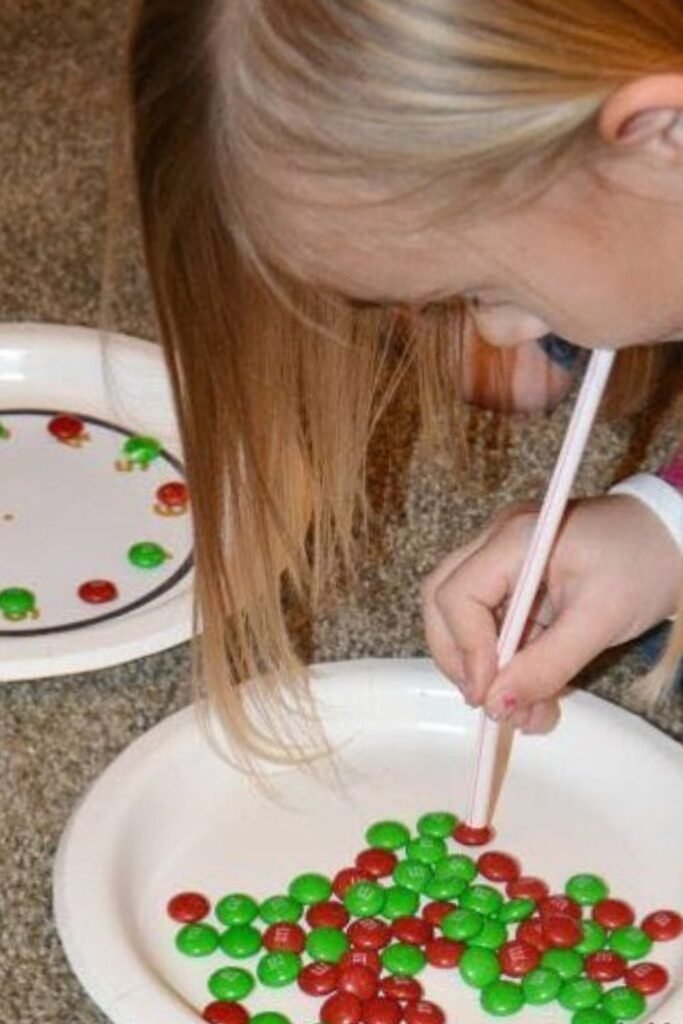
Quiet focus wins this round. Hand each child a straw and a bowl of mixed candies, then challenge them to move only one color.
In sixty seconds, onto a different plate. No fingers permitted, only suction. Speed isn’t as important as fine motor skills and patience.
Great for Christmas parties in the classroom or small indoor get-togethers when you want to keep things calm.
To make it easier for smaller kids, use bigger candies. For older kids, sorting two colors at once is harder.
Keep some paper towels close by since someone will drop some. At the conclusion, count the pieces to make sure it’s fair and fun.
Ghost Toss
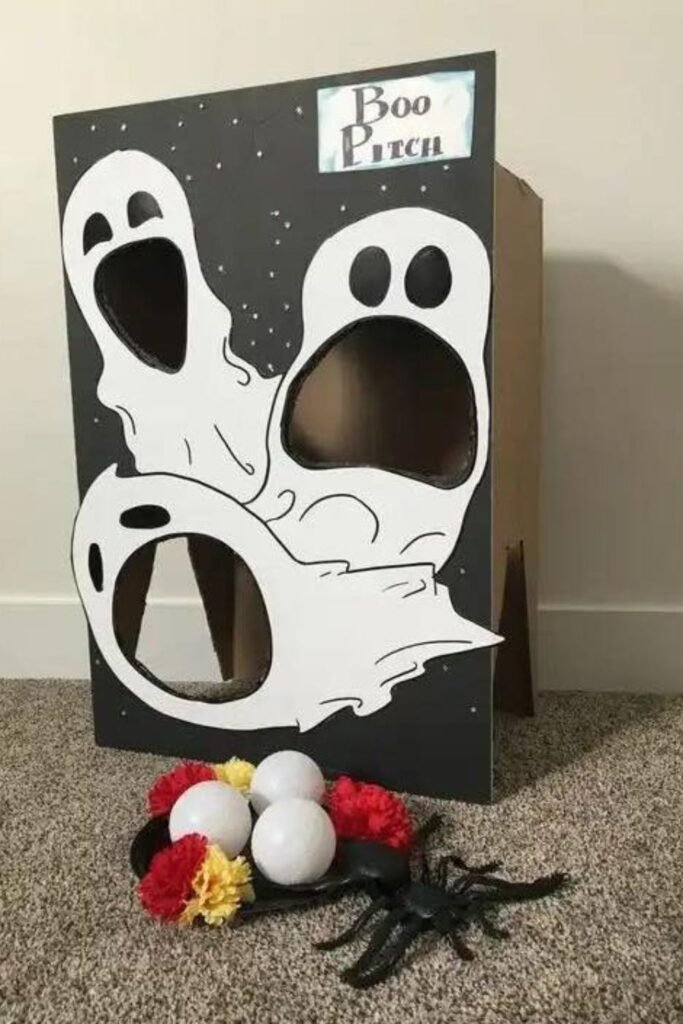
Halloween parties get louder the second kids start aiming for those spooky cutouts. Cut different-sized holes.
Create a board with decorations and give each opening a point value.
Give each youngster one minute to throw light balls and try to get the highest score possible.
Smaller holes mean more points, which keeps older students on their toes. Make a clear line for throwing so that no one moves forward.
Works well in small spaces like living rooms, classrooms, or garages. Soft foam balls keep it safe and protect it.
Keep the score visible so that the students stay focused and don’t fight over the results. Quick rounds keep the excitement up and the lines short.
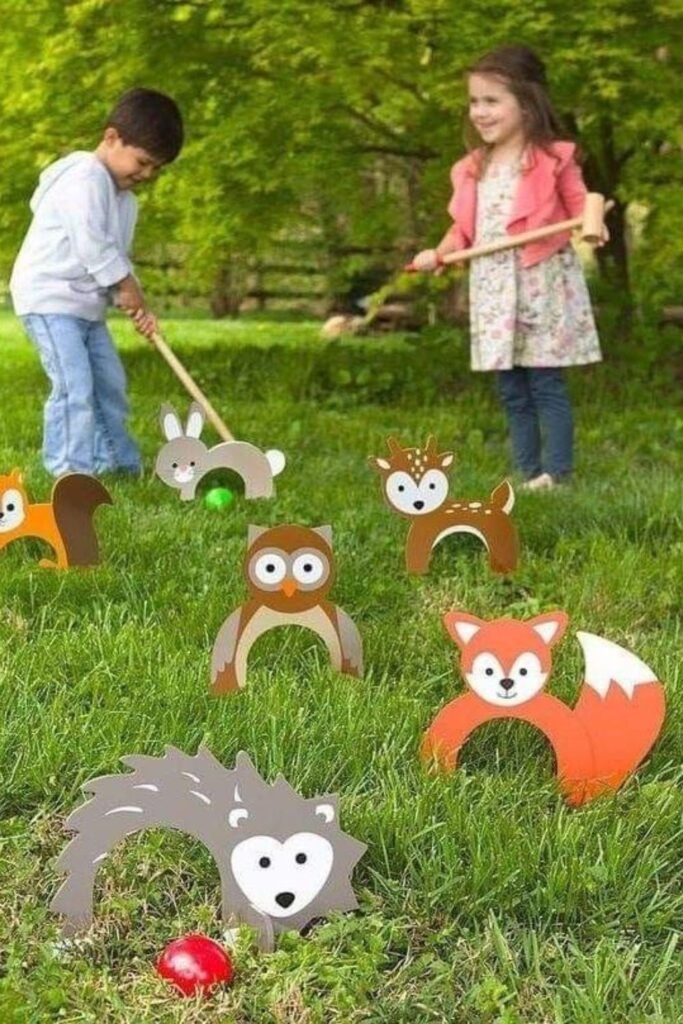
Animal Putt
Backyard boredom disappears once kids grab a mallet and aim through animal arches. Set up wooden cutouts in the grass.
Then tell them to try to score as many goals as they can in one minute. Short distances make it easy for beginners.
While tighter angles make it harder for older kids. Great for birthday parties or family picnics outside where there’s a lot of room.
Make a small course with cones to show where to turn. To avoid confusion, each participant should only have one ball.
Fast rotations keep everyone moving and cut down on wait times. If you want to have fun competition without making it too stressful, add a scorecard.
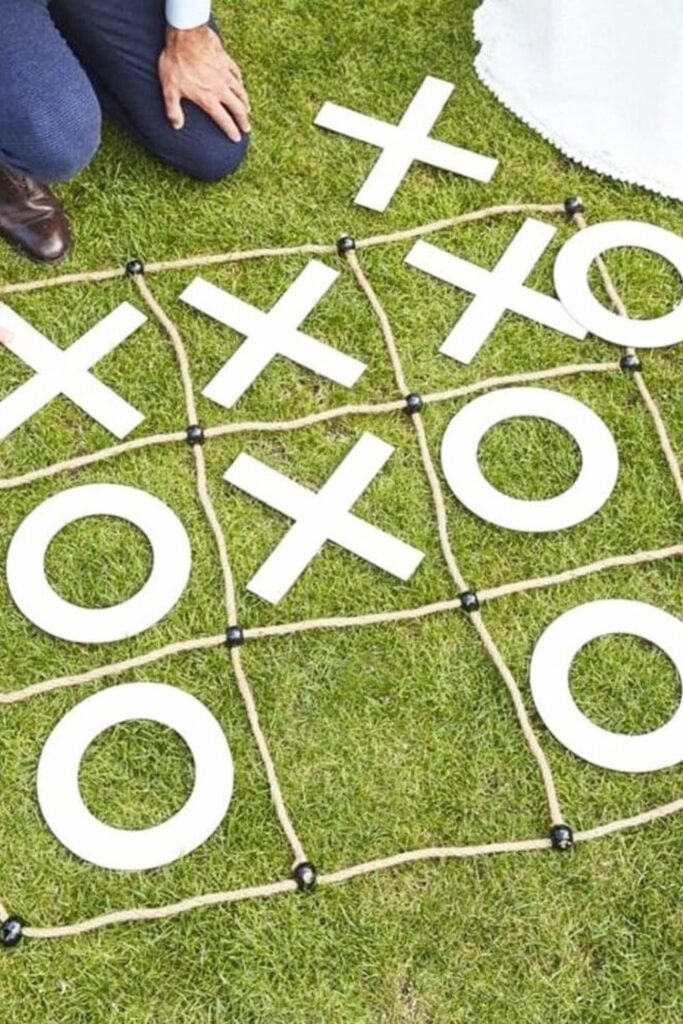
Giant TicTac
Strategy turns competitive fast when the board is larger than the players. Lay out a rope grid on the grass.
And provide teams X and O pieces that are too big. Players take turns running to put down their marker and then running back so the next teammate can go.
This is where speed and thought meet. Kids can walk around at outdoor birthday parties and school field days, which makes them great.
To make things fair, each team can only have three markers at a time. The first player to get three in a row wins.
However the game can be reset quickly so you can play more than one round without losing your flow.
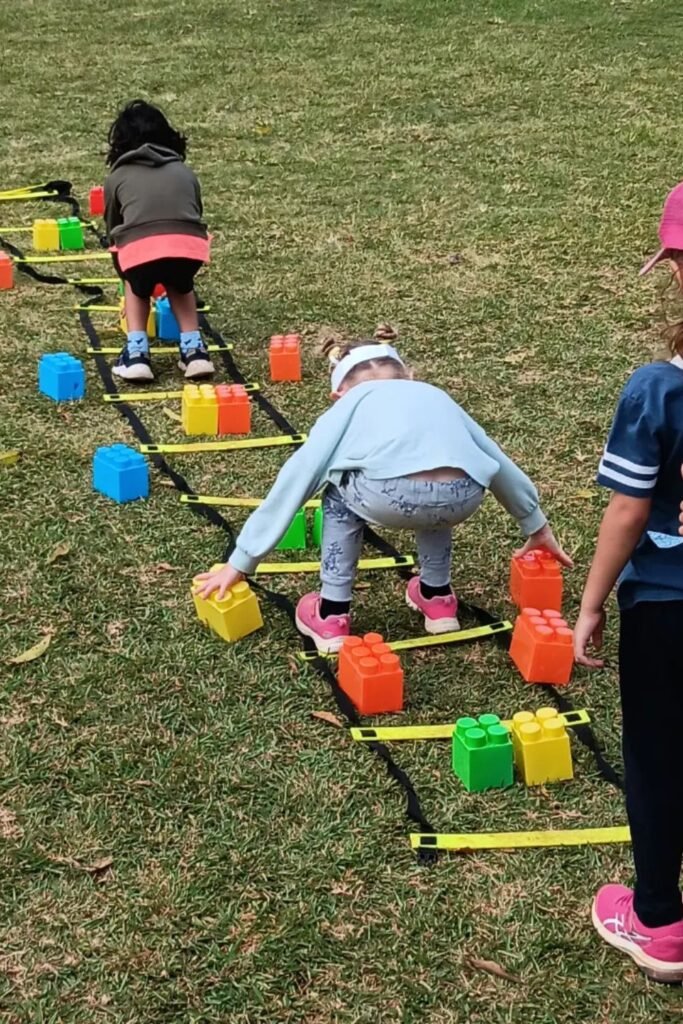
Ladder Relay
Speed alone won’t win this one coordination does. Lay an agility ladder on the grass and scatter large blocks along the sides.
Kids walk from square to square, picking up one block at a time and transporting it to the end before the timer runs out.
If you step outside the ladder lines, that part starts over.
Field days and backyard gatherings are great since there’s enough room for people to wander around safely.
Make sure the blocks are light so that younger kids can pick them up. To make it harder, older youngsters.
Can carry two at a time. Quick rotations keep the relay going and stop people from having to wait in huge lineups.
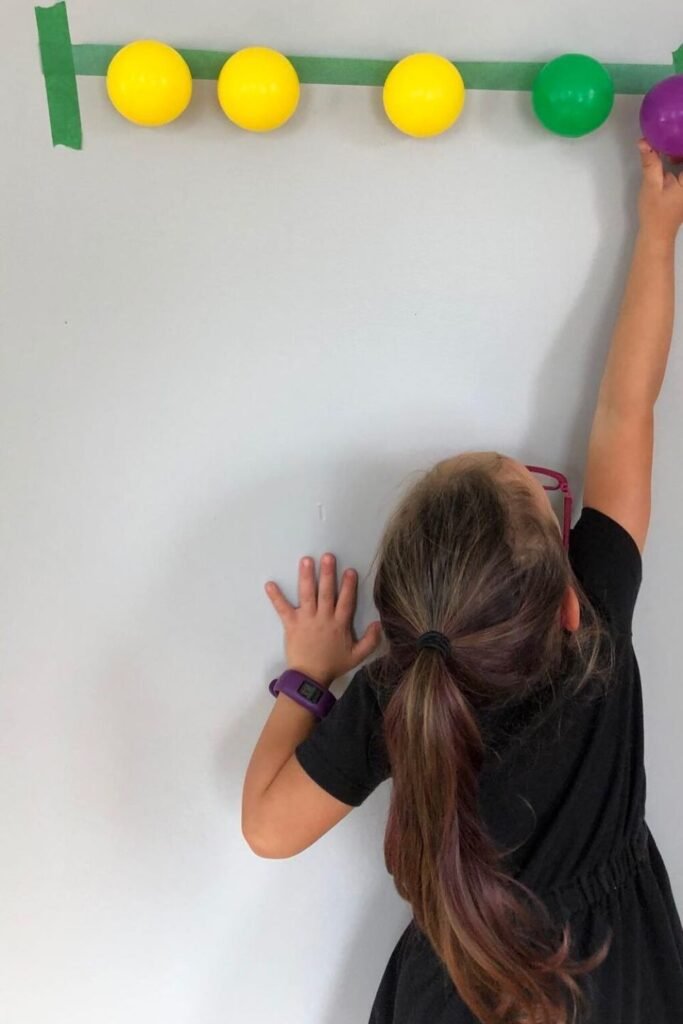
Color Match
Eyes up and brain on that’s the trick here. Tape a strip across the wall and attach colored balloons in a row.
Tell the youngsters to grab balloons of the same color from a pile and put them in the right order in one minute.
It’s important to be fast, but it’s more important to be right.
It’s easy to change the difficulty level, so it’s great for preschool classrooms or birthday celebrations with kids.
Kids who are younger can match one color at a time. Older kids can remember and make whole patterns.
Use painter’s tape to keep the walls safe. Quick changes in patterns keep rounds interesting and stop monotony.
Paint Race
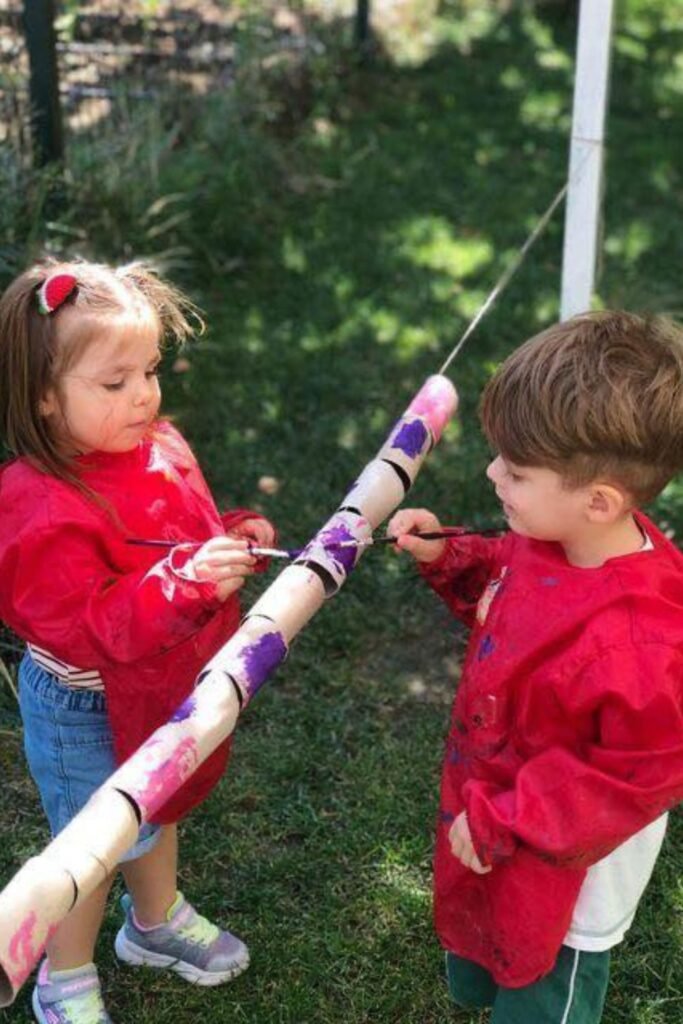
Creativity meets the clock in this messy-but-worth-it challenge. Hang a long roll of paper or cardboard at kid height.
And give each child a little paint cup and brush. Give them a minute to fill in a section with as much color as they can.
Not being flawless is important, but coverage is. Outdoor areas are ideal because there will be splashes.
Parents are thrilled when kids wear smocks or big shirts because they protect their clothes. Give older kids themes like “rainbow only” or “no straight lines”.
A quick wipe-down between rounds maintains the space useful and lets them feel like true painters on a mission.
Eyeball Toss
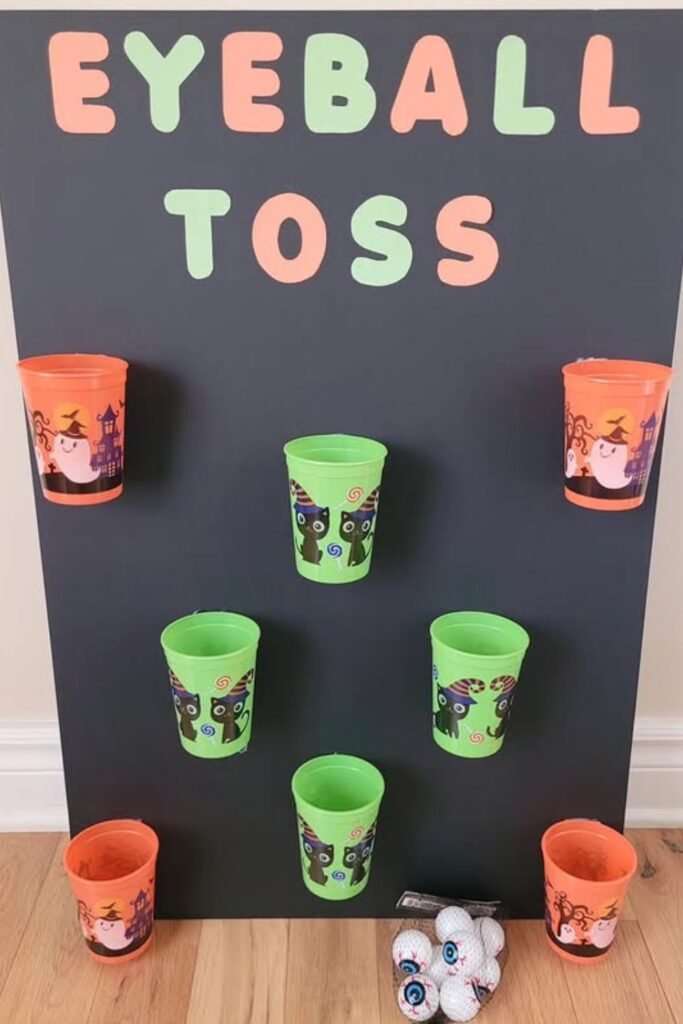
Aim steady and let the countdown raise the pressure. Mount plastic cups on a board at different heights and assign each one a point value.
Give the youngsters a bunch of bright “eyeball” balls and tell them to score as many points as they can in sixty seconds.
More points are given for higher cups, which keeps older youngsters on their toes. Great for Halloween parties.
Or fall festivals in the classroom if you want something fun but not too crazy. Put a line on the ground so no one steps forward.
Use soft balls to keep walls and floors safe. Keep the score displayed to keep things interesting without starting fights. It’s easy to go round after round with quick resets.
Face Flip
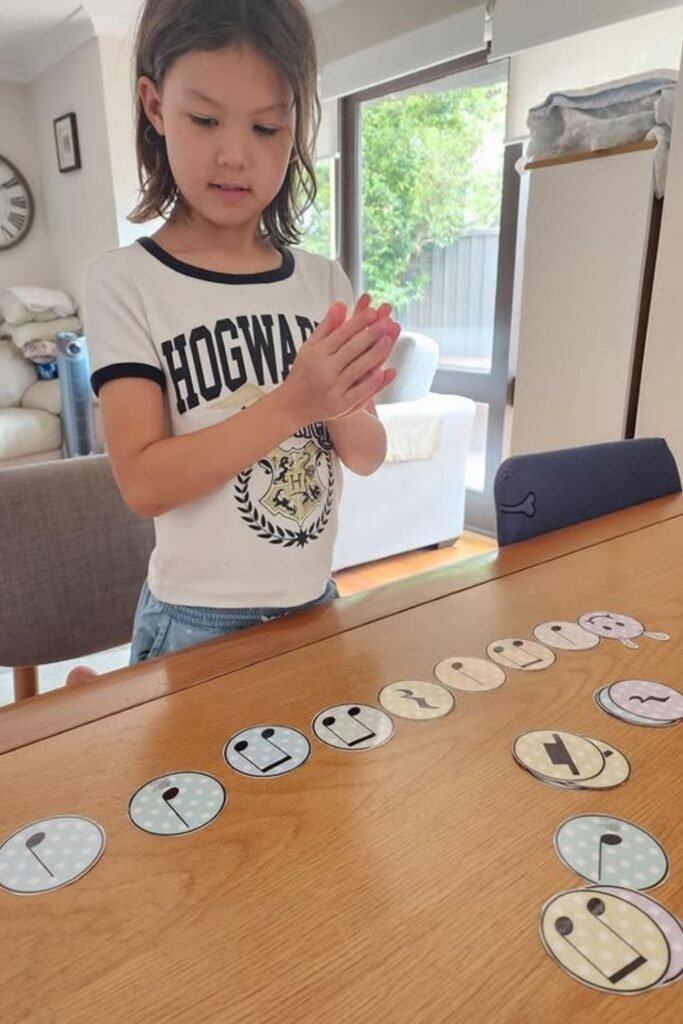
Quick hands and sharp eyes make this one exciting. Spread emoji or face cards across the table.
And give the students one minute to flip over the cards and match them up as quickly as they can.
Memory and speed both matter, so it works well for mixed ages. Younger kids can copy the same expressions.
Instead of pictures, older kids can match emotions by name.
Great for birthday celebrations inside or quiet classroom stations where noise needs to keep low.
Shuffle the cards between rounds so that no one can remember where they are. Short rounds keep people interested and focused.
Number Sort
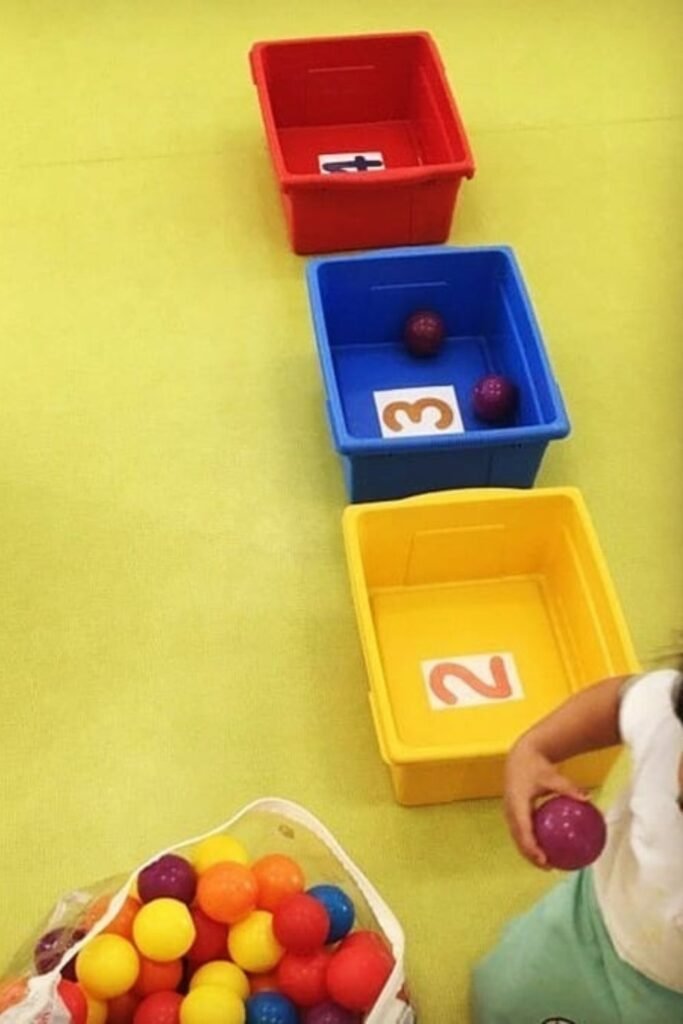
Movement and math come together in this fast-paced sorting challenge. Place numbered bins across the floor.
And drop a bunch of colored balls at the start line. Kids take one ball at a time and race to get it into the right numbered box.
Before the timer runs out. To figure out which bin they should aim for, call out easy addition or subtraction problems.
Great for classrooms where kids need to learn even when they’re playing games. For smaller kids, keep the distances low so they stay interested.
When under pressure, older youngsters can complete trickier equations. Clear instructions at the start stop people from getting confused and keep the rounds going well.
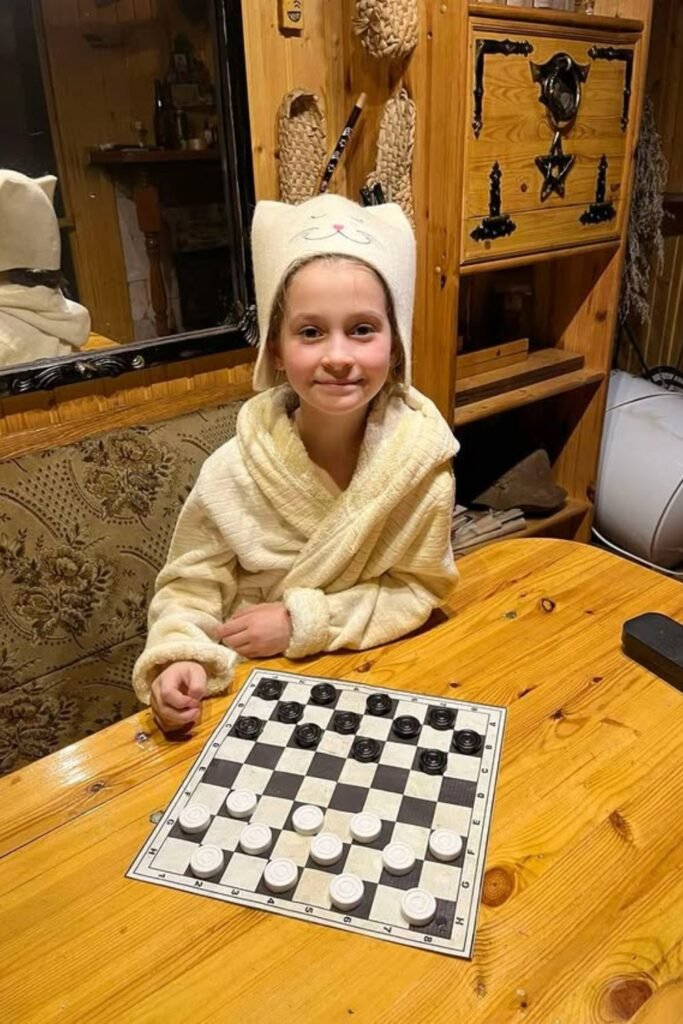
Checker Challenge
Thinking under pressure changes the whole vibe of a classic board game. Set up a checkerboard.
And let each participant take one minute to get as many pieces as they can by making quick, legal moves alone.
No long pauses are allowed; taking too long damages time.
Great for quieter birthday parties, sleepovers, or family game nights when not every activity needs to be loud and active.
To make it fair, put kids with equal ability levels together. Make the goal easier for beginners by saying, “first capture wins.”
For older youngsters, make it a rule that every move has to happen in five seconds. Short rounds make it competitive without making the game last too long.
Cotton Blow
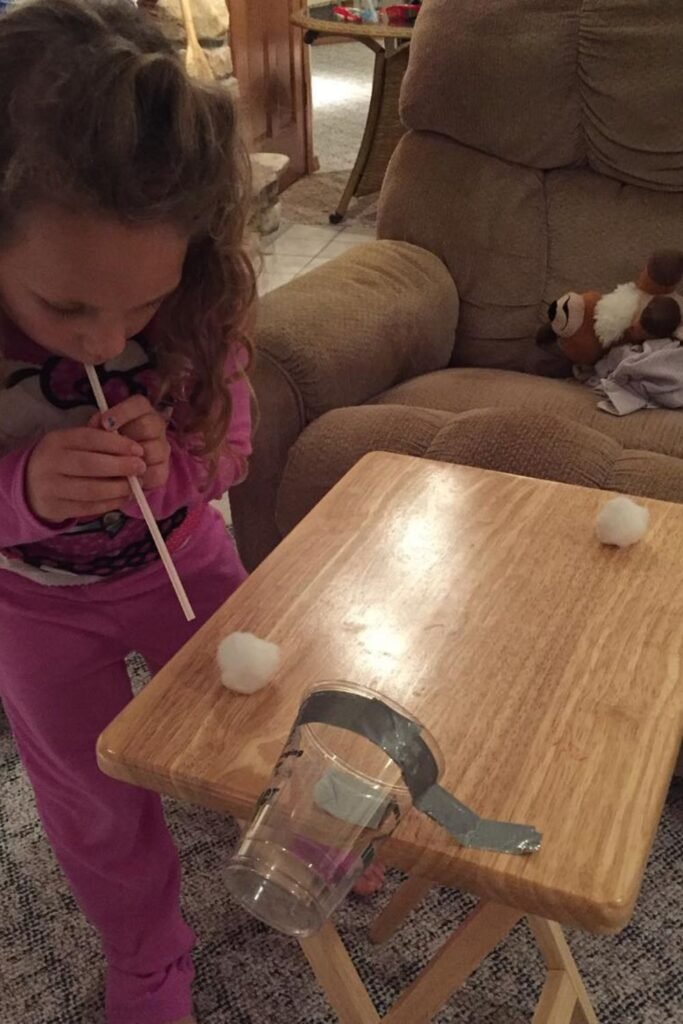
Breath control turns into a serious competition here. Place a plastic cup at the edge of a table and challenge.
Kids can use a straw to blow cotton balls across the table and into the cup. Their hands stay behind their backs.
It gets pretty fierce as the clock strikes one. Living rooms are great since they only need a small table.
Put the cotton balls in a way that they can’t grab them all at once. Younger kids can get closer to the cup.
The older ones can start from the far edge. Get some more cotton ready because someone will drop one on the floor. Quick resets keep the rounds going quickly.
Egg Scoop
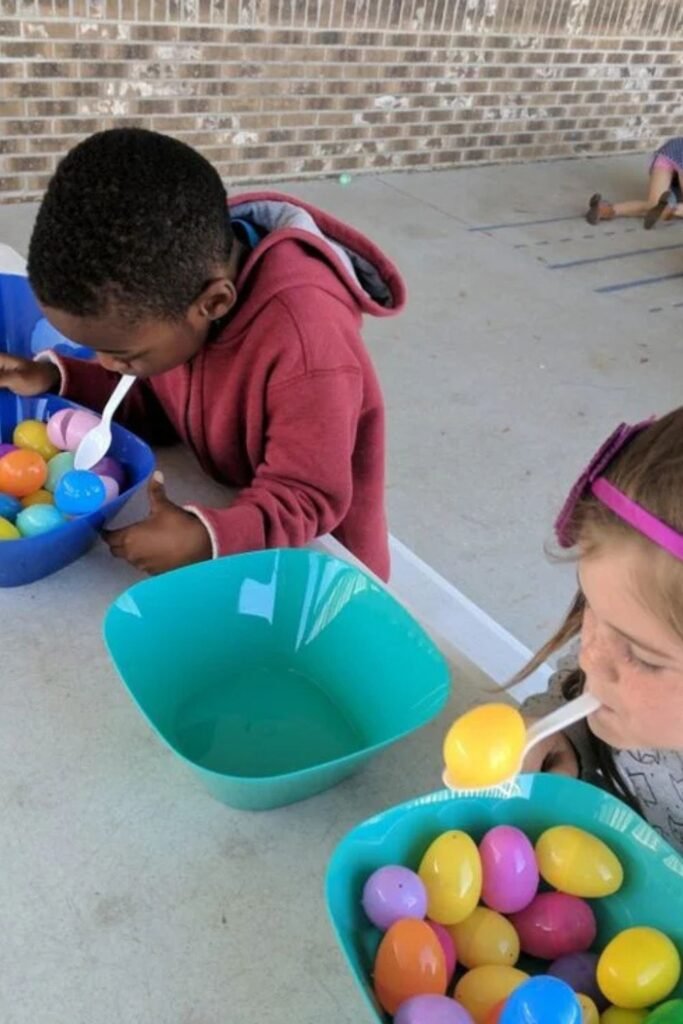
Nervous hands make it harder than it looks. Fill a bowl with plastic eggs and hand each child a spoon.
You have one minute to move as many eggs as you can into an empty bowl without using your other hand. Let go of one? Don’t stop; you don’t need to reset.
Great for Easter celebrations, spring classroom activities, or playdates in the backyard if you want to keep things under control.
Don’t let players bump elbows by putting them far apart. Kids who are younger can use bigger spoons.
For an extra challenge, older kids can hold the spoon in their non-dominant hand.
At the end, count the eggs together to build excitement without making the game last too long.
Bucket Walk
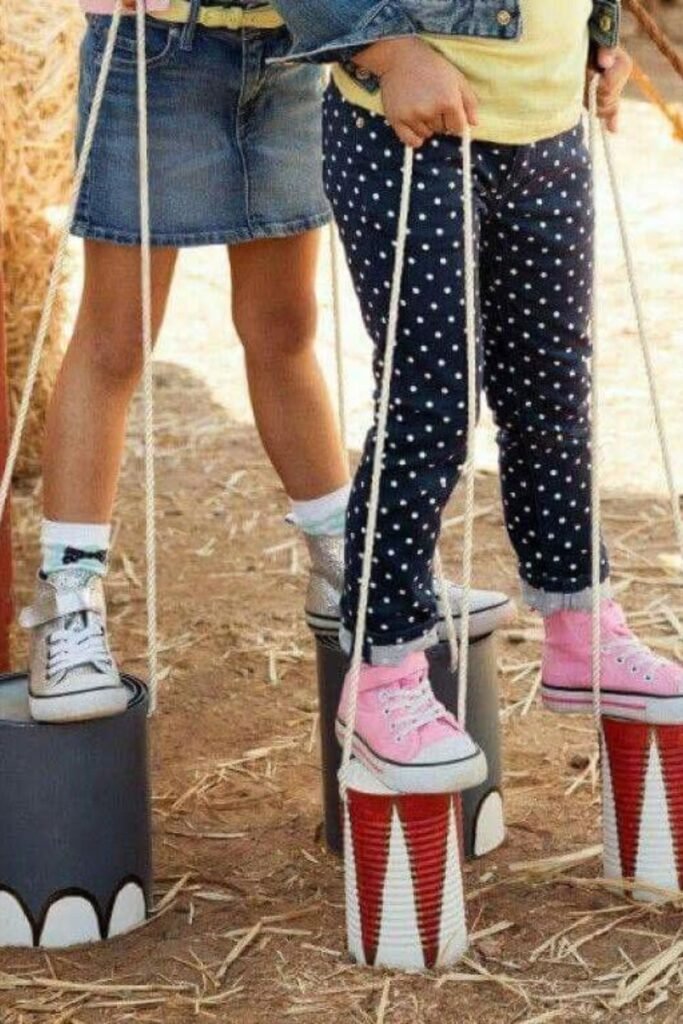
Wobbly legs and steady focus make this one unforgettable. Hand kids a pair of rope “stilts” made from sturdy cans or buckets.
And ask them to cross a short distance in less than a minute without stepping off. Every time, balance beats speed.
Field days and outdoor celebrations are great since the ground is soft, which makes them safer. For younger youngsters, keep the path straight and free of impediments.
Older kids can go around cones or make a turn in the middle of the game. Show everyone gently how to do it before you start so no one gets confused and rushes in.
Quick turns keep things interesting without long delays and applause from the sidelines boosts confidence quickly.
FAQs
What’s the best way to stop kids from arguing during Minute to Win It games?
Before the timer goes off, make the rules and follow them. Tell me exactly what matters and what doesn’t. Give a brief demo so that no one can remark, “That’s not fair.”
Don’t modify the rules in the middle of the game, and have one adult be the final judge. If the battle gets too tough, turn to team play instead of having one winner.
How many kids can play Minute to Win It games at once?
It depends on how much space you have and how you set things up. For little table games, it’s recommended to have 1–4 youngsters at a time.
If you run them in teams or stations, larger outdoor challenges may accommodate 10 to 20 people.
Instead of making everyone compete at once, you should switch kids minute.

Hi, I’m Afaf! I’m a law student who loves writing about everyday life – from home projects and crafts to fashion, beauty, and parenting tips.
I’ve been writing for over a year, sharing ideas that are simple, practical, and easy to try. I write about things I find interesting and useful, whether that’s organizing a space, trying a new DIY, or finding activities to keep kids entertained.
My goal is to share helpful ideas without making things complicated. If it works in real life, I’ll write about it.
When I’m not studying or writing, I’m usually experimenting with new projects or scrolling for inspiration!