
24 Letter P Activities for Preschool 2026
I saw a mom run out of ideas by Wednesday of “Letter P week” last week. They followed P. They painted a pig. They drew circles around pictures.
But when she asked her youngster, “What sound does P make?” her toddler guessed. That’s what really gets you, right.
You’re trying to teach the letter P, but it’s not working. Worksheets seem to be the same thing over and again. Crafts seem adorable yet weird.
And you can’t help but ask, Is this really helping me learn phonics. The good news is that kids don’t learn the sounds of letters by looking at them.
In this article, I’m sharing 24 playful Letter P activities for preschool that make kids’ time more enjoyable.
Let’s jump in!
Which Letter P Games Improve Phonics Skills?
Not all “Letter P activities” help with phonics. Coloring a penguin is a nice activity, but it won’t help your youngster learn to hear the p sound.
Choose games that make your child say the sound, stretch it, and listen for it in words if you want them to really improve.
Play a simple game like P or Not? as an example. Say things like pig, sun, pan, and ball. They clap when they hear /p/ at the start.
They stay quiet if not. This helps them learn to listen. Or say Pppp-izza to extend the sound. They hear the pop of the sound as you slow it down.
Save this article for later!👇👇👇
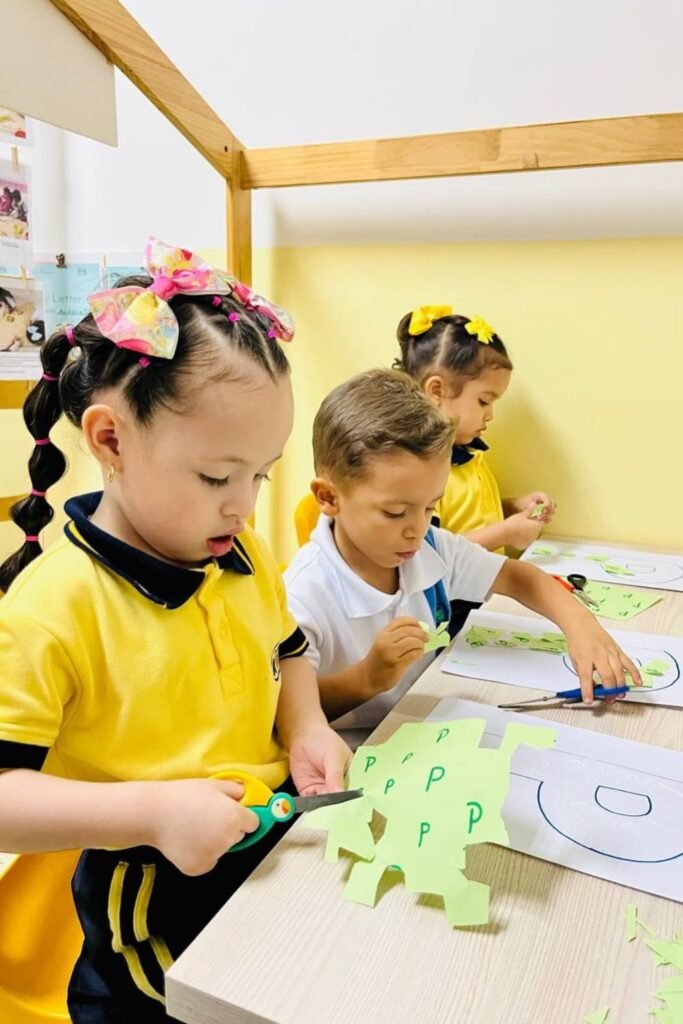
Paper Cutting
Little hands love scissors and that’s exactly why this works so well during letter practice. Give kids a large outline of the letter P on white paper.
Then give them green paper with small written P’s on it, just like in the illustration. Let them cut around the shapes and glue the pieces inside the huge letter.
Use this when you want to focus quietly in a small group. Cutting makes their hands stronger, and gluing inside the lines makes them pay attention to the shape of P.
While they work, tell them to say the /p/ sound every time they glue something down. That repetition is important.
Just use colorful paper, scissors that are appropriate for kids, and glue sticks. No need for a fancy setup.
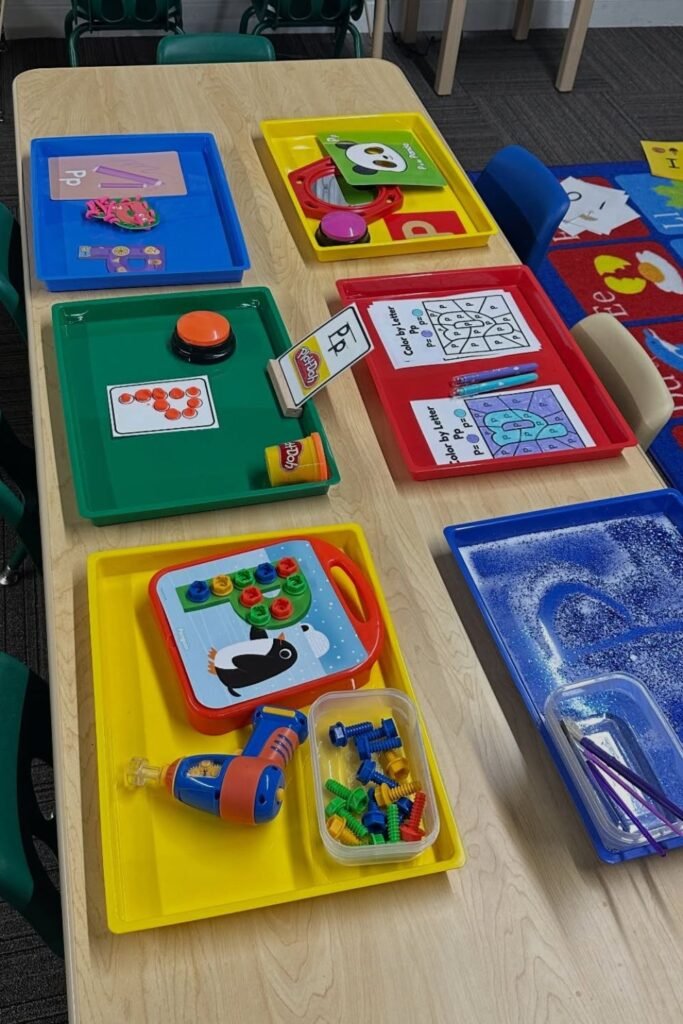
Phonics Stations
Energy shifts fast when you turn letter practice into stations instead of one long task. Set up trays around the table.
In a different way, each one centered on the letter P. A sand or salt tray can be used to trace P with fingers on one tray.
Another option is to use Play-Doh to make the letter. Put in a color-by-letter page where kids can only find and color the P’s.
Add a card game where you match up uppercase and lowercase P’s. During center time, rotation works best. Every 8 to 10 minutes, small groups migrate.
That keeps people interested and not bored. Make the directions easy to follow Find P. Build P. Trace P. Say p Repetition in varied materials helps the sound stay in your head.
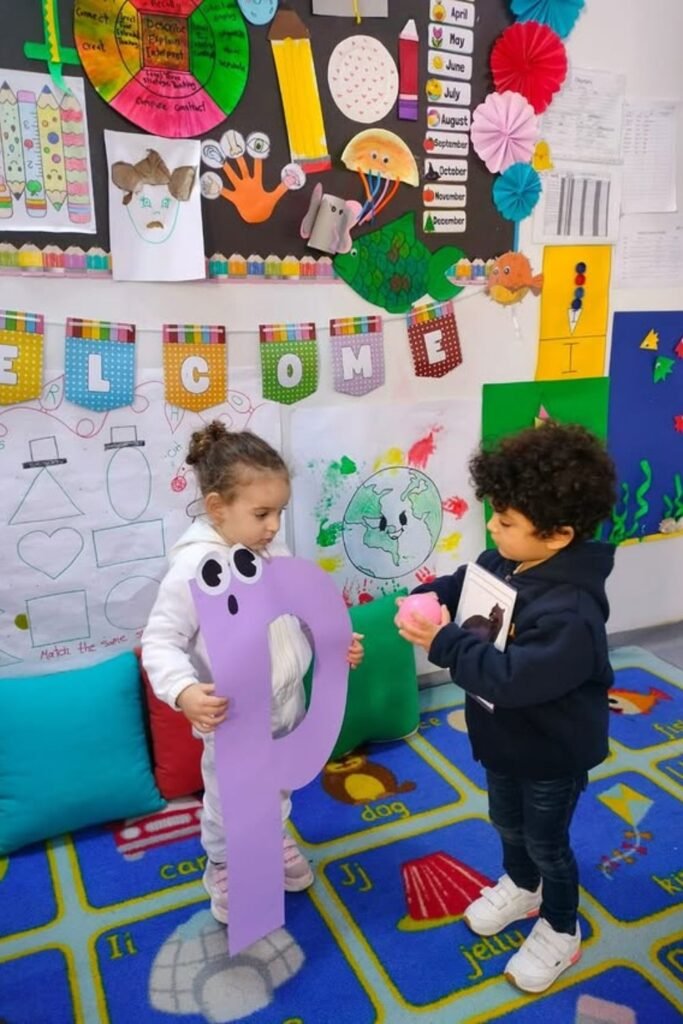
Letter Parade
Turn the letter P into something kids can hold, wear, and act out. Cut a large P from cardboard or foam board and let one child “be” the letter.
Give another youngster anything that starts with the letter P, like a pink ball, a picture of a pig, or a fake pizza slice.
This is a great time for circle time. Say different P words and let the youngsters move over to the huge letter when they hear the p sound.
Make it move. Include voices. Let them make Pppp-ig sound bigger and feel the air pop. When they touch something the sound stays in their mind longer.
Standing next to the letter and pronouncing the sound links movement sight and speech. This helps phonics click faster and than worksheets ever would.
Pizza Making
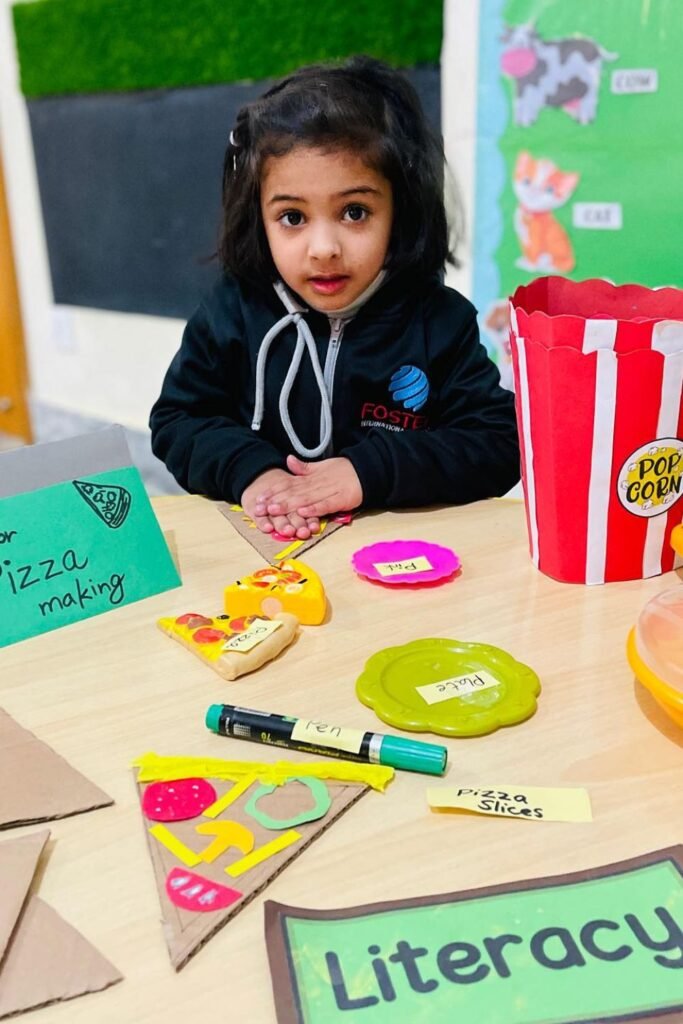
Kids light up the second you say pizza. Use that excitement to lock in the p sound. Set up a pretend pizza station with cardboard slices and paper toppings.
Featuring easy-to-read labels like pepperoni, peppers, and “pizza.” When they put on a topping, tell them to say the word slowly “Pppp-eppers.”
Let them hear the pop sound at the start. This works well at center time because kids may take turns being the “pizza chef.”
Give them phrase cards and tell them to match the topping to the right label. Older children can even try to write the first letter on a little note that sticks to things.
This kind of play-based arrangement makes phonics come to life. Kids relate P to something they already love instead of just memorizing a letter.
Pumpkin Tracing
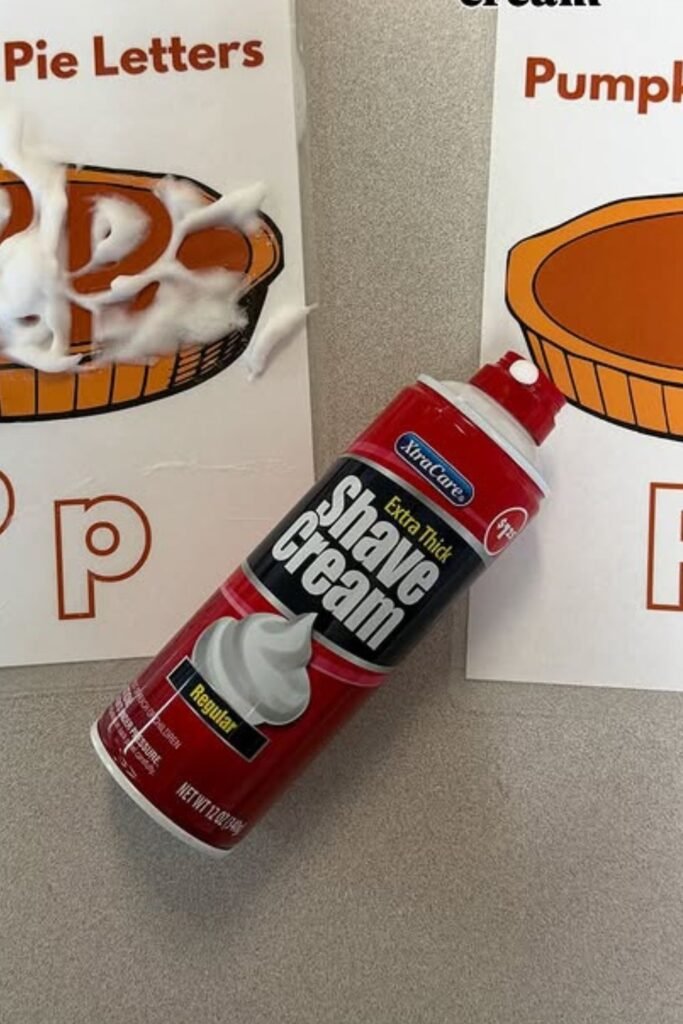
Nothing grabs attention faster than whipped cream on a pumpkin pie. Print a simple pumpkin pie page with uppercase and lowercase P at the bottom.
Put a little swirl of shaving cream on top and let them write the letter with their fingers right into the “whip cream.”
This kind of sensory play works great in small groups or even in messy play areas. As they trace, have them say the sound together p pumpkin.”
Wipe and do it again. The more they feel the movement, the stronger their muscle memory gets.
Keep paper towels close by and don’t use too much cream so things don’t get out of hand.
Kids who don’t like pencils often jump right in. Adding texture and repetition to letter creation makes it fun instead of stressful.
Texture Tracing
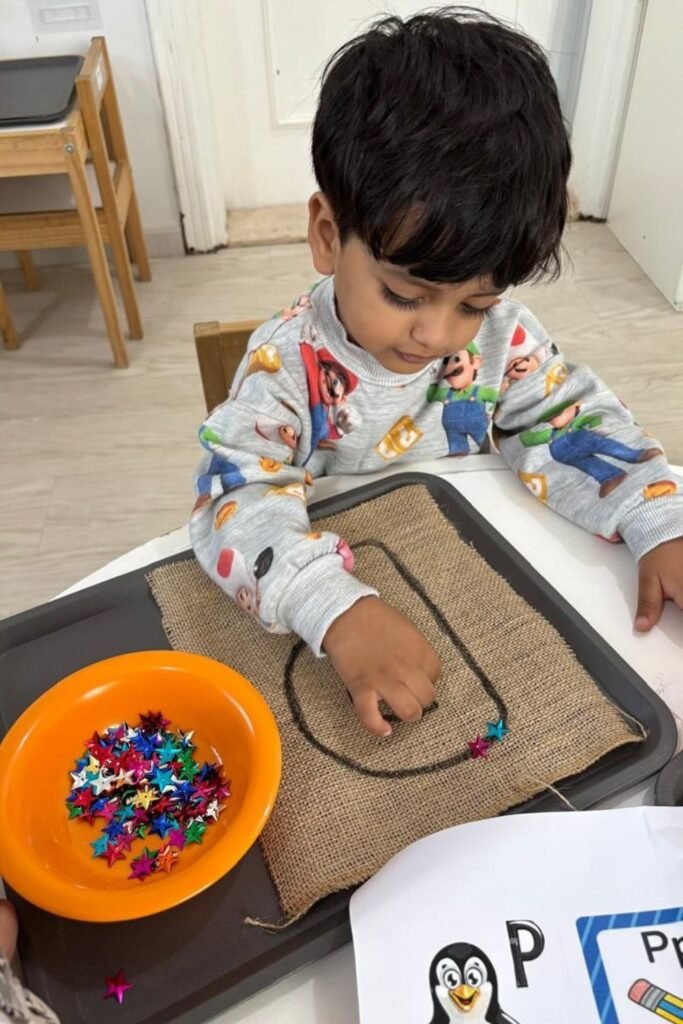
Fingers remember what eyes forget. Lay down a rough mat or burlap, outline a big letter P with thick yarn or marker.
Put little things close by, such beads or stars of different colors. Before they fill in the shape with the small pieces, ask the kids to softly trace the contour with their fingers.
Changes in sensory input impact everything. The rough surface makes them go slower. If they slow down, they can see the straight line first.
Then the bend. Say it out loud when they move: Down around p.This works best when there is quiet time at the table since it helps you focus.
Kids who have trouble controlling their pencils generally develop confidence here initially. No pressure, no erasing just moving and doing it again.
Dot Painting
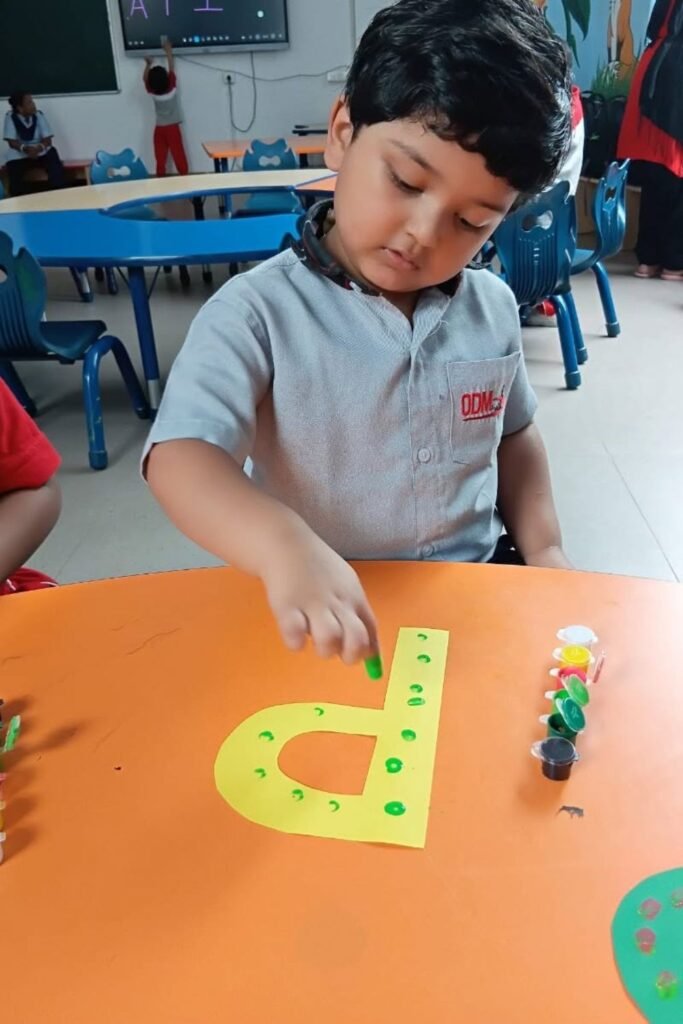
Paint turns simple letter practice into something kids actually want to do. Cut out a large lowercase or uppercase P and place small dots along the outline as guides.
Give them cotton swabs or paint-dipped fingers and let them stamp over each dot.
Stamping helps you get better at controlling things without feeling like you’re practicing your writing.
Every tap makes the letter’s journey stronger. Tell them to say the sound every few dots, like “/p/ /p/ /p/.” The constant beat links sound and movement.
Put this on an art table where you can make a mess. Limit the colors so that the focus focuses on making the letter and not mixing paint.
When the dots fill in the outline, kids can easily see the straight line and the curve that make P special.
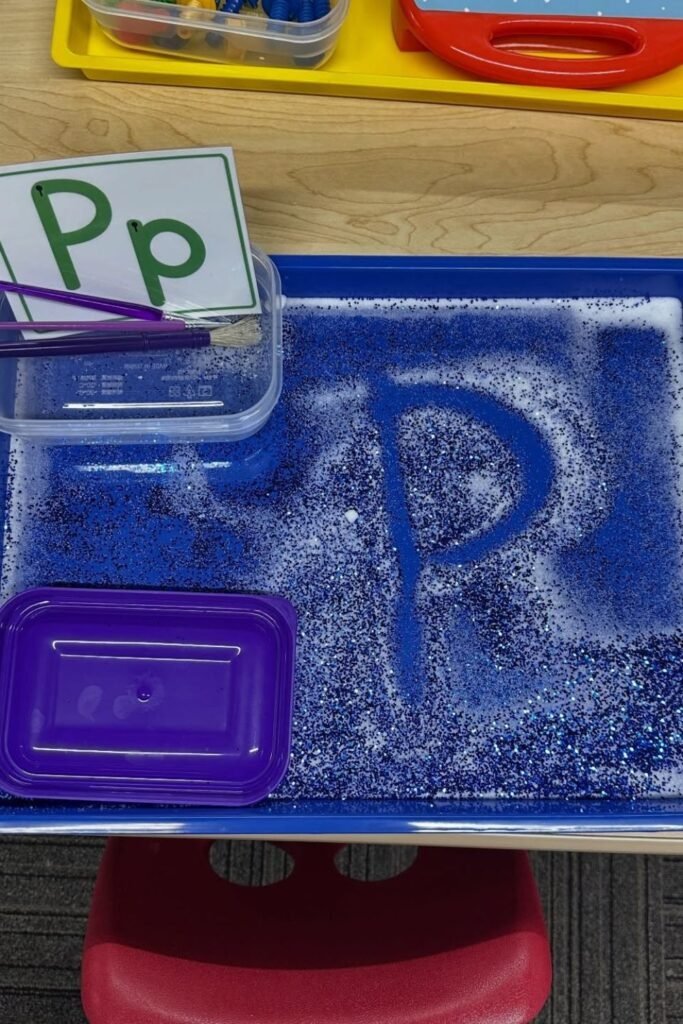
Glitter Tracing
Glitter has a way of slowing kids down in the best way. Fill a shallow tray with salt or sand, sprinkle glitter on top.
And put a letter P card in as a guide. Give them a paintbrush or let them use their finger to sketch the letter right into the tray.
Each stroke makes a distinct path, so it’s easy to rectify mistakes. Just shake the tray a little and start over. That freedom gives you a lot of confidence quickly.
As they trace, say the sound together: “/p/ down around.”
During reading centers, sensory trays are great because kids can practice over and over again without using paper.
The shine keeps people’s attention longer than regular worksheets. Touching the letters over and over again helps the shape settle into muscle memory.
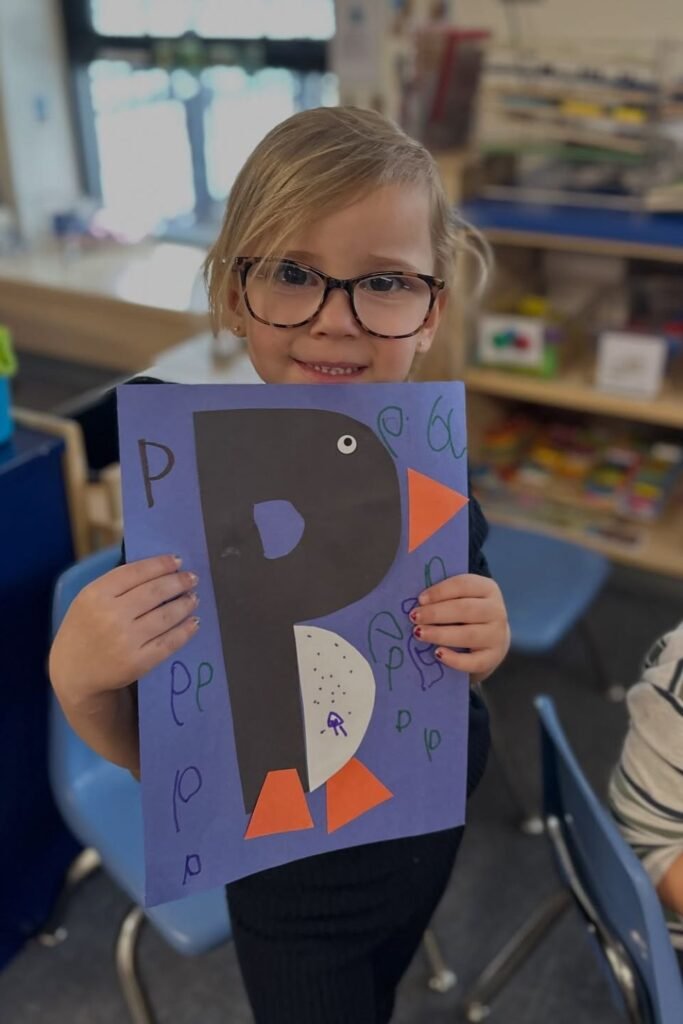
Penguin Craft
Nothing sticks in a child’s mind like turning a letter into a character. Grab colored paper and transform a big uppercase P into a penguin.
Put an orange triangle on the beak, little feet at the bottom, and a white belly inside the curve of the letter. P is no longer just a shape; it’s now living.
This works great because kids slow down and pay attention during craft time. Say the sound “P is for penguin” again and again while they glue each piece together.
Make it longer so they can hear that strong /p/ sound at the beginning. Put their finished penguins on the wall to show them off.
Every day, seeing their own effort makes them feel recognized. For visual learners, linking letters to animals makes it easier to remember things.
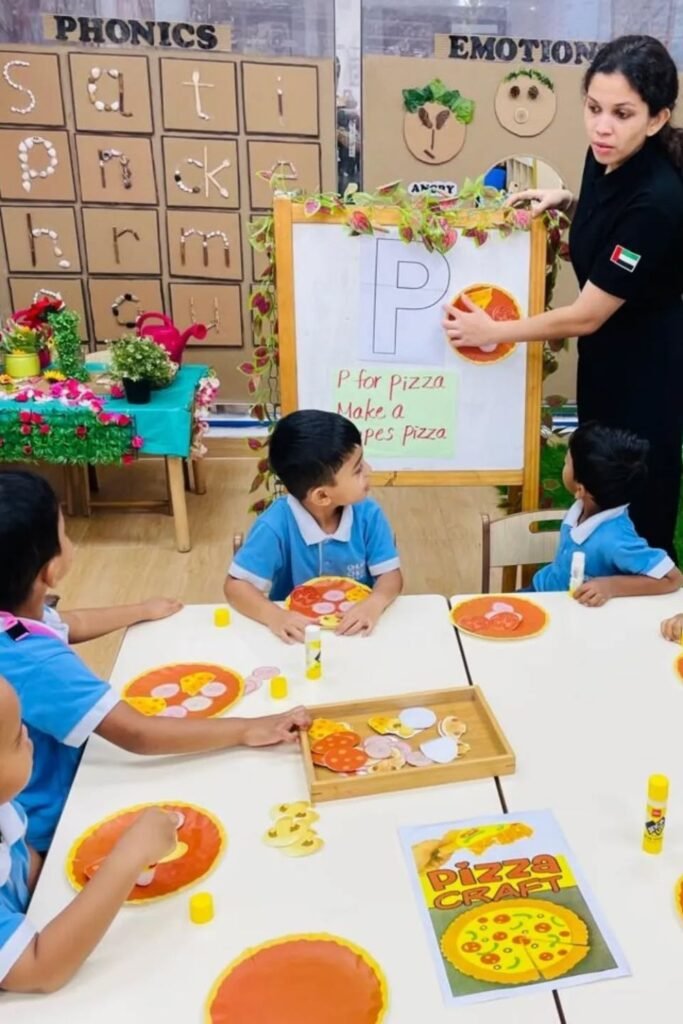
Pizza Circle
Whole-group time doesn’t have to mean sitting still and repeating after you. Bring out paper plates, pre-cut toppings, and a big letter P on the board.
Say “P is for pizza” and let the youngsters make their own as you stretch the sound out: “Pppp-izza.”
Put glue on, put it down, and push. Every step is an opportunity to hear the sound again.
Ask simple queries such, “Does pepperoni start with p. What about the pineapple.
Have them think about their answer first. This works great during circle time because everyone hears the same sound over and over again at the same time.
Your hands are occupied, but your ears are on the job. They’ve practiced the sound organically by the time the pizzas are done, so they don’t feel like they’re being drilled.
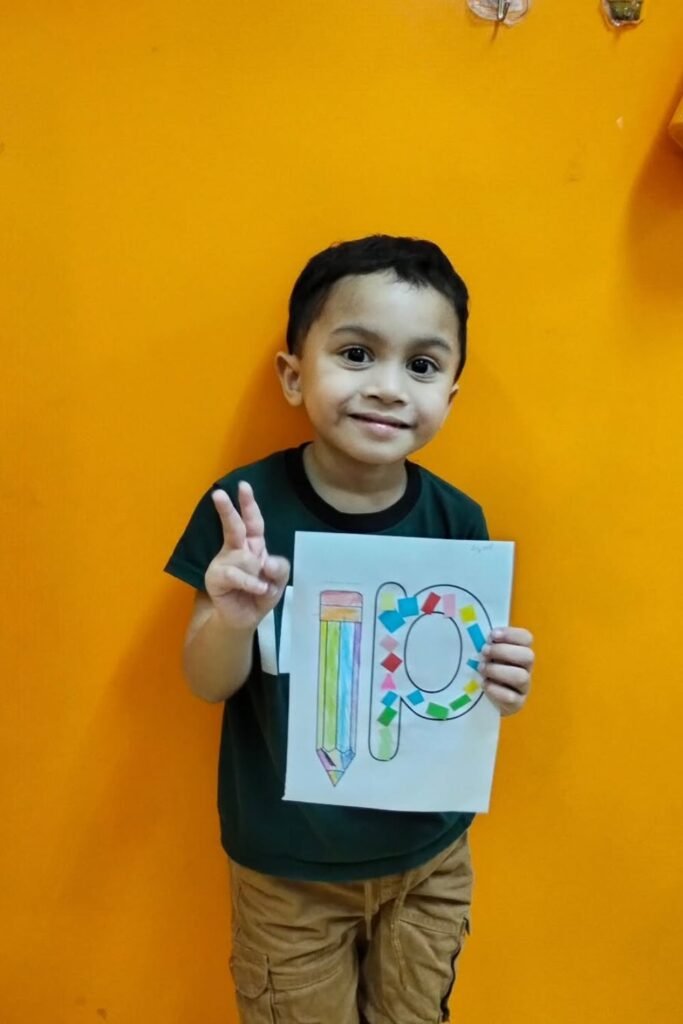
Pencil Collage
Bright colors grab attention fast, so lean into that. Print a large letter P and pair it with a simple pencil drawing.
First, let the kids color the pencil. Then, have them glue small pieces of paper or squares around the letter P to make it seem nice.
When you work on a collage, your fine motor skills get better without you even knowing it.
Picking up, pinching, and inserting small pieces helps their fingers get stronger for writing later.
While they glue, tell them to say, “P is for pencil” again and over. Make the sound longer so they can hear the loud blast at the start.
Letter Prop
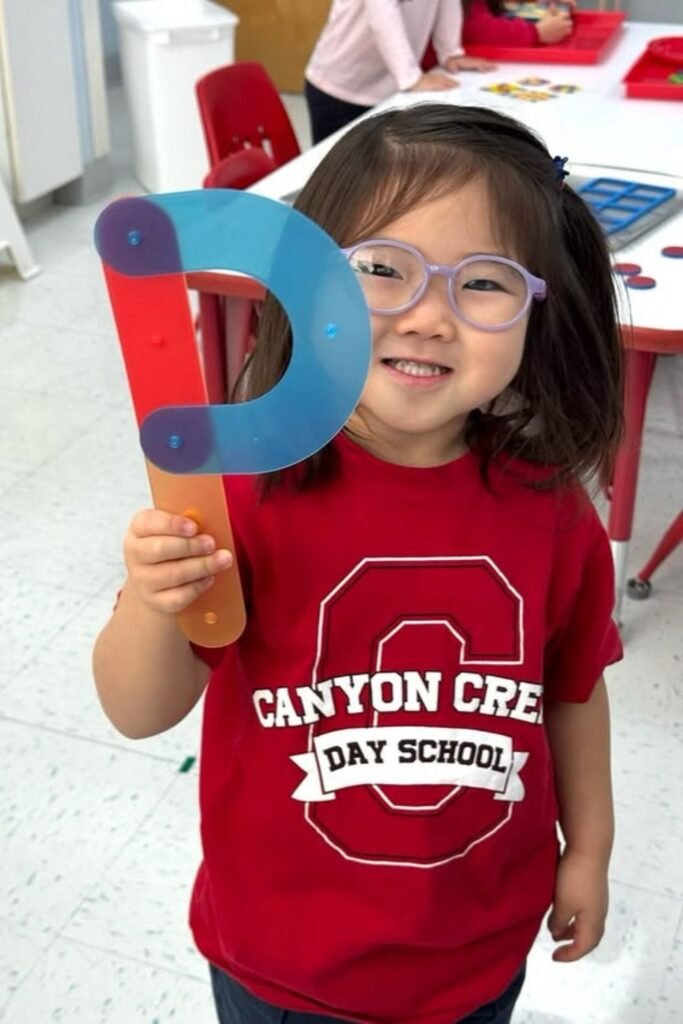
Confidence grows fast when kids get to hold the letter in their hands. Bring out a large, sturdy P foam, cardboard, or even a wooden cutout and turn it into a simple show.
Let each youngster hold it up and repeat a word that starts with the letter “p.” Standing up affects the flow of energy. Letter practice suddenly becomes crucial.
Tell them to say the sound clearly before the word, like “/p/ panda.” Give them options so they can still do well if they get stuck.
Use this during the morning meeting or while you’re switching gears. Fast, easy, and strong.
Touching something is a better way to remember it than just pointing at a poster on the wall.
When youngsters hold the letter and say the sound out loud, they are using all three of their senses at once: sight, hearing, and movement.
Pom Sorting
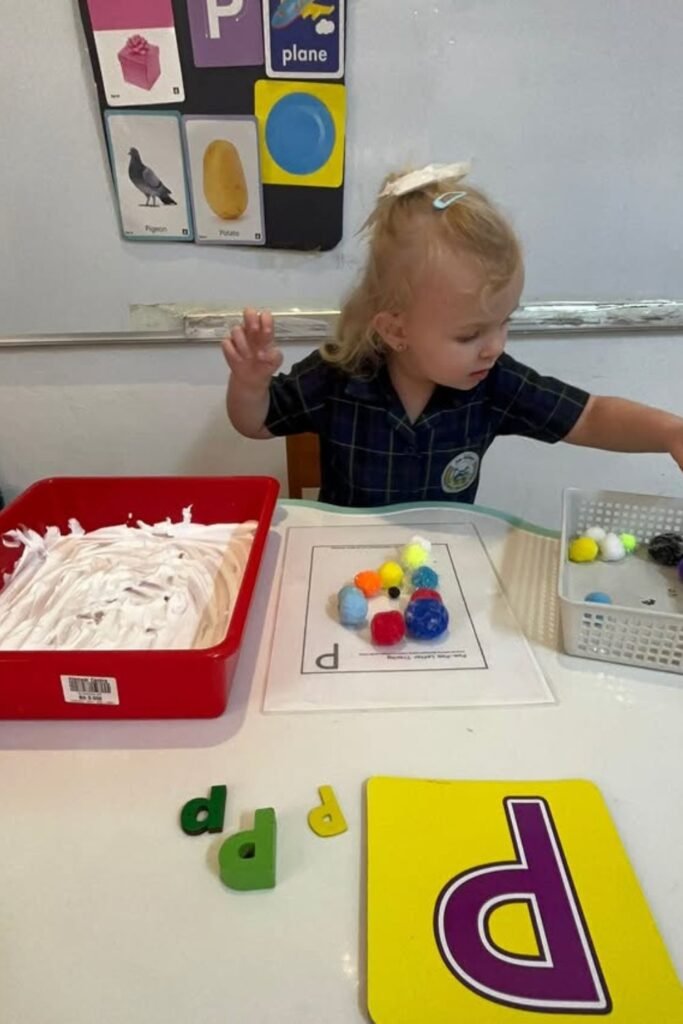
Little pom-poms can turn letter time into a quiet focus game. Place a big printed letter P on the table and set out a basket of colorful pom-poms.
Ask the students to fill in every curve and line on the shape. When they put one down, tell them to say the sound: “/p/ /p/ /p/.”
That steady beat helps you become more attentive of sounds without feeling like you have to.
Picking up small bits also helps your fingers get better at controlling them, which helps your fine motor abilities.
Use this when you want to focus quietly during independent center time. Add a twist by mixing in other letters and telling them to discover the P card before they decorate it.
Story Painting
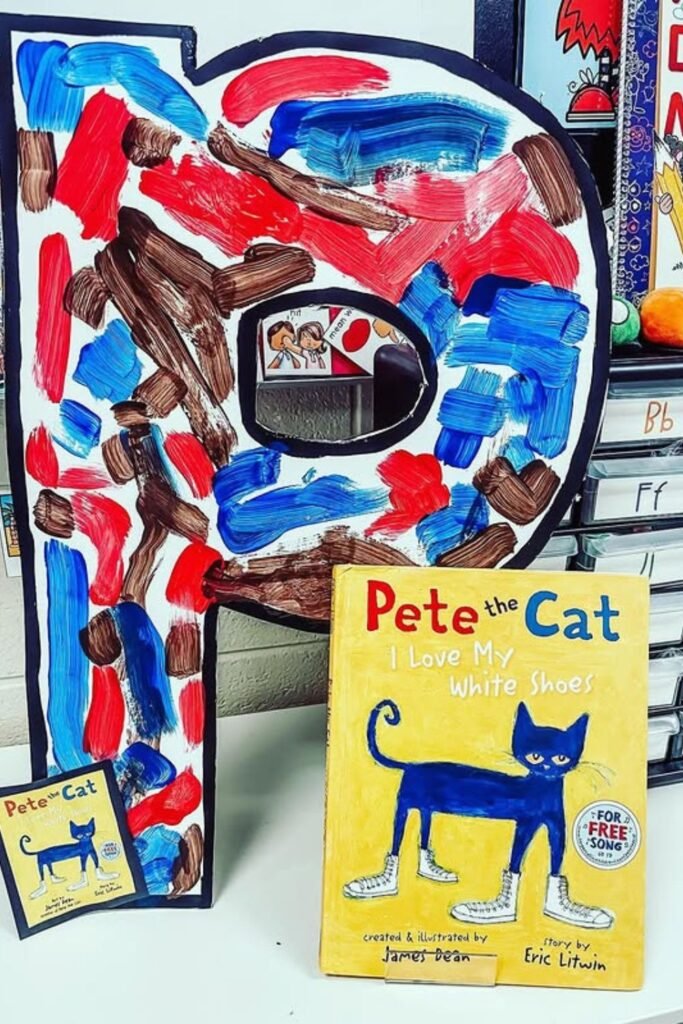
Big letters deserve big paint. Tape a giant uppercase P to the wall and let kids cover it with bold brush strokes. Red, blue, brown let them layer colors freely.
Painting on a vertical surface makes your shoulders stronger, which helps you write better later.
Connect it to a book you read aloud, like Pete the Cat. Say “P is for Pete” after the story.
Make the sound last longer and ask them to say it again before each new brush stroke.
Movement and telling a tale help you remember the letter. This works best in a big group because the size makes it more fun.
Kids take a step back, observe the shape clearly, and figure out how the straight line and the curve fit together.
Poster Practice
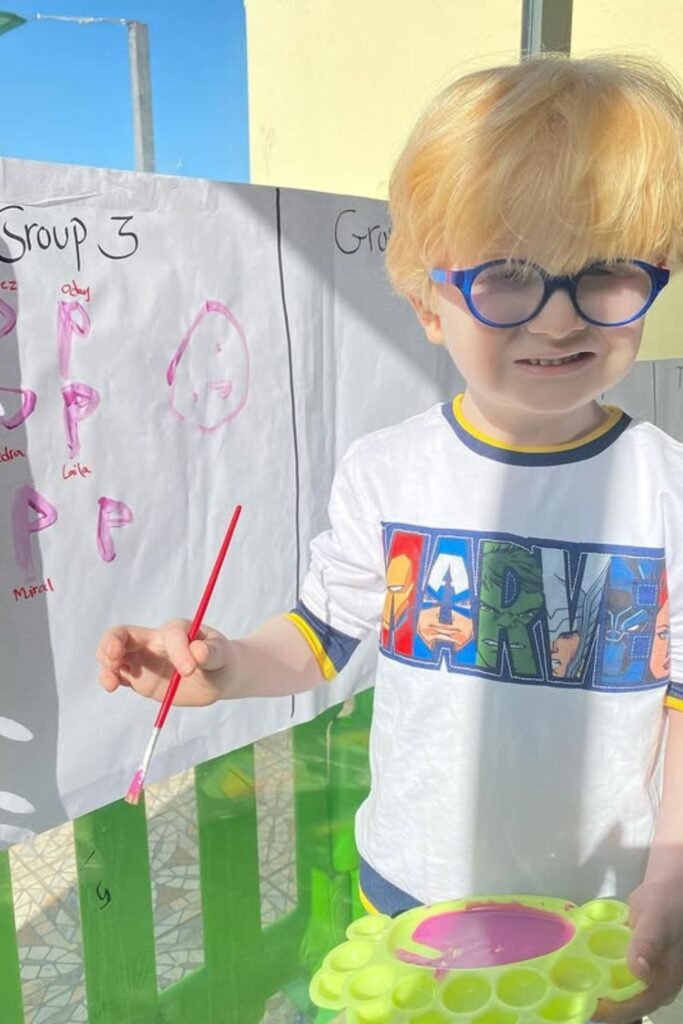
Sunlight, paint, and a big blank sheet can turn letter review into something exciting. Tape large paper to the wall and write uppercase and lowercase P across it.
Give each youngster a brush and let them paint over the letter in vibrant colors. They move differently when they stand up.
They learn the straight line first and subsequently the curve better when they move their arms more.
As they paint, say firmly, “Down around /p/.” Saying the action out loud over and again helps you remember it better.
Outdoor or near-window spaces are beneficial since the light keeps energy levels up. Write names next to each painted letter so people feel like they own it.
Lacing Letter
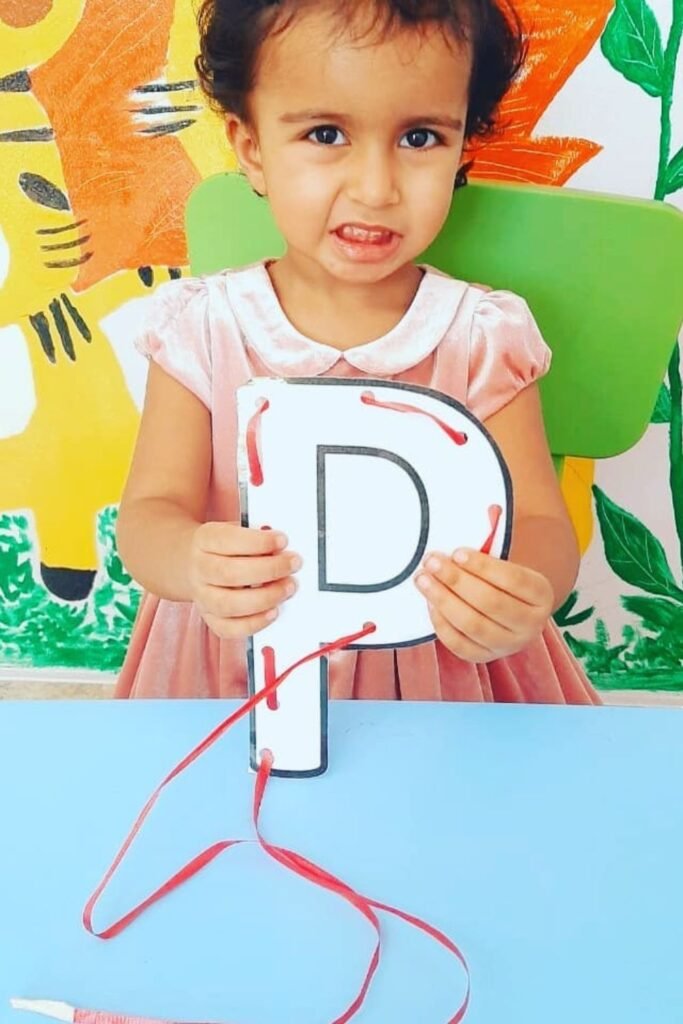
Threading string through a letter slows everything down in the best way. Cut out a sturdy uppercase P, punch holes around the edges, and hand kids a shoelace.
Or string with a piece of tape on the end. Let them weave in and out of the shape. Every pull increases your fine motor strength silently.
Crossing the lace over and under helps you learn how to manage your hands and concentration.
As they advance, tell them how to get into the formation: “Down first now around /p/.” Saying the sound while following the outline links movement with memory.
Table time is a good idea here because lacing takes time. Start with fewer holes for smaller youngsters.
Floor Tracing
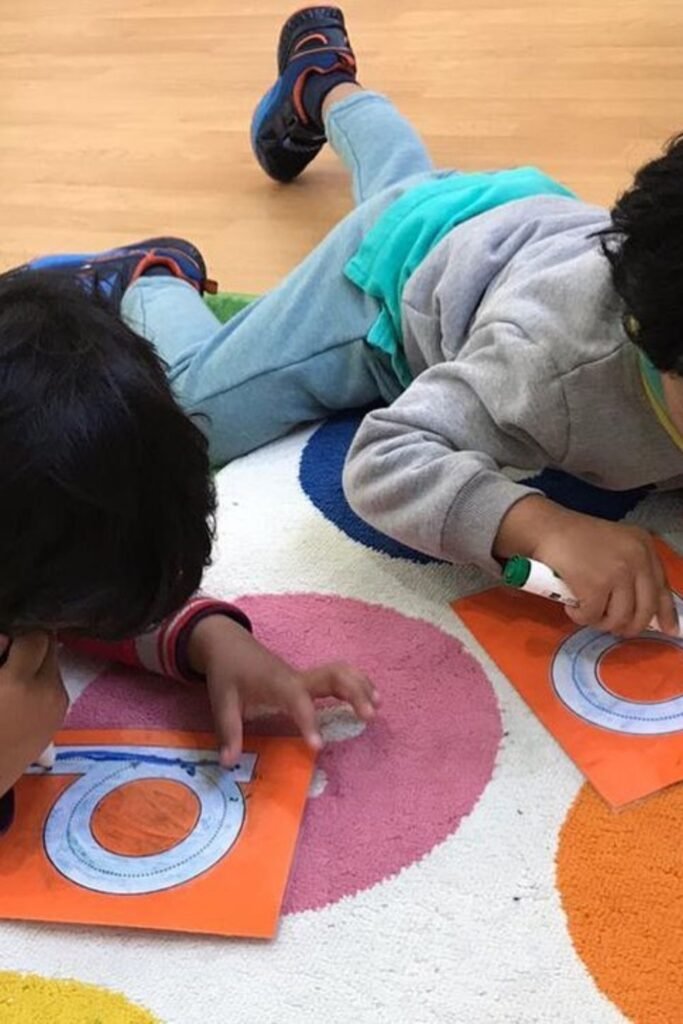
Change the location and suddenly letter practice feels brand new. Lay printed letter P sheets on the carpet and let kids lie on their stomachs while tracing with markers.
Working on the floor makes your shoulders and arms stronger, which helps you handle your pencil better later.
Drawing arrows around the curve tells them exactly where to go next. Give them simple directions like “Start at the top, go down, and then around.” Keep it clear and steady.
Kids who are restless stay interested longer when they move and change positions than when they sit at a table.
Put them in pairs and have them check each other’s tracing to help them focus more.
Sticker Outline
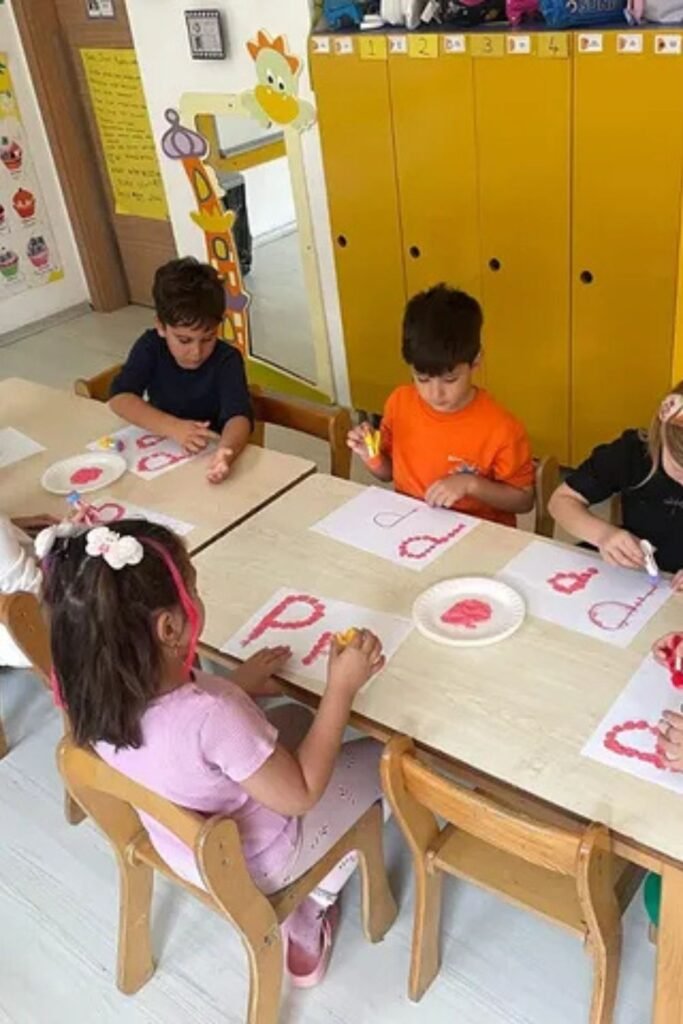
Tiny stickers can hold attention longer than markers ever will. Print large letter P sheets and give each child a small pile of dot stickers or heart stickers.
Ask them to fill in the whole outline without any empty spaces. Putting each sticker on helps you learn how to control your hands and be patient.
If you put them down slowly, they will be able to see where the straight line finishes and the curve begins.
Kids can compare their progress and stay motivated best when they sit at small group tables.
Before they start, say, “Can you find uppercase P first?” to provide a brief twist.
Repetition through precise placement helps in both recognizing and forming letters in a calm and concentrated way.
Penguin Hunt
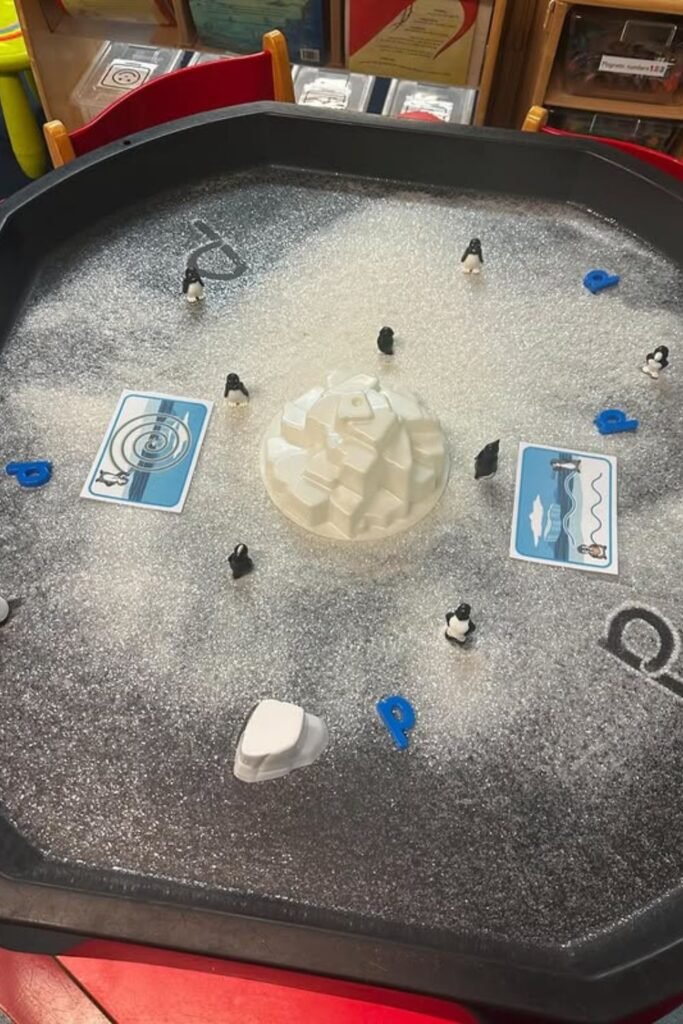
Curiosity kicks in the second you hide letters inside a sensory bin.
Fill a tray with fake snow, glitter sand, or rice. Scatter small plastic penguins and tuck in several letter P magnets.
Put a basic “Pp” card nearby so you may look at it. Ask the kids to dig and look for the letter that matches.
Have them say the sound before putting it next to the card every time they discover one. “/p/ penguin.” That link between the object and the sound makes phonics stick.
When youngsters are active with their hands, sensory tables perform best during center rotations.
Add a few more letters to make it harder for them to sort instead of just grabbing. Hunting, sorting, and repeating the sound is a fun and low-pressure technique.
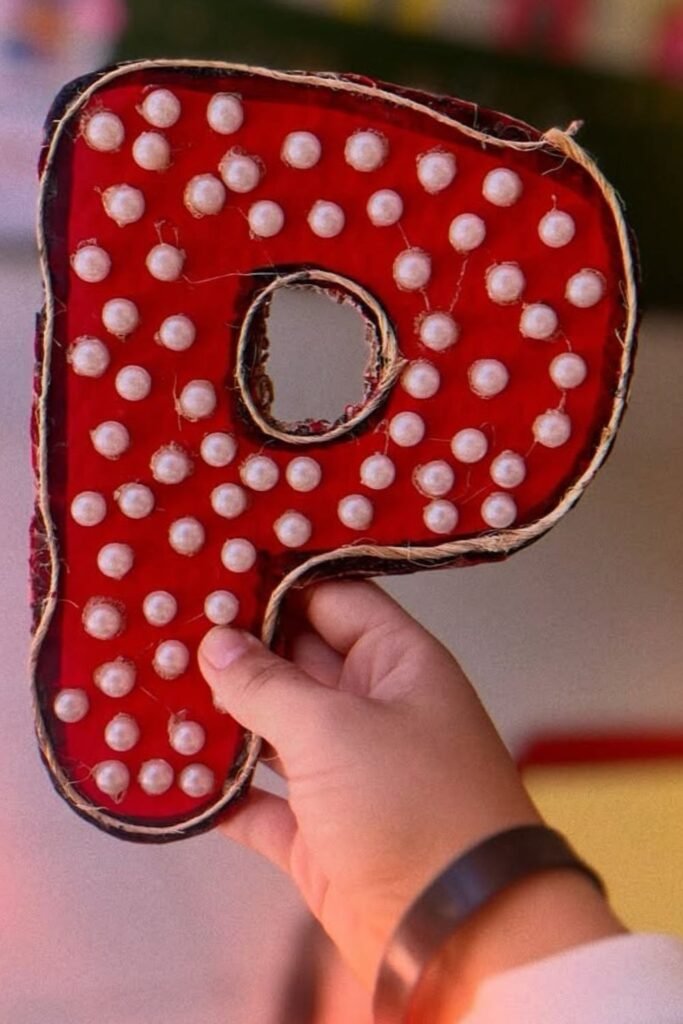
Initial Project
Nothing feels more special than working with the first letter of your own name. Cut a large cardboard P, paint it in a bold color.
And stick little beads, buttons, or pom-poms all over the place. The texture makes the letter stand out and makes kids want to touch it again and again.
At the beginning of a letter unit, name-based projects work great. Bring each youngster to the front and let them state their name carefully.
If it starts with P, be happy about it. If not, tell them to think of a word that starts with P that they like. That link makes the sound feel personal.
Putting these letters up throughout the room makes you proud and keeps you in the spotlight. They recall the sound and the shape every time they walk by.
Paint Words
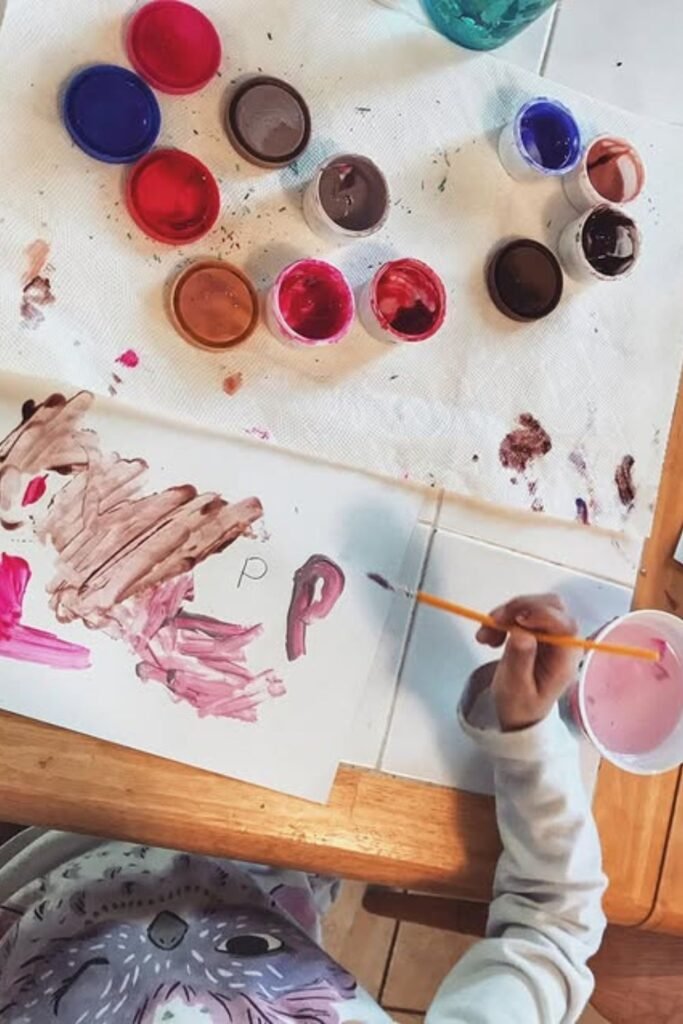
Fresh paint instantly makes phonics more exciting. Write a simple P word on paper like “pig” or “pan” and let kids paint a matching picture beside it.
Stay focused on the initial sound. Before you start painting, pronounce the phrase “Pppp-ig” carefully.
They can see that letters become genuine words when they connect the written word to a painted picture.
When they’re done with the picture, have them circle the first letter and say the /p/ sound again.
Art stations are ideal here since youngsters may take their time. Put the word card in front of them so they can always see how the letter and the item are related.
Letter Fishing
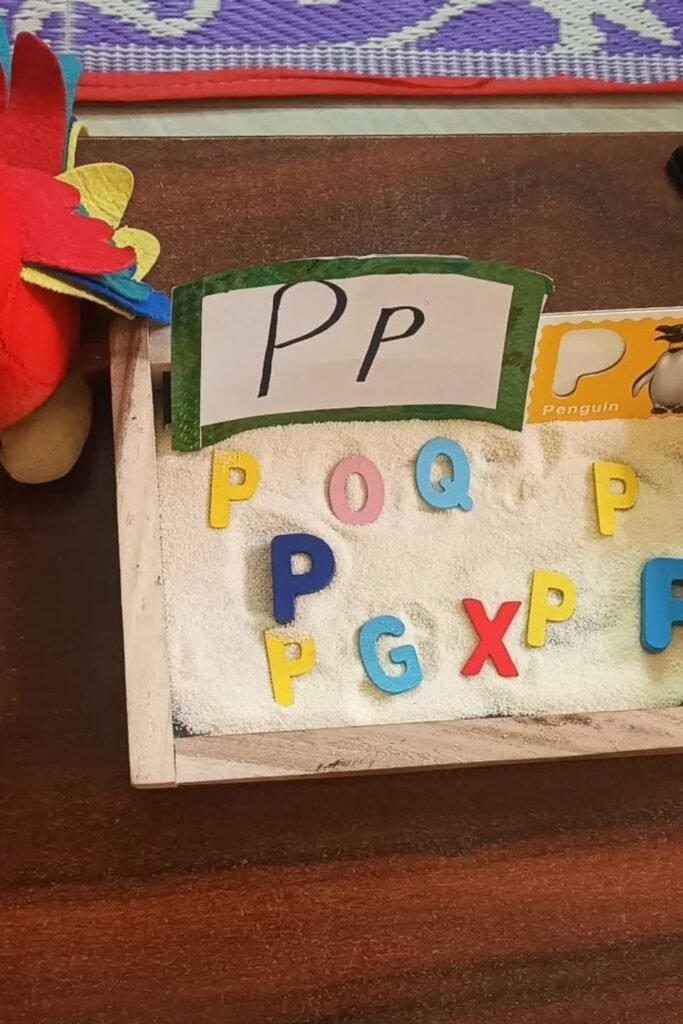
Hidden letters always spark curiosity. Fill a shallow tray with sand salt and bury magnetic letters inside.
Put a clear “Pp” card at the top and add some other letters, like Q or G, to make it more intriguing.
Give them a little scoop or let them dig with their hands. Every time they find a letter, ask, “Is that P?” If so, they put it under the card and say the sound.
They return it and resume looking if they don’t find it. That phase helps them get better at listening.
This works great with sensory corners since your hands stay busy while your brain focuses on recognizing things. Putting a penguin or parrot toy close keeps the theme fun.
Popcorn Words
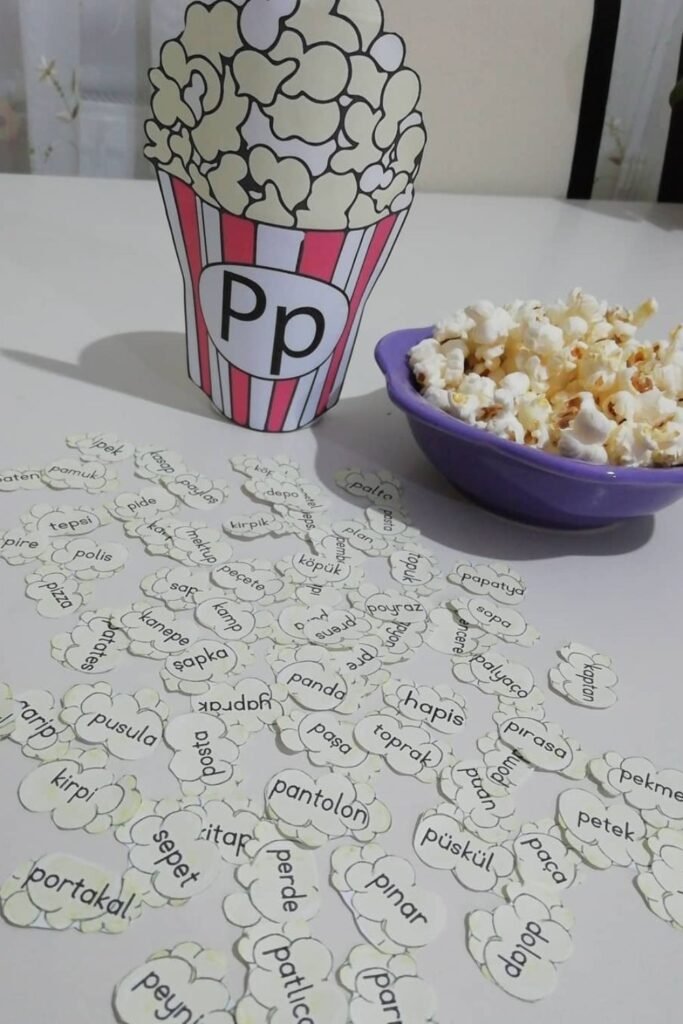
Snack time can double as phonics time if you plan it right. Fill a bowl with popcorn and place a popcorn-themed letter P container nearby.
Put out miniature word cards that look like popcorn pieces. Each card should have a different word on it, and some should start with P and some shouldn’t.
Tell the students to read or listen to the word before they take a piece. They “feed” it to the popcorn bucket if it starts with /p/. It stays on the table if not.
Keep the pace light and fun. Stretch the first sound out so they can hear it well. This works best in small groups since you can precisely watch how they say the words.
When kids connect sound sorting with something they do in real life, they are more likely to recall the /p/ sound long after the snack is gone.
Pencil Practice
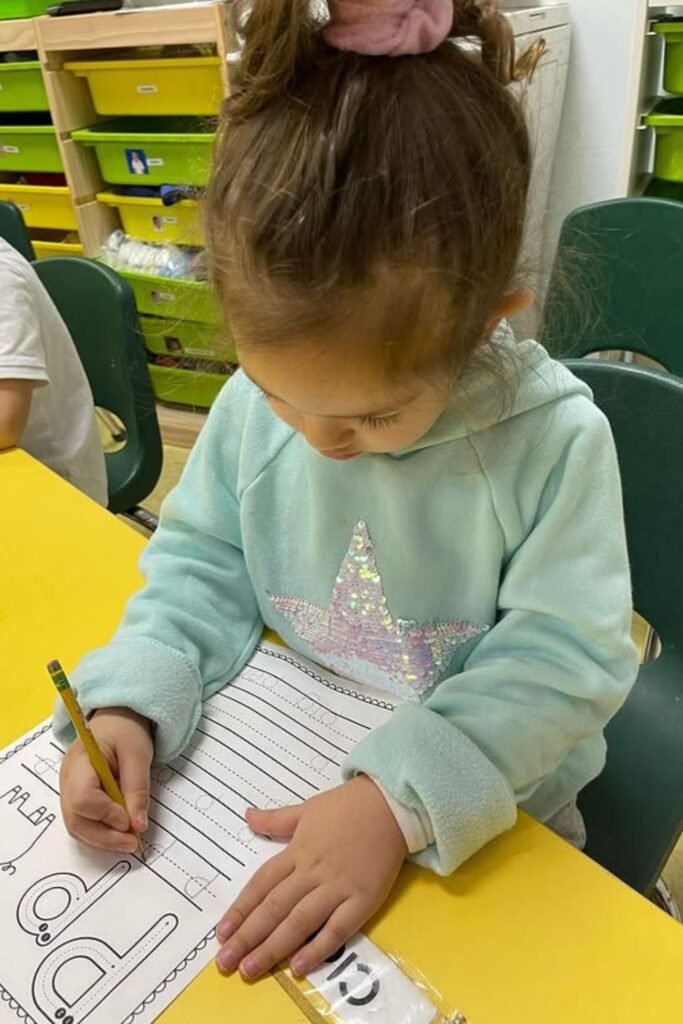
Eventually, kids need to put pencil to paper. Give them a clean tracing sheet with clear starting dots and arrows for letter P.
Let them try it on their own after you show them once. Here, grip is important. If they require it, gently move their fingers and tell them, “Start at the top.”
Straight down. Now around. Every time, make sure your directions are short and clear. Saying the same things over and over again helps you remember them faster.
Table time is greatest when it’s quiet since you need to be able to focus. After drawing a few lines, ask them to circle the best P they wrote.
That reflection helps you feel more confident and alert. Worksheets by themselves don’t teach phonics.
FAQs
How do I know if my preschooler is really learning the letter P?
Without any help, watch what they do. It’s sticking if they can point to P in a book, utter the /p/ sound when they see it, or name a few P words like pig or pizza by themselves.
You can also say a bunch of words and ask, “Which one starts with p. ” That’s actual phonics growth if they can hear the sound without having to guess.
What if my child keeps confusing P with other letters?
Take your time and pay attention to the sound first. Say “/p/” and make the little puff of air sound bigger. Let them feel it with their hand in front of their mouth.
Then look at it next to letters that are similar, like B. Demonstrate that P is quiet while B speaks.
Instead than doing the same worksheets again and over, short, fun sound games.
Hi, I’m Afaf! I’m a law student who loves writing about everyday life – from home projects and crafts to fashion, beauty, and parenting tips.
I’ve been writing for over a year, sharing ideas that are simple, practical, and easy to try. I write about things I find interesting and useful, whether that’s organizing a space, trying a new DIY, or finding activities to keep kids entertained.
My goal is to share helpful ideas without making things complicated. If it works in real life, I’ll write about it.
When I’m not studying or writing, I’m usually experimenting with new projects or scrolling for inspiration!