
25 Nature Activities for Kids 2026
You tell your kids to “go play outside,” but five minutes later they’re back inside. “I’m bored.” The displays, on the other hand, are always ready to keep kids busy.
You want them to enjoy being outside. You want them to get some fresh air, spend less time in front of screens, and do something that really helps them grow.
Not just pass the time. But most of the time, you just don’t know what to do out there. The good news? Nature doesn’t have to be hard to understand.
In this guide, you’ll find 25 narture activities ideas for kids designed for safe and practical home play in 2026.
Let’s jump in!
How Do Nature Activities Support Child Development And Learning?
Your youngster isn’t “just playing” while they play outside. They are learning genuine skills. When they climb, they build strength and balance.
They sort, compare, and think critically as they pick up rocks or leaves. They address difficulties by building things with sticks.
Nature encourages them to look around, ask questions, and find things out for themselves. Let them play outside.
If you want them to be more creative, focused, and sure of themselves. The soil, the wind, and the bugs all teach in ways that worksheets can’t.
Save this article for later!👇👇👇
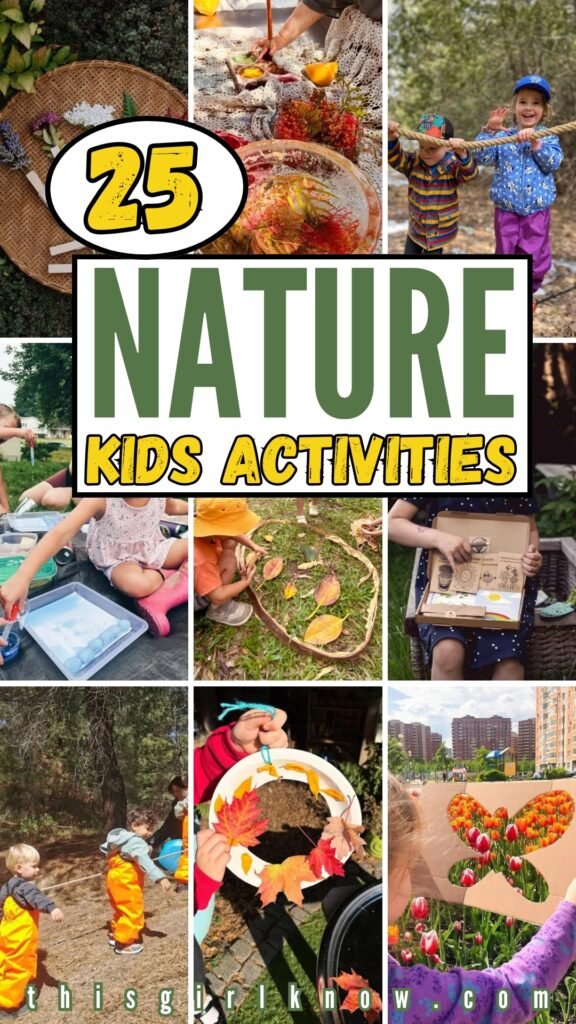
Seed Planting
Watching something grow changes how kids see the world. Hand them a small pack of seeds and suddenly.
They’re not just playing outside; they have to take care of something living. A corner of the yard, some pots on the balcony.
Even an old container packed with dirt all work great. Let them press the seeds into the ground, water them lightly, and check on them every day.
Every day, you learn to be patient with growth. Pride sets in when the first green sprout shows up.
Gardening like this teaches care, habit and cause and effect without ever feeling like a lesson.
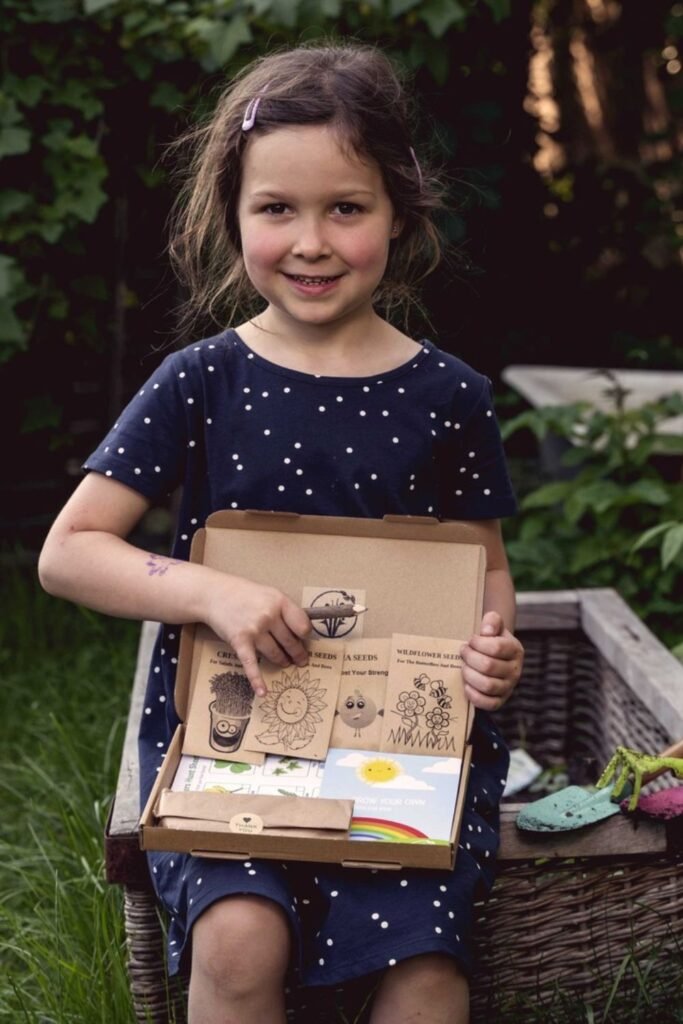
Nature Circle
Give kids a simple challenge create something beautiful using only what’s on the ground. Suddenly.
A random piece of grass becomes a place to work creatively. Patterns form in leaves. Sticks make up the edges.
Seeds and bark fill in the gaps. This kind of play is great in parks, forests, and even your own home.
Let children gather things freely, and then put everything inside a natural frame, like a circle of vines or branches.
There are no rules, hence there is no perfect design. Watching them figure out where things go helps kids focus and be creative.
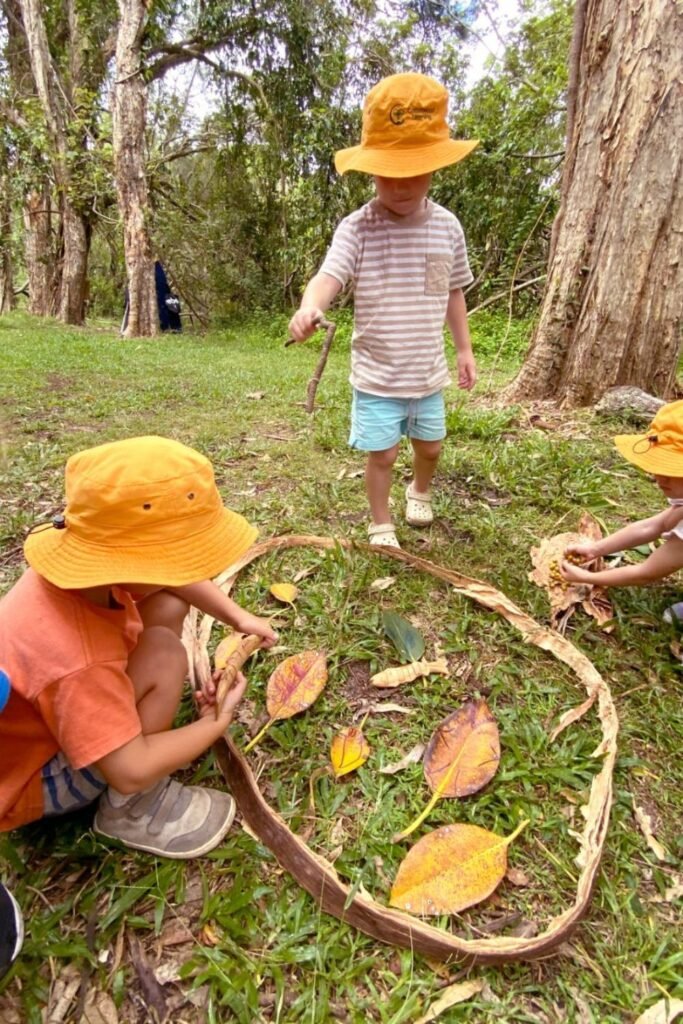
Outdoor Painting
Mess feels different when it happens outside. Hang a clear sheet or plastic wrap between two trees, clip it tight.
And let youngsters paint on the surface anyway they choose. The hues seem wonderful when the sun shines through them.
A fence, trees in your yard, or a park with strong branches can all be used as your frame. Here, washable paints are your best friend.
No constraints on paper or little tables just large arm movements and bold strokes. Painting on a vertical surface gives.
Kids full creative freedom and helps them learn how to control their hands better.
Cleaning up is still easy, and the memory lasts longer than any worksheet ever could.
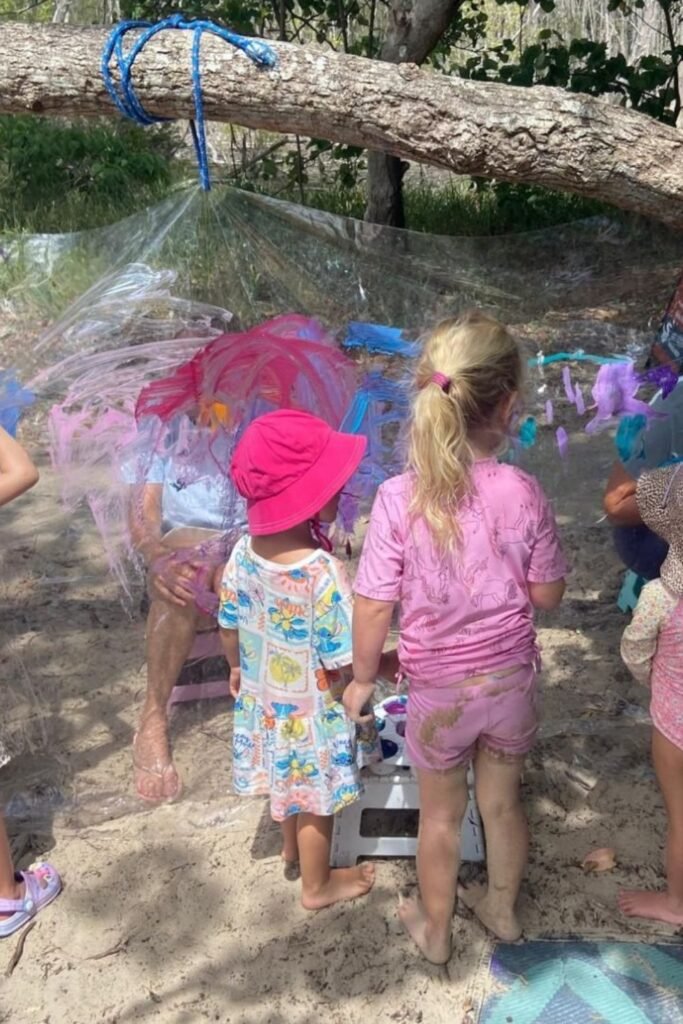
Water Experiments
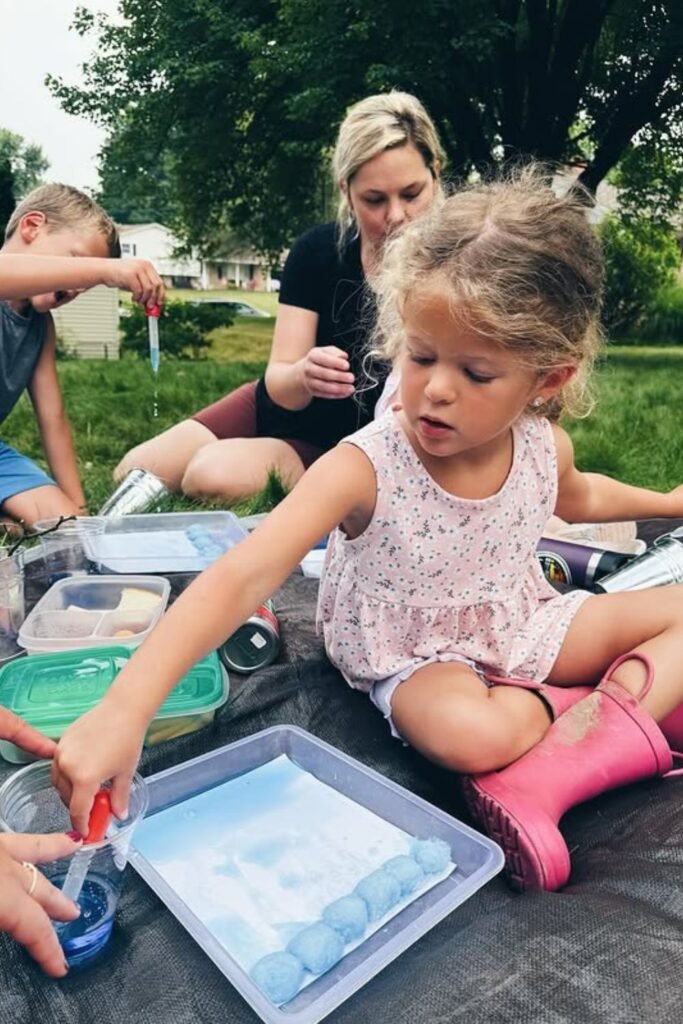
Curiosity grows fast when kids can test ideas with their own hands. Fill shallow trays with water, add droppers, food coloring, ice cubes or small objects.
And let them find out what floats, melts or changes color. You may keep everything in one place by using grass.
A picnic blanket or and a mat in the garden. It takes patience to see ice melt slowly. Mixing hues makes things interesting.
Squeezing droppers helps you get better at fine motor control without feeling like you’re practicing.
Questions come up naturally: Why did that sink? What happens if we add more? It seems like outdoor science is just for fun, yet every splash teaches you something new.
Nature Frames
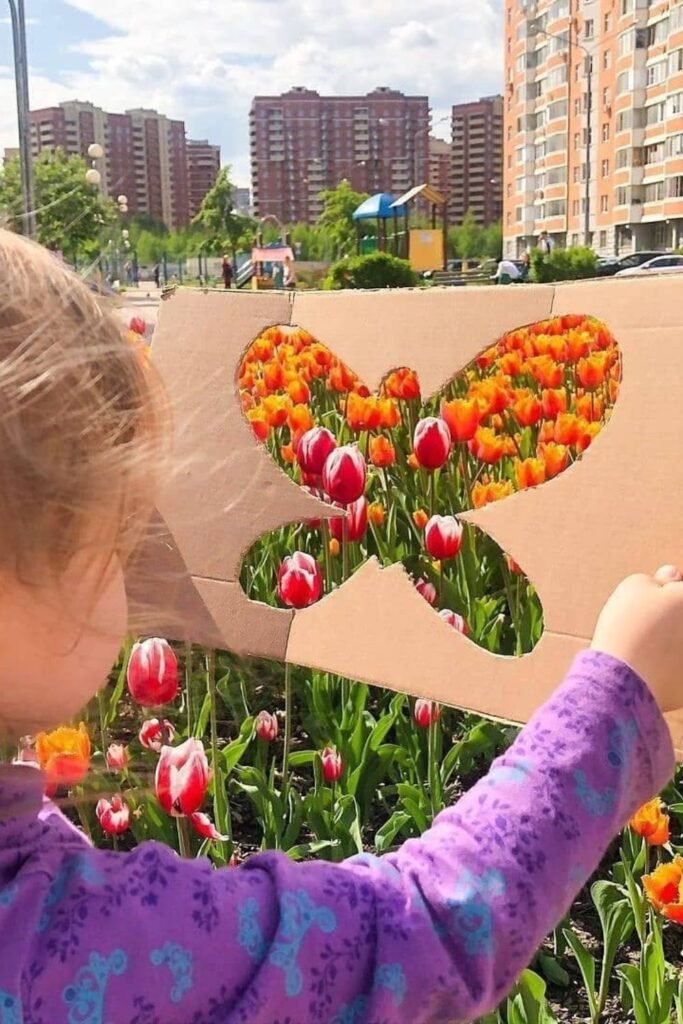
Ordinary walks feel different when kids get to “capture” what they see. Cut a simple shape out of cardboard a heart, star, butterfly.
and let them hold it up to frame clouds, trees, or flowers. They suddenly start to notice colors, patterns.
And small things they usually don’t pay attention to. This works great in parks, flower beds, or even a piece of wild grass.
Tell them to move the frame about and pick the view they like most. That little thing helps you become more observant.
And creative at the same time. Bonus tip: Take a picture of what they frame so they can remember their work later.
Leaf Wreath
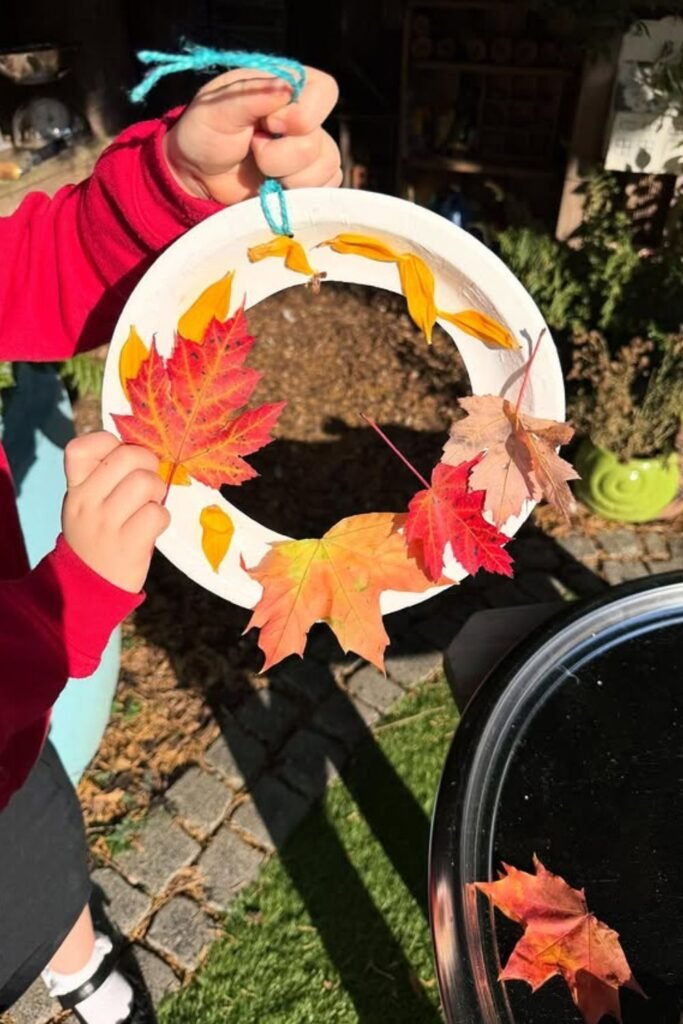
Fall colors deserve more than a quick glance. Hand over a paper plate with the center cut out, some glue.
And let them make their own seasonal crown out of leaves and petals they find. You can find bright objects in your front yard.
On a park trail, or at school. Before they stick anything down, tell them to look at the shapes and colors.
You may create texture without having any extra resources by mixing huge maple leaves with tiny petals.
Put a length of yarn through the top and hang it up beside a window.
During craft time, kids learn about the seasons, how colors change, and how to slow down and truly look.
Rope Climb
Balance shows up fast when the ground isn’t flat. Stretch a sturdy rope between two trees along a gentle slope.
And let kids use it to help them climb up or down. This kind of challenge works well on forest trails, park hills, or even a safe slope in your own backyard.
They don’t even know that their grip strength is becoming better. Legs have to work harder. Step by step, confidence grows.
Stay close, keep it low to the ground, and move slowly instead of rushing. These small outdoor trials.
Teach body control, problem-solving, and bravery in a way that playground equipment doesn’t very often.

Rope Balance
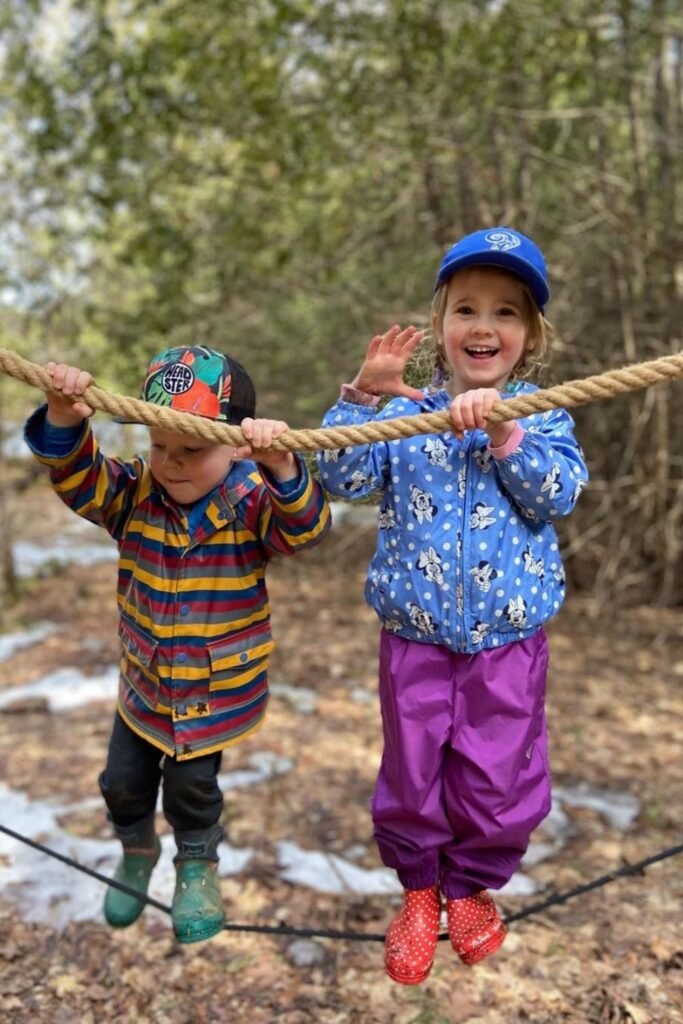
Wobbly steps turn into serious concentration when a rope becomes the “bridge.” Secure one rope low between two trees for walking.
And another one that’s a little bit higher for holding. A small balancing course can be made out of forest paths, campgrounds.
Even a shady section of your home. It’s safe but still enjoyable to keep it close to the ground and wear shoes with strong traction
Every precise step makes your core and ankle muscles stronger. Falling implies beginning over, which makes your focus sharper.
Laughs frequently come after the slips. Simple arrangements like these make it hard to coordinate and build confidence without needing a playground or pricey gear.
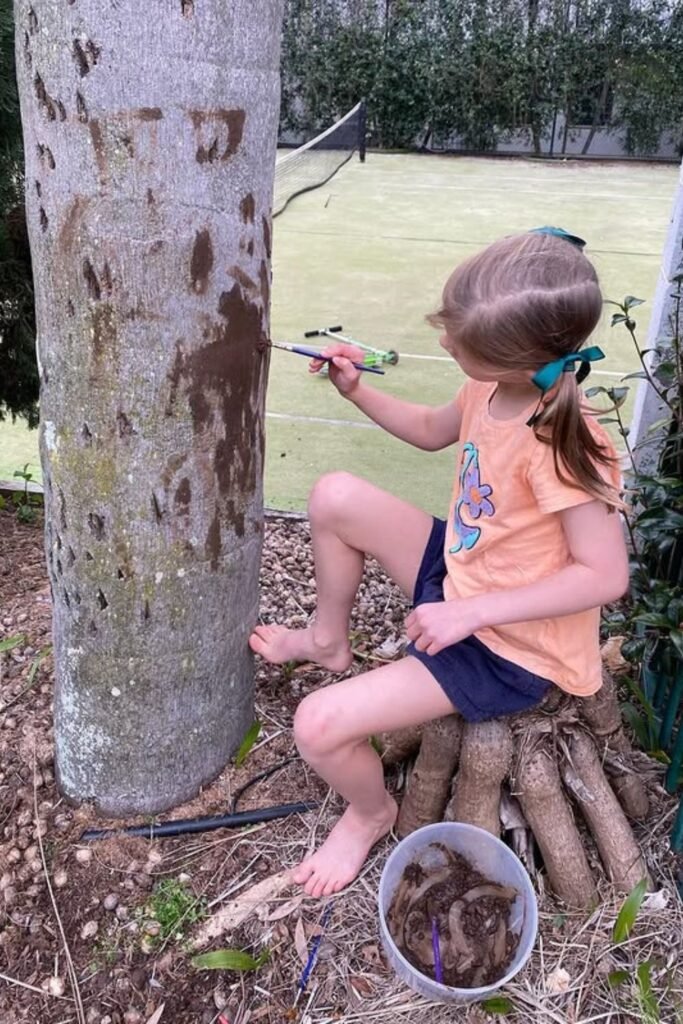
Mud Painting
Plain tree trunks suddenly become giant canvases when mud joins the mix. Stir a little soil with water in a bucket.
Give youngsters an old paintbrush and let them adorn bark with their own designs that look like they came from the ground.
This dirty art works great in the backyard, in the corners of the garden, or on forest pathways.
No lasting marks and no pricey supplies just dirt doing what dirt does best.
Painting with mud helps kids learn to manage their hands and also lets them explore with their senses.
When designs fade naturally in the rain, they give us a modest lesson about how things change and don’t last.
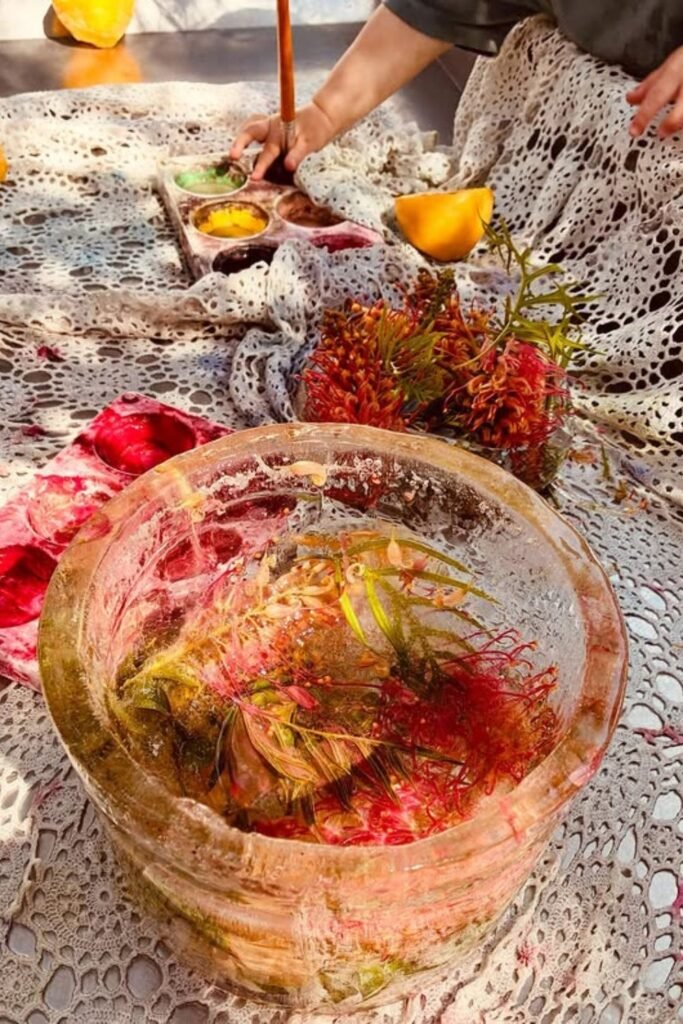
Flower Potions
Magic feels real when petals swirl in a bowl of water. Set out a large container, add water, and let kids drop in flowers, leaves, herbs, or even sliced fruit.
Give them a spoon or a brush and let them mix up their own “nature potion.” This kind of play is best done on garden tables.
Picnic blankets, or patios with shade. Colors run together, smells mix, and textures alter which makes people want to know more.
Find out what their potion does. Heals dragons? Helps plants grow faster? Here, imagination comes easily.
Mixing and scooping help with coordination, and telling stories helps with linguistic skills without feeling like a lesson.
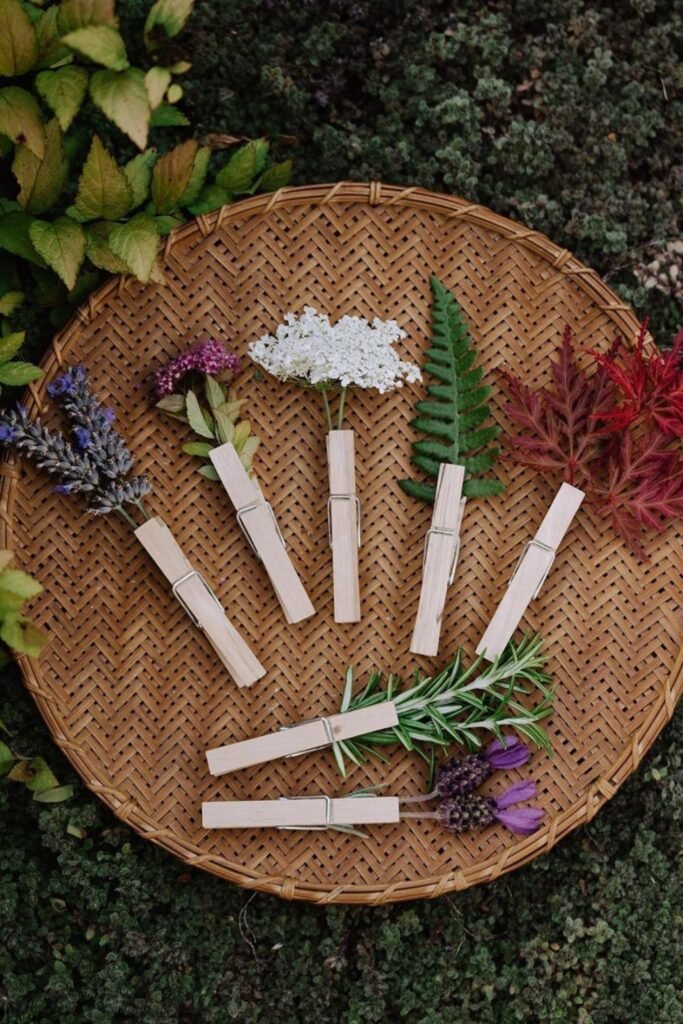
Flower Sorting
Little hands love to put things together. Get a bunch of flowers, leaves, and herbs, and then give the kids some clothespins and a tray or basket.
Ask them to group by color, size, texture, or even smell. One clip has lavender and the other has ferns.
In their own spot, bright crimson leaves. There is more than enough variety in gardens, park walks, and plants in the backyard.
Sorting like this helps kids get better at observing things and doing math without using worksheets. Every time they squeeze a clip, their fine motor skills get better.
Let them choose their own categories while keeping the ambiance light. This will help them become more independent, just like those tiny stems.
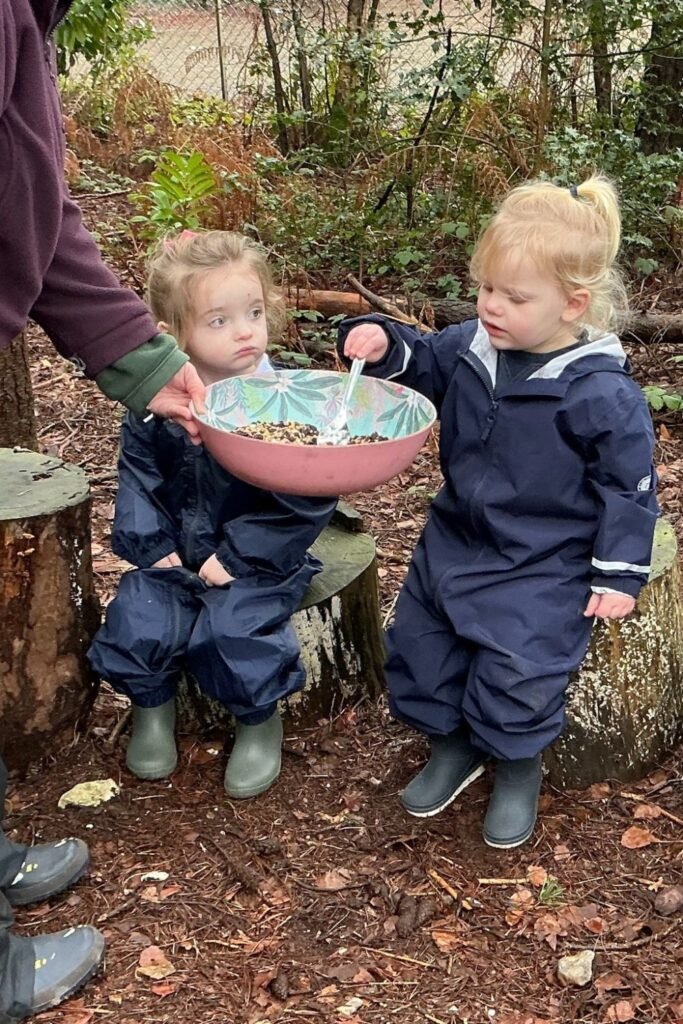
Forest Snacks
Snack time feels completely different when it happens on tree stumps instead of at a kitchen table.
Put some trail mix, seeds, or chopped fruit in a bowl and go to a wooded area or a peaceful corner of the park.
Everything moves more slowly when you sit close to the ground. Birds sing. The leaves crunch. It’s easier to talk to each other.
Ask kids to pay attention to what they hear or see while they eat. Sharing food outside helps people connect and encourages them to appreciate their surroundings.
Help them clean up before you go so they know that care goes both ways. Fresh air makes a regular snack into a modest but important natural ritual.
Tree Faces
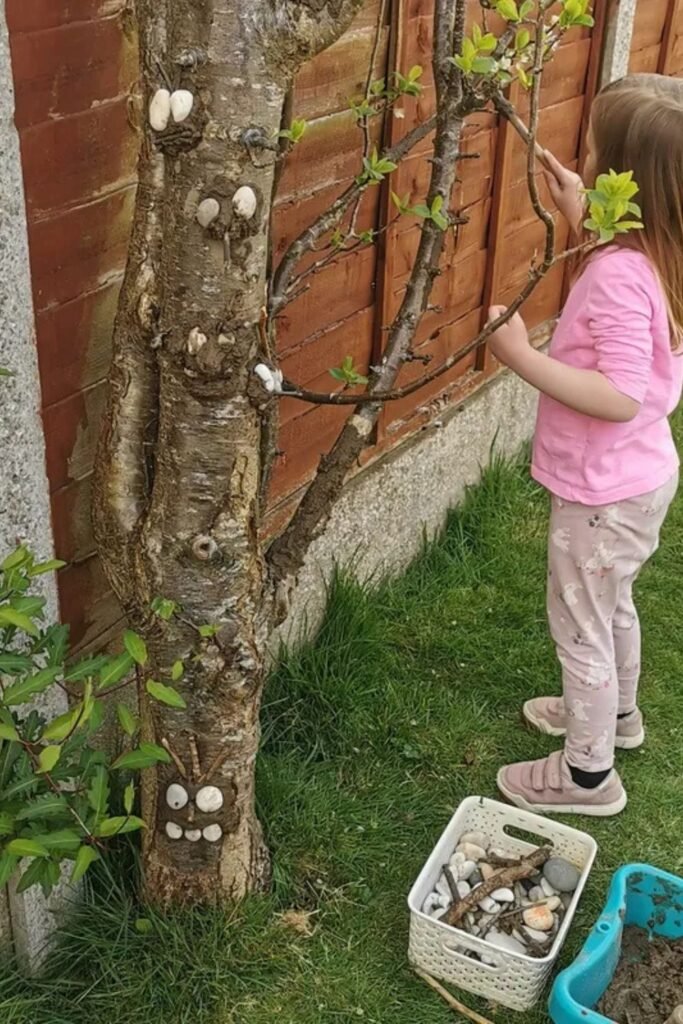
Boring tree trunks don’t stay boring for long once kids start seeing faces in them. Hand over a basket of stones.
Give them some sticks, leaves, and a little bit of mud, and then ask them to make a character out of the bark.
The greatest places to find natural grooves that look like eyes and mouths are in the trunks of trees in your yard, in the corners of your garden.
For eyes, push pebbles into soft mud; for a smile, use a twig; and for personality, add leafy “hair.” If the mud keeps everything in place, you don’t need glue.
Their imaginations take over quickly, and all of a sudden they’re talking to their new tree companion as if it were real. Along with empathy, creativity grows.
Vine Weaving
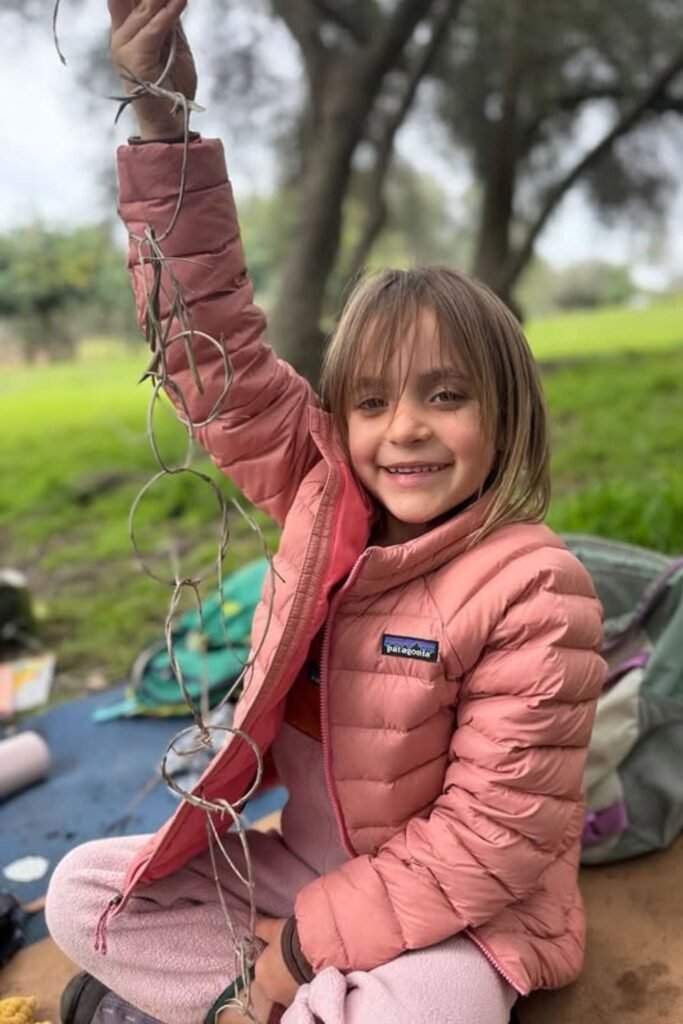
Flexible branches and long vines turn into nature’s craft supplies when kids get the chance to experiment.
Teach children how to shape a vine into simple forms by bending it gently into a circle or twisting it around itself.
There are lots of safe things to use in parks, forest trails, or garden areas where twigs have fallen. When you loop and thread items together, your fingers learn to be patient.
You don’t need a precise design; the attractiveness comes from the irregular circles and crooked forms.
Working with actual branches increases hand strength and helps you solve problems in a calm, focused way that feels almost like meditation.
Leaf Matching
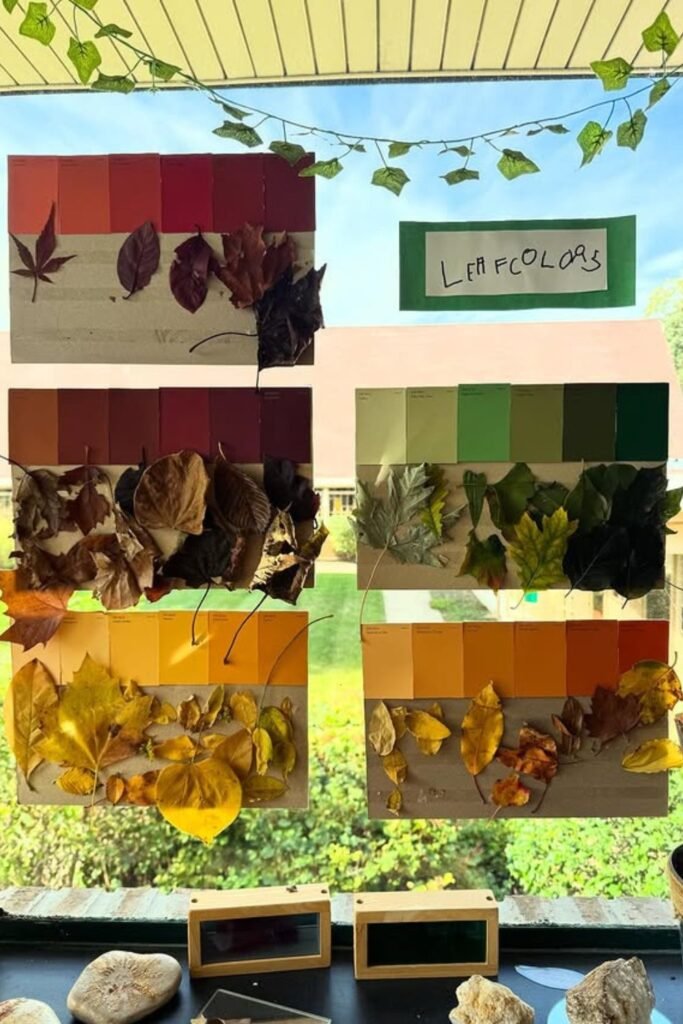
Color charts suddenly make sense when real leaves get involved. Print or tape paint sample strips in shades of green, yellow, orange.
And red close to a window or table outside. Take your youngster outside and pick up leaves that are as close to each color as you can get.
Back inside, put them in a line next to the chart and observe which ones fit in. People instinctively talk about light, the seasons, and why leaves change color.
They are comparing very little changes, not simply “green” or “yellow,” which makes visual discrimination better.
This simple yet powerful observation game works great on apartment balconies, in school classrooms, or on patios in the garden.
Nature Alphabet
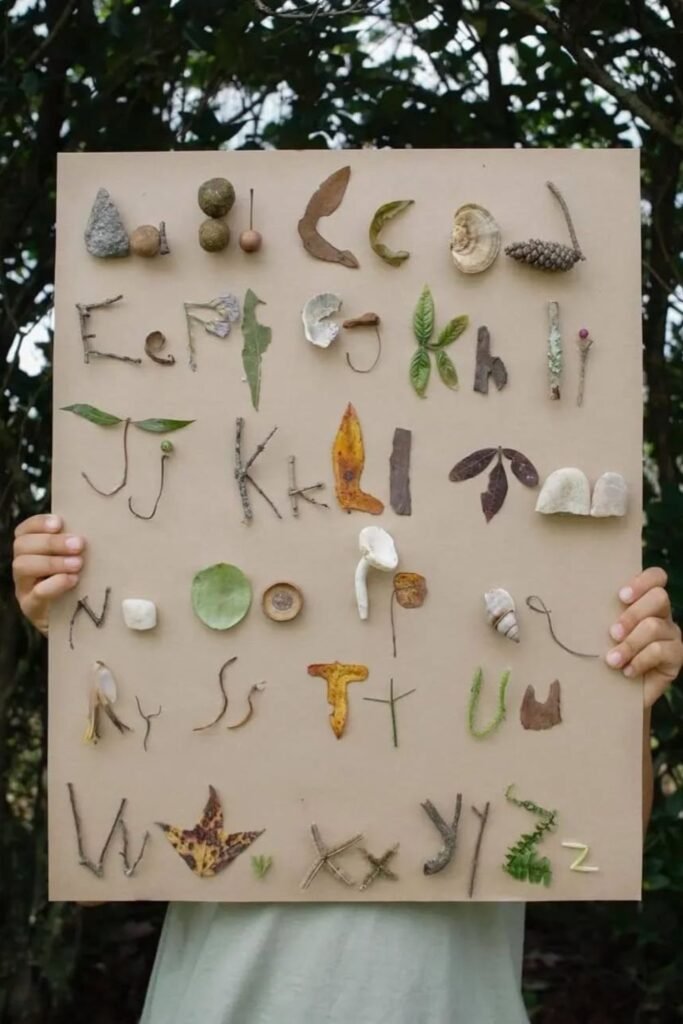
Letters stick better when kids build them with real objects. Head outside with one goal: find pieces that could form shapes.
For “C,” use curved twigs; for T, use straight sticks; and for dots, use small leaves. Put everything on cardboard and start to arrange it.
Some letters will be simple. Some need to be creative and solve problems. There are many things to do on forest treks, in the backyard, or at the beach.
Kids who are younger can focus on the first letter of their name. The older ones can try the complete alphabet.
This approach of forming letters helps kids learn to read and write while keeping their hands busy and their minds active.
Nature Lab
Science feels more exciting when the lab table is a tree stump. Set out a couple of clear bottles, add water.
And ask youngsters to bring in dirt, small rocks, leaves, or bark to mix in. Gently shake and watch the layers settle.
Go to a woodland path or a corner of your backyard where the ground is uneven. While they are trying things out, ask them simple questions: What goes down first.
What makes the water change color? The whole thing is driven by curiosity. Hands that are dirty suggest that true exploration took place.
Mixing, watching, and comparing things helps kids learn how to think like scientists without using workbooks or lectures.

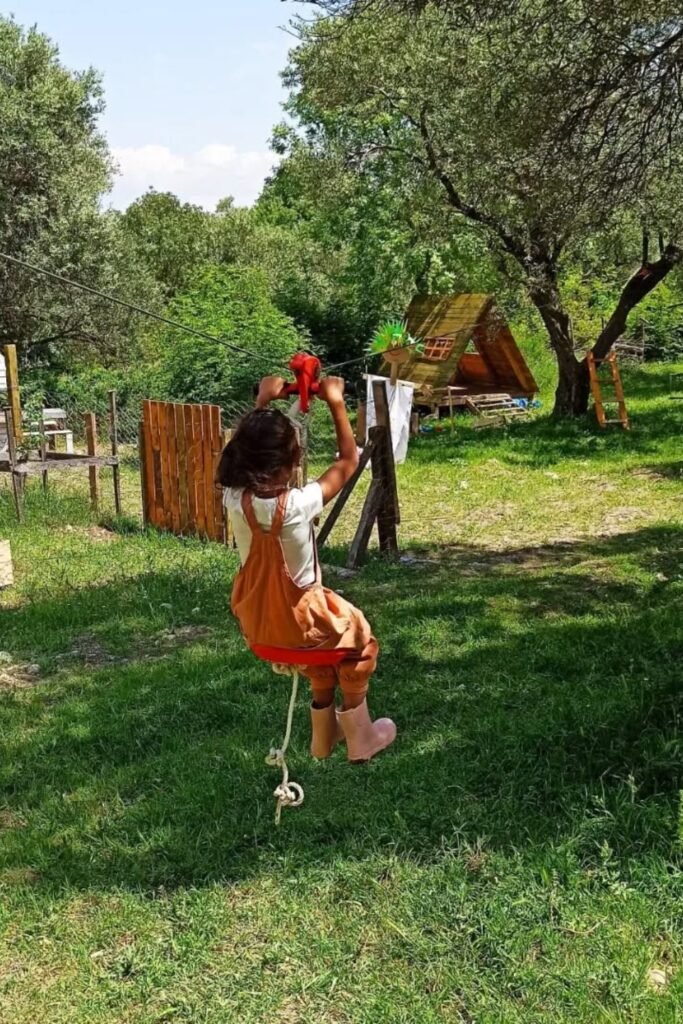
Zip Line
Speed adds instant excitement to outdoor play. Set up a simple backyard zip line or rope glide between two sturdy trees.
Keeping it low and safe for safety. Open grassy areas are excellent since they keep landings soft and clear.
Staying on to the handlebar makes your arms stronger, and staying on through the ride makes you feel more sure of yourself.
Most of the time, people laugh before the first turn is over. Waiting for a turn also teaches people how to be patient and share without them even knowing it.
Moving around outside like this quickly releases energy, which makes you feel calmer later. Flying over your own yard is one of the best feelings in the world.
Mud Kitchen
Cold weather doesn’t cancel messy play. Bundle them up, set a small table or bench near a muddy patch, and let mixing begin.
Put in some old spoons, scoops, and bowls. When the snow melts into the mud, the “recipes” become even more interesting.
The borders of forests, the corners of backyards, or park paths after it rains are all great places.
Make believe dinners include mud soup, woodland cake, and magic stew. Stirring, pouring, and packing.
Dirt are good for your hands and keep your mind busy. Cooking outside like this can turn plain dirt into hours of fun and imaginative play.

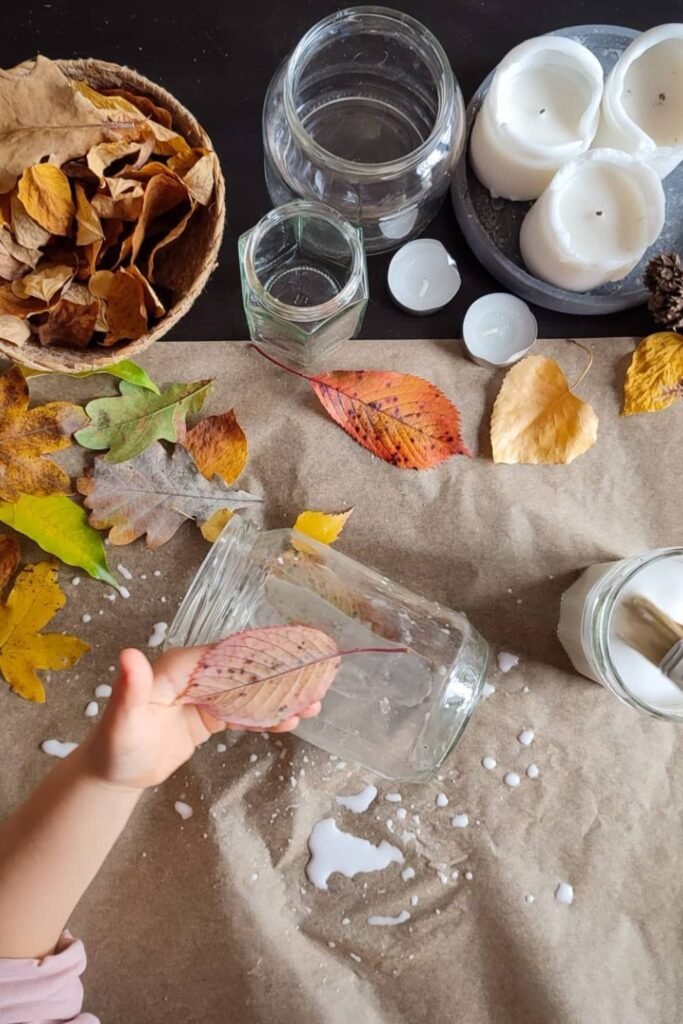
Leaf Lanterns
Soft candlelight and fall leaves create something surprisingly beautiful together. Brush a thin layer of glue.
Put multicolored leaves around the outside of a clean glass jar and seal it with another light coat.
Before putting a battery-operated tea light inside, let it dry all the way. It’s fun to construct things at the kitchen table.
But it’s even more fun to collect the leaves first on a walk in the backyard. At night, it feels almost like magic to see the light shine through those formations.
Kids with small hands learn how to be careful with leaves by practicing putting them in the right spot. Simple things become warm decorations that commemorate the season
Flower Bracelets
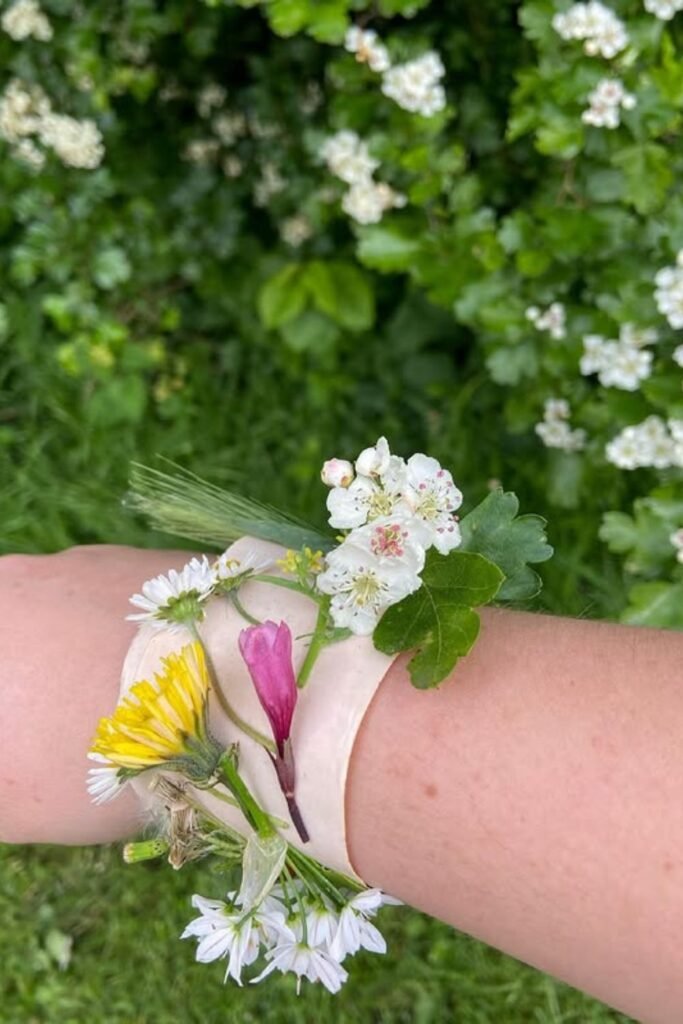
Jewelry feels extra special when it’s picked straight from the grass. Wrap a strip of double-sided tape around your child’s wrist, sticky side out.
And go outdoors to pick up small flowers, petals, and soft leaves. To make a one-of-a-kind nature bracelet, carefully press each piece onto the tape.
There are many places to go, such gardens, parks, or even a patch of wildflowers by the sidewalk.
Don’t rush them; instead, tell them to mix colors and textures. While imagination is in charge, fine motor skills receive a quiet workout.
In the end, they’re not simply wearing flowers; they’re wearing something they made themselves.
Cloud Watching
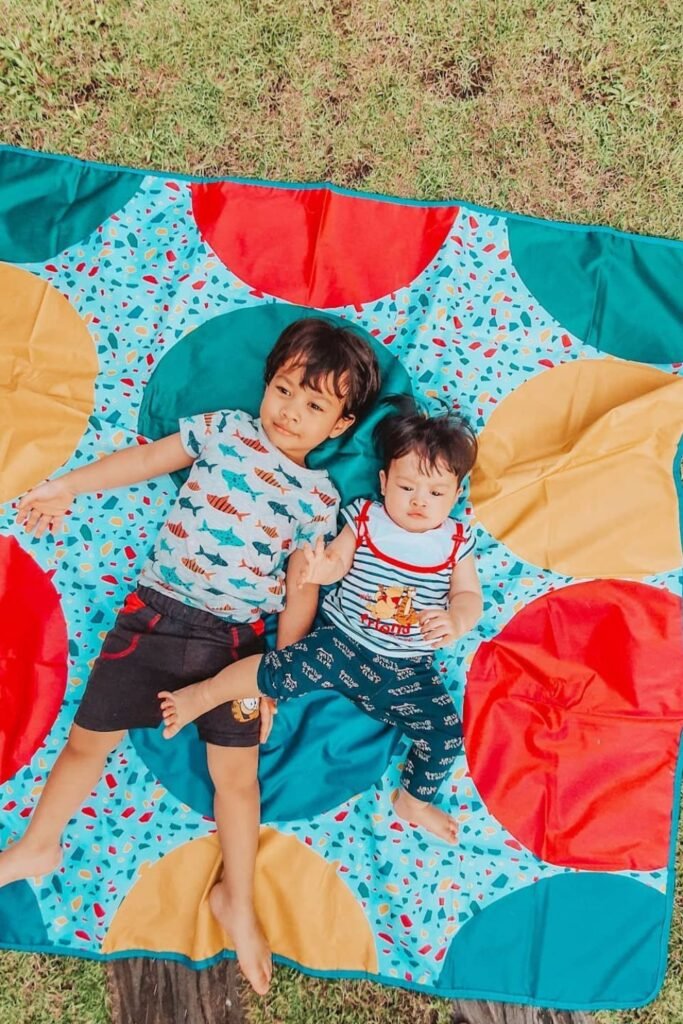
Sometimes the best activity requires absolutely nothing. Spread out a blanket on grass lie back and look up.
Tell your youngsters to look up at the sky and see what forms they notice. Dragons? Cones of ice cream? Huge turtles.
Parks, backyards, or even a peaceful spot near your apartment complex are all great places to go. Stay away from phones.
Conversations get slower. Imagination takes over. Talking about the shapes of clouds helps kids learn to talk and tell stories.
Taking deep breaths of fresh air can soothe busy minds without making them “quiet.”
Stick Building
Give a child a pile of twigs and watch problem-solving kick in. Flat ground near a tree stump or forest clearing.
Becomes the best place to make small ladders, fences, or shelters. Instead of rushing to “help,” encourage kids to stack, cross, and balance sticks.
At initially, some pieces won’t stay in place. That’s how you learn. Changing angles and finding firmer branches.
Helps you think about space and be patient. You don’t need any tools, just your ideas and some natural resources.
These little buildings let people learn engineering concepts without making a lot of noise and keeping their hands and minds engaged.

Bug Hotel
Tiny creatures deserve attention too. Build a simple “hotel” using wooden blocks, small pots, pinecones, bark, and bits of moss.
Put everything in a basket or shallow tray so youngsters can move it around easily. You can see genuine bugs later in the corners of your yard, in your garden beds.
Talk about which bugs favor dark places and which bugs like to be outside. Even if toy bugs are added, interest keeps growing.
Making miniature habitats teaches respect for living things and gives kids a hands-on approach to learn about fundamental ecology.
Kids feel that nature is more alive when they know they share it with a lot of little creatures.

Sensory Water
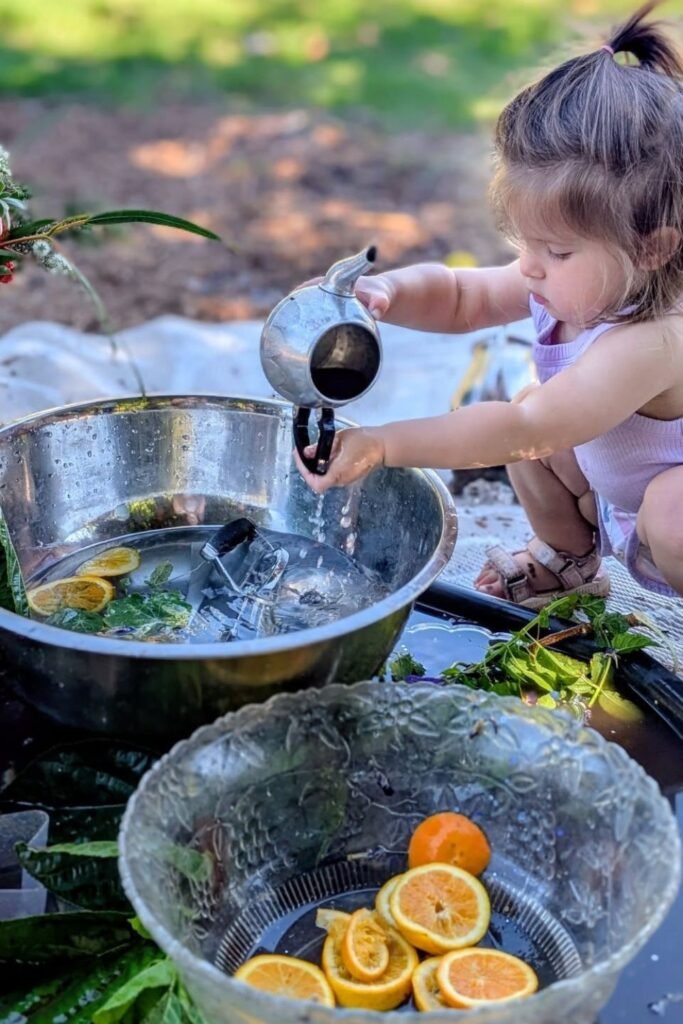
Pouring never gets old when the bowl is filled with floating surprises. Set out a large basin of water, add slices of citrus.
Herbs, leaves, or flower petals, and miniature pitchers or glasses. This form of open play works best on patios, in shady nooks of the garden.
Even on the floor of a balcony. As young hands practice pouring without spilling, their focus will grow.
On hot days, ice cubes can provide even more fun. While they’re exploring, talk to them about smell, temperature, and feel.
Simple setups like this help toddlers learn to work together and stay focused while they play outside.
FAQs
How do I get my child interested in nature if they prefer screens?
Don’t push yourself to make a grandiose outdoor strategy; start small. At first, five minutes outside is enough.
Tell them to do something basic, like “find three different leaves” or “spot something red.”
Kids do better when they are given difficulties than when they are told what to do.
Instead of merely sending them out, join them. They reflect your interest in bugs, clouds, or rocks when they see you interested in them.
What if we don’t have a backyard?
Nature doesn’t need a lot of space. You can use balconies, streets, neighborhood parks, or even a sunny window.
You can grow herbs in little pots, pick up leaves while you walk, or lie on a blanket at the park and watch the clouds.
Instead of wanting a lot of room, pay attention to the little things. Attention, not square footage, builds connections.
Hi, I’m Afaf! I’m a law student who loves writing about everyday life – from home projects and crafts to fashion, beauty, and parenting tips.
I’ve been writing for over a year, sharing ideas that are simple, practical, and easy to try. I write about things I find interesting and useful, whether that’s organizing a space, trying a new DIY, or finding activities to keep kids entertained.
My goal is to share helpful ideas without making things complicated. If it works in real life, I’ll write about it.
When I’m not studying or writing, I’m usually experimenting with new projects or scrolling for inspiration!