
27 Learning Activities For Toddlers For 2026
Last week, I saw a mom in the park looking at her phone while her kid poured sand for the eighth time.
She groaned and added, “I don’t think I’m teaching him anything.” You’re not the only one who has ever felt.
That you should be doing more than just getting through the day. The truth is that toddlers don’t need flashcards or sophisticated lessons.
They require basic games that help them learn how to think. And once you know what really helps their brain expand, everything changes.
In this article, you’ll find 27 Learning activities ideas for kids that balance fun, movement, and home comfort in 2026.
Let’s jump in!
Which Activities Help Toddlers Develop Early Thinking Skills?
Don’t start with worksheets if you want your child to think better. Begin with simple issues. Your child’s brain is working hard.
When they build blocks, sort spoons, match socks, or figure out how to open a container. Toddlers’ thinking skills get better.
As they compare, test, try again, and solve simple problems.
Even simple things like pouring water, building buildings, or choosing between two foods can help you focus.
Remember things, and make decisions. It’s not fancy toys that matter. It gives your toddler chances to learn, make mistakes, and try again on their own.
Save this article for later!👇👇👇
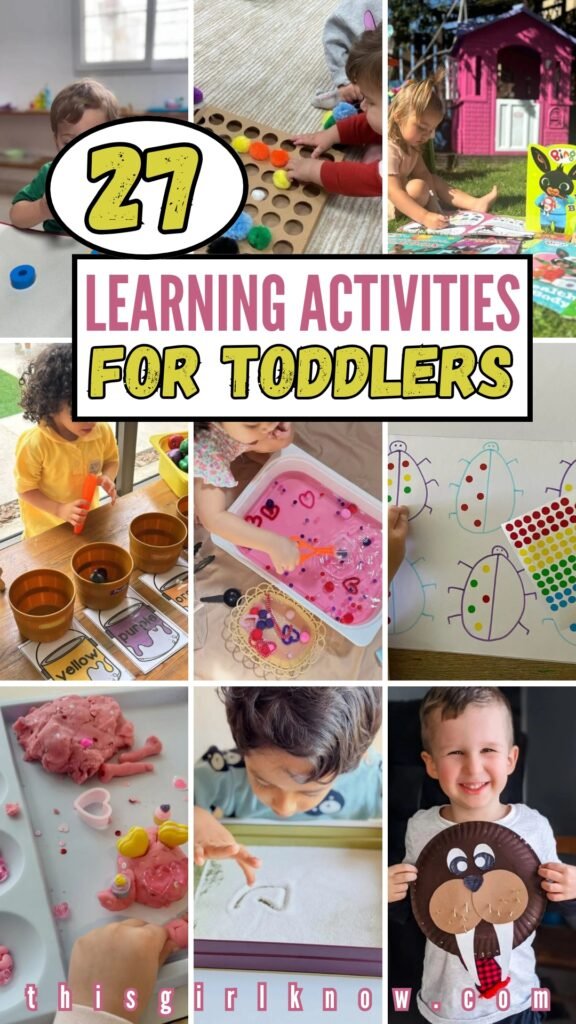
Ring Stacking
Tiny hands hovering over wooden pegs might look simple, but serious thinking is happening right there.
Your youngster has to slow down, notice the size variations, and change how they move as they slide each ring onto the right pole.
Did you miss the peg? They give it another go. That retry helps you learn how to solve problems and be patient.
Instead of fixing every error, let kids try things out. If you want to make the challenge harder, mix up the rings and ask, “Which one fits here.
This kind of simple stacking helps kids learn to focus, coordinate their hands and eyes, and think logically without feeling like they’re in school.
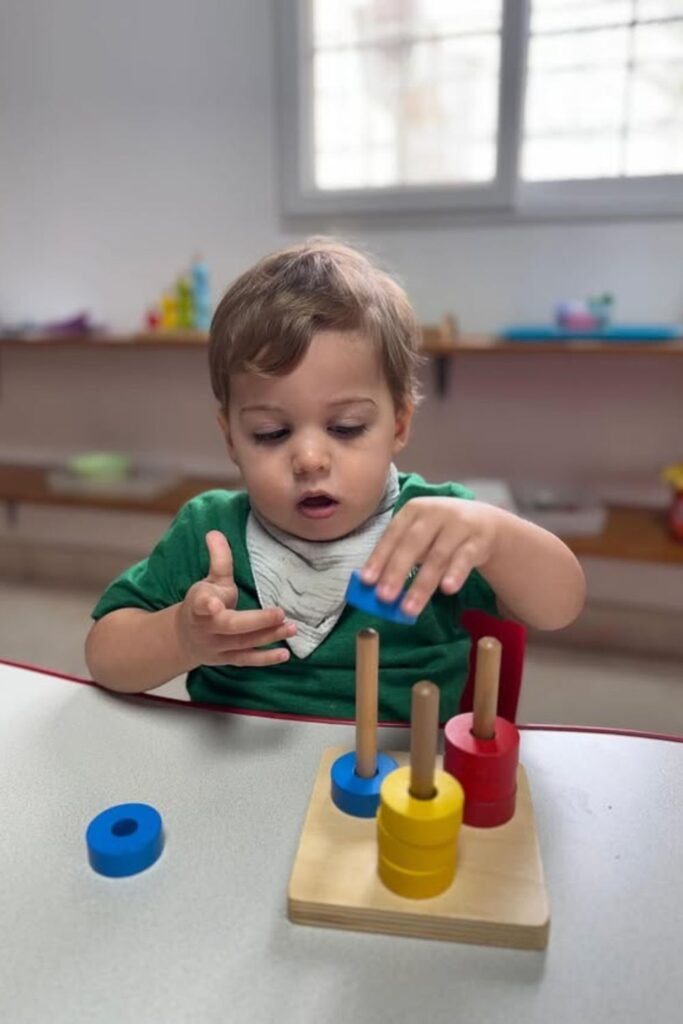
Color Sorting
Bright pom-poms scattered across the floor instantly pull attention, but the real magic starts once your toddler begins matching them to the holes.
Picking where each fuzzy ball goes helps kids learn how to sort things. Blue goes with blue. Yellow looks for yellow.
Making that simple choice helps you remember things and stay focused. Set this up on the floor so your toddler can move around while they play.
As they work, sit close by and casually mention the hues. Want to make things more difficult? Tell them to fill one row with just warm colors.
This kind of sorting helps kids learn patterns, how to compare things, and how to think logically without making them feel like they’re in “learning time.”
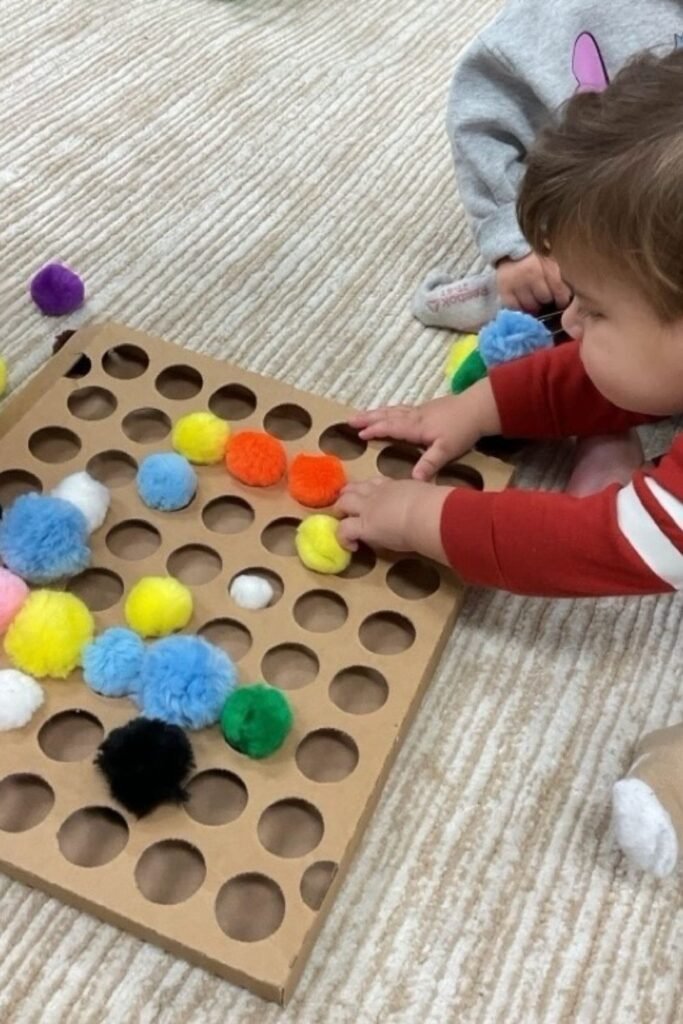
Outdoor Reading
Fresh air changes everything. Grass under tiny feet, sunlight on the page, and suddenly story time feels like an adventure instead of a task.
Sitting outside with bright literature naturally helps you focus because the setting is already fascinating.
Put a few of your toddler’s favorite books on a blanket or the lawn and let them pick one to read. Say something like.
What do you see?” or “What happens next?” Talking about visuals helps kids learn how to talk and think.
Reading in the backyard is great on quiet afternoons when you have enough energy but still need to focus.
Sticker Matching
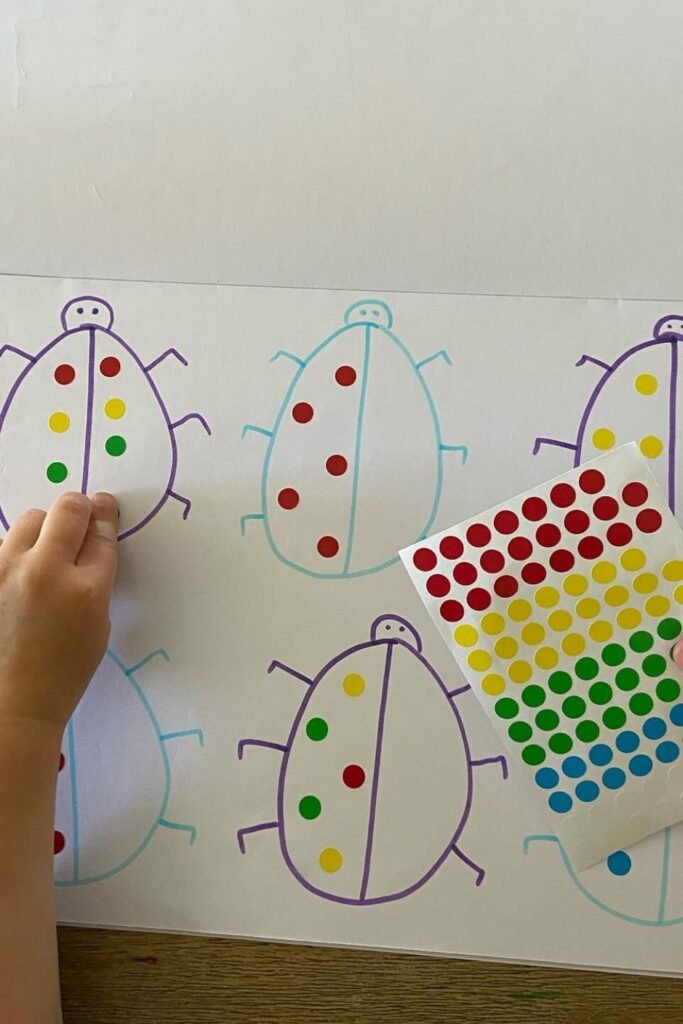
Tiny stickers can turn into powerful brain work faster than you expect. Matching each colored dot to the right spot on the bug forces.
Tell your toddler to take it easy and pay attention. Red goes with red. Yellow finds yellow. That short break before putting it down helps you focus.
And keep track of what you’re seeing. You can either print out simple outlines like these or make your own on blank paper.
Give your child a sheet of round stickers and let them figure it out. Don’t rush to repair mistakes.
Finding the right match improves memory and comparison skills and peeling stickers silently improves fine motor control at the same time.
Sensory Scoop
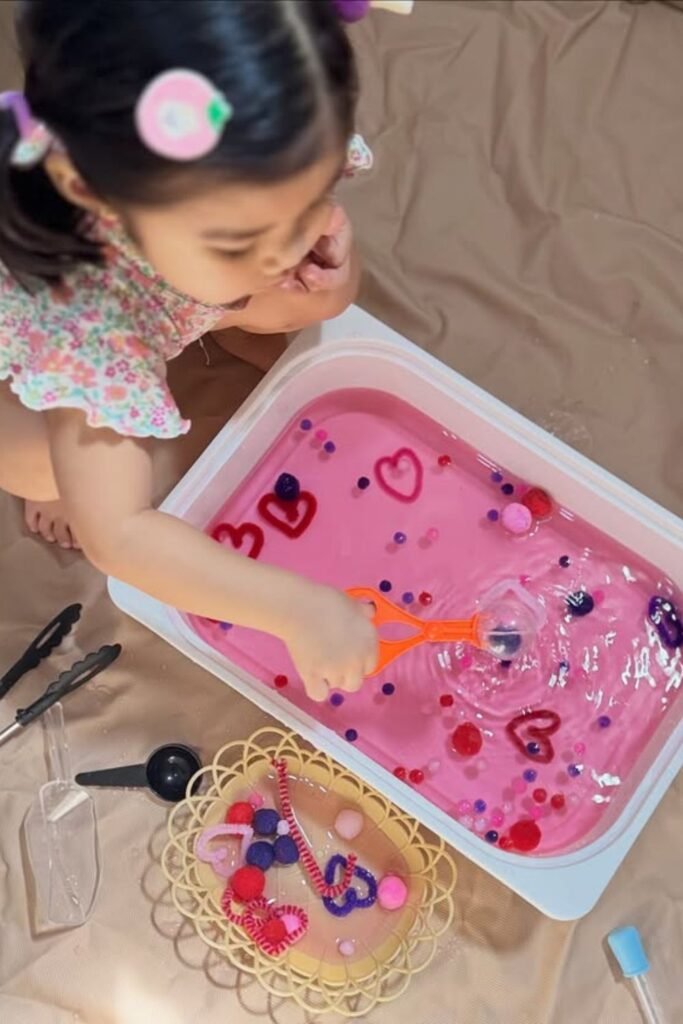
Water instantly slows a busy mind. Add colorful beads, hearts, and small scoops, and curiosity takes over.
When your toddler scoops things out of pink-tinted water, they have to concentrate, change their hold, and determine how they will move before they lift anything.
That peaceful focus helps kids learn how to solve problems without feeling rushed. Put this on a towel during the quiet hours of the afternoon.
Put in safe, big things that won’t slip through little fingers. Give them different utensils, such spoons or small strainers and let them try things out.
Changing tools makes it harder to coordinate and think flexibly, and it feels more like play than disciplined learning.
Color Bins
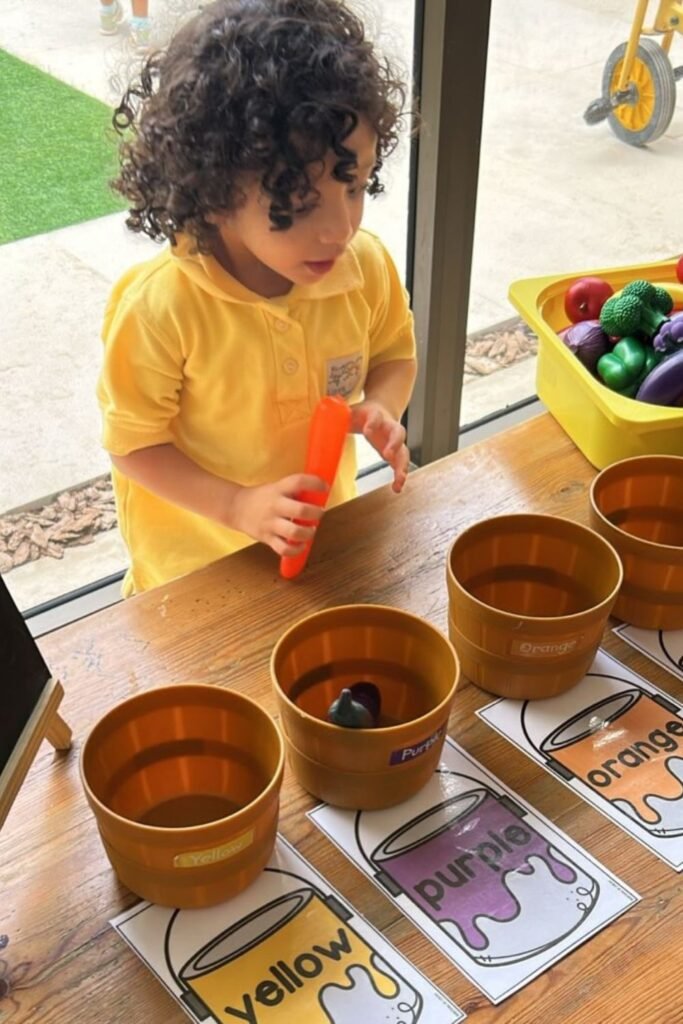
Sorting real objects into matching color bins turns play into smart thinking fast. Holding a red carrot and deciding.
Where it belongs makes your youngster stop, think, and pick. That little choice helps kids learn how to pay attention and sort things.
Put bowls with labels on a low table and fill them with toy fruits or household items in different colors.
Say the color out loud as they put each piece in. Want to make them think more? Add one difficult color and ask, “Where should this go?”
This kind of simple sorting helps you see things better and learn new words at the same time.
Animal Craft
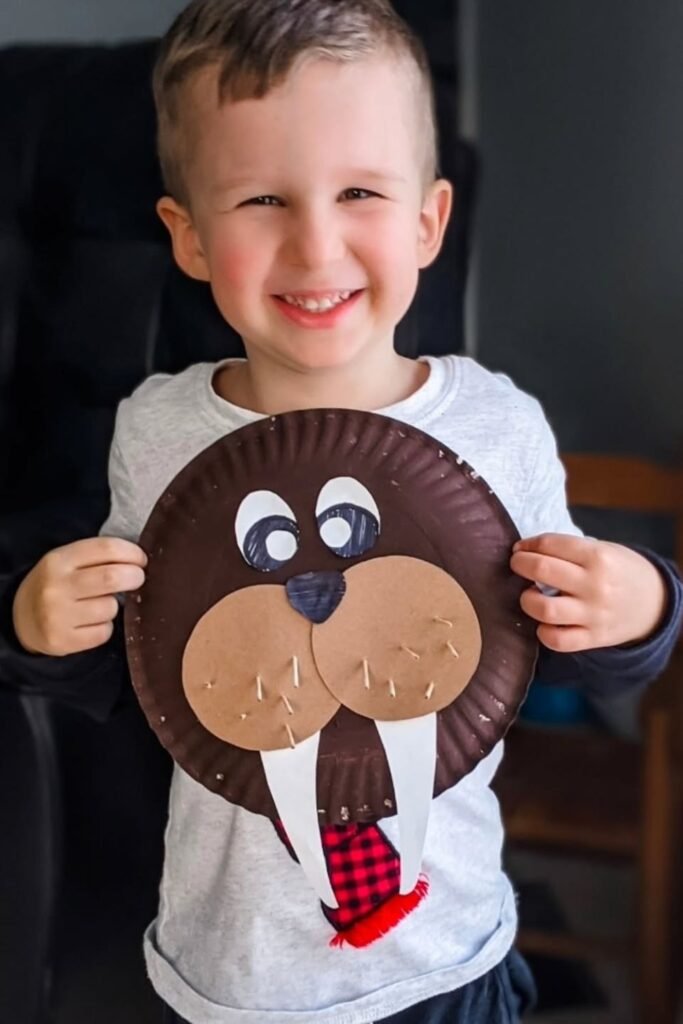
Craft time becomes powerful when imagination takes the lead. Creating a paper plate animal like this turns cutting, gluing.
And putting into genuine work that makes you think. Picking where the eyes go or how long the whiskers.
Should be makes your child think about. What they want to do before they do it. That planning helps kids learn how to think.
Put out some simple things on the table, like paper plates, colored paper, glue, and safe scissors, while things are quiet.
As you assemble the animal, talk about its parts. Asking “What does it need next?” helps in sequencing and making choices while keeping creativity at the forefront.
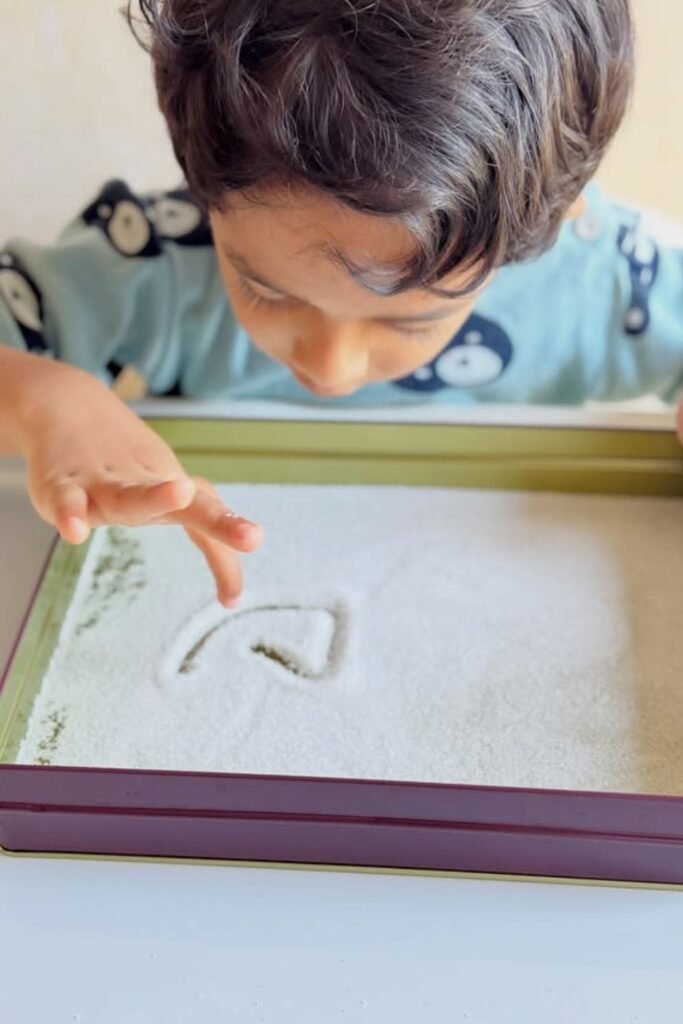
Salt Tracing
Fingers sliding through salt slow everything down in the best way. Drawing shapes or simple letters in a tray.
Like this, you can learn to write early on without feeling rushed.
Every line your toddler draws helps them remember things and regulate their muscles at the same time.
Put a thin layer of sugar or salt in a shallow tray and level it out. Make one shape, and then let your youngster imitate it or make their own.
One swipe gets rid of mistakes, which makes it seem comfortable to try new things. For this activity.
Quiet time at the table is beneficial, especially if you want to improve your early thinking skills while also calming down and focusing.
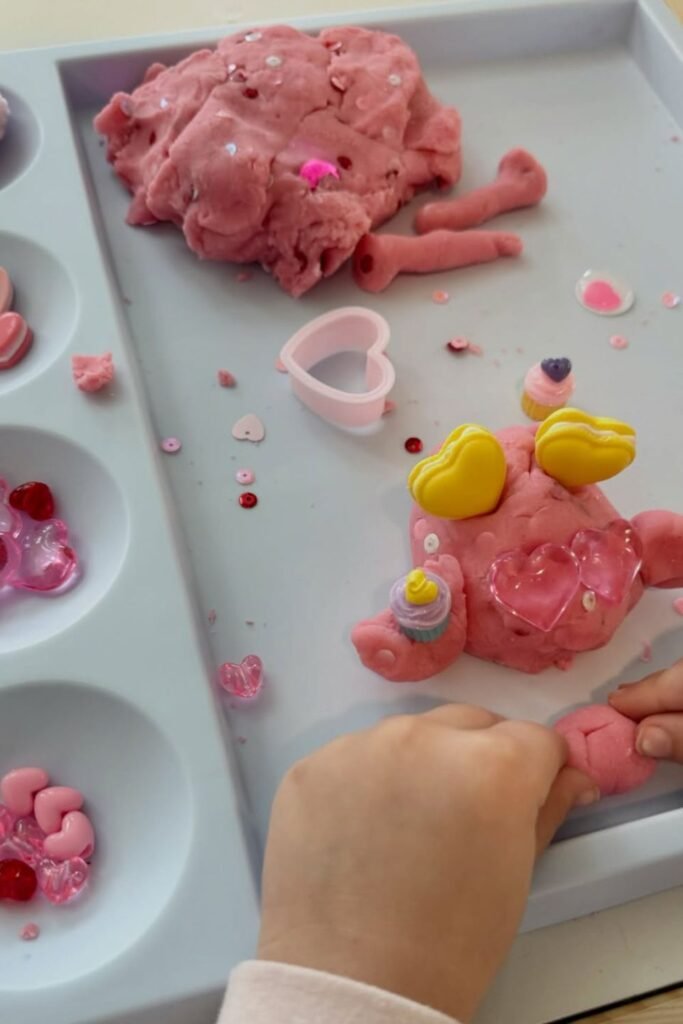
Dough Decorating
Soft dough and tiny decorations turn into serious brain work in disguise. Pressing hearts, beads, or shapes into playdough forces.
Your toddler to choose where each piece goes. Placement is important, and making that choice helps you plan.
Give them simple scissors and a small tray of safe decorations like big jewels or plastic shapes.
Instead of telling your youngster what to do, let them design freely. Asking, “What should go here?” helps people think outside the box and put things in order.
This works great during quiet table time or after lunch when things are calm.
When you squish, roll, and shape things, your fine motor control gets better while your creativity takes the lead.
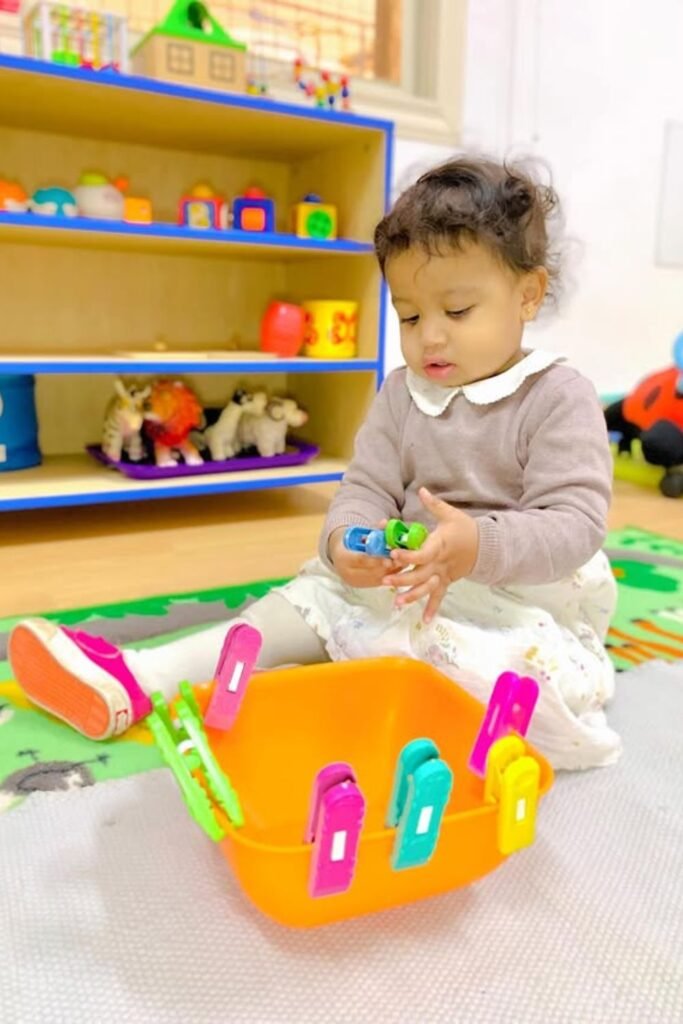
Clip Challenge
Clothespins can turn into a quiet concentration workout in minutes. Pinching each clip open and attaching it.
To the edge of a container, your toddler has to regulate how strong their fingers are and aim carefully.
That constant pressure strengthens the hand muscles that will be needed for writing later.
Put a light dish on the floor with colored clips around it while your child plays alone. Let your child try opening them and putting them around the edge.
If you want to make it more challenging, count them simultaneously or match the colors.
Simple repetition here and helps with patience focus and coordination with out feeling forced.
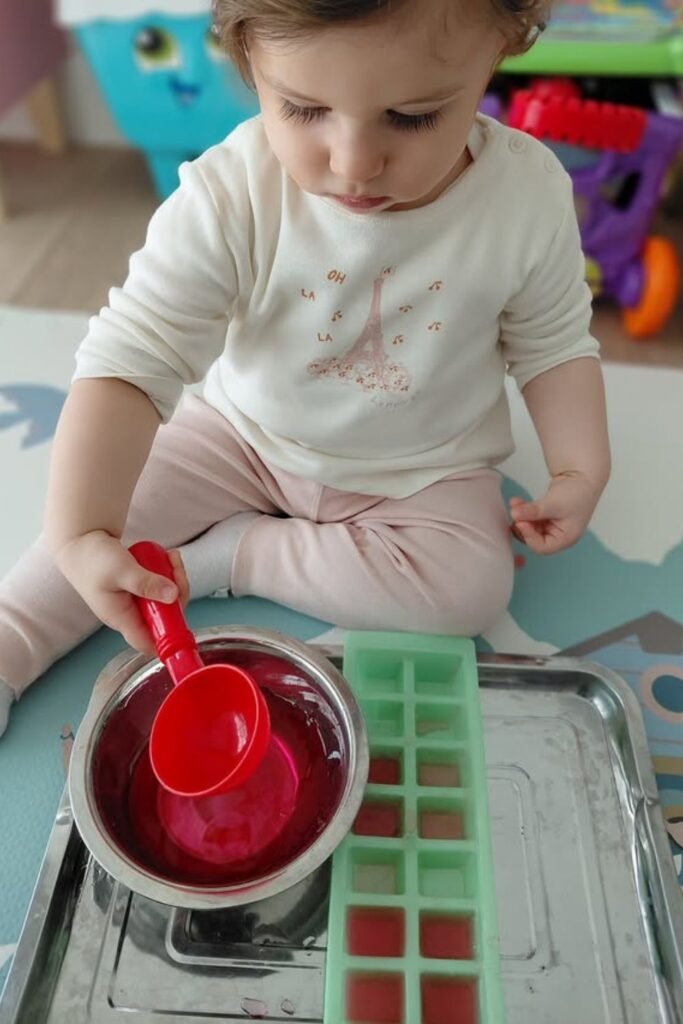
Pour Practice
Careful pouring demands real control. Scooping colored water and transferring it into small tray sections forces your toddler to slow.
Their hands and watch closely. A tiny spill? Make changes and try again. That rapid fix helps with both problem-solving.
And hand-eye coordination at the same time.Put this on a baking tray or towel to make cleaning up easy.
Give them a little ladle or measuring cup that fits their small hands well. It gets harder when you ask them to fill each area without spilling over.
Doing this kind of work again and over again helps kids pay attention, be patient, and learn math at an early age by seeing their scores go up evenly.
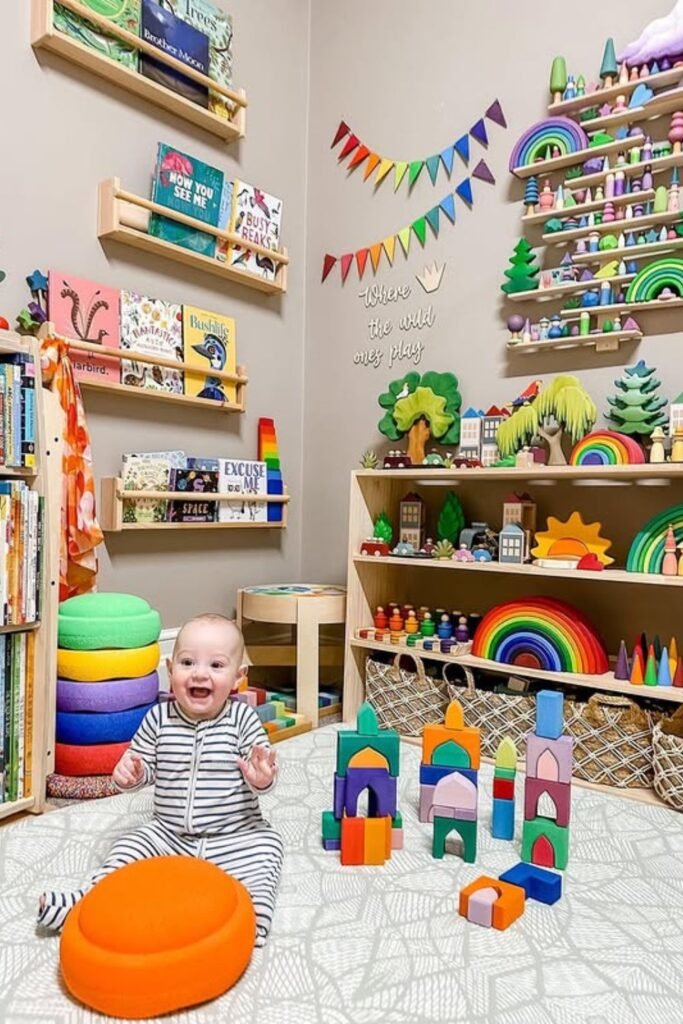
Block Building
Give a toddler open-ended blocks and watch deep thinking unfold. Stacking arches and rectangles.
Creating little towers, which makes you plan ahead before putting down the next piece. It’s important to keep things in balance.
If you make one mistake, the structure will fall. That immediate feedback is a better way to learn cause and effect than any explanation.
Instead of emptying the full trash out, make a peaceful nook with a few diverse forms. Having fewer pieces makes it easier to be creative and stay focused.
You could ask questions like “Can you make it taller?” or “What happens if you put this on top?” Building like this naturally improves spatial awareness, patience.
Team Towers
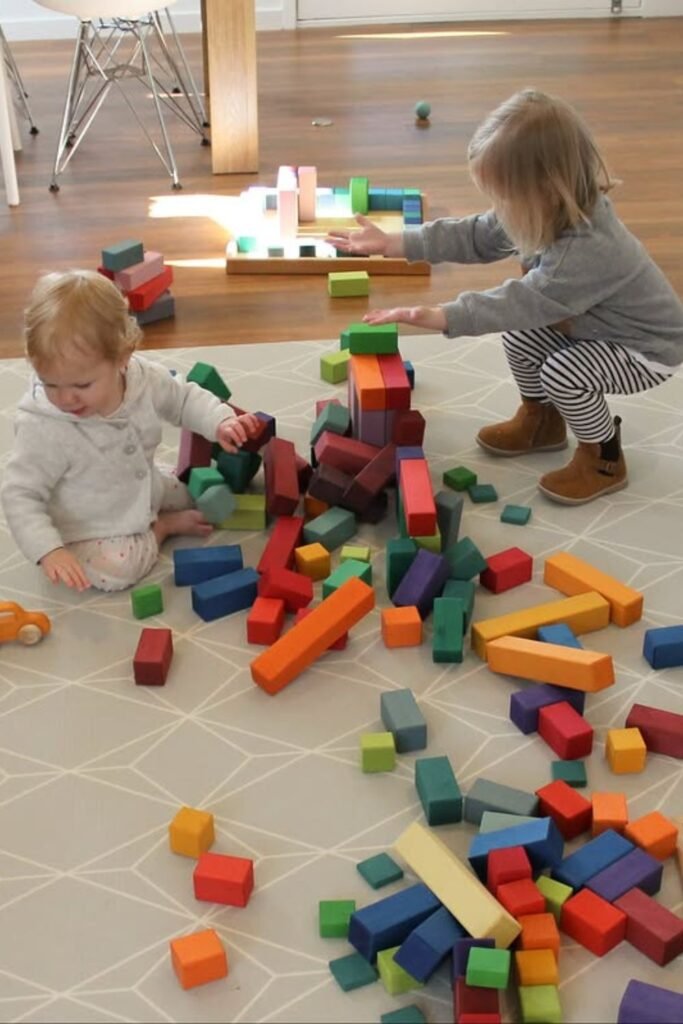
Shared building changes everything. Two toddlers reaching for the same pile of blocks quickly learn to plan together not just stack randomly.
One keeps the base constant and the other makes it taller. This kind of teamwork helps people think about problems and solve them.
Put the blocks on a soft rug and tell the kids to make one big structure instead of a bunch of small ones.
Simple questions like “Where should this go?” help youngsters talk to each other and take turns. Instead of being frustrating, collapses teach us to be patient.
Playing with others helps you become more aware of your surroundings, more flexible, and better at working with others early on.
Chalk Drawing
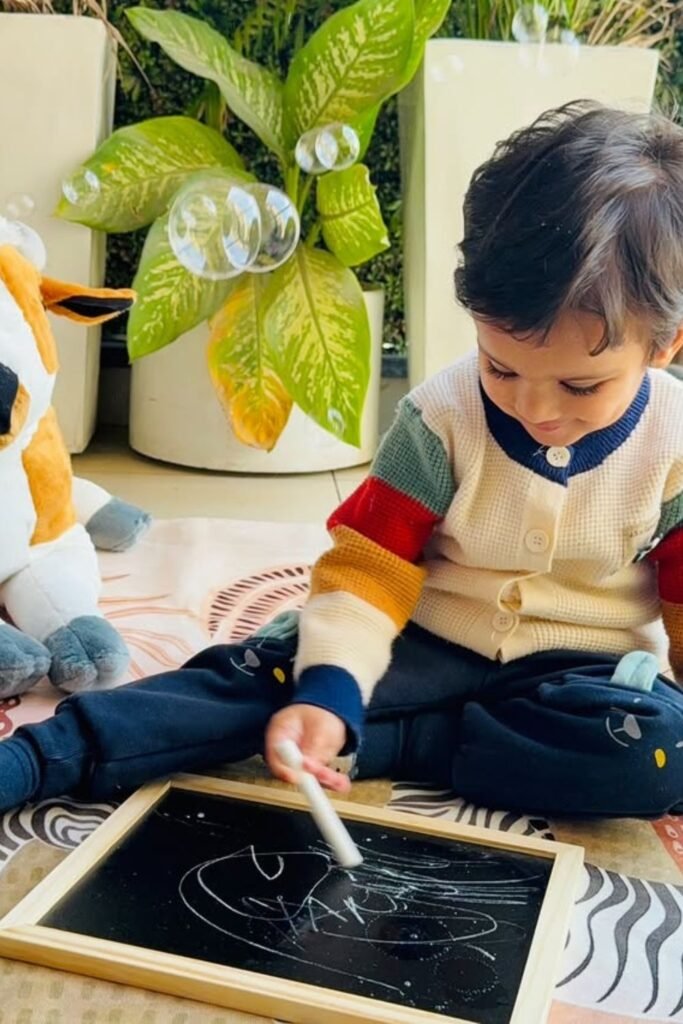
A simple chalkboard can hold your toddler’s attention longer than most toys. Dragging chalk across a dark surface builds control.
Being conscious of pressure and having strong early writing skills. Curves become circles. When lines cross, they suddenly look like forms.
During solo play time, keep a little board close by. Have your youngster draw whatever they like, and then talk about it.
Asking, “What did you make?” makes people want to tell stories and remember things.
Wiping the board clean and beginning again helps you to be open-minded and think beyond the box.
Drawing like this gently works up the muscles in your hands and lets your creativity take the lead.
Sand Exploration
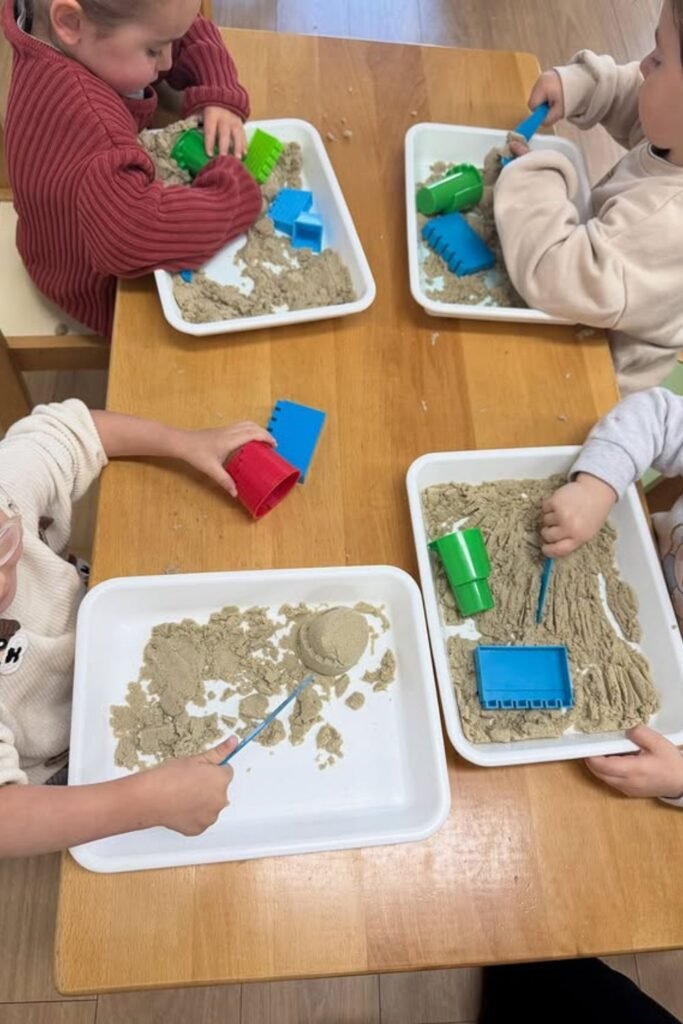
Messy play often hides the deepest thinking. Scooping, packing, and shaping sand into cups forces toddlers to test pressure and adjust their movements.
If you pack it too loosely it will break apart. Press down hard, and it stays. That trial and error method quickly helps you understand cause and effect.
Put shallow trays on a strong table and give them simple tools like cups or little shovels. Stay close by.
But let them work things out on their own. Group settings work great here since kids learn from and watch each other.
Digging, filling, and smoothing build hand muscles and help kids learn to be patient, compare things, and solve problems early on.
Color Collage
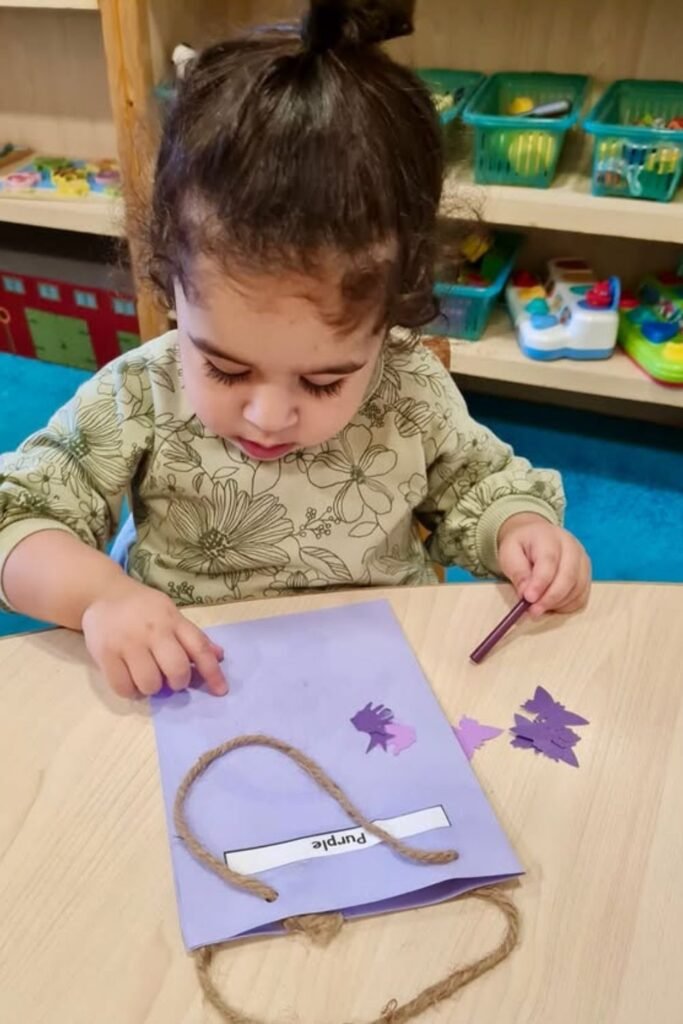
Glue and paper turn into quiet thinking time fast. Placing purple shapes onto matching paper asks your toddler to notice details and stay focused.
Even just holding the rope in place helps you learn to control your hands and be patient.
To keep things from getting too much, only give one color theme at a time. Put out a few cut shapes and let your child choose where each one goes.
Giving the pigment a name as they stick it down organically increases their vocabulary. Short table sessions are excellent, especially when energy levels drop.
Making a simple collage like this helps kids learn to recognize colors, plan, and improve their fine motor skills without having a lot of complicated materials.
Cup Stacking
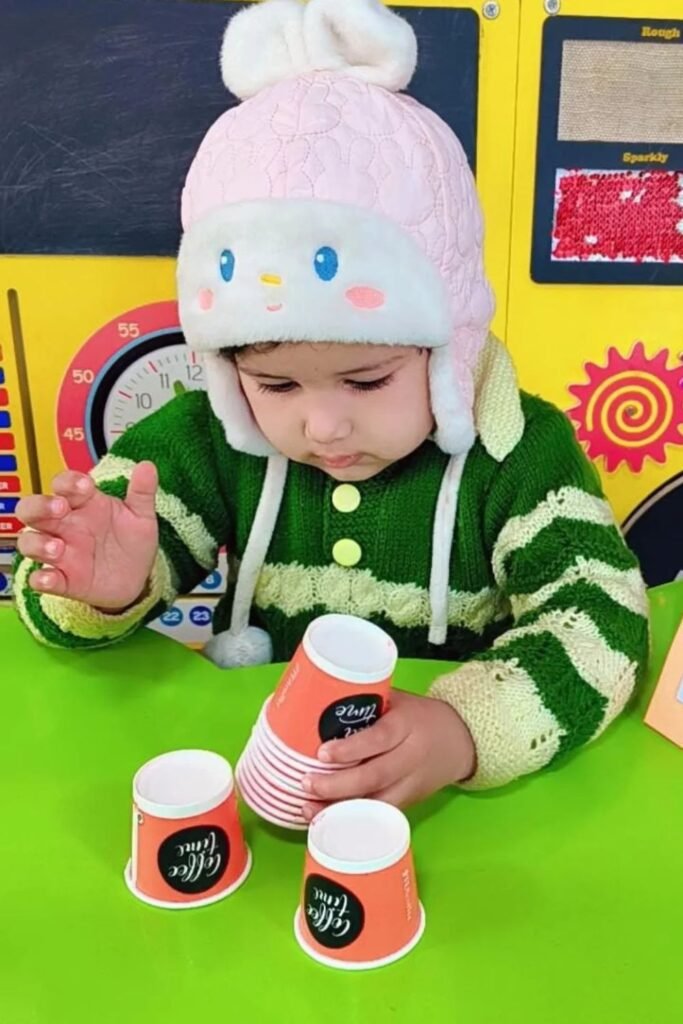
Balance teaches more than it seems. Placing one small cup on top of another forces careful movement and steady hands.
The stack falls if you lean too far. That immediate feedback helps your toddler learn about cause and effect without you having to give them a lecture.
Put a few light cups on a table and let your youngster play with how high they can get them. Start with two and add more as you feel more sure.
Saying each layer out loud adds a simple arithmetic element to the activity. Short stacking sessions are great to do before changes.
Since they help you focus quickly. Getting back up after a fall really does make you more patient and strong.
Letter Parking
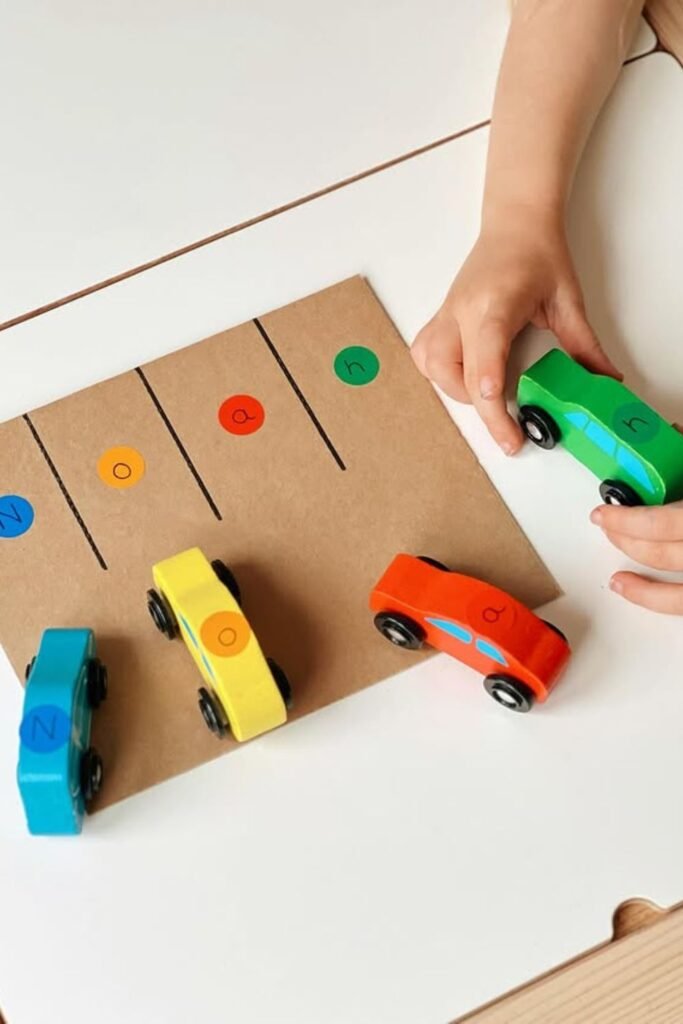
Turn toy cars into a mini learning game without making it feel like school. Parking each car under its matching letter.
Tells your toddler to slow down and look at the symbols. Seeing the same letter on the automobile and on the board makes it easier to remember.
On cardboard, draw simple parking lines and put one letter on each slot. Put letters that correspond on the automobiles.
Before you leave again, tell your youngster to “park” correctly. Short sessions are excellent since they keep it fun.
This kind of letter matching helps kids get ready to read while also keeping their bodies and minds active.
Loose Parts
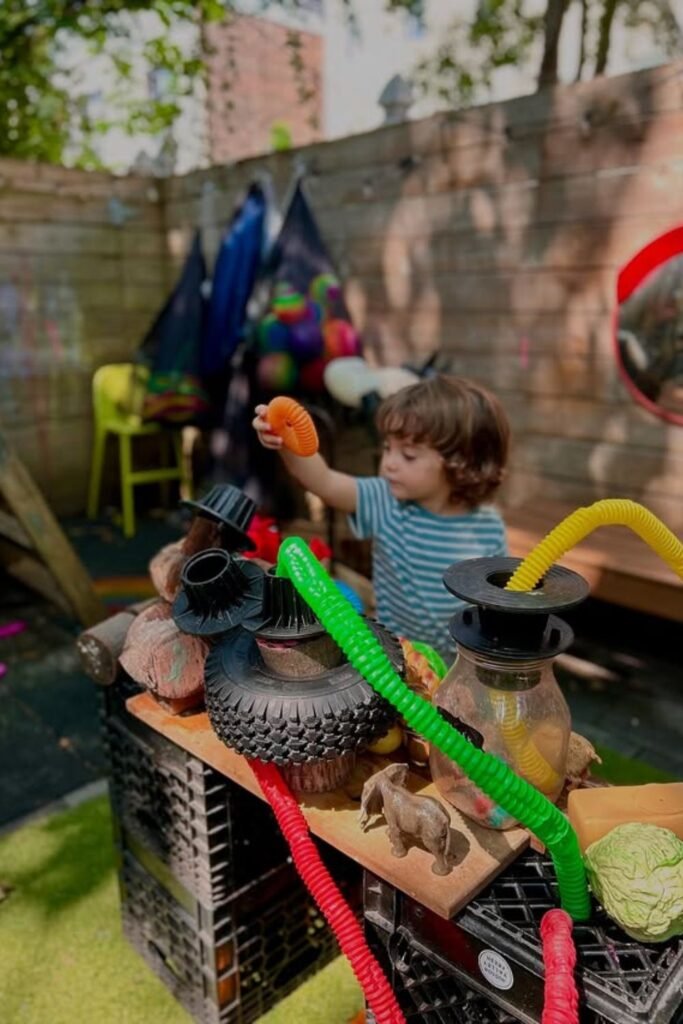
Curiosity grows fast when everyday objects and become building tools. Pipes jars lids and random pieces scattered on table invite experimenting without rules.
When your toddler picks up a piece and decides where it goes, they have to try out different ideas and change them when they don’t work.
Make a strong outdoor surface with big, safe things you find around the house or yard. Stay near, but don’t try to control the outcome.
Ask inquiries that are open-ended, like, “What could this be linked to?” Because there isn’t one right approach to follow.
Open-ended resources like this let people think creatively, solve problems, and feel more confident.
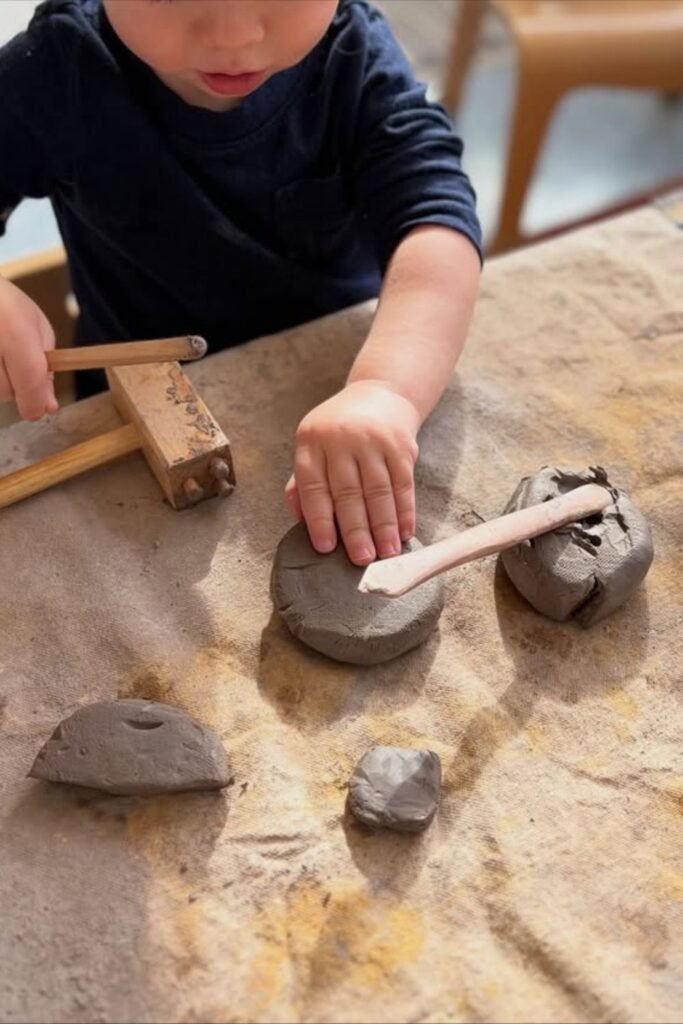
Clay Press
Hands pressing into cool clay slow a busy toddler instantly. Flattening, tapping, and carving simple lines.
Into the surface increases strength and control in small muscles. If you press too hard, it squishes.
If it’s too light, nothing happens. That continual change makes it easier to solve problems without any instructions.
Put a cloth on the table and give them safe wooden tools or even popsicle sticks. Ask your child to make patterns, highways, or little forms.
This kind of clay work helps with hand stability, creativity, and early design thinking in a quiet, natural approach.
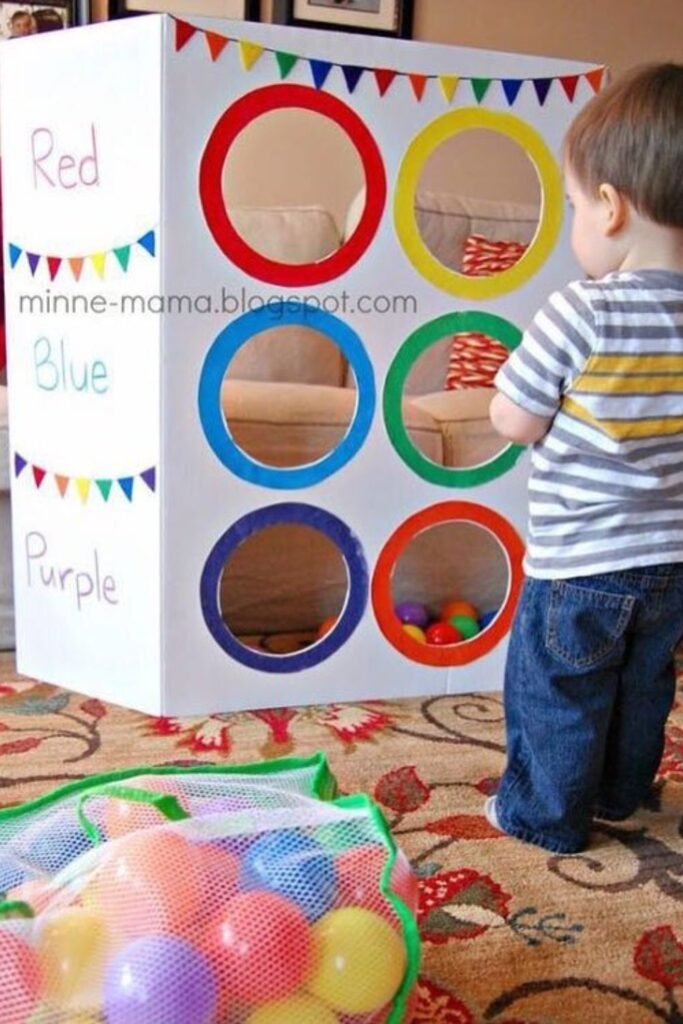
Color Drop
Big movements make learning stick. Tossing balls into matching colored circles turns color recognition into an active game.
Instead of a work that involves sitting down. Picking the proper hole before dropping the ball helps you make quick decisions and match things up visually.
Cut colored rings out of a big cardboard box and make sure each portion is clearly marked. Put the balls on the floor.
And ask your child to find the proper match before you put them in. Standing and moving keeps your energy balanced and helps you focus.
This kind of fast-paced play helps kids improve their coordination, sorting skills, and early color awareness all at the same time.
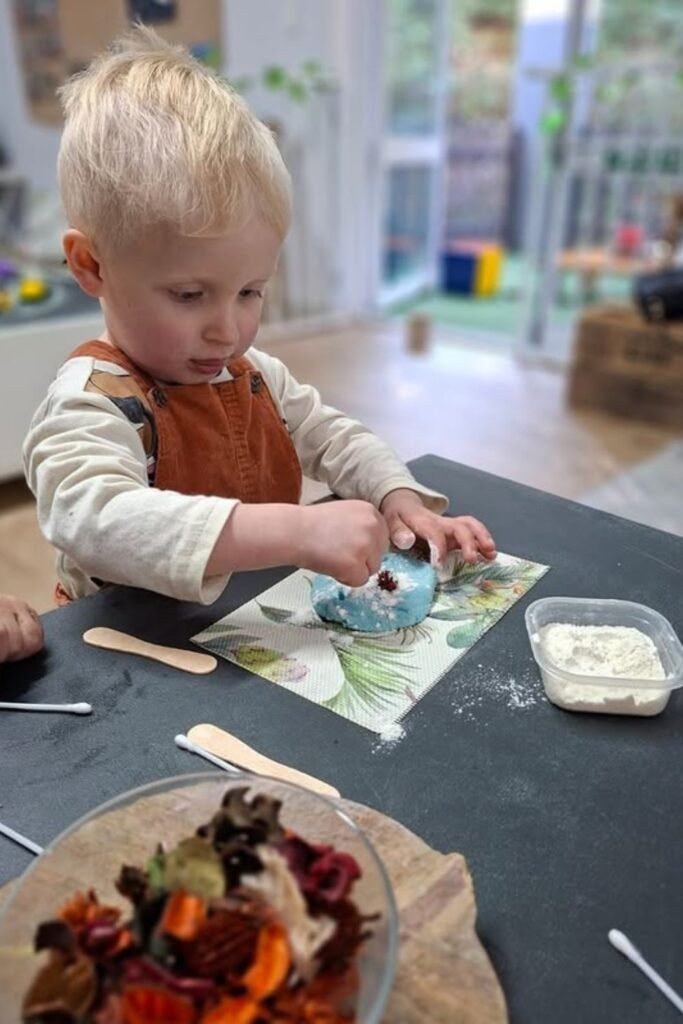
Sensory Dig
Hidden surprises spark instant focus. Scooping flour away to uncover small objects inside a frozen.
Or packed shape makes your child want to explore leisurely. Careful scraping teaches you how to be patient and go slowly.
If you go too fast, the shape will fall apart. It’s easy to set up if you freeze little toys in water or put them in dough or flour.
Give them safe instruments like cotton swabs or wooden sticks. Ask your child to dig carefully and find out what’s within.
This kind of exploration helps kids improve their fine motor skills, attention span and curiosity, and it makes a simple table play into a mini adventure.
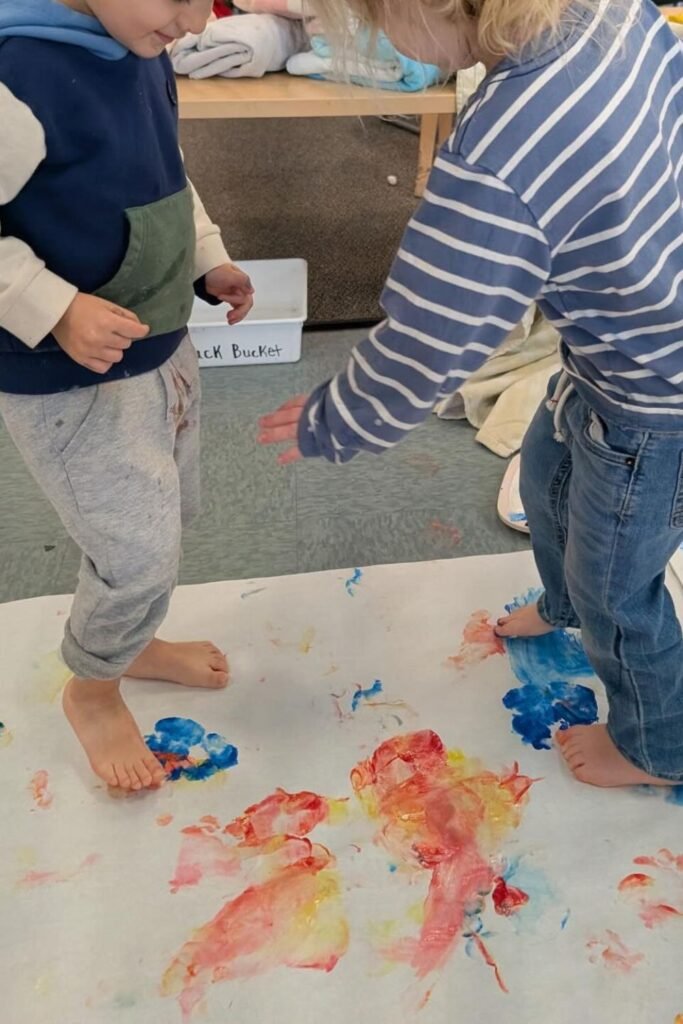
Paint Stomp
Energy has to go somewhere. Dipping little feet into paint and stepping across paper turns movement into creativity fast.
Every step leaves an imprint and seeing those footprints helps you understand patterns and how things happen.
Use washable paint and tape a big piece of paper to the floor. Keep towels close by and allow your youngster leap, step, and twist around.
Talk about how the colors blend together under their feet. This kind of active play is great when youngsters are bored and need to move.
Big movements of the body along with sensory input improve coordination, balance, and creative thinking all at once.
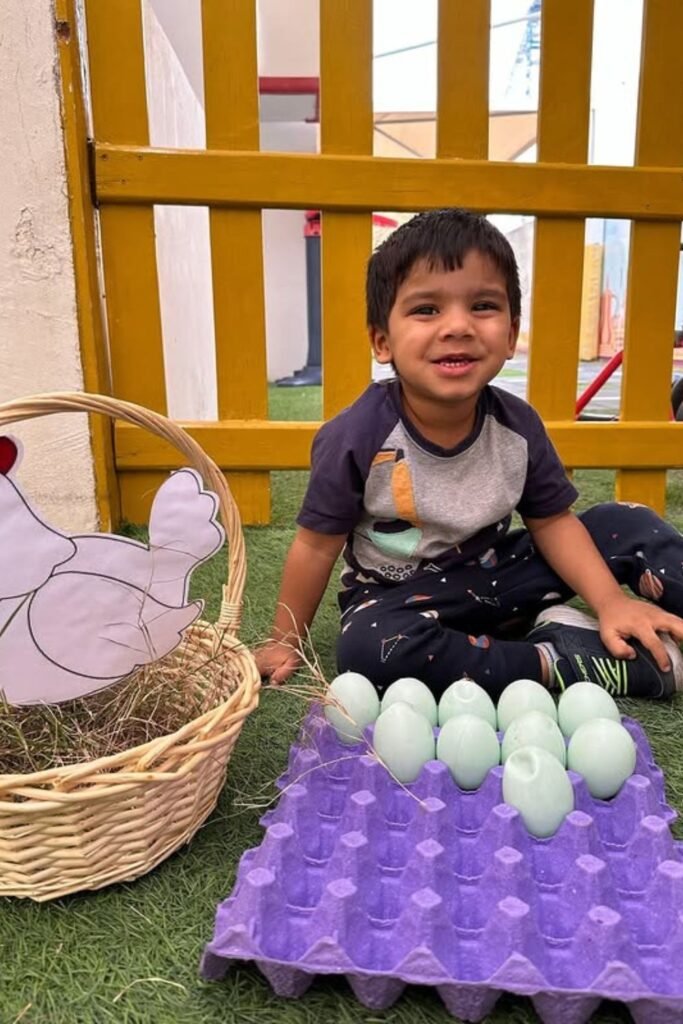
Egg Counting
Little hands placing eggs into a carton learn more than numbers. Lining each one into its own space builds one-to-one correspondence.
It is the fundamental basis of early math. Skip a spot, and something doesn’t feel right. That awareness makes logical thinking stronger.
Use plastic eggs or other safe things and a basic egg tray. Ask your youngster to slowly complete each section as you both count out loud.
Setups outside make it feel more like fun than learning. Take out a few eggs and ask how many are missing to gently get them to think more.
This kind of simple counting game helps kids learn about numbers by making them move and repeat.
Tape Rescue
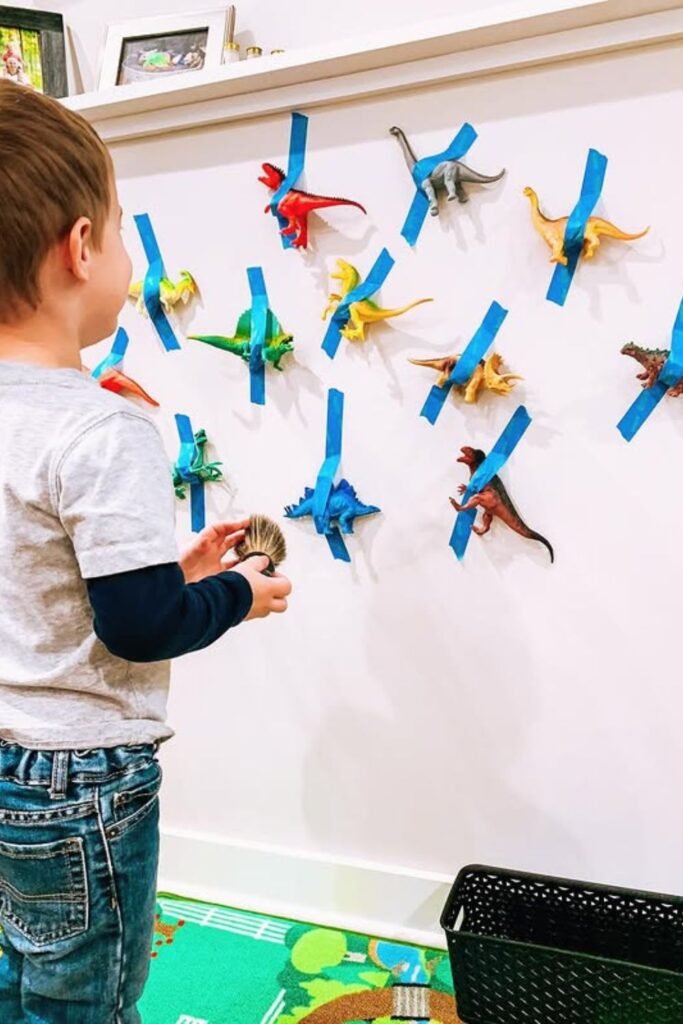
Peeling tape off the wall feels like a mission. Pulling each dinosaur free builds finger strength and careful control.
Because moving too quickly can break the adhesive or knock over the toy. That steady, deliberate movement helps you solve problems and be patient.
Using painter’s tape, stick lightweight toys to a smooth wall at toddler height. Give your youngster a little basket and tell them to “rescue” each one.
After they take out the dinosaurs, ask them to group them by size or color to make it a little more interesting.
This kind of vertical activity builds shoulder and arm strength while also quietly improving focus and flexible thinking.
Pretend Walk
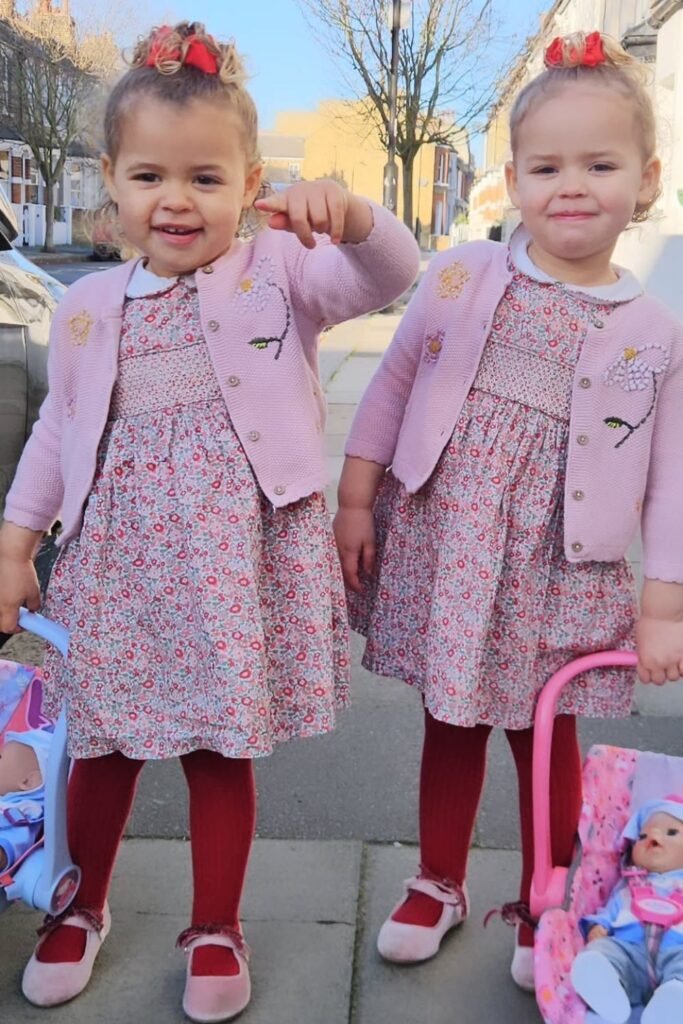
Imagination grows strongest during simple everyday moments. Pushing baby dolls in small strollers turns an ordinary walk into role play.
Taking care of a doll helps your child learn how to plan, be empathetic, and think about other people since they start to emulate what adults do.
Tell your youngster to pack a little bag, strap the doll in, and choose a place to travel. Ask soft queries like.
Does the baby need a blanket?” Walking outside is great because it makes people talk about the things around them.
This kind of pretend play helps kids learn language, become more aware of their feelings, and think more flexibly while still getting to move around.
Handprint Art
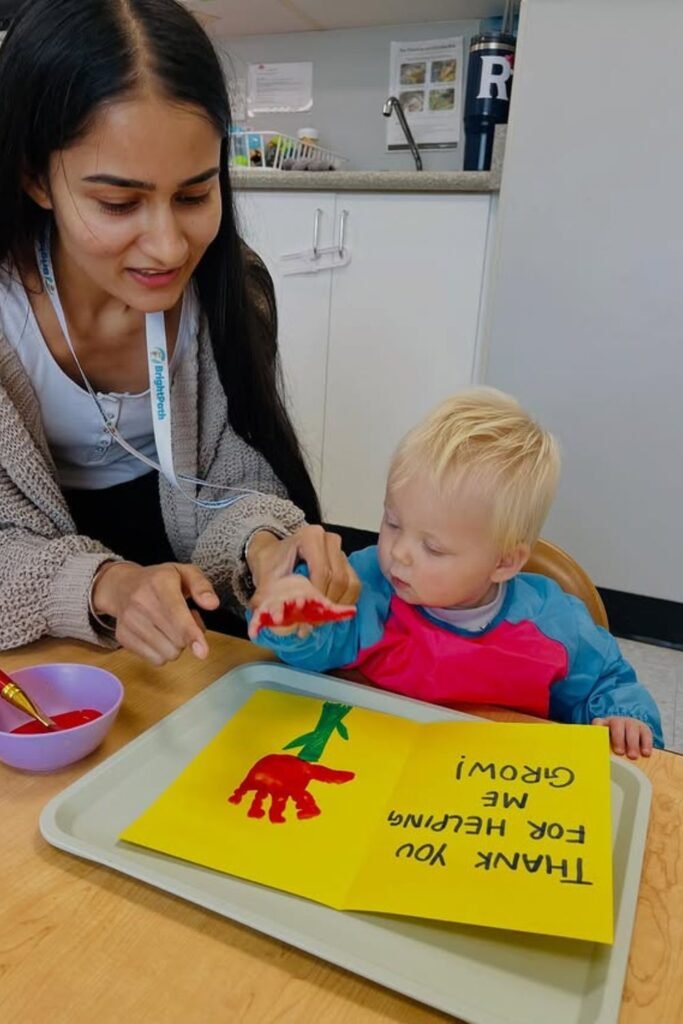
Little palms covered in paint create more than a cute keepsake. Pressing a hand firmly onto paper builds awareness of pressure and control.
When you lift it carefully, you can see a definite shape, which is a very visual technique to explain cause and effect.
Put washable paint on a plate and help your toddler press their palm down evenly. Then, have them stamp it onto strong paper.
Make the print into an animal or tree to get your ideas going.
Sitting next to them and walking them through the stages helps them learn language and bond with each other.
Art moments like this one help kids become more creative, aware of their senses, and confident all at the same time.
FAQs
How can I build my toddler’s thinking skills without formal lessons?
Real thinking skills grow while you do everyday things, not when you’re “teaching.”
Let your little one pour water, stack blocks, sort socks, match colors, and figure out tiny problems.
Stop and let them attempt first before you help. That fight makes you more patient and logical.
How long should toddlers spend on learning activities each day?
Concentration is more important than time. Depending on their age and attitude, most toddlers can pay attention for 5 to 15 minutes at a time.
Instead of organizing one long session, organize short activities throughout the day.
It makes sense to build with bricks in the morning, play with your senses after lunch.
Hi, I’m Afaf! I’m a law student who loves writing about everyday life – from home projects and crafts to fashion, beauty, and parenting tips.
I’ve been writing for over a year, sharing ideas that are simple, practical, and easy to try. I write about things I find interesting and useful, whether that’s organizing a space, trying a new DIY, or finding activities to keep kids entertained.
My goal is to share helpful ideas without making things complicated. If it works in real life, I’ll write about it.
When I’m not studying or writing, I’m usually experimenting with new projects or scrolling for inspiration!