
26 Monkey Craft Ideas for 2026
You’re not the only one who has ever sat down to make a craft with kids and discovered halfway through that it was more work for you than enjoyable for them.
A lot of “easy” craft ideas you see online involve particular supplies, take a long time to get ready, or require kids to be patient, which they don’t have.
You get angry, the kids lose interest, and the mess isn’t even worth it. That’s why simple monkey crafts that use stuff you already have at home are so great.
In this article, you’ll find 26 fun Monkey craft ideas for kids that you can start making right away in 2026.
Let’s jump in!
How can kids make monkey crafts using simple household supplies?
You don’t need to go to a craft store or buy expensive supplies to produce monkey crafts that kids will love.
You probably already have much of what you need if you look around your house right now.
You only need paper, cardboard, toilet paper rolls, glue, crayons, and scissors to get started.
The most important thing is to keep things simple so that youngsters can handle most of the work.
Kids feel more secure, can stay focused longer, and actually finish what they start when you give them resources they know how to use.
Save this article for later!👇👇👇
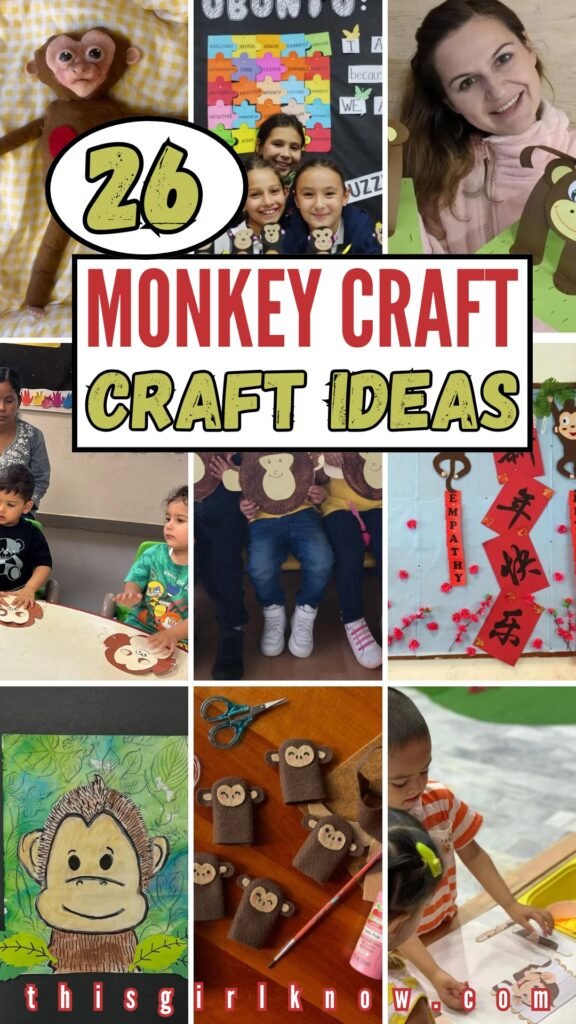
Hanging Monkeys
Classroom walls feel more alive when kids help build them, and this monkey display does exactly that.
Kids can practice cutting, gluing, and putting things together with paper-cut monkeys dangling from vines while working toward a common goal.
The activity is great for classroom rules, character education, or even a welcome board because each monkey may hold a word, name, or value.
You can make it again with just construction paper, twine, and glue. Get the monkey shapes ready ahead of time for smaller kids.
Then let them add features, adorn the faces, and put on labels.
Hang them up at eye level when you’re done so that youngsters can view their work every day and feel proud of it.
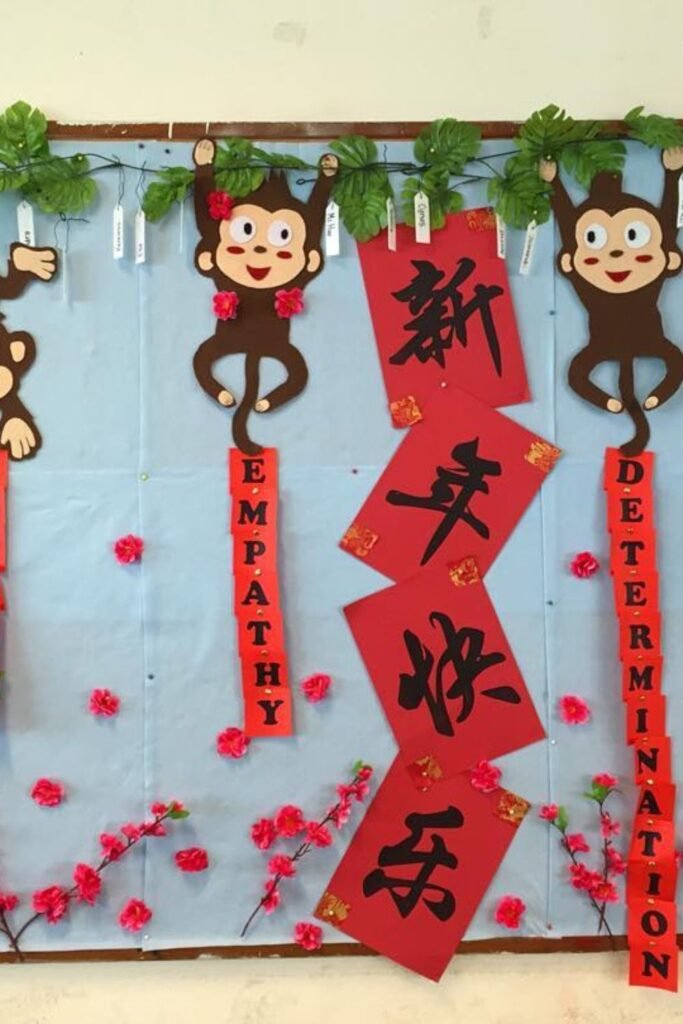
Pop-Up Monkeys
Kids love crafts that surprise them, and folding paper to make a monkey pop forward instantly grabs attention.
Cardstock is the greatest choice here since it keeps the shape strong when the monkey stands up. Cut the body so that the arms curve outward.
Then, glue only the base to the backdrop paper so that the remainder of the body lifts up on its own.
This idea is great for story time crafts, animal units, or a quick project when kids need to have fun yet stay in control.
Let kids draw faces and add other things like trees or grass to the base. Kids can’t wait to show off their finished pieces because they can put them on desks or shelves.
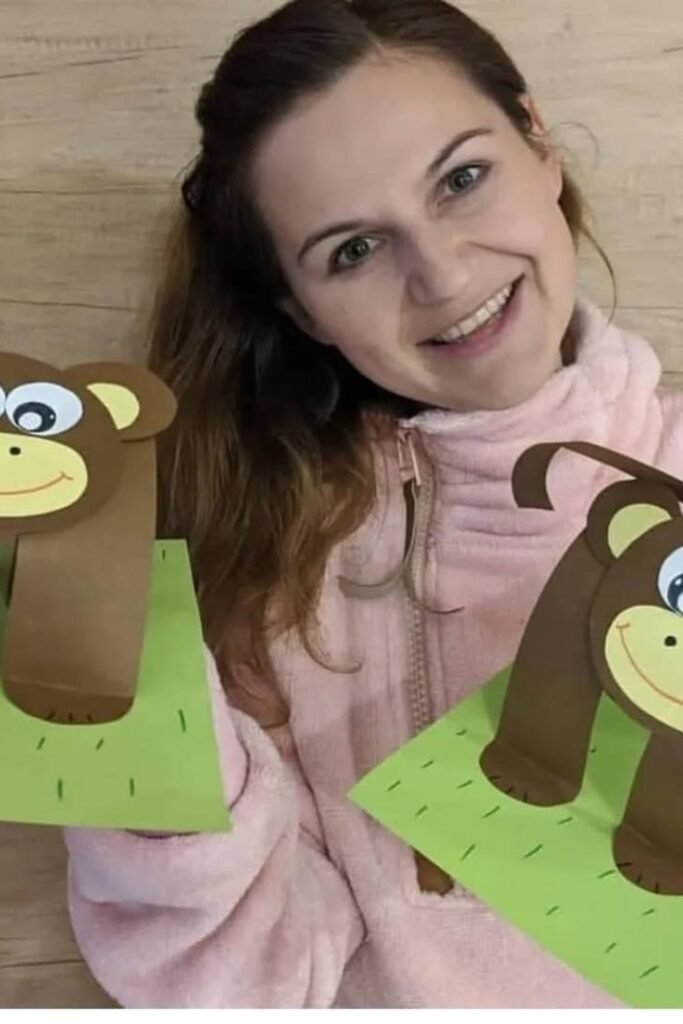
Paper Plate
Smiles come fast with paper plates because kids recognize the shape right away and know they can handle it.
First paint or color the plate brown. Then add a lighter face cutout so kids may practice gluing without getting stressed.
Kids may be creative with big ears made of construction paper, and drawing the face helps younger kids who are afraid of details feel better about themselves.
This craft is perfect for preschool or childcare settings so everyone can finish at the same time.
The plates dry quickly, cleaning up is easy, and youngsters may take home something strong enough to show their parents the same day.
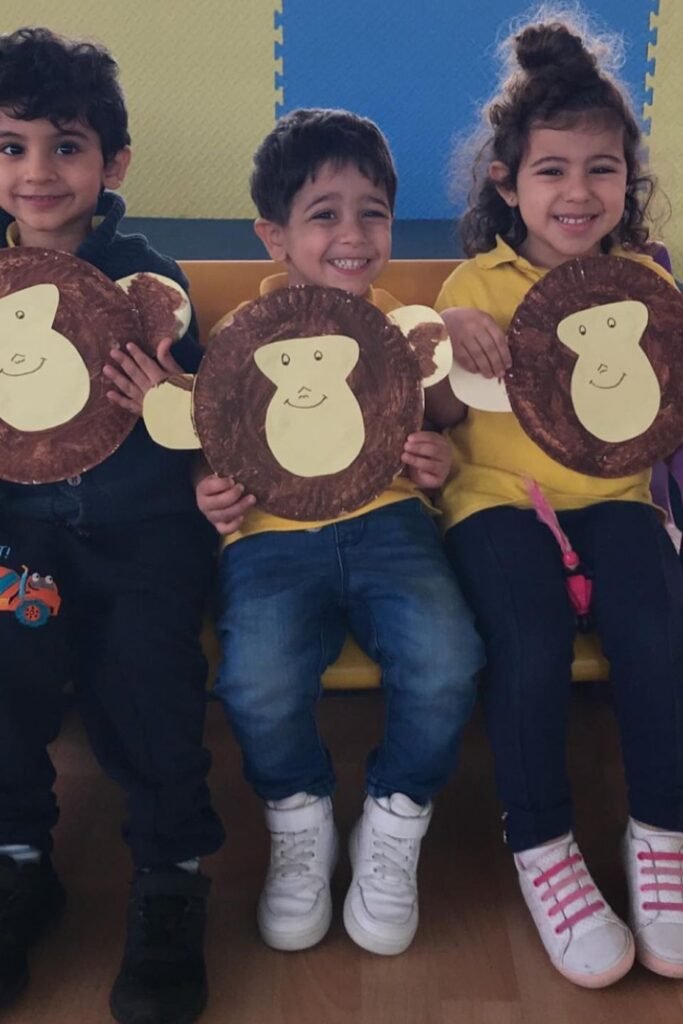
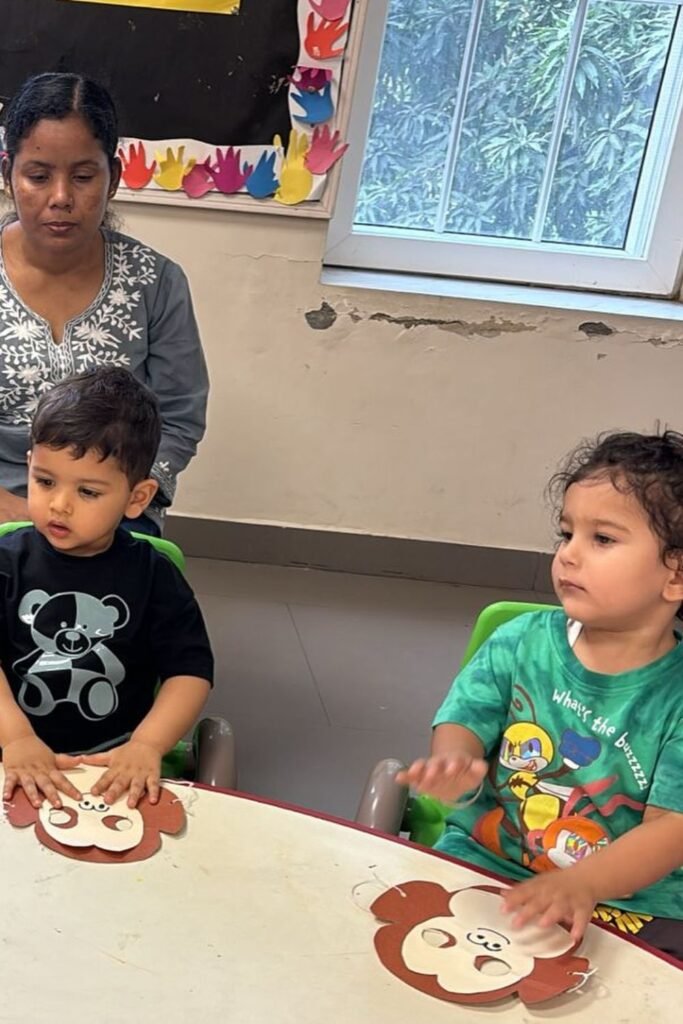
Face Pieces
Tiny hands stay busy when the task feels simple and achievable. Flat monkey face pieces work well for toddlers.
Because nothing needs to be lifted, folded, or balanced. First, cut out the primary shape of the face.
Then, let the youngsters use glue dots or thick craft glue to press on the eyes, ears, and lips.
This configuration works well in childcare and early learning facilities where kids don’t pay attention for long and need to be watched.
The focus is still on matching shapes and putting things together, not on getting them quite right.
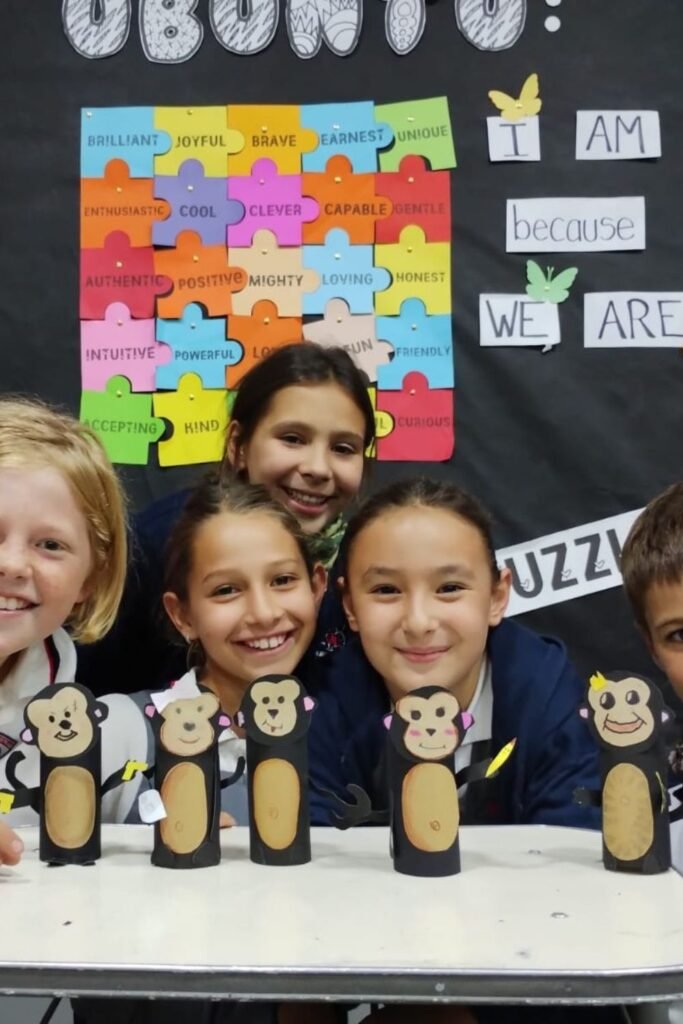
Tube Monkeys
Story time comes alive once kids can hold the characters in their hands. Toilet paper roll monkeys turn into instant puppets that kids love talking through and playing with.
Wrap the rolls in brown paper, add a lighter belly, and then let the kids make faces and other small features however they wish.
This is great for early primary classes, reading corners, or jungle-themed lessons where telling stories is important.
Make sure the scissors and glue are easy to use so the youngsters can focus on decorating instead of building.
Monkeys that are done standing up on tables and shelves are great for group displays or short role-play exercises after craft time.
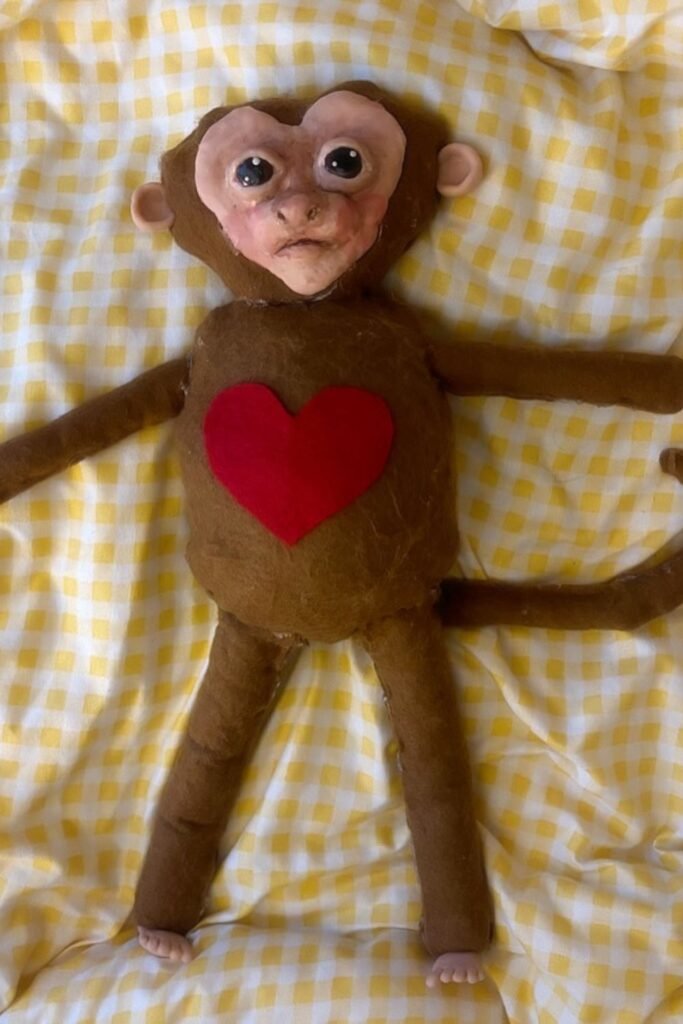
Soft Monkey
Turning crafts into keepsakes changes how kids connect with their work. Hand-made soft monkeys.
Like this fit best in small groups, art clubs, or home projects where time isn’t rushed. The body can be made of fabric scraps, felt, or old clothes.
The face can be made of air-dry clay or felt pieces put on top. Adults need to help with shape and drying.
But kids can still stuff, decorate, and pick colors. Putting a heart, patch, or name tag on the craft makes it more than just a toy.
When toddlers and adults finish their monkeys, they often turn them into comfort toys instead of putting them on the shelf. This makes the extra work feel worth it.
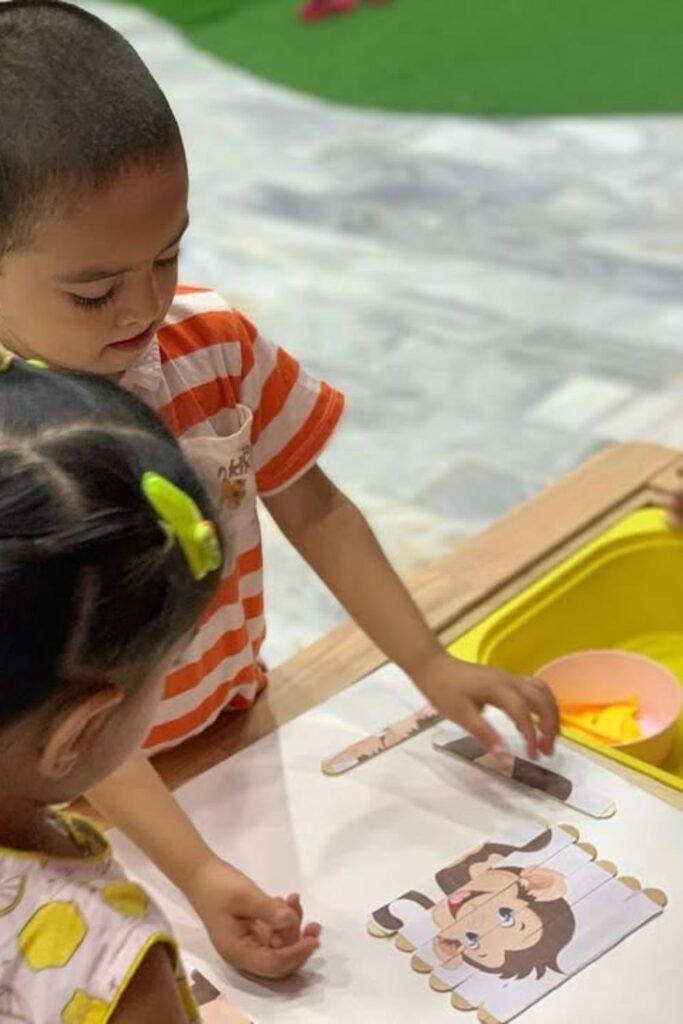
Puzzle Monkey
Problem-solving sneaks in naturally once kids start lining pieces up to see a picture appear. Simple strip puzzles.
Like this is excellent for toddlers and preschoolers who are still learning how to be patient and keep things in order.
Print or sketch a picture of a monkey, cut it into wide strips, and put them on the table in a random order.
Thick paper or laminated sheets last longer when you use them over and over. Small groups work effectively.
Here since youngsters can see what others are doing and fix their own mistakes faster. Start with a small number of pieces and add more as you get better at it.
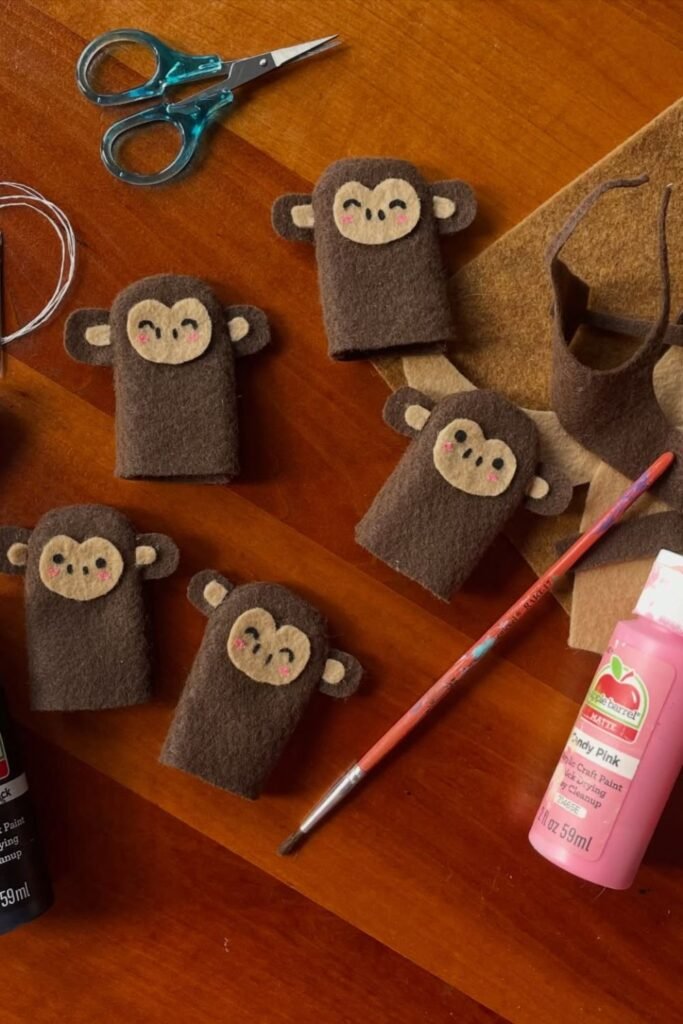
Finger Puppets
Storytelling gets easier once monkeys fit right onto little fingers. Felt puppets like these work best for calm activities, reading corners, or small-group play.
Where kids take turns speaking and acting. You may put them together with soft felt scraps, a simple stitch or fabric adhesive, and a few painted accents.
Adults can make the base shapes, and then kids can add faces, blush, or little ears to make each monkey feel special.
Size is important here; make sure they fit snugly so they don’t come off while you’re playing.
Puppets that are finished may be stored flat, survive a long time and get kids to play without making noise or making a mess.
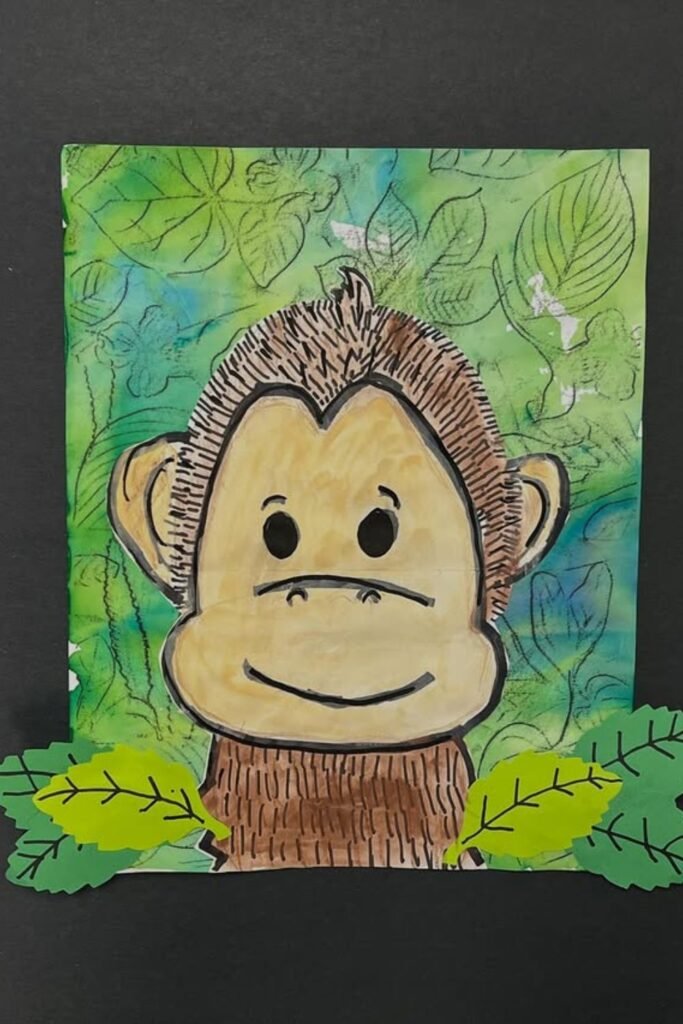
Painted Portrait
Color pulls kids in faster than any template ever could. Watercolors or thin acrylics turn a simple monkey outline into a full art lesson without feeling heavy or serious.
Begin with a prominent facial shape, then let kids add browns, yellows, and loose lines to make fur.
The lush background is perfect for sponge painting or crayon rubbings, which keep your hands busy and your mind on the task at hand.
This idea is great for older preschoolers, early elementary school kids, or youngsters who like painting more than cutting.
You need to plan for drying time so make it a sit and paint activity instead than a quick craft.
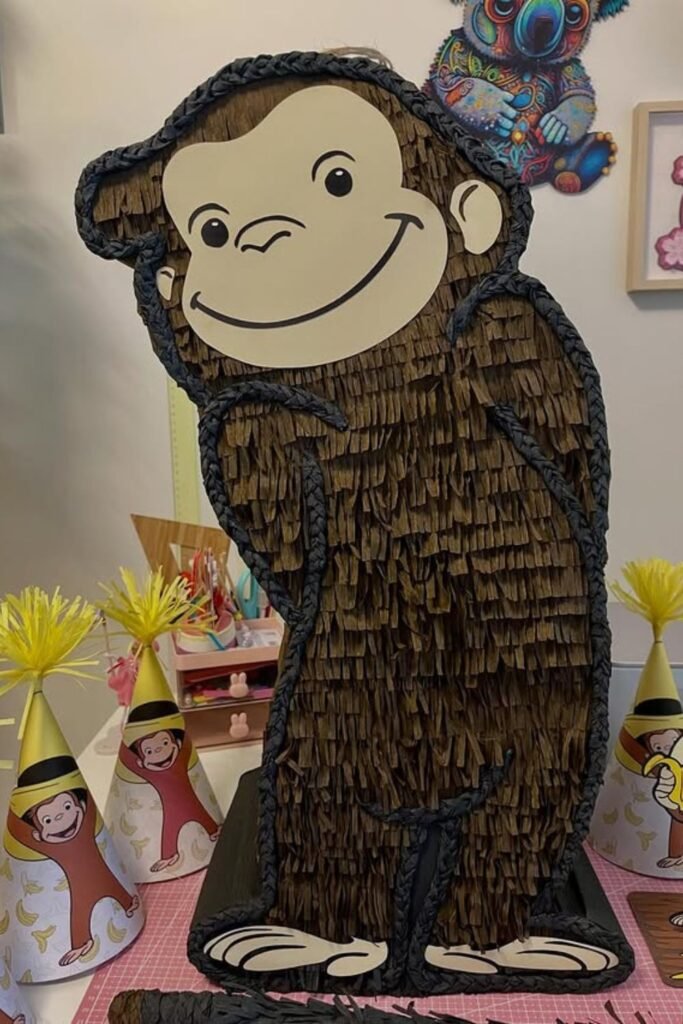
Piñata Monkey
Party energy changes fast once kids realize the craft becomes part of the celebration.
A monkey piñata works best for birthdays, classroom rewards, or jungle-themed events. Where fun is more important than being flawless.
The base is made of cardboard forms, and then tissue paper is added in layers to give it structure without making it too hard.
Adults should take care of the structure and hanging points first. Kids can help with the fringe paper, glue layers, and facial features.
Depending on the space, size can change. The finished items can be used as decorations before they become the main activity, which makes the work feel like it was worth it.
Instead of only for a short time. This strategy is good for older kids who like working together and don’t mind waiting for the big reward.
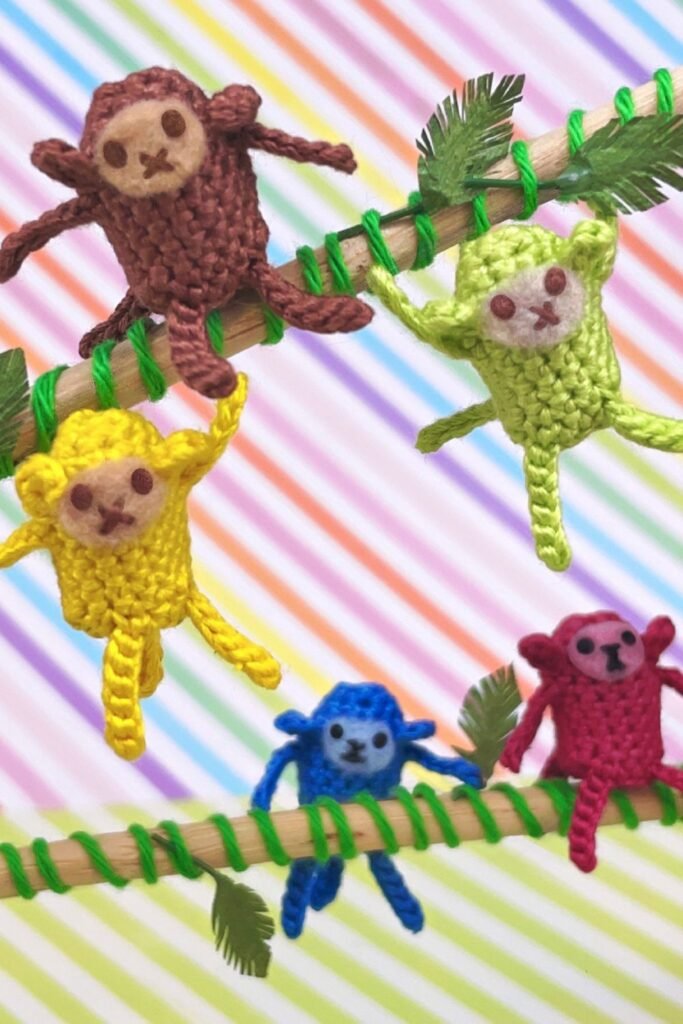
Crochet Minis
Yarn crafts slow things down in the best way and turn monkey making into a calm, focused activity.
Small crocheted monkeys are great for older youngsters, teens, or craft clubs where patience is one of the goals.
You can make bodies that feel fun with just some yarn, a hook, and a few stitches. You don’t need to be an expert at it.
Bright colors make it entertaining and take away the pressure to look “real.” Adults can do the first loops, and then youngsters can do the same thing over and get more confident.
When they’re done, monkeys hang on sticks, bags, or shelves, which makes them seem more like little people than crafts.
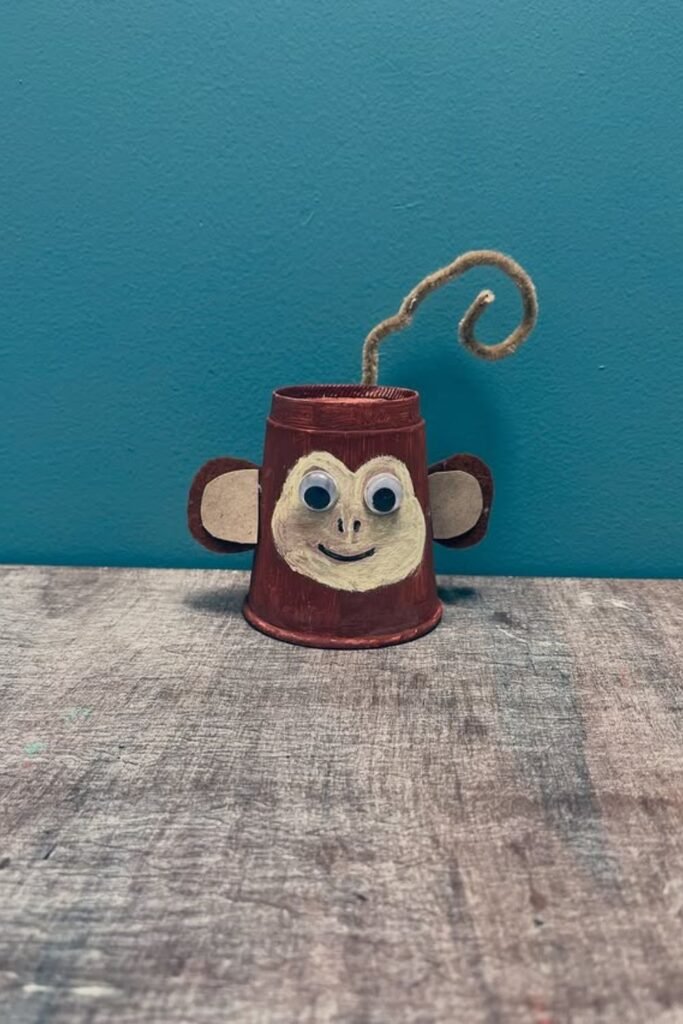
Cup Monkey
Trash turns into fun once kids realize empty cups don’t have to go in the bin. Paper or plastic cups flipped upside down create a sturdy base.
That doesn’t fall over when kids are working. First, paint the cup. Then, glue on simple paper ears, googly eyes, and a curled pipe-cleaner tail to make it move.
This idea is great for short rotations in the classroom, crafts on a wet day, or activities at home where you need to clean up quickly.
The drying time is still short, and mistakes don’t matter much because the shape is forgiving.
Kids feel like they made something strong all by themselves when they see that finished monkeys can stand on shelves or desks without any extra support.
Paper Puppet
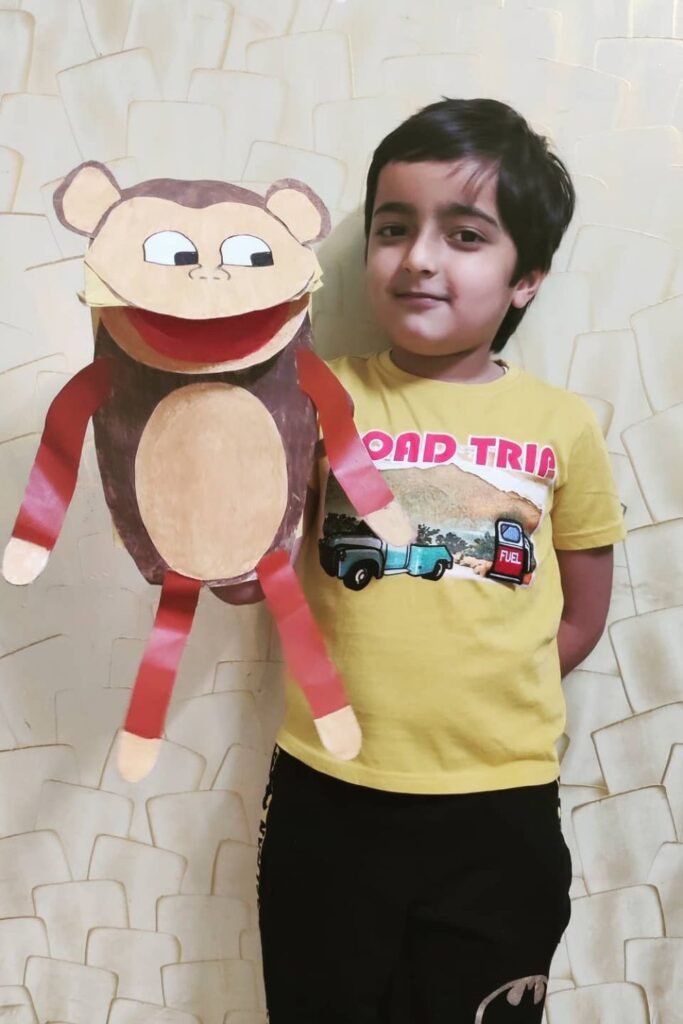
Movement keeps kids interested longer than flat crafts ever will. Long paper arms and legs turn a simple monkey cutout into something kids can swing, dance.
And play with right away. The best materials are construction paper or thin cardboard, which let the limbs stretch without breaking.
Use paper strips or accordion folds to attach arms and legs so they can move without needing metal fasteners.
This craft is great for classes where kids want to do more than just decorate, such sharing stories, showing off, or learning about the jungle.
Younger kids can color and glue together pieces that have already been cut out, while larger kids can put them together on their own.
Cardboard Faces
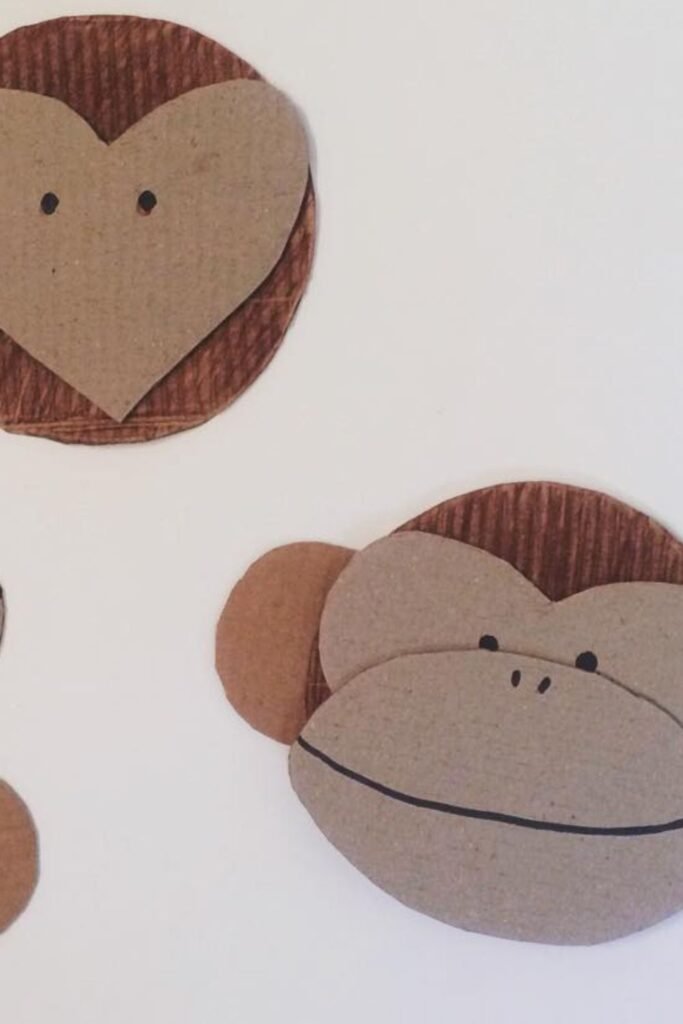
Recycling turns into creativity once kids see boxes as art supplies. Flat cardboard monkey faces work well for quick crafts, centers, or days.
when the paint needs to stay off the table. Cut out basic forms from cardboard boxes, then stack lighter pieces on top of each other for the face and ears.
You don’t have to do anything extra to use black markers on eyes and mouths. This idea works for groups of kids of different ages.
Since smaller kids can glue together pre-cut pieces while older kids can create the emotions and proportions.
Adding texture to cardboard is easy and makes it look more interesting, and mistakes look like they belong.
Plush Parade
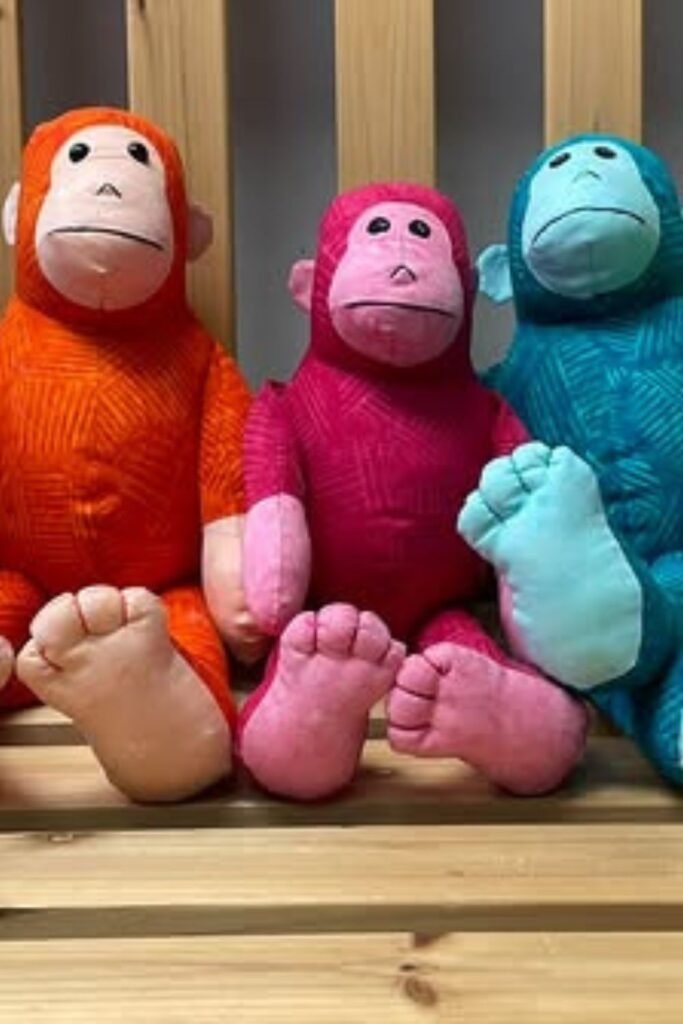
Bright colors instantly turn sewing into play instead of a chore. Stuffed monkeys like these work best for older kids, family craft days, or school projects.
Where working together and being patient are important. The body is made of shreds of felt or soft fabric, and basic stitching ties the parts together.
Light stuffing maintains the pieces squeezable without making them too big. Kids may make their monkeys unique by choosing the colors they like.
And they don’t have to match. Adults help in cutting and closing seams, while kids fill, decorate, and name the seams.
Kids are more interested and proud of their finished monkeys long after the activity is over because they feel like genuine toys, not just crafts.
Folded Face
Depth changes everything once paper stops lying flat. Folding the center of a monkey face forward creates instant dimension without complicated steps.
Use thick craft paper or cardstock so that the crease stays in place. To make the pop effect stronger, start with a simple face cutout, fold it in half.
And then add eyes, a nose, and a mouth just off the fold. This approach works well for art nooks, corridor displays, or quiet table work where youngsters like to be exact.
Younger kids can focus on where to put features, while older youngsters can try out different expressions and symmetry.
The finished face feels more like wall art than a quick craft when it’s mounted on bright paper or framed. This gives youngsters a true sense of accomplishment.
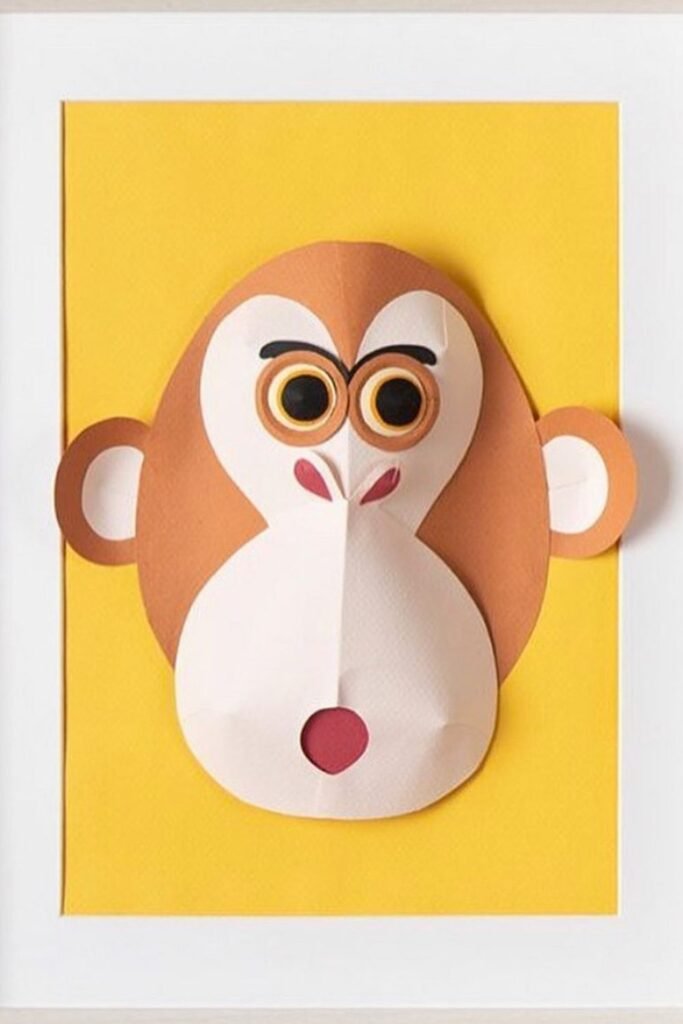
Happy Plate
Instant recognition makes this craft a stress-free win for younger kids. Paper plates already look like faces, so children jump straight into decorating.
Instead of asking what to do next. The base is made of brown paint or crayons, and the face is made of stacked paper shapes that don’t need to be cut perfectly.
A simple smile and big eyes make expressions pleasant and forgiving. This technique works best in preschool classrooms.
And at home craft tables because everyone finishes at about the same time. Get the face parts ready ahead of time for toddlers.
Then let the kids glue and draw however they choose. Kids can stay confident and interested from start to finish since the plates dry quickly, stay strong, and feel familiar.
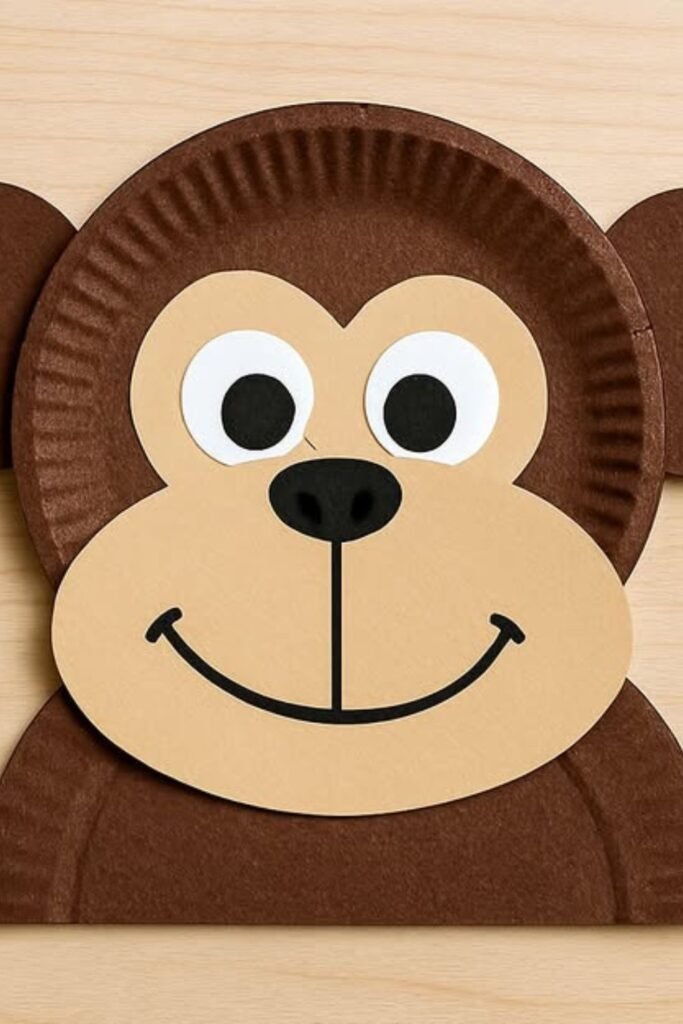
Plate Body
Big shapes make crafting feel easier, especially for younger kids who struggle with tiny pieces.
Using one paper plate for the body and another for the head makes the monkey look big and funny without too much work.
To make the pattern move, paint or color the plates first, then add long paper arms, legs, and a tail.
This idea is ideal for preschool classes, bulletin boards, or weeks with a jungle theme where looks are important.
Prepare the shapes of the limbs ahead of time so the kids can focus on gluing and arranging them.
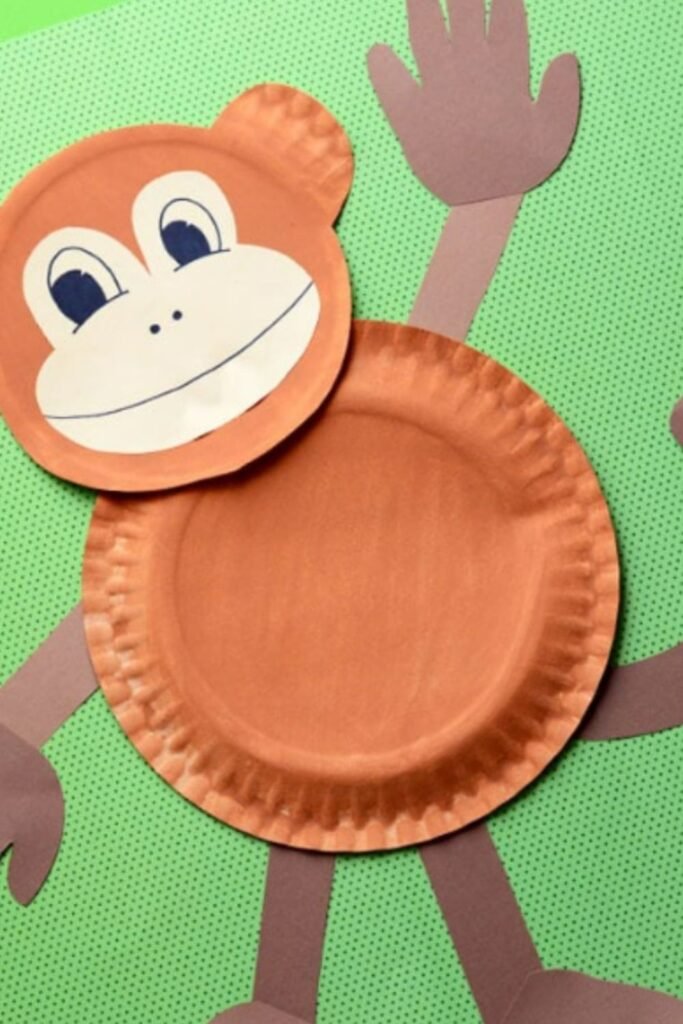
Handprint Monkeys
Mess turns meaningful once kids realize their own hands become the monkey’s body. Brown paint and a simple handprint create instant texture that no template can copy.
To make the whole character come together, give it a paper face, googly eyes, and a curled tail.
This idea is excellent for preschool classrooms, memory albums, or projects that parents like to retain.
First, get the backdrop and face pieces ready so the kids may focus on printing and putting them in the right location instead of waiting.
Kids learn that “same activity” doesn’t always mean “same result” when they see that each handprint is distinct.

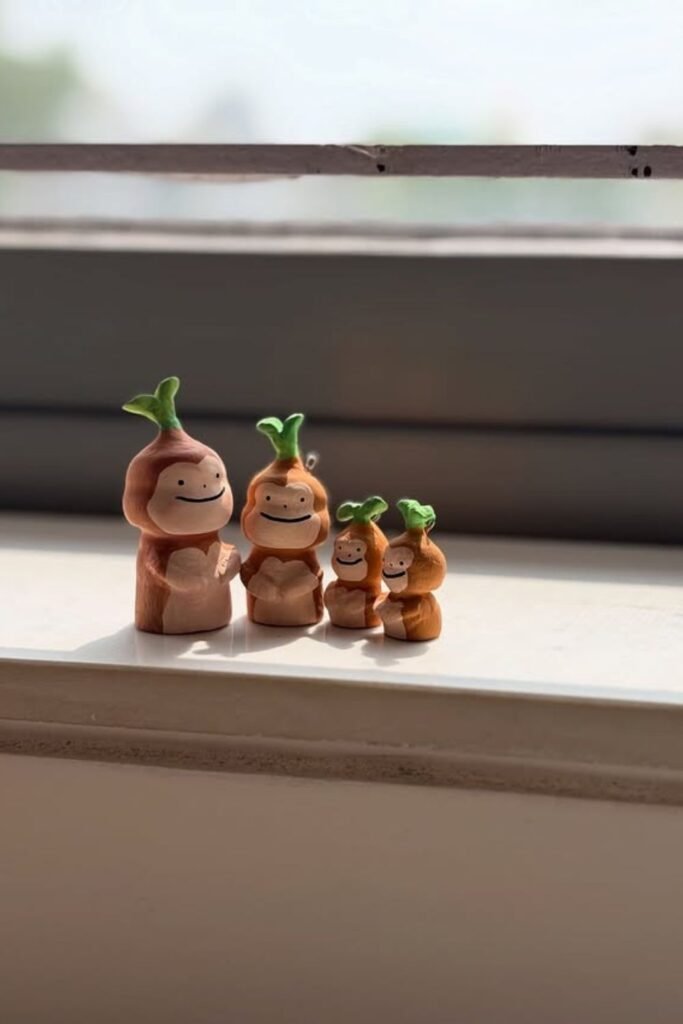
Clay Minis
Tiny figures pull kids into quiet focus without needing instructions every two minutes. Air-dry clay works best here.
because shape is forgiving and faults are easy to fix. Make bodies by rolling small balls, arms by pinching them.
And then add soft embellishments like faces or tiny leaves on top to give them personality.
This idea works well for quiet craft nooks, rainy afternoons, or small group activities where youngsters can take their time.
Kids adore putting finished monkeys on windowsills or shelves and when they see them all together they often start telling stories without anyone encouraging them to.
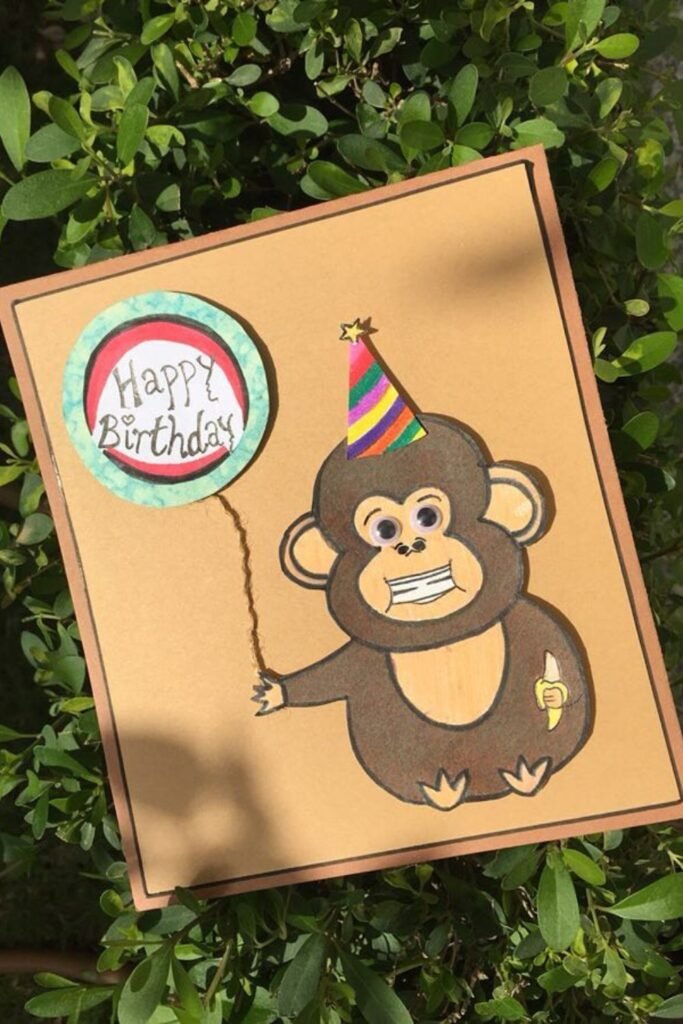
Monkey Card
Moments feel more special when kids make something meant for one person. A monkey birthday card turns basic drawing and cutting into a gift with purpose.
The card stays strong since it is made of thick paper or cardboard, and the monkey is made of simple forms that don’t need to be flawless.
Fast ways to add individuality are party hats, balloons, or a small message bubble. This idea is excellent for birthdays, thank-you cards, or school parties.
Where students want to give, not just make. Adults can draw the primary form and then let them color, decorate, and write inside.
Kids are happy to give away finished cards instead than hiding them away because they feel personal and considerate.
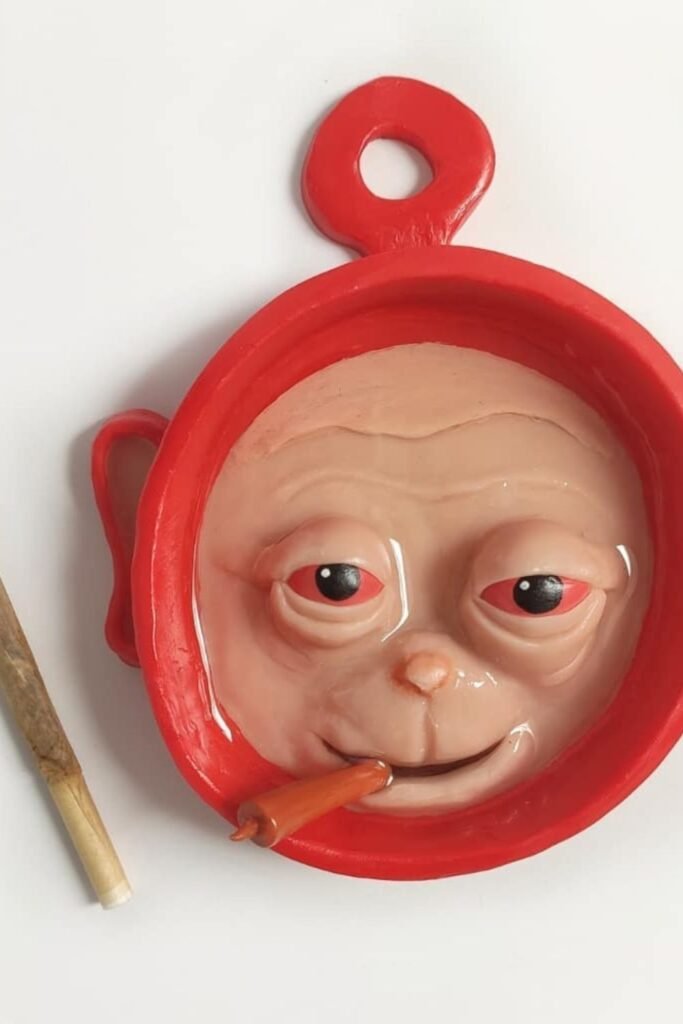
Clay Face
Bold designs don’t always have to mean complicated steps. A molded monkey face like this works best as a wall hook, coin tray, or decorative bowl.
When you maintain your mind on sculpting and expressing. Kids may press, smooth, and carve features into air-dry or oven-bake clay without having to rush.
Make a shallow bowl shape first, then use little bits of clay to make the face on top. Adults can aid with baking or sealing, but youngsters can do all the sculpting and detailing.
This idea works for older youngsters, art clubs, or weekend projects that require some patience.
Kids feel quite proud of their work when they see that the finished items are firm and ready to be displayed.
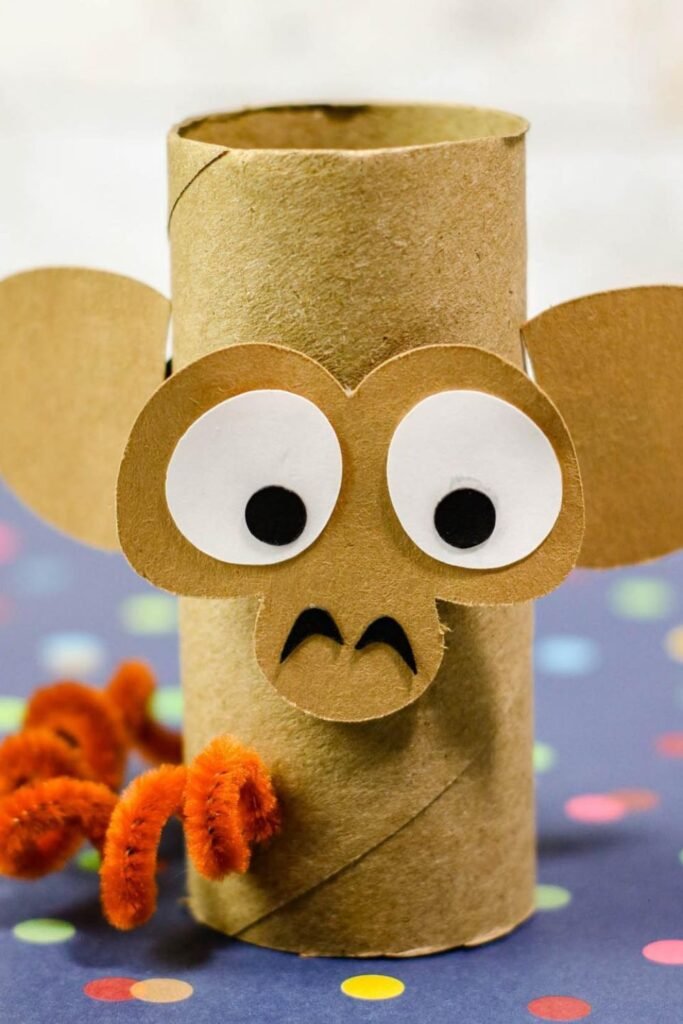
Roll Monkey
Recycled tubes turn into characters faster than kids expect. Cardboard rolls already have the perfect body shape.
Which keeps cutting to a minimum and confidence high. To add expressiveness without getting too caught up in the details.
Glue on big paper eyes, simple ears, and a little face piece. Kids adore how pipe cleaners make the tail flexible and fun to twirl.
This craft is great for quick school exercises, projects for rainy days, or lessons on recycling.
Where the ingredients are simple. Get the shapes of the faces ready ahead of time for younger kids, then let them pick the expressions.
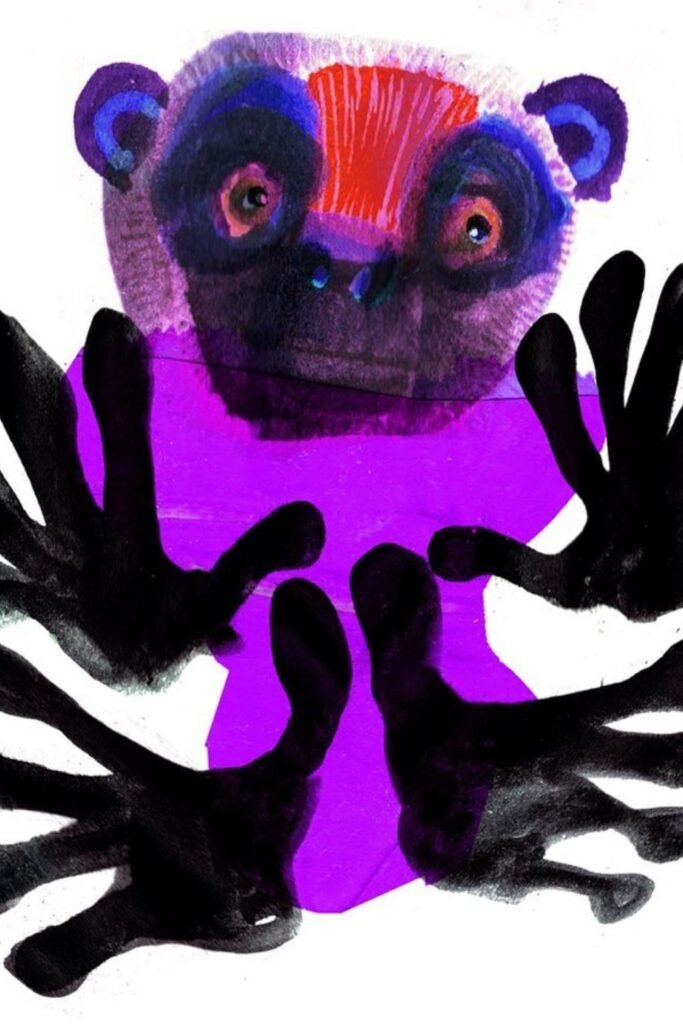
Print Layers
Energy shows up fast when kids realize hands don’t have to look realistic to look powerful.
The layered handprints make a bold monkey shape that looks more like art than a normal craft. Start with one solid color for the body.
Then, to make arms and legs, press painted hands around it. Dark paint is helpful for contrast and hiding prints that aren’t even.
This idea works for art classes, creative weeks, or older kids who like to try new things instead of following directions.
The drying space is important, but the effort is worth it because each piece appears unique, dramatic, and hard to reproduce perfectly.
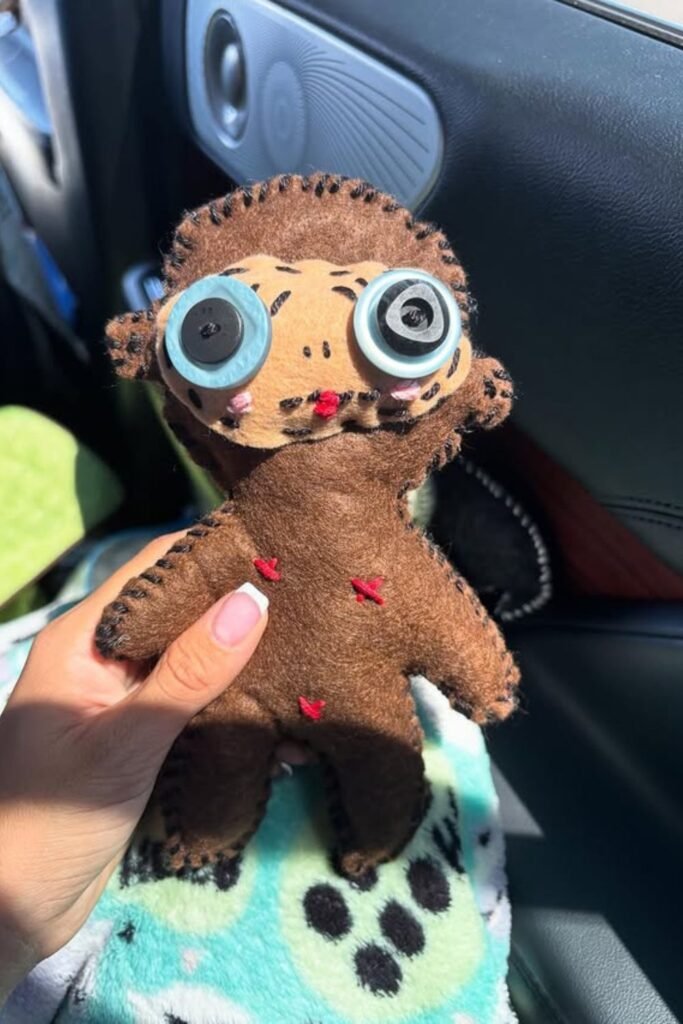
Felt Buddy
Personality shows up fast when stitches stay visible and imperfect. Hand-sewn felt monkeys like this work best for kids who enjoy slowing down.
And adding character piece by piece. You don’t need patterns to shape the body. Just use soft felt sheets, embroidery thread, and simple blanket stitches.
Kids appreciate the funny look of the monkeys with big button eyes or felt decorations that are layered.
This craft is good for older kids, craft clubs, or projects that don’t need to be done quickly on the weekend.
Adults can assist kids start seams, and then kids may sew, stuff, and decorate anyway they want.
Monkey Ears
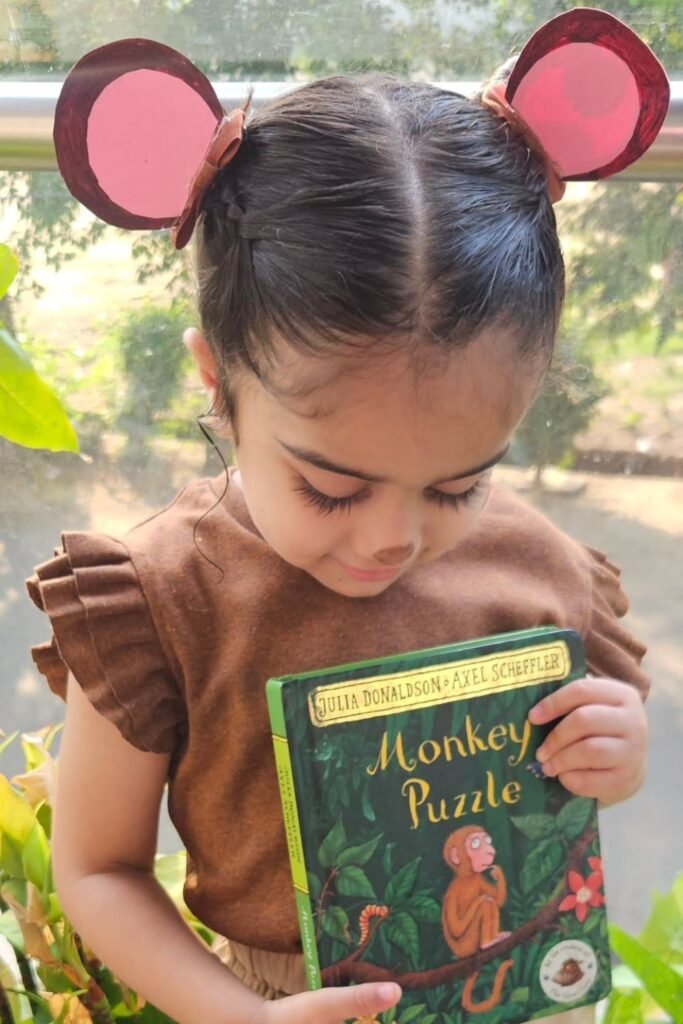
Dress-up moments stick longer than table crafts because kids become part of the story.
Simple monkey ears clipped into hair or attached to a headband turn reading time into play time.
Craft foam, felt, or cardboard makes the ears light and comfy. Cut out two big ear shapes, then glue a lighter center on top of them.
Finally, glue everything to clips or a band. This idea works for story time, school plays, themed days, or book-inspired activities.
Where creativity is more important than accuracy. Get the ear bases ready ahead of time so the youngsters can focus on decorating and wearing them straight away.
FAQs
How do I keep monkey crafts fun without turning them into a mess?
Instead of limiting supplies, start by limiting options. Don’t give kids the complete box of colors; just give them two or three to choose from.
Also, get ready for hard sections like small bits or long cuts ahead of time. For paper projects, use glue sticks, and for handprints, use washable paint.
Which monkey craft works best when kids lose interest quickly?
The best crafts are the ones that move or give you results right away. Kids can play with paper puppets, cup monkeys, and roll monkeys as soon as the glue dries.
Kids stay interested in a project if it can stand, swing, or move because they can do things with it instead than just looking at it.
Hi, I’m Afaf! I’m a law student who loves writing about everyday life – from home projects and crafts to fashion, beauty, and parenting tips.
I’ve been writing for over a year, sharing ideas that are simple, practical, and easy to try. I write about things I find interesting and useful, whether that’s organizing a space, trying a new DIY, or finding activities to keep kids entertained.
My goal is to share helpful ideas without making things complicated. If it works in real life, I’ll write about it.
When I’m not studying or writing, I’m usually experimenting with new projects or scrolling for inspiration!