
23 Dog Crafts Ideas for 2026
A lot of parents worry about something before they even take up scissors. You want your child to have fun crafting something lovely.
But you don’t want them to have to deal with sharp instruments, tiny bits, or a mess that gets stressful quickly.
You may have seen some fantastic dog craft ideas online and thought, This won’t work with my kid.
That’s why this is important. Kids need projects that are easy, safe, and entertaining to do.
This article introduces 23 simple Dog craft ideas for kids that are perfect for home activities in 2026.
Let’s jump in!
Which Dog Crafts Are Safe And Fun For Kids To Make?
The first thing you should think about while preparing a dog-themed craft with kids is not how cute it looks.
It’s if your youngster can really do it without becoming injured or angry. Kids require basic things, small steps, and space to make mistakes.
Kids stay interested and have fun with a craft when it seems easy. They quit quickly when things get tough.
This part goes over the dog crafts that are safe, easy, and really enjoyable for kids, so you don’t waste time on ideas that look good but don’t work.
Save this article for later!👇👇👇
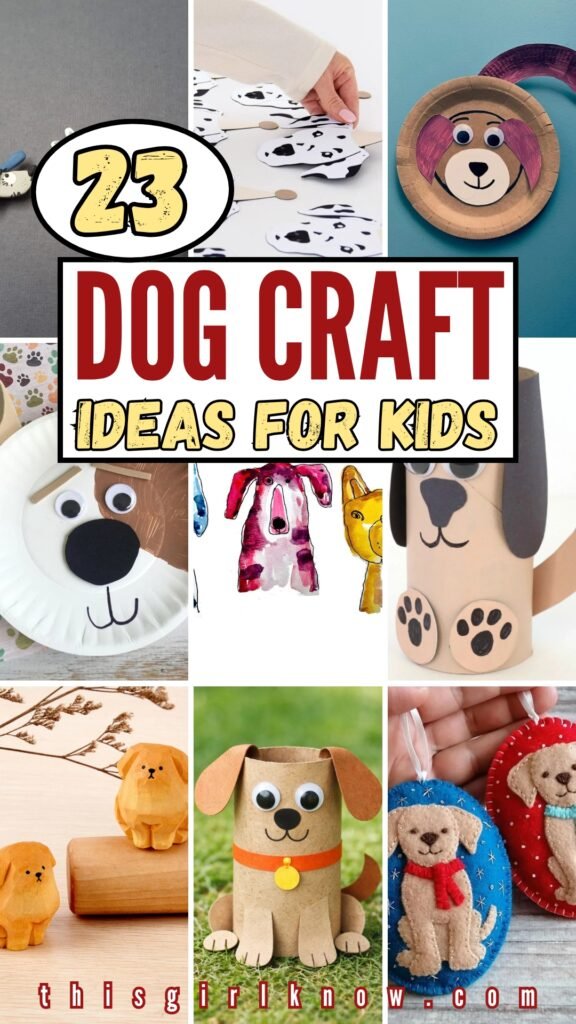
Watercolor Dogs
When youngsters seek freedom instead of boundaries, loose watercolor dogs are great. First, paint blobs, not outlines.
So that no one feels stuck trying to draw a “perfect” dog. Let them choose two or three colors, add water.
And let the brush go around without any preparation. A black marker can change forms into ears, noses.
And eyes as the paint dries. This works nicely in classrooms. On rainy afternoons, or during.
Peaceful painting time at home. If you’re worried about spillage, tape down the paper and use only a few colors. The best part is that every dog will appear different.
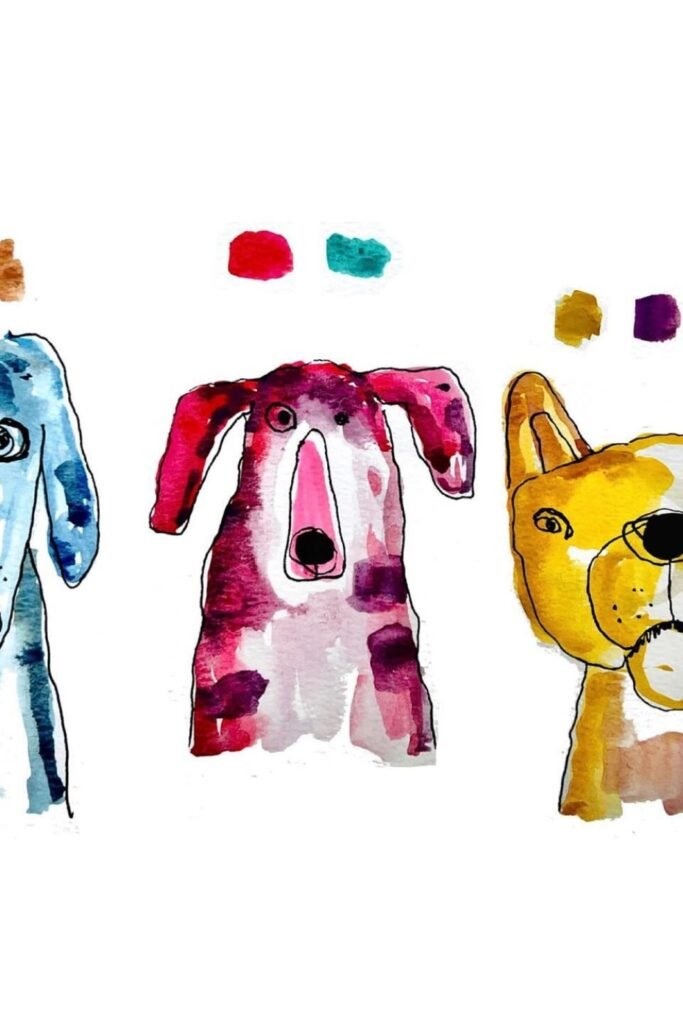
Paper Puppy
Paper plates save you from overthinking because the base is already done. Paint half the plate, leave the rest white.
And let the kids choose where the color goes instead of trying to make it seem even. Foam or paper ears are better than heavier materials.
Especially for small hands. Use glue sticks so that nothing moves or becomes messy. This is great for things.
Like birthday craft tables, classroom activities, or times when you’re bored on the weekend.
Kids can write expressions on the face with markers once it’s done. This makes them feel like they’ve finished something, not just started it.
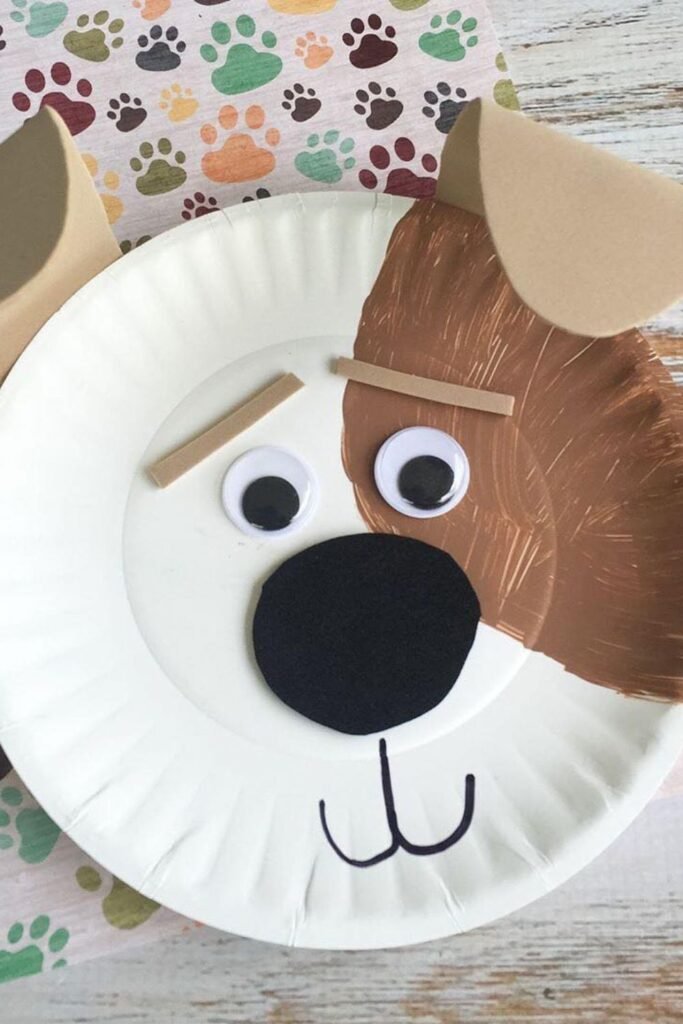
Tube Puppy
Empty toilet rolls turn into instant craft bases without prep work. Cardboard already stands upright, so kids don’t fight gravity while building.
Brown paper or paint quickly covers the tube. Simple cut shapes make ears, paws, and tails. For smaller kids, sketching eyes is equally.
As good as googly eyes for adding personality. This is a great place for table games, school recycling projects, or peaceful creating alone.
Cutting pieces ahead of time will cut down on the amount of labor youngsters have to do with scissors.
Then, let them focus on where they want to place the parts. The end comes swiftly, which keeps excitement high and frustration low.
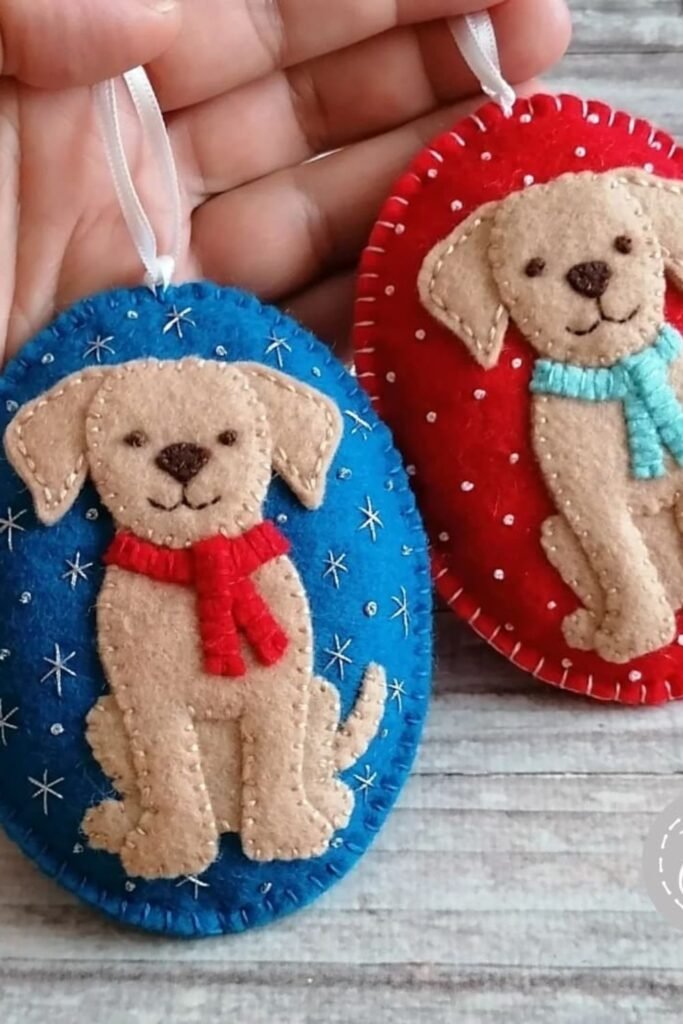
Felt Ornaments
Holiday crafting works best when kids can slow down and focus, and felt makes that possible. Soft fabric doesn’t tear easily, so mistakes don’t ruin the project.
Cut out dog forms ahead of time, then let them embellish them with simple stitching, fabric glue, or drawn-on details, depending on how old they are.
Older kids can learn how to sew by hand, while smaller kids can glue and layer pieces instead.
This is the great place for winter break, classroom present projects, or family treasures. Kids feel like.
They made more than simply art when they see that the final dog can be used as something helpful with the hanging loops.
Wooden Puppies
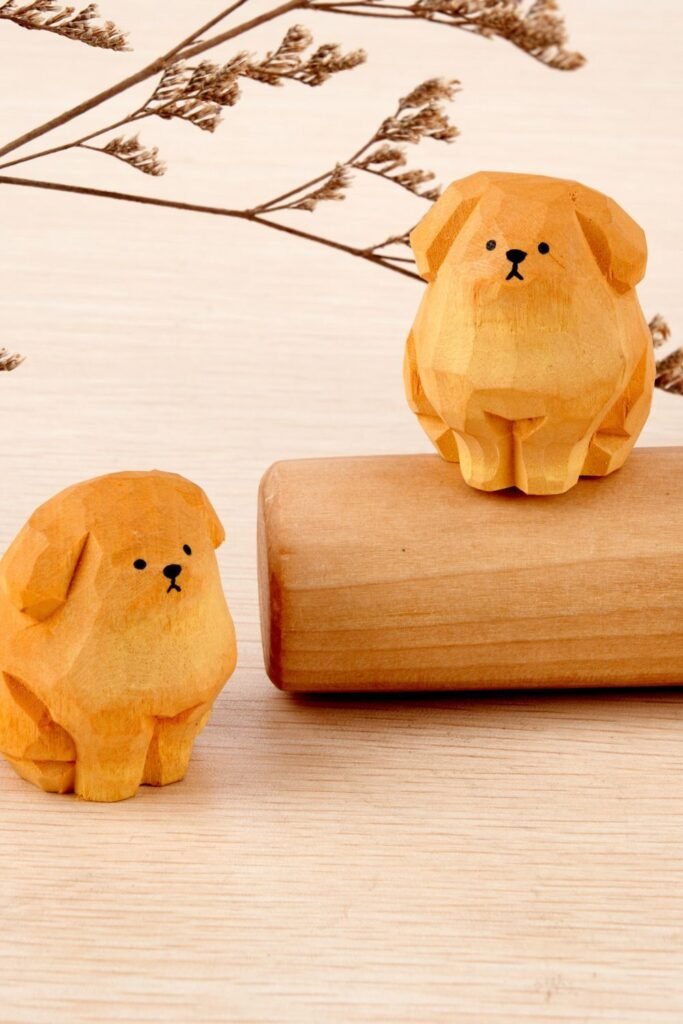
Wood projects slow everything down, which is why this works best as a guided activity rather than a free-for-all craft.
Kids don’t have to make the shapes themselves. You can start with wooden dog figures that are already built or basic blocks that you buy at a craft store.
Let the youngsters do the safe parts, including sanding the edges smooth, painting with brushes.
And drawing faces with markers. Art class, maker spaces, or creative time at home with parents are all good options.
Natural wood keeps things quiet and simple, and the completed puppy is strong enough to stay on a shelf instead of going in a drawer.
Collar Puppy
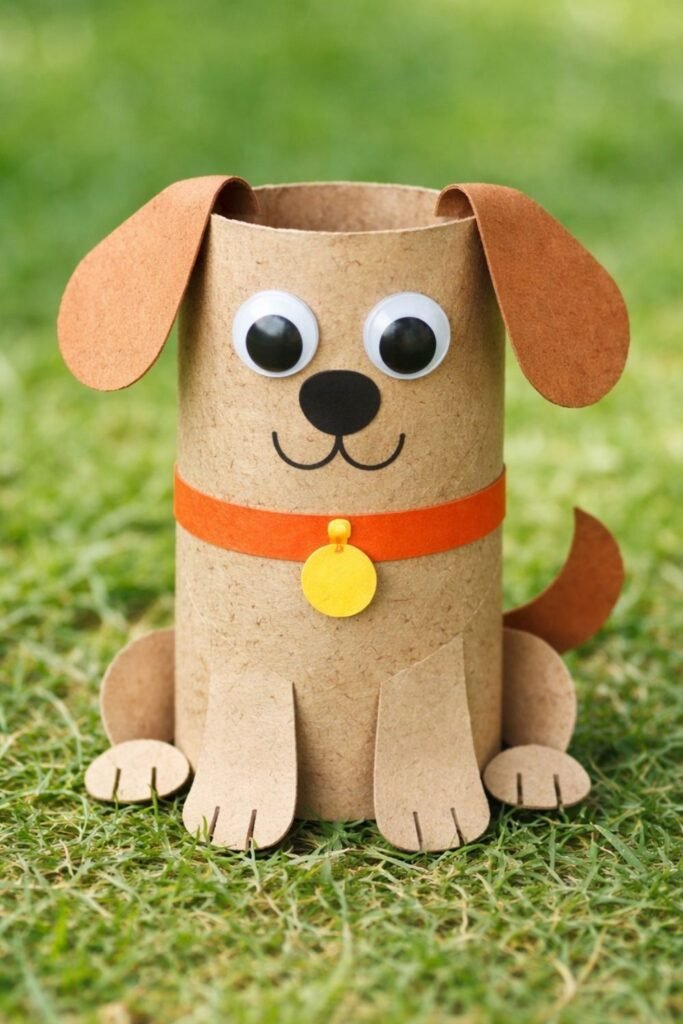
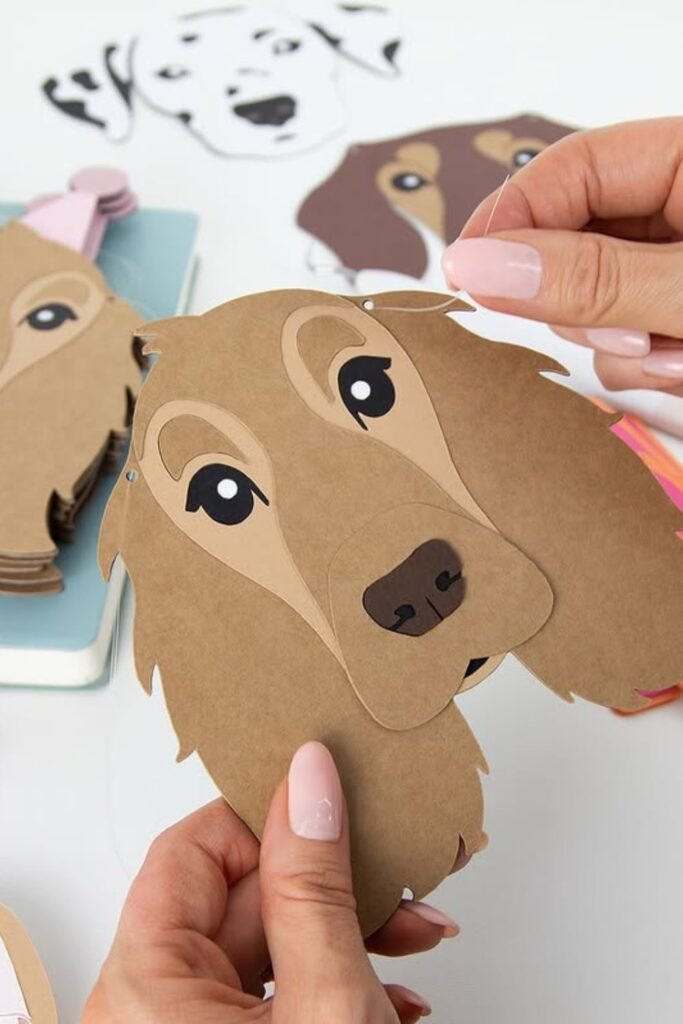
Personal details pull kids into a project fast, and a simple collar does exactly that. Cardboard tubes give the body.
But the fun starts once the dog gets a name tag. Kids can make collars out of paper strips, tags out of circles.
And write names, draw symbols, or make up pets. Cutting keeps simple, gluing stays light, and decorating performs most of the effort.
Here are some good ideas for playdates, outdoor craft tables, or lessons about animals. When they’re done.
kids frequently line them up like a family of dogs. This means that the activity transforms into pretend play instead of finishing at the table.
Wiggly Tails
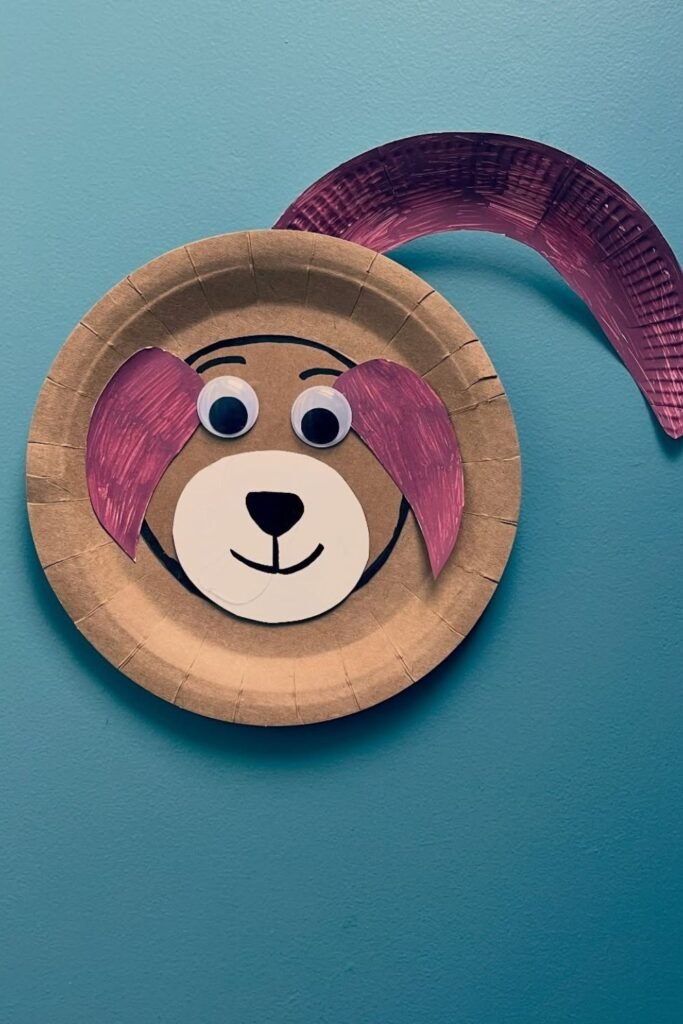
Movement changes everything for kids who get bored fast. Adding a curved paper tail turns a flat dog face.
Into something playful without extra work. Cut a tail out of a second plate or piece of cardstock, bend it a little.
And use a paper fastener to connect it so it can swing. Googly eyes make things come to life right away.
But sketched faces work just as well for younger youngsters. This idea works well for storytime crafts, animal units, or quick art stations.
When the tail moves, kids start to play with the craft instead of just staring at it. This keeps them interested for longer.
Puppy Puppets
Hands-on play keeps kids hooked longer than sit-and-glue crafts. Stick puppets turn a simple dog face into something.
Kids can talk with, move around and act out stories. Cardstock is the best material for printing or tracing dog faces.
Wooden sticks or thick paper strips are used for the grip. Using glue dots or tape to put things together is faster and safer than using wet glue.
This design works well for storytime nooks, group activities, or days when kids can play inside.
Kids instinctively start to act out when they’re done with their puppets, which means the craft stays going long after the table is cleaned up.
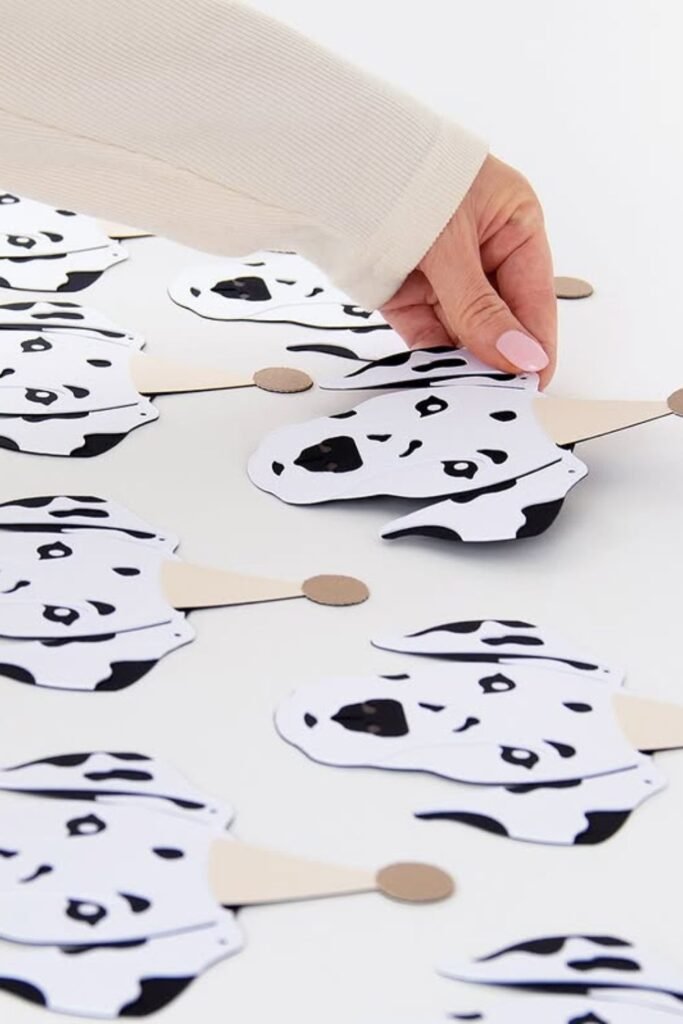
Paper Quilling
Curled paper turns patience into something kids can actually see. Quilling works best with older kids who like detail and don’t rush through projects.
Use pre-cut paper strips to keep your hands busy without scissors. Do one easy curl, and then let them learn by doing it again.
The faces, ears, and tails come together slowly, which makes this great for peaceful afternoons, art clubs, or focused classroom stations.
Kids keep interested when they see bright colors, and framing the finished dog gives the endeavor a definite goal.
Kids don’t simply make a puppy; they also learn how to regulate themselves, keep a steady beat, and be proud of modest steps forward.
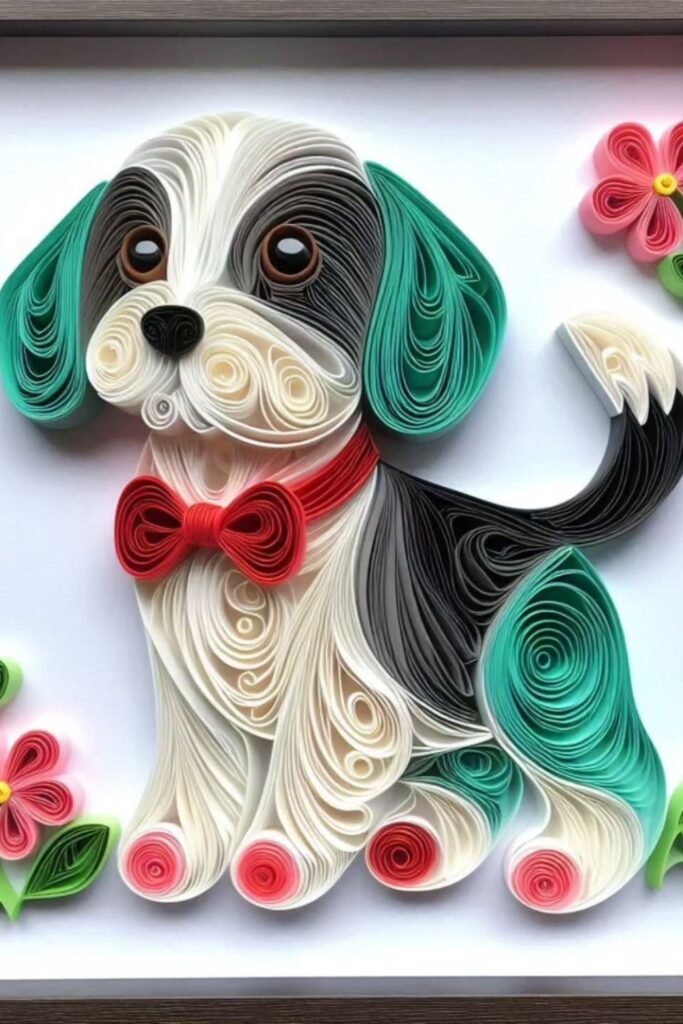
Clay Minis
Tiny figures grab attention fast because kids feel like they’re making something special. Air dry clay works best here since no heat or tools are involved.
Begin with basic shapes an oval body, a small head, and short legs. Then, use toothpicks or the back of a pencil to give it character.
There aren’t many details so students don’t have to spend a lot of time repairing small mistakes.
This idea works nicely for art clubs, birthday craft stations, or quiet time at home. When they are dry.
These miniature dogs can be used as desk friends or souvenirs, which provides them a purpose to complete instead of hurrying through.
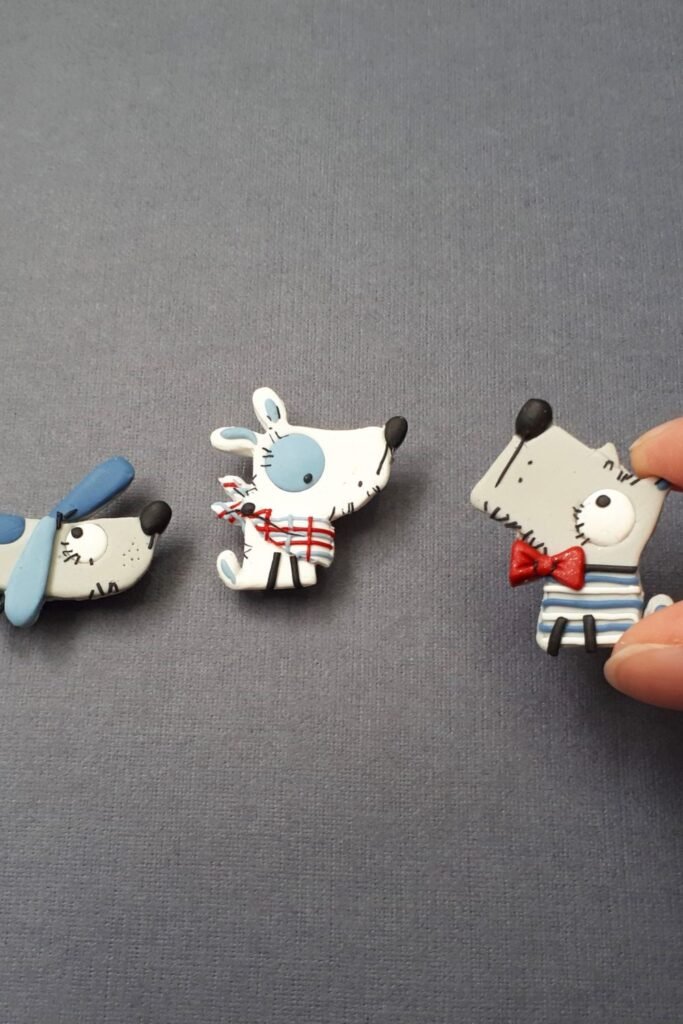
Cardboard Dogs
Bold paint strokes work better than careful coloring for this kind of craft. Thick cardboard gives kids a big surface to experiment.
Without worrying about tearing paper. Cut out a simple dog shape ahead of time, then give the kids paints.
And let them mix the colors whatever they choose. It’s okay if your brush strokes aren’t even; they add character to the painting.
Animal art lessons, days when you may paint freely, or group projects are all good ideas.
Adding googly eyes brings the dog to life right away after it dries. You can hang or lean finished pieces against a wall to add fun to your decor.
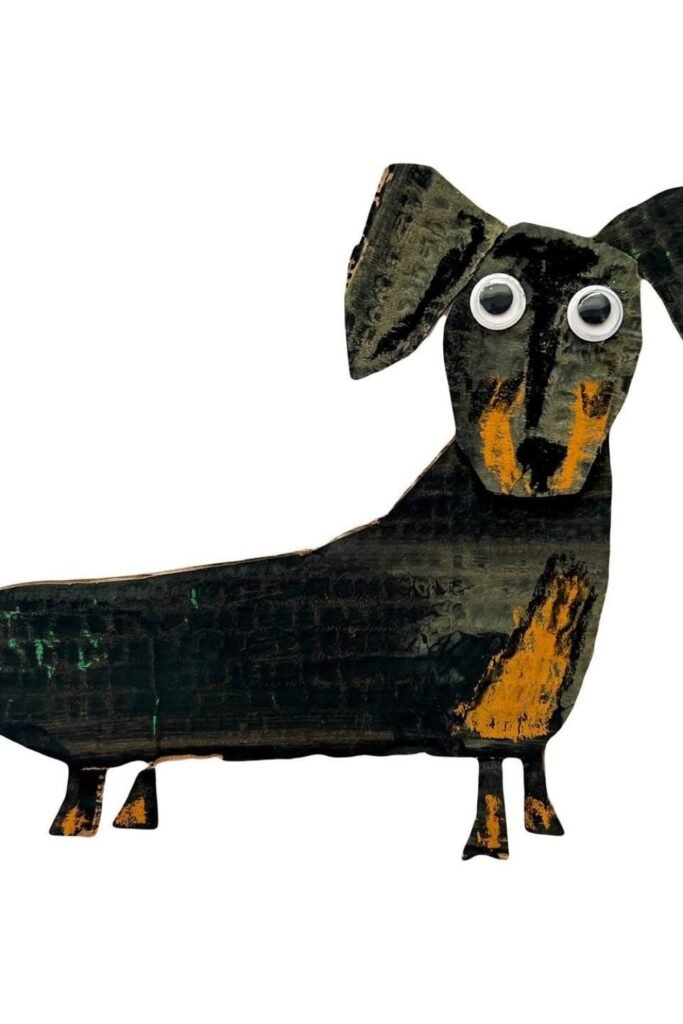
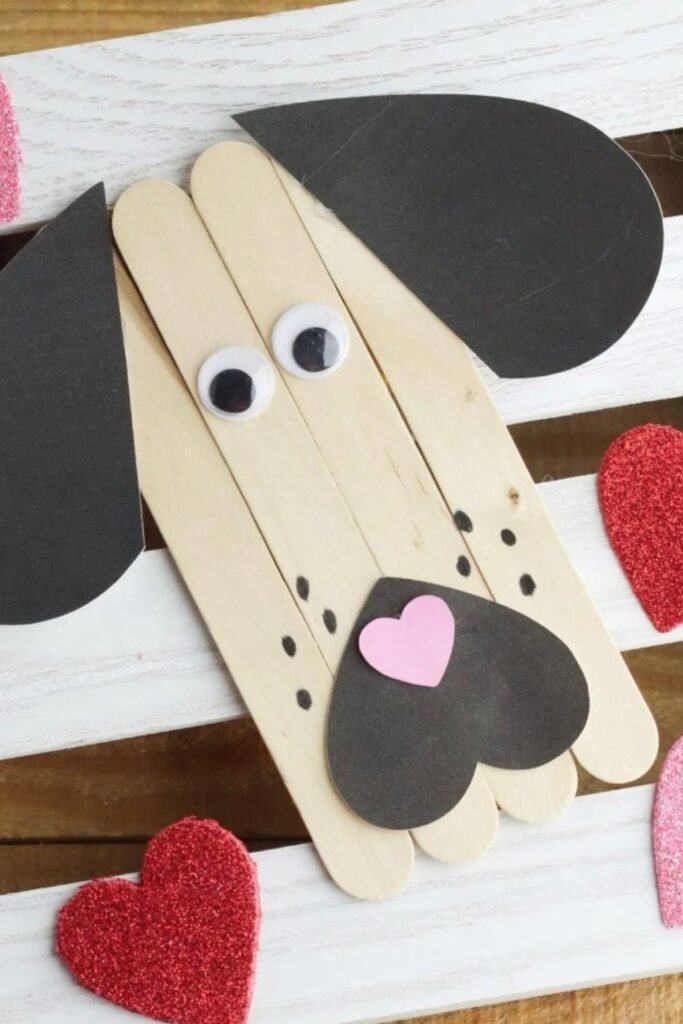
Stick Faces
Craft sticks take pressure off kids who struggle with drawing. Straight lines do the hard work, so the focus shifts to arranging and decorating instead of sketching shapes.
Put the sticks next to each other and glue them down. Then, using paper ears, a nose, and basic dots for features, make the dog’s face on top.
Tacky adhesive or glue dots keep components from moving around. This is a great place for Valentine’s Day crafts.
Decorations on the walls of the classroom, or short projects you may do in the afternoon.
These faces stay together well after they’re dry, and youngsters will want to keep them as bookmarks or tiny signs.
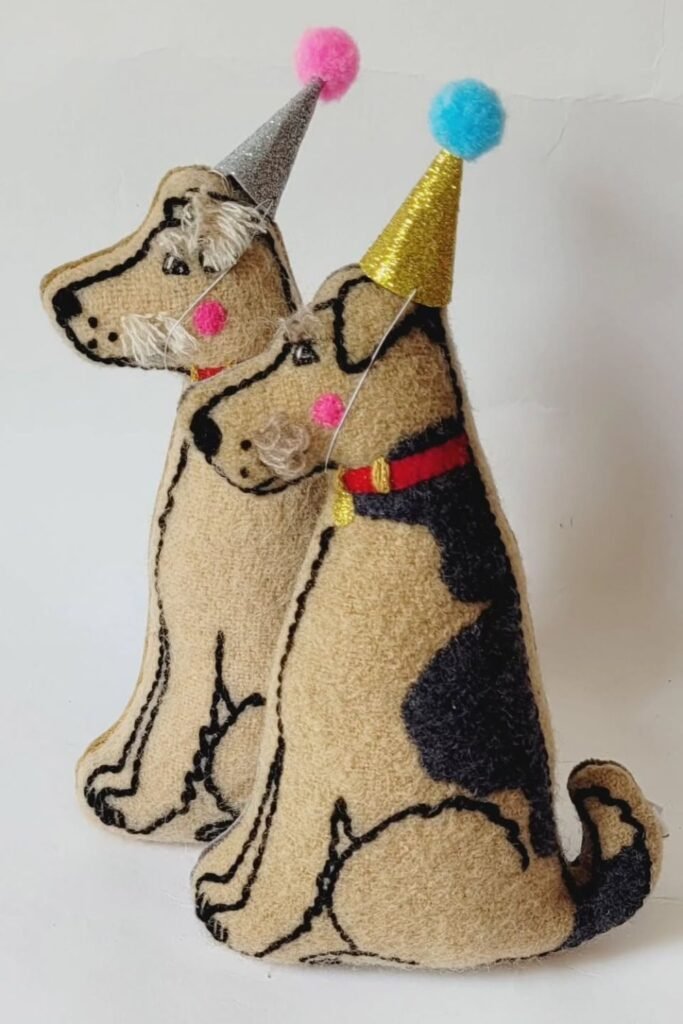
Party Puppies
Celebration energy makes kids slow down in a good way. Soft fabric dogs with tiny party hats feel special, almost like characters instead of crafts.
Felt or thick fabric works best. Cut out shapes ahead of time so the youngsters can focus on decorating and putting things together.
Fabric adhesive makes things easy, and older youngsters can try some rudimentary stitches if they’re ready.
This concept is great for birthday parties, classroom festivities, or holiday craft days. By adding hats, collars, or small color touches.
Each child can make their puppy their own. This makes the activity a memento instead of something that gets thrown away later.
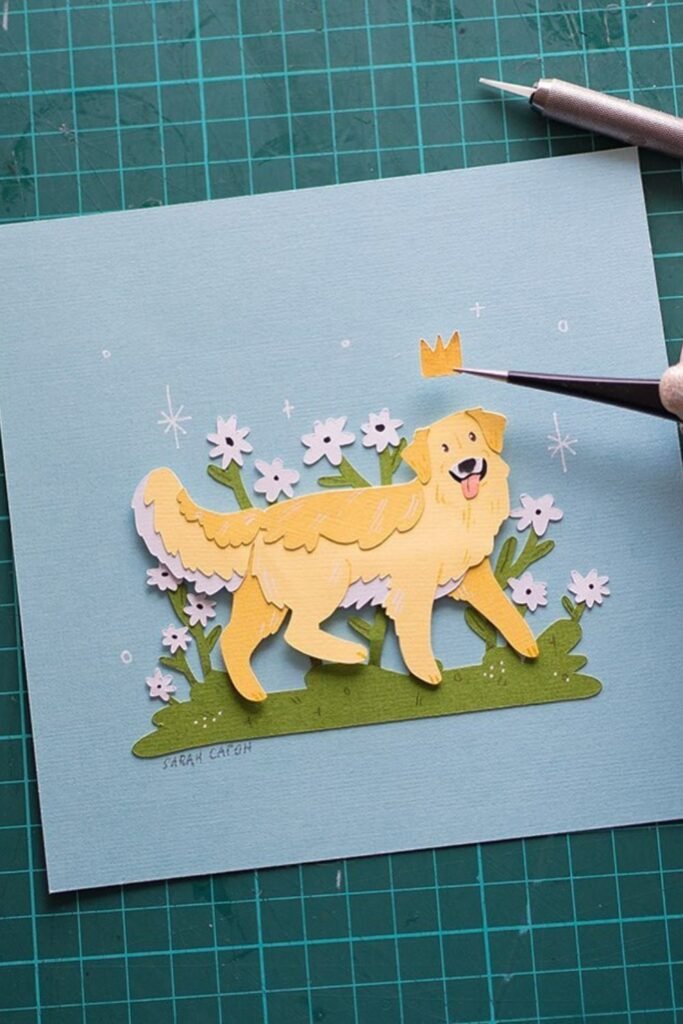
Layered Scenes
Depth makes paper crafts feel impressive without adding danger. Stacked paper shapes let kids build a full dog scene one layer at a time.”
This keeps both hands and minds active. Cut out simple forms ahead of time. Then, put the background pieces together first and then put the dog on top.
Foam dots or folded paper tabs can help keep layers apart without the hassle of adhesive. This approach.
Works best for art lessons, craft time for older kids, or peaceful weekend pursuits. When everything is in place.
The finished sculpture looks good enough to hang on the wall, which makes youngsters. Feel like they’ve really accomplished something instead of just doing another craft.
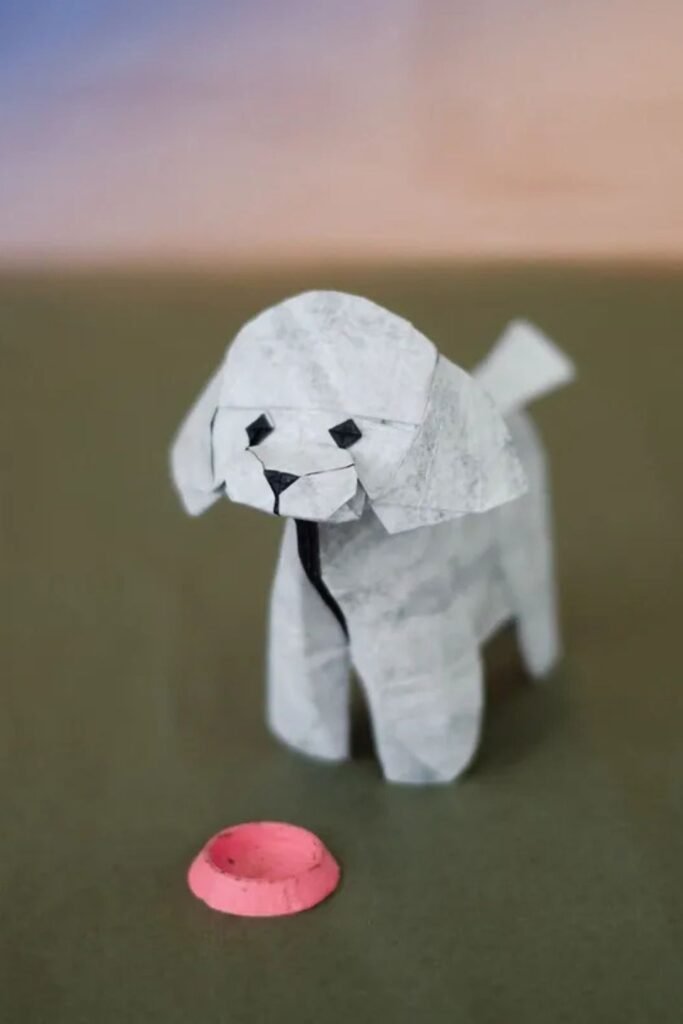
Paper Folding
Hands stay busy here, which helps kids who like a challenge but don’t want a mess. Folding paper into a small dog.
Makes flat papers look three-dimensional without using adhesive or paint. Use thicker paper so the folds stay in place.
And take your time showing the kids how to do each step. With this kind of craft, patience is more important than being perfect.
The best places to do this are in quiet classrooms, at home during concentrate time, or in art classes for older kids.
When it’s done, the little dog can stand on its own, which makes the work feel worth it and keeps them proud of what they did.
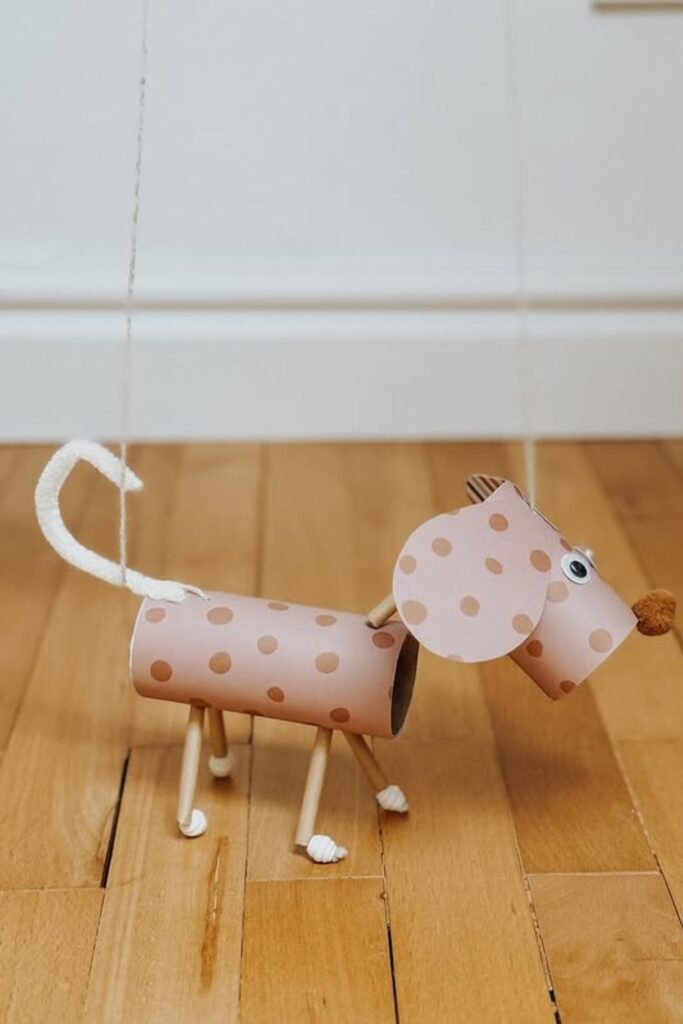
Hanging Dogs
String adds just enough movement to turn a simple craft into something kids want to show off.
The body is made of light cardboard tubes, and the legs and tails may move freely thanks to yarn or string.
Make sure the holes are big and already punched so kids don’t have to work too hard to put things together.
Instead of fine details, dots, spots, or basic shapes make decorating easy. This idea works well in bedrooms, playrooms, or corners of classrooms.
When you hang it up, the dog gently sways, which gives the craft a life of its own and lets kids feel like they made something that they can play with, not just another table project.
Layer Masks
Pretend play kicks in fast once kids can hold something up to their face. Paper dog masks work best when pieces are already cut.
That putting things together seems possible instead than too hard. Cardstock is strong enough without becoming rigid.
And paper fasteners let ears or snouts move a little. You can use markers, crayons, or light paint to decorate.
This idea works nicely for storytime activities, drama corners, or parties with animals as the theme.
Kids don’t just look at the craft when they’re done; they use it. The change from making to playing keeps the action going long after the table is cleared.
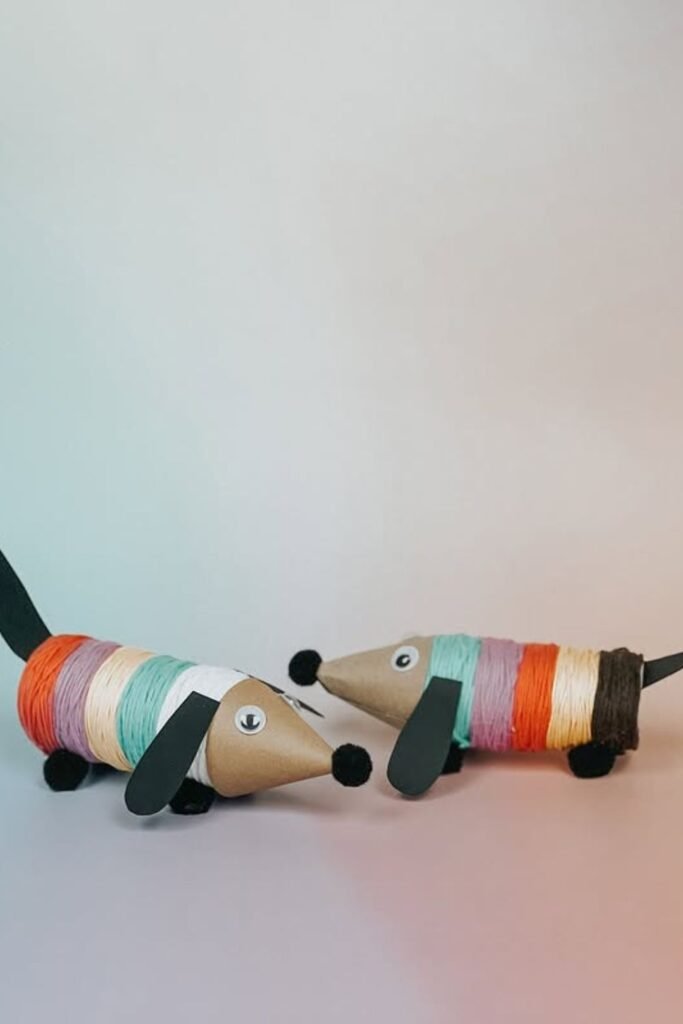
Yarn Puppies
Wrapping yarn gives kids something rhythmic to do with their hands, which helps restless energy settle fast.
The base is made of cardboard tubes, and the body is wrapped in yarn until it feels “done.”
Changing colors keeps things interesting without making them harder. Felt or paper ears complete the look without any extra trimming.
This is a good place for craft tables, peaceful afternoons, or group activities because everyone can go at their own pace.
The puppy feels both tender and strong when it’s wrapped up, so youngsters naturally want to keep it close instead of leaving it in a pile of paper scraps.
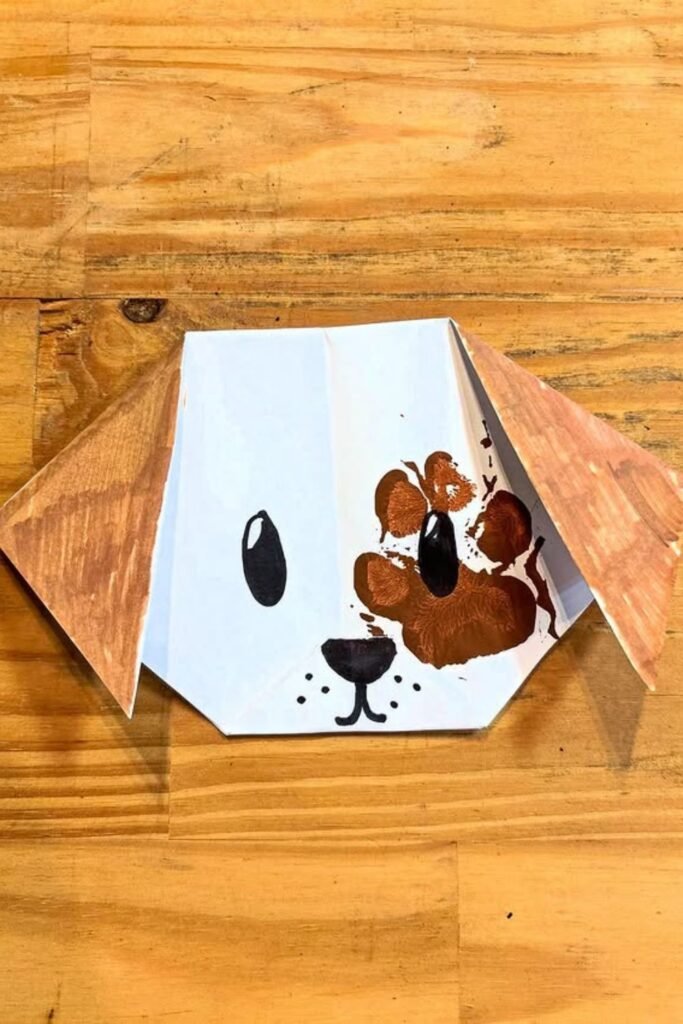
Paw Prints
Messy moments turn meaningful when kids get to use their hands instead of brushes. Paw-print style dog crafts work well for younger kids.
Because stamping is fun and feels natural. Use paint that can be washed off and keep the colors to a minimum to make cleanup easier.
Press once, then slowly lift the print and let it dry before adding eyes, ears, or a face with markers.
This is the perfect place for kitchen tables, preschool activities, or souvenir projects. Kids feel like they made something special because each print is different.
Parents frequently retain them longer since handprints and paw prints are more than simply a craft; they are a memory.
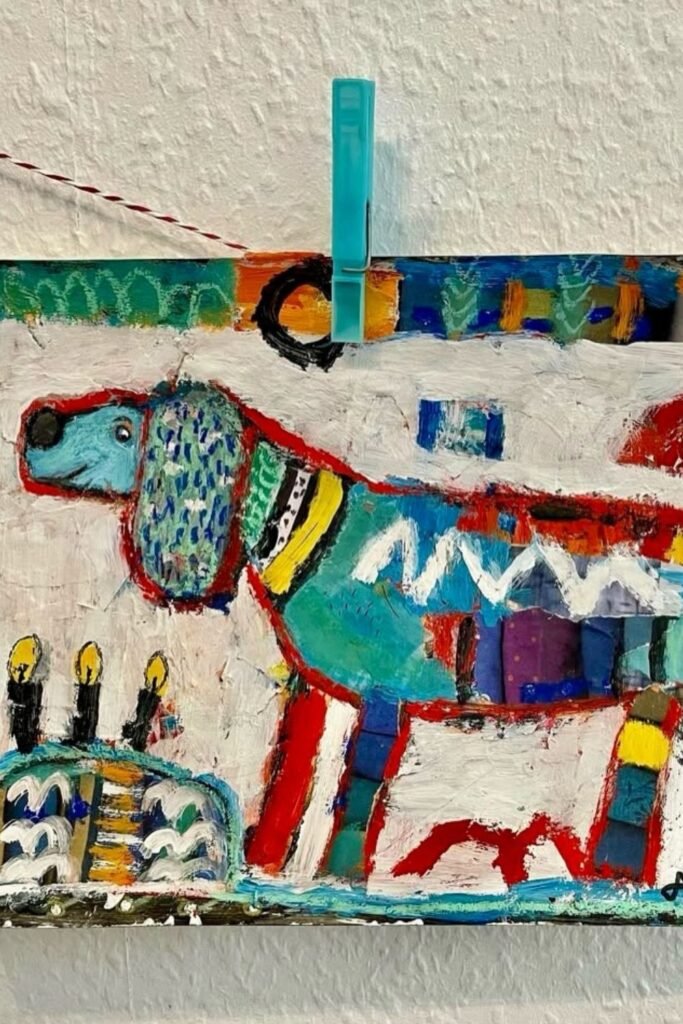
Painted Stories
Color chaos works best when kids don’t feel boxed in. Thick paint, layered marks, and bold outlines let a dog image grow naturally.
Instead of doing what they were told. Begin with a basic dog form or outline, then let them freely add colors, patterns, and textures.
Using old brushes, sponges, or even the edges of cardboard can make painting feel like an experiment without putting you in danger.
This is a great place for art rooms, creative therapy time, or craft workshops where you can express yourself. .
This helps youngsters see their work as a tale they made instead of just a picture they painted once and forgot.
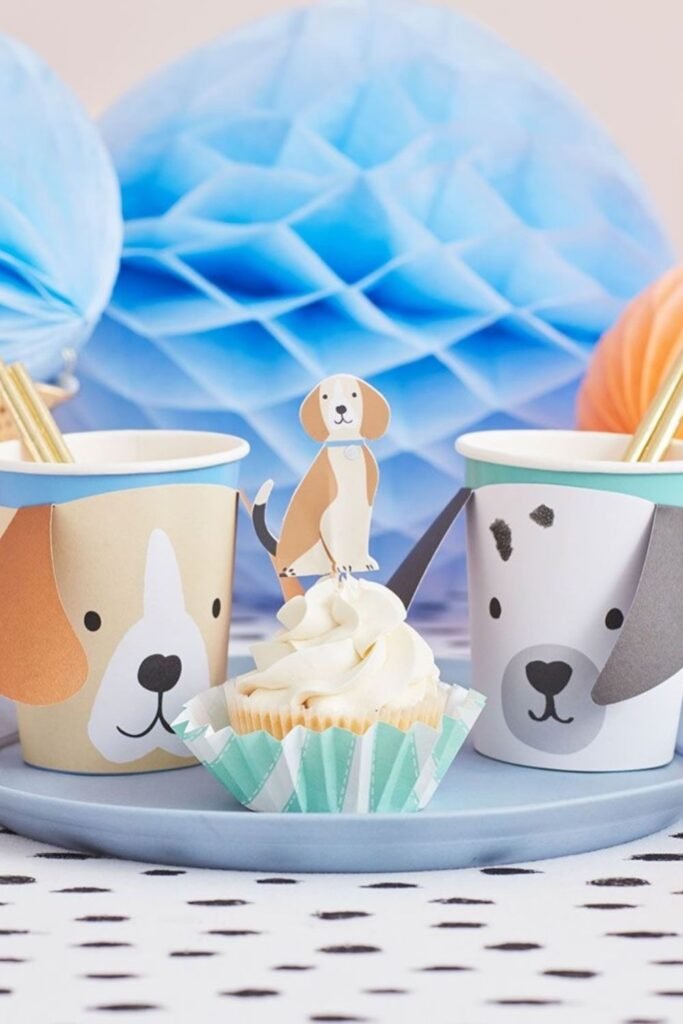
Party Cups
Snack time turns into craft time without adding extra steps. Paper cups already hold their shape.
So kids only need to wrap, stick, and decorate. When characteristics are big and simple, like ears on the sides, a nose in the middle.
And eyes that aren’t quite even, dog faces function best. Stickers or glue dots make it easy and quick.
This idea works best for birthday parties, playdates, or school celebrations. Because kids can use the cups straight immediately to drink or eat.
A lot of kids take their puppy cup home after the celebration. Which makes the craft feel useful instead of something that will be thrown away.
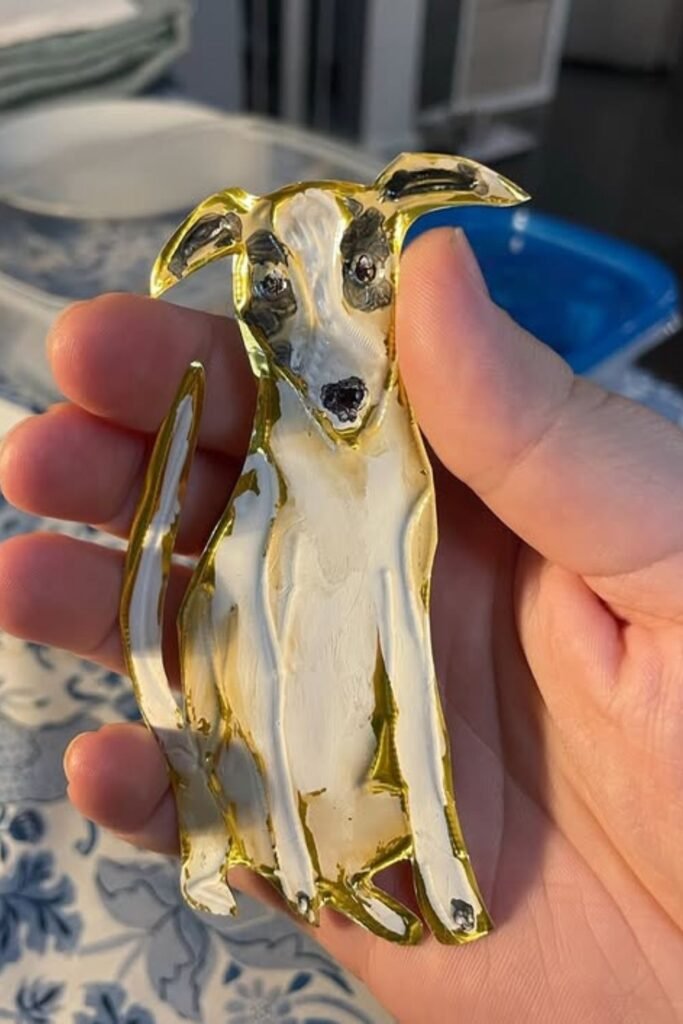
Shiny Sculptures
Kids feel like they’re doing something extraordinary right away when they see metallic finishes.
This kind of dog art is ideal with air-dry clay or pre-molded figures, not resin, so it’s safe for kids. First, get the shape right.
Then, add the details. Metallic paint or paint pens can make the form gleam without having to be flawless with the brush.
Older kids like this the most since they prefer to take their time and get the details just right. This is a great place for art clubs, supervised craft time, or weekend projects.
The finished object seems more like a collectible than a toy, so it usually goes on a shelf instead of in the craft bin.
FAQs
Can kids make dog crafts without adult help?
Yes, but only if the craft is appropriate for the child’s age. Younger kids can work on their own with paper, glue sticks, crayons, and pre-cut pieces.
Light supervision is better for anything that involves scissors, sewing, or sculpting clay.
If an adult has to keep correcting a craft, it’s probably too hard for kids to enjoy.
What’s the easiest dog craft for mixed-age groups?
When kids are at different ability levels, paper plate and cardboard tube dog crafts work well.
Younger kids can paint and decorate, while older kids can cut, put things together, and add details.
Everyone finishes at the same time, so no one feels rushed or left behind.
Hi, I’m Afaf! I’m a law student who loves writing about everyday life – from home projects and crafts to fashion, beauty, and parenting tips.
I’ve been writing for over a year, sharing ideas that are simple, practical, and easy to try. I write about things I find interesting and useful, whether that’s organizing a space, trying a new DIY, or finding activities to keep kids entertained.
My goal is to share helpful ideas without making things complicated. If it works in real life, I’ll write about it.
When I’m not studying or writing, I’m usually experimenting with new projects or scrolling for inspiration!