
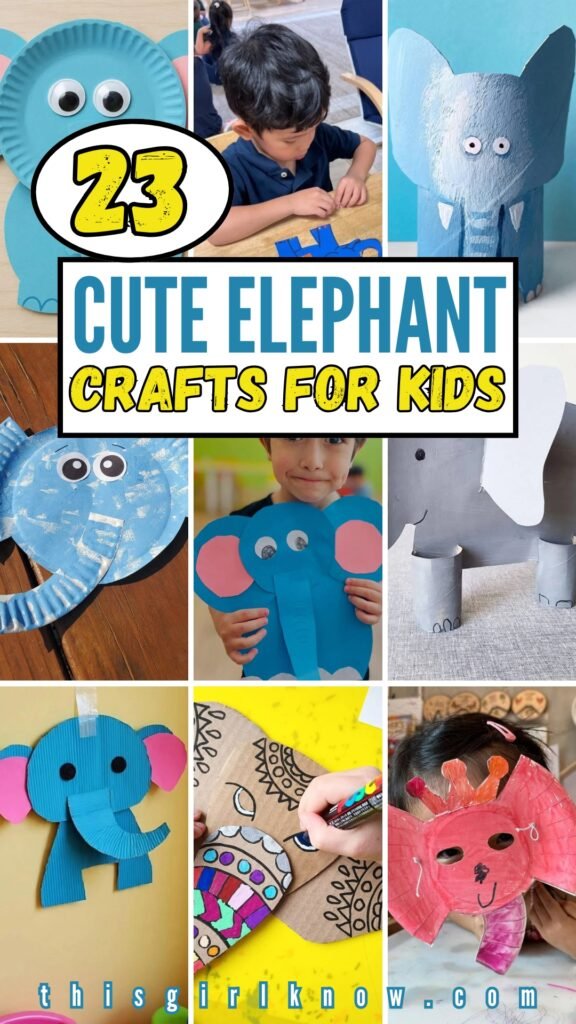
23 Elephant Craft Ideas for Kids for 2026
Looking for a simple elephant craft for kids that won’t eat up your entire afternoon. You are not alone.
So many ideas seem to require a shopping spree, endless setup or result in a mess that leaves both you and your child feeling defeated. I’ve been in that boat, too.
The great thing is, you don’t need a ton of special supplies or intricate instructions to make elephant crafts that kids will actually love.
In this article, you’ll discover 23 Elephant craft ideas for kids that spark creativity without stress in 2026.
Let’s jump in!
What Fun Elephant Crafts Can Kids Make Using Simple Supplies At Home?
You don’t need a mountain of craft supplies to keep kids entertained with elephant-themed projects.
A few sheets of paper, some glue, crayons and maybe a handful of odds and ends you’ve saved can be all you need.
The key is picking crafts that suit your child’s age and attention span. If a project is too complicated, their interest will wane quickly.
However, when you keep things straightforward and adaptable, they remain focused and pleased with their creations.
Save this article for later!👇👇👇
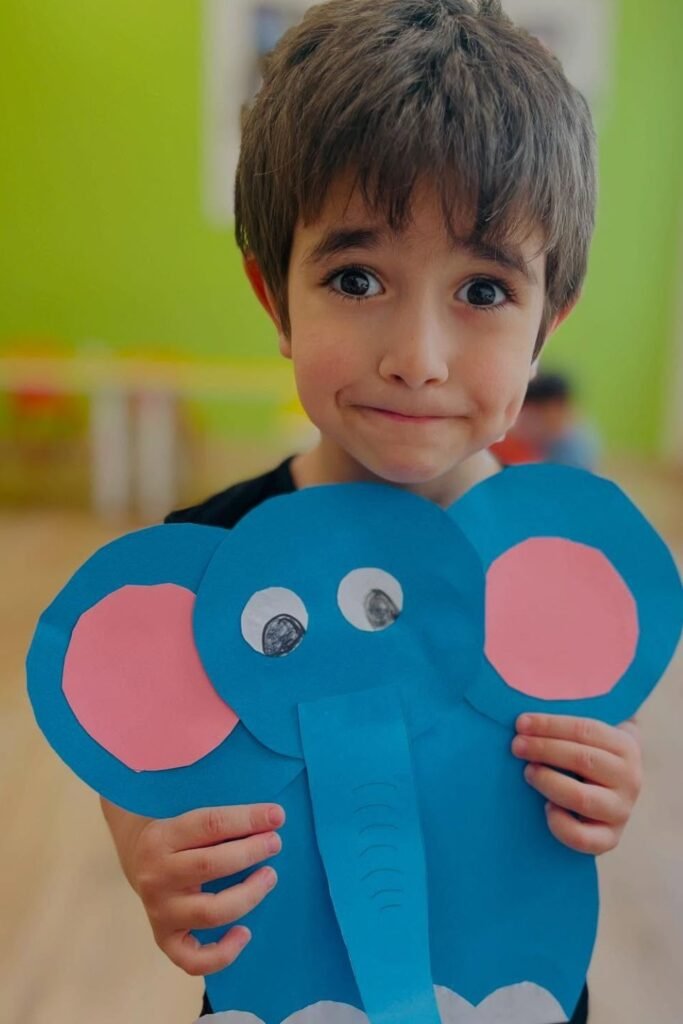
Paper Elephant
Bright paper shapes work best here because kids can clearly see each step coming together. Start by cutting one large shape for the face.
You don’t need a mountain of craft supplies to keep kids entertained with elephant-themed projects.
A few sheets of paper, some glue, crayons, and maybe a handful of odds and ends you’ve saved can be all you need.
Tube Elephant
Cardboard rolls instantly turn this into a 3D project kids love touching and playing with. Stack toilet paper rolls for legs.Next, affix a paper body and trunk to the top.
This project is perfect for those dreary afternoons or themed weeks focused on animals, as it transforms into a toy once the crafting is done.
While paint is a good option, crayons or wrapping the paper can help minimize mess if you’re pressed for time.
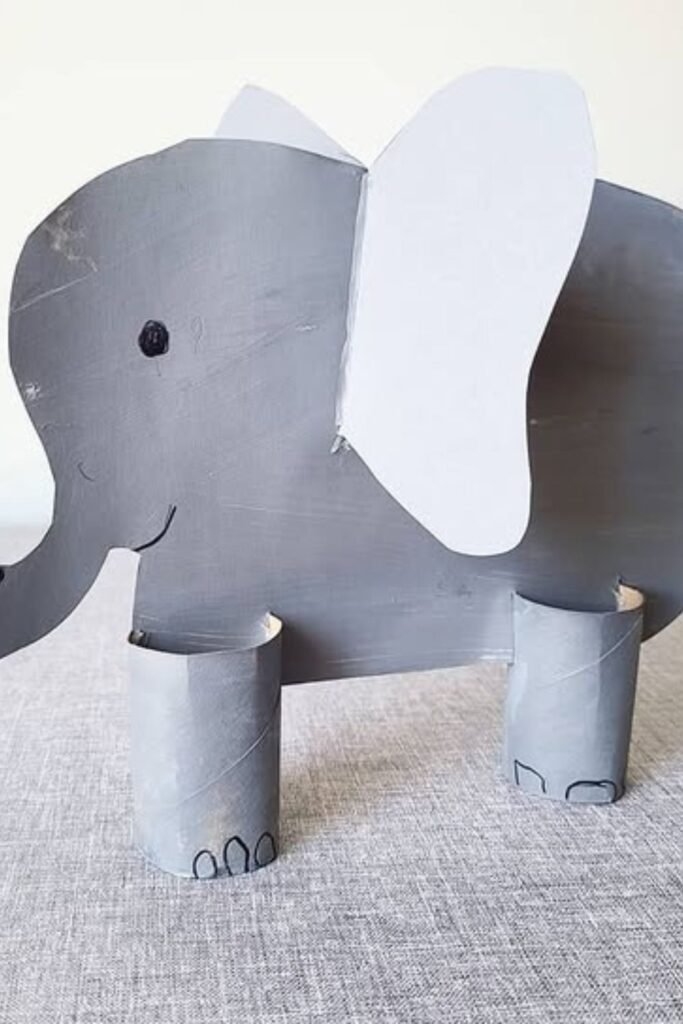
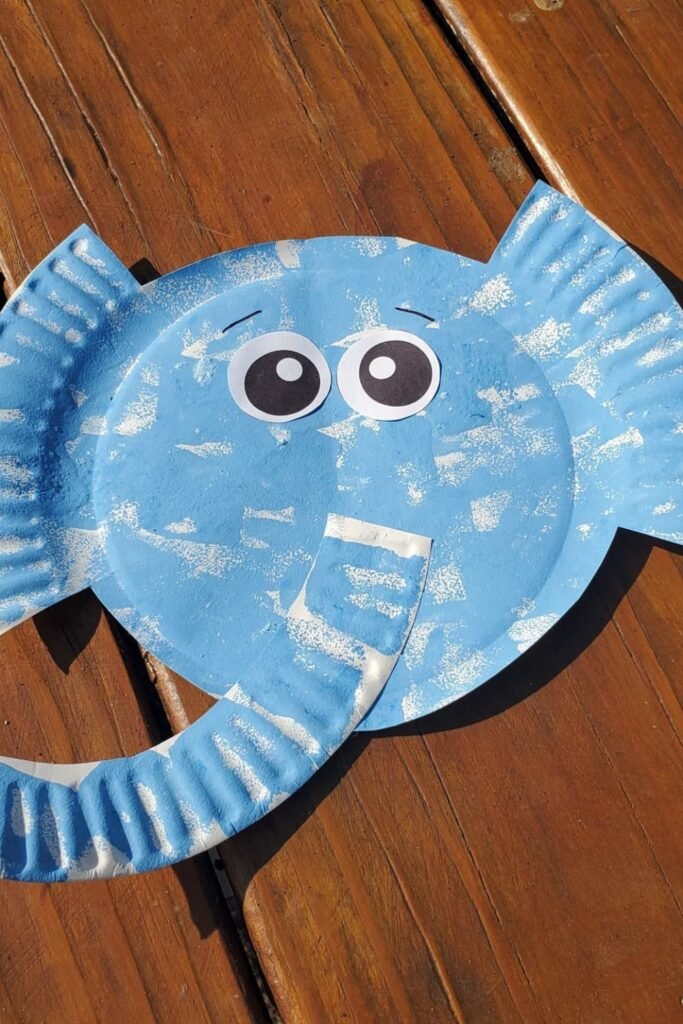
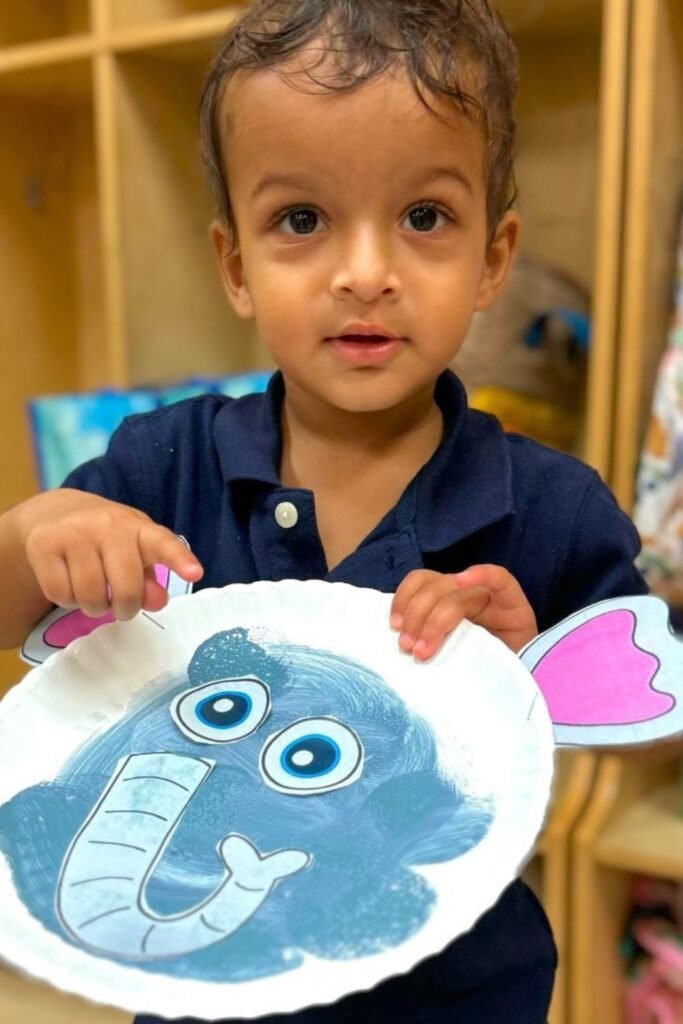
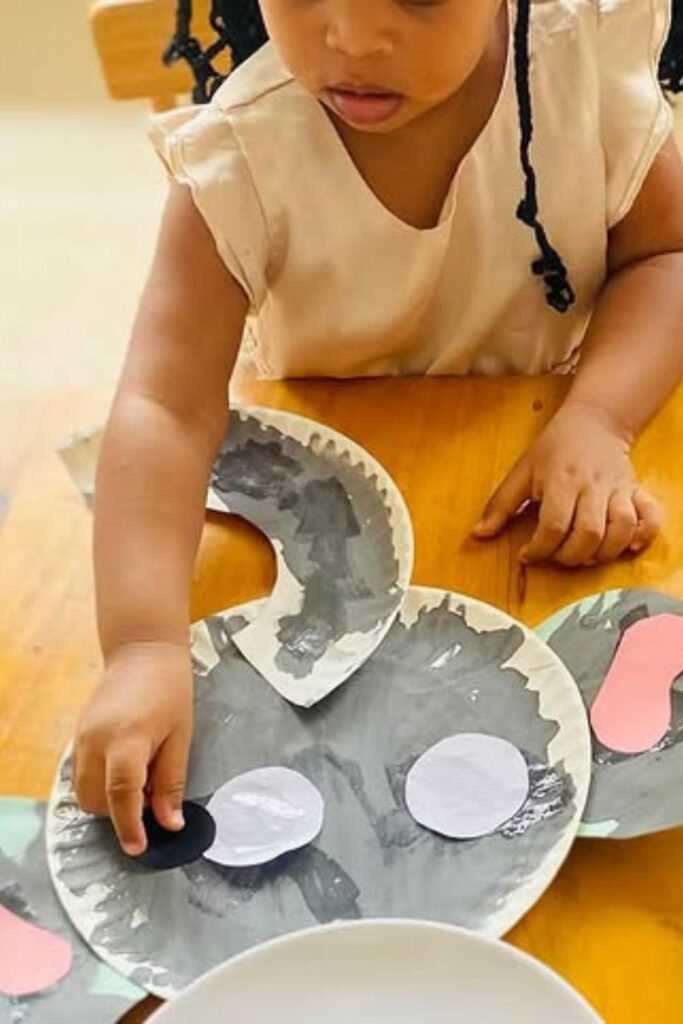
Plate Elephant
Messy textures turn into magic here, which makes painting part of the fun instead of a step to rush through.
Paper plates provide a sturdy foundation for kids and the elephant’s textured skin may be achieved through sponge dabbing or dry brushing no exactness required.
This approach is ideal for painting projects where imagination takes precedence than perfect lines.
Box Elephant
Cardboard boxes turn into something impressive without needing tiny details. Cut a wide opening for the trunk.
Craft small ears on either side, and encourage youngsters to paint without worrying about achieving a flawless result.
This project is ideal for older preschoolers and early elementary-aged children who love constructing large-scale projects.
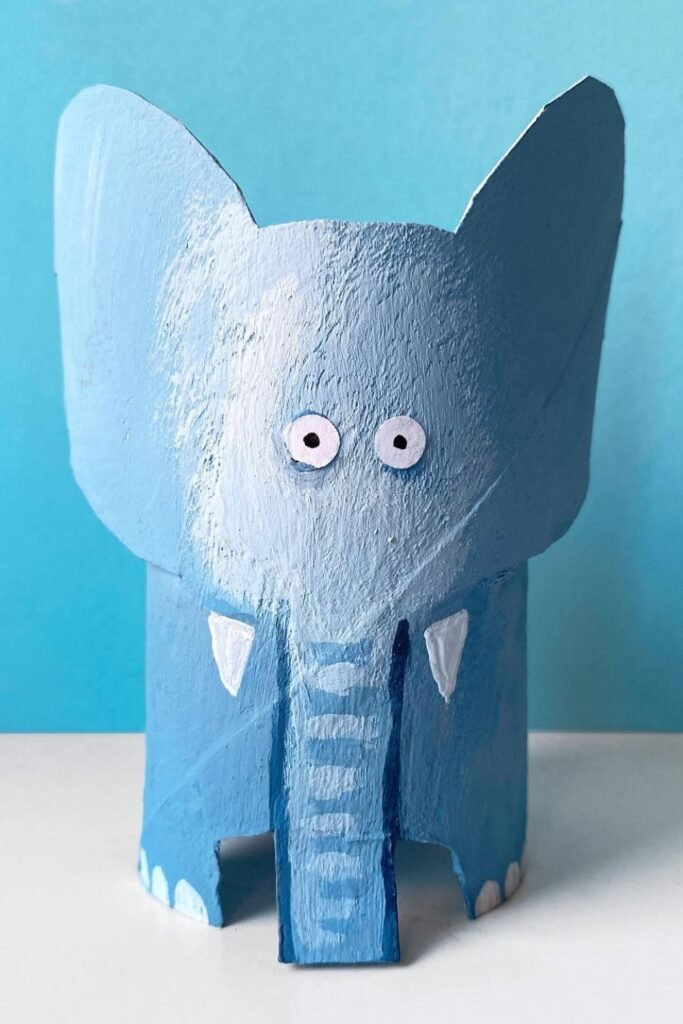
Letter Elephant
Turning alphabet practice into art keeps little hands busy longer. Use a bold letter cutout as the base.
Then, turn it into an elephant using basic shapes and stickers. It’s ideal for preschoolers or early learning environments especially when the alphabet starts to lose its charm.
Children can decorate freely with jewels or dots, which helps them concentrate and develop fine motor skills, all without any stress.
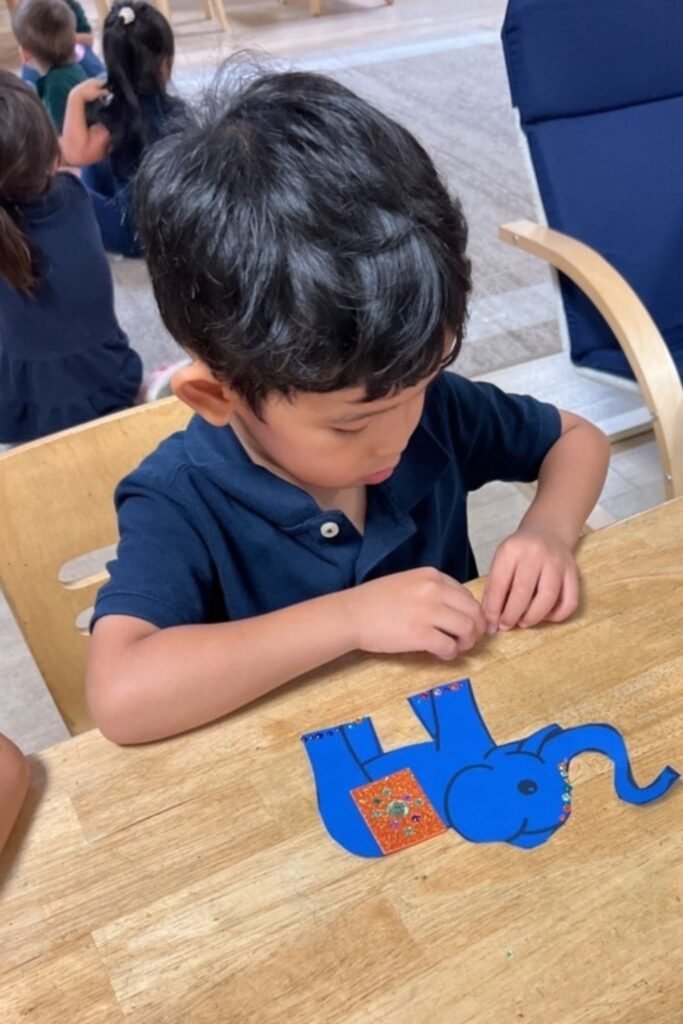
Plate Buddy
Big shapes make this one stress-free from start to finish. Paper plates form the face, while simple cutouts.
Transform it into a complete elephant, no complicated construction required. It’s ideal for younger children who prefer gluing to cutting.
Keep the pieces large, choose for glue sticks over liquid glue, and encourage kids to add their own drawings once the elephant is assembled.
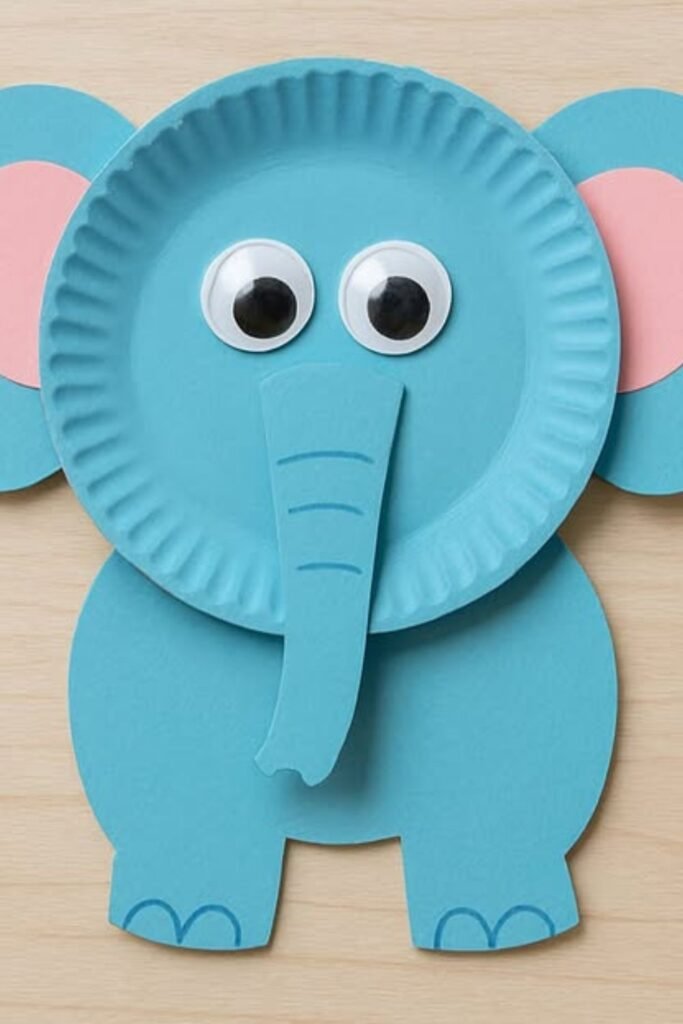
Elephant Mask
Masks flip crafting into instant playtime, which keeps kids engaged longer without extra effort. Paper plates work well for the base.
The elephant springs to life with cut out eyes and a curved trunk. Perfect for group activities, celebrations or classroom theater.
Easy to wear with string or elastic, and washable paints mean less cleanup hassle later.
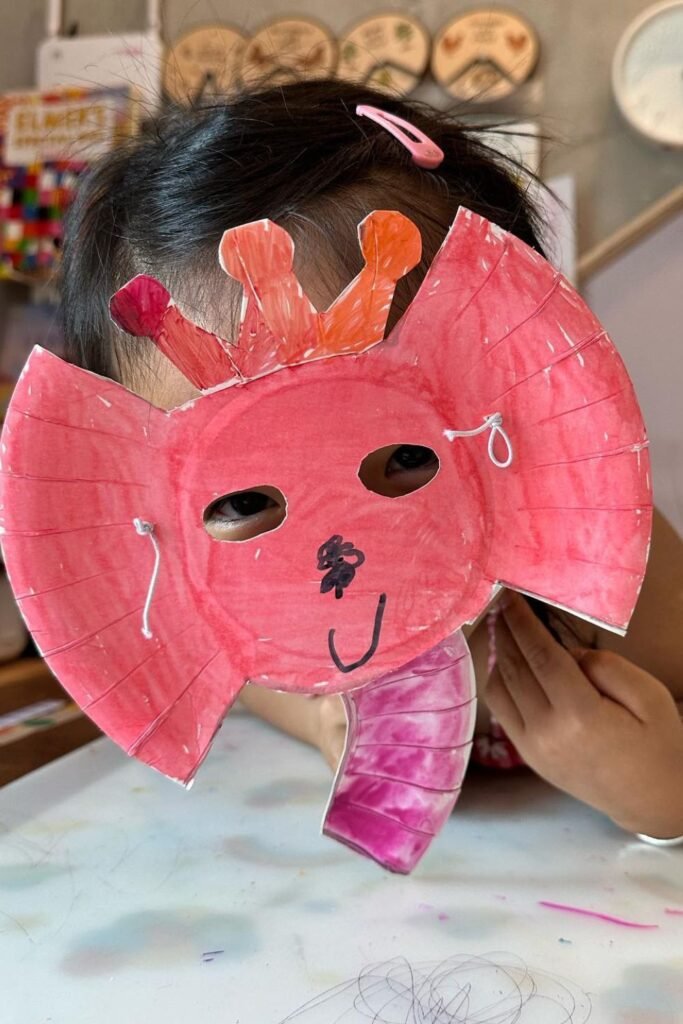
Paint Plate
Painted plates keep toddlers involved without asking too much from them.
Broad brush strokes or finger painting work perfectly here so precision never becomes a problem.
Perfect for daycare settings or home playdates, especially when attention spans are fleeting.
Allow the paint to dry well before attaching basic paper ears and a trunk; this prevents tiny hands from smudging their creations.
Pattern Elephant
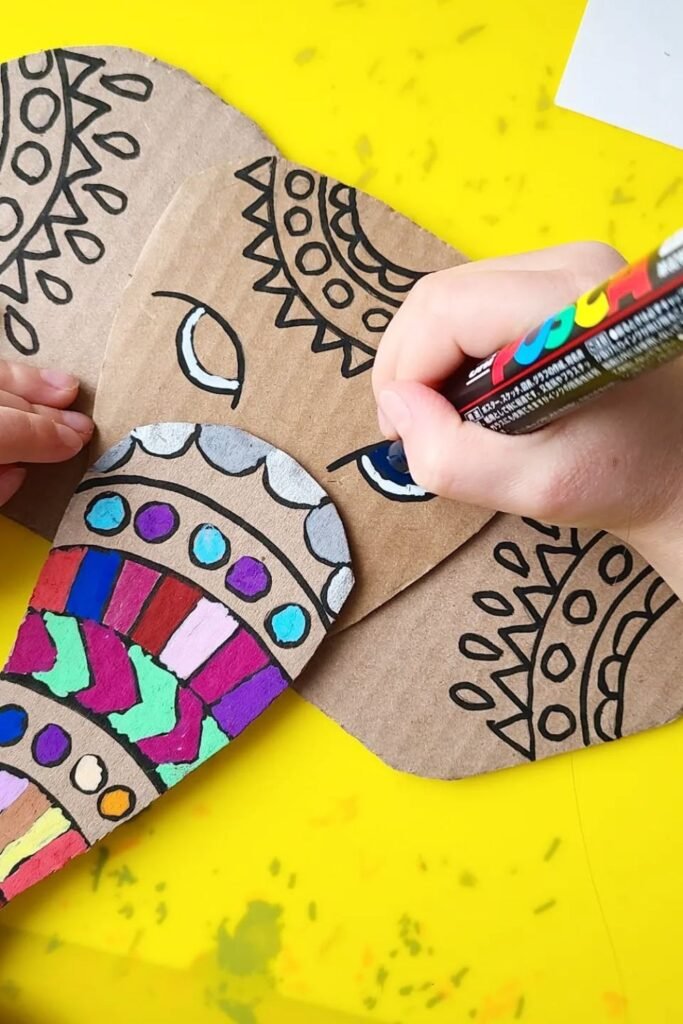
Bold patterns turn coloring into a calm, focused activity instead of rushed scribbling. Brown paper or grocery bags work well as the base.
Giving markers and paint pens a comfortable grip is key. This is especially good for older kids who appreciate the finer points and the process of repeating.
Begin with basic shapes then allow the children to fill in the sections as they wish letting the design evolve organically with out any undue stress.
Cardboard Elephant
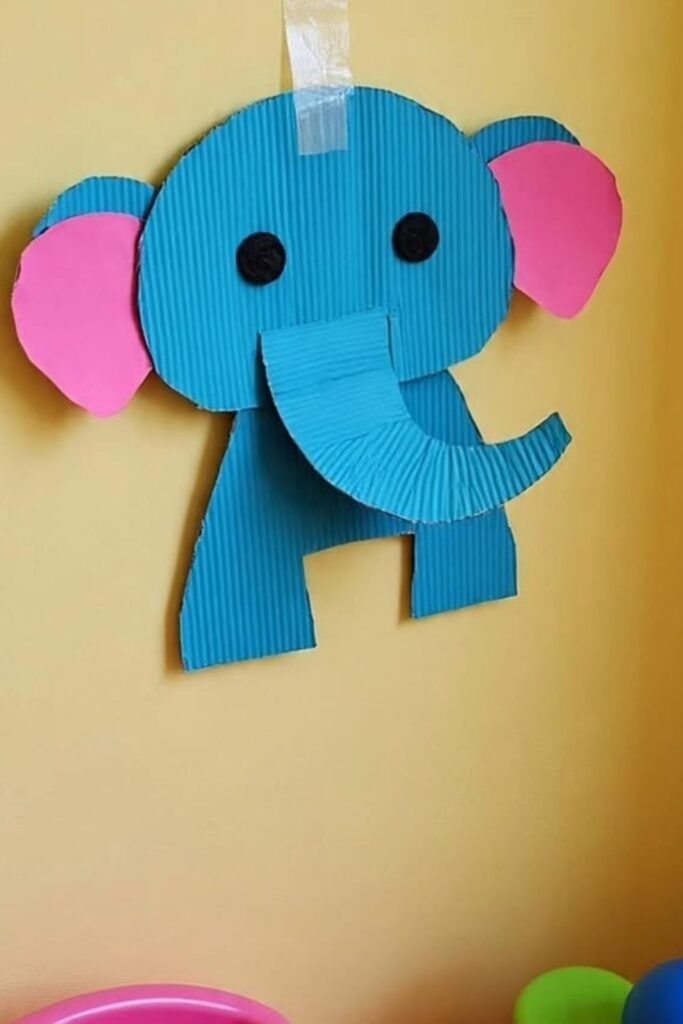
Corrugated cardboard add instant texture without extra effort. Cut simple body parts first then layer ears and a curved trunk using glue or tape.
Ideal for wall displays, bulletin boards or those peaceful creative nooks where paint isn’t an option. Keep the shapes substantial and the edges rounded.
This way, kids can put things together with assurance, without fretting over precise cuts.
Mosaic Elephant
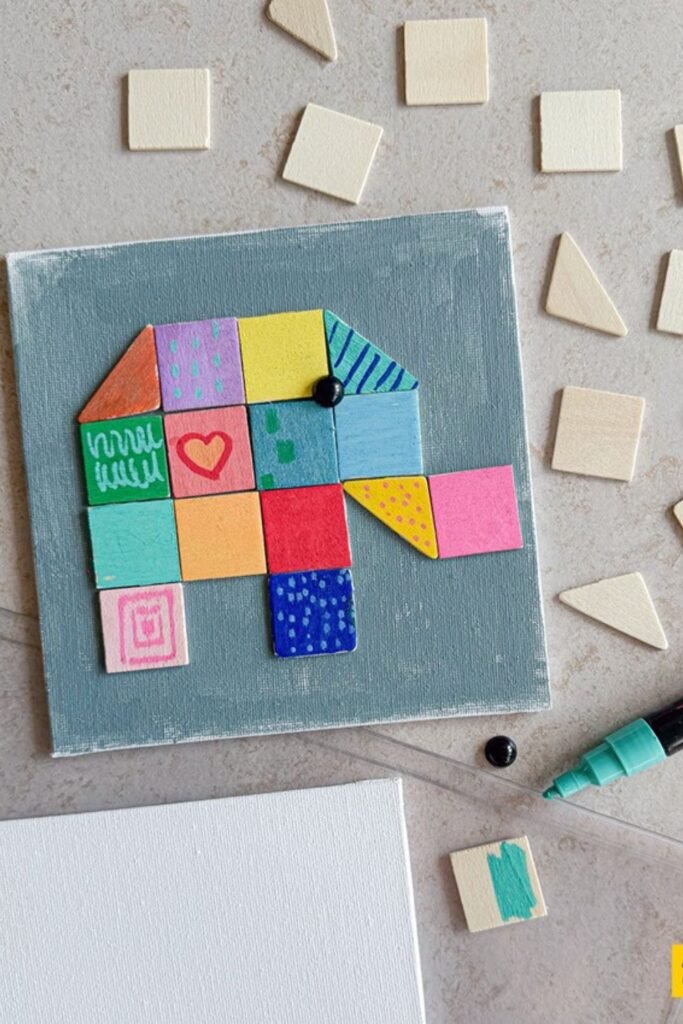
Tiny shapes come together like a puzzle, which makes this perfect for kids who enjoy slow, focused work.
Wooden tiles, cardboard cutouts or even old, thick paper can be used for this. It’s ideal for those peaceful afternoons or as a station activity in the classroom.
Begin with a simple elephant outline sketched lightly, and then let the children color in the spaces, encouraging them not to stress about color coordination.
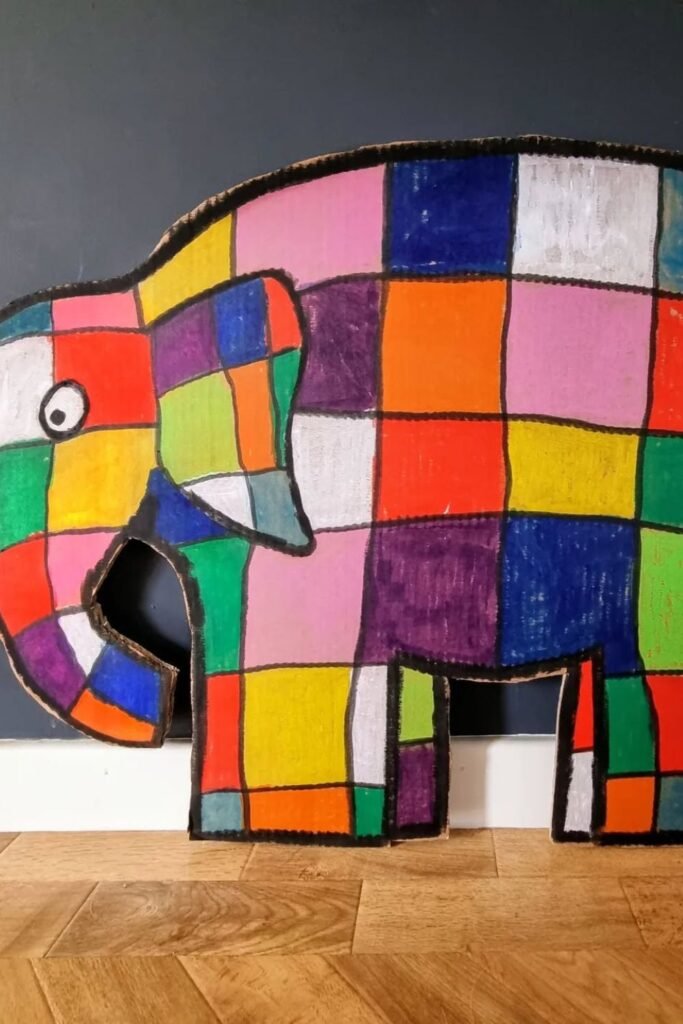
Patchwork Elephant
Color blocks steal the spotlight and give kids full freedom to experiment. Cardboard works best as the base since it holds shape and handles heavy coloring.
Ideal for painting classes or themed activities, such as those inspired by Elmer the Elephant. Begin with a basic outline.
Then encourage children to color each area using a variety of hues or designs, free from the constraint of staying within the lines.
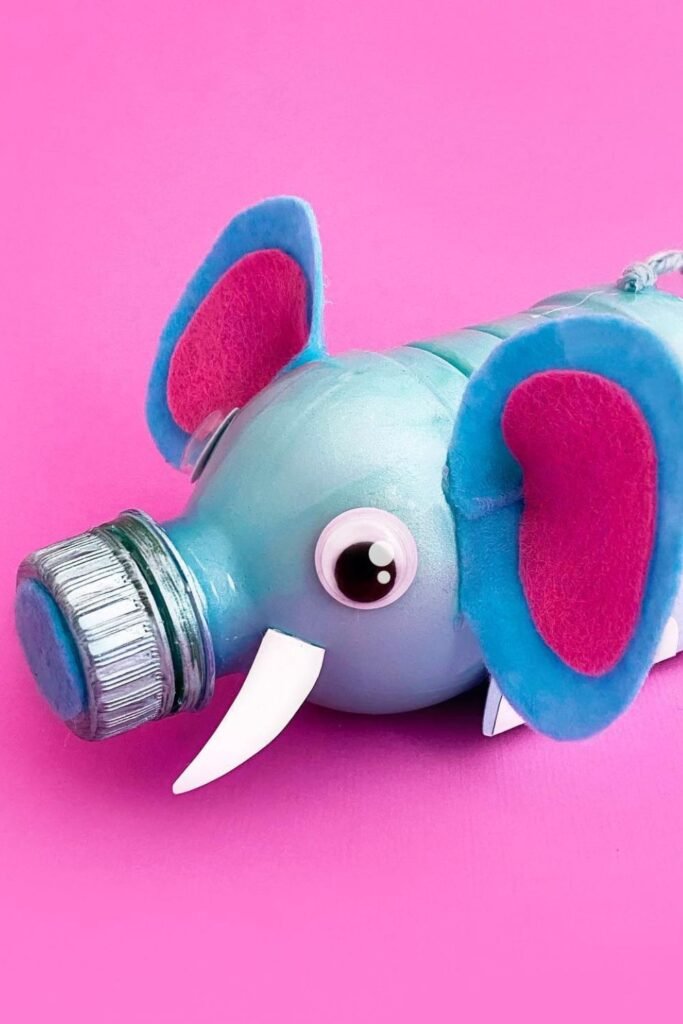
Bottle Elephant
Plastic bottles become playful animals once paint and felt enter the picture. Use the bottle as the body.
Flip the top over, transforming it into a trunk, and then affix soft ears to give it some character.
This project is ideal for those recycled craft days or lessons focused on environmental themes..
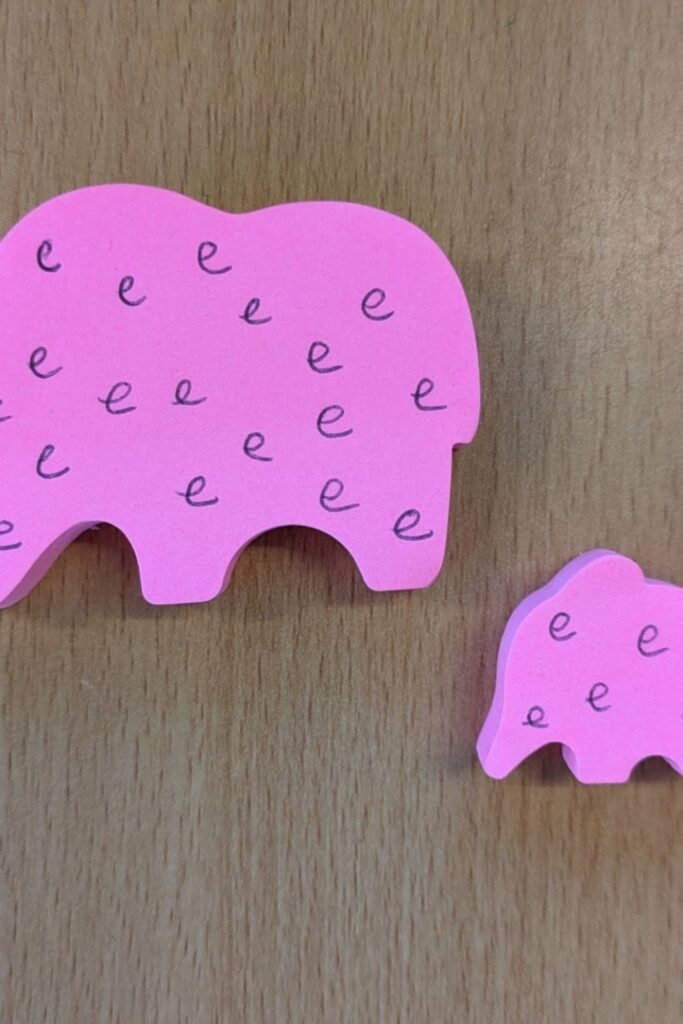
Letter Tracing
Letter practice feels playful once elephants enter the mix. Repeating the letter e across the body turns hand writing into art without pressure.
Ideal for preschool tables and reading corner these activities are designed to foster peaceful concentration. Start by cutting out big shapes.
Then, let the children trace or draw letters using pencils, crayons, or markers allowing them to work at their own speed.
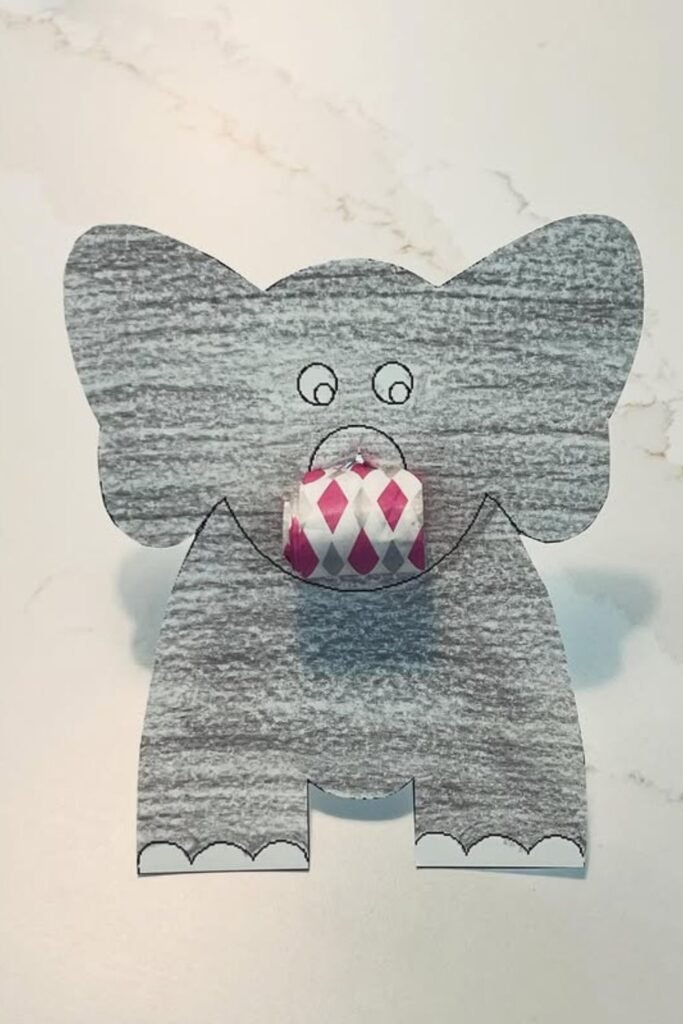
Pop Trunk
Movement makes this one instantly exciting. Folding patterned paper into a popping trunk gives kids a surprise element without complex steps.
Perfect for interactive lessons or storytime crafts that thrive on hands-on play. Just cut out a basic elephant form.
Carve a small space for the trunk, and then let the kids play about with the folds until it pops out perfectly.
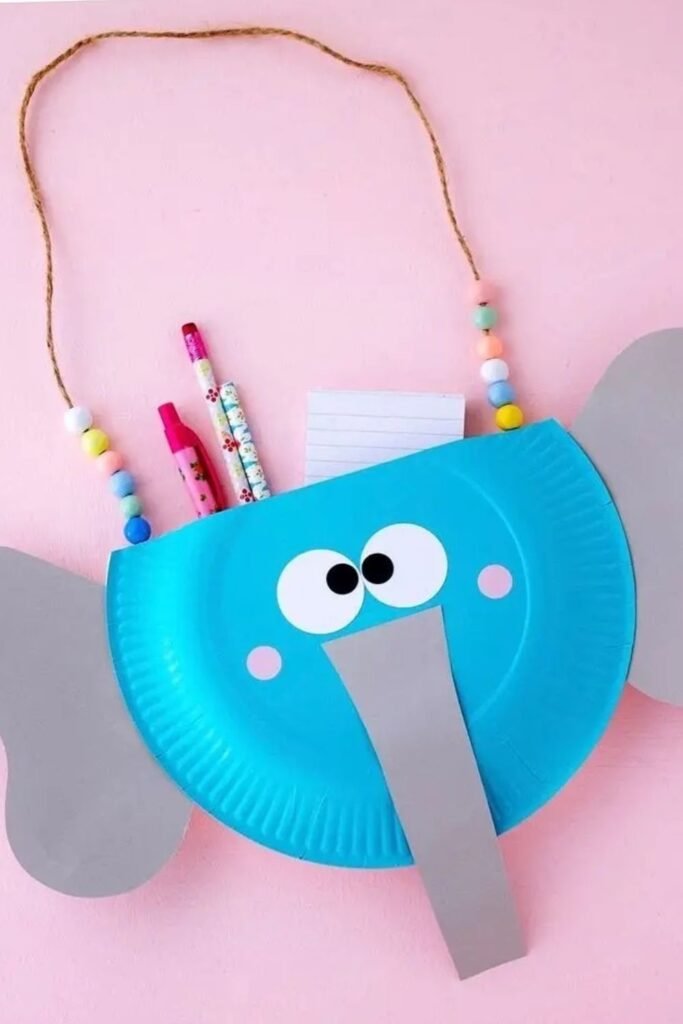
Craft Pouch
Art time feels special once kids carry their supplies in something they made themselves. Paper plates form a sturdy pocket.
A string handle transforms it into a small bag. Ideal for classrooms, travel, or a peaceful spot at home.
Keep the top a little ajar to allow crayons and pencils to glide in effortlessly then let the kids personalize the front as they choose.
Sponge Dots
Dabbing paint instead of brushing keeps little hands calm and focused. Soft sponges create texture on paper plates.
Perfect for little ones or budding artists who prefer a gentle tap over a sweeping stroke, and it helps keep things tidy.
Start by preparing the elephant shape, then provide one color at a time. This way kids can focus on fun with out becoming bogged down.
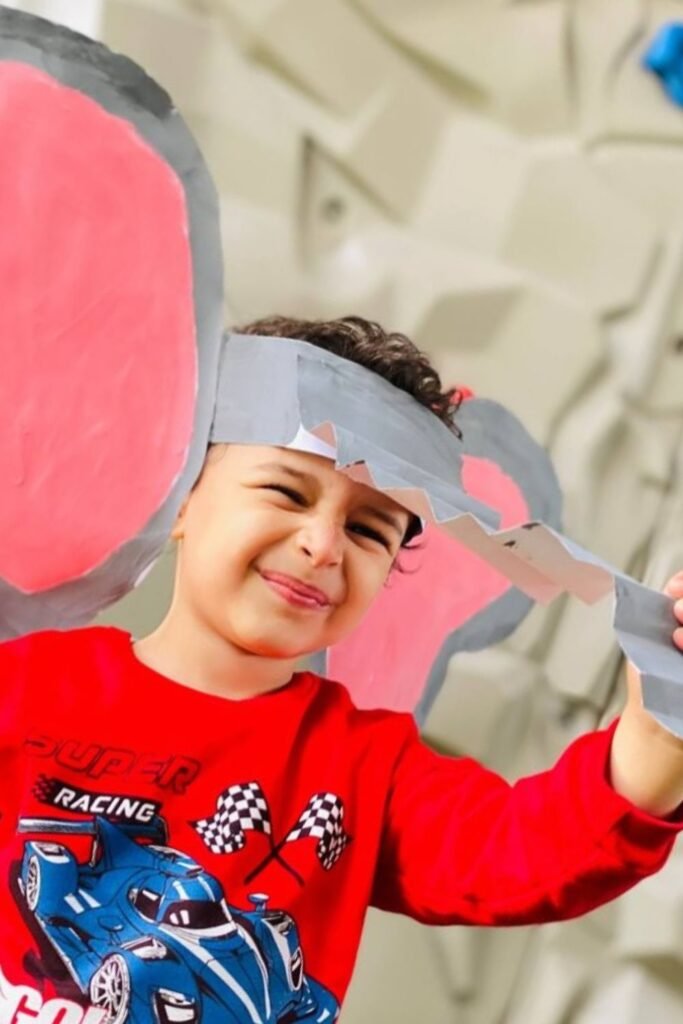
Elephant Headband
Wearable crafts transform children into active participants, not just creators. A pair of paper or foam ears affixed to a basic headband.
Instantly ignites enthusiasm for imaginative play and physical games. They’re perfect for outdoor adventures, animal-themed days or even dramatic storytelling.
The key is to keep the materials light and pliable allowing kids to run, leap, and play without worrying about repairs.
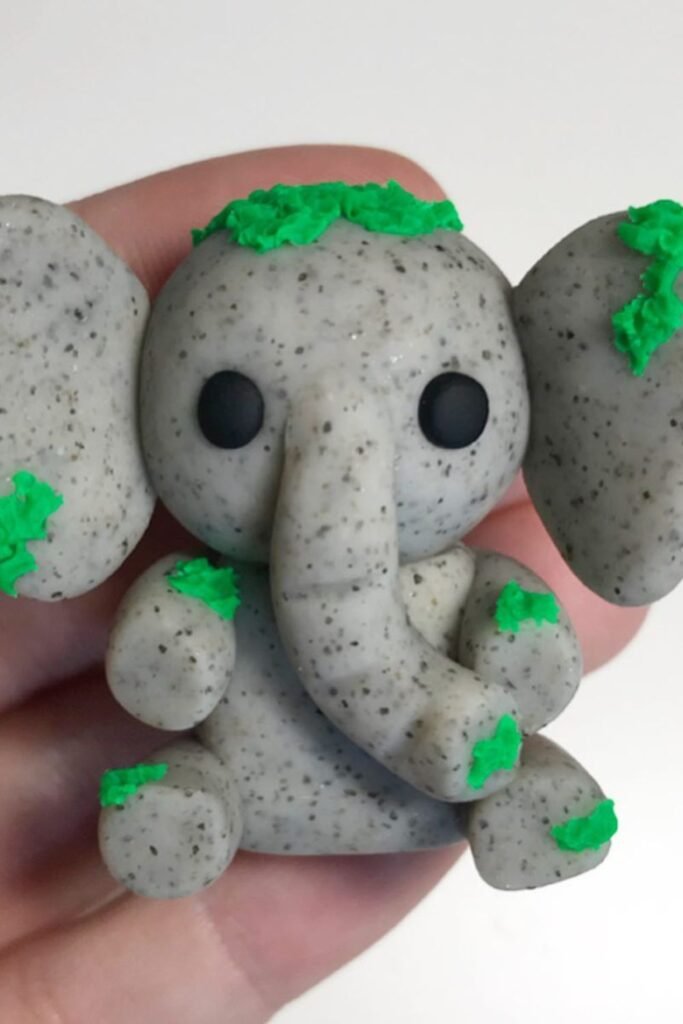
Clay Elephant
Squishy clay has an immediate effect, bringing children into the present. Shaping tiny balls for legs and subtly bending the trunk helps develop hand strength.
But it doesn’t feel like a chore. It’s perfect for quiet craft sessions or sensory play. If you’re after a keepsake.
Air-dry clay is a good choice; soft dough, on the other hand, is ideal for quick, repeatable play.
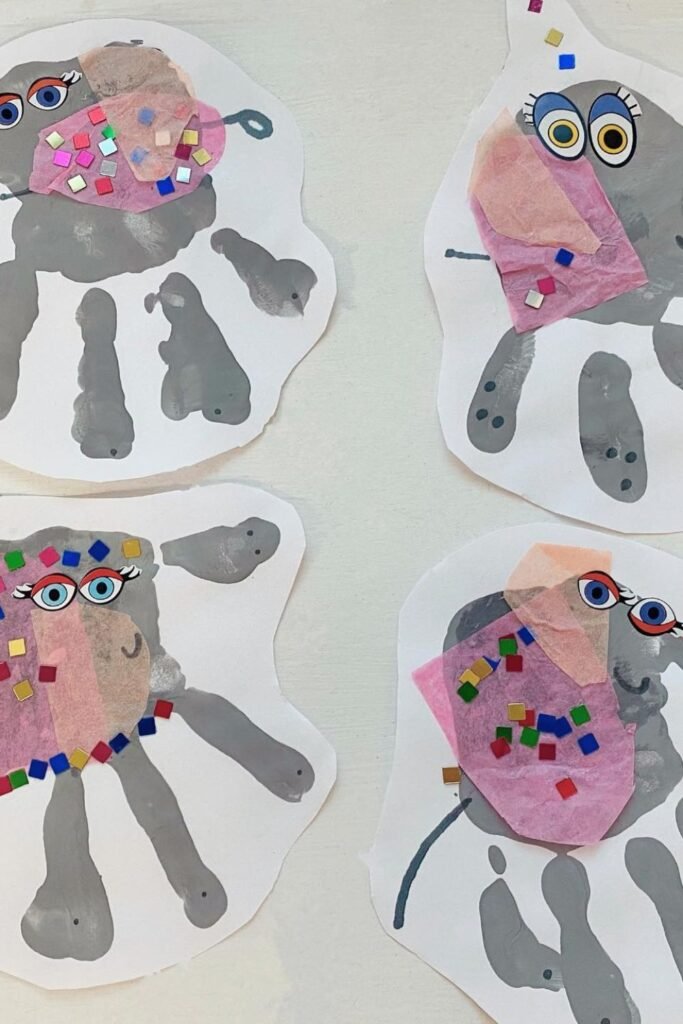
Handprint Herd
Tiny hands instantly turn into elephants once paint hits the paper. Handprints create the body and legs.
Tissue paper and tiny squares bring a splash of color and texture to the mix.
This approach is perfect for the toddler groups or commemorative projects that parents cherish.
Start with the paint, allow it to dry and then layer the decorations. This way youngsters can concentrate without accidentally smearing their creations.
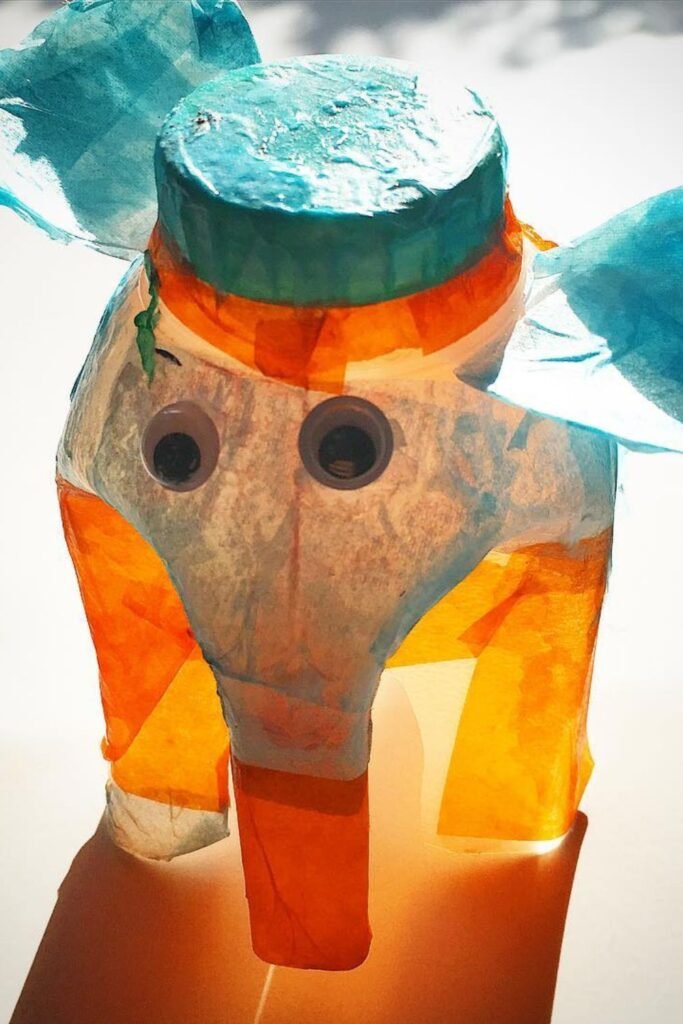
Lantern Elephant
Glowing paper instantly turns crafting into a wow moment. Tissue paper layered over a simple jar or bottle.
Let the light filter through, and the elephant shape will emerge. It’s perfect for evening events, festivals or a serene school setting.
Keep the layers thin, make sure the edges are tight, and always position the light source after everything has dried to avoid any hazards.
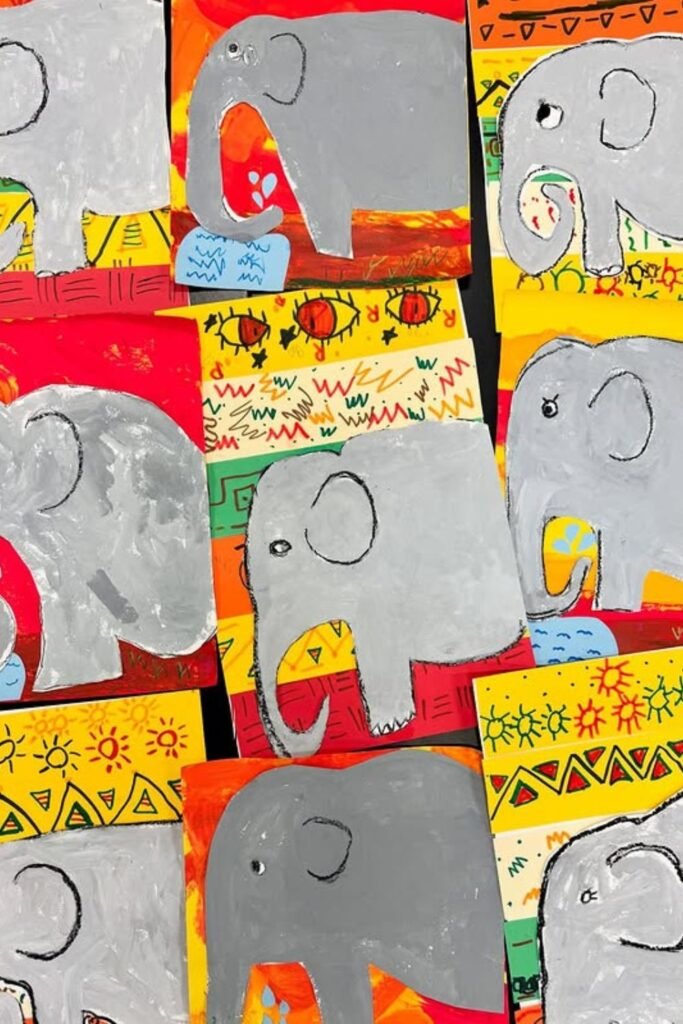
Art Collage
Bright backgrounds make simple elephant shapes pop without extra effort. Paint or color the base first, then layer a gray elephant cutout on top for contrast.
Ideal for classroom walls or group presentations these pieces each have their own character while still fitting in.
Encourage children to freely design the backgrounds before adding the elephant, allowing their imagination to take the lead.
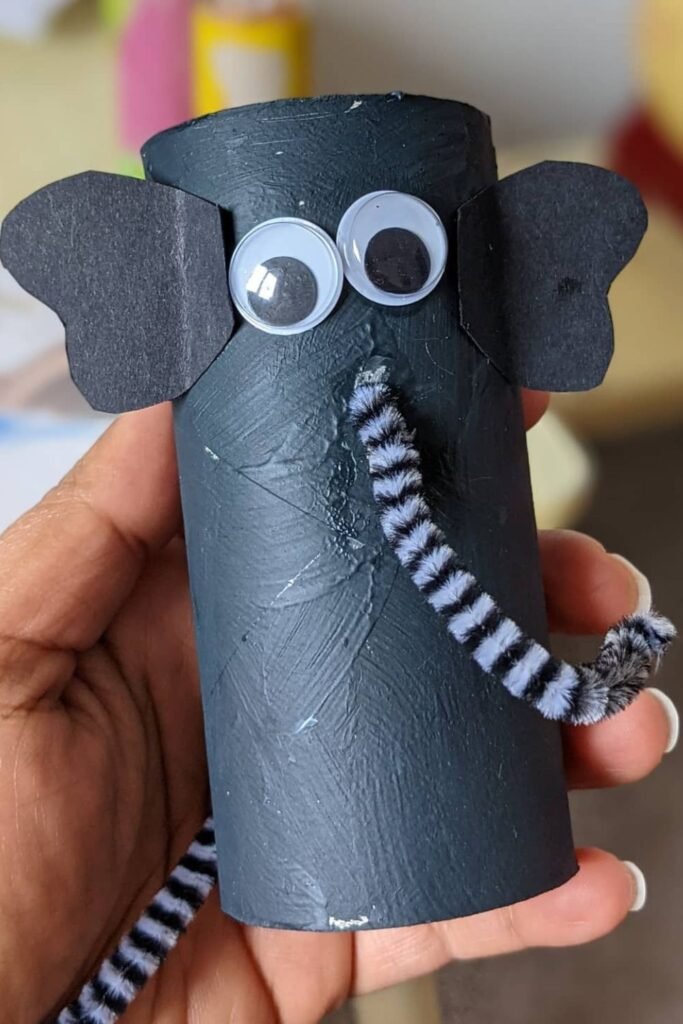
Trunk Tube
Pipe cleaners add instant personality without extra work. A cardboard tube painted gray becomes the body.
A flexible trunk allows children to position it any way they choose. It’s ideal for fast crafts or small-group projects especially when attention spans fluctuate.
Start by gluing on the eyes and ears, then let the kids twist the trunk, giving each elephant a unique personality.
FAQs
What age are elephant crafts best for?
Elephant-themed crafts are a hit across the board, though the secret lies in tailoring the challenge. For the littlest ones, think painting, dabbing or handprint elephants.
As kids get older, they tend to stay interested longer with three-dimensional builds, pattern work, or projects that incorporate recycled materials.
How can I make elephant crafts without creating a big mess?
Keeping the mess in check starts with some prep work. Cover the work surface, pre-cut any difficult shapes, and pick for glue sticks over liquid glue.
When it comes to painting, try providing just one color at a time, or switch to sponge dabbing.
Hi, I’m Afaf! I’m a law student who loves writing about everyday life – from home projects and crafts to fashion, beauty, and parenting tips.
I’ve been writing for over a year, sharing ideas that are simple, practical, and easy to try. I write about things I find interesting and useful, whether that’s organizing a space, trying a new DIY, or finding activities to keep kids entertained.
My goal is to share helpful ideas without making things complicated. If it works in real life, I’ll write about it.
When I’m not studying or writing, I’m usually experimenting with new projects or scrolling for inspiration!