
25 Zoo Animal Crafts For Kids for 2026
Your child nods when you show them a picture of a lion, but five minutes later, they have already forgotten its name.
You watch videos and read books, but nothing seems to stick. Children learn about animals by doing something with their hands, not just by observing them.
Zoo animal crafts can really help in this situation. Learning ceases to feel like a lesson and begins to feel more like play as children cut, glue, color, and construct their own animals.
In this article, you’ll find 25 simple and creative Zoo craft ideas for kids that fit easily into daily routines in 2026.
Let’s jump in!
How Can Zoo Animal Crafts Help Kids Learn About Animals?
Children need more than just images or movies to truly recall animals.
Children are not merely creating a craft when they glue stripes onto a zebra or create a lion’s mane.
They are learning by doing. They are able to mentally link the animal’s name, form, and characteristics with each step.
Children are positively slowed down by crafts. They concentrate, touch, and repeat rather than rapidly turning pages. Animals learn in this way and retain it.
Save this article for later!👇👇👇
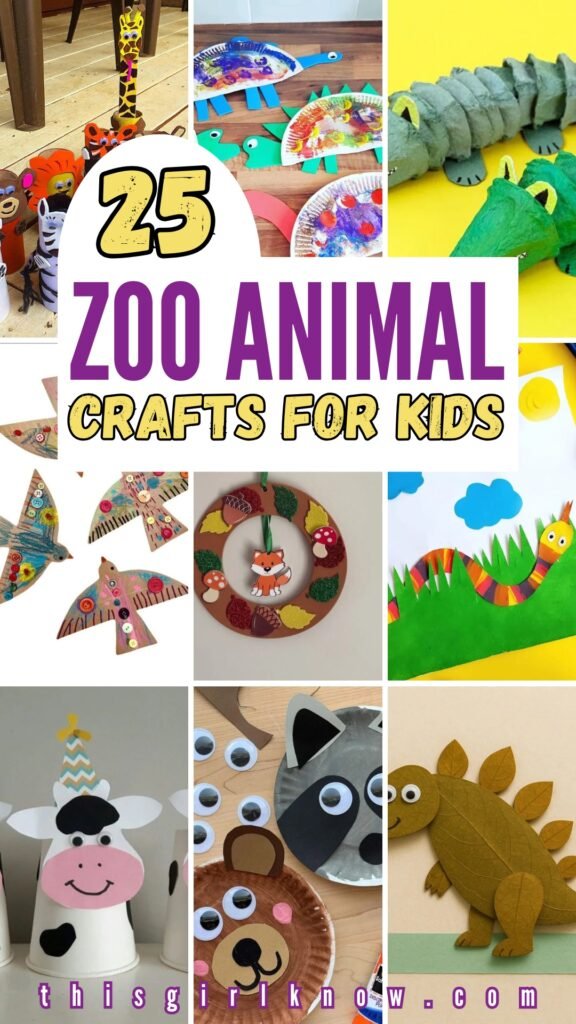
Paper Costumes
Dress-up instantly turns crafting into play. Large animal cutouts with folded paper details work best for group activities, birthday parties, or zoo-themed weeks at school.
The base is shaped by cardboard or thick paper, and children enjoy the texture that is added by folded strips or circles. Give kids free reign to choose colors and glue parts.
They can retain names, shapes and traits without feeling like they’re learning when they wear their own animal creations.
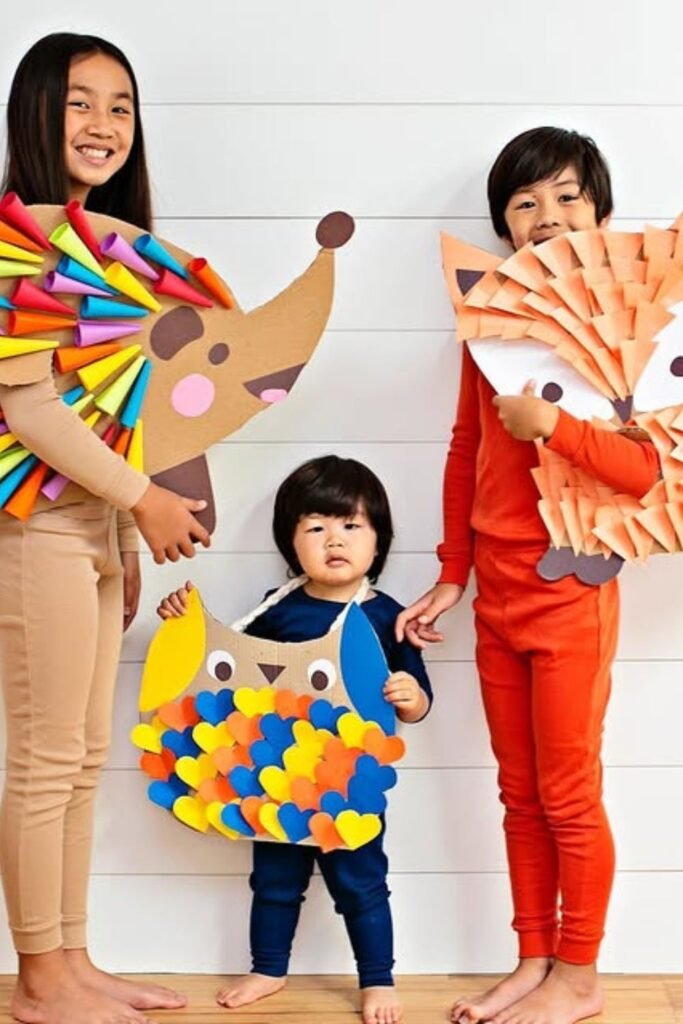
Tube Animals
Empty paper rolls suddenly become a whole zoo once kids start wrapping, coloring, and adding faces.
Because the supplies are basic and clean up is straightforward this idea is ideal for classroom tables or rainy days at home.
Beforehand, cut out shapes for ears, paws, or trunks, and then allow children to freely mix animals.
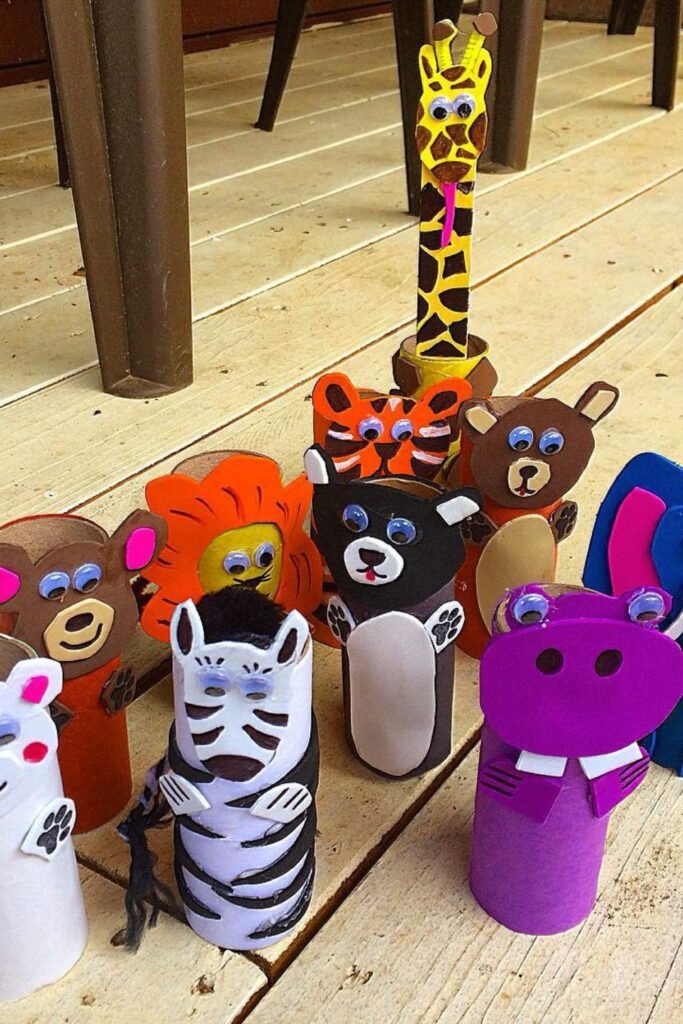
Carton Crocodiles
Turn egg cartons into a long, bendy crocodile kids can move and play with. Cutting the carton into sections creates instant body segments.
It gives painting a thrilling, rather than dull, sensation. It comes together quickly with basic feet, paper fangs, and green paint.
When kids need something hands-on that also promotes pretend play, this concept works well for zoo week or animal units.
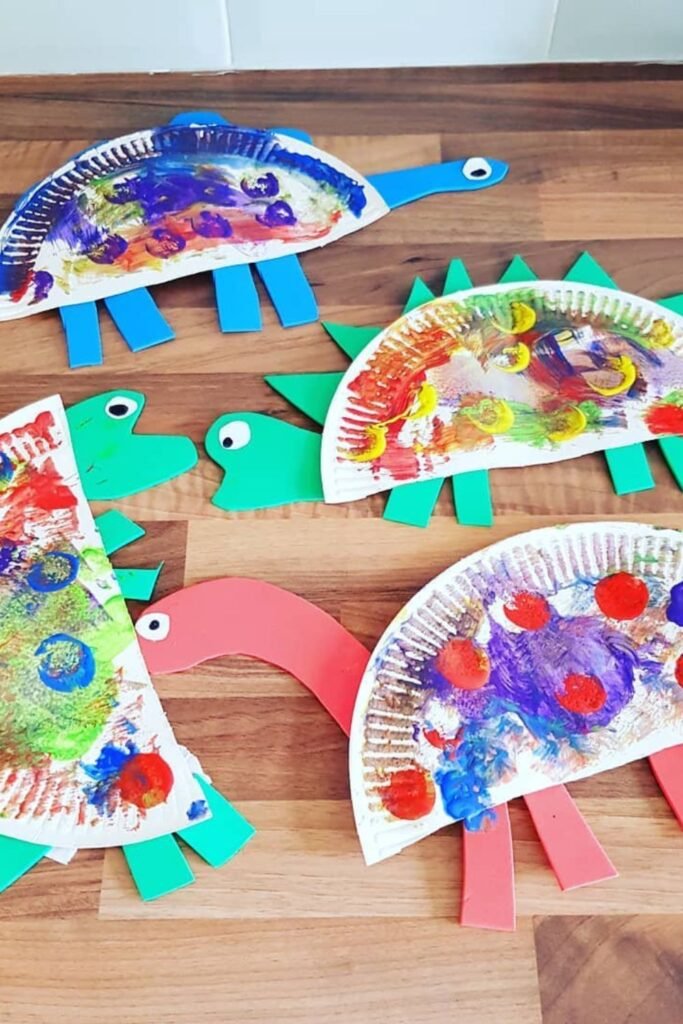
Plate Turtles
Paint sessions feel calmer once paper plates turn into turtle shells. Half plates give the body shape.
Kids enjoy repeating patterns made with sponge dabs or finger dots. To keep things simple, cut heads and legs out of colored paper.
When you want children to concentrate on color play with out worrying about flawless outcomes this approach is ideal for preschool art time or nature lessons.
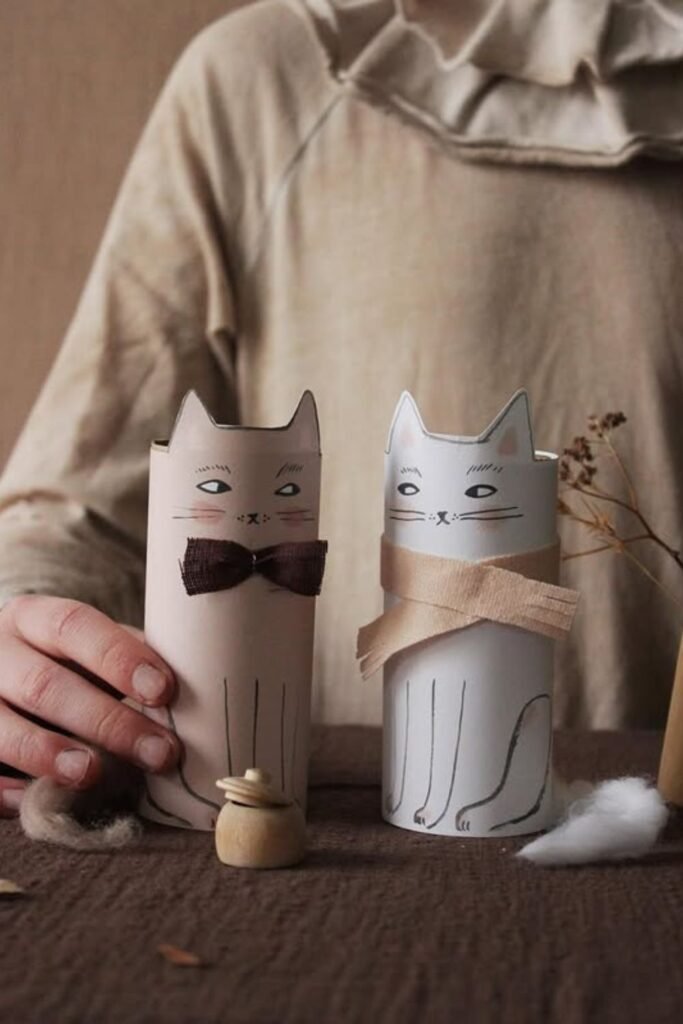
Paper Cats
Quiet moments call for calmer animal crafts, and rolled paper cats fit that mood perfectly. Soft colors, simple line drawings.
And fabric scraps transform plain tubes into figures that children are proud to display. For younger hands, drawing faces is more effective than cutting.
This concept works well for reading time, calm areas or weeks with an animal theme when not all projects require vibrant paint and plenty of activity.
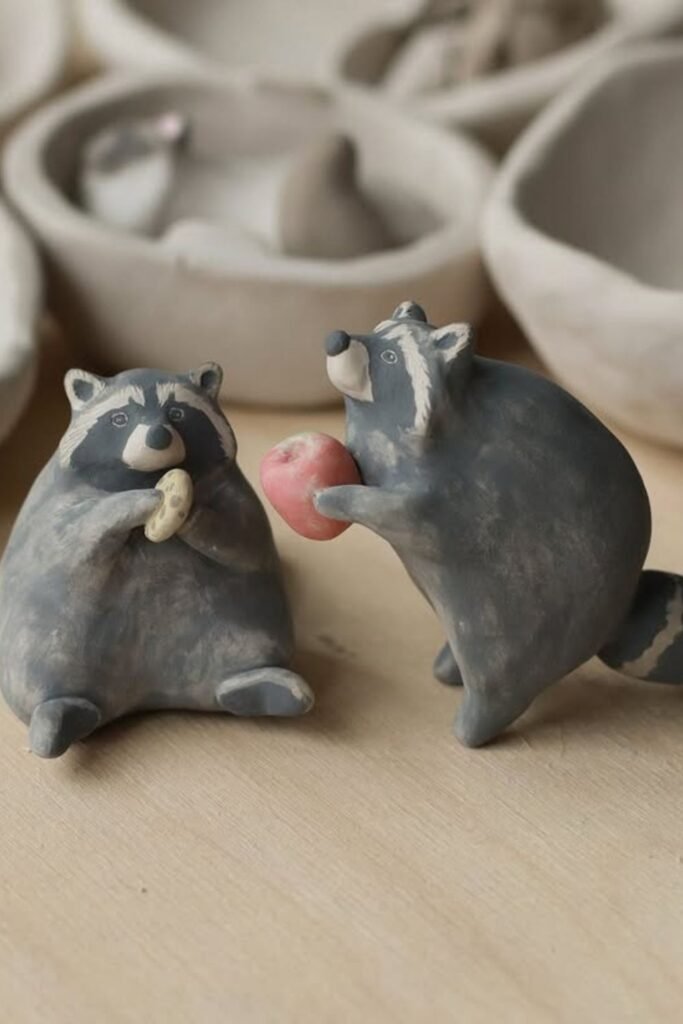
Clay Raccoons
Small hands slow down naturally once clay comes out. Rolling, pinching, and shaping turns raccoons into a patience-building project.
It’s most effective for preschoolers at the end of their time in that age group, or for children just starting primary school.
Start with the fundamental forms of the body. After that, incorporate tails or little food items.
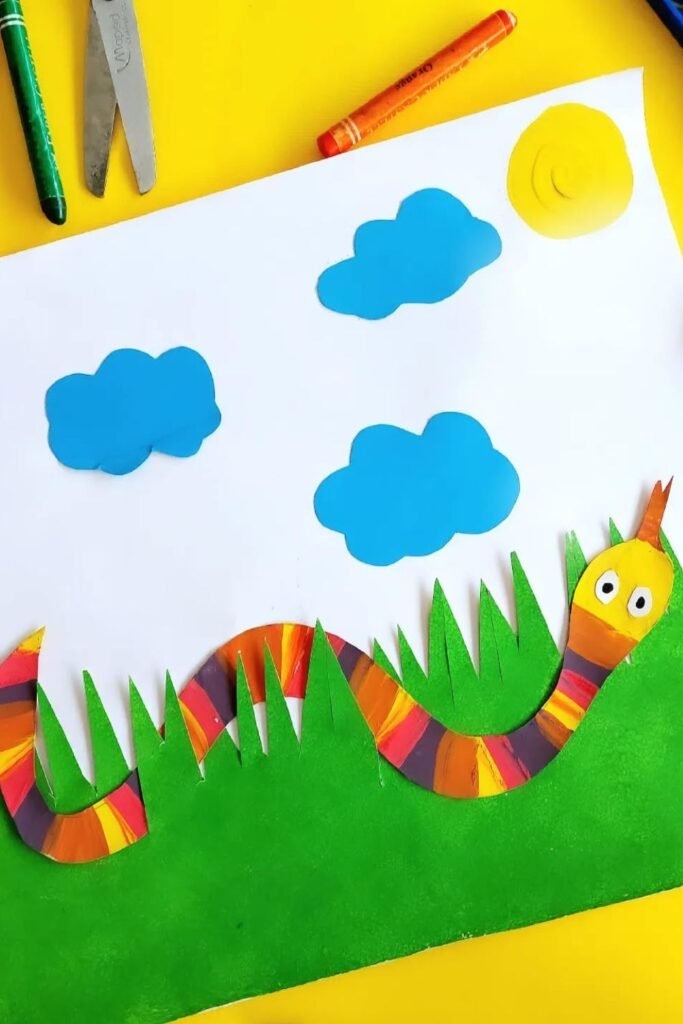
Paper Snakes
Curved shapes instantly grab kids’ attention, and long paper snakes make cutting practice feel like play.
Painted or colorful strips are ideal particularly if children design patterns before the body is cut into wavy segments.
Incorporating the snake into a grass or scenic backdrop with glue adds a narrative element.
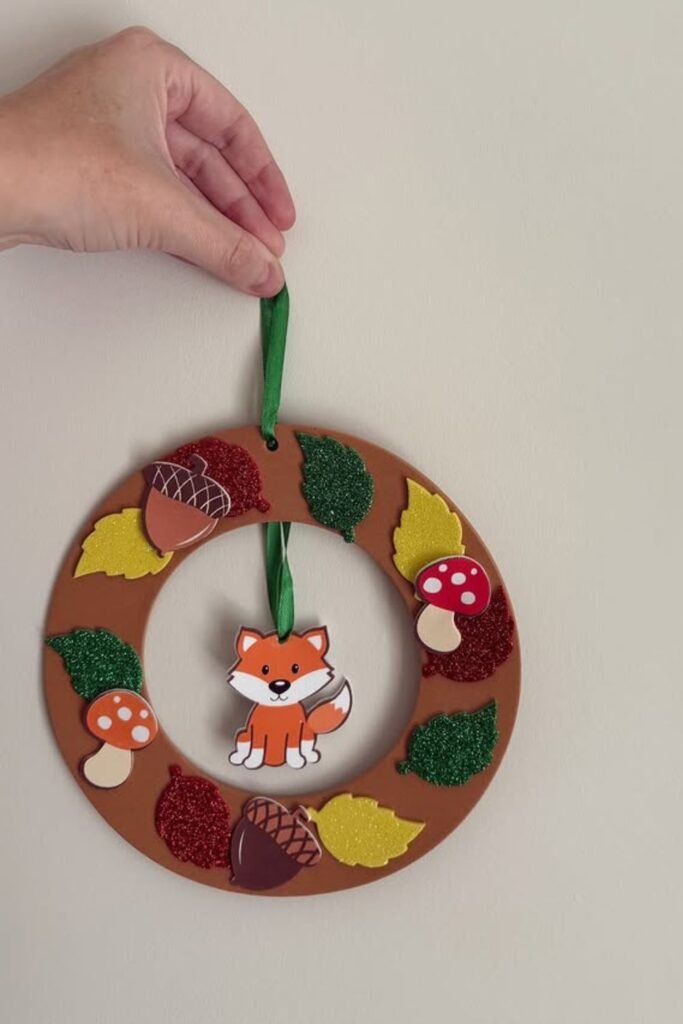
Forest Wreath
Hanging crafts slow kids down in a good way. A cardboard ring turns into a forest scene once leaves, acorns, and a small fox fill the space.
Foam or paper stickers offer a straightforward approach, allowing children to choose where they want things.
This method is particularly effective for autumn themed projects classes involving woodland creatures, or quiet indoor days.
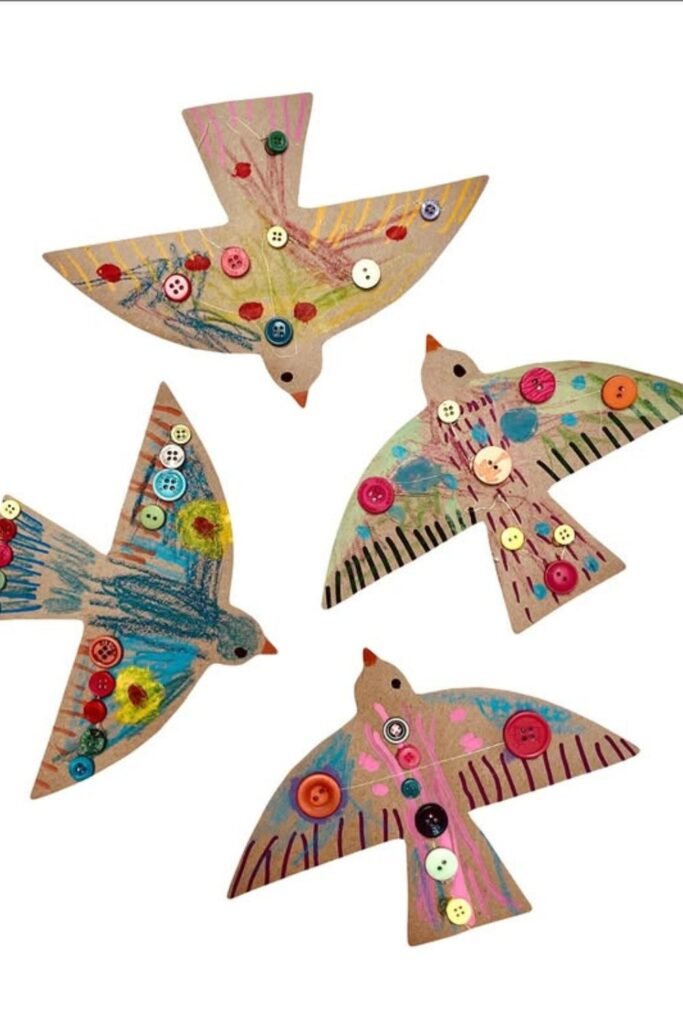
Button Birds
Loose buttons instantly turn drawing time into texture play. Cardboard bird shapes give a sturdy base, while paint, crayons, or markers add quick personality.
Securing buttons with glue fosters concentration and hones fine motor skills, all while avoiding a sense of sluggishness or monotony.
This approach is particularly effective for table stations craft days utilizing recycled materials.
Leaf Dinosaur
Nature supplies do half the work here. Large leaves form the body and plates, which makes assembling fast and satisfying for kids.
Googly eyes bring a quick burst of character, no intricate drawing required. This simple activity is perfect for after a stroll in the woods.
During nature studies, or on days when you want youngsters to explore the textures of the natural world, rather than diving into a paint-filled project.
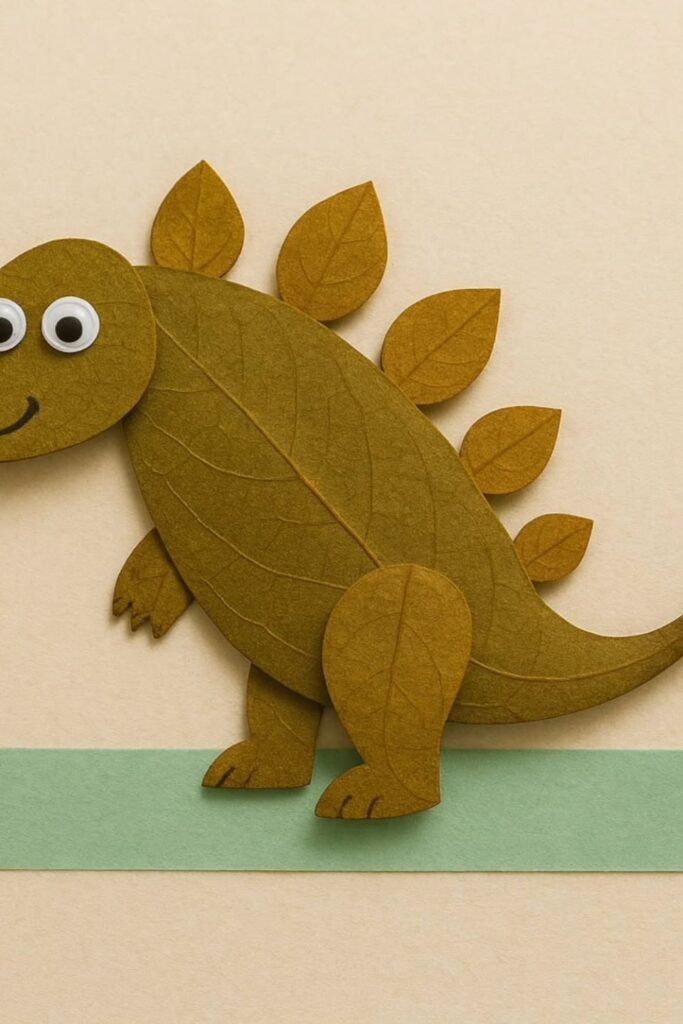
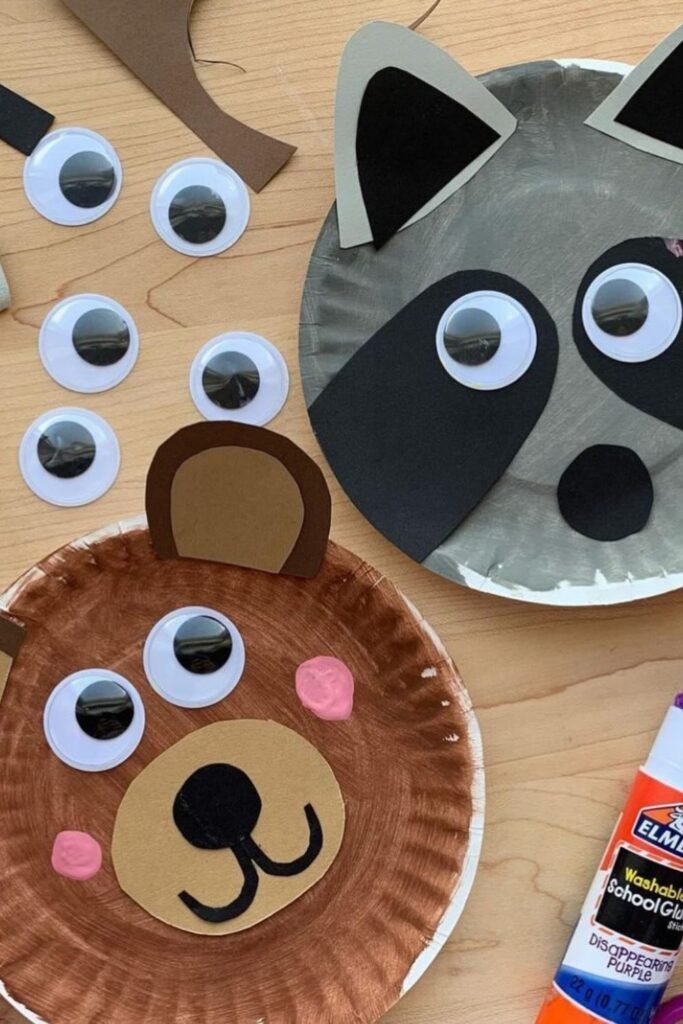
Plate Faces
Big faces make animal features easier to understand. Paper plates give kids plenty of space to place eyes, ears and snouts without feeling cramped.
Pre-cut shapes streamline the process, allowing children to construct expressions in their own unique style.
This approach is particularly effective for young students during circle time activities or in zoo themed lesson.
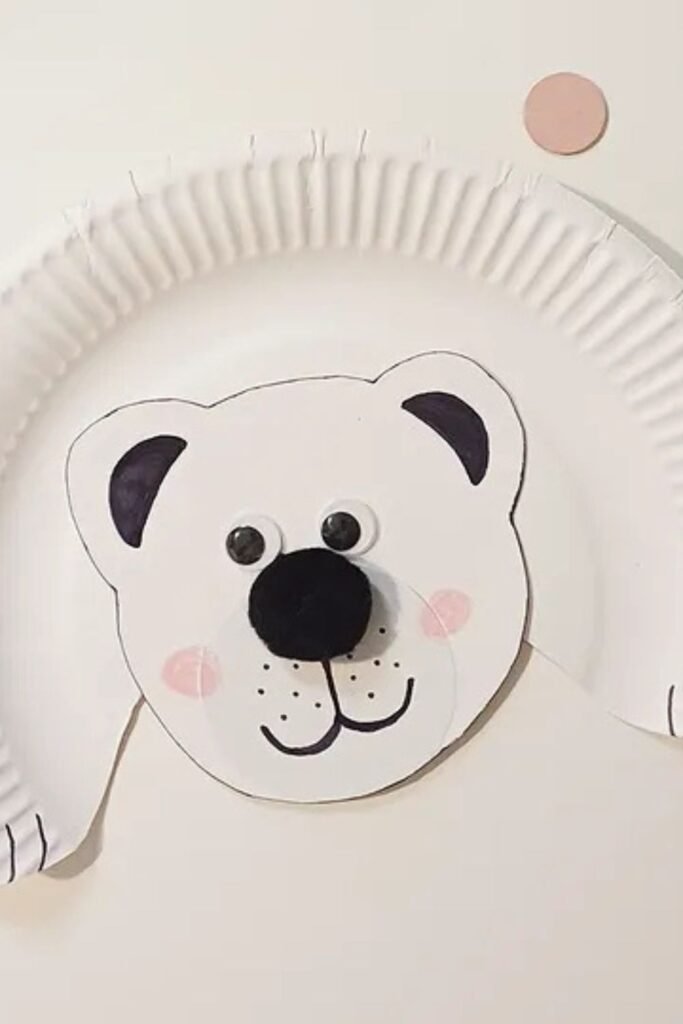
Polar Bear
Cold climate animals suddenly feel friendly once white paper plates take shape. Bending the plate edges creates easy arms.
A straight forward face cutout simplifies construction. Eyes and noses are quickly drawn on with black paper or markers.
This concept works well for winter themed courses, lessons about Arctic animals or even quiet craft time when children need a simple, yet satisfying, and fun activity.
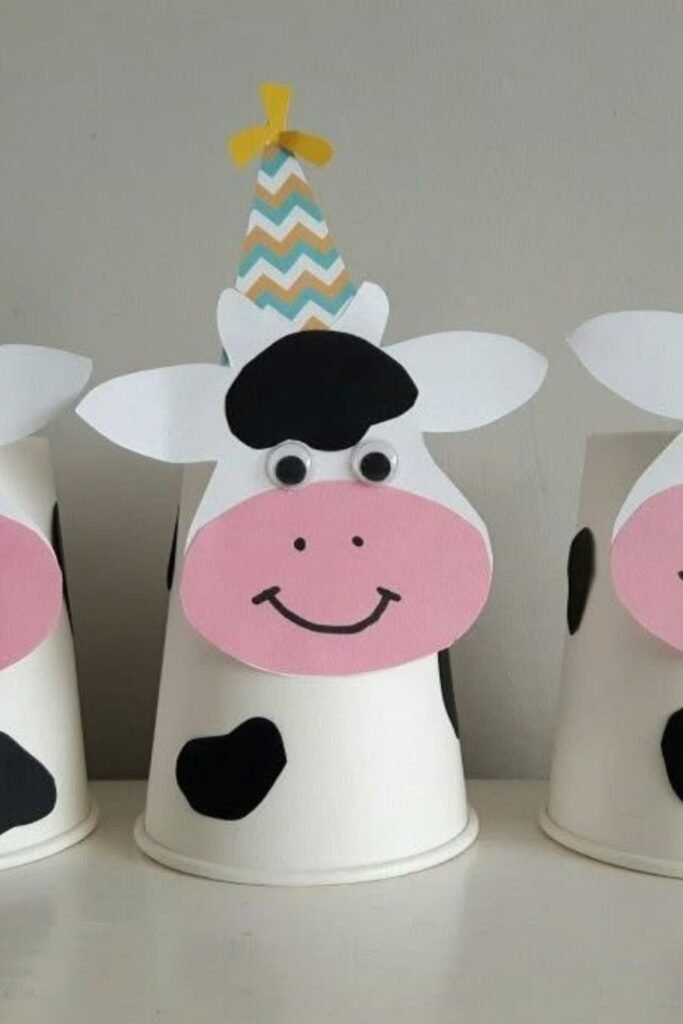
Cup Cows
Party hats turn farm animals into instant favorites. Paper cups flipped upside down make sturdy bodies, while soft paper spots and big smiles keep the mood playful.
Pre-cut ears and faces streamline the process, allowing children to experiment with patterns without restriction.
This approach is particularly effective for birthday party crafts, or activities centered around farms, zoos or any group setting where the focus is on fun rather than precision.
Framed Faces
Wall art feels extra special once animals pop off the surface. Paper-mâché or crumpled paper shapes turn simple faces into small sculptures.
Patterned paper frames provide a nice contrast. Keep the features simple; the goal is to make shaping enjoyable, not a chore.
This approach is great for older children, art courses, or when crafts have a dual purpose as room decor that youngsters will be happy to display.

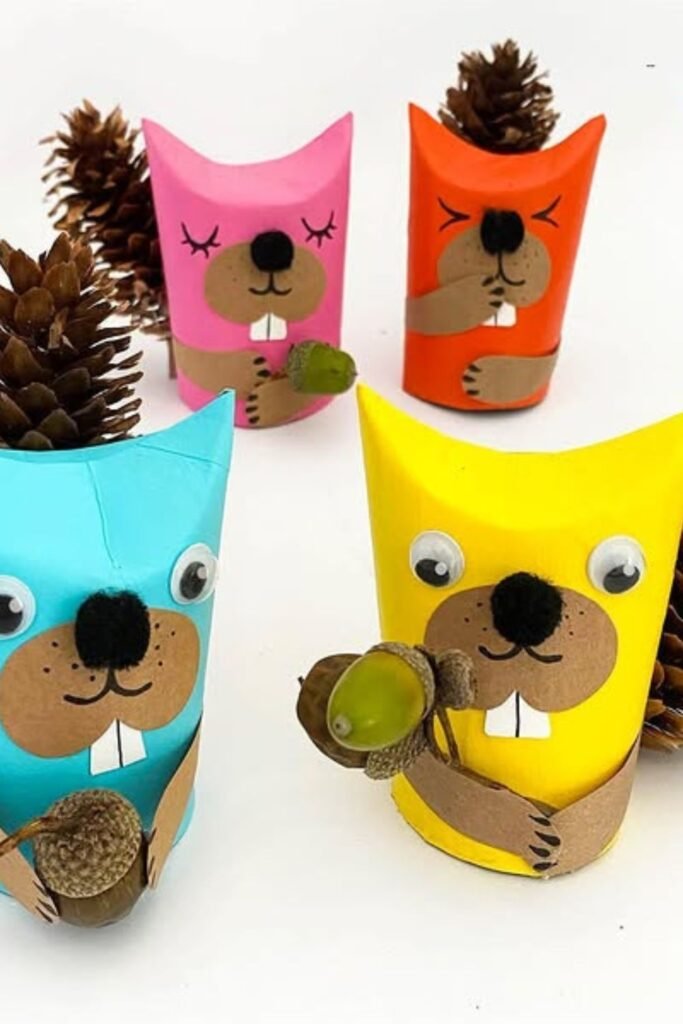
Pinecone Squirrels
Real nature pieces instantly raise curiosity. Toilet paper rolls become sturdy bodies while pinecones create fluffy tails kid can actually touch.
Incorporating acorns or paper paws transforms the project from a simple animal into a miniature scene.
This approach shines after a day spent outside during autumn themed activities or when ever you want children to link animals with familiar, tangible elements.
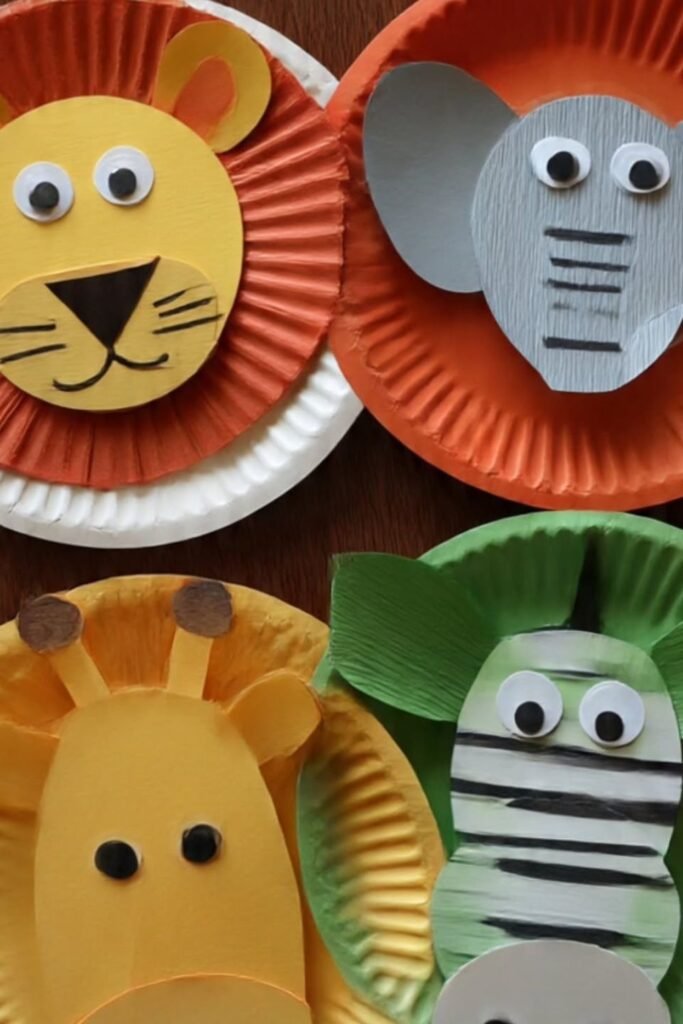
Zoo Faces
Bold shapes help animal features click faster. Folding and painting paper plates creates instant manes, ears and stripe with out complicated step.
Children may easily change colors or combine animals all while staying true to a central concept.
This approach shines during zoo themed activities huge group projects or with younger students.
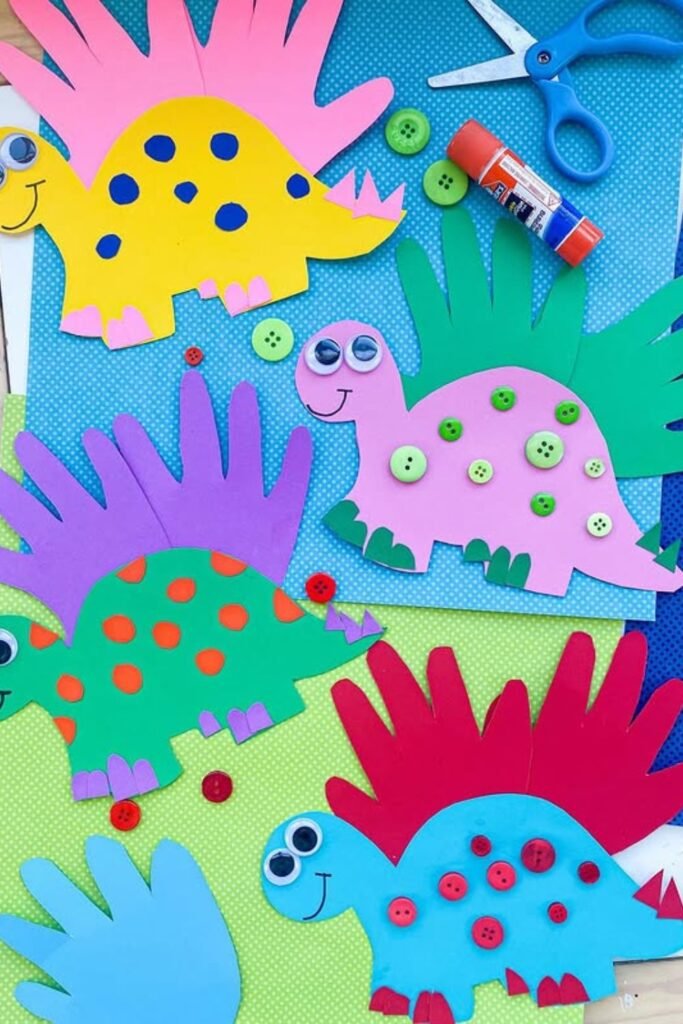
Hand Dinosaurs
Handprints turn into instant spikes which makes dinosaurs feel playful instead of complicated. Tracing hands first gives kids confidence.
Then, cutting and gluing quickly constructs the form. Buttons or dots introduce texture, no extra fuss required.
This approach is ideal for groups with a wide age range, craft stations or those days when kids crave immediate, hands-on results in their artwork.
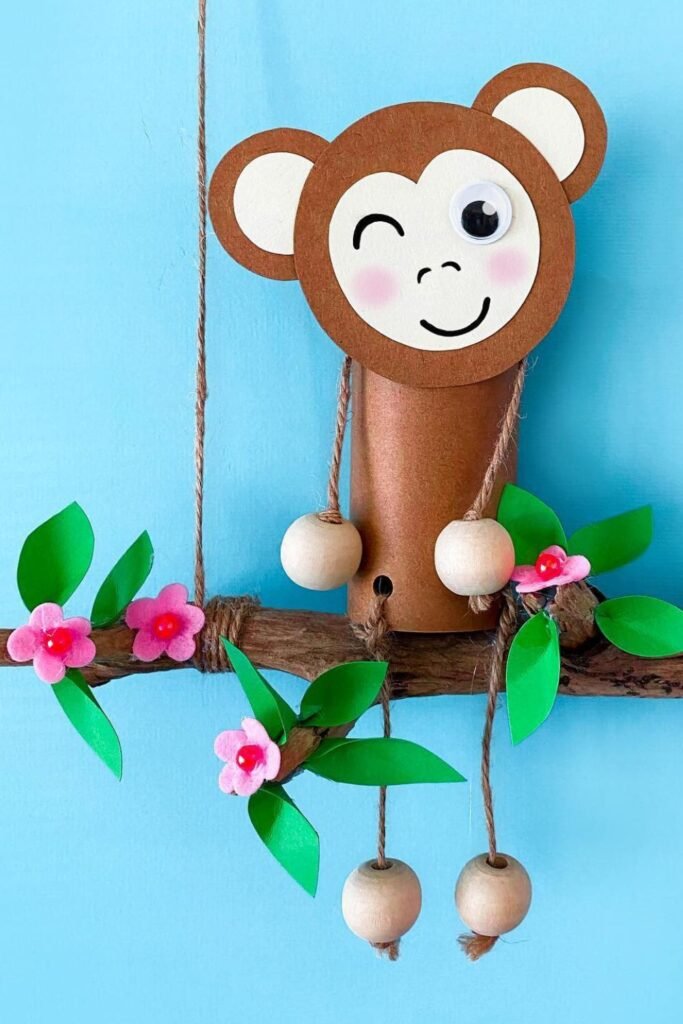
Swing Monkey
Movement changes how kids engage with crafts. Hanging a paper roll monkey on a stick or string turns building into play almost instantly.
Threading beads onto arms and legs presents a manageable challenge, one that doesn’t feel overly difficult.
It’s a great concept, particularly suited for jungle-themed projects, fine motor skill development, or calming hobbies.
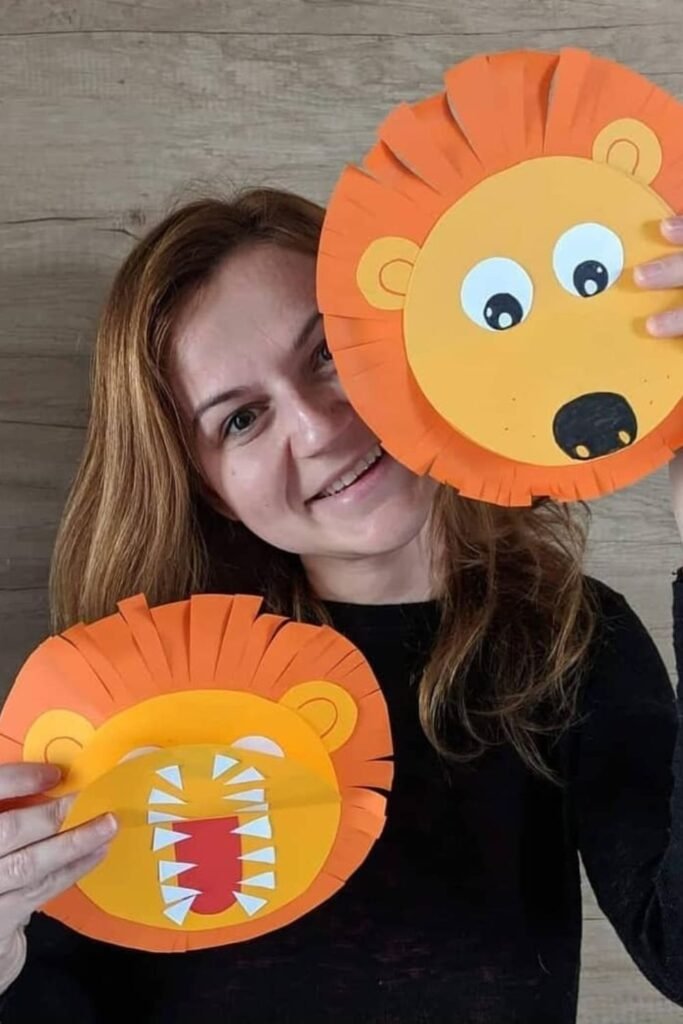
Roaring Lions
Opening mouths make kids laugh every single time. Folding paper plates lets the lion switch from calm to roaring with one simple move.
Keeping hands occupied with cutting and gluing is a straightforward approach. This concept is particularly effective for zoo-themed narratives.
Imaginative play areas, or collaborative crafts where the process of engagement is as important as the final product.
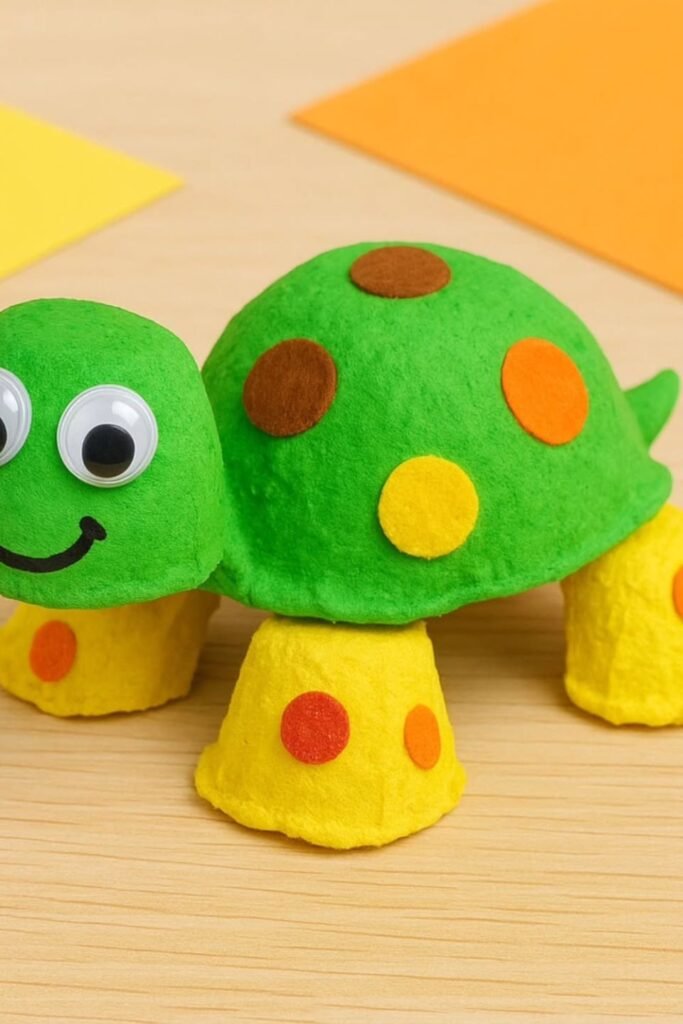
Carton Turtles
Soft shapes make building feel friendly, not fragile. Egg carton cups create sturdy legs, while a rounded top forms the shell without tricky cutting.
Felt dots and paper circles inject vibrant color quickly, offering children a range of options. This activity is ideal for preschool tables.
Days dedicated to recycling, or animal-themed units where the tactile experience is as important as the finished product.
Foam Giraffes
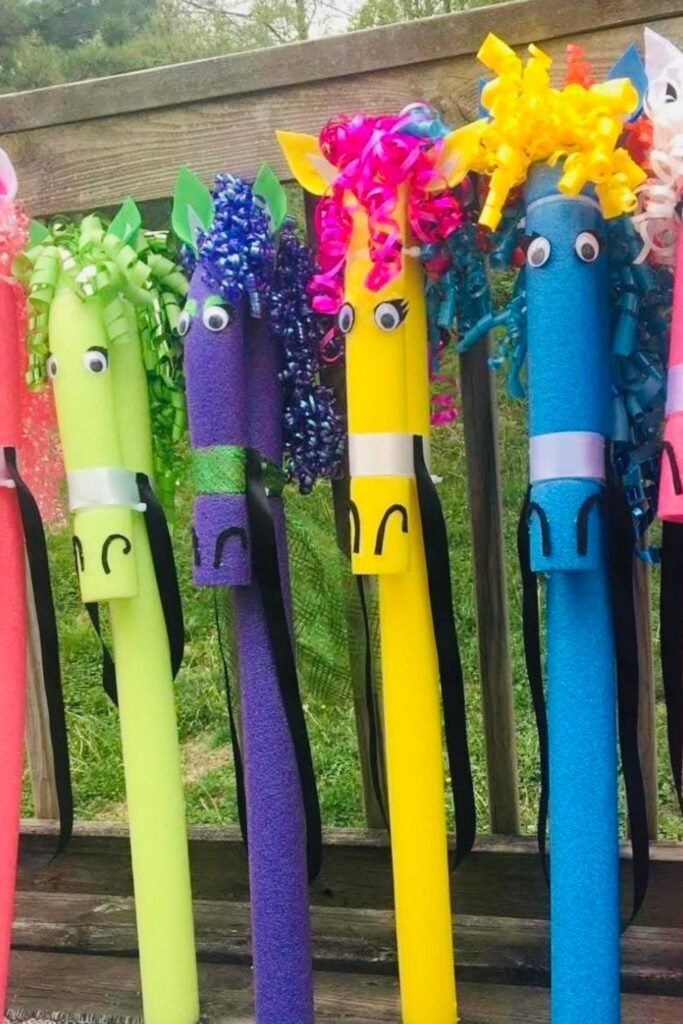
Tall animals suddenly feel life-sized once pool noodles come into play.
Wrapping foam with felt or paper creates long necks kids can decorate freely with curls, ears, and spots.
Attaching simple straps transforms them into portable props. This concept really comes alive.
During outdoor zoo trips, exercise breaks, or imaginative play, where crafts can be enjoyed anywhere, not just at the table.
Leaf Turkey
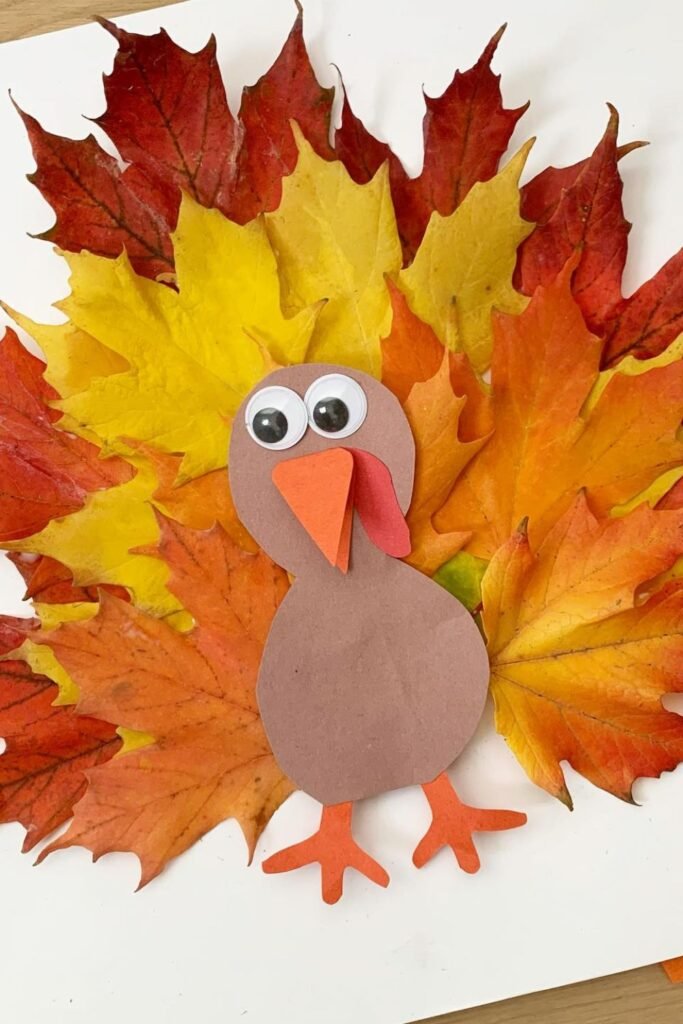
Seasonal colors do most of the storytelling here. Layering real leaves into a fan shape gives kids a clear direction without strict rules.
Simple paper shapes quickly become the body, beak and feet. This concept is ideal for autumn-themed projects, Thanksgiving week, or nature focused art days.
Collecting leaves before hand adds an extra layer of enjoyments before the actual creating starts.
Seed Hedgehogs
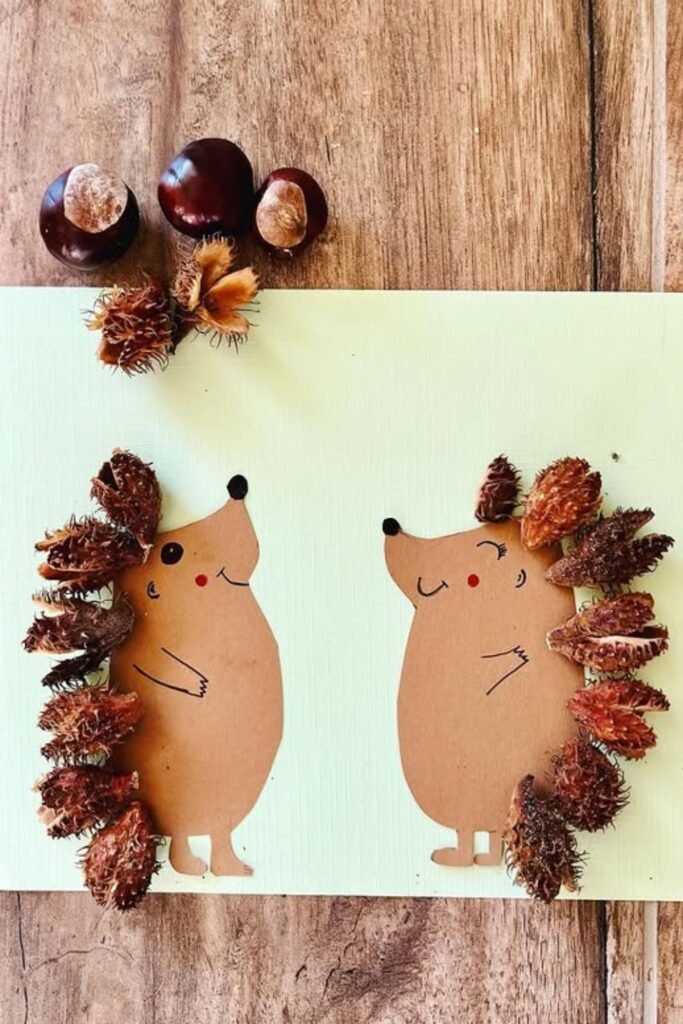
Nature finds turn simple paper shapes into textured animals kids love touching. Gluing seed pods or dried cones along the back creates.
Instant bursts of inspiration with out interrupting the flow. Starting with the face keeps things centered, and then adding texture feel like a treat.
This approach work wonderfully after a nature walk during fall themed project or when ever you want crafts that link animals with tangible everyday materials.
Standing Crocodile
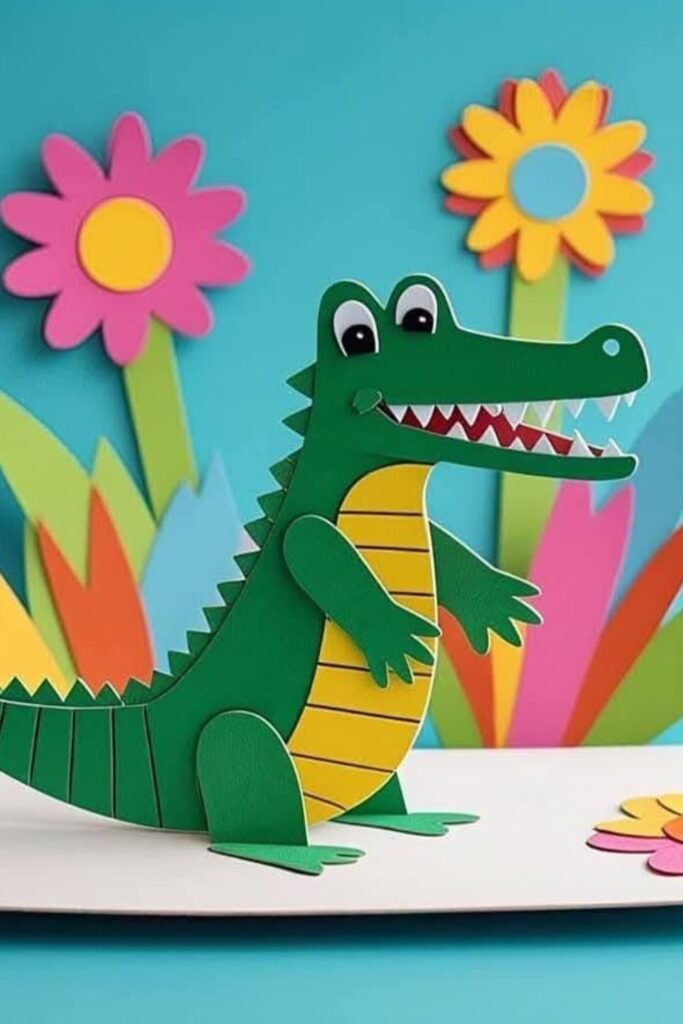
Layered paper brings animals off the page and onto the table. Folding the body and tail helps kids understand balance.
Building something that actually holds together is the goal. The process of cutting teeth and plates introduces a satisfying level of difficulty.
This approach is well-suited for craft areas, zoo exhibits or play-based educational activities.
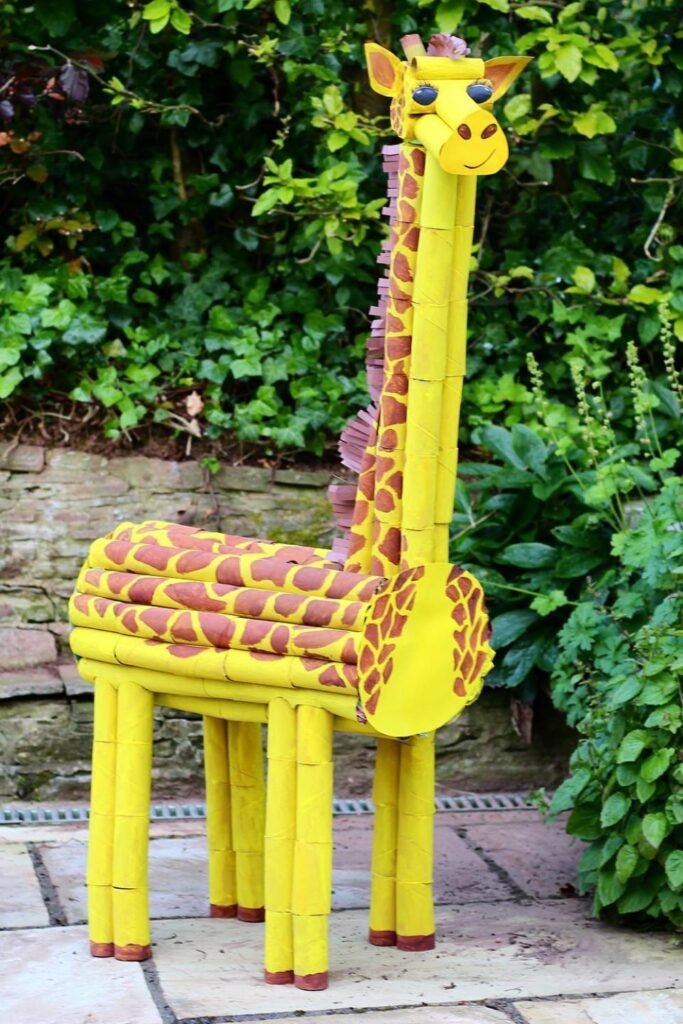
Giant Giraffe
Big builds change how kids see crafts completely. Stacking tubes or rolled cardboard creates height fast.
This approach integrates measurement, balance, and cooperation into the workflow. Pre-painting sections before assembly simplifies the process.
It’s particularly effective for outdoor endeavors, group activities or zoo events, as children work together on a single communal animal rather than individually.
FAQs
Can zoo animal crafts work for kids who don’t like sitting still?
Absolutely. Opt for crafts that include physical activity or construction, such as standing animal figures, hanging monkeys, or items they can wear.
When children can engage with their creations moving them, lifting them, or playing with them they remain more engaged and find the experience more enjoyable.
How do I keep zoo crafts fun without turning them into a lesson?
Let the work come first, and the understanding will follow. Instead of a lengthy explanation, discuss the animal as the children are engaged in cutting, gluing.
When learning occurs via play, children effortlessly take in the names, characteristics, and environments of the animals.
Hi, I’m Afaf! I’m a law student who loves writing about everyday life – from home projects and crafts to fashion, beauty, and parenting tips.
I’ve been writing for over a year, sharing ideas that are simple, practical, and easy to try. I write about things I find interesting and useful, whether that’s organizing a space, trying a new DIY, or finding activities to keep kids entertained.
My goal is to share helpful ideas without making things complicated. If it works in real life, I’ll write about it.
When I’m not studying or writing, I’m usually experimenting with new projects or scrolling for inspiration!