
21 Fish Craft Ideas for Kids 2026
You notice paper rolls, plastic bottles, and empty boxes all around the house, but your child is bored.
You don’t want to go to the craft store at the last minute or have another screen day. Right now, you’re looking for something easy, affordable.
And attainable rather than a project requiring expensive materials or adult-level expertise. That’s precisely where repurposed fish crafts come in handy.
In this article I will share 21 easy fsh crafts for kids that encourage creativity without complicated steps in 2026.
Let’s jump in!
How Can You Make Fish Crafts Using Recycled Materials?
To begin, you don’t need a shopping trip or a DIY stash. You already have enough materials to create kid-friendly fish crafts.
If you have cardboard, empty bottles, paper rolls, or old magazines. Knowing what to utilize first and how to keep things basic are crucial.
Selecting recycled materials allows children to concentrate on creating rather than waiting for assistance, saves money, and minimizes mess.
Here are some simple ways for kids to make entertaining fish crafts out of common garbage.
Save this article for later!👇👇👇
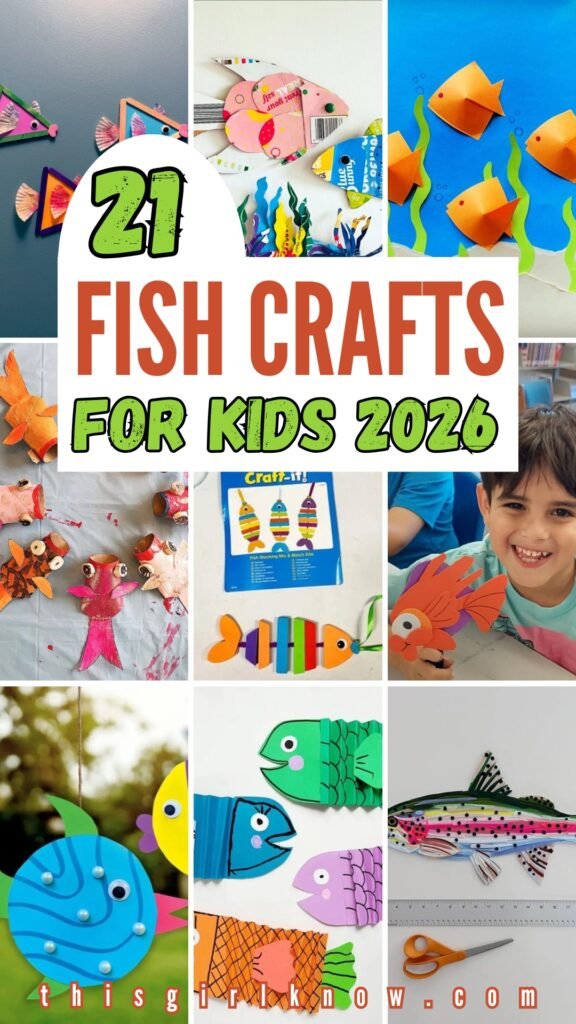
Packaging Fish
Bright packaging already carries color, patterns, and texture, so half the work is done for you.
Using cardboard boxes or snack wrappers, cut out fish shapes. Then, add smaller scraps to the top to create scales and fins.
Because children can concentrate on arranging the pieces rather than drawing everything from start, this is ideal for tabletime crafts at home or at school.
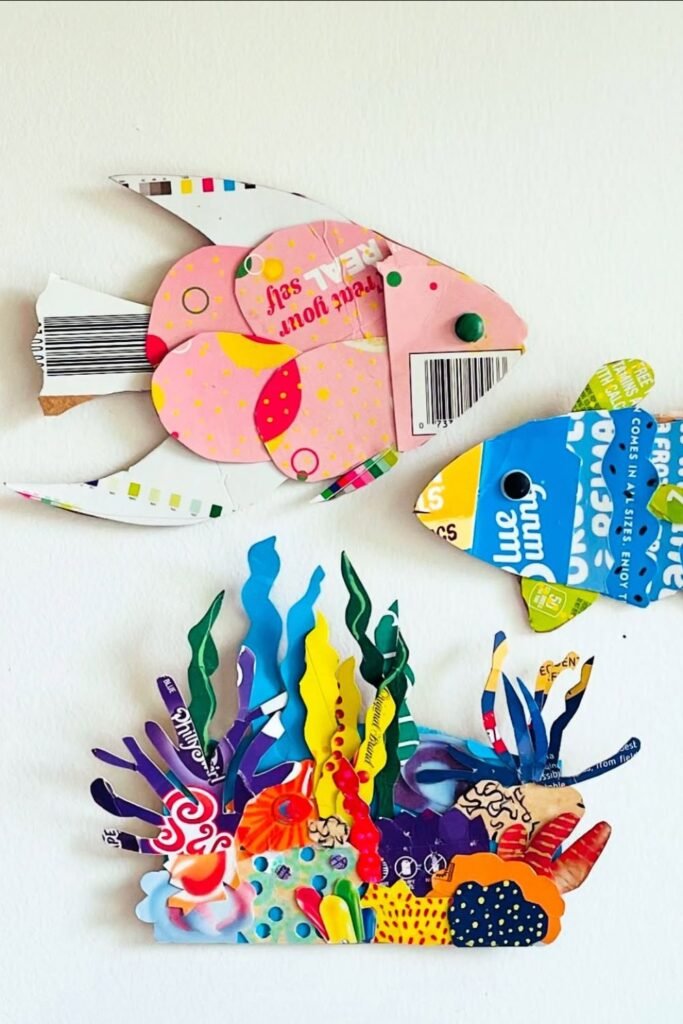
Stick Fish
Triangle shapes make this craft feel different right away and help kids think beyond circles and plates.
Old cupcake liners effortlessly transform into fins, while popsicle sticks make the body.
Because each child can construct the same base and decorate it in a unique way.
This concept is ideal for classes or group settings. After adhering the frame, let children add colors and textures without worrying about neat edges.
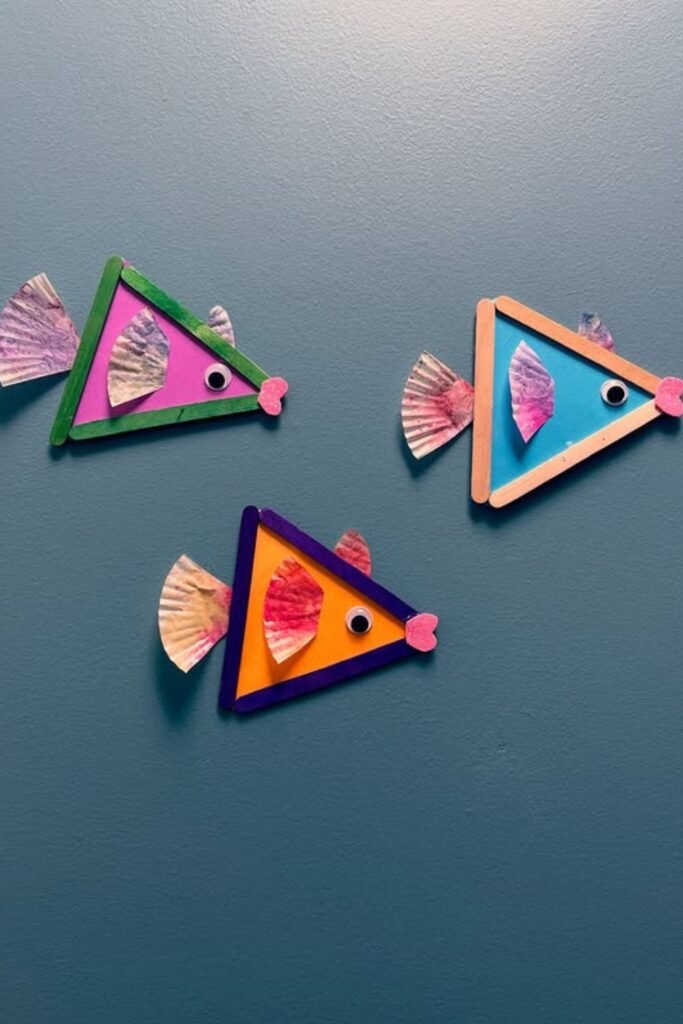
Folded Fish
Paper folding gives these fish a little pop without turning the craft into origami class. Scrap paper or old notebooks work well.
Because in this case, crisp edges are more important than color.
This concept works well for art classes or quiet time when children may take their time and follow basic folds.
To create an undersea scene, begin with squares, fold them firmly, and then adhere the completed fish to a background.
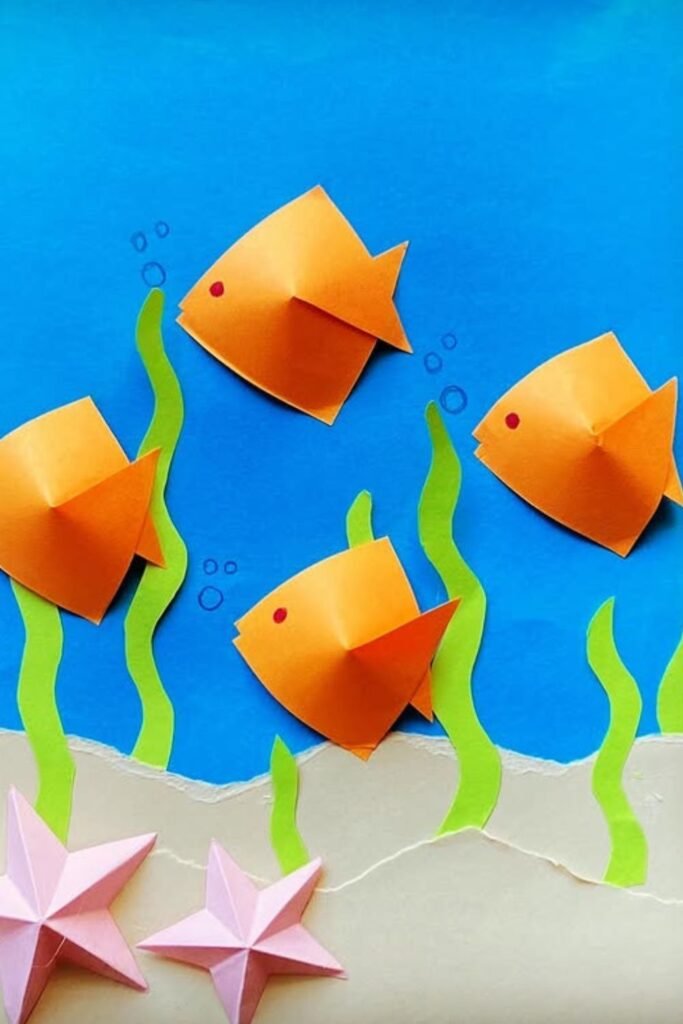
Handprint Fish
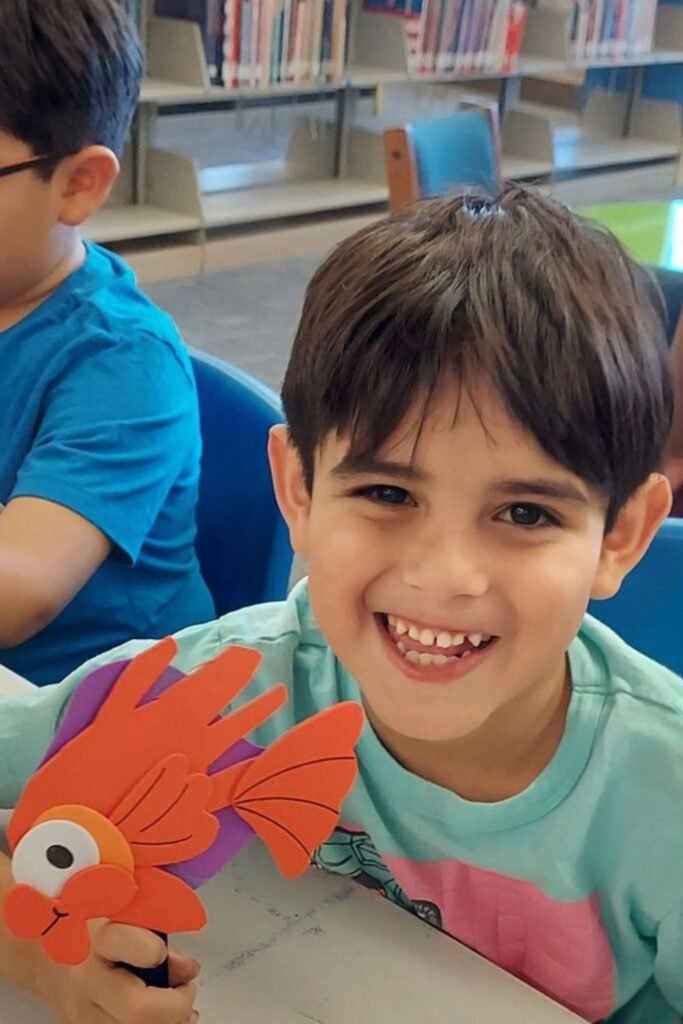
Kids love seeing their own hands turn into something recognizable, and that’s what makes this craft work so well.
Draw hands on old magazines or scrap paper then arrange them in layers to create fins and tails.
Because each fish has a unique appearance, this concept is ideal for libraries, classrooms, or memory projects.
Roll Fish
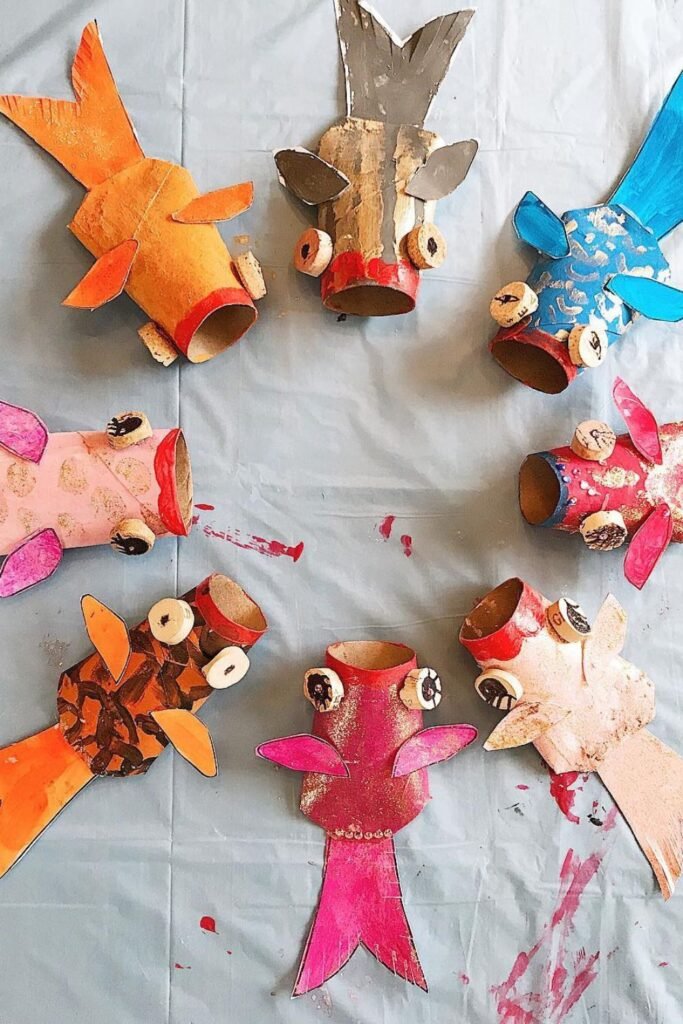
Empty toilet paper rolls turn into sturdy fish bodies without any consider-this prep. Cut the roll slightly to shape the mouth.
Then use spare paper or leftover cardboard to build fins and tails. Because children can experiment with colors and patterns, this idea is most effective on paint days.
To ensure that nothing slips while tiny hands are working, paint first, allow it to dry, and then adhere details.
Stacking Fish
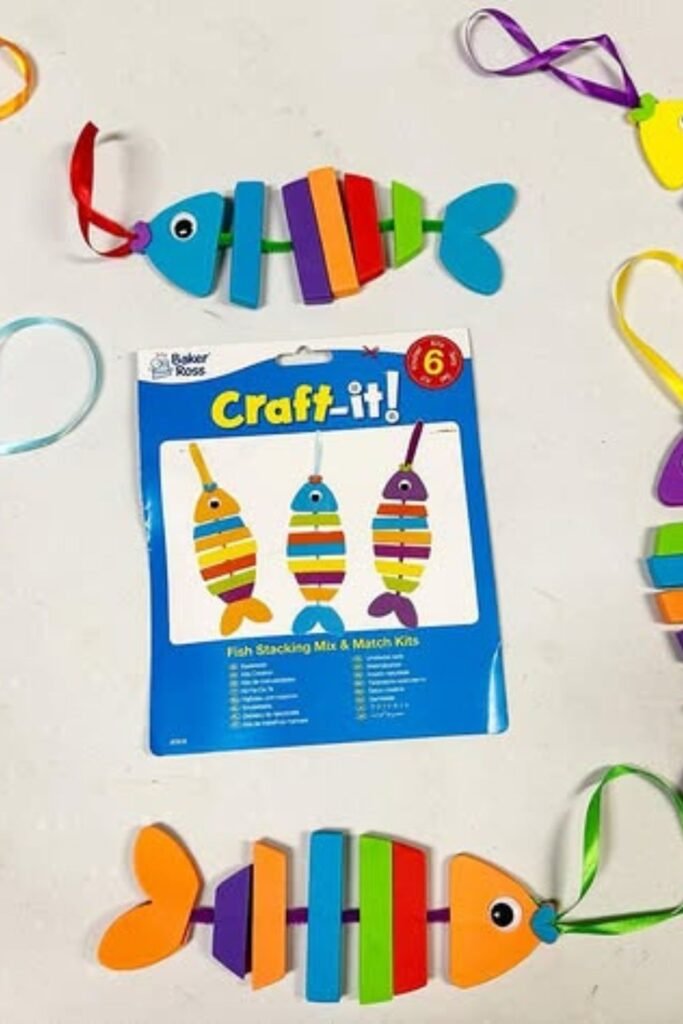
Kids are kept engaged by movement, which is why this concept is so effective. To create a flexible fish body.
Thread cardboard strips, unused foam pieces, or chopped packaging onto string. This is suitable for travel luggage, peaceful areas, or fine-motor stations.
Where children require a calm yet active activity. To make each fish seem unique, tie the ends tightly before letting the children choose the color sequence.
Bottle Fish
Clear plastic bottles give this fish its sleek shape and layered fins without needing heavy cardboard.
To ensure that everything bends in the same direction, cut the bottle flat first, then trim the fins and tails from the same plastic.
Scissors are important in this situation, thus it works better for older children or supervised sessions. The layers was not line up well if you paint before cutting.
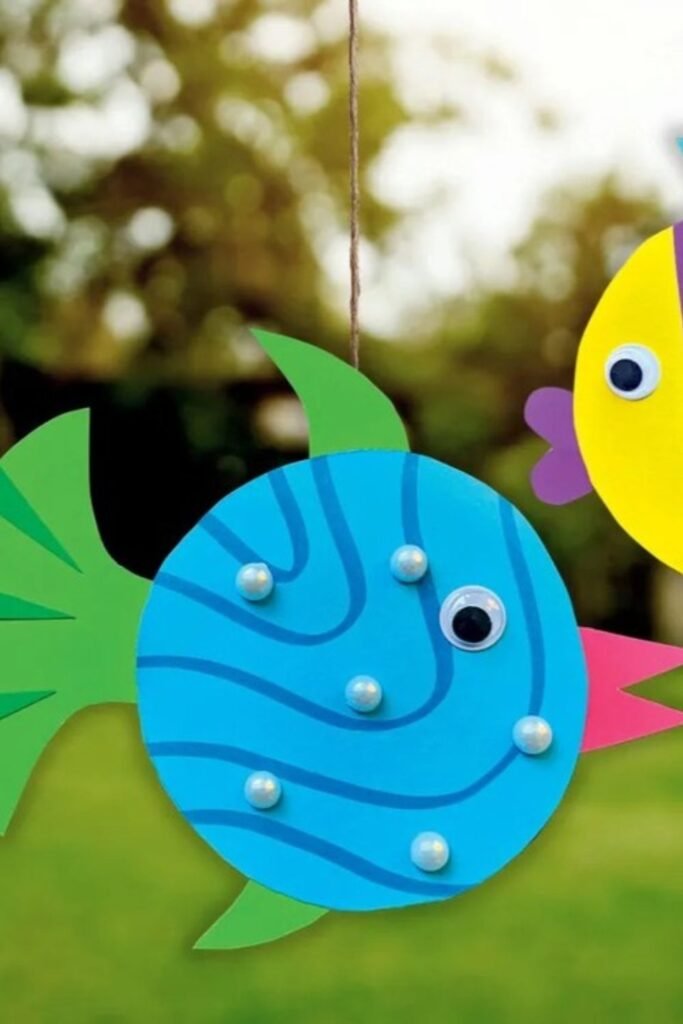
Hanging Fish
Suspended crafts add instant excitement because kids see their work move. Use leftover cardstock, gift wrap or magazine pages to cut simple fish shapes.
Afterward, tie yarn or string at the top. For windows, trees, or classroom displays where color and motion are important, this concept works well.
To ensure that paper remains flat and the fish hangs straight when finished, punch holes in it before embellishing.
Accordion Fish
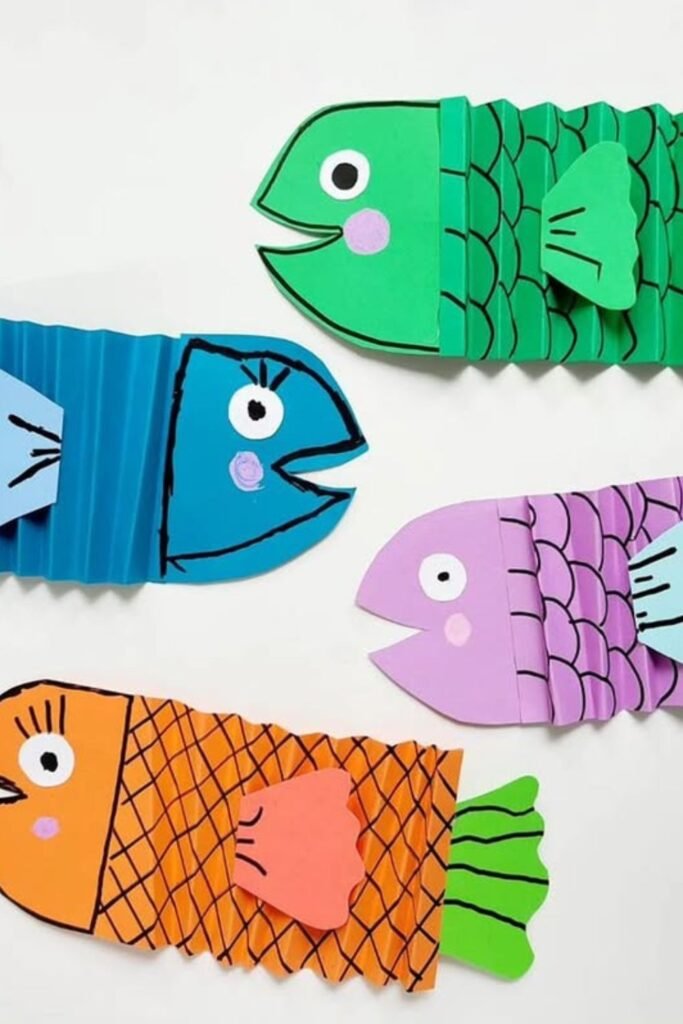
Stretchy bodies make these fish fun before kids even decorate them. Fold old wrapping paper, notebooks, or scrap cardstock back and forth.
Next, adhere a basic head and tail to both ends. Because the folding keeps hands occupied, this concept is ideal for art corners or early finishers.
In order for the design to follow the bends rather than resist them, draw scales after folding.
Painted Plate
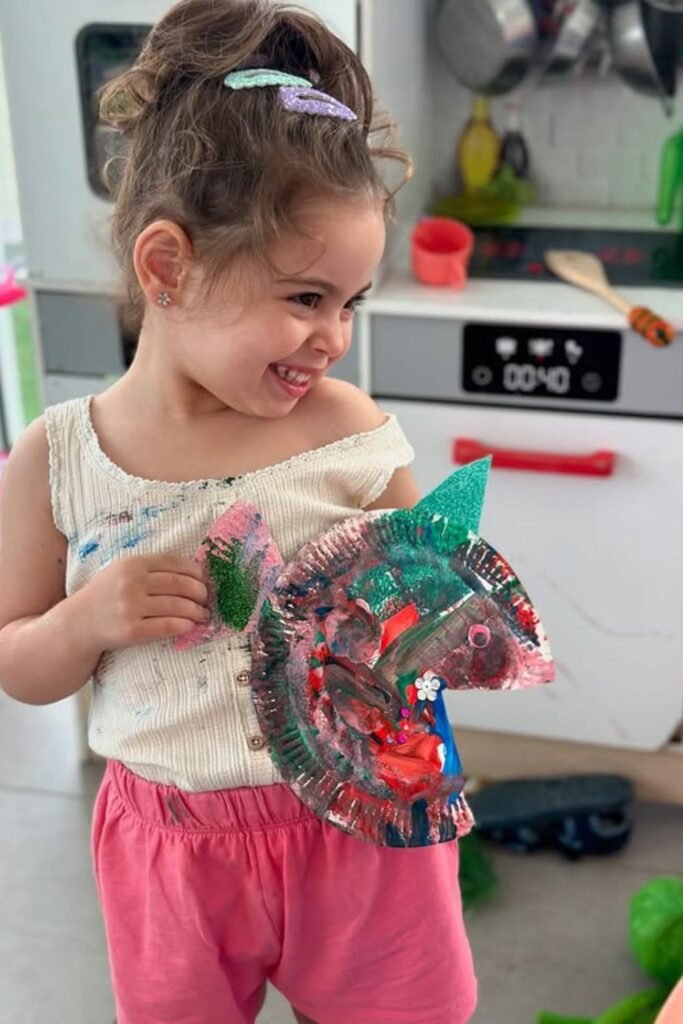
Bold colors grab attention fast, which is why this fish works so well for toddlers. A used paper plate gives a solid base.
While the remainder is handled by scrap paper, glitter, and leftover paint. This concept works well for creative free time at home or messy-play afternoons.
To prevent children from smearing everything at once, paint the plate first, then let it dry a little before adding the fins and eyes.
Woven Fish
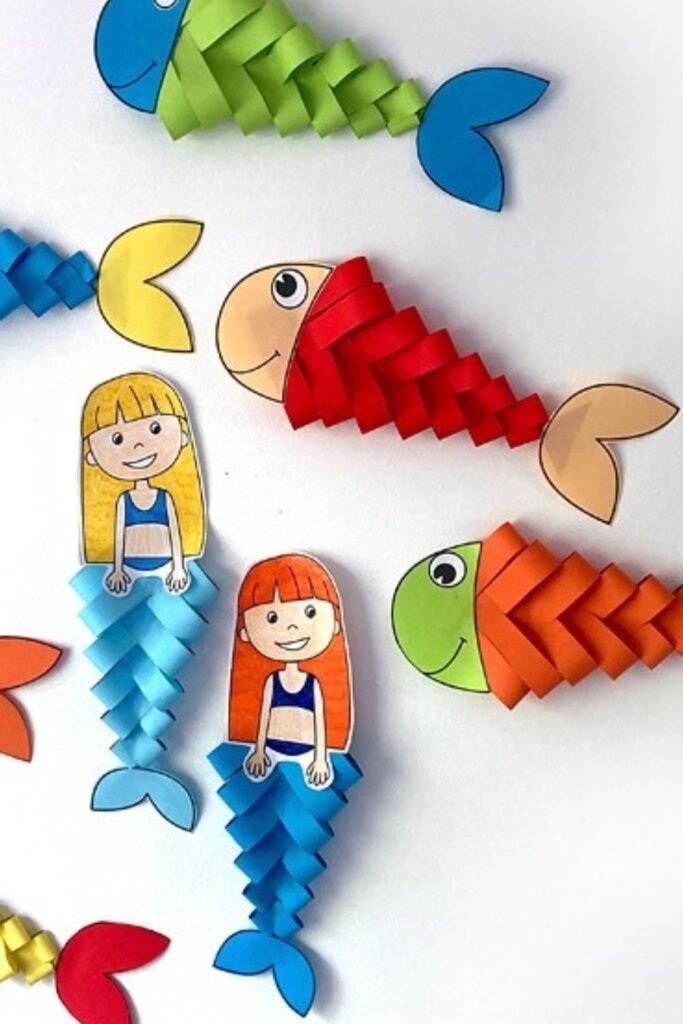
When children begin weaving strips of paper together, they transform them into something magical.
This is a great place to use colored scrap paper, worksheets, or old magazines. Because the continuous over-under action keeps kids attentive.
Let children weave contrasting strips through to create designs without drawing anything after cutting the body base first and slicing lines that are evenly spaced.
Letter Fish
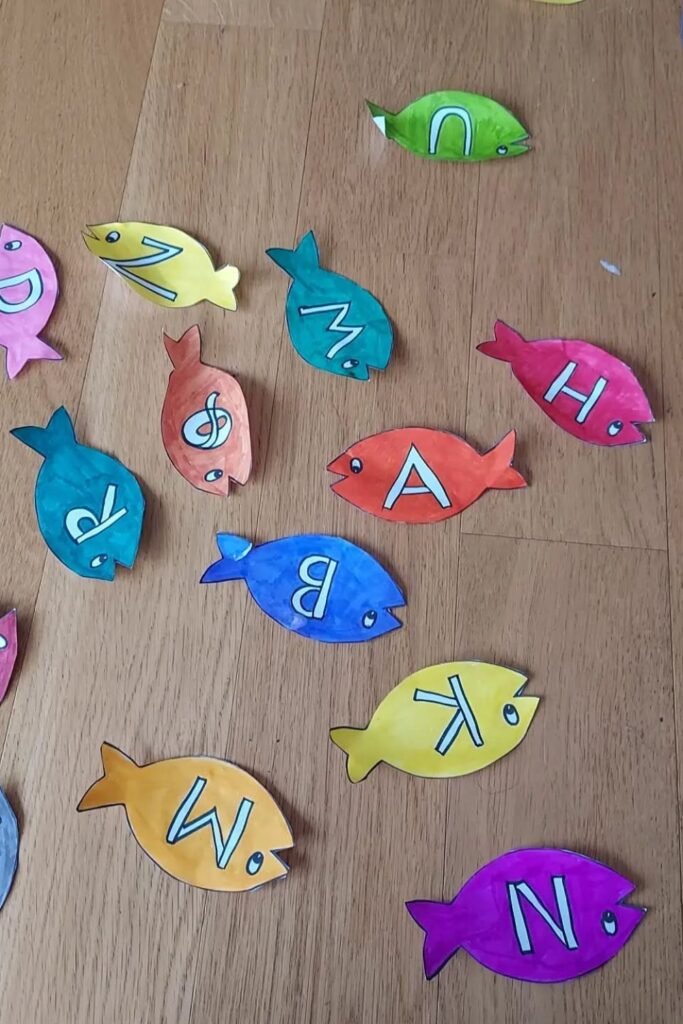
Learning sneaks in when play looks simple. Cut fish shapes from old worksheets, cereal boxes or scrap paper. Then use leftover alphabet stickers or markers to add letters.
Preschool classrooms, homeschooling sessions, or literacy centers where children already practice sounds are the ideal settings for this.
As children move and play, scatter the fish on the floor and invite them to spell short sentences or discover letters in their names.
Spiral Fish
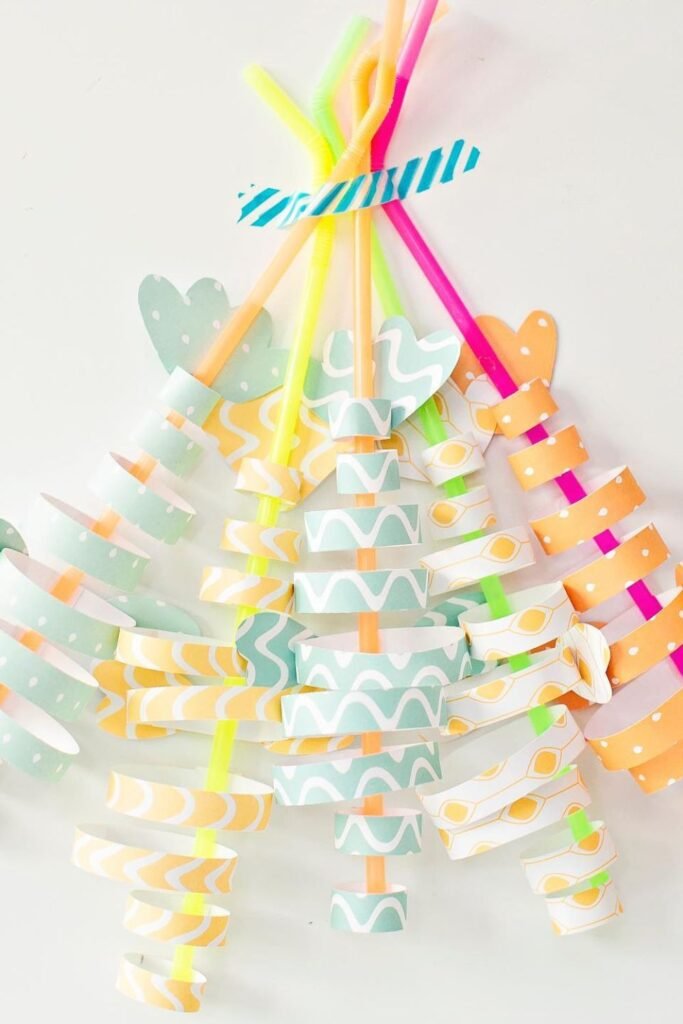
Twist and movement turn simple scraps into something kids want to touch. Cut leftover paper into strips, tape them into loops.
and create a fish body by threading them onto rods or old straws. This concept is ideal for window corners, playrooms, and hanging mobiles.
To keep the spiral shape from collapsing, build the body first, then add the fins and tails.
Fish Frame
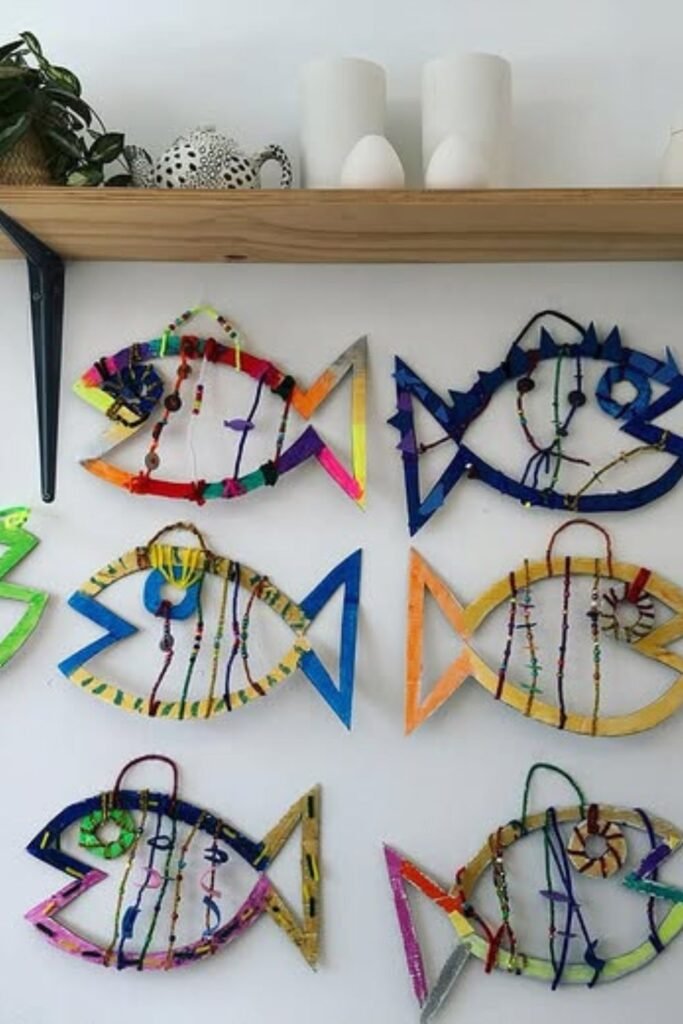
Empty cardboard frames give this craft its bold outline and make recycled scraps look intentional.
Cut out fish shapes from old boxes, then add texture to the frame by stretching thread, beads, or leftover ribbon across it.
This concept is seen on the walls of classrooms or corridors where children’s artwork is used as décor.
Ocean Scene
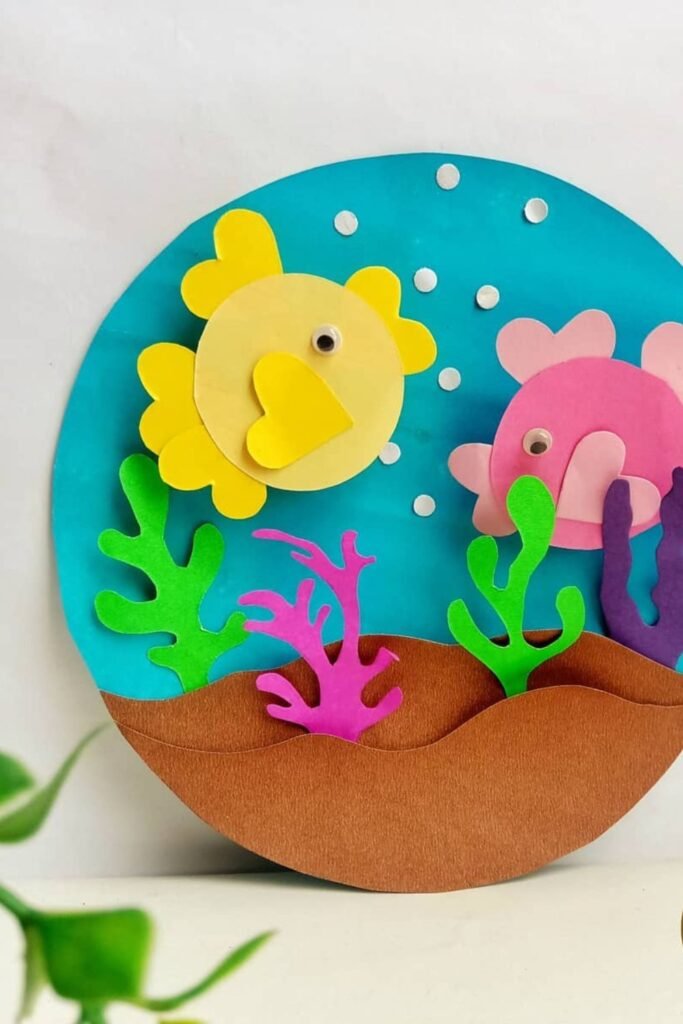
Layering turns a simple fish craft into a full story kids can build on. Use old cardboard circles, packaging paper or foam scraps to create the sea, sand, and plants first.
For leisurely craft sessions where children like organizing parts, this concept works best. Before adding the fish.
Glue down the background layers to ensure that nothing moves while small hands try different positions.
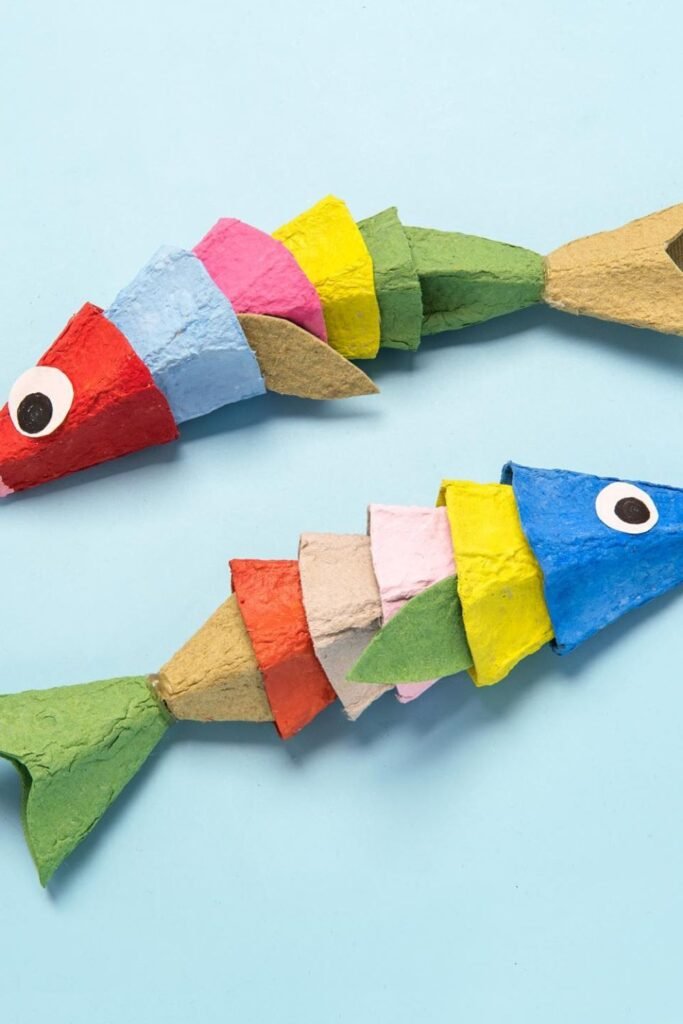
Carton Fish
Egg cartons bend into instant fish bodies with built-in texture, so painting feels more fun than flat paper.
To produce movement cut the cups apart stack them tail to head, then adhere them together in a line.
This concept works well for craft days or painting workshops where children like building things step-by-step.
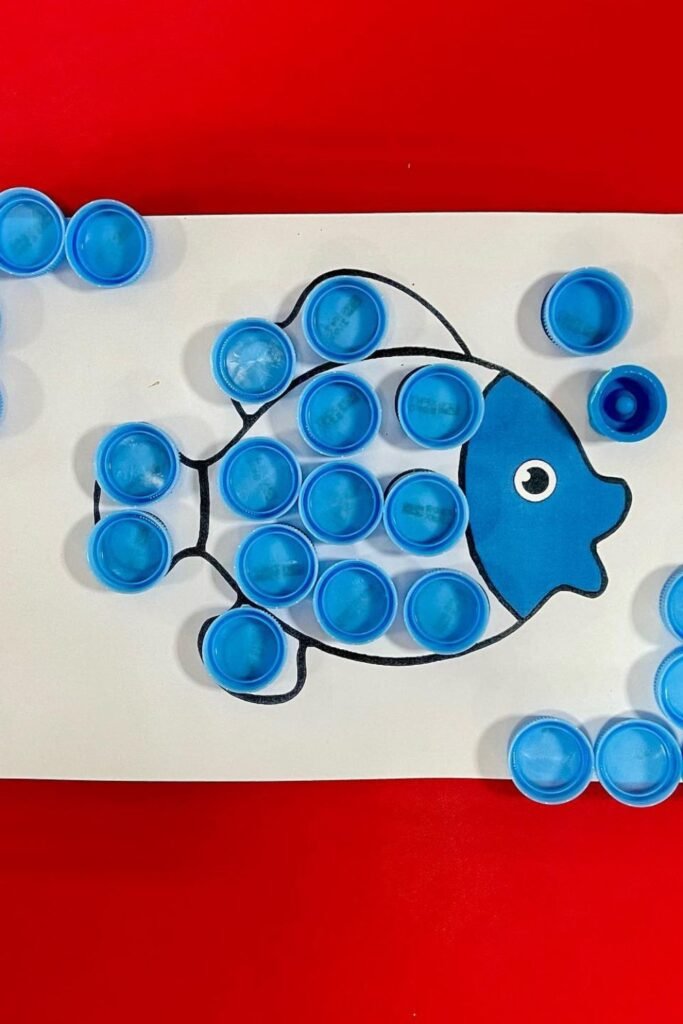
Cap Fish
Loose bottle caps turn into instant texture without any cutting work. Draw a simple fish outline on scrap paper or cardboard.
Next, let children to fill the form by adhering caps that resemble scales inside. This concept is appropriate for sensory play tables and early learners.
Where picking and positioning are more important than sketching. To help children understand exactly where each cap should land boldly outline the fish first.
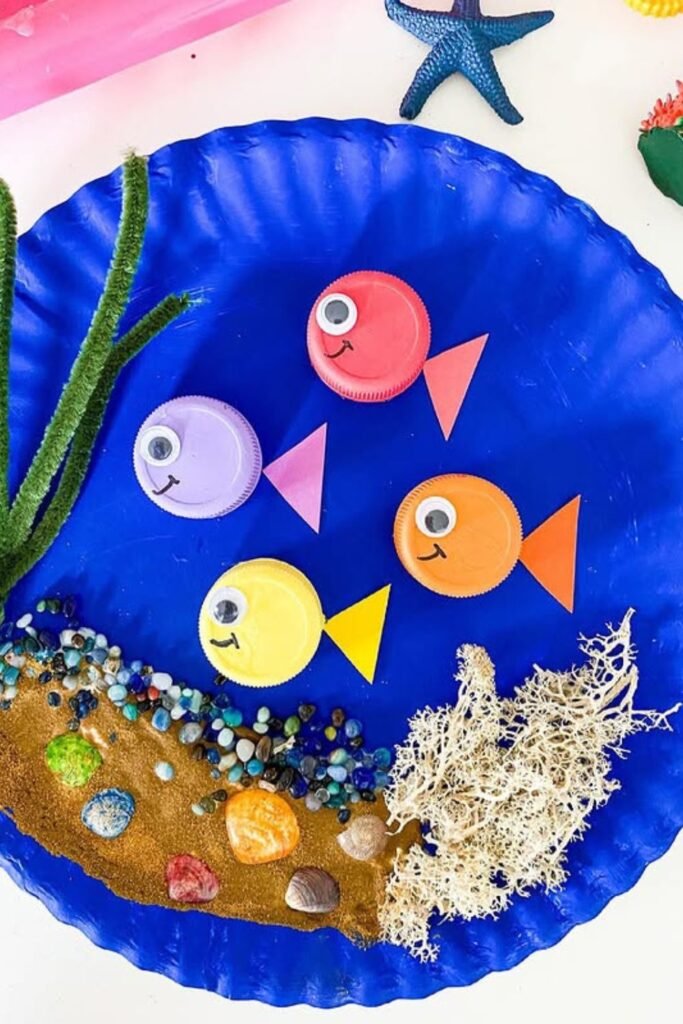
Cap Ocean
Loose lids turn into playful fish once they hit a painted paper plate. Bottle caps form the bodies, while scrap paper triangles handle fins and tails fast.
This concept works well for sensory tables or weeks with an ocean theme, when children like combining different materials.
To keep everything visible and adjustable, paint the plate first, then add pebbles or sand while it’s still wet, and finally apply the caps.
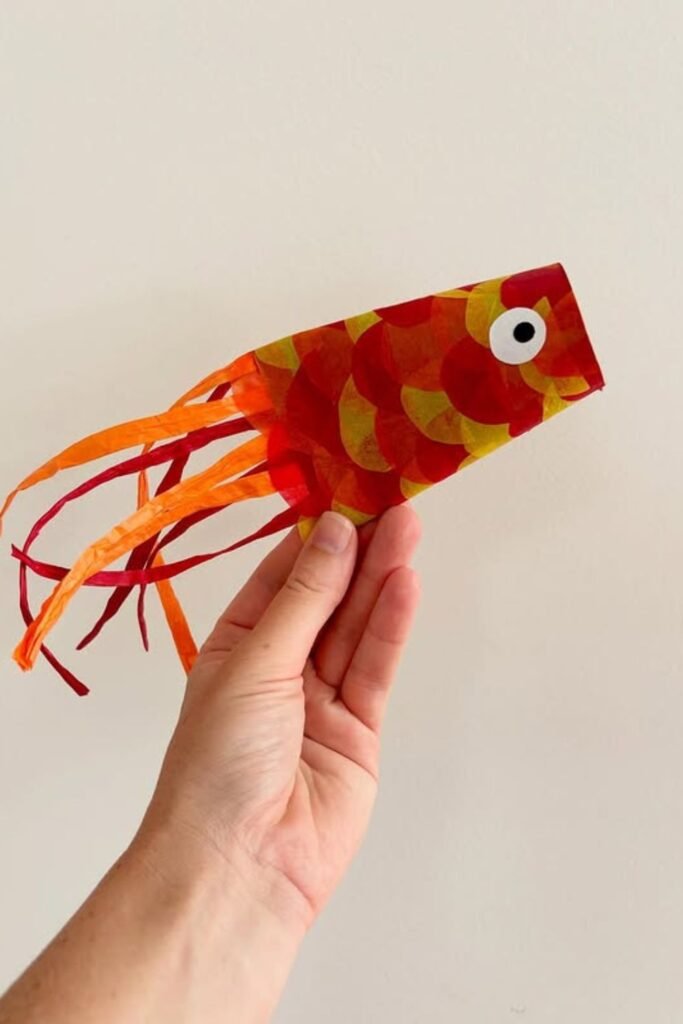
Streamer Fish
Flowy tails make this one feel alive the moment kids pick it up. A small cardboard box or folded packaging forms the body.
While strips of present wrap or unused tissue paper make movement at the back. This concept is perfect for pretend play or at-home puppet-style crafts.
In order to keep everything safe when children start waving it about, attach the streamers before closing the body.
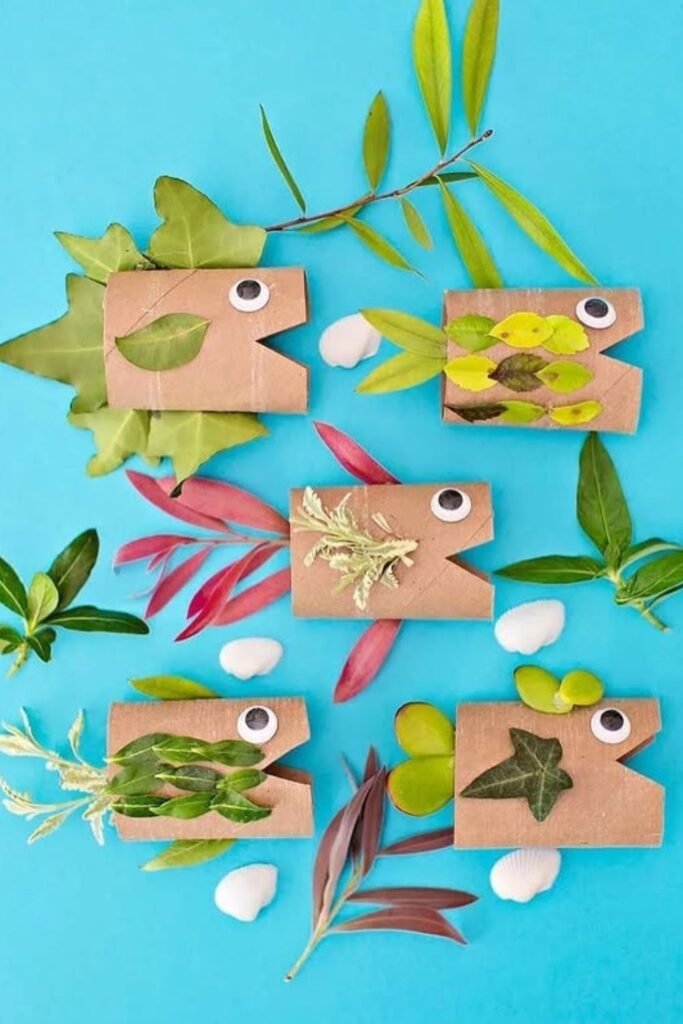
Nature Fish
Outdoor finds turn this craft into a calm, creative break from screens. Small cardboard scraps shape the fish, while leaves, petals, and twigs become scales and fins.
This concept works well for science lessons in the classroom, garden time, and nature walks.
To demonstrate to children how actual fish patterns evolve in nature, first press the leaves flat to make them easier to glue, and then combine colors and forms.
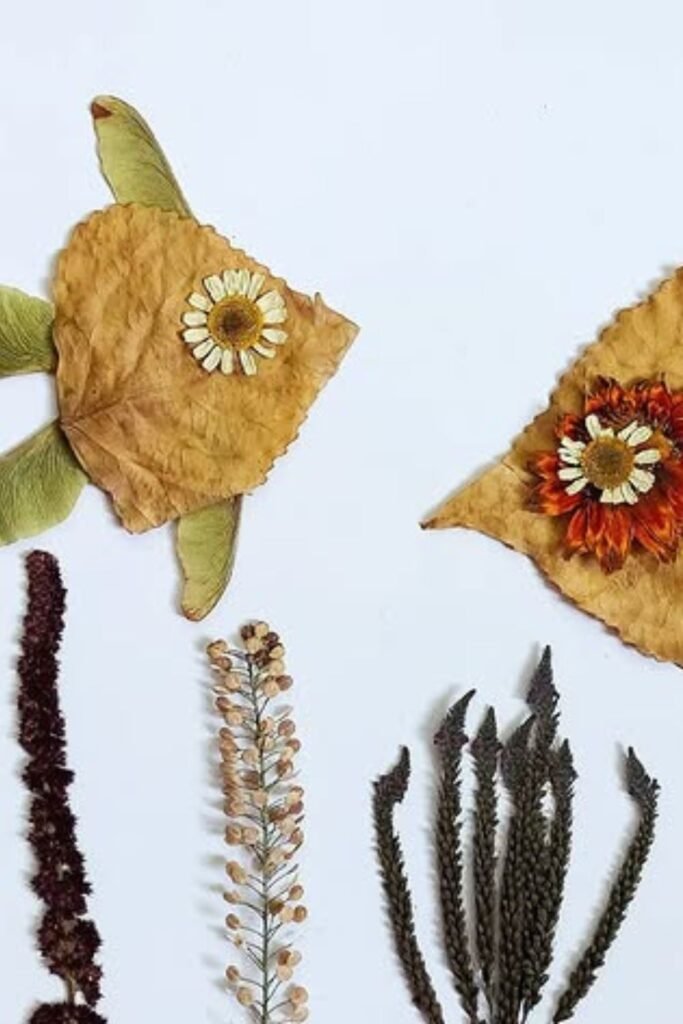
Pressed Fish
Dry leaves give this fish a soft, almost storybook feel without using paint or glue-heavy steps. Cardboard scraps form the base.
Fins and scales are shaped by dried flowers and crushed leaves. This is a great idea for seasonal teaching or peaceful craft time.
To prevent fragile components from breaking, gently layer materials after pressing them in a book to keep everything flat.
FAQs
Can recycled fish crafts really keep kids interested for more than a few minutes?
Yes, if there is movement or texture in the craft. Children can touch, bend, or rearrange materials like bottle caps, egg cartons, rope, or folded paper.
Attention spans longer when hands are occupied, particularly for smaller children who quickly grow disinterested with flat coloring.
What’s the easiest way to prep recycled fish crafts for a group of kids?
Before beginning, cut and arrange the supplies. When forms, strips, or bases are prepared children can start making without waiting for assistance.
This reduces mess maintains the activitys calmness, and allows you to concentrate on guiding rather than correcting.
Hi, I’m Afaf! I’m a law student who loves writing about everyday life – from home projects and crafts to fashion, beauty, and parenting tips.
I’ve been writing for over a year, sharing ideas that are simple, practical, and easy to try. I write about things I find interesting and useful, whether that’s organizing a space, trying a new DIY, or finding activities to keep kids entertained.
My goal is to share helpful ideas without making things complicated. If it works in real life, I’ll write about it.
When I’m not studying or writing, I’m usually experimenting with new projects or scrolling for inspiration!