
25 Nature Crafts For Kids for 2026
If your child arrives home with a collection of leaves, stones, and stray twigs, only to immediately request your phone, you are in good company.
Many parents share the same goal getting their kids away from screens, but they often struggle with what to suggest as an alternative.
Those “nature crafts” you see on the internet can seem appealing, yet they often feel impractical in real life.
In this article, you’ll discover Nature Crafts For Kids that are fun, simple, and perfect to try in 2026.
Let’s jump in!
How Can Kids Use Natural Materials to Make Crafts at Home?
Your child doesn’t need a store-bought craft kit to unleash their imagination.
If you’ve got leaves scattered across the table, pebbles in a bag, or sticks propped up near the door.
You’re already set. The trick is to let them play with these everyday objects, rather than dictating what they should do.
Provide some glue, paper and a clean workspace, and watch them start to explore.
When children get to choose what a leaf or a stone transforms into, they stay engaged for longer and feel a real sense of accomplishment.
Save this article for later!👇👇👇
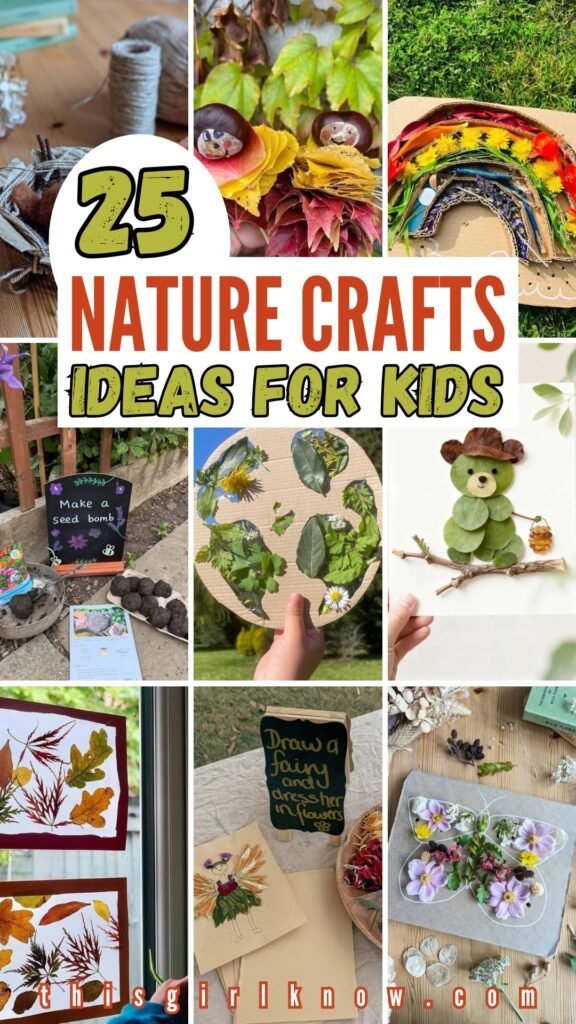
Nature Rainbow
Cardboard scraps and garden finds turn into a calm, focused activity with this idea. Cut a simple rainbow shape.
Next, let the kids fill each part with flowers, grass, leaves, or petals they’ve gathered outside.
This activity is most effective following a nature walk, when they’re still buzzing with energy.
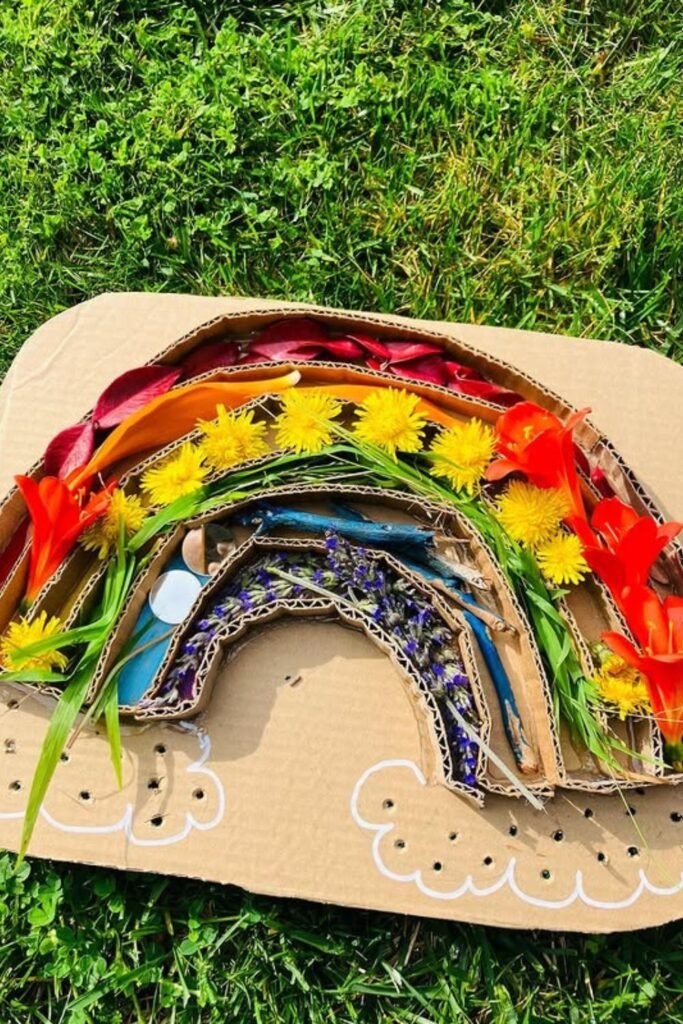
Leaf Dolls
Chestnuts and fallen leaves come together for pretend play that lasts longer than the craft itself.
Build a figure using vibrant leaves for clothing, a chestnut for a face, and then mount it all on a stick for stability.
Children may create entire families, swap out garments, and use them as characters in their own stories.
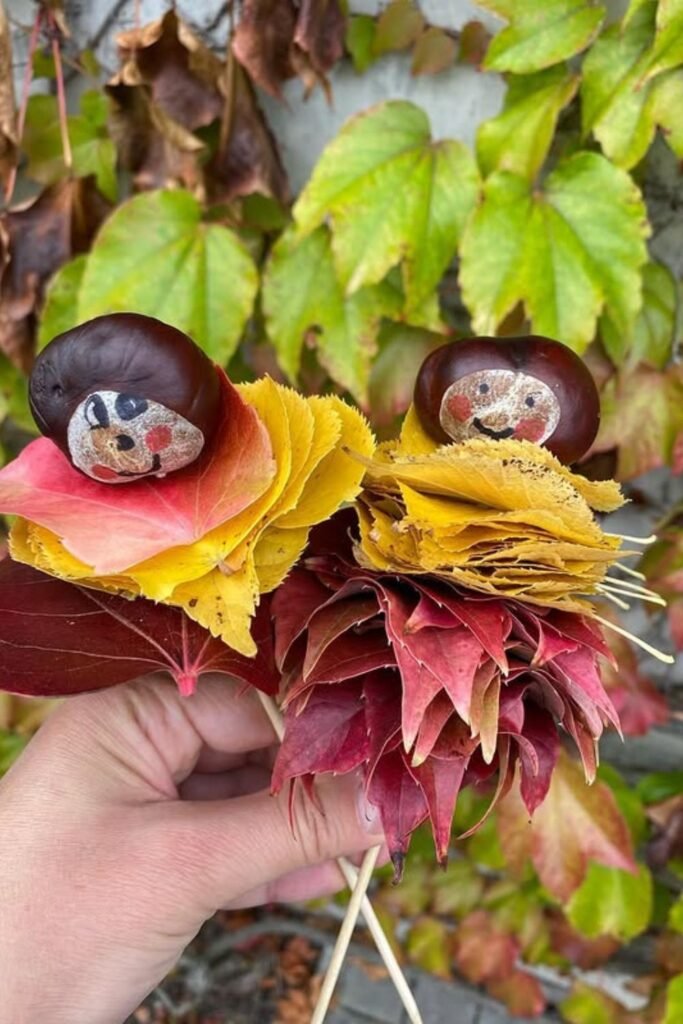
Bird Nest
Soft fibers slow kids down in a good way with this quiet, hands on craft. Wool, yarn scraps, or dried grass can be shaped into a small nest.
Then, it’s coupled with a felt or cotton bird. This is most effective on a quiet afternoon, when concentration is the priority, not haste.
The act of gently pressing and shaping keeps the hands occupied fostering patience without requiring continual supervision.
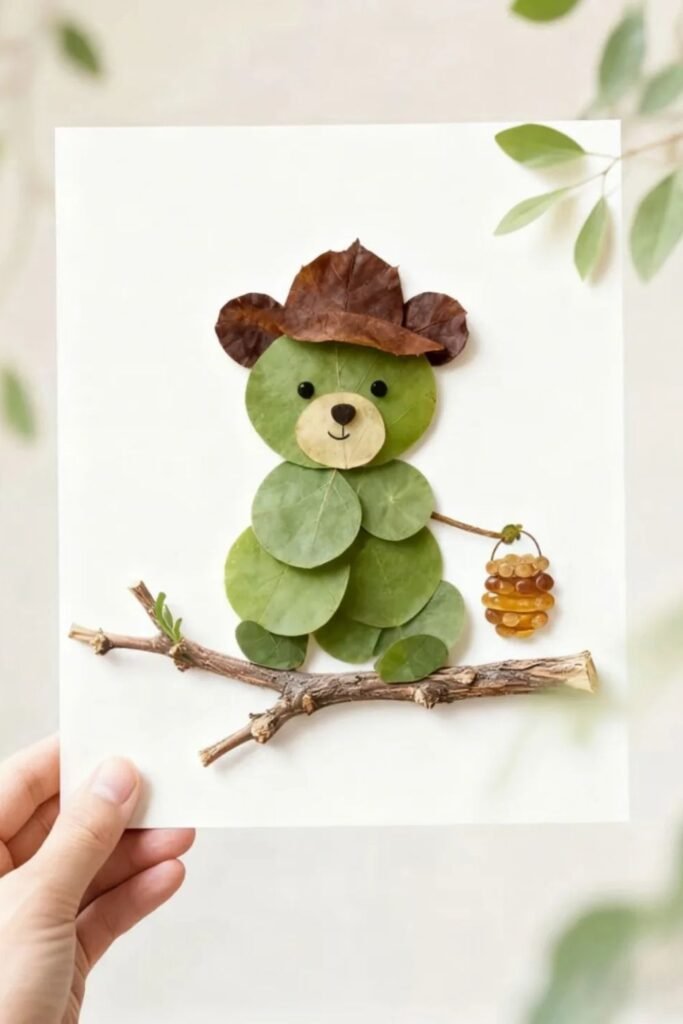
Leaf Bear
Round leaves naturally guide this craft without much planning. Stack similar shapes to build the body.
Next, add smaller leaves and seeds to create the facial features. This activity is perfect for a calm table setting after a nature walk when the leaves are still vibrant.
Children practice balance and spatial awareness as they arrange the components and the glue is applied only once they’re satisfied with the arrangement.
Nature Window
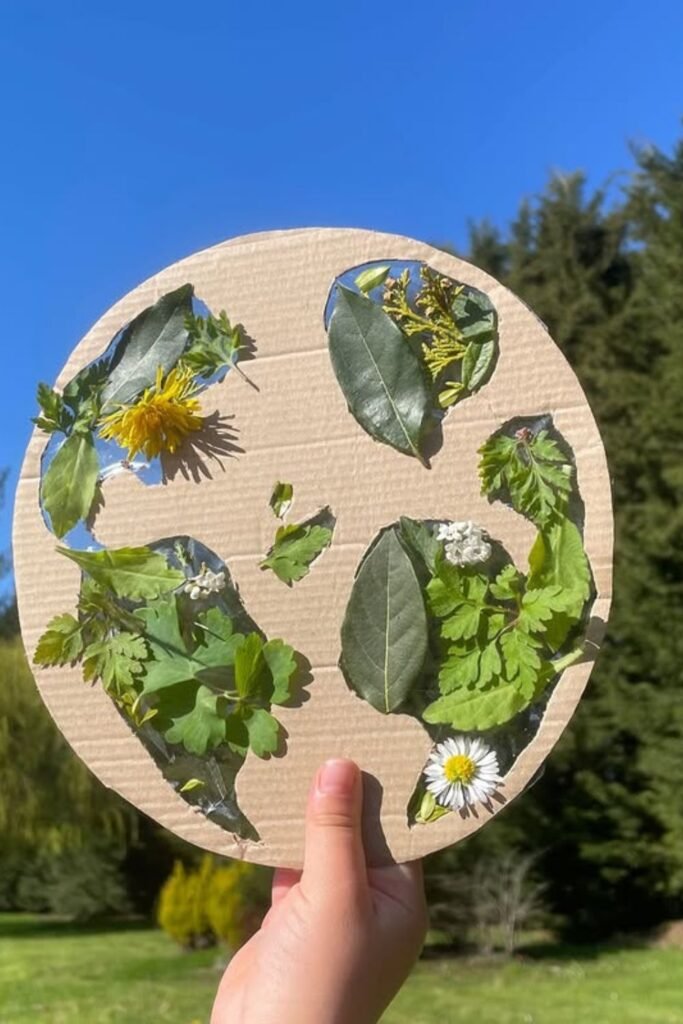
Holding a simple cut-out frame instantly changes how kids see collected leaves and flowers.
Open shapes encourage kids to experiment, figuring out which pieces click together, and then reconfigure them, no adhesive needed.
Simply cut some durable cardboard once, and then repurpose it on each outing as a changing nature exhibit.
Seed Bombs
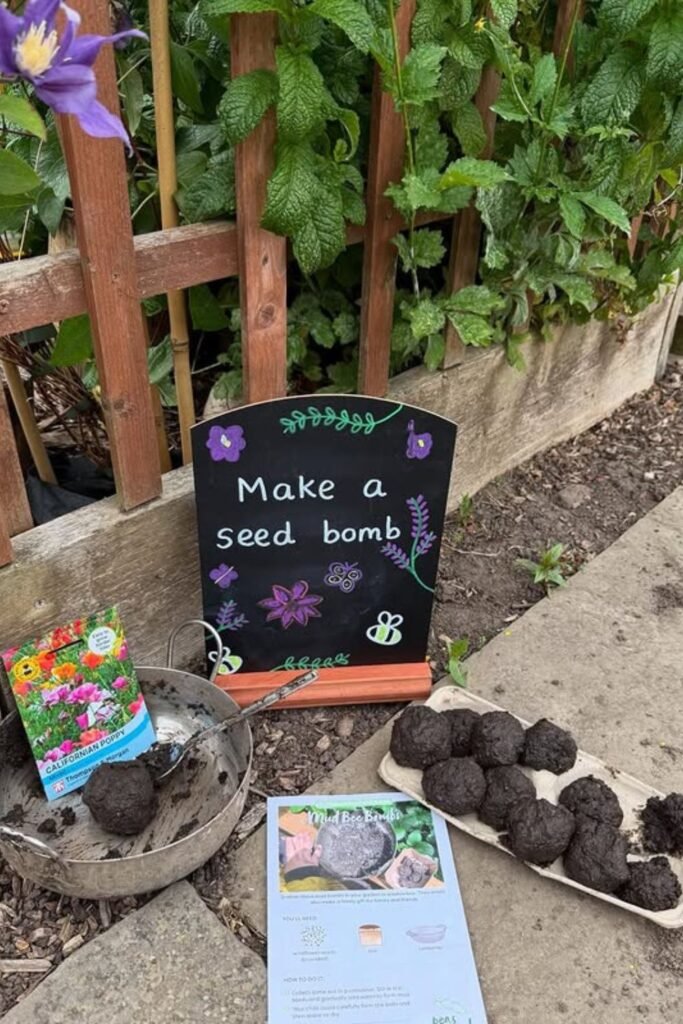
Messy hands usually mean deep focus with this activity. Soil, seeds, and a little water roll into small balls kids can plant or gift later.
This is ideal for a garden nook or other outdoor area where messiness isn’t a concern. The rolling and shaping process is a great way to occupy children.
And the anticipation of seeing what eventually sprouts keeps the fun going much beyond the initial crafting.
Flower Butterfly
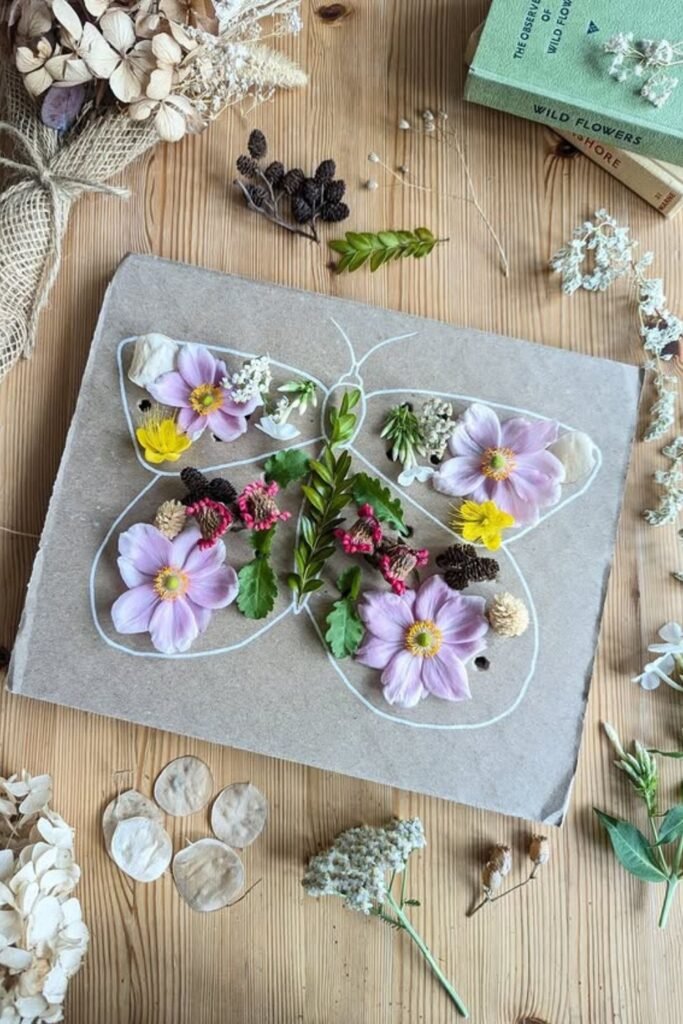
Delicate materials instantly change how kids handle a craft. Petals, small flowers, and leaves work best here.
When arranged with care within a basic butterfly shape, this concept suits a serene indoor setting, particularly after flowers have been preserved.
The deliberate positioning cultivates patience and the completed work is worthy of either keeping or giving away.
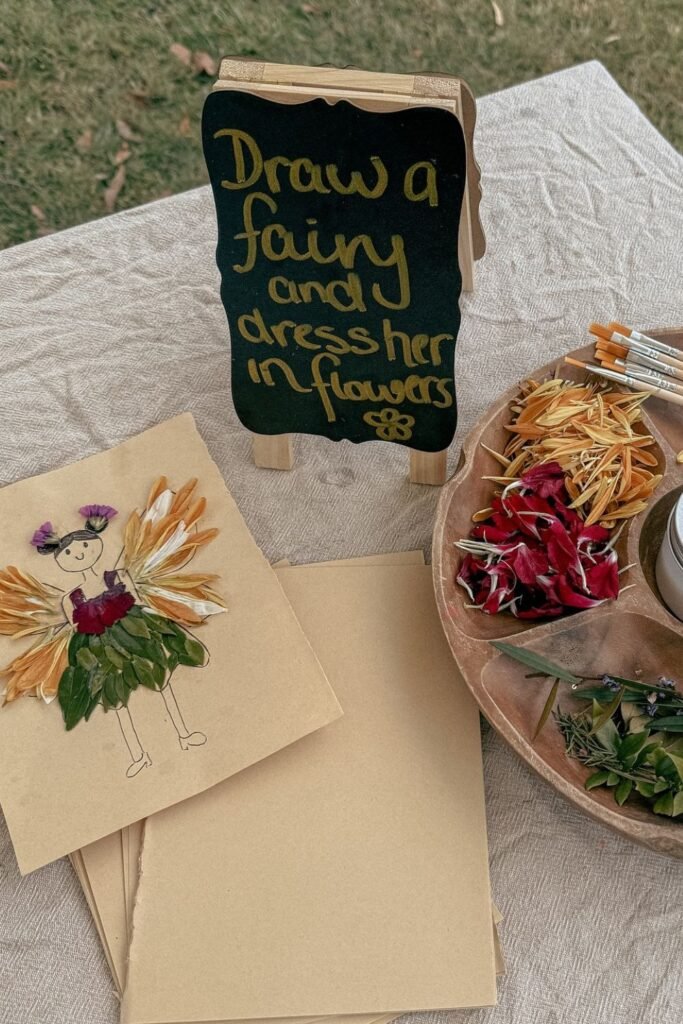
Flower Fairies
Imagination takes over once kids start choosing petals for clothes instead of crayons. A simple drawn figure becomes a fairy.
When leaves become skirts and flowers, wings. This concept thrives outside, or even on a picnic table, where swapping materials is a breeze.
Encourage children to arrange everything dry first, and then, only after they’re satisfied with the character’s look, to glue it all together.
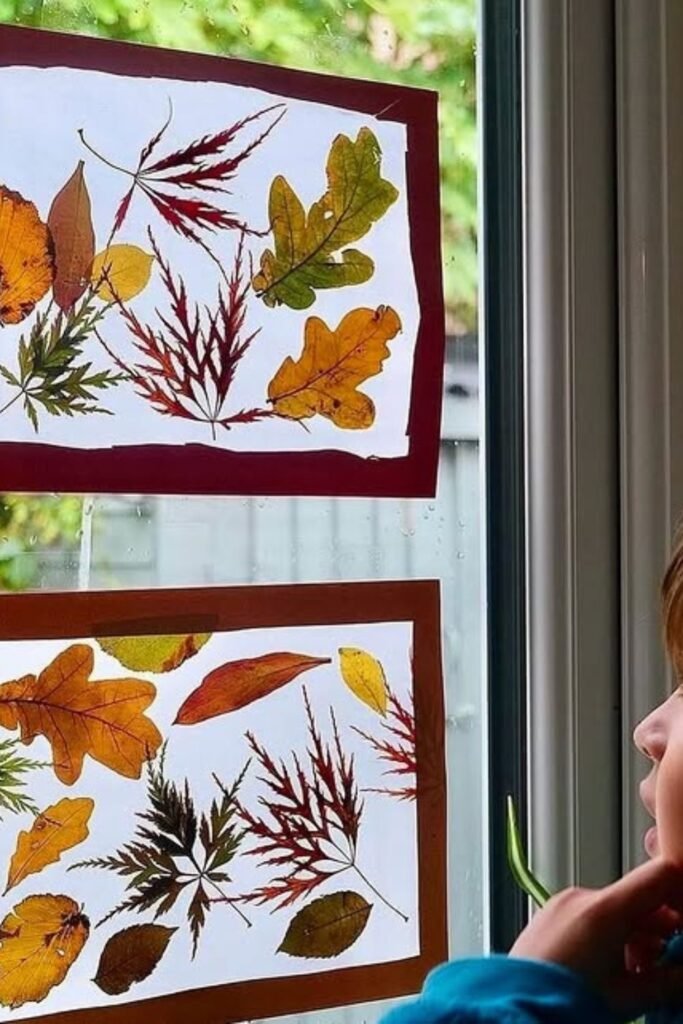
Leaf Suncatchers
Sunlight does half the work with this one. Pressed leaves placed between clear paper or contact sheets turn any window into a quiet art space.
This is a great idea for those sluggish mornings when youngsters are prone to stopping and staring.
Placing them at eye level encourages daily observation, and switching up the colors keeps the fun alive much after the initial crafting is done.
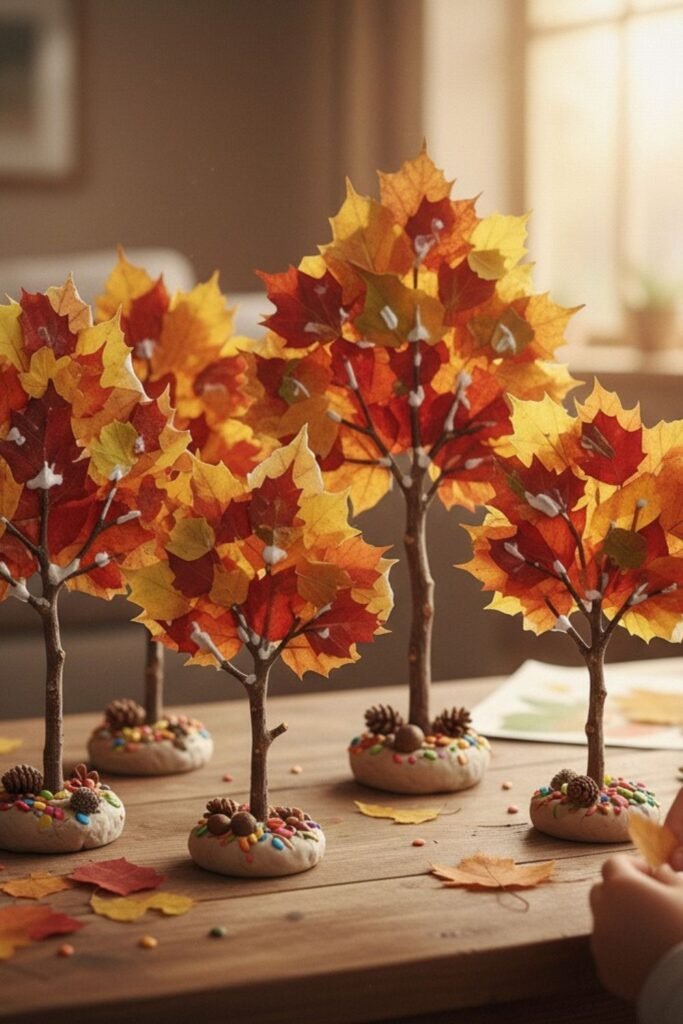
Leaf Trees
Building something that stands upright instantly feels more serious to kids. Twigs become trunks, leaves turn into treetops.
Clay or dough acts as the glue, anchoring everything. This concept works beautifully on a tabletop, where the components may remain accessible for an extended period.
Children are kept engaged by the need to adjust balance and positioning, and building a miniature forest provides a simple way to expand the play experience.
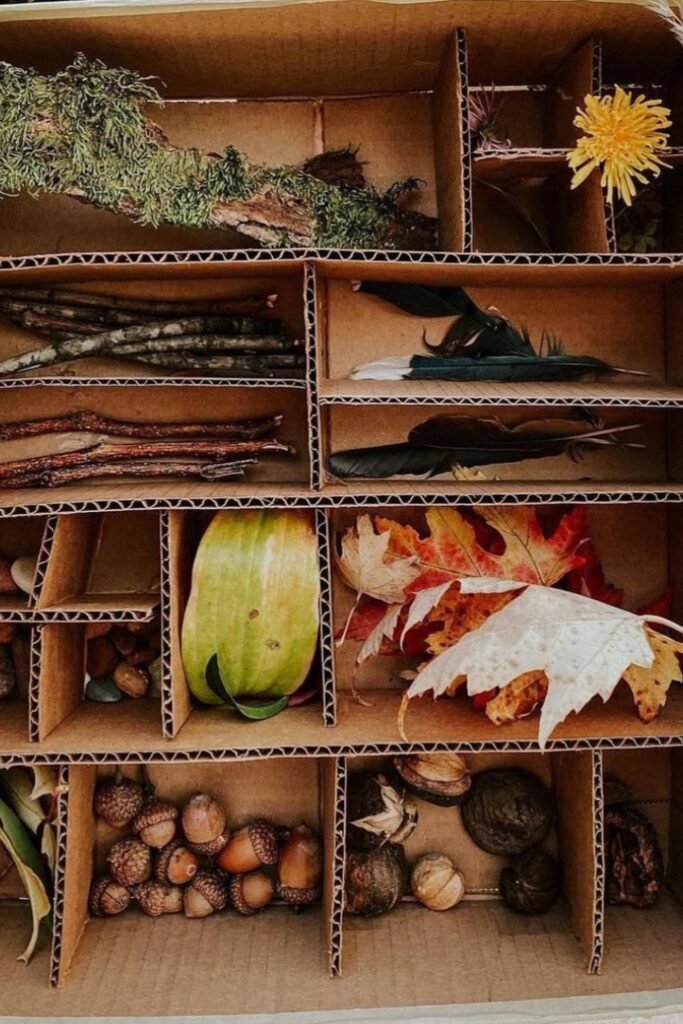
Nature Sorting
Order brings calm to busy hands with this setup. Cardboard sections turn into small homes for sticks, stones, leaves and seeds collected outside.
This is particularly effective after a walk, when children are ready to unwind. Organizing found items by size, texture, or color.
Provides a clear objective, making it simple to repurpose them for upcoming projects or playtime activities.
Stick Boats
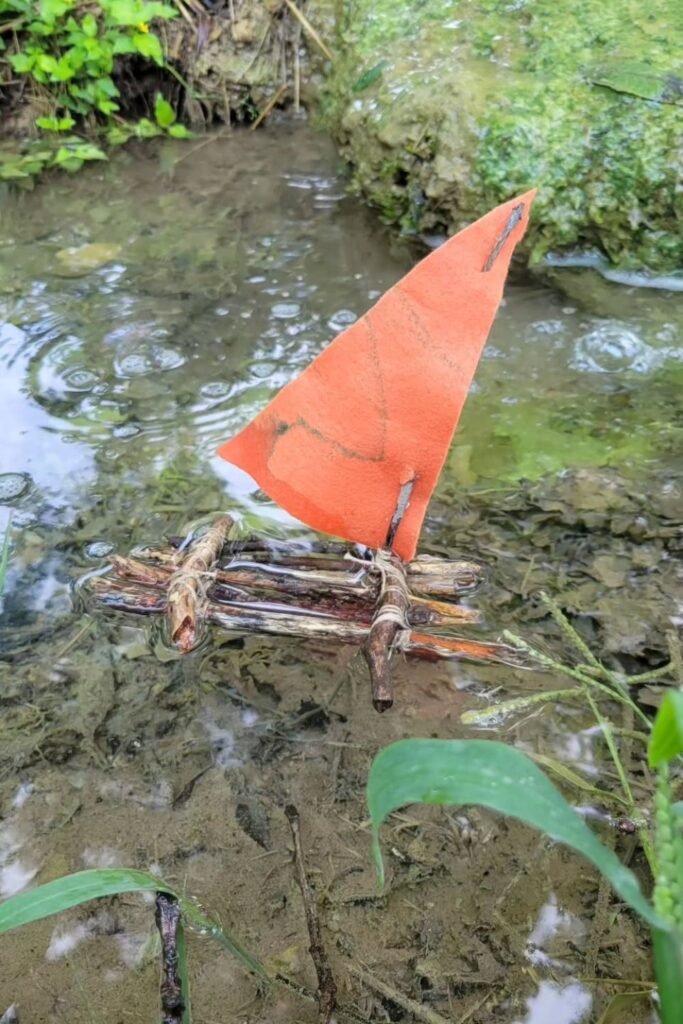
Water changes everything about play, and this craft leans into that. Twigs tied together become a floating base.
Fabric or leaves can serve as makeshift sails. Shallow streams, puddles or even tubs provide ideal testing grounds.
Kids will keep experimenting as they adjust the balance and observe what floats minor adjustment lead to tremendous thrills when the boat finally starts to move.
Nature Weaving
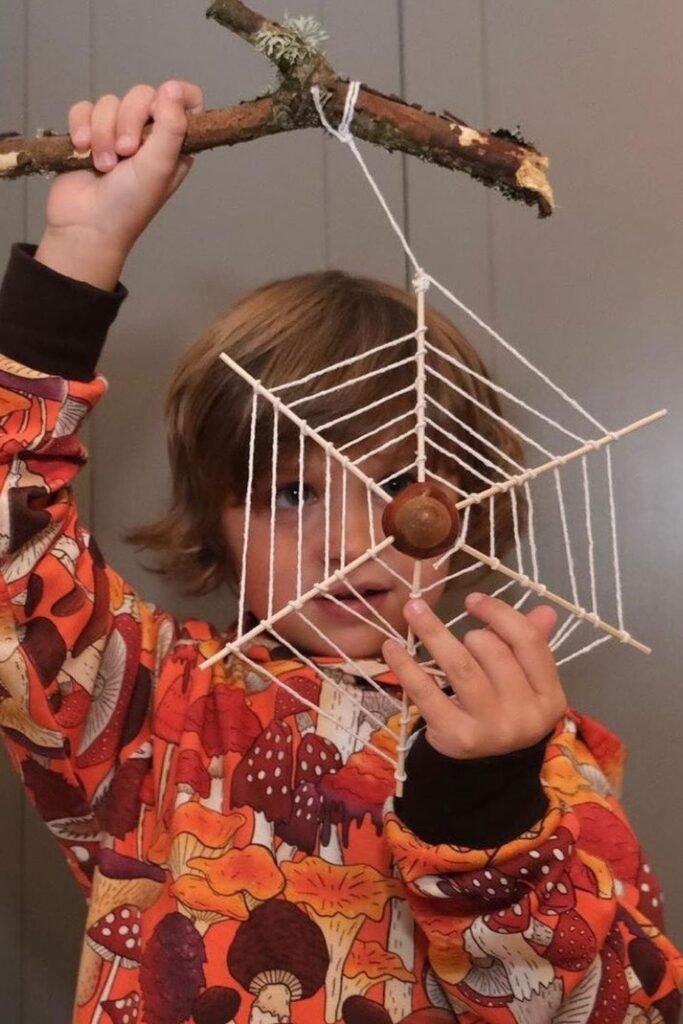
String slows busy hands and sharpens focus without feeling like work. Tying yarn across sticks creates a simple frame.
Kids may create these by threading found things, like as seeds or tiny stones.
It’s ideal to set up at a table or on a porch, where projects can be left to hang and picked up later.
Leaf Faces
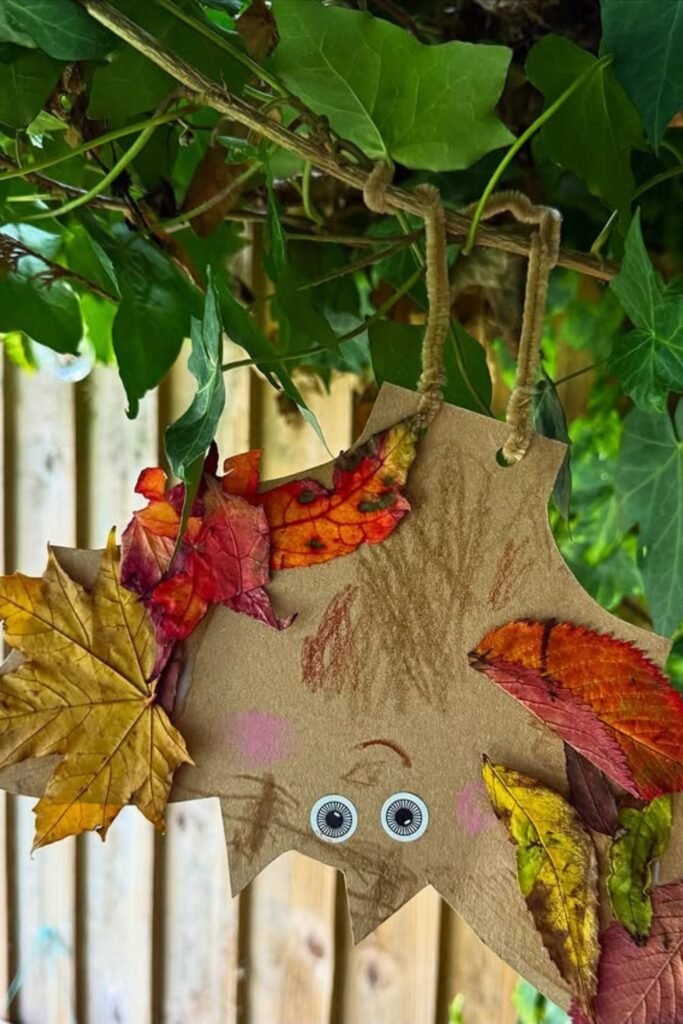
Expressions come together fast when leaves start acting like hair and eyebrows. A simple paper cutout or bag gives kids a base to build on.
While the fallen leaves take care of the character, it’s a good fit near a fence or entrance, where it can be seen and appreciated.
Changing the leaves alters the overall feel, encouraging children to keep experimenting rather than giving up after only one attempt.
Nature Loom
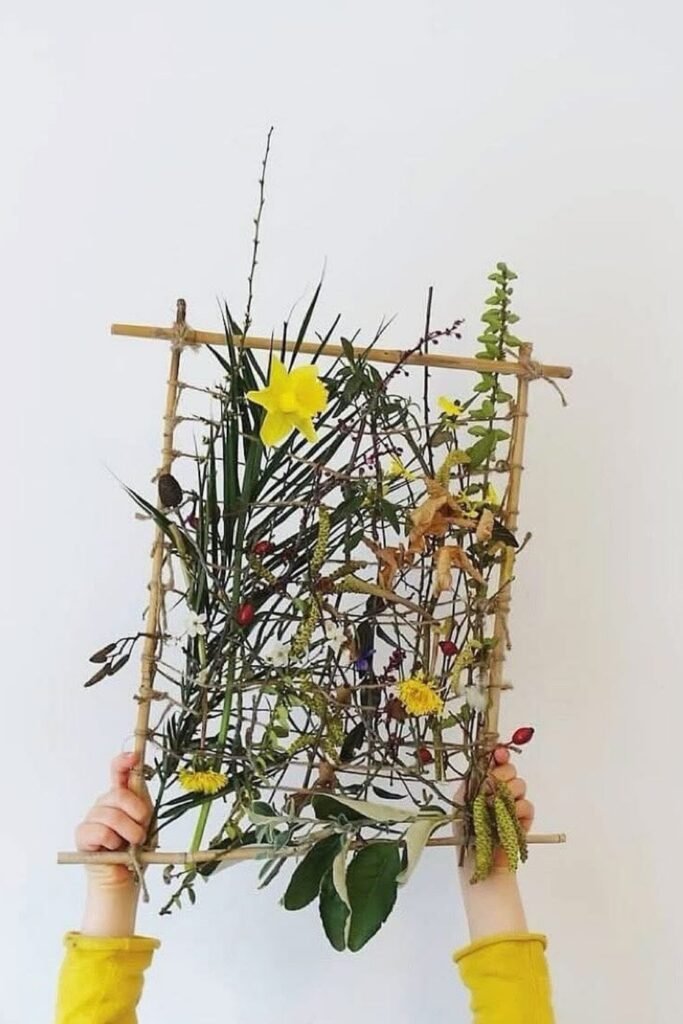
Vertical space transforms collecting into a creative endeavor. Picture thin sticks, bound together to form a frame, offering a structure for weaving grasses, stems.
And blossoms through the openings. This approach is particularly effective indoors, especially after a stroll outside when the materials retain their pliability.
The act of filling those empty spaces evolves into a gradual, enjoyable challenge, and the frame can remain in place for several days.
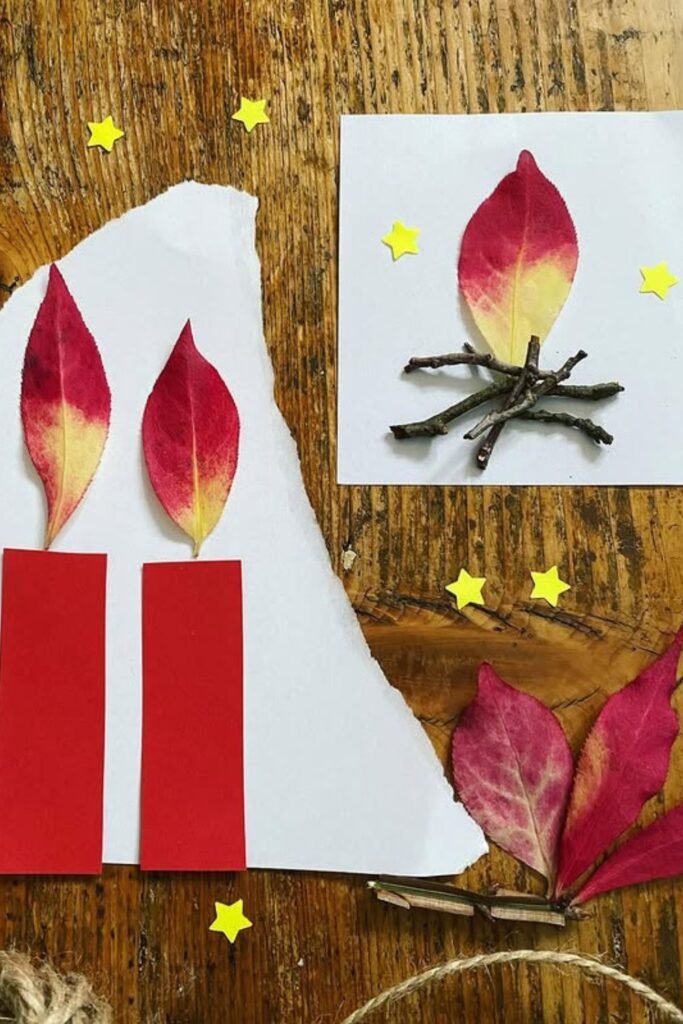
Leaf Flames
Color does the storytelling here without needing paint. Red and yellow leaves naturally turn into candle flames or a small campfire.
When combined with paper strips and twigs this concept shines, particularly for indoor table activities especially those with a fall theme.
Arranging the pieces and varying their heights helps maintain children’s attention and even minor adjustments can suddenly transform the image.
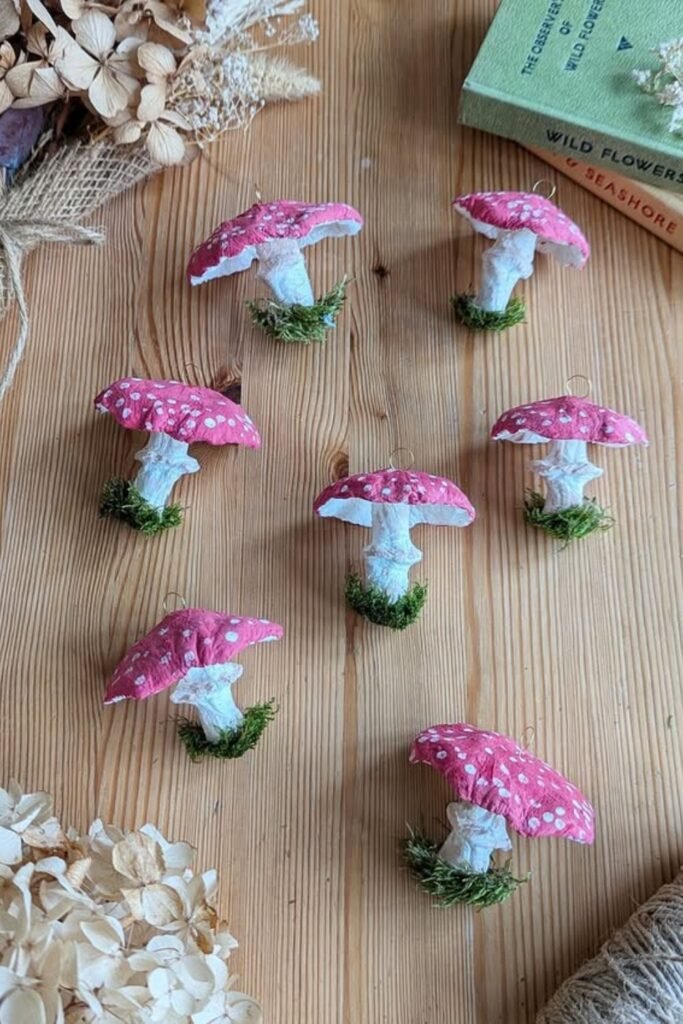
Forest Mushrooms
Tiny details make this craft feel special right away. Natural shapes like acorns, clay, or paper pulp turn into mushrooms once painted and paired with bits of moss.
This is ideal for those quieter indoor craft sessions, when children really get into the groove of taking their time.
Plus, the completed creations can be used as playthings or as uncomplicated decorations.
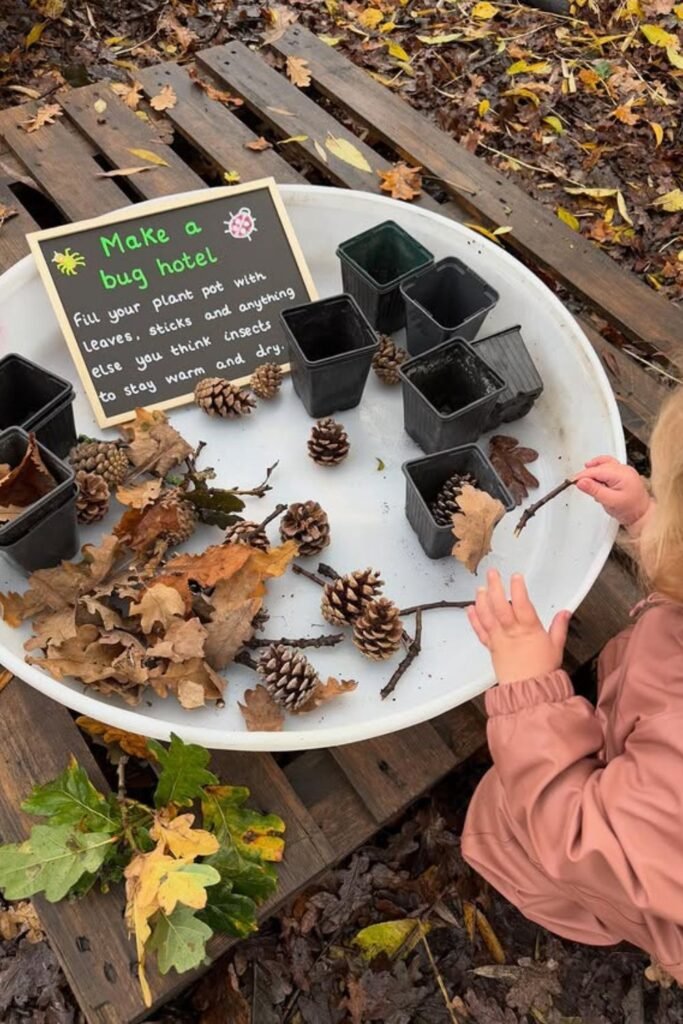
Bug Hotels
Curiosity kicks in as soon as kids realize insects might actually move in. Small pots or containers filled with pinecones, leaves.
And those sticks? They make perfect little hideaways for bugs. This is especially effective in a garden or a peaceful spot outside.
Filling each part gives the activity a sense of purpose, and revisiting it later transforms the craft into a continuous observation of nature, rather than just a single event.
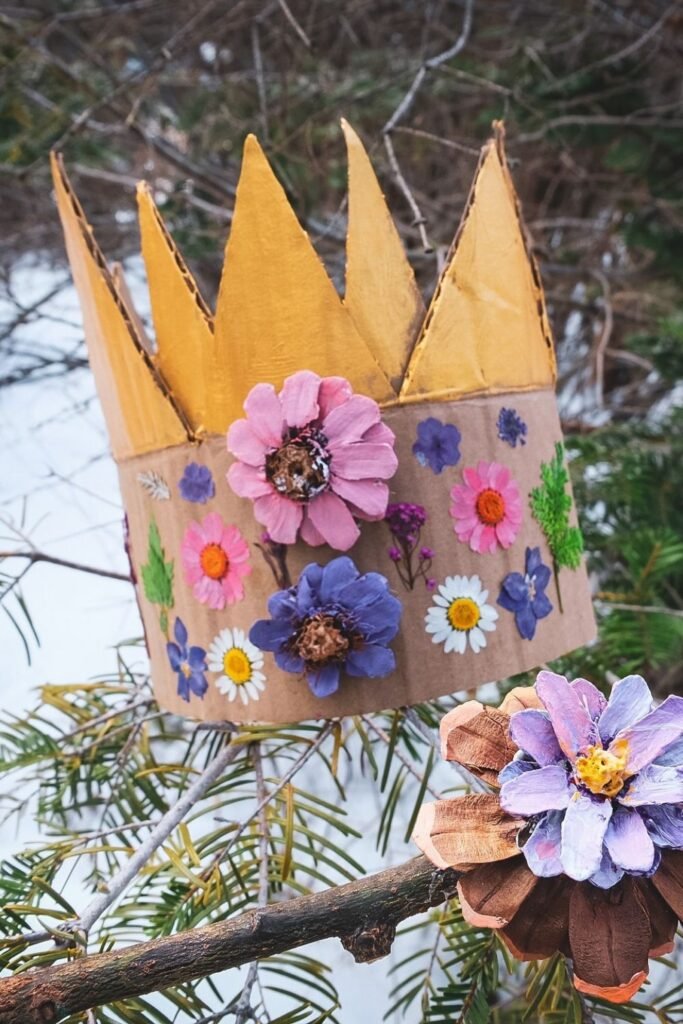
Flower Crown
Pretend play gets a boost when kids can actually wear what they make. Cardboard forms a sturdy base, while flowers and leaves handle the decorating.
This concept thrives in the great outdoors, a perfect setting for youngsters to collect their materials.
They should have the freedom to decide where each piece goes, and only once they’re satisfied should you fasten everything down.
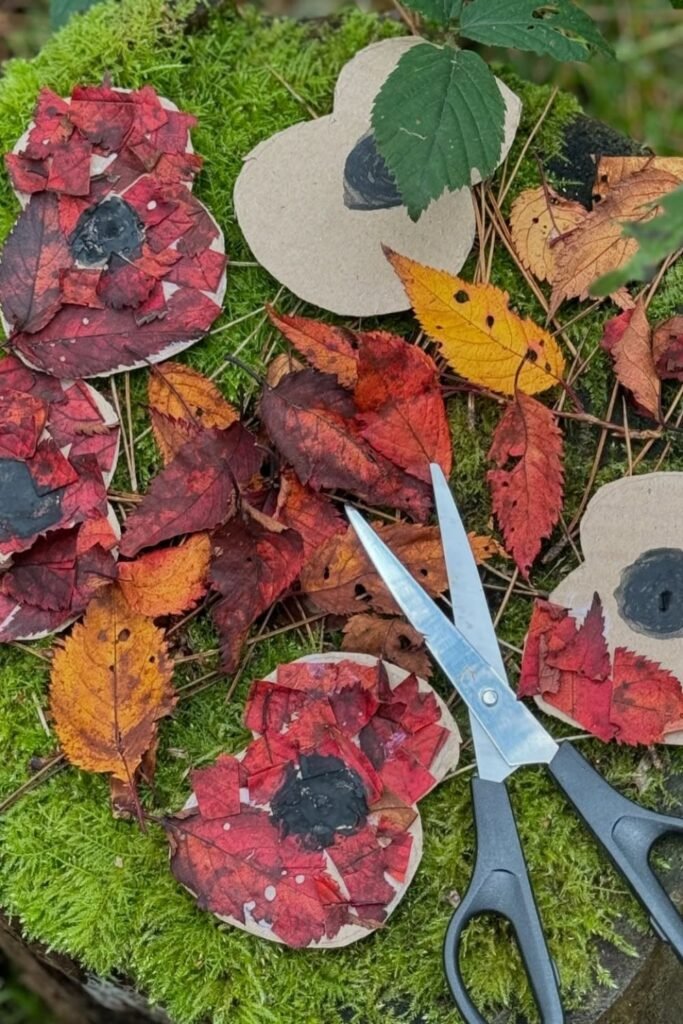
Leaf Poppies
Bright leaves layered on simple cardboard shapes turn into bold flowers without paint. Cutting circles first give kids a clear starting point.
Then the leaf fragments and organically occupy the area. This approach is particularly effective outside where gathering colors is straightforward.
The act of snipping, layering and repositioning keeps your hands engaged and each flower, despite using the same materials, becomes unique.
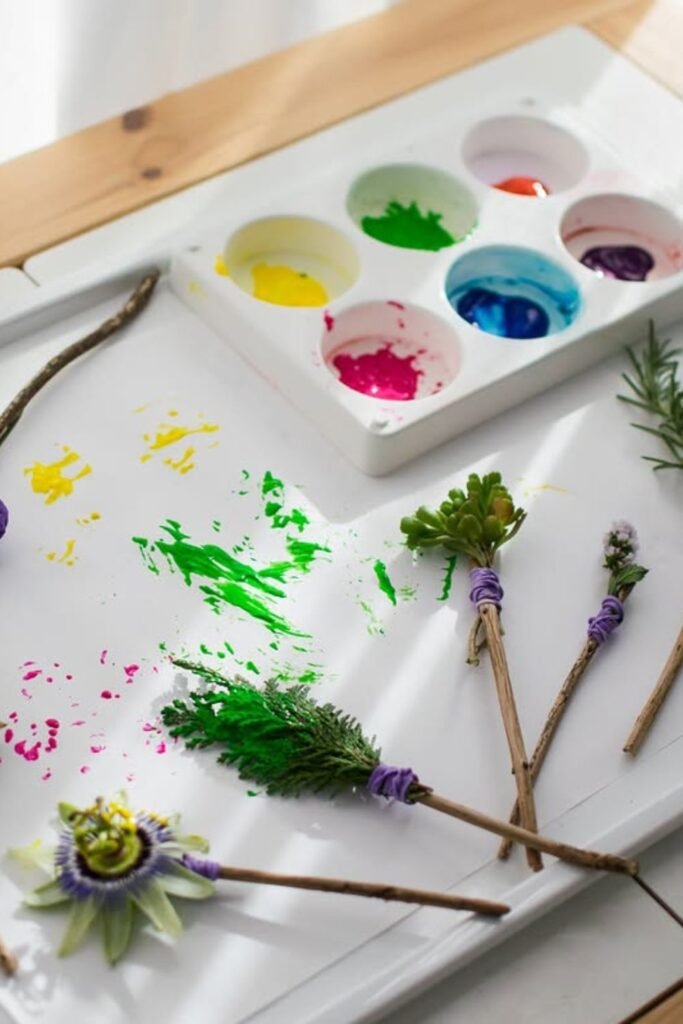
Nature Brushes
Painting feels brand new once sticks replace store-bought brushes. Flowers, grasses, and herbs tied to twigs create different textures with every swipe.
This is most effective near a window or outside, where a little mess isn’t a big deal. Dipping, stamping and dragging each brush gives youngsters a chance.
To see how different materials act and playing with pressure maintains their attention for a longer stretch than standard painting.
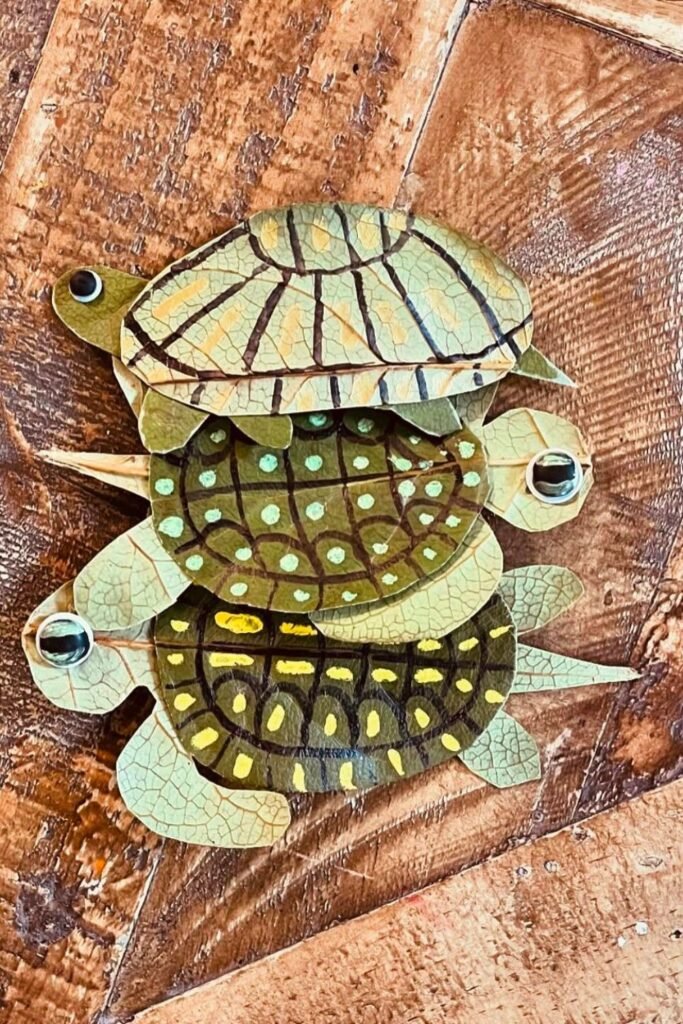
Leaf Turtles
Patterns appear naturally once veins become shell lines. Oval leaves work perfectly for turtle bodies, while smaller pieces shape heads and legs.
This concept works nicely when the leaves have just begun to dry. Adding little embellishments gives it character.
And arranging the turtles in a line encourages comparison, prompts stories, and allows for small alterations that hold a child’s attention for a longer period.
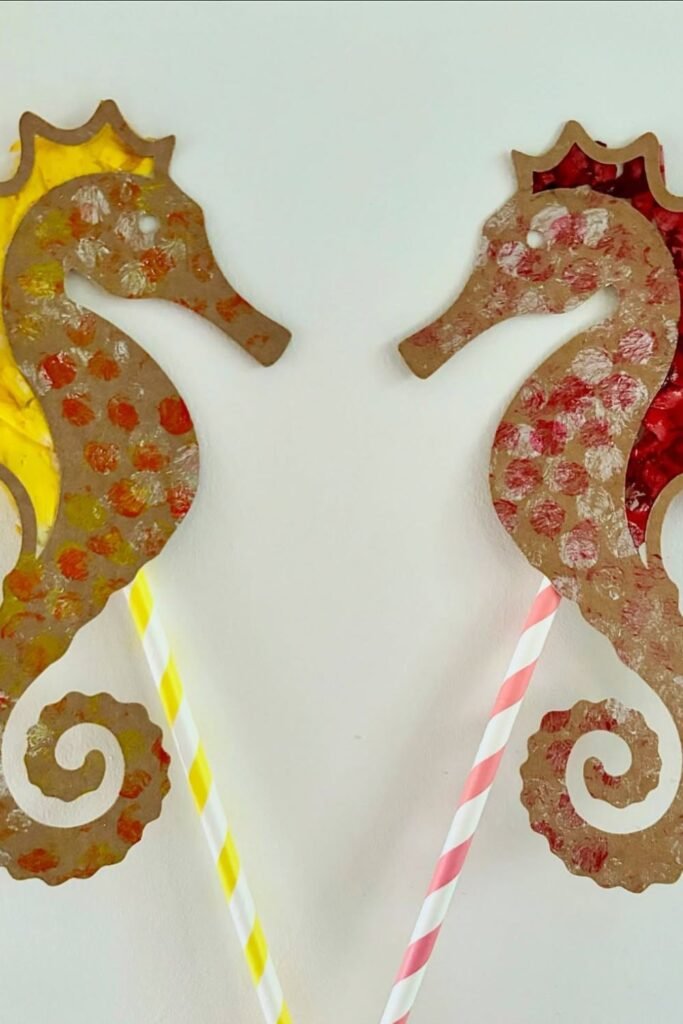
Leaf Seahorses
Curved leaf shapes do most of the design work here. Cardboard outlines give structure, while leaf pieces add texture and pattern without paint-heavy steps.
This concept shines inside ideally on a clean tabletop so children can arrange the pieces before they start assembling them.
Incorporating a stick handle transforms the creation into a puppet, which then encourages movement and imaginative play.
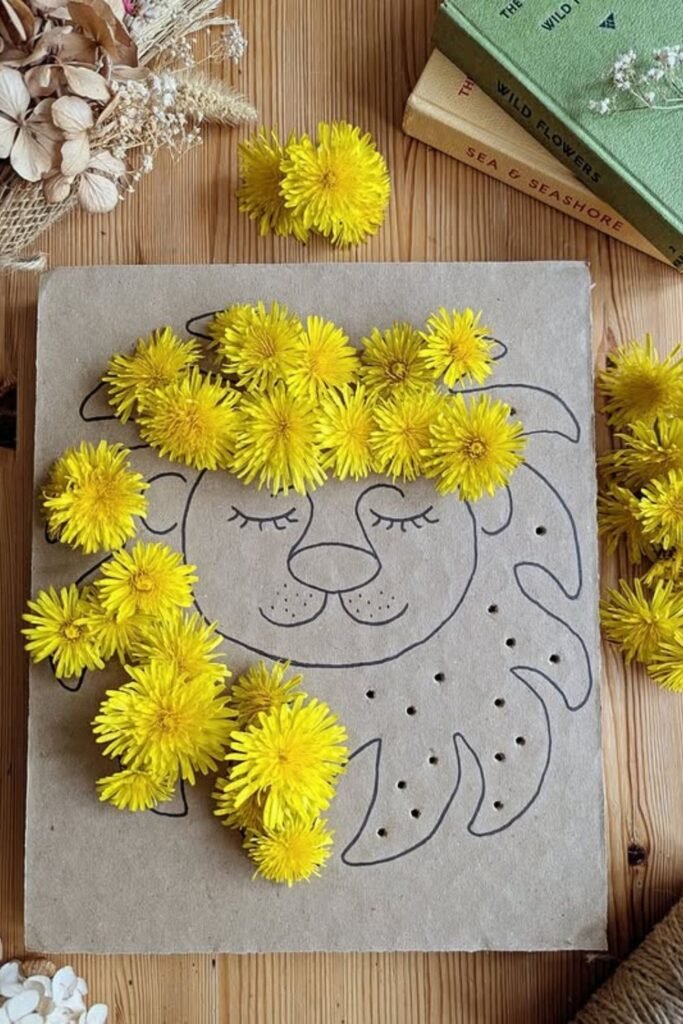
Dandelion Lion
Fluffy flowers instantly turn a simple drawing into something bold. Yellow dandelions work perfectly for a lion’s mane.
When delicately squeezed into adhesive or tiny openings, this concept really shines. It’s especially effective during springtime strolls, when blossoms are abundant.
Methodically placing each flower one after another encourages children to slow down and reshaping the mane maintain and the attention far longer than coloring ever could.
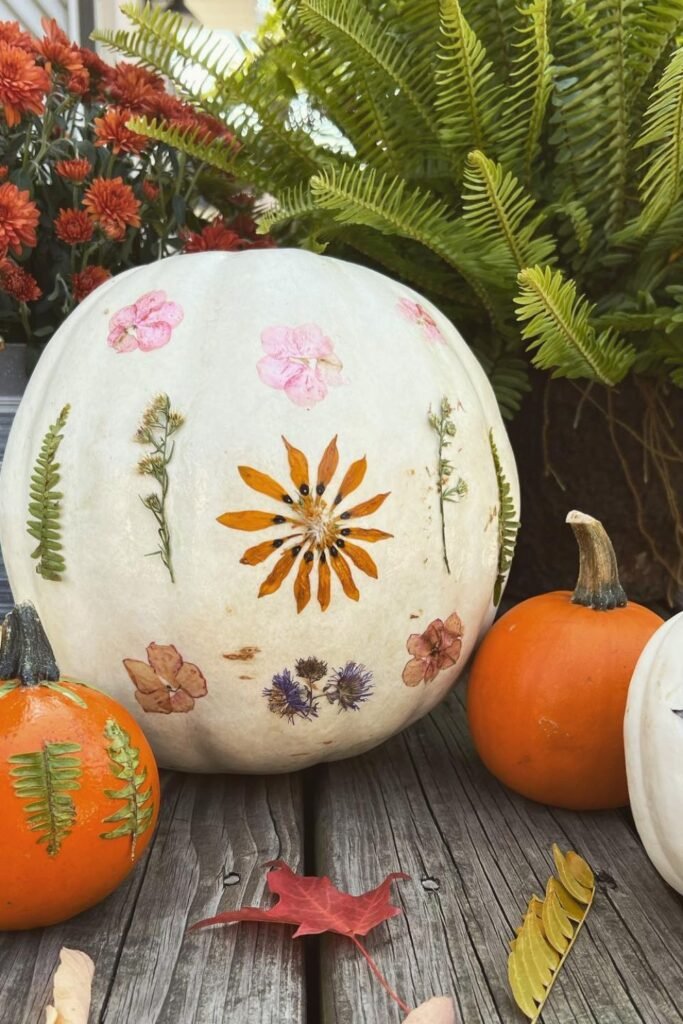
Nature Pumpkins
Plain pumpkins turn into art once leaves and flowers replace paint. Pressing natural pieces onto the surface that creates patterns kids can change until it feels right.
It’s best to do this outside, or maybe on a porch, where you don’t have to fret about the mess. The act of choosing where to put things encourages patience.
And using things you find during the season makes the décor feel like it’s part of what’s happening now, not just something you bought.
FAQs
Can nature crafts really keep kids busy without adult help?
Absolutely, open-ended activities are key. Crafts that encourage sorting, arranging, or construction using natural materials allow children to dictate their own course of action.
Which minimizes the need for continual prompts. Setting up the initial environment and then walking away often results in extended, more concentrated playtime.
What should I do if my child wants the craft to look “perfect”?
Prioritize experimentation over completion. Allow your child to play with the materials rearranging them freely before any permanent attachments are made.
Without the pressure of a final product children feel less constrained, which encourages exploration and ultimately, a more enjoyable experience.

Hi, I’m Afaf! I’m a law student who loves writing about everyday life – from home projects and crafts to fashion, beauty, and parenting tips.
I’ve been writing for over a year, sharing ideas that are simple, practical, and easy to try. I write about things I find interesting and useful, whether that’s organizing a space, trying a new DIY, or finding activities to keep kids entertained.
My goal is to share helpful ideas without making things complicated. If it works in real life, I’ll write about it.
When I’m not studying or writing, I’m usually experimenting with new projects or scrolling for inspiration!