
31 Cardboard Craft Ideas for 2026
Searching for cardboard craft ideas is always a thrill, at least initially. But then you actually attempt one, and the cardboard warps the glue fails.
And the finished product bear little resemblance to the promised image. You begin to question your abilities.
The reality is many tutorials overlook the fundamental techniques that ensure these projects succeed.
In this article, you’ll discover 31 Cardboard Craft ideas for kids that are fun, simple, and perfect to try in 2026.
Let’s jump in!
How Do I Paint And Decorate Cardboard Crafts?
If you don’t prep cardboard properly, you’ll end up with a warped, soggy, or peeling mess once the paint dries. The key is to begin with a dry, clean surface.
Acrylic paint is your best bet its less likely to soak in than other thinner paints.
For sharp edges apply paint in thin layers allowing each one to dry complete before moving on.
When adding embellishments like paper or fabric, glue them down first, then paint.
To keep your craft looking tidy, finish it off with markers, washi tape or simple patterns, rather than slathering on more paint.
Save this article for later!👇👇👇
What Are The Easiest Cardboard Crafts For Beginners?
If you’re new to this, its best to avoid tackling massive undertakings right away. Stick with basic shapes they’re much simpler to cut and assemble.
Consider making drawer dividers, pen holders, small storage boxes or wall organizers. These projects are great for learning without overwhelming yourself.
For faster gratification, opt for crafts that use flat pieces rather than those requiring folds and curves.
Once your initial project holds together you’ll likely feel more comfortable experimenting with slightly larger or more decorative concepts.
City Play
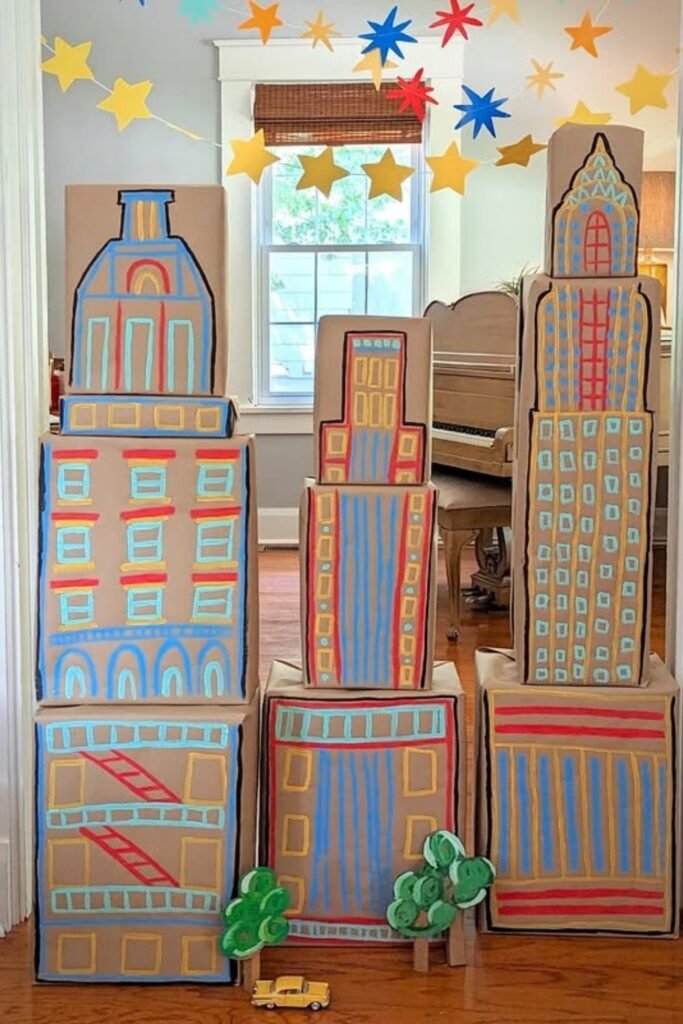
Pretend play gets more exciting when kids can build their own world. Stacking cardboard boxes into tall buildings turns the floor into a mini city.
Where toy vehicles, dolls, or action figures suddenly find themselves with destinations.
Paint windows and doors side by side, then watch as children rearrange the pieces during playtime.
Face Fun
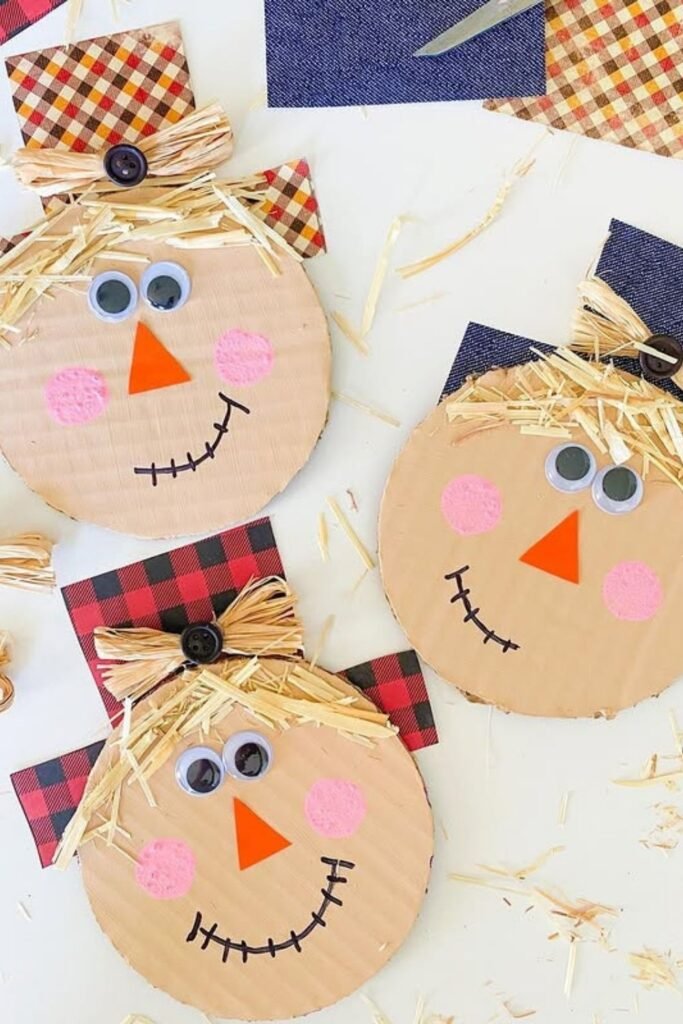
Art time feels more playful when kids get to build a face instead of coloring one. Circular cardboard pieces work perfectly for cutting, gluing.
And assembling goofy faces. Hair and other features emerge from buttons, bits of paper, straw, or yarn.
This project is perfect for classrooms or those dreary days when you’re stuck inside, as children can continually alter the faces without needing a fresh start.
Costume Play
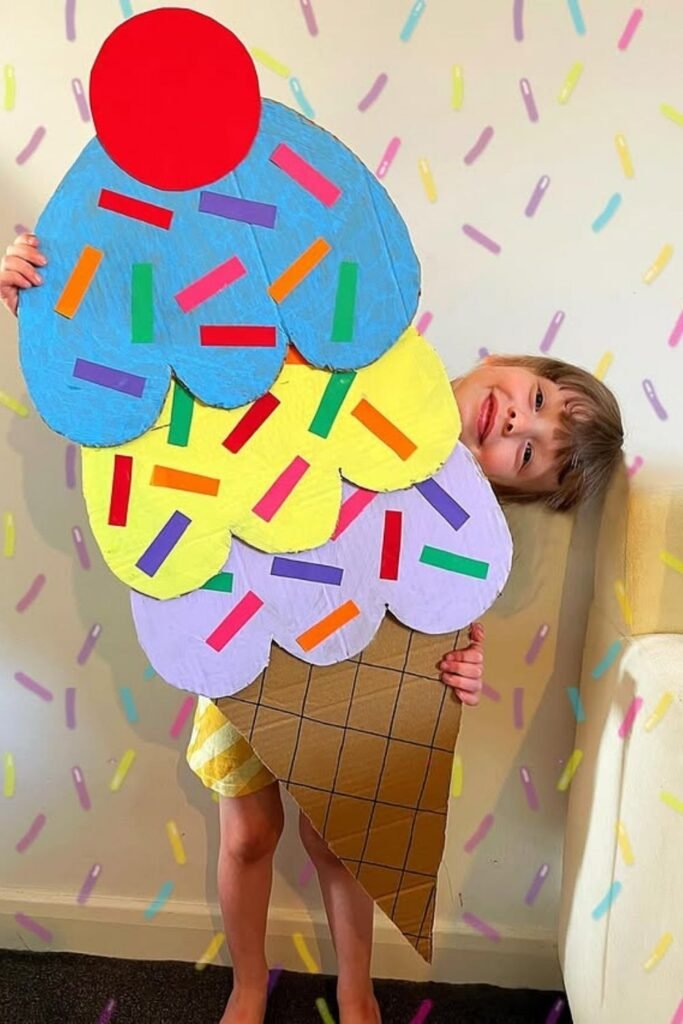
Dress-up feels more fun when kids help make what they wear. Oversized cardboard shapes turn into costumes without sewing or fitting issues.
Cut out the basic form, slap on some vibrant paint and then finish with paper embellishments to give it some texture.
This approach is perfect for birthday parties, school spirit days, or just some imaginative play at home.
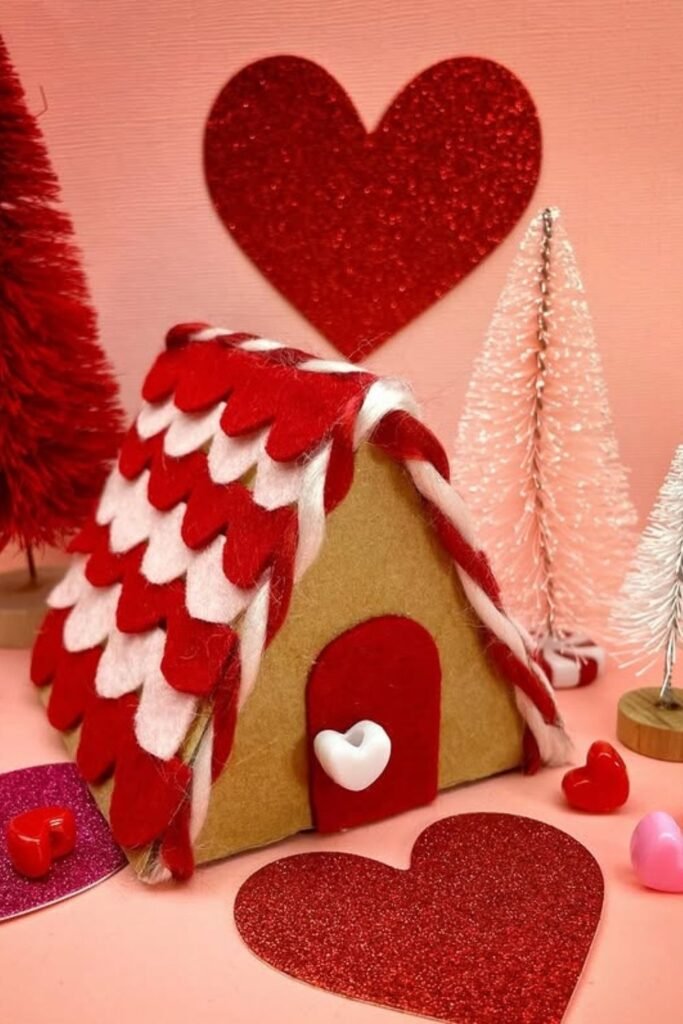
Mini House
Seasonal crafts feel special when kids can build something they recognize. A small cardboard house turns into a Valentine or holiday activity.
This project combines cutting, gluing, and decorating into a single, fun exercise.
Start with sturdy cardboard for the walls then build up layers using felt, paper or fabric remnants.
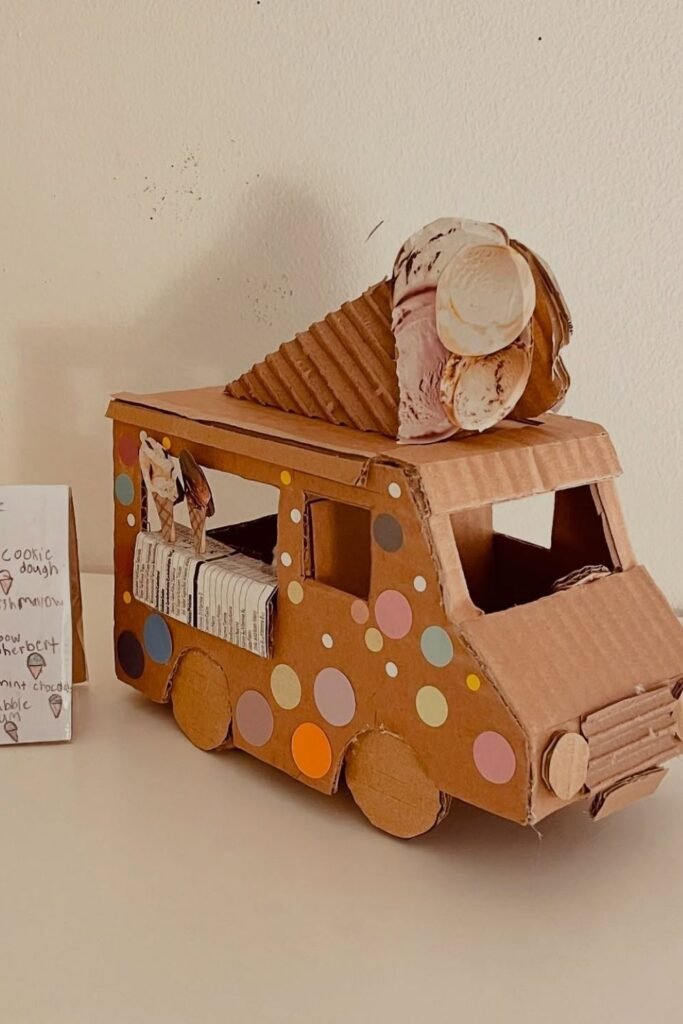
Snack Truck
Role-play becomes more engaging when kids can run their own little business. A cardboard food truck.
They take turns serving, placing orders, and counting up the pretend goodies. Cut windows into a medium-sized box, add paper wheels.
And then use leftover materials to make menu items. This concept is great for playdates or schools; it allows several children to participate without requiring a lot of extra toys.
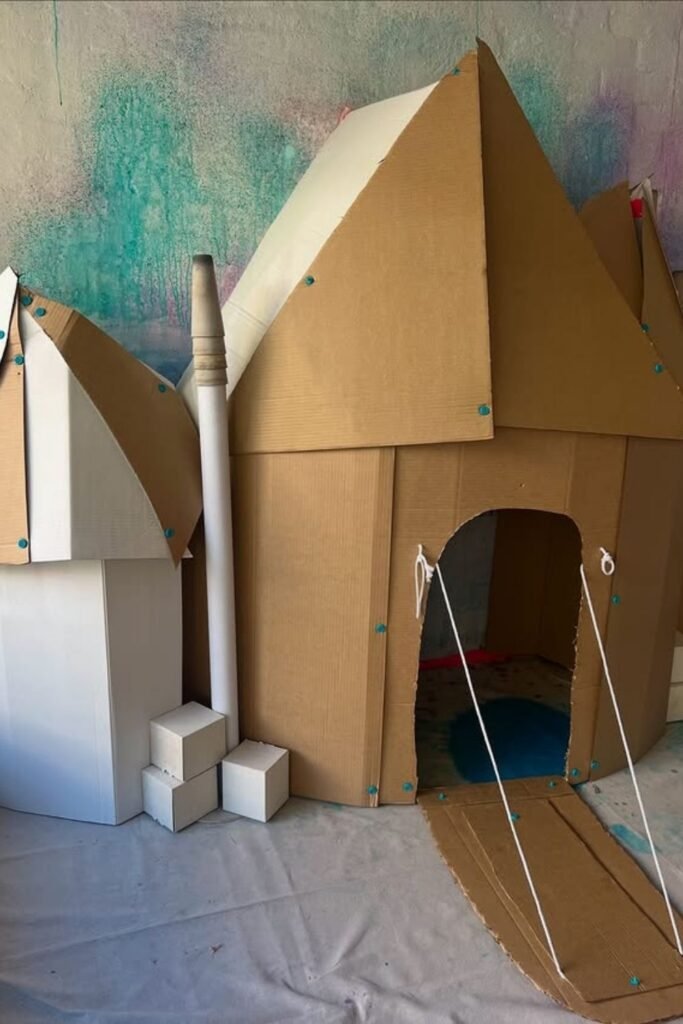
Fort Build
Imagination grows fast when kids can crawl inside something they helped create. Large cardboard panels.
Transform it into a fort, a place where stories unfold, games are played, and peaceful moments are embraced.
Fasten the components with tape or string, ensuring the doors function properly.
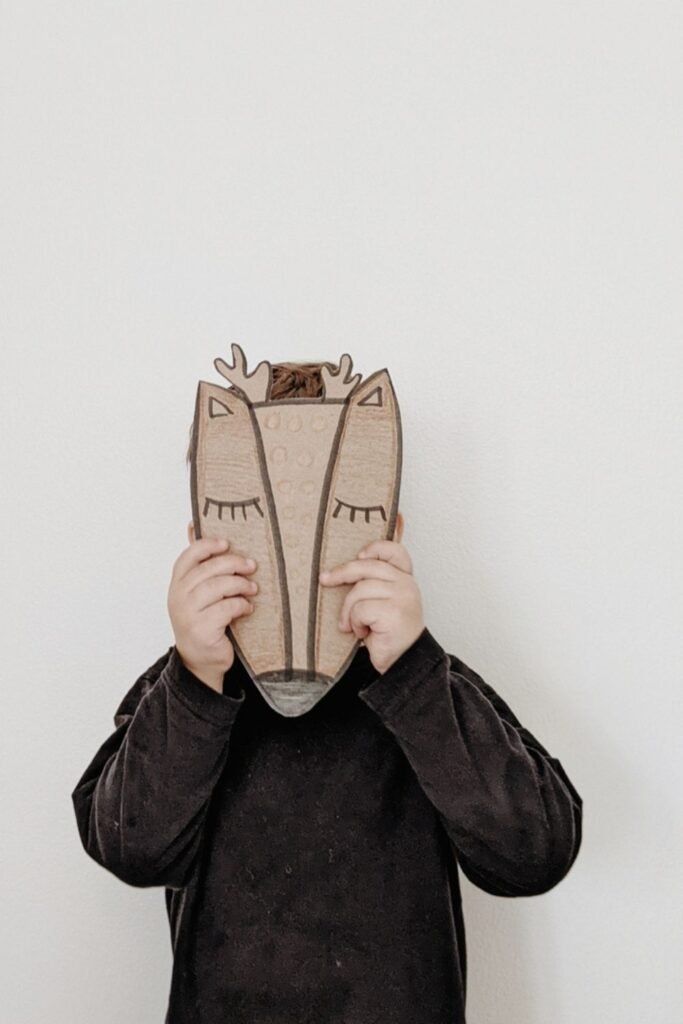
Mask Play
Shy kids often open up faster when a mask does the talking. A simple cardboard mask lets them pretend, act.
And tell stories without feeling watched.Cut out eye holes, and then draw on some calm or hilarious faces.
Keep the form light, so little hands can easily grasp it. Its perfect for storytime, classroom drama games, or silent role play at home.
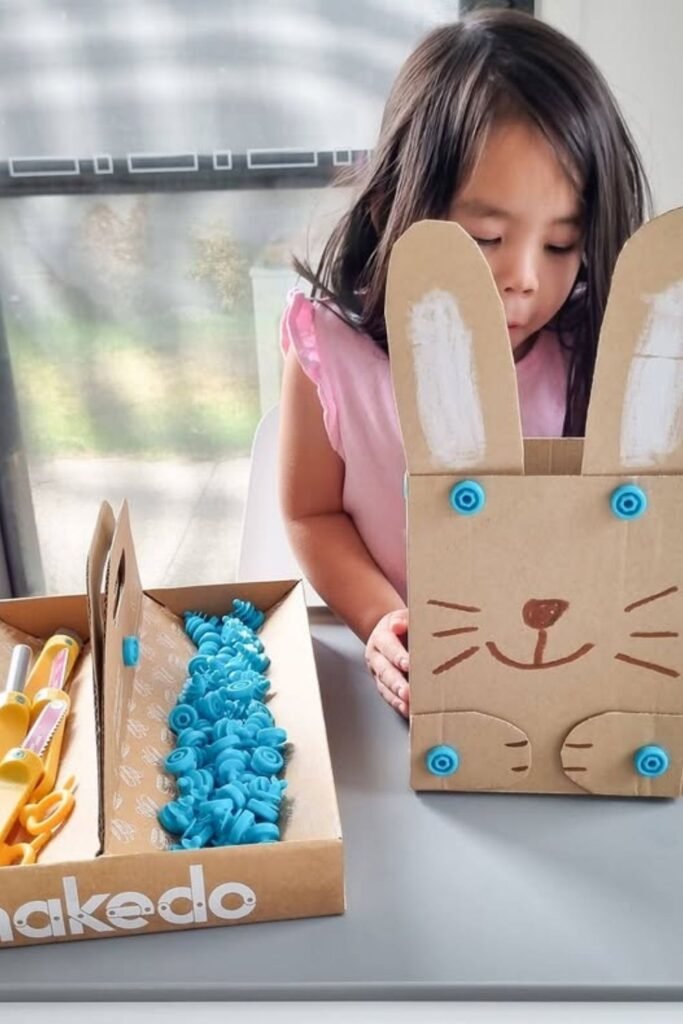
Bunny Box
Storage turns playful when kids get to design the container themselves. A small cardboard box becomes more exciting once ears a face.
Simple details are key. Start by cutting the top for easy access then add drawn-on embellishments. Finally, let the kids fill it with anything they like.
This approach is perfect for desks or shelves providing a home for toys craft items and other small treasures.
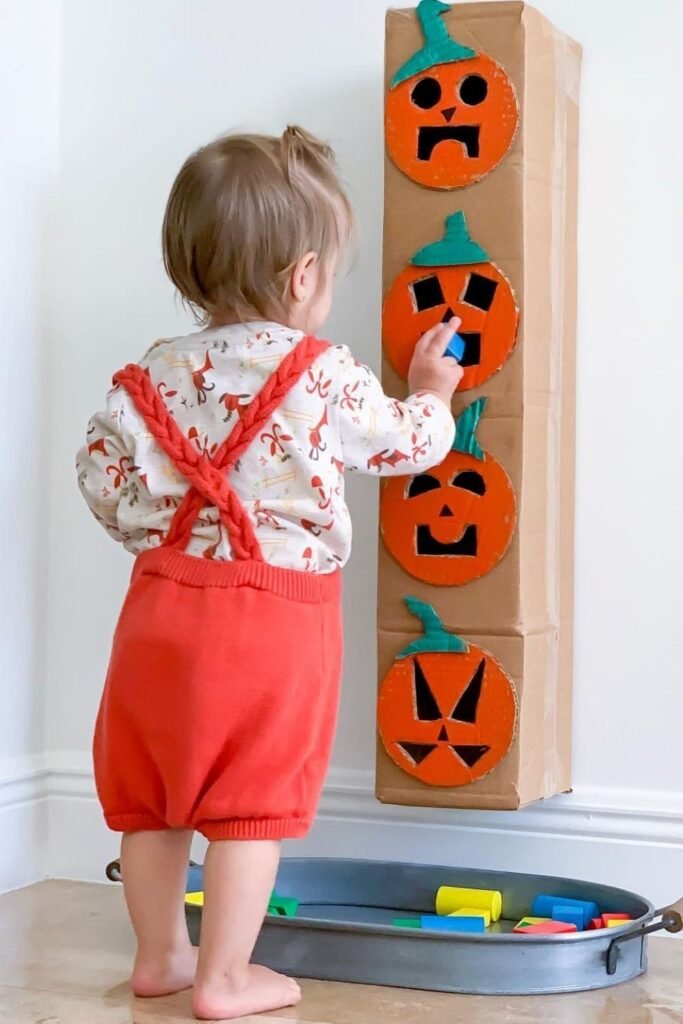
Shape Match
Learning sneaks in when play feels like a game. Cutting simple shapes into cardboard pumpkins turns wall space into a hands on activity.
It fosters concentration and dexterity. Children instinctively grasp blocks, figuring out their proper placement. This approach is particularly effective for toddlers.
Standing play keeps them active, allowing them to quietly hone their problem-solving skills and form identification.
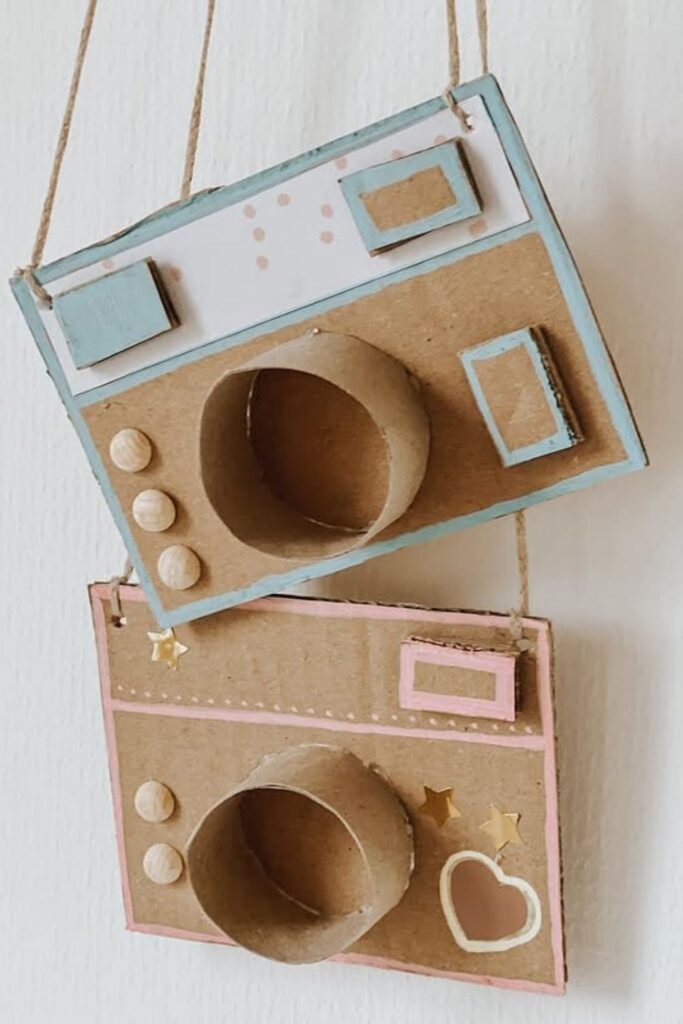
Camera Craft
Storytelling feels more natural when kids get a prop to play with. A cardboard camera gives them something to “shoot,” talk about.
And pretend to be photographers. Roll up some cardboard to make a lens, stick on a few buttons, and then hang it from a thread so you can keep your hands free.
It’s perfect for pretend play, wandering around the house, or coming up with stories with your brothers, sisters, or friends.
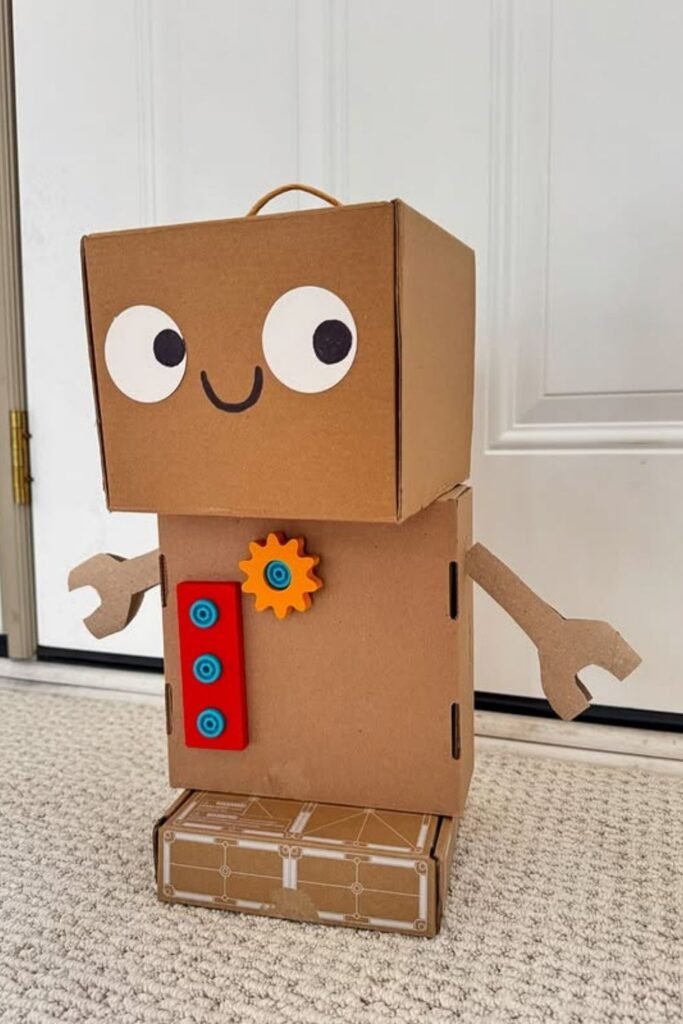
Robot Buddy
Building a character keeps kids focused longer than flat crafts ever do. Stacked boxes turn into a friendly robot.
It can stand, move and even speak while kids play. Letting them choose the robot’s face and buttons makes it feel like their own.
This is great for solo play or games with siblings, when the robot becomes part of the story, a mission, or just some fun role-playing around the house.
House Play
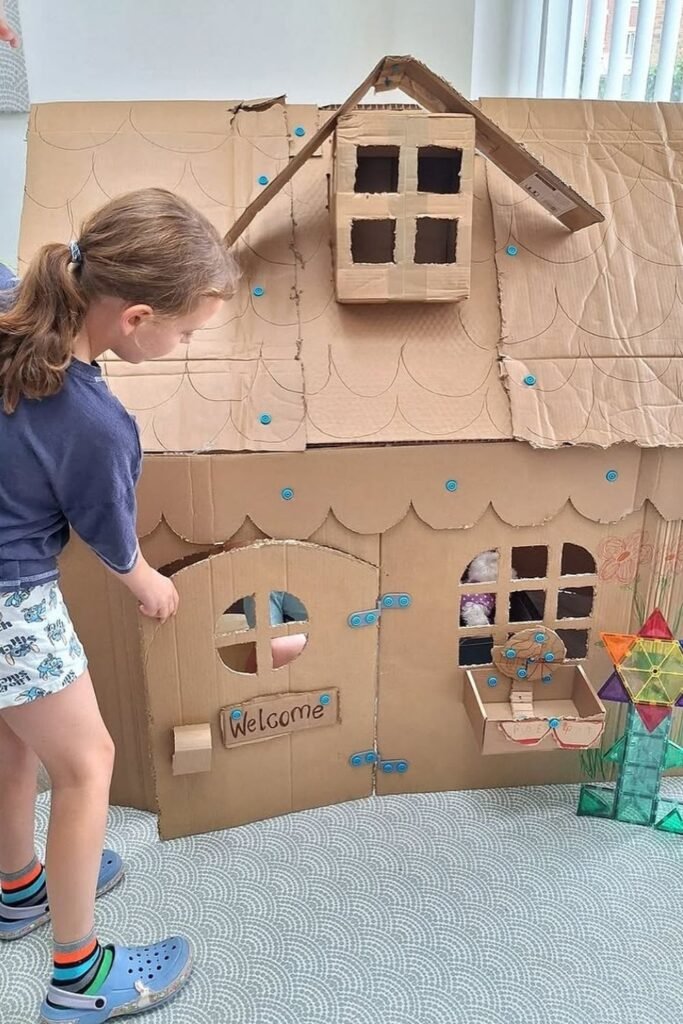
Quiet play lasts longer when kids feel like they own the space. A cardboard house gives them doors to open.
Windows to gaze through, and spaces to conjure up tales. Big, flat boxes are ideal; they keep the walls stable while you cut out the gaps.
This arrangement is wonderful for playrooms or classrooms, where children may gradually decorate and then come back to play time and again.
Bee Home
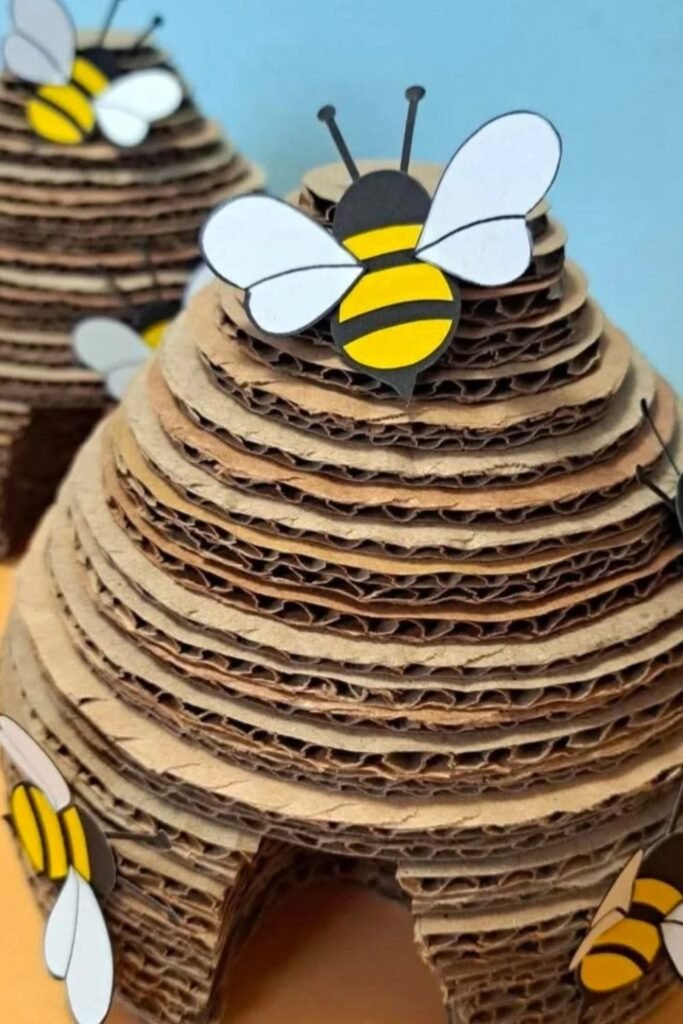
Layered cardboard turns into something kids instantly recognize and want to touch. Stacking cut shapes into a beehive.
A nature-themed project that blends crafting with a bit of education is a winner. Carefully glue the layers together ensuring the structure remains intact.
This is a fantastic fit for springtime lessons, animal-themed units or even quiet table time, giving youngsters a chance to practice patience while they create.
Eye Game
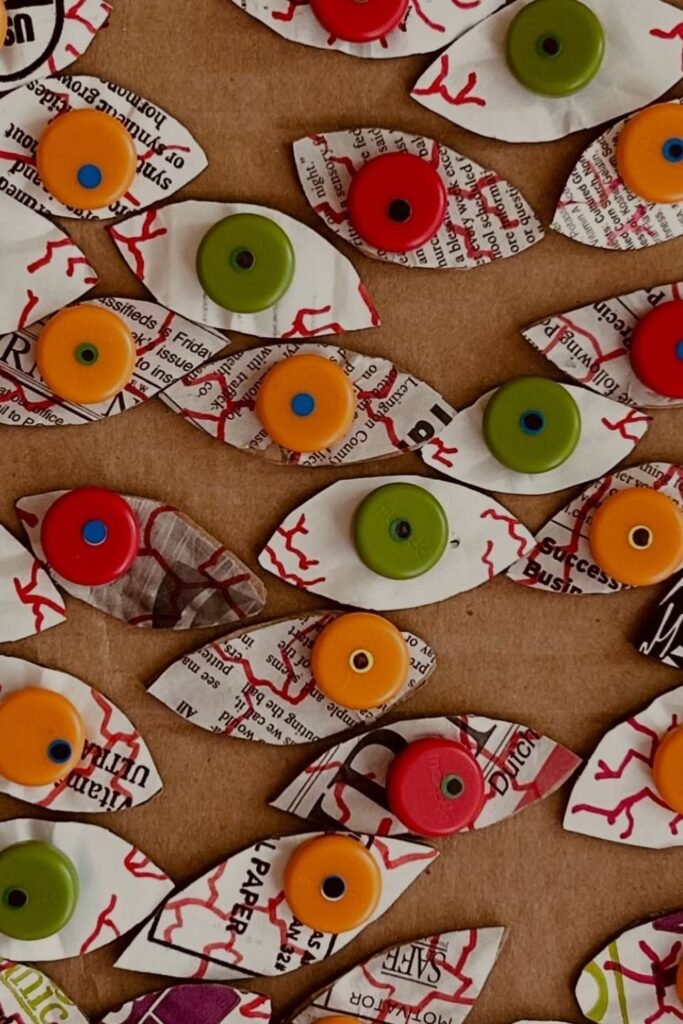
Curiosity kicks in fast when kids start spotting differences. Paper scraps and cardboard shapes turn into silly eyes that can be mixed, matched.
Cut them up, then cut them up some more. Prepare a stack beforehand and then let the kids go wild with colors and anything they want to express.
Its a great table exercise, really, because it encourages focus, sparks creativity and helps with those little hand movements, all without the pressure of a formal lesson.
Mermaid Art
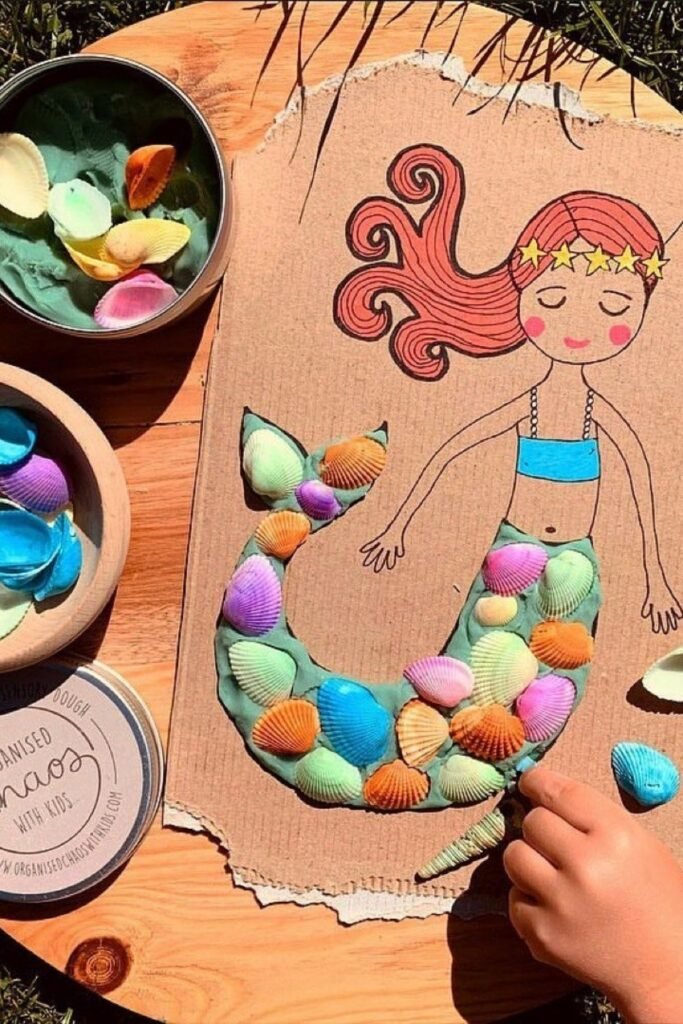
Outdoor crafting feels magical when kids can mix nature with creativity. Drawing a simple figure on cardboard.
Filling the tail with shells transforms art time into a sensory experience. Kids may press shells into glue selecting colors at will and making the design uniquely theirs.
This project is ideally suited for outdoor settings on surface that can be easily cleaned particularly for children who prefer tactile activities to painting.
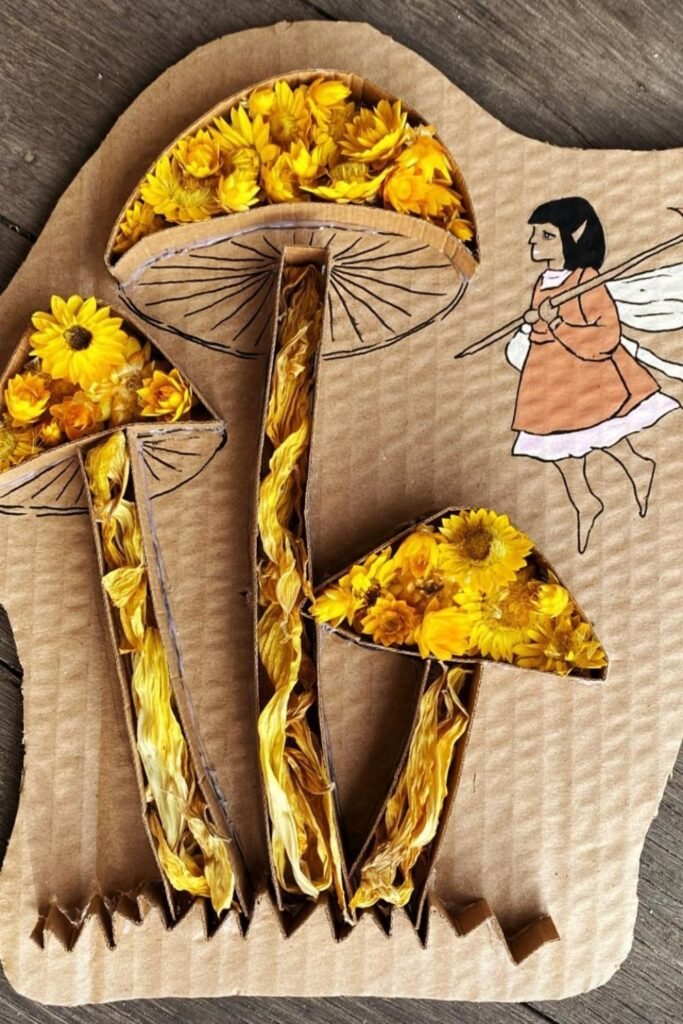
Nature Collage
Pressed flowers turn cardboard into something kids want to slow down for. Cutting shallow shapes into the surface.
Let petals and leaves remain intact, rather than scattering. Preserve the vibrancy of the colors by drying the flowers beforehand, and then carefully adhere them by hand.
This method is ideal for nature studies or peaceful craft sessions, when children find satisfaction in gathering, categorizing and composing art using authentic materials.
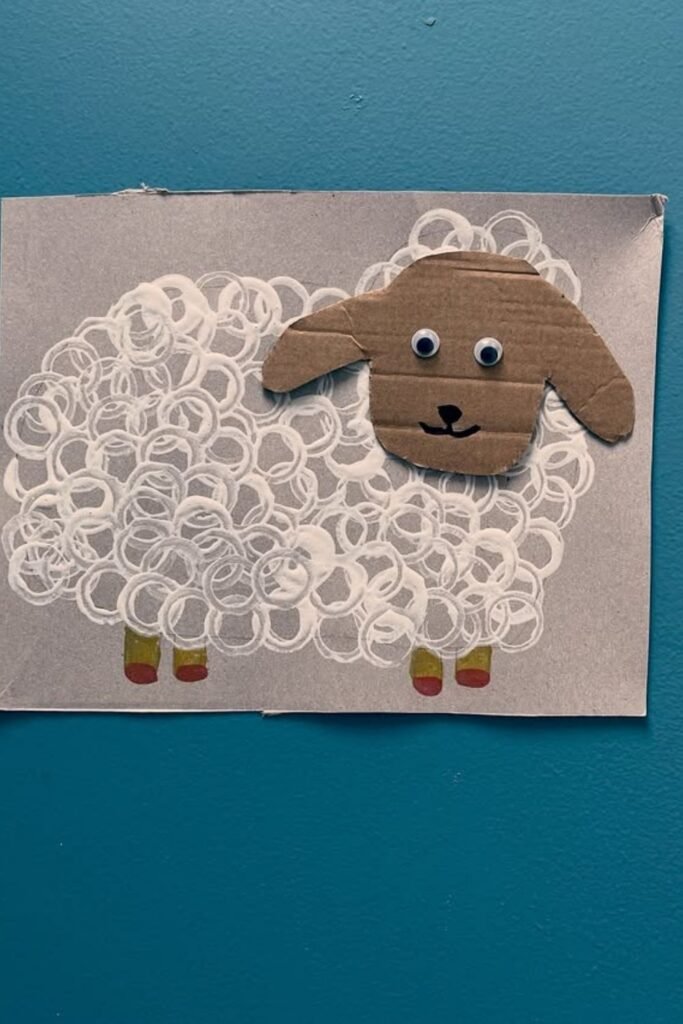
Sheep Art
Paint play feels calmer when kids can repeat the same motion without pressure. Dipping a sponge or bottle ring into white paint.
Stamping loops quickly adds texture keeping small hands occupied. Cardboard forms provide stability for the sheep as the paint dries.
This approach is ideal for toddlers and preschoolers; errors are easily concealed, and the finished artwork consistently appears soft and finished.
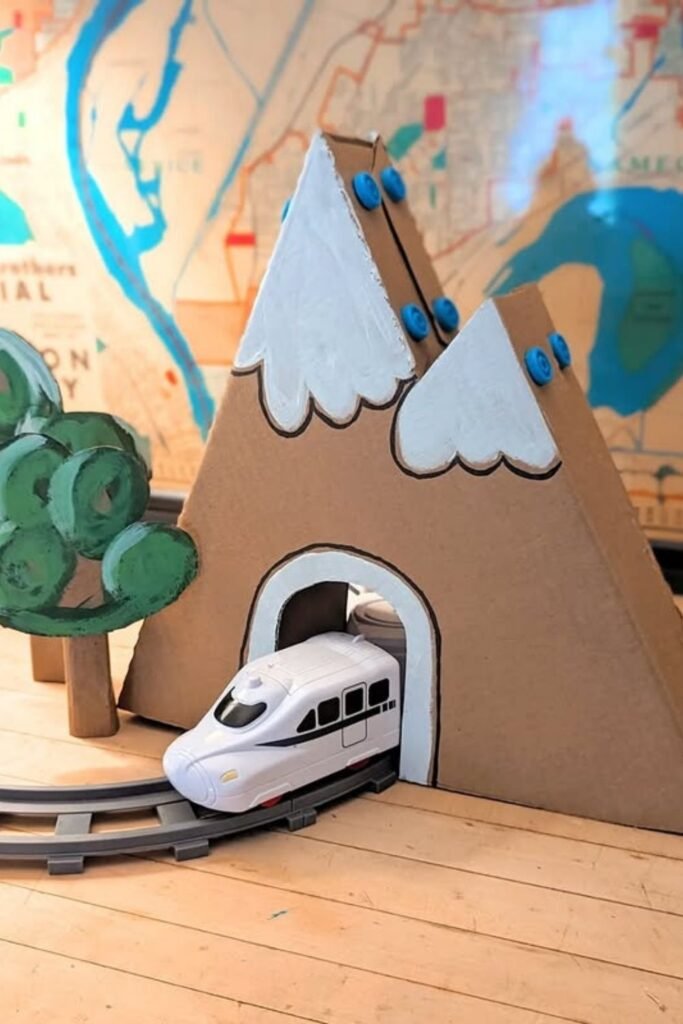
Train Tunnel
Toy trains feel brand new once they have somewhere to go. Cardboard folded into a tunnel adds movement and purpose to track play.
Instead of cars endlessly circling, consider a different approach. Create a broad arch allowing trains to glide through effortlessly.
Then, add some straightforward features to tie everything together thematically.
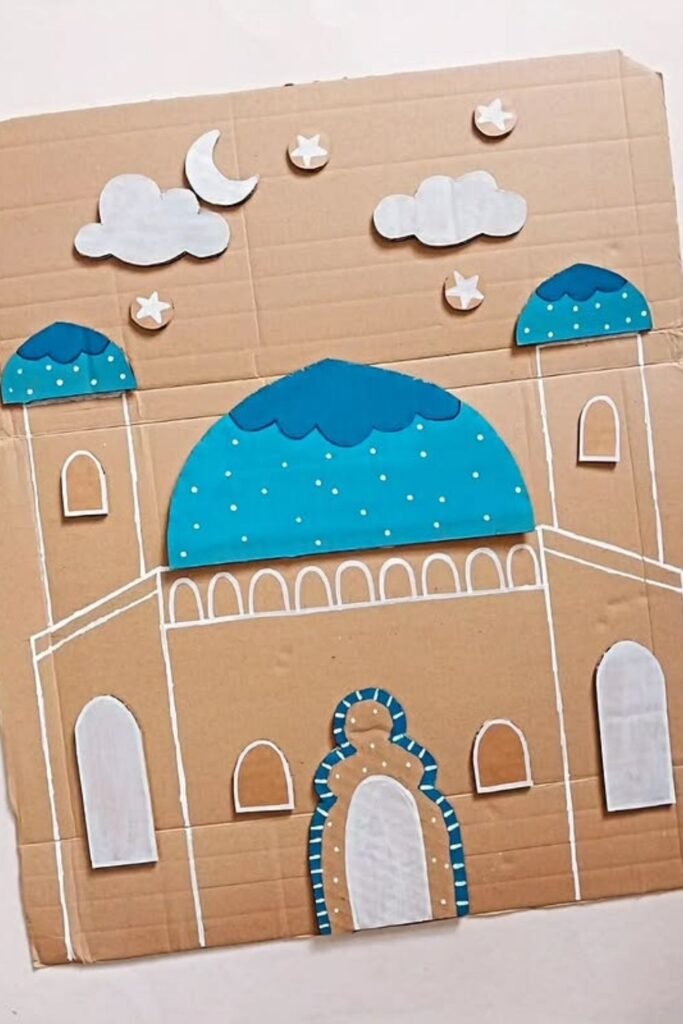
Wall Art
Big cardboard sheets turn into calm, focused art when kids work on one shared surface. Drawing simple outlines first makes painting less over whelming.
It maintains clear shapes. Employ a restricted color palette to ensure details are prominent without over whelming the viewer.
This approach is particularly effective for calm afternoons or group activities allowing children to contribute element and see gradual assembly of scene.
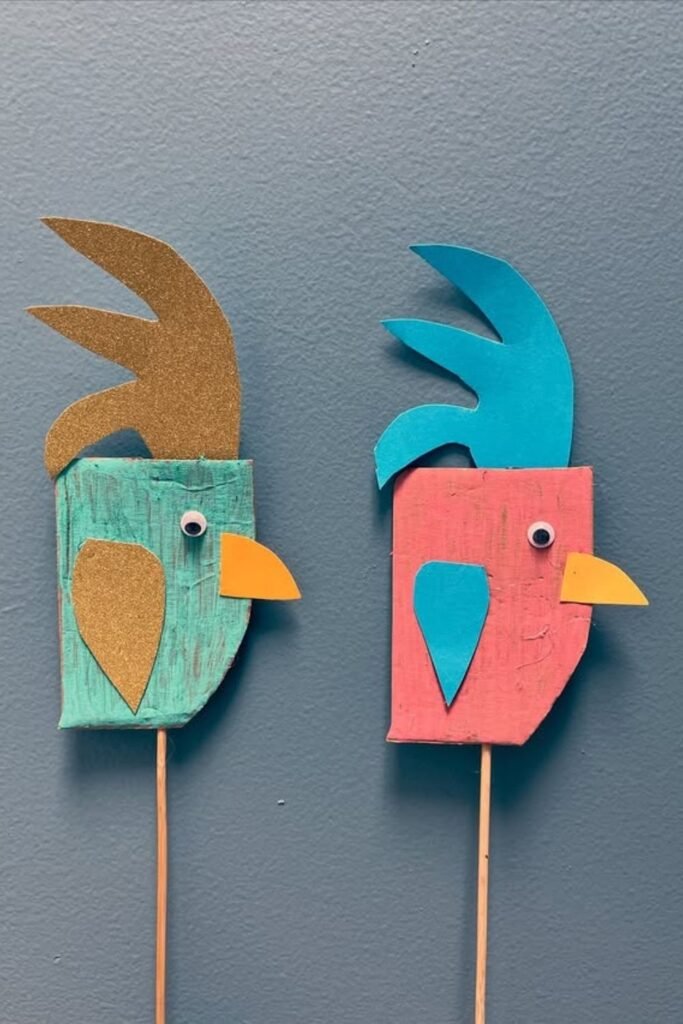
Bird Puppets
Movement changes everything when kids can make art come alive. Cardboard shapes on sticks turn into birds that talk, sing and argue during play.
Snip out basic character shapes, splash on vibrant hues and then affix them to skewers or craft sticks.
This approach is ideal for storytelling sessions, circle time activities or for children who find it easier to express themselves through a puppet.
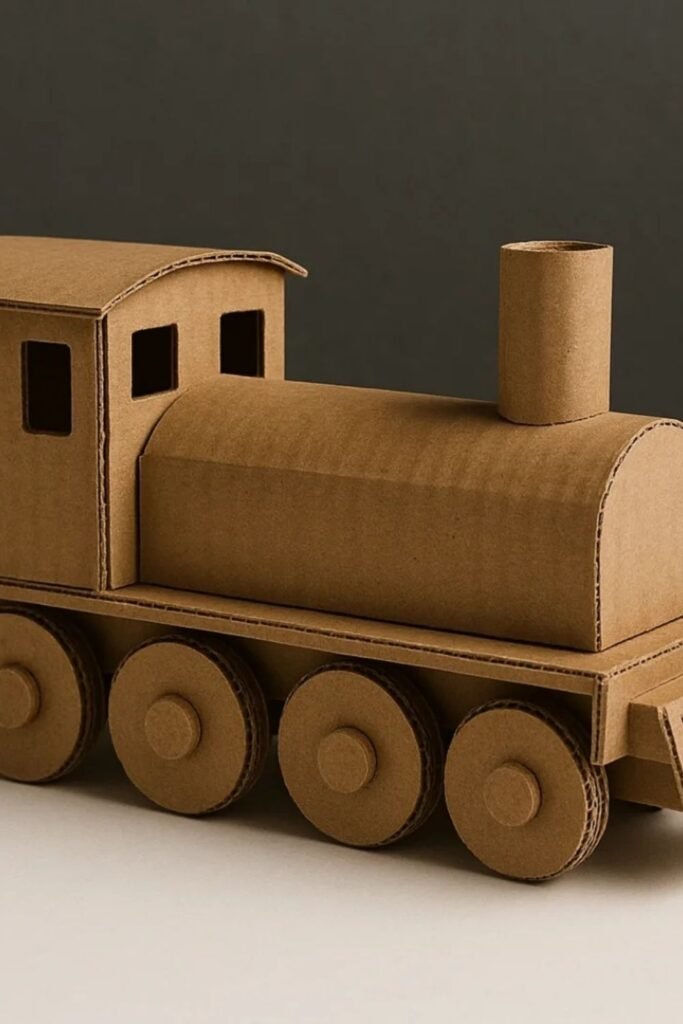
Train Toy
Hands stay busy longer when kids can push something they helped build. Cardboard wheels and simple box shapes.
The pieces assemble into a train, gliding across the floor, no batteries required. Make sure the foundation is glued securely; you don’t want it flexing during playtime.
This is perfect for children who are fascinated by cars, who relish the act of lining them up, pushing them around, and creating their own sound effects.
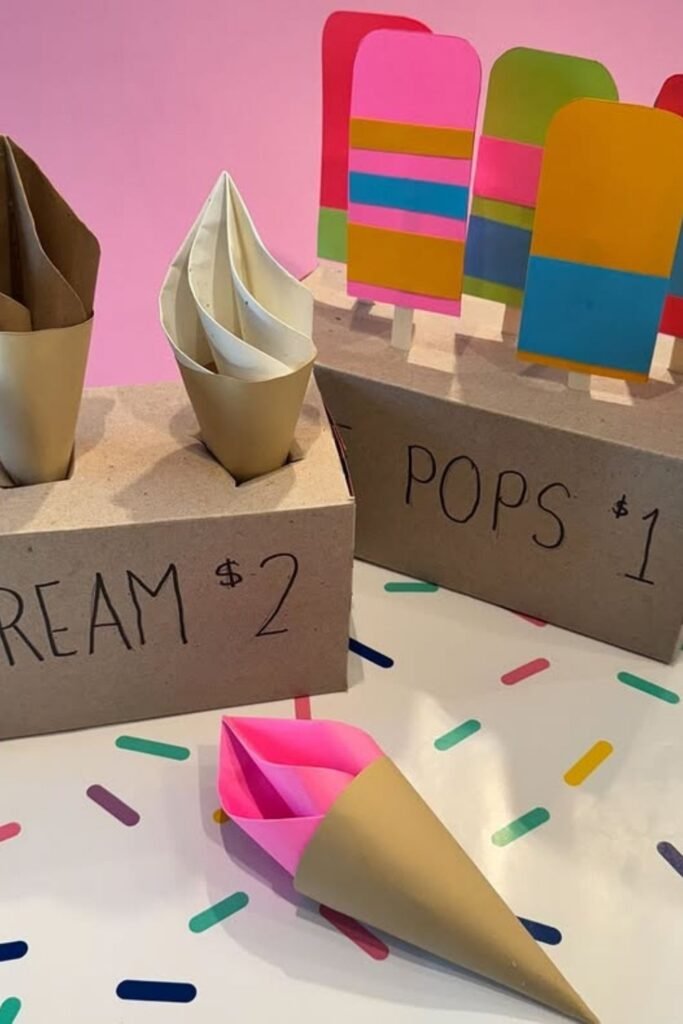
Ice Shop
Playtime turns interactive when kids get to sell something instead of just holding it. Cardboard cones and boxes quickly.
Transform your space into an ice cream stand, where counting, selection and imaginative play unfold effortlessly.
Use paper to create scoops, jot down straightforward prices, and let children to take turns playing the seller.
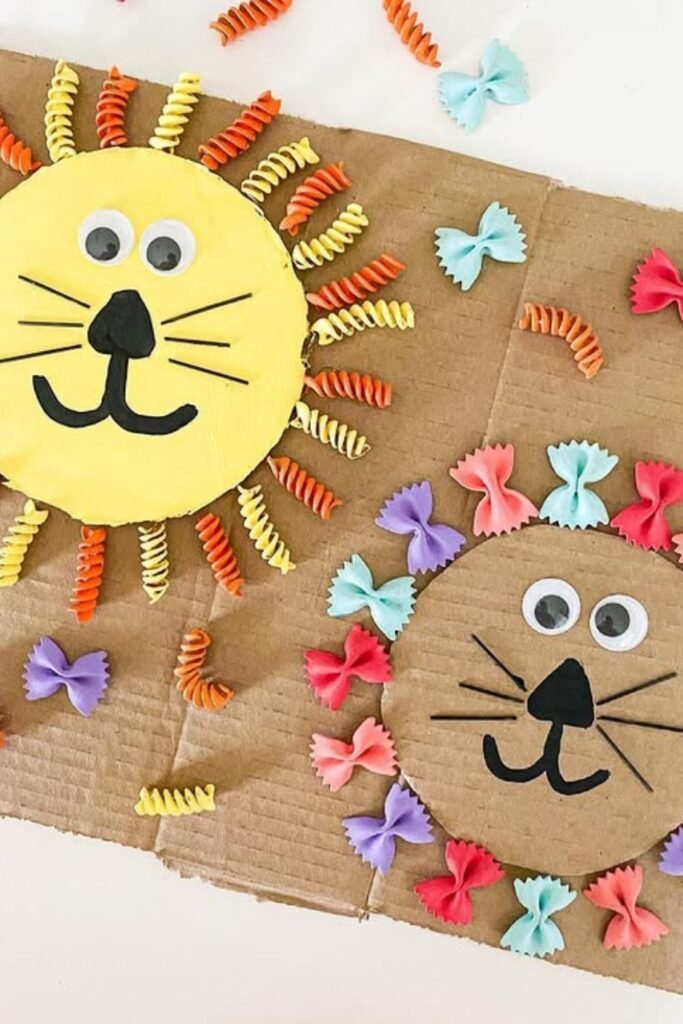
Lion Faces
Color and texture come together when kids use food shapes instead of paint. Pasta glued around cardboard circles.
Transforms ordinary faces into striking, tactile art. Apply glue in manageable parts to keep everything in place and prevent hasty placements.
This approach is particular effective for the younger children arranging each piece resembles a puzzle and the finished product has a whimsical quality.
Dragon Craft
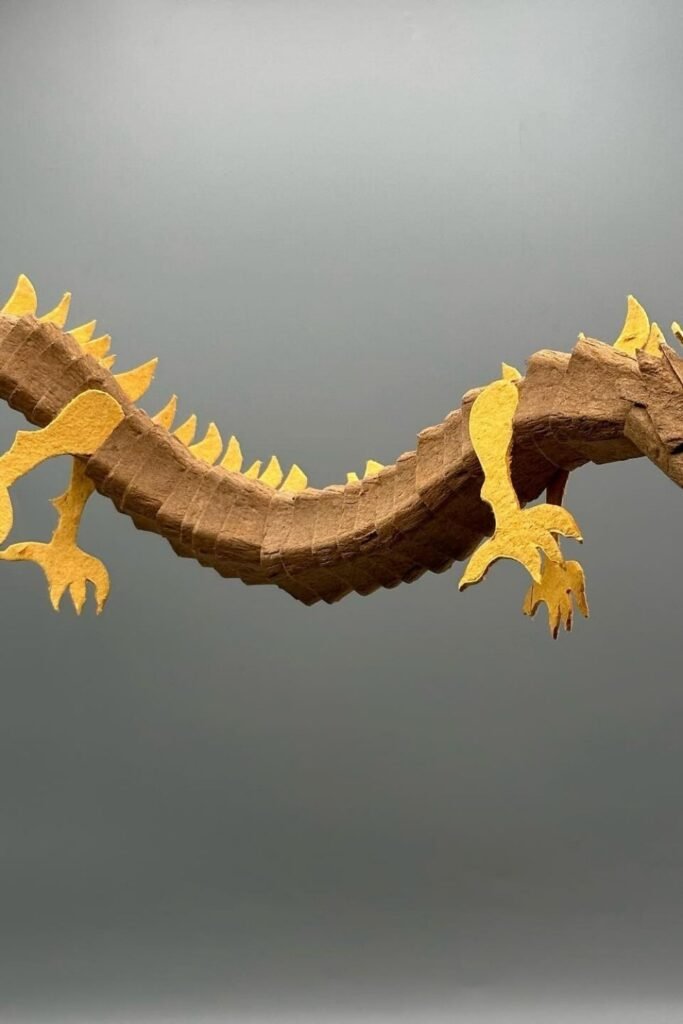
Big builds are always a hit with kids, especially when they can watch something come together, bit by bit.
A dragon, for instance, made from layered cardboard sections, offers a long, flexible body instead of a rigid one.
Start by cutting out the same shapes repeatedly; this makes putting it all together feel less daunting. Then, add the spikes and other details.
Rainbow Mobile
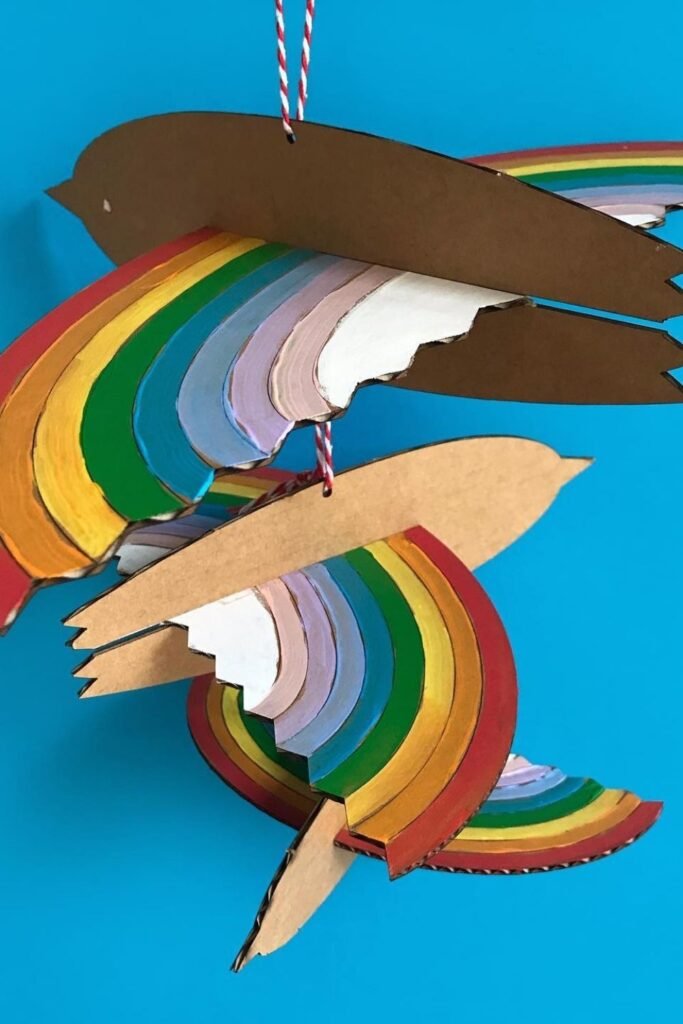
Hanging crafts are a great way to add visual interest without cluttering up the floor. Consider layered cardboard arches, painted in pastel hues.
Which create a kinetic rainbow that slowly rotates with a breeze.
For a clean finish, paint the pieces before you put them together and then string them loosely for movement.
Sound Wall
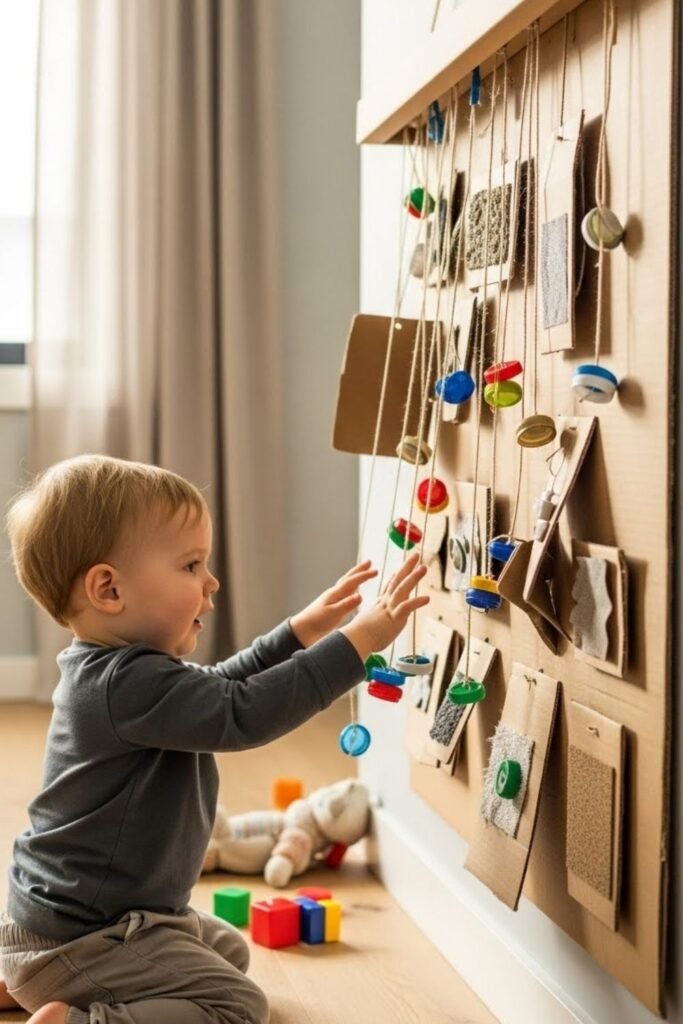
Noise play becomes a lesson when children take the reins. Imagine cardboard panels, riddled with holes, flaps.
And dangling elements forming a wall just waiting to be tapped, slid, and shaken.
Bottle caps, strings and cleverly folded cardboard all contribute to the symphony of sound.
Maze Board
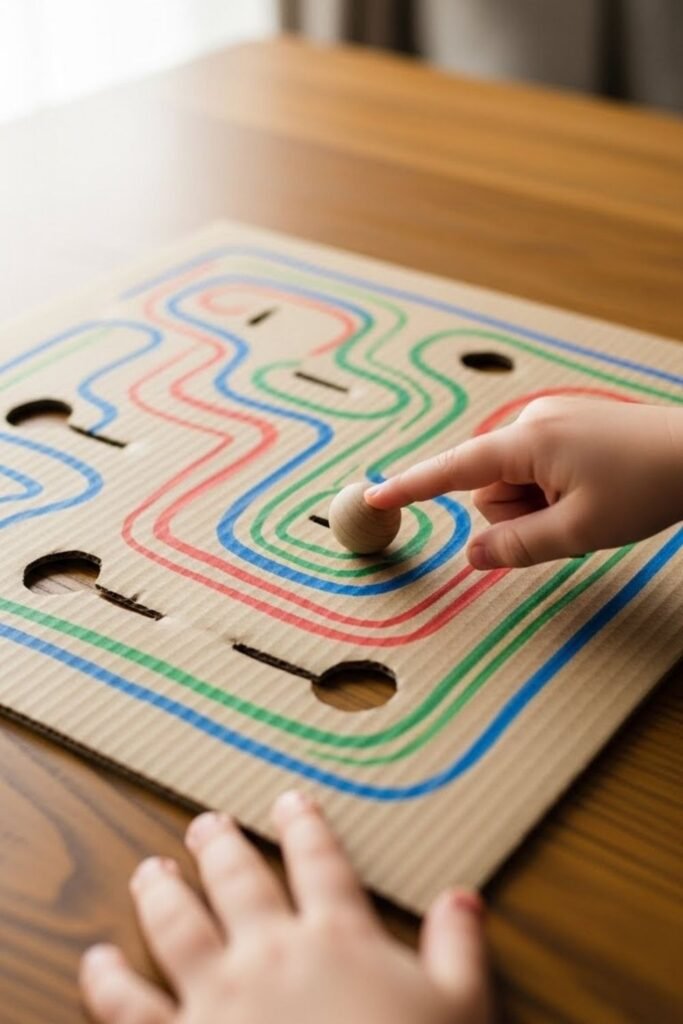
Problem-solving is a thrill when you’re actually doing something. Taking a piece of cardboard, drawing some lines.
And cutting out little holes transforms a flat surface into a maze for kids to navigate with a ball. A gentle tilt keeps the game moving, preventing any real frustration.
This project is perfect for tables and it fosters patience, concentration, and coordination, all without the pressure of competition.
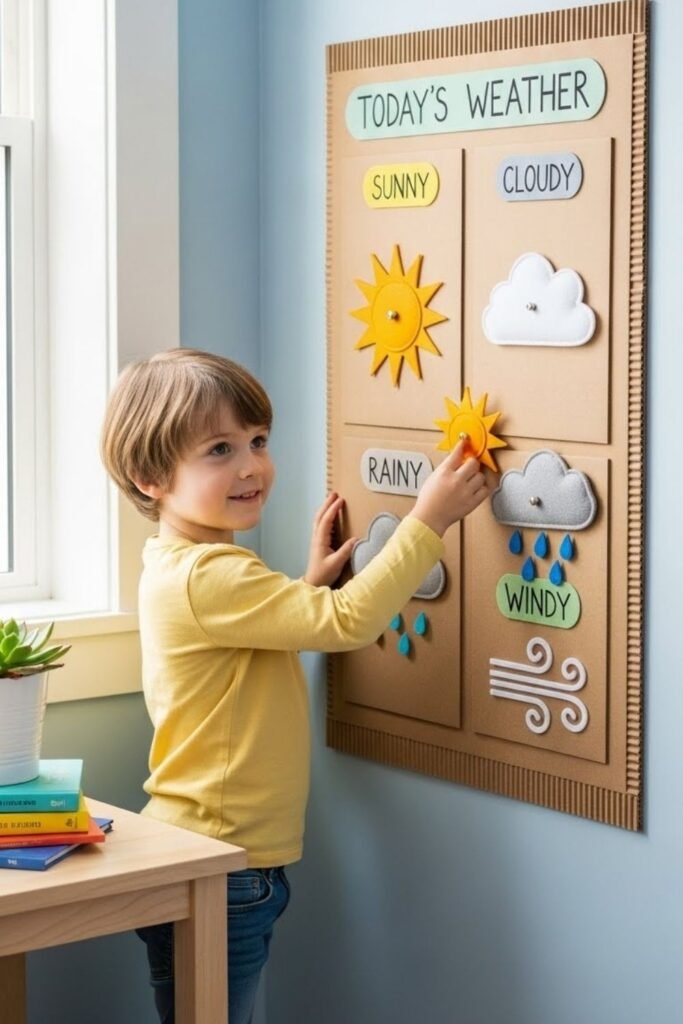
Weather Chart
Daily routines gain significance when children can see them. Cardboard panels, segmented into sunny, rainy, windy, or cloudy sections.
Provide a way for kids to move symbols daily. Velcro or tabs allow for easy adjustments.
This approach is effective in classrooms or kitchen places where children naturally observe the weather or discuss patterns as they unfold.
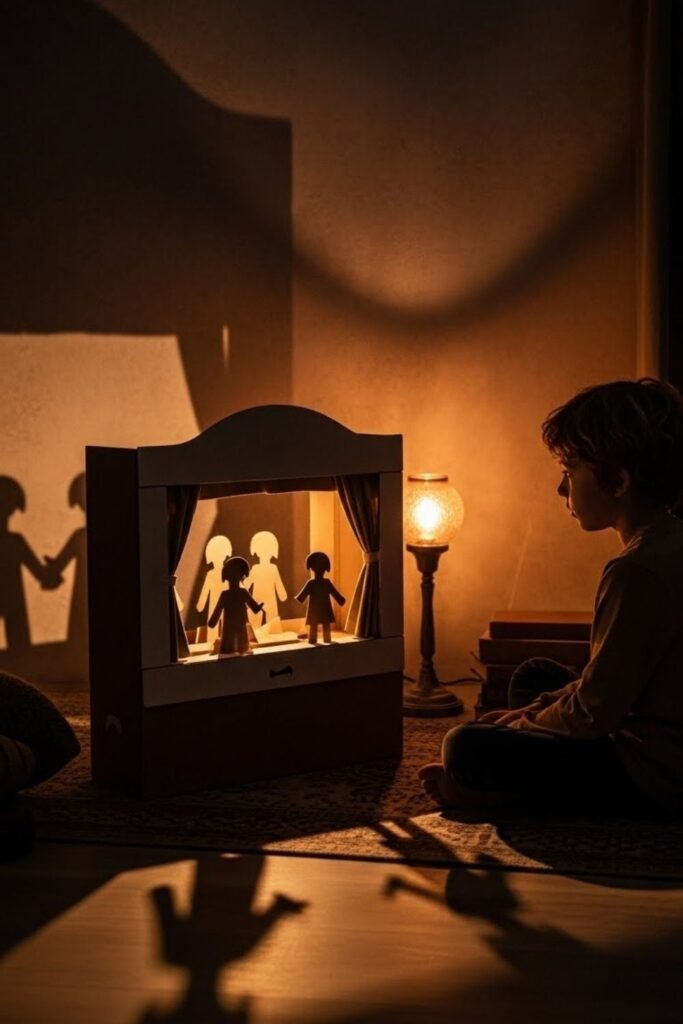
Shadow Theater
Light transforms cardboard. A few snips and you have got figures flat and waiting, that spring to life in the glow of a lamp or the soft light of a window.
The shadows dance as you move the pieces a quick adjustment making all the difference. It’s especially magical in the evening.
When the house is hushed, and the kids can lose themselves in their own stories, free from the clatter of noisy toys.
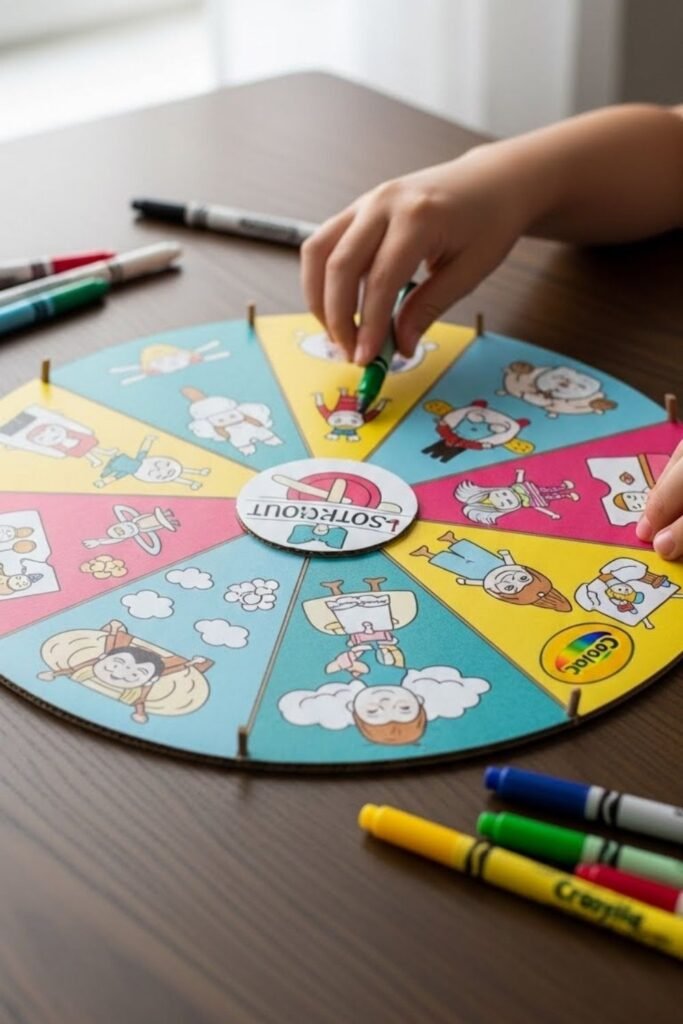
Story Wheel
Decision-making gets a lot more fun when stories unfold rather than just begin. A simple cardboard wheel, segmented into characters, settings.
And actions, allows children to rotate the sections and create fresh narratives with every turn.
Markers are ideal for making quick adjustments, far better than paint. This approach is perfect for bedtime or for playing storytelling games with a group.
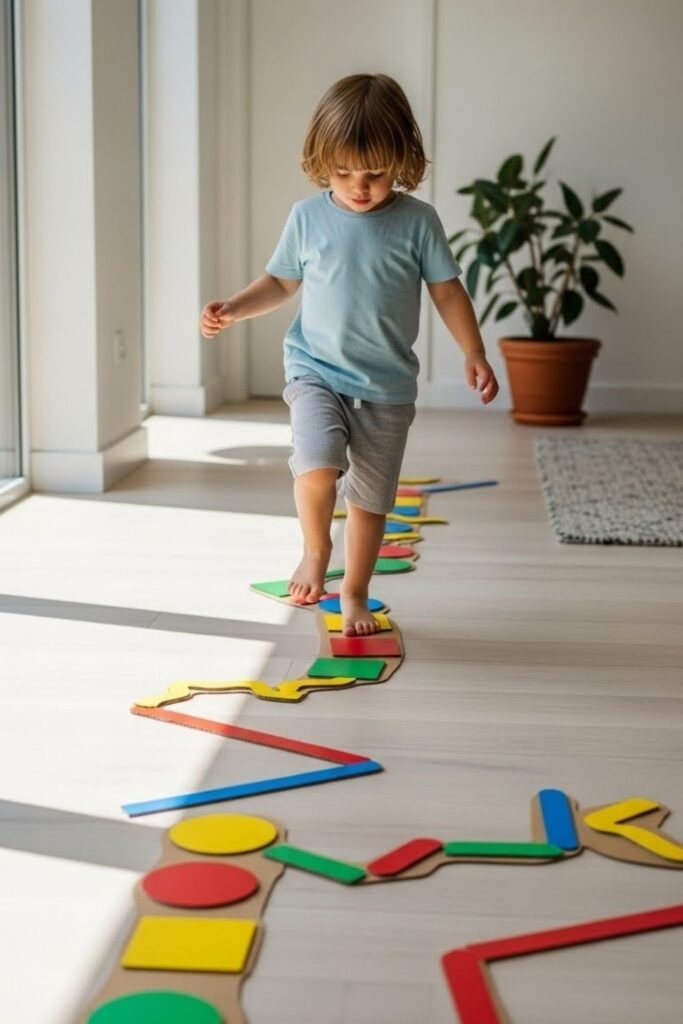
Balance Path
Movement is less intimidating when children have a hand in creating the obstacle. Tape down cardboard strips to form lines, curves, and stopping points.
And you’ve got a floor path for them to navigate at a leisurely pace. Changing the forms keeps things interesting without requiring a whole overhaul.
This setup is particularly effective indoors on those dreary, rainy days when kids need to move but can’t go outside.
FAQs
Can cardboard crafts really keep kids engaged for more than a few minutes?
Absolutely, especially if the activity allows children to physically interact with anything, whether that’s touching, manipulating, or altering it.
Simple, flat crafts tend to lose their appeal quickly. However, cardboard projects that encourage construction, imaginative play.
What should I do if cardboard crafts keep falling apart?
Thin cardboard or hasty glue application are often the culprits. For a sturdier foundation opt for the heavier boxes. Apply glue in manageable pieces then take breaks.
Allowing each layer to the dry thoroughly before proceeding significantly improves the craft’s longevity.

Hi, I’m Afaf! I’m a law student who loves writing about everyday life – from home projects and crafts to fashion, beauty, and parenting tips.
I’ve been writing for over a year, sharing ideas that are simple, practical, and easy to try. I write about things I find interesting and useful, whether that’s organizing a space, trying a new DIY, or finding activities to keep kids entertained.
My goal is to share helpful ideas without making things complicated. If it works in real life, I’ll write about it.
When I’m not studying or writing, I’m usually experimenting with new projects or scrolling for inspiration!