
30 Paper Crafts For Kids for 2026
You settle in with your child armed with paper and scissors, and within moments they are either disinterested or the tables a disaster zone, leaving you feeling drained.
If this resonates, you are not alone. Many parents are seeking straight forward activities that engage children and foster learning, without becoming a burden.
In this article I will share 31 Paper Crafts For Kids that help turn free time into hands-on fun in 2026.
Let’s jump in!
How Can Paper Crafts Improve Fine Motor Skills?
If your child finds it tricky to grip a pencil, cut a straight line, or even fasten buttons, paper crafts offer more than you might realize.
When children cut, fold, tear, or glue paper, their fingers are engaged in genuine work. This builds strength and control without the feeling of tedious practice.
For instance, folding paper enhances finger coordination, while cutting shapes hones hand control.
If you want your child to write better down the line, hand control is the first step and paper crafts provide that, all while kids are happily occupied.
Save this article for later!👇👇👇
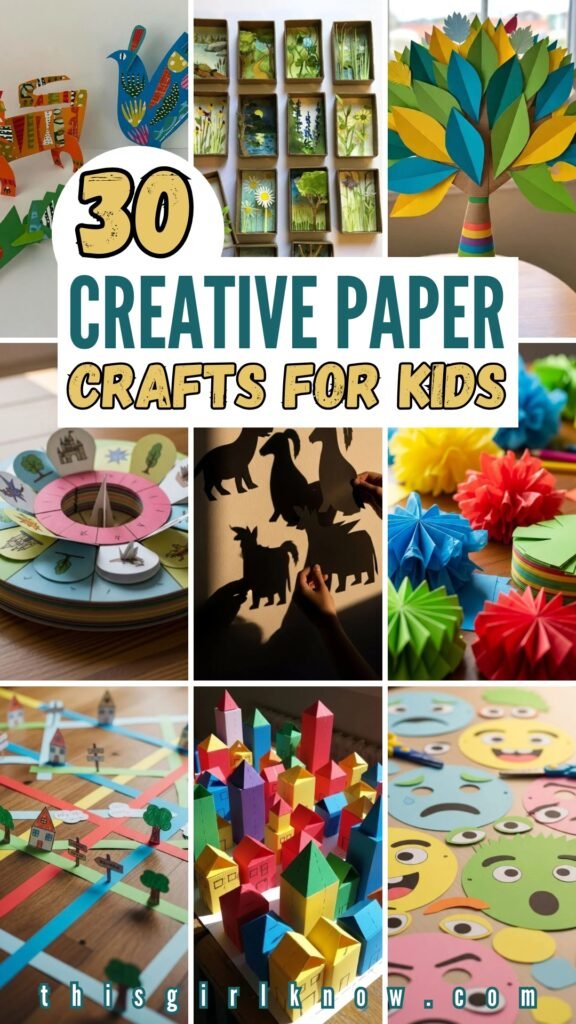
How Can Paper Crafts Be Used for School Projects?
School projects get a whole lot simpler when you approach them with paper crafts. When a child has to explain something, building it out of paper can really help them grasp.
Think about it: constructing a paper model of an animal, a plant or even just a simple shape makes learning a tactile experience.
And when kids actually make it themselves, they’re much more likely to remember it.
Plus, paper crafts give shy kids a boost, allowing them to present their projects with assurance, since they have something tangible to show, not just words to say.
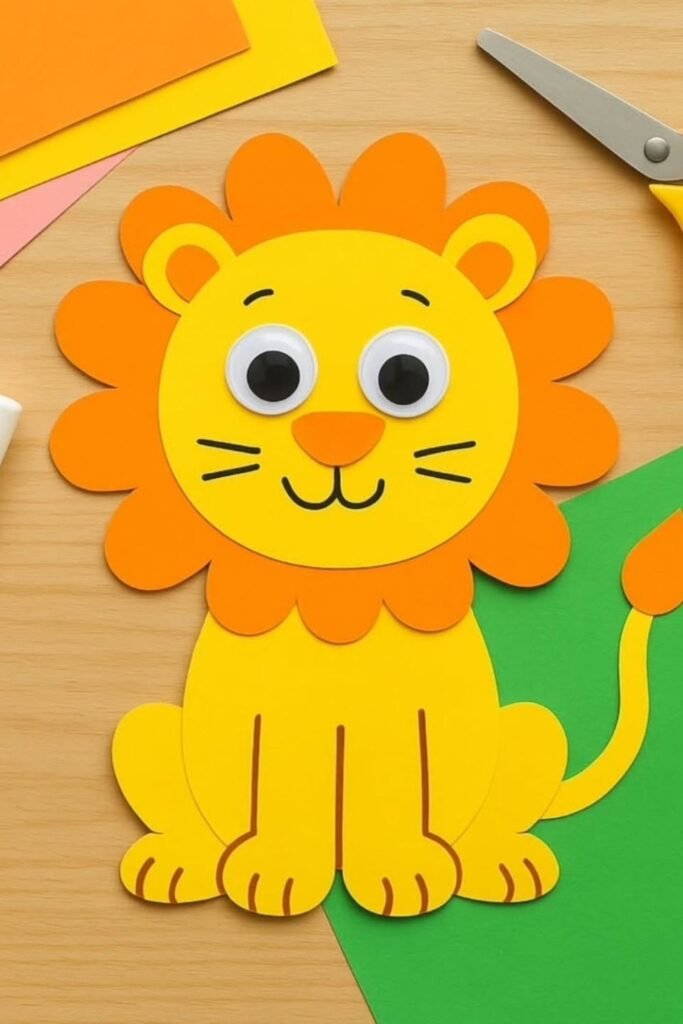
Paper Lion
Bright animal crafts like this work best when kids need something fun but focused. Paper cutting, layering.
Cutting and pasting becomes a soothing exercise, a way to keep hands occupied without the pressure of a deadline.
Provide colored paper scraps, and let children construct a face, piece by piece. This activity may easily be tied to animal studies in the classroom.
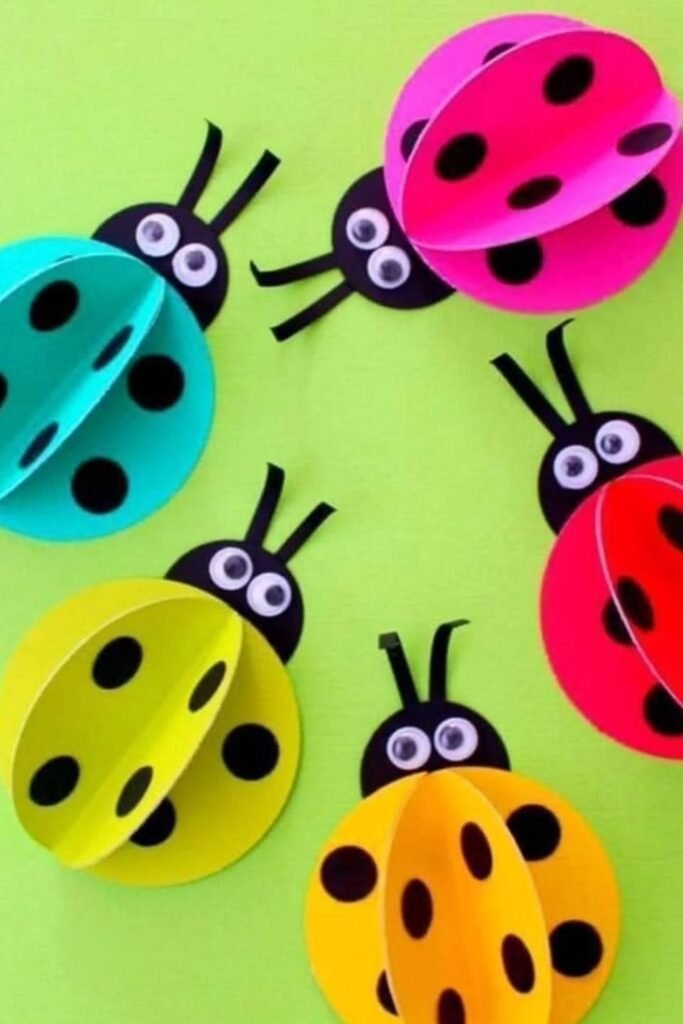
Paper Ladybugs
Bright colors and simple folds instantly pull kids into this activity. Curving paper into a round body gives hands a real workout while still feeling playful.
Small circles, perfect for dotting, give kids a chance to hone their control with out feeling rushed.
Teachers may incorporate them into the insect themed lesson and they are also great at home for quick craft projects if kids are restless but bursting with ideas.
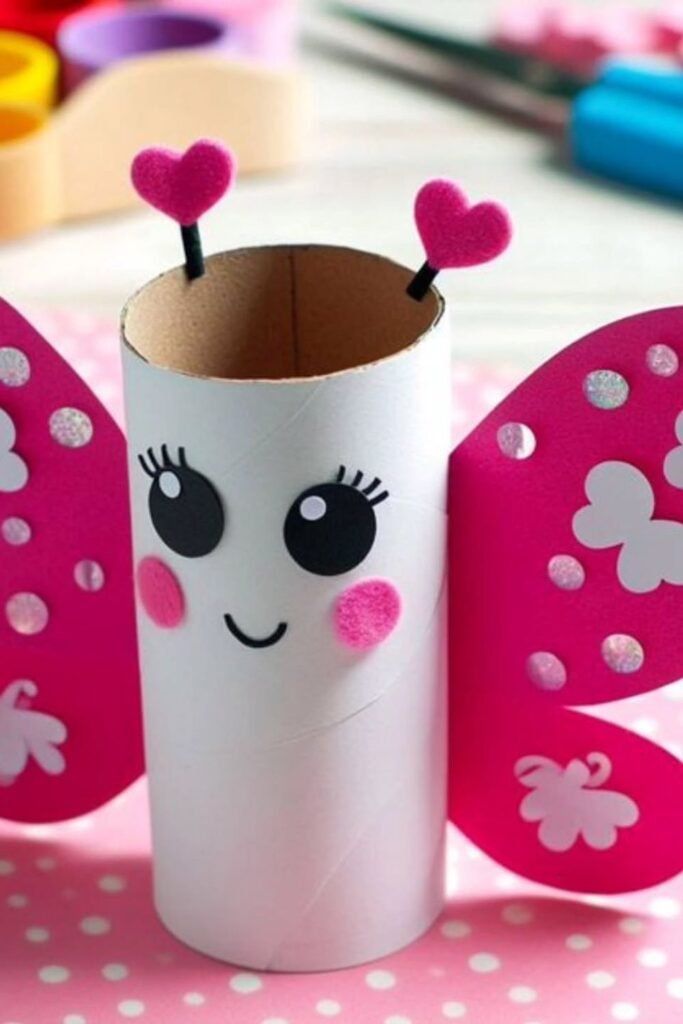
Butterfly Roll
Turning an empty toilet roll into a butterfly instantly changes how kids see waste. Decorating wings, sticking small shapes.
Adding small details keeps hands busy without causing frustration. This approach is particularly effective for spring-themed projects, lessons about recycling.
Have paper scraps on available and allow children to select colors at themselves; this independence encourages them to slow down and concentrate for longer periods.
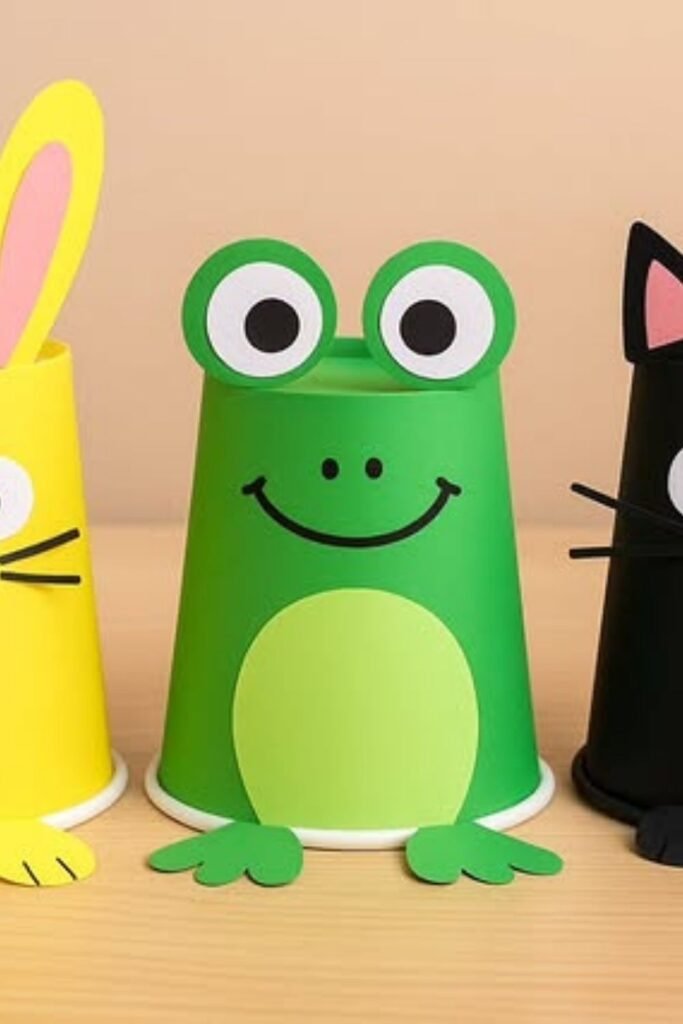
Cup Animals
Paper cups suddenly become characters kids want to play with. Drawing faces, cutting ears, and attaching small pieces.
Keeps fingers busy in short bursts. This is a hit for animal units, storytime, or when the weather keeps you indoors.
Once a few completed animals are piled up, children instinctively begin crafting narratives, extending the fun much into the first crafting session.
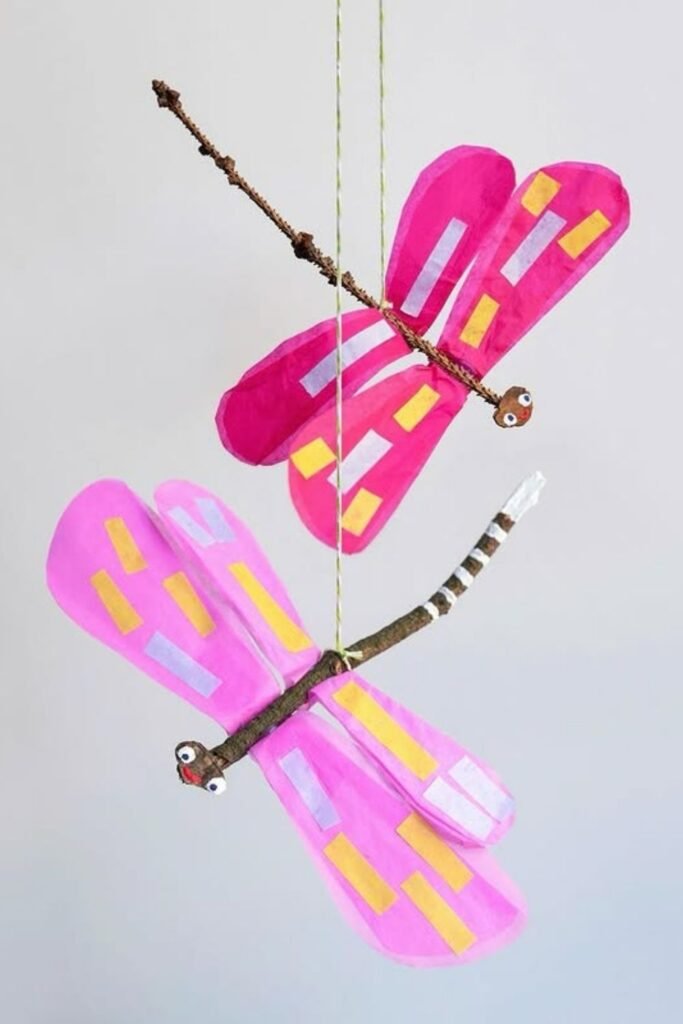
Hanging Dragonflies
Movement changes everything here. Light paper wings tied to a stick make kids slow down and work carefully especially when balancing both sides.
Placing these near a window or in a classroom corner transforms the project from mere craft into genuine decoration, rather than just more stuff.
Tissue paper or thin colorful sheets are ideal and allowing children to experiment with different design and keeps their interest piqued for a longer period.
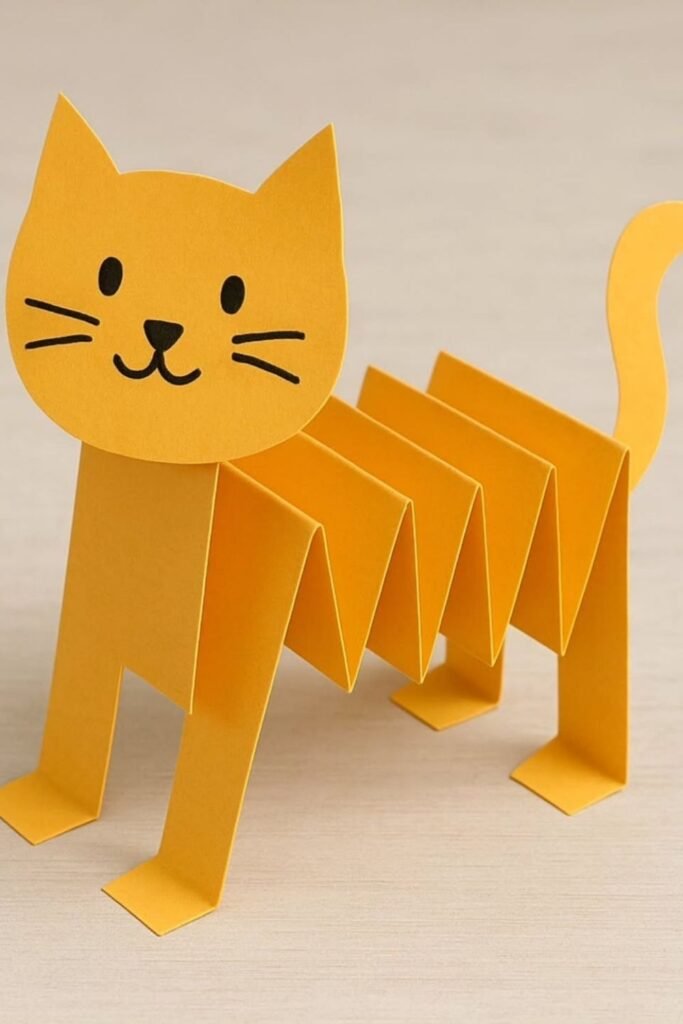
Accordion Cat
Folding paper, back and forth, transforms patience into a game. The zigzag design captivates children, demanding precision with each fold.
It’s particularly engaging for older kids, who appreciate the paper’s ability to stand upright. Choose a paper with a bit of heft to ensure the structure holds its form.
And then let the kids unleash their creativity by adding simple facial features to give the character personality.
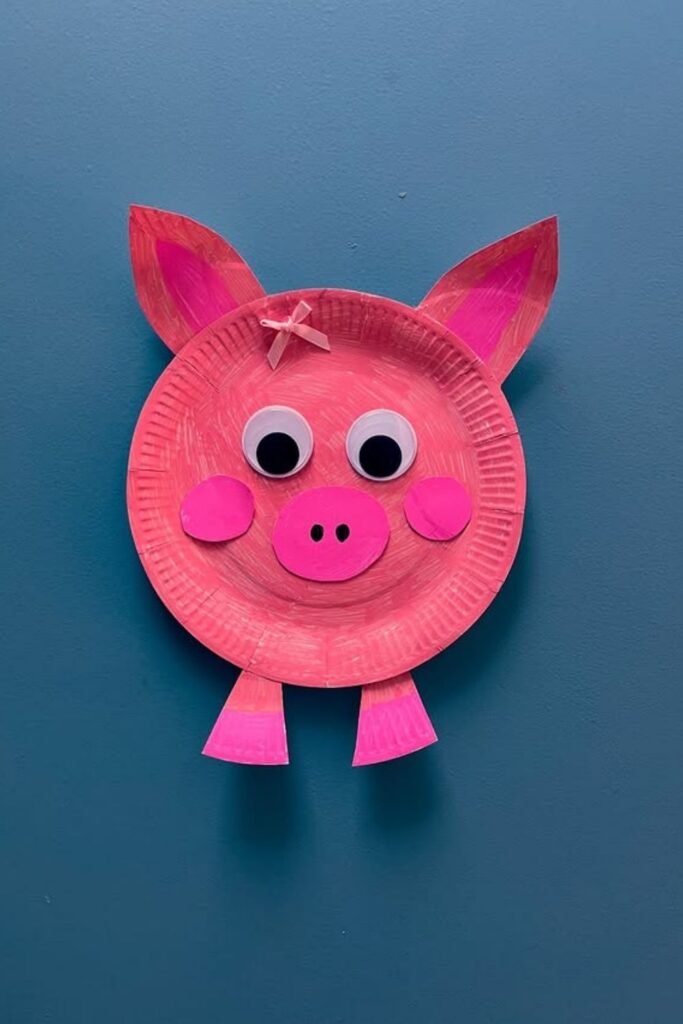
Pig Plate
Paper plates turn into a fun face-building activity that kids instantly connect with. Painting, sticking ears.
Placing facial features can actually be a terrific way to slow things down. This approach shines when you’re working with farm themes, storytime crafts.
The act of making a choice keeps them engaged, and you don’t have to give them any extra directions.
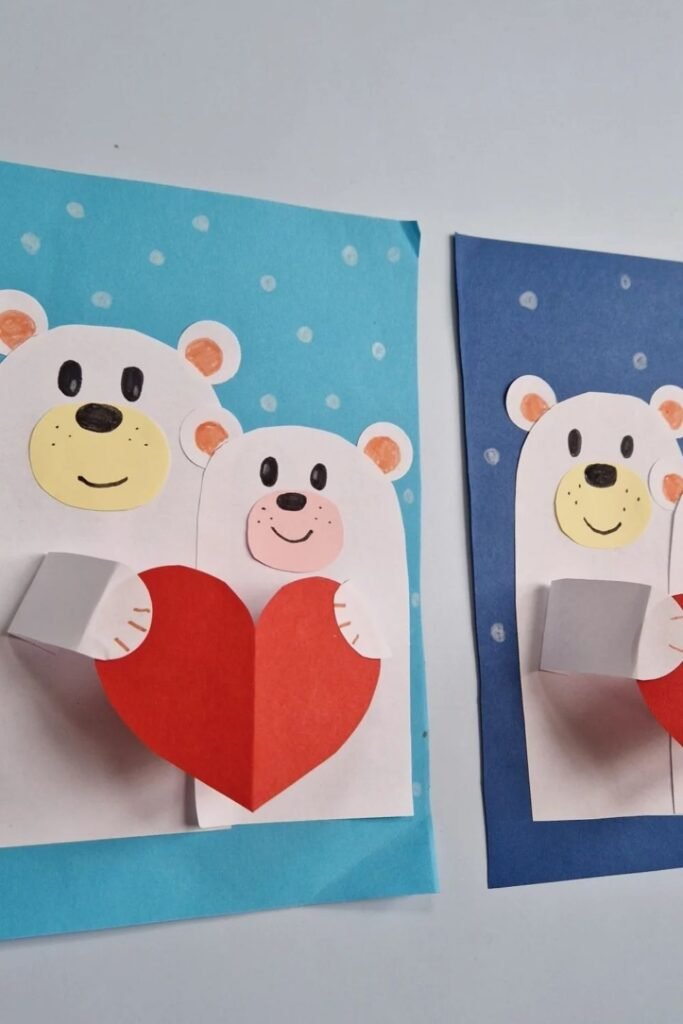
Heart Bears
Paper popping forward instantly makes this feel special instead of flat. Folding the heart so it lifts off the page gives kids a reason to slow down.
Line everything up just right. This is ideal for Valentine’s Day, kindness initiatives, or just making cards at home.
Choose contrasting paper to make the heart pop, and then let the youngsters add face features to give each bear its own unique personality.
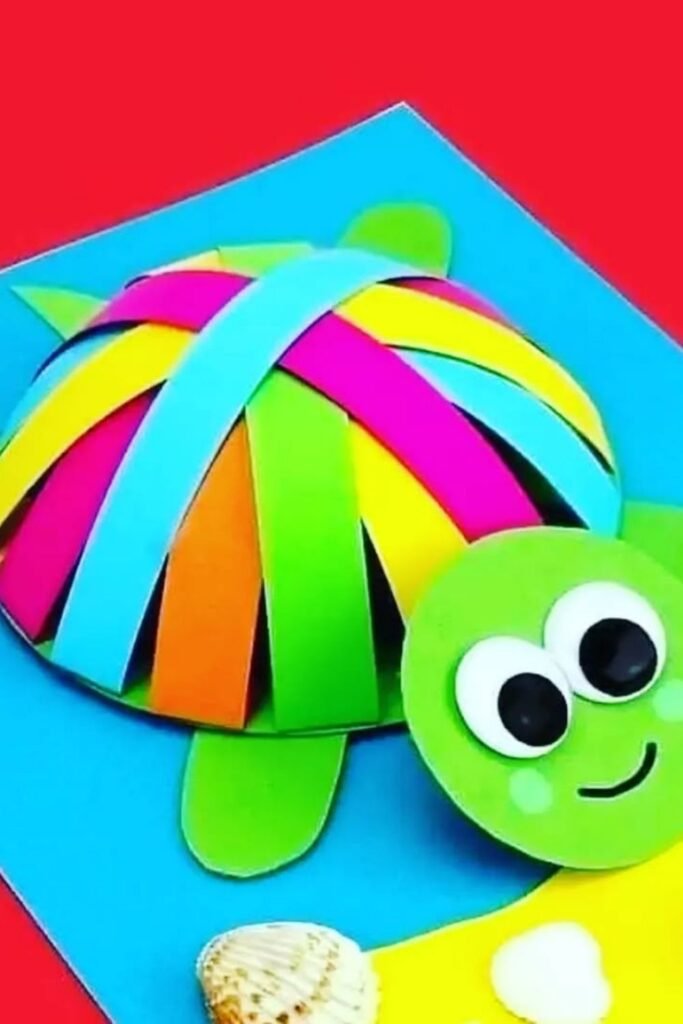
Woven Turtle
Color strips crossing over each other turn simple paper into a thinking activity. Weaving keeps kids focused because skipping a strip changes the whole look.
This is perfect for ocean-themed projects, summer activities, or whenever you need a little peace and quiet.
Prepare the paper strips in advance for younger children, and then let them decide the color sequence. Each turtle will be unique and a little masterpiece.
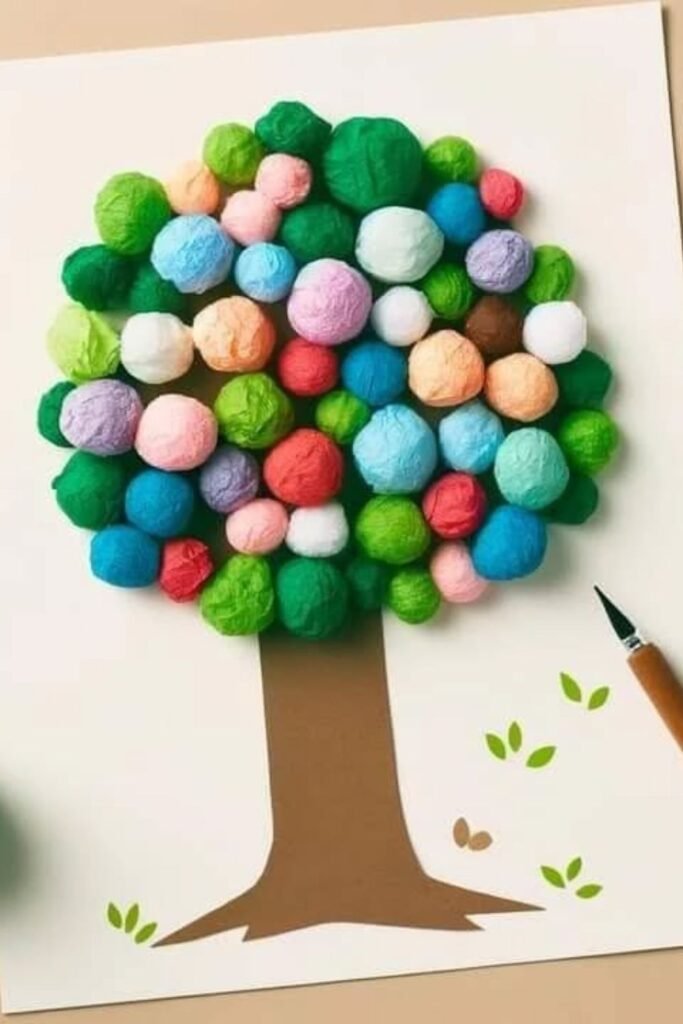
Texture Tree
Rolling paper into tiny balls slows hands down in the best way. Pinching, shaping, and placing each piece builds control without kids noticing the effort.
This activity is ideal for nature lessons seasonal explorations or quiet painting sessions after school. Gather some tissue paper or crepe paper remnants.
And encourage the children to choose where the colors go. The goal is a tree that seems abundant and unique and rather than flawless.
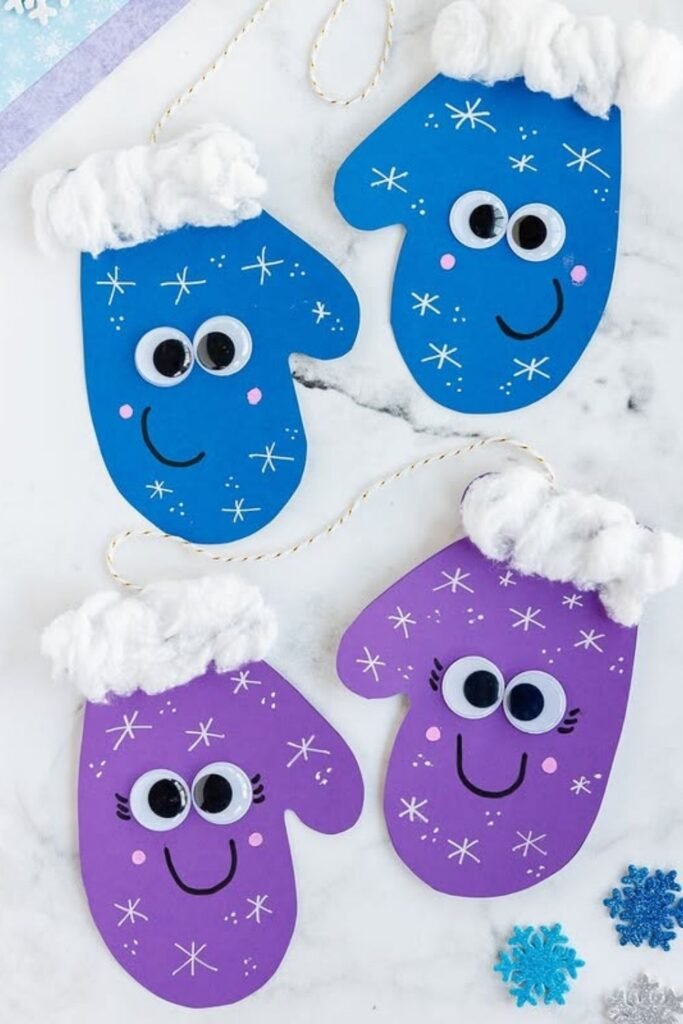
Snow Mittens
Winter crafts feel calmer when soft textures are involved. Cotton clouds glued along the edge give kids a slow, satisfying task that doesn’t rush them.
Stringing these up is a great idea for holiday displays, window dressings, or even classroom doors. Using pre-cut mitten forms is a real time-saver.
And letting youngsters create their own snow patterns gives them a chance to personalize things without making it a huge undertaking.
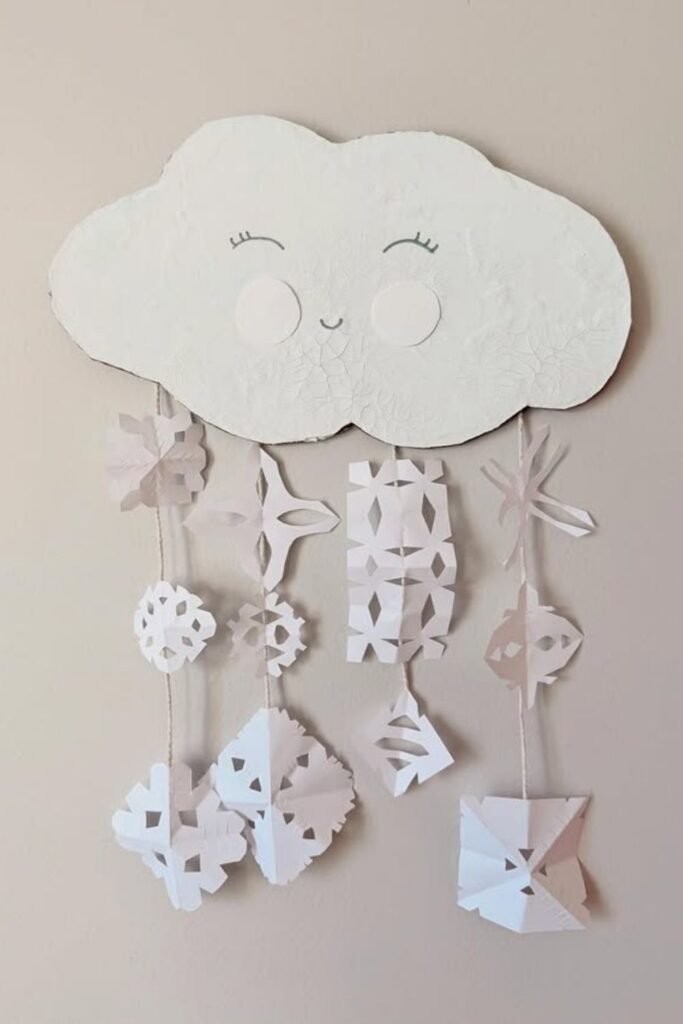
Snow Cloud
Quiet cutting time turns paper into a winter mobile kids feel proud to hang up. Folding and snipping snowflakes builds focus.
Each snip alters the form. These paper clouds are ideal for bedrooms, cozy reading nooks or even classroom windows.
Stick with plain white paper, make the forms uncomplicated, and let the children choose the string length.
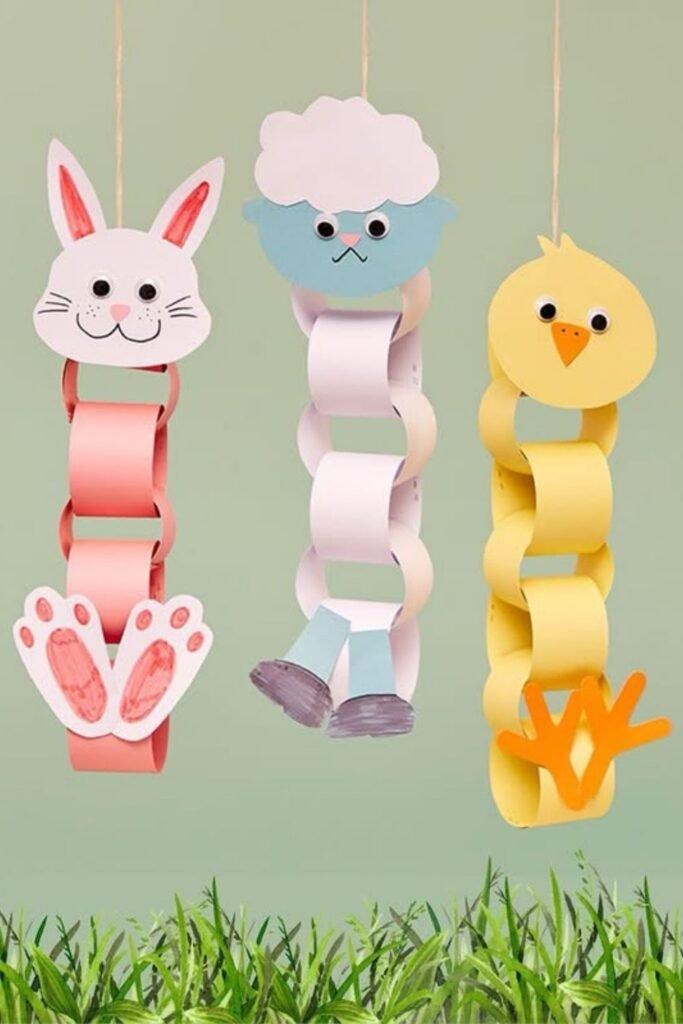
Paper Chains
Linked paper loops turn simple cutting into a rhythm kids enjoy repeating. Each connection needs care, which naturally slows them down and improves control.
These works are perfect for springtime displays, farm-themed setups or just adding a touch of whimsy to a room. For smaller children, stick with strips in a single color.
Older kids, however, could enjoy a mix of characters and colors, seeing the patterns extend with each loop.
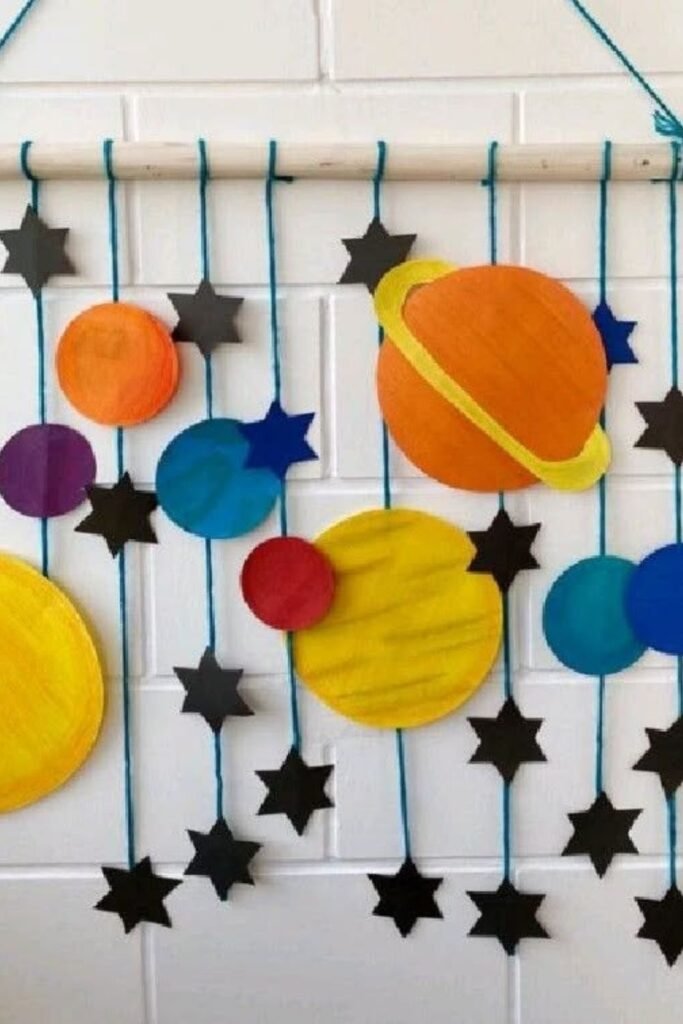
Space Mobile
Curiosity kicks in the moment planets start floating. Cutting circles, sizing them correctly, and tying strings turns this into a slow, thoughtful activity.
Whether in science corners, on bedroom ceilings or in classroom displays, this approach proves beneficial.
Employ lightweight paper to ensure even hanging, and allow children to select the colors for their planets.
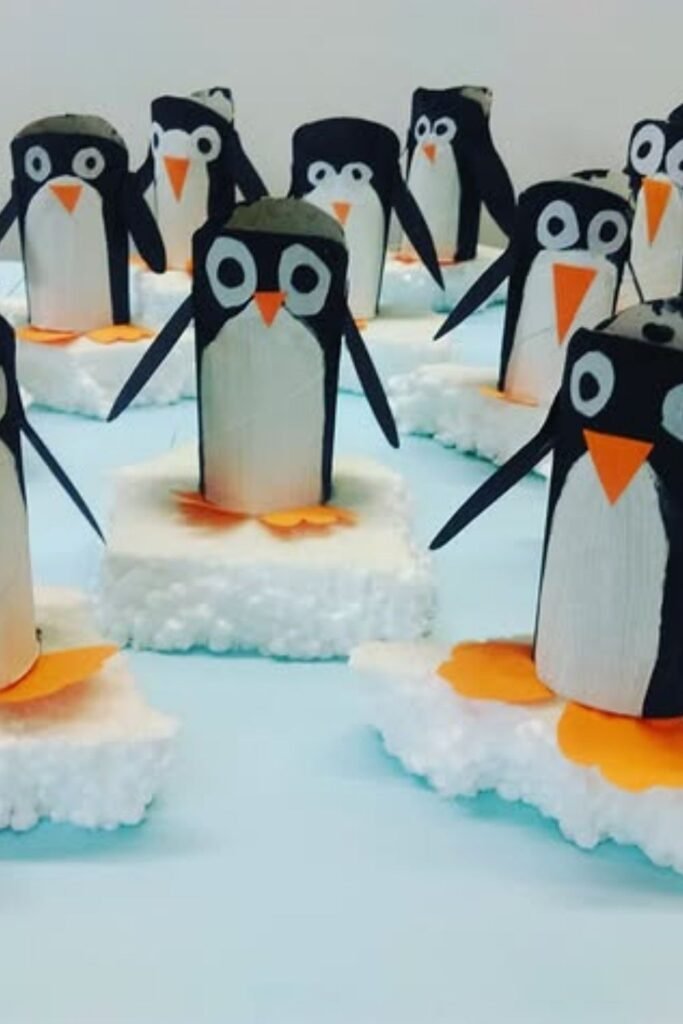
Penguin Parade
Rows of miniature penguins transform crafting into a collaborative endeavor a pastime children eagerly imitate and refine.
The process involves wrapping paper around cylindrical form affixing wings, and then positioning each creation on a simulated ice surface.
Keeping little hands occupied at every stage. This project is perfect for winter-themed decorations classrooms display or even party tables.
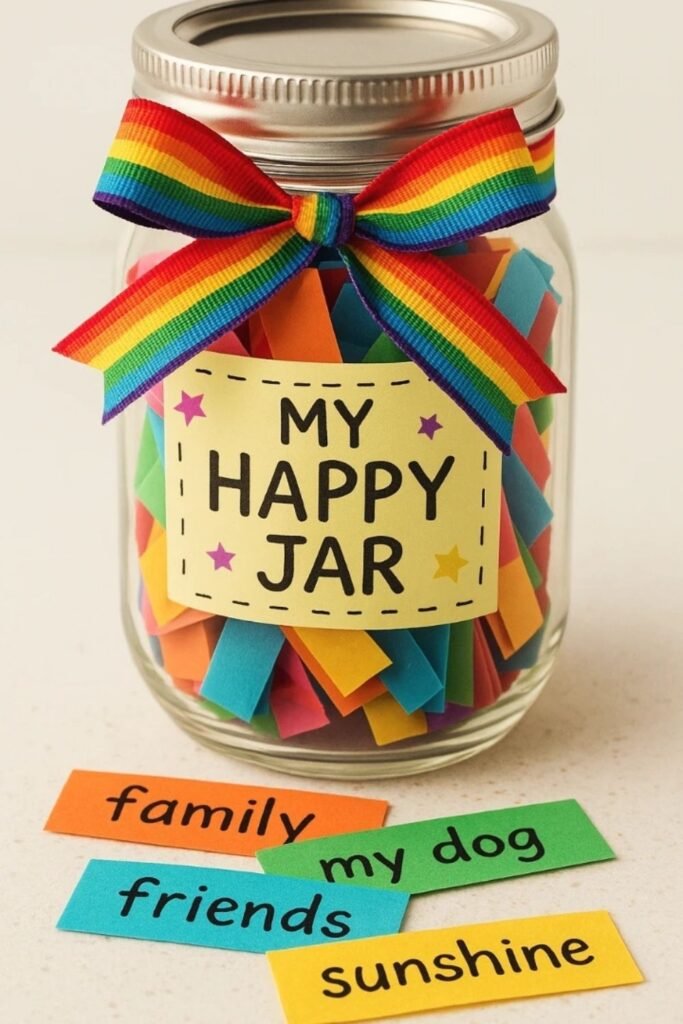
Happy Jar
Gratitude feels easier when kids can hold it in their hands. Writing small notes, folding paper strips, and dropping them into a jar turns feelings into something real.
This works wonderfully for sleep, school check ins or those calm-down corners. Have the paper pre-cut.
So the kids can concentrate on their words or drawings, not the preparation. And, encourage them to add a note every time something positive occurs.
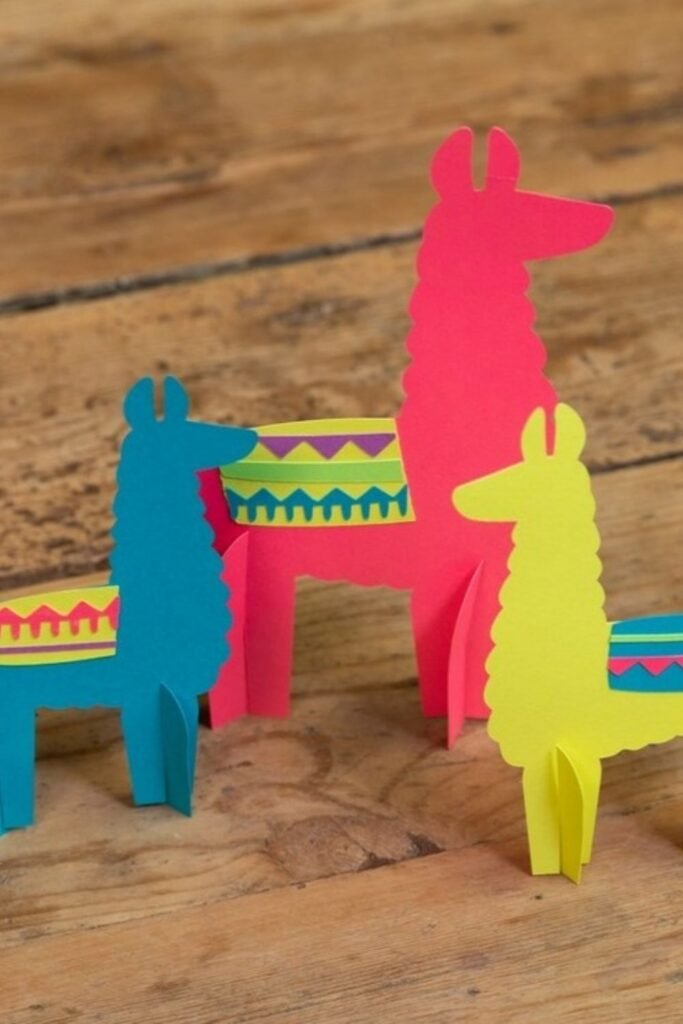
Paper Llamas
Standing paper animals instantly turn crafting into playtime. Cutting simple shapes and slotting pieces together.
Keeps youngsters engaged since the figure needs to stay upright. It’s perfect for farm-themed activities, animal education or even play areas at home.
Use colorful paper to make each llama pop and then let the kids experiment with different designs, so each one seems like a little victory.
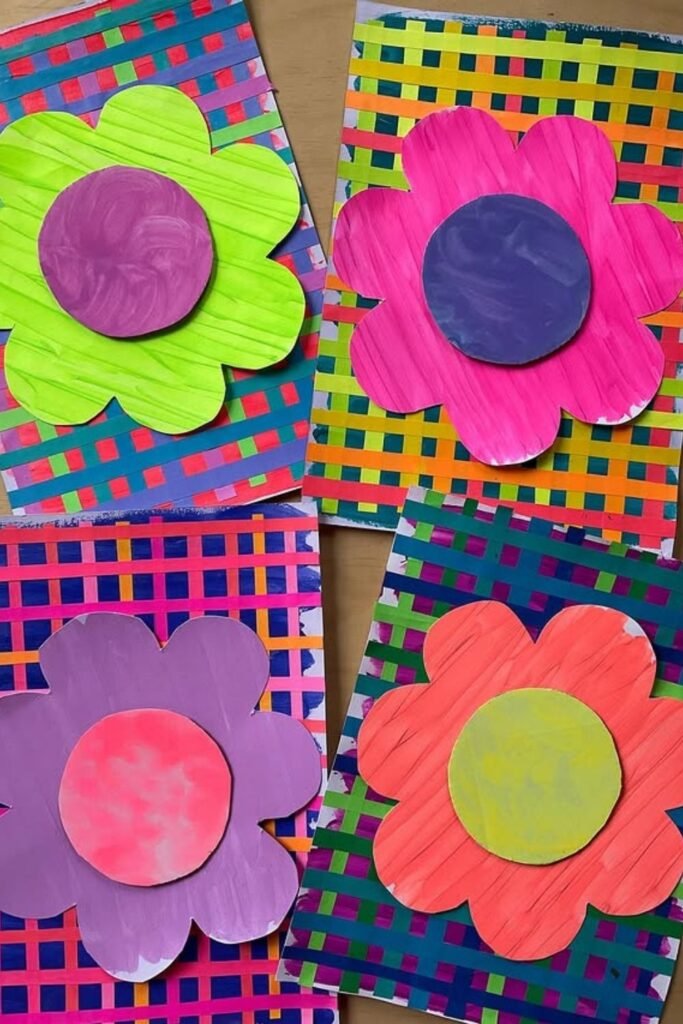
Woven Flowers
Color mixing starts to feel exciting once paper strips cross over each other. Weaving the background keeps hands busy.
Adding the flower on top gives a clear endpoint. Art lessons, springboards or quiet afternoon crafts are all good options.
Prepare lengthy strips ahead of time then let the kids pick their designs, ensuring each flower is unique and vibrant not a carbon copy.
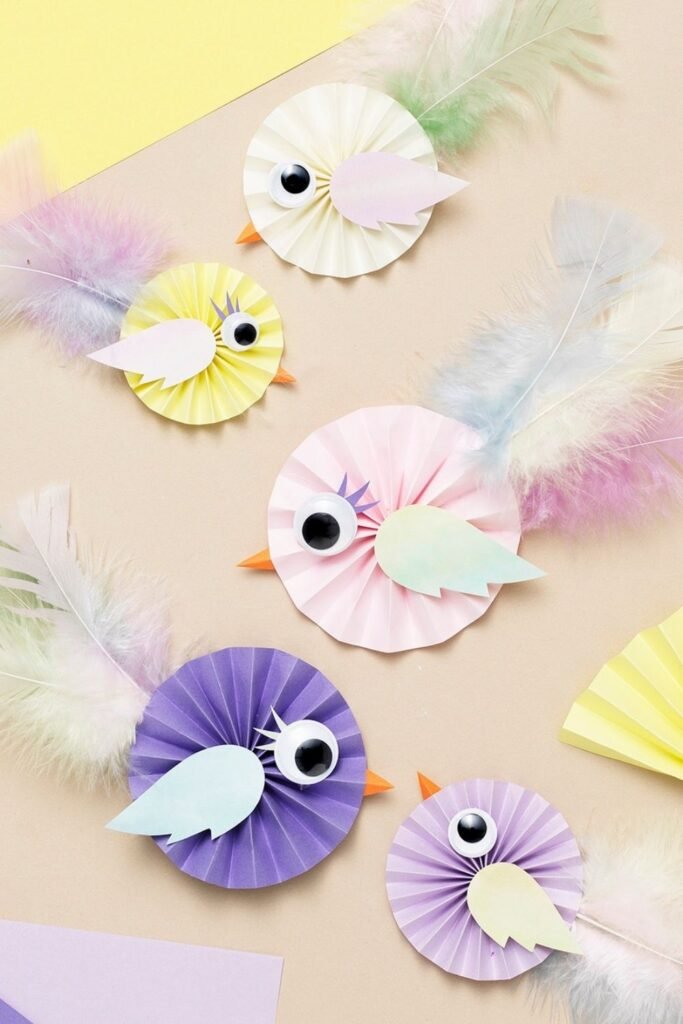
Folded Birds
Soft colors and gentle folds turn paper into something kids want to handle carefully. Fan-folding the body takes patience.
Adding feathers introduces texture without the fuss. It’s a perfect fit for springtime projects, nature tables or serene creative areas.
Opt for lightweight paper to keep the folds tidy and then let the children decide where to position the feathers, allowing each bird to develop its own subtle character.
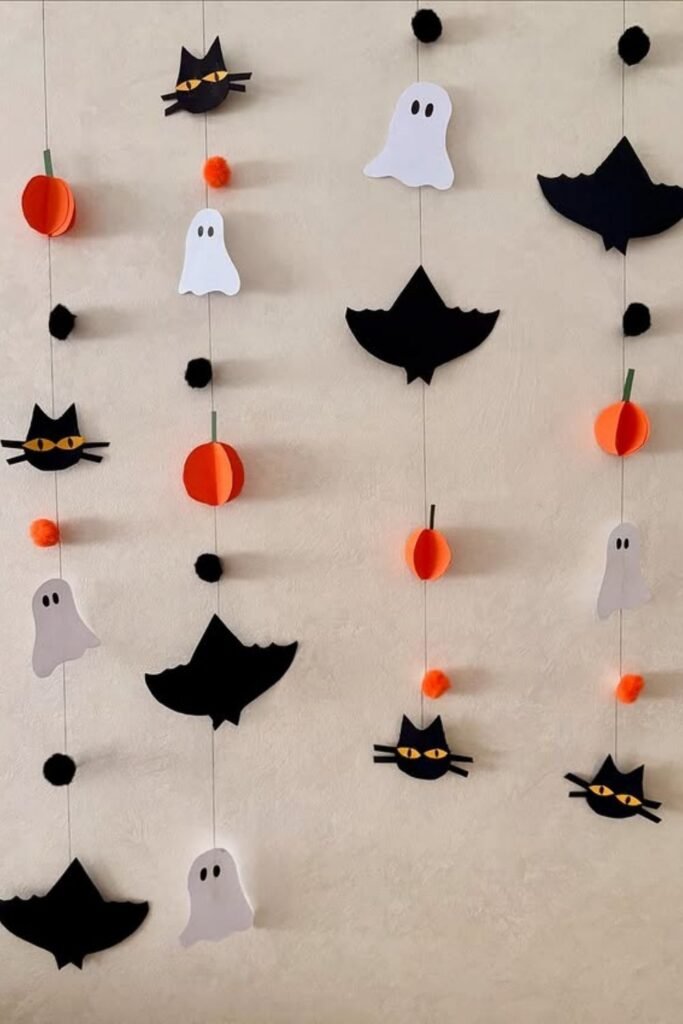
Halloween Strings
Seasonal crafts feel more exciting when they move. Cutting simple shapes and spacing them along string keeps kids focused because balance matters.
Doorways, classroom walls or even a corner at a party these are all good spots for hanging them.
For smaller children, it’s best to keep the shapes simple and consistent, avoiding too much variety.
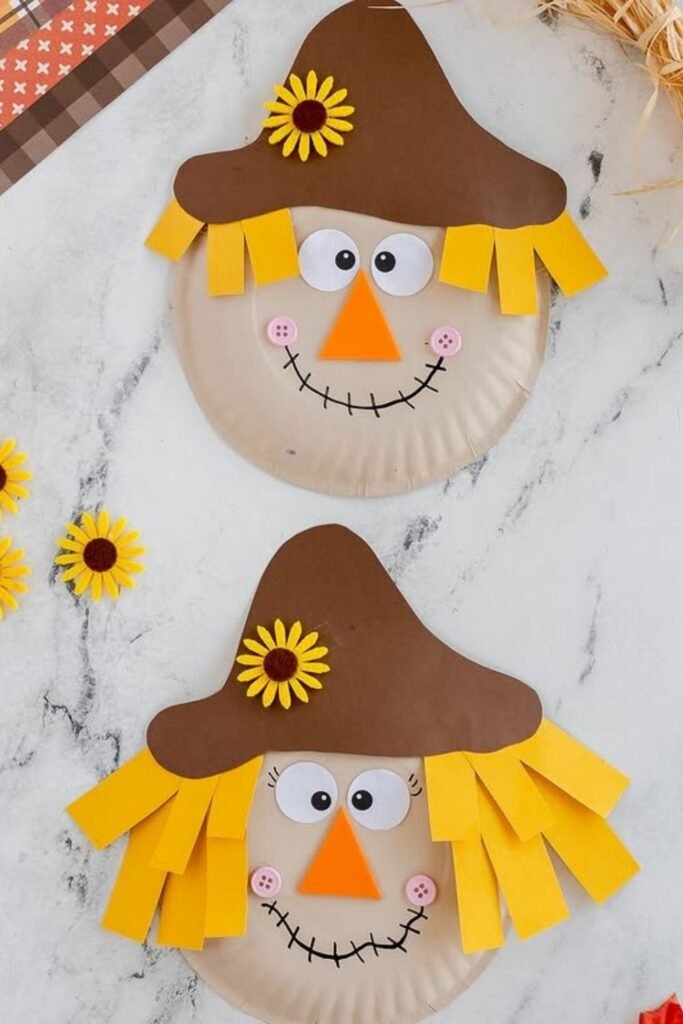
Scarecrow Faces
Fall themes feel warmer when kids build friendly faces instead of flat pictures. Cutting straw-like strips, placing features.
And keeping the hat balanced keeps little hands occupied with quick movements. This is ideal for fall activities, harvest decorations, or seasonal crafts at home.
Paper plates are the best starting point, and allowing children to select their own expressions ensures each scarecrow has its own personality.
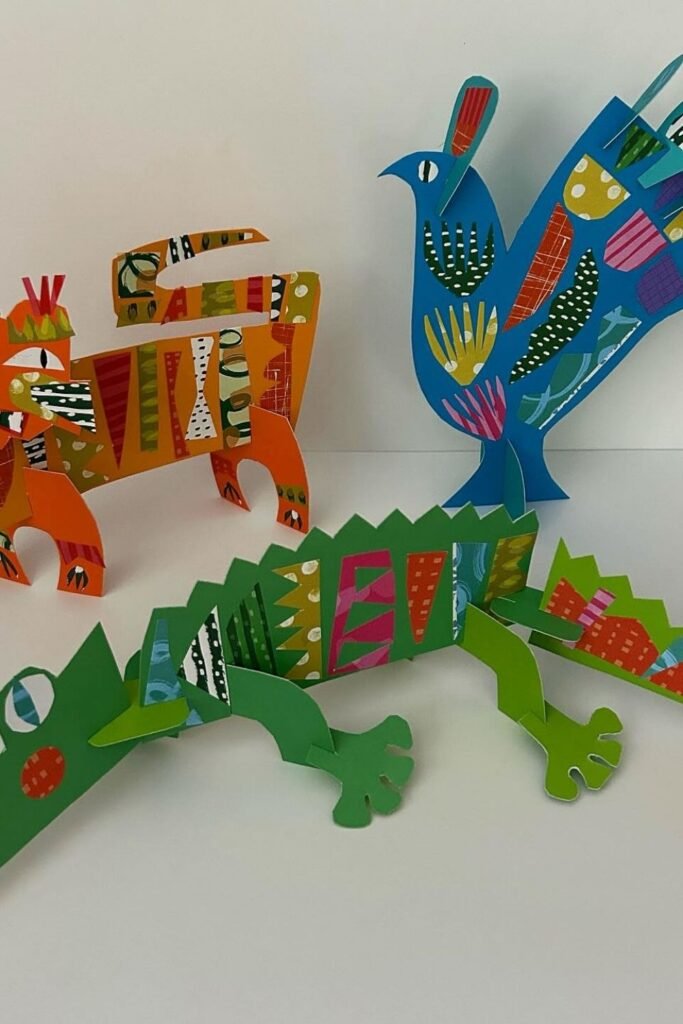
Pattern Animals
Bold patterns invite kids to slow down and make choices. Cutting shapes, mixing prints, and lining pieces up so the animal stands teaches planning without pressure.
Art workshops, creative spaces or extended weekend projects are perfect for this. Stock up on scrap paper in various textures and hues.
And then allow the children determine the placement of the patterns the process of choosing becomes the core of the experience.
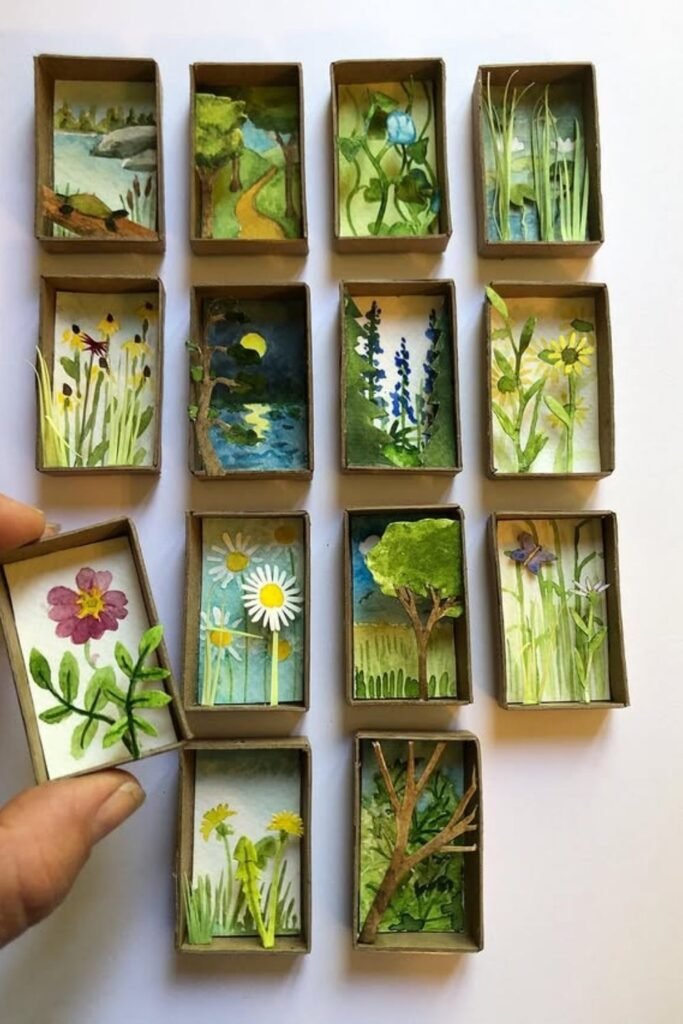
Mini Dioramas
Tiny spaces change how carefully kids work. Filling small boxes with paper landscapes turns cutting and layering into a slow, focused activity.
Nature studies, storytelling prompts, or quiet desk tasks are ideal for this. Matchboxes or miniature cartons are the way to go.
And thin paper allows children to develop depth without getting overwhelmed, making each scene feel like a secret world of their own making.
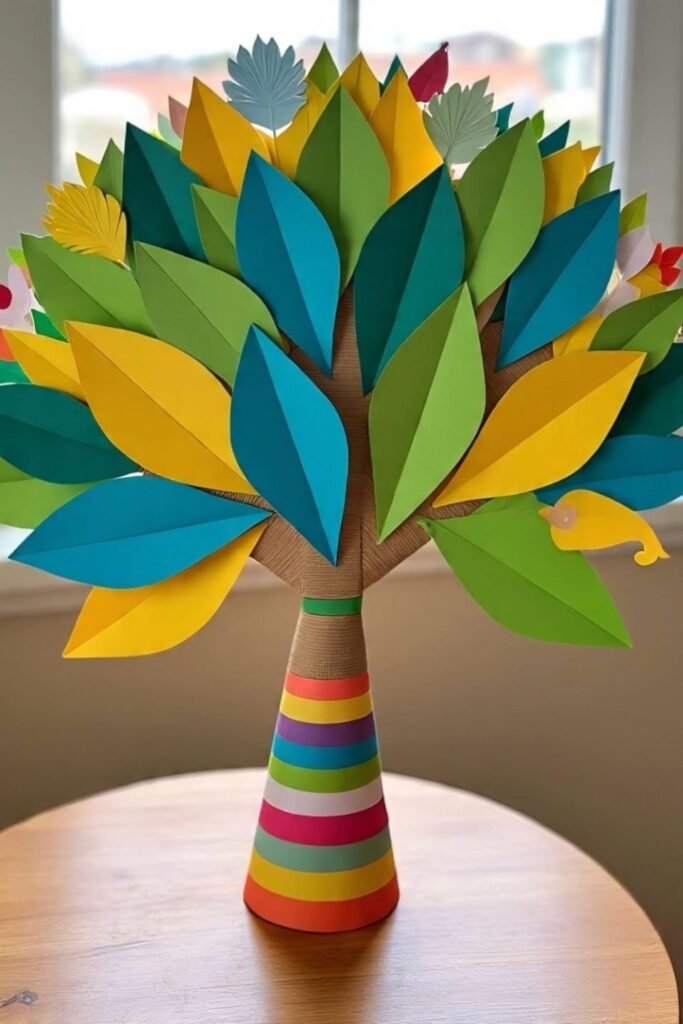
Paper Tree
Layered leaves turn this into a slow, satisfying build instead of a quick craft. Cutting repeated shapes.
Stacking these helps children concentrate, watching their progress flourish, branch by branch.
It’s a great fit for nature studies, classroom decoration or projects to tackle over a long weekend.
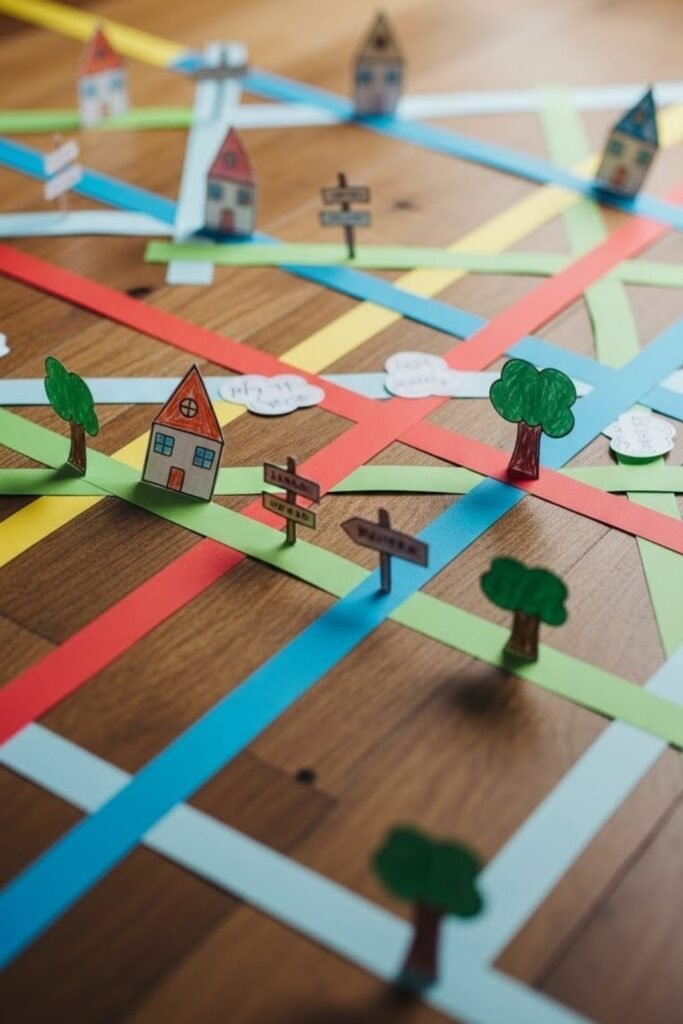
Memory Roads
Curiosity grows once kids start building paths instead of pictures. Paper strips laid out as roads let them design routes that twist stop and connect.
Sketching miniature landmarks as you go transforms the activity into an impromptu narrative.
Its particularly suited for the calm play on the floor and while exploring social studies topics.
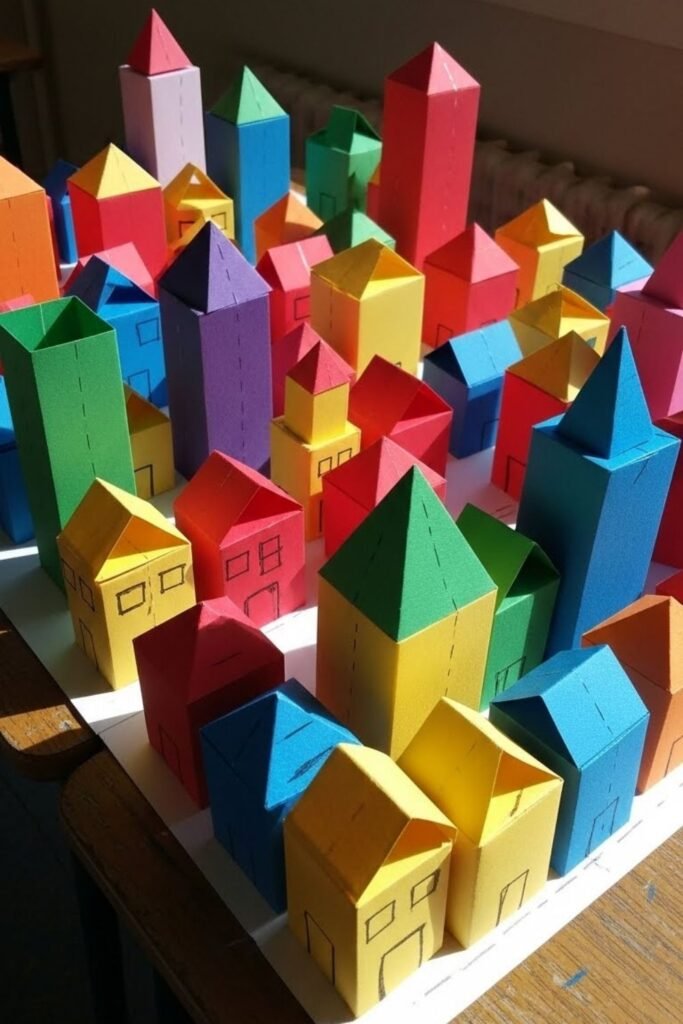
Shape Cities
Imagination switches on the moment paper shapes become buildings. Squares, triangles, and rectangles turn into a city when kids decide what belongs where.
Cutting and assembling the pieces sharpens concentration, all while subtly introducing geometric concepts.
This approach is ideal for art activities that incorporate arithmetic or for school projects centered on communities.
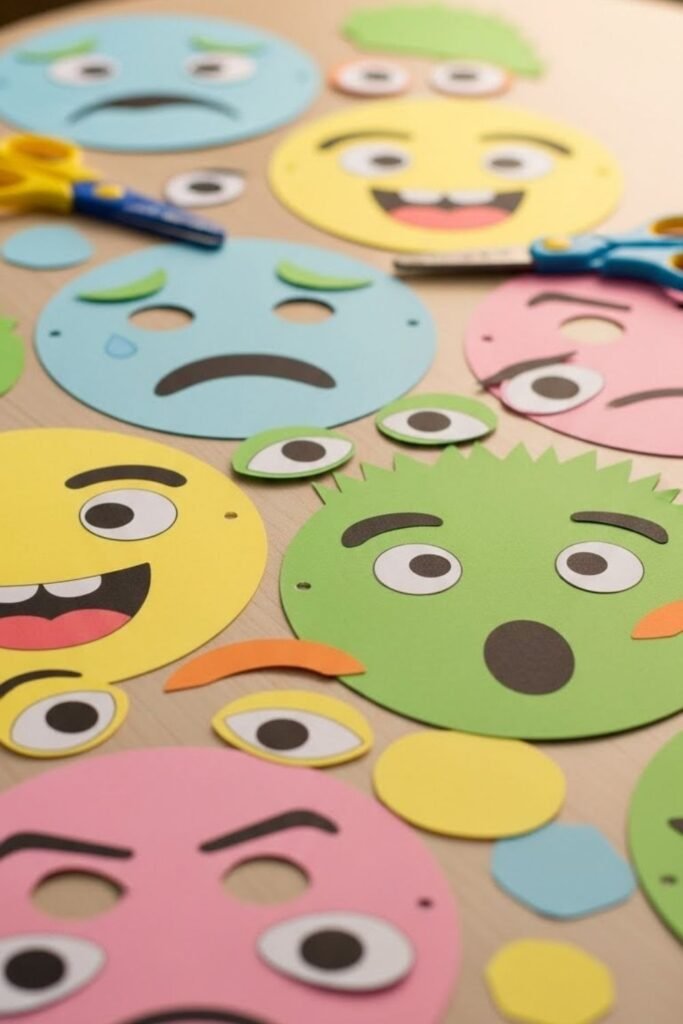
Emotion Masks
When faces are involved discussing feelings becomes easier. Using paper masks with changeable eyebrows and mouths helps with this.
Eyes allow children to show their feelings with out needing to talk.
By changing the parts of the mask they begin to understand how small changes affect how they express themselves.
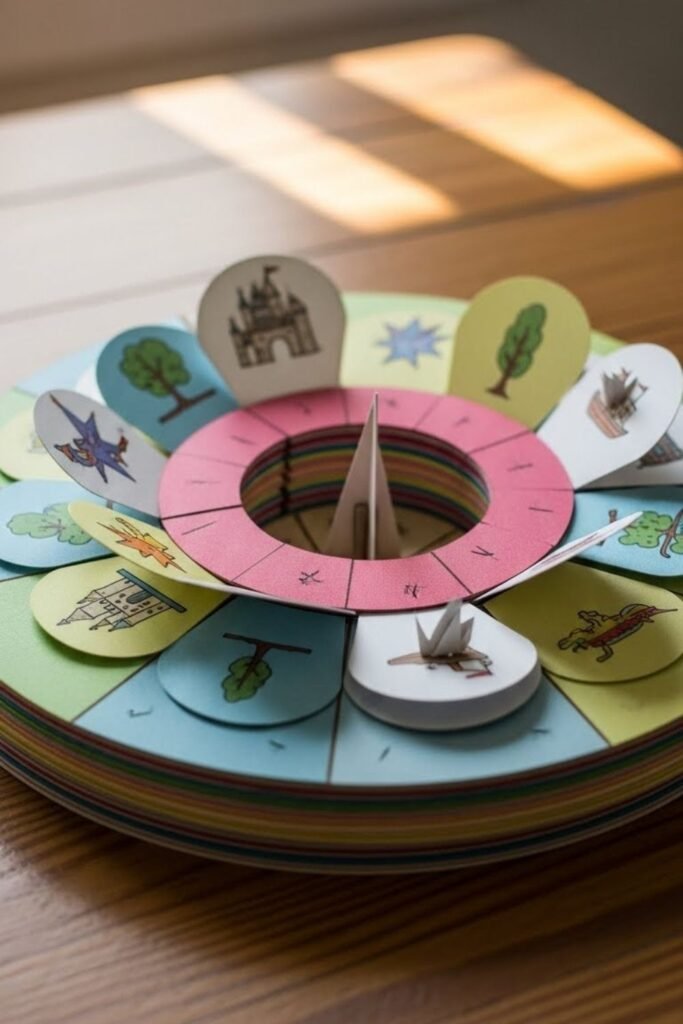
Story Wheels
Stories flow faster when paper starts spinning. Circular paper wheels with flaps hide characters, places, and actions underneath.
Turning one area at a time generates story suggestions that kids find irresistible. It’s a fantastic tool for writing warm-ups or when they’re stuck indoors on a rainy day.
Using cardstock makes the wheel more durable, and allowing kids to color each section transforms every spin into a surprise they’ve designed.
Shadow Creatures
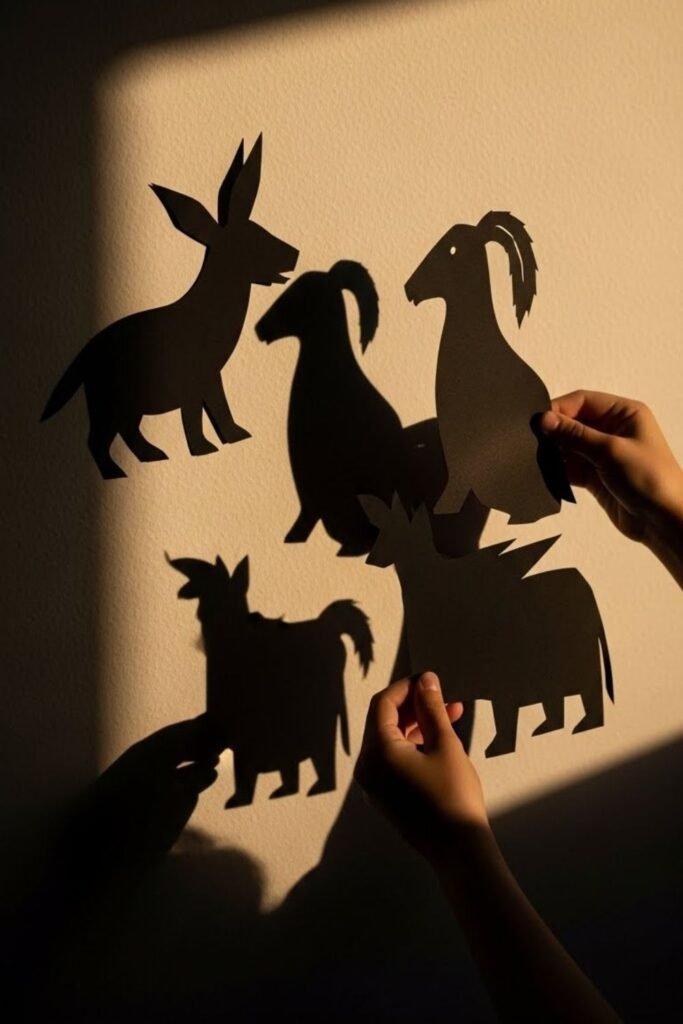
Lighting changes everything once paper meets a lamp. Cutting simple silhouettes and holding them against and the wall turn craftings into play instantly.
Children begin manipulating shape to observe the elongation and contraction of shadows.
Black paper is the most effective medium and uncomplicated designs allow children to the concentrate on the motion itself rather than striving for flawless execution.
Sound Shapes
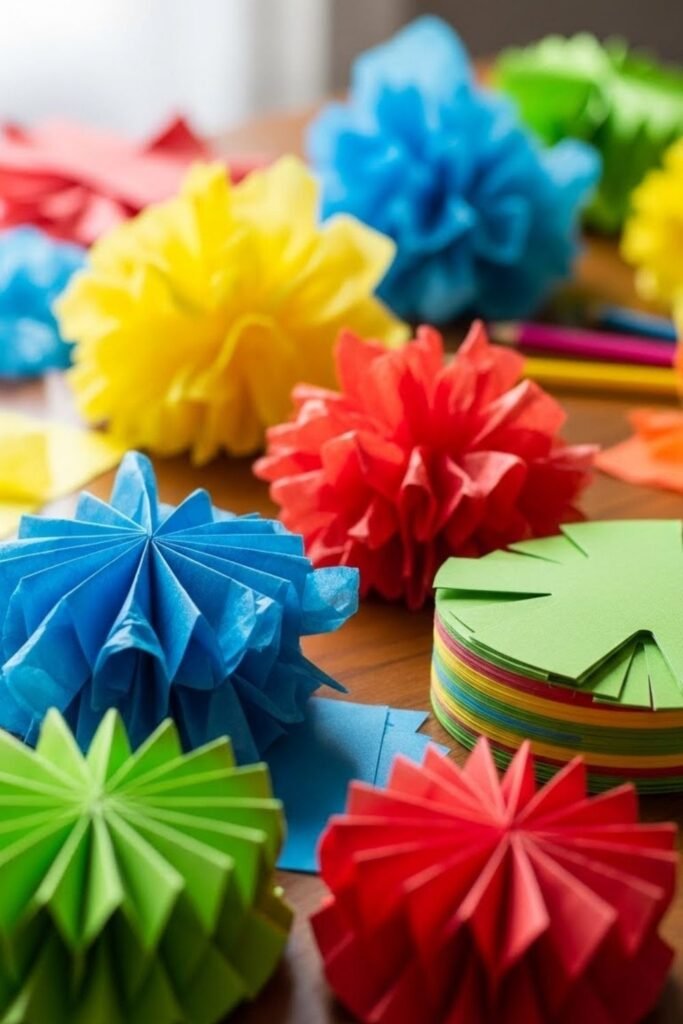
Attention sharpens when crafts make noise. Folding paper into simple forms that crinkle, tap or flutter lets kids explore sound with their hands.
Investigating how size and shape affect noise transform curiosity into learning, even with out direct instruction.
For example, thin paper makes softer sounds while thicker paper increases volume allowing children control over the loudness of their creations.
FAQs
Are paper crafts still helpful if my child isn’t “artsy”?
Absolutely. Paper crafts aren’t about achieving perfection or creating a masterpiece. They are about engaging your hands, making decisions and completing something.
Even children who claim they do not like art often find enjoyment in paper crafts. They feel less like drawing and more like constructing or solving a puzzle.
What should I do if my child loses interest halfway through a paper craft?
That’s perfectly fine, and it does not signify a failure. Paper crafts thrive on adaptability. Allow children to pause, shift gears or scale back the project.
Completing the entire thing isn’t always the objective simply manipulating the paper, making a few snips, or attempting a single step can be worthwhile.

Hi, I’m Afaf! I’m a law student who loves writing about everyday life – from home projects and crafts to fashion, beauty, and parenting tips.
I’ve been writing for over a year, sharing ideas that are simple, practical, and easy to try. I write about things I find interesting and useful, whether that’s organizing a space, trying a new DIY, or finding activities to keep kids entertained.
My goal is to share helpful ideas without making things complicated. If it works in real life, I’ll write about it.
When I’m not studying or writing, I’m usually experimenting with new projects or scrolling for inspiration!