
31 Easy Crafts For Kids Ideas for 2026
Kids are notorious for declaring their boredom. You scramble for a quick craft, only to be overwhelmed by the complexity once you start looking.
Too many instructions, too many materials and the inevitable mess.
If you’ve ever embarked on a “simple” craft project, only to have your child abandon it midway, you’re in good company.
The reality is, children don’t require elaborate projects to keep themselves occupied. They need the right kind of simple.
In this article, you’ll discover 31 easy craft ideas for kids that are fun, simple, and perfect to try in 2026.
How Can You Keep Kids Busy With Simple Craft Ideas?
To keep kids engaged, the craft needs to be accessible right away. Lengthy instructions are a surefire way to lose their attention.
An abundance of materials can be equally off putting. Begin with a simple, defined objective such as creating a paper animal or embellishing a cardboard figure.
Opt for crafts that can be completed swiftly fostering a sense of accomplishment rather than irritation.
When children observe quick results their focus intensifies, and they’re more likely to request additional projects.
Save this article for later!👇👇👇

What Safe Craft Ideas Are Best for Younger Kids?
When working on crafts with little ones, safety should always come first, even before getting everything just right.
If a project requires sharp implements or constant supervision to correct mistakes, it’s probably not the best option.
Instead, focus on soft materials paper, cardboard, glue sticks, and crayons are all good bets. Steer clear of anything with small parts that could be swallowed.
Activities that involve tearing paper, sticking things together, or coloring are great for keeping little hands occupied without causing any anxiety.
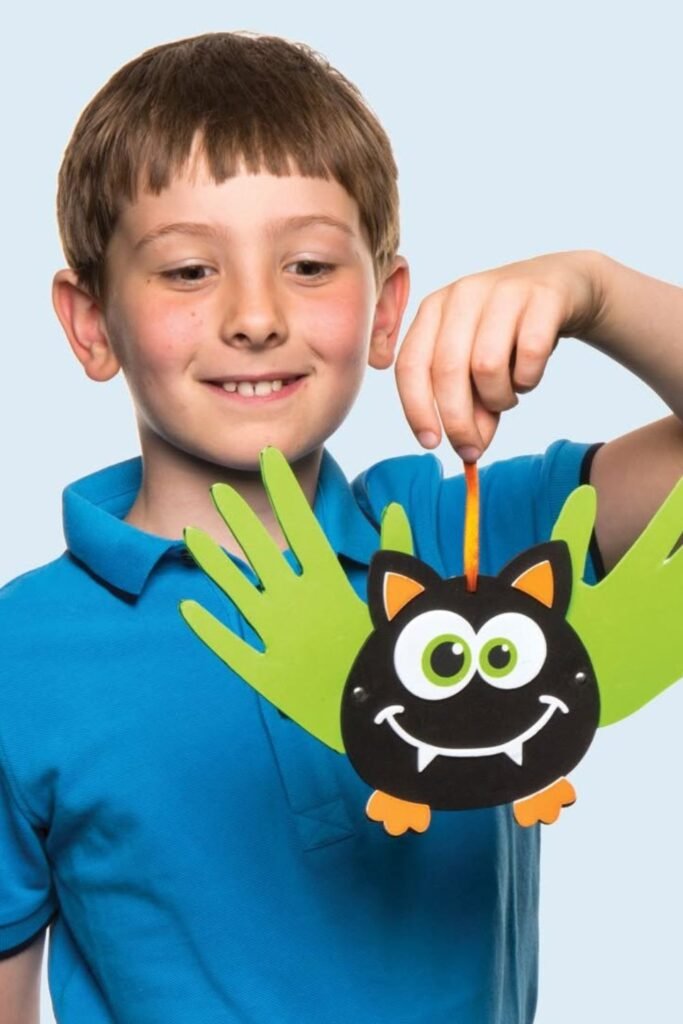
Handprint Bat
Halloween crafts don’t need scary tools to feel fun. Turning traced hands into bat wings gives kids instant excitement.
Because they see their own handiwork reflected in the finished product. Paper, scissors, and glue are all you need to replicate it, whether at home or in the classroom.
It’s best displayed on a door or wall, particularly when children are eager to showcase something they’ve created entirely by themselves.
Paper Trees
Story play works better when crafts turn into scenes instead of single objects. Painted paper trees on cardboard tubes create a small world kids can set up on a table or shelf.
Watercolors, or paint thinned with water, provide for a serene and tidy experience. This approach works well for peaceful afternoons, a section of the classroom.
Any nature-inspired project. Plus it’s simple to recreate with toilet paper rolls, paper cutouts and a little creative arranging.

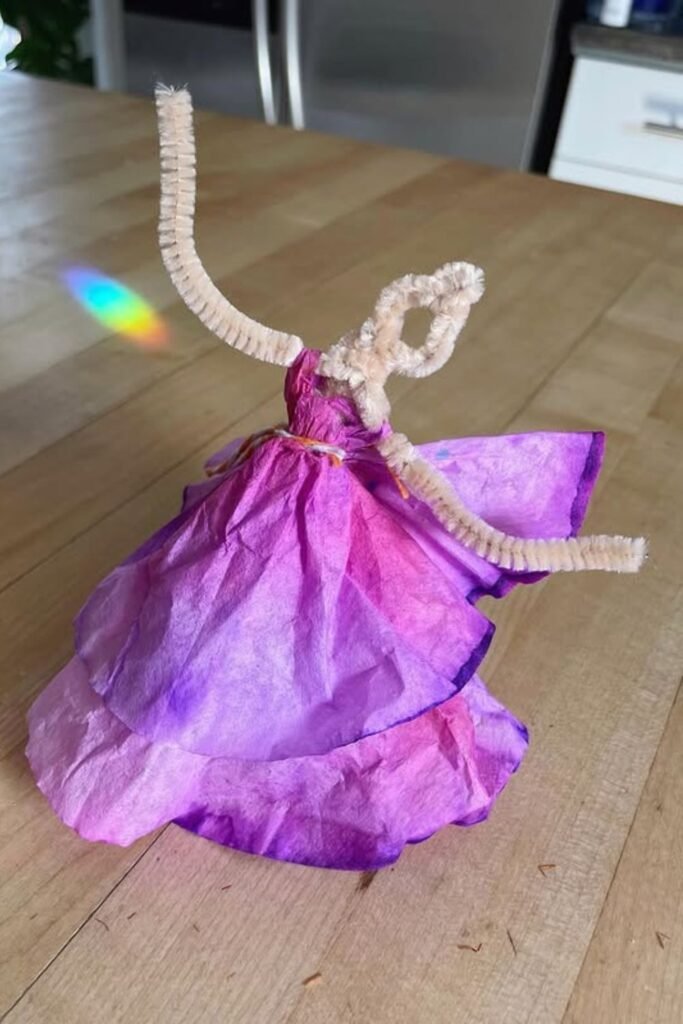
Fairy Doll
Imaginative play comes alive when kids build characters they can move and pose. Pipe cleaners shaped into arms and a simple body give control.
Layered tissue paper transforms effortlessly into a flowing garment. It’s perfect for peaceful play or storytelling.
A simple twist and wrap is all it takes to repeat the effect, allowing children to switch colors, positions and narratives at will.
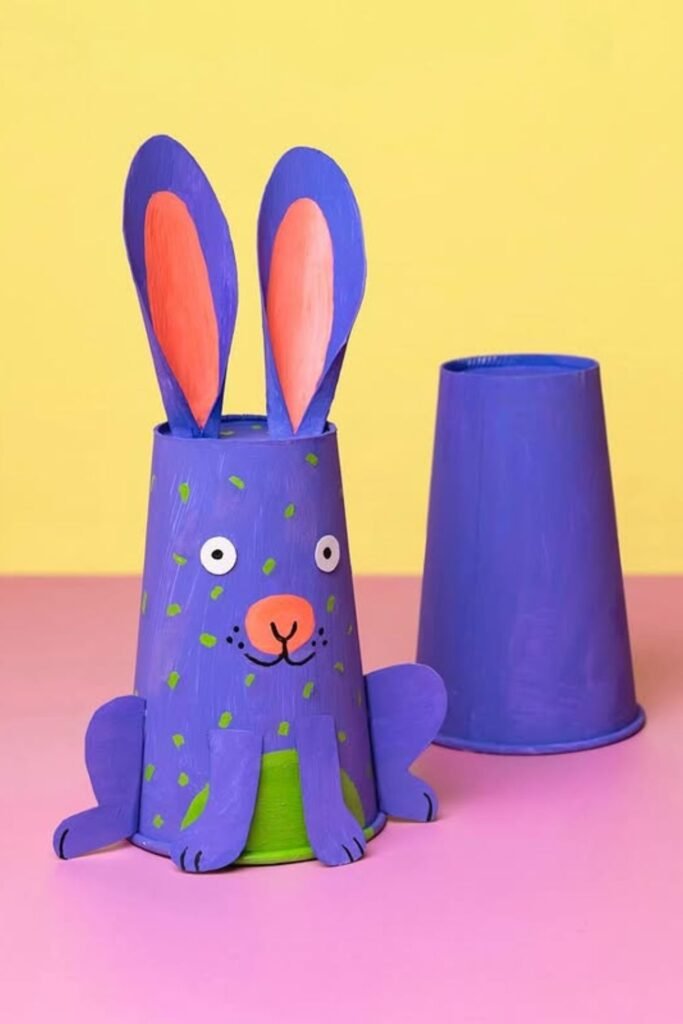
Cup Bunny
Bright colors turn an ordinary cup into something kids want to play with right away. Flipping a paper cup upside down creates the perfect base for a bunny body.
Cut-out ears and some basic paint strokes really make it pop. Its perfect for Easter festivities or a quick craft session on a lazy afternoon.
All you need are some cups, paint, bits of paper and a dash of each child’s unique flair to bring it to life.
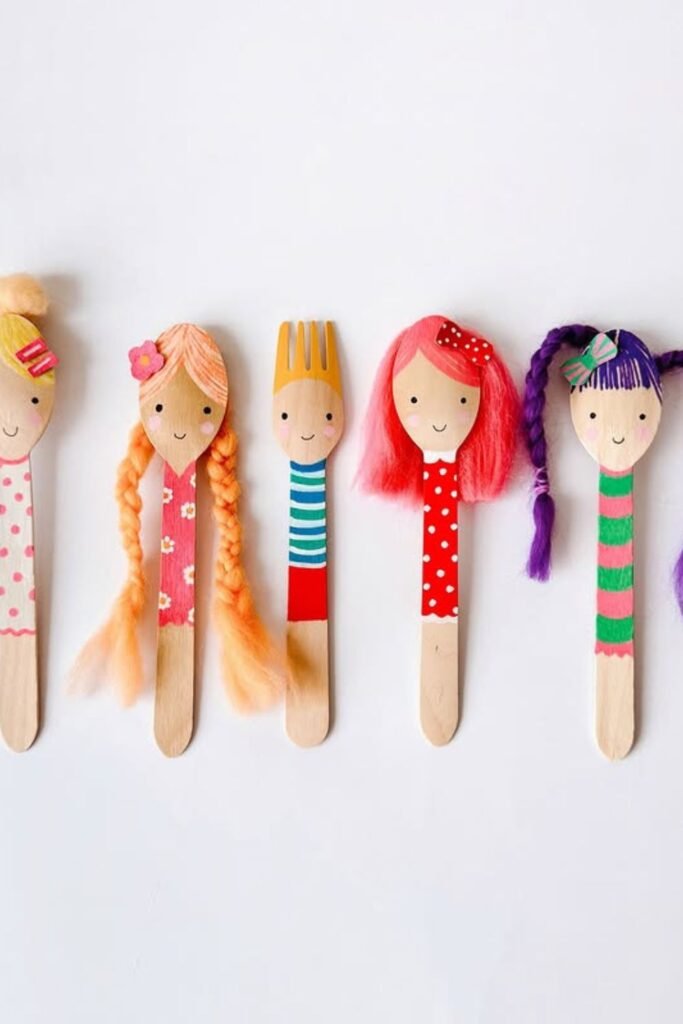
Spoon Dolls
Kitchen spoons turn into characters kids can name, dress, and play with long after craft time ends.
Yarn hair, uncomplicated faces, and painted clothing make the whole thing feel easy and enjoyable.
All you need to bring it to life are wooden spoons, markers, yarn, and glue, giving youngsters the freedom to invent their own characters rather than sticking to a script.
Leaf Prints
Autumn colors feel more special when little hands turn into falling leaves. Pressing painted hands onto paper plates.
Crafting immediate mementos, this approach doesn’t need flawless brushwork. It’s a great fit for nature-inspired projects, autumn-themed activities.
This allows children to relish the experience, and each print becomes a unique, individual creation.

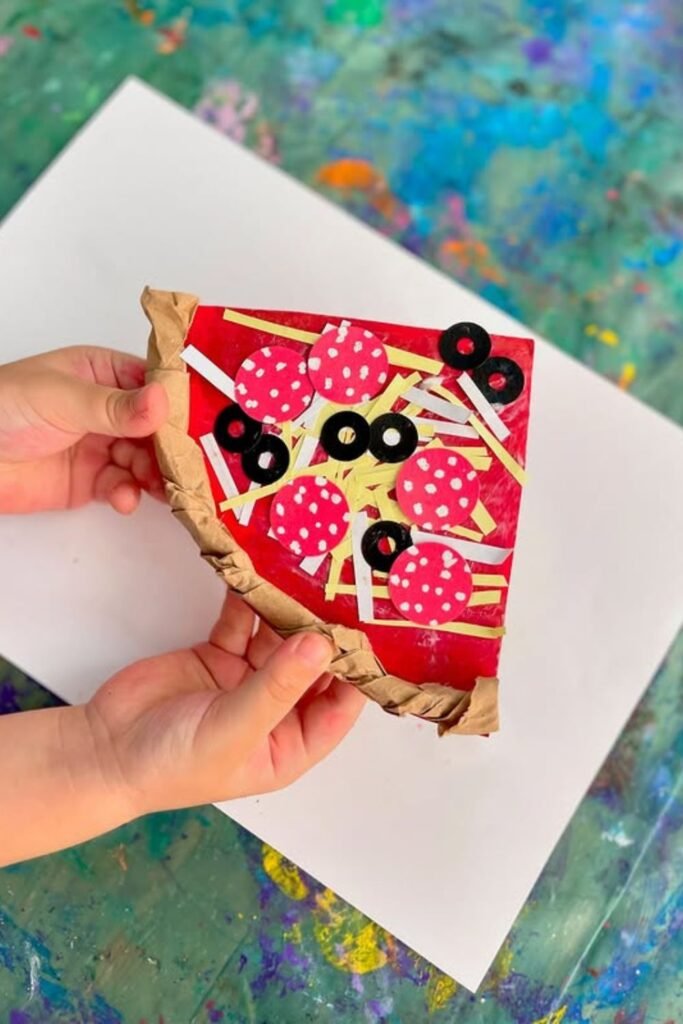
Paper Pizza
Pizza night feels even better when kids build their own slice first. Tearing paper for cheese and toppings keeps hands busy.
Without needing scissors skills. Play kitchens, pretend cafés, or any food-themed setup is perfect for this project.
To recreate it, you will need colored paper, some glue and a triangular base. This gives youngsters the freedom to make their pizza as messy or as ridiculous as they like.
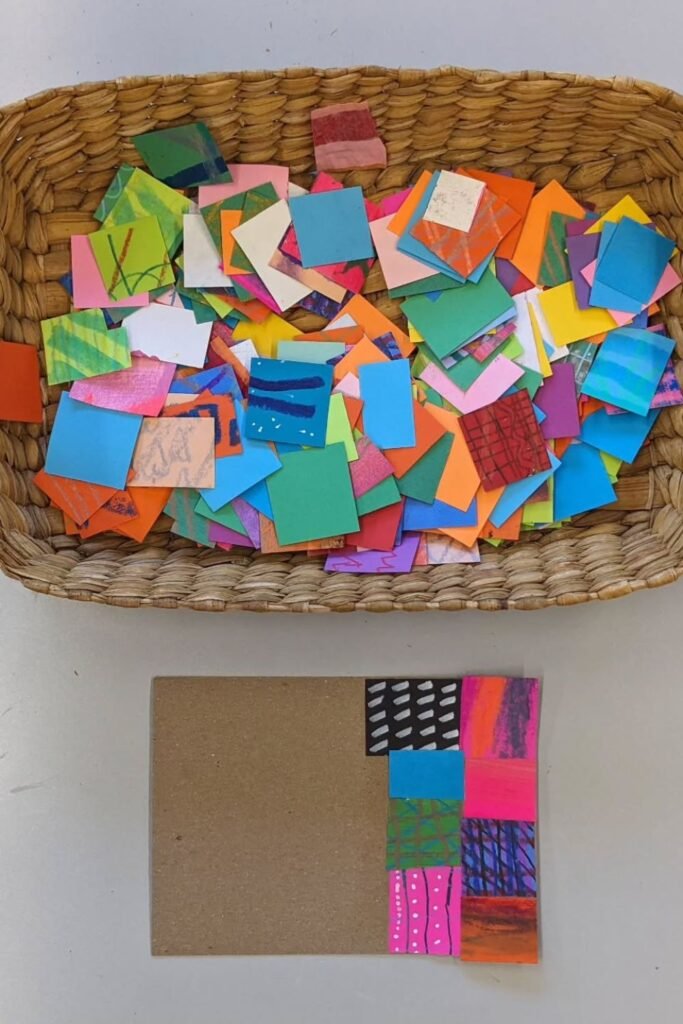
Paper Collage
Loose scraps turn decision-making into the fun part here. Picking colors, patterns, and placement keeps kids focused without pressure to draw perfectly.
Table work or a calm classroom setting is ideal for this concept. All that’s required to bring it to life are cut paper pieces, glue and a simple base.
This allows children to construct their designs at their own pace, keeping their hands engaged and their creative decisions entirely their own.
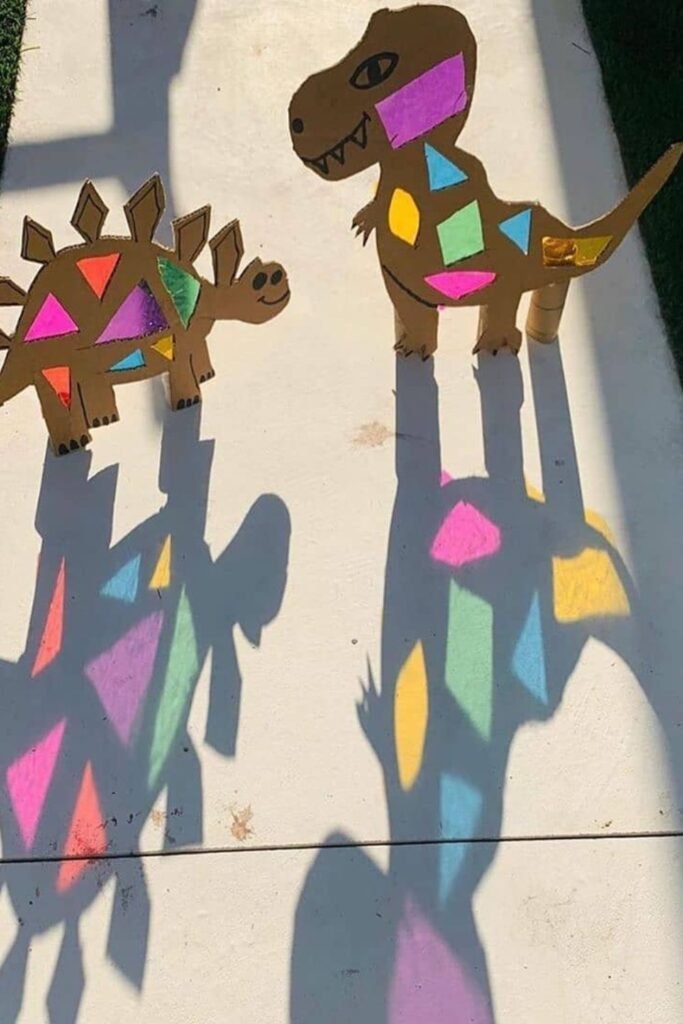
Dino Shadows
Sunlight turns simple cardboard dinosaurs into a surprise show on the ground. Cut shapes add colored cellophane pieces.
Then, head outdoors and let the shadows work their wonders. Sidewalks, patios, or even sunny windows are ideal for this.
It’s simple to recreate using cardboard, glue, and tissue paper and kids get to see firsthand how light and color transform their perception.
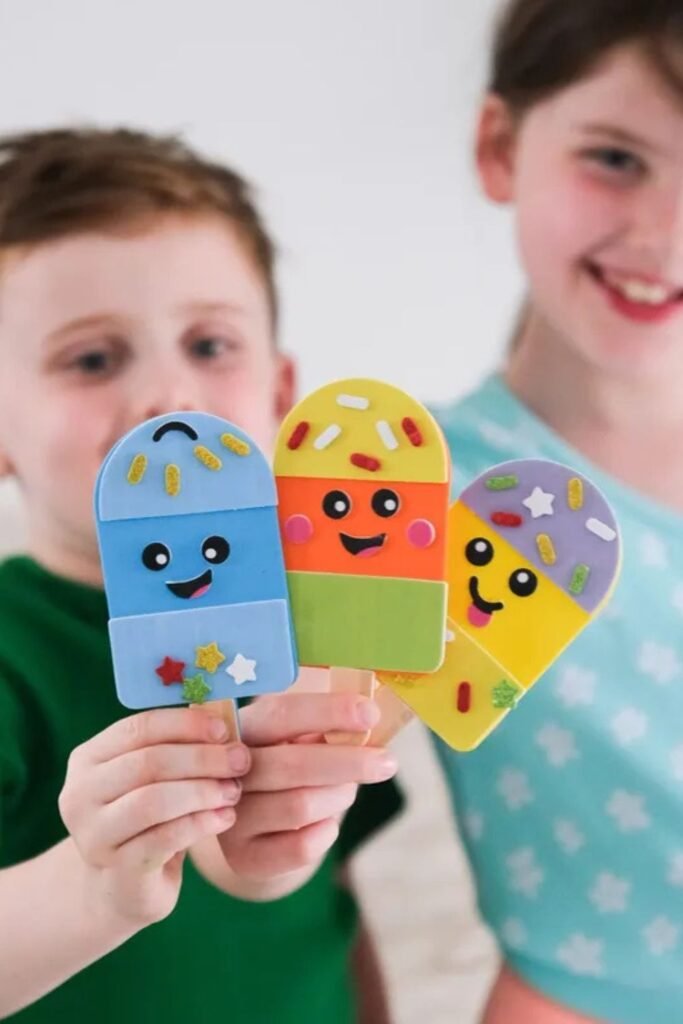
Craft Popsicles
Pretend play feels sweeter when kids get to decorate their own treats first. Foam shapes and sticks turn into colorful ice creams that never melt.
These are ideal for summer-themed activities or play kitchens set up indoors. The best way to replicate this is with craft foam, glue, and wooden sticks.
This allows children to experiment with different faces, colors, and toppings, all while keeping the process tidy and fun.
Bunny Mask
Dress-up moments feel easier with something kids can hold and wear right away. A paper plate face cutout.
A bunny mask comes to life with just some ears, drawn-on whiskers, and a bit of elastic or some sticks.
Making it is easy, requiring only plates, markers, and bits of paper, so youngsters can dive right into the fun without the hassle of drying glue.

Handprint Spider
Paint-covered hands suddenly feel exciting when they turn into creepy crawlers. Pressing palms and fingers creates all eight legs.
Without careful drawing or cutting. Halloween week or a rainy afternoon are perfect for this craft.
It’s easy to replicate, using only washable paint, paper and stick-on eyes. Kids can revel in the mess as the spider shape quickly takes form.

Paper Lollipops
Color choice becomes the fun decision here, not perfect drawing. Spiral lines painted or drawn on circles turn into playful candy shapes once a stick is added.
Party decorations, make-believe businesses or even a fast art session can be great for this. The concept is easy to replicate paper, markers or paint and some ribbon.
This approach allows kids to concentrate on patterns and color blending, freeing them from the pressure of perfection.

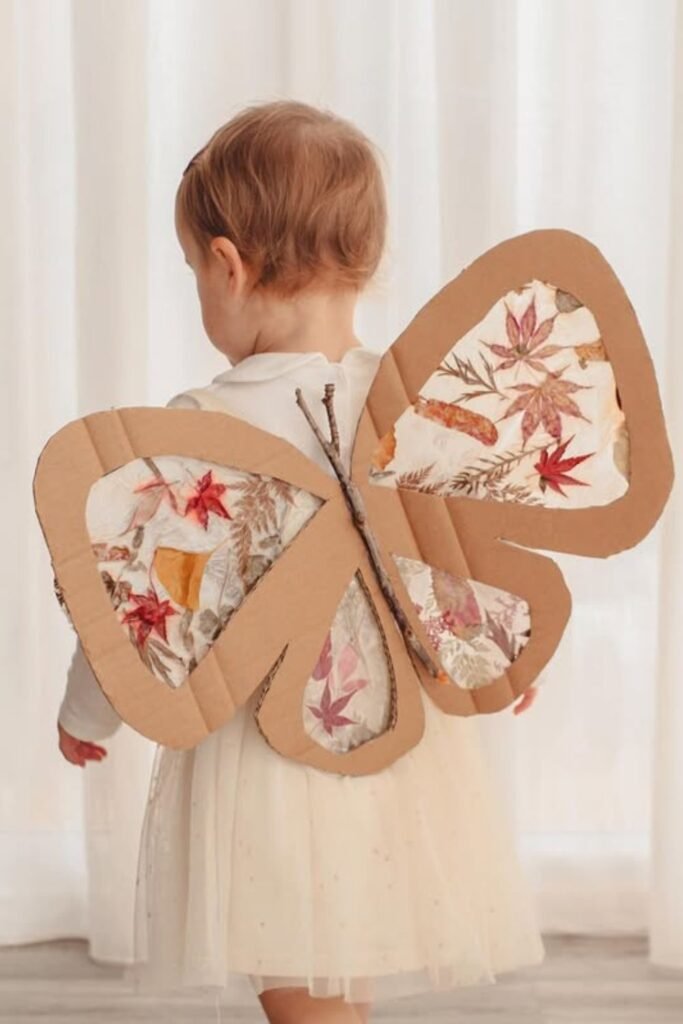
Butterfly Wings
Dress-up time feels calmer when costumes come from simple materials. Cardboard wings filled with pressed leaves or leaf-printed paper.
Make it something toddlers can wear comfortably without a fight. This concept is perfect for indoor play, autumn activities or nature teachings.
To recreate it, use cut cardboard, glue and natural textures. This allows children to move freely, feeling like they’re part of their own small adventure.
Party Masks
Big celebrations feel more exciting when kids hold something they made themselves. Colorful paper masks with feathers.
And those numbers. Instant photo props, perfect for birthdays, school events, or a bit of New Years cheer.
You can take your time with the painting, cutting, and layering; no one needs to feel hurried.

Tube Frog
Movement makes this craft instantly more fun. A cardboard tube turns into a frog body, and a folded paper tongue gives kids something to pull, flick, and laugh about.
Nature-themed projects or animal units are ideal for this. The best way to recreate them is with toilet rolls, green paint or paper.
And a simple fold for the mouth. This keeps little hands occupied and the play continues well beyond the initial construction.

Yarn Mummies
Wrapping yarn feels oddly calming for kids who like hands-on focus. Cardboard cutouts give the shape.
Looping yarn creates the mummy effect no glue mess or complicated instructions required. This project is perfect for October crafts or a calm afternoon at the table.
All you need to replicate it are some cardboard, white yarn and stick-on eyes, allowing children to decide just how tidy or chaotic their mummy will be.

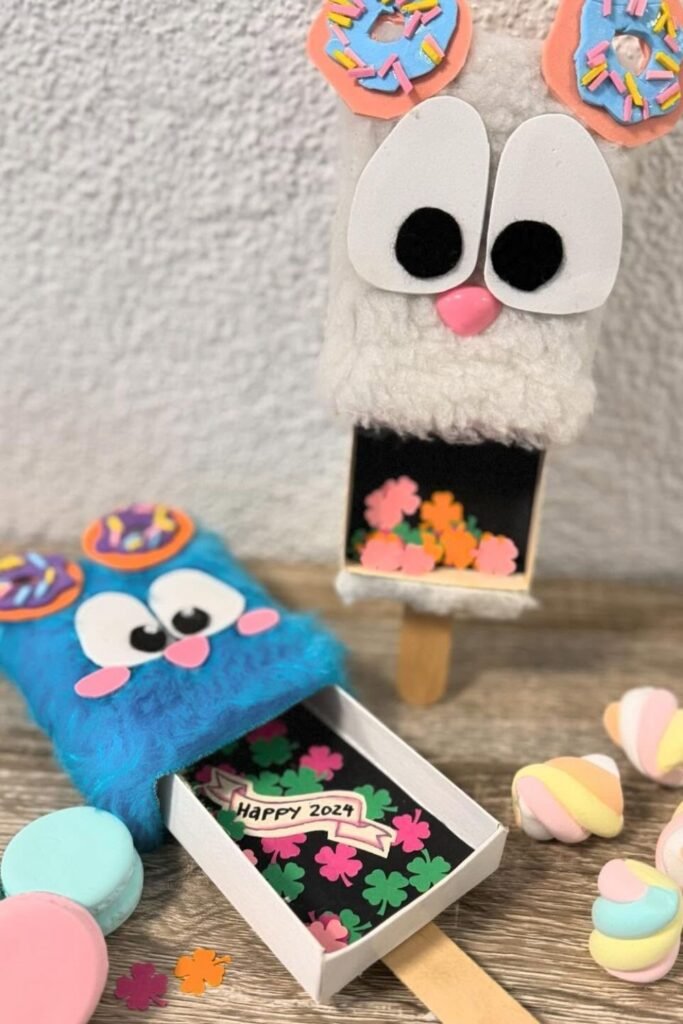
Surprise Pops
Curiosity keeps kids hooked with this one. A popsicle-shaped character opens up to reveal tiny messages, paper shapes, or treats hidden inside.
Party favors, countdown games, and seasonal crafts all find a home in this space.
Replicating the concept is straight forward using little boxes, craft paper, and a stick.
Bead Caterpillars
Tiny hands stay busy longer when there’s something to thread and bend. Colorful beads sliding onto pipe cleaners turn into wiggly caterpillars resting on paper leaves.
Springtime themes, fine-motor skills, or a peaceful table activity are perfect for this. All it need are beads, pipe cleaners, and leaf cutouts.
This setup allows children to experiment with colors, all while quietly honing their focus and dexterity.

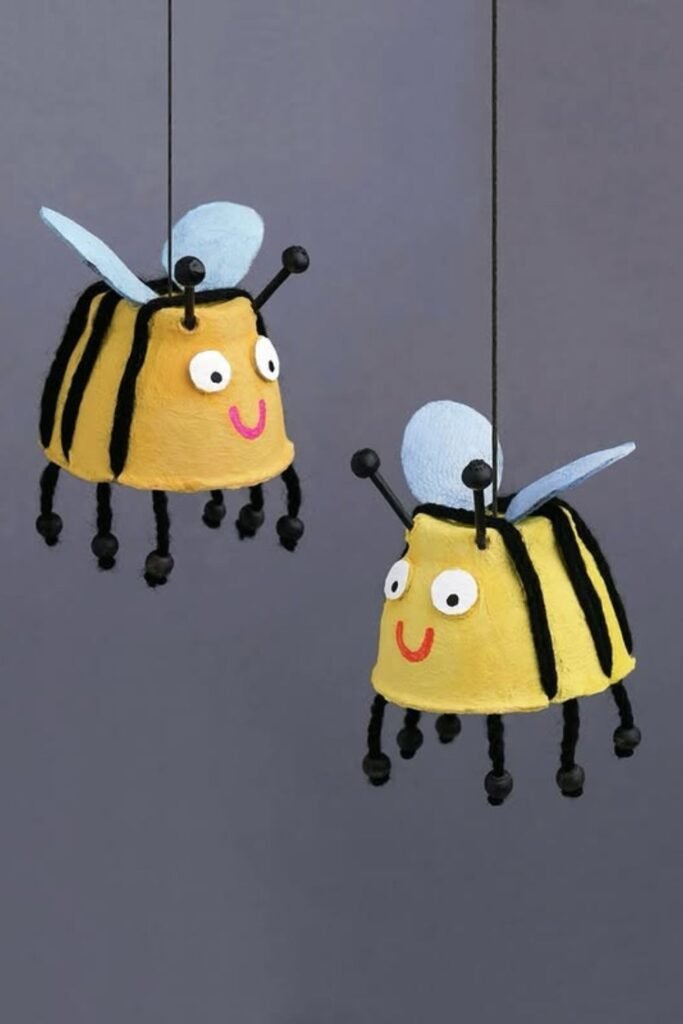
Hanging Bees
Movement adds excitement without extra effort here. Egg carton cups flip into bee bodies, and dangling legs make them bounce when hung from string.
Windows, reading nooks, or the ceilings of a classroom are ideal spots for this project.
It’s easy to replicate, requiring only egg cartons, paint, pipe cleaners, and some thread.
Hand Trees
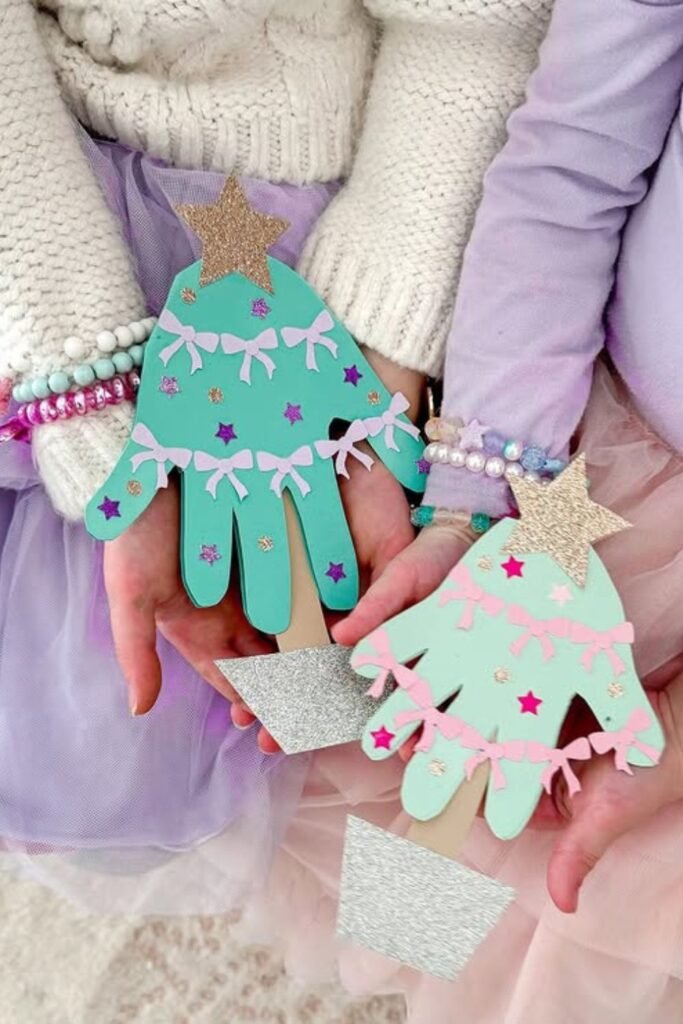
Holiday crafting feels more personal when kids see their own hands turned into decorations. Green handprints stacked with bows and stars.
Craft a tree shape, ideal for keepsakes or gift tags. It’s a fantastic project for winter crafts, school holidays, or family craft days.
All you need are paper, scissors, glue and a stick to recreate it. This allows kids to embellish as they choose while the shape remains straightforward and recognizable.
Bunny Cups
Painted cups turn into something kids actually want to hold and play with. Flipping the cup upside down creates a sturdy bunny body.
Foam shapes and stickers are quick ways to inject some character. This approach is perfect for Easter tables, craft stalls or even just a weekend of fun.
The beauty of it is the simplicity plastic or paper cups, some paint and glue. This keeps the youngsters focused on the fun stuff the faces and the little details.

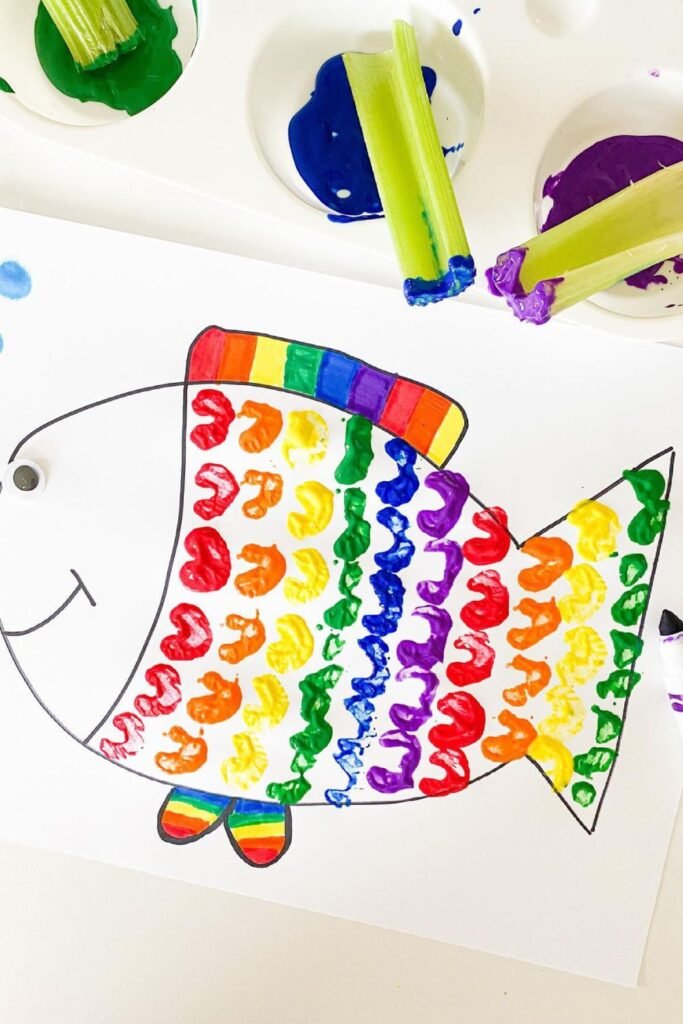
Rainbow Fish
Color play keeps attention longer than perfect lines ever will. Stamping paint with everyday items fills the fish shape fast, turning dots and swipes into bright scales.
Art centers, ocean themes, or brief creative respites are perfect for this concept. Its simple to replicate, using paint, a basic outline and anything that produces a playful print.
This approach allows children to experiment with color patterns, freeing them from the pressure of drawing proficiency.
Cardboard Farm
Small worlds keep kids busy longer than flat crafts. Cardboard tubes and boxes stacked into ramps and platforms create a playful farm scene.
A space where chicks can roam, find shelter, and investigate. It’s ideal for sensory play or those long, unstructured afternoons.
To make it, you just need some leftover cardboard, glue, and a tray to hold it all. This setup allows youngsters to shift things about and create fresh routes each time they play.

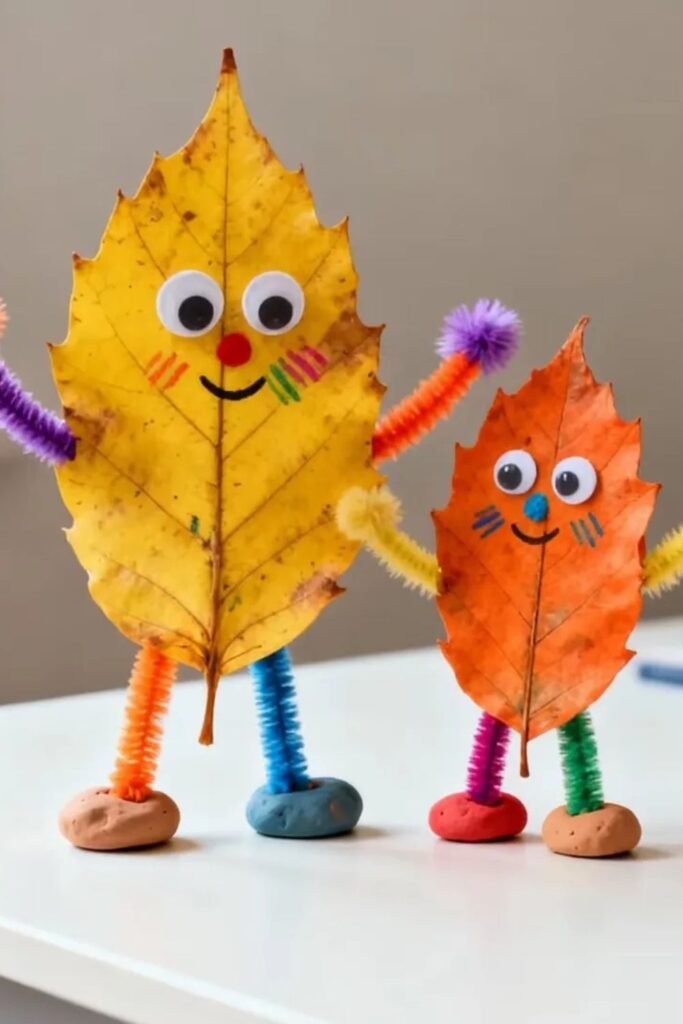
Leaf Friends
Autumn walks turn into craft time once fallen leaves come inside. Real leaves become little characters with pipe cleaner arms and legs.
Giving youngsters something to pose and move is key. Nature tables, autumn-themed lectures, or quiet indoor play are all good options.
Recreating the scene is simple, too using dried leaves, pipe cleaners, clay or dough for the base and some stick-on eyes to animate each leaf.
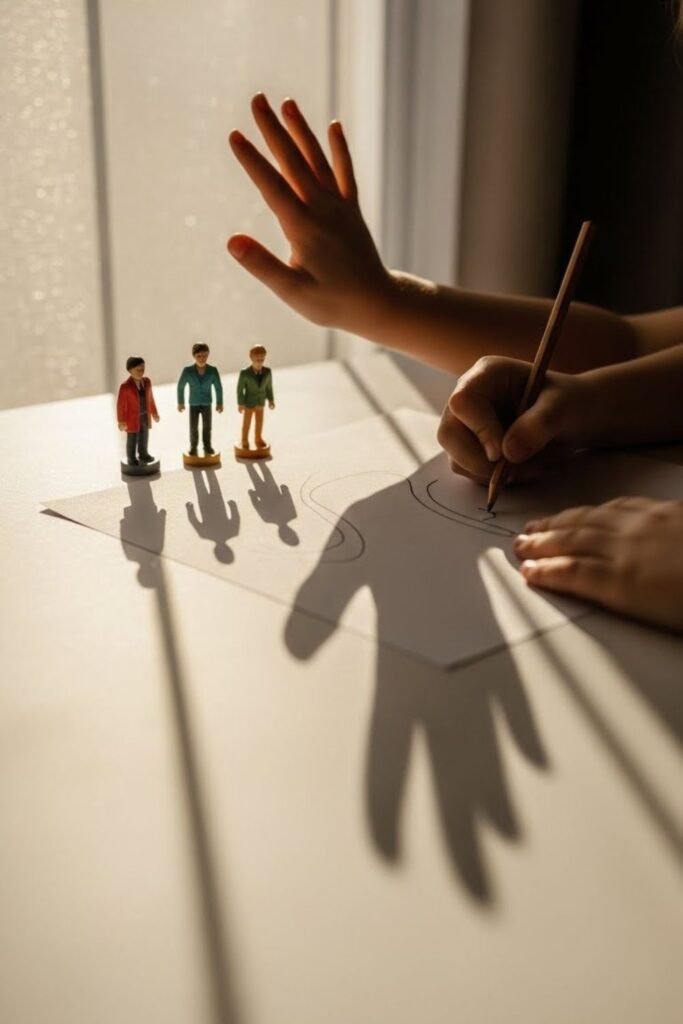
Shadow Tracing
Late afternoon light does half the work here. Place small toys or hand shapes near a window and trace the shadows on paper as they shift.
Children’s curiosity thrives on the ever shifting landscape of the present. It’s particularly effective on bright days, when a bit of peace and quiet is desired, free usual clutter.
The process of recreating this effect requires paper, pencils and a measure of patience, transforming light into the very instrument of creation.
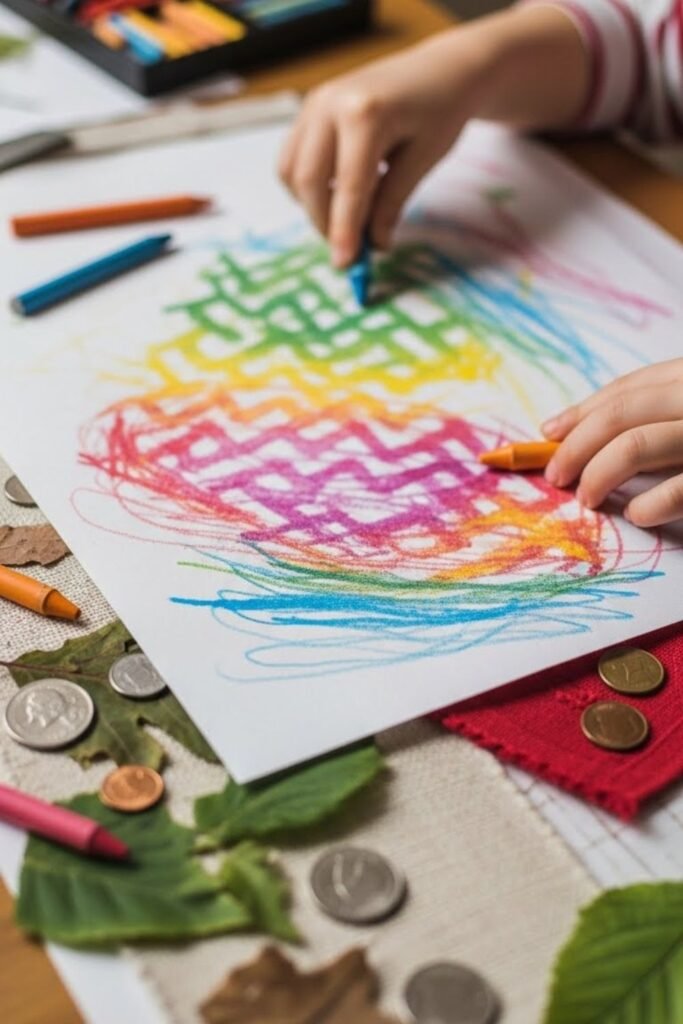
Texture Rubbings
Curiosity kicks in once kids realize paper can copy surfaces. Leaves, coins, bricks, or fabric hidden under paper create surprise patterns with simple crayon rubs.
Indoor days or learning corners are perfect for this. You only need thin paper and crayons to bring it to life.
This allows children to explore textures without the need for scissors or glue, all while naturally developing their observation skills.
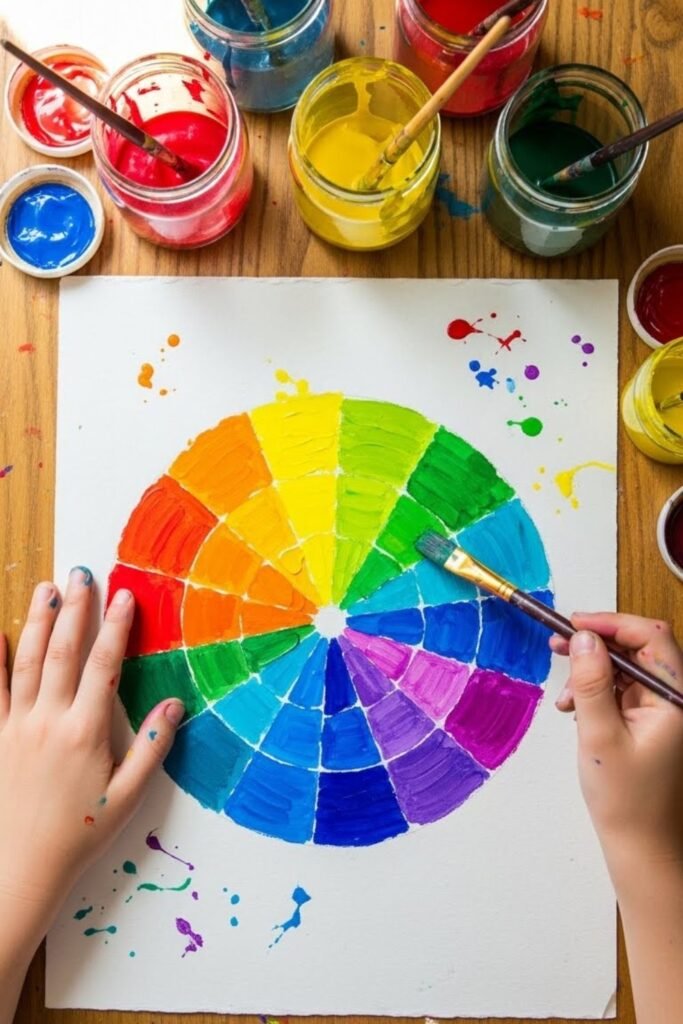
Color Wheels
Decision-making becomes the main activity here. Dividing a paper circle into sections and mixing colors in each space shows kids.
How colors shift when they touch that’s the core of this. It’s a concept that lends itself nicely to art projects or even learning days.
To recreate it, you’ll need paint, a brush, and a basic circle template. The goal is to give youngsters the space to play, to explore, rather than striving for a flawless outcome.
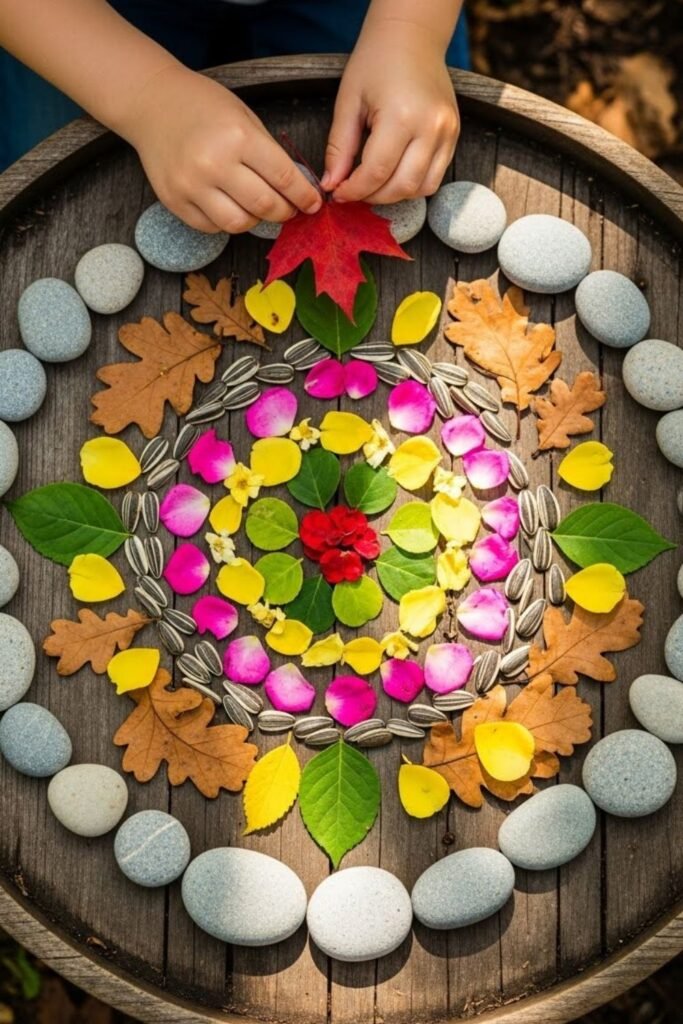
Nature Mandalas
Calm moments grow when kids arrange instead of glue. Stones, leaves, seeds, or petals placed in repeating patterns turn into temporary art outdoors or on trays.
This activity shines when the world is still or when you’re out in nature. You just need some discovered objects.
And a level surface to get started. Its a way to explore balance and design, without the expectation of permanence.
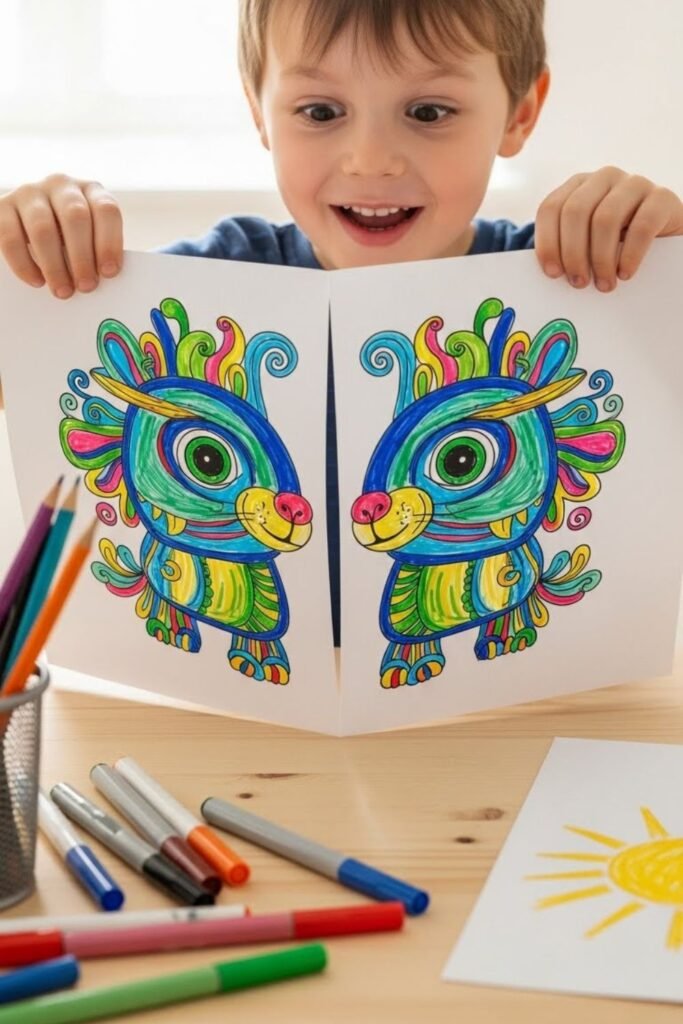
Fold Creatures
Surprise keeps attention locked in with this one. Folding paper in half before drawing creates mirrored animals once opened.
Quiet table time or painting stations are a great fit. All you need to recreate it is paper and markers.
Kids can enjoy the reveal learning about symmetry with out even realizing they are doing it.
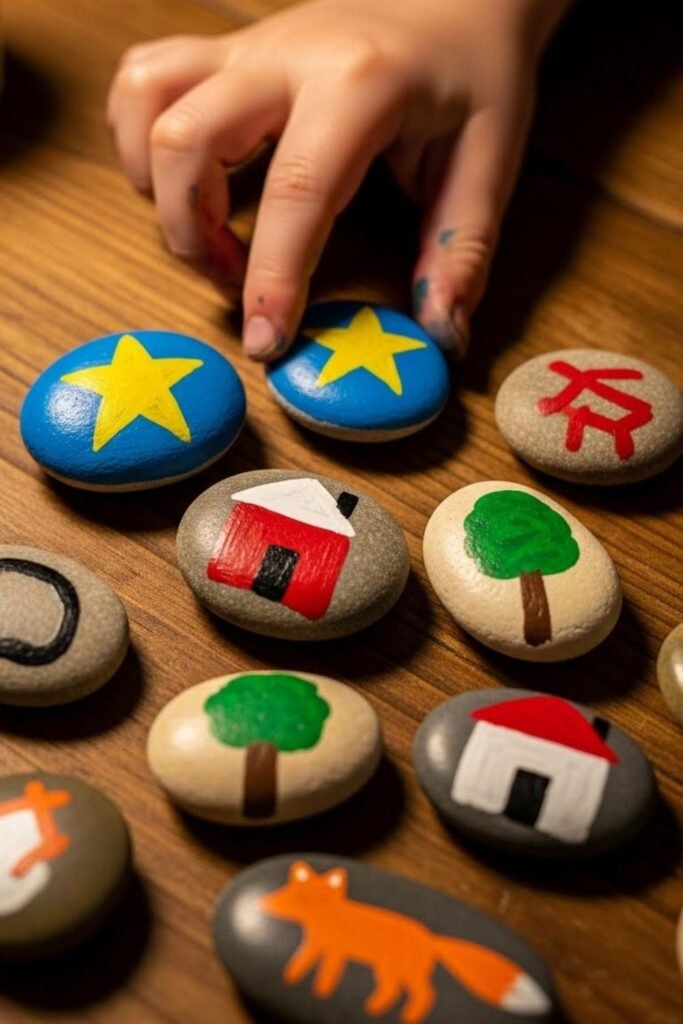
Story Stones
Imagination flows faster when ideas feel physical. Smooth stones painted with simple symbols become story starters kids can mix and match.
This is great for both group activities and solo storytelling. To make it, you’ll need stones, paint and some time for everything to dry.
This process gives youngsters a chance to create narratives without ever picking up a pen.
FAQs
What if my child loses interest halfway through a craft?
That often signals the project was a bit too ambitious. Scale back the activity, eliminate some of the steps, or allow your child to pivot if they lose interest.
Even a partially completed craft is a win if your child had fun. The aim isn’t a flawless outcome; it’s about keeping their hands and minds engaged, without any stress.
Do easy crafts still help kids learn anything?
Yes, simple crafts frequently prove more beneficial than their more complex counterparts.
They cultivate focus, refine hand control and foster both decision-making skills and self-assurance.
When children successfully complete a project independently, they experience a sense of accomplishment.
Hi, I’m Afaf! I’m a law student who loves writing about everyday life – from home projects and crafts to fashion, beauty, and parenting tips.
I’ve been writing for over a year, sharing ideas that are simple, practical, and easy to try. I write about things I find interesting and useful, whether that’s organizing a space, trying a new DIY, or finding activities to keep kids entertained.
My goal is to share helpful ideas without making things complicated. If it works in real life, I’ll write about it.
When I’m not studying or writing, I’m usually experimenting with new projects or scrolling for inspiration!