
26 Escape Room Ideas for Kids 2026
Planning a fun activity for the kids can be a minefield of worries. Will they get bored? Is it going to be too hard. What if it all goes horribly wrong.
A lot of those “escape room ideas for kids” out there are either way too complicated, too expensive, or, even if they sound great on paper, just don’t work in real life.
The truth is, kids don’t need anything fancy or overly complicated. They just want some fun puzzles and a simple plan that actually works.
In this article, you’ll find 26 Escape Room ideas that are practical and kid-friendly for 2026.
What Kind Of Puzzles Work Best In Kids Escape Rooms?
The most engaging puzzles for children are those that are straightforward, easy to understand and give them a sense of accomplishment, not frustration.
Visual clues, matching activities, scavenger hunts, and basic codes are far more effective than puzzles that rely heavily on math or lengthy text.
Children remain engaged for a longer period when they can physically interact with the puzzle whether by moving pieces touching objects, or searching for hidden items.
For collaborative play, divide the clues so that no single child can complete the entire puzzle independently.
Save this article for later!👇👇👇

What Supplies Do You Need For a DIY Kids Escape Room?
No need for elaborate locks or expensive gadgets. Begin with what you’ve got. Paper, markers, envelopes, small boxes, cups, toys and sticky notes will do the trick.
Anything you can conceal can become a clue. Forget the printed worksheets; use colors, pictures, or just plain old numbers.
The less you use the simpler the setup and takedown. Keeping it simple means more fun less hassle.
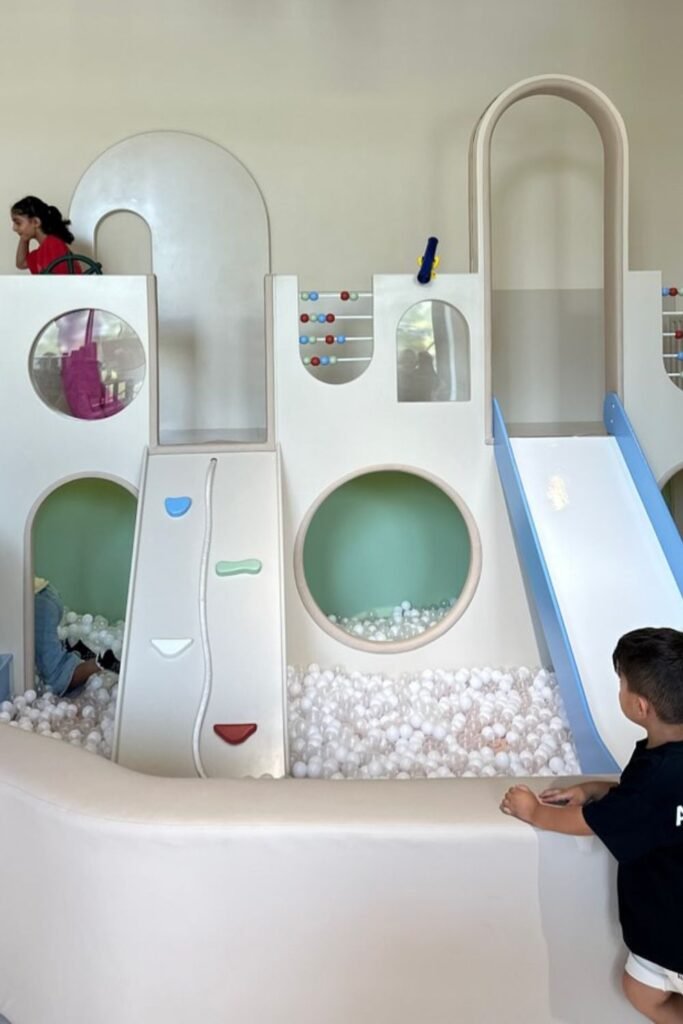
Vertical Zones
Movement across levels keeps kids busy and focused without needing complex puzzles.
Upper platforms might offer the initial clue while slides or ramps could obscure the next move with the ground floor serving as the ultimate solution zone.
At home, consider stacking cushions, utilizing stools, or constructing cardboard levels to make the discovery of clues feel like an achievement, requiring climbing, crawling.
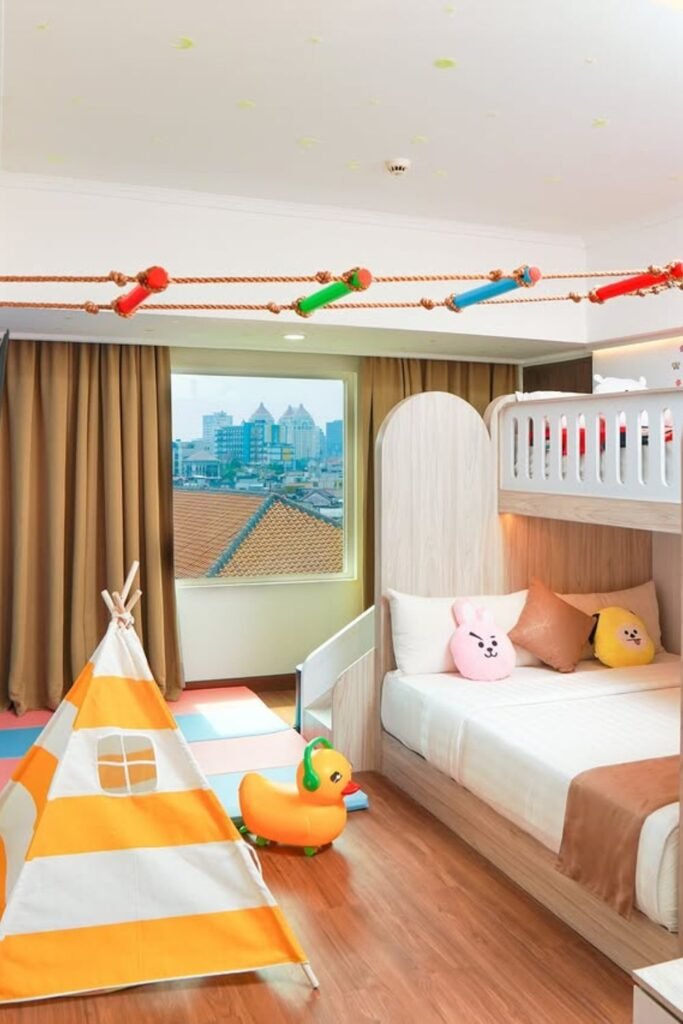
Rope Trails
Overhead paths naturally turn kids into explorers instead of sit-and-solve players. Hanging ropes or lines give you a perfect way to sequence clues in order.
Kids need a guide to keep them focused. Each segment can feature a color, symbol, or word for them to recall. This setup is ideal for bedrooms or playrooms.
You can easily recreate it using thread, yarn or ribbon, securely anchored between walls, furniture or hooks.
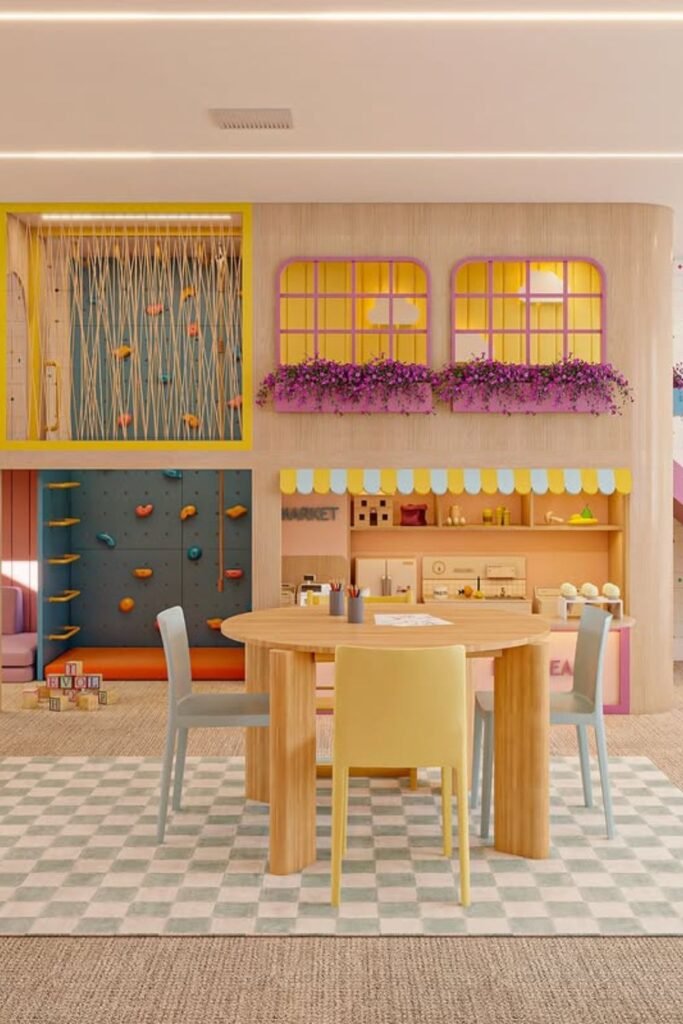
Puzzle Stations
Different zones in one room help kids focus without crowding each other. A table becomes the thinking spot, climbing walls turn into search areas.
Pretend play nooks conceal story driven hints. Children shift between activities organically rather than clustering around a single job.
To replicate this designate a certain puzzle type for each area and ensuring every space serves a function and no one is left idle.
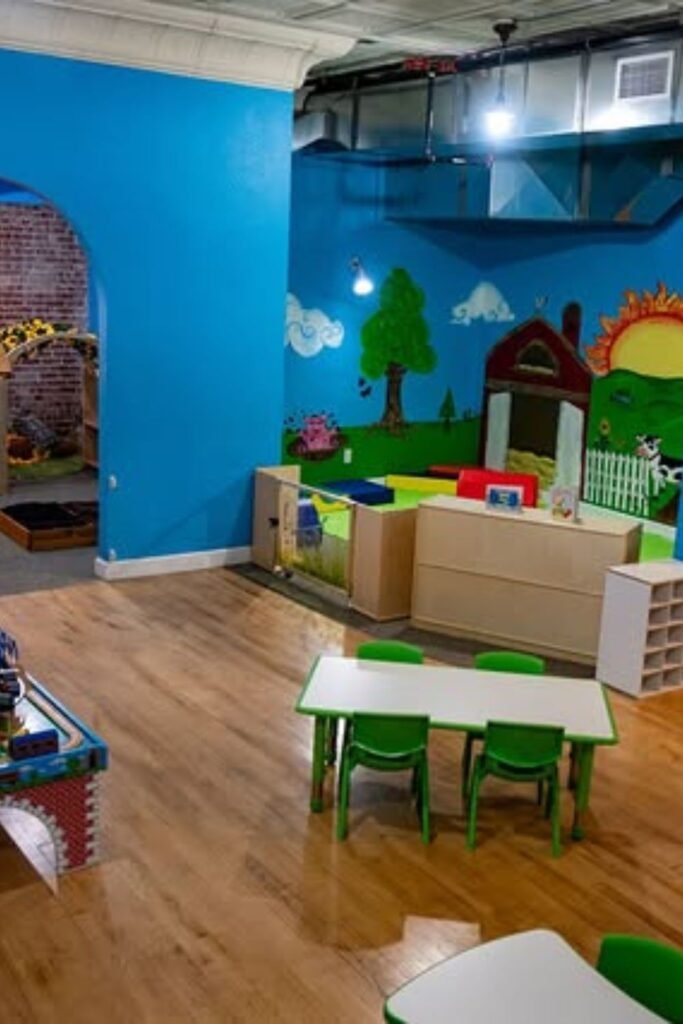
Story Corners
Pretend-play spaces already tell a story so puzzles feel natural instead of forced. Small tables can hold mission cards.
Play kitchens can serve as hiding areas for clues while the toy houses function as safe zones for answers.
This strategy is especially help full for younger children who often learn best via imaginative play.
Hidden Tunnels
Curved slides and low arches naturally slow kids down and turn movement into part of the challenge.
Spaces tucked away are perfect for stashing clues that only become visible when kids get down low or look up.
This approach is ideal for escape rooms and where the thrill of finding things is more important than finishing quickly.
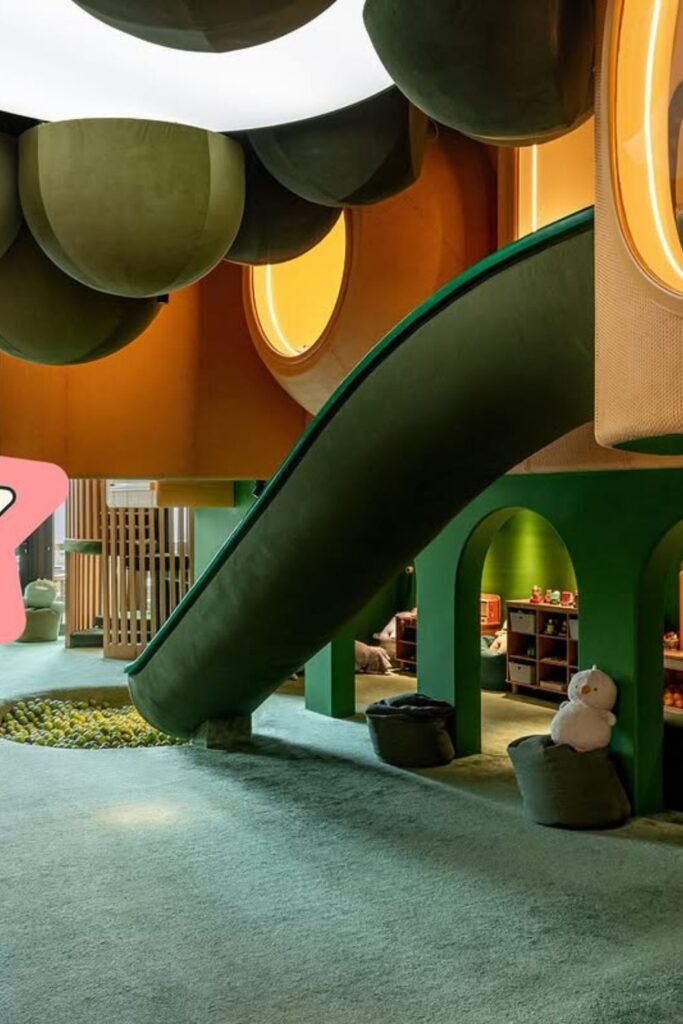
Movement Paths
Floor routes, ramps and soft obstacles naturally guide kids without giving instructions. Paths like these work well for clue sequences where each stop unlocks the next step.
A single floor marker can reveal a concealed symbol another can indicate a task table, and the last can lead to the solution.
This design is ideally suited for compact spaces. Recreate it using tape, foam mats, or pillows, allowing movement to subtly guide the game’s progression.
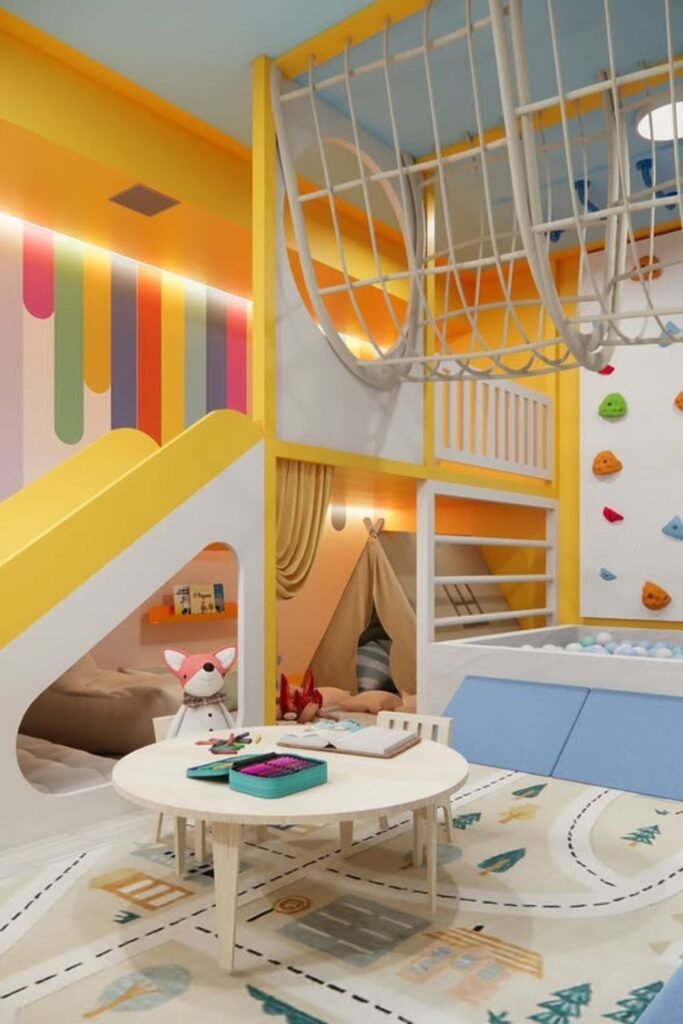
Climb Points
Wall ladders and hanging rings turn effort into part of the puzzle instead of a side activity.
Getting up higher can sometimes give you a better look at things, or even show you symbols that are otherwise hidden. .
This approach is particularly effective for youngsters who have a hard time concentrating while they’re stationary.
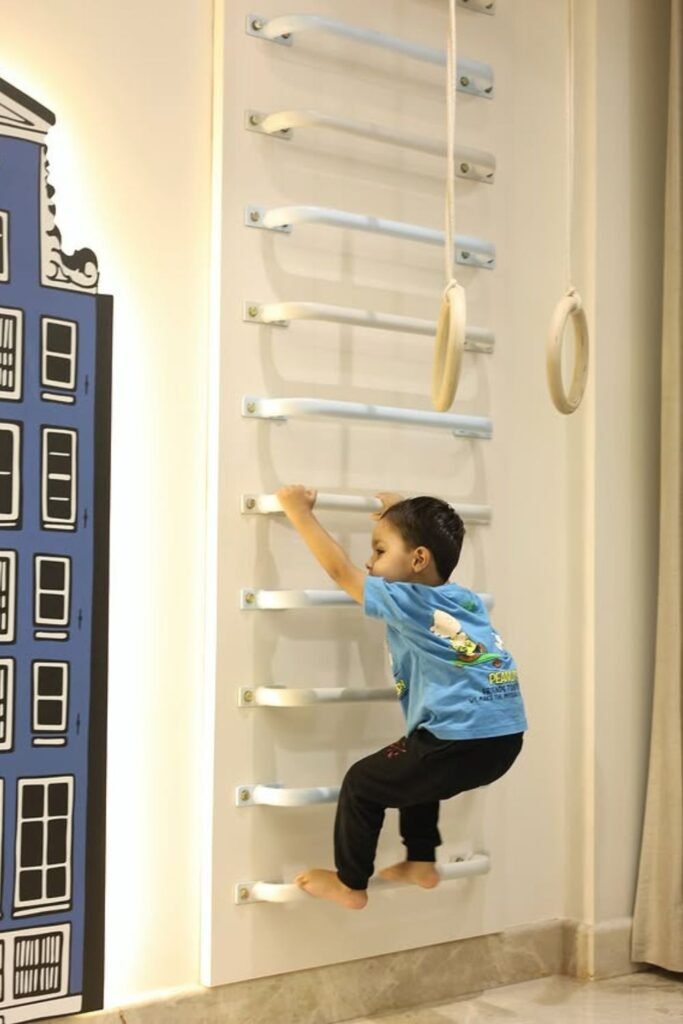
Skill Walls
Grip panels and soft climbing surfaces turn problem-solving into a physical choice game.
Each hold can signify a color, number, or symbol, and kids must touch them in the correct sequence to progress.
At home, try taping paper markers to cushions or walls, and let kids “solve” the puzzle by moving their bodies, rather than remaining stationary.
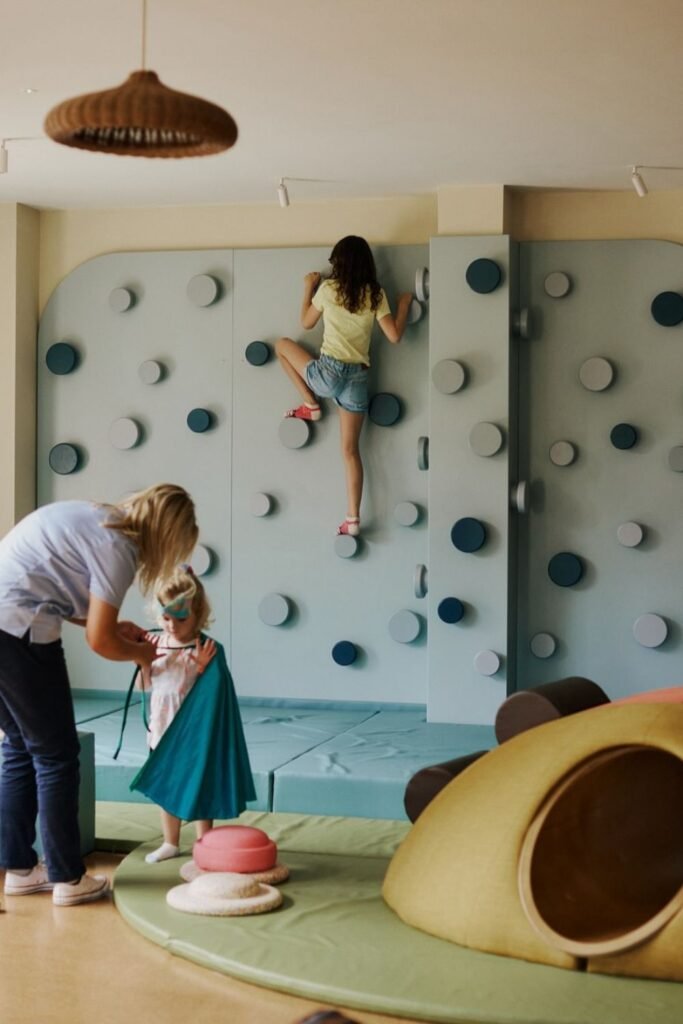
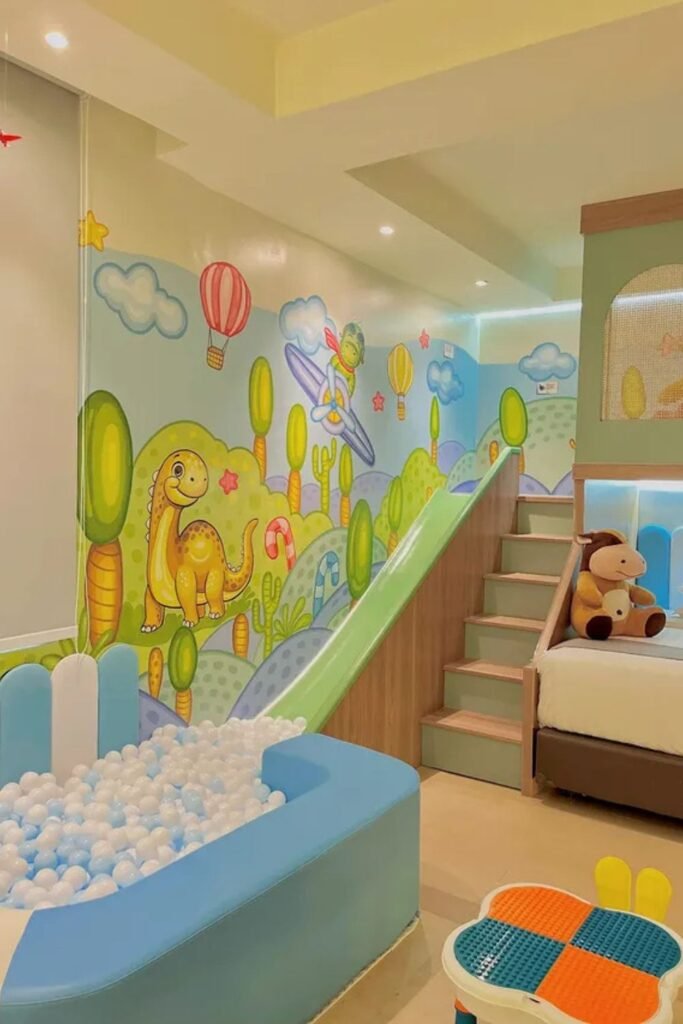
Story Slides
Painted walls and gentle slides already guide kids through a story so clues feel like part of the adventure.
Murals can conceal clues while characters might indicate where to go next. The slide itself becomes a bridge between different puzzle phases.
This approach is particularly effective in the themed escape rooms designed for younger children.
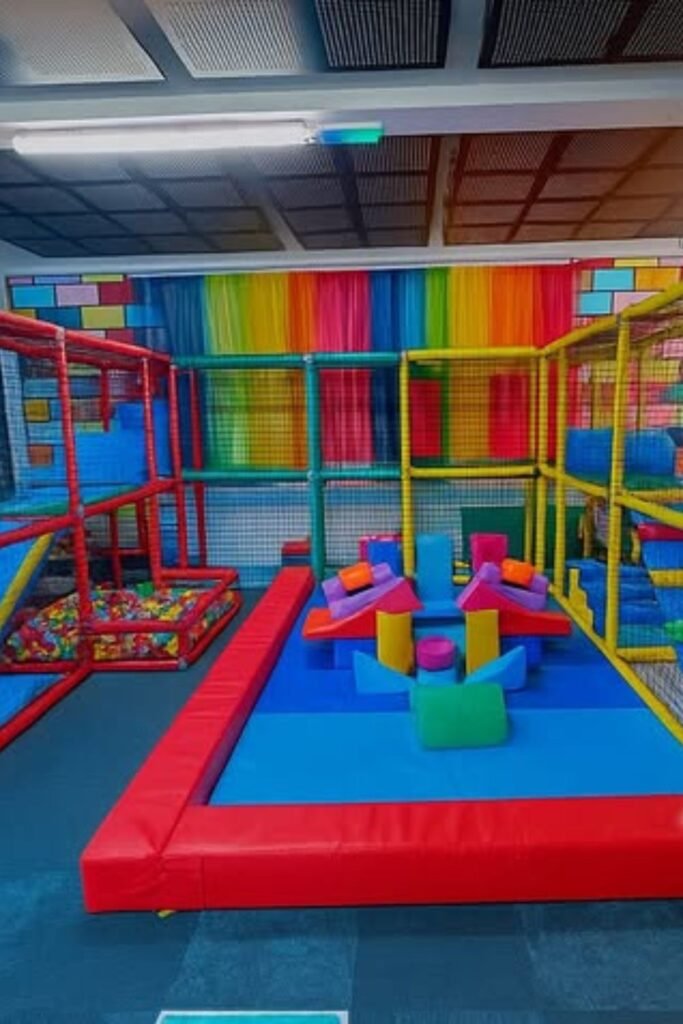
Sensory Zones
Bright colors and soft obstacles naturally invite trial and error, which works perfectly for clue discovery.
Foam blocks, tunnels and cushioned pathways can conceal symbols that children need to spot as they navigate the area.
This kind of arrangement is ideal for energetic groups that thrive on hands-on learning and exploration.
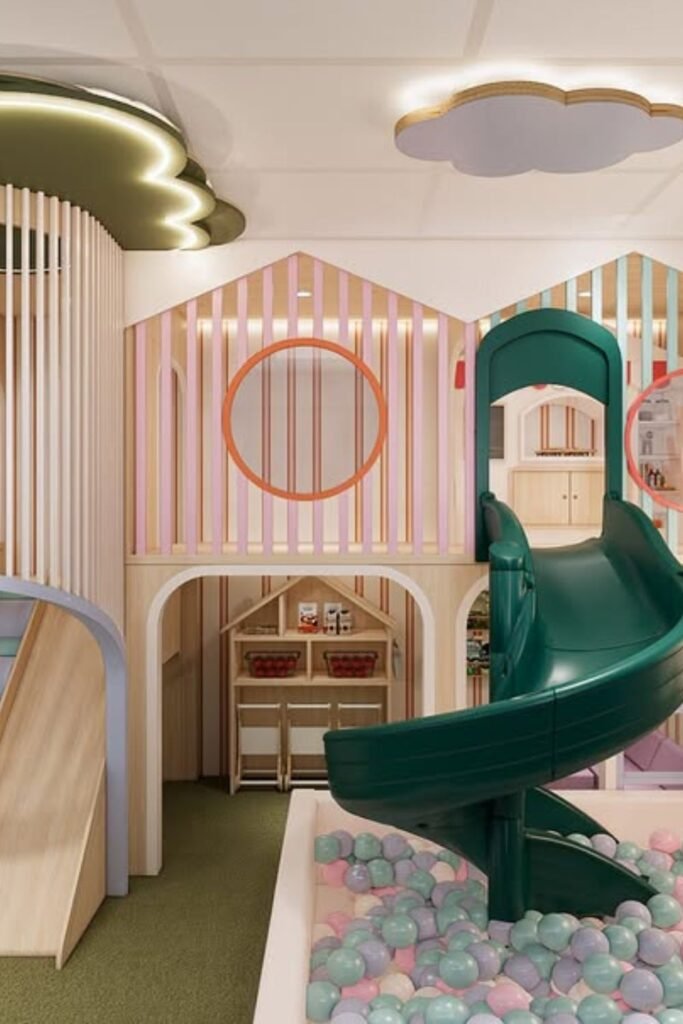
Color Levels
Soft color changes across levels help kids remember clues without writing anything down. One shade can signal where to start, another marks the middle step.
And a final hue points the way to the solution. The use of slides and elevated surfaces gives the sequence a natural flow, rather than a contrived one.
At home, you may use colored paper, tape or even balloons to help children navigate the puzzle simply by following the color prompts.
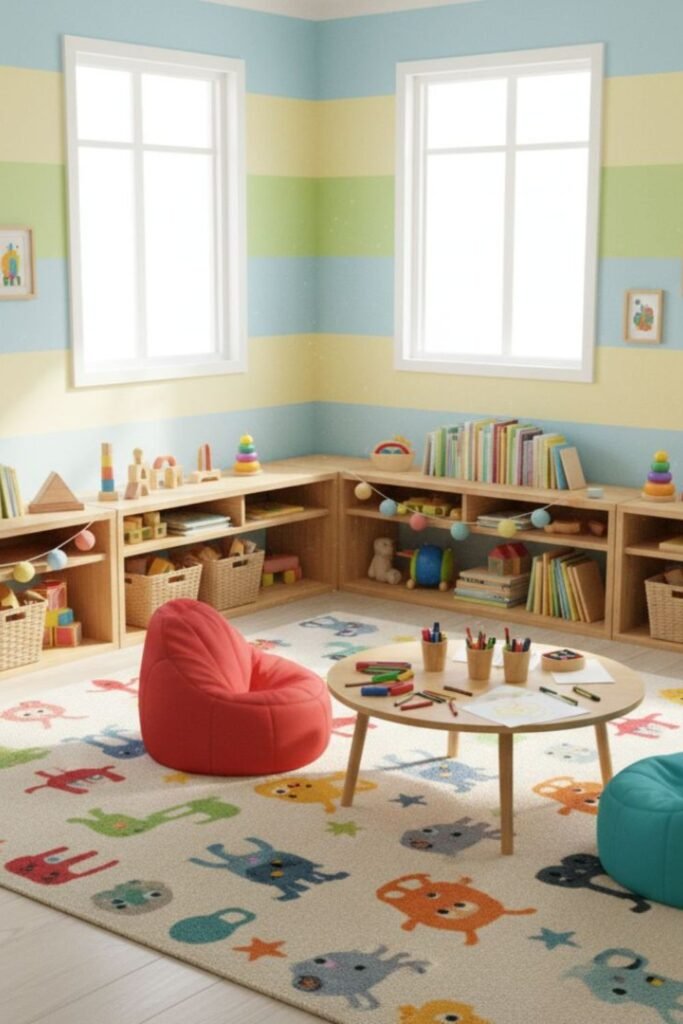
Quiet Corners
Soft seating and low shelves naturally slow the pace, which makes this space perfect for thinking puzzles and final solves.
Books, baskets, and art supplies can hold the answers, but they require a quiet approach, not a frantic search.
Create a designated space at home perhaps a rug with floor cushions, and keep the final puzzle there allowing the excitement to dissipate before the big moment.
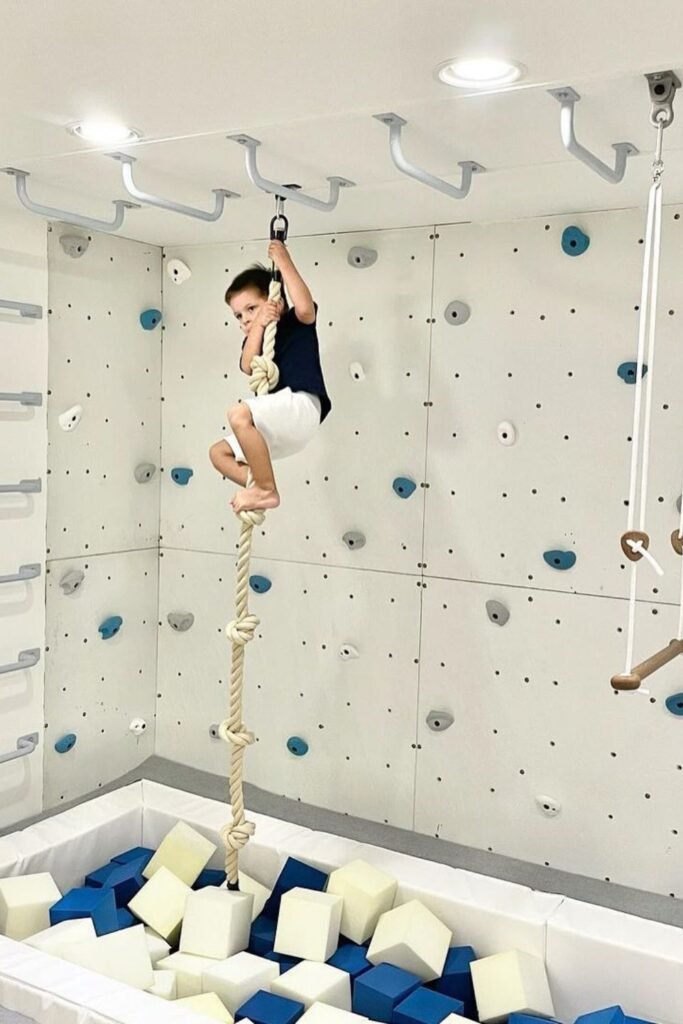
Rope Challenges
Suspended ropes turn problem-solving into a physical mission instead of a desk task. Reaching the right height.
And knot can reveal symbols kids need to remember before moving on. This setup appeals to climbers and those who relish physical challenges.
Then prioritize positioning indications where equilibrium time is crucial and rather than focusing solely on raw speed.
Mixed Levels
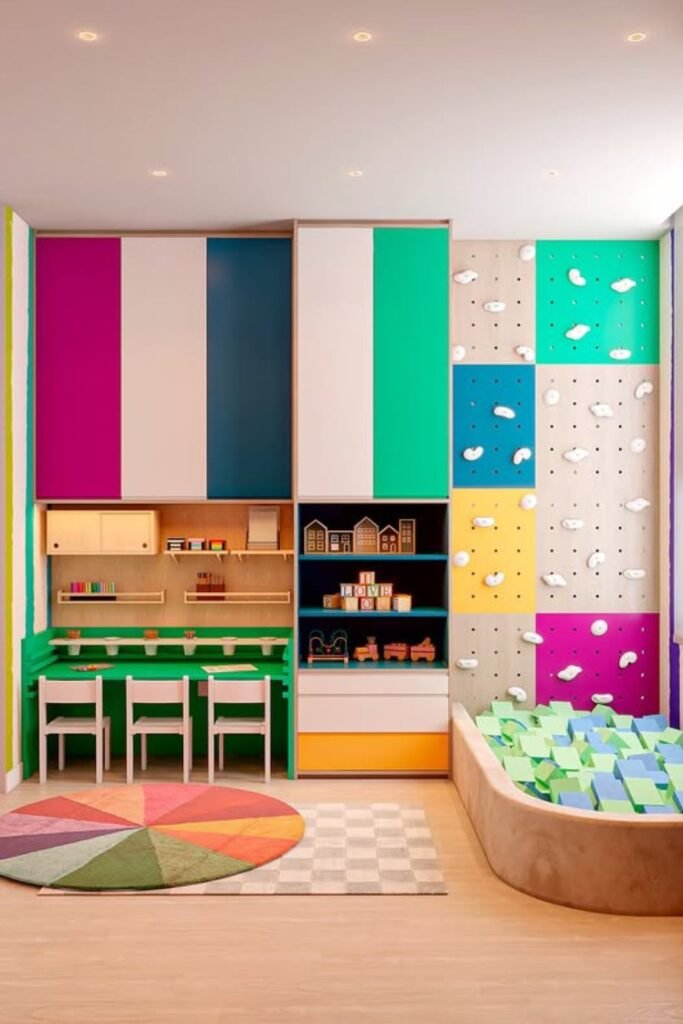
Built-in desks climbing panels and soft pits create natural task switching without telling kids what to do next.
Thinking takes place at the table exploration unfolds on the wall and the payoff is below. This setup is particularly effective when children have varying energy levels.
At home consider pairing a quiet location with an active one ensuring that advancement hinges on transitioning between areas and rather than speeding through a single activity.
Builder Zones
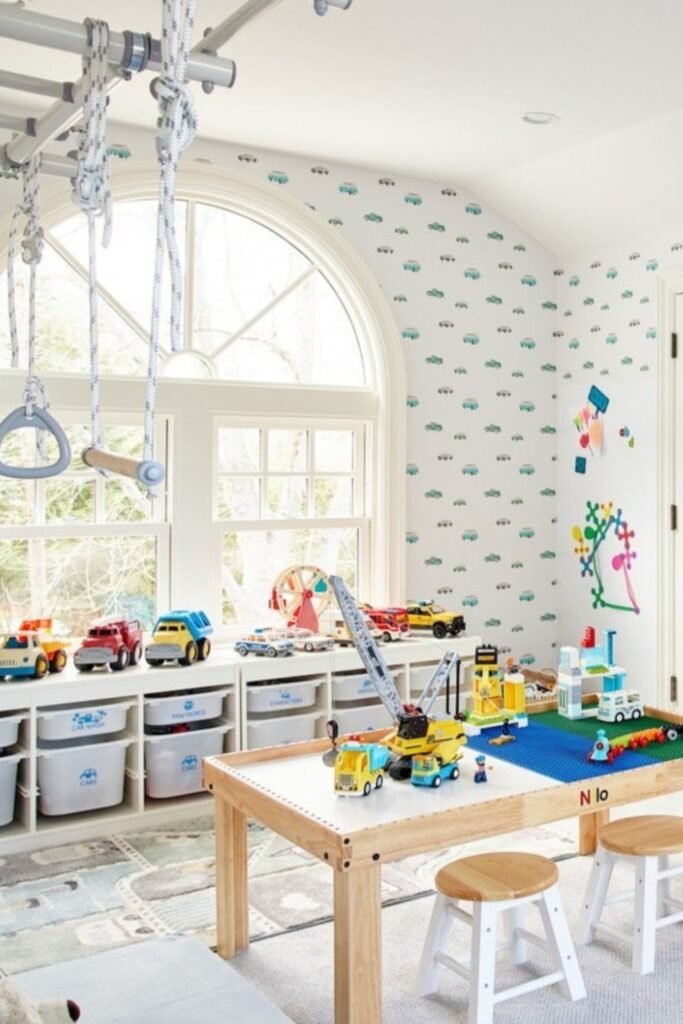
Tabletop worlds give kids a reason to stop, think and test ideas without pressure. Small vehicles, blocks, or figures can conceal clues that only become visible.
When something is shifted or reconstructed. This setup is ideal for logic puzzles situated in the games midsection.
At home clear a table and place clues beneath objects ensuring that advancement stems from rearranging rather than guessing or hurrying.
Secret Tents
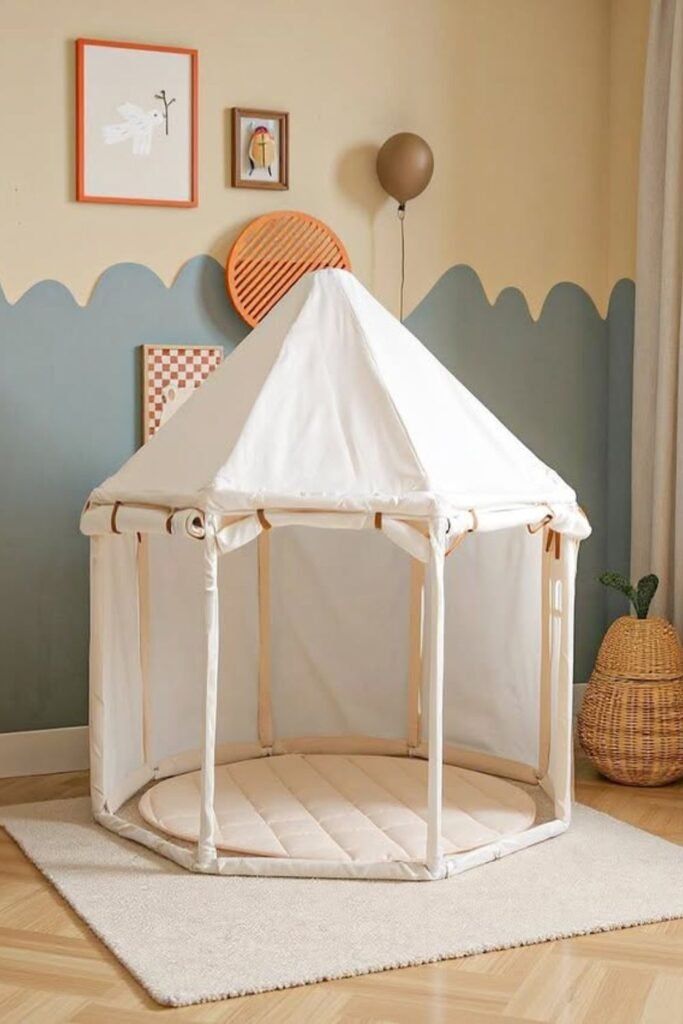
Fabric hideouts have an immediate sense of seclusion, and it makes the hints tucked away within them feel significant. A tent serves as an effective checkpoint
a place where children naturally decelerate. Its a spot for focused reading or for them to assemble information free from interruptions.
The notes tucked beneath the pillows, symbols etched into the interior walls serve to maintain a sharp focus.
Ladder Trails
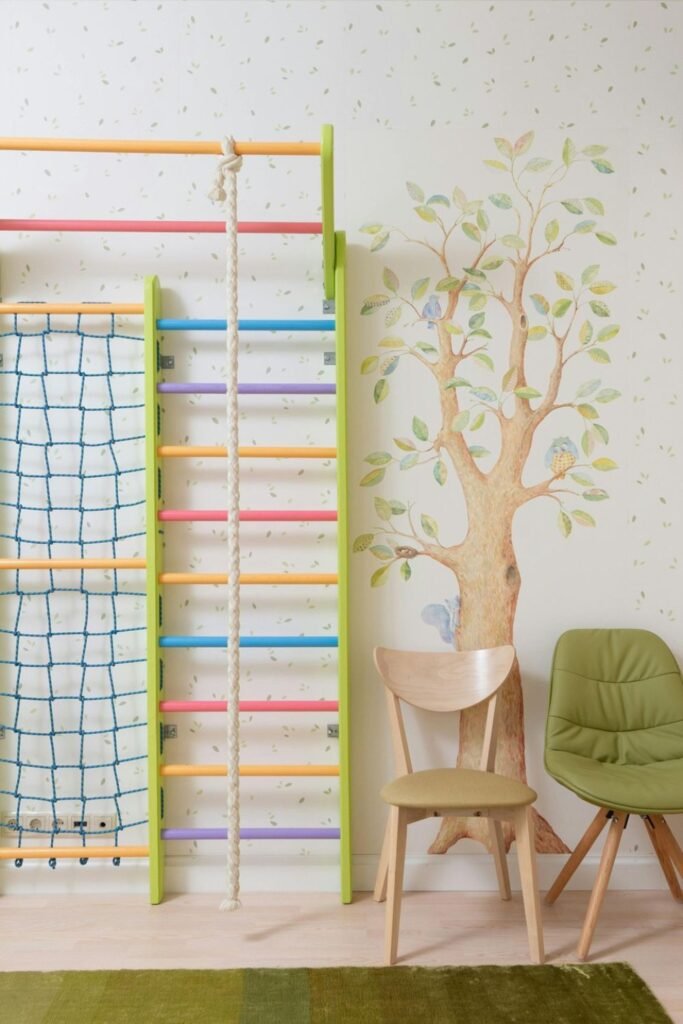
Wall ladders and rope nets inherently transform advancement into a tangible decision rather than a matter of chance.
Each step of the ladder holds a color number and a symbol which students need to gather in the correct sequence.
This setup is ideal for encouraging individual movement preventing a chaotic free for all. To incorporate climbing into the fun at home.
Mini Cities
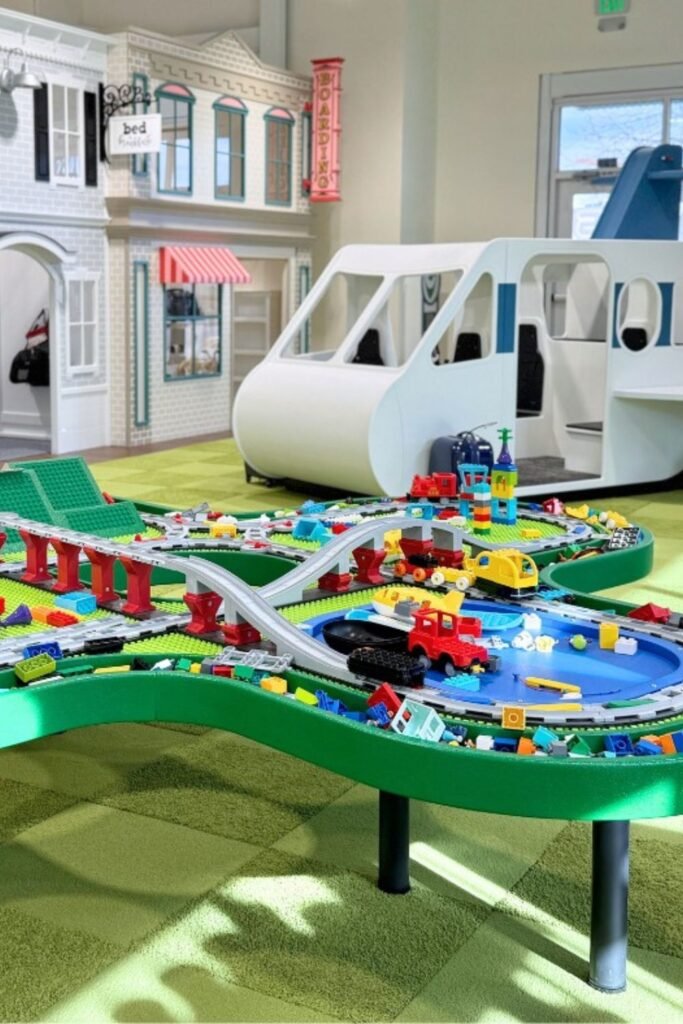
Built-out play towns naturally invite role-playing, which makes clues feel purposeful instead of random.
Streets, buildings and vehicles can all be part of a message that kids need to piece together as they travel through the area.
This approach is particularly effective in story-driven escape rooms that involve several stages.
Layered Spaces
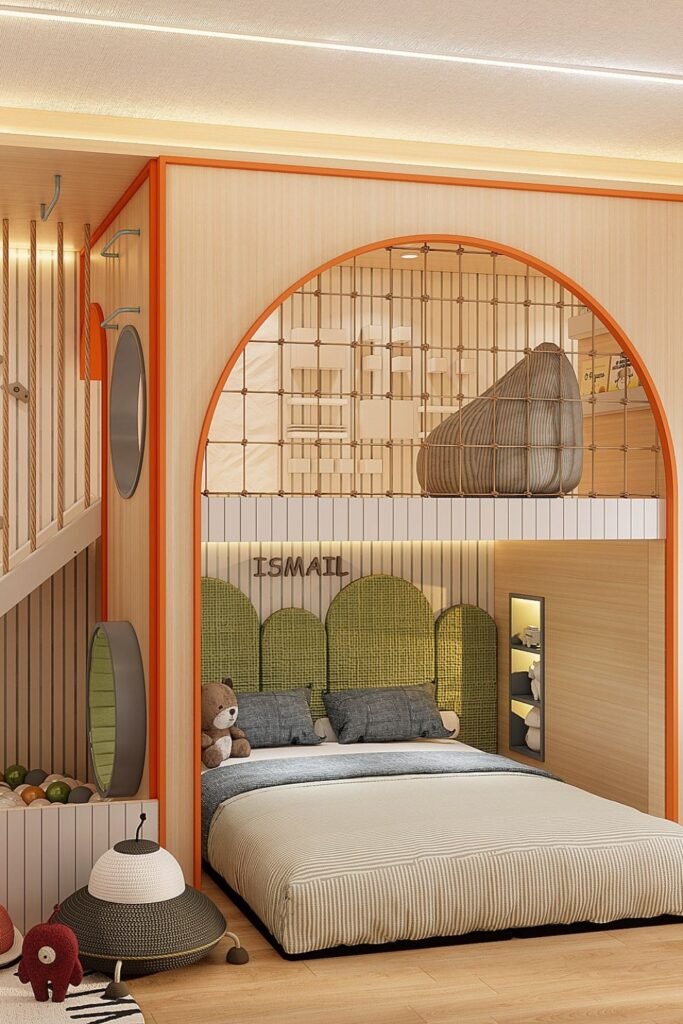
Sleep areas mixed with play zones naturally split focus, which helps control pacing. Upper nets or platforms work for discovery clues.
Lower places near the bed are ideal for jobs that demand a quieter mindset. Children can shift between active play and relaxation without a sense of urgency.
At home consider bunk beds, lofts or elevated platforms. This way, one hint might involve climbing, while the next encourages a more contemplative approach.
Treasure Nests
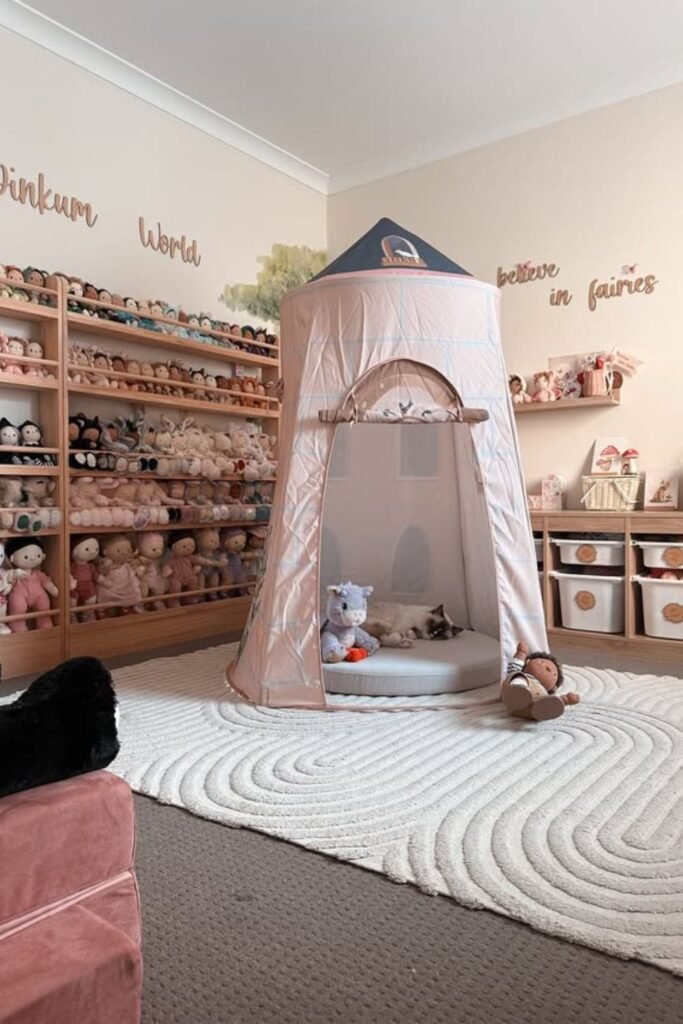
Soft tents surrounded by shelves create a natural “final stop” feeling without saying it out loud. Kids instinctively move here to search carefully.
It’s ideal for concealing the final clue or prize. Stuffed animals, baskets, or even cushions can each conceal a piece of the puzzle. .
This specific location is best used toward the end of the game. At home just carve out a cozy spot or save the best discovery for special place.
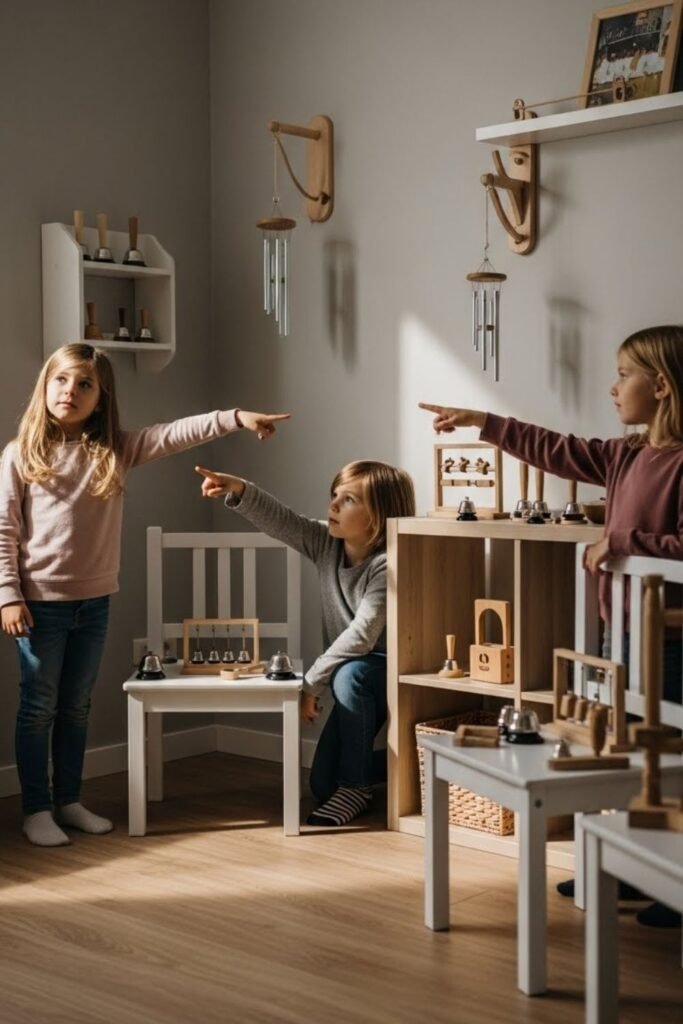
Sound Trails
Noise becomes the clue instead of words or pictures. Small bells, shakers, or tapping spots guide kids toward the right order without needing reading skills.
A single sound cues “go,” a second prompts a look around and a final sound signals finished.
This method work particularly well with the groups of different ages especially when the younger children find written directions difficult.
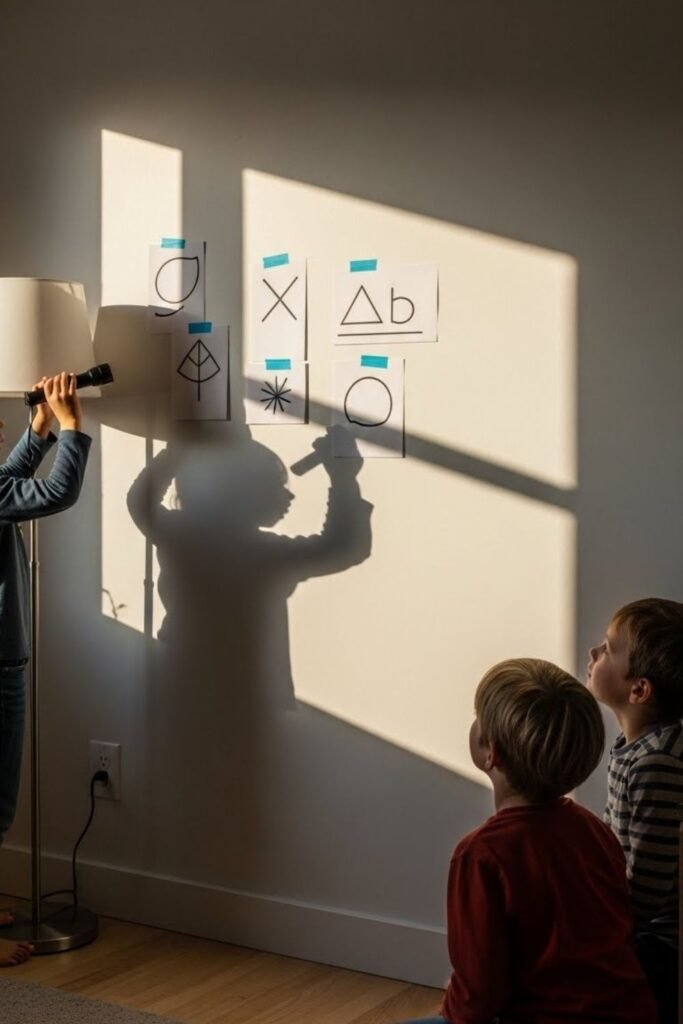
Shadow Clues
Light and shadow turn ordinary walls into puzzle surfaces without adding mess. Shapes taped near lamps or windows reveal symbols only when the light hits at the right angle.
Children instinctively play with things shifting them around to see how shadows change. This activity is perfect for those quieter times when a little calm is needed.
The goal is to let the kids figure out that its the movement of the light, not the object itself, that creates the desired effect. It all about curiosity, not just random guessing.
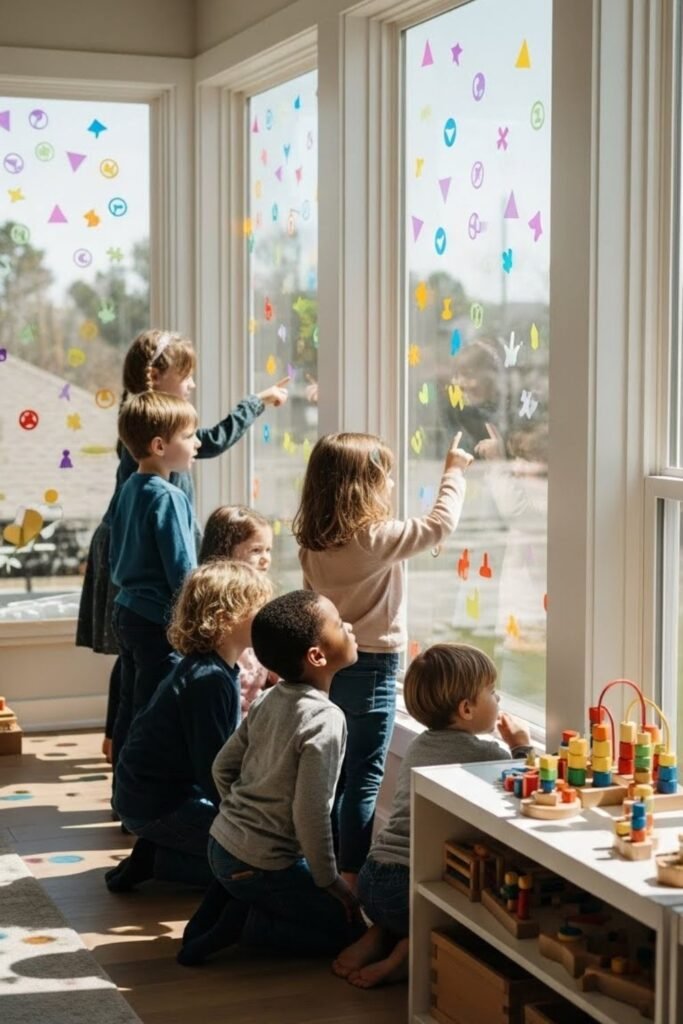
Window Codes
Windows offer built-in timing and direction puzzles. Sunlight can highlight certain marks, colors, or reflections only from specific spots in the room.
Kids need to be on their feet or at least bending down to spot the pattern. It’s a great fit for daytime games and fostering teamwork as they shout out their discoveries.
At home try putting colored stickers or symbols on glass surfaces then hide the viewing instructions.
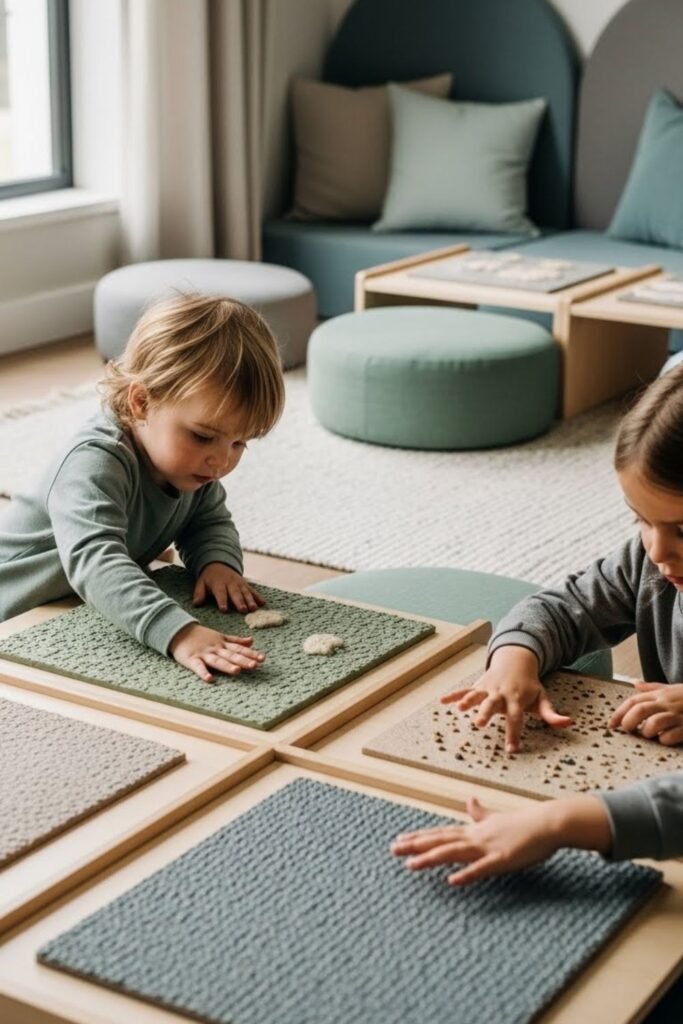
Texture Hunts
Different textures guide kids using touch instead of sight. Soft rough, smooth or bumpy surfaces signal which clue comes next.
Children are naturally drawn to tactile exploration and the thrill is amplified when blindfolds or closed eyes are part of the game, even for a brief period.
You can easily set this up at home simply tape fabric scraps or textured paper underneath tables, cushions or shelves.
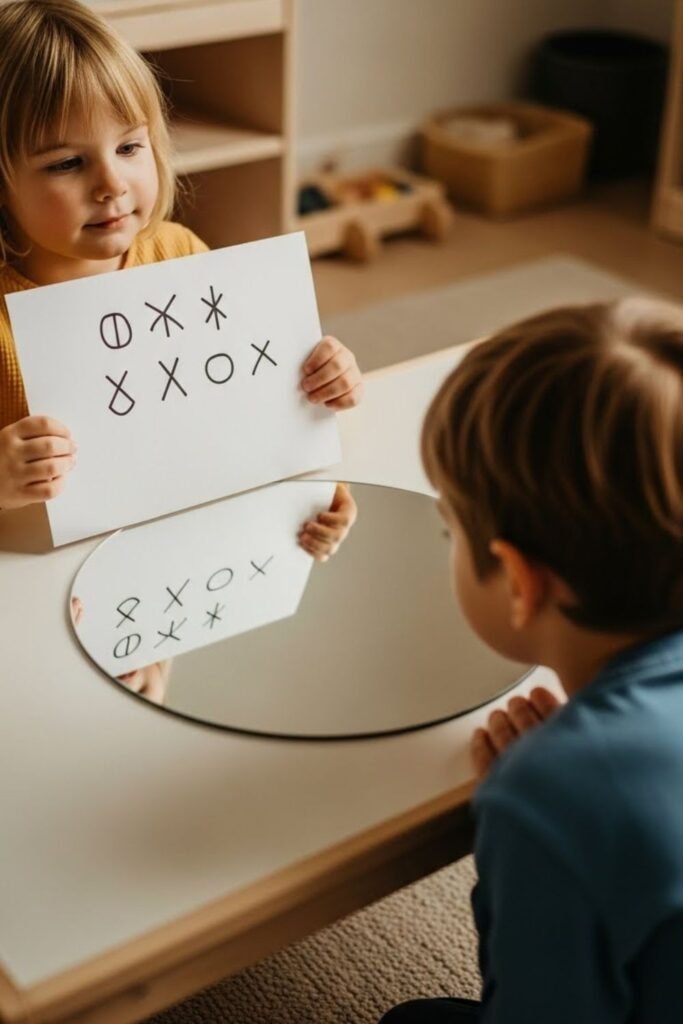
Mirror Messages
Reflections turn simple writing into a challenge without adding difficulty. Words or symbols make sense only when viewed through a mirror or shiny surface.
Children naturally gravitate toward experimentation rather than seeking direct answers. This approach thrives in quiet spaces, allowing for reflection.
At home, try writing clues in reverse on paper and affixing them near reflective surfaces mirrors or trays that sort of thing.
Time Tasks
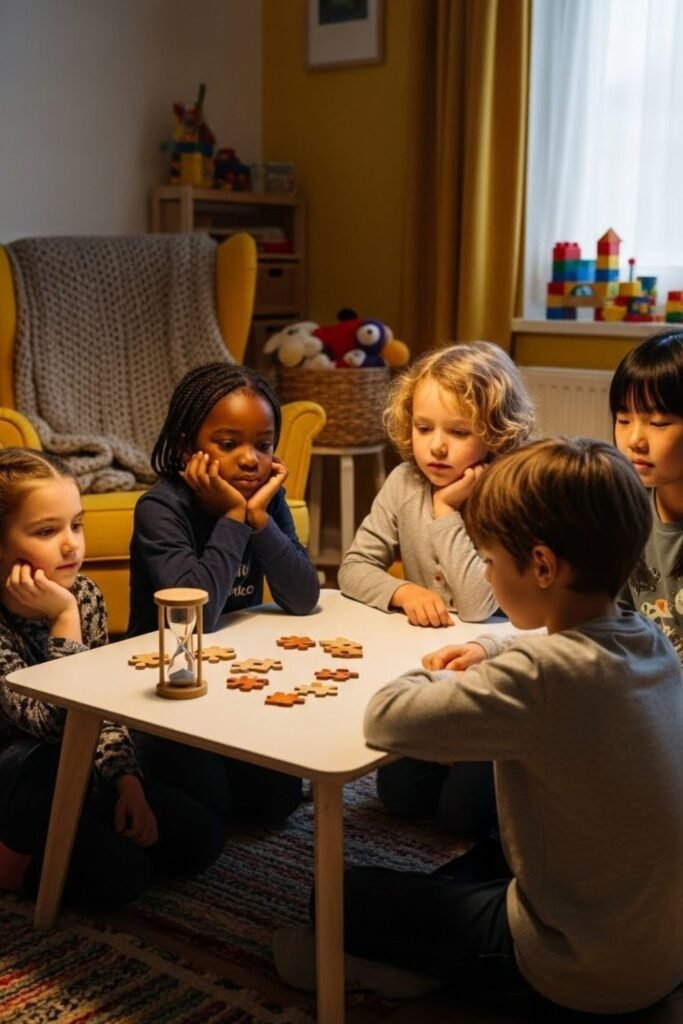
Waiting becomes part of the puzzle instead of a problem. Certain clues only appear after a short pause countdown or timed action.
Kids can learn patience and with out it feeling like a chore. This approach is particularly effective toward the games conclusion, when the energy is palpable.
The key is that a new job becomes available only after a set period, demonstrating to children that haste isn’t always the best strategy.
FAQs
How long should a kids escape room actually last?
Short, concentrated games are usually the way to go with kids. For those aged four to six keep it to about 15 to 20 minutes.
Seven to ten year olds can manage 20 to 30 minutes, and older kids might be fine with up to 40 minutes, provided the puzzles remain engaging.
If you notice kids getting antsy or bickering it’s a sign the game has overstayed its welcome.
What if some kids solve faster than others?
Design puzzles where the clues are scattered over the area rather than only given to a single child.
Assign roles based on individual strengths let those who need a little more time focus on searching listening, or matching.
While those who are quicker can tackle the more complex thinking tasks. This approach ensures that everyone participates and stops any one child from monopolizing the game.

Hi, I’m Afaf! I’m a law student who loves writing about everyday life – from home projects and crafts to fashion, beauty, and parenting tips.
I’ve been writing for over a year, sharing ideas that are simple, practical, and easy to try. I write about things I find interesting and useful, whether that’s organizing a space, trying a new DIY, or finding activities to keep kids entertained.
My goal is to share helpful ideas without making things complicated. If it works in real life, I’ll write about it.
When I’m not studying or writing, I’m usually experimenting with new projects or scrolling for inspiration!