
26 Toddler Boy Bedroom Ideas for 2026
Setting up a toddler boy’s bedroom can seem like a blast until you’re actually in the room, overwhelmed by toys, and trying to figure out.
Where everything fits, and how on earth your little one will sleep safely. You want a space that feels inviting, not a disaster zone.
You need storage that works, and lighting that soothes, not over-stimulates or terrifies your child at bedtime.
In this article, I’ll walk you through 26 Toddler Boy Bedroom ideas that make the most of limited space in 2026.
What Storage Ideas Work Best In A Toddler Boy Bedroom?
The most effective storage solutions are those that actually help your toddler, rather than hinder them.
If toys are tucked away in hard toreach places or buried in intricate containers, they are likely to end up scattered across the floor.
Opt for storage thats low, open and straightforward allowing your child to easily see their toys and return them independently.
Avoid cramming every toy into the room at once. Rotating toys keeps the space less chaotic and makes tidying up simpler.
Save this article for later!👇👇👇

What Lighting Is Safe And Cozy For a Toddler Boy Bedroom?
Lighting plays a significant role in how easily a child settles down for sleep.
Bright overhead lights are best avoided, as they can keep little ones wide awake reserve them for daytime use.
Instead, opt for soft, warm lighting in the evening, which encourages relaxation.
A small lamp or a gentle nightlight positioned near the bed can make those inevitable nighttime awakenings less frightening without flooding the room with light.
Steer clear of harsh white or brightly colored lights and always keep cords out of reach.
Cozy Retreat
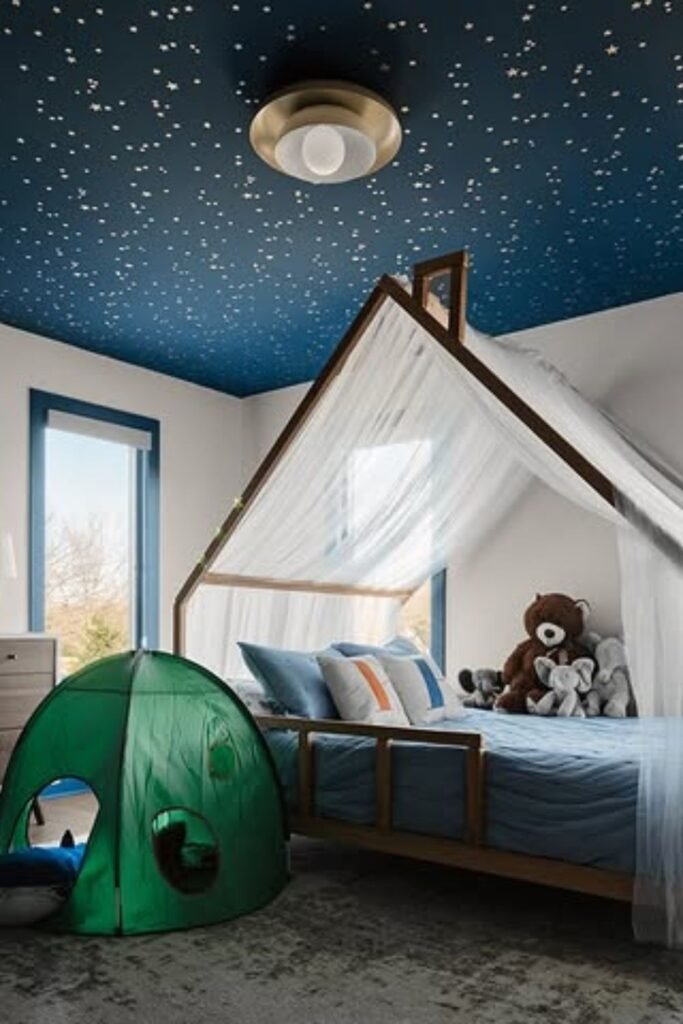
Sleep seems less daunting when the bed is a haven for it. A low, house-style frame offers a sense of security to toddlers, providing gentle boundaries without making feel confined.
Soft fabrics contribute to the comfort and a starry ceiling fosters a calm atmosphere avoiding visual clutter.
By placing playful elements a bit away from the bed you help your child distinguish between playtime and sleep making the transition to bedtime smoother.
Calm Corner
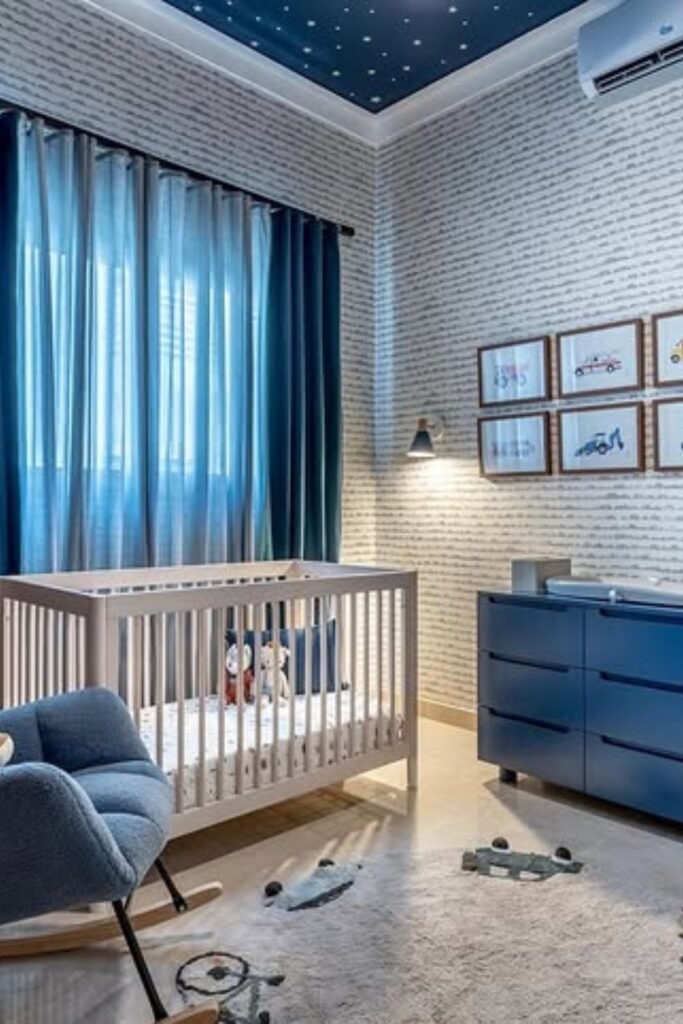
Quiet rooms help busy toddlers slow down. Soft textures, muted colors, and a simple layout keep the space from feeling overstimulating.
A comfortable chair offers a perfect setting for bedtime tales or those cherished early morning snuggles and concealed storage helps maintain a tidy appearance.
Wall art hung at adult eye level minimizes distractions, fostering a serene atmosphere a setup that particularly well suited for toddlers who can be easily overstimulated.
Growing Space
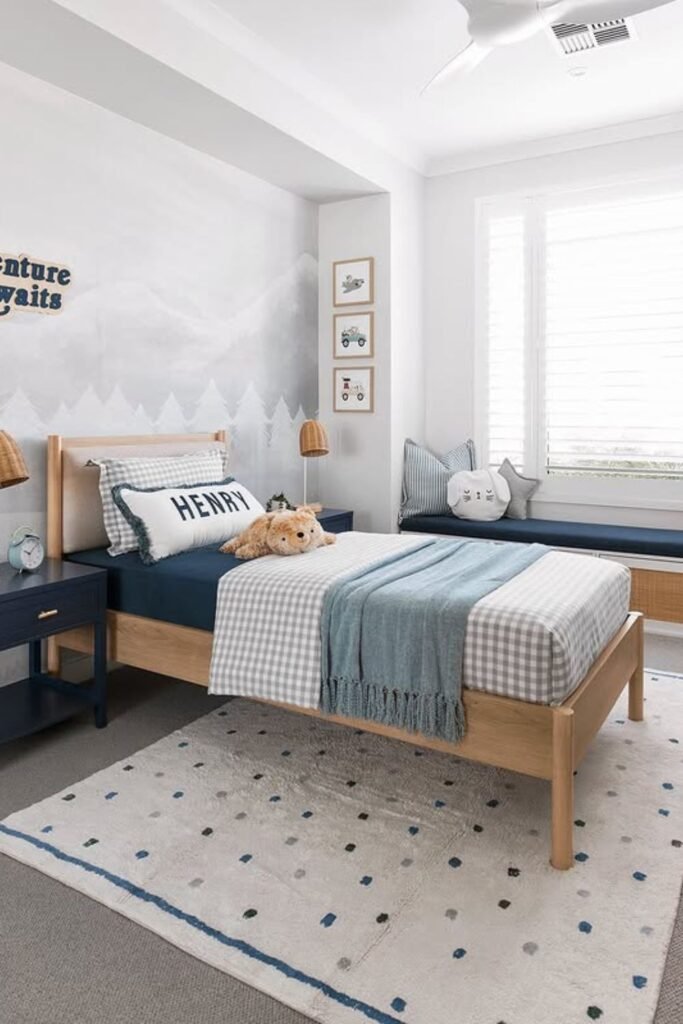
Rooms feel calmer when the design leaves space for change. A simple bed, neutral walls and soft patterns create a base that won’t feel outdated as your toddler grows.
Wall art and bedding maintain a sense of fun sidestepping the need to pigeonhole the room into a specific age group.
The built-in seating by the window creates a cozy reading nook eliminating the need for additional furniture.
Play Ready
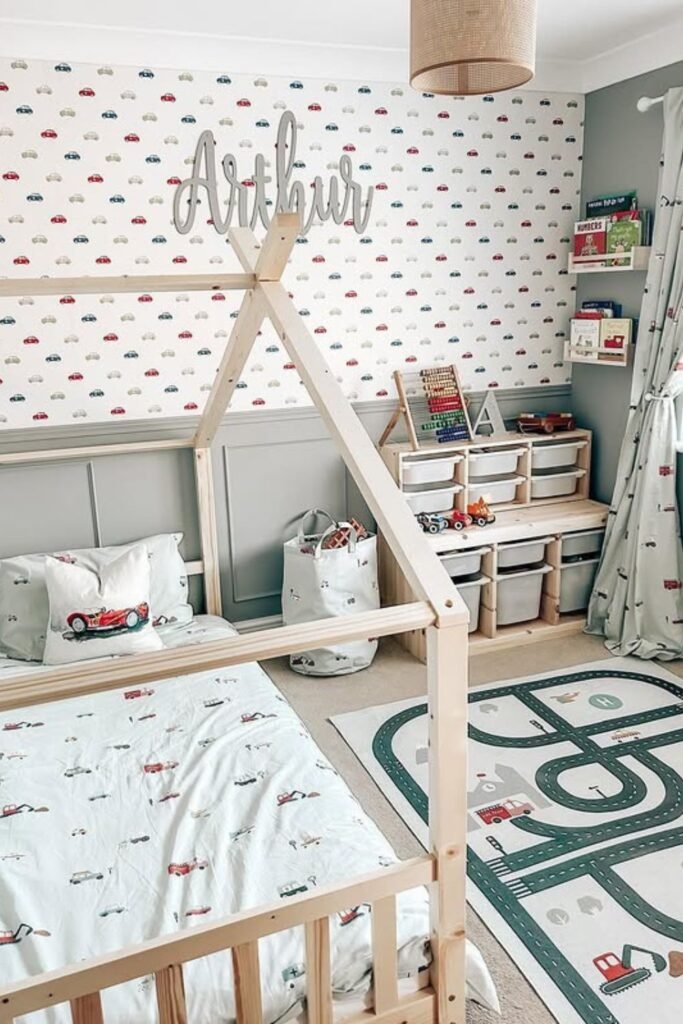
Busy mornings feel easier when play has a clear place to land. A low house bed paired with open toy bins keeps everything within reach, so toddlers can grab toys.
The road play mat transforms any floor into an instant play area, a boon in compact spaces.
Open, visible storage fosters a sense of autonomy, yet prevents the room from descending into disarray.
Wall Stories
Personality doesn’t need loud colors to stand out. A mix of wall art name signs, and simple quotes gives the room character without adding clutter or toys.
A low, open bed lends a sense of security and welcome and floor cushions offer a cozy nook for reading or unwinding.
This approach is particularly effective when you want the room to be both fun and significant yet adaptable as tastes evolve.
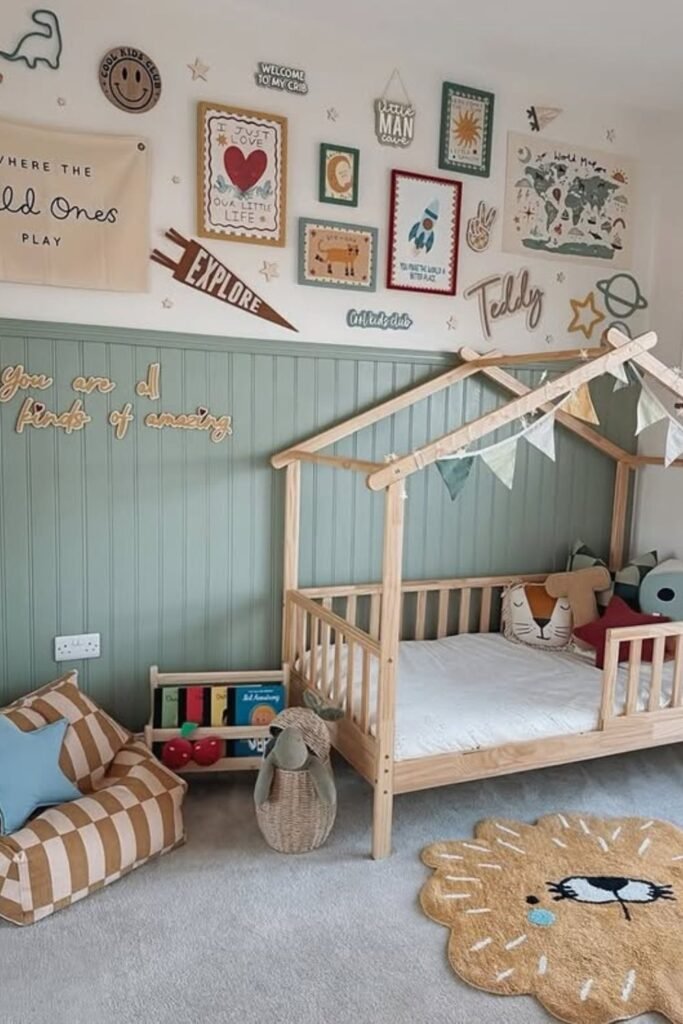
Balanced Zones
Open spaces create a sense of airiness and tranquility in compact areas. Sleep and play are separate, and nothing else competes for attention.
Toys are easily visible on low shelves yet they are kept tidy. A simple floor bed creates an open and safe area.
Gentle colors and minimal decoration help avoid overstimulation and which in turn aids active toddlers in concentrating during playtime and falling asleep more quickly.
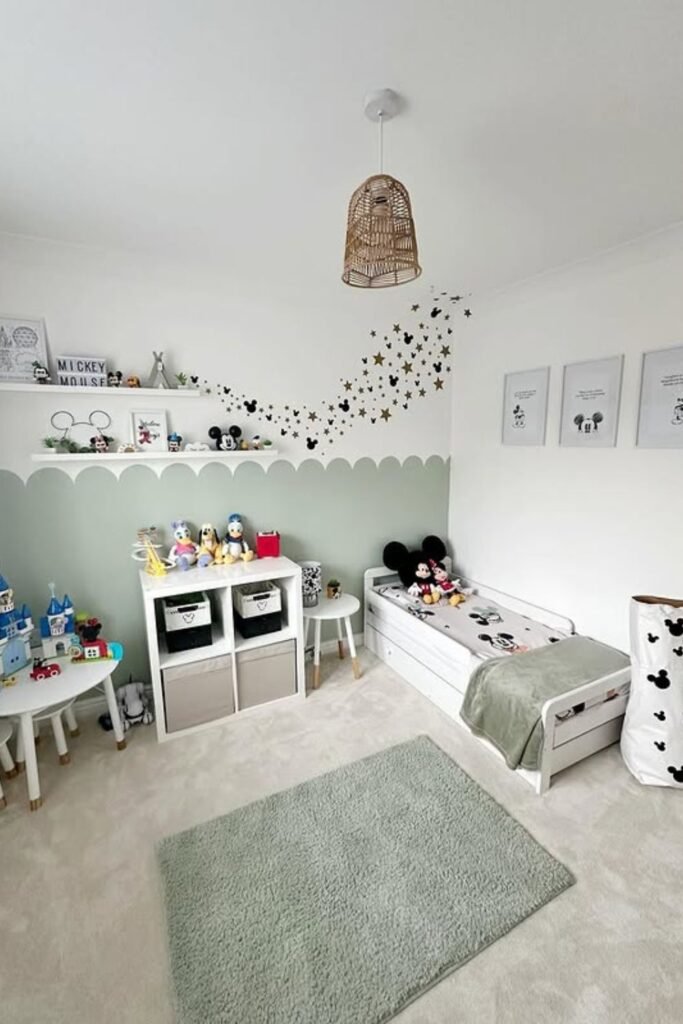
Gentle Transition
Moving out of the crib feels easier when the bed still offers a sense of enclosure. A low toddler bed with side rails keeps sleep safe while giving more freedom to climb in out.
Soft hues and uncomplicated wall decor quiet the visual field and aiding those who are easily disturbed to find calm.
Decorative banners inject personality without overwhelming the space a perfect balance for toddlers transitioning to their initial big kid bed.
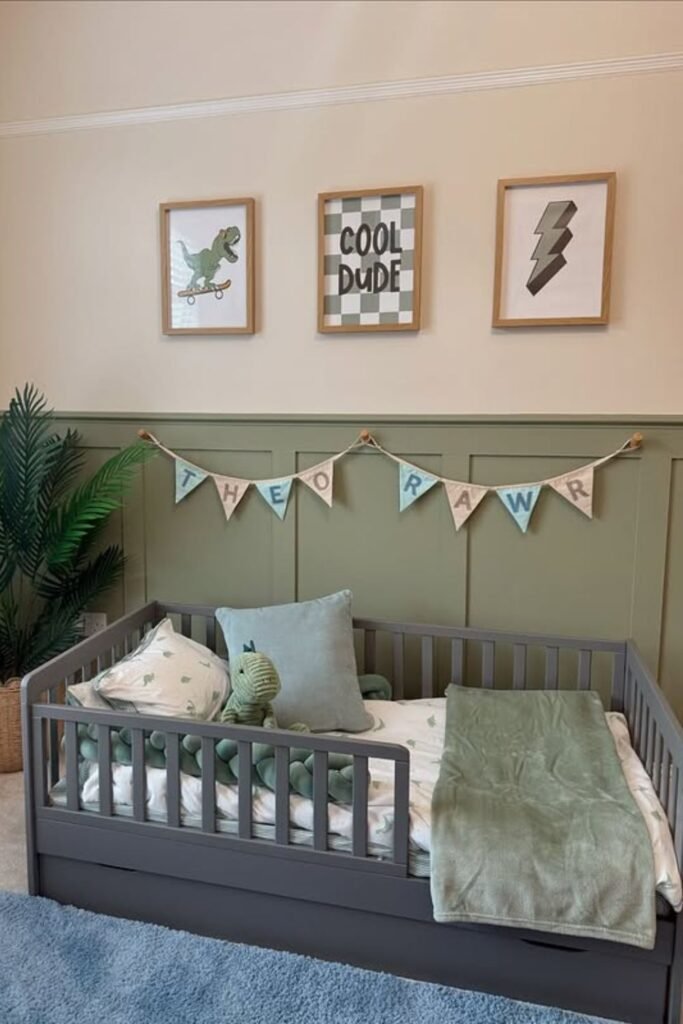
Soft Focus
Calm sleepers usually do better in rooms that do not shout for attention. Muted colors gentle patterns and a simple bed frame keep the space feeling quiet and predictable.
Wallpaper gives interest without needing further decor while soft bedding layers bring comfort without bulk.
This kind of setup suits children who need a tranquil environment to relax comfortably and stay asleep longer.
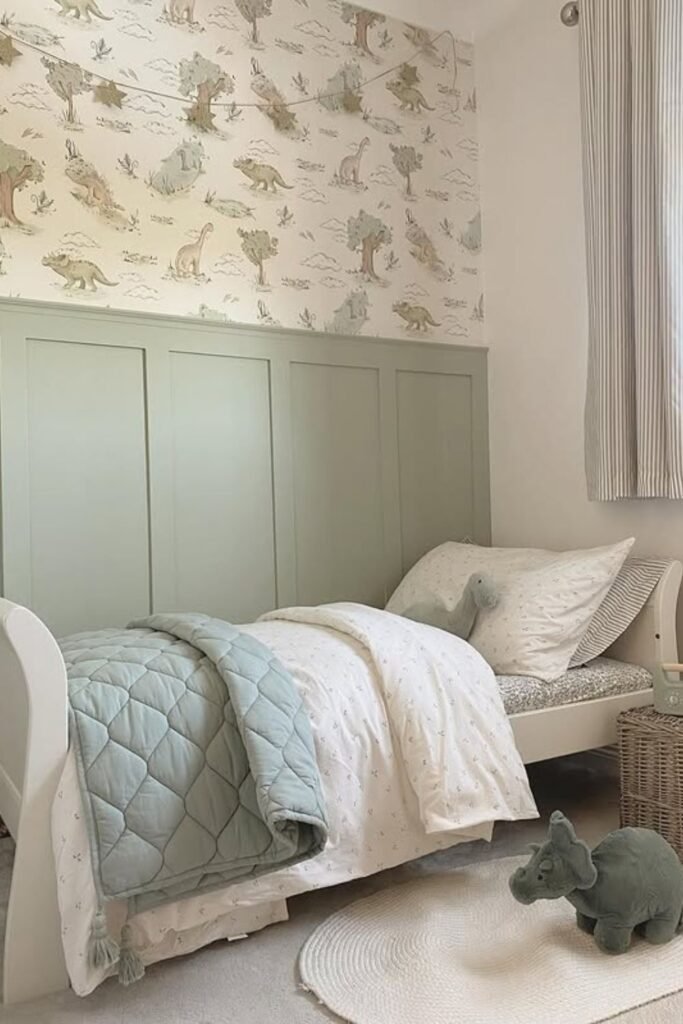
Bed Canopy
Sleep feels more inviting when the bed has its own sense of space. A simple wooden frame creates a cozy boundary without closing the room in, which helps toddlers relax.
While maintaining a sense of connection, the soft toys remain neatly near the bed, rather than scattered everywhere.
The use of neutral hues creates a tranquil atmosphere and a little wall decorations inject bit of the character.

Soft Glow
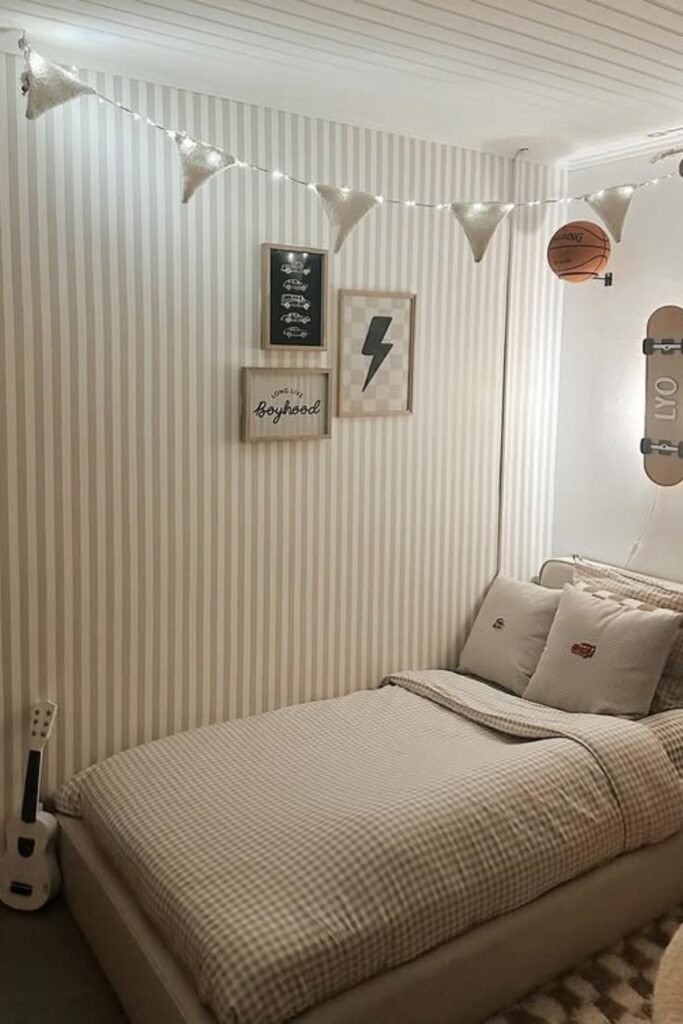
Evening routines feel calmer when light comes from above and around, not straight at the eyes. A simple string of warm lights adds comfort without turning bedtime into playtime.
Neutral bedding and vertical stripes provide a calm atmosphere while subtle wall accents provide visual interest without overwhelming the space.
This arrangement is particularly suited for narrow rooms perfect for achieving a warm ambiance without the need for additional lamps or bulky furniture that could clutter area.
Hidden Nook
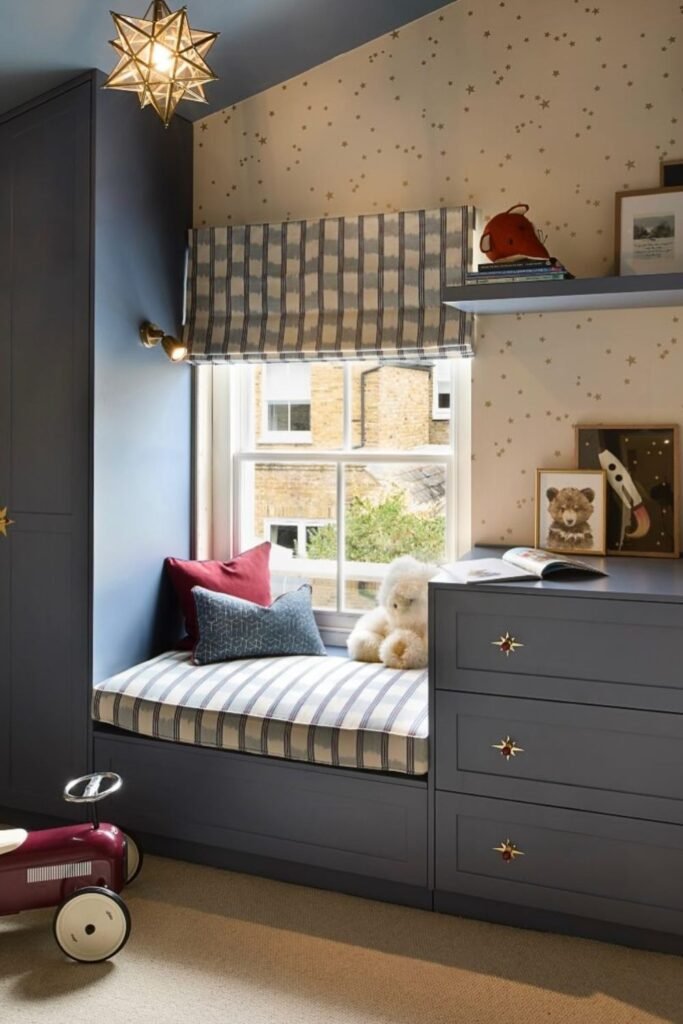
Reading time feels special when it happens in a spot made just for slowing down. A built in window seat creates a natural space and drawers underneath quietly handle storage.
Soft sofas beckon offering a place to sit without transforming the room into a playground.
Shelving overhead provides a perfect spot for a rotating selection of books or cherished mementos.
Quiet Comfort
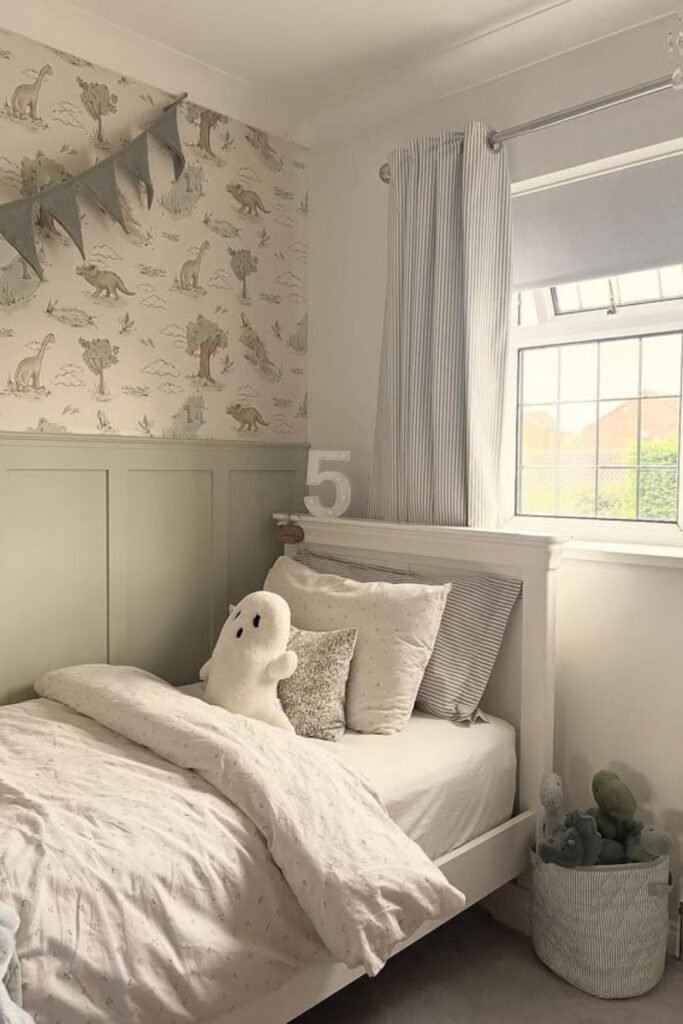
Rest comes easier in rooms that don’t try too hard. Soft wallpaper adds interest without visual noise, while a simple bed and light bedding keep the space feeling open.
Curtains softly diffuse daylight, making it easier to nap and settle down for the night. A little basket next to the bed holds beloved comfort items.
Keeping them within reach but out of the way. This setup works especially well for toddlers who often sleep the more peacefully if they are in calm familiar environment.
Secure Sleep
A bed frame with soft edges and elevated sides helps keep little ones from rolling out, while also providing a feeling of security without completely enclosing them.
A neutral palette offers a calm foundation and a compact bench or storage chest can corral books and the inevitable collection of toys that seem to the multiply over night.
This setup works perfectly for kids who are prone to restless sleep and it offers parents a cozy sleeping space or without hassle of the floor bed.
Soft Boundaries
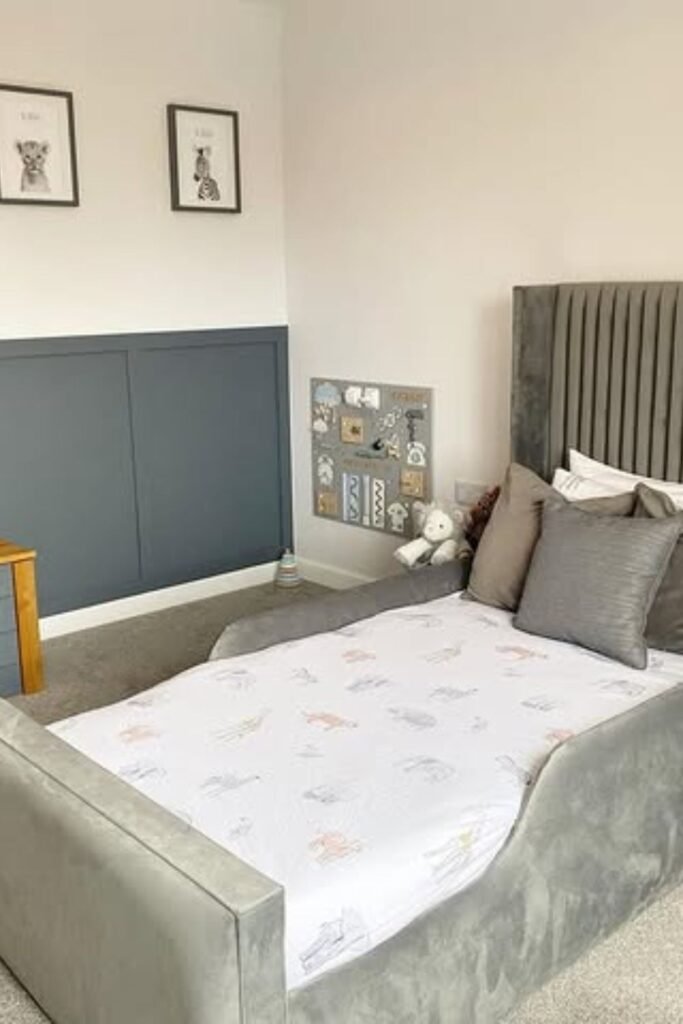
A low upholstered frame with padded sides reduces bumps while giving toddlers a clear sense of where sleep happens.
Soft wall lighting creates a calming atmosphere avoiding the visual noise of other furnishings.
This approach is particularly well suited for children who are restless sleepers offering both comfort and security without the constraints of a traditional crib.
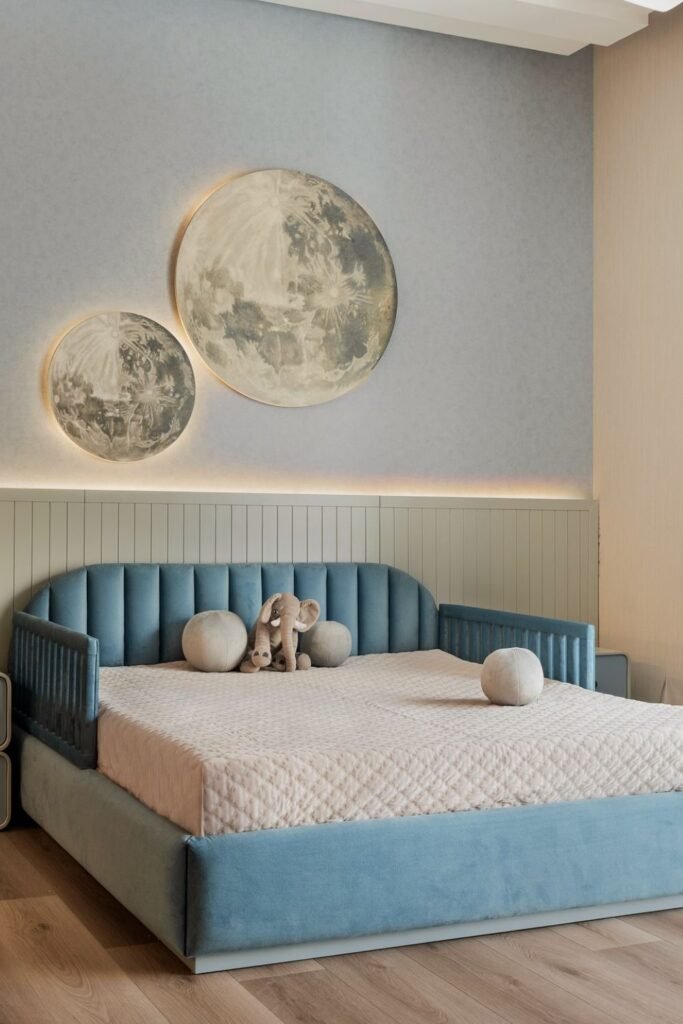
Play Balance
Energy stays under control when the room doesn’t try to do everything at once. A simple bed on one side and a clear play circle on the floor.
Give toddlers permission to move without chaos. Wall art injects character without overwhelming the senses.
And the uncluttered environment simplifies tidying up. This approach is particularly effective in the compact spaces.
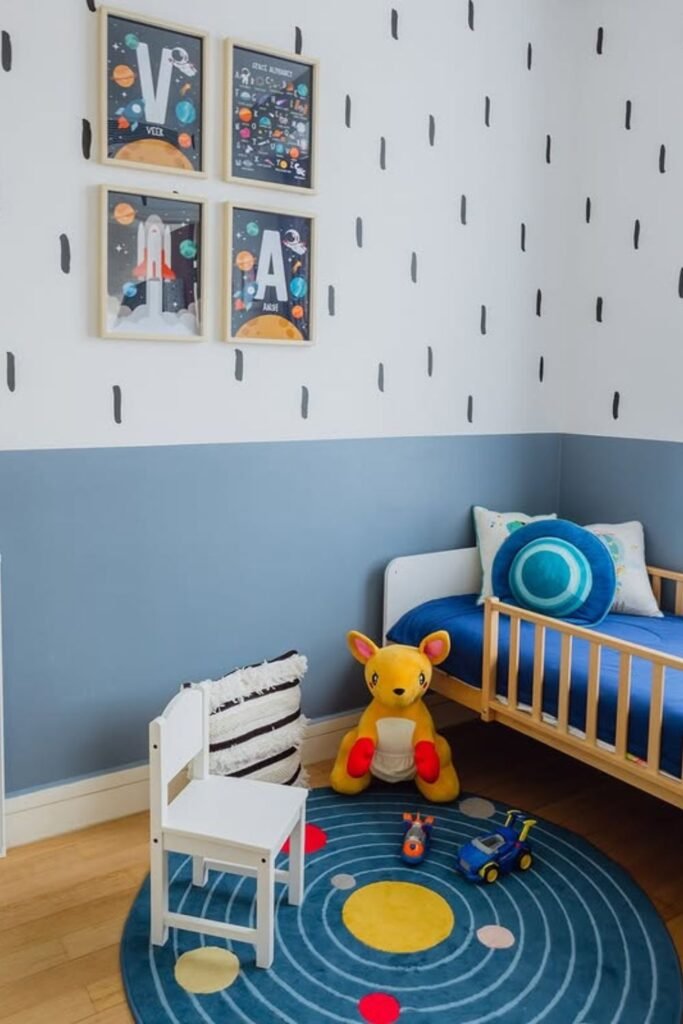
Calm Shelter
Sleep feels more settled when the bed creates its own little world. A house style frame gives structure without making the room feel closed in helps toddlers relax at night.
Light drapes gently diffuse the area creating a more inviting atmosphere without obstructing air or natural light.
Choosing simple colors and patterns prevents the space from being visually overwhelming and the open floor plan enhances safety during play.
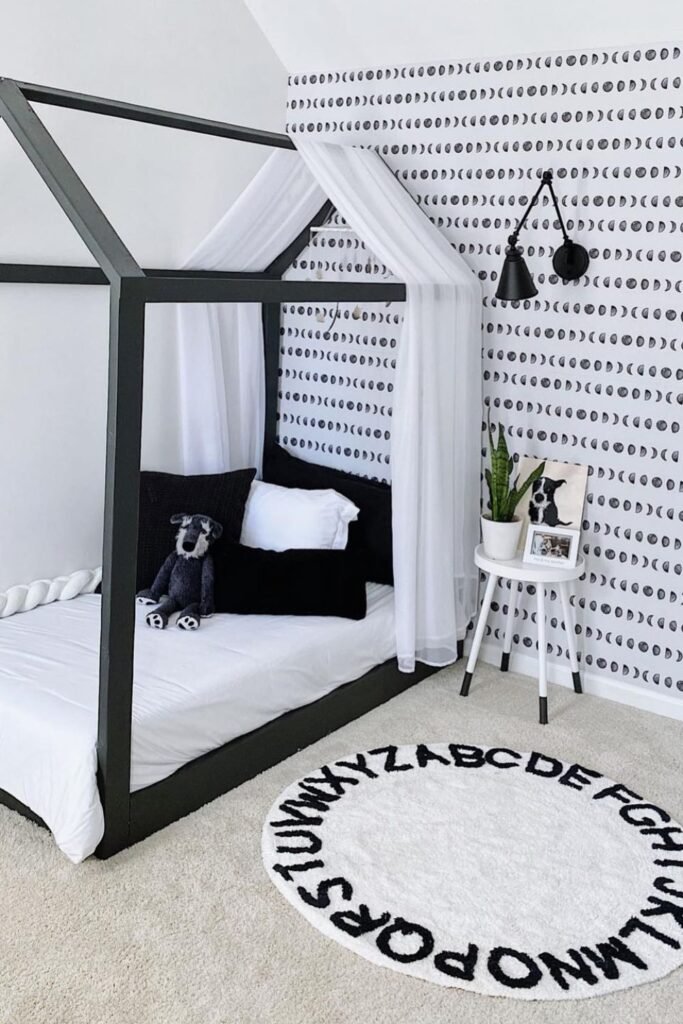
Playful Energy
Bold colors work best when they live on the walls not the floor. A bright mural gives the room personality without adding more toys or clutter.
Keeping the bed uncomplicated helps maintain a calm atmosphere avoiding too much stimulation before sleep.
This approach is ideal for toddlers who are both spirited and self assured and it fits perfectly in spaces where play and rest are equally important.
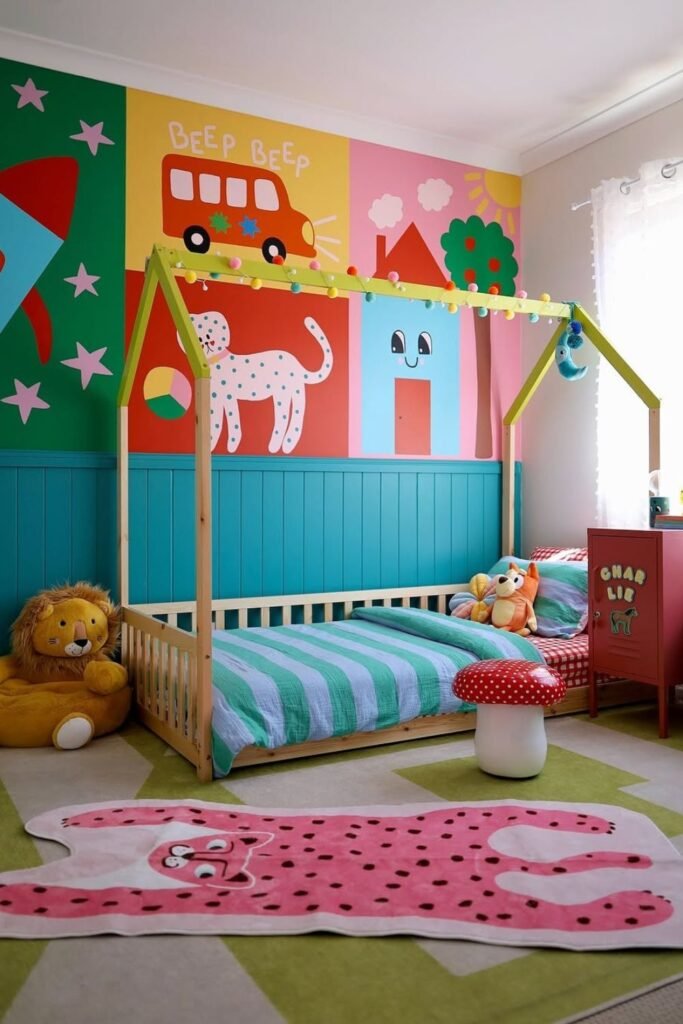
Dream Frame
Magic doesn’t have to mean chaos. A wooden house bed keeps the room grounded while soft textures and neutral tones add warmth without overstimulating.
Floor cushions offer a comfortable or adaptable space for reading or relaxing, rather than for boisterous activity.
This arrangement is ideal for rooms where you want to encourage quiet creativity, without overwhelming the entire area.
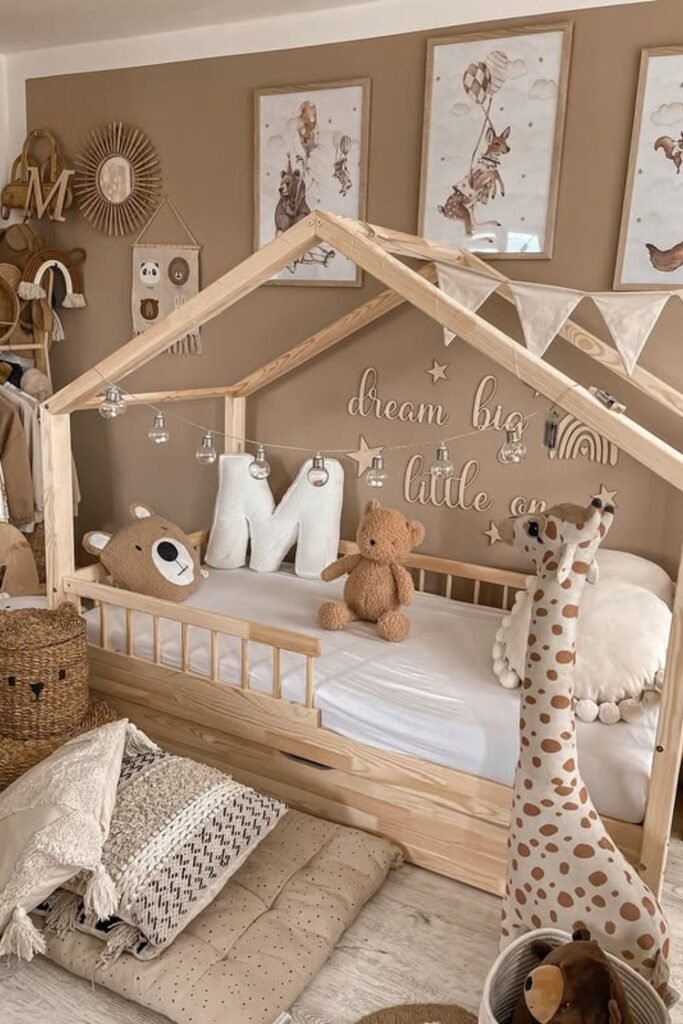
Calm Structure
Order feels natural when the bed gives the room a backbone. A simple house frame defines the sleep zone without turning it into a play structure.
It helps little ones settle down for the night. The neutral colors provide a sense of serenity and a bit of bunting introduces a gentle touch with out being distracting.
This arrangement works well for toddlers and who thrive in an environment that seems stable and familiar.
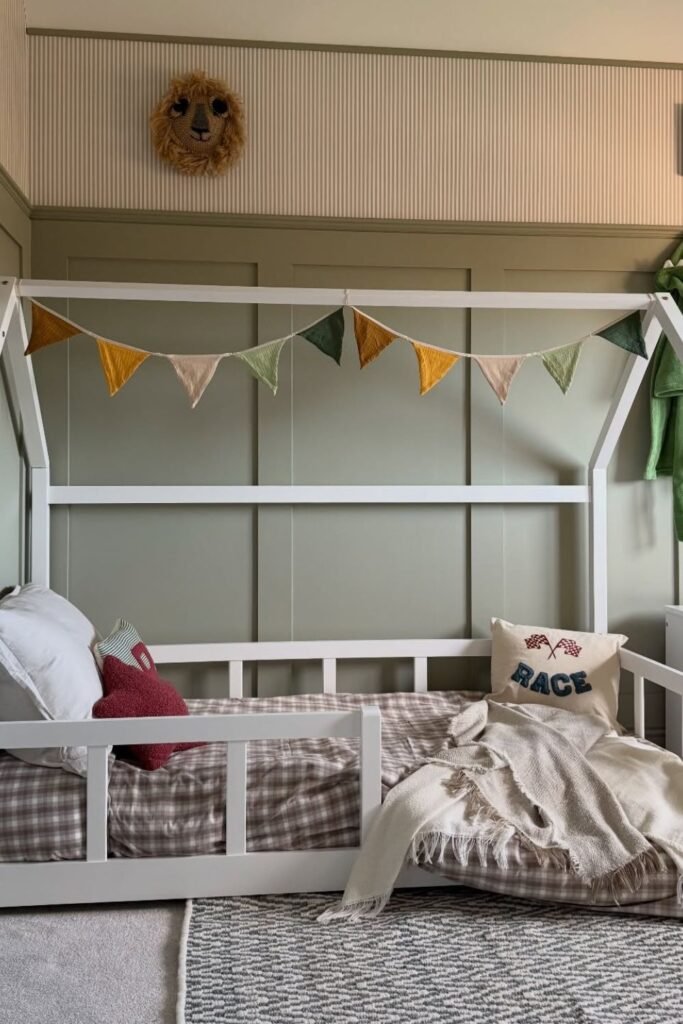
Play Sanctuary
A floor mat establishes boundaries designating where playthings should go while modest storage keeps everything visible yet organized.
The little tent offers a peaceful retreat a welcome alternative to yet another toy and it gives overstimulated toddlers a chance to regroup.
Playtime near natural light is particularly effective in the busy families where bedrooms often serve as play areas through out the day preventing them becoming perpetual.
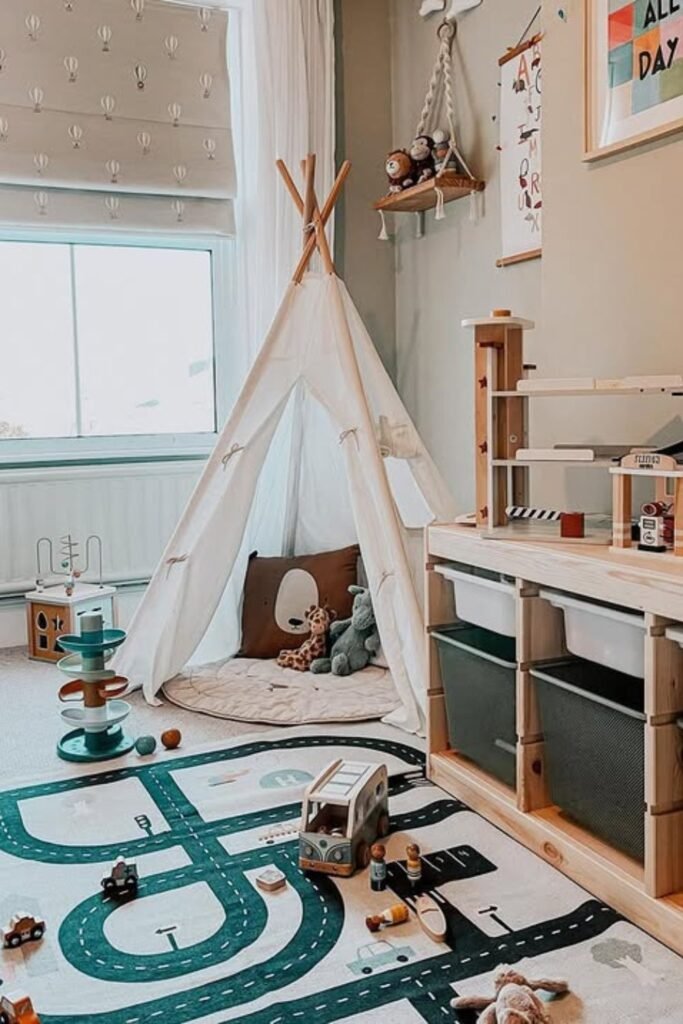
Routine Anchor
Daily routines feel easier when room quietly supports them. A small visual routine board near the bed helps toddlers understand what comes next with out constant reminders.
Simple icons representing sleep, reading and cleanup offer a framework, but without the usual pressure.
Positioning them at eye level transforms the bedroom from a source of conflict into a space of familiarity.
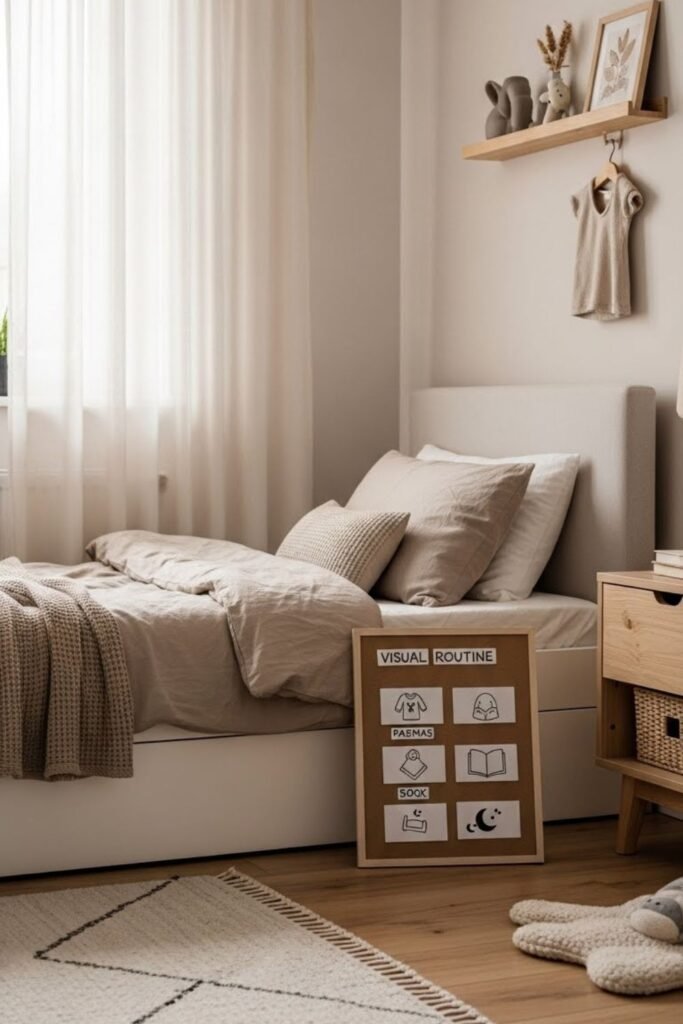
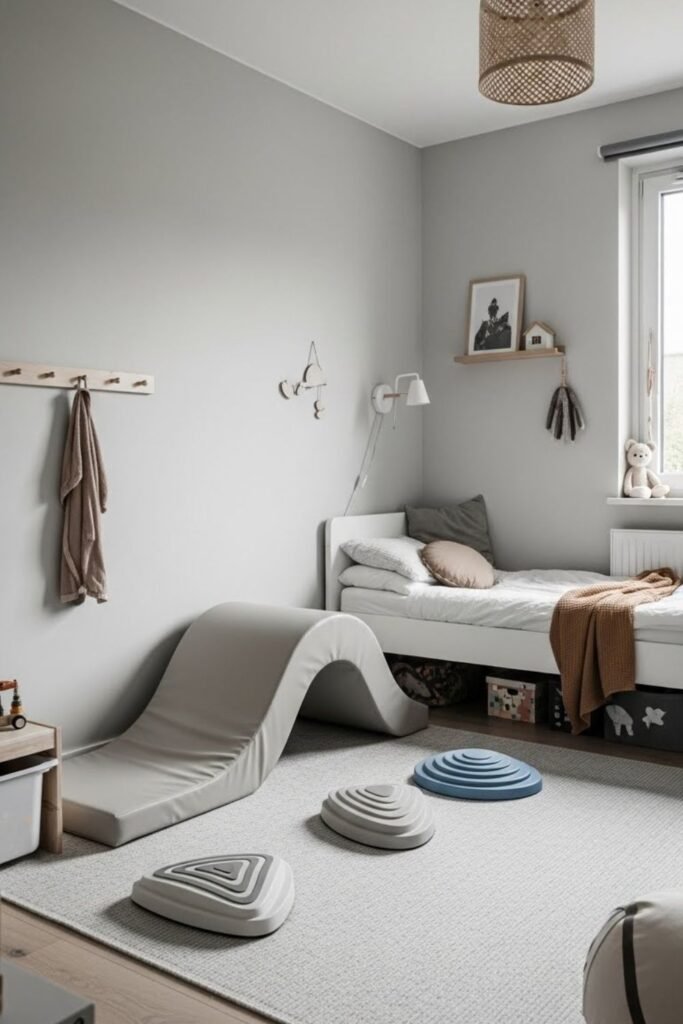
Movement Buffer
Extra energy needs a safe place to land before bedtime. A soft climbing cushion, balance stepping stones, or a mini foam ramp.
Provides toddlers with an outlet for their energy indoors, sidestepping the need for rowdy play.
By encouraging gentle, controlled movement, it discourages the inevitable bed bouncing.
Sound Control
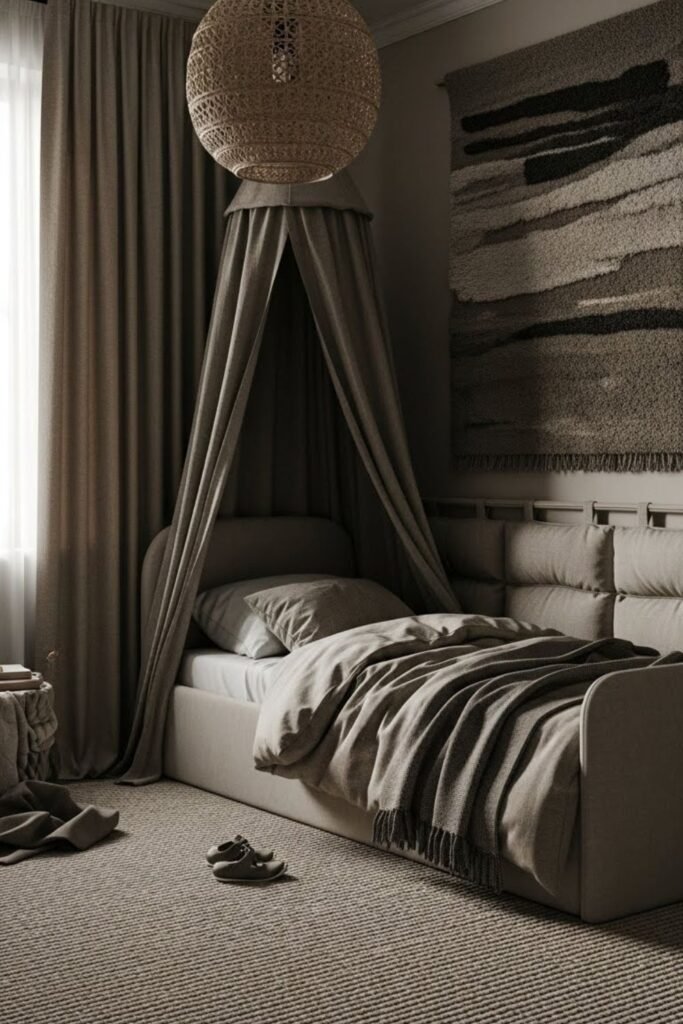
Noise often causes more sleep trouble than light. Thick rugs, fabric wall hangings, or padded headboards absorb sound and soften the room without adding clutter.
Quiet spaces offer toddlers a sense of safety, particularly in households with older children or the din of city life.
You don’t need a full renovation to achieve this effect simply layering textiles and fabric accents will suffice.
Ownership Zone
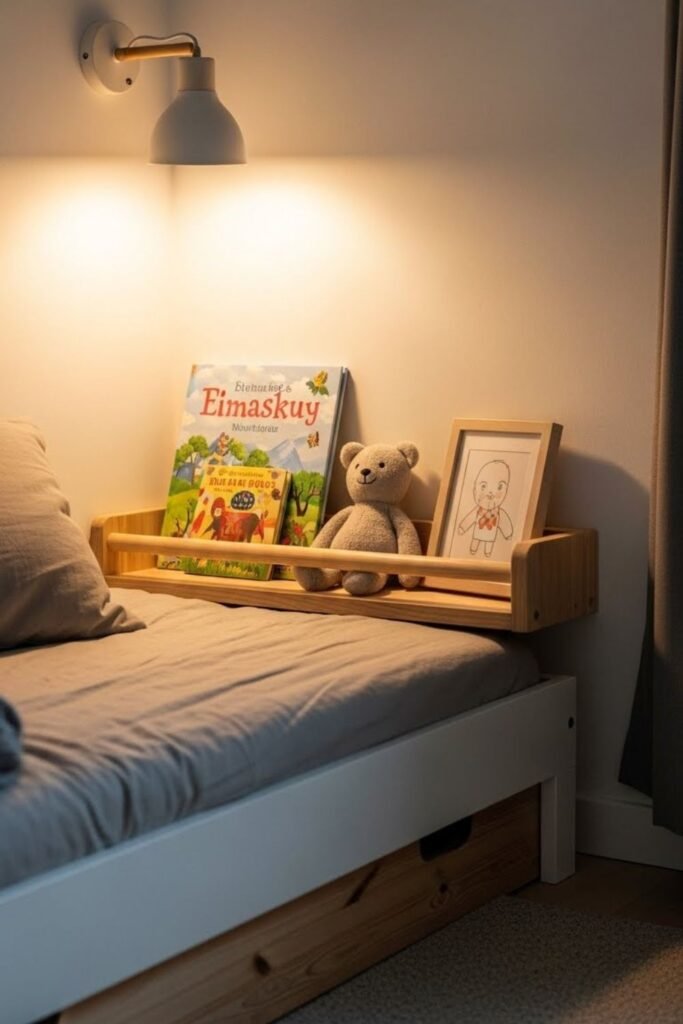
A dedicated shelf or hook for their favorite book beside a cherished soft toy or comfort item cultivates a feeling of ownership without clutter.
Limiting the area helps avoid overstimulation while yet allowing for personal choice.
Placing this location adjacent to your bed can improve your emotional state as you rest.
Morning Reset
Mornings are easier to face when they do not begin with a scramble. A straightforward morning basket could hold clothes and socks or perhaps a beloved book.
Gives toddlers something comforting to hold onto as they stir from sleep.
Keeping it nearby cuts down on aimless roaming and the inevitable mess that follows a morning.

Visual Rest
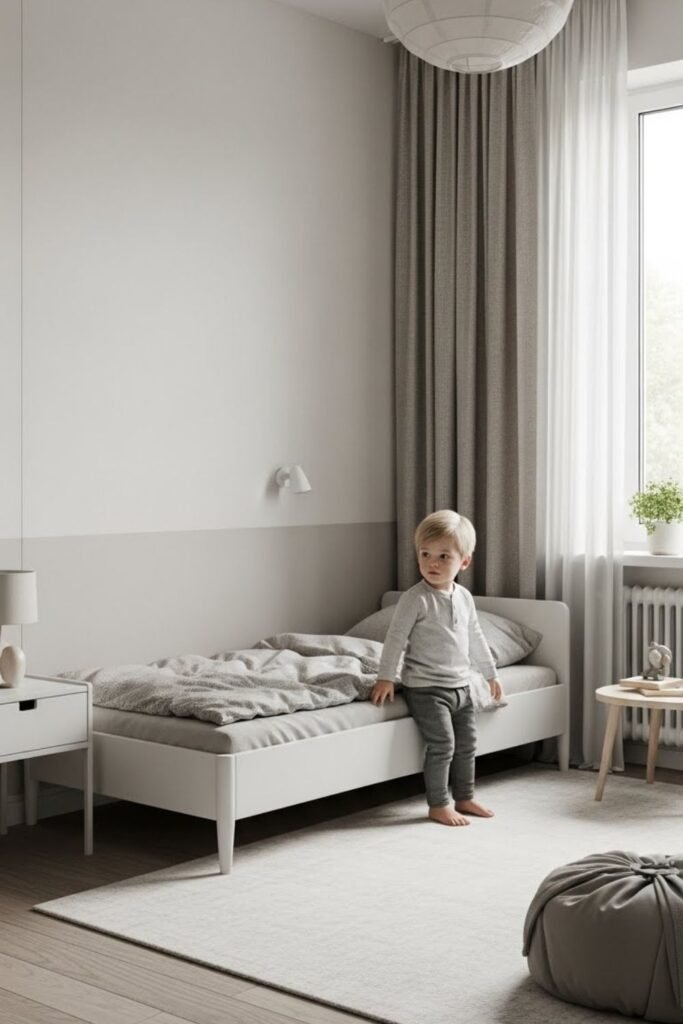
Eyes need rest just as much as bodies. Leaving one wall intentionally plain creates visual breathing room especially in busy homes.
Calm walls can actually help little ones manage their feelings and concentrate, whether they’re playing or winding down.
Placing this wall close to the bed reinforces the sleep cue without making the room too dark.
FAQs
How do I stop a toddler boy’s bedroom from becoming overwhelming?
Overstimulation often stems from a cluttered environment, rather than a lack of space. Try to keep the number of toys in the room at any given moment to a minimum.
Use open, low storage solutions to help your child learn where things go. Ensure at least one wall and a portion of the floor remain visually uncluttered.
A serene room can actually help toddlers concentrate more effectively while playing and fall asleep more quickly, regardless of the room’s size.
Should play and sleep happen in the same toddler bedroom?
They can, but only if the space is clearly defined. Sleep is more restful when the bed area is serene, devoid of distracting toys.
Playtime should be contained within a specific zone perhaps marked by a rug or a low shelf.
This clear separation makes it easier for toddlers to transition between activities, which in turn lessens bedtime struggles and the morning rush.

Hi, I’m Afaf! I’m a law student who loves writing about everyday life – from home projects and crafts to fashion, beauty, and parenting tips.
I’ve been writing for over a year, sharing ideas that are simple, practical, and easy to try. I write about things I find interesting and useful, whether that’s organizing a space, trying a new DIY, or finding activities to keep kids entertained.
My goal is to share helpful ideas without making things complicated. If it works in real life, I’ll write about it.
When I’m not studying or writing, I’m usually experimenting with new projects or scrolling for inspiration!