
21 Sheep Crafts Ideas for Kids for 2026
You begin your search for sheep crafts, hoping to find something straightforward for a spring or farm-themed project.
However, after browsing a few options, you discover that many require excessive preparation, create a significant mess, or disintegrate.
Before the children have a chance to complete them. If you’ve ever found yourself thinking, “This looked easier when I saw it online,” you’re certainly not the only one.
This article introduces 21 simple Sheep craft ideas for kids that are perfect for home activities in 2026.
Let’s jump in!
What Are Fun Sheep Crafts For Spring And Farm Themes?
Fun sheep crafts should be enjoyable for kids to complete without a meltdown, and for adults to actually want to do.
When spring and farm themes come to mind, the most successful ideas are straightforward, rely on readily available materials.
And connect with what kids are already exploring about animals and the changing seasons.
Crafts that emphasize texture, simple shapes, and active play tend to keep children engaged for longer and make the experience more enjoyable.
Save this article for later!👇👇👇
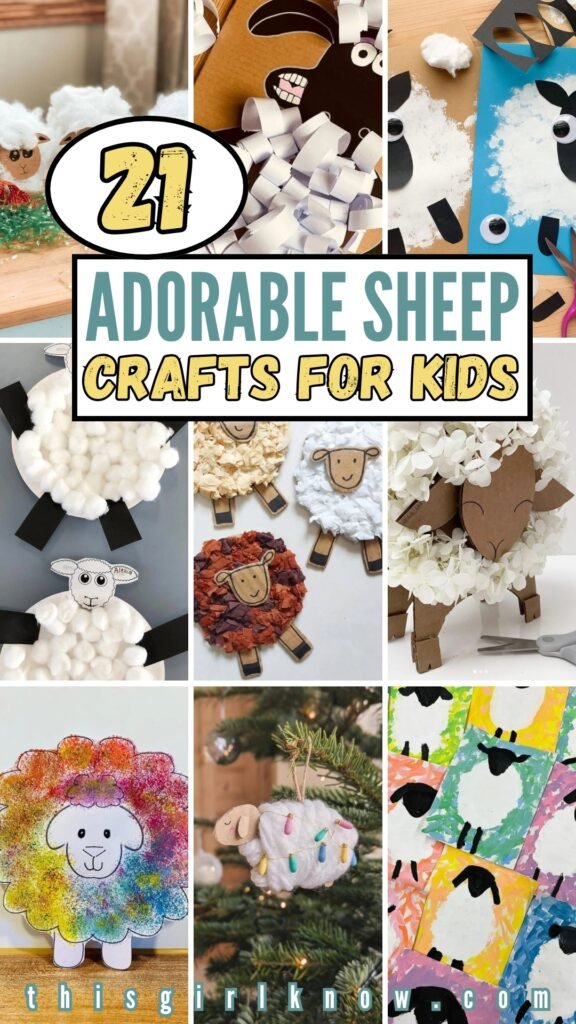
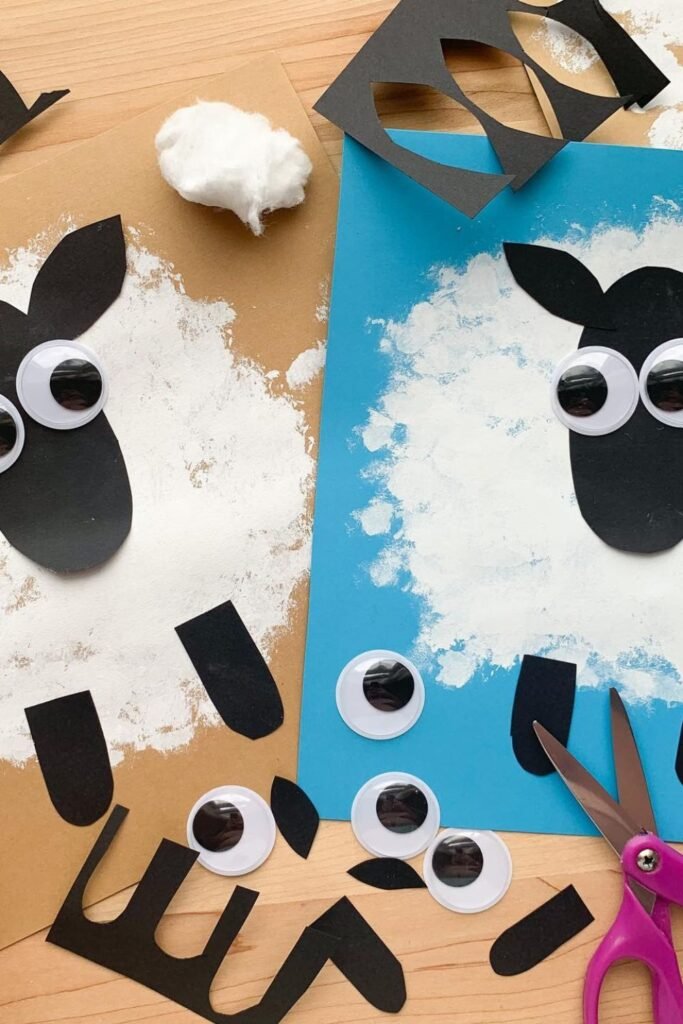
Puffy Sheep
Powdery textures turn this sheep into a spring favorite without relying on cotton balls everywhere.
Flour or white paint, applied with a sponge, creates that soft texture for kids, all while keeping the mess manageable.
Black paper shapes are used for the face and legs, which makes cutting out the pieces straightforward.
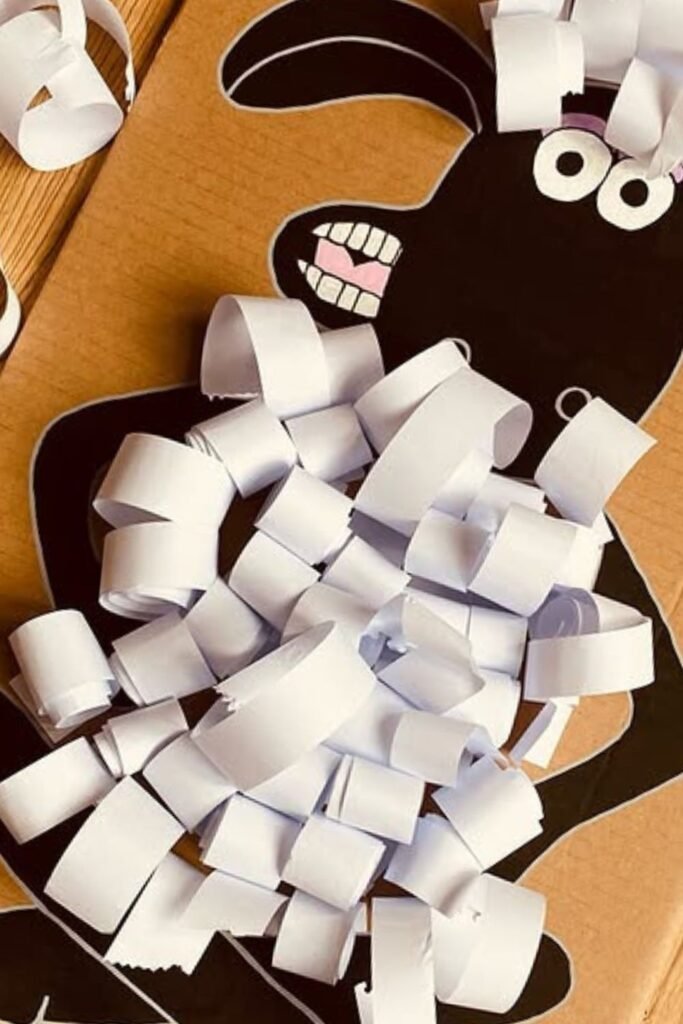
Curly Wool
Paper strips do all the work here, which makes this idea perfect for kids who love cutting more than gluing.
Looped white paper has a striking texture, and it won’t leave a mess.
The cardboard provides a solid foundation for the sheep, ensuring they stay together throughout group play.
This setup is perfect for farm themed weeks allowing children to practice their scissor skills while also creating something fun.
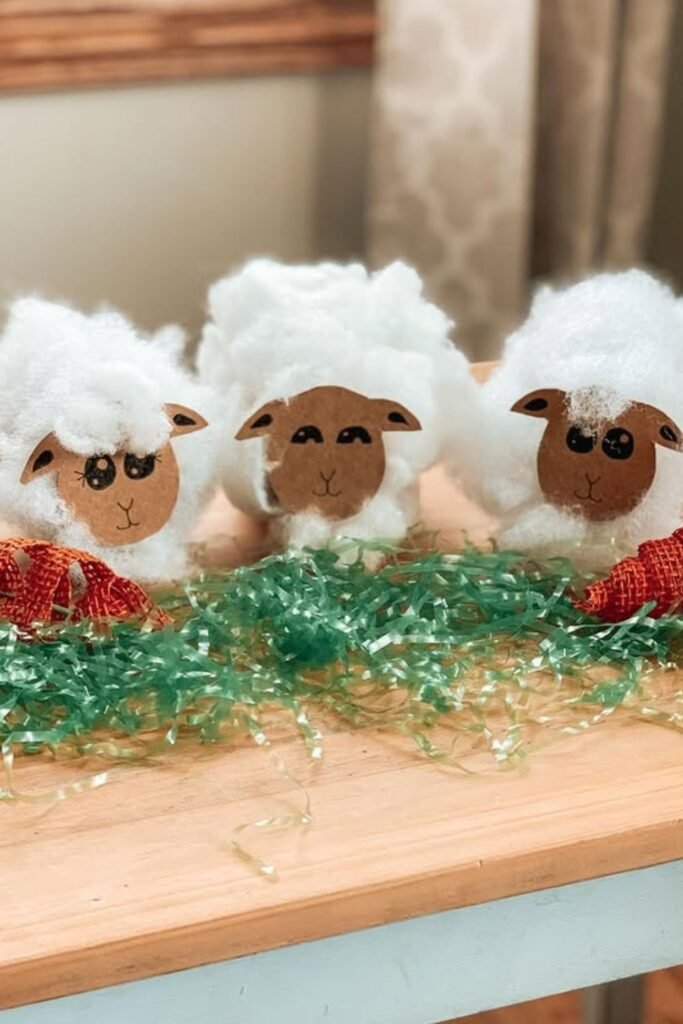
Cotton Lambs
Small hands love building these because the shape comes together fast and feels soft right away.
Cotton when swirled around a basic form conjures up wool with minimal hassle.
Drawing faces on cardboard gives a welcoming touch avoiding any overly complicated designs.
This approach shines in spring timetable settings farm themed display and calm center activities.
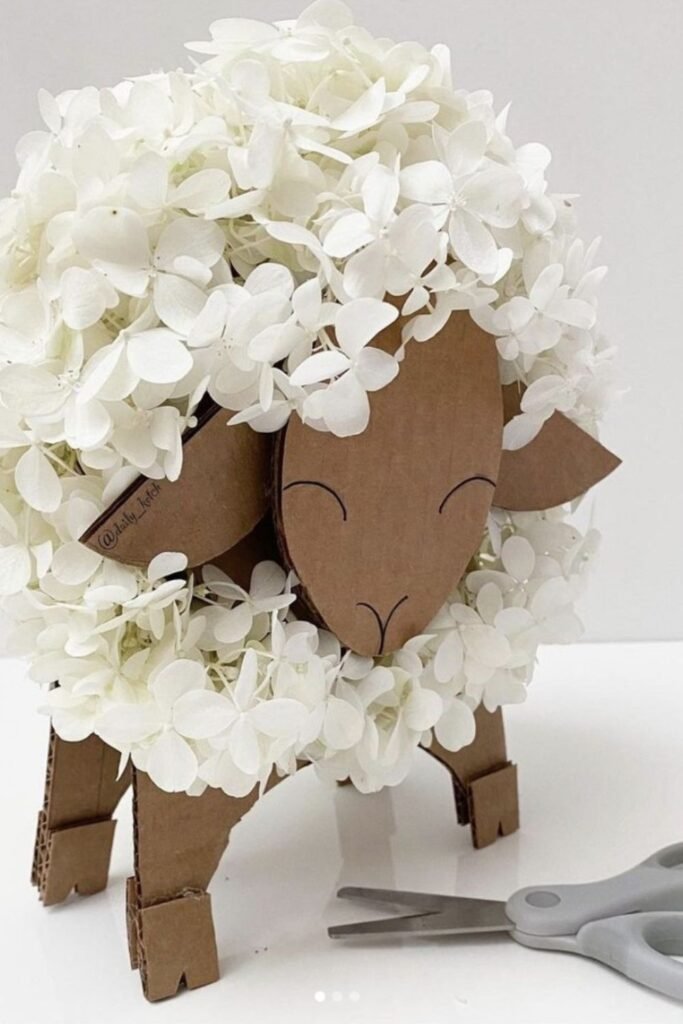
Floral Sheep
Real flower petals turn cardboard into a showpiece kids was not forget. Pressed blooms or faux petals work best if fresh flower feels risky.
Cardboard legs provide support and making this a great choice for springtime displays or those charming country corners.
Consider this project for older children or small groups; layering the petals requires a bit of patience, but the end result is a creation that feels both distinctive and decorative.
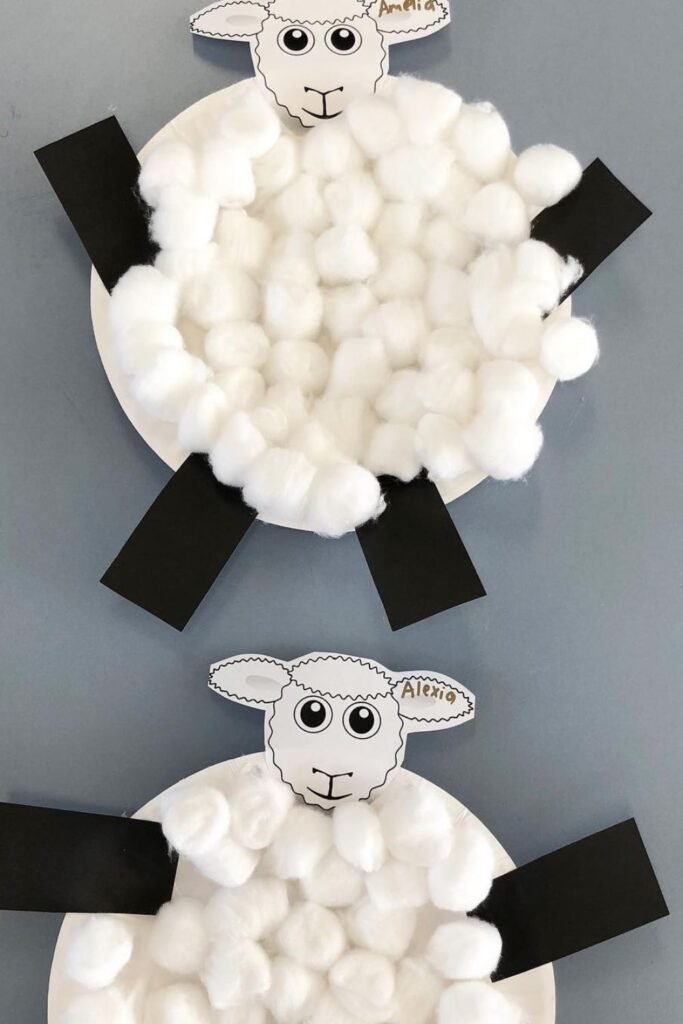
Paper Plate
Instant recognition makes this sheep an easy win for younger kids. Cotton balls fill the plate fast, so no one gets stuck halfway through.
Black paper strips are a simple way to create limbs for legs and arms, avoiding the need for precise cutting.
You can either use pre-printed faces or allow the children design their own, which keeps the activity flowing.
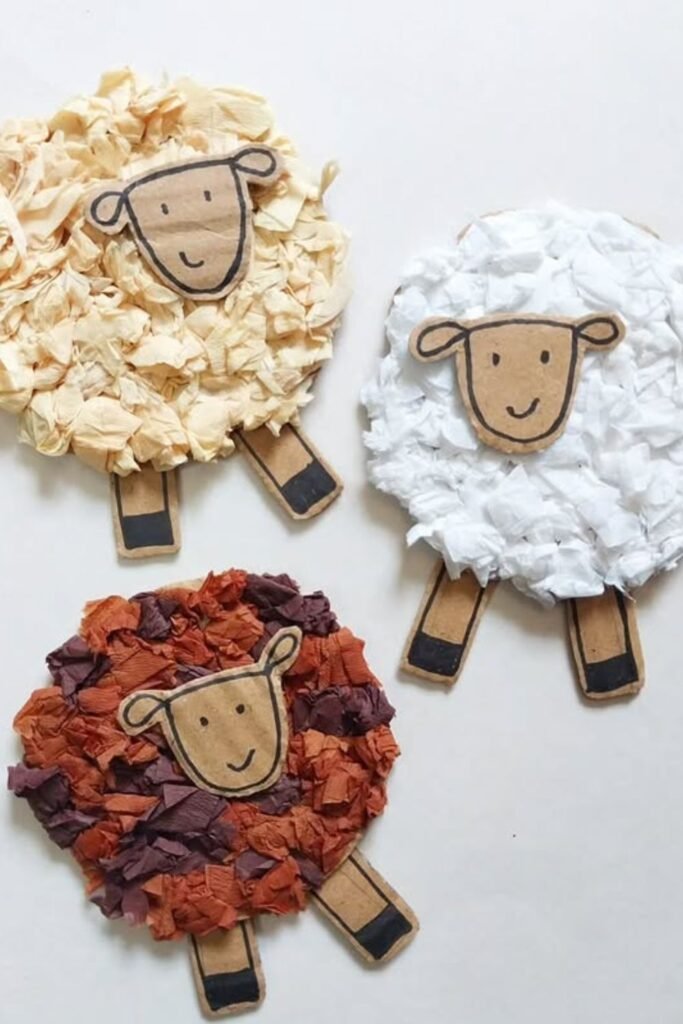
Tissue Sheep
Color choices change the whole feel of this craft, which makes it great for spring art tables. Torn tissue paper builds soft wool without perfect shapes.
Kids shouldn’t fret about making mistakes. The cardboard faces and legs provide a solid structure.
This activity works well during farm themed classes or color studies. Let the children choose colors transforming each sheep into a unique character.
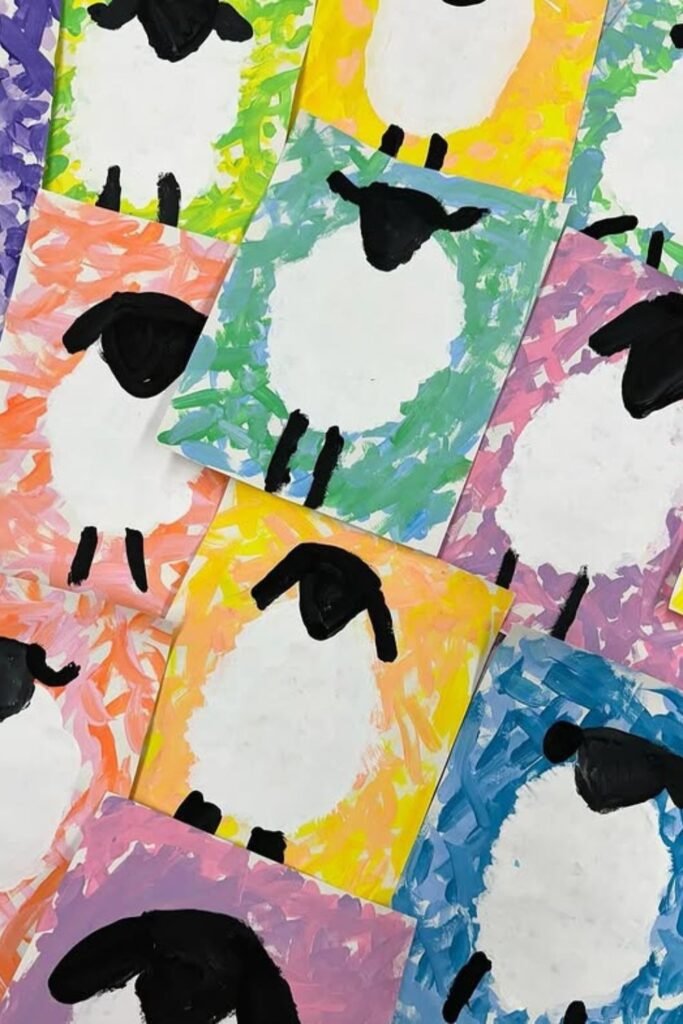
Painted Sheep
Bright backgrounds steal the show here, which makes this idea perfect for spring art weeks. Kids paint the paper first.
Then, once everything’s dry, add some simple sheep shapes.
You can use white paint or sponge dabbing to make the wool, which means you don’t need any extra supplies.
This approach is great for classrooms aiming for a big farm-themed mural, because each sheep ends up looking unique, yet they all contribute to the overall design.
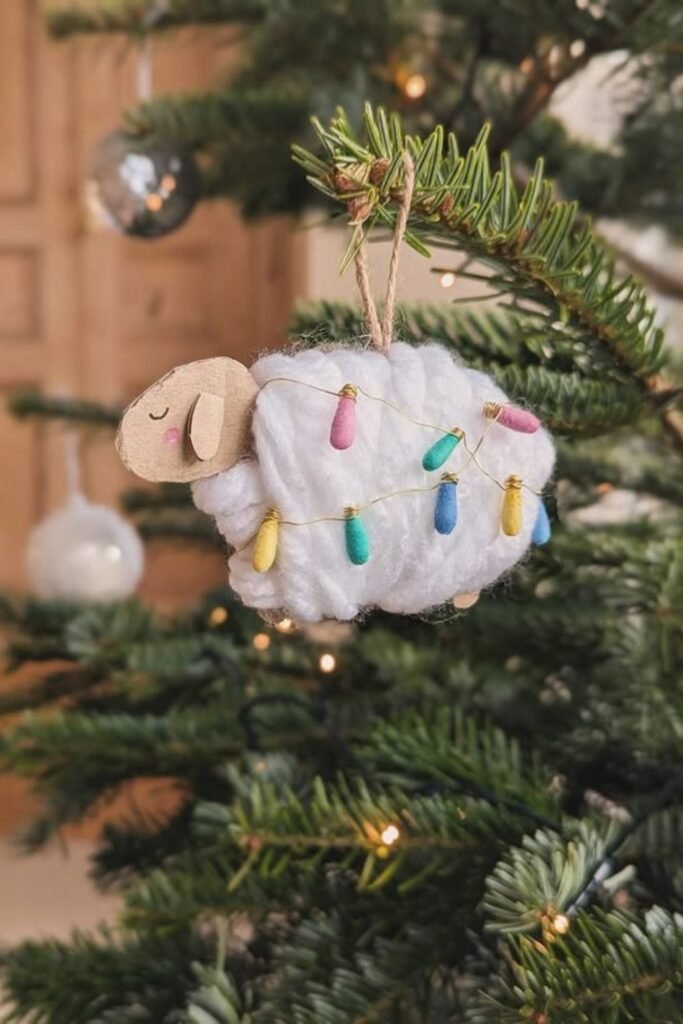
Wool Ornament
Holiday lights wrapped around soft wool turn a simple sheep into something kids actually want to hang up. Felt or cardboard works well for the face.
Cotton or batting may quickly give the body some shape.
This project is best suited for quieter moments or smaller groups, as wrapping requires a little of concentration.
It’s a playful method for repurposing farm animals throughout the winter months, without fully changing the theme.
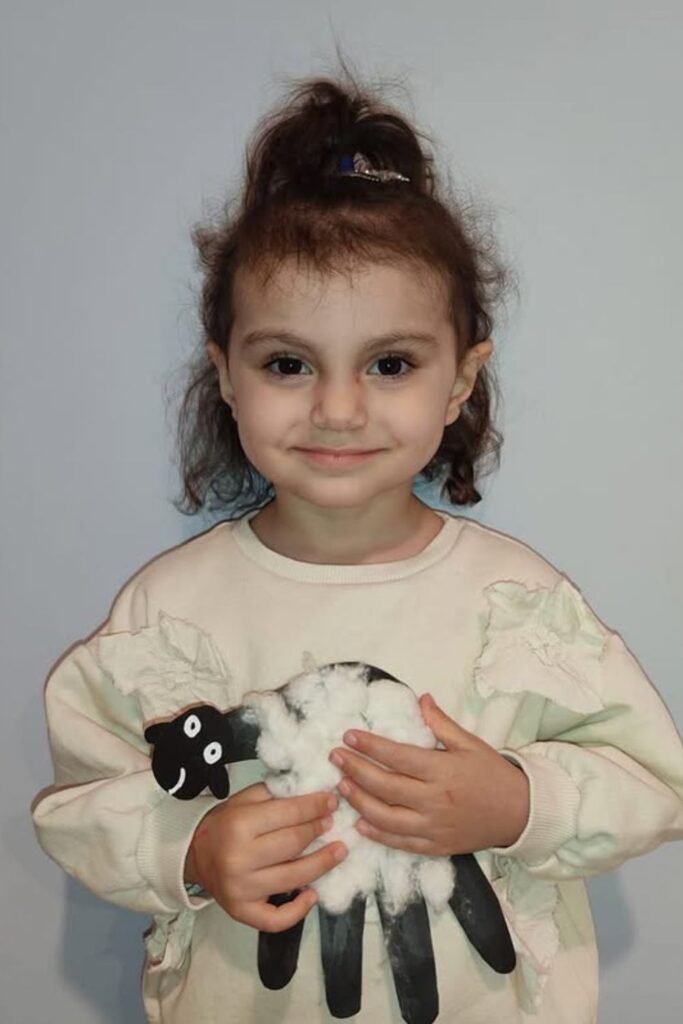
Handprint Sheep
Little hands become the whole sheep here, which instantly makes this craft feel personal. Black paper or paint creates the hand shape.
This method is ideal for mementos spring themed memory books, or farm units where parents will genuinely want to retain the final product.
Younger children may concentrate on pressing and sticking, without the pressure of achieving precise shapes.
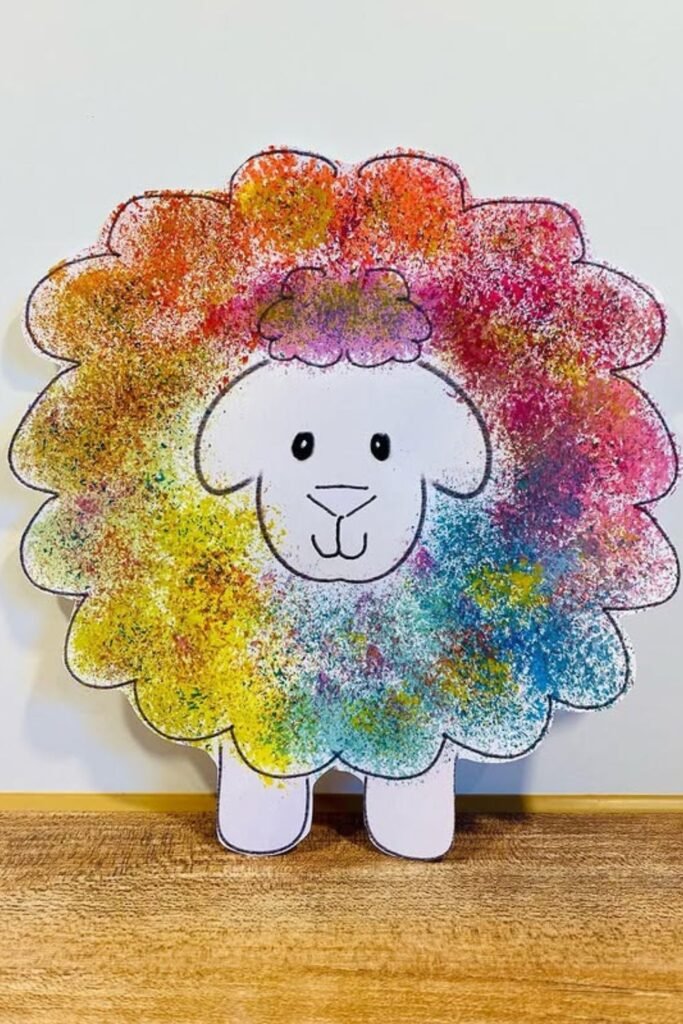
Color Splash
Rainbow textures pull kids in before instructions even start. Paint mixed with a little glitter or sponge stamping gives the wool depth without extra supplies.
Outline the sheep first, keeping the colors within the lines, and then let the kids go wild with the layering.
This is a perfect project for those art-filled spring weeks or those indoor days when you need to channel some energy onto paper rather than have it ricochet around the room.
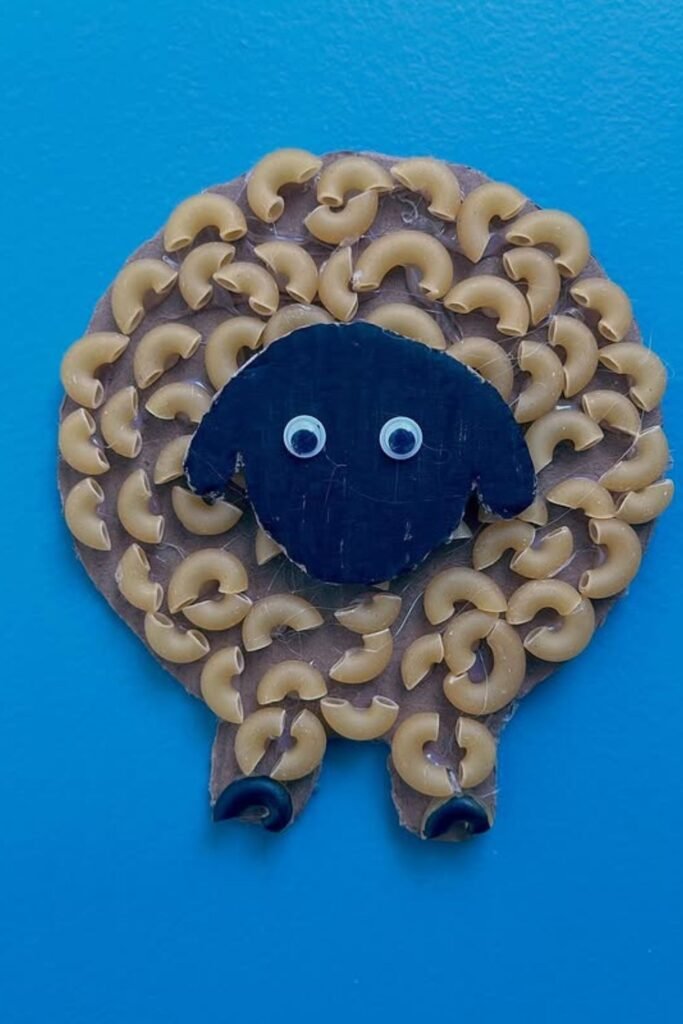
Pasta Wool
Dry pasta turns into instant wool, which makes this craft surprisingly sturdy once it dries. Kids glue elbow noodles around a simple sheep shape.
Next affix a paper face and eyes. This setup is ideal for farm units or sensory play days since the texture provides tactile engagement.
A cardboard base is recommended to ensure the completed sheep maintains its shape through out handling.
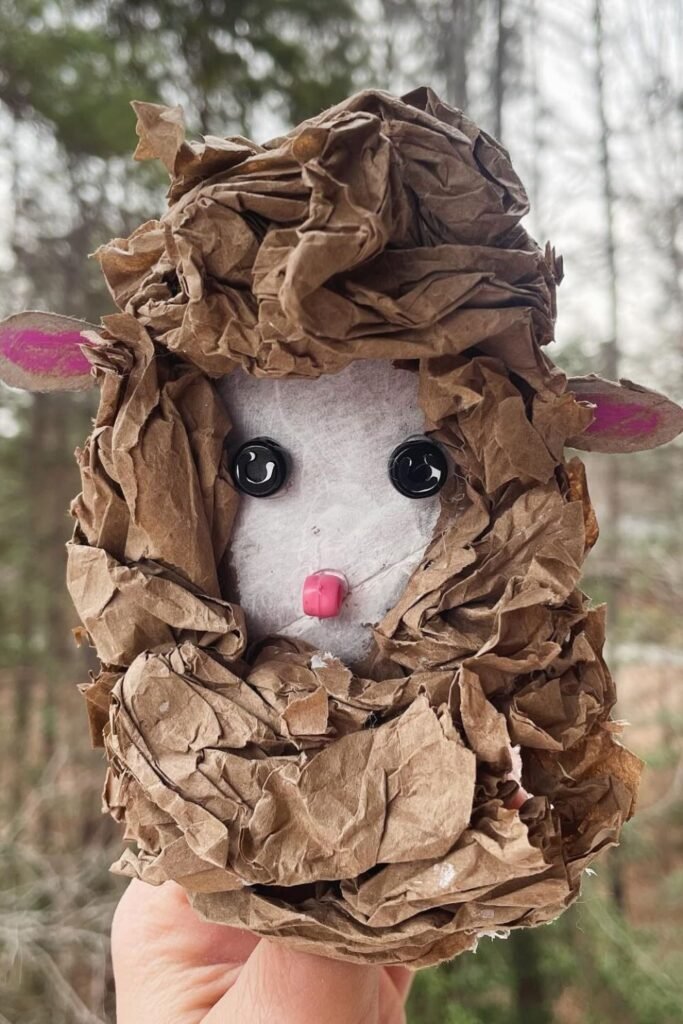
Crumpled Wool
Brown paper turns into rugged wool with nothing more than squeezing and layering. Crumpling gives instant texture, so kids do not worry about neatness at all.
A gentle white core ensures the face remains visible, and buttons or beads provide a touch of personality.
This approach is perfect for outdoor farm themed lessons or recycled craft sessions where children discover that straightforward material and can transformed something.
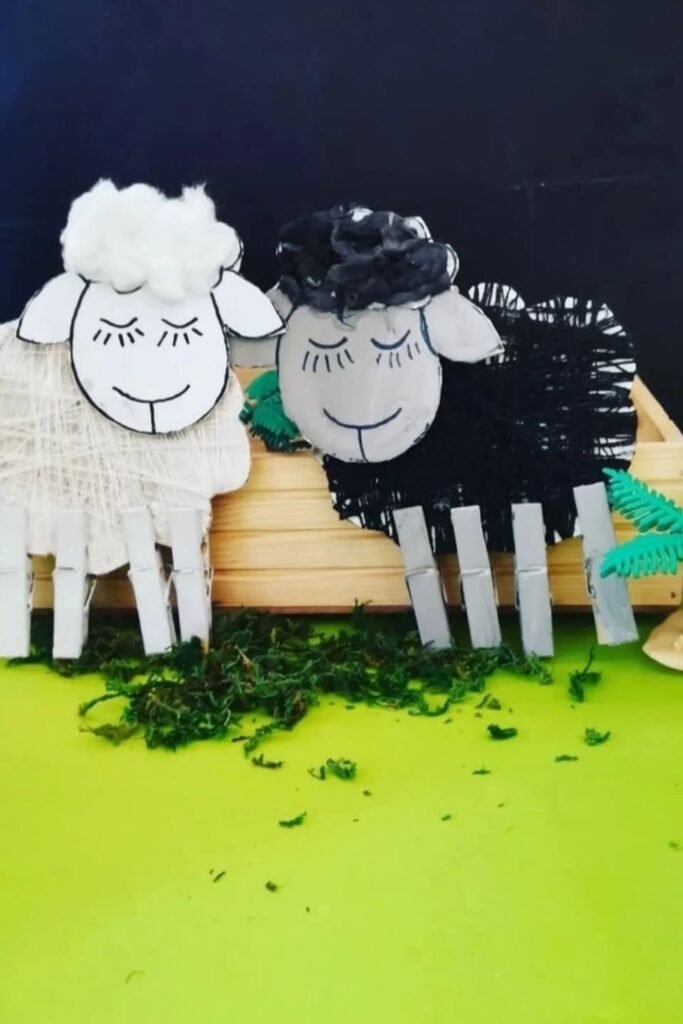
Farm Scene
Storytelling takes over once sheep stand on their own legs. Wrapped yarn or gauze builds wool fast.
Clothespins, repurposed as robust legs allow for mobility. A straightforward cardboard fence transforms this into a miniature farm.
It’s perfect for farm-themed activities or free-play areas, where children may arrange the pieces, reenact narratives and extend the fun much beyond the first crafting session.
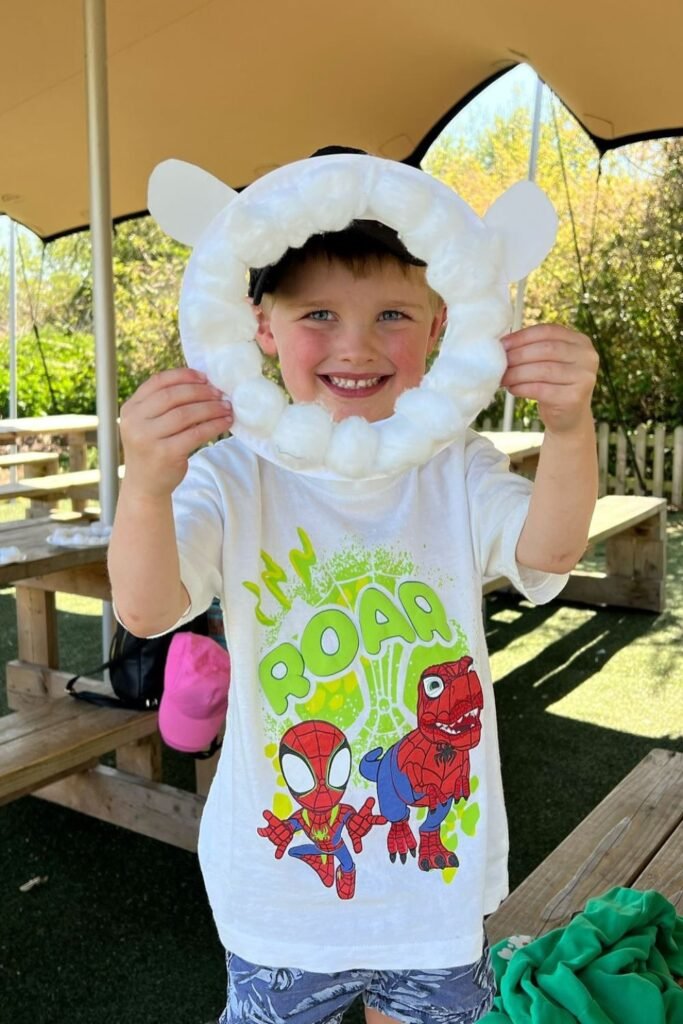
Sheep Crown
Dress-up energy kicks in the moment kids can hold their own “wool.” Cotton balls glued around a paper ring turn into a soft sheep crown that slips right over the head.
Add some simple ears and forget the faces; it’ll speed things up. This approach is ideal for outdoor springtime fun, farm days, or movement breaks.
Where crafts have to withstand the rigors of kids running around, giggling, and proudly displaying their creations.
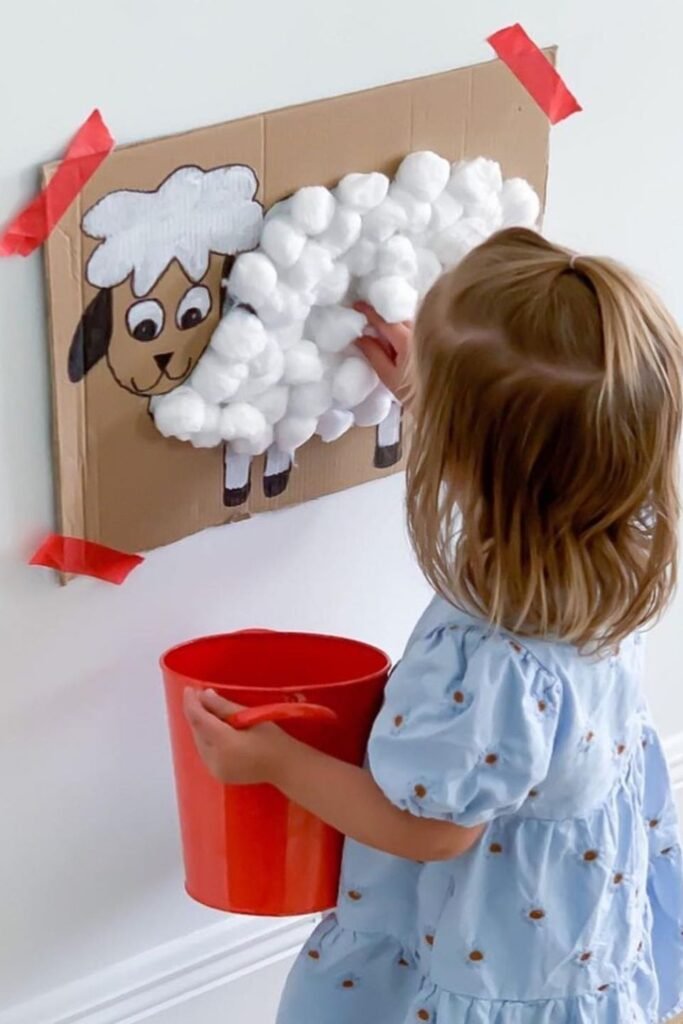
Sticky Wall
Movement replaces sitting still with this setup. Cotton balls stick onto a taped cardboard sheep, so toddlers stay engaged without needing glue or scissors.
The nearby bucket keeps the fun alive, as children repeatedly scoop up and drop wool. This approach is particularly effective for springtime agricultural themes.
Especially with smaller children. They tend to absorb information more readily via active play than through projects that require sitting at a table.
Clover Snack
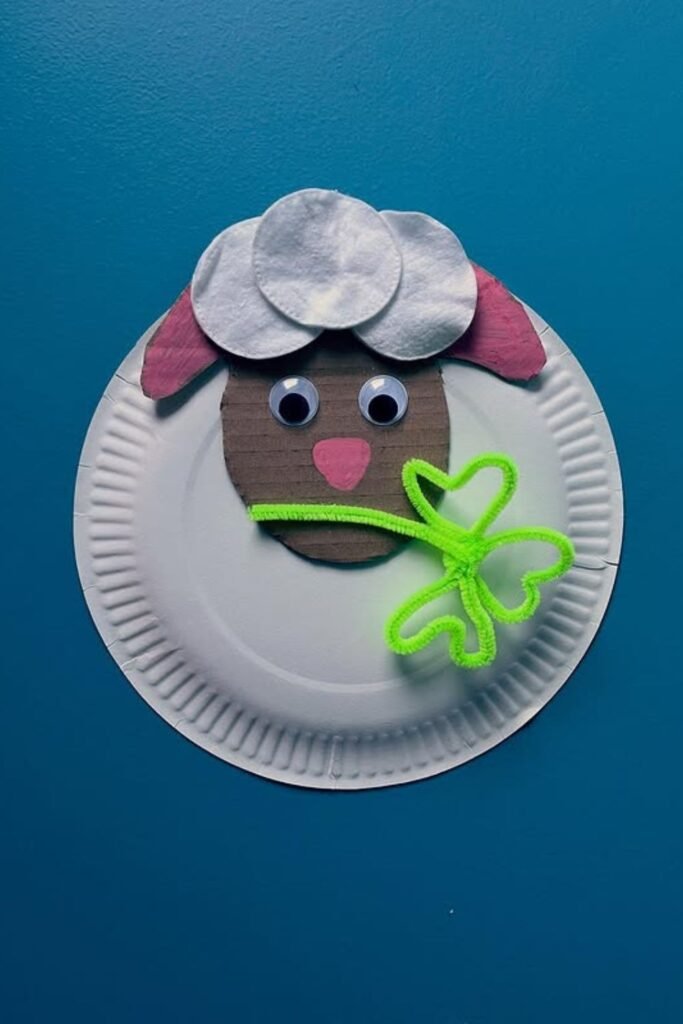
A little detail changes the whole mood here. Pipe cleaners turn into grass or clover, giving the sheep something to “eat” instead of just sitting still.
Cotton rounds are a neat alternative for working with soft wool, eliminating the usual cotton fluff. Incorporate.
These into farm themed activities to gently prompt discussions on animal diets, all as children engage in building and decorating projects simultaneously.
Texture Play
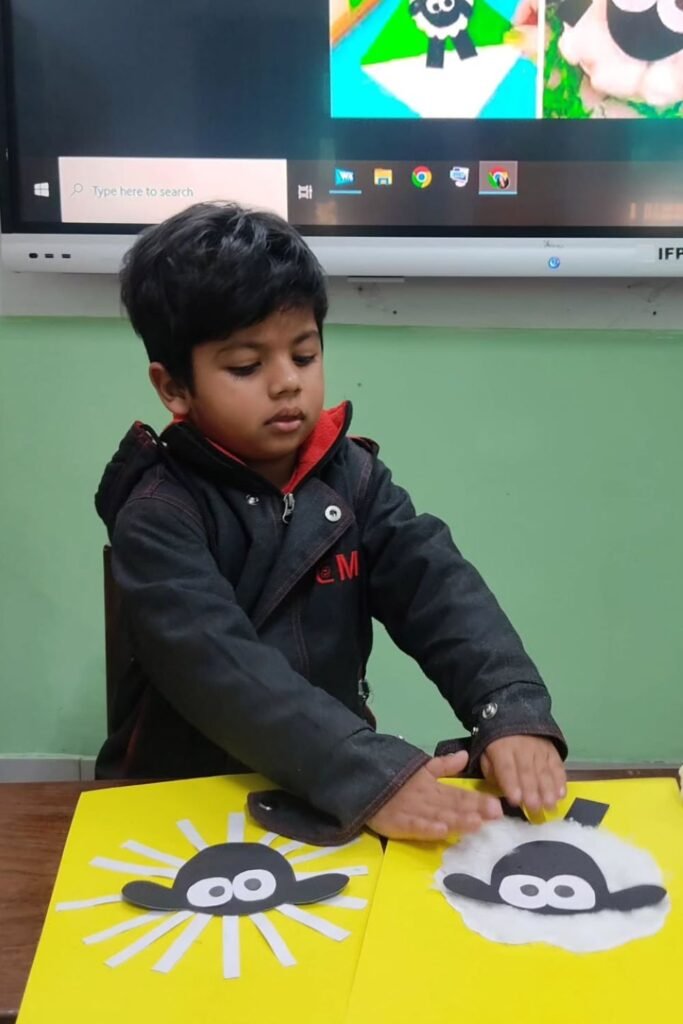
Hands stay busy here without needing perfect placement. Kids press cotton onto a simple sheep base and immediately see the wool grow.
This approach minimizes aggravation. A side by side comparison, using paper strips, illustrates how varying textures may alter the same animal.
Its a great fit for classrooms particularly for sensory inquiry. The focus is on feeling, pushing and comparing, rather than cutting out forms.
Bottle Sheep
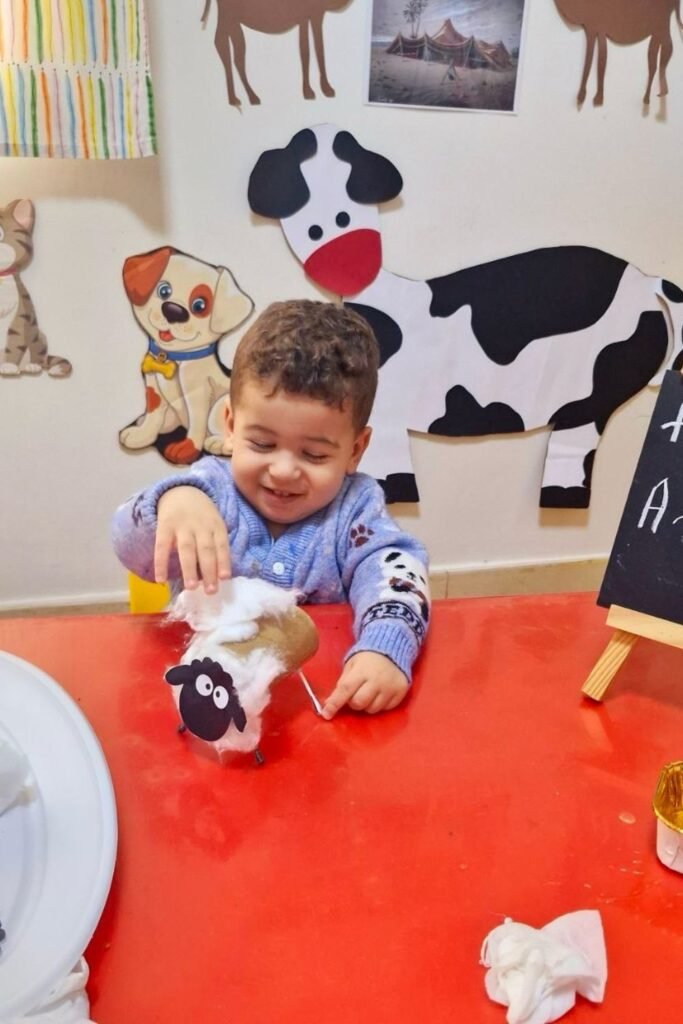
Recycled bottles turn into instant bodies that toddlers can grab and turn around. Cotton sticks easily to curved sides.
The sheep comes together quickly, no need for precise positioning. A quick paper face, and it’s done.
This concept works well for farm animal units aimed at young children.
It emphasizes sticking, holding, and exploring shapes, rather than sitting quietly and following a set of instructions.
Wool Flock
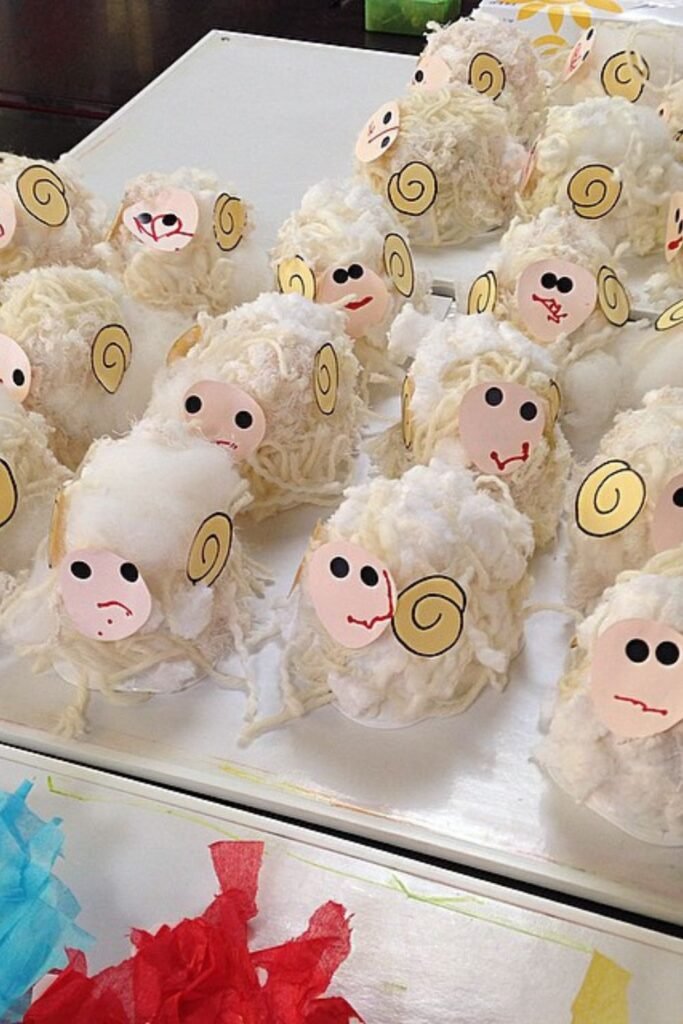
Group crafting shines with this setup because every sheep follows the same base but still looks different.
Thick wool forms quickly with yarn scraps and cotton, and simple paper faces keep things going along.
This setup is perfect for classroom farm units or spring festivities, especially when lots of kids are involved.
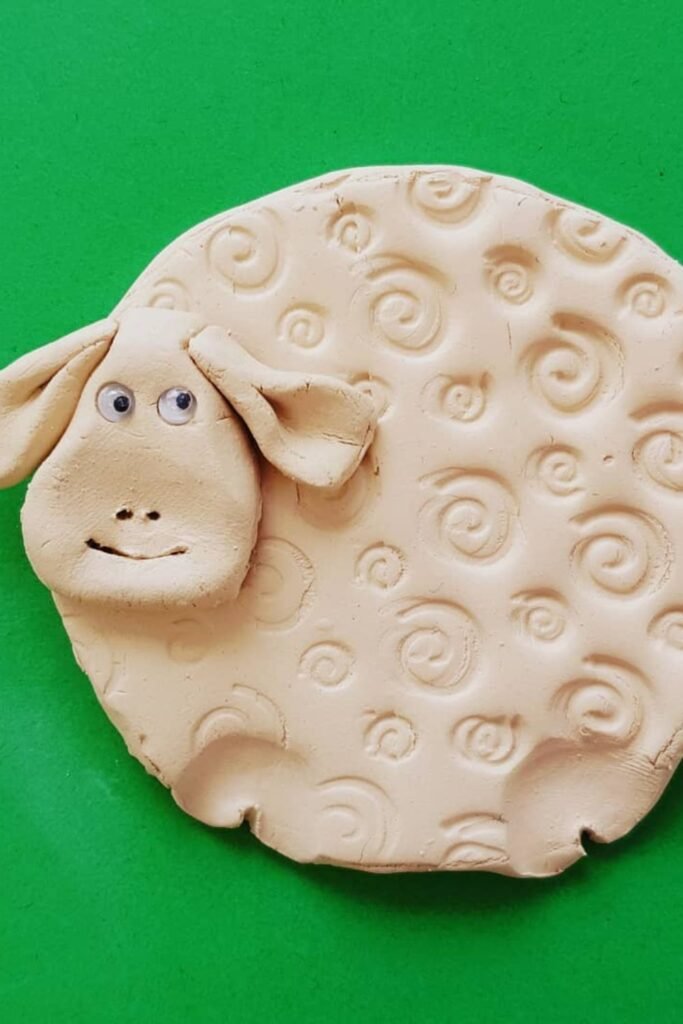
Clay Sheep
Soft clay lets kids press, poke, and swirl their way to wool texture without any extra pieces. Simple spiral marks create the fleece.
A simple face design allows the emphasis to be on the overall form, rather than intricate details.
This approach is ideal for relaxed springtime crafts or farm-themed projects.
Providing children with a gentler, more deliberate activity. It helps build hand strength and encourages experimentation all without the pressure of glue setting quickly.
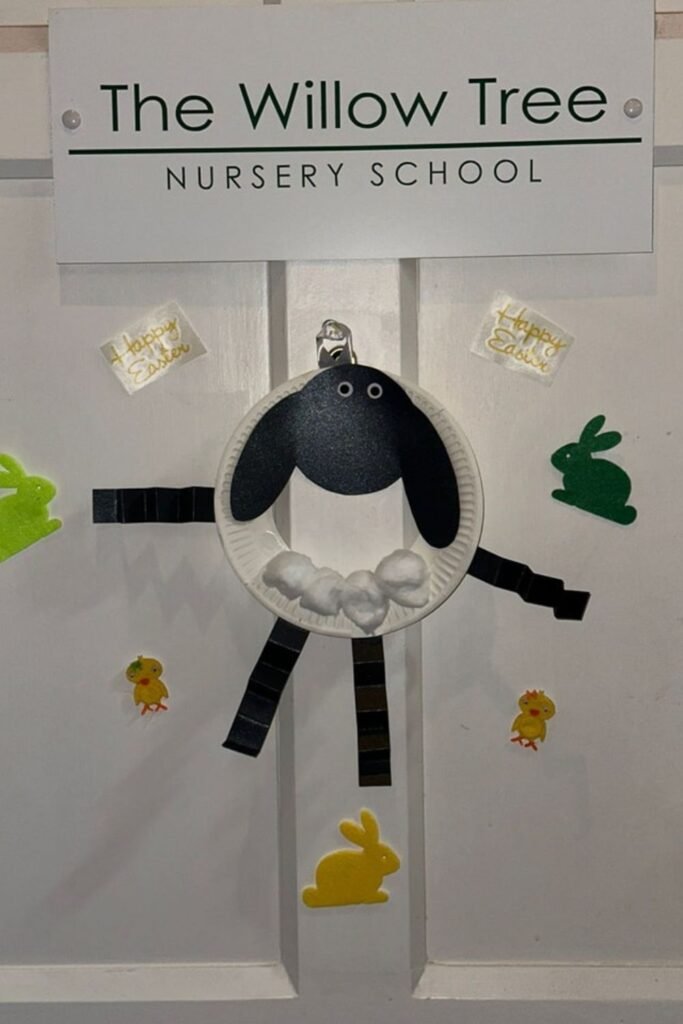
Door Display
Walking past it becomes part of the experience. A paper plate sheep placed at kid height turns a hallway or classroom door into a spring welcome.
The cotton remains inside the confines of the plate, and the lengthy paper strips introduce a sense of motion.
This approach is particularly effective in nursery or preschool environments, where crafts serve a dual purpose as decor, children delight in identifying “their” sheep on a daily basis.
FAQs
How can I keep sheep crafts from turning into a huge mess?
Mess sometimes arises from a combination of loose materials and an overabundance of glue.
To mitigate this, use alternatives such contact paper cotton rounds, paper strips or taped cardboard rather than allowing free range cotton balls.
Which sheep crafts work best for mixed-age groups?
Select concepts with a straightforward core and optional embellishments. Younger children can focus on sticking or pressing materials.
Whilst older kids can incorporate elements such as facial features, patterns, or backgrounds.

Hi, I’m Afaf! I’m a law student who loves writing about everyday life – from home projects and crafts to fashion, beauty, and parenting tips.
I’ve been writing for over a year, sharing ideas that are simple, practical, and easy to try. I write about things I find interesting and useful, whether that’s organizing a space, trying a new DIY, or finding activities to keep kids entertained.
My goal is to share helpful ideas without making things complicated. If it works in real life, I’ll write about it.
When I’m not studying or writing, I’m usually experimenting with new projects or scrolling for inspiration!