
20 Letter K Crafts for Preschoolers
Teaching letter K at home can feel frustrating when tracing worksheets quickly bore your preschooler, and they still struggle to remember its sound.
Instead of repeating worksheets, try simple kite, koala, or kangaroo crafts that help your child recognize K through coloring, cutting, and gluing.
With these easy Letter K craft ideas, you can turn everyday supplies into playful learning activities that build letter recognition and fine motor skills.
How Can Parents Use Letter K Crafts for Simple Learning Activities at Home?
You don’t need expensive supplies to teach letter K at home. Start with paper, crayons, glue, and familiar K words.
Choose a kite, koala, or kangaroo craft and repeat its name while your preschooler colors, cuts or glues the pieces.
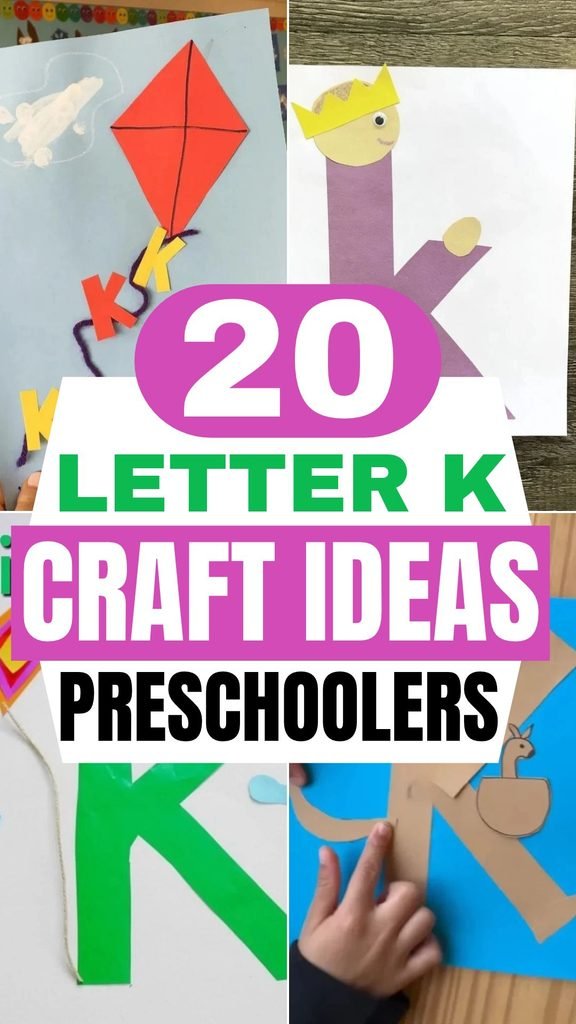
Point to uppercase K and lowercase k during the activity, then say the letter sound together to build recognition.
For extra practice, hide paper K letters around the room or let your child build the letter using craft sticks.
If cutting seems challenging, prepare smaller pieces in advance and concentrate on quick, enjoyable exercises that facilitate learning.
King Letter Craft
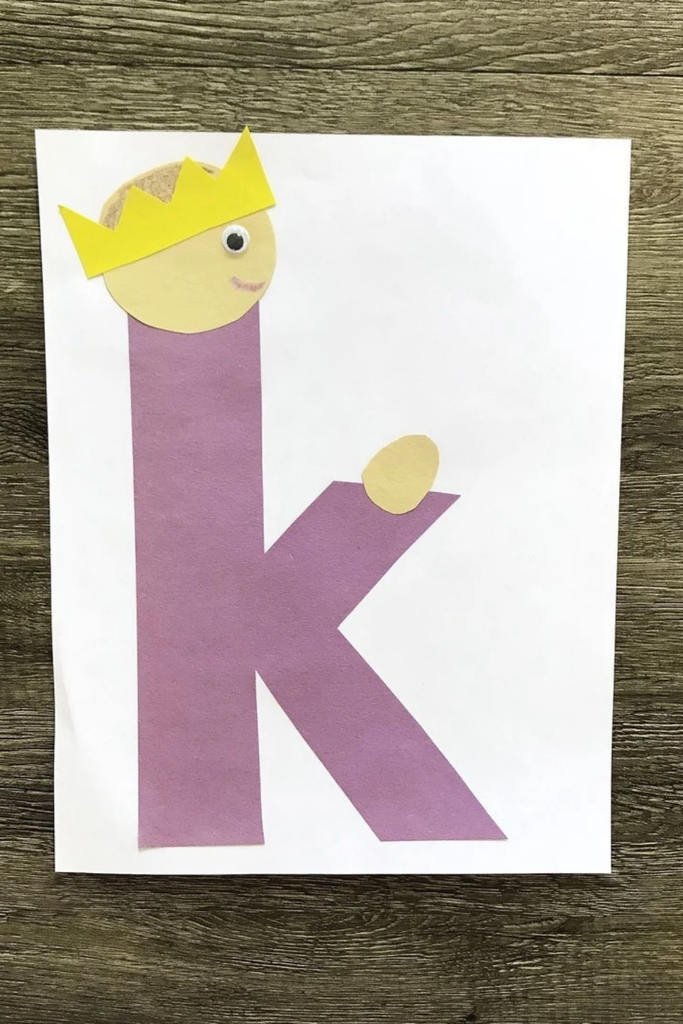
Turn a large purple letter K into a little king by adding a paper face, yellow crown, googly eye and small hand.
Cut the letter from construction paper, then let your preschooler glue the pieces together while practicing the K sound.
For an easy alphabet activity at home, ask your child to say “K is for King” and point to the letter.
Glitter Letter K
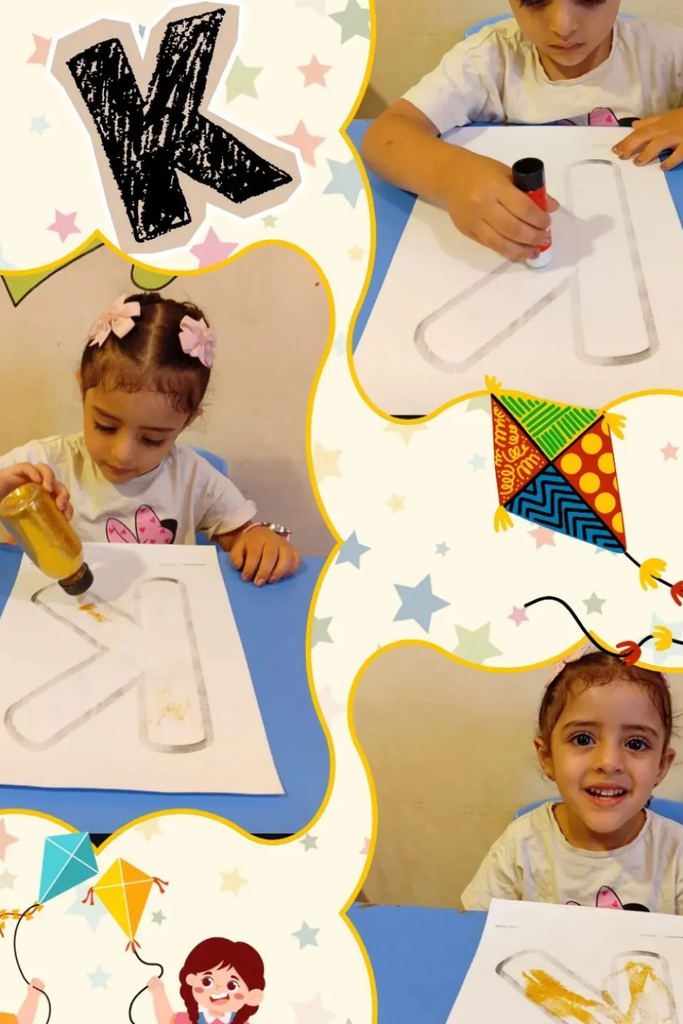
Add some sparkle to alphabet practice by letting your preschooler decorate a large letter K with colorful glitter and glue.
Draw a thick K outline on white paper, help your child spread glue inside, and sprinkle glitter over the sticky areas.
For a simple home learning activity, say “K is for Kite” while decorating and practice tracing the letter with a finger.
Kite Letter Craft
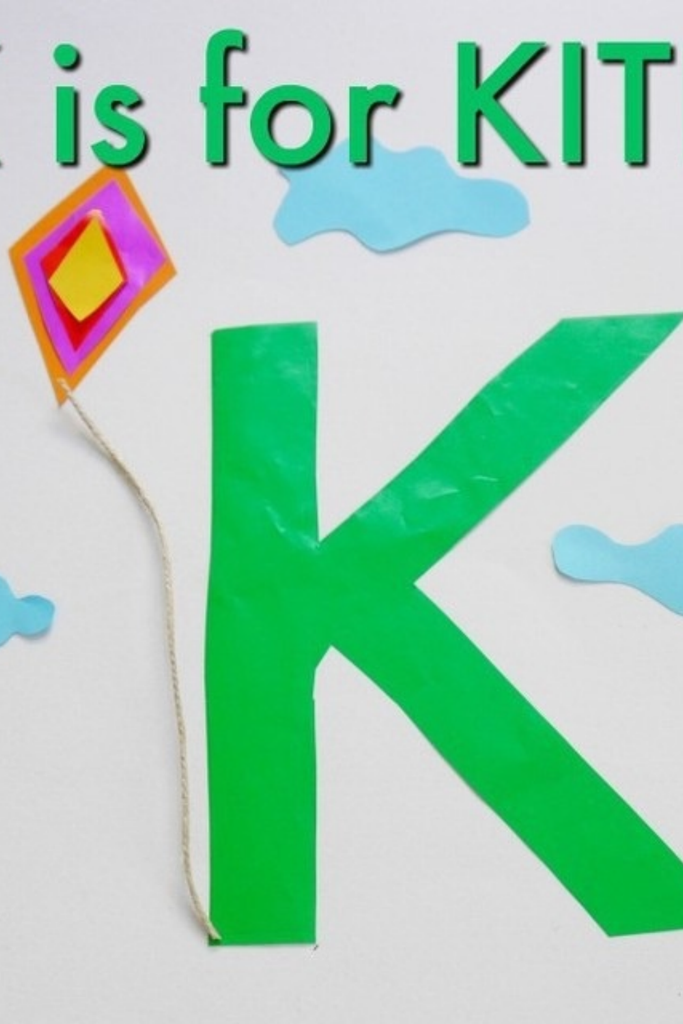
Bring a little outdoor fun into alphabet practice by turning a large green letter K into a colorful kite-themed paper craft.
Cut a bold K from construction paper, then add a small diamond-shaped kite, yarn string, and blue paper clouds around it.
During your preschooler’s craft time, point to both K shapes and repeat “K is for Kite” to help connect the letter with its sound.
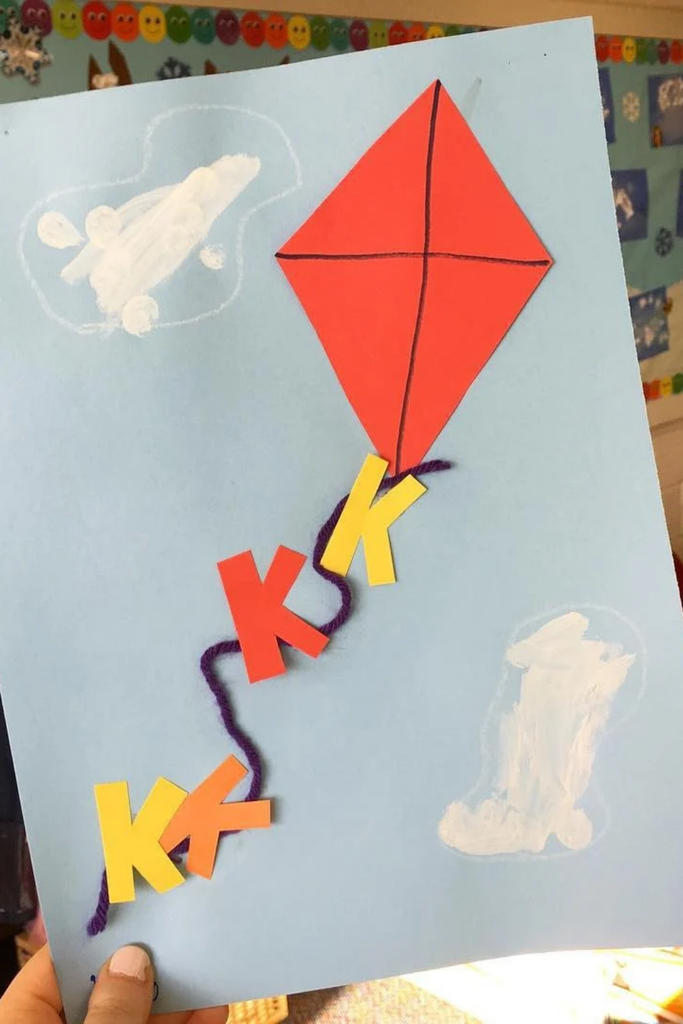
Kite String Letters
Make letter recognition more playful by adding colorful paper K cutouts along the string of a bright red kite.
Use blue cardstock for the background, attach purple yarn beneath the kite, and let your preschooler glue each letter along it.
Finish with painted white clouds, then ask your child to count the K letters while practicing their sound together.
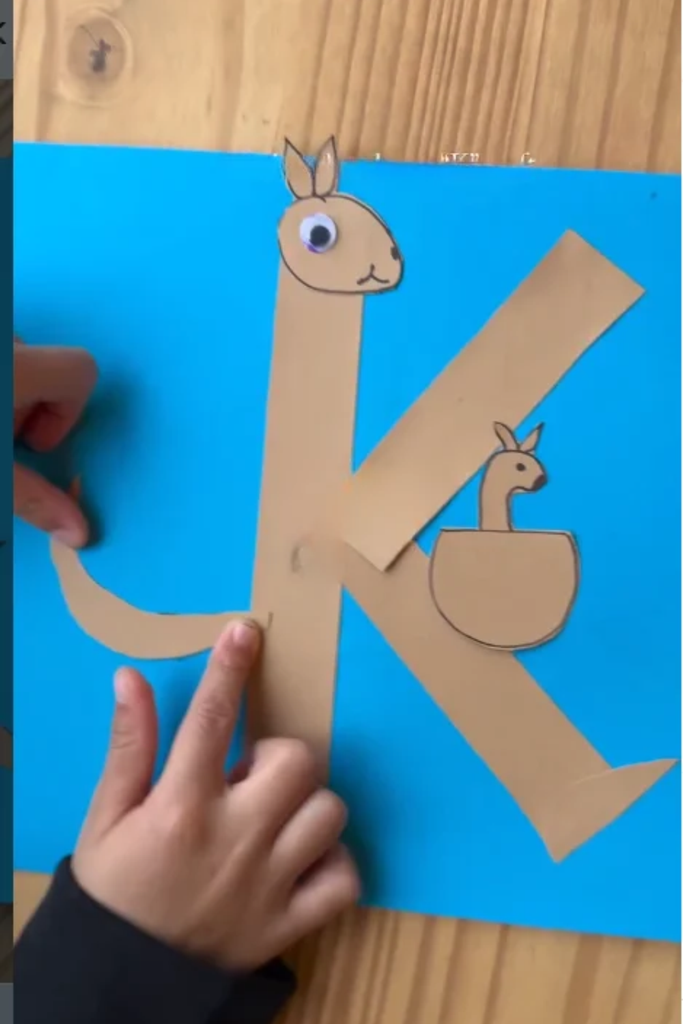
Kangaroo Letter Craft
Give your preschooler a fun way to recognize letter K by turning its straight and diagonal strokes into a kangaroo.
Cut three brown paper strips to form a large K, then attach a kangaroo head, curved tail, and little joey pouch.
Use blue cardstock as the background and let your child glue the pieces while repeating “K is for Kangaroo.”
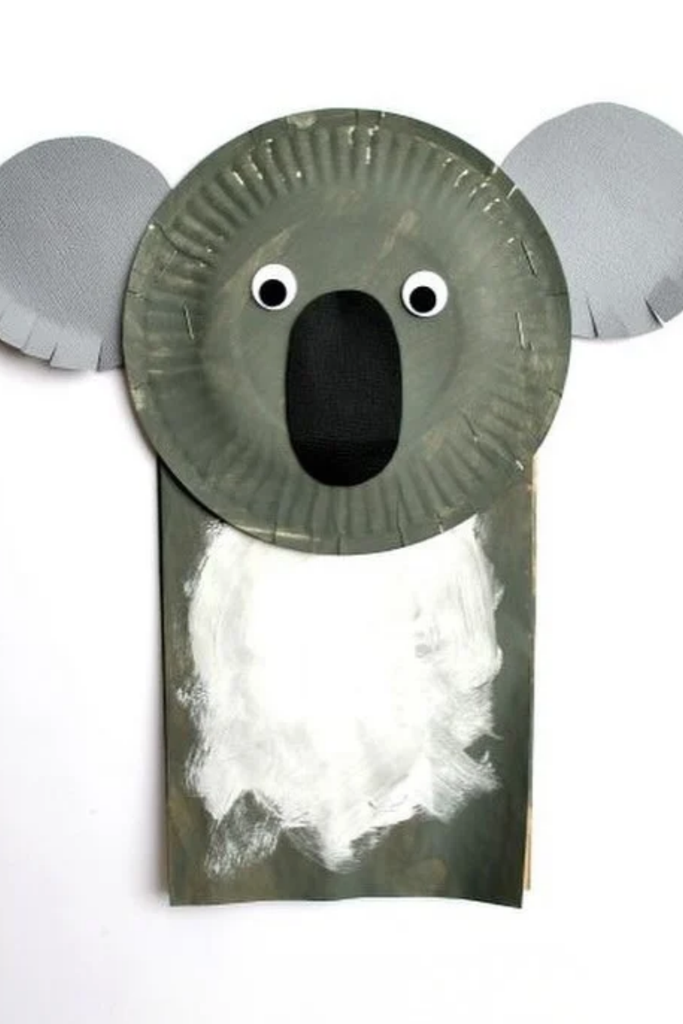
Paper Plate Koala
Paper plates make adorable koala faces without complicated cutting, making this craft perfect for preschool animal lessons and letter K practice.
Paint a paper plate gray, attach round paper ears, googly eyes and a large black nose then add a cardboard body.
Let your child dab white paint onto the koala’s belly and repeat “K is for Koala” while finishing the craft.
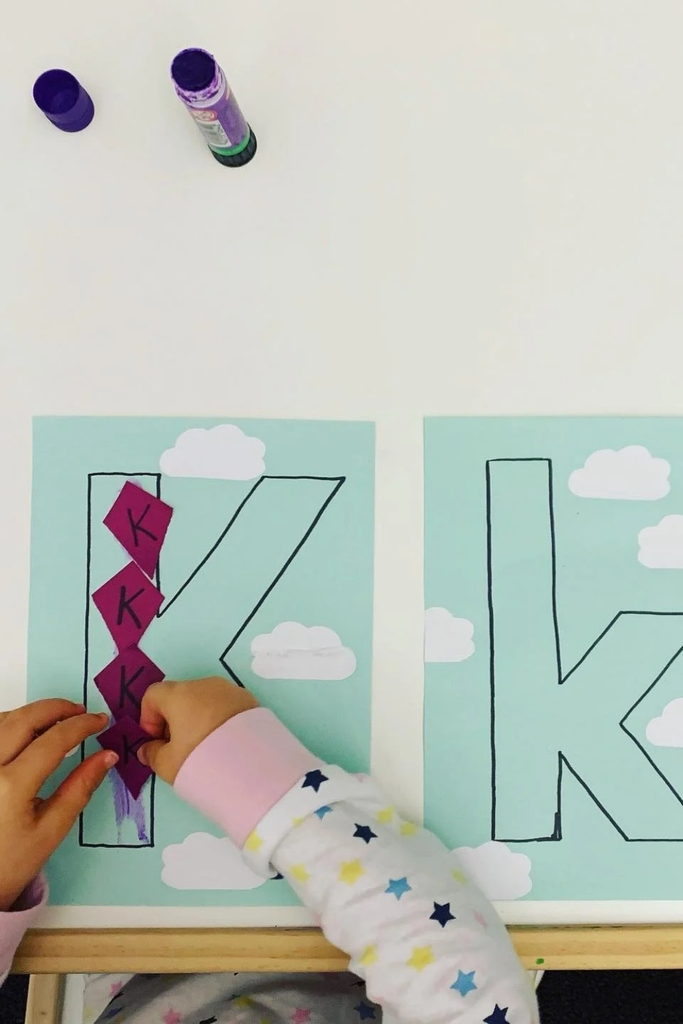
Letter K Matching
Turn letter recognition into a hands-on matching activity by giving your preschooler uppercase and lowercase K outlines on colorful paper.
Cut small paper squares, write K and k on them, and let your child glue each piece inside the matching letter.
Add white paper clouds around the outlines, then encourage your child to name each letter while practicing uppercase and lowercase recognition.
Sensory Letter K
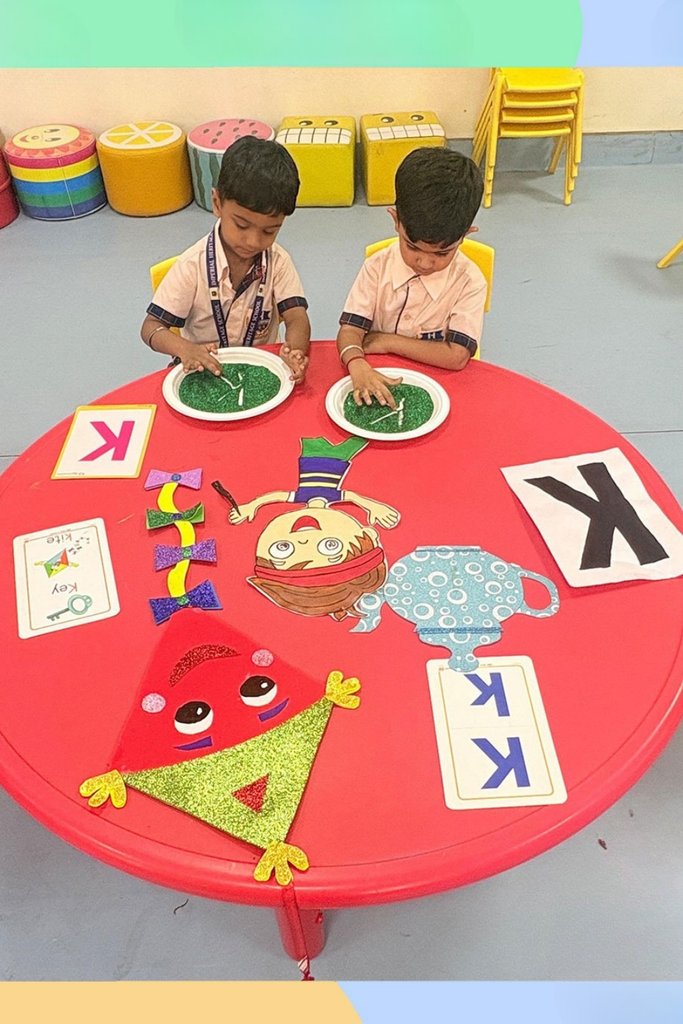
Turn alphabet practice into a sensory activity by filling shallow paper plates with green dyed rice for preschoolers to explore.
Place letter K cards and colorful kite and key cutouts nearby, then let children trace the letter through rice using their fingers.
For classroom or home learning, repeat the K sound and ask children to identify matching K pictures while practicing finger control.
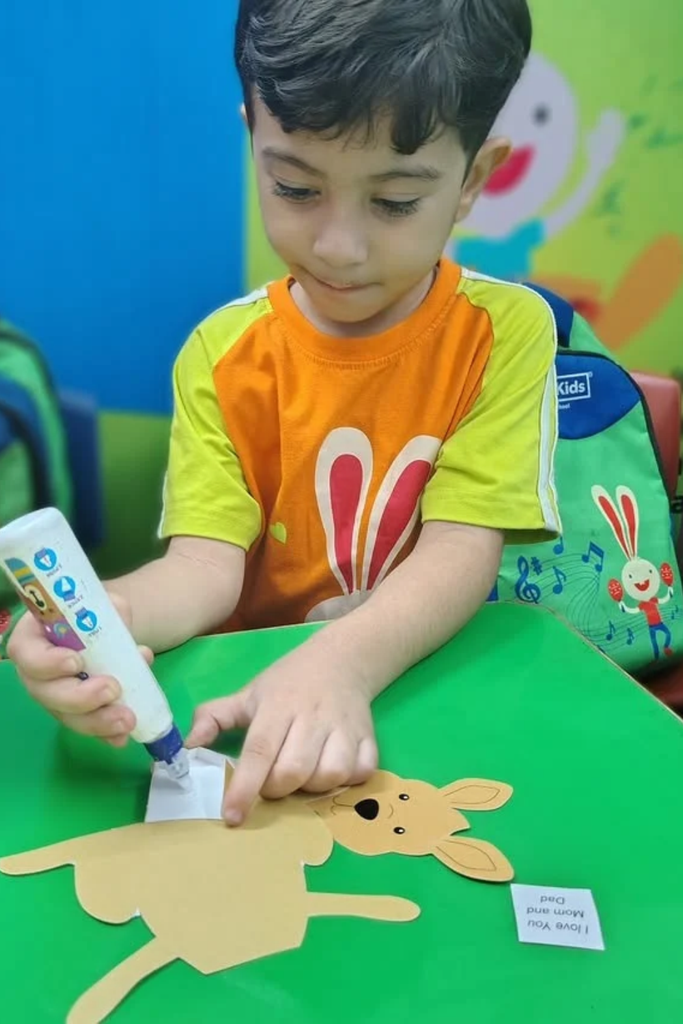
Kangaroo Paper Craft
Bring animal learning into your preschooler’s alphabet lesson by making a kangaroo from brown construction paper with a simple paper template.
Cut out the kangaroo’s body, long tail, ears, and face, then let your child glue the pieces together on cardstock.
During the activity, repeat “K is for Kangaroo” and encourage your child to identify the animal’s body parts while practicing fine motor skills.
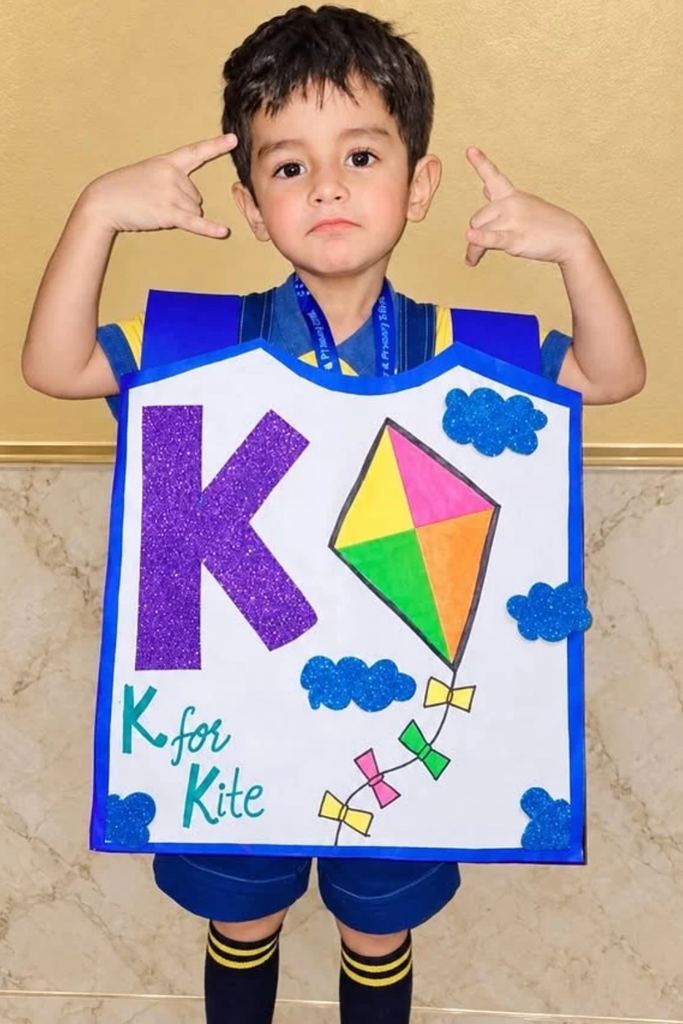
Colorful Kite Poster
Make letter K practice more exciting by creating a colorful kite poster your preschooler can proudly display after finishing the activity.
Cut a large glittery K, add a diamond-shaped kite with bright paper sections and decorate the background with blue clouds.
Let your child attach small bows along the kite string, then practice saying “K is for Kite” while pointing at the letter.
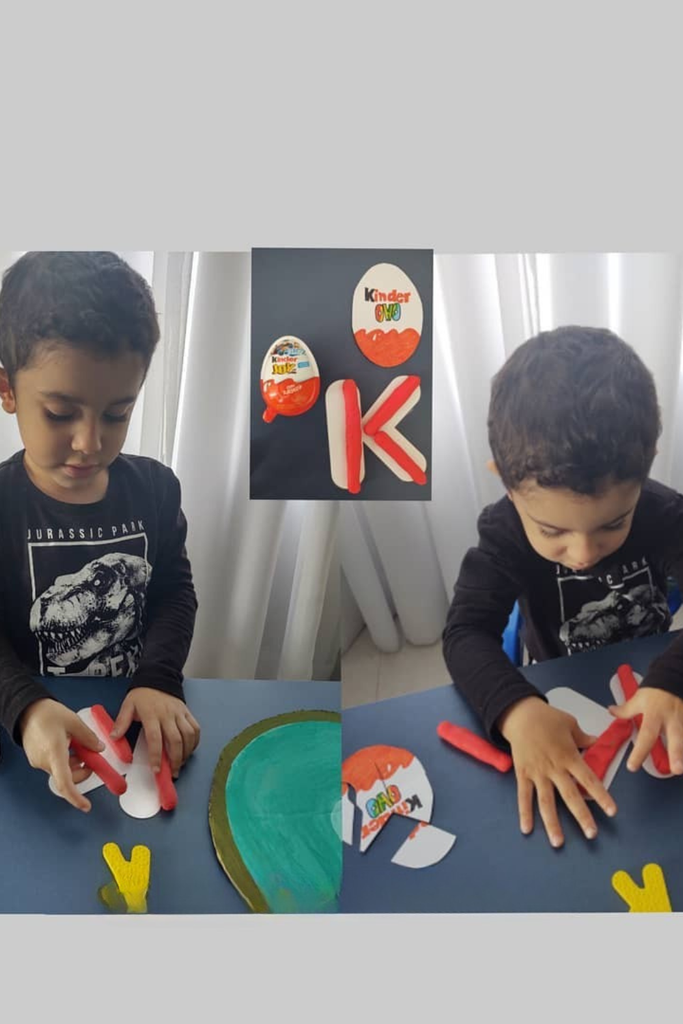
Playdough Letter K
Give little hands a break from paper crafts by using colorful playdough to build the letter K during preschool alphabet practice.
Roll red and white playdough into thick strips, then help your child arrange one straight line and two diagonal strokes.
Use a dark cardstock background to display the finished letter, and encourage your preschooler to trace its shape with their finger.
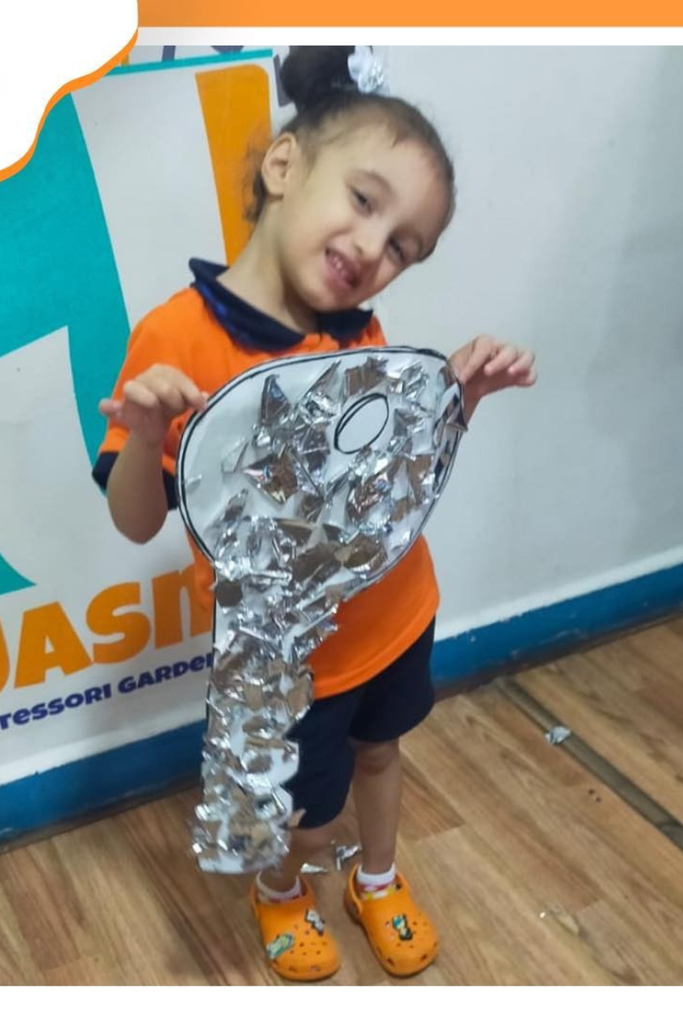
Foil Key Craft
Turn an ordinary cardboard key into a shiny alphabet project that helps preschoolers connect the letter K with everyday objects.
Cut a large key shape from cardboard then let your child glue small pieces of aluminum foil across its surface.
Once finished, ask your preschooler to say “K is for Key” and use the oversized key during pretend play.
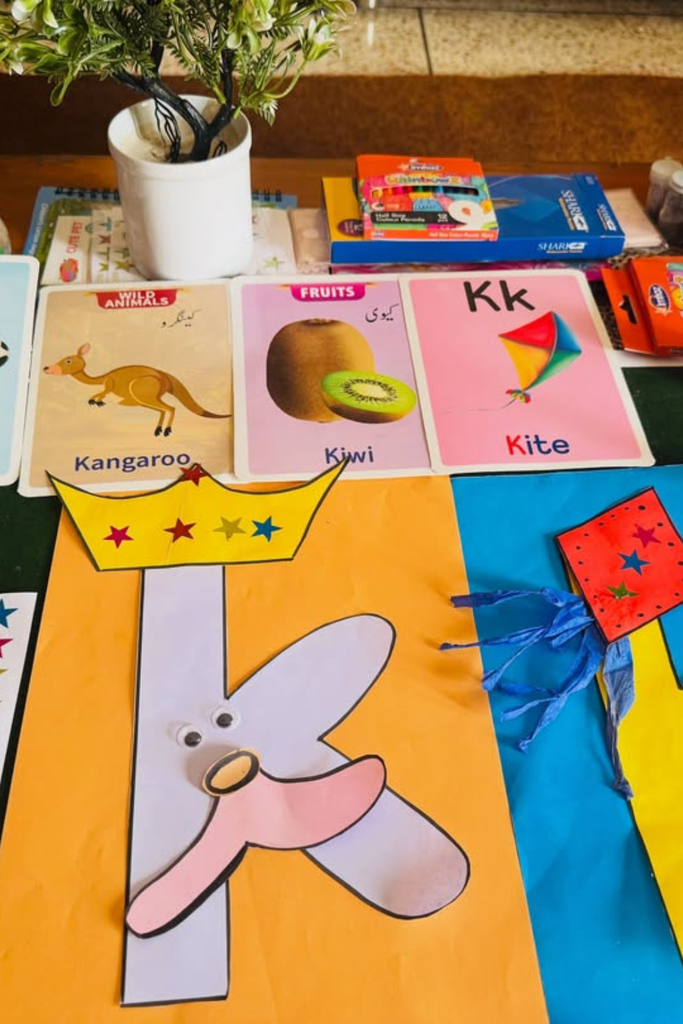
King Kite Crafts
Combine two familiar K words in one alphabet activity by making a crowned king letter and a colorful kite letter.
Cut large K shapes from paper, then decorate one with a crown, googly eyes, and arms, and the other with a kite and ribbon.
Place kangaroo, kiwi, and kite picture cards nearby so your preschooler can match each word with its picture while practicing the K sound.
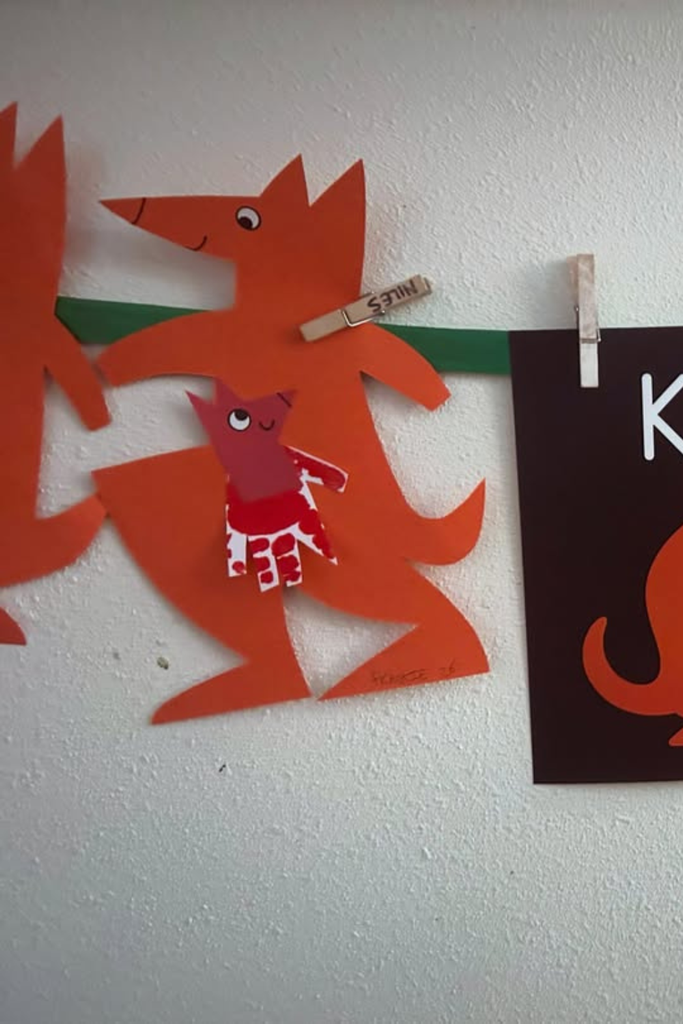
Kangaroo Clothesline Craft
Create a cute alphabet display by hanging colorful paper kangaroos along a ribbon using small wooden clothespins.
Cut kangaroo shapes from orange construction paper then add googly eyes, curved tails, and little joeys inside their pouches.
Hang the finished crafts near your preschooler’s learning corner and add a Kk card to help them connect kangaroos with the letter K.
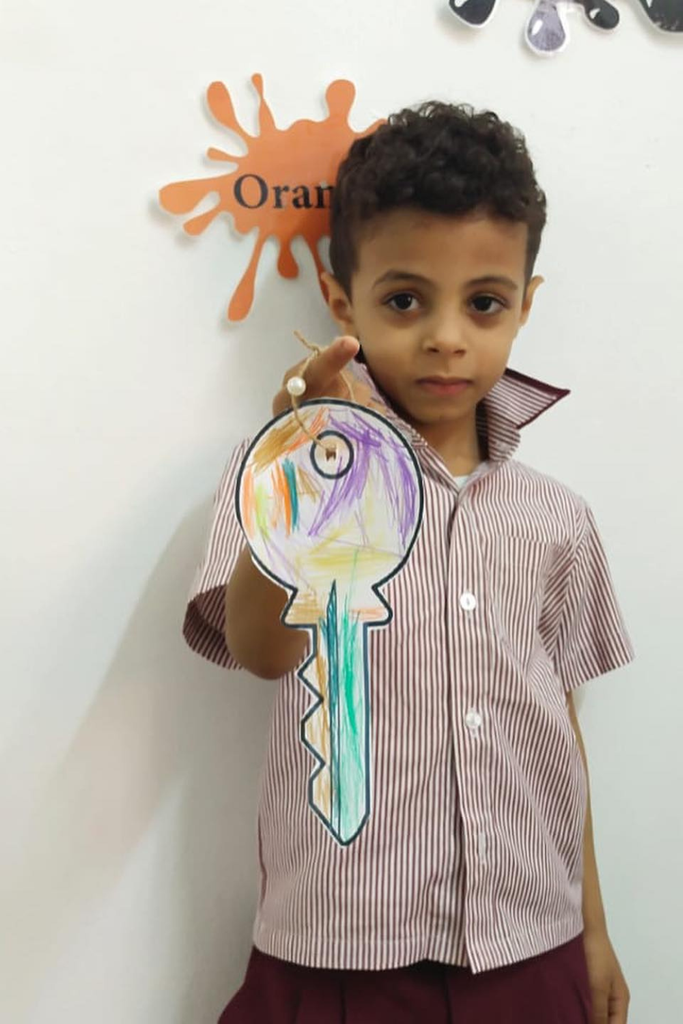
Colorful Key Craft
Turn letter K practice into a simple coloring activity by making an oversized paper key your preschooler can decorate with different colors.
Draw a large key outline on cardstock, let your child fill it with crayons, and carefully cut around the finished shape.
Attach a short string for hanging, then ask your child to name objects that use keys while repeating “K is for Key.”
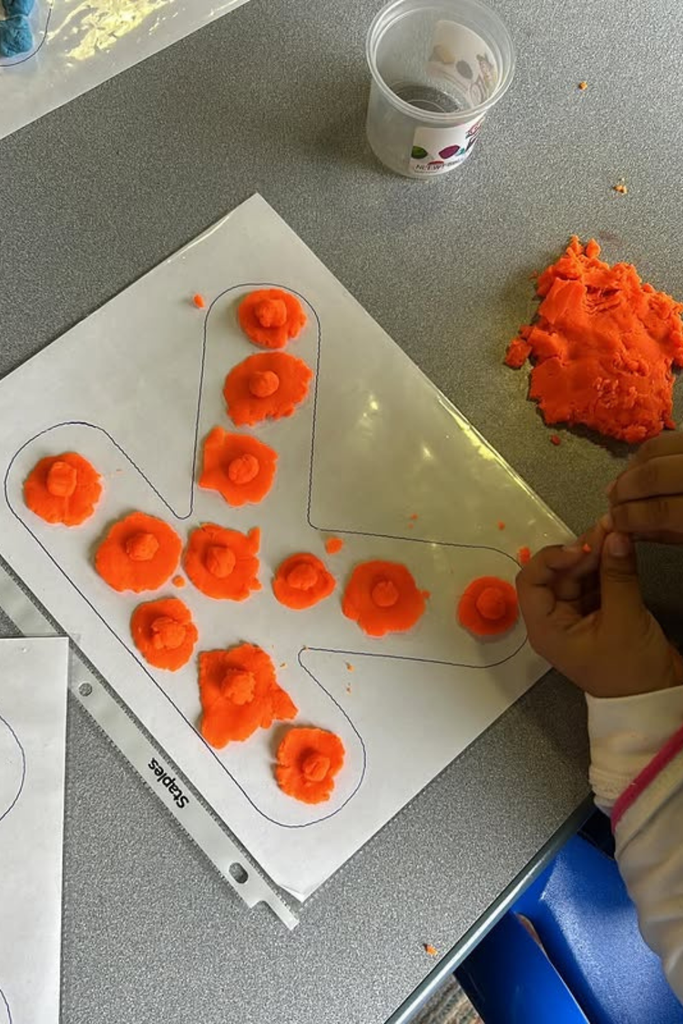
Playdough Letter Craft
Strengthen little fingers while practicing letter K by letting your preschooler fill a large letter outline with bright orange playdough.
Draw a thick K on paper, then help your child roll small playdough balls and press them along its lines.
For extra alphabet practice, encourage your child to follow the K shape with their finger and repeat its sound while working.
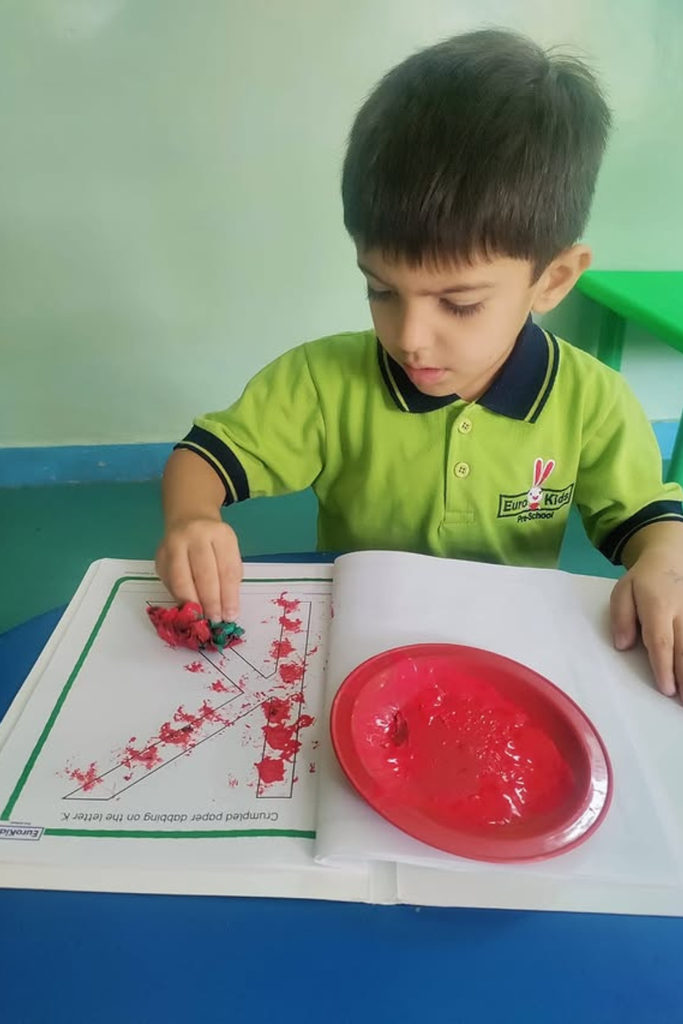
Crumpled Paper K
Make alphabet practice more hands-on by letting your preschooler stamp a large letter K using crumpled paper dipped in red paint.
Draw a bold K outline on white paper, then help your child press the painted paper along its straight and diagonal lines.
Try this during preschool art time to build hand coordination while helping your child recognize the letter K through repeated stamping.
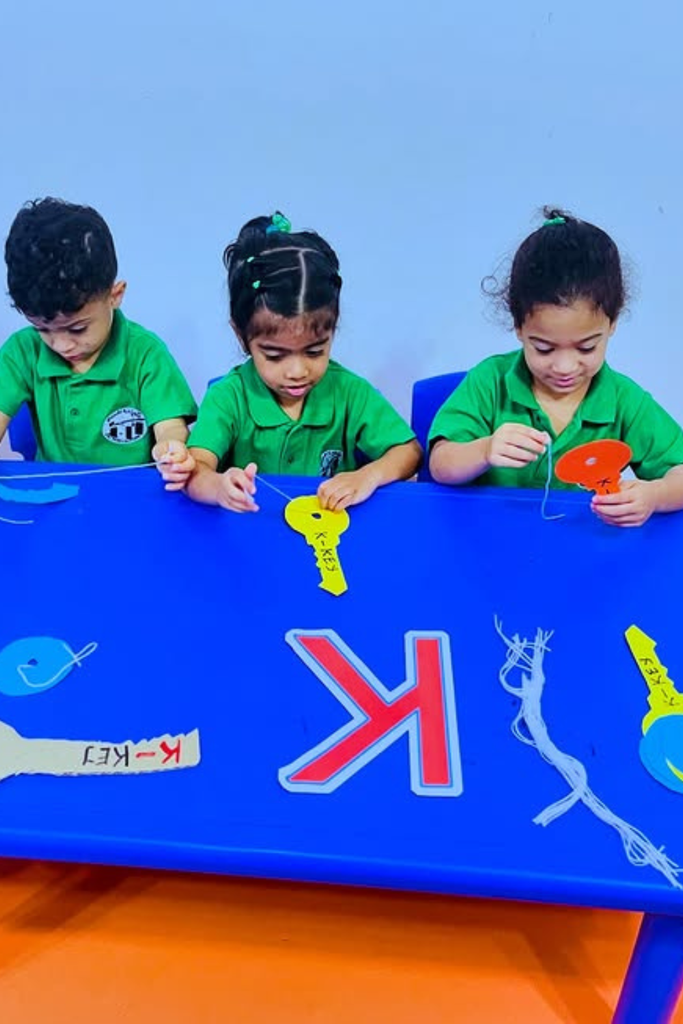
Paper Key Craft
Turn letter K learning into a playful key-making activity by creating oversized colorful keys from sturdy cardstock or construction paper.
Cut different key shapes let your preschooler decorate them with crayons, and attach yarn through small holes near the tops.
Use the finished keys for pretend play or a classroom display. Encouraging children to repeat K is for Key while practicing fine motor skills.
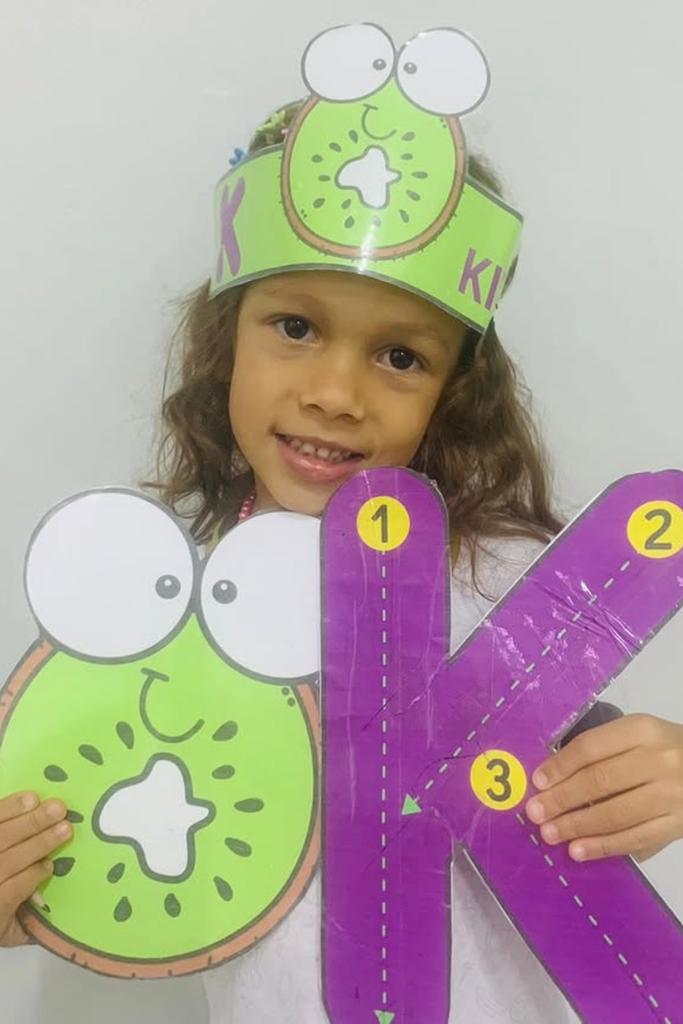
Kiwi Letter Craft
Bring fruit learning into your alphabet activities by creating a cheerful kiwi character and a large letter K from colorful cardstock.
Cut a green kiwi slice with big paper eyes, then prepare a purple K with numbered arrows showing its writing strokes.
Add a matching kiwi headband for pretend play and let your preschooler follow the arrows while saying “K is for Kiwi.”
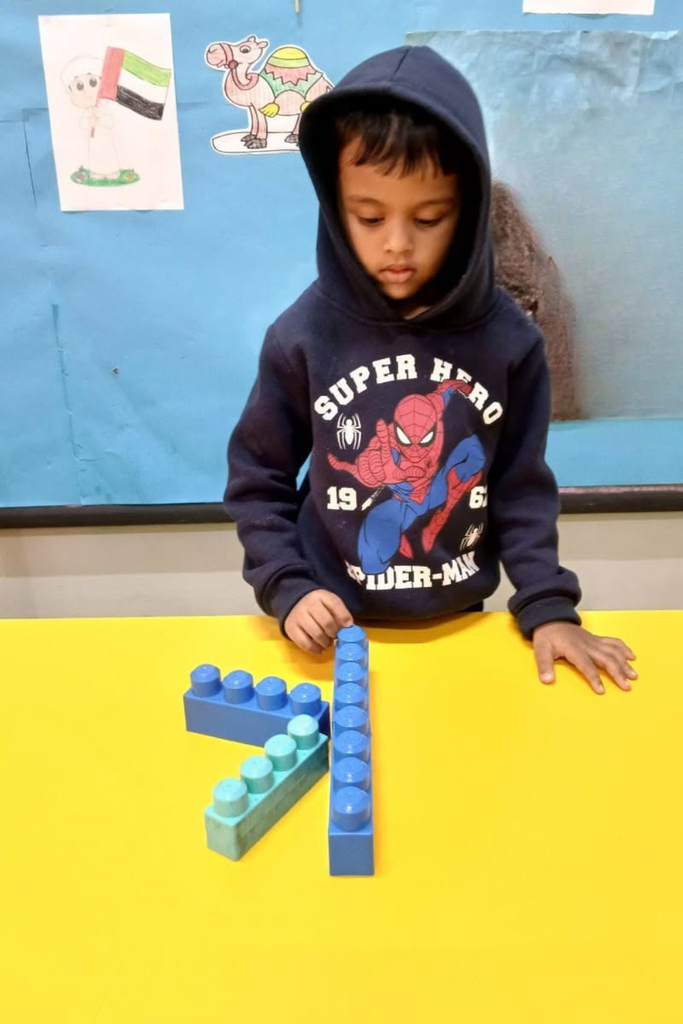
Building Block K
Swap paper and glue for colorful building blocks to help your preschooler understand how the letter K takes shape.
Arrange one long blue block vertically then connect two shorter blocks diagonally to form the upper and lower arms.
Try this during home learning or preschool playtime letting your child rebuild K independently while practicing letter recognition.
FAQs
How Can I Make Letter K Crafts Easier for Younger Preschoolers?
Start with large letter K outlines and simple materials like crayons, stickers, playdough, and colored paper.
If your child struggles with scissors, cut the smaller pieces beforehand and let them handle the gluing or decorating.
Choose crafts with fewer steps, such as filling a K with torn paper or making a paper kite. Focus on helping your child recognize the letter.
How Can I Help My Preschooler Remember the Letter K Sound Through Crafts?
Connect each craft with a familiar K word, such as kite, key, kangaroo, or koala. Say the word slowly and emphasize the beginning k sound.
After finishing, ask them to point to the letter K and name their creation. You can also display the finished crafts near their learning area.
Hi, I’m Afaf! I’m a law student who loves writing about everyday life – from home projects and crafts to fashion, beauty, and parenting tips.
I’ve been writing for over a year, sharing ideas that are simple, practical, and easy to try. I write about things I find interesting and useful, whether that’s organizing a space, trying a new DIY, or finding activities to keep kids entertained.
My goal is to share helpful ideas without making things complicated. If it works in real life, I’ll write about it.
When I’m not studying or writing, I’m usually experimenting with new projects or scrolling for inspiration!