
20 Octopus Craft Ideas for 2026
You often find the same problem when you look for octopus craft ideas: paint everywhere, wet hands.
Discolored tables, and kids becoming bored halfway through. You want something cute, easy, and not messy.
Yet most ideas don’t work in real life. I’ve been there, trying to make the project fun while also cleaning up.
In this article, I will show you 20 octopus craft ideas for kids that encourage creativity and are easy to try.
Let’s jump in!
How Do You Make Cute Octopus Crafts Without Using Paint?
You don’t need to paint an octopus to make it seem cute. If you want to make less mess, start with colorful paper, cardstock, or foam sheets.
The color is already there. Cutting long, thin tentacles and curling them a little with your fingers or a pencil makes the octopus look like it’s having fun right away.
When you make things with kids, glue, scissors, and googly eyes are usually all you need. The most important thing is to use simple shapes.
Such round heads, smooth edges, and moving tentacles. That’s what makes the craft look like it’s done even though it doesn’t have any paint on it.
Save this article for later!👇👇👇
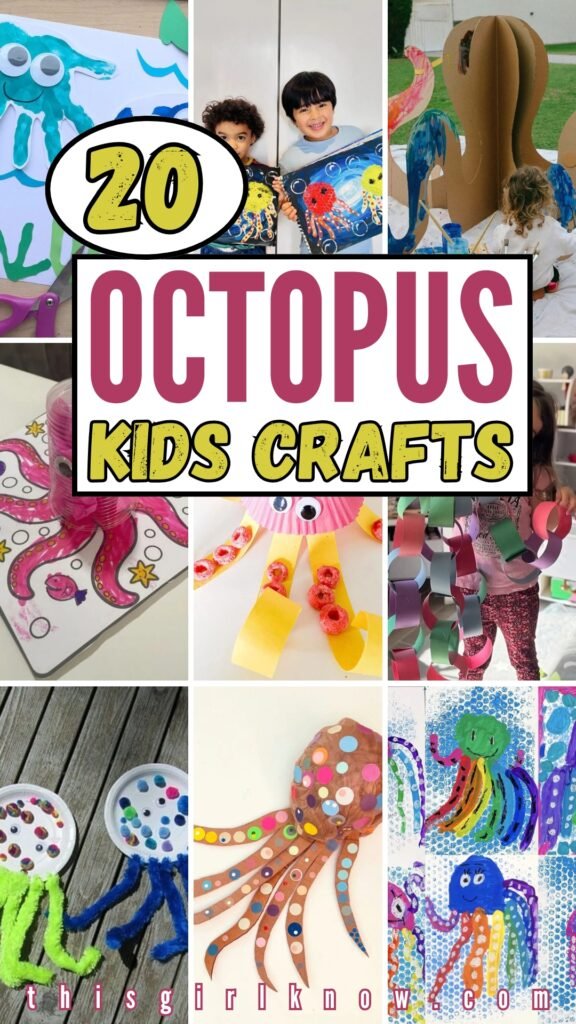
Paper Chains
Colorful paper loops instantly turn an octopus into something kids want to hold, swing, and show off.
This is excellent for preschoolers since cutting strips and connecting them together helps kids learn how to use scissors without feeling like they’re practicing.
Cut out a simple oval head from cardstock, and then let the kids pick different colors of paper for the chains.
This will make each tentacle appear fun and odd on purpose. Put the loops together with glue or staples, and then link each chain to the head.
This concept is great for rainy afternoons, ocean themed classrooms or any time you want a craft that will keep young hands busy without paint, muck, or hard steps.
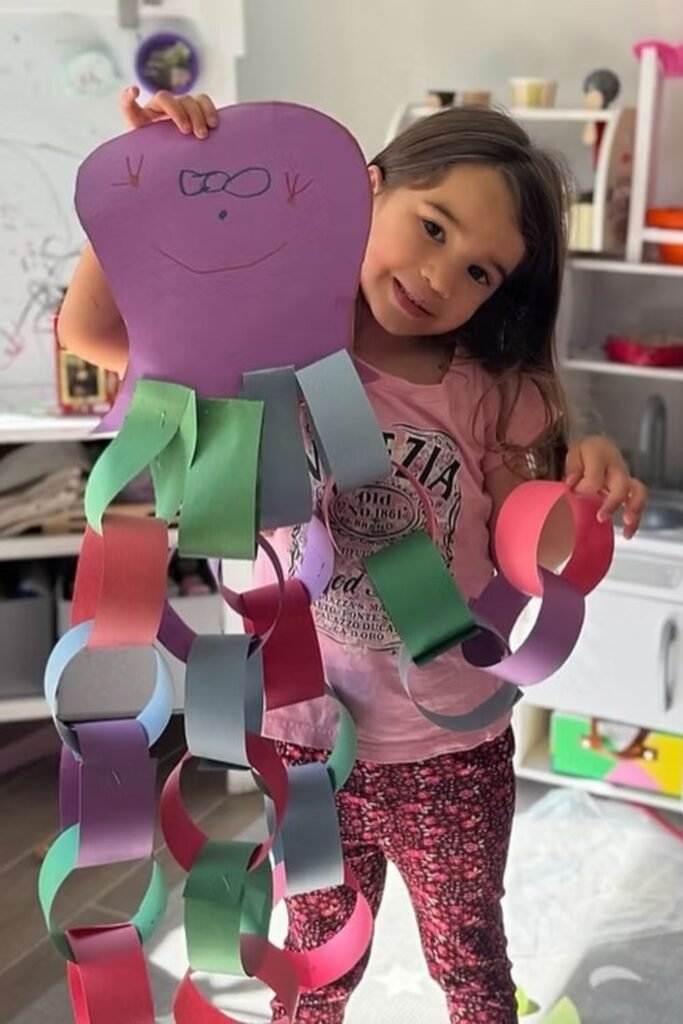
Cupcake Creatures
Snack-time supplies turn into craft magic faster than kids expect. Cupcake liners make a perfect octopus head.
Because the shape already feels soft and like the sea, which makes things easy. Paper strips are the greatest choice for tentacles.
Since they curl quickly and add movement without any extra work. Putting cereal loops on the strips adds texture and provides kids a fun pattern to work on.
This is a good option for playdates, school celebrations, or days when kids don’t have a lot of time to pay attention.
Kids stay focused and happy of the result since everything stays dry, colorful, and hands-on. They don’t have to wait for the paint to dry.
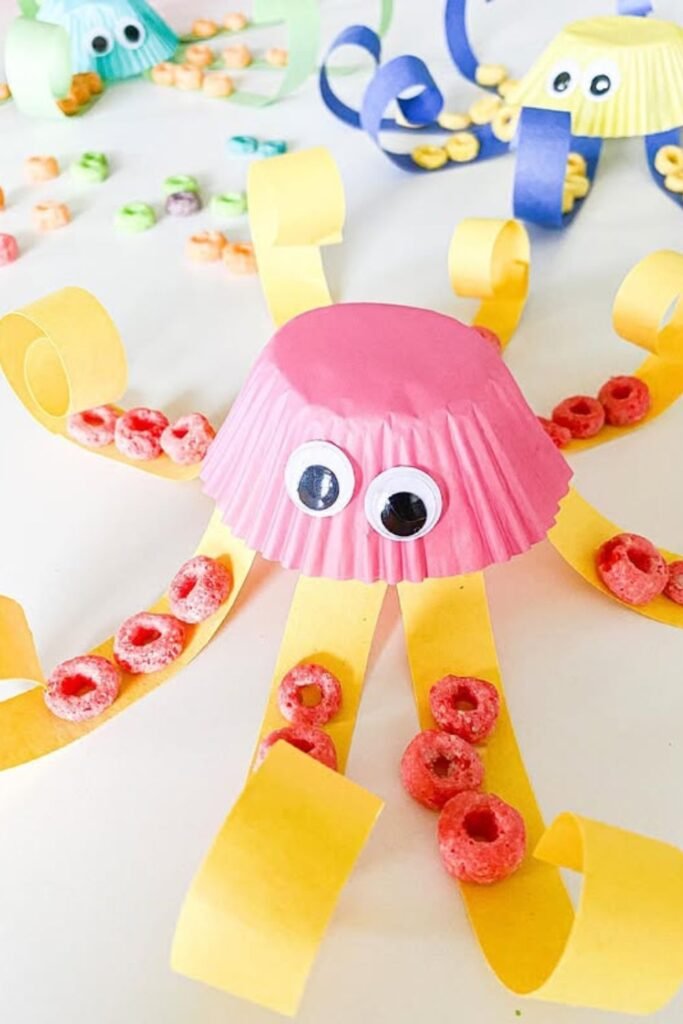
Plastic Peek
Clear cups add a fun surprise effect that kids instantly love because they can see what’s happening inside.
This is wonderful for younger kids who like filling things up and feeling different textures without having to make flawless cuts.
To make the octopus head, turn the cup upside down and put tissue paper, ribbon scraps, or soft paper inside to give color without paint.
The flat octopus painting below functions like a fun stage, making youngsters feel like they’re making a scene instead of just a craft.
This idea works nicely for quiet time or classroom centers when you want to be creative without making a mess or having to wait.
Dot Collage
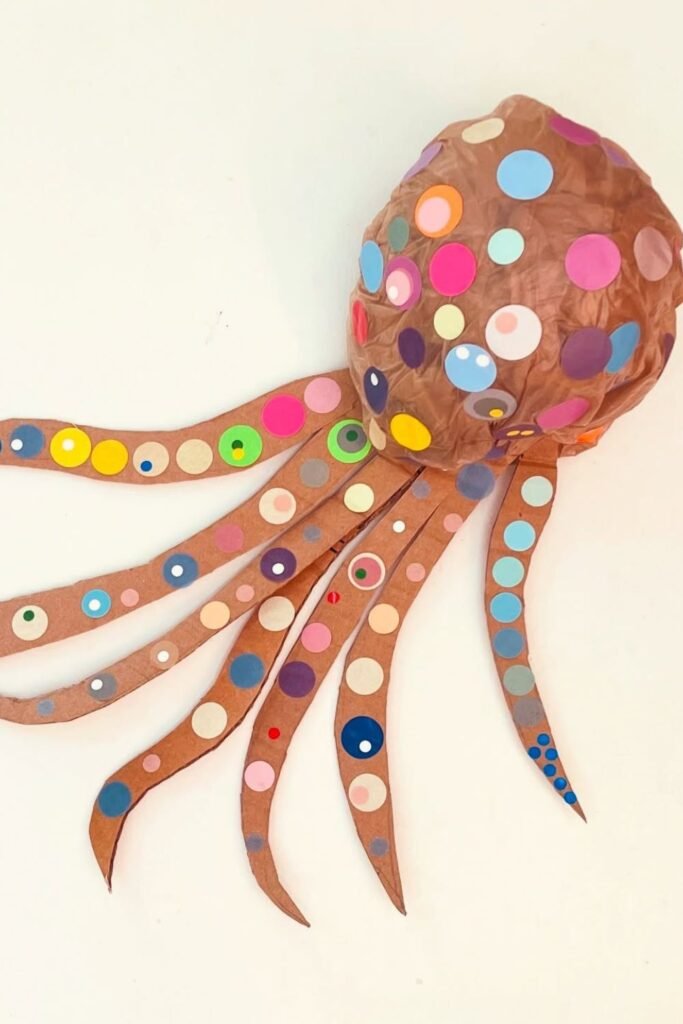
Texture does all the talking here, which makes this octopus feel special without adding any mess.
Kids can practice cutting long shapes with the thin paper tentacles, and colorful paper dots or stickers make decorating as easy as matching games.
The bright circles stand out more on brown or neutral paper, so the octopus looks detailed even with simple materials.
This idea is great for quiet time in class or focused activities at home because kids can go at their own pace.
Put a bowl of pre-cut circles nearby and let them choose where to put each one. There are no restrictions, just balance and fun.
Bubble Prints
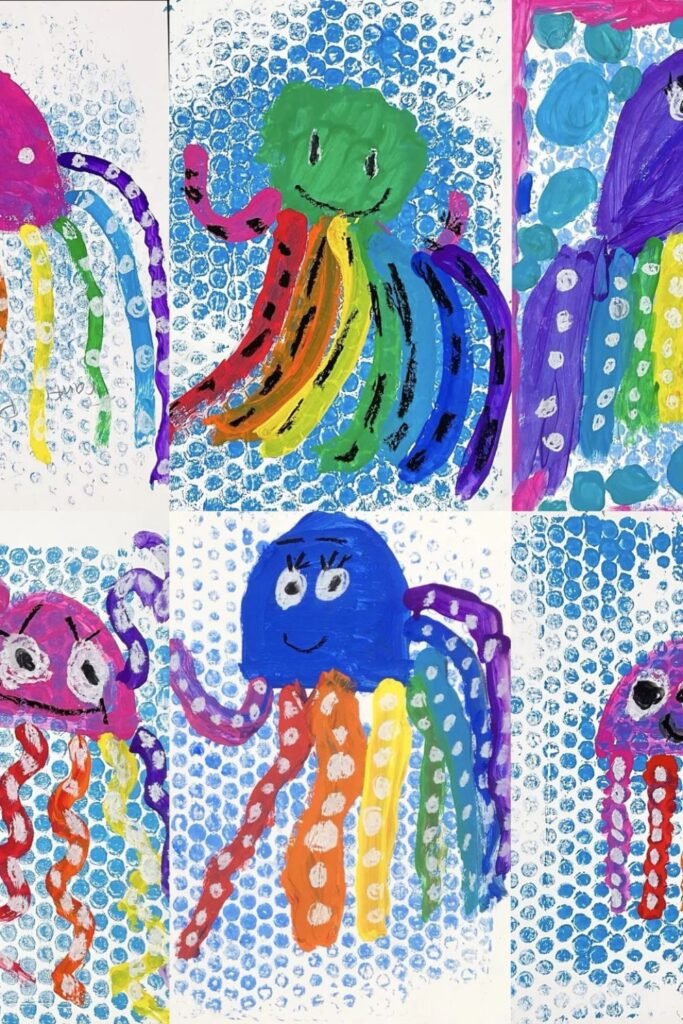
Bright textures grab attention first, which is why kids stay hooked on this activity longer than usual.
The octopus already feels like it’s underwater using bubble wrap, so the details don’t even matter yet.
The tentacles are made by simple brush strokes or sponge dabs, and the irregular lines make the craft look more fun.
This is especially useful in classrooms or on art days when youngsters may play with color without worrying about getting it right.
Putting these next to each other makes the whole thing look like a tiny art gallery that youngsters can be proud of.
Fuzzy Plates
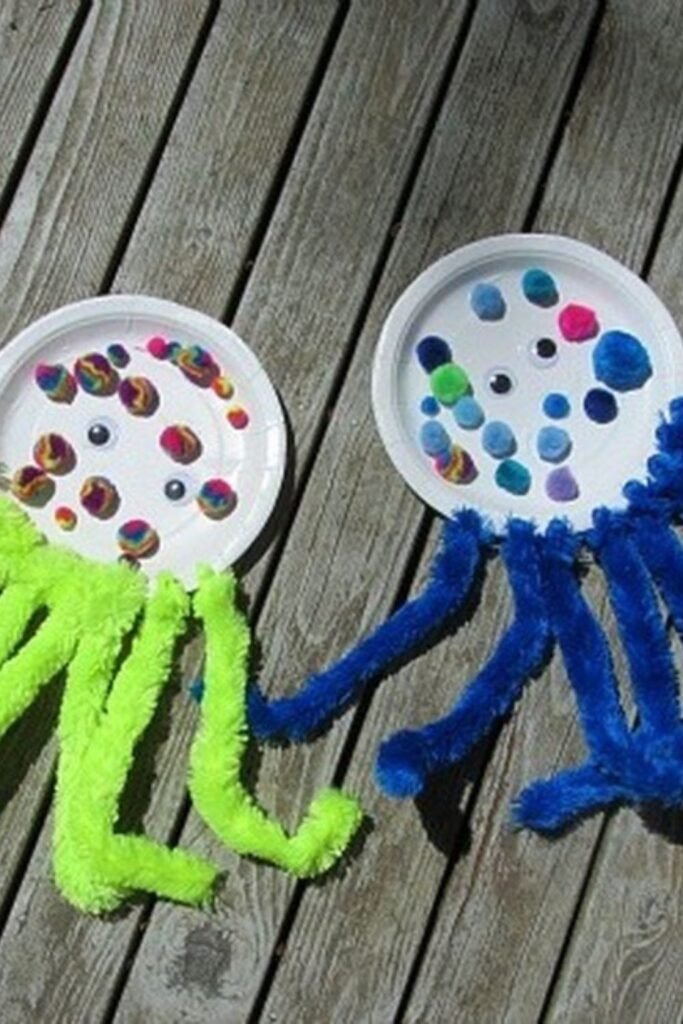
Movement makes this octopus hard to ignore, which is exactly why kids love it. Pipe cleaners give the tentacles bounce and texture.
It feels like a toy when you’re done using it. You can use stickers, foam circles, or markers.
Instead of paint to make dots on a plain paper plate. Little hands can stay busy by bending and twisting the pipe cleaners.
Which also helps them improve their fine motor abilities. This idea is great for short attention spans, outdoor crafting.
Ocean units because kids can play with the tentacles right away instead of having to wait for anything to dry.
Cardboard Giant
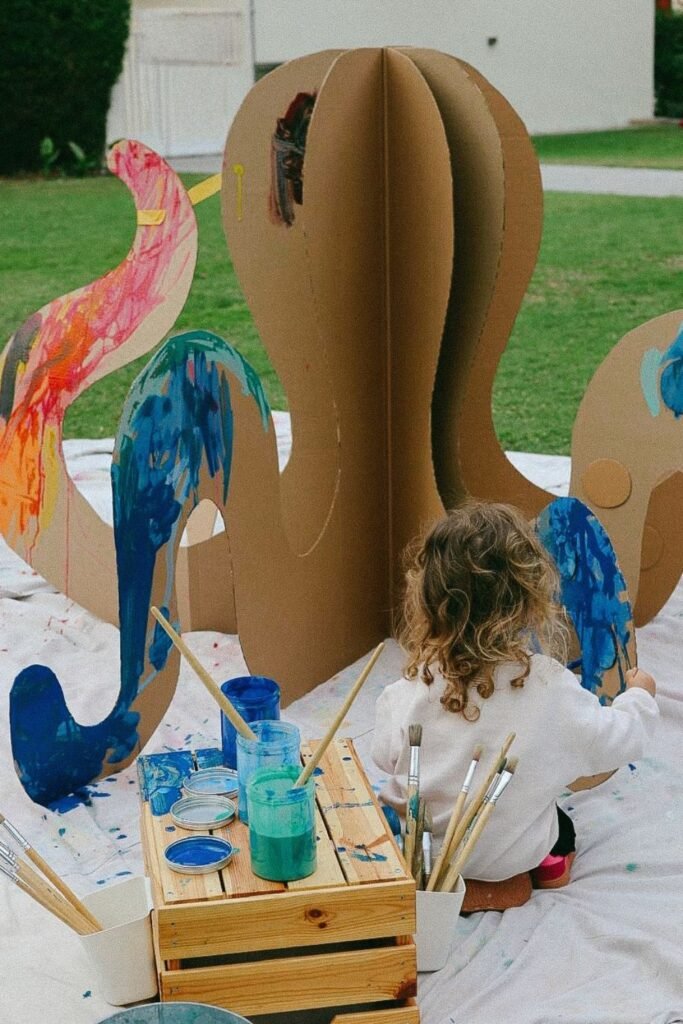
Scale changes everything here, and that what pulls kids in instantly. A large cardboard octopus turns crafting into a full body activity instead of a sit and glue project.
Big shapes cut out of boxes are preferable, especially when the tentacles are wide enough for more than one kid to use at a time.
If you don’t want to paint, you can cover parts of the project with colored paper, fabric scraps, or tissue paper instead.
This idea is great for outdoor play, birthday celebrations, or group activities when kids need room to move around and work together.
It’s not so much about getting every detail right as it is about working together, moving, and allowing your imagination run wild.
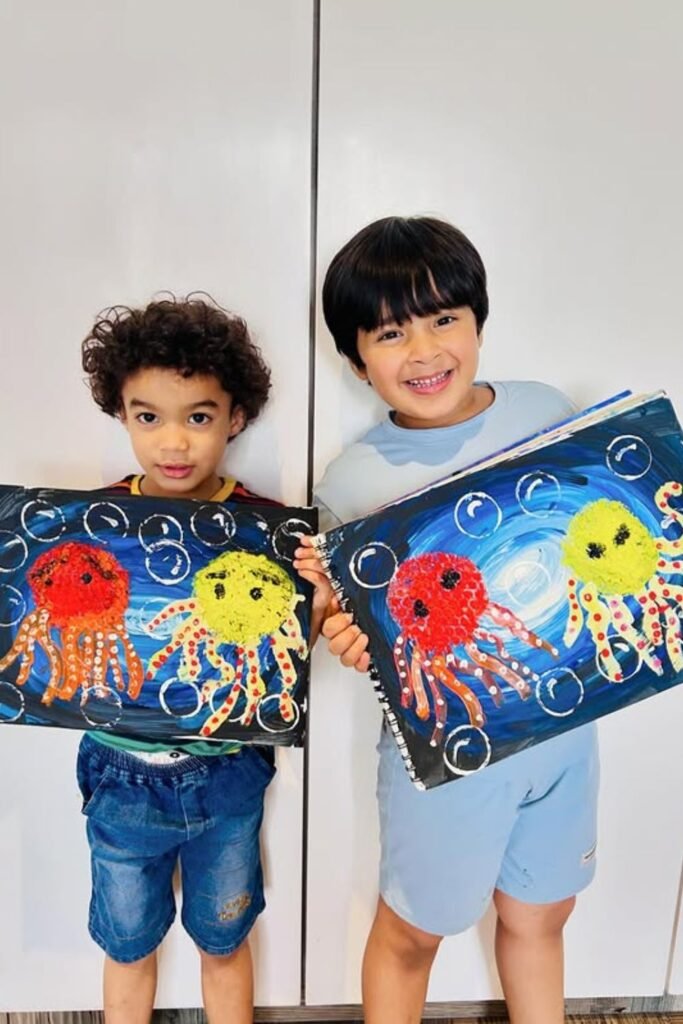
Textured Canvas
Pride shows up fast when kids can hold their artwork like a real painting. This octopus idea works best for art days or sibling activities.
Because everyone starts from the same place but ends up in a completely different place. Thick shapes for the head and tentacles make it easy.
And spotty textures make it more interesting without needing exact lines. To get the same layered look without using paint.
Use oil pastels, chalk markers, or sponge-stamped paper pieces instead. This setup helps students.
Feel good about themselves, not precise, and offers them something they can hang up that looks good.
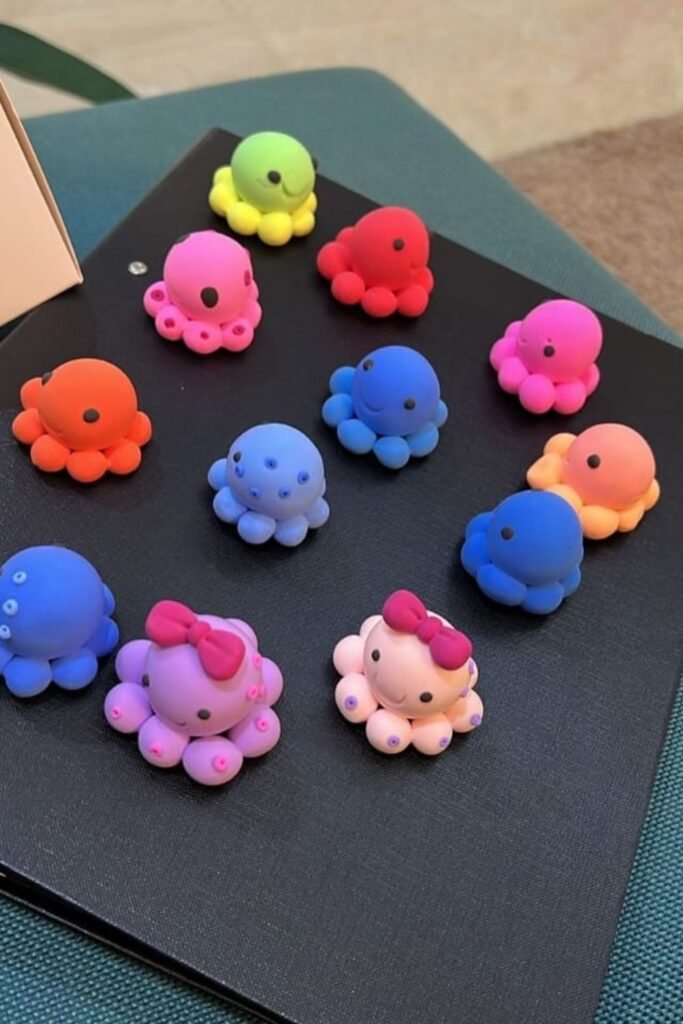
Clay Minis
Tiny details steal the spotlight here, which makes this idea perfect for kids who like slow, focused crafting.
Soft air-dry clay is the greatest choice because it’s easy to roll and doesn’t mind if the shapes aren’t perfect.
Making little balls for the tentacles keeps your hands busy and makes the process feel tranquil and almost like meditation.
You don’t need any more tools to finish the effect with simple dot eyes. This is great for older kids, peaceful afternoons, or small groups where you need to be patient.
Once they are dry, these little octopuses can be used as desk friends or shelf decorations, which gives kids a reason to care about every little thing they do.
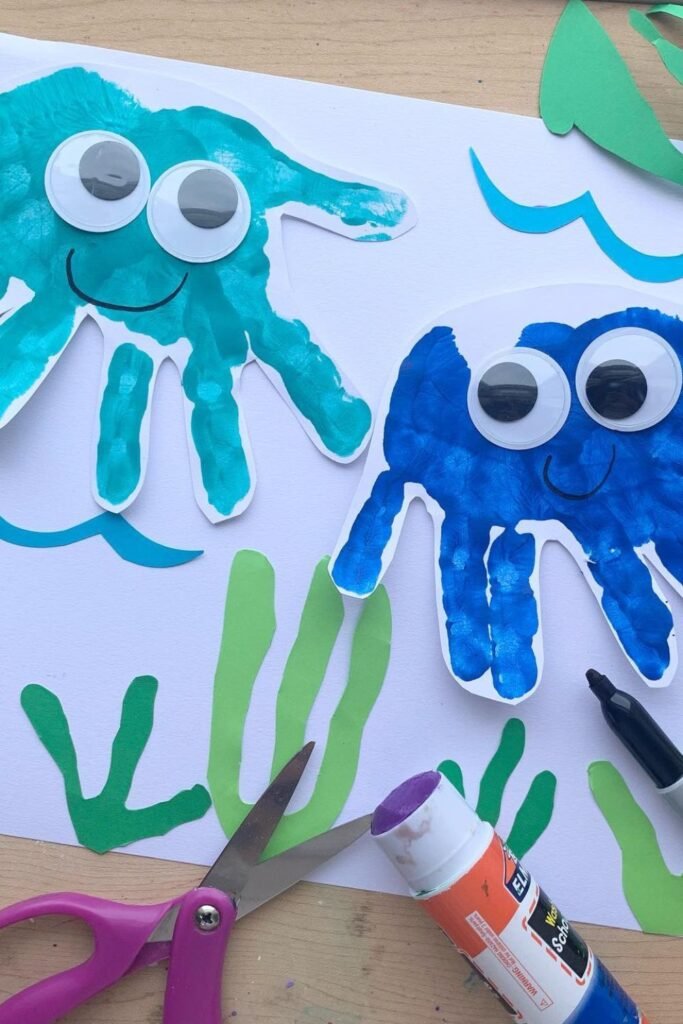
Hand Friends
Little hands turn into instant octopuses, which is why kids connect with this one so fast. Tracing hands on colored paper.
Gives you the same fun form without needing paint, plus it keeps things neat and stress-free.
Cut out the hand shapes, add big eyes, and let the youngsters sketch simple faces on each octopus to make it feel like their own.
There is no need to concentrate too much about the background because the paper seaweed and waves fill the space.
This idea is ideal for preschool classrooms or activities with siblings because everyone can work together and make something distinct at the same time.
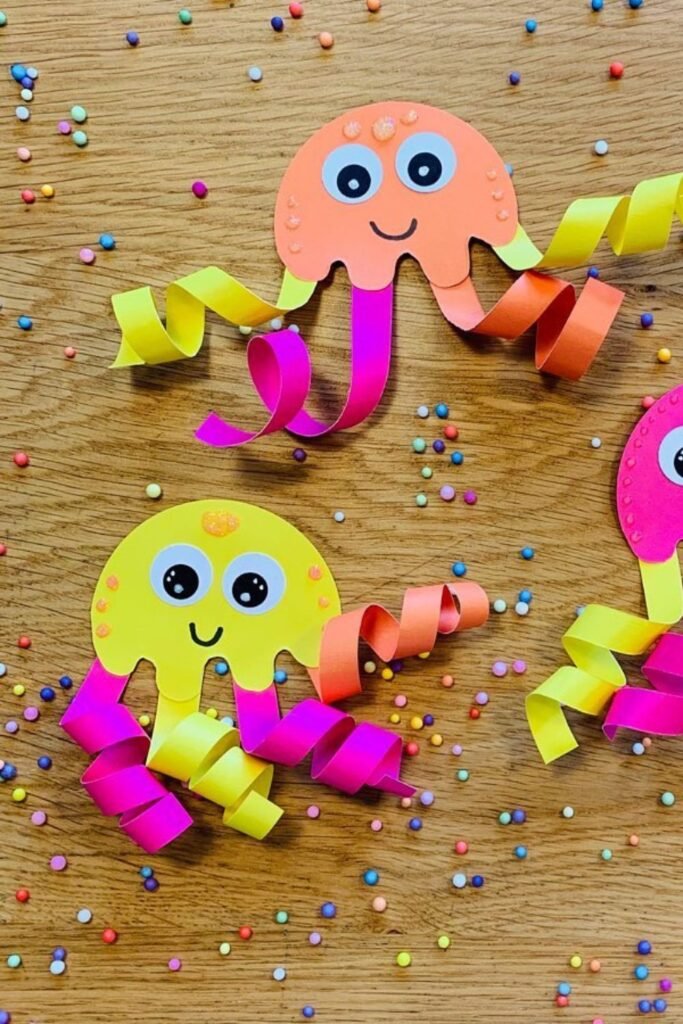
Curly Streamers
Bright curls instantly make these octopuses feel alive, which is why kids gravitate toward them right away.
No paint, no drying time, and no mess are needed. Just strips of colored paper do the work. You may make the springy tentacles.
That bounce when youngsters move them around by running scissors along the paper. A simple circular head cut out of cardboard.
Makes the shape welcoming and easy to put together. This concept is great for short craft sessions, birthday parties.
Any time you need something cheerful that doesn’t take long to set up. Let kids mix colors anyway they choose so that each octopus has its own unique look.
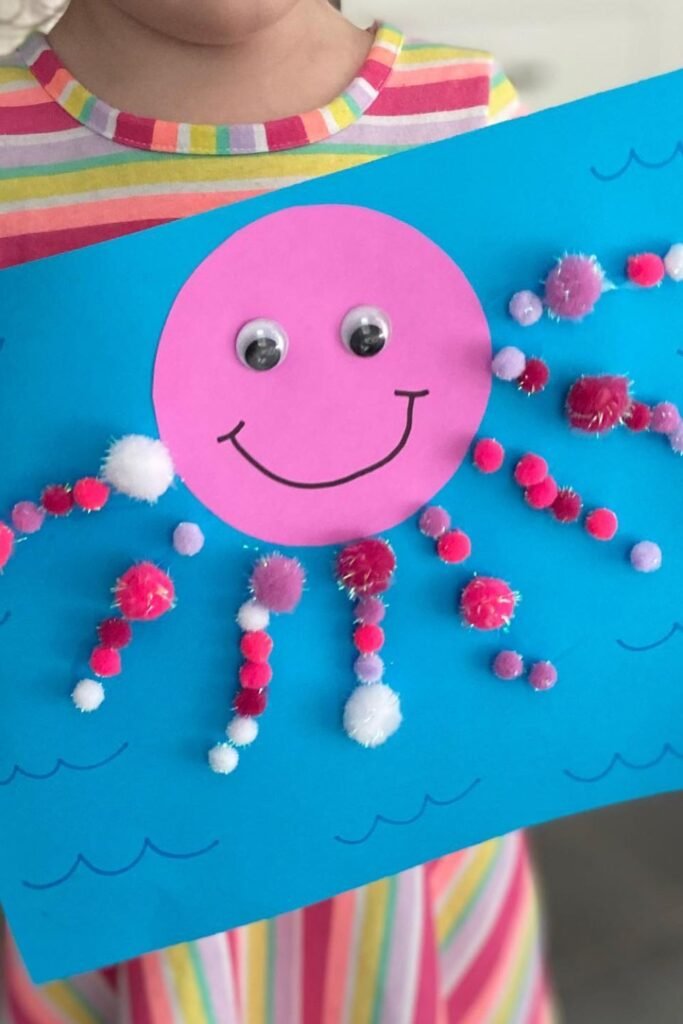
Pom Pom
Soft textures make this octopus instantly kid-approved, especially for little hands that love sticking and pressing.
Kids may use pom poms to make tentacles because they can line them up, mix sizes, and make patterns without having to worry about keeping the lines straight.
A simple paper circle for the head maintains the focus on fun instead of accuracy. This concept is great for preschool craft time.
Quiet afternoon activities when you want something hands-on but not too messy. To keep things sanitary use glue sticks instead of liquid glue.
Also, let youngsters pick their own colors so the octopus feels special from the first pom pom.
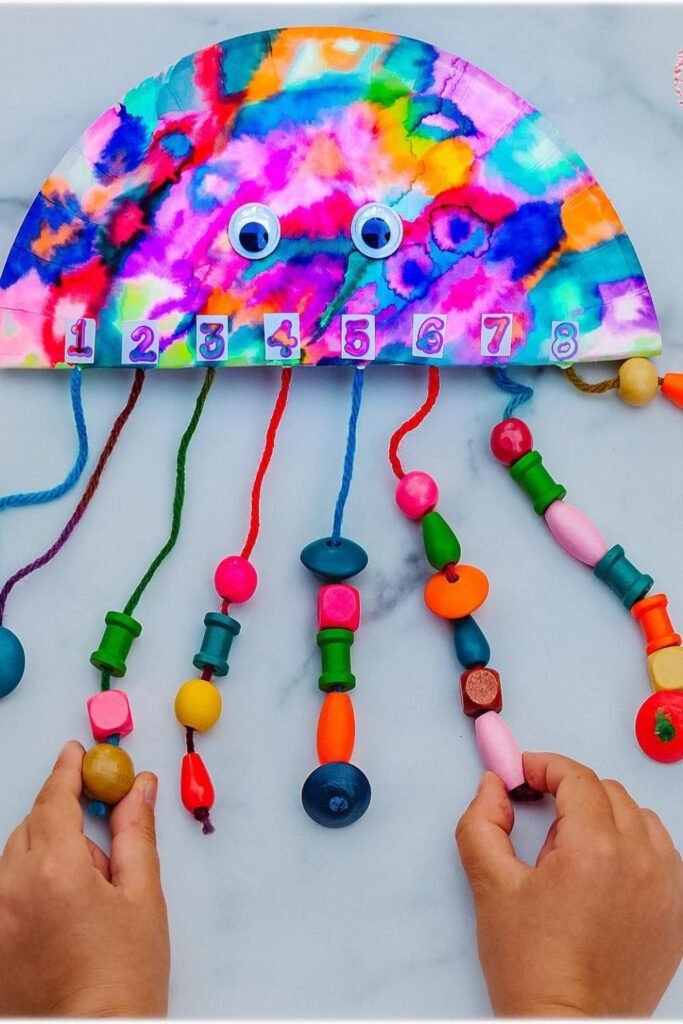
Bead Count
Learning sneaks in naturally when crafting feels like play. Beads turn octopus tentacles into and a hands on counting activity that keeps kids focused without pressure.
Yarn or thread is the greatest choice here because it is flexible and simple to hold, especially for kids with small hands.
Number labels help kids count, sort colors, and improve their hand-eye coordination all at the same time as they move beads into place.
This notion works great for preschool or Montessori-style settings where structure is important.
But fun is still the most important thing. Use colored paper for the head instead of paint, and let the beads do the decorating.
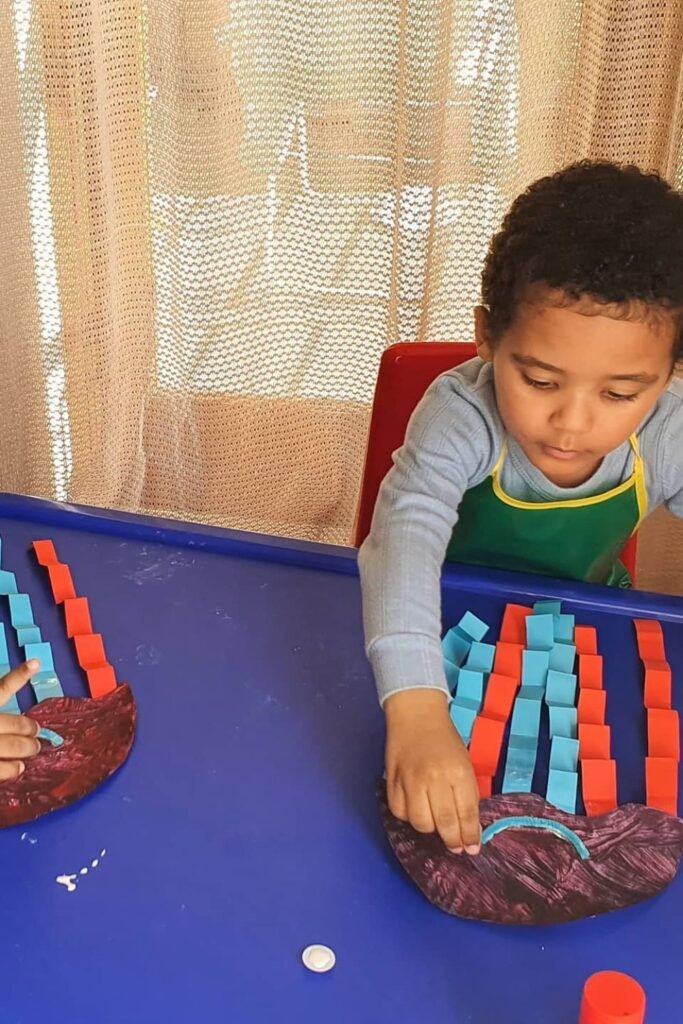
Slot Strips
Hands stay busy the whole time with this one, which makes it perfect for toddlers who like building more than decorating.
To make tentacles, you slide paper strips into pre-cut slots. This makes the octopus a straightforward building project.
Use thick cardboard so that the foundation stays firm when small fingers push pieces in and out.
Depending on how the youngster feels, they can copy, mix or entirely disregard color patterns.
This idea works nicely for Montessori-style play, fine motor stations, or quiet mornings inside.
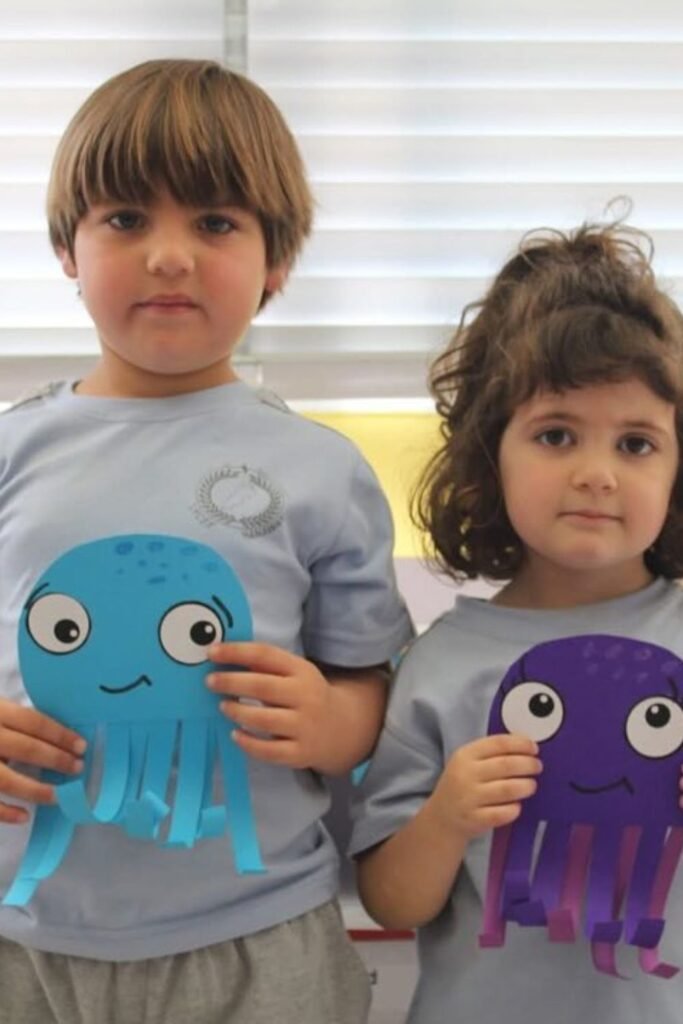
Fringe Friends
Smiles come fast when kids can hold their octopus like a little puppet. Simple paper circles form the head.
And straight incisions around the bottom develop into soft, wiggling tentacles without any further procedures.
Thin paper is the greatest choice because it keeps its shape but is still easy to bend in small hands. Pre-cut eyes or simple marker lines make faces easy to draw.
This idea is great for crafts in the classroom, ocean week activities, or group projects where everyone follows the same basic pattern but chooses their own colors.
Kids automatically start playing with them after they’re done, which makes the activity feel engaging even when they’re not at the table.
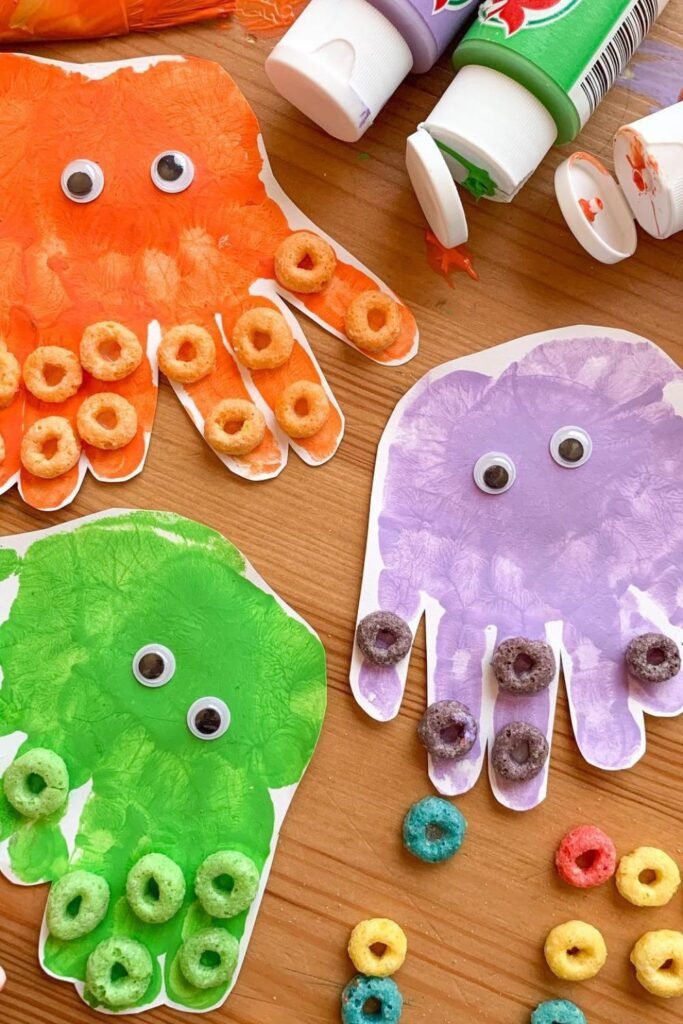
Snack Prints
Breakfast cereal turns straight into tentacles here, which makes kids excited before you even say “craft.”
The octopus’s body is made up of hand forms, which makes it feel familiar and easy for kids to understand.
The pieces of loop cereal offer texture right away and give small fingers a clear job: push, place, and repeat.
This is great for preschoolers who like activities that involve their senses and short steps. If you don’t want to use paint.
You can use bright-colored traced paper hands instead of painted hands and maintain the cereal as the major detail.
Finger Swirls
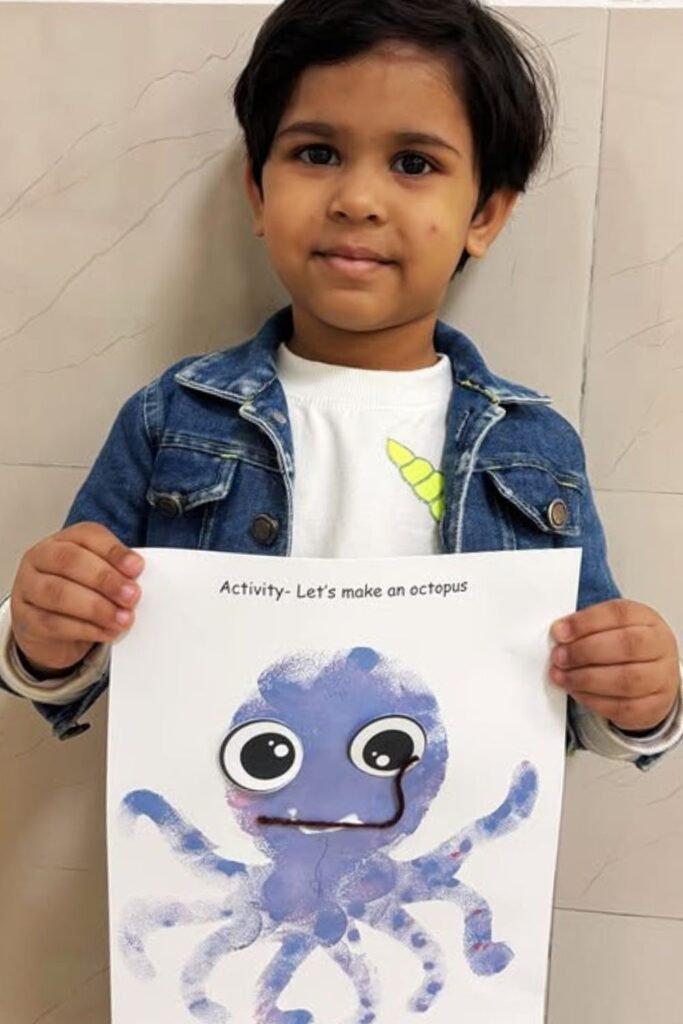
Tiny fingerprints turn into tentacles before kids even realize they’re creating an octopus. This activity works best for preschoolers.
If paint is too messy, use ink pads, washable stamp markers, or dot stickers instead to get the similar swirling effect.
A basic printed outline or blank paper offers you a framework to work with while yet letting you be creative.
This idea is great for activities in the classroom or short art stations where youngsters can work on their own.
Even when every swirl flows in a different direction, the outcome always appears expressive.
Loop Tentacles
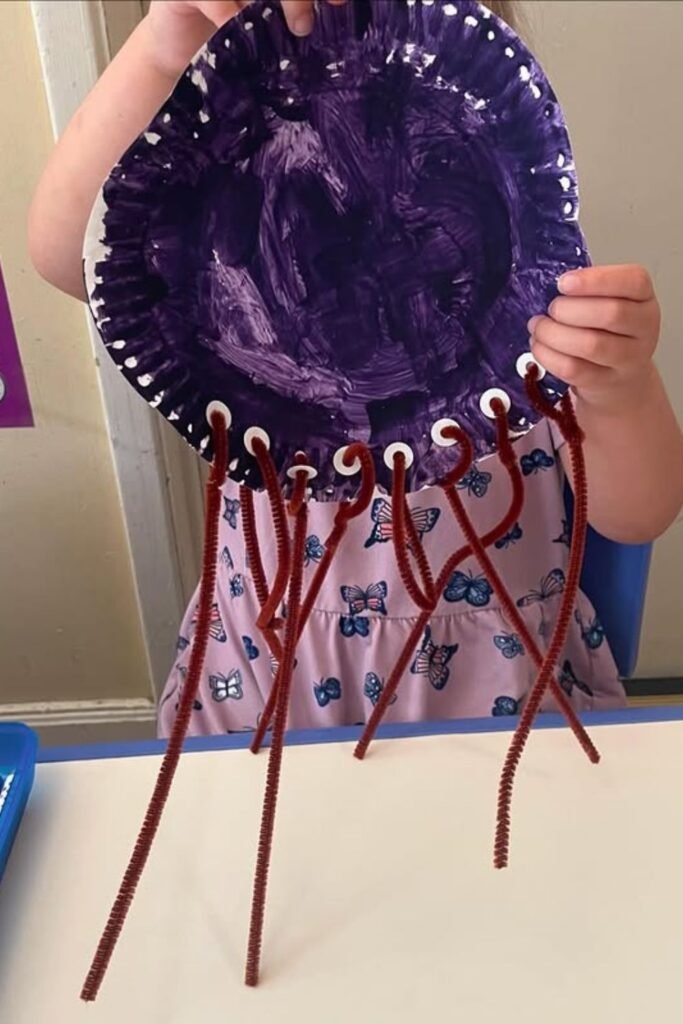
Holes around the edge turn a flat paper plate into something kids can actually move. Pipe cleaners slide through easily.
And right away turn into long, wiggling tentacles that want to be twisted and bent. If you don’t want to paint, start with a colored plate or cover it with tissue paper.
Instead of brushing on paint. Threading the pipe cleaners helps you gain hand strength and focus without it seeming like effort.
This approach works great for small groups or preschool classrooms since kids may sit, thread, make changes, and play at their own leisure.
When you’re done, the octopus may be used as a puppet, which keeps the fun going long after the table is cleaned.
Sticker Streamers
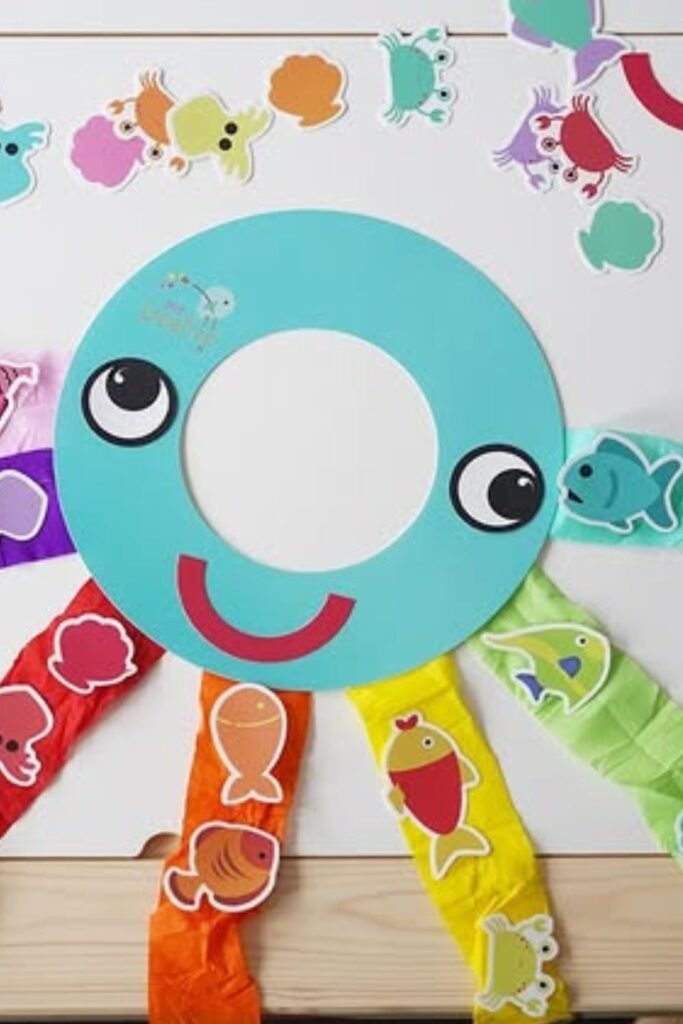
Peeling and sticking takes center stage here, which makes this octopus perfect for kids who love hands-on control.
Long paper streamers evolve into tentacles, and stickers make decorating a fun game instead of a messy chore.
A strong paper ring or circle makes a good head and keeps everything on the table balanced.
This setup works great for sensory play, toddler groups, or sticker-themed activity days when kids naturally pay attention.
If you don’t want to paint, use colorful paper and themed stickers instead.
Let the kids put them anywhere they want. From start to finish, the result seems fun, personal, and surprisingly quiet.
Tube Twists
Curled paper strips bring instant motion, which keeps toddlers engaged longer than flat crafts ever do.
The body of the octopus is made of a simple cardboard tube, which makes it strong enough for young hands that want to hold and turn.
Kids can focus on gluing and decorating instead of trying to cut the paper strips with scissors because the bottom has pre-made slits that make it easy for them to slide in.
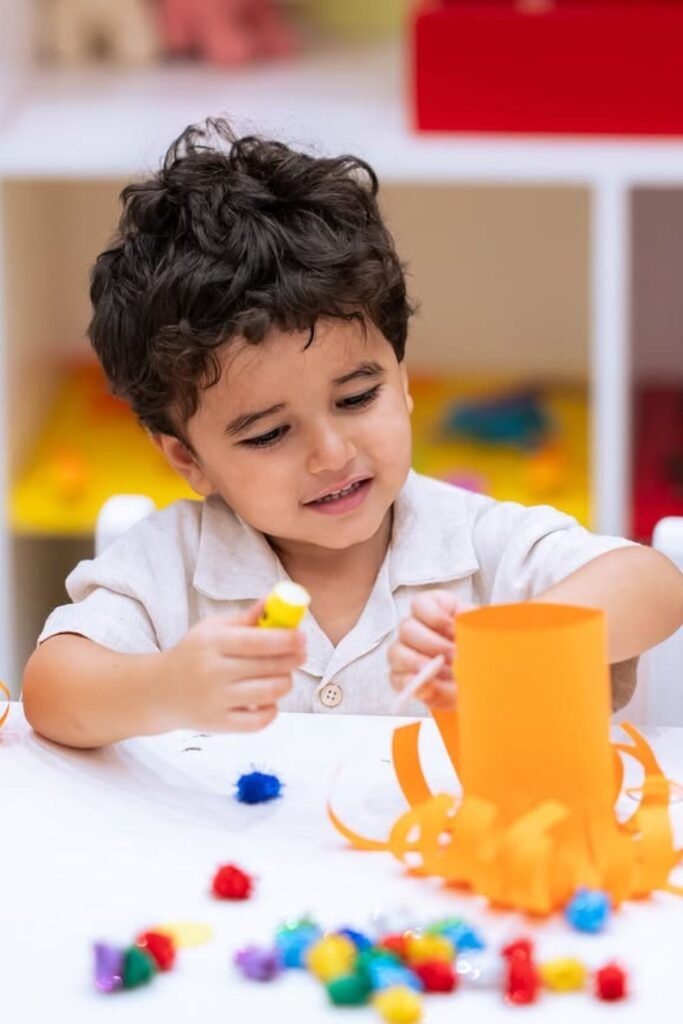
Pom poms or little foam forms offer soft accents without making a mess. This idea is great for daycare centers.
Brief craft sessions where you need to put up quickly and clean up even faster. The octopus is done and ready to play straight now.
FAQs
Can toddlers really make octopus crafts without getting frustrated?
Yes, as long as the processes are easy and the materials are something you know how to use.
Paper strips, stickers, pom poms, or pre-cut shapes are the greatest crafts for toddlers since they can start making things right away without having to wait or rectify mistakes.
What’s the easiest way to keep octopus crafts mess-free at home?
Don’t use wet supplies; start with colorful paper, foam sheets, or cardstock. Stickers, glue sticks, and pre-cut pieces help keep everything in order.
Setting out only the things needed for one craft helps keeps youngsters on task and makes cleanup quick after the octopus is done.
Hi, I’m Afaf! I’m a law student who loves writing about everyday life – from home projects and crafts to fashion, beauty, and parenting tips.
I’ve been writing for over a year, sharing ideas that are simple, practical, and easy to try. I write about things I find interesting and useful, whether that’s organizing a space, trying a new DIY, or finding activities to keep kids entertained.
My goal is to share helpful ideas without making things complicated. If it works in real life, I’ll write about it.
When I’m not studying or writing, I’m usually experimenting with new projects or scrolling for inspiration!