
21 Lion Craft Ideas for 2026
You’re not the only one who has looked at lion craft ideas and thought, “This looks cute, but will it really work with preschoolers.
A lot of crafts look terrific on the internet, but they break apart as soon as youngsters sit down.
There are too many steps, too much mess, or things you don’t even have.
Preschoolers require simple, hands-on activities that keep them interested without needing support all the time.
In this article, you’ll discover 21 simple lion craft ideas kids can enjoy without complicated supplies in 2026.
What Are the Best Lion Craft Ideas for Preschool and Early Learners?
The finest lion crafts for preschoolers and early learners are the ones that fit with how youngsters learn and play.
Kids this age don’t stay still for long or follow complicated steps. They require crafts that use big parts, simple forms, and things they know.
It works if youngsters can shred, glue, paint, or press things with their hands. It doesn’t need to be perfect or have a lot of explaining.
The appropriate lion craft keeps kids busy, gives them confidence, and makes them proud of what they do without you needing to help them every minute.
Save this article for later!👇👇👇
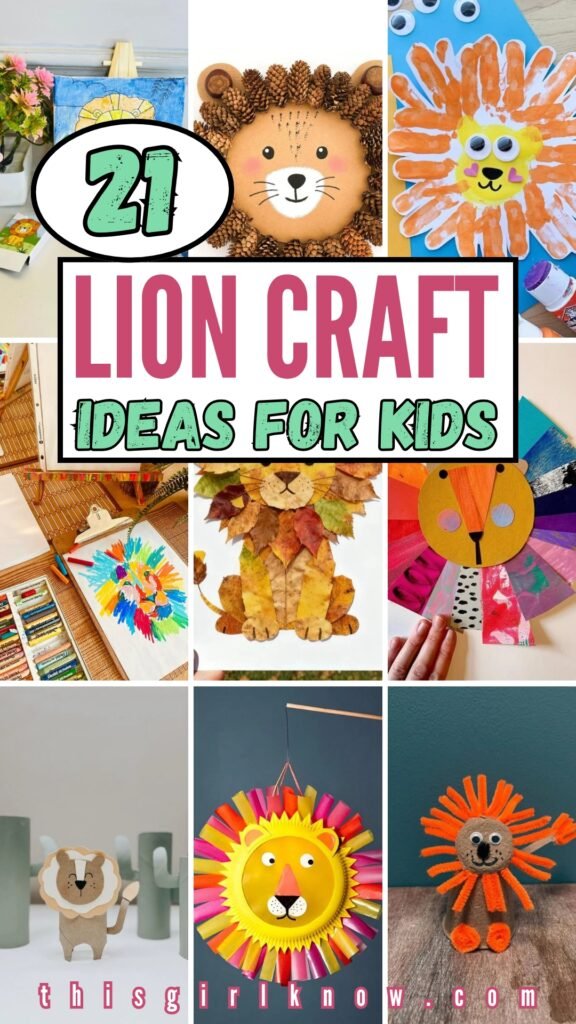
Color Burst
Bold colors pull kids in faster than perfect outlines ever will. This kind of lion craft works best.
When you want children to focus on expression, not accuracy. Put out oil pastels or crayons and let the kids pick any colors they want for the mane.
It can be realistic or wild, either way. To keep them from getting stuck on drawing, start with a simple shape of a lion’s face.
Then, tell them to use quick, forceful strokes that go outward. The effect is thrilling and personable, which keeps kids interested for longer.
This exercise is great for art corners, quiet afternoons, or days when kids need to be creative without having to follow a lot of rules.
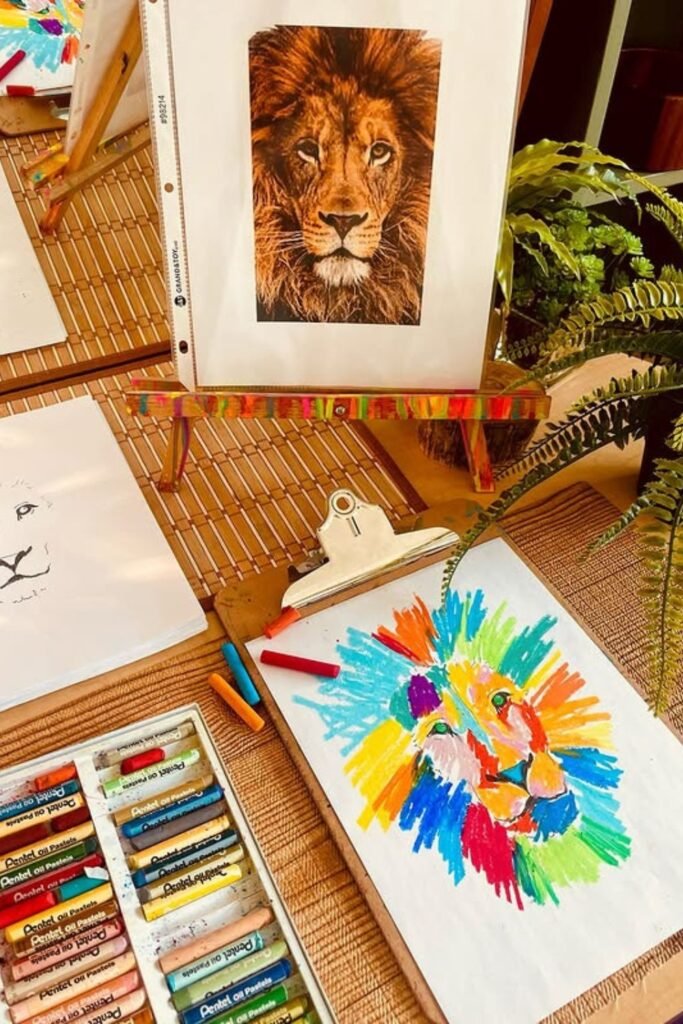
Leaf Lion
Nature walks suddenly become part of craft time with this idea. Fallen leaves already carry the perfect colors for a lion’s mane.
Kids don’t need paint to make it feel real. First, gather shapes and sizes. Then, sort them before gluing them together.
This step alone will keep preschoolers busy and interested. The leaves do all the work, and the simple paper.
Face in the middle gives it shape. This craft is great for fall themes, outdoor learning days, or quiet times in the classroom.
When the pupils require a slower, hands-on exercise that combines the art and nature.
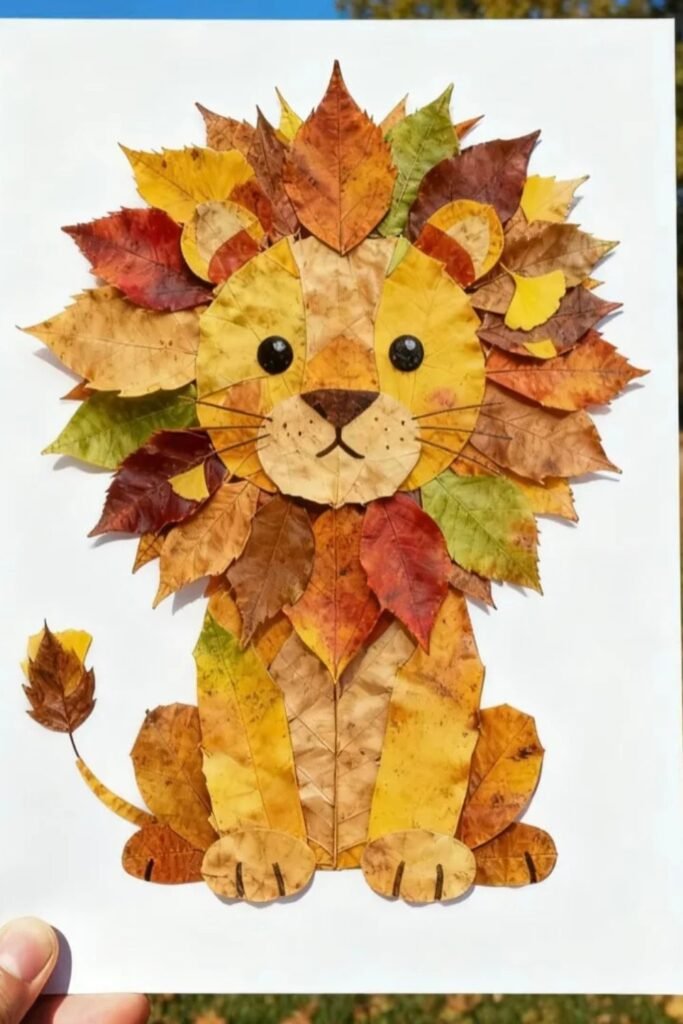
Paper Mane
Color scraps suddenly become the star of the table with this kind of lion craft. Kids don’t worry about staying inside lines.
They merely pick the things they like and build out from there. Cut out strips or rectangles of paper ahead of time.
And then let the kids arrange them around a simple lion face until it looks “full enough” to them. The real prize is being able to make choices.
This idea is great for free-art time or when you want to use up old craft paper instead of beginning from scratch.
It keeps kids’ hands busy, starts conversations about color, and provides each child a lion that looks absolutely different without any extra work.
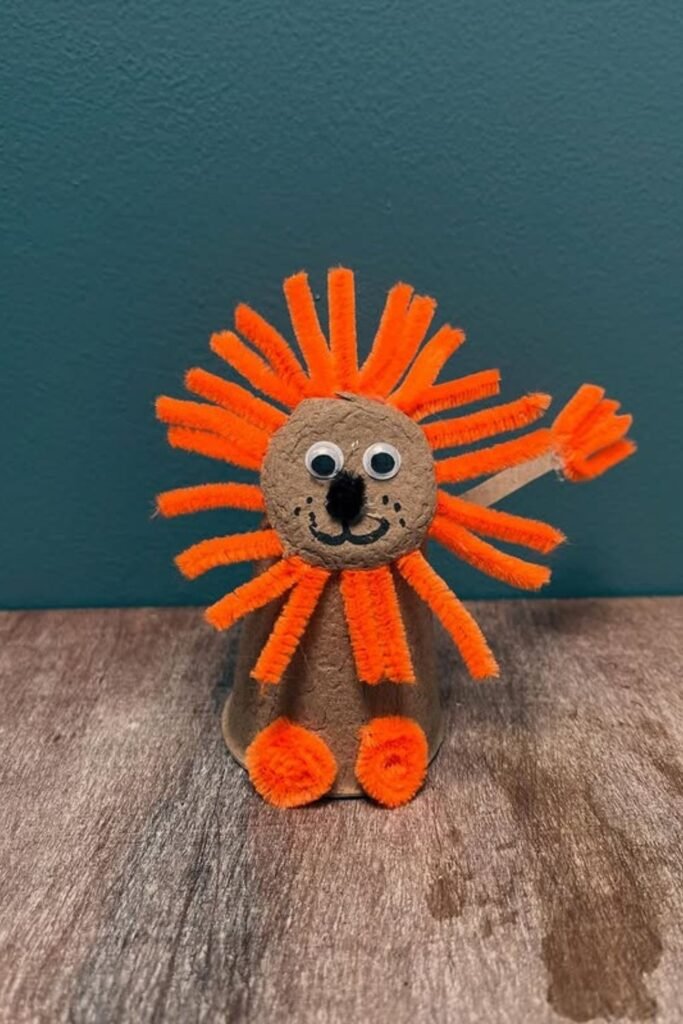
Pipe Lion
Small hands love anything that can stand up and feel like a toy. A toilet paper roll gives this lion a solid base.
Kids may twist, fluff, and play with the mane using pipe cleaners. First, stand the roll up so the kids can see the “body.”
Then, let them place pipe cleaners through holes that are already there or glue them around the top.
Add googly eyes and pom-poms to finish it quickly. This craft is great for lessons on recycling or quiet table work.
Once the glue dries, it may be used as a pretend-play animal, which keeps youngsters interested long after craft time is over.
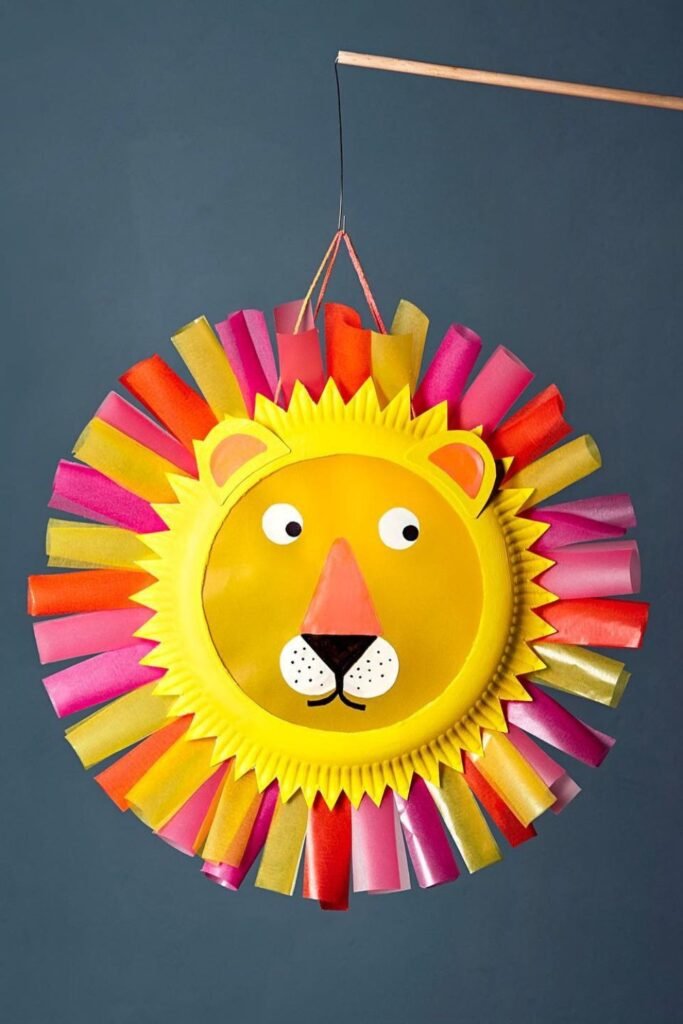
Hanging Lion
Movement changes how kids interact with art, and that’s what makes this lion feel special.
When you hang the project, it makes a plain paper plate look fun and interesting. Curling colored paper strips for the mane.
Keeps tiny hands occupied and helps them get stronger and better at coordination. Put the face together first so the kids can see the lion right away.
This is a great way to decorate for reading corners, classroom exhibits, or jungle-themed weeks when the decorations are just as important as the action.
Once it’s up, kids love to see “their” lion sway back and forth, which makes the project useful for more than just the table.
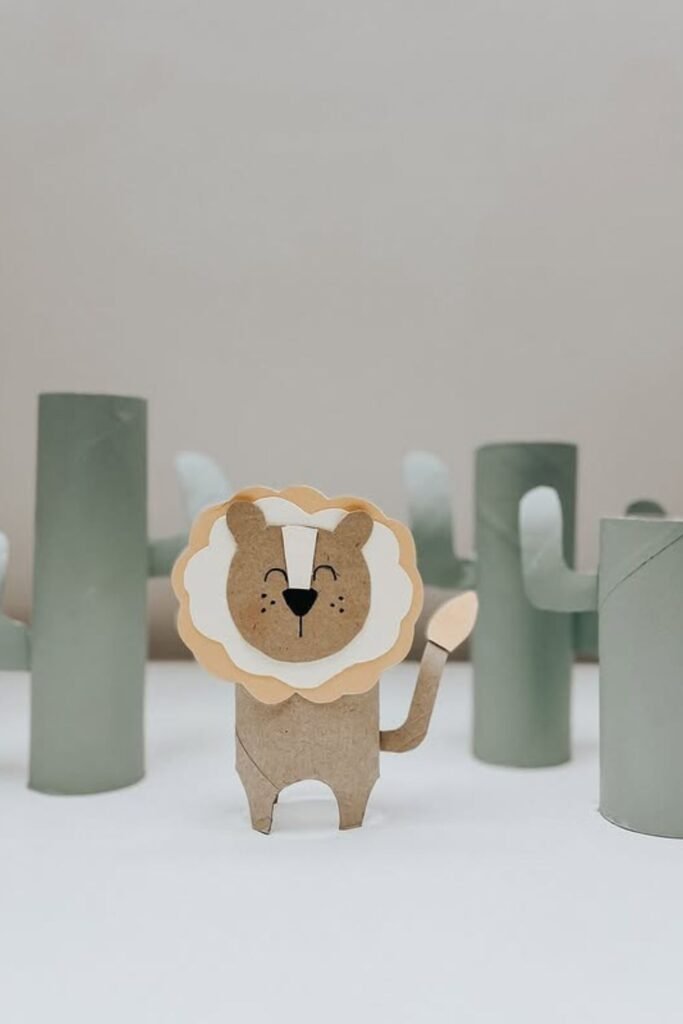
Cardboard Cub
Soft shapes and simple faces make this lion feel friendly instead of overwhelming. Using a toilet paper roll as base.
Lets kids pay attention to little features like ears, tails and manes while keeping the structure strong.
If you’re dealing with younger preschoolers, cut the major parts ahead of time and let them glue and put them together at their own pace.
This looks good in neutral colors, but you can simply make it brighter with crayons or markers.
This project is great for peaceful table work, storytime follow-ups, or animal-themed play sets where finished lions can stand, move, and be part of pretend play.
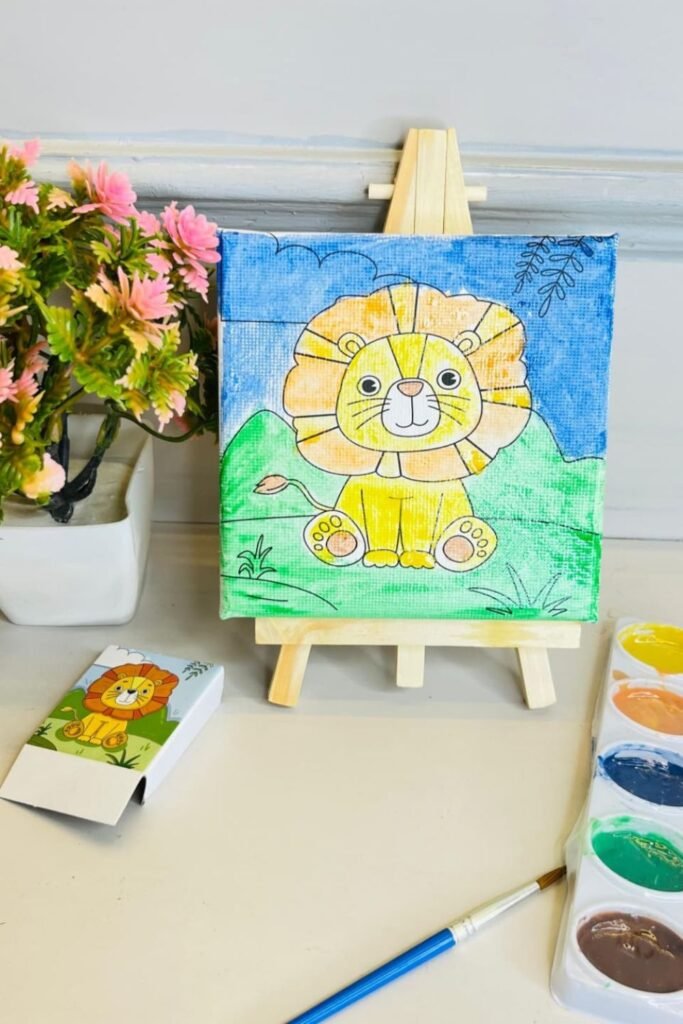
Mini Canvas
Painting suddenly feels more special when kids get their own tiny canvas. A simple lion outline gives enough guidance.
Without taking away their independence, so kids may concentrate on filling up space, mixing colors, and stroking color.
To keep things from getting too complicated, give them a small pallet of colors to work with. Then let them paint from the backdrop to the lion.
This will help the picture feel more complete faster. This craft is great for art days, producing gifts, or times when you want youngsters to calm down and focus.
When the canvas is dry, it seems like actual art, which makes kids feel good about themselves and pleased to show it off at home or in class.
Handprint Mane
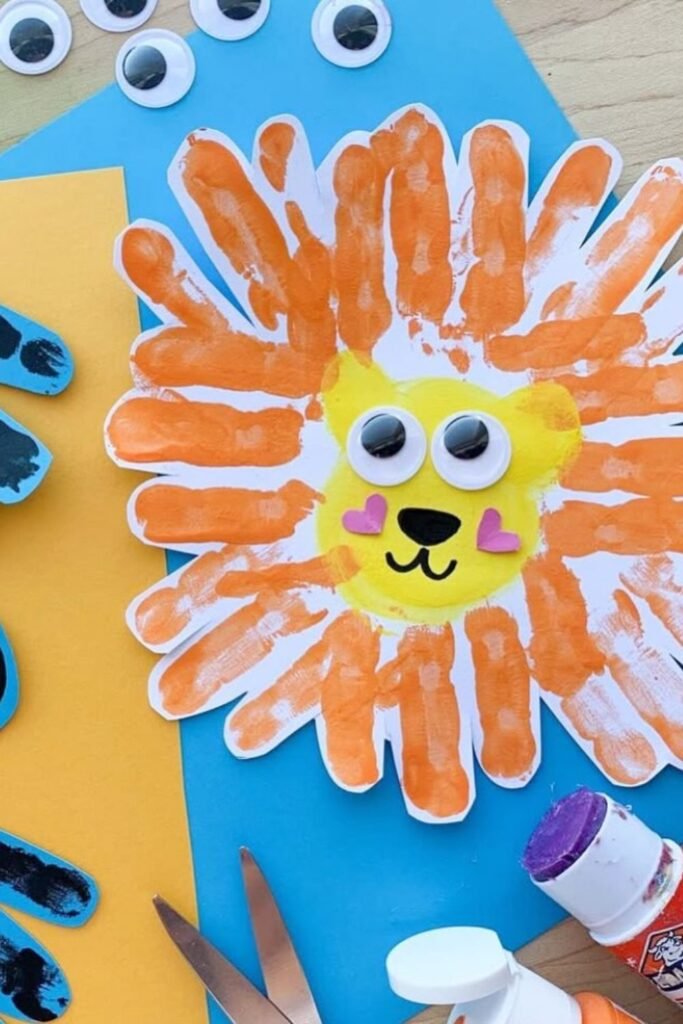
Messy hands usually mean happy kids, and this lion proves why. Pressing painted hands around a simple circle face.
Makes a simple task more personal and enjoyable. Kids can mix orange or yellow paint to make it more better.
If you glue the face on first, the kids can focus on stamping their hands without having to wait.
This craft is great for preschool art time, letter-L lessons, or days when kids don’t have a lot of time to pay attention.
Kids are proud of their work right away since each handprint adds texture and movement, and no two lions ever look the same.
Brush Focus
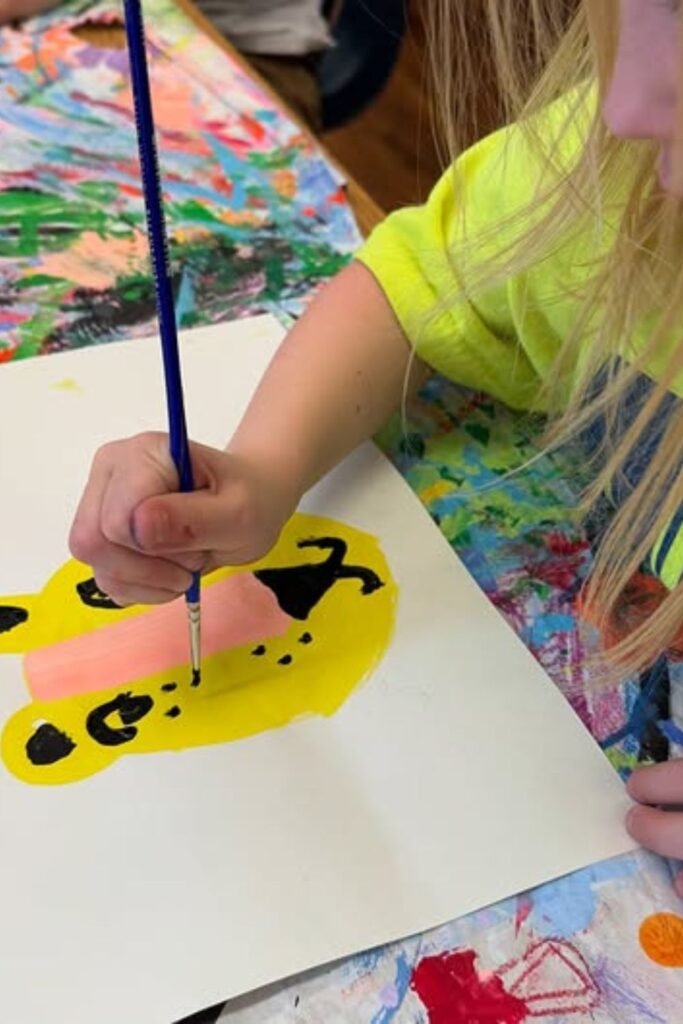
Quiet concentration shows up fast once a paintbrush replaces crayons. Working on a simple lion face lets kids take their time and notice subtle motions.
Without feeling like they have to be perfect. This is easier to handle, especially for preschoolers who are still learning how to control themselves.
Because the paper is thick and the paint is washable. Start with only two or three colors so that the focus is on brushing, not picking.
This project is great for quiet art times, one-on-one time, or small groups where youngsters need help learning to be patient.
Getting their painted face done provides them a big sense of accomplishment and helps them acquire confidence with items they’ll use again later.
Pinecone Mane
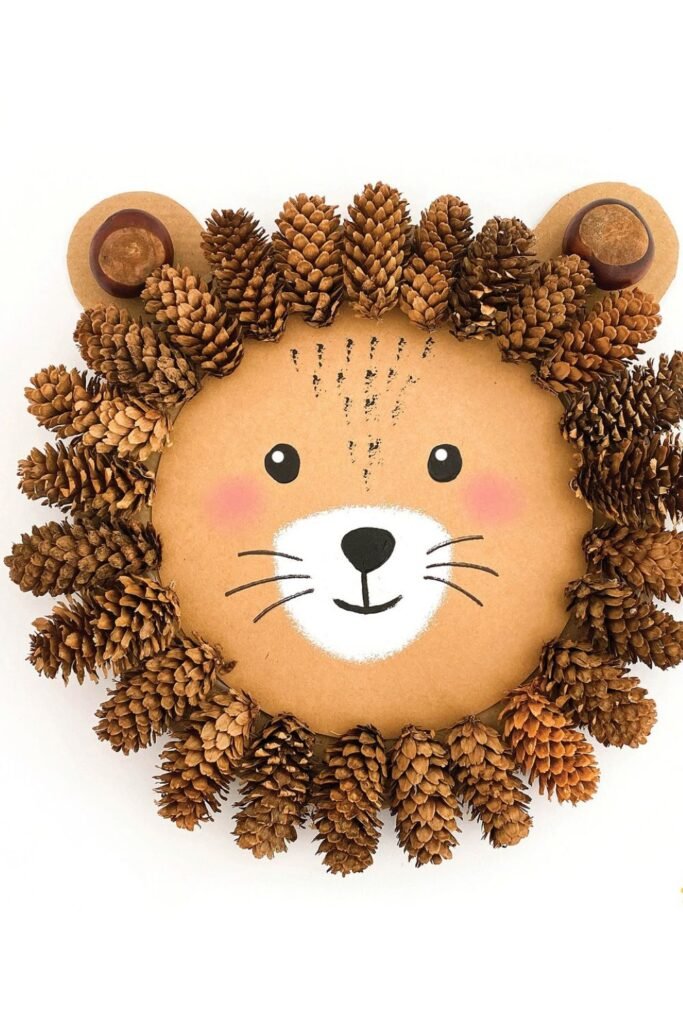
Texture steals attention immediately, which makes this lion perfect for kids who love touching and exploring materials.
Pinecones make a bold mane on their own, so the face can stay plain and calm.
First, gather cones and let the kids arrange them around a cardboard circle before gluing them together.
This step helps keep things from getting too frustrating. Afterward, painting or sketching the face maintains the attention even.
This activity is great for nature modules, fall themes, or activities that focus on the senses and need something other than paper and paint.
It feels robust, looks great on display, and provides kids a sense of success without having to do a lot of steps.
Tissue Plates
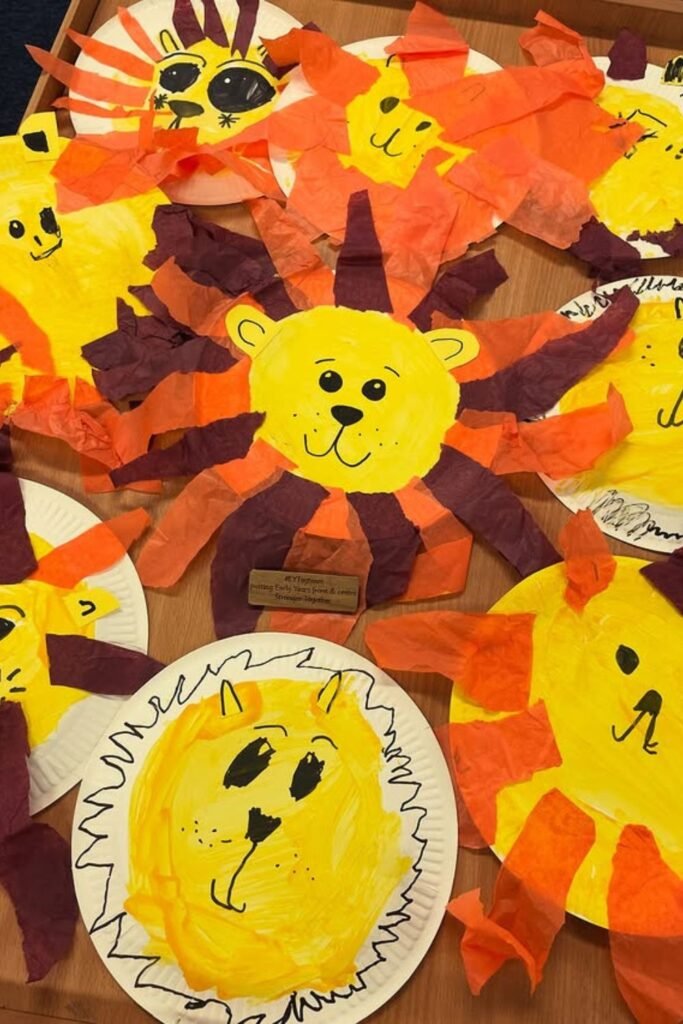
Group energy shows up loud and clear with this kind of lion craft. Paper plates give every child the same starting point.
But ripped tissue paper sends each lion in a different route. Let the kids tear the paper themselves; it’s faster than cutting and more fun for them at this age.
Put glue on the plate first, then push down the tissue pieces without caring about where they go.
This idea is great for theme weeks, bulletin boards, or classroom projects when you want all the crafts to seem like they belong together yet not be the same.
The bright colors and rough textures keep toddlers intrigued and the simple base keeps the activity going.
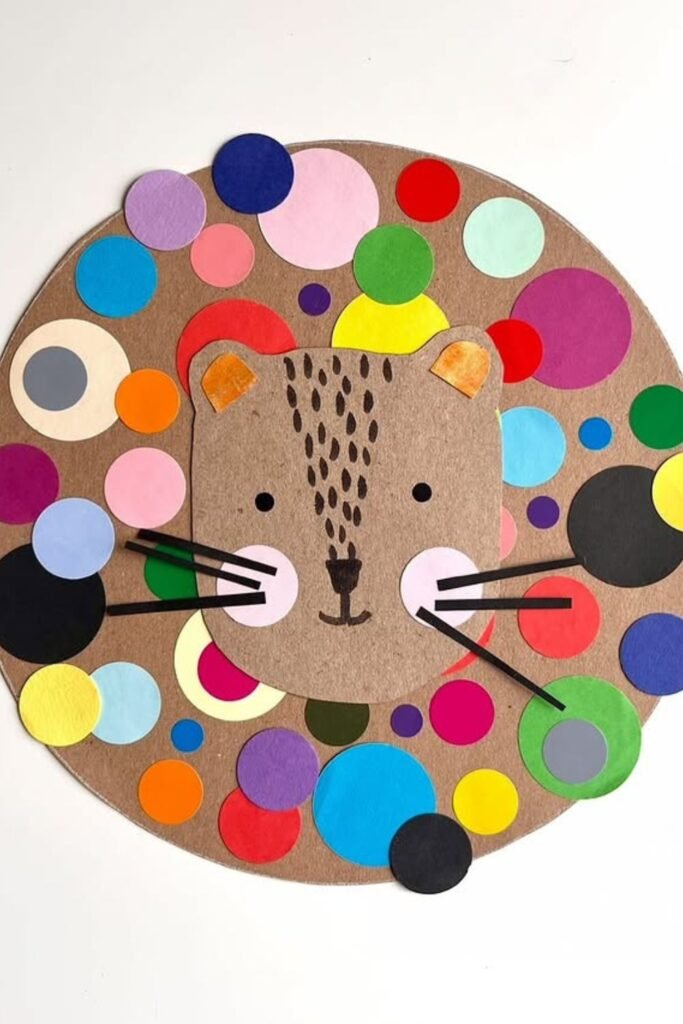
Dot Mane
Color choice turns into a quiet thinking game with this lion craft. Round stickers or paper dots build the mane piece by piece, which slows kids down in a good way.
Start with a simple cardboard base and a lion face already there. Then let the kids choose where each dot goes.
It all works: big dots, small dots, dots that match, and dots that are random hues. This idea is great for fine motor exercise.
Color sorting classes, or quiet table activities when cutting is too much. Peeling and arranging.
Keeps hands occupied, helps with concentration, and makes a bold finished lion that seems detailed but isn’t hard to construct.
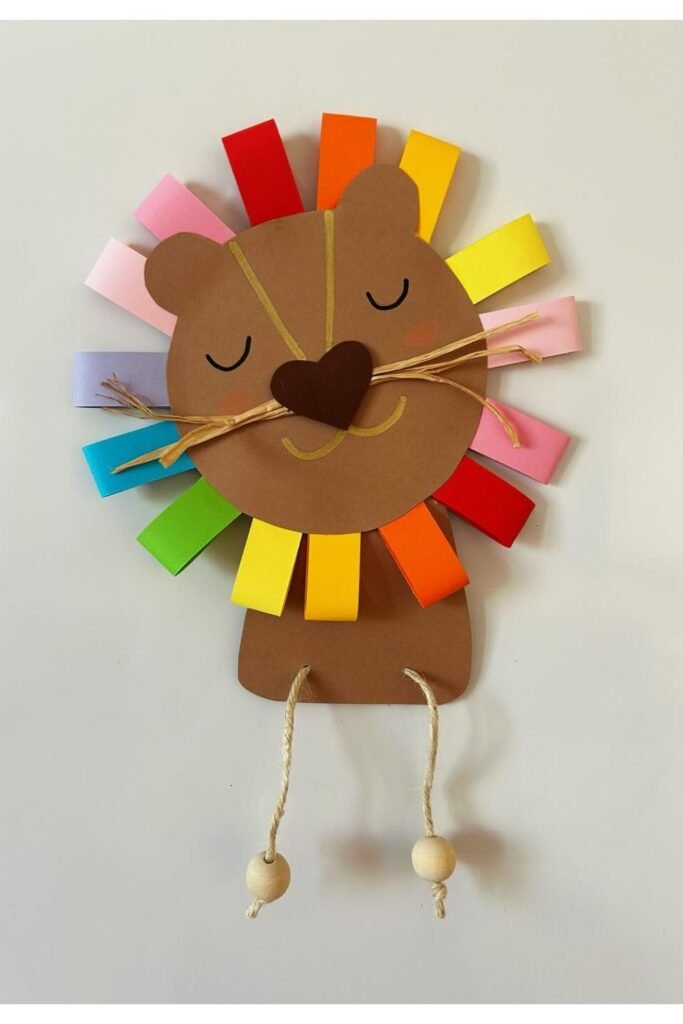
Dangling Lion
Little moving parts instantly turn a craft into something kids want to touch again and again. String legs with wooden beads.
Give this lion just enough movement to make it feel playful without being too distracting. Start by building the face and mane so the character seems complete.
Then, to keep things simple, add the legs last. Pre-punched holes make things easier and faster for young learners.
This idea is great for door decorations, wall displays, or days when you want to practice fine motor skills in a peaceful way.
Kids stay interested longer when they thread beads, tie knots, and watch the legs swing gently. This adds a fun touch to a simple paper lion project.
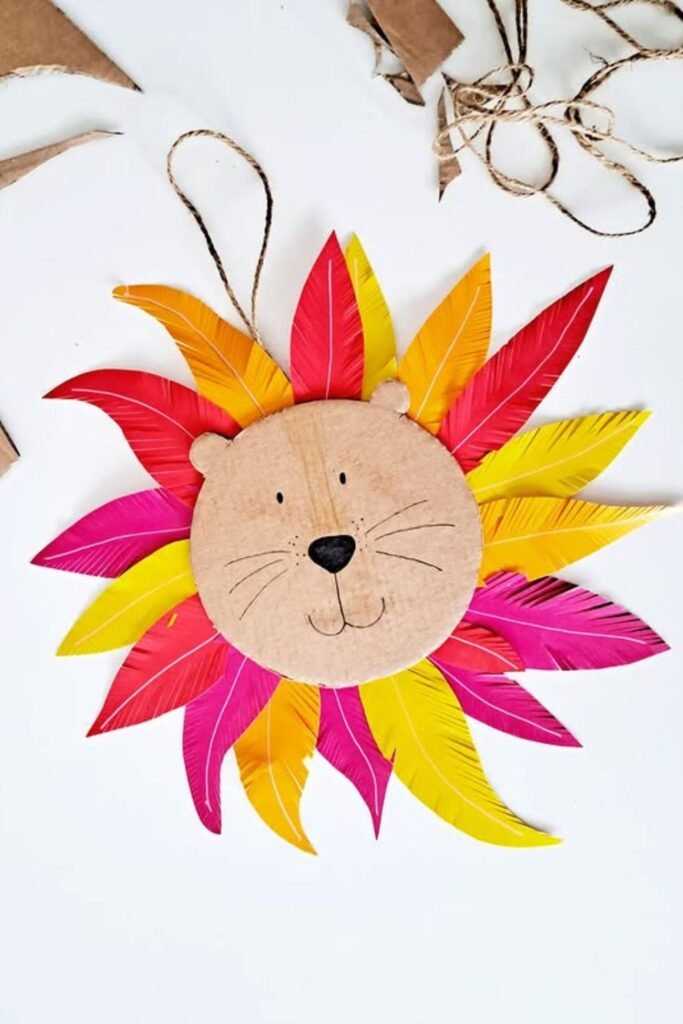
Feather Flair
Bright feathers change the whole mood of a lion craft and instantly make it feel festive. Layering paper or craft feathers around a cardboard face.
Gives youngsters a clear place to start while still letting them choose. Before gluing, lining them together.
Lets young hands see how the mane will spread out. If you draw the face last, the lighter colors won’t become smudged.
This idea is great for decorations for parties, displays in the classroom, or weeks with a jungle theme where color is important.
The lion appears strong and light when it’s done, and putting it up makes youngsters feel like they made something cool.
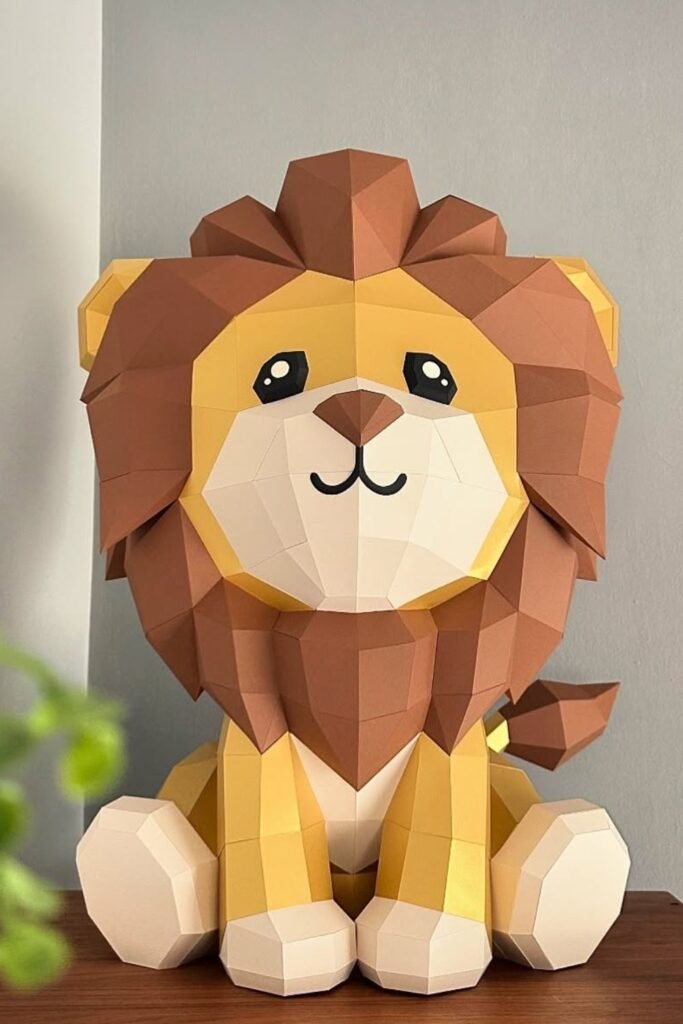
Paper Build
Sharp folds and clean shapes turn this lion into a real showpiece. This kind of paper craft works best with older kids or when an adult helps with prep.
Because the fun here comes from putting things together, not beautifying them. Kids feel like they’re making progress.
When they fold and glue the pieces together, and printing and cutting them out first keeps irritation minimal.
This idea works well for projects on the weekend, displays in the classroom, or times when you want one big craft instead of a lot of little ones.
After it’s done, the lion seems more like a model than a doodle, which makes kids proud and want to show off and defend their work.
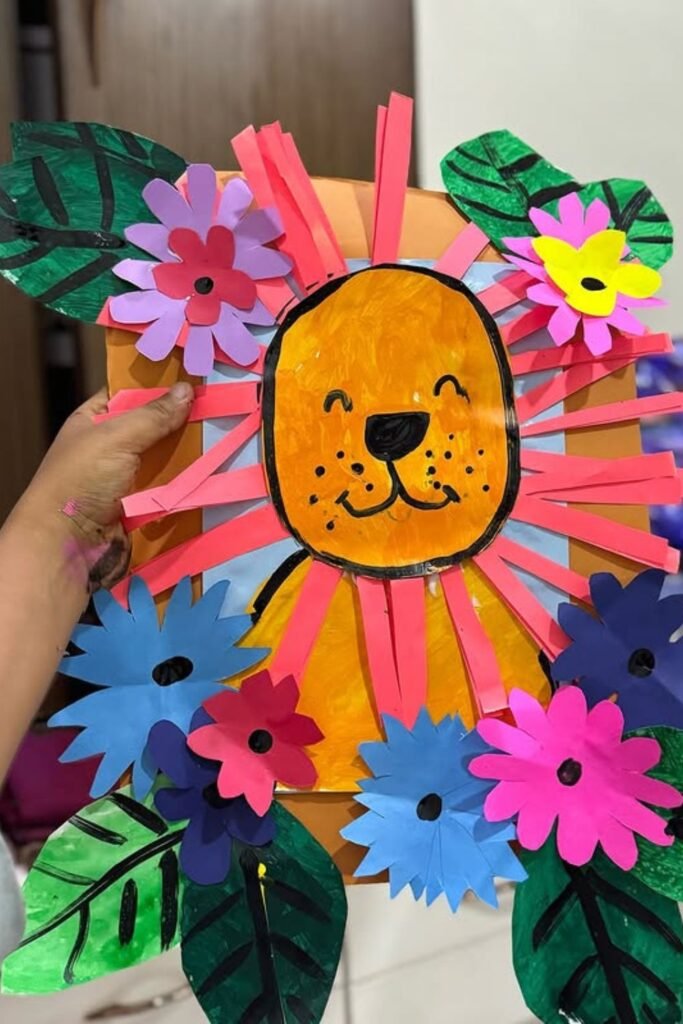
Jungle Bloom
Flowers and leaves turn a simple lion into a full scene instead of just a face. Layering paper strips for the mane first.
Gives kids a bold center to work around. Then they can build out without feeling rushed by adding flowers and foliage.
Cutting the shapes ahead of time.Makes it easier to focus on arranging and gluing instead of fighting with scissors.
This activity is great for spring units, jungle themes, or projects.Where color is really important.
Kids like choosing where each flower goes, and that keeps them interested for longer. The final lion is colorful, decorative, and full of personality.
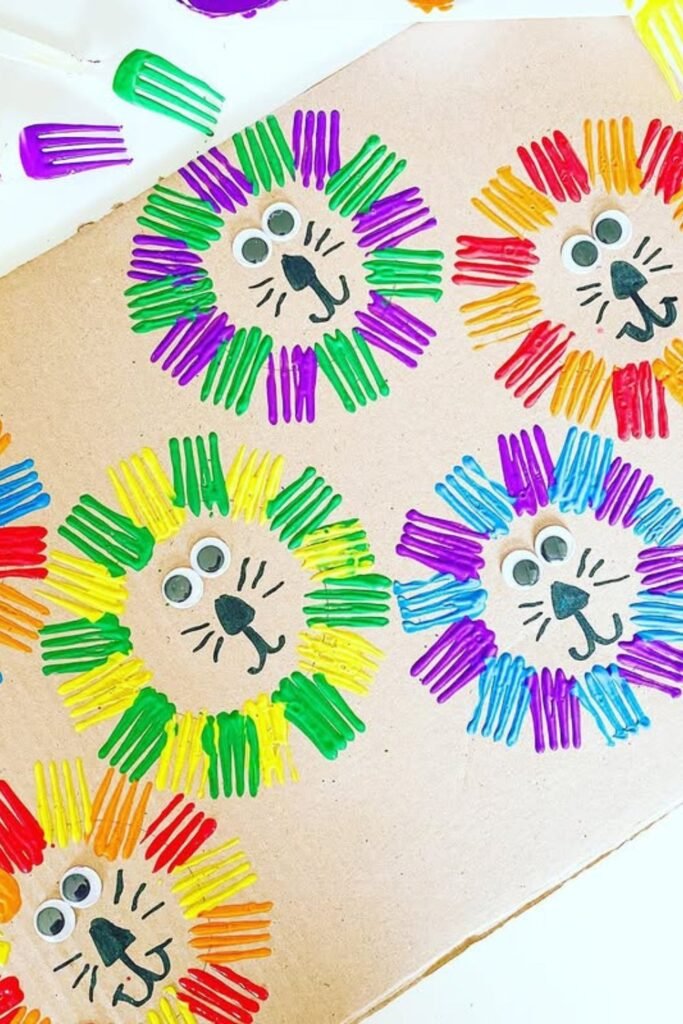
Fork Prints
You didn’t realize you needed plastic forks to make art, but they are the best tool. You can make instant texture by dipping.
The fork into paint and rubbing it around a simple lion face. Kids settle into a constant pattern of dipping, pressing, and repeating.
Which helps keep the table quiet and focused. Using distinct colors for each part lets the mane stand out without any extra work.
This idea is ideal for group activities, quick art rotations, or days when you want big results with very little work.
It’s quick, a little messy in a fun way, and kids always look forward to seeing how their lion turns out.
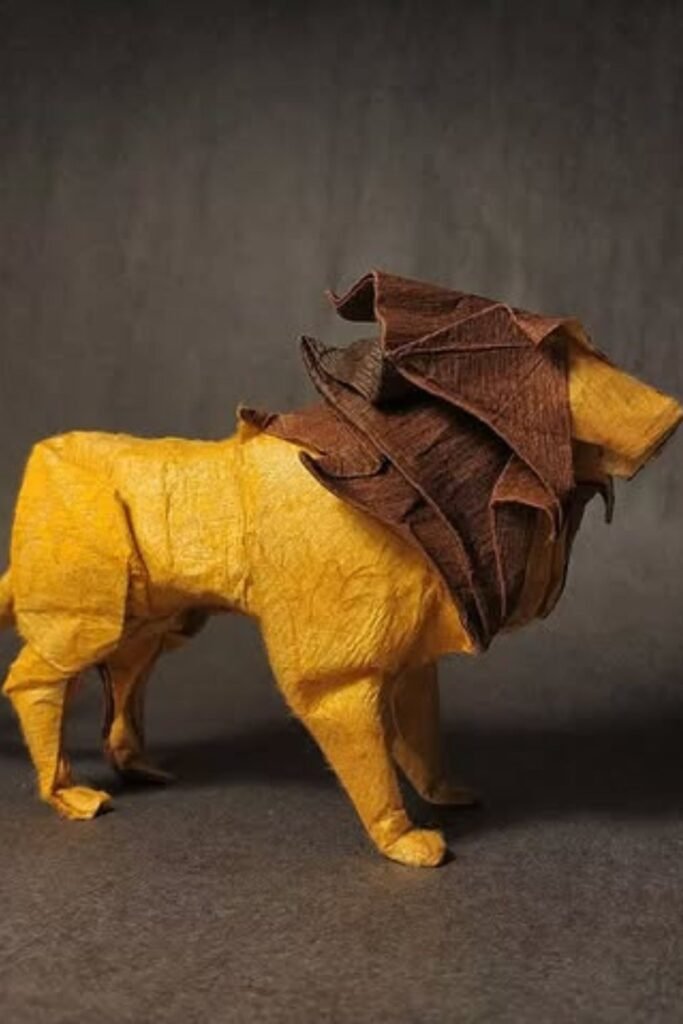
Folded Lion
Paper suddenly feels alive when it turns into a standing animal. This lion works best as a slow, guided project rather than a quick craft.
Especially for kids who are older or groups with kids of different ages. Pre-folding some of the harder parts helps kids stay confident.
While they work on creating the body and mane. Thicker paper keeps its shape better and makes the end product stronger.
This approach works well for calm afternoons, art clubs, or parent-child craft time when being patient is more important than being quick.
Kids feel a great sense of accomplishment when they see flat paper turn into a 3D lion. It also teaches them how to fold things carefully with out being too much.
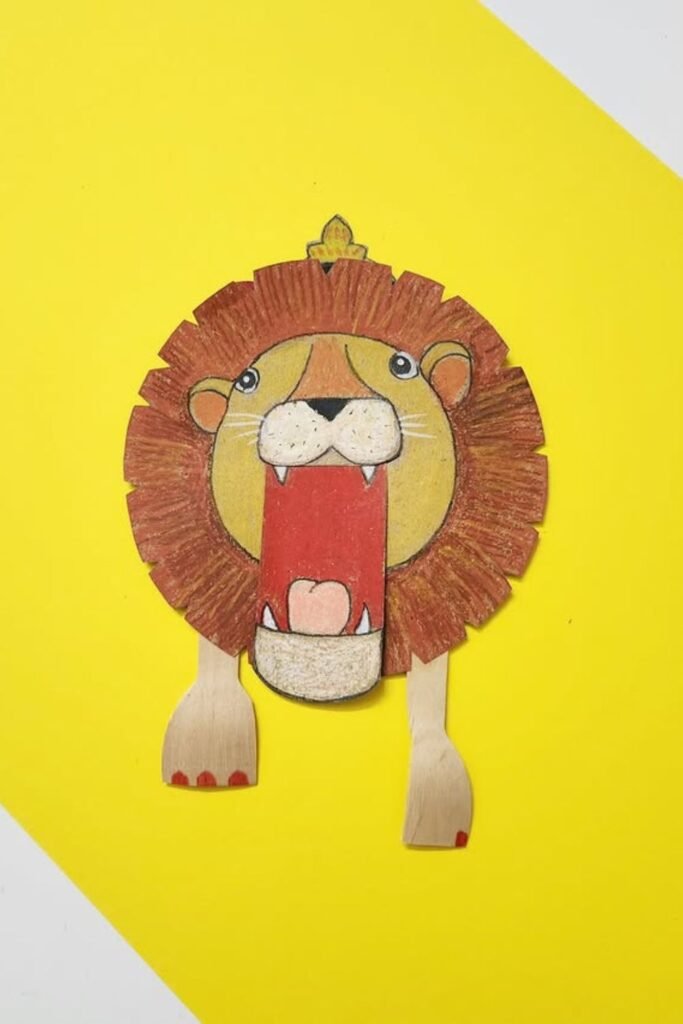
Roaring Mouth
Surprise grabs attention fast once the mouth starts moving. Pulling a simple tab and craft stick makes the lion roar and which turn this into more than just a picture.
Kids stay concentrated if they build the face first and adding the moving lips at the end feels like a reward.
Thick paper or light cardboard is excellent since it keeps the pieces from bending when they slide.
This craft is great for story time, lessons on animal sounds, or days when kids learn through play.
Kids want to try the motion again and over again, and that keeps them interested for longer as they learn to regulate themselves, be patient, and solve problems.
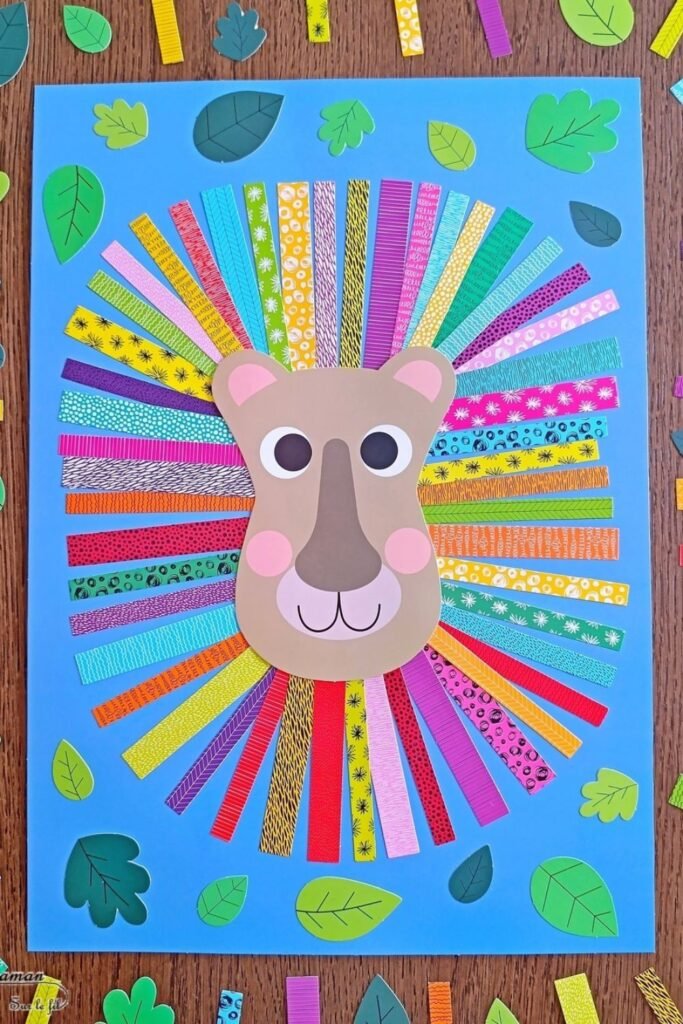
Pattern Play
Patterns turn a simple lion face into a thinking activity without kids even noticing. Mixing stripes, dots.
And textures keep the eyes moving and the hands busy while the mane grows. Before anything gets glued down, laying out the strips first helps kids see equilibrium.
A bright backdrop color makes the lion stand out and masks little faults, which gives you a lot of confidence.
This activity is great for art sessions that focus on different types of art, classroom exhibits, or days when you want to be creative without using paint.
Every strip feels like a minor choice that modifies the complete look, which keeps kids interested longer.
Cardboard Wreath
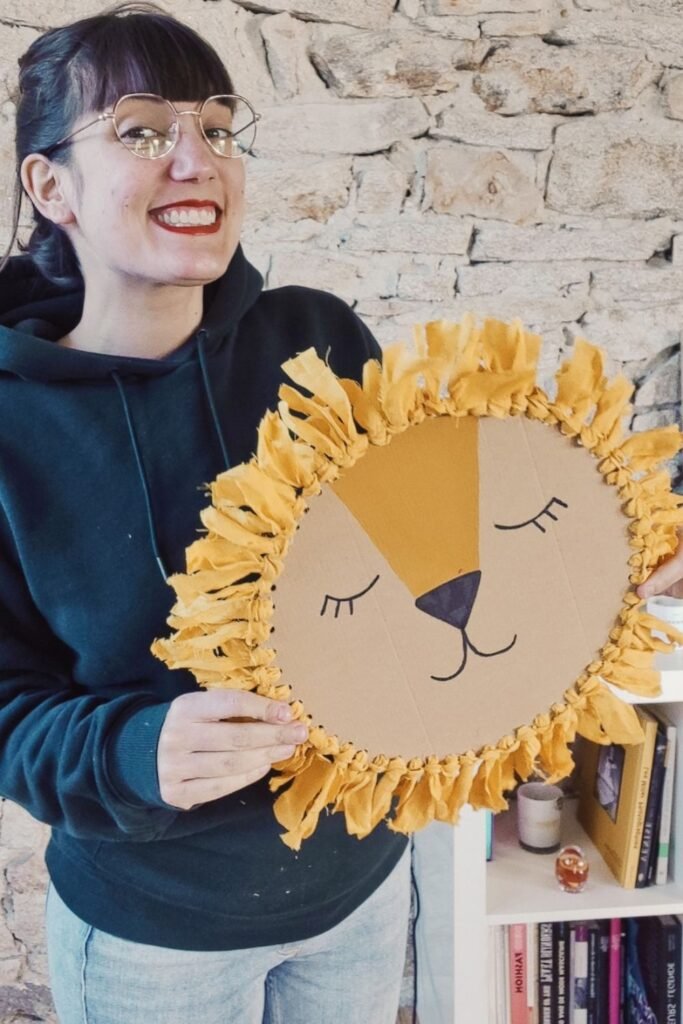
Big scale changes how kids see their own work. A large cardboard base turns this lion into something.
That feels important instead of tiny and disposable. Cutting lengthy strips for the mane keeps your hands busy.
And takes the stress off of making clean cuts. Using simple lines to draw the face gives it a peaceful, inviting look.
This idea is excellent for group projects, displays in the corridor, or when you want one big craft instead of a lot of little ones.
Kids love putting pieces on the edge and watching it grow. The finished lion seems solid enough to hang up and enjoy for a long time.
FAQs
Can I adapt lion crafts if my preschoolers have very short attention spans?
Yes. Make lion projects that have distinct steps, such adding a mane one piece at a time or stamping paint around a face.
Go the base ready ahead of time so the kids can go right to the enjoyable part.
Kids are more likely stay interested and finish without getting bored if observe speedy progress.
How do I choose the right lion craft for a mixed-age group?
Choose one main lion idea and change how involved people are.
Younger kids can glue, stamp, or position pieces, while older kids can draw details or make patterns.
This keeps everyone on the same theme without making anyone feel bored or overwhelmed.
Hi, I’m Afaf! I’m a law student who loves writing about everyday life – from home projects and crafts to fashion, beauty, and parenting tips.
I’ve been writing for over a year, sharing ideas that are simple, practical, and easy to try. I write about things I find interesting and useful, whether that’s organizing a space, trying a new DIY, or finding activities to keep kids entertained.
My goal is to share helpful ideas without making things complicated. If it works in real life, I’ll write about it.
When I’m not studying or writing, I’m usually experimenting with new projects or scrolling for inspiration!