
23 Feelings Activities for Kids to Try in 2027
Some days, “How do you feel?” gets you a shrug.
Put out crayons, a sock puppet, or a stack of blocks, and the same question can turn into a conversation.
These feelings activities for kids give you simple ways to talk about emotions through play, at home or in the classroom.
Most of these ideas work well for preschool and early elementary kids.
Read the prompts aloud for younger children, and let older kids invent situations or write their own cards.
1. Mirror Faces
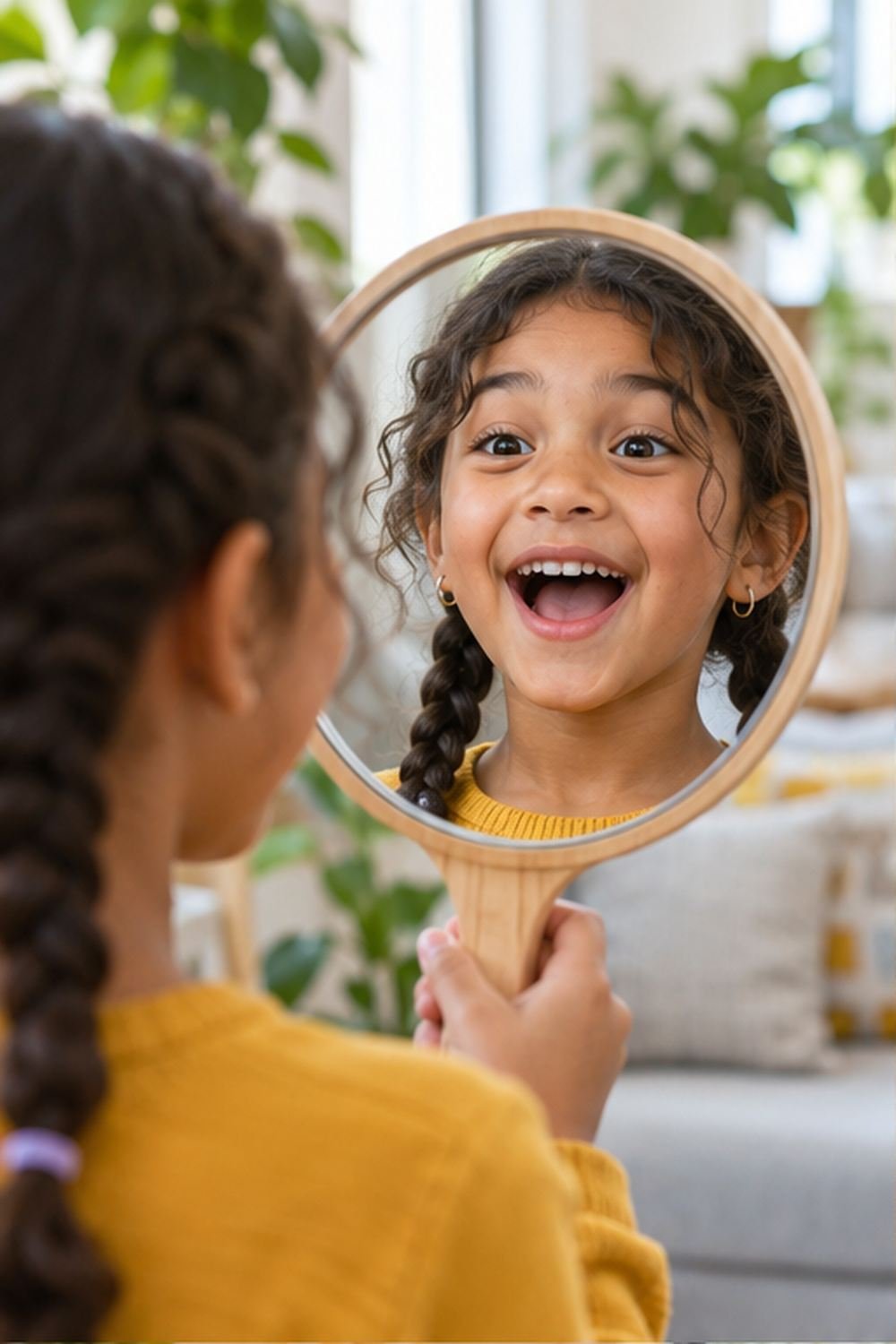
Sit beside a mirror and take turns making a playful face.
Try a big grin, raised eyebrows, or a scrunched nose, then ask, “What might someone be feeling if they made this face?”
See whether you can come up with two answers for the same expression.
2. Make a Feelings Wheel
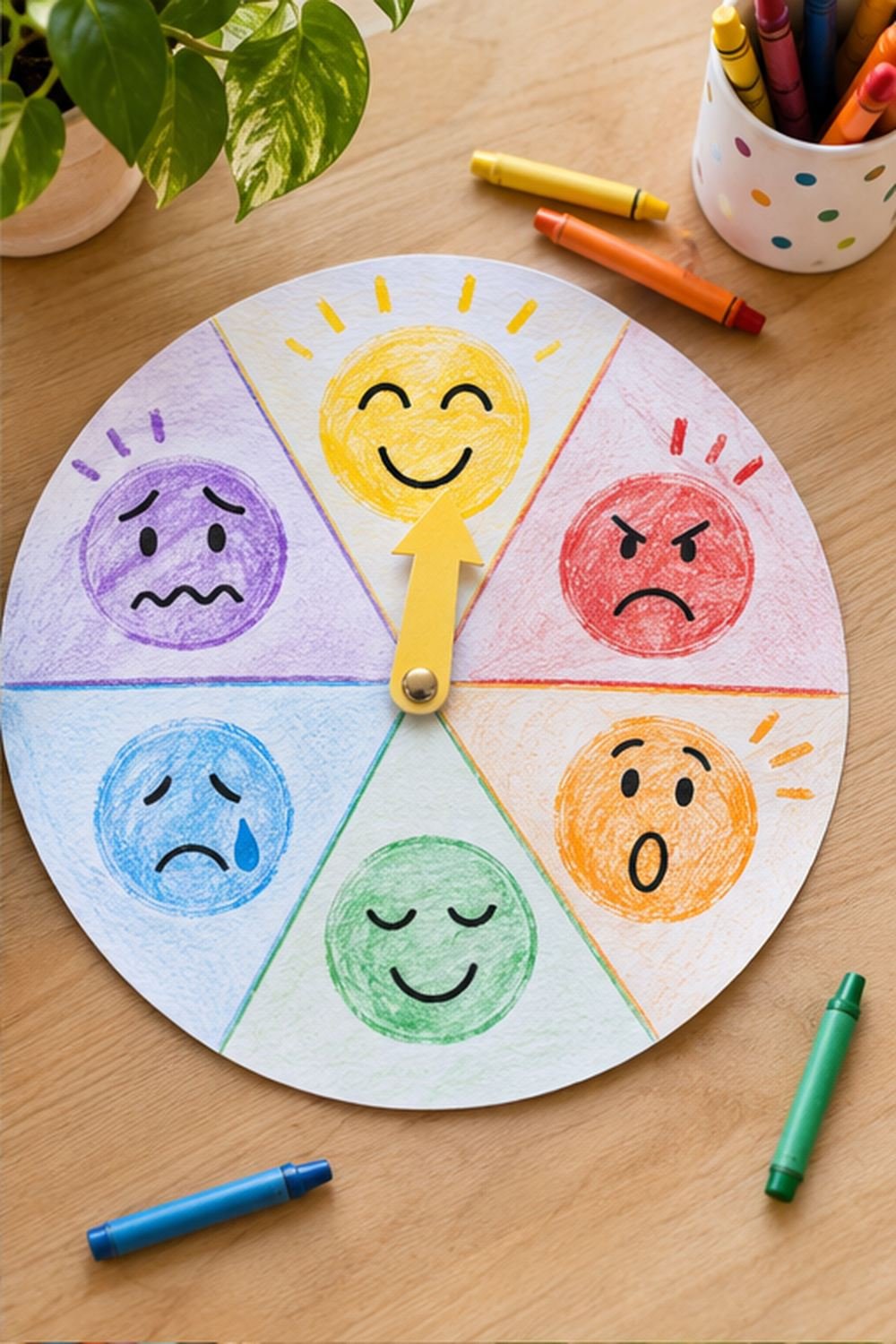
Divide a paper plate into six wedges. Draw a face in each wedge and label it happy, sad, mad, worried, excited, or calm.
Take turns pointing to a feeling and finishing the sentence “I sometimes feel this when…”
Kids can point or pass if they’d rather keep their answer private.
3. Play Emotion Charades
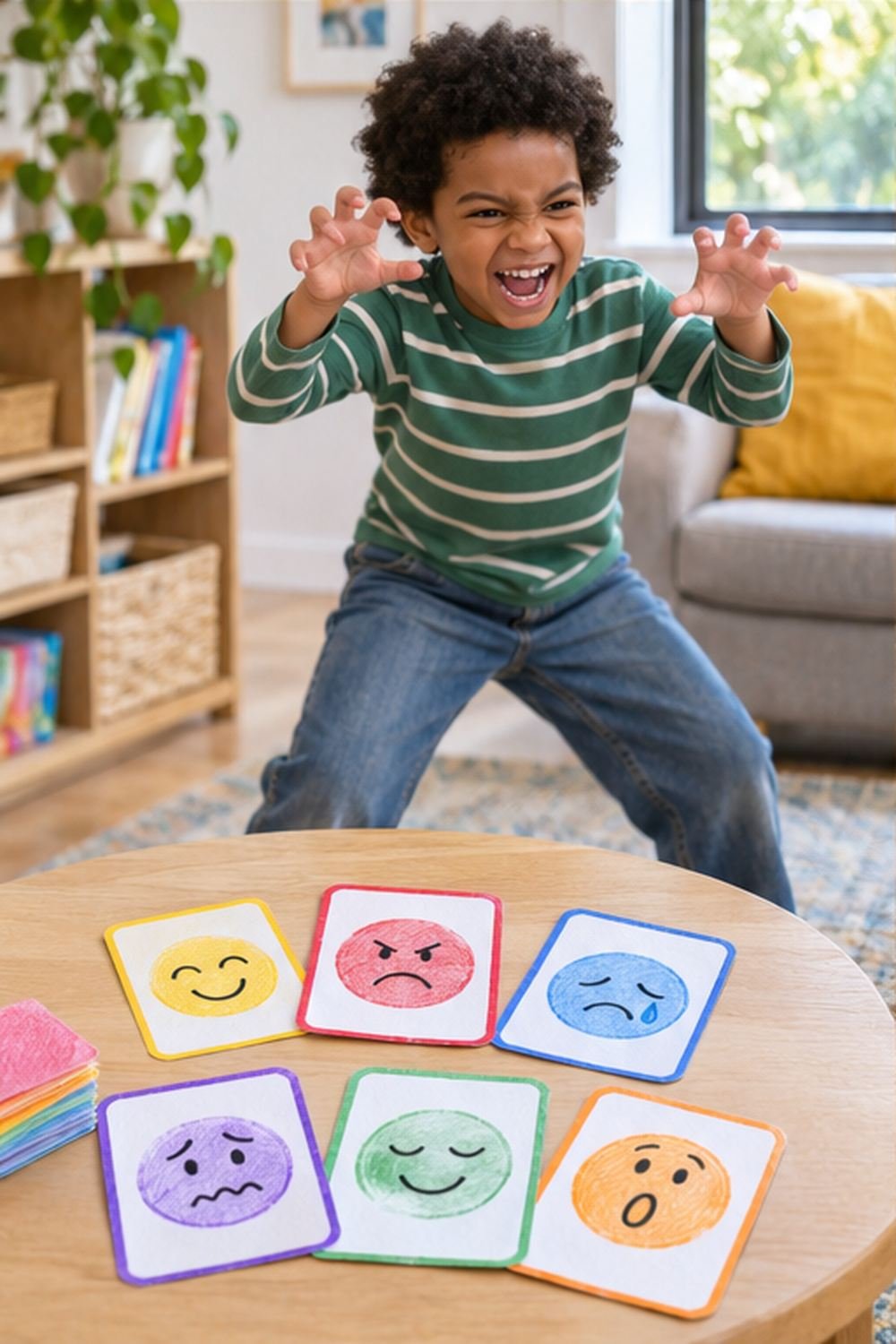
Write a few feelings on slips of paper. Take turns choosing one and acting it out using your face, posture, or hands while everyone guesses.
After each round, ask which clue helped them guess. You can also act out a feeling that’s hard to show, like feeling proud but shy.
4. Match the Feelings Cards
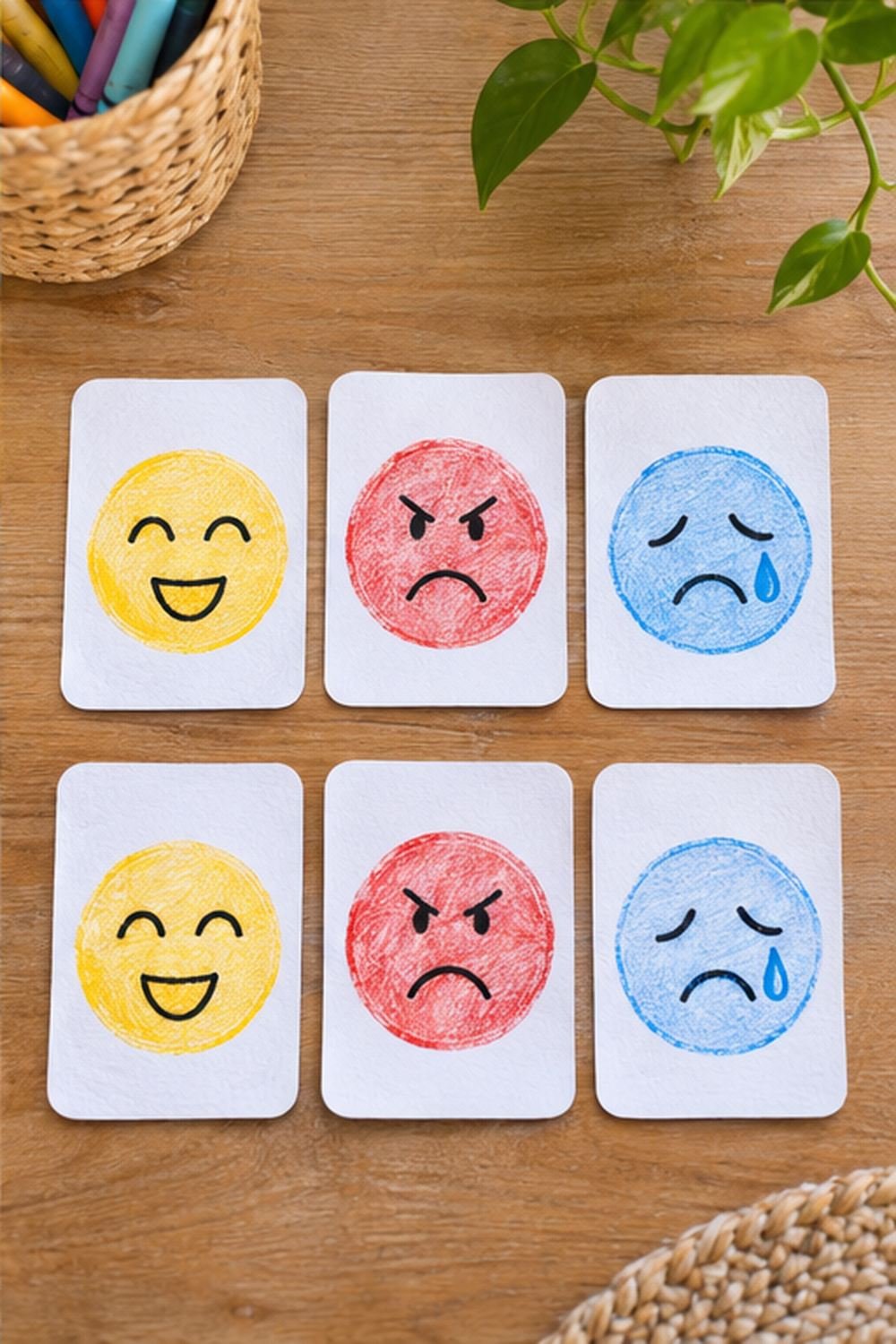
Make two sets of cards with simple faces or feeling words. Lay the first set face up, then draw from the second set and find a match.
For readers, swap one set for short situations, such as “A friend saves you a seat,” and talk about why several feelings could fit.
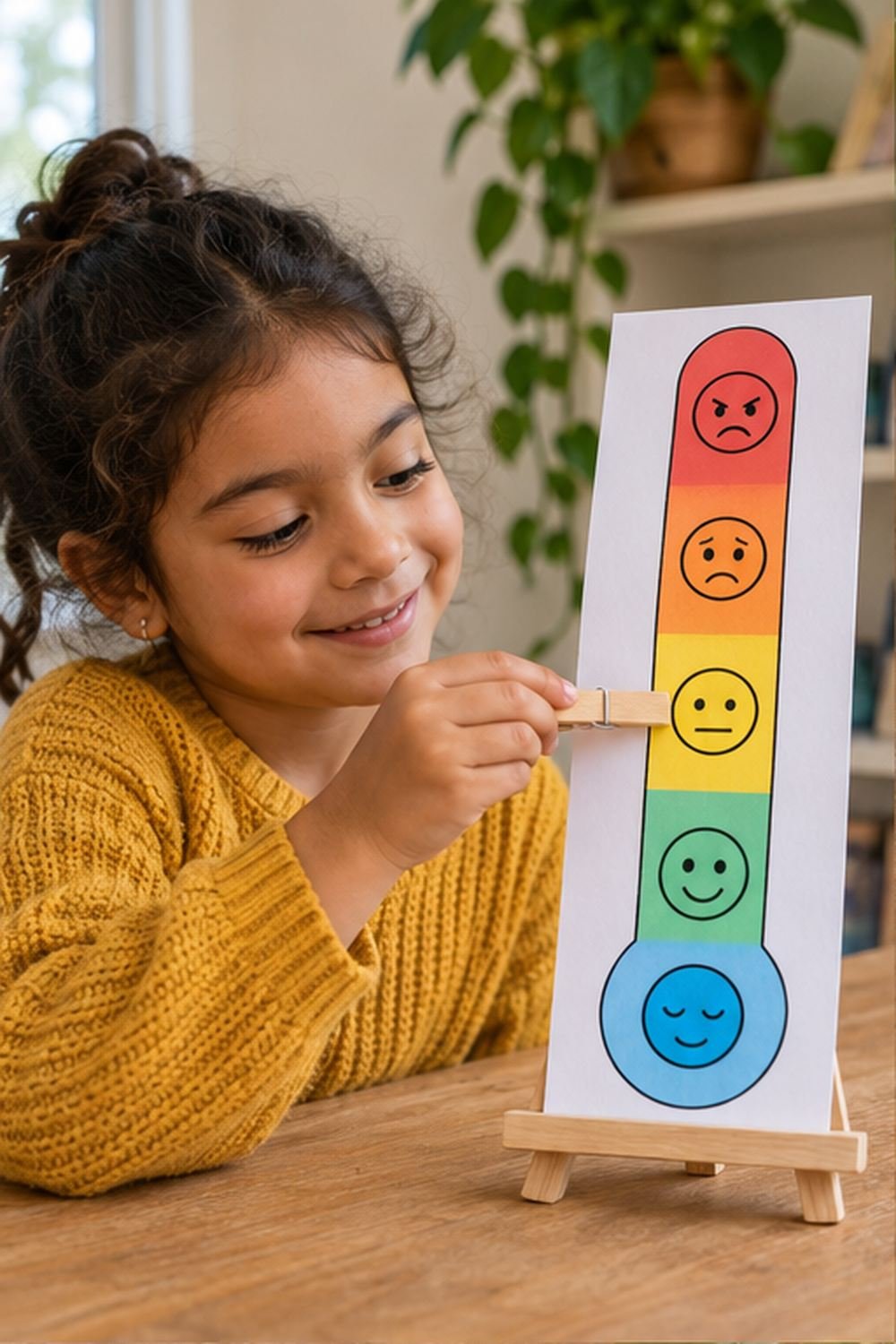
5. Clip a Feelings Thermometer
Draw five marks on a strip of card, from barely there to very strong.
Pick one feeling and move a clothespin to show how strong it might feel in different situations.
Try excitement before a playdate and excitement on the morning of a birthday. There’s no right number.
6. Color a Feelings Journal
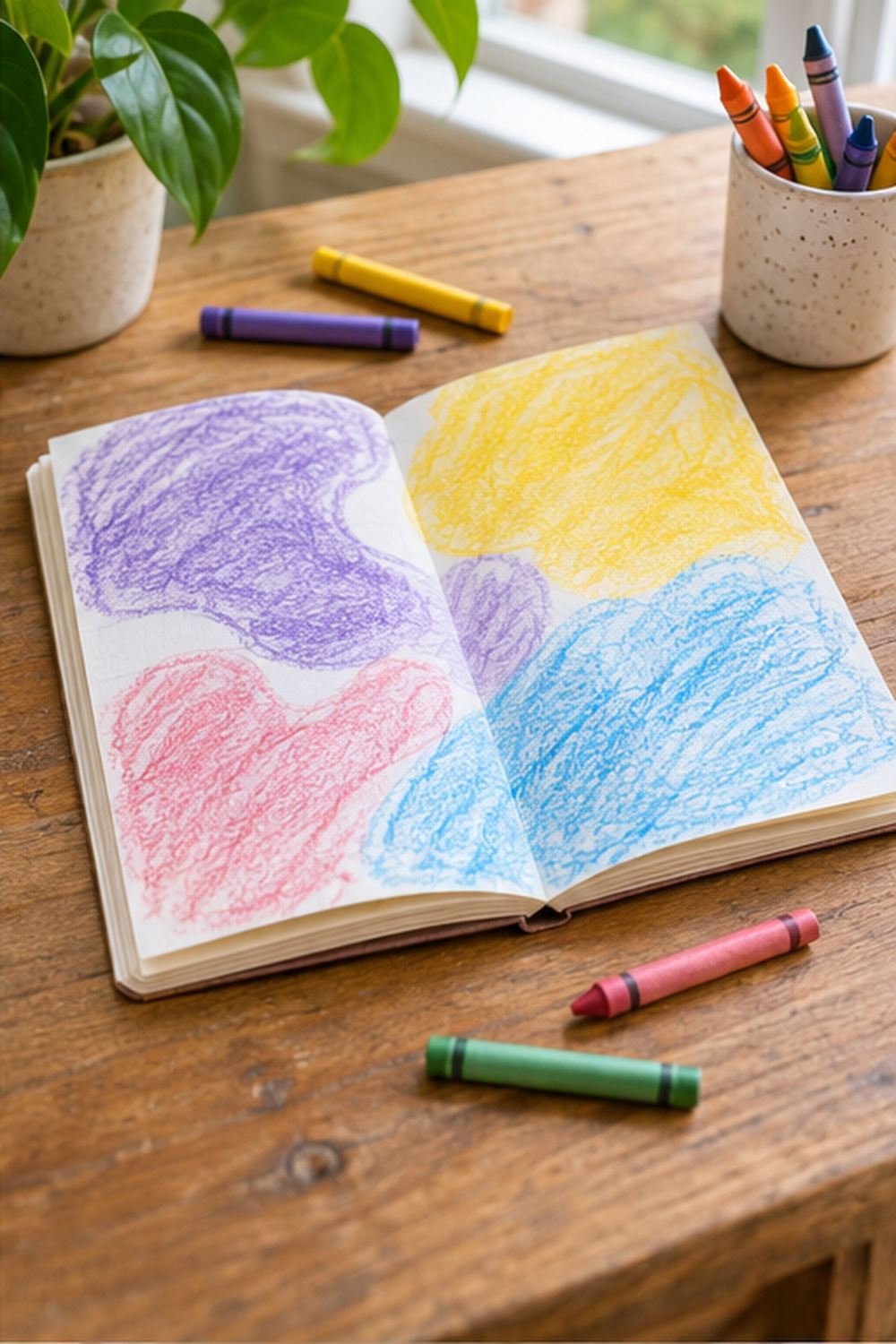
Give your child a notebook and invite them to fill a page with colors, lines, or scribbles that fit their day.
Ask whether they’d like to tell you about one mark. Let them choose what each color means, and leave the page private if they prefer.
7. Draw a Body Map
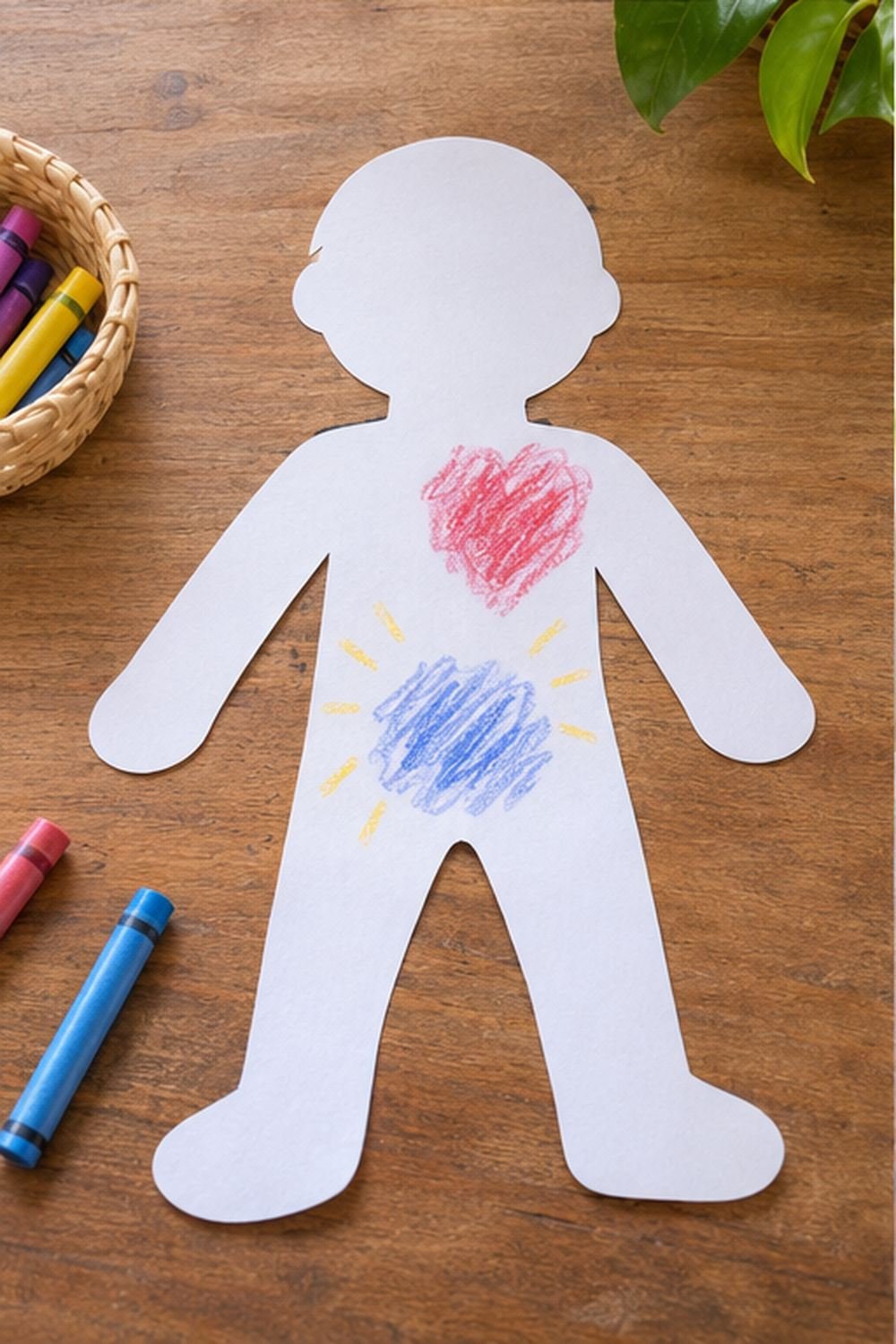
Draw a simple person on paper.
Talk about where you notice a feeling in your own body, such as tight shoulders or a fluttery belly, then use a crayon to mark it on the outline.
Invite your child to make their own map, including any places where they feel relaxed.
8. Do a Weather Check-In
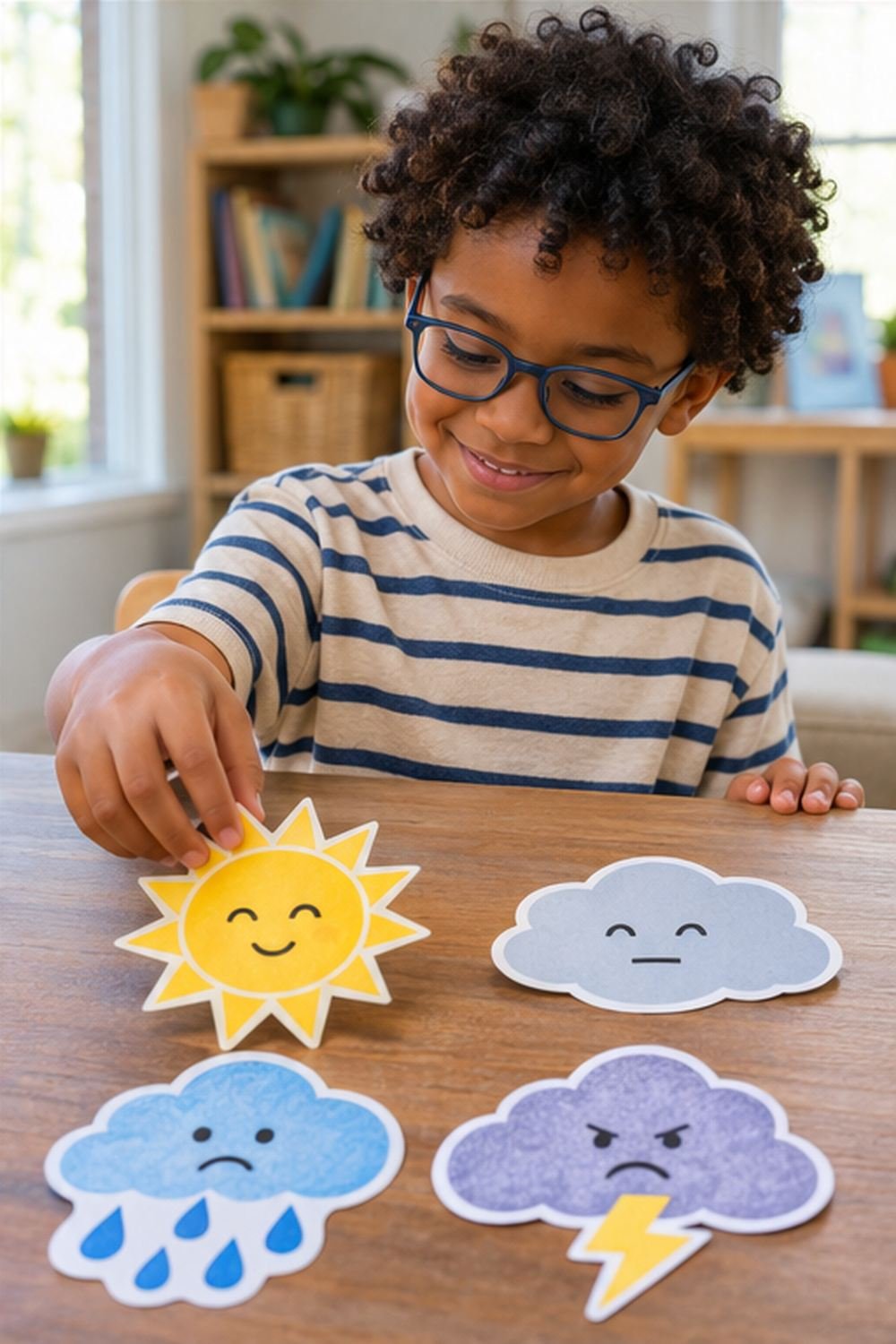
Cut out a sun, cloud, raindrop, and lightning bolt. Ask kids to pick the weather that matches how they feel right now.
Two pieces can fit at once, like sun for being glad to see a friend and a cloud for missing home.
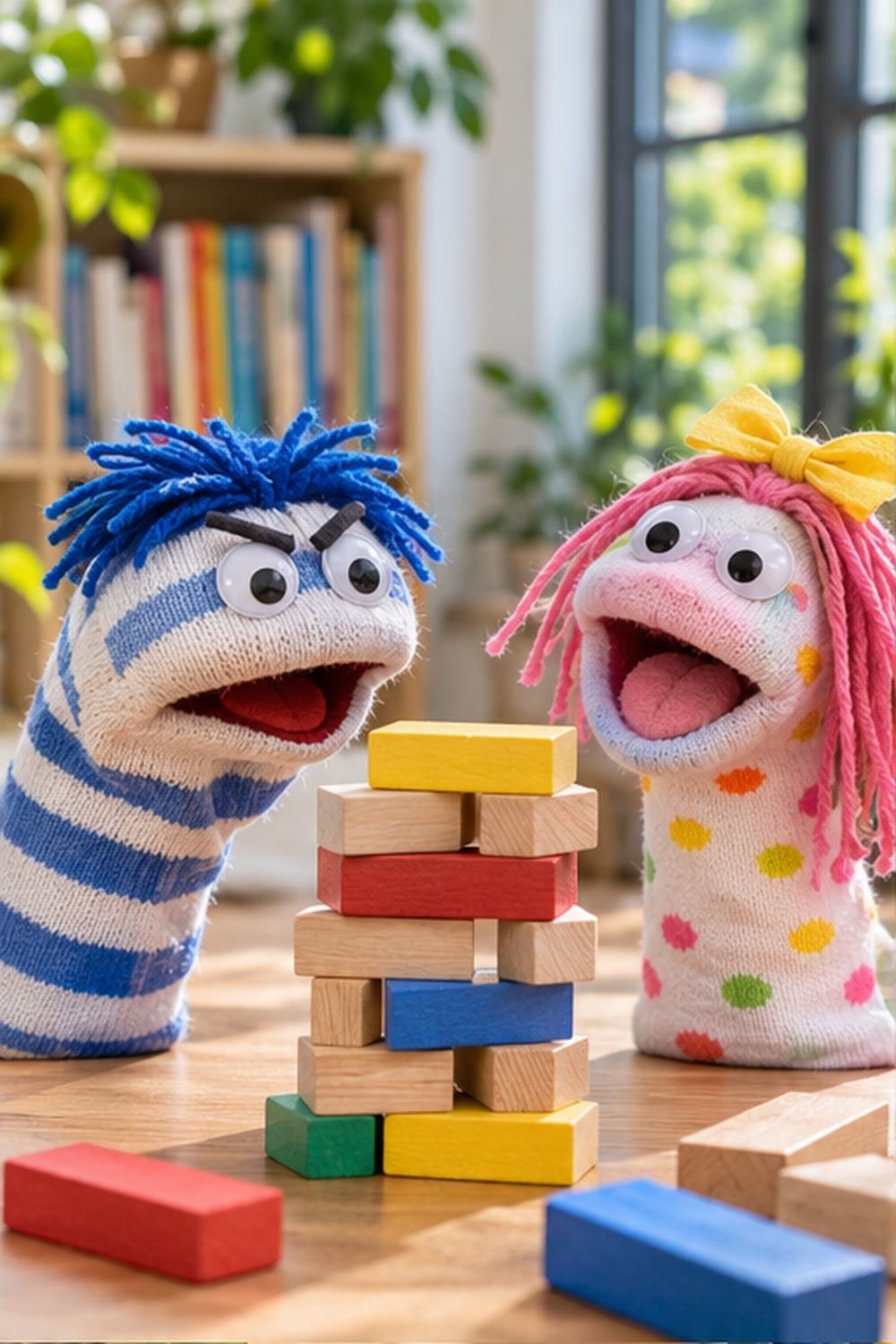
9. Tell a Sock Puppet Story
Give two clean socks paper eyes and act out a tiny problem, like someone knocking over the other puppet’s tower.
Pause and ask what each puppet might feel. Then let your child give one puppet a line to say or act out what happens next.
10. Give a Teddy a Feeling
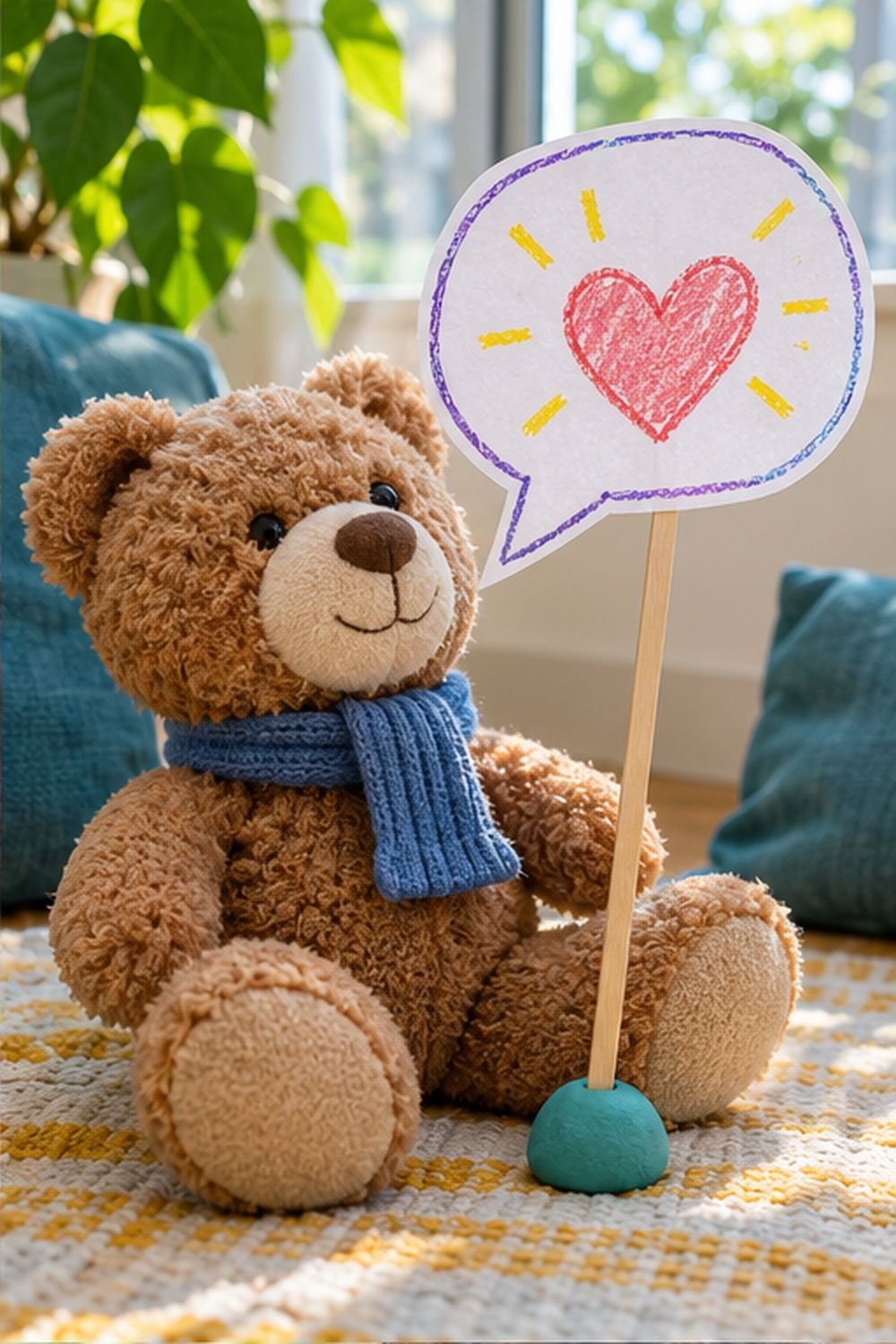
Tell your child that Teddy is worried about joining a new game. Ask what Teddy might want someone to say or do. Try one of their ideas together.
The next time you play, let your child pick Teddy’s feeling and make up the situation.
11. Pause for a Picture Book Check-In
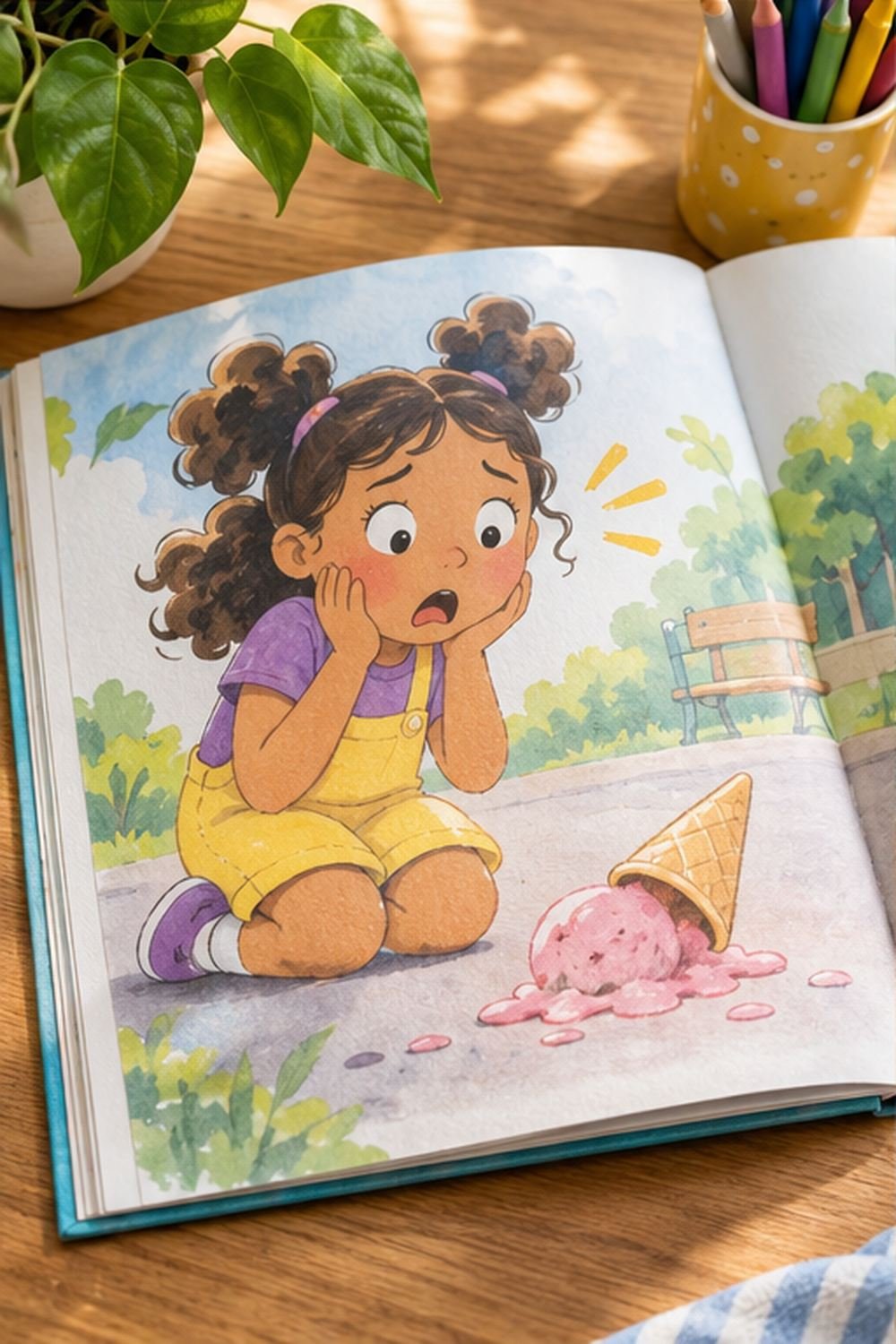
Stop at a page where something changes for a character and ask, “What might they be feeling now?”
Look at what happened in the story and what the picture shows.
Read on to see whether the character says how they feel or whether the story leaves it open.
12. Draw a Two-Panel Feelings Comic
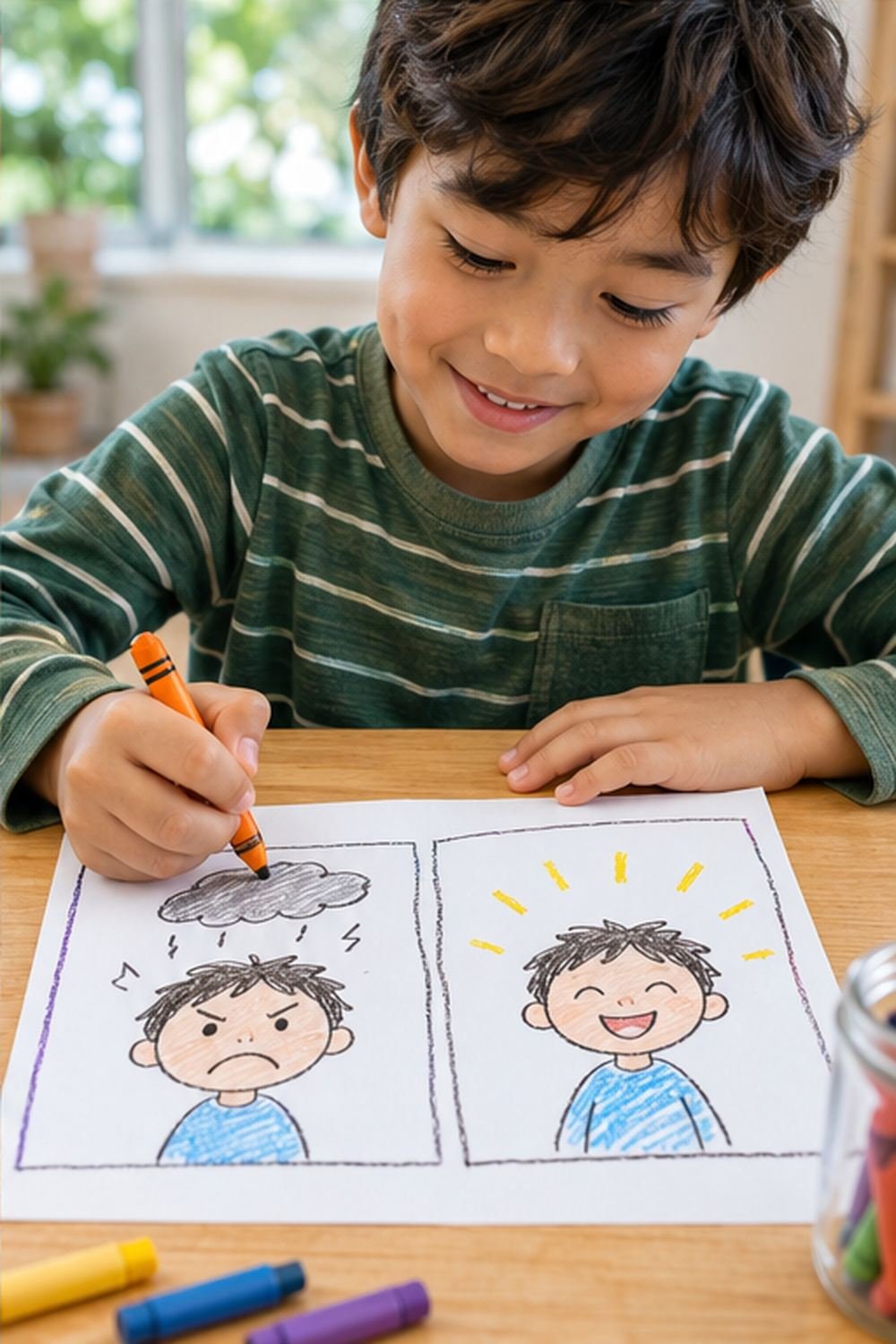
Fold a sheet in half. In the first panel, draw a small event, like a kite getting stuck in a tree.
In the second, draw what the character did or said. Add a speech bubble for what they might be feeling, then try a different ending.
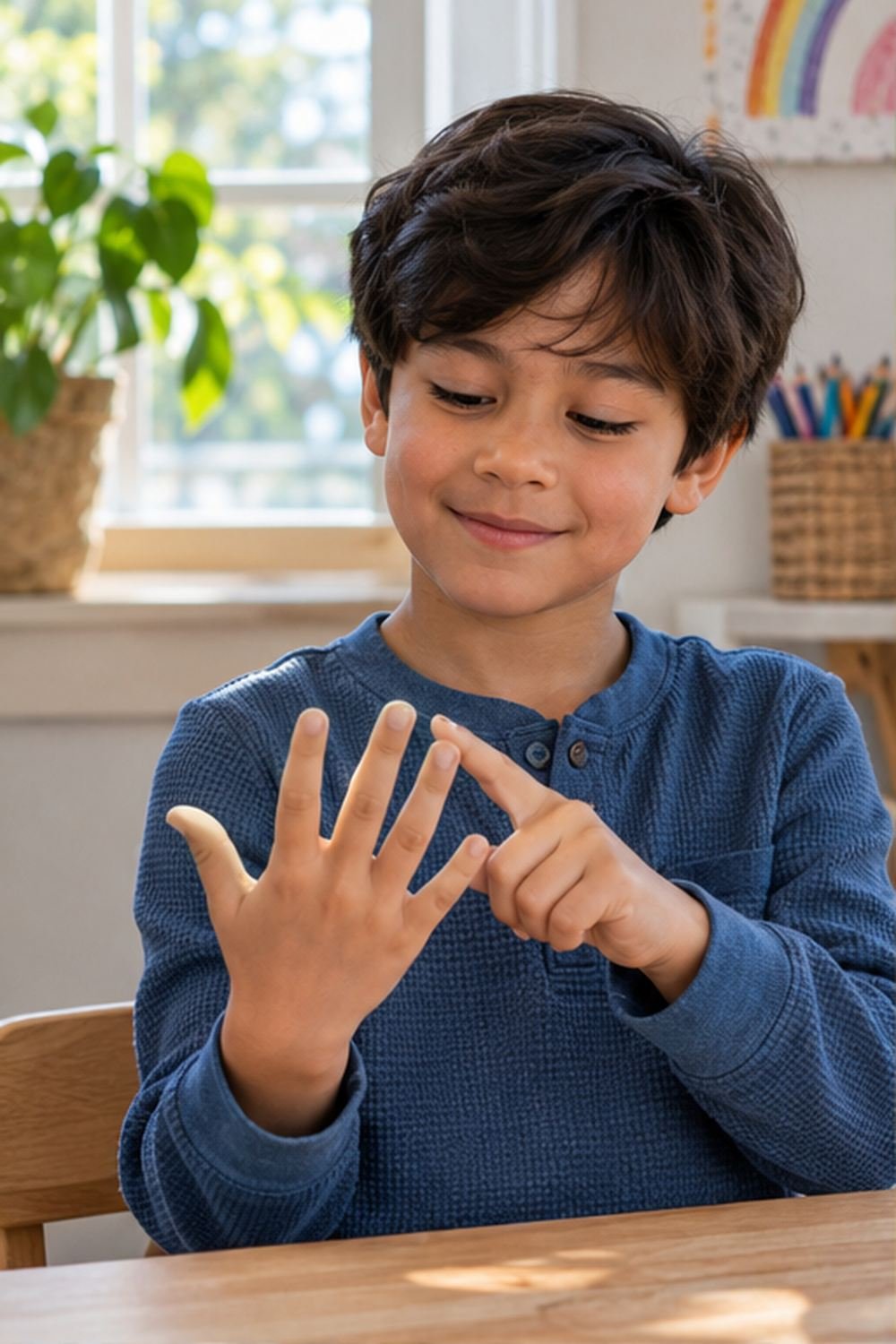
13. Try Five-Finger Breathing
Hold one hand open and trace its outline with the other index finger. Breathe gently in while tracing up each finger and out while tracing down.
Try it together when everyone is settled so it feels familiar if your child wants to use it later.
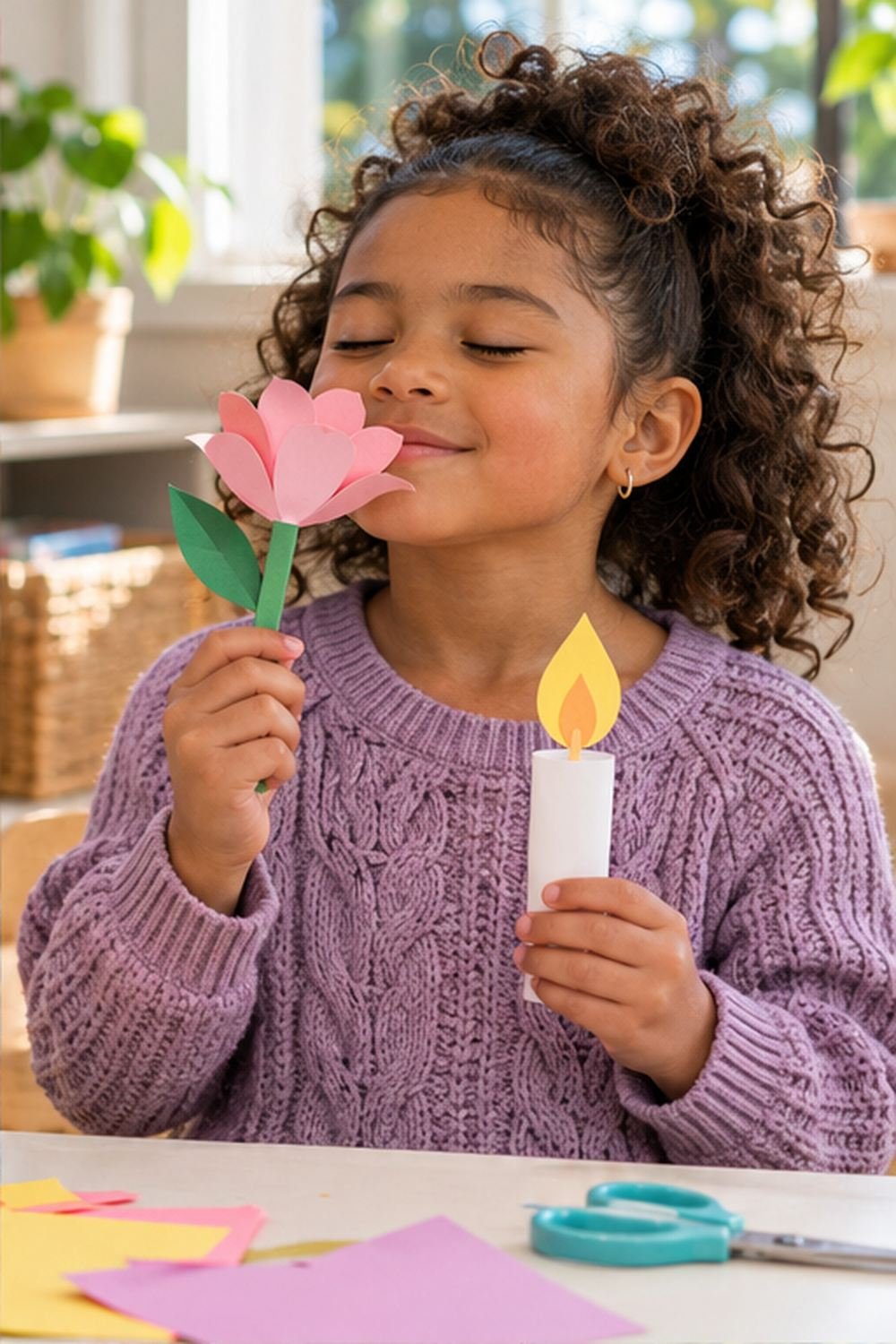
14. Smell the Flower, Blow the Candle
Draw a flower on one card and a candle on another.
Pretend to smell the flower with an easy breath in, then gently breathe out toward the pretend candle.
Let your child hold the cards and decide whether to do another round.
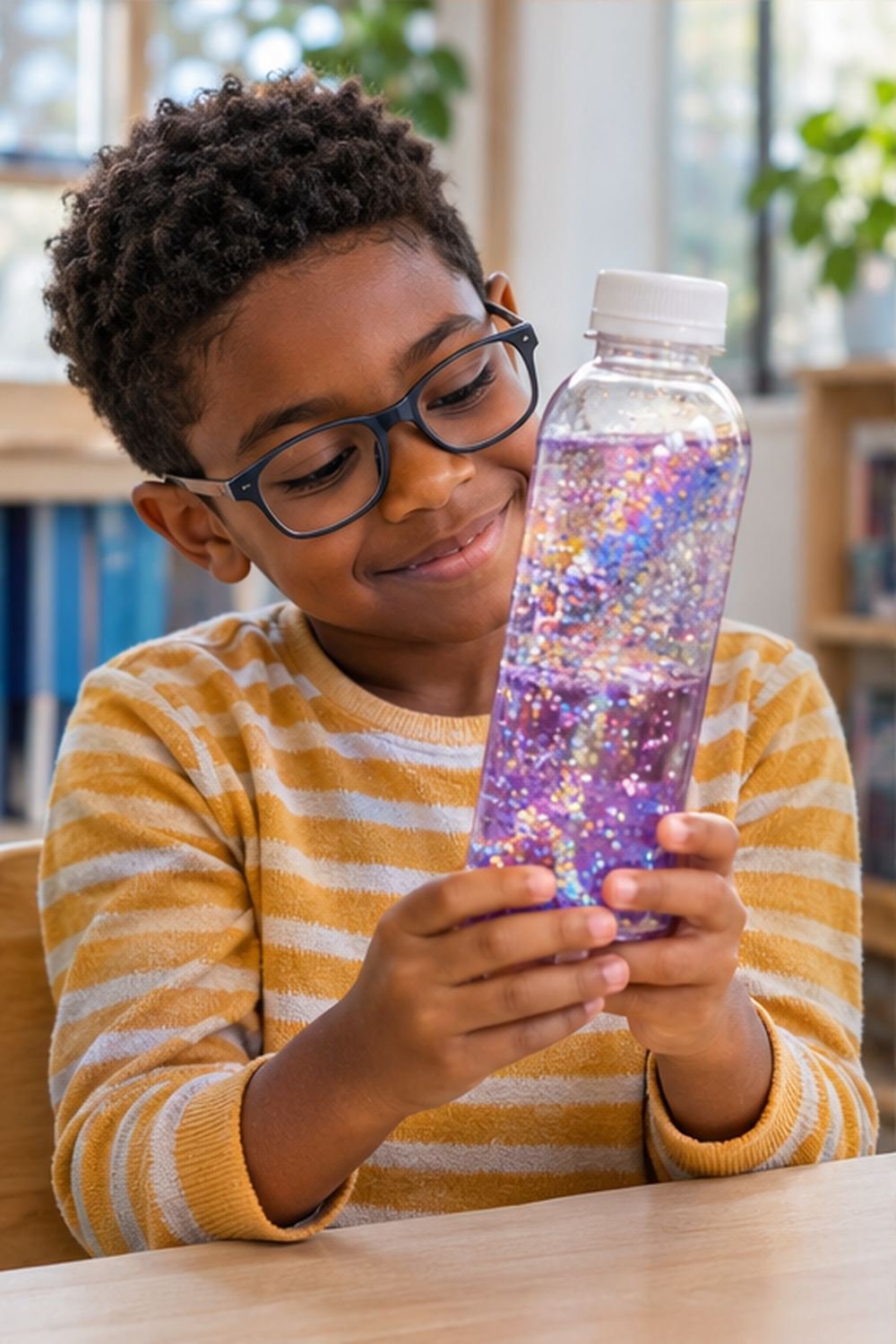
15. Watch a Glitter Bottle Settle
Ask an adult to seal a clear plastic bottle containing water and a small amount of glitter.
Turn it once, set it down, and watch what the glitter does. You can ask, “What do you notice now?” or enjoy a quiet moment together.
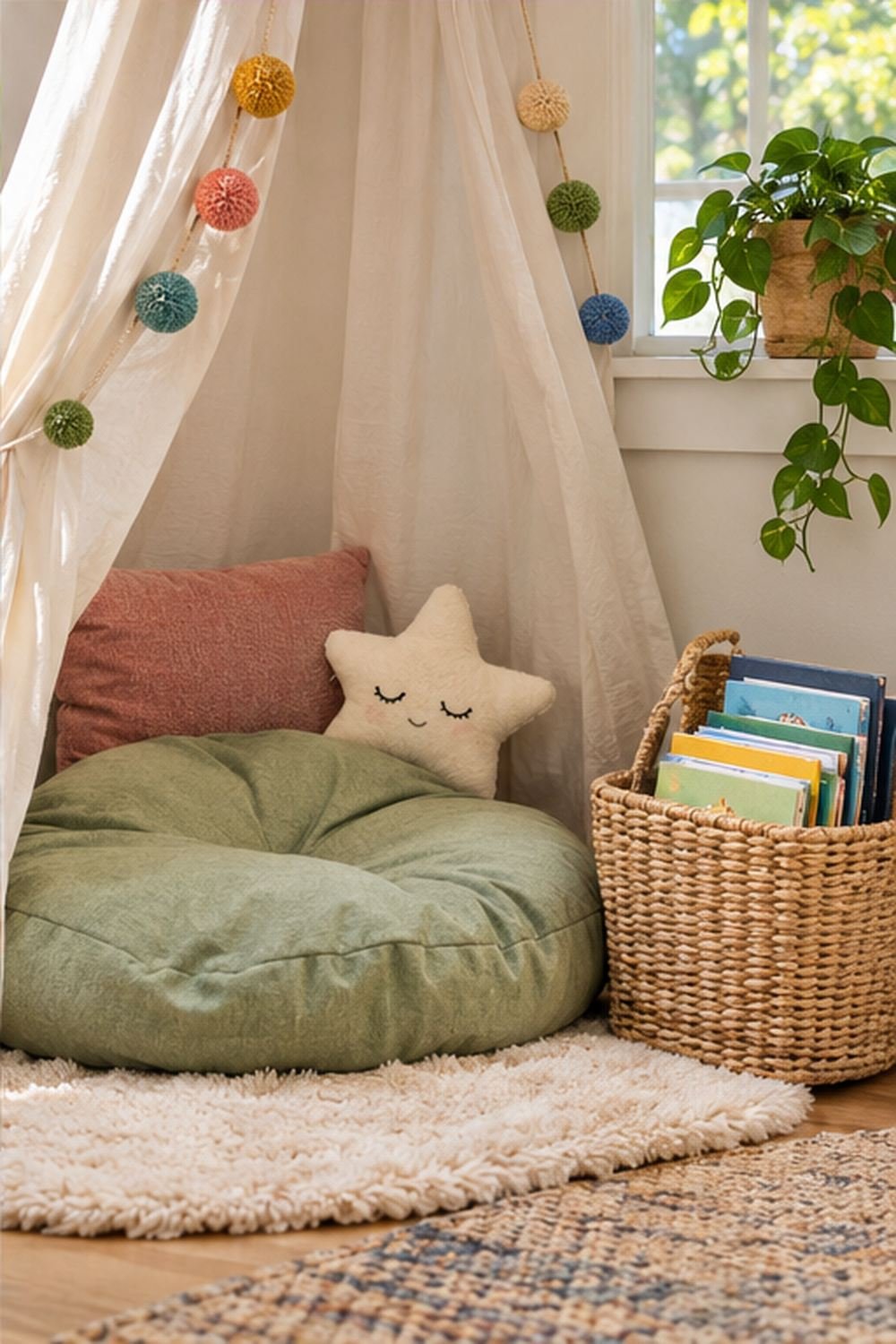
16. Set Up a Cozy Corner
Pick a spot with your child and add a cushion, a favorite picture book, and a few sheets of drawing paper.
Let them try it out when they feel comfortable. Give them the option to use it whenever they want a little space or ask you to sit nearby.
17. Play Freeze Dance With Feelings
Put on a favorite song. When you pause it, call out a feeling and let everyone freeze in a pose that fits.
Try ‘curious’ or ‘surprised’ as well as familiar feelings.
Let each child be the caller for a round and see how many different poses the group invents.

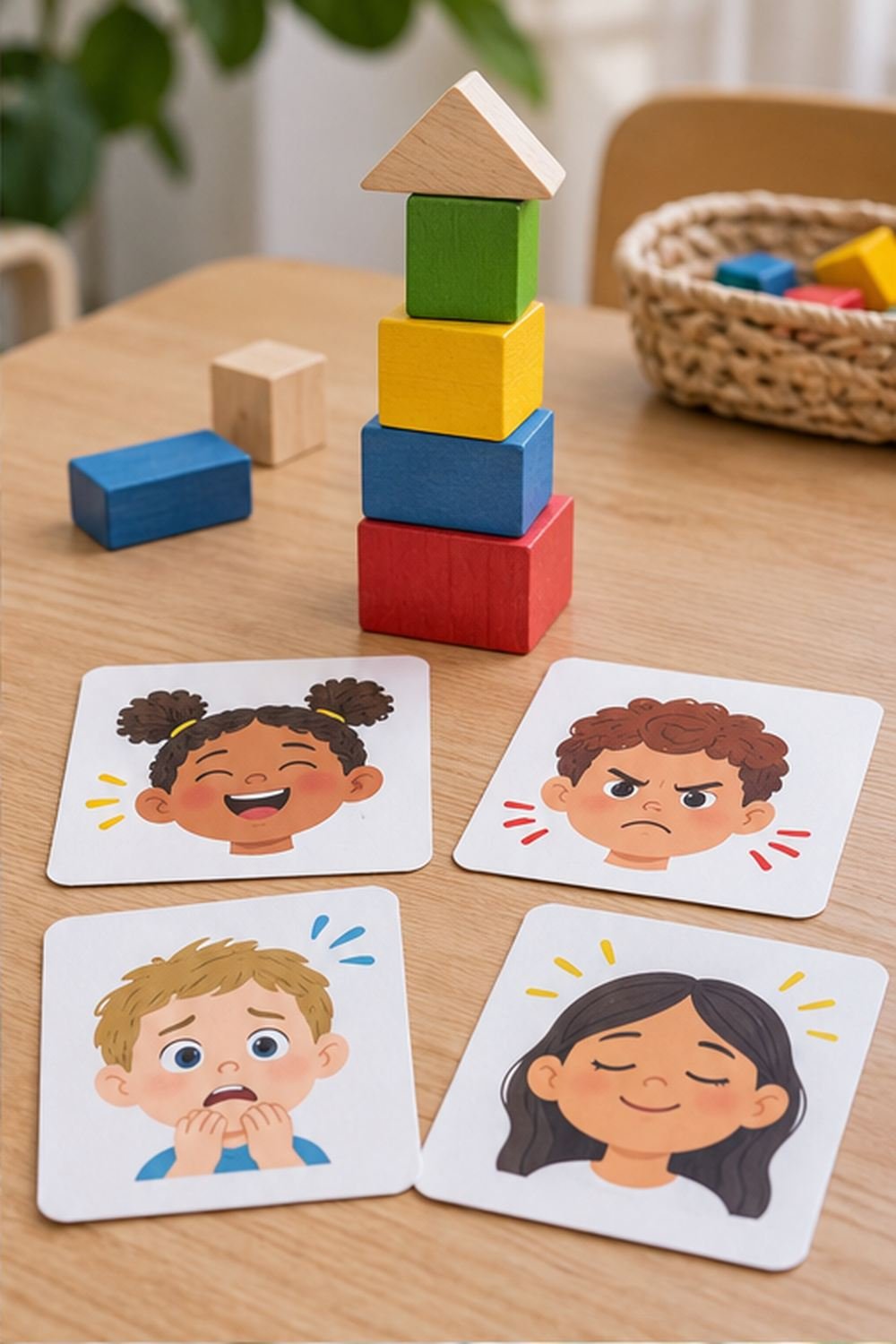
18. Build a Feelings Tower
Set out blocks and a small stack of feeling cards.
Draw one card per turn and add a block after naming a time a made-up character might feel that way.
If the tower falls, ask whether the builders all felt the same thing when it toppled.
19. Act Out Two Ways to Share
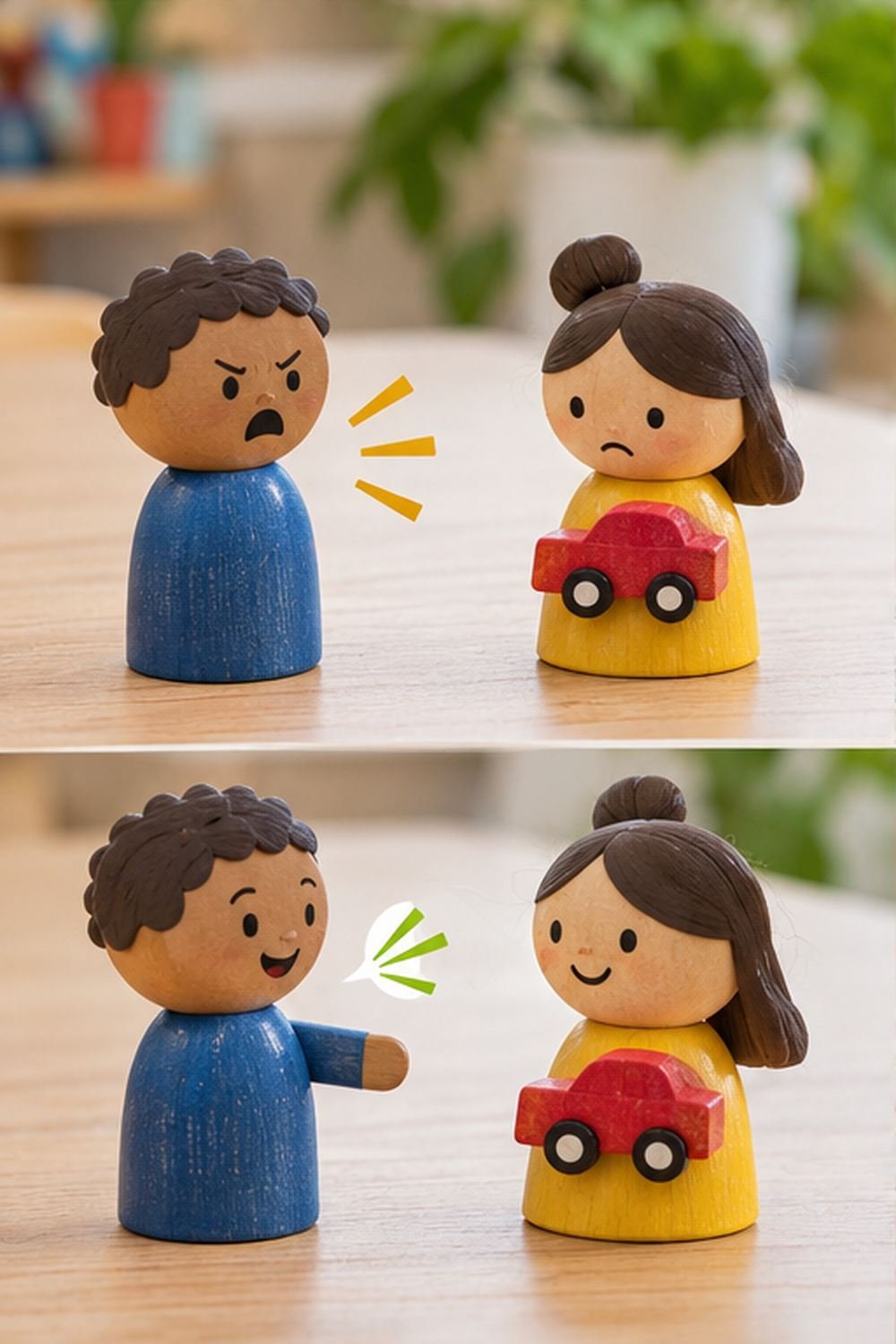
Use toy figures to act out two kids who want the same toy.
Try one scene where they ask to take turns and another where they choose a game they can play together.
Ask what each character might feel as the scene changes.
20. Start a Kindness Jar
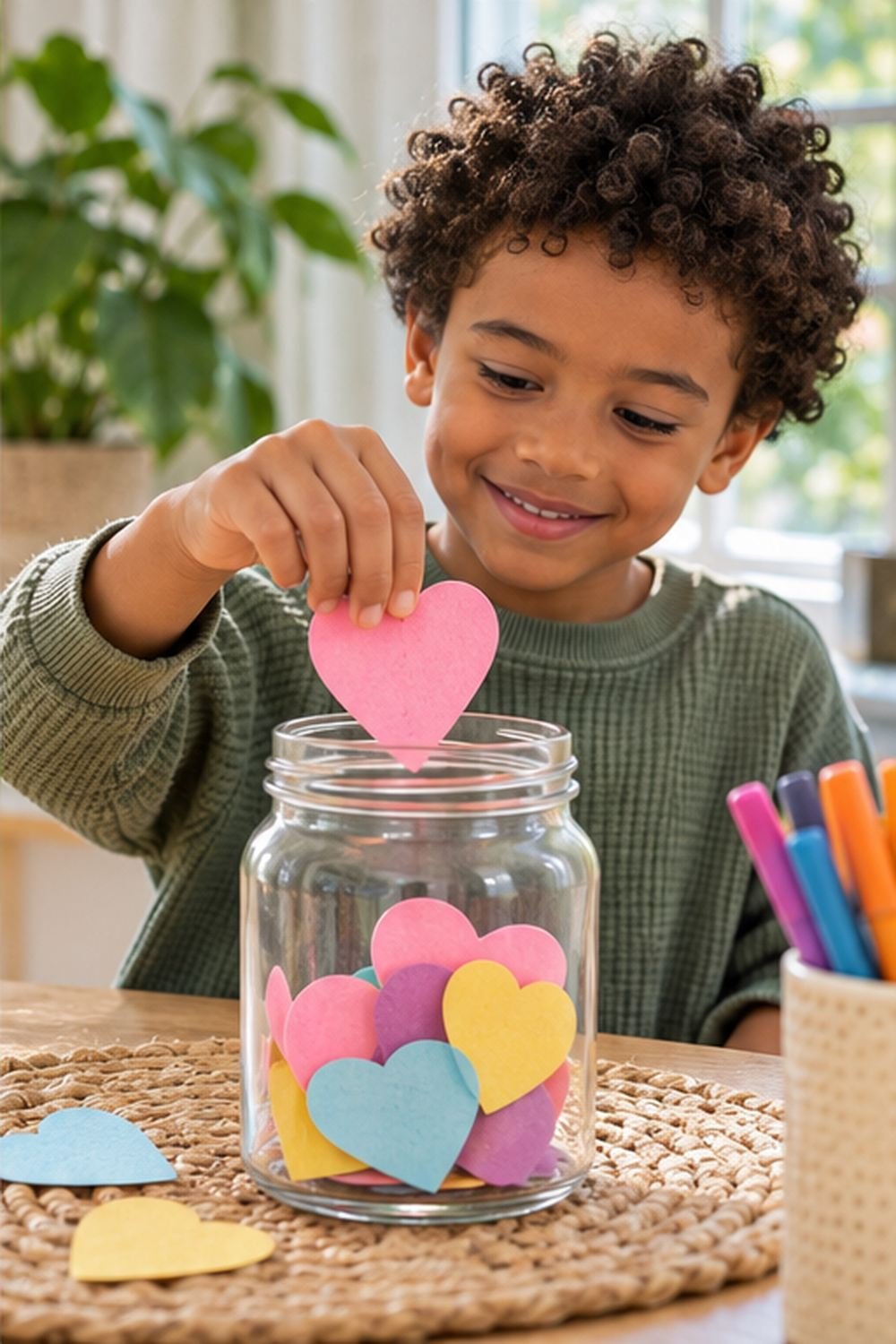
Put paper hearts by an empty jar. When someone notices a kind action, write or draw what happened and drop it in.
Read a few hearts at the end of the week and talk about how it felt to give or receive help.
21. Roll a Feelings Cube
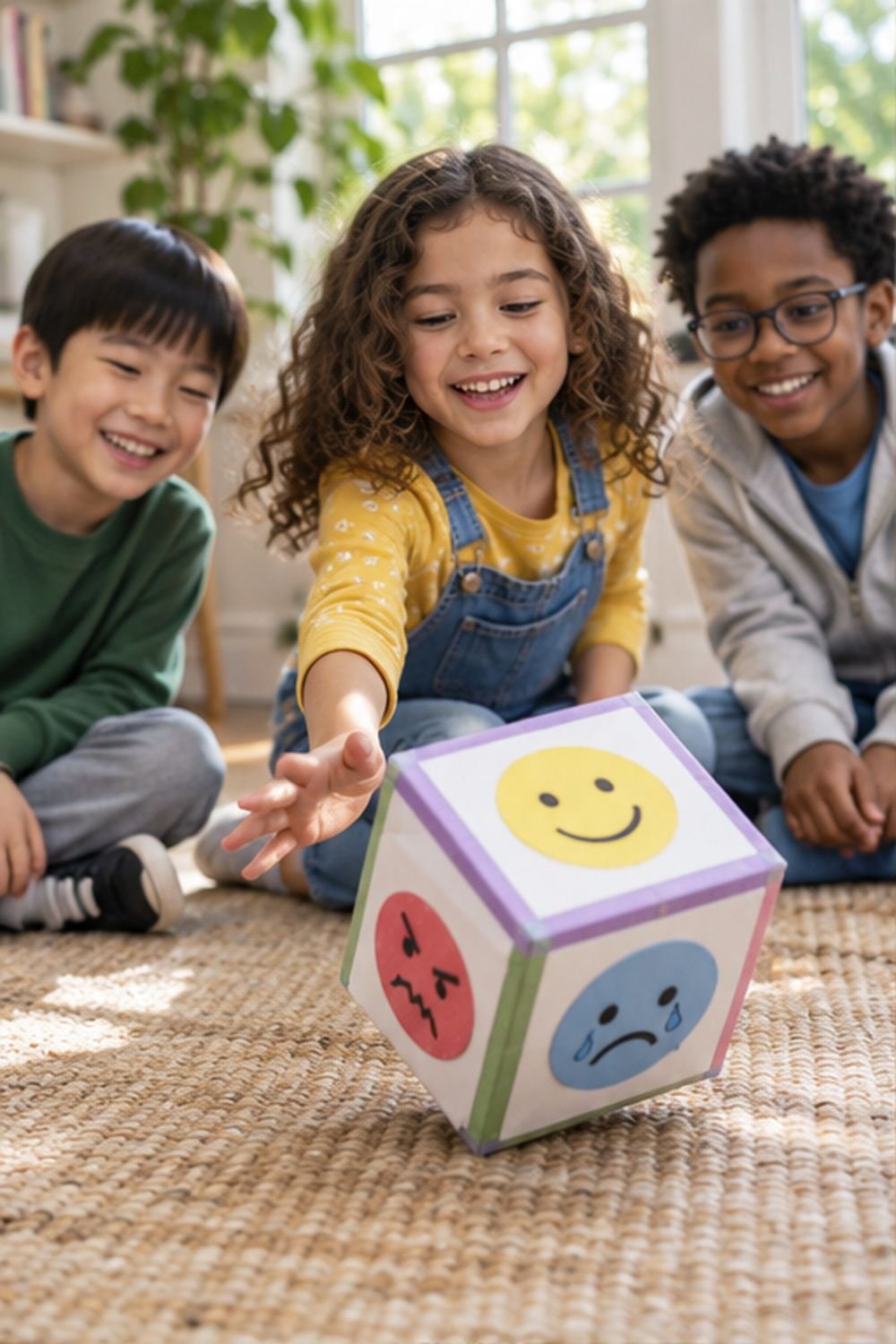
Draw a different feeling on each face of a paper cube.
Roll it and choose one prompt to answer: “When might someone feel this?” or “What could they ask for?”
Little kids can show a pose or draw an answer.
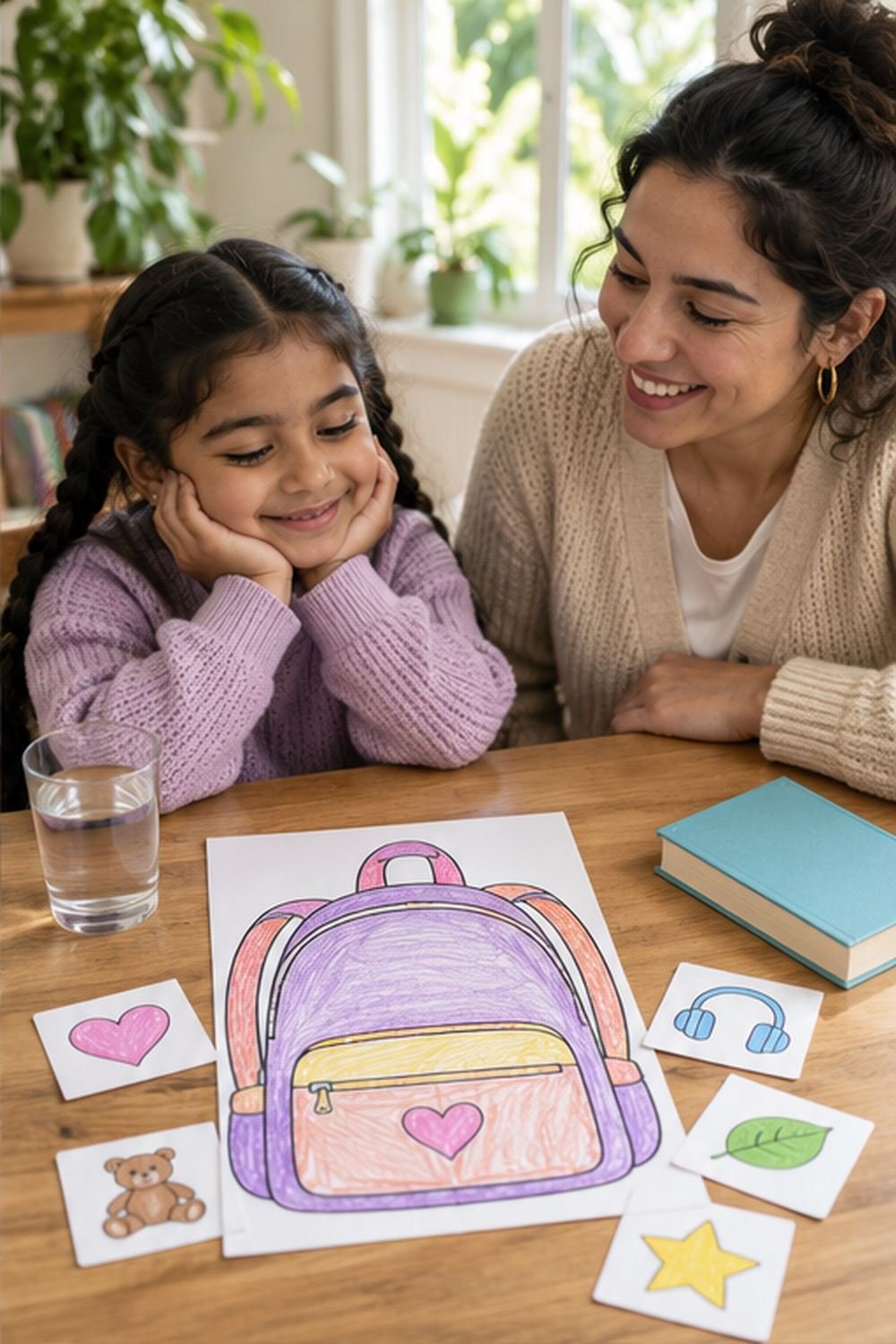
22. Pack a Paper Feelings Backpack
Draw a backpack and cut out small cards showing things your child can ask for or do, such as getting a drink of water, taking a short break, or asking a trusted adult to sit nearby.
Let them choose what goes in the backpack and tell you when they might use it.
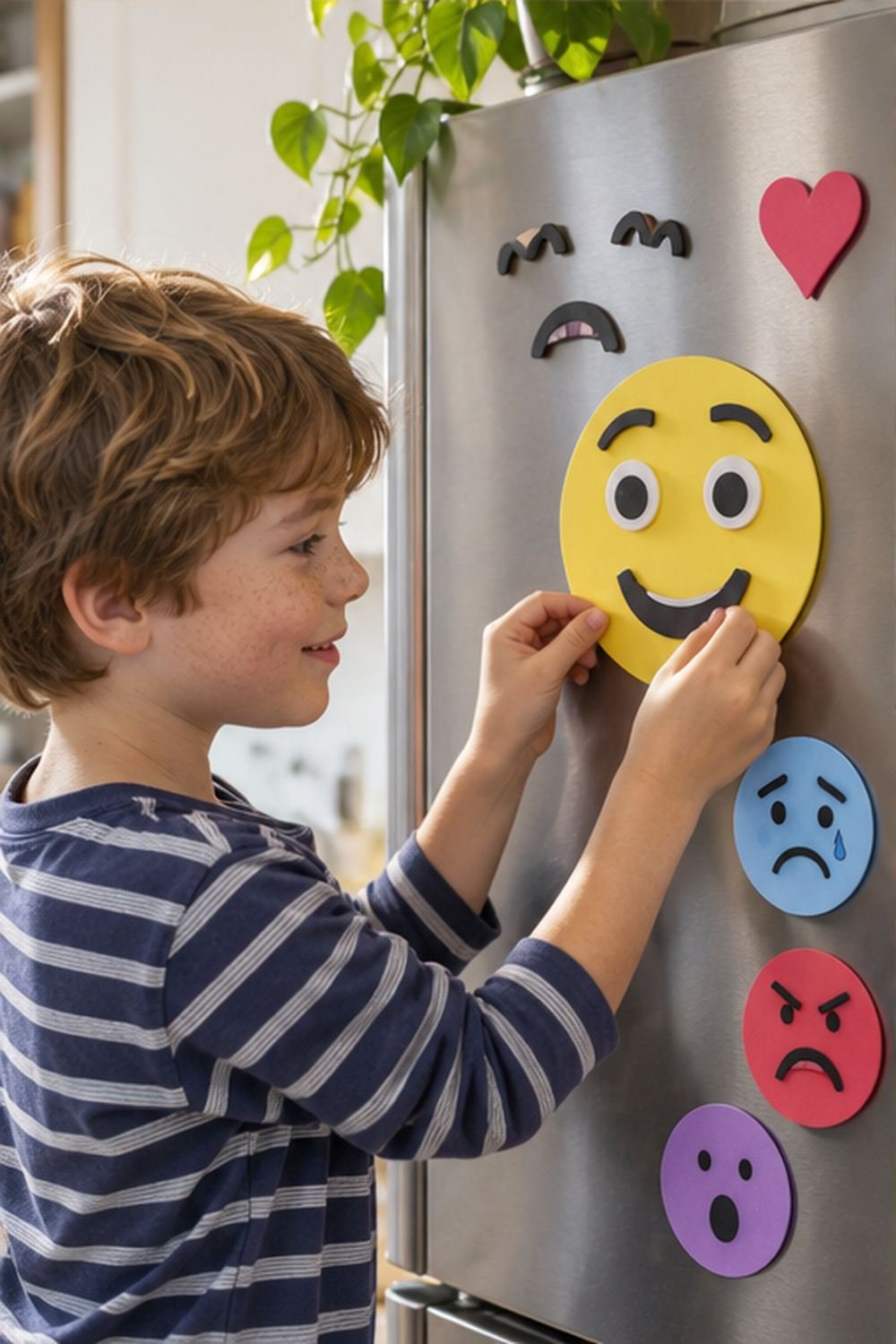
23. Make a Fridge Feelings Check-In
Draw a few faces or words on cards and stick them to the fridge with magnets you already have.
At a regular moment, like after school, invite kids to point to a card or add their own. Share your own check-in sometimes so the routine feels like a conversation.

Hi, I’m Barbara, a mom, family lifestyle blogger, and founder of This Girl Know. I love sharing easy crafts, fun kids’ activities, family-friendly destinations, and creative party ideas to help parents make everyday family life more enjoyable and memorable.