
26 Fun Activities Ideas For Kids for 2026
Every parent knows the drill. The kids are cooped up, restless, pleading for screen time, and your well of inspiration has run dry.
You want them occupied, content and absorbing something new, but without a huge cleanup or a complicated process.
If this sounds familiar, you’re not alone. You simply need activities that align with your child’s natural energy and creativity.
In this article, you’ll explore 26 Fun Activities Ideas For Kids that truly fit how homes are used in 2026.
Let’s jump in!
Which Indoor Activities Are Best for Energetic Kids?
If your child is bursting with energy, telling them to sit still is probably a losing battle. Kids with a lot of pep need to get moving before they can concentrate.
Begin with activities that involve jumping, crawling or stretching, even if you’re short on space.
Create a safe zone, move the furniture out of the way, and let them use their bodies. Once they’ve burned off that excess energy, they’ll naturally settle down.
Then, quiet playtime becomes effective. Movement isn’t a prize; it’s the first step.
Save this article for later!👇👇👇
Which Fun Activities Improve Kids Creativity and Imagination?
If you want your child to be a creative thinker, hold off on jumping in to correct them or show them the “correct” approach.
Creativity flourishes when children have the freedom to choose, envision, and err. Simple activities.
Such as pretend play, drawing, or constructing with everyday objects, are often the most effective.
Provide them with a few materials, then step back and let them take charge. When children are in control of the concept, they remain engaged for a longer period.
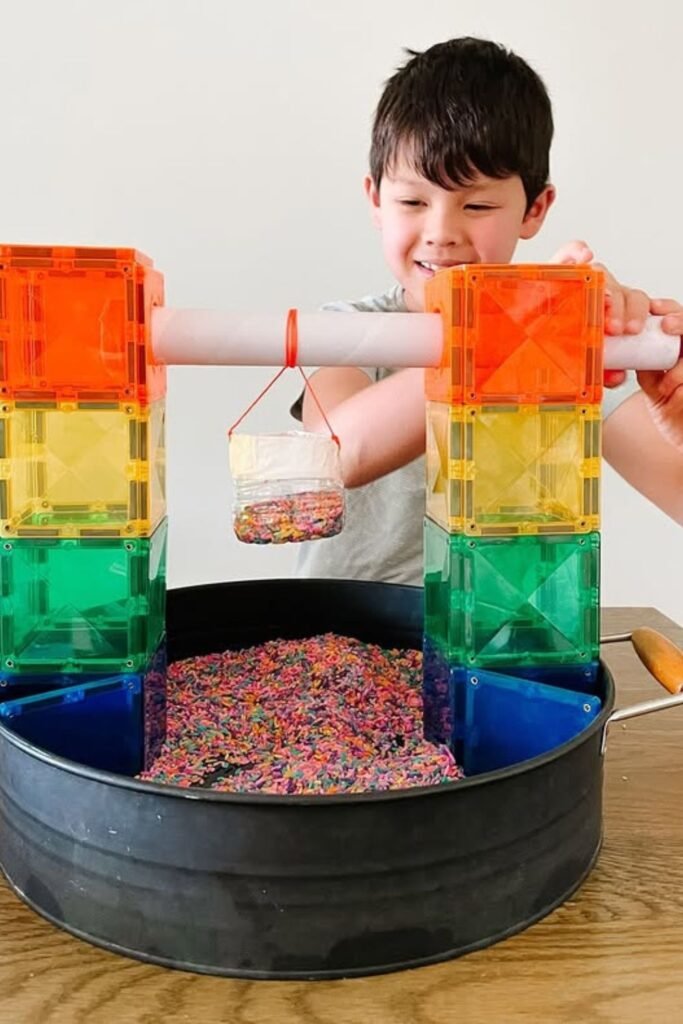
Balance Build
Curiosity kicks in as soon as kids see something hanging and moving. Set this up on a living room table using magnetic tiles.
A cardboard tube, a small jar and some rope. Set up a tray filled with grains or beads to catch any mess.
Children instinctively begin to slow down adjusting their grip and testing their balance repeatedly.
Floor Murals
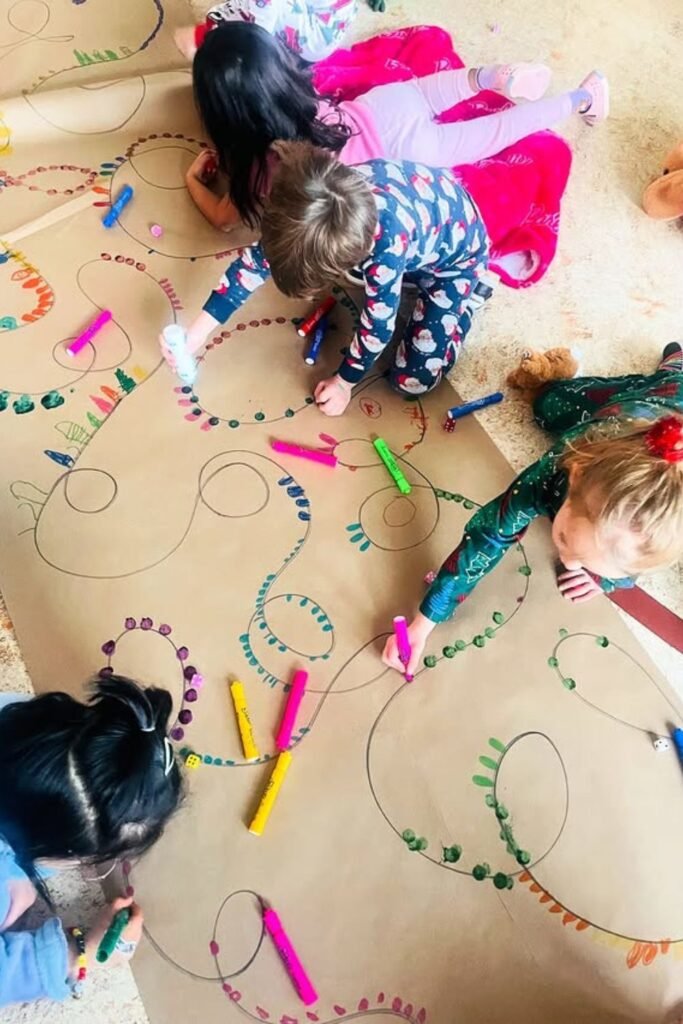
Big paper on the living room floor instantly changes how kids draw. Spreading out gives arms freedom and removes the pressure of staying inside lines.
Markers, crayons and even those little stamp dots are all fair game. One child begins a line, another embellishes it with patterns and the artwork evolves organically.
This approach shines when you want children to concentrate, remain composed, and collaborate silently, with out the need for continual supervision.
Cushion Jumps
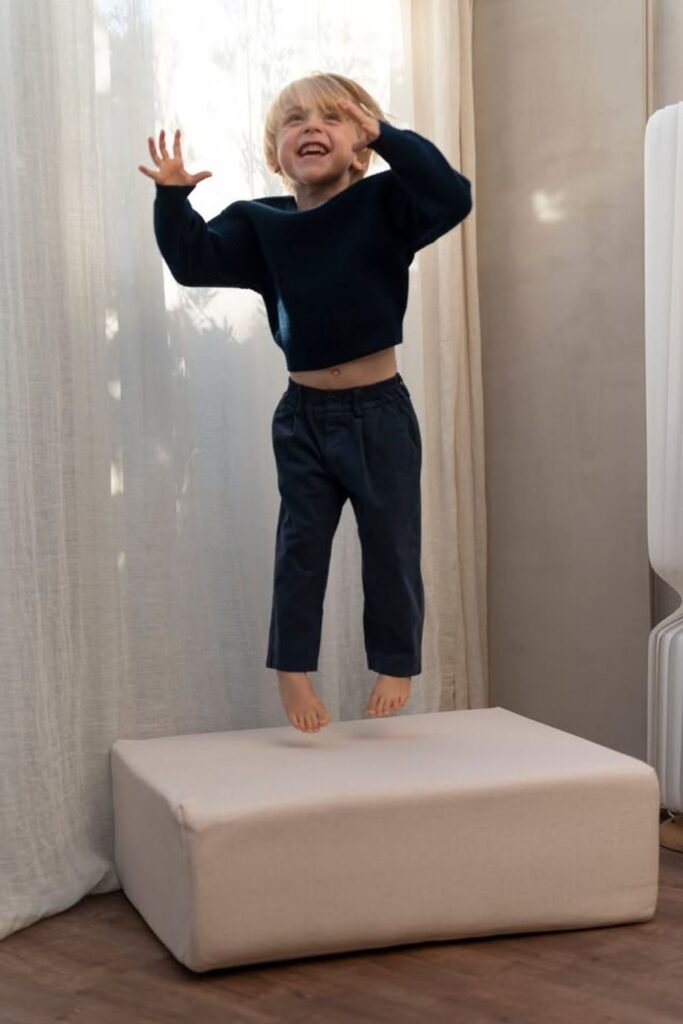
Energy spills out fast when kids get a safe place to land. A firm floor cushion near the living room window.
And turns jumping into controlled movement instead of chaos. Shoes removed, comfy clothes on and a clear area.
Kids leap, reset and leap again their body eventually winding down. This is most effective before peaceful activities not afterward.
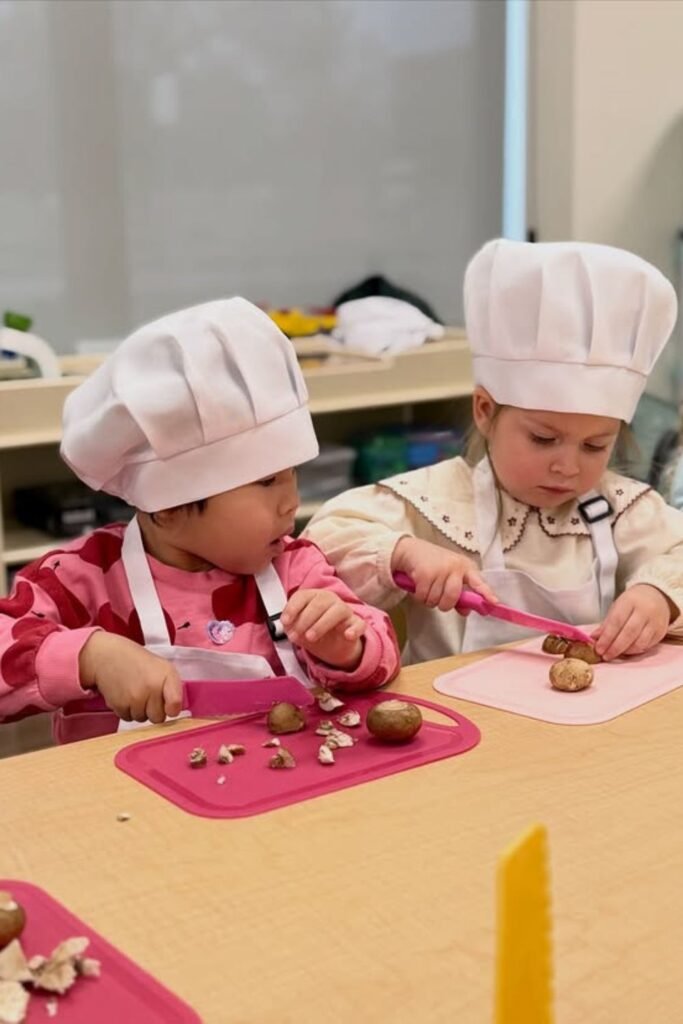
Mini Chefs
Little hands love real tools. A low table in the living room or dining corner becomes a prep station with soft foods, kid-safe knives and small boards.
Slow slicing keeps children engaged and they feel a sense of accomplishment doing something that feels “adult.”
This approach is best reserved for those peaceful times when you’re hoping for patience, concentration, and a quiet, collaborative spirit to emerge organically.
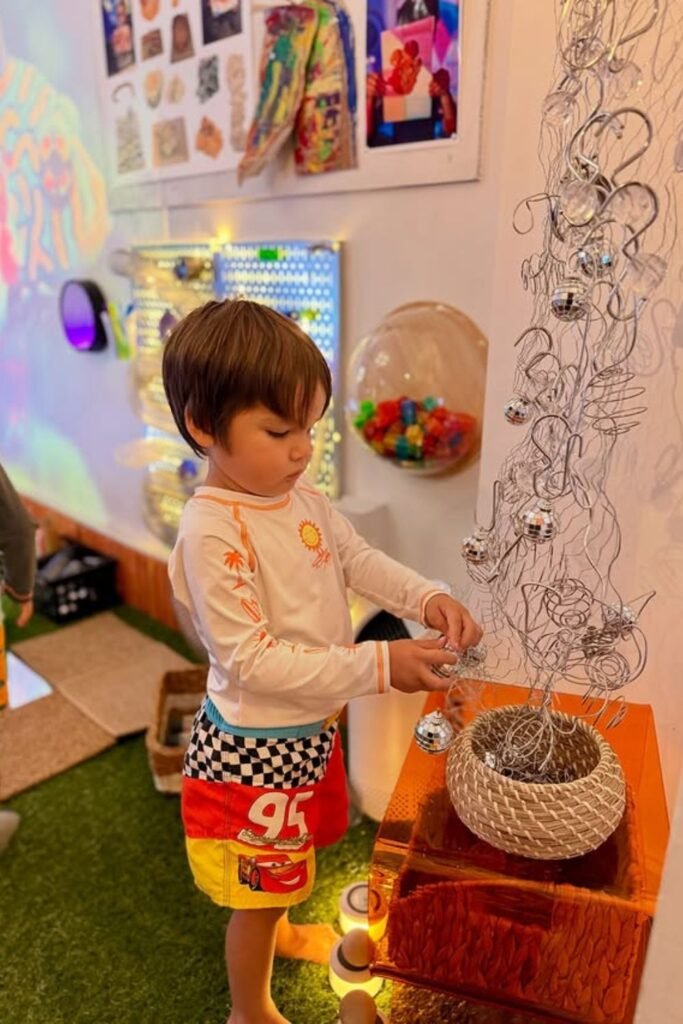
Tactile Focus
Shiny textures pull attention instantly and slow busy hands. A corner of the living room wall can hold hanging wires, metal rings or lightweight ornaments inside a basket base.
Children manipulate each component, twisting, lifting and adjusting at their own pace. The soft glow of neighboring lighting adds to the tranquility of the scene.
This approach is most effective during quieter periods when concentration and delicate discovery take precedence over energetic play.
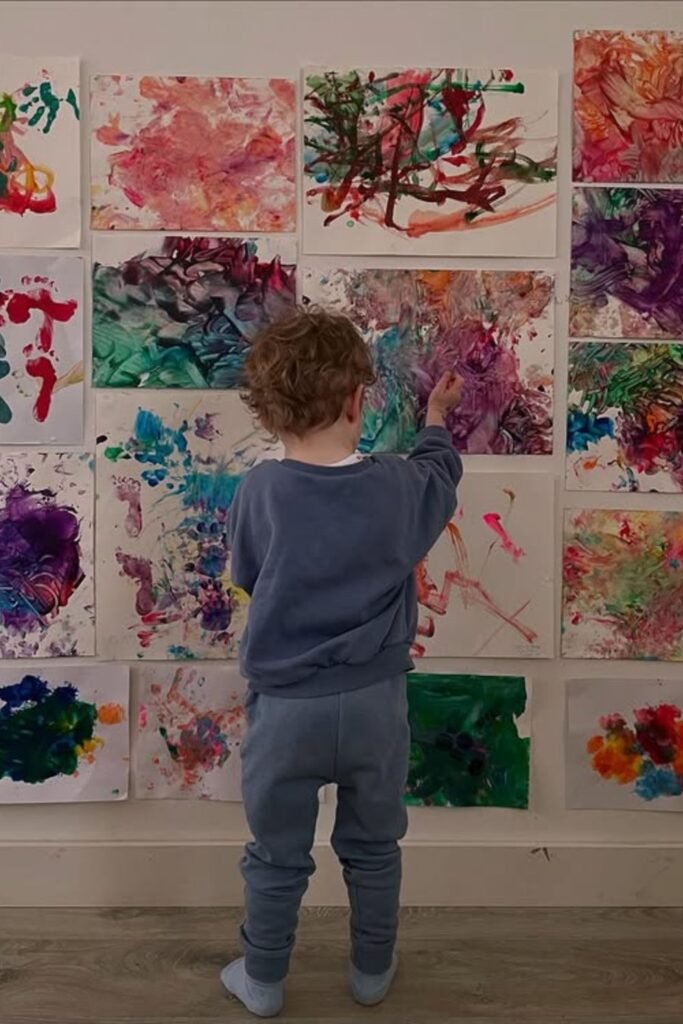
Art Wall
Empty wall space turns into something kids actually want to stand still for. Tape large sheet at their eye level in the living room that offer paints and sponges or hands.
Standing alters their movement and thought processes. They stretch upwards, take a step back and begin to see emerging patterns.
This arrangement is particularly effective when you need to foster creativity without letting clutter take over surfaces and spaces.
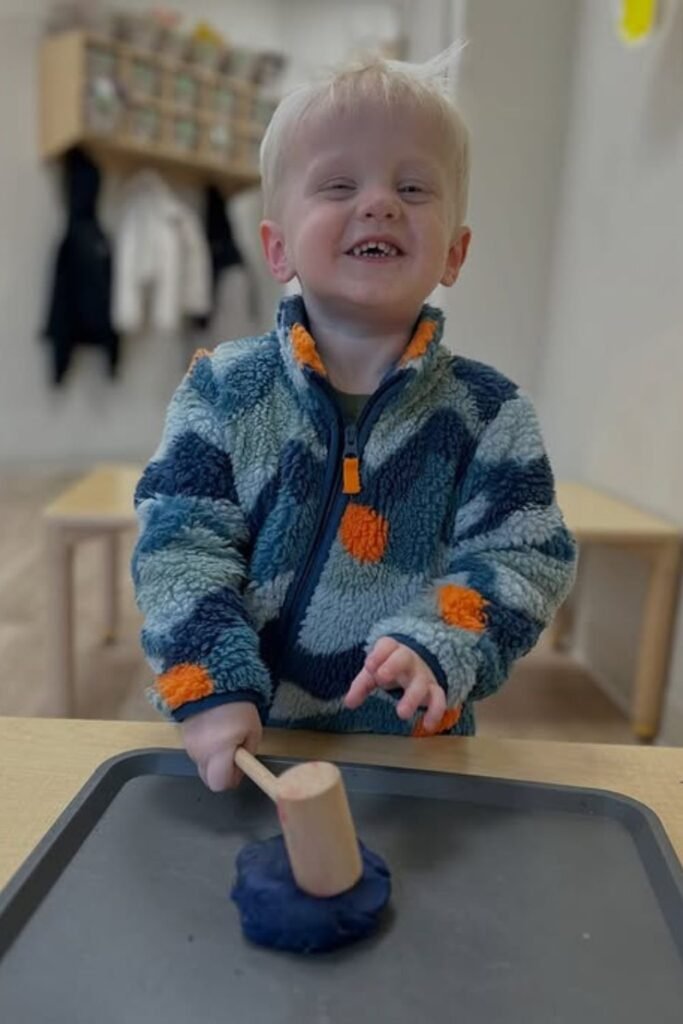
Dough Press
Heavy hands love resistance. A small table near the living room wall becomes a perfect spot for pounding soft dough with a wooden mallet or rolling pin.
Thick trays help hold everything in its place, freeing up the arms to get things done. The repetitive pressing action calms things down, and laughter quickly follows.
These are perfect when youngsters are a bit restless but don’t need to be running around.
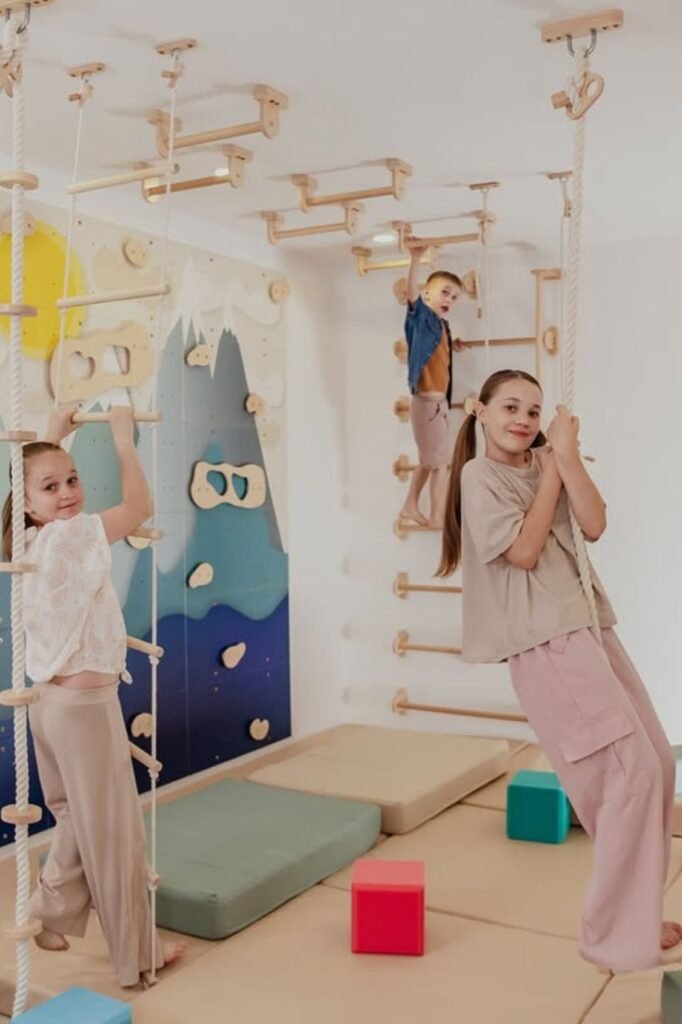
Indoor Climbing
Muscles switch on the moment kids grab ropes and bars. A padded living room corner with wall grips, hanging ropes or a small climbing frame.
Provides full-body exercise, but without the chaos. Slow, deliberate climbing demands focus, balance, and careful planning with each ascent.
This arrangement is particularly beneficial for children who require vigorous physical activity but find it difficult to remain seated afterward.
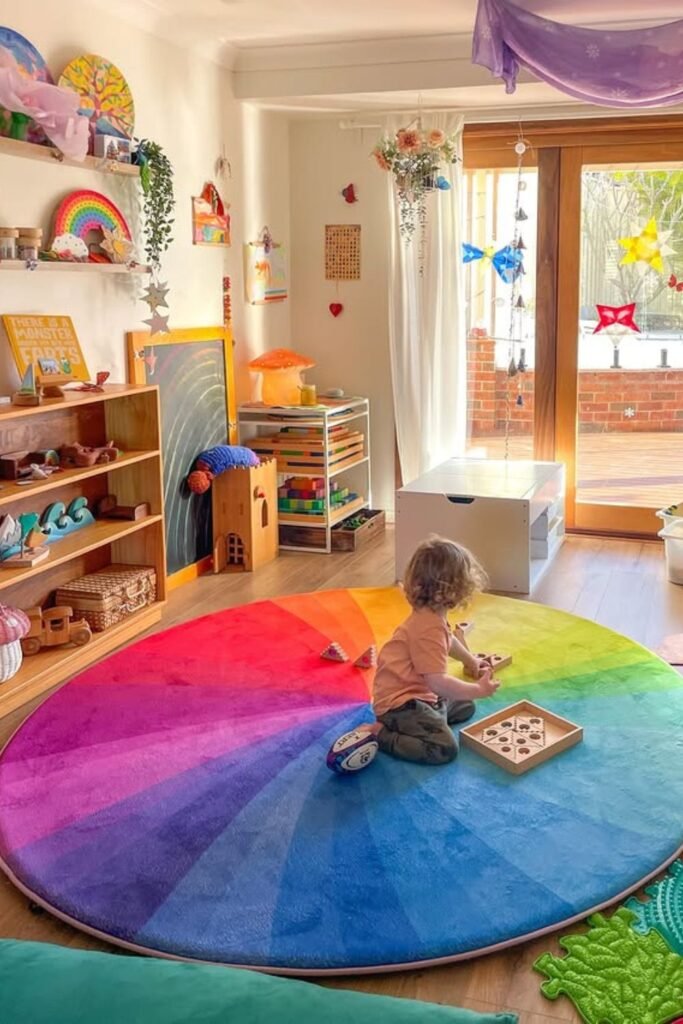
Calm Corners
Soft light and open floor space change how kids settle in. A round rug in the living room naturally invites sitting, sorting and quiet play without being told.
Low shelves make puzzles and toys accessible, and open doors invite in soft, natural light.
This arrangement is particularly effective when children need a breather after energetic play and you want them to the naturally settle down and concentrate.
Water Slides
Summer energy disappears fast once slippery movement takes over. Inflatable slides work best in a backyard or open outdoor space where falling and climbing feel safe.
Water is a natural coolant, and the act of climbing, done repeatedly, increases endurance without the kids even realizing they’re working hard.
This type of outdoor activity is perfect for those days when the energy inside is through the roof, and a complete reset is needed before heading back indoors.

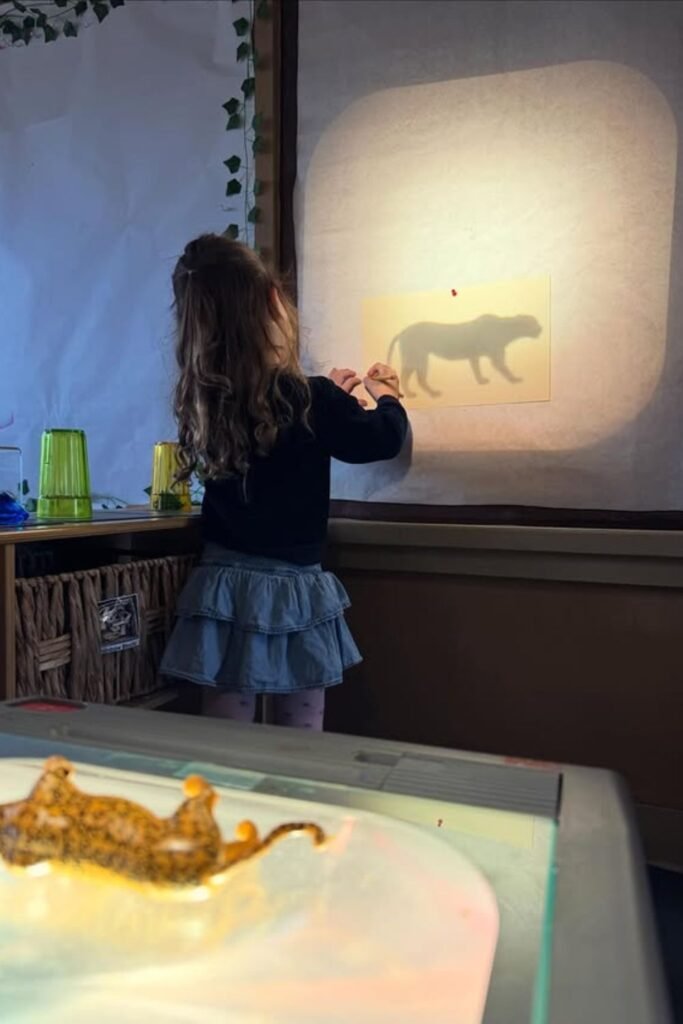
Shadow Stories
Light on a wall turns imagination on fast. A lamp, white paper, and a small toy create moving shapes kids can change with tiny hand shifts.
Standing close makes shadows sharper walking back blurs them. Living room walls look their finest when curtains are drawn.
Children begin to create their own scenes, unprompted and they stay engaged longer since the story evolves with each new action.
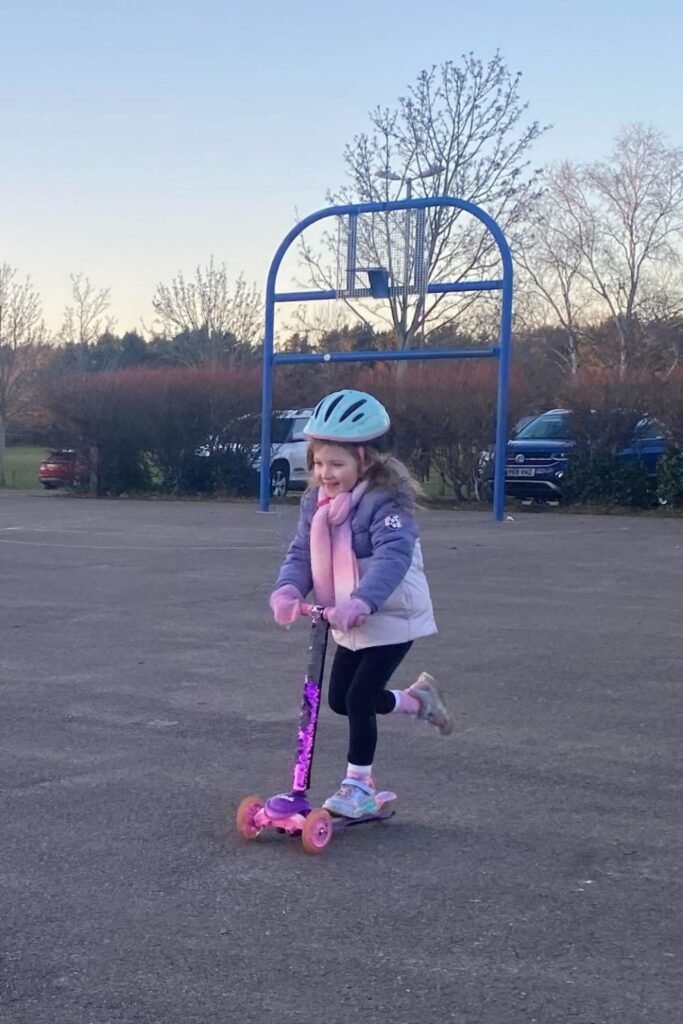
Scooter Loops
Forward motion keeps restless bodies regulated. Open paved spaces like driveways or quiet courts give kids room to push, glide and turn without stopping every second.
Helmets securely fastened, scarves neatly tucked away and a clear path are the priorities not how quickly you go.
Doing short laps repeatedly is a great way to quickly improve balance and build confidence and particularly for the children who find it hard to burn off energy.
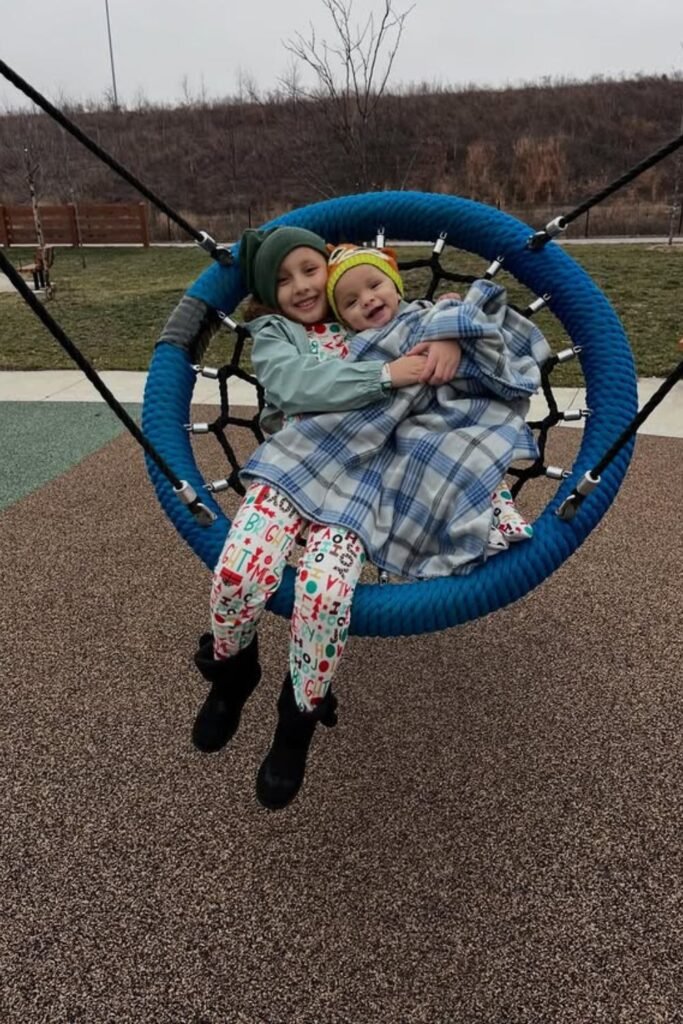
Shared Swing
Gentle motion does more than entertain. A wide net swing lets siblings sit close, rock together, and feel secure at the same time.
Blankets offer a comforting embrace, naturally encouraging a slower rhythm. Parks or the familiar confines of a backyard are ideal for this kind of activity.
The gentle, repetitive motion provides a calming effect, allowing children to unwind, bond and find their center, particularly after a hectic or emotionally charged period.
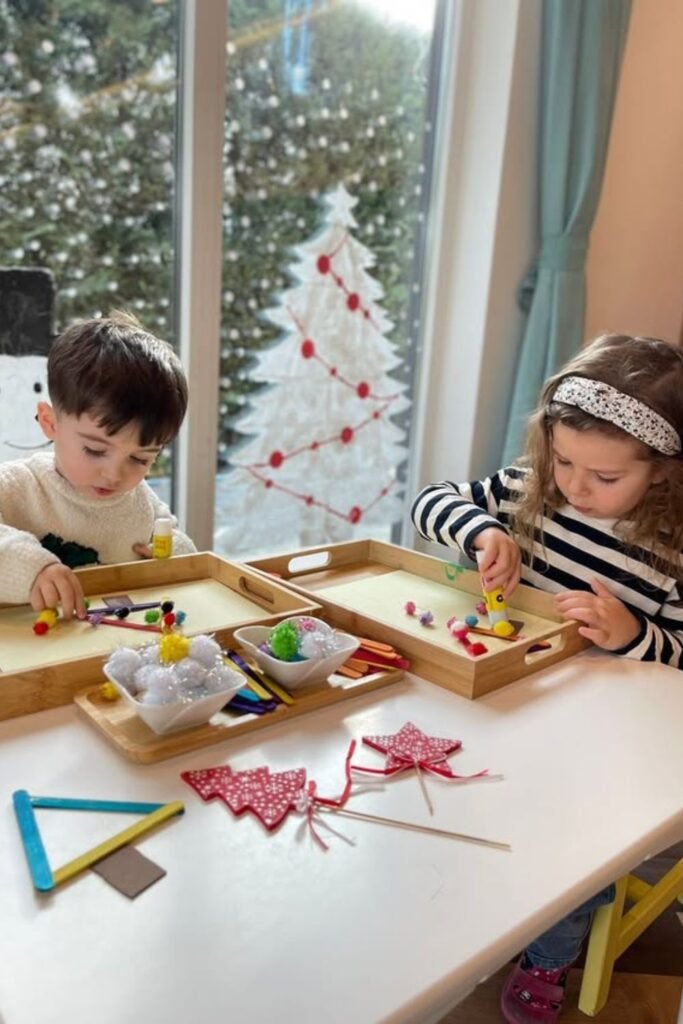
Craft Trays
Small setups keep attention from drifting. Individual trays on a living room table give each child their own space, tools, and materials without spreading chaos.
Glue sticks, pom-poms, scraps of paper, and sticks all neatly organized and readily accessible.
Children get down to business more quickly when everything’s at hand, which is perfect for encouraging concentrated play as you supervise from a distance.
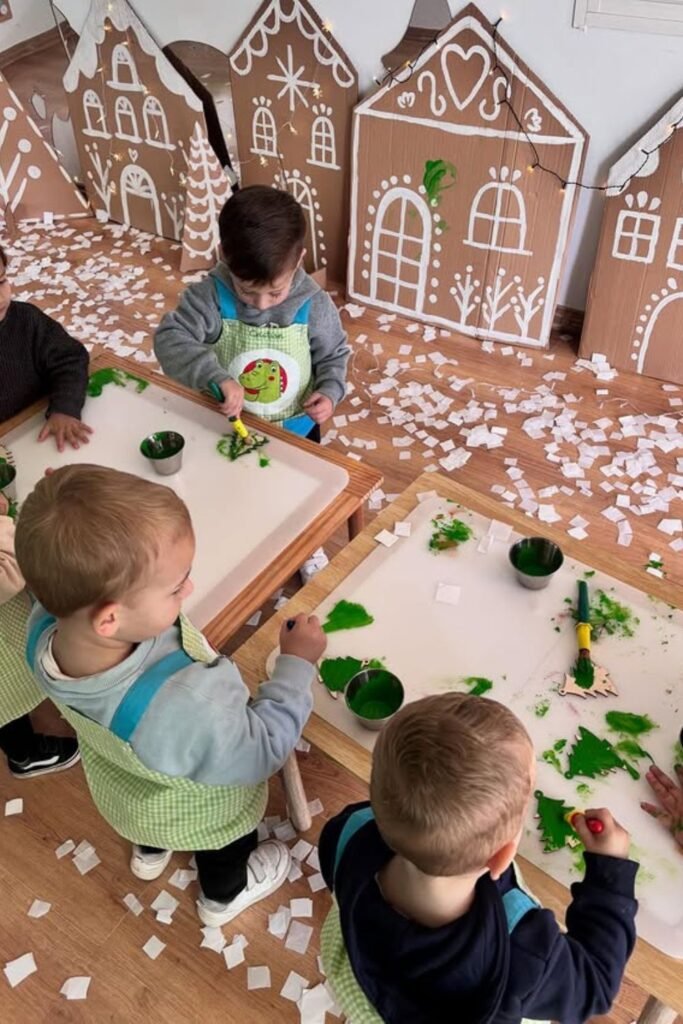
Mess Zones
Controlled mess feels different from chaos. Cover the living room floor with paper, set low tables in the center and let paint or textured tools do the work.
Aprons allow children to focus on the activity, rather than fretting about potential messes.
By containing the chaos inside a defined space and cleanup becomes a straightforward task and kids are free to experiment with out continual supervision.
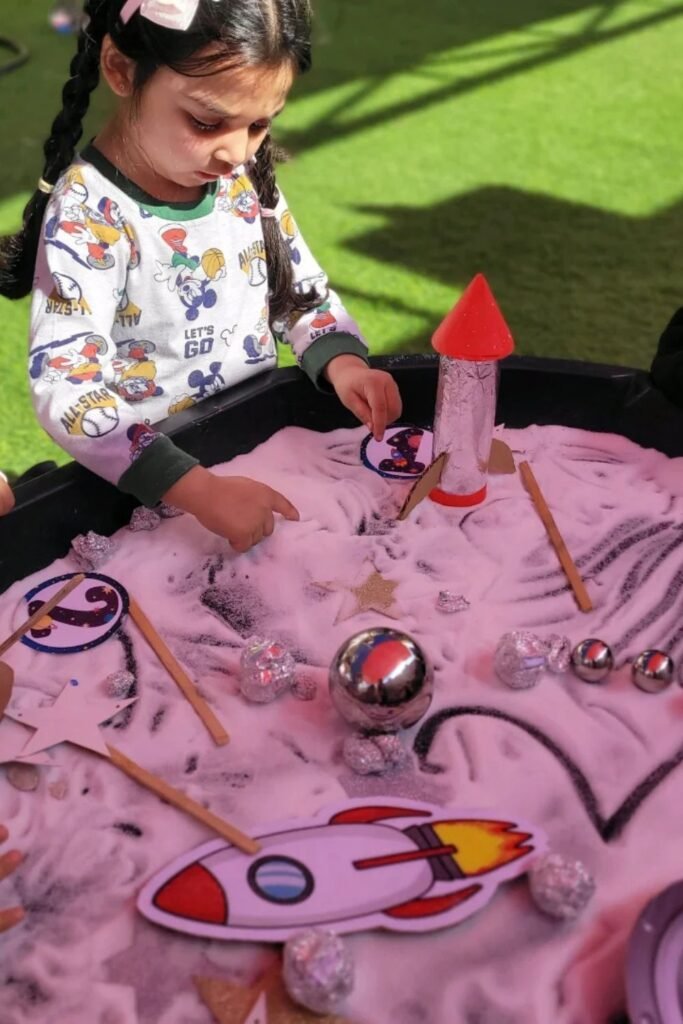
Sensory Worlds
Fine motor play feels easier when imagination leads. A low table filled with colored sand, foil balls and small themed cutouts pulls kids into slow, careful movement.
Fingers dance, constructing worlds and then, inevitably, dismantling them. This approach thrives in a living room or patio, spaces.
Where children can gather, share the same air, and concentrate, free from the need for constant guidance.
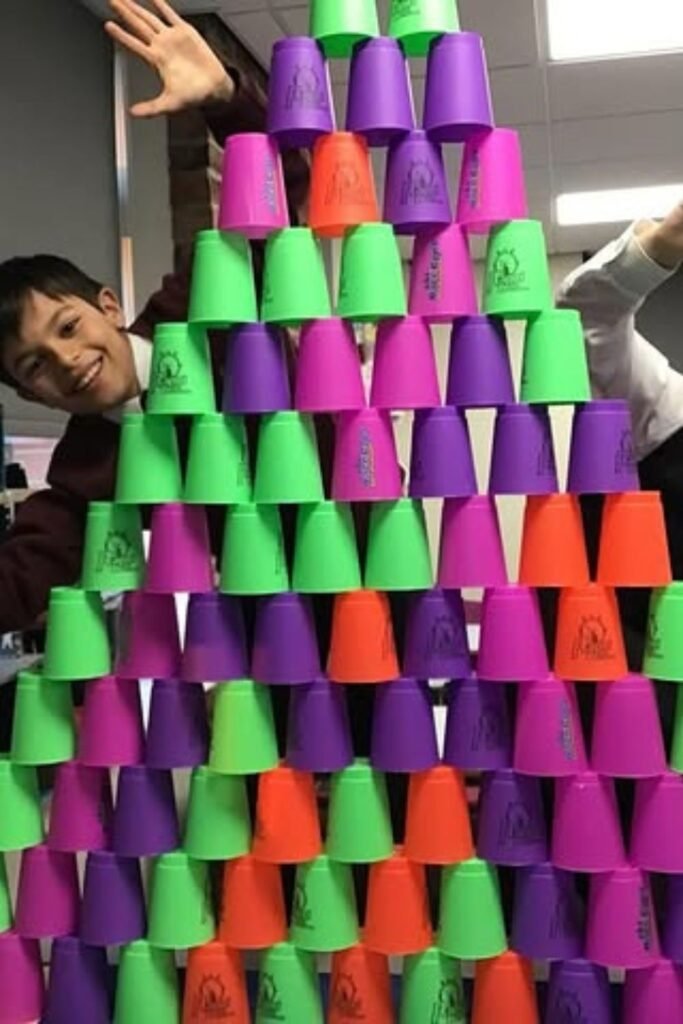
Cup Towers
Balance becomes the challenge before speed ever matters. Stacking lightweight cups on the living room floor.
A low table invites children to strategize, all while feeling like play. A single misstep might topple the whole thing which naturally encourages a more deliberate pace.
Vivid colors maintain their attention, and the repeated process of reconstruction fosters patience, concentration and silent collaboration, all without adult intervention.
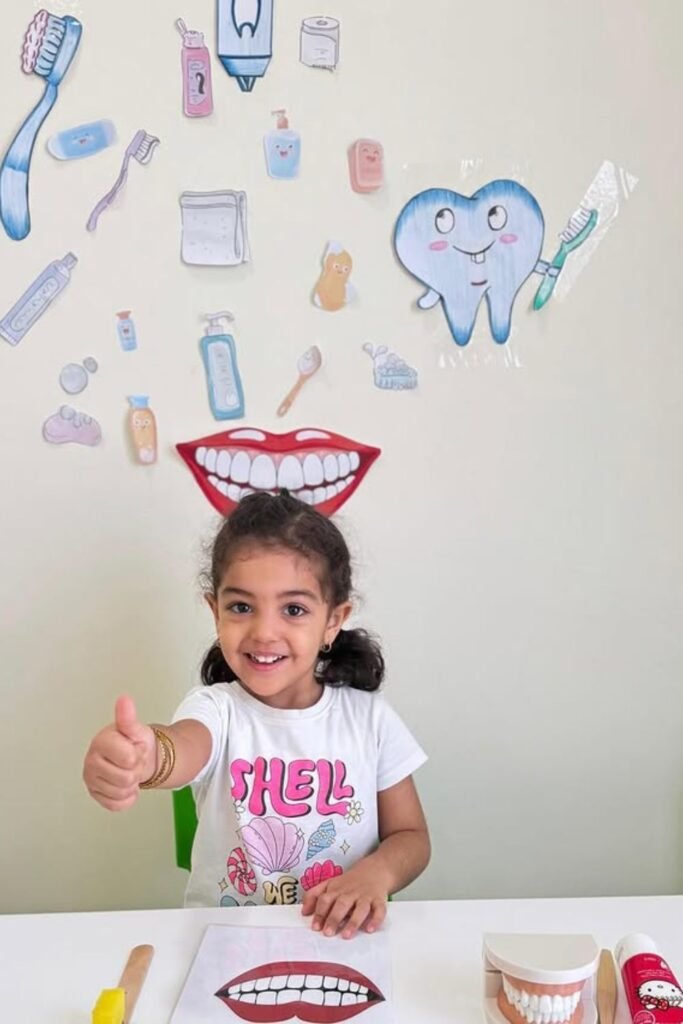
Tooth Play
Daily routines are easier to stick to when kids can playact them. A little table in the living room transform into the pretend dentist office complete with paper teeth.
Brushing becomes a fun game not a dreaded task. The pictures on the wall do all the explain without any fuss.
This approach works especially well before the bed time if you want those habits to feels automatic not a frantic scramble.
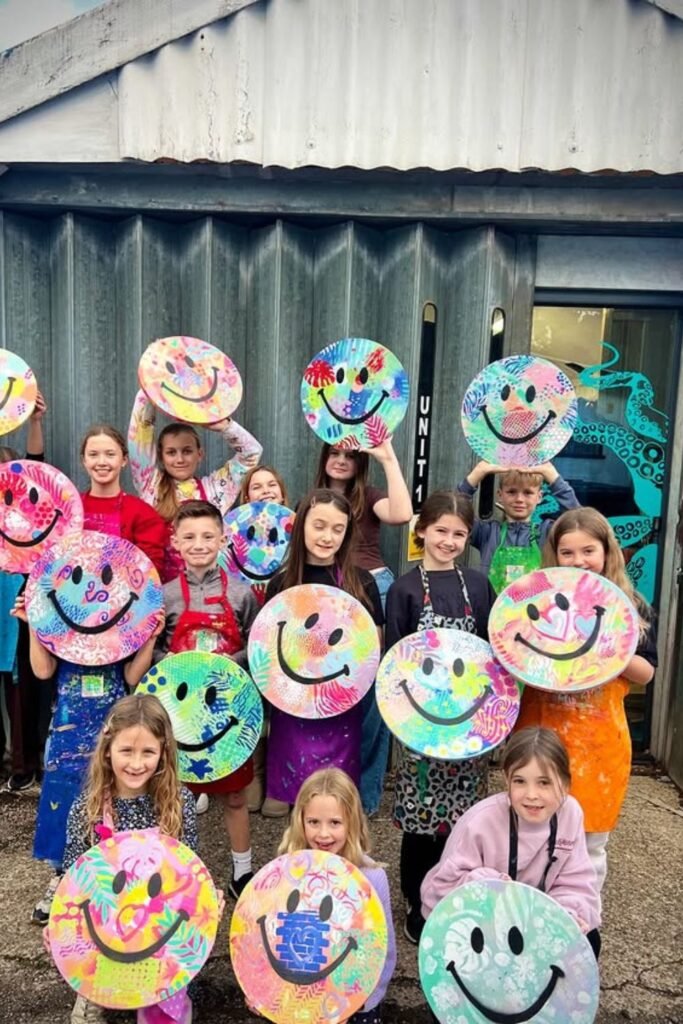
Group Art
Pride shows up fast when everyone creates something to hold up together. Large paper plates, bright paint, and open space.
Let children collaborate, avoiding the temptation to simply mimic one another. Whether they are standing or seated outside.
The atmosphere remains vibrant and encourages social interaction.This approach is particularly effective for birthdays, playdates or classroom settings.
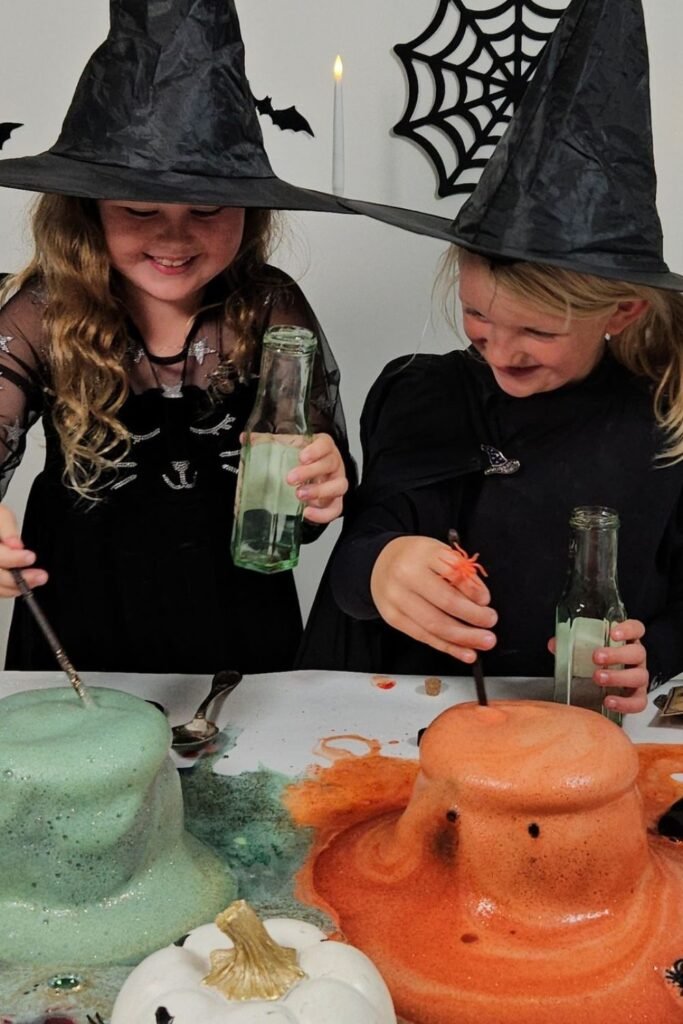
Potion Bubbles
Excitement rises the moment foam starts spilling over. A sturdy living room table or outdoor setup works best for colorful fizzing experiments like this.
Bottles, spoons and ingredients that are safe to use provide children a chance to stir, pour, and observe with rapt attention.
While costumes add a touch of excitement the true enchantment lies in the anticipation, the predictions, and the reactions as each boiling surprise reveals itself.
Sound Paths
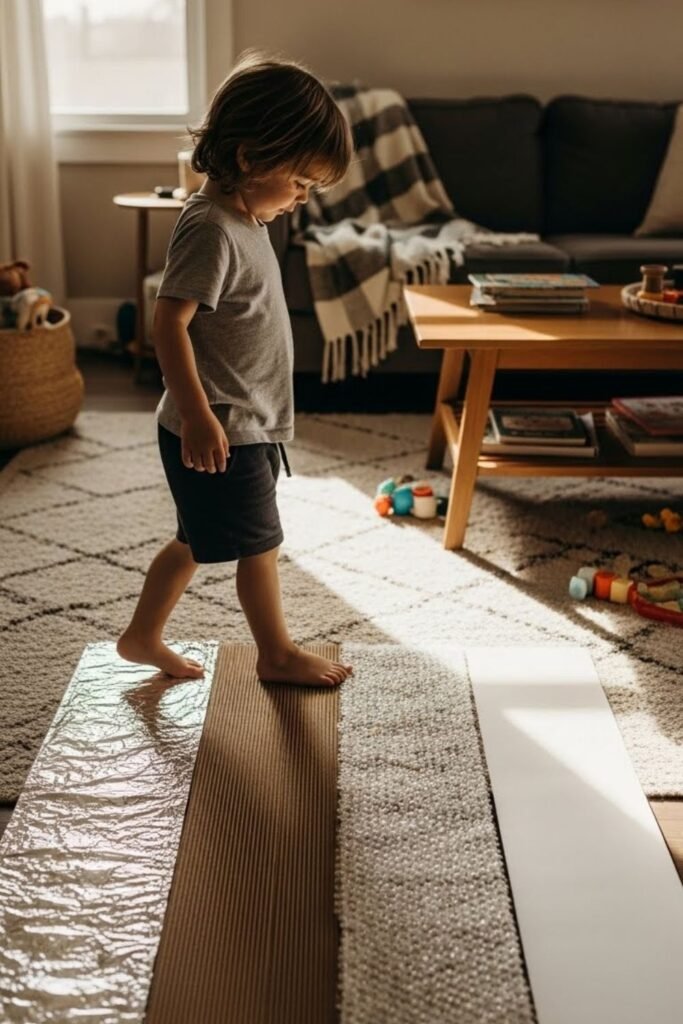
Noise becomes interesting when kids control it. Lay different objects across the living room floor foil, cardboard, fabric, bubble wrap and let bare feet test each step.
Slow walking gives way to attentive listening. Children modulate their pressure to alter the sound, which, in turn, automatically decelerates their rapid movements.
This approach is particularly effective when energy levels are elevated, yet sprinting is off the table.
Light Builders
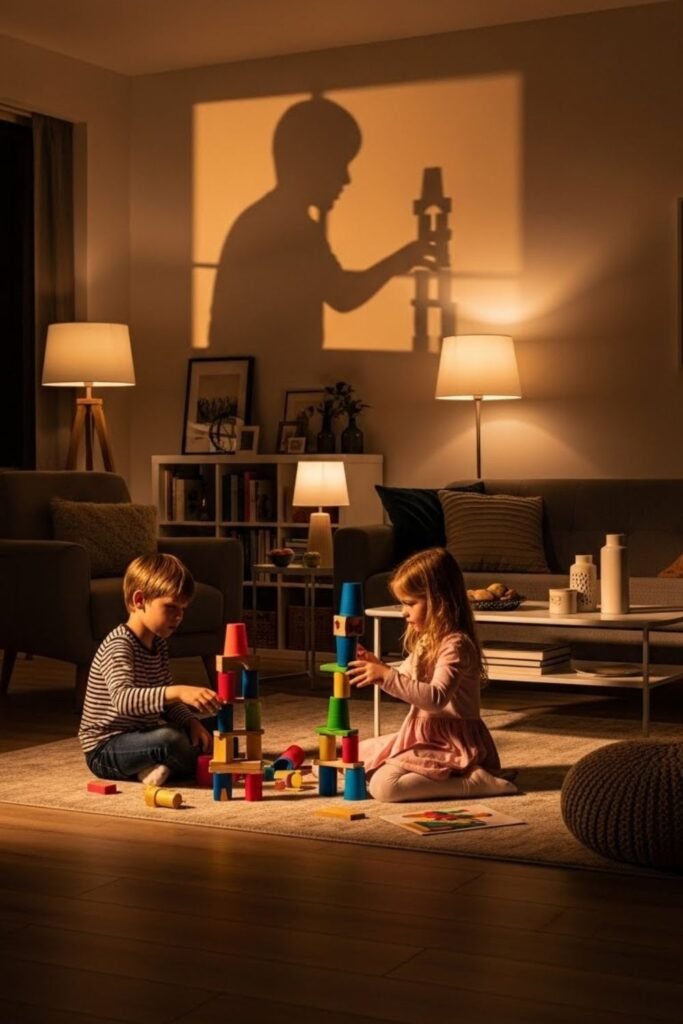
Evening light changes how kids play. Turn off overhead lights and place a few lamps around the living room.
Give children blocks, cups or any toys and let shadows become the architects. The higher the stack, the longer the shadow on the wall.
Kids will stop, adjust their pieces, and start over captivated by the immediate transformation.
Story Roads
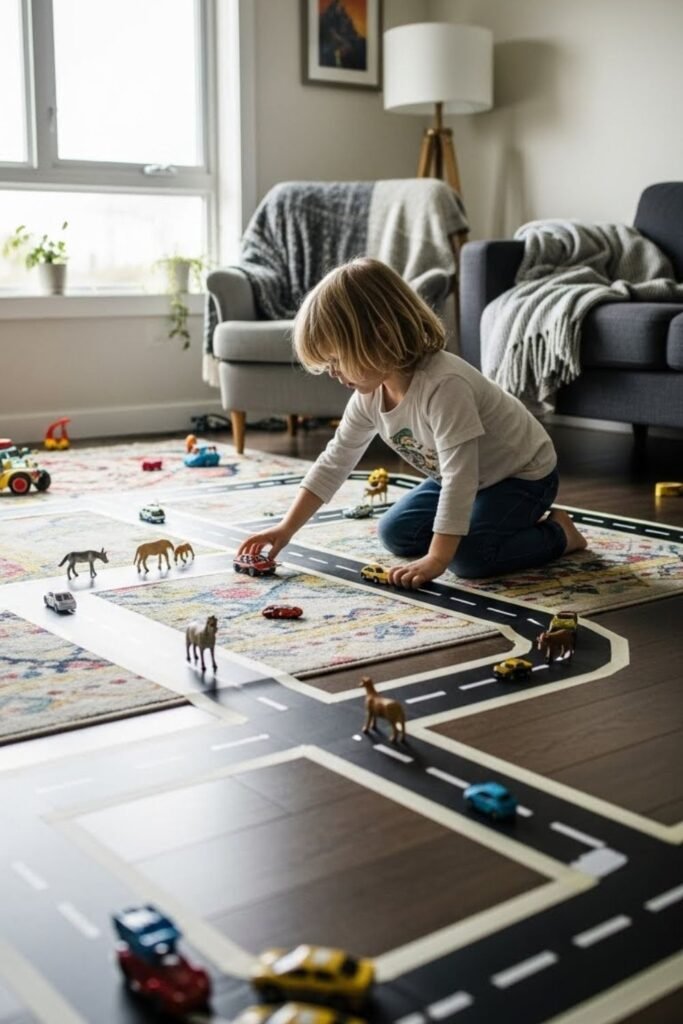
Imagination flows better when movement stays small. Tape simple lines across the living room floor using painter’s tape.
Cars, animals, or figures traverse the routes and children provide the narrative. The activity naturally slows down with turns, stops, and crossings.
This approach is particularly effective when kids need stories but find it difficult to remain seated for them.
Texture Sort
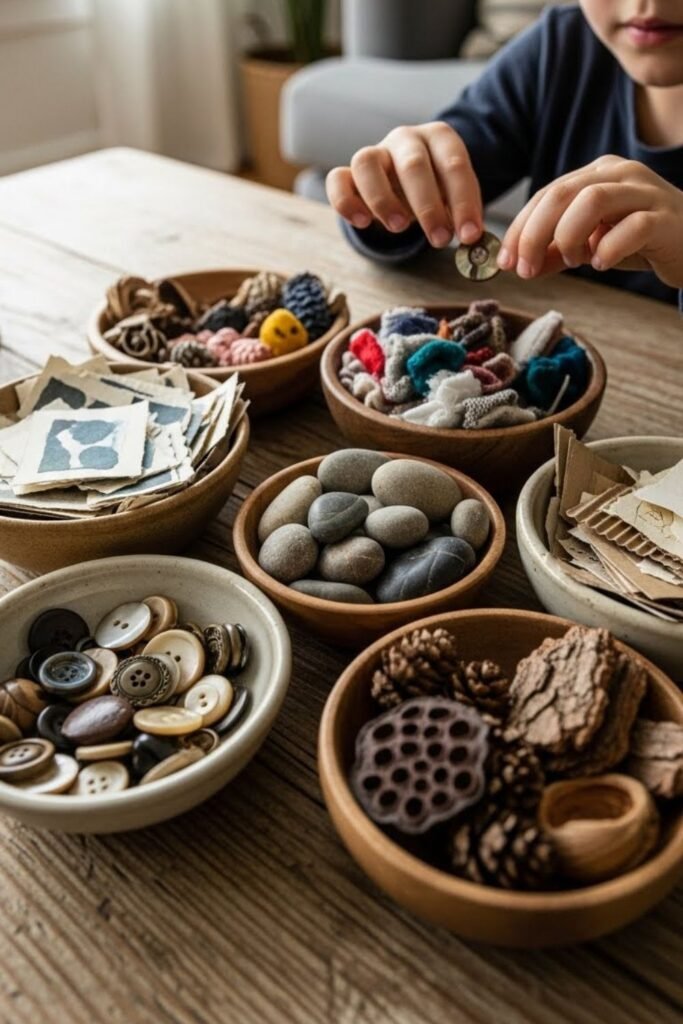
Hands calm down when they are busy comparing. Fill small bowls with mixed items like buttons, fabric scraps smooth stones and paper bits.
Set them out on a low table and let the youngsters sort them by touch, not hue. Let their fingers do the exploring before their brains start working.
This approach is particularly effective during those calm afternoons when concentration is a bit wobbly.
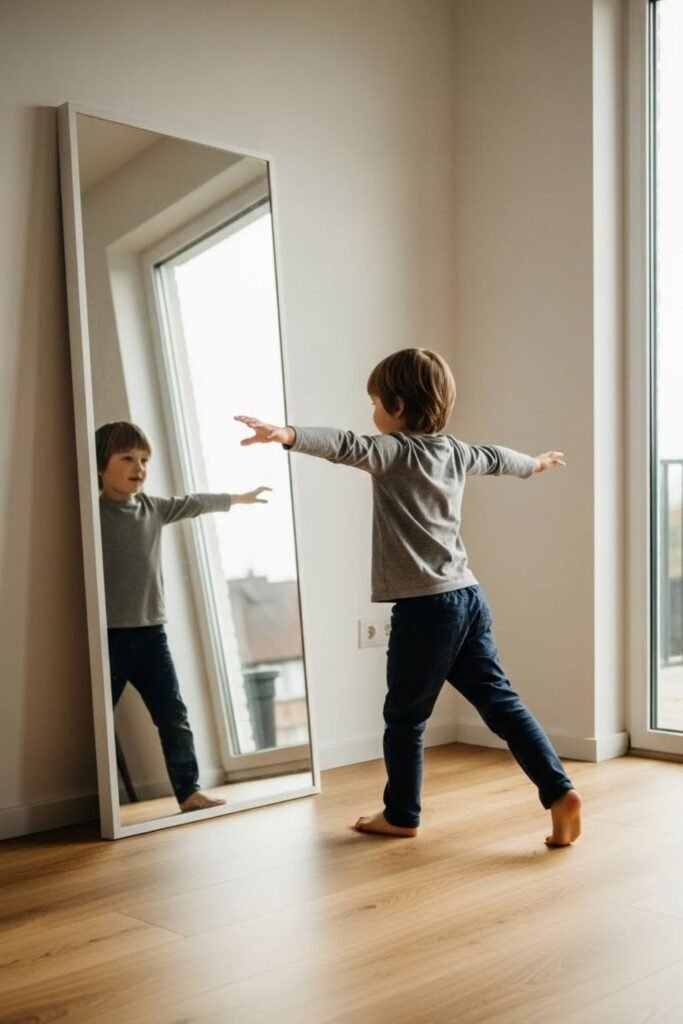
Mirror Moves
Body awareness grows when kids can see themselves. Lean a safe mirror against the living room wall.
Play slow-motion games that involve extending, balancing and freezing in mid-action.
Children imitate themselves, tweak their stance, and explore their ability to control their movements.
Memory Shelves
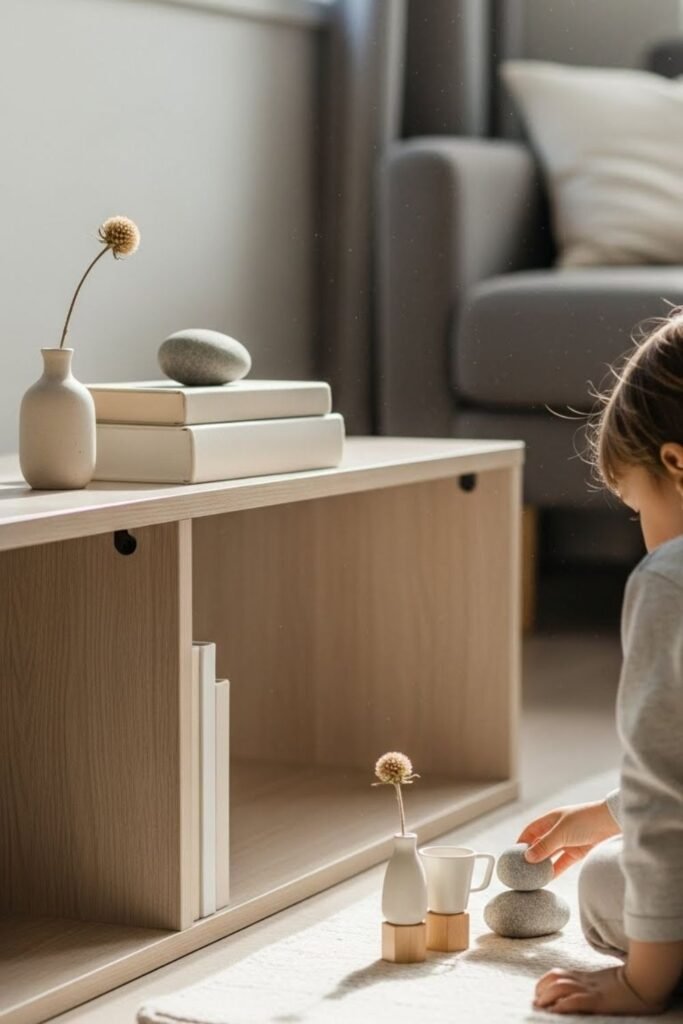
Attention sharpens when choices feel limited. Clear one low shelf and place five random objects on it.
Give the kids a moment to observe, then cover the object and challenge them to recreate it from memory, using anything they can find close by.
This guessing game encourages problem-solving skills. It’s particularly effective when you want the children to concentrate mentally, rather than burn off energy.
FAQs
How do I keep kids interested without constantly changing activities?
Children remain more focused when they have a sense of agency. Rather than constantly shifting gears.
Try making subtle adjustments alter the materials, the environment, or the schedule. Give them the reins on how they interact with the arrangement.
When kids are in charge, they’re less likely to get bored and need constant stimulation.
What if my child loses interest after just a few minutes?
That’s perfectly OK, particularly when you’re inside. Even a brief play session is valuable.
Give the kids the freedom to step away and come back when they’re ready, without any pressure.
Familiar environments tend to be more engaging the second time around, as their brains have already processed the activity.

Hi, I’m Afaf! I’m a law student who loves writing about everyday life – from home projects and crafts to fashion, beauty, and parenting tips.
I’ve been writing for over a year, sharing ideas that are simple, practical, and easy to try. I write about things I find interesting and useful, whether that’s organizing a space, trying a new DIY, or finding activities to keep kids entertained.
My goal is to share helpful ideas without making things complicated. If it works in real life, I’ll write about it.
When I’m not studying or writing, I’m usually experimenting with new projects or scrolling for inspiration!