
24 Turtle Craft Ideas For 2026
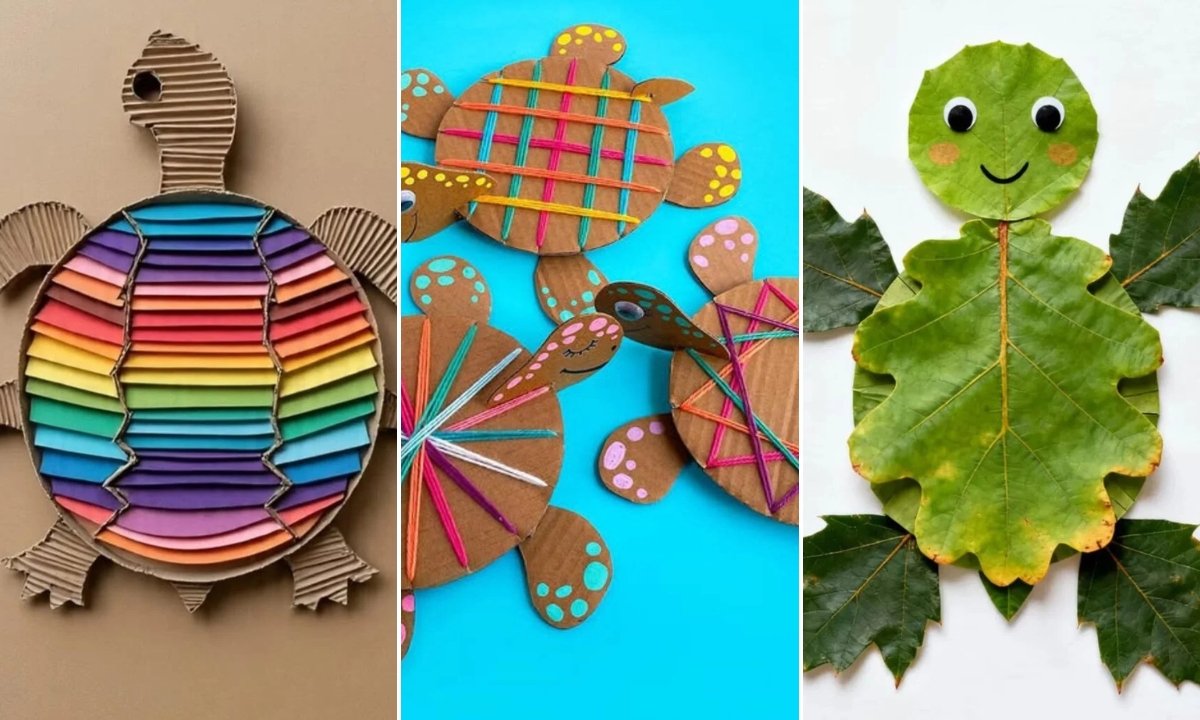
You envision your children crafting a turtle from repurposed materials, but the reality is often a different story.
The cardboard proves unwieldy, the adhesive fails to bond and your little one loses interest before the project is complete.
You’re then left with a mess and a half-finished turtle. If this scenario resonates, you’re not alone.
In this article, you’ll see 24 easy turtle craft ideas kids craft ideas that make creativity accessible in 2026.
Let’s jump in!
How Can Kids Make a Turtle Craft Using Recycled Materials?
Kids don’t need fancy craft supplies to make a turtle. They just need simple materials they already see every day, like cardboard, paper rolls, or plastic lids.
When you use recycled items, kids understand the craft faster because the materials are familiar and easy to handle.
If you start with one strong base, like a paper plate or a small box, everything else falls into place.
The key is choosing recycled materials that are light, safe, and easy for little hands to cut, glue and decorate without frustration.
Save this article for later!👇👇👇
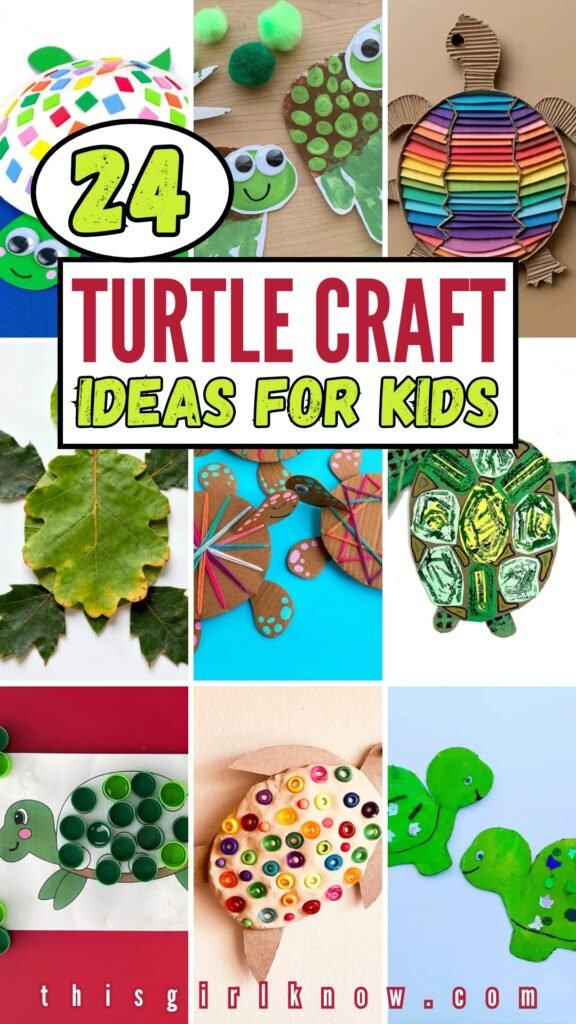
Yarn Weaving
Bright yarn, stretched across a piece of cardboard, transforms a basic animal outline into an engaging tactile experience that holds a childs attention.
This weaving project is ideal for quiet play, classroom activities or those dreary days when you want something soothing yet creative.
The cardboard provides sufficient rigidity and the pre punched holes direct young fingers without causing frustration.
To set it up, simply cut out a sturdy animal shape, add evenly spaced holes and let the kids weave the yarn in whatever pattern they choose.
The same technique works beautifully with a bear shape round body, small ears, and ample space for weaving making it a perfect fit for a bear-themed craft session.
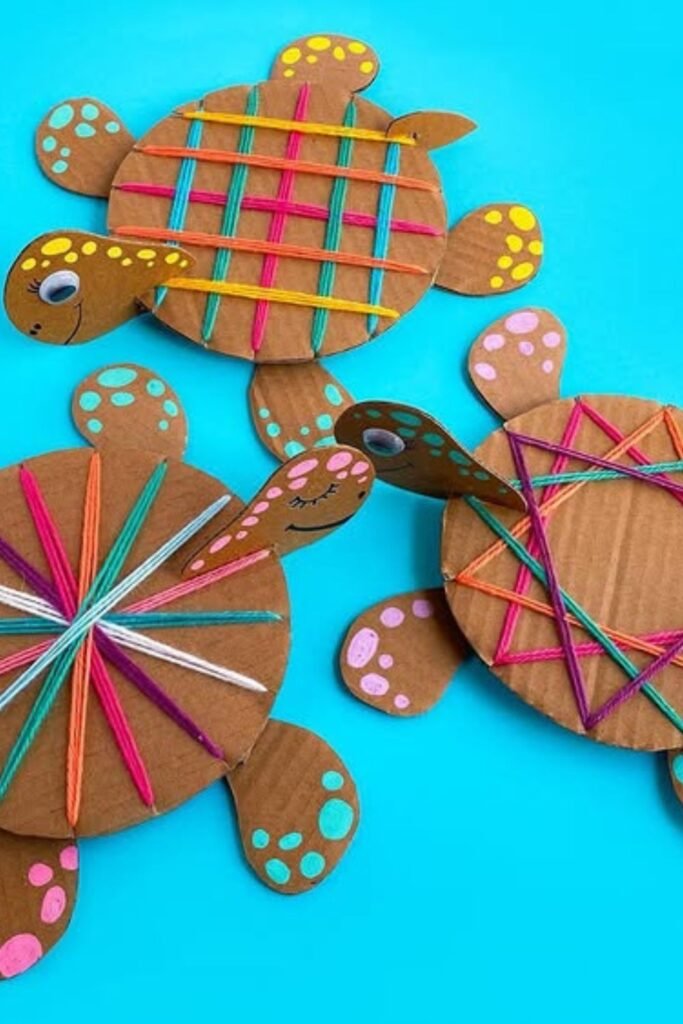
Texture Painting
Bold brush marks and layered paint turn simple shapes into a craft kids love touching as much as looking at.
Texture painting shines in art classes or freeform craft sessions, where perfection isn’t the goal.
Think thick paint, sponges, or even crumpled paper all excellent for building up those interesting, textured surfaces that dry with a bit of personality.
To bring this concept to life with a turtle motif, simply cut a big turtle shape from cardstock or cardboard and break the body down into sections.
The blend of colors and textures keeps them interested and every bear ends up looking unique, no artistic expertise required.
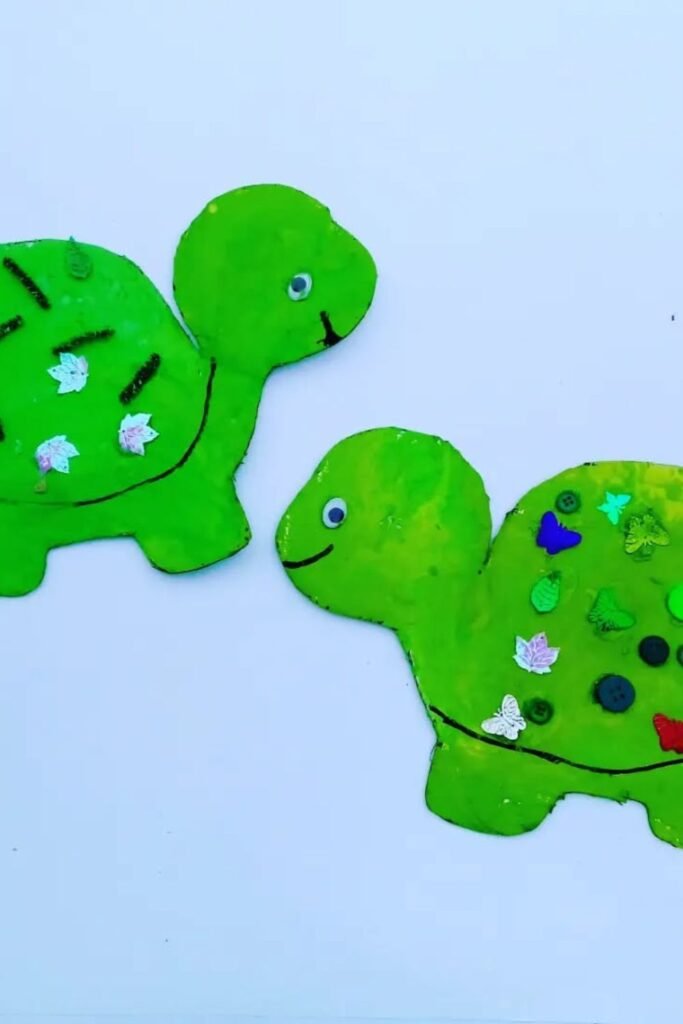
Button Collage
Buttons, foam shapes, and small craft bits instantly turn a flat animal cutout into something kids feel proud of.
Collage crafts are ideal for kids who prefer arranging and selecting elements over extensive painting or cutting.
A sturdy foundation, like thick paper or cardboard, is essential and glue dots or craft glue streamline the process.
To adapt this concept with bears, begin by cutting out a large bear shape. Then, let the children embellish the turtle belly or fur with buttons, sequins, leaves or felt scraps.
The individual results are always unique, making this a great choice for classroom exhibits or art projects to take home, without the pressure of perfecting a neat appearance.
Nature Collage
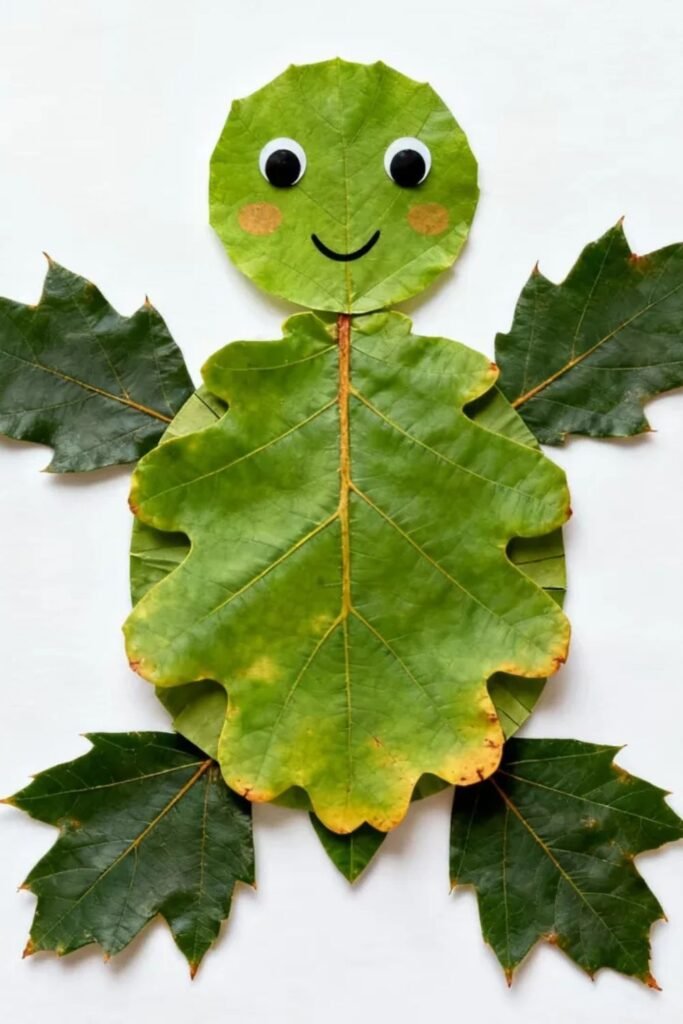
Outdoor strolls often morph into impromptu crafting sessions the instant children spot what they deem “perfect” leaves.
Suddenly, the world of screens and structured activities fades, and the kids are fully engaged.
This type of collage is ideal after a trip to the park or as a seasonal classroom project.
To give it a bear theme, gather large leaves for the body and smaller ones for the ears and arms.
Before anyone starts gluing, lay everything out so the children can freely adjust the shapes. Simple paper eyes or drawn on faces add a playful touch.
Clay Dots
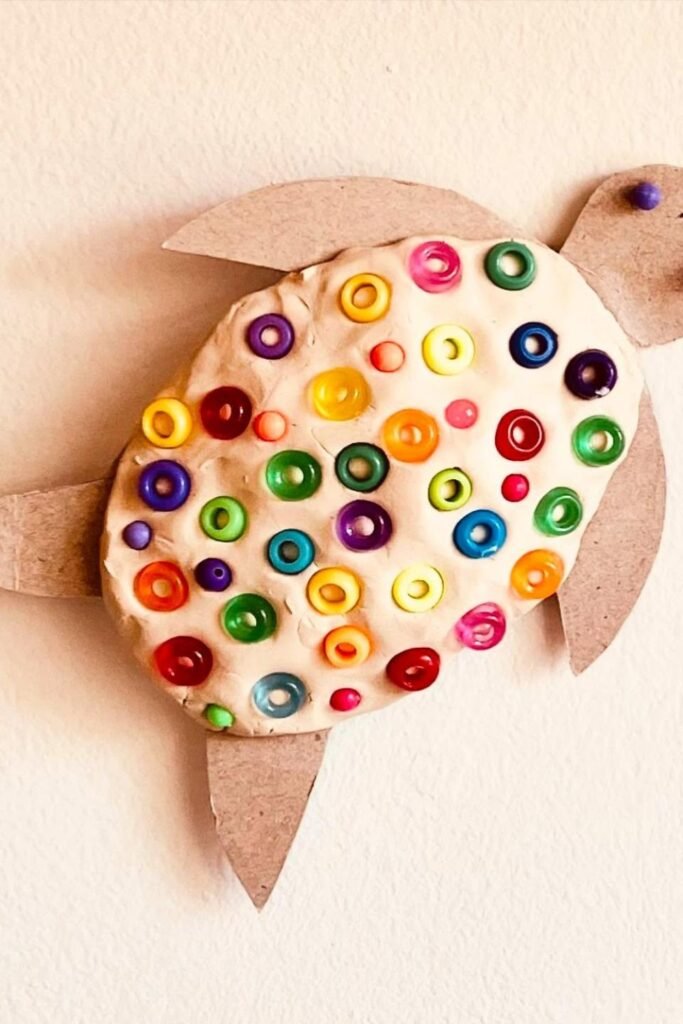
Pressing tiny beads into soft clay can entertain small hands far longer than most paint projects.
Children are drawn to the tactile push-and-place action which fosters concentration without feeling like a chore.
Air-dry clay or salt dough is ideal for this, as it retains its softness long enough for decorating without a time constraint.
To transform this concept into a bear craft, begin by shaping a flat turtle body. Then, allow the children to press beads, buttons or sequins into the bear’s belly or fur.
This activity is well-suited for table crafts, art centers or those slow afternoons when you crave less mess and more peaceful creativity.
Bottle Mosaic
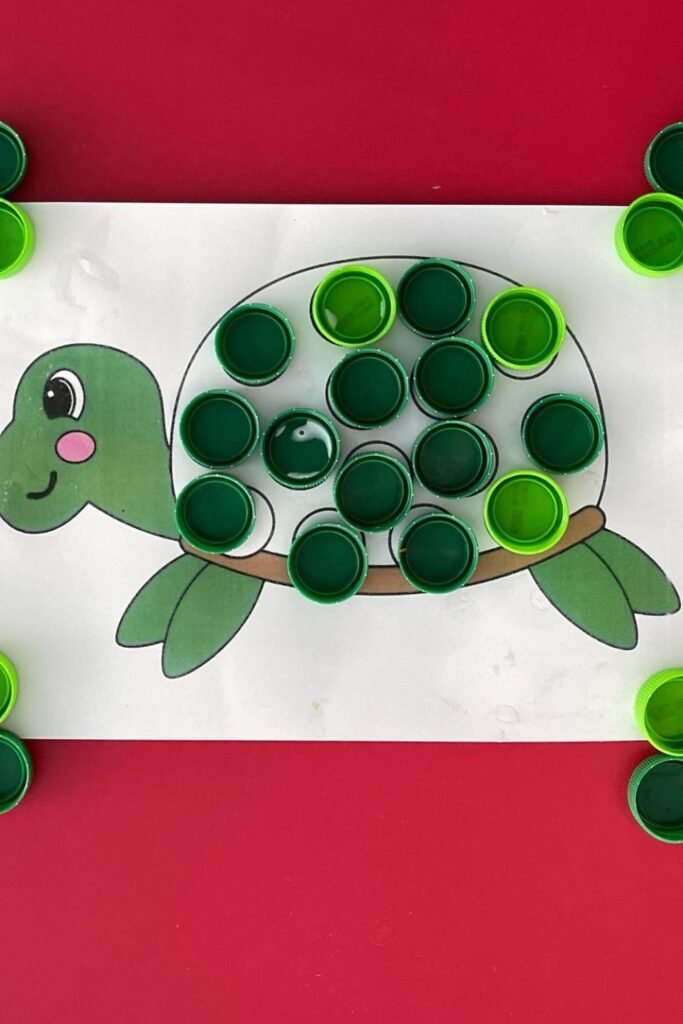
Plastic caps turn into the main attraction when kids get to fill spaces instead of coloring lines.
This type of activity shines in group settings, on classroom art displays, or in sorting games that cleverly incorporate learning.
The caps are simple to handle, difficult to ruin, and perfect for creating patterns. To adapt this for a turtle craft.
Either draw or print a sizable bear outline and highlight a central area, such as the belly or the face. Then, have the children place caps within the shape using glue.
Color sorting, counting and pattern creation will all occur organically as they work without any prompting from you.
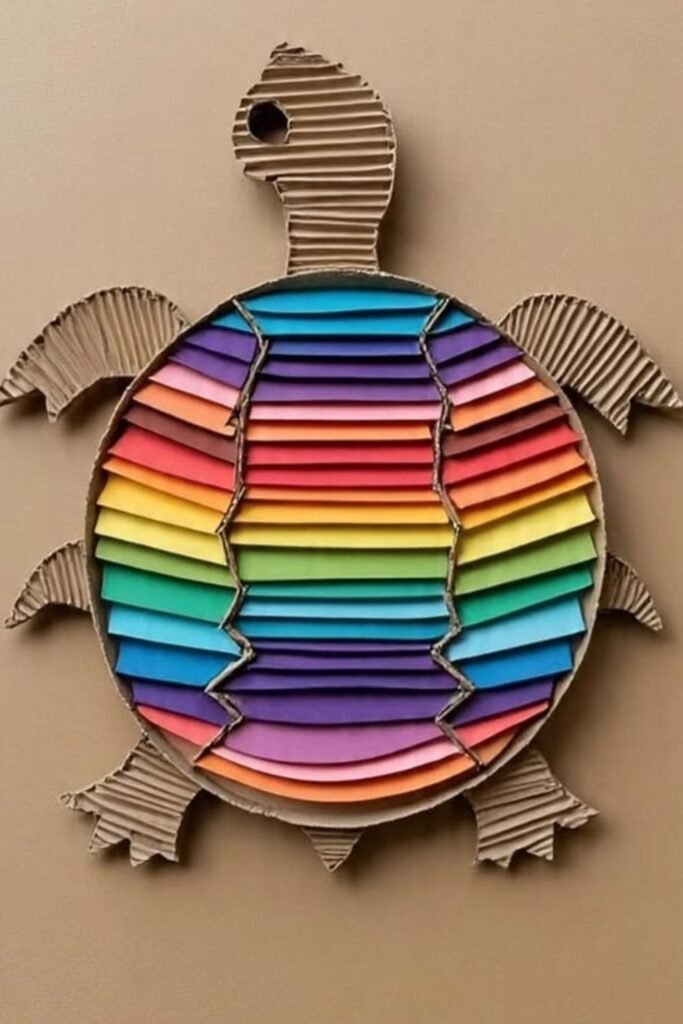
Cardboard Layers
Corrugated cardboard adds instant depth, which makes kids feel like they’re building instead of just decorating.
Layered crafts are a hit with older kids, especially those who like to build, organize, and feel the texture of their creations.
Cardboard strips are simple to cut and do not mind if things are not perfectly aligned. For a turtle craft, start with a big body base.
Then glue curved cardboard strips across the belly or face. Mixing painted strips with plain cardboard adds visual interest.
This layered approach works well on walls, making it a good choice for classroom displays or hallway art that needs to endure.
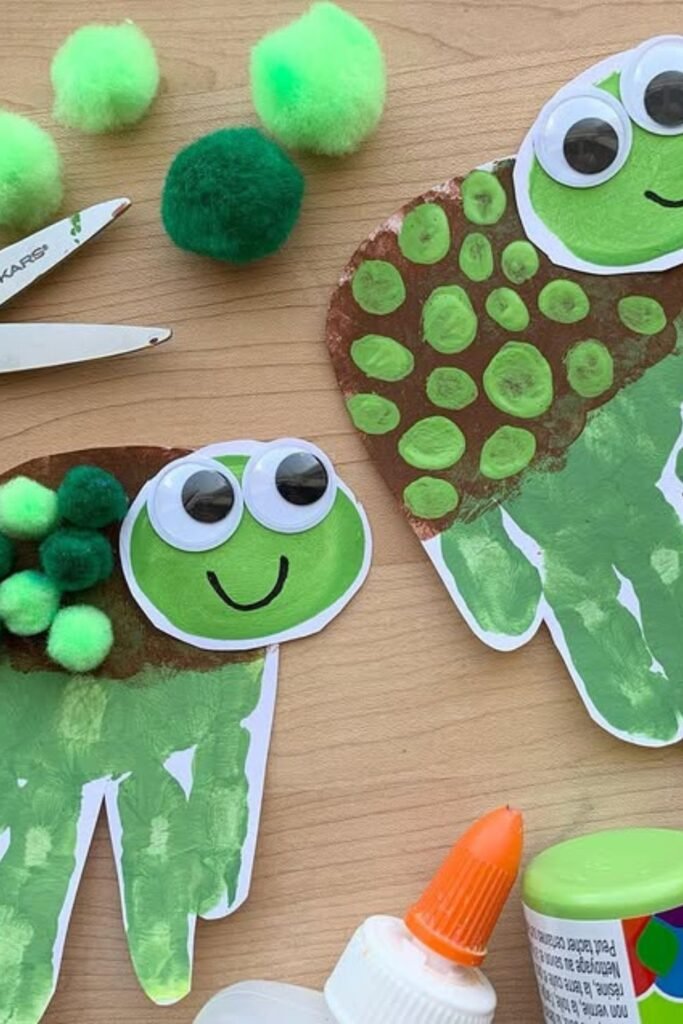
Handprint Texture
Handprints instantly pull kids into a craft because they can see themselves in it. Paint covered hands create movement and shape without asking kids to stay inside lines.
This approach is ideal for preschoolers and kids in early elementary school, particularly when they’re working on keepsakes or themed activities.
To create a bear craft, start by using handprints to make the bear’s body or arms. Then, add pom-poms, cotton balls, or finger-painted dots to simulate fur.
A simple paper face completes the look. The final product has a personal touch, a bit of messiness.
And real meaning exactly what you want for memory books, classroom displays, or crafts that parents will actually hold onto.
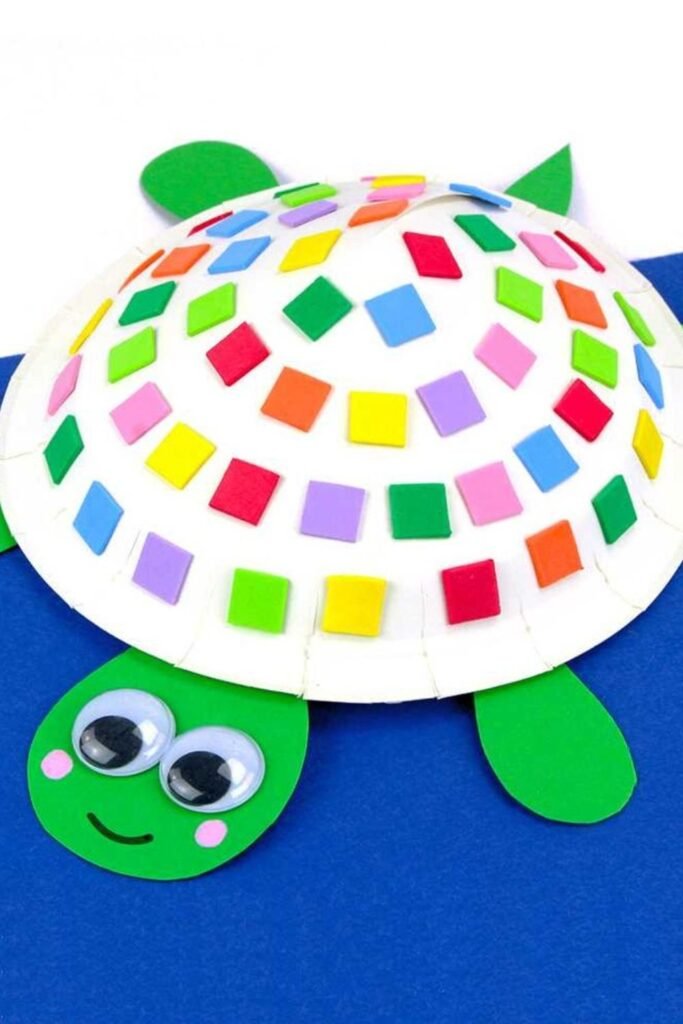
Paper Mosaic
Color placement turns into the fun part when kids get small shapes instead of crayons. Tiny foam or paper squares.
Keeping hands occupied and slowing down the pace can be beneficial, making this ideal for tasks requiring concentration or for a calm classroom setting.
A paper plate provides an ideal, pre-shaped canvas, eliminating the need for cutting. To transform this into a turtle-themed craft.
Use a paper plate as the turtle face or belly, allowing children to decorate it with colorful bits of paper.
Children naturally engage in pattern recognition, color matching, and the development of fine motor skills as they create.
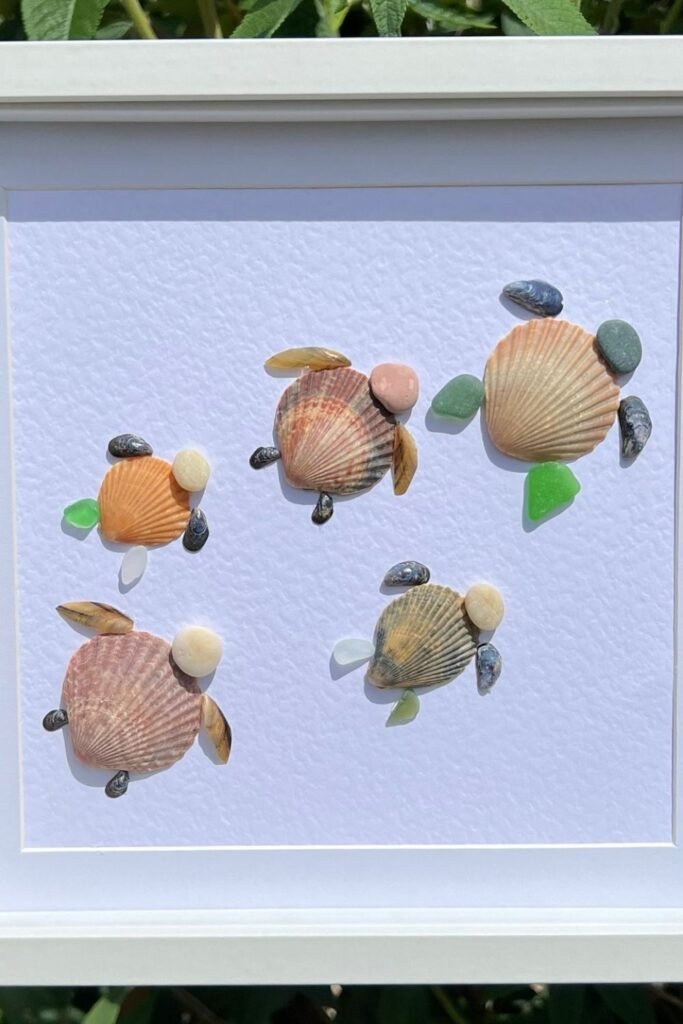
Shell Art
Natural materials instantly change the feel of a kids’ craft and make it look special without extra effort.
Shell art is ideal for more deliberate projects giving children the chance to place each piece with care and watch the image emerge.
Smooth shells, along with small stones or pebbles, are manageable and inherently tidy. To bring this concept to a bear craft, start with a solid paper or canvas foundation.
Then, create a bear shape using shells for the body and stones for features like ears or paws.
Framing the completed artwork transforms it into straightforward home decor a simple way to celebrate the childs effort and keep their creation visible, rather than hidden.
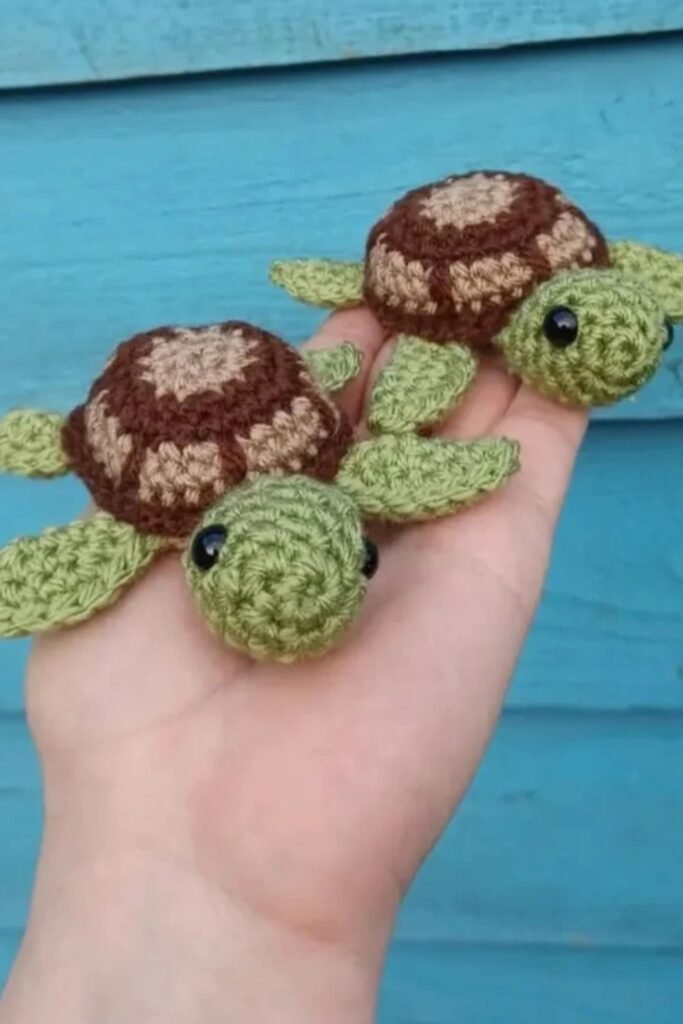
Yarn Plush
Soft yarn animals slow the pace and shift crafts into quiet, focused time. Crochet or yarn-based projects work best for older kids.
For those who find satisfaction in watching a project materialize stitch by stitch, or prefer a guided experience with adult supervision, this is a great option.
Plus, these little plush figures serve a dual purpose as toys providing an added incentive for kids to complete their work.
When adapting this concept for a turtle craft, simplicity is key a round head, a small body, and minimal embellishments. The finished bears can then become shelf decorations.
Props for storytelling, or comforting companions, transforming crafting into an activity that kids genuinely cherish and utilize.
Paper Folding
Folding paper into shapes gives kids a sense of control that cutting and painting sometimes doesn’t.
Clean lines and uncomplicated folds make this a solid choice for quiet moments, early problem-solving exercises or small group activities.
Origami is most effective when you stick to a straight forward design and repeat the same actions together.
To transform this concept into a turtle craft begin with a basic square fold that forms a bear face or a sitting bear figure.
After folding, children can embellish their creations with eyes, noses, or patterns using markers ensuring the craft remains calm, focused, and tidy.
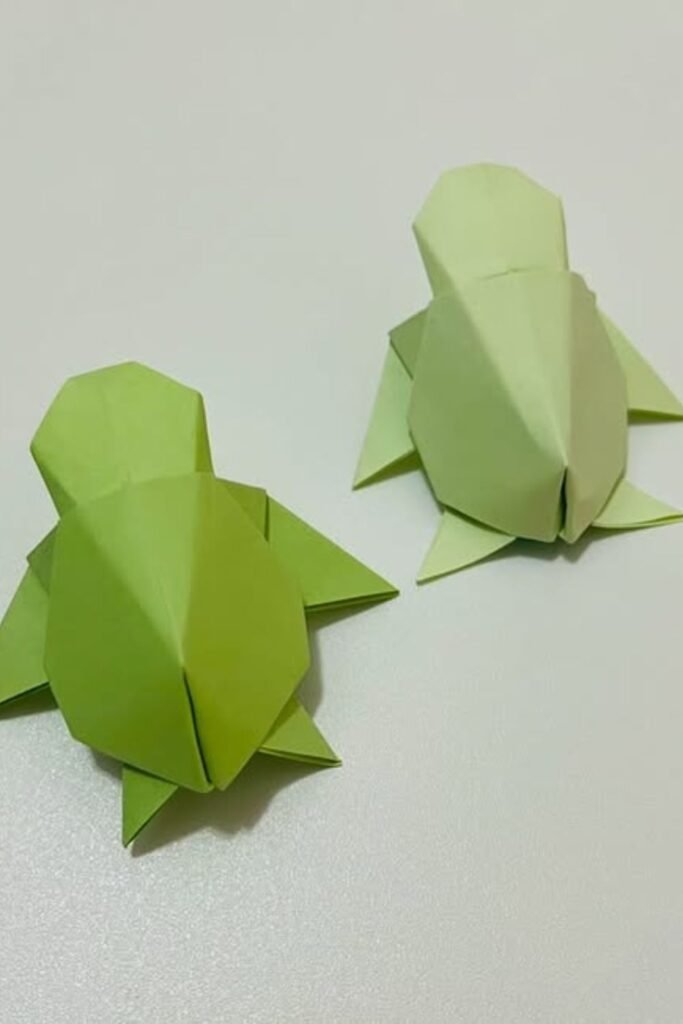
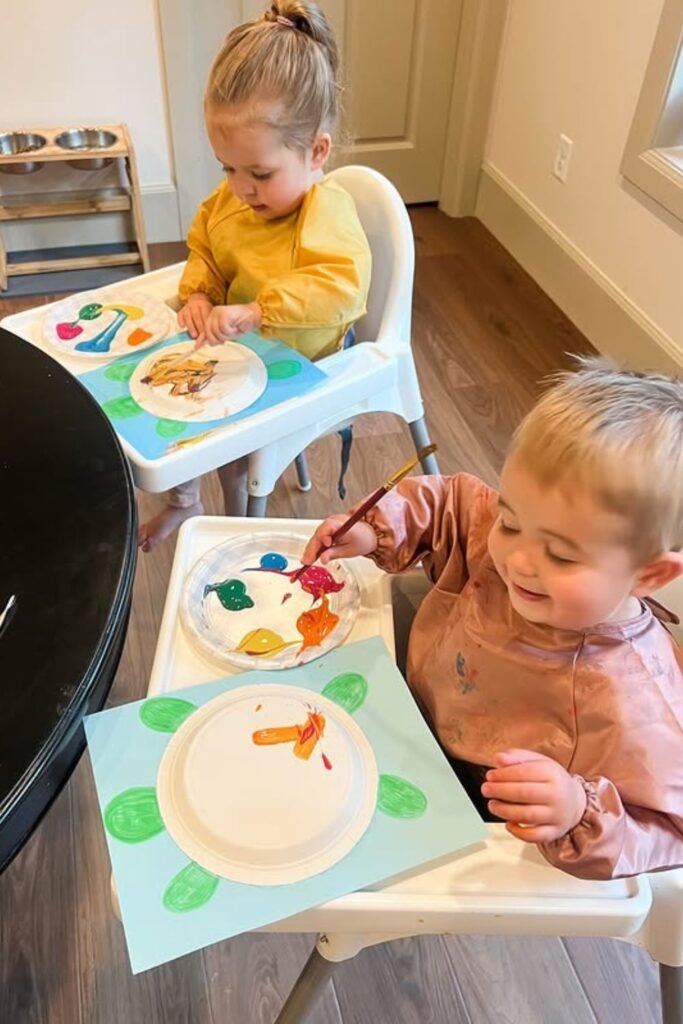
Plate Painting
Paint sessions feel easier when kids don’t have to worry about shapes or outlines. Paper plates already give a solid base.
The emphasis here is on color and motion, not achieving a flawless result. This approach is particularly suited to toddlers and younger children.
Who often find more joy in the act of painting than in adhering to instructions. To transform this into a turtle-themed project, use a paper plate as the bear’s face or belly.
Allow the children to paint however they wish, using brushes or sponges. After the paint has dried add simple paper ears and a face.
This activity is perfect for high chairs, small tables or any day dedicated to messy play, where the focus is on creative expression rather than a tidy outcome.
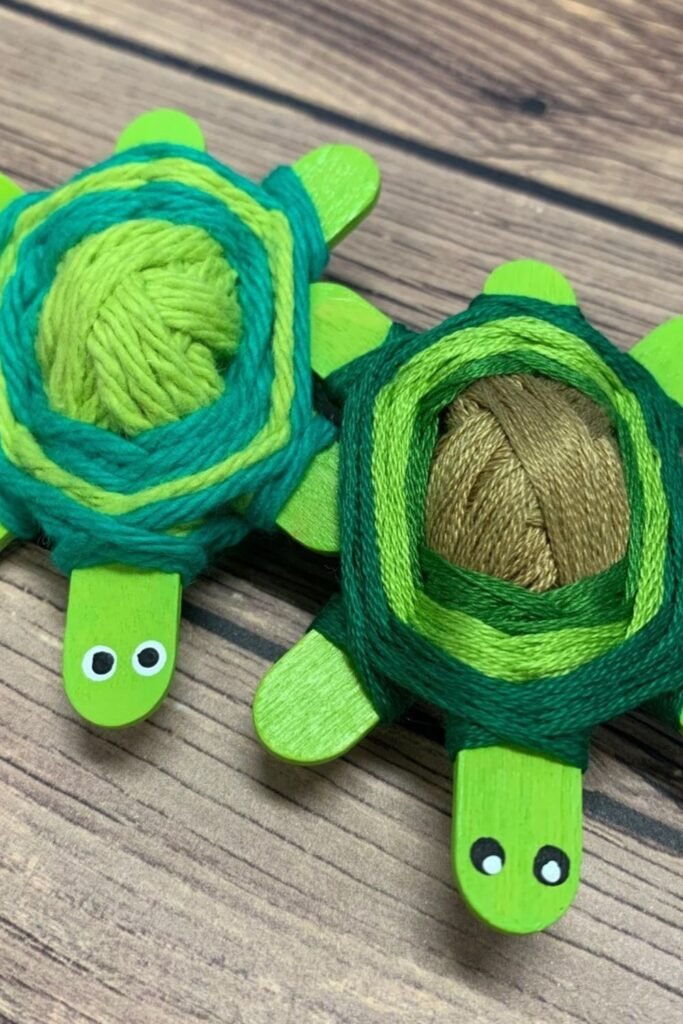
Yarn Wrapping
Wrapping yarn around a solid shape keeps kids busy in the best possible way. The motion is simple repetitive and surprisingly calming.
This setup is ideal for focused activities or small group work. The weight of wooden shapes or sturdy cardboard keep the yarn from getting out of control.
To transform this concept into a turtle craft begin with a flat bear body cutout. Children can then wrap yarn around the bear’s belly or torso.
Using two or three colors creates visual appeal without making it too complex. Eyes and noses can be drawn or glued on afterward.
The completed bear has a pleasing texture and feels solid making it a great addition to play areas or classroom displays.
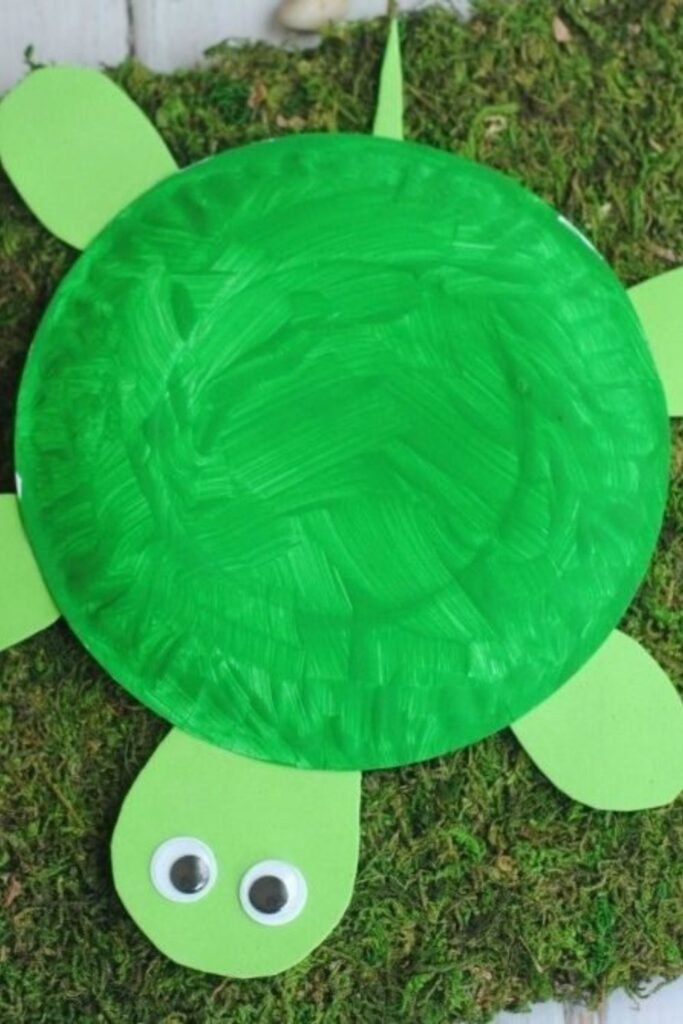
Paint Plate
Big brush strokes and one solid color keep things stress-free for younger kids. A paper plate already gives the right shape.
This approach lets kids concentrate on the fun of spreading paint rather than getting bogged down in the details of outlines.
It’s perfect for toddlers, playgroups or any first-time art experience where simplicity is key.
To transform this into a turtle craft, paint the plate brown, tan, or white if you’re aiming for a polar bear.
The whole thing is quick, the cleanup is easy, and the kids end up with something they can identify and feel good about.
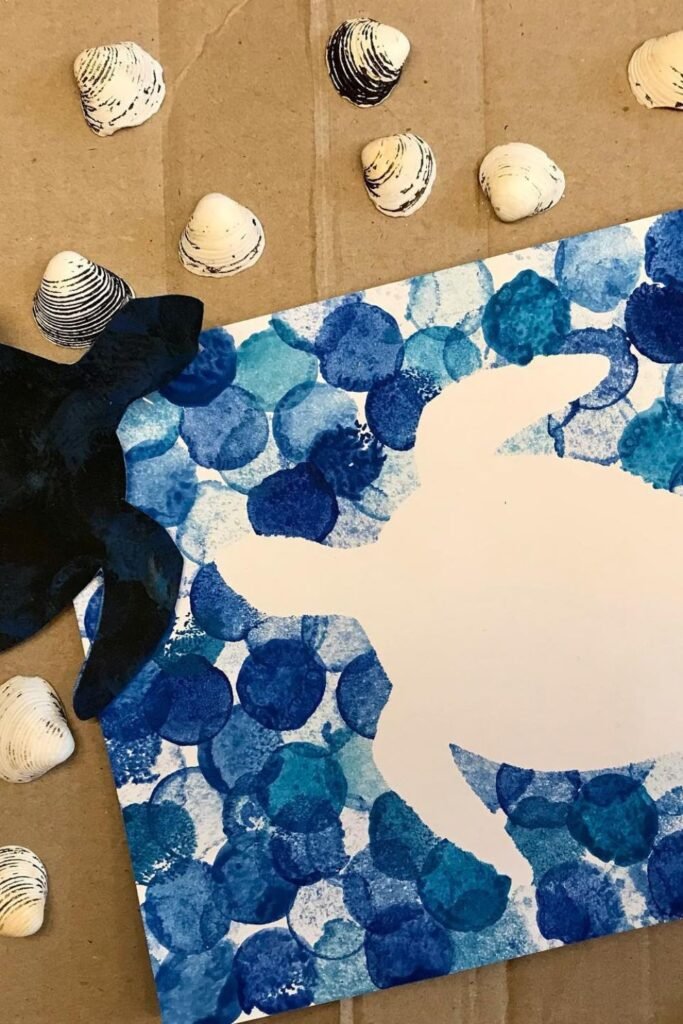
Silhouette Art
Negative space flips the usual painting process and instantly grabs kids’ attention. Painting around a shape feels new, even for kids who paint all the time.
This method shines when you are aiming for visually impactful results, like with themed lessons or art displays and you do not want to get bogged down in intricate procedures.
For a turtle-themed project, begin by taping or stenciling a bear shape onto sturdy paper. Then, let the children dab paint.
Around the edges using sponges, corks or cotton balls. After the paint has dried carefully remove shape to uncover a crisp bear outline.
Adding texture to the surrounding area helps the bear pop, eliminating the need for extra detail or expert brushwork.
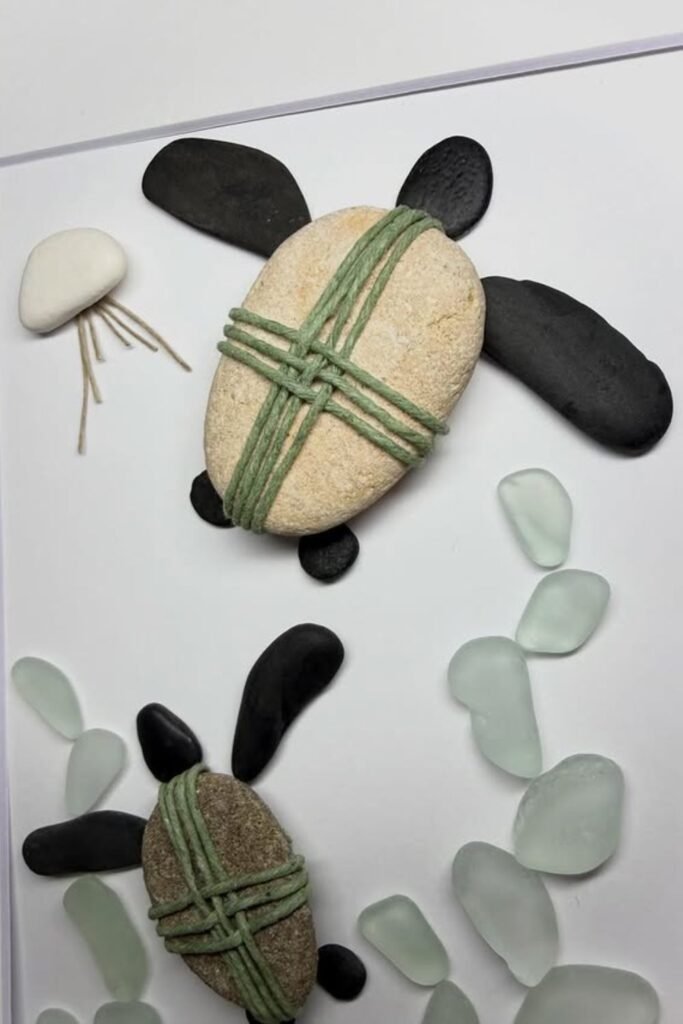
Stone Wrapping
Smooth stones instantly slow kids down and change the mood of a craft. Holding something solid makes them more careful.
This approach is perfect for quiet table activities or individual craft sessions. Wrapping yarn around stone creates texture eliminating the need for messy glue or paint.
To turn this concept into a turtle craft, select an oval stone for the bears body and smaller, flat stones for its ears and paws.
Wrap yarn around the body to mimic fur then secure the pieces to a piece of sturdy paper or cardboard with glue.
Keeping the colors neutral maintains a simple aesthetic, but vibrant yarn adds a playful touch.
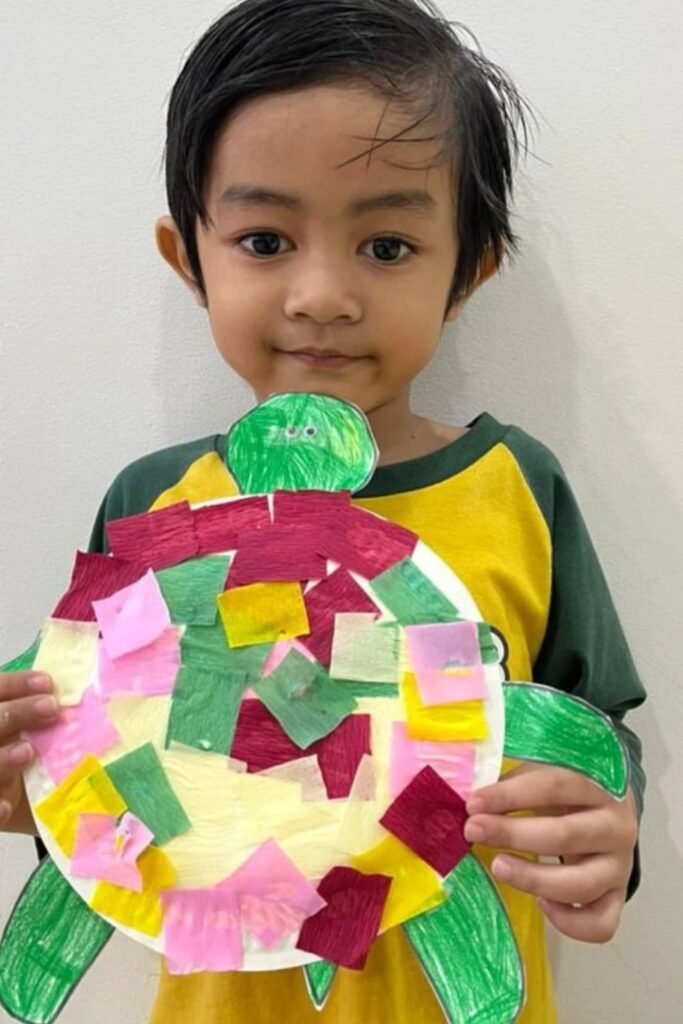
Tissue Layers
Thin paper pieces give kids a way to add color without heavy paint or perfect cutting. Layering tissue paper feels forgiving.
This approach is perfect for preschoolers and early learners, those little ones who prefer sticking and overlapping to rigid instructions.
Light glue or glue sticks are the way to go; they keep the paper flexible, not hard. For a bear-themed project, grab a big bear cutout.
And let the kids go to town, layering tissue squares all over to give the turtle a patchy, furry appearance.
The end result is a bear that’s vibrant, textured, and bursting with character ideal for hanging on the wall or taking home.
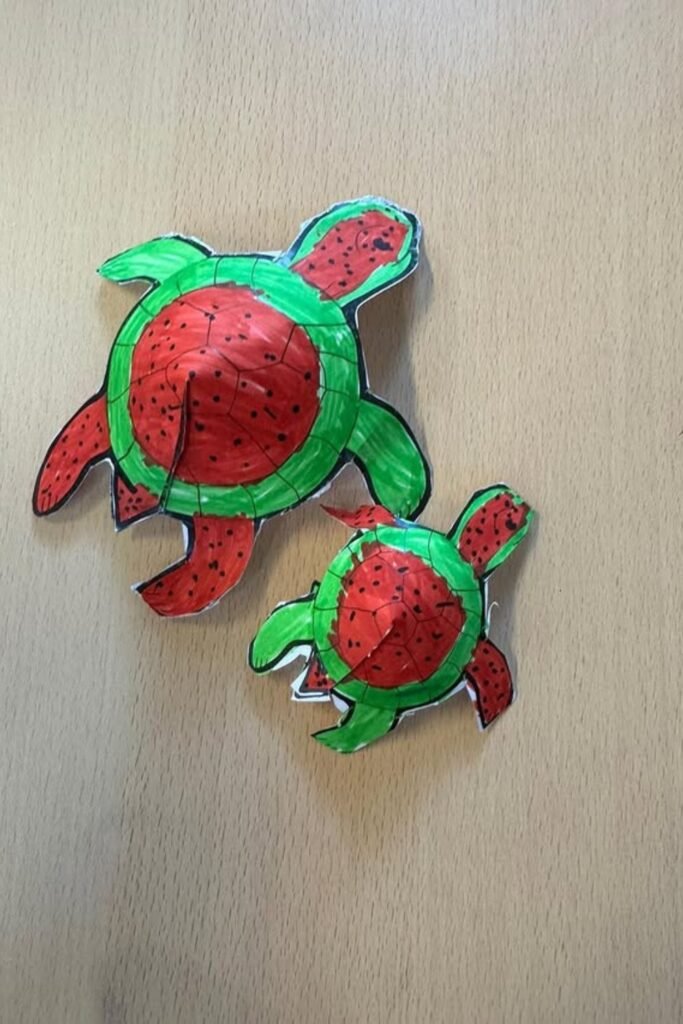
Cutout Painting
Bright markers and scissors give kids a sense of ownership fast because they control the whole shape from start to finish.
The process of drawing, coloring, and cutting all at once keeps things lively and prevents kids from losing interest.
This approach is particularly effective for children who enjoy vibrant colors and aren’t overly concerned with precision.
To adapt this into a turtle craft begin by sketching a basic bear shape on paper. Then, give the kids free rein to color it in with markers or crayons.
After they’ve finished cut out the bear and outline it with a dark marker to create some contrast.
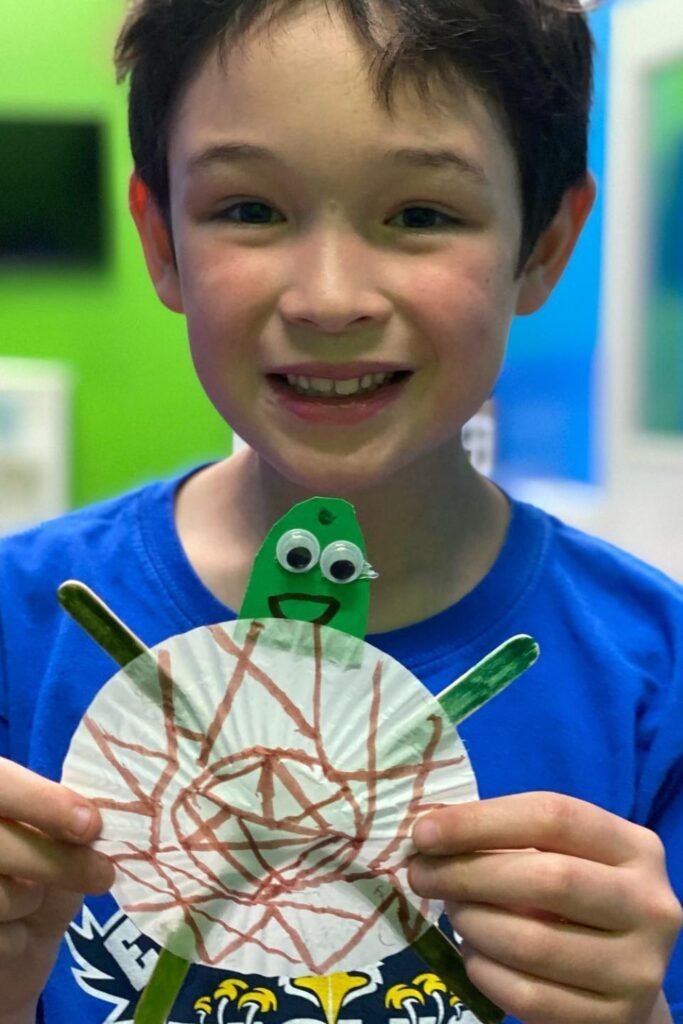
Scribble Craft
Free scribbling gives kids full control, which makes this perfect for days when focus is low but creativity is high.
Letting lines intersect and blend eases the pressure ensuring kids stay focused longer than with structured drawing.
This approach is particularly effective with younger children, who often prefer action to precision.
To translate this concept into a turtle-themed craft, begin with a paper plate or a large bear cutout.
Encourage the kids to freely scribble across the surface using markers or crayons. Once the area is filled, add basic paper ears, eyes, and a nose on top.
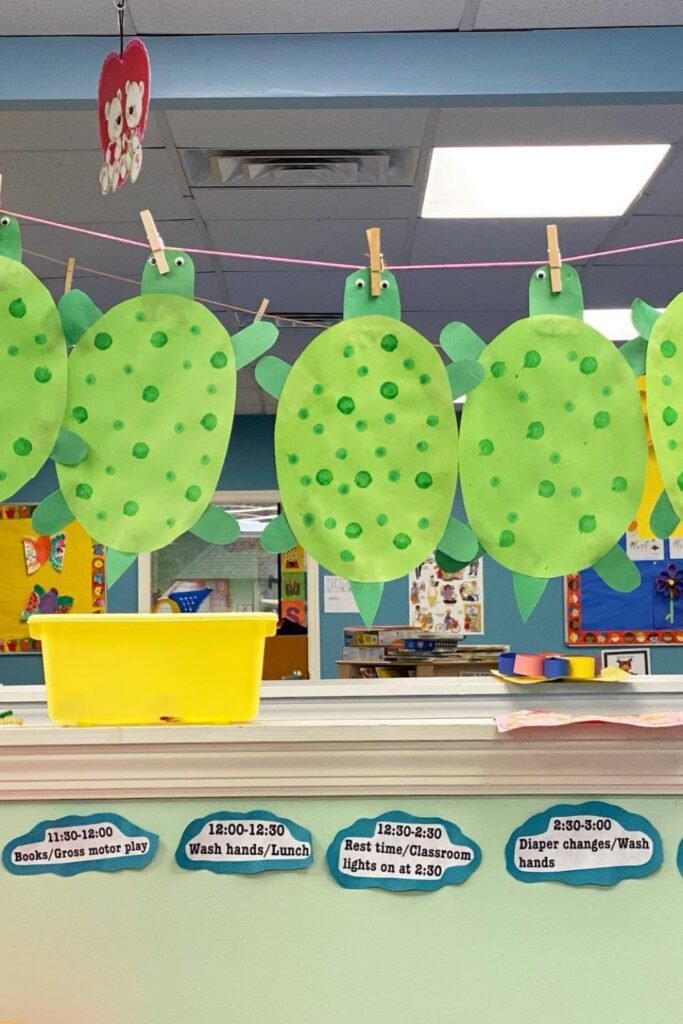
Hanging Display
Seeing their work up in the room changes how kids feel about a craft instantly. Hanging projects give a sense of pride and make simple shapes feel important.
This approach shines in classrooms, playrooms, or during themed weeks when you want to inject some energy into the space.
Because the paper cutouts are lightweight, a few clips and some string will do the trick to keep everything secure.
To give this a turtle-themed twist, cut out large turtle shapes from colored paper and let the kids go wild adding spots, textures, or painting them.
Once the paint’s dry, clip them along a string at eye level. The turtle then become a part of the room, rather than just another craft project destined for the recycling bin.
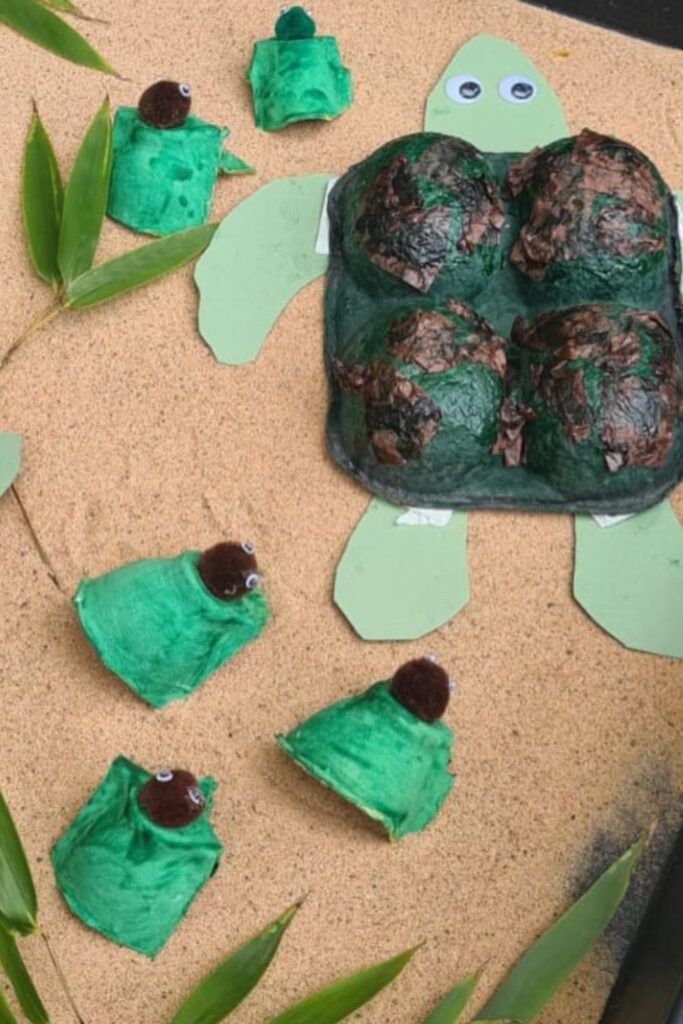
Sensory Tray
Loose parts turn a simple craft into a full play experience that lasts longer than one sitting. Sand, leaves and little recycled bits encourage children to manipulate, not just adhere.
This approach is particularly well-suited for preschool environments, outdoor play areas, or themed sensory tables.
Where the process of exploration is prioritized over a quick completion.
Egg cartons provide excellent three-dimensional forms and paper cutouts keep things light and safe.
To tailor this concept for bear-themed crafts, create a forest scene using brown paper, leaves, and cardboard bear shapes.
Children can repeatedly position, rearrange and decorate the turtle, transforming crafting into a form of open ended play rather than a singular event.
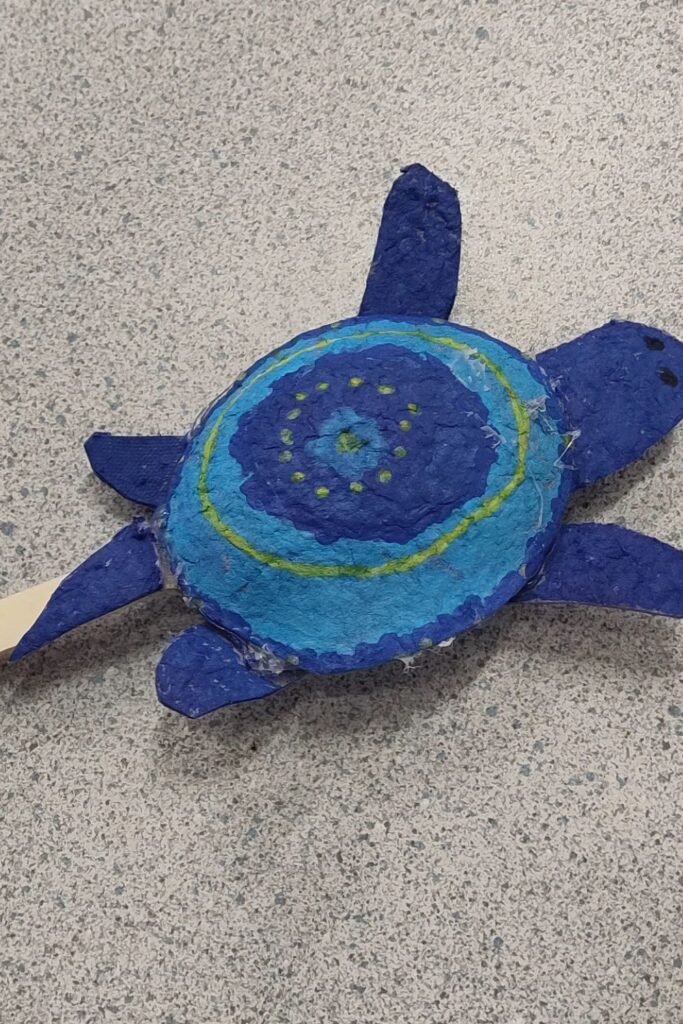
Stick Puppet
Movement instantly brings a craft to life, especially for kids who love play more than sitting still.
Adding a simple handle turns artwork into something interactive without extra effort.
Puppet crafts are ideal for storytelling sessions, show and tell presentations, or imaginative play areas.
A solid paper foundation provides structural integrity and a wooden stick offers children a means of manipulation.
For a bear-themed project simply affix a craft stick to the rear of a paper or cardboard bear silhouette.
Paper Quilling
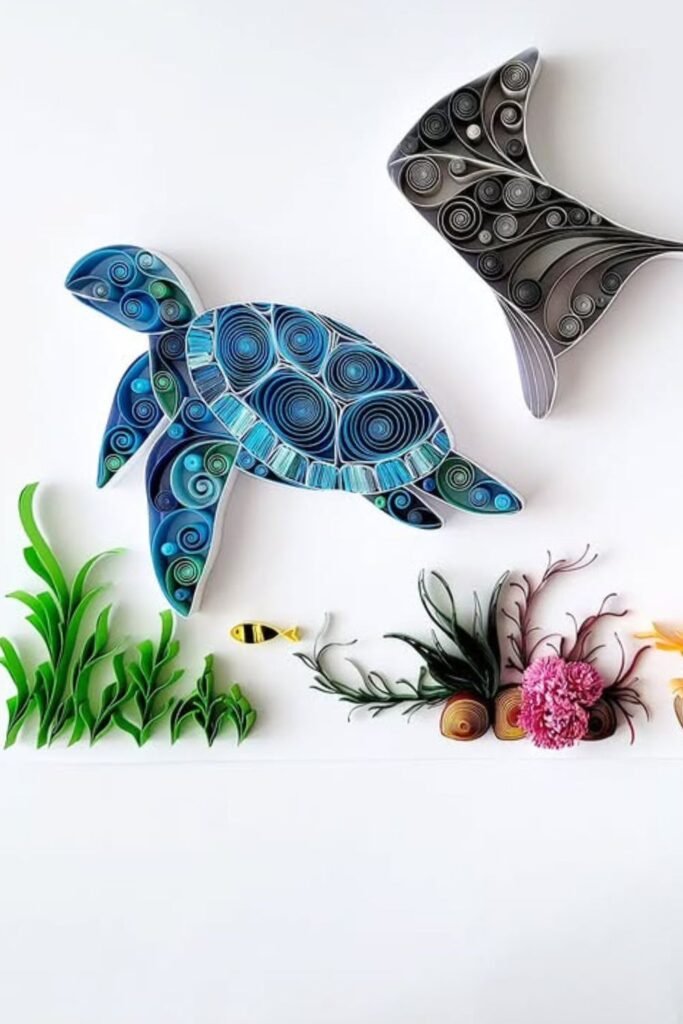
Rolled paper instantly turns simple shapes into something that feels special, even without paint or mess.
Quilling is ideal for older children, craft groups or structured settings where taking your time is key.
The colored paper strips provide the framework, and the tight and loose rolls create texture, all without the need for bulky supplies.
To incorporate this technique into a turtle-themed project, draw a bear outline on sturdy paper and have the children fill in the body using rolled or coiled paper strips.
Earthy browns are perfect for a traditional bear appearance, but brighter colors can make it more fun, perfect for a child’s bedroom or a classroom display.
FAQs
What age group are turtle crafts best for?
Turtle crafts are versatile, appealing to a broad spectrum of ages because the concept is adaptable, not the materials.
For toddlers, paint, paper plates and sticking things together are ideal. Preschoolers thrive on layering, collaging and straightforward cutting.
As children get older, they can manage weaving, folding, or projects that involve different textures.
How do you keep turtle craft activities from getting too messy?
Crafting can quickly become a messy affair, often because we’re overwhelmed with choices. To keep things manageable, try limiting the materials available.
Prepare shapes in advance and stick to a single primary technique for each project. Paper plates, cardboard, or trays are great for containing glue and paint.
When children understand precisely where to work and what tools to use, the craft remains enjoyable, rather than devolving into chaos.
Hi, I’m Afaf! I’m a law student who loves writing about everyday life – from home projects and crafts to fashion, beauty, and parenting tips.
I’ve been writing for over a year, sharing ideas that are simple, practical, and easy to try. I write about things I find interesting and useful, whether that’s organizing a space, trying a new DIY, or finding activities to keep kids entertained.
My goal is to share helpful ideas without making things complicated. If it works in real life, I’ll write about it.
When I’m not studying or writing, I’m usually experimenting with new projects or scrolling for inspiration!