
20 Toca Boca Kids Room Ideas For 2026

You start browsing Toca Boca kids room ideas, and immediately, its a jumble. One pin features a cartoonish space another a realistic bedroom.
And none offer any real guidance. You adore the playful, vibrant Toca Boca aesthetic, but you are left wondering where to begin.
Which colors won’t clash, and how to achieve the look without breaking the bank.
In this article, I will show you 20 practical Toca Boca Kids Room kids ideas perfect for 2026 homes.
What Colors Work Best For A Toca Boca Kids Room?
To capture that Toca Boca vibe, color is key. Think bright, yet gentle hues: pink, mint, yellow, blue and lavender.
These shades are fun without being overwhelming. If your walls are already white, no need for a complete overhaul.
Choose one or two colors and introduce them via bedding, wall decals, rugs or shelves.
Too many bold colors at once can make a space feel cluttered. Stick with a light foundation and let the playful colors shine.
Save this article for later!👇👇👇

How Do You Decorate A Toca Boca Kids Bedroom On A Budget?
You don’t need a fortune to achieve that Toca Boca aesthetic. Begin with what you have got, and make small adjustments initially.
Wall decals, vibrant bedding and whimsical rugs can transform a space more effectively than pricey furniture.
To inject color and consider painting a single accent wall or using removable stickers rather than repainting the entire room.
By concentrating on a few essential pieces, rather than trying to buy everything at once, you can pull the room together without breaking the bank.
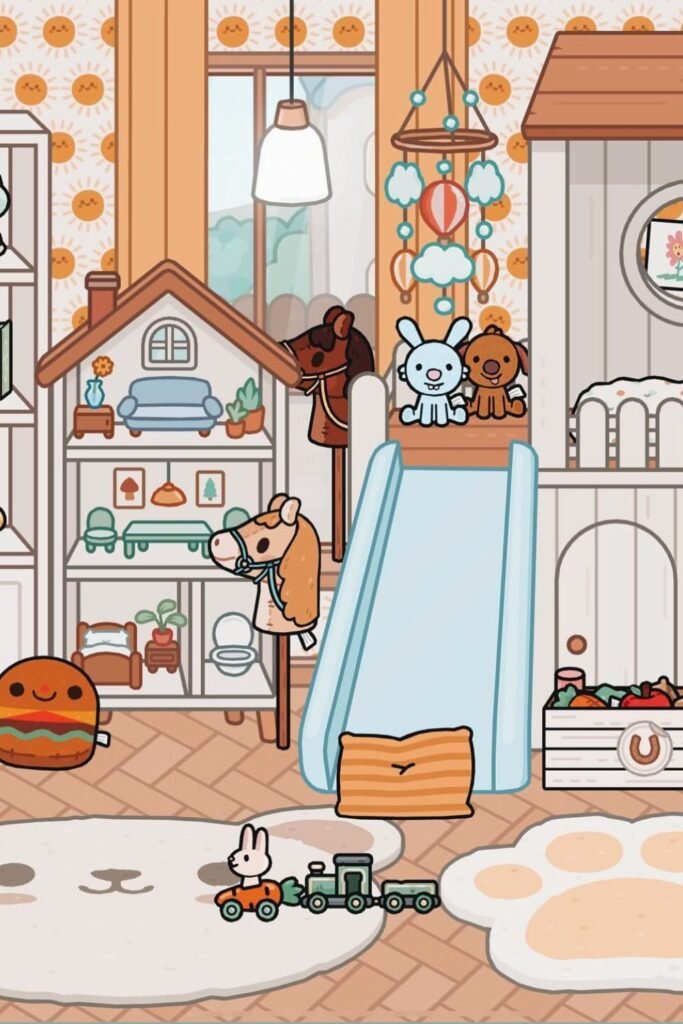
Play Adventure
Movement becomes part of everyday life in a room like this, which makes it perfect for energetic kids who get bored easily.
A slide or play loft can instantly inject a sense of fun into a room, all without contributing to the usual mess.
Begin with a single substantial play element or then keep the rest of the space uncomplicated.
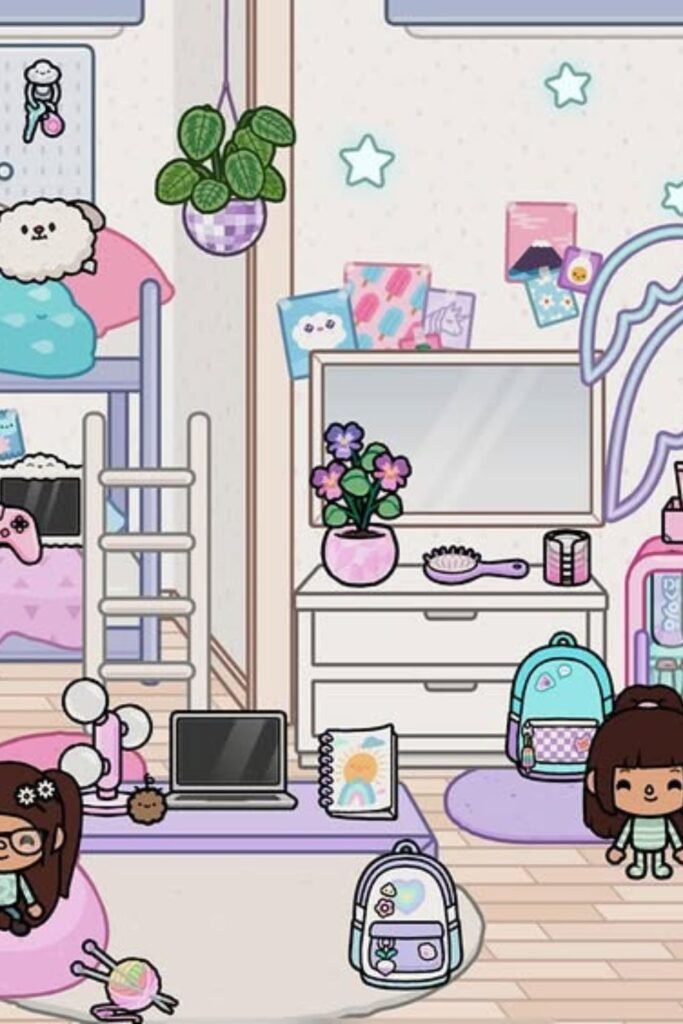
Cozy Sharing
Bunk beds work well here because they save space and instantly create personal corners without building walls.
Soft hues, coordinated bedding and understated wall decor give a sense of calm rather than chaos.
To get this effect, start with symmetry. Then, allow each child to add their particular touch to their bed space with tiny accessories think pillows, toys.
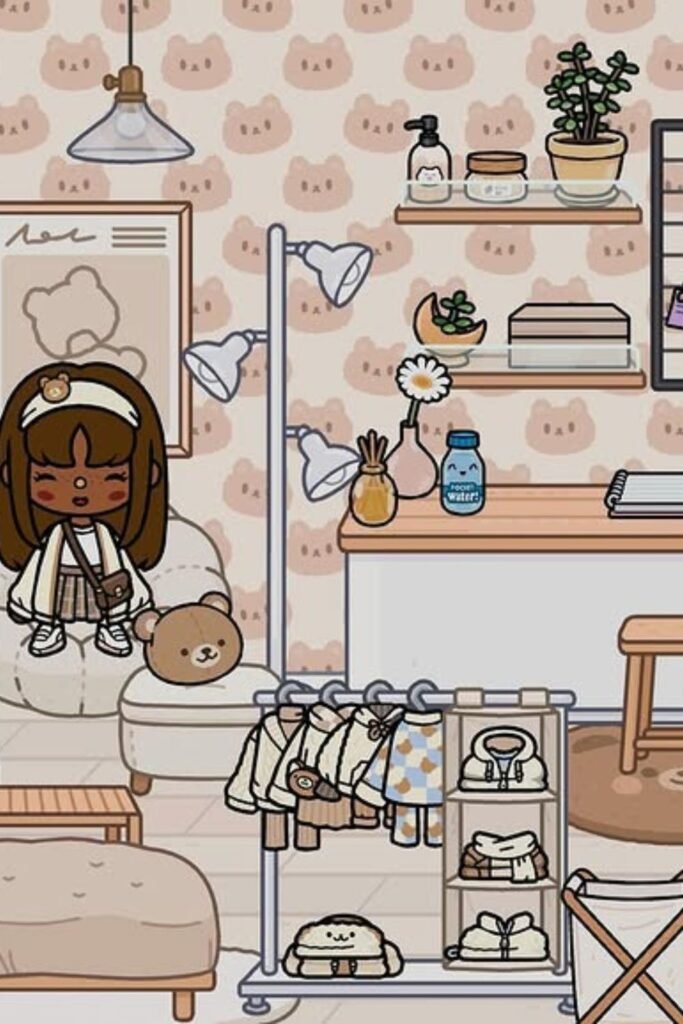
Creative Corner
Quiet activities need a space that feels calm without feeling boring. A setup like this works best in bedrooms where kids draw, write, or play quietly.
A straightforward workstation open shelving and gentle lighting create a welcoming atmosphere, rather than a rigid one.
To achieve this look, stick with muted colors incorporate a single fun wallpaper or print and leave certain surfaces intentionally bare.
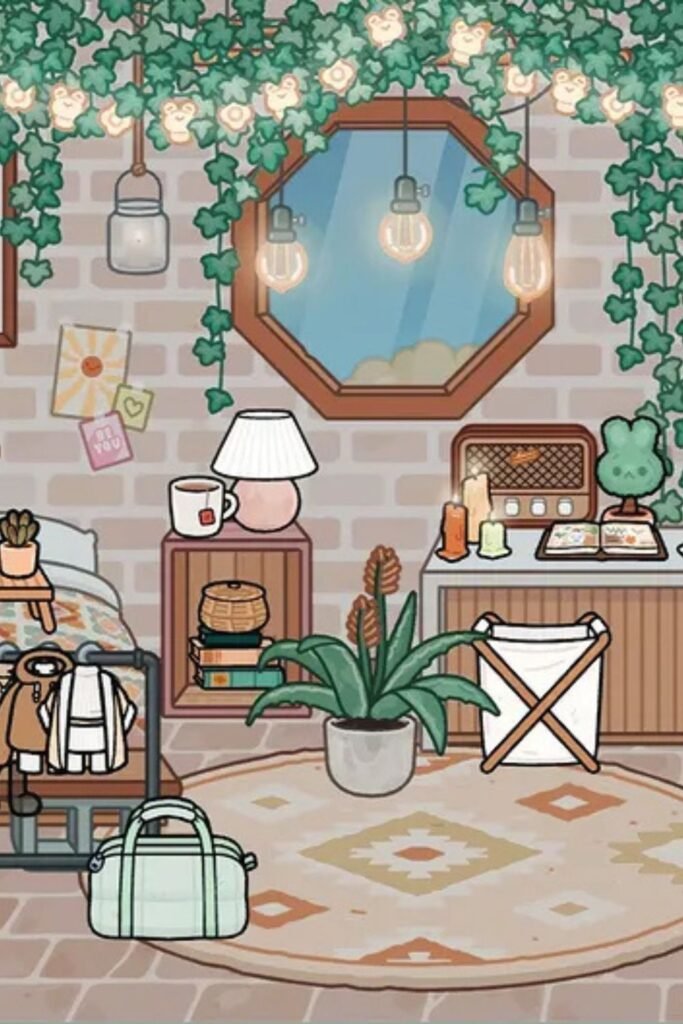
Nature Calm
Soft greenery changes the mood of a kids room without adding noise or clutter. A setup like this works beautifully for kids who need a calm place to rest, read.
The environment feels inviting and secure thanks to the hanging vines, soft lighting and natural materials. To get a similar atmosphere, begin with neutral colored bedding.
Incorporate imitation plants suspended from above and choose for warm lamps rather than harsh and overhead lighting to maintain a sense of calm.
Soft Play
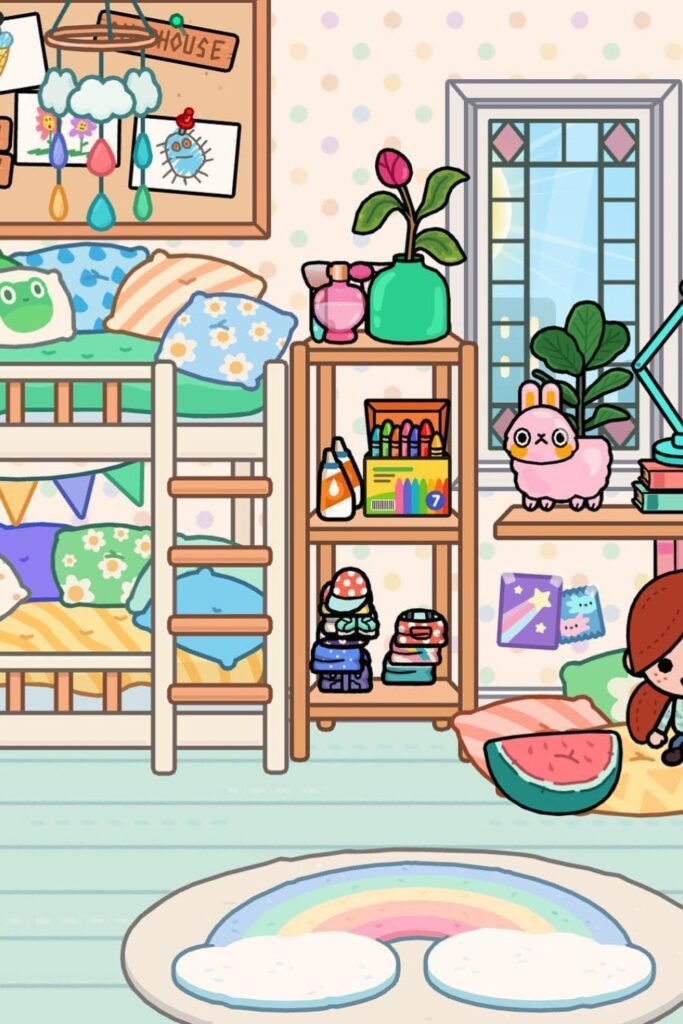
Play doesn’t need a separate room when the bedroom is planned smartly. A setup like this works best for small spaces where sleep and play need to live together.
Bunk beds are a clever way to reclaim floor space, opening up possibilities for cozy cushions, reading nooks and peaceful play areas.
Then, maintain an open floor plan with a simple rug and a scattering of easily mobile pillows, allowing children to rearrange their environment as they want.
Play Balance
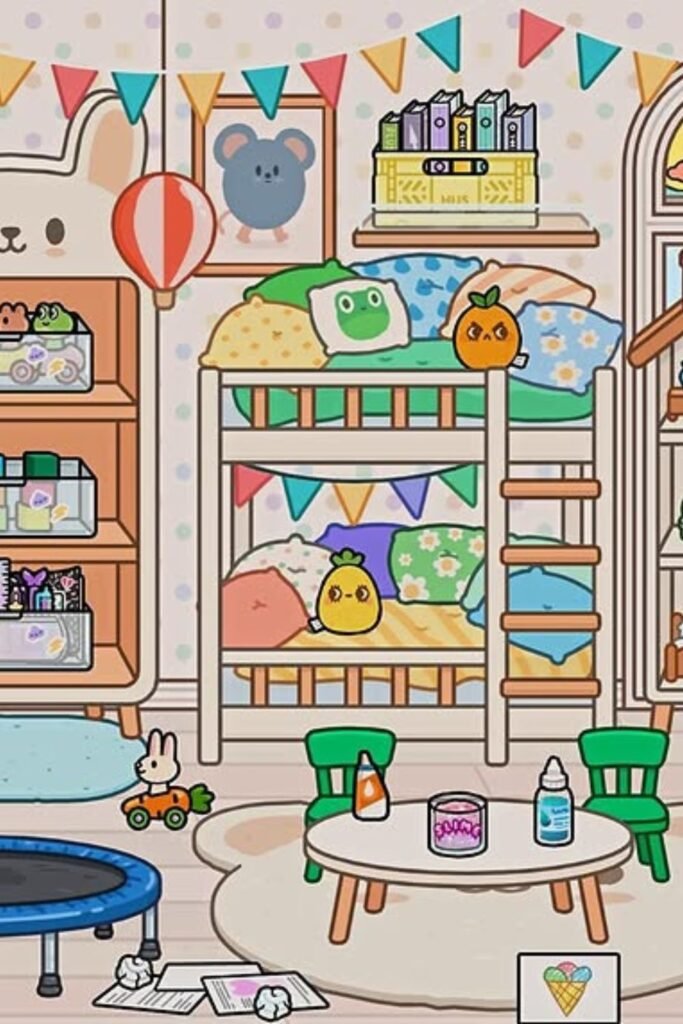
Energy heavy kids need a room that lets them move without taking over the whole house. A setup like this fits best in shared bedrooms or active play sleepers.
Combining sleep furniture with a small trampoline or a play area on the floor helps keep things safe and manageable.
To set this up, push furniture against the walls throw down soft mats or rugs in the middle and stick to one or two pieces of play equipment.
Sleep Haven
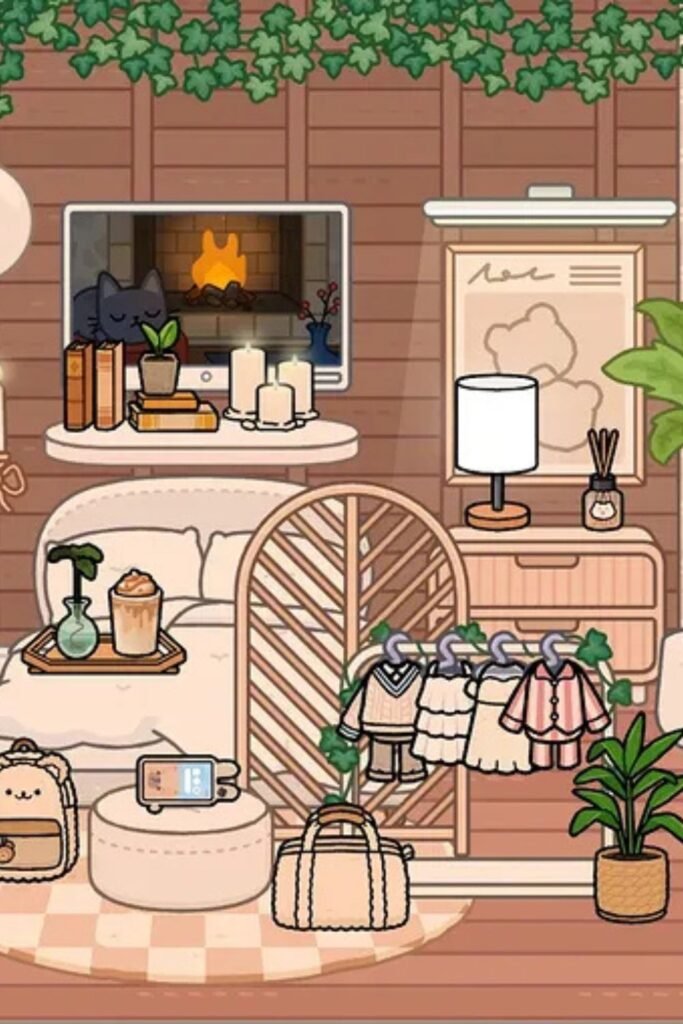
Falling asleep gets easier when the room feels soft and predictable. A setup like this suits younger kids who need calm at night and comfort close by.
Floor beds, canopies and soft lighting all work together to eliminate the intimidation factor of a big bed creating a sense of security.
To replicate this effect, keep everything close to the ground, opt for warm lamps rather than harsh overhead lighting and select soothing colors.

Calm Retreat
Busy kids still need a corner where everything slows down. A setup like this fits best in bedrooms used for quiet play, reading, or evening wind-down time.
Soft seating, the glow of warm lamps, and natural textures all work together to produce a sense of calm, rather than overwhelming stimulation.
To get this effect, go for low-profile furniture, incorporate plants or other forms of greenery, and favor warm light sources over harsh overhead lighting.
Soft Comfort
Some kids relax better when their room feels gentle instead of playful. A setup like this works well for kids who love quiet time and reading or winding down alone.
Puffy seats, soft bedding, and warm wall colors provide a sense of safety and familiarity. To replicate this prioritize texture think cushions, rugs, and soft fabrics.
Then, keep the decor uncomplicated, ensuring the space remains cozy, not distracting, particularly after dark.
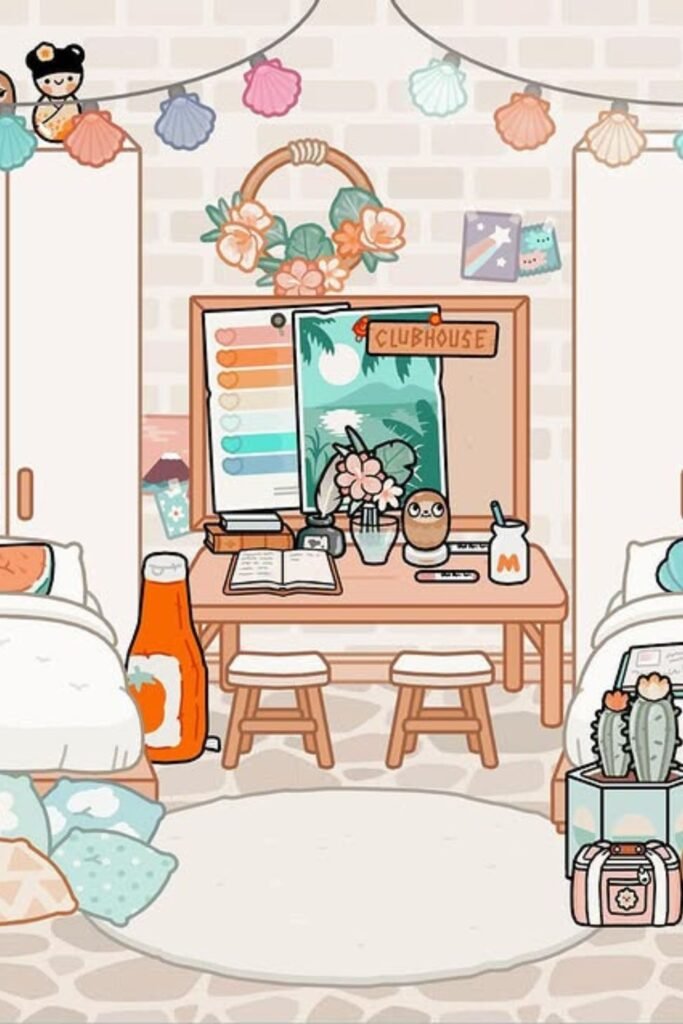
Shared Harmony
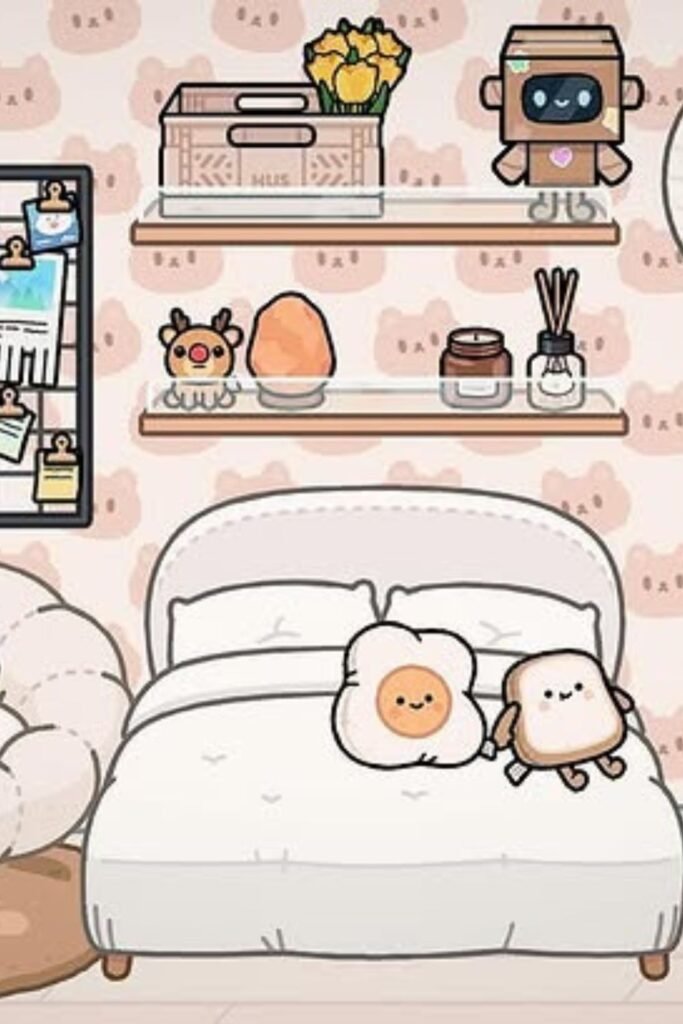
Sharing a room feels easier when both kids get equal space without competing for attention.
A layout like this works best for siblings close in age who sleep and play in the same room.
Symmetry is key matching beds and mirrored storage offer a sense of equilibrium. A shared workstation positioned centrally fosters collaboration.
Smart Layers
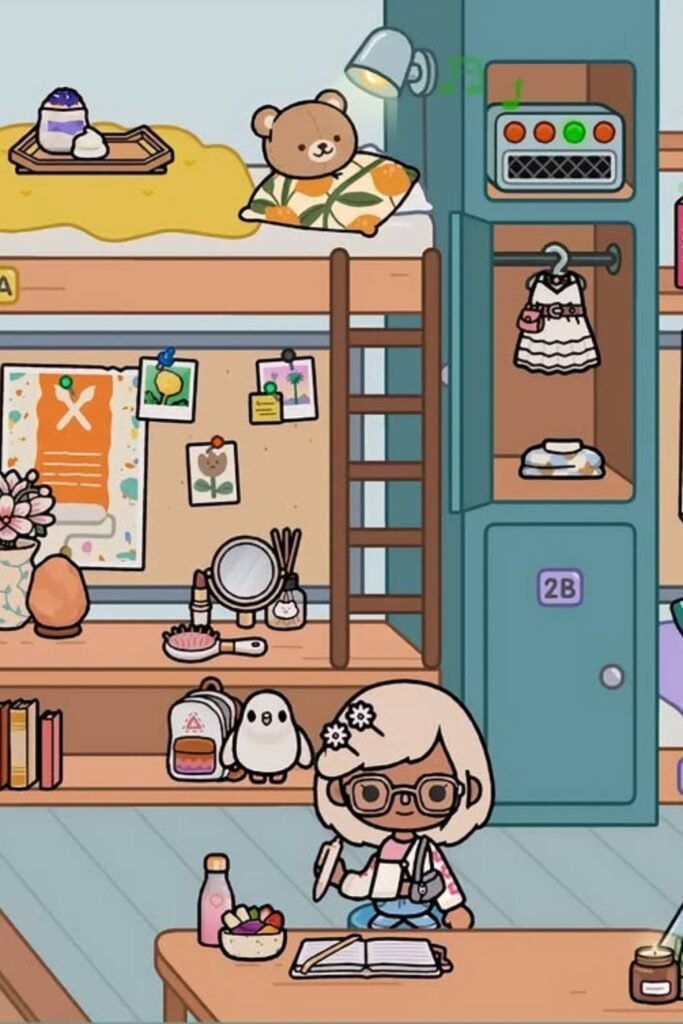
Limited space stops feeling like a problem when the room works in levels. A setup like this suits small bedrooms where sleep, study and storage all need to fit together.
Lofted or bunk beds create space beneath for desks, bookshelves or a cozy reading nook.
To achieve this, prioritize verticality sleep up high, and dedicate the lower area to practical uses.
Green Escape
Nature themes work surprisingly well for kids who need a calmer place to reset. A space like this fits best in bedrooms meant for rest, quiet play, or bedtime reading.
Plants, the grain of wood, and gentle lighting all contribute to a sense of calm in a space, preventing it from being overwhelming.
To achieve this, combine genuine or artificial plants with furniture in warm hues, steering clear of anything too vibrant.

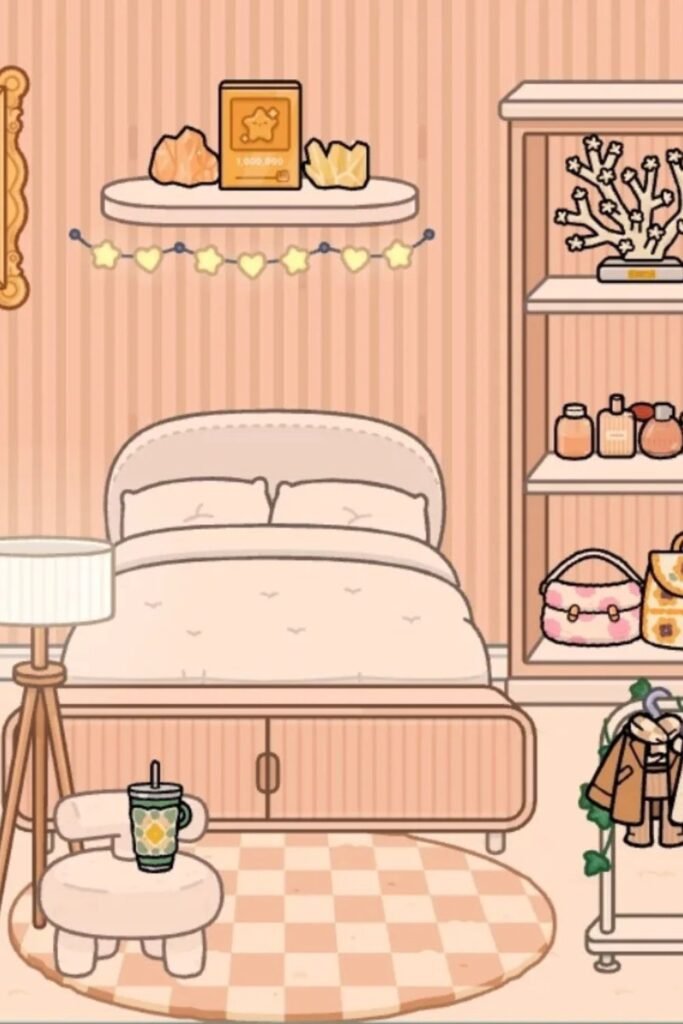
Warm Cozy
Soft colors help a kids’ room feel safe without feeling boring. A setup like this works best for kids who enjoy calm play, drawing, or quiet time before bed.
Peach, beige and light brown hues create a cozy, inviting atmosphere. To get this look, begin with neutral furniture.
Then, introduce warmth with smaller elements such as lamps, cushions, and wall shelves. Sticking to a consistent color palette and prevents area being cluttere overwhelming.
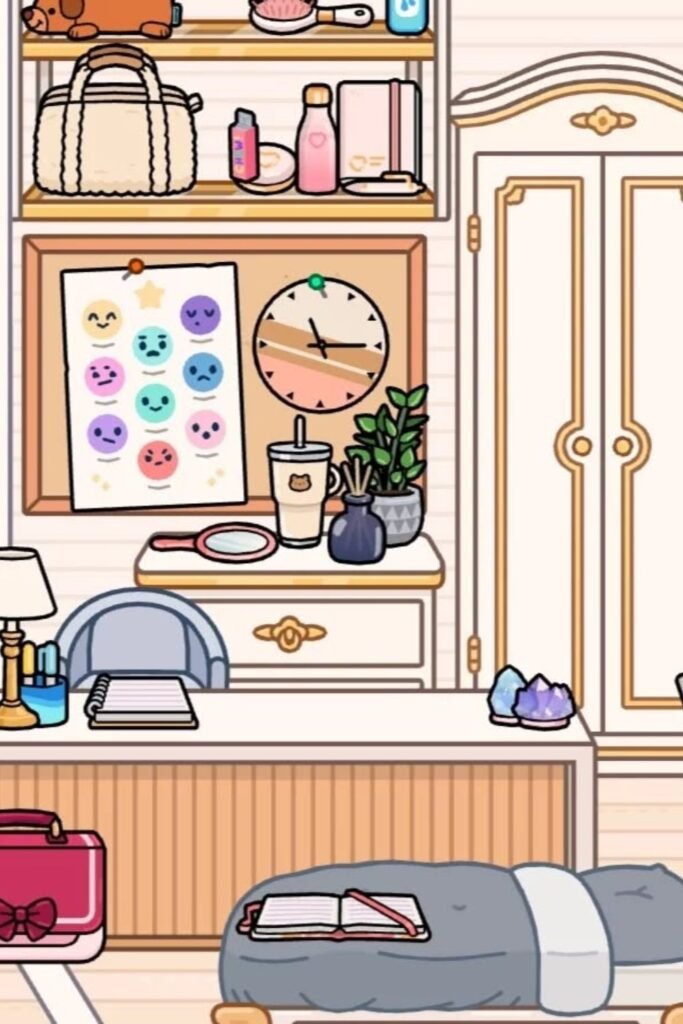
Study Focus
Schoolwork feels easier when the room supports concentration instead of distraction.
A setup like this fits best for older kids who need a clear place to read, write or do homework.
A well organized desk and concealed storage and minimal wall art contribute to a focused mindset.
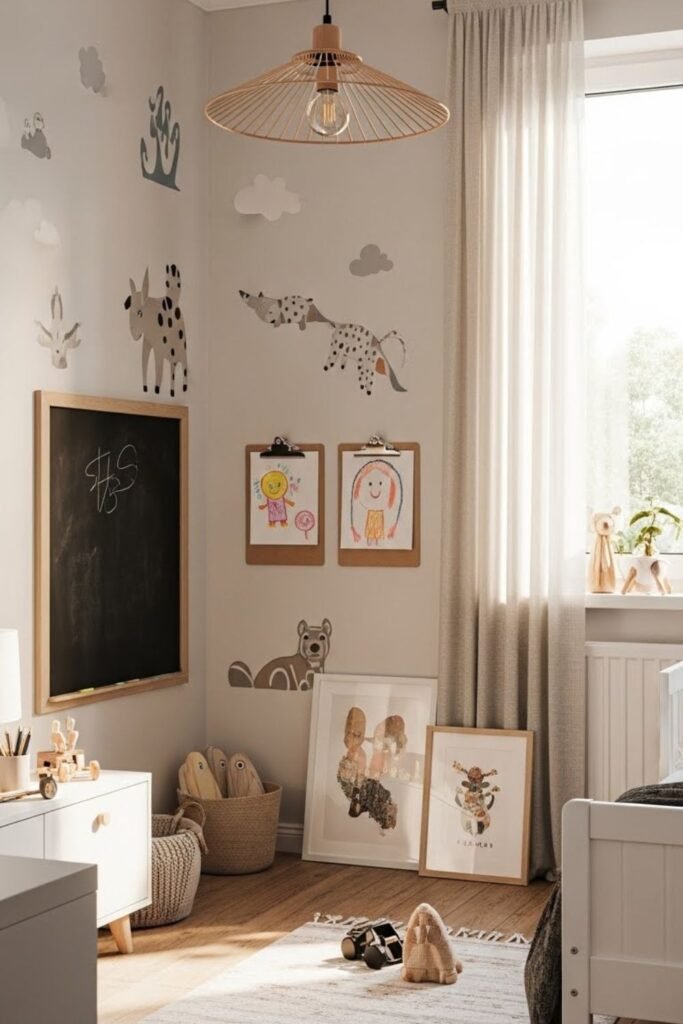
Imagination Wall
Walls don’t have to stay quiet. Turning one wall into an interactive imagination space works best for kids who love storytelling, pretend play or role play.
A straightforward arrangement using removable decals, clipboards, chalkboards, or picture frames allows the wall to evolve alongside their thoughts.
Begin with a single section rather than committing to the entire wall. Opt for a neutral base ensuring that drawings, notes or characters take center stage.
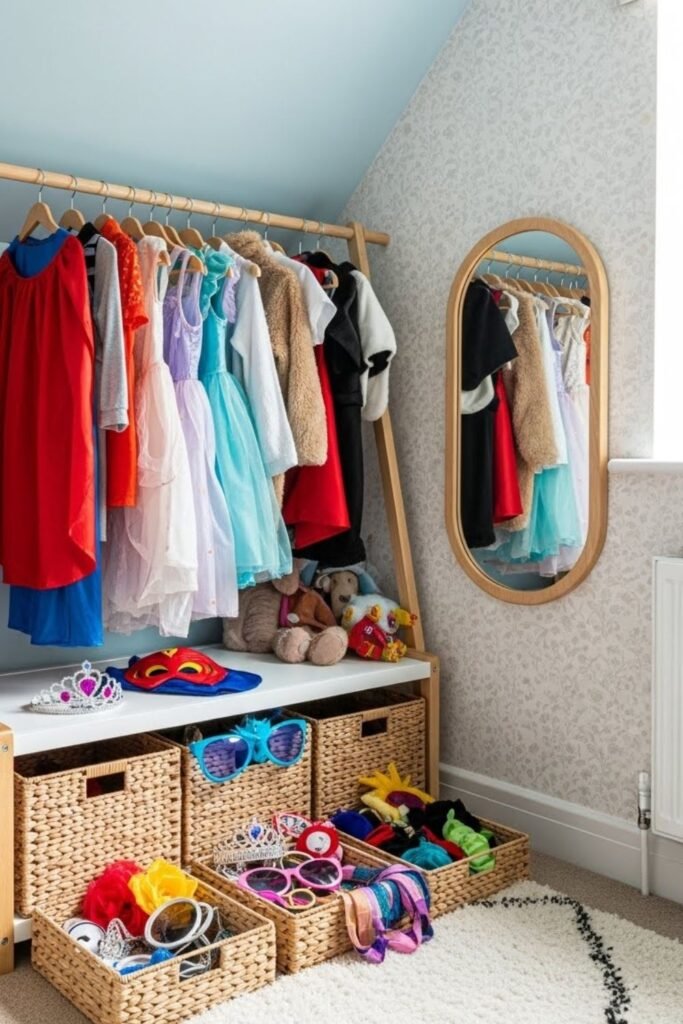
Dress-Up Nook
Costumes scattered everywhere usually mean kids are using them often. Giving dress-up its own nook makes play easier and cleanup faster.
A low clothing rack, some open baskets and a small mirror empower children to select their own outfits.
When everything is easily accessible kids remain engaged for longer periods and the room maintains a playful atmosphere without appearing cluttered.
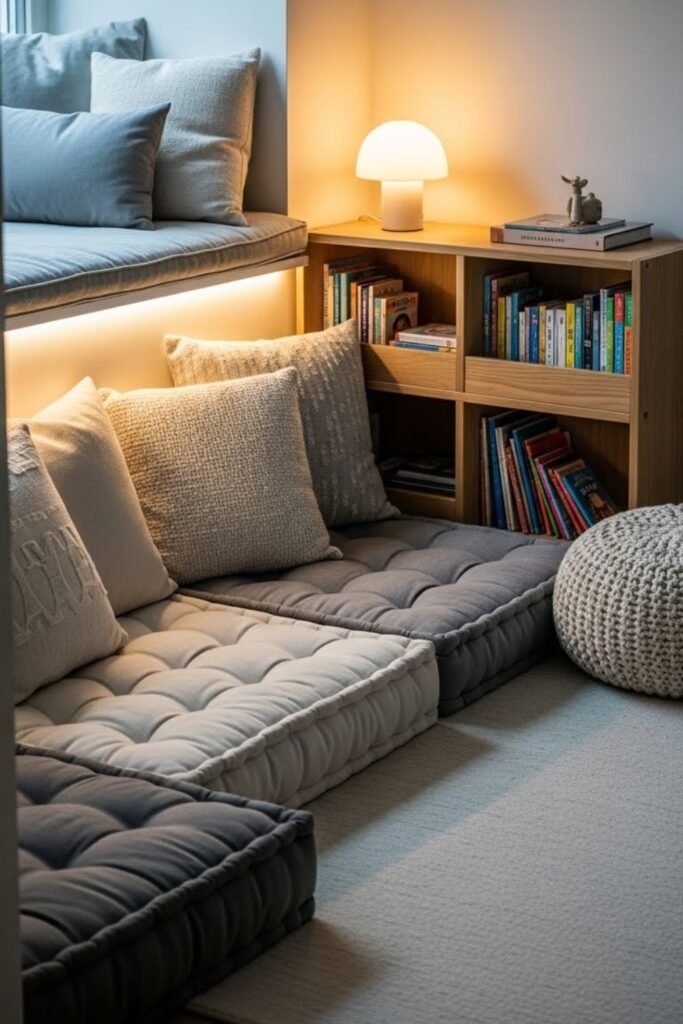
Reading Hideout
Reading is more enjoyable when it’s done in places other than a desk or a bed.
A reading nook finds its ideal home in those overlooked spots nooks and the spaces beneath windows, for instance.
Floor cushions, a soft light and a handy shelf can turn reading from a task into a habit. Choose soft lighting and keep distractions to a minimum.
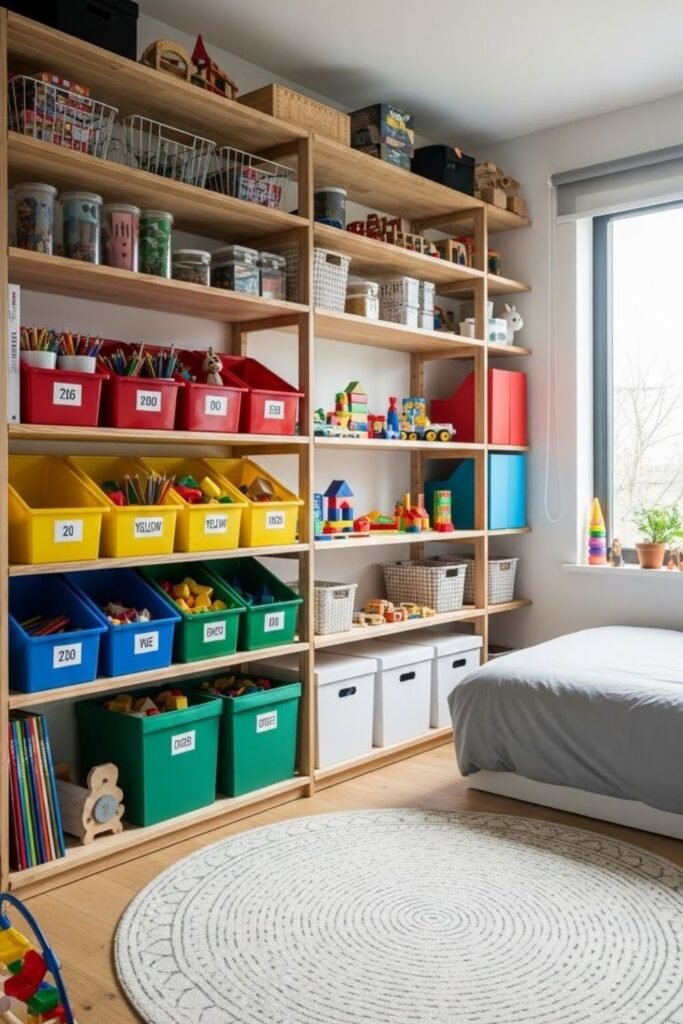
Creative Storage
Storage doesn’t have to disappear into closets. Turning storage into part of the design works well for kids who rotate toys, crafts or collections often.
Open shelves, labeled bins and transparent containers offer kids a clear view of their belongings, eliminating the need to upend everything.
Organizing by activity and rather than by size is key. When storage is purposeful, not concealed children grasp where things go and tidy up more readily without prompting.
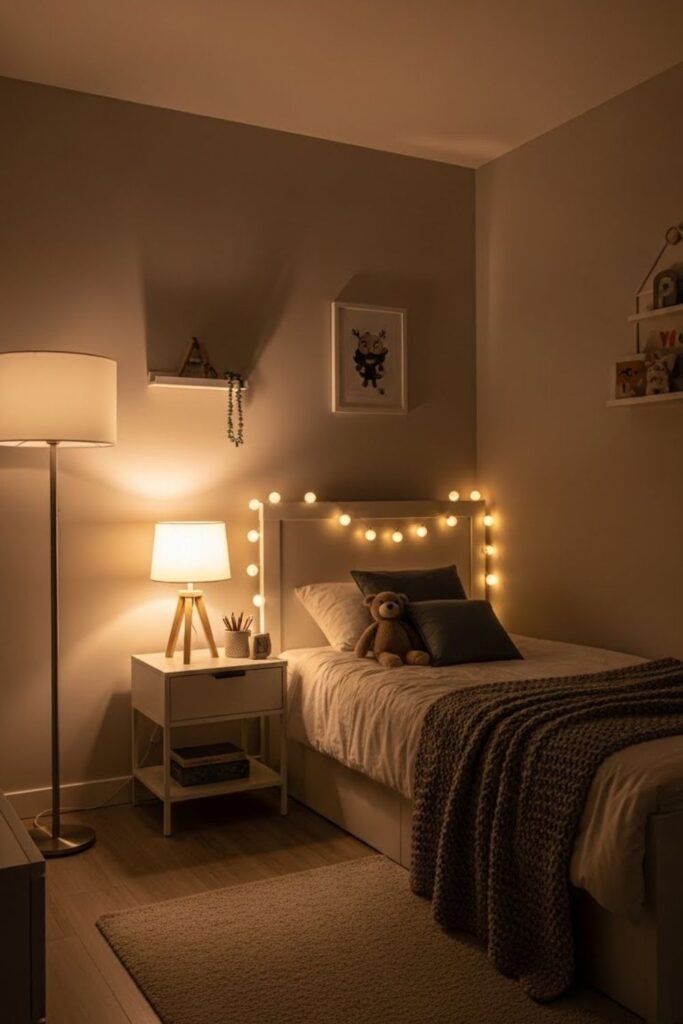
Mood Lighting
A tiered lighting scheme is particularly effective for children and anyone who find it difficult to transition from active play to a more restful state.
Floor lamps, petite table lamps and gentle string lights offer a way to shift the atmosphere without a complete overhaul.
Reserve the brighter bulbs for daytime tasks, and embrace the softer glow as evening falls. The moment those glaring overhead lights are switched off.
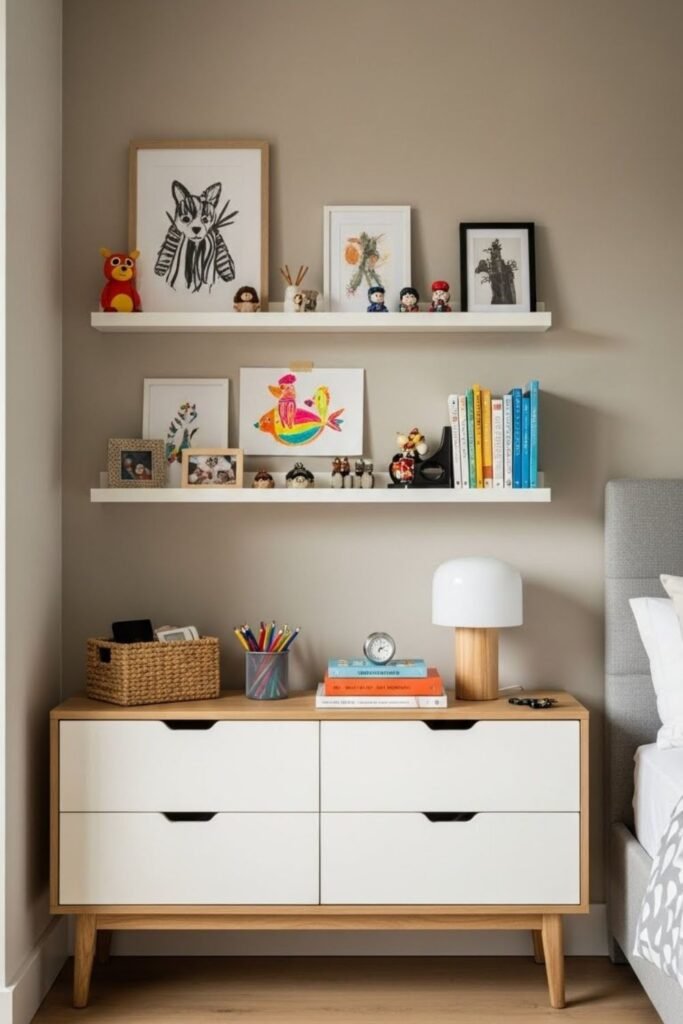
Personal Display
Kids feel proud when their interests are visible. A personal display area works well for showcasing drawings small collections, or favorite finds.
Shelves, pinboards, and ledges help keep things tidy and they also give kids a sense of control over their environment.
Changing out the displayed items frequently prevents the area from feeling stale or overcrowded.
FAQs
Can a Toca Boca–inspired kids room grow with my child?
The real secret lies in prioritizing adaptability not in clinging to fixed ideas. Think about utilizing removable wall decorations choosing furnishings in neutral colors.
And integrating storage options that can be adapted for different uses. This approach allows for a smooth transition as your child outgrows certain items or color preferences.
Updating the accessories is a straightforward way to refresh things rather than embarking on a full-scale redecoration.
How do I keep a Toca Boca kids room fun without it looking messy?
Establishing distinct places for play, rest and storage is essential. Bright colors should be used, perhaps in designated spots, but overall room should have a tranquil base.
Open storage is most effective when every item has a clearly defined home.
When children understand where things go, the room remains enjoyable and orderly, rather than descending into disorder.

Hi, I’m Afaf! I’m a law student who loves writing about everyday life – from home projects and crafts to fashion, beauty, and parenting tips.
I’ve been writing for over a year, sharing ideas that are simple, practical, and easy to try. I write about things I find interesting and useful, whether that’s organizing a space, trying a new DIY, or finding activities to keep kids entertained.
My goal is to share helpful ideas without making things complicated. If it works in real life, I’ll write about it.
When I’m not studying or writing, I’m usually experimenting with new projects or scrolling for inspiration!