
28 Summer Kids Activities for 2026
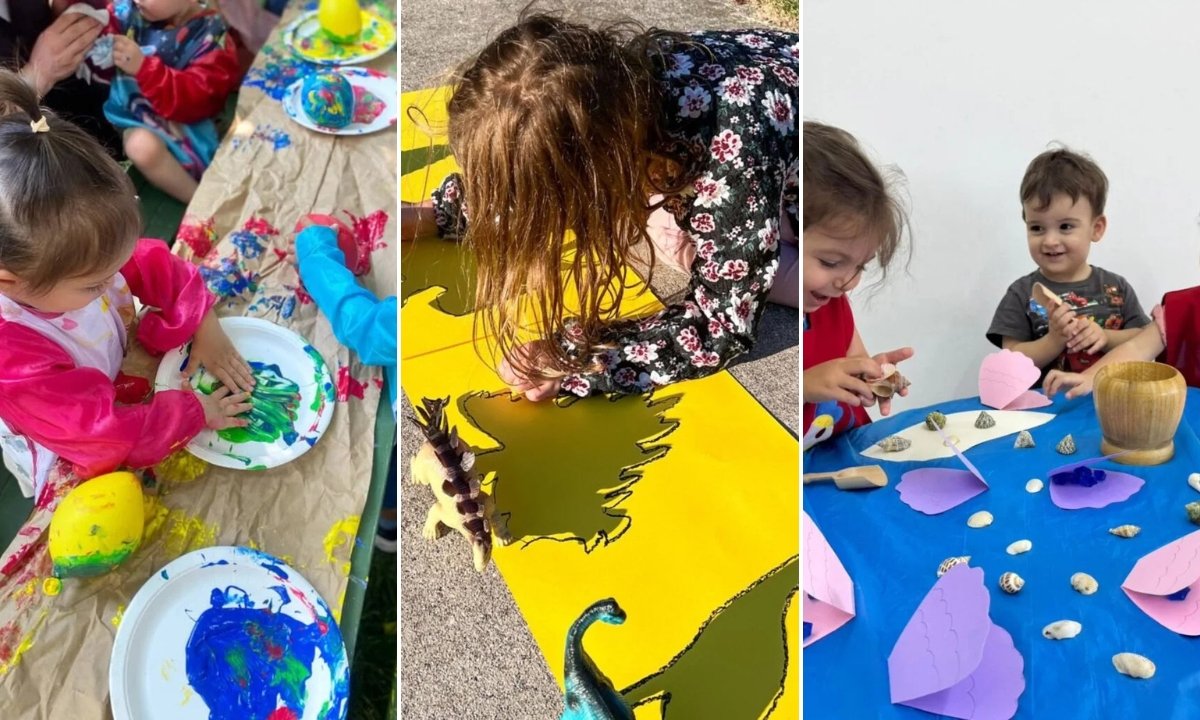
Summer begins off on the right foot. You think about bike rides, activities in the backyard, and maybe even some reading time.
You hear “I’m bored” over and over again by the second week. The screens are on longer than you expected, and you wonder if you should be doing more.
You want kids to have fun on their break, but you also don’t want to be foggy-headed for three months.
In this article, I will show you 28 summer kids’ activity that will balance learning, play, and creativity.
Let’s jump in!
How Can Summer Activities Support Learning Without Feeling Like School?
Your kids will shut down quickly if you give them workbooks in July. But if you put learning into action, they will lean in without even knowing it.
Your child learns math when they set up a lemonade stand. They learn about science when they establish a tiny garden.
They utilize their reading and problem-solving skills to arrange a picnic. The secret is easy: stop talking and start doing.
They stay inquisitive if it seems like play. And when kids stay interested, they learn on their own, without a classroom.
Save this article for later!👇👇👇
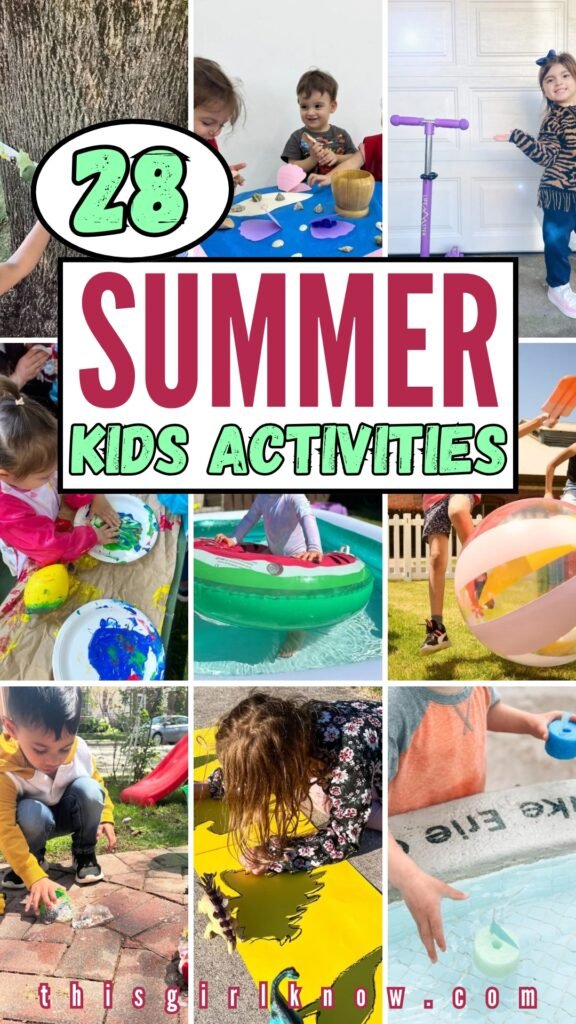
Splash Pool
Hot afternoons feel longer when kids have nothing exciting to do. A small inflatable pool in the backyard changes the mood instantly.
Fill it up in the morning so the water warms up on its own. Then add a float or a few waterproof toys and let the kids play.
Add easy tasks like “collect all the floating toys in 30 seconds” or “kick to make the biggest splash.”
Movement helps people get better at coordinating their bodies, and playing in water keeps everyone cool without having to leave the house.
Great for toddlers and younger kids who need close, safe supervision but still want to feel like they’re in a mini water park.
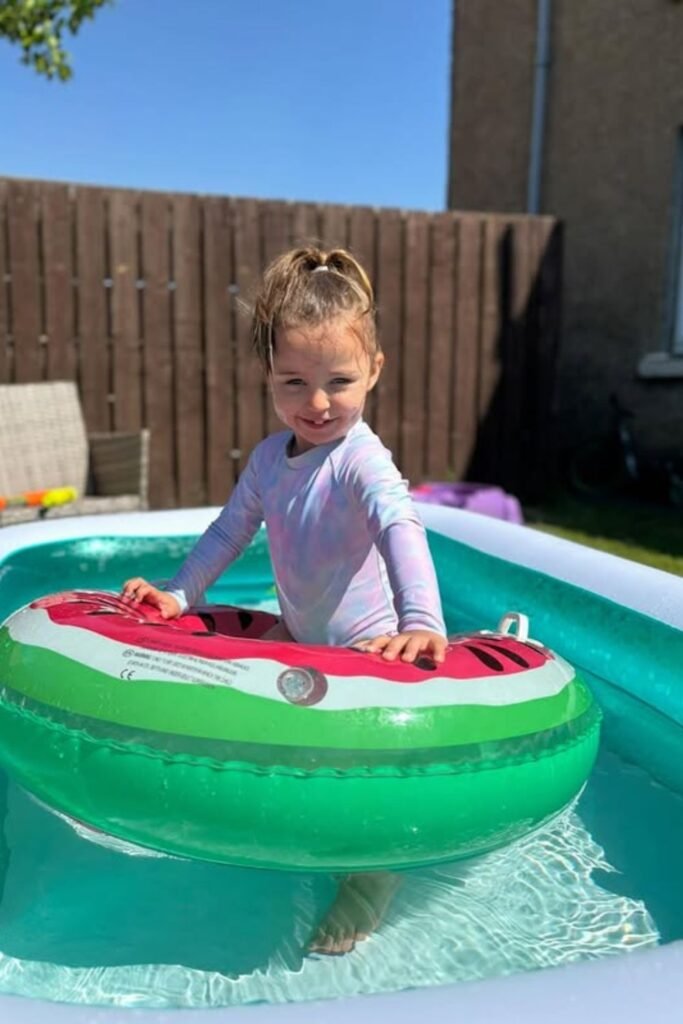
Backyard Bash
Energy levels explode in summer, so give it somewhere to go. Turn your backyard into a mini obstacle zone.
Using soft balls, beach balls, cones, and anything else that is safe to leap over or run around.
Make up easy rules like “kick the big ball to the fence,” “hop over three things,” or “race while holding an inflatable.”
This kind of movement helps people improve their balance, coordination, and teamwork without them even knowing they’re doing it.
Great for sunny afternoons when you need some quick, energetic fun and screens start to get in the way.
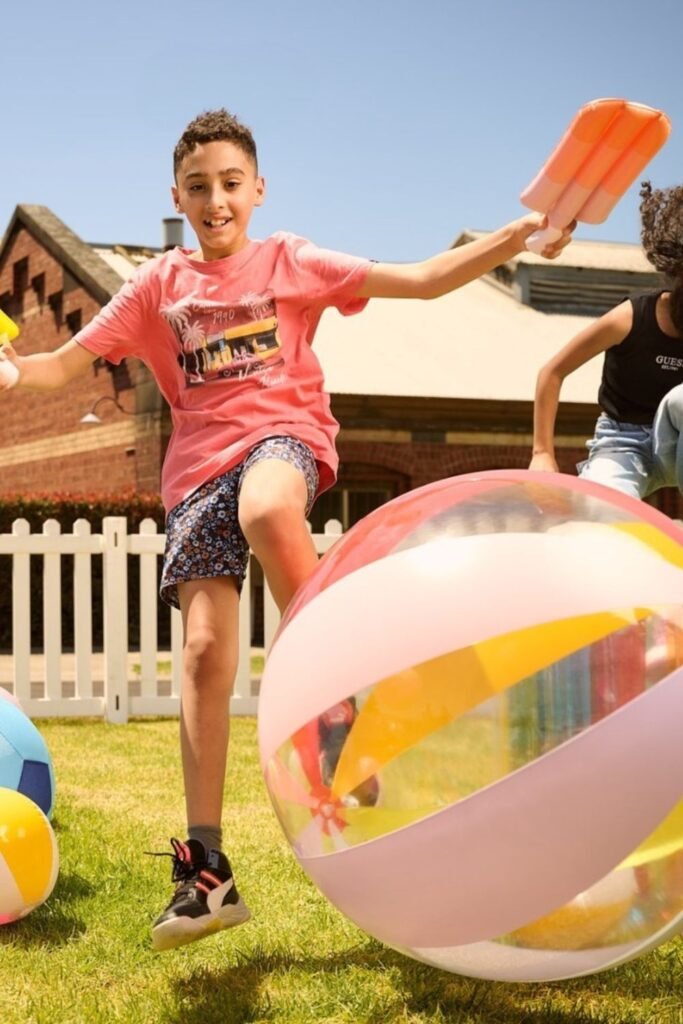
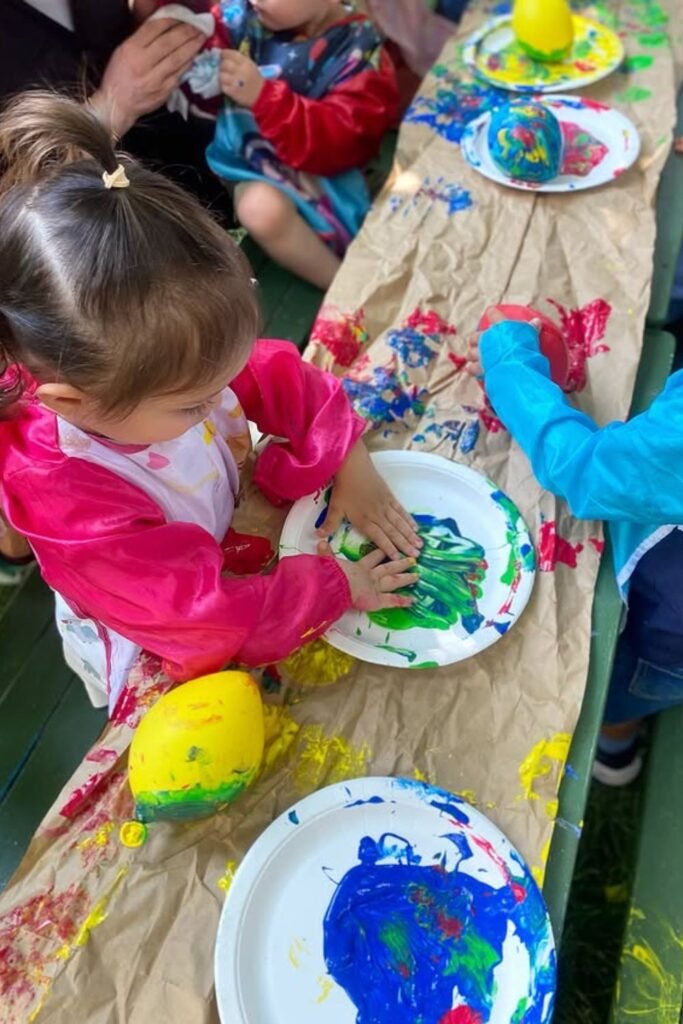
Messy Painting
Clean hands are overrated in summer. Spread butcher paper across an outdoor table, pour washable paint onto paper plates.
And let small hands go in. You can use your fingers, palms, or even toy cars as paintbrushes.
Outdoor area helps keep tension down because spills don’t matter.
This kind of sensory play helps kids develop both their fine motor abilities and their inventiveness.
Ask what new color you get when you blend two colors. Kids’ curiosity rises quickly when they do things on their own instead than following directions.
Best for toddlers and preschoolers who learn better by touching and exploring than by sitting still and drawing.
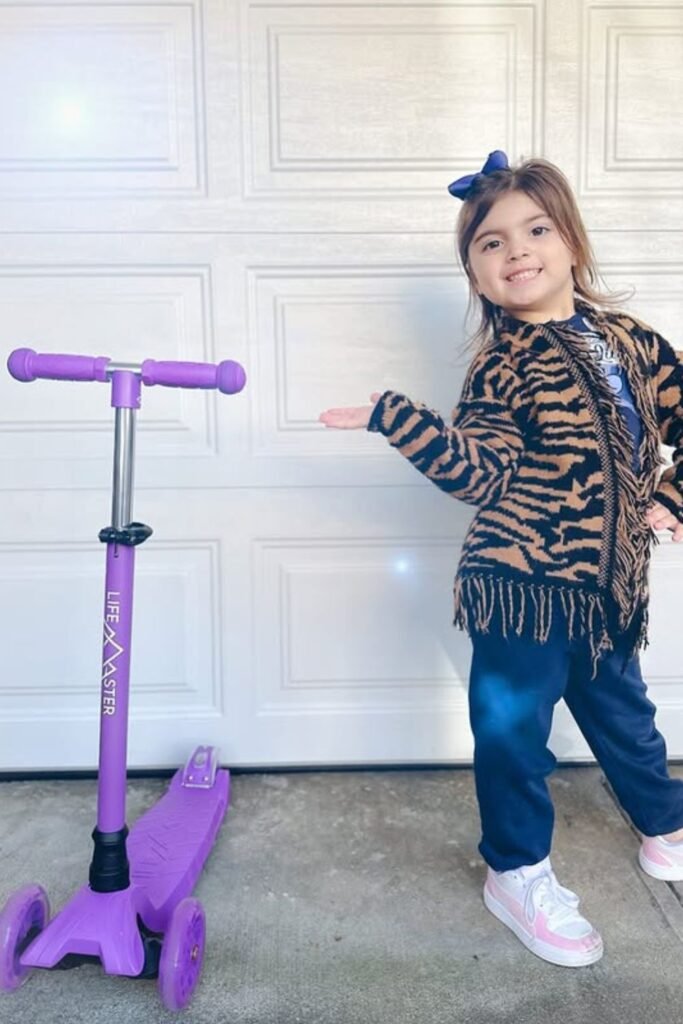
Scooter Rides
Freedom starts with two wheels and a little push. Sidewalk rides build balance, leg strength and confidence without feeling like exercise.
Choose a quiet neighborhood or driveway establish little goals like ride to the mailbox and back and applaud your progress instead of how fast you go.
Add basic tasks like weaving between cones or halting at chalk-drawn traffic signs to sneak in coordination and listening skills.
The greatest time to work is in the early evening when the pavement isn’t too hot. Put on your helmets.
Have water nearby, and have room to maneuver safely. By the end of summer, short rides every day will have turned into massive skill jumps.
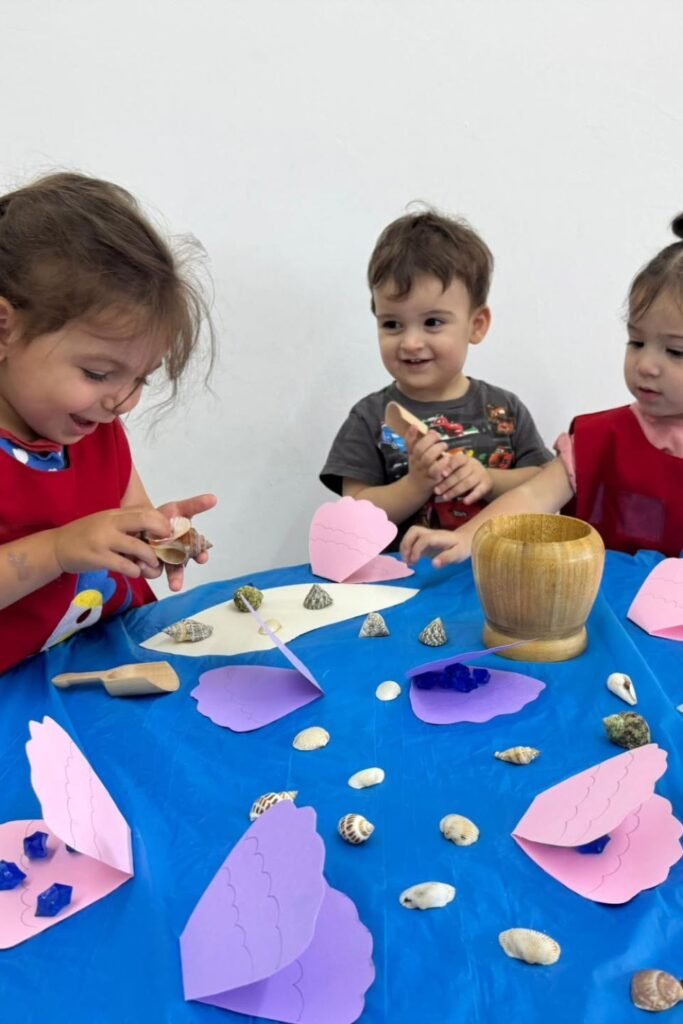
Shell Sorting
Beach days don’t have to end at the shore. Spread out collected seashells on a table and turn them into a mini discovery station.
Ask kids to put shells in groups based on their size, color, or texture. Ask easy inquiries like “Which one feels rough?” or “Which pile has more.
Sorting helps kids learn math without using workbooks. You may make miniature scenarios and get kids to narrate stories.
By adding paper cutouts of clams or sea creatures. The greatest places for everyone to sit and focus are kitchen.
Tables or patios with shade. Little hands that touch real things instead of plastic toys make curiosity blossom quickly.
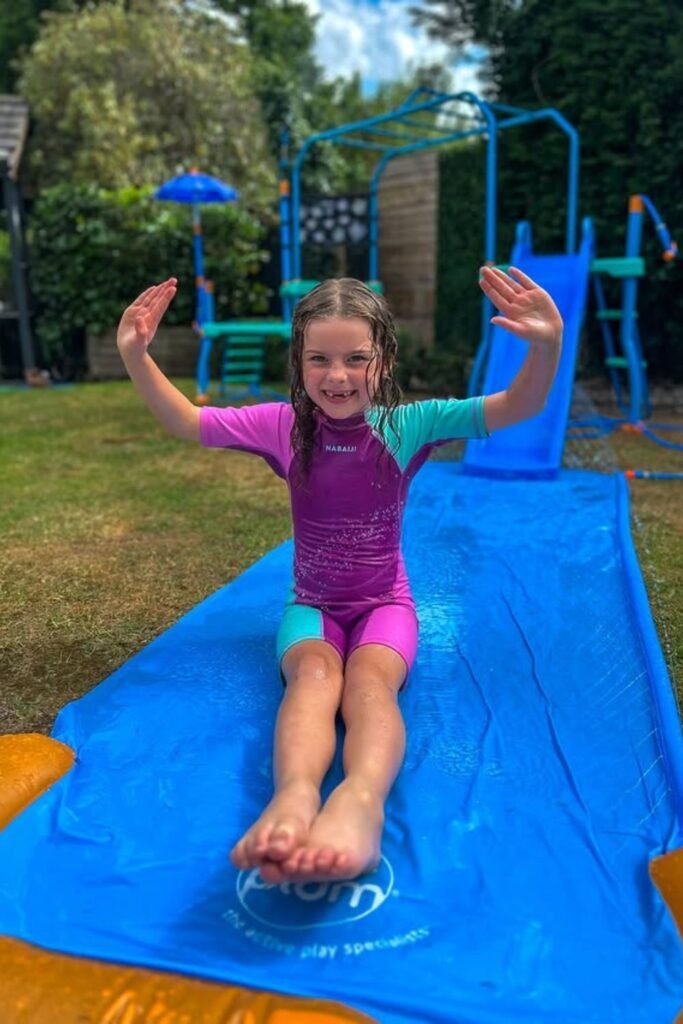
Water Slide
Nothing resets a cranky afternoon faster than a backyard water slide. Roll one out on the grass, hook up the hose, and let laughter do the rest.
Add tiny difficulties, such sliding while holding a sponge or racing to get the floating toys at the finish.
Kids’ gross motor abilities get better on their own when they run, balance, and land safely. Early evening is excellent.
Because the earth isn’t too hot and the sun isn’t too strong. Keep towels close and the rules simple: one foot at a time.
When the backyard becomes the splash zone, you don’t have to go to the pool to have a great time.
Nature Garland
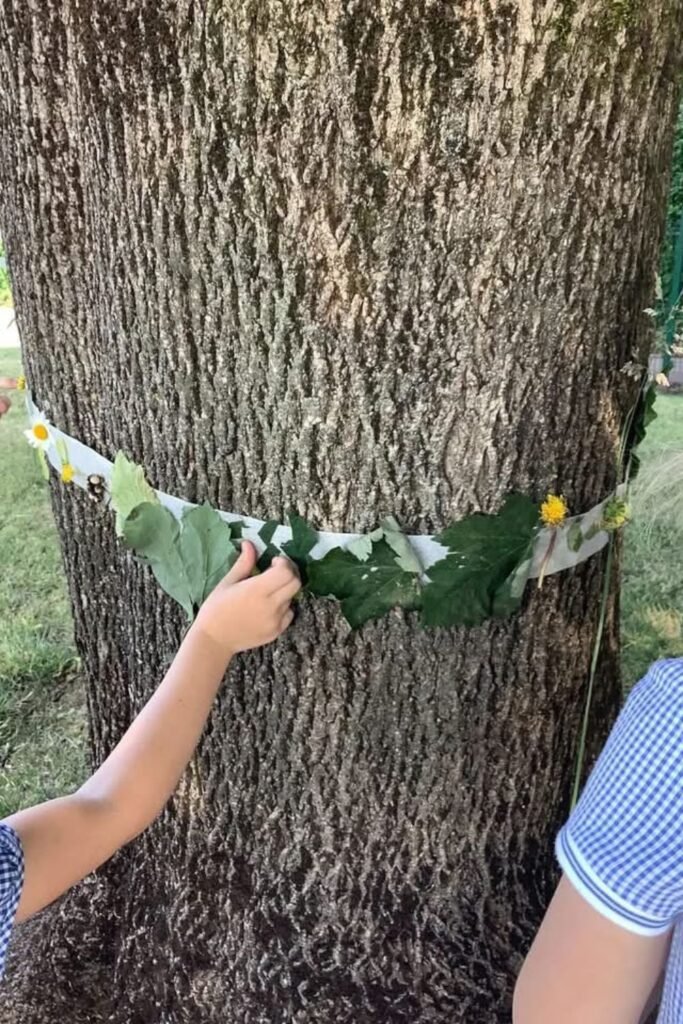
Summer feels different when kids start noticing small details outside. Hand over a strip of masking tape, sticky side out.
And carefully wrap it around their wrist or a tree trunk. Ask them to stroll around the yard and press on little things like leaves, flowers, and tufts of grass.
You don’t need any special supplies. The focus changes from hurrying to gathering and watching.
Why does this one feel rough?” Great for short walks around the neighborhood, at parks, or in your own backyard.
Kids get more curious when they take their time and look closely instead of merely running by.
Sponge Boats
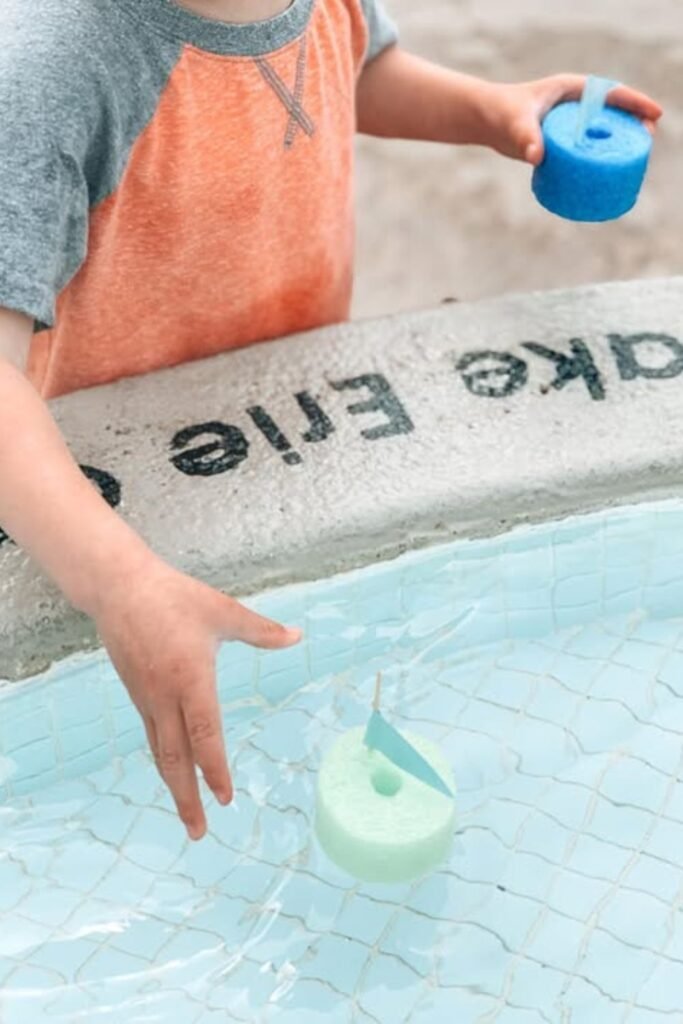
Science sneaks in best when it floats. Grab a few sponges, cut small slits on top, and slide in paper sails using toothpicks or straws.
Put them in a big bowl, a kiddie pool, or a water table. Inquire about which one moves more quickly and why.
Try again with a different size sail. Small changes make play into actual problem-solving.
It doesn’t matter if water splashes on outdoor tables or patios with shade. Kids learn about balance buoyancy.
And wind with out having to sit through a single lecture. When investigations feel like a race instead of a lesson curiosity lasts longer.
Beach Splash
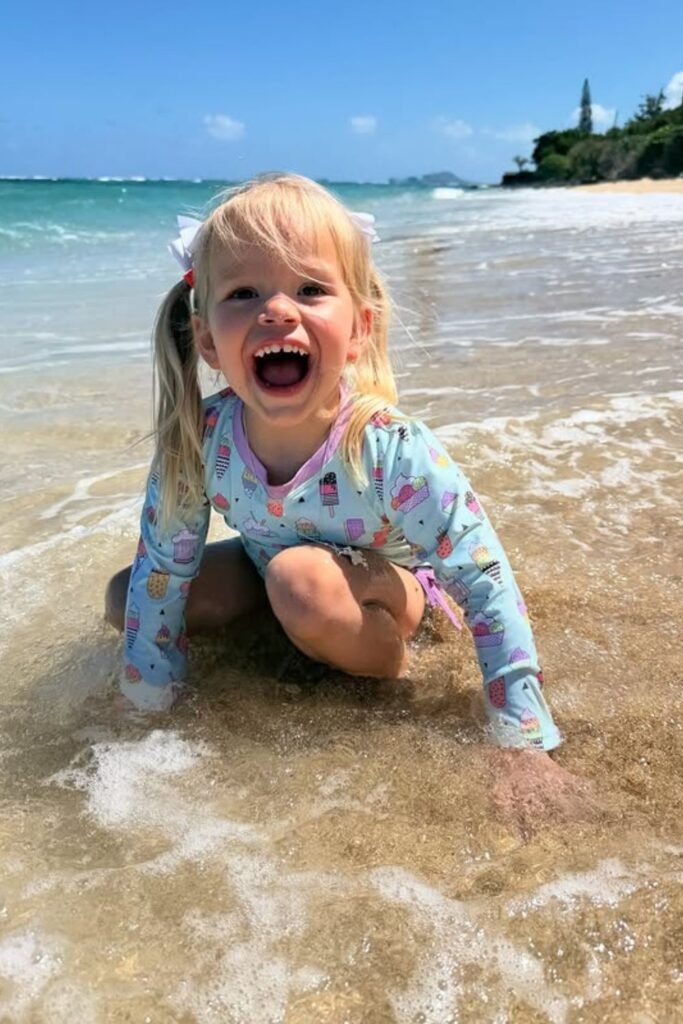
Salt water and sand solve boredom fast. Head to the shoreline early in the morning when crowds are light.
And the sun feels gentler. Let kids dig channels for waves to fill, bury shells, or race the foam as it comes in.
Playing outside like this increases strength and awareness of the senses without any gear. Bring a small bucket.
And look for smooth stones or interesting shells to put in it. Younger kids do best with short trips to the beach leave before they get too tired.
You don’t need a plan for ocean days; just some space to wander and someone to keep an eye on you are all you need.
Shadow Tracing
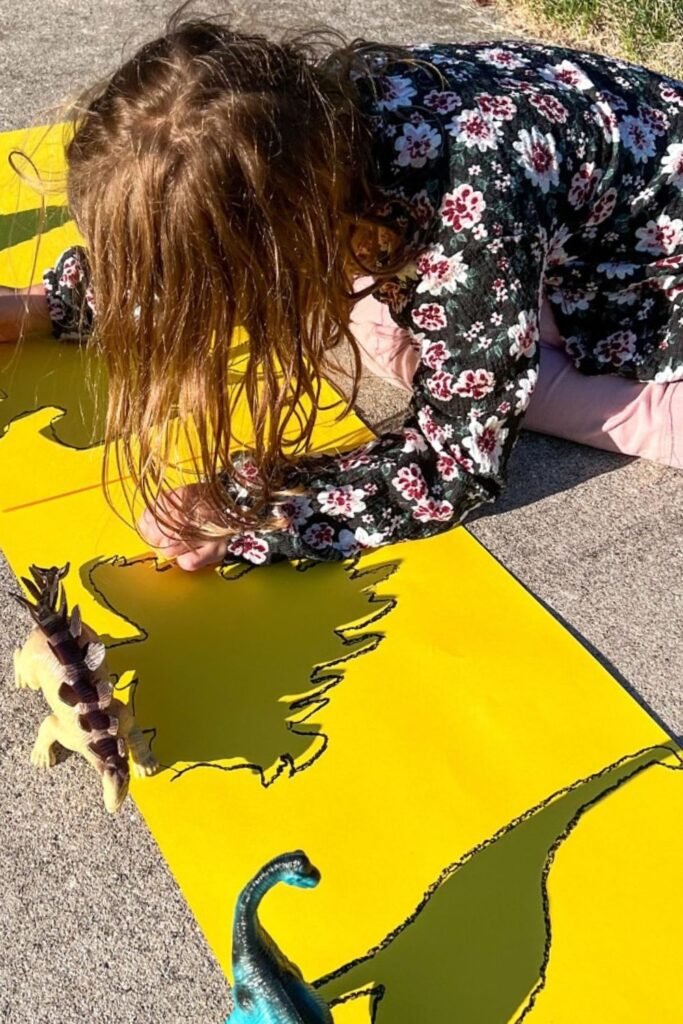
Sunlight does half the work for you. Lay large sheets of paper on the driveway, place toys on top.
and let the shadows make the shape. Give them a marker and ask them to carefully trace the shape.
Move the toy later in the day and see how the shadow changes. Kids get interested quickly when they observe how time changes what they draw.
Sidewalks and patios perform best when the sun shines directly on them. They get better at fine motor abilities while they try to stay on the line.
To make the exercise last longer without needing more supplies, add color or develop outlines into entire scenes.
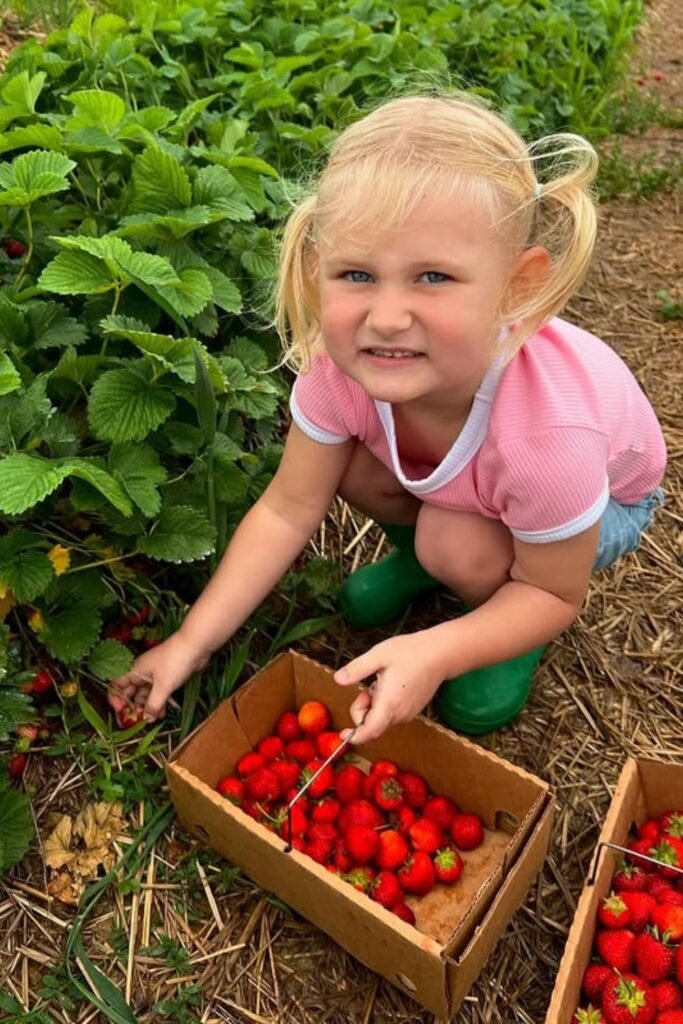
Berry Picking
Nothing tastes better than fruit you picked yourself. Visit a local farm or plant a small patch at home.
And let them pick ripe berries and put them in tiny baskets. Teach them how to find bright colors and soft textures so they know what “ready” looks like.
Counting each fruit as it falls into the box makes harvesting math exercise without any stress.
The next stop is the patio or kitchen, where you wash, sort, and transform the fruit into smoothies or simple treats.
When kids take care of plants and experience the whole process from garden to plate, they learn to be more responsible.
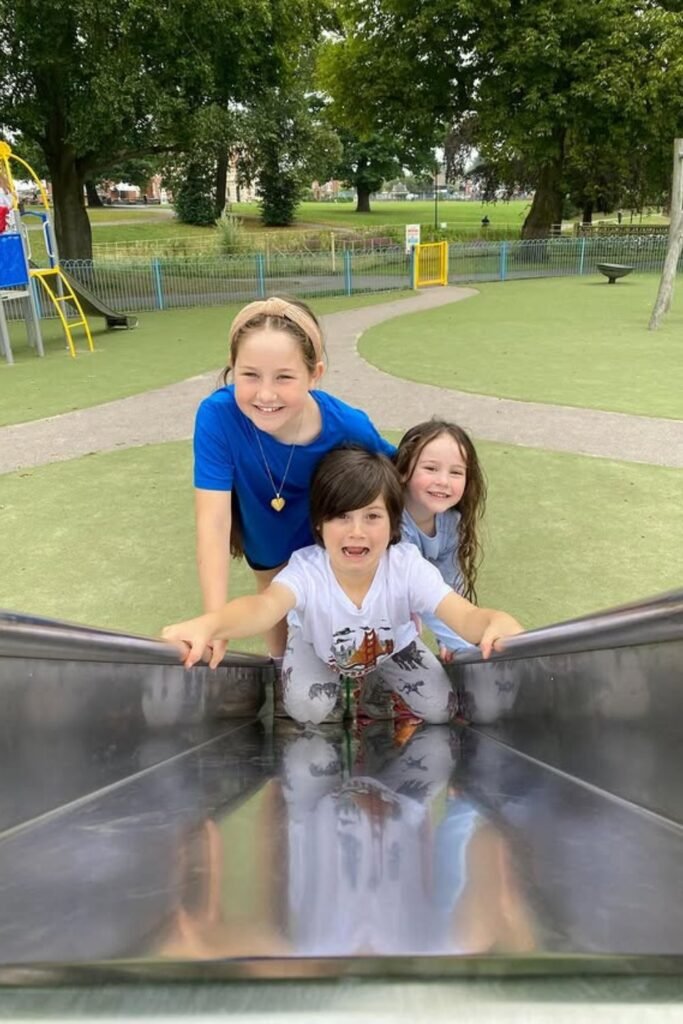
Park Play
Fresh air changes everyone’s mood. Head to a local park and let kids climb, slide, and swing without rushing them through it.
Playgrounds help kids get stronger, improve their balance, and make friends all at the same time.
Set little goals, like going up one more step or trying out a new piece of equipment. Ask your family or friends to join so that you can work together.
When the equipment isn’t too hot, late mornings or early evenings are excellent. Kids can burn off additional energy in open spaces.
Which makes for quieter nights at home. Sometimes the simplest trip can help you reset the most.
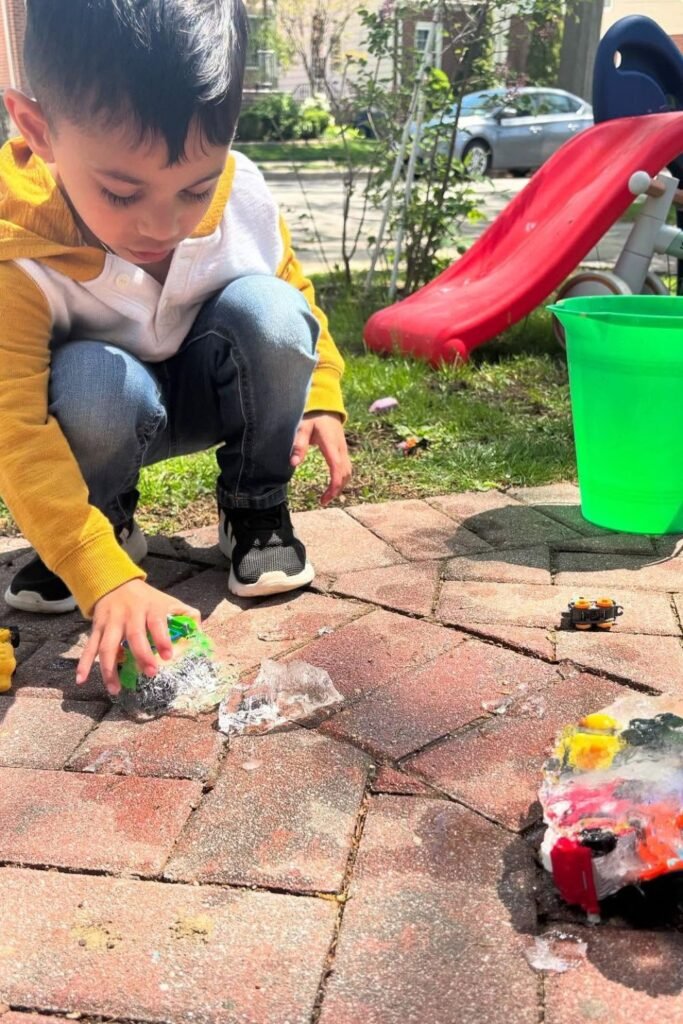
Ice Rescue
Frozen toys turn an ordinary afternoon into a mission. Fill small containers with water, drop in mini cars or figures and freeze overnight.
Hand kids a bucket of warm water, spoons or safe tools and let them “rescue” what’s trapped inside.
Patios or driveways work best since melting gets messy fast. Patience builds as they figure out.
Whether pouring, tapping or waiting works better. Talk about what makes ice melt faster and watch curiosity take over.
Problem solving feels exciting when there’s a clear goal. Simple setup, big engagement and zero screens required.
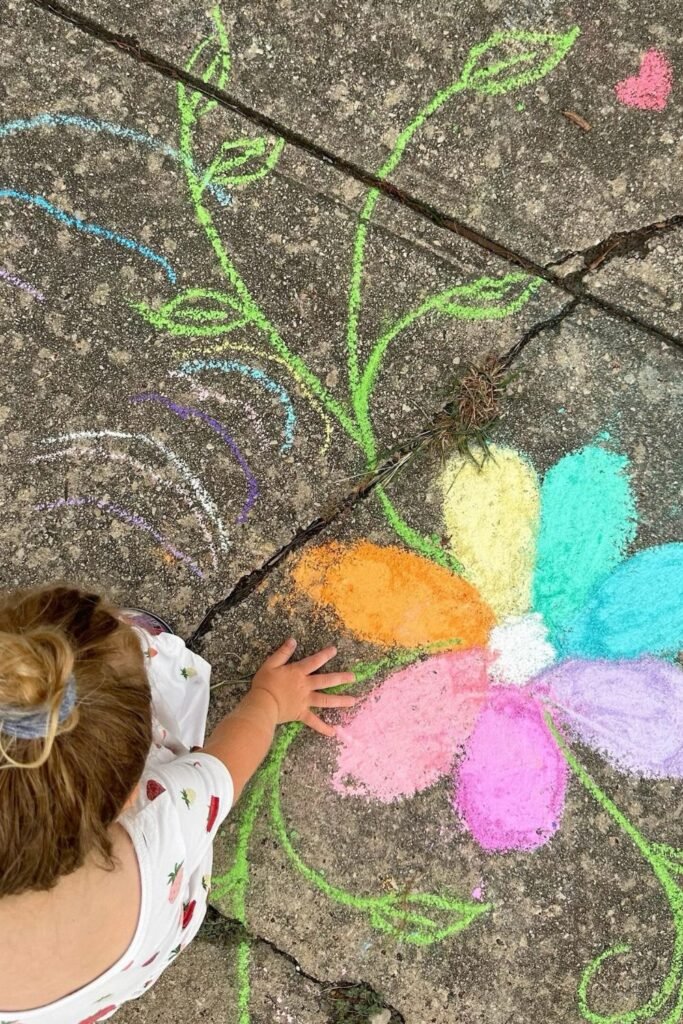
Chalk Garden
Driveways turn into giant canvases in summer. Hand over colorful chalk and invite kids to design their own oversized flowers, vines.
Or scenes from the full garden. Begin with plain outlines, and then add brilliant colors to each part.
Petals and stems can even use fractures in the sidewalk as natural boundaries. This kind of outdoor painting helps you be creative.
And improve your hand control without stressing about getting it right. People who live nearby often stop to appreciate the work, which gives them a lot of confidence.
The best time is early evening, when the sun isn’t too strong. A simple spray from the hose later will clear the way for tomorrow’s work of art.
Pizza Making
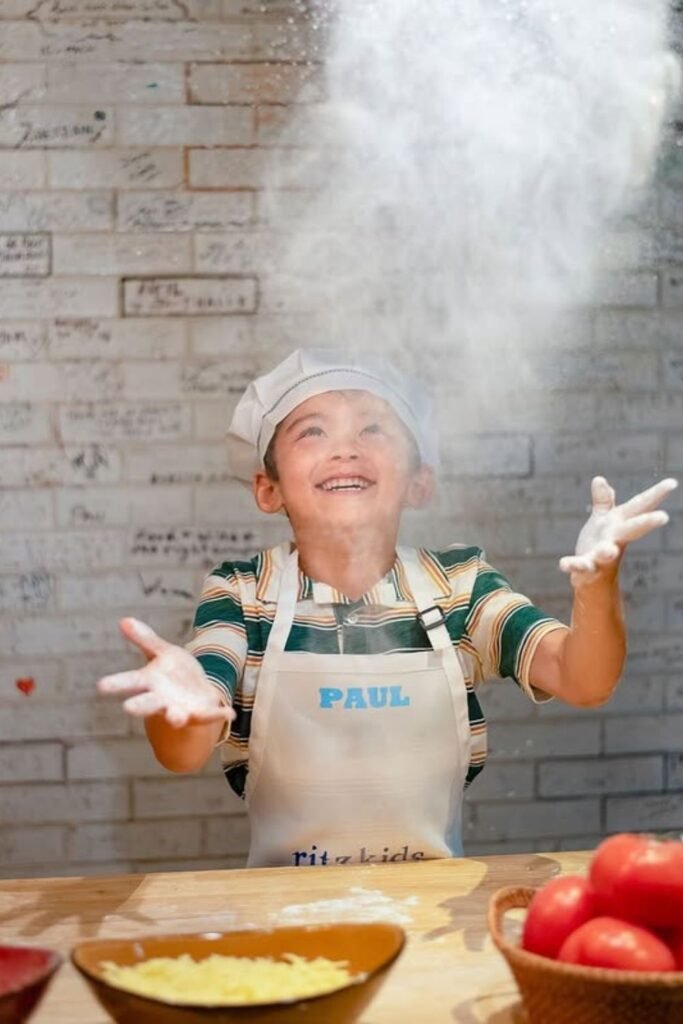
Flour flying through the air turns dinner into an event. Clear the counter, hand over a small ball of dough.
Then let youngsters roll, stretch, and form their own little pizzas. It is more enjoyable when the circles aren’t perfect.
Let children choose simple toppings, spread sauce, and sprinkle cheese so that making decisions is part of the process.
When you’re not in a hurry, kitchens operate best. Using arithmetic to measure items and following instructions helps you stay focused.
Pride comes quickly when everyone eats what they made. Without a single worksheet in sight, cooking together teaches kids how to be independent.
Block Stacking
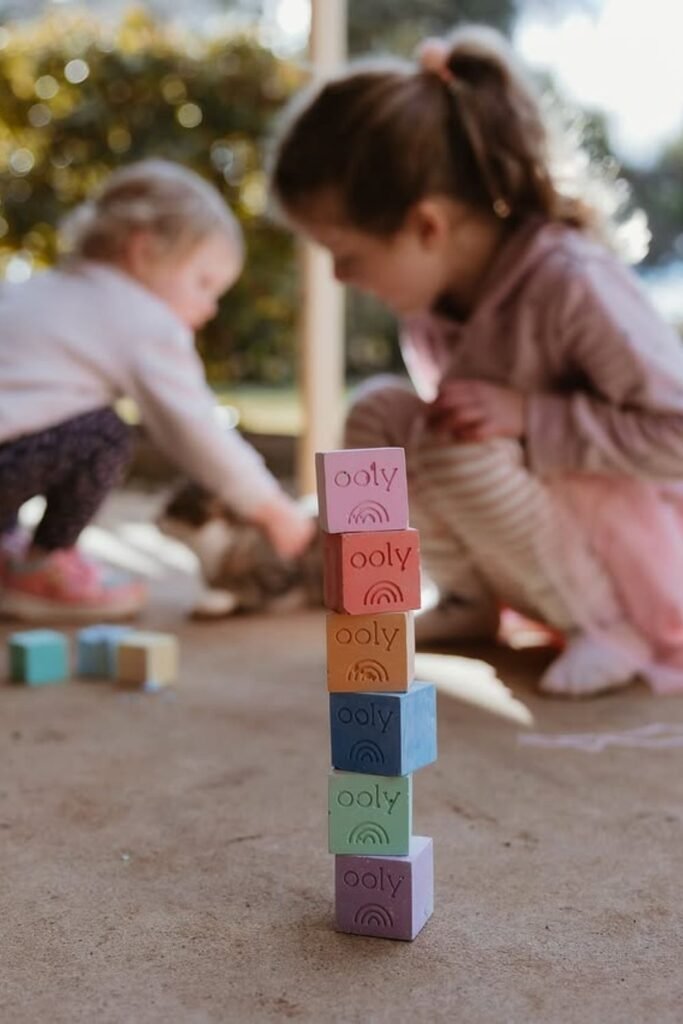
Balance turns into a quiet challenge fast. Spread wooden blocks or small stacking cubes on the patio.
And ask the youngsters to build the tallest tower they can without it crashing down. As your hands slow down and your eyes.
Focus on keeping the pieces straight, your patience improves. Try building on different surfaces, such grass, concrete, or even a blanket, to see how stability changes.
Set a timer or ask them to copy a simple pattern to make it more interesting. This kind of peaceful play is best in the early evening.
It’s perfect for winding down after high-energy games since you need steady hands and deliberate thought rather than speed.
Tickle Break
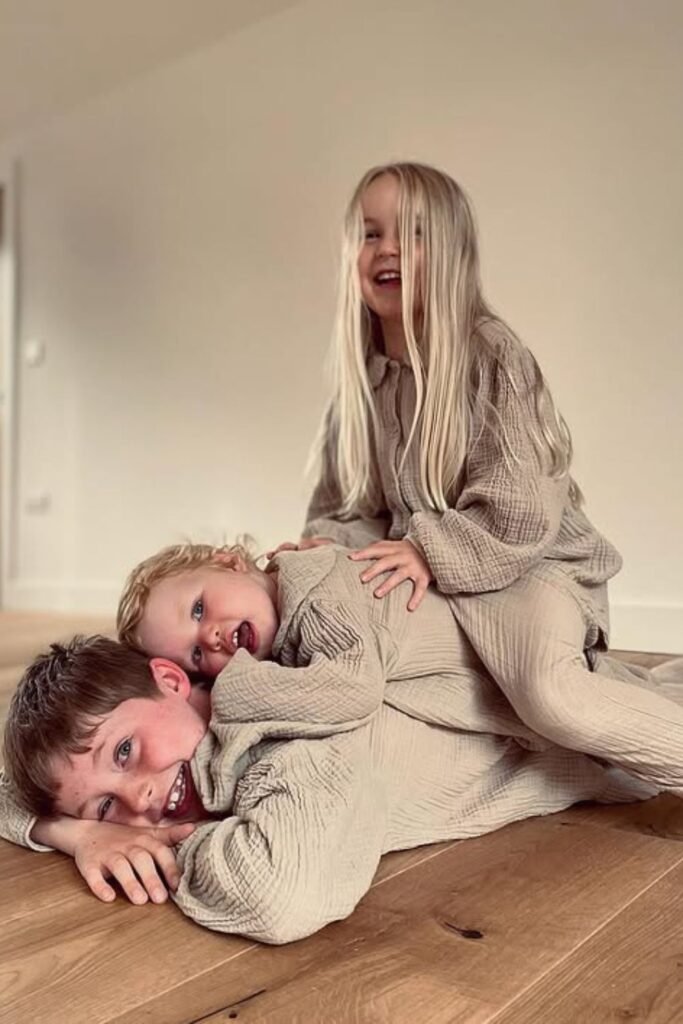
Giggles fix bad moods faster than any plan. Clear a safe floor space, drop onto a soft rug, and start a gentle tickle or playful wrestle session.
Roughhousing for short periods of time strengthens relationships and burns off energy without needing any equipment.
Set clear rules, like no jumping on furniture and stopping when someone says to. Keep it light.
Living rooms are ideal for rainy days when everyone is stuck inside. Laughter relieves stress, and playing with your siblings and parents builds trust.
Five minutes of pure silliness may change the whole afternoon. The best activity is sometimes one that doesn’t cost anything and doesn’t involve any planning.
Sprinkler Run
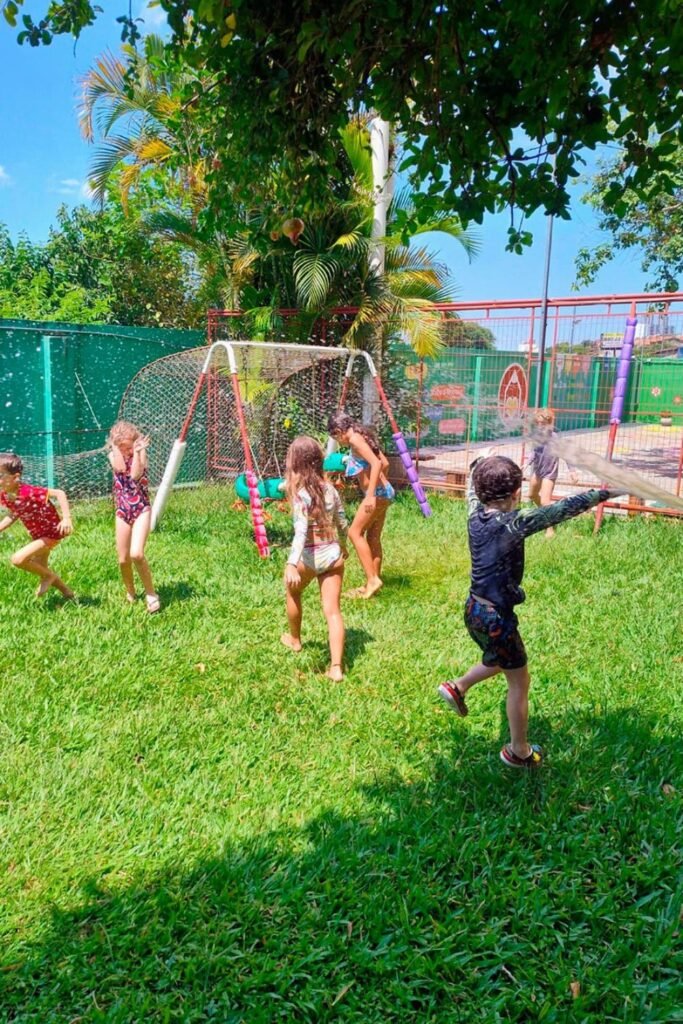
Heat waves don’t stand a chance against a backyard sprinkler. Hook one up, turn it on, and let kids dash through the spray.
To make it more fun, add easy games like “freeze when the water stops” or “run backwards through the mist.”
Grass yards are ideal because they don’t slip as much. To make it easier to move indoors, keep towels and dry clothes close by.
Running in water helps you build endurance and coordination without having to do drills. It becomes summer magic right away when you invite a few people around.
People usually sleep better that night when they hear loud laughter, feel cool air, and have wet clothing.
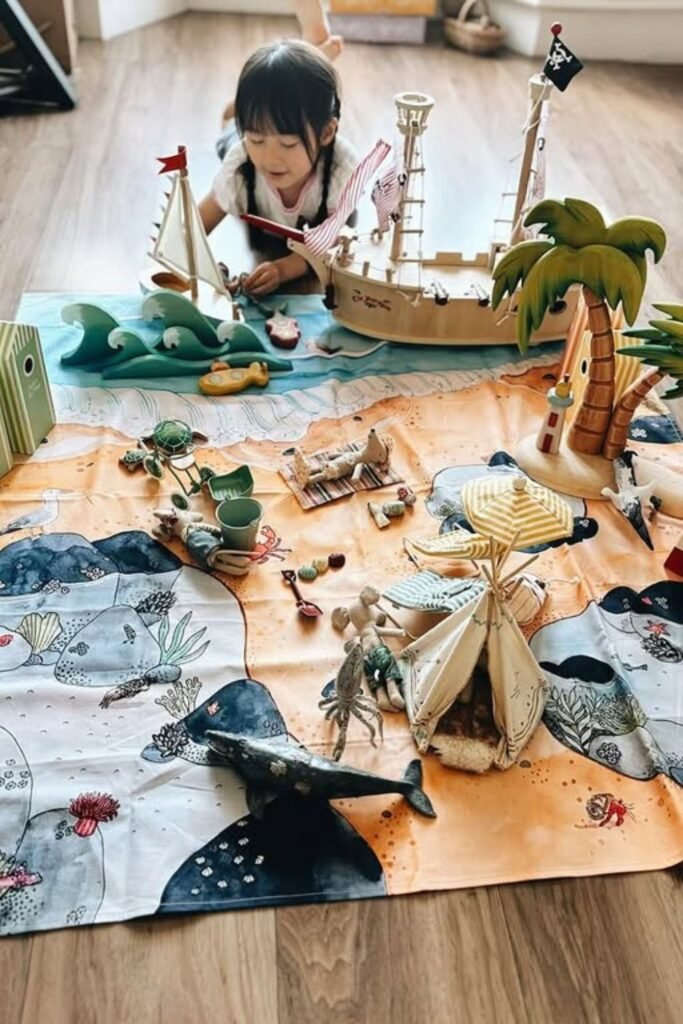
Pretend Island
Imagination stretches further when the floor becomes an ocean. Spread out a themed play mat or blanket.
Put in toy boats, animals, or characters and ask the kids to make their own island world. Once people have a home and a place to explore, the story moves quickly.
This kind of quiet, focused gaming is excellent for living rooms. To add to the story without taking over.
Ask open-ended questions like “Who lives here?” or “What happens next?” Pretend play helps kids naturally improve their language abilities and inventiveness.
When kids think they are in charge of their own journey, hours can go by. No displays are needed just some room and a few things to use.
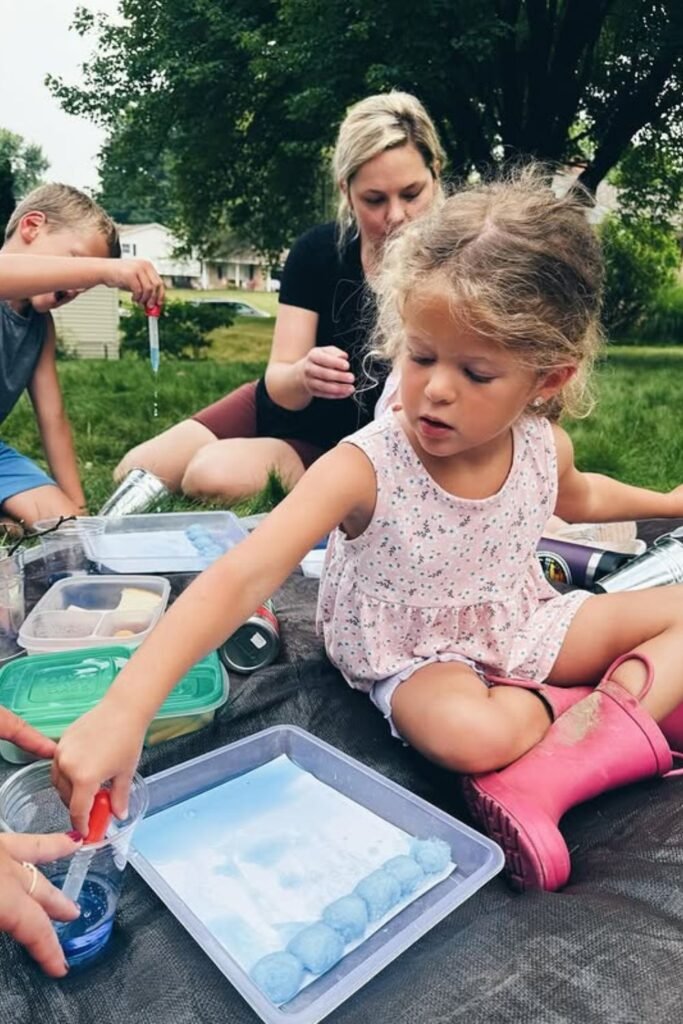
Color Mixing
Curiosity sparks fast when colors start changing. Set up clear containers with water, add a few drops of food coloring.
And provide youngsters droppers so they may try things out. Grass or patio areas are excellent because spills are part of the pleasure.
Ask them to guess what occurs when red and blue mix or yellow and red mix. When they see the results right in front of them, science is exhilarating.
As they squeeze and regulate each drop their fine motor abilities get better. Trays confine the mess in one place but freedom stays wide open.
This kind of exploration helps kids learn how to think like scientists without ever calling it a lesson.
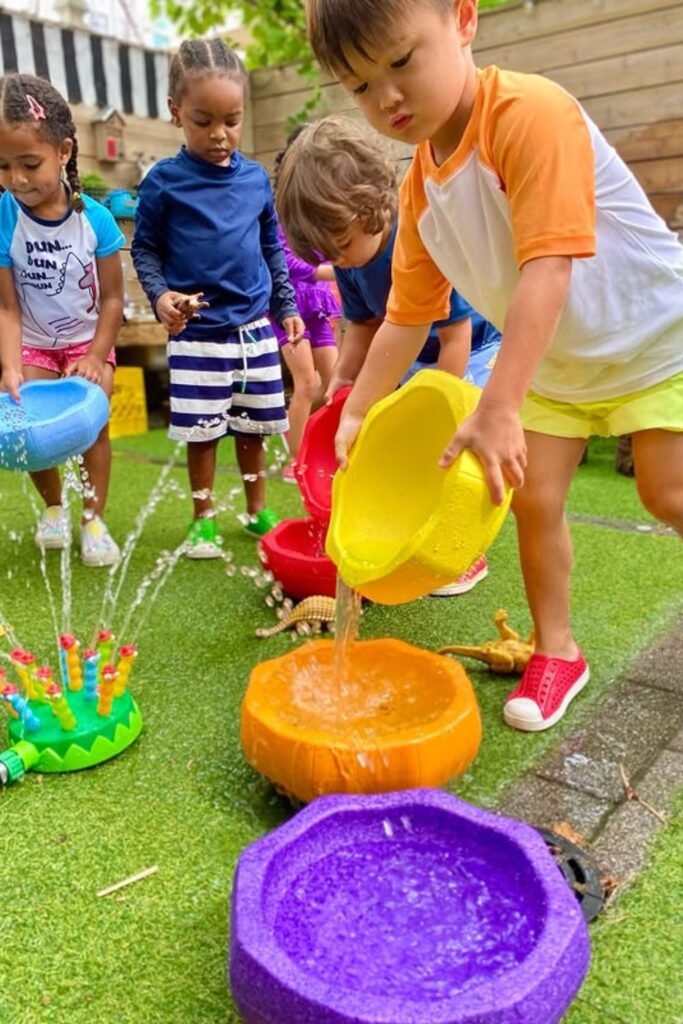
Water Transfer
Busy hands stay focused when there’s a goal. Set out bowls, buckets, and a sprinkler or hose, then challenge.
Kids can transport water from one container to another without spilling too much. You can spice things up by adding measuring cups or ladles.
Grass yards are best, so it doesn’t matter if they overflow. Pouring helps youngsters learn how to work together.
And makes their little hand muscles stronger, especially for younger kids. Make it a team game by timing how long it takes them to fill the biggest bowl.
Easy to put up, but there are countless ways to change it. Splashing keeps everyone cool while others work out their problems in the background.
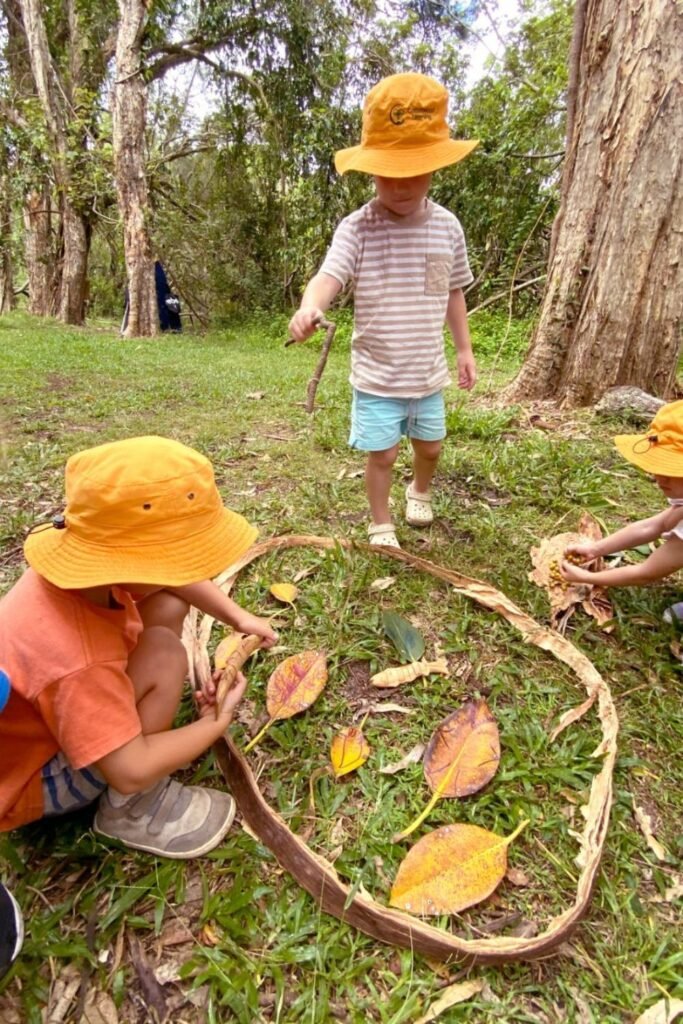
Nature Circle
Woods turn into a classroom without walls. Head to a park or trail and invite kids to gather leaves, sticks, seed pods, or stones.
Use a long branch or vine to make a basic circle on the ground, and then fill it with natural treasures.
Sorting by color or size is a quiet way to learn without feeling rushed. It works best to collect in grassy clearings or on the ground in the forest.
Teach kids to be gentle with plant and to respect them. As kids put their things together, patterns start to show up.
This helps them learn how to observe and design. The easiest method to slow them down and sharpen their focus is to let them explore outside.
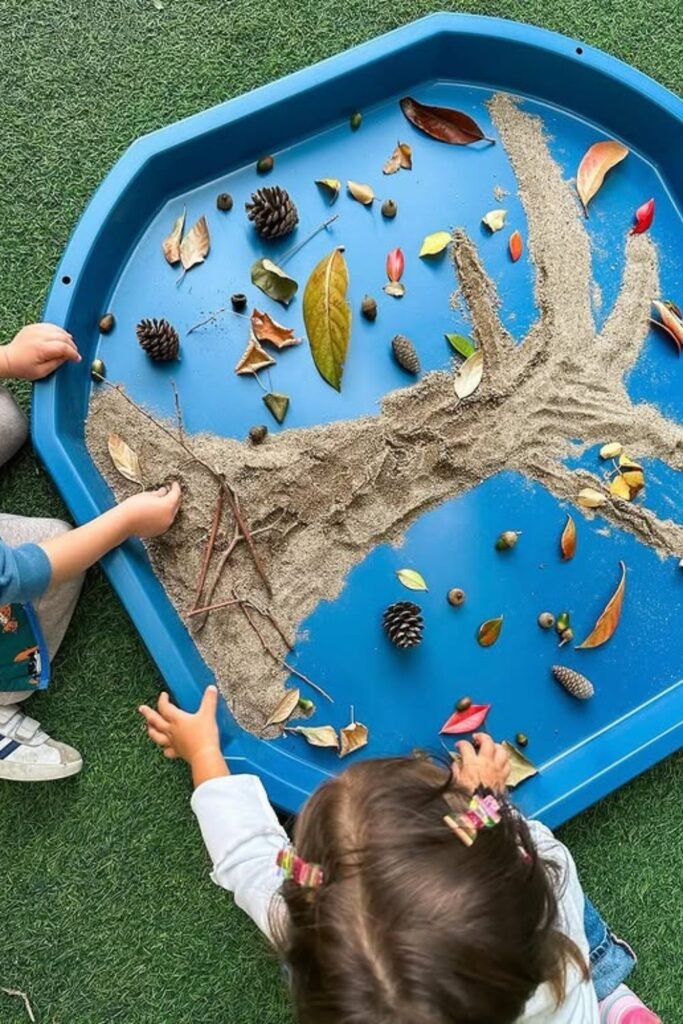
Sand Tree
Textures tell stories before kids even speak. Fill a shallow tray with sand, draw a large tree trunk using fingers or a stick.
And ask them to decorate it with twigs, leaves, pinecones, and seeds. Patios or grassy areas outside are nice since they make cleaning up easy.
To get people talking about how trees vary, suggest putting things in order by season, such green for summer and brown for fall.
As kids press and arrange each piece carefully, their fine motor skills get better. The open-ended shape keeps the action quiet and focused.
When youngsters make something meaningful out of everyday things they find outside, nature becomes art.
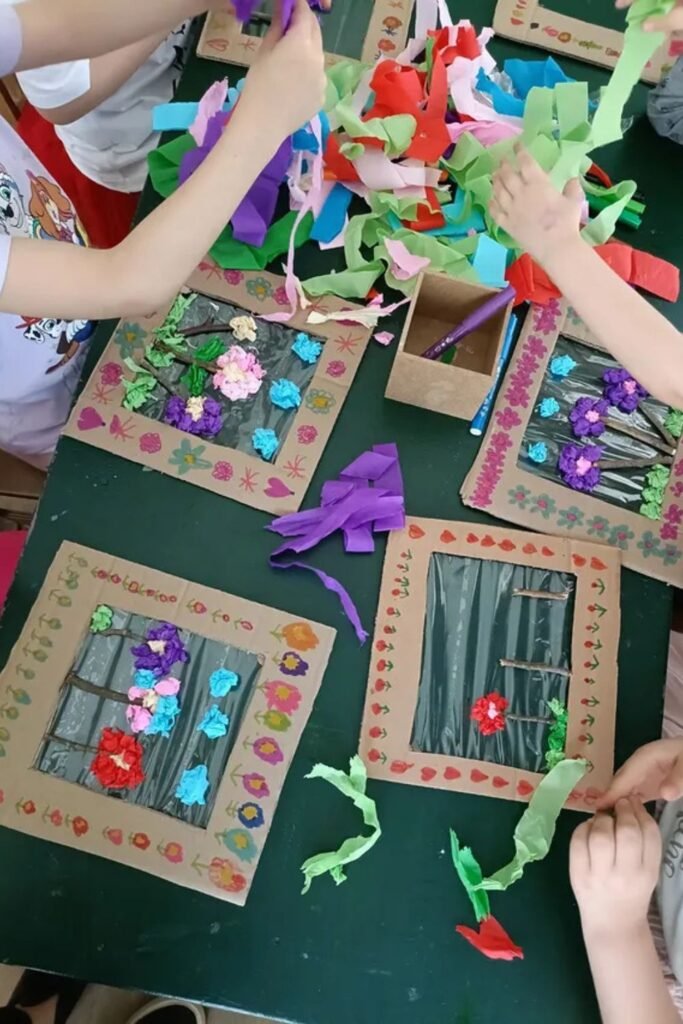
Frame Art
Creativity feels different when kids design their own display piece. Cut simple window shapes from cardboard, tape clear plastic.
Behind the aperture, then let them use ripped paper, tissue flowers, stickers, or markers to adorn the frame.
Tables are great since everyone can spread out their things without having to hurry. Putting colors.
Let the kids choose a theme, like a garden, the ocean, or space, and then let them make their choices based on that.
You can put finished frames in bedrooms or near windows to show them out even more.
Art that you make yourself sticks in your mind longer than something you buy at a store.
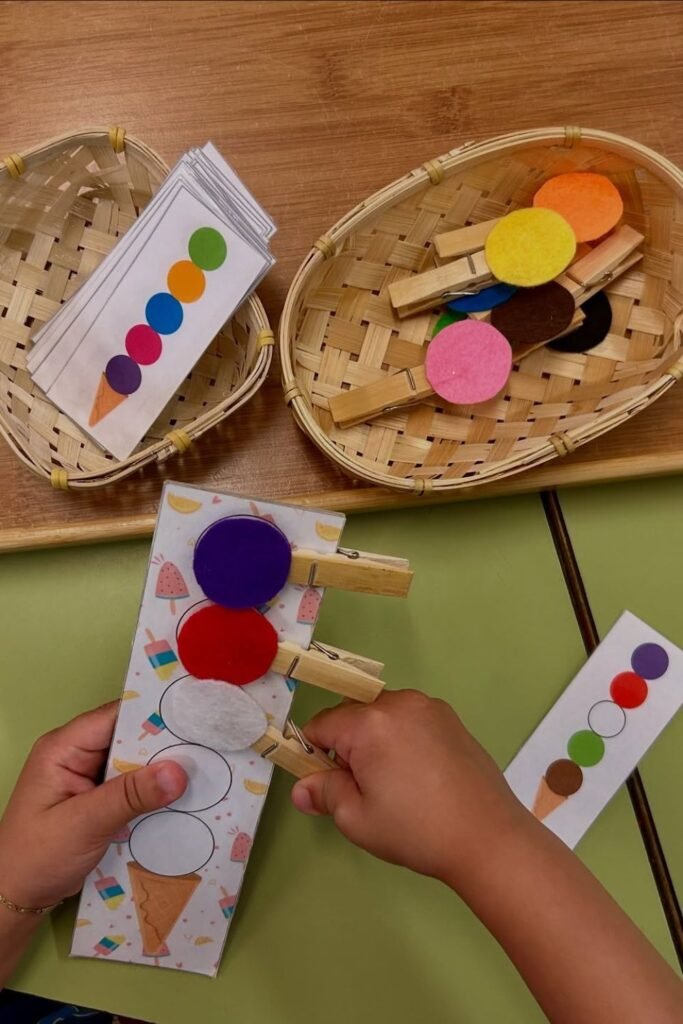
Color Matching
Sorting turns simple materials into a thinking game. Print small color cards, add matching felt circles to clothespins.
And ask the students to clip the proper color onto the right area. This peaceful exercise works best at kitchen tables or in study areas.
As kids press and join each piece, their hand strength gets better. Instead of making direct matches.
Mix related colors or make patterns to challenge older kids. Younger kids learn to recognize colors early on without even knowing they’re practicing.
It’s great for calm mornings or the time before going outside because it’s easy to set up and clean up and there are countless ways to make it harder.
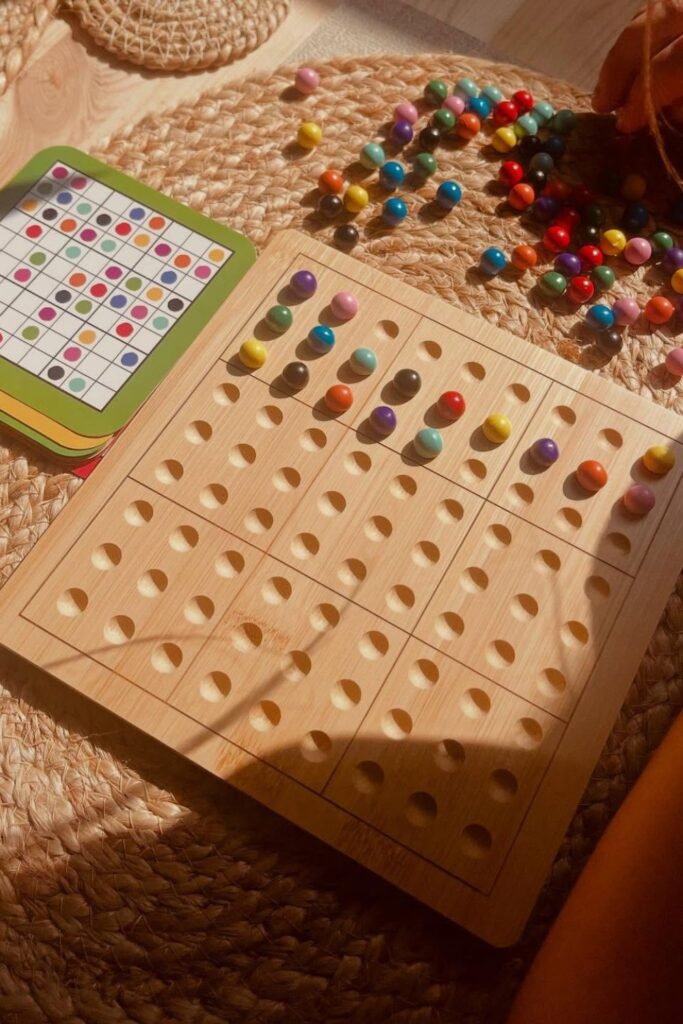
Pattern Board
Patterns train the brain quietly. Set out a peg board with colored beads and place a simple pattern card beside it.
Tell them to copy what they observe, one bead at a time. It’s important to have tables near natural light so that colors shine out.
As they compare location and notice little things, their focus gets sharper. Make it harder by hiding part of the card.
And asking them to guess what color will come next. Worksheets and pressure don’t help logical thinking grow.
This is great for slow afternoons or after a lot of outdoor play because it helps you calm down and focus. Over time, simple repetition makes you better at solving problems.
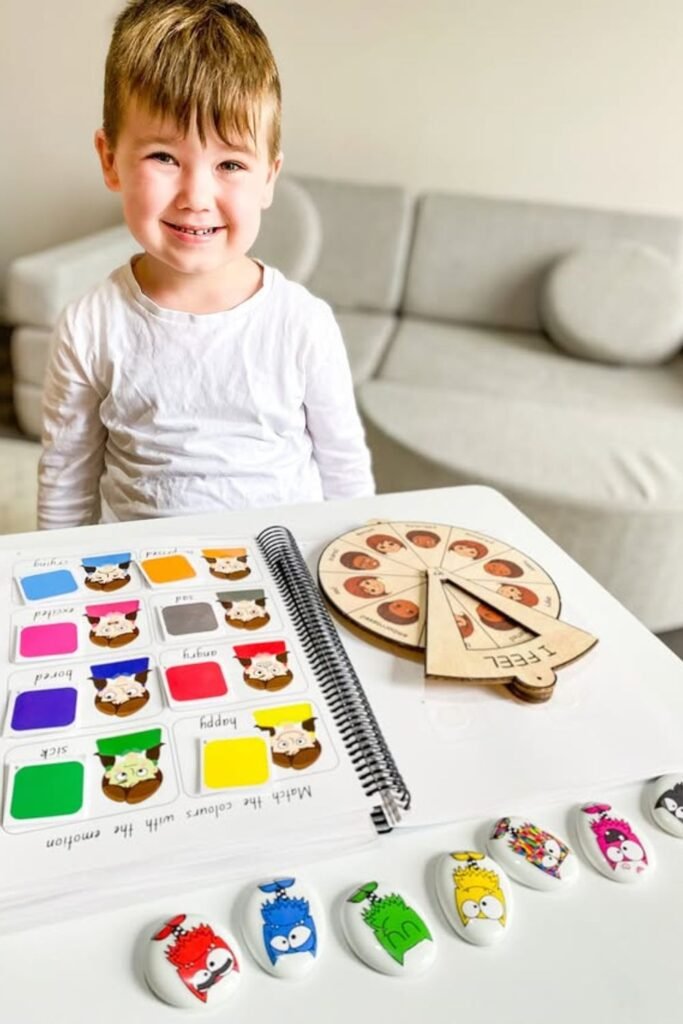
Emotion Match
You should not punish kids for having big feelings. Give youngsters basic emotion cards or a matching book with different facial emotions.
And ask them to match the faces with words like happy, furious, peaceful, or exciting. They can communicate.
And focus best when the table is quiet. To turn matching into a conversation, ask, “When did you feel like this.
Children’s emotional awareness grows when they can say what they’re feeling. Add short role-playing sessions to act out expressions and make it enjoyable.
Kids’ social skills go better when they learn about emotions before school starts again.
Water Run
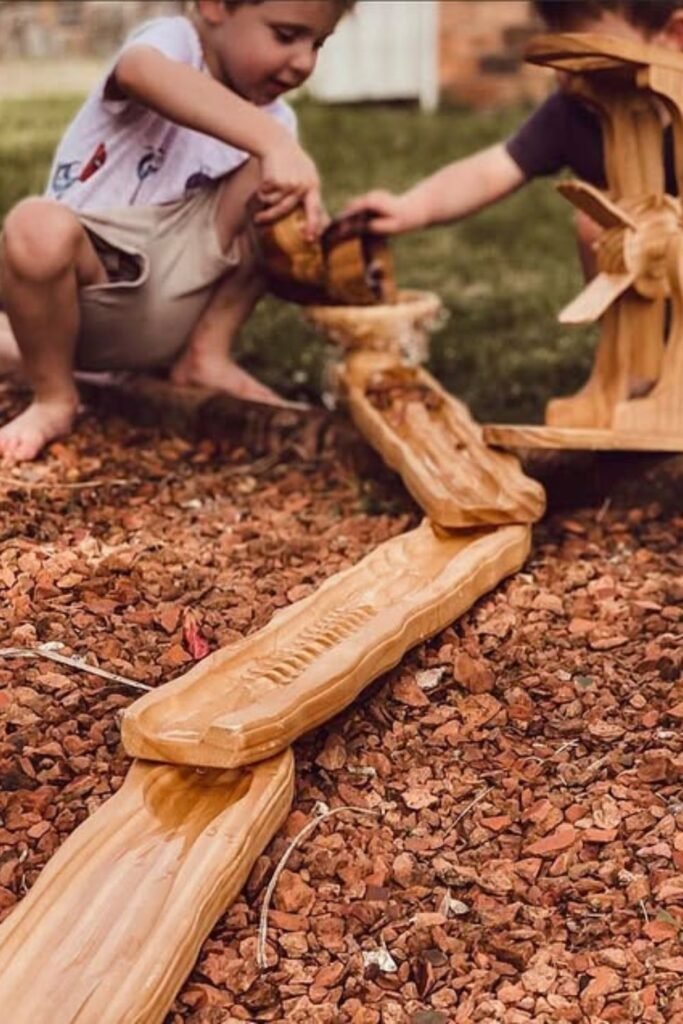
Moving water grabs attention fast. Set up a simple wooden water channel or create one using boards and a garden hose.
Let the kids pour water at the top and watch it go down the path. Mulch or gravel in the backyard is ideal because splashing won’t matter.
Ask what happens if they raise one part higher or block part of the stream. They can see cause and effect.
When they witness the water change course. As one youngster pours and the other changes the flow, teamwork grows.
People don’t call this science, but outdoor engineering like this helps people learn how to solve problems.
FAQs
How do I keep my kids busy all summer without spending a lot of money?
Begin with what you already have at home. You can play for hours with buckets, chalk, cardboard, kitchen items, and space in your backyard.
Give the kids structure without putting too much pressure on them by giving them basic daily themes like “water day” or “nature hunt.”
They stay interested longer when you give them a clear goal. There are other options besides expensive camps. More important than cost are consistency and innovation.
How can I reduce screen time in summer without constant arguments?
Instead than just saying “go play,” give them something else intriguing to do. Plan things to do before you get bored.
Make a schedule where kids play outside or with their hands first and then have limited screen time. Kids are less likely to fight back when they know what to expect.
Give them options so they feel like they are in charge. Structure cuts down on fights more than just tight regulations do.
Hi, I’m Afaf! I’m a law student who loves writing about everyday life – from home projects and crafts to fashion, beauty, and parenting tips.
I’ve been writing for over a year, sharing ideas that are simple, practical, and easy to try. I write about things I find interesting and useful, whether that’s organizing a space, trying a new DIY, or finding activities to keep kids entertained.
My goal is to share helpful ideas without making things complicated. If it works in real life, I’ll write about it.
When I’m not studying or writing, I’m usually experimenting with new projects or scrolling for inspiration!