
36 Summer Camp Activities For Kids 2026

Every summer begins the same way. You say this year will be different. Less time in front of a screen. More fresh air. More “core memories.”
By the second week, your kids are bored, fighting, and begging for food every 20 minutes. You search for summer camps and the cost makes you quickly close the tab.
You don’t need a lot of money to make summer exceptional. You don’t need to spend a lot of money on fun activities.
And I’m going to show you exactly how to do that without much worry, too much work, or spending a lot of money.
In this article, you’ll find 36 summer camp activities ideas for kids that fit real homes and real routines in 2026.
Let’s jump in!
What Budget-Friendly Summer Camp Activities Still Feel Special?
It’s not about how much you spend on a wonderful summer camp moment. It’s all about how it feels.
Kids don’t remember how much anything costs; they remember how much fun it was, how surprised they were, and how much attention you gave it.
If you turn a plain backyard into a “jungle adventure” or make popsicles feel like a camp party, it will feel bigger.
Than it is right away. Add some imagination, a little build-up, and a clear framework to make it work.
When you prepare something with purpose, even the simplest thing can be thrilling, well-organized, and unforgettable.
Save this article for later!👇👇👇

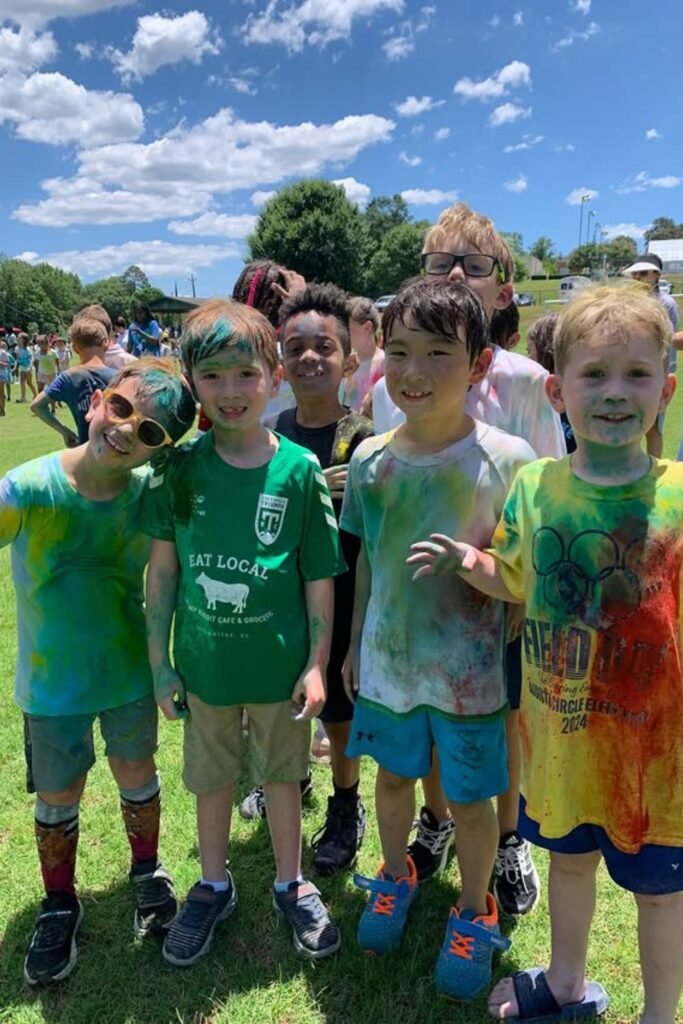
Color Splash
Nothing says summer louder than kids covered head to toe in bright powder, laughing like they just won the best day ever.
Set this up in a backyard or open field where it won’t make a mess. Get some cheap color powder.
Even sidewalk chalk dust. Put it in cups, and make a tiny “color run” or countdown toss. Put on some music, count to three.
And let them toss. Make it feel like an event, not just a fast thing. Old white T-shirts make the colors stand out.
And can be used as a memory. Let the mess be part of the magic, and keep wipes and water close by.
Rope Climb
Few things build confidence faster than reaching a little higher than yesterday. Set up a simple rope station in a gym, park.
Can even tie a thick rope to a strong tree branch with the right safety support. Always keep an eye on them and keep matting below.
It’s enough for younger kids to only lift their feet off the ground; they don’t need to climb high.
Make it a personal challenge instead of a race. Use tape or ribbons to mark tiny goals so they can see how far they’ve come.
A simple rope and some encouragement can help you get a stronger grip, better coordination, and a lot more confidence.

Hammock Hangout
Instant camp vibes happen the second kids start climbing into hammocks. String a few between sturdy trees in the backyard.
Or at a park, and all of a sudden you’ve made a chill zone that feels like a true vacation. For safety.
Stack them low and make sure there are clear guidelines on how many kids can use each hammock.
After playing high-energy games, use this area for calm time.
You may read, tell stories, or just sway and talk. Put in a quick snack break and it becomes a tiny “camp lounge.”
No need for a costly setup. Just some fabric, some shade, and a place where kids can relax and feel like they’re in a special place.

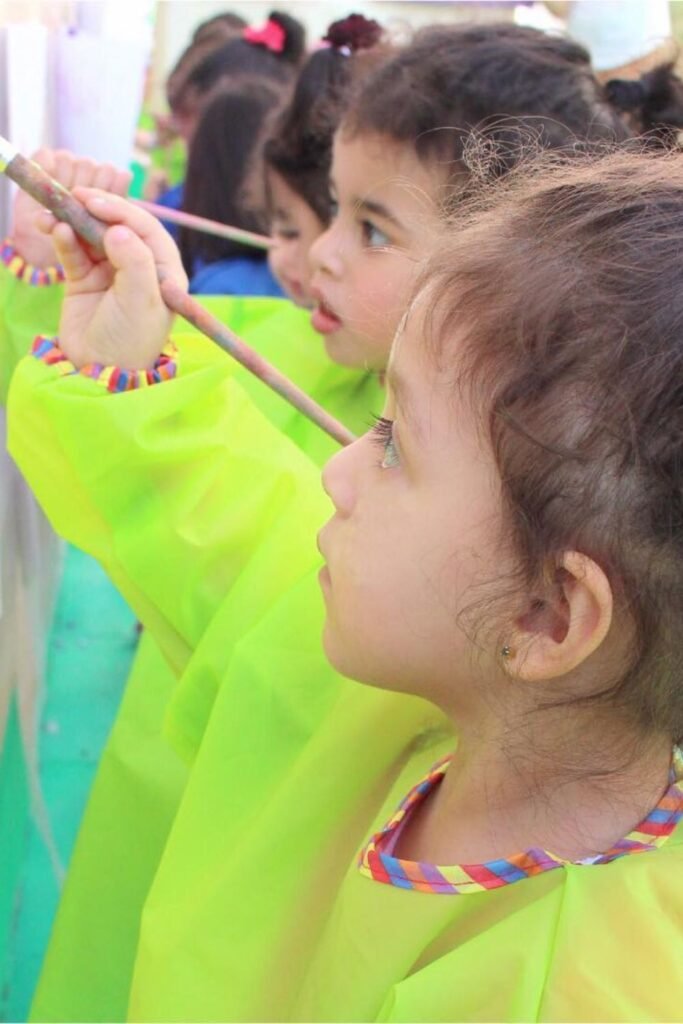
Outdoor Painting
Give kids a giant surface and suddenly even the quiet ones light up. Tape large sheets of paper to a fence.
Or put them on a wall outside so they don’t get dirty inside. Cheap tempera paint works great, and old shirts or simple smocks keep garments safe.
Instead of telling them what to paint, offer them a general idea like “under the sea” or “jungle day”.
And let them figure it out. When you paint outside, you may use bigger brushes, have more freedom.
And not worry as much about spillage. Finish by making their art into a small gallery so they can be proud of what they made.
Mini Soccer
Energy like this needs space, not structure. Grab a few small pop-up goals or even set up cones in a park, backyard, or open field and let kids run.
No need for elaborate rules. Split them up into smaller groups so that everyone can touch the ball more regularly.
Short rounds are better than lengthier bouts, especially for kids. Quickly switch players to keep the excitement up.
Older kids can keep track of the score, but younger kids just need something to kick at. Make it feel like a true camp competition.
By adding something exciting, like “crazy socks day” or team colors. Boredom goes away quickly with fresh air, movement, and friendly competition.

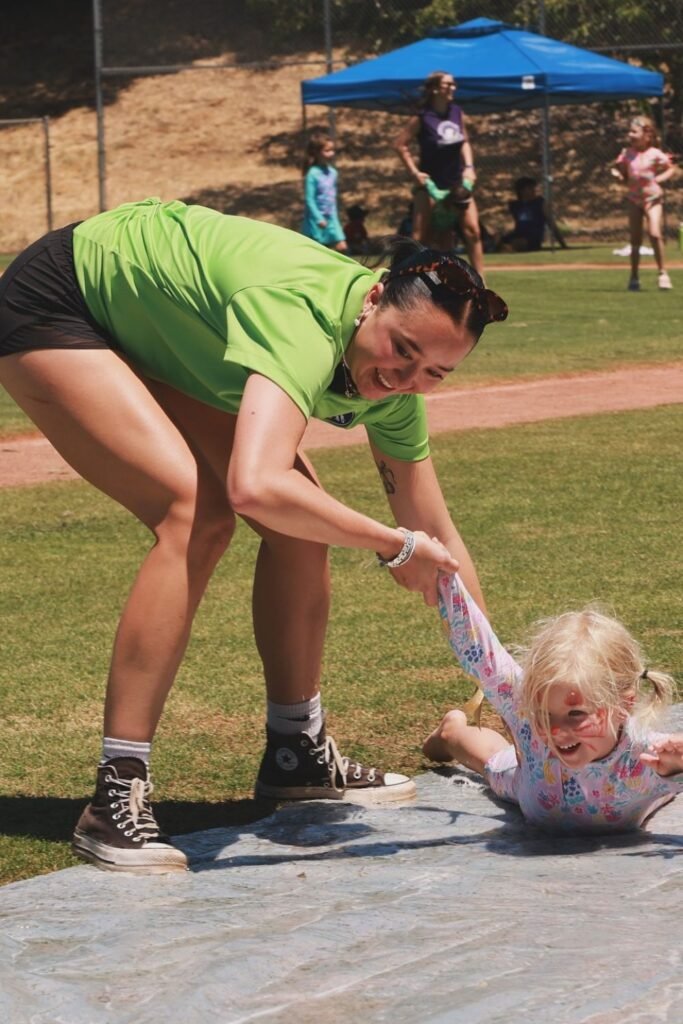
Slip Slide
Hot afternoons call for something loud, wet, and impossible to resist. Lay a long plastic tarp over grass, secure the edges.
And use a hose to add a steady stream of water. It gets even slicker with a little dish soap, but don’t use too much for safety.
A backyard, park field, or any other soft grassy area works well. You might have to give younger kids a little push to get them going.
But larger kids will line up on their own. To avoid crashes, make sure everyone knows the rules about waiting their turn.
You may make a whole summer memory without having to pay for a water park by ending with popsicles or chilled watermelon slices.
Plank Challenge
Competition changes everything. Drop a tennis ball between two kids in plank position and tell them the first one to tap it with out collapsing wins.
Holding still suddenly feels like a game instead of exercise. Short rounds and soft matting or grass make it comfortable and keep you from becoming frustrated.
Change partners often so it stays entertaining and not too serious. Older youngsters can count to ten.
WWhile little ones just try to stay still. If you want to boost the group’s energy, give them team points.
While they think they’re just trying to win, their core strength, balance, and focus all quietly grow. Set up quickly, no equipment other than a ball, and get involved right away.

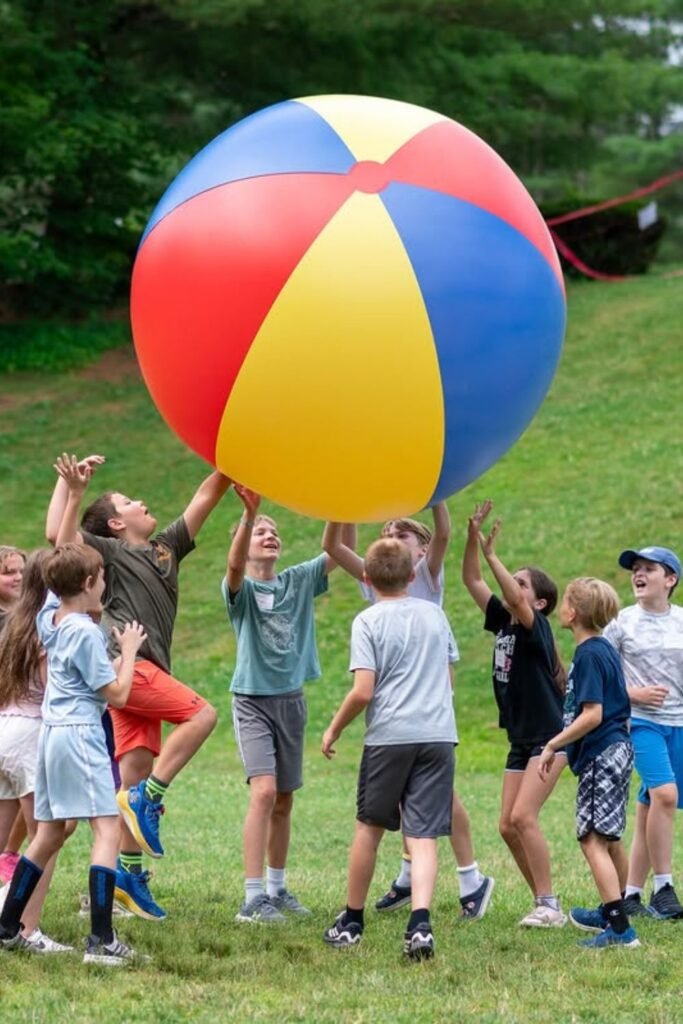
Giant Beachball
Big reactions come from oversized surprises. Bring out a giant beach ball and watch the energy shift instantly.
Kids need space to move and chase, so open fields work best. Instead of following the rules of volleyball, just make sure the ball doesn’t contact the ground.
Count how many hits each group gets and tell them to beat their own record. Younger kids like to keep it in the air.
While older youngsters can form teams. Light plastic ensures that no one gets wounded and everyone may play at the same time.
It inflates quickly, is easy to pack, and is hard to miss. Making something bigger can sometimes make it unforgettable.
Mini Chefs
Confidence grows fast in a kitchen space made just for kids. Hand them simple ingredients bread, cheese slices, cucumber rounds, cherry tomatoes.
Then let them make their own fun sandwiches. No need to cook anything hard. Make sure the table is clean.
Explain the requirements for cleanliness, and let imagination guide you. Younger kids can work on putting shapes together.
While older kids can help cut delicate foods with appropriate equipment. Make it a “camp café” where everyone shows off their meal.
All of a sudden lunch is more than just a meal. Cheap supplies, easy cleanup and a skill kids can apply at home again.

Water Slide
Laughter gets louder the second water hits the slide. Set up a sturdy plastic slide in the yard and run a hose lightly over it for a steady splash.
The grass underfoot makes landings comfortable and the swimsuits make cleaning up easy.
Rotate turns so that everyone has a fair chance and there isn’t too much crowding. To keep it safe, make a simple rule: no standing, just sitting and sliding.
Put a towel station and cold refreshments nearby so youngsters may take a break between rounds.
When there’s something fun at the top of the ladder, hot days seem to go by faster. Easy to set up, big rewards, and all the summer enthusiasm you need.

Camp Sleepover
Nothing builds excitement like carrying your own bag across the grass knowing something special is about to happen.
If the weather doesn’t cooperate, plan a “camp-in” in your backyard or even inside. You only need tents, sleeping bags, flashlights, and modest snacks.
Make a rough plan for the day: play games before sundown, tell stories after dark, and have some quiet time before bed.
For younger kids, keep it short so everyone leaves happy and not too weary. Having pancakes or cereal outside in the morning makes it a whole experience.
Kids think one night away from their typical routine is a big deal, but it doesn’t cost much compared to a regular camp stay.

Archery Practice
Focus changes the whole mood of a camp day. Set up a beginner-friendly archery station with proper safety supervision, soft-tip arrows.
And distinct lines drawn on the ground. Parks or big open spaces are preferable since they keep everyone behind a safe line.
Instead of rushing through turns, show them how to stand, breathe, and shoot calmly.
Making it a personal accuracy challenge helps you learn to be patient and manage yourself.
Older kids may keep track of their scores, but smaller youngsters merely try to hit big targets.
Before each round, always go over the safety guidelines. This one easy station brings fun, responsibility, and a lot of confidence to your camp setup.

Garden Helpers
Hands get busy and suddenly patience shows up. Give each child a small watering can and assign a few plants they’re responsible for.
Your backyard, a school garden, or even a few pots on your terrace will do just fine. Instead of doing it once, make it a daily “plant check” practice.
Tell them to look for changes like new leaves, tiny buds, and dry dirt. Younger kids learn how to pour carefully so that the roots don’t get flooded.
Older kids can keep track of their growth in a simple notebook. When anything depends on them, they really feel responsible.
Dirt under your nails, sunlight overhead and a quiet focus make this one surprisingly strong.

Water Relay
Excitement builds fast when teamwork decides the winner. Line up cones in a yard or park and place a bucket at the finish line.
Give each youngster a little cup of water and tell them to run, pour, and race back without spilling too much.
Younger kids do best with short distances, while older kids do better with longer, zig-zag courses.
Grass is safer than pavement for slips. Make it a team competition so that everyone cheers instead of trying to win alone.
At the end, wet shirts and loud laughs mean success. With just some buckets, cups, and a little sun, this becomes a full-on camp event.

Sack Race
Pure chaos in the best way. Hand out large burlap sacks or sturdy pillowcases and mark a clear start and finish line across grass.
Grass is better than pavement because it gives when you fall and you want it to be soft. Fast races keep people interested and stop them from getting angry.
Pair older kids with younger ones for team rounds to mix up the ages. When hopping gets shaky, laughter comes quickly.
To keep things light, give out goofy prizes like “fastest hopper” or “funniest fall.” You don’t need a fancy setup just some room, a few bags.
And a crowd ready to shout. This kind of simple game gives you a lot of energy without costing a lot.

Nature Sorting
Curiosity takes over fast once kids start digging through leaves and soil. Gather bins, small buckets, and cardboard trays.
Then go outside to a place that is in the shade.
Ask children to gather things like sticks, rocks, pinecones, or dried leaves and put them in groups based on their size, texture.
Younger kids can only sort things by simple categories, but older kids can group things by type or even make mini “nature displays.”
Make it a quiet discovery circle where everyone talks about what they found. You don’t need any pricey goods; you just need space and time to explore.
Outdoor learning that involves doing things helps kids learn how to observe and stay calm and focused.

Animal Visit
Excitement doubles the second real animals enter the picture. Arrange a small petting session with local farm animals.
Or go to a local farm where you can engage with animals under supervision. Open grassy areas keep things safe and tranquil.
Teach them basic principles first, including “gentle hands,” “quiet voices,” and “no sudden movements.”
Younger kids can help fill up the water basins, and older kids can learn some basic facts about each animal.
Short rotations keep animals from getting too crowded and make them feel good. Add a quick question-and-answer circle so the kids may talk about what they saw.

Dress Up
Confidence shows up fast once kids put on something bold. Pull out oversized hats, old scarves, funny sunglasses.
Use dress-up clothes and make it a themed dress-up hour. Outdoor camps can add a tiny fashion walk.
And interior camps can provide a modest “photo booth” area. You don’t have to buy anything new.
Just look in your closets, resale stores, or ask families to send you extras. Let them be creative by giving them a general idea, like “beach day” or “farm day.”
Kids that are shy will talk when they feel different. A tiny costume moment can shift the attitude of the whole day.

Circle Games
Connection starts in a simple circle. Gather everyone on grass or pavement, hold hands, and lead classic group.
“Telephone,” “Duck, Duck, Goose,” or rhythm clapping rounds are some examples of games. This place is great for big groups because everyone gets to join in.
Short directions keep kids’ attention, and switching leaders provides older kids a sense of responsibility.
To keep things from getting too crazy, mix high-energy rounds with calmer ones. You don’t need any tools, just room and clear lines.
Circles naturally encourage teamwork and help new campers feel like they belong right away. A short group game at the beginning of the day might establish the mood for the rest of the day.

Pillow Toss
Colorful pillows scattered on grass instantly turn into a game zone. Set them up as stepping stones, targets.
Or soft things that kids have to jump over without touching the ground. Backyards and playgrounds are great places for this because the falls are soft.
Tell them to hop to different colors, or divide them into teams and sprint across. Younger youngsters work on their balance.
While older kids might make it harder by carrying a tiny object while they move. There is little risk and easy cleanup with lightweight cushions.
You don’t need any sophisticated sporting gear, just some room and ingenuity. People don’t realize they’re exercising when they move, laugh and work together.

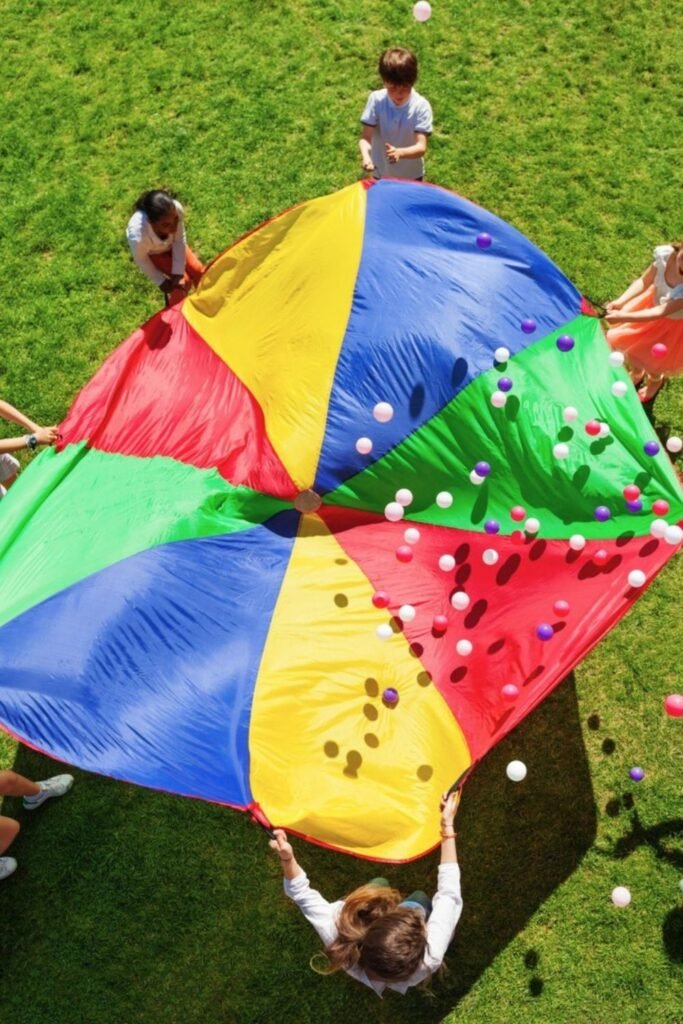
Parachute Play
Group energy shifts fast once everyone grabs an edge. Spread a colorful parachute across the grass and toss light weight balls on the top.
Say simple commands like shake, lift and freeze or switch spots. Younger kids can work together to lift the balls.
While older kids should endeavor to keep them from falling off. Open fields are excellent since they give you room to roam about safely.
Short rounds keep the excitement up without getting out of hand. Change leaders so that different kids can give orders.
There isn’t much sophisticated gear, just a parachute and some plastic balls. People work together thus cooperation arises naturally.
Dance Fitness
Music changes the whole atmosphere in seconds. Clear a room push chairs aside and turn on an upbeat playlist kids already love.
Follow easy step or have one child show everyone how to do something. Short bursts are preferable than protracted sessions especially for younger groups.
To keep it fun, use themed days like “superhero moves” or “animal dance.” You don’t need any additional equipment; just speakers and room to roam around safely.
Indoor halls are great for hot or wet days. This kind of movement burns energy quickly and makes you better.
At coordinating without feeling like you’re working out. Finish with a cool-down stretch so that everyone leaves happy and not tired.

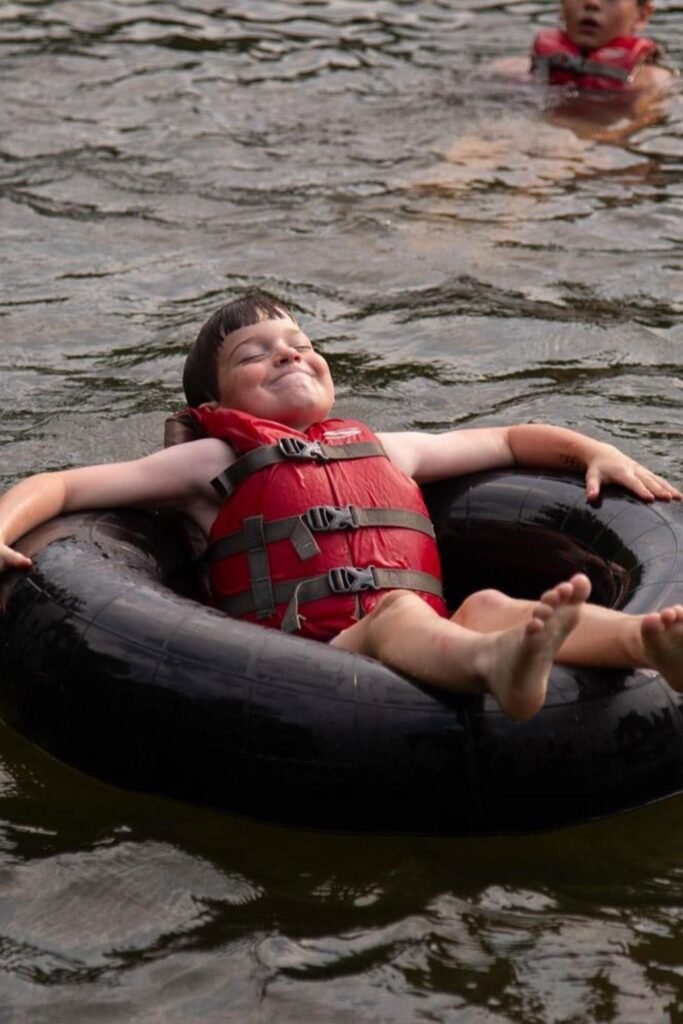
Lake Floating
Pure peace shows up the moment kids lean back and let the water hold them. Choose a shallow.
Supervised the lake area and required everyone to wear life jackets that fit properly. Inflatable tubes are entertaining but safety comes first.
There should be clear limits, adults watching in the water, and no physical play. To keep your energy level steady, combine floating time with brief swim breaks.
Younger youngsters keep near to the beach, while bigger kids can learn basic paddling abilities. Keep sessions short so you don’t become tired.
Natural water gives you the real camp sense without the need for expensive gear.
With the sun shining, the surf calm, and a safe setup, this will be a memory they talk about
Sorting Circles
Thinking skills grow fast when kids have to decide where things belong. Lay out hula hoops on the floor or grass.
Then put a basic title on each one, like “living,” “non-living,” “natural,” or “man-made.” Put little things in the middle and let them organize themselves.
It works nicely in shaded outdoor areas or inside classrooms. Younger kids notice the obvious disparities, whereas older kids explain why they think the way they do.
Make it a timed challenge or team round to get people excited. Toys, rocks, sticks, or school materials that don’t cost much all work.
You may start big talks and improve your observation skills by drawing simple circles on the ground.

Nature Hunt
Adventure starts the second you hand kids a simple mission. Head to a park, trail, or even your own backyard.
And ask them to find certain things, like bark, smooth stones, pinecones, something red, or something rough.
Make a quick list or just call out the categories as they look around. Make sure everyone knows where the lines are so they can stay safe.
Younger kids look for objects that are easy to find, while older kids can take pictures instead of picking things up.
When you combine fresh air, movement, and curiosity, it seems like more than just a walk. Exploration is always better than being bored.

Cupcake Decorating
Creativity tastes better when kids get to eat the results. Set up a simple decorating station with plain cupcakes.
A couple little bowls of sprinkles, candy pieces, and some piping bags of frosting. Put paper on the tables to make cleaning up easier.
And give each youngster their own plate to decorate. Instead of giving exact directions, give a general idea like “under the sea” or “summer garden.”
Kids who are younger pay more attention to color, while older kids try out different patterns and layers.
To avoid getting too much sugar, keep your meals small. Finish with a short show before snack time. Simple, sweet, and sure to keep everyone happy and focused.

Pretend Market
Imagination runs wild once kids get their own “store.” Set up a small table outdoors or in a shaded area.
And with your help, let kids sell fake flowers, toy food, rocks, crafts they made themselves, or even snacks.
To make it feel legitimate, add fake money or plain paper tickets. Everyone should take turns being the seller and the buyer.
Younger kids learn how to count by practicing it. Older kids learn how to negotiate and set prices. You don’t need fancy props; cardboard signs and things.
That can be used again work just fine. This kind of role play is a lot of fun and helps you improve confidence, communication skills, and creativity.

Robot Building
Problem-solving feels exciting when something actually moves at the end. Set up a simple STEM table with building kits.
LEGO blocks or simple robot kits. Groups of two or three work best so that everyone may take turns with the parts.
Begin with a simple task, such as “make something that rolls” or “make an arm that lifts.” Younger kids like to stack and try things out.
While older kids can follow step-by-step guidelines or change designs.
Make the directions easy to understand and let people try things out. If it works, cheer; if it doesn’t, fix it.
A project like this teaches people to be patient, work together, and have true confidence since they can see the results of their efforts right in front of them.

Aerial Silks
Brave moments happen high off the ground. Set up supervised aerial silks in a gym or activity hall with proper mats underneath and a trained instructor guiding every move.
Beginners don’t need to learn intricate tricks; just learning how to hold, wrap, and lift properly is fascinating enough.
Tell kids to pay more attention to balance and control than speed. Short turns keep you safe and save you from getting tired.
Older kids can do simple positions, but younger youngsters should keep closer to the ground.
Doing something like this makes you stronger and more sure of yourself at the same time.
When you climb cloth in the air, it makes camp feel exciting and memorable right away.

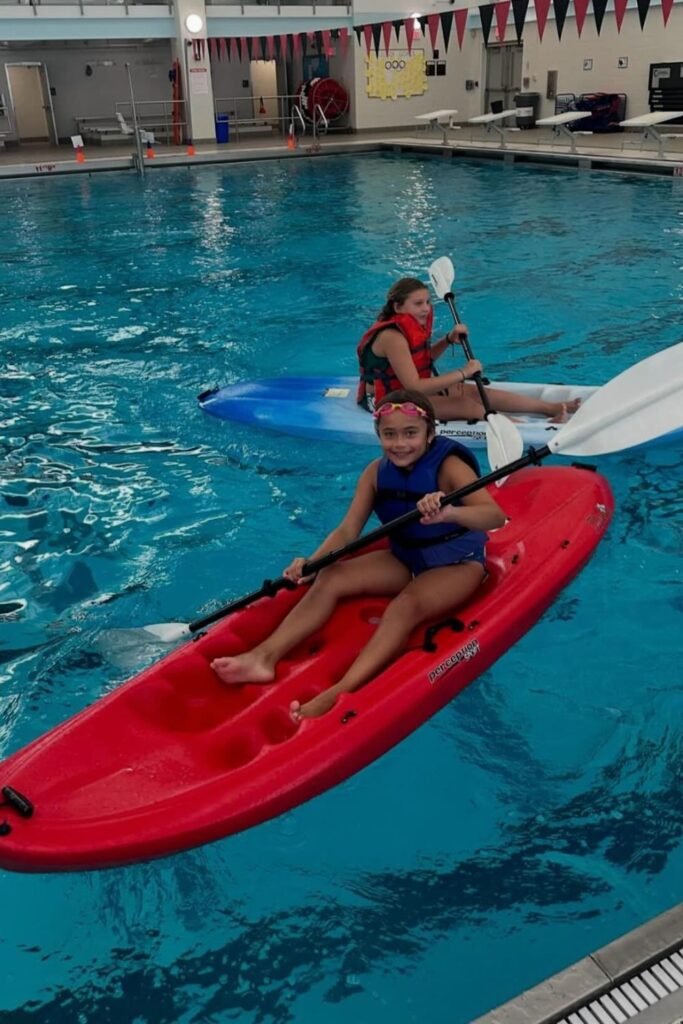
Kayak Time
Adventure feels real the second a paddle hits the water. Start in a shallow, supervised pool or calm lake area with properly fitted life jackets every time.
Before they get in, show the kids how to grip the paddle the right way so they don’t get afraid. Short practice laps are better than long ones.
Especially for people who are just starting out. Put stronger swimmers with teachers or personnel to help them out more.
Older kids can learn how to turn, while younger youngsters work on keeping their balance and making steady strokes.
Things like this in the water help you get better at coordinating and being independent quickly.
Superhero Day
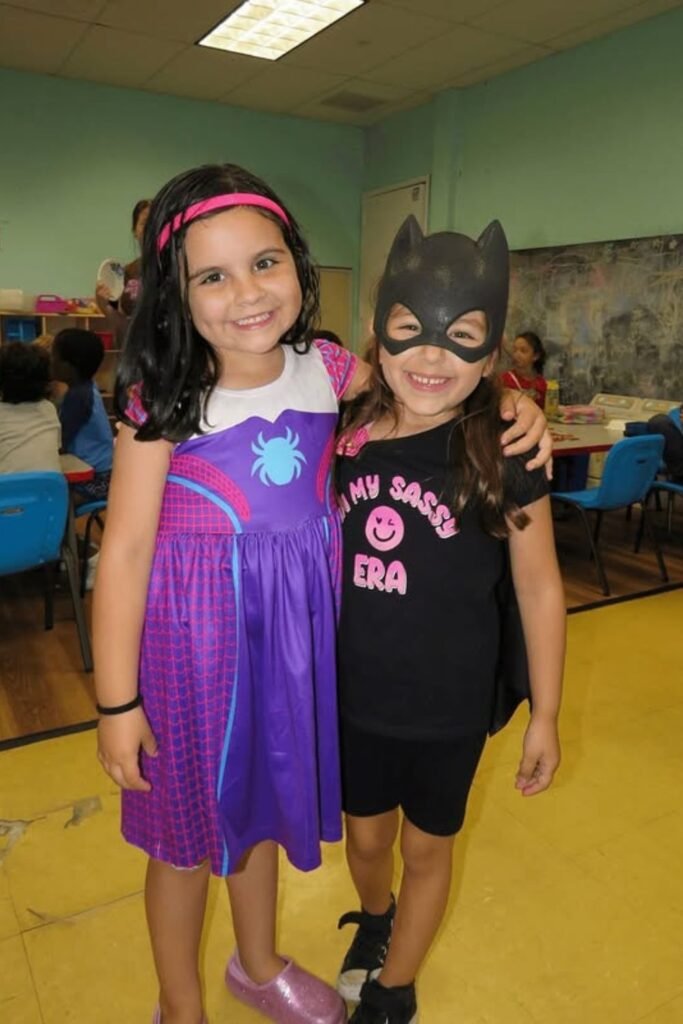
Energy shifts the moment kids dress like their favorite characters. Pick one day as “Superhero Day” and invite everyone to come in costume.
Or use paper and markers to make basic masks. You don’t need to buy fancy clothes; worn T-shirts make great capes.
Make activities based on the subject, such as obstacle courses, “save the stuffed animal” missions, or tasks that require teamwork.
Younger kids like to pretend, while older kids like to make up stories about their characters. Don’t make it a competition; make it fun.
Even if the rest of the program is basic, themed days like this make camp feel organized and fun right away. Most of the work is done by your imagination.
Shaving Cream
Messy days become the ones kids remember most. Head to an open grassy area and hand out cans of shaving cream.
For a full-on foam challenge. Set simple rules first: no aiming at eyeballs, remain inside the lines, and have fun.
White T-shirts make it easy to clean up and make it more fun. Make it a relay race, team tag, or a timed game of “cover the target.”
It’s easy to rinse because there’s a hose nearby. Once the first spray strikes, the laughter starts right away.
This kind of controlled pandemonium lets out energy, brings people together, and feels like a big ending without costing a lot of money.

Camp Stories
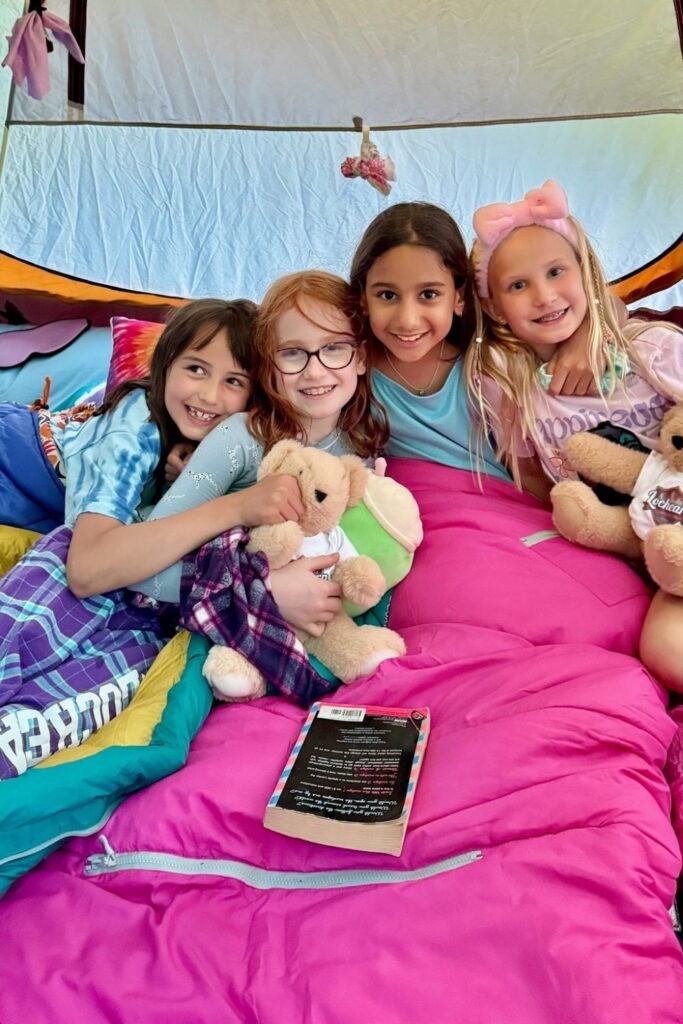
Night feels different once everyone piles into a tent with flashlights and cozy blankets. Gather sleeping bags, favorite stuffed animals.
nAd a fantastic storybook to hold the moment. Tents outside are great, but setups indoors with low lights may feel just as spectacular.
Let older youngsters read aloud or narrate their own made-up stories. Don’t eat too much sugar before bed, and keep snacks simple.
Having soft music playing in the background gives you calm energy. After a busy day, moments like this slow everything down.
Kids naturally get closer when they sit close together, giggle quietly and tell one last story before bed.
Family Rides
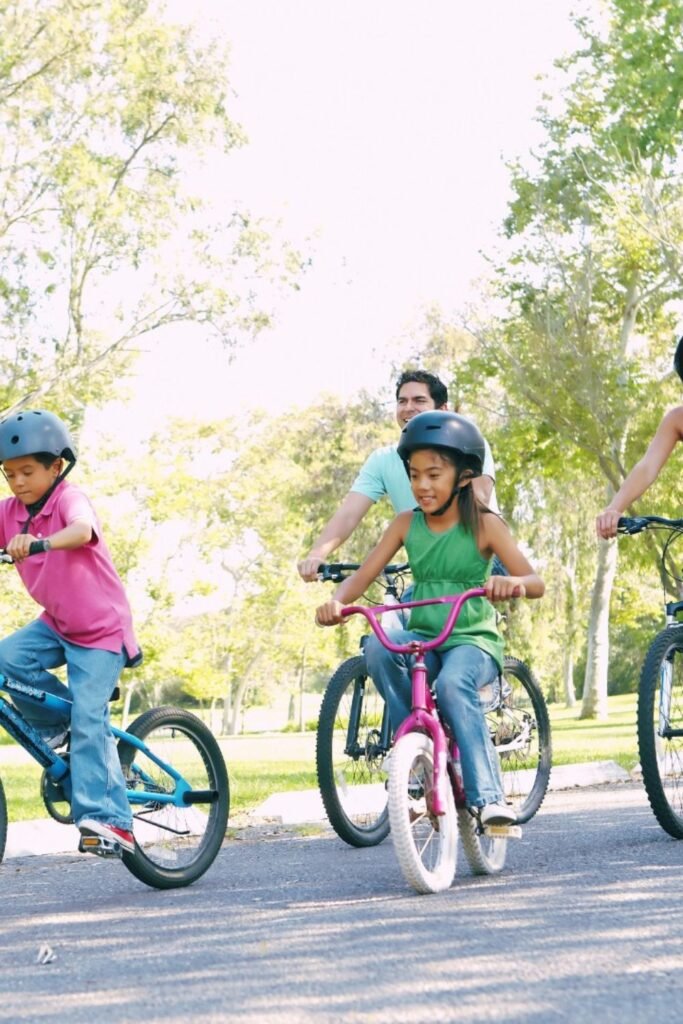
Morning sunlight, open paths, steady wheels moving together.Helmets on, laces snug, and small hands holding the handlebars with more and more confidence.
Parents set the pace, and youngsters chase freedom one pedal at a time. Instead of screen time, you get fresh air.
And laughter that echoes along peaceful park trails. Balance gets better on its own as teamwork is stronger with each turn.
Short ride help you and improve stamina without making you feel like you are working out. Safe paths and mild practice hills can be found in neighbor hood parks.
Moving outside together builds strength and connection. Easy bike trips may turn boring afternoons into family rituals that stay.
Chalk Art
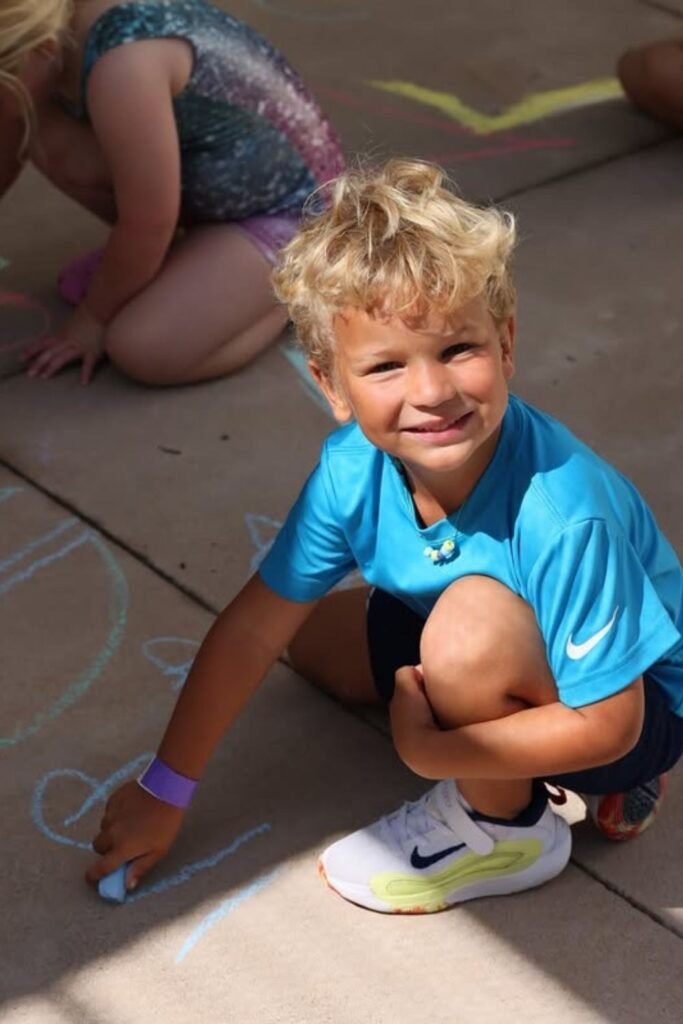
Sidewalks turn into giant blank canvases the moment colorful chalk hits the ground. Curved lines, wobbly circles.
And huge rainbows are all examples of how creativity flows freely without constraints or walls. Driveways, patios, and schoolyards make great outdoor studios.
Where mess is okay and cleaning up is as easy as splashing water. You only need a little bucket of chalk in different colors.
Tell them to draw highways for toy cars, big board games, tale settings or even hopscotch grids. This project is great for playdates, birthday celebrations.
Peaceful afternoons alone when you want to use your imagination. It needs sunshine, open space and colors that can be washed.
Campfire Treats
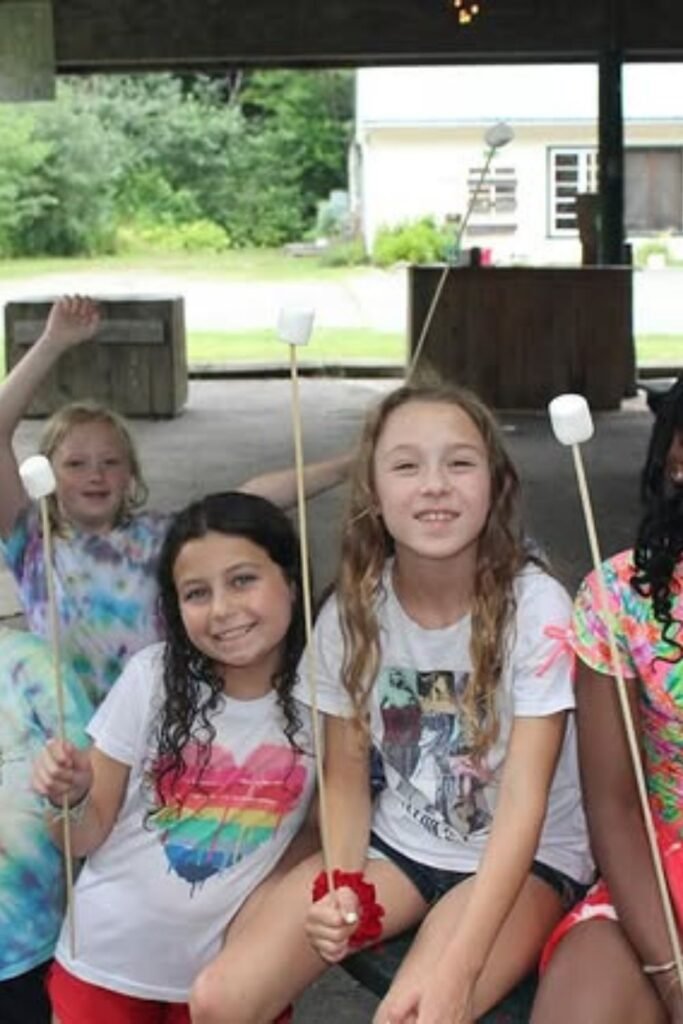
Sticky fingers and smoky air somehow make marshmallows taste better. Wooden sticks held up like miniature victory flags.
Golden tops slowly turning perfectly toasted backyard evenings or campground gatherings are instantly wonderful.
You can recreate the moment with fire pits, grills, or even a supervised indoor stovetop flame.
Give each child a skewer and show them how to flip it slowly to get that golden crust. Then let them put their creation between crackers and chocolate.
Best for summer nights, camping trips or school camp days when the laughter lasts longer than the smoke.
FAQs
How do I keep outdoor camp activities safe but still exciting?
Before the fun starts, it’s best to have clear guidelines. Give adults the job of watching kids while they play with fire, water, climbing, or tools, and set clear limits.
Chaos doesn’t get you excited; certainty does. Kids are more relaxed, involved, and willing to take healthy chances when they know what they can and can’t do.
What if my child feels shy or overwhelmed during group activities?
Don’t put any pressure on them to become used to it. Give them a minor “helper” role with a person they know, or let them watch before they join.
Comfort encourages people to join in. Once they feel protected, even the quietest youngster frequently becomes the most involved.
Hi, I’m Afaf! I’m a law student who loves writing about everyday life – from home projects and crafts to fashion, beauty, and parenting tips.
I’ve been writing for over a year, sharing ideas that are simple, practical, and easy to try. I write about things I find interesting and useful, whether that’s organizing a space, trying a new DIY, or finding activities to keep kids entertained.
My goal is to share helpful ideas without making things complicated. If it works in real life, I’ll write about it.
When I’m not studying or writing, I’m usually experimenting with new projects or scrolling for inspiration!