
32 Spring Activities For Kids Ideas For 2026
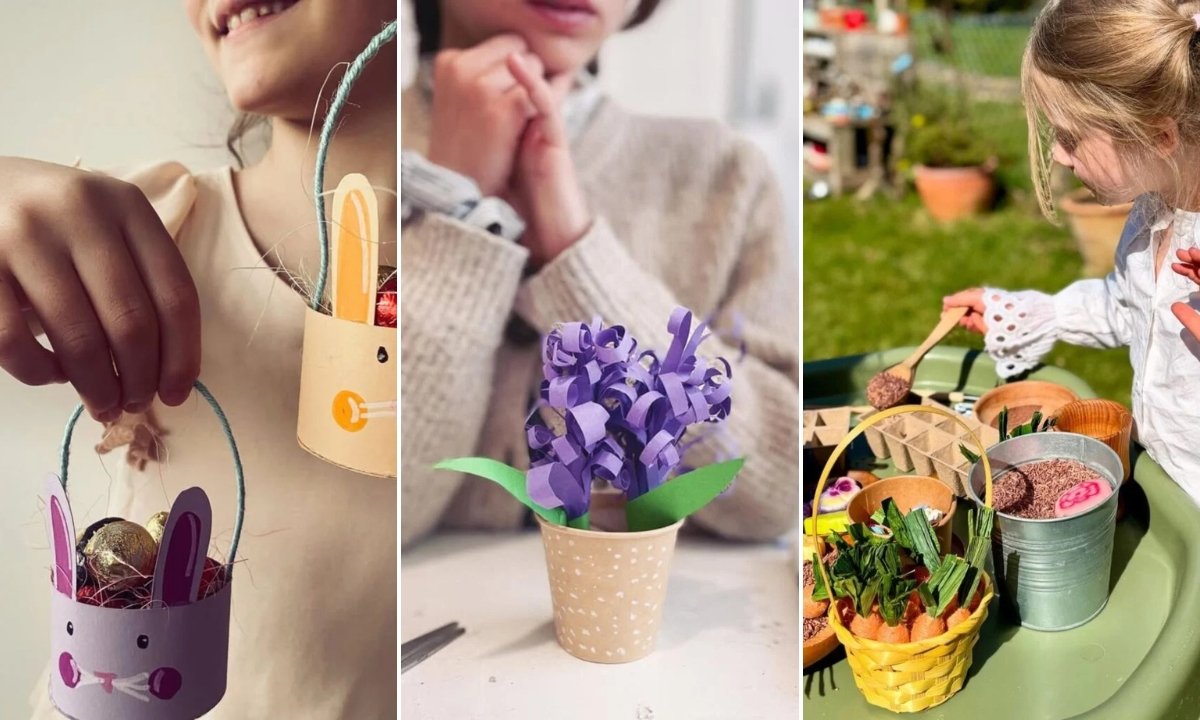
Last spring, I decided we were done with the fights over screens. The sun was shining the bird were singing and my kids were still inside fighting over a tablet.
They came back bored every time I told them to “go play outside.” At that point, I knew that spring wasn’t the problem.
It wasn’t the kids. It was the absence of direction. Don’t worry if you’re sick of hearing “There’s nothing to do.”
You don’t need to have a gorgeous backyard or undertake difficult crafts. You just need a better plan, and that’s what you’ll find here.
In this article, you’ll find 32 Spring activities ideas for kids that don’t require big spaces or expensive gear in 2026.
Let’s jump in!
How Can You Keep Kids Active During Spring Without Screens?
You can’t just take the iPad away and hope for the best if you want your kids to stop using screens this spring.
Most of the time, that ends in grumbling and boredom. Instead, give them something better to say yes to.
Kids don’t need to be entertained all the time. They need to know where to go, how to get there, and what to do.
Everything changes when you say, “Let’s go build, hunt, race, or plant something” instead of “Stop using screens.”
Spring provides you room, light, and enthusiasm. Use it. The idea isn’t to fight screens. The objective is to make life more fascinating than the screen.
Save this article for later!👇👇👇
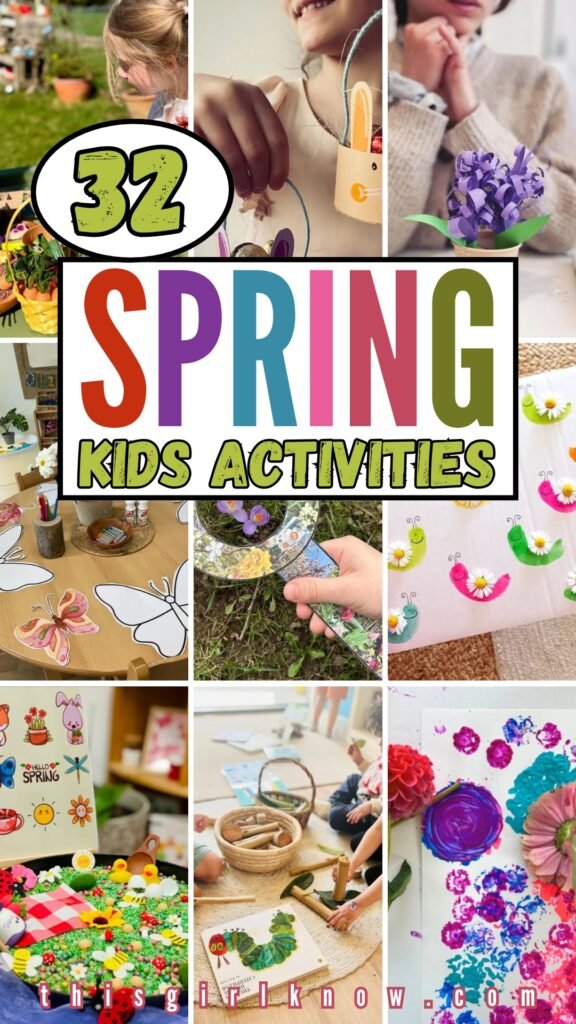
Sensory Gardening
Busy hands stay out of trouble. Set up a simple outdoor sensory table with soil, seeds, small scoops, and toy vegetables.
And all of a sudden, your backyard is a little garden station. To make dirt, fill some bowls with rice or birdseed, add tiny buckets.
Let your child scoop, pour, and “plant” however they want. A patio, balcony, or even a spot of grass will do.
You don’t need a proper bed for your garden. The important thing is to be able to touch, mix, and explore.
Give them a tiny task, like growing fake carrots for dinner, and you’ll quickly see their screen cravings go away.

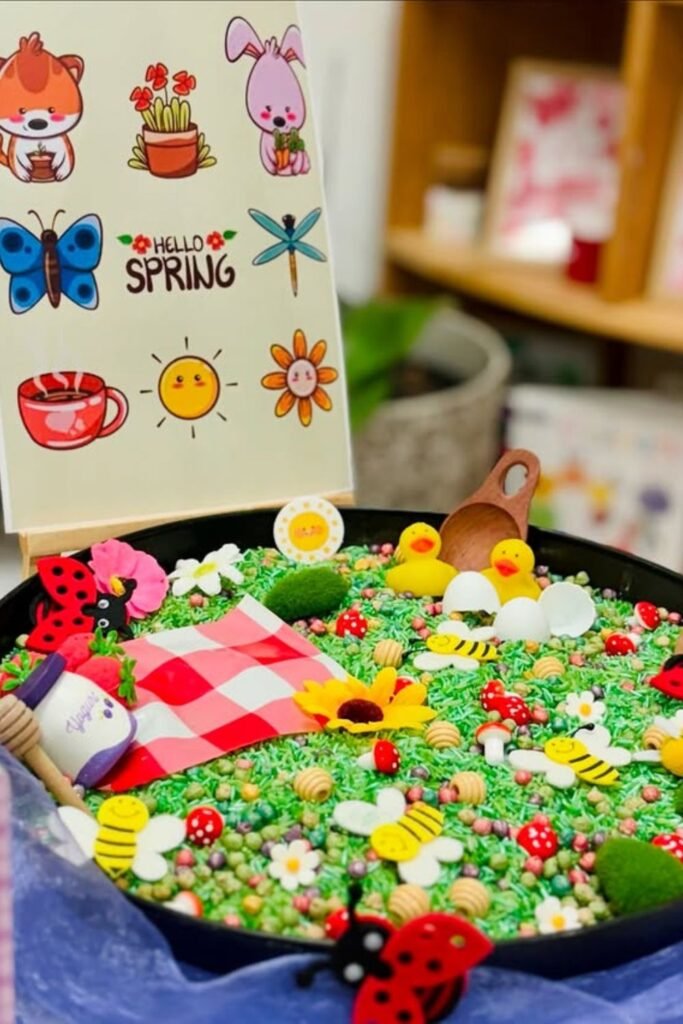
Spring Sensory
Energy shifts fast when you give kids a themed world to explore. Fill a large tray with dyed rice or pasta.
Put small spring toys like bugs, flowers, and miniature ducks all over the place and let them dig in.
Put it on a kitchen table or floor mat so it’s easy to wipe up. To keep children interested longer, hide a few tiny things and turn it into a mini treasure hunt.
To help kids develop and their fine motor skills without making it feel like labor give them scoops and cups to pour with.
Screens lose their appeal almost right away when their hands are occupied sorting, burying, and finding things.
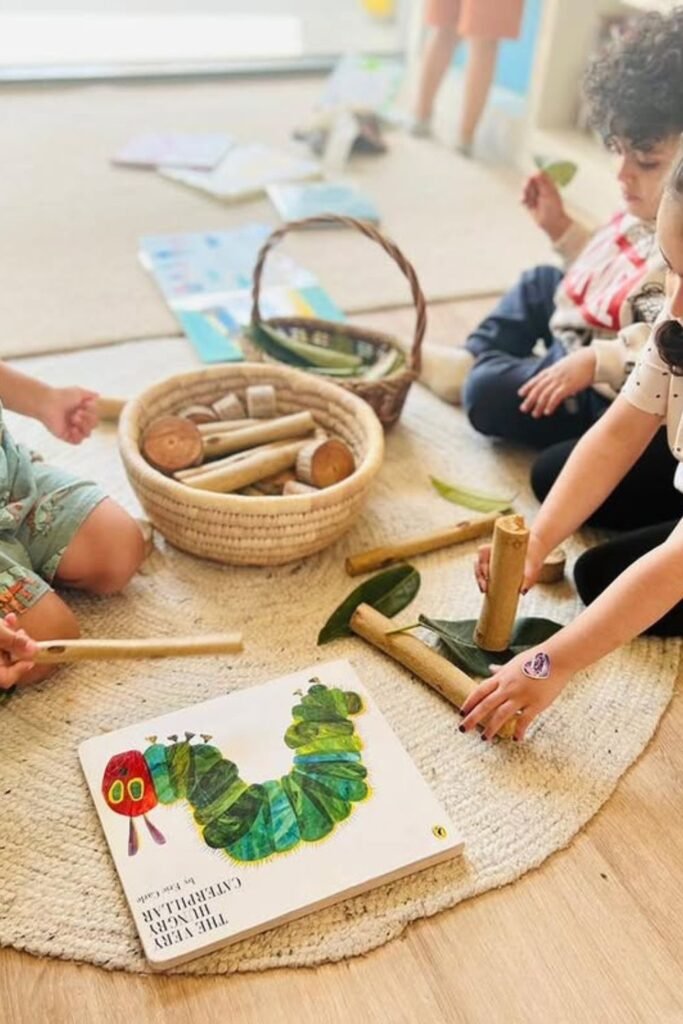
Nature Building
Kids grow curious when they can touch genuine things. Collect sticks, leaves, and tiny logs from your yard or a nearby park.
And then let them build anything they want on the floor or patio. No need for directions. It may become an insect house.
A little bridge, or something else entirely. You can get more ideas by reading a spring book with it, but don’t make it happen.
This kind of open-ended play is wonderful for playdates or calm afternoons when kids are full of energy.
Kids stay concentrated longer and move without even realizing it when they make things with natural materials.
Flower Printing
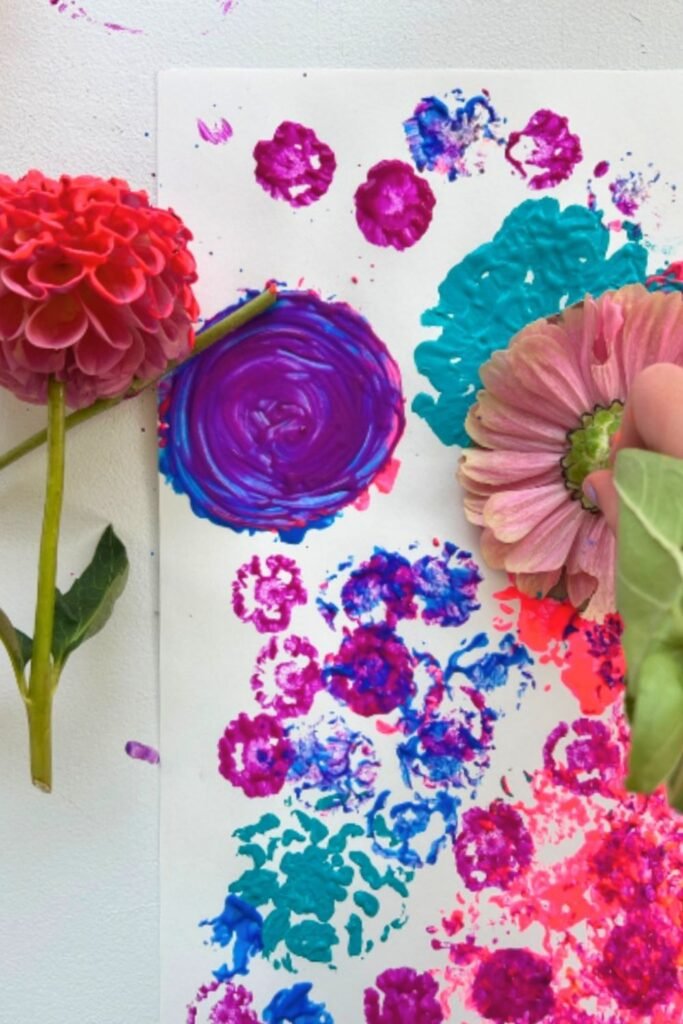
Bright paint and real petals can hold attention longer than any cartoon. Lay out a large sheet of paper outside, dab washable paint onto flowers and leaves.
And let your toddler press down on them to make bold prints. No need to be perfect. The best aspect is that each stamp is different.
The best place to do it is on the driveway, the patio table, or even the lawn so you don’t have to worry about the mess.
Try mixing colors or putting prints on top of each other to see what happens. Kids start noticing textures and shapes without even realizing they’re learning.
By the time the page is full, hands are dirty, thoughts are clear, and screens aren’t even missing.
Daisy Snails
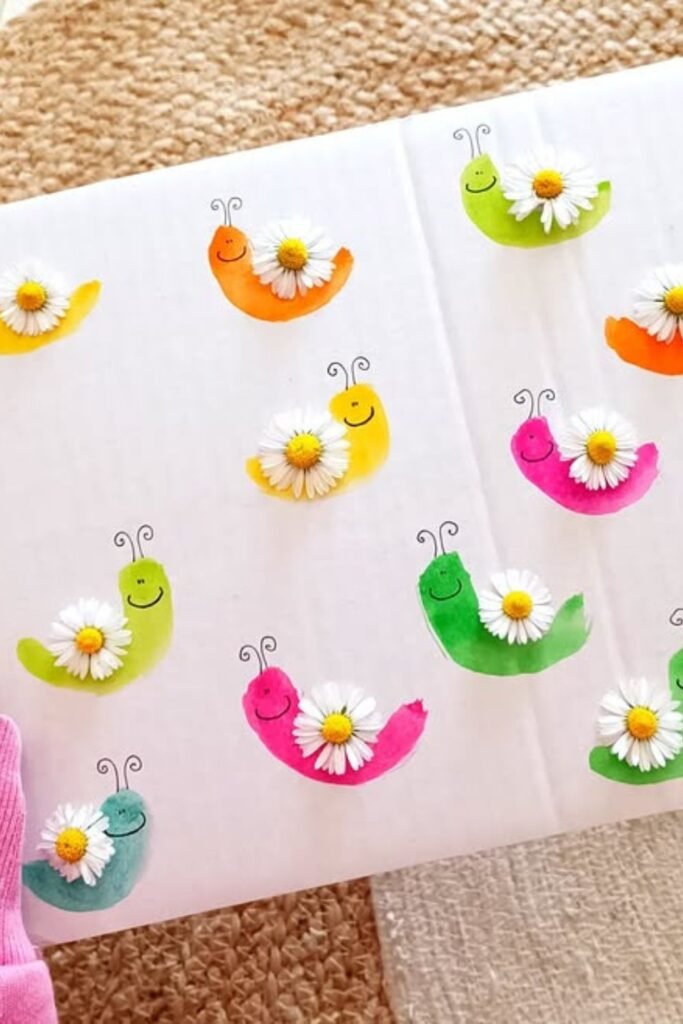
Little details make kids slow down and focus. Paint simple snail shapes on paper using bright spring colors, then glue real daisies as the shells.
All of a sudden, art becomes a small nature project. After a quick flower hunt outside, set it up at the kitchen table.
So kids feel like they’re part of it from the start. You may either draw small faces and antennas together or let them make their own faces.
Works great for preschoolers who like simple shapes but yet want to touch something “real.”
Fresh flowers provide a texture and smell that keeps hands busy longer. At the end, you get happy spring art that feels like it’s yours, not just another worksheet.
Nature Hunt
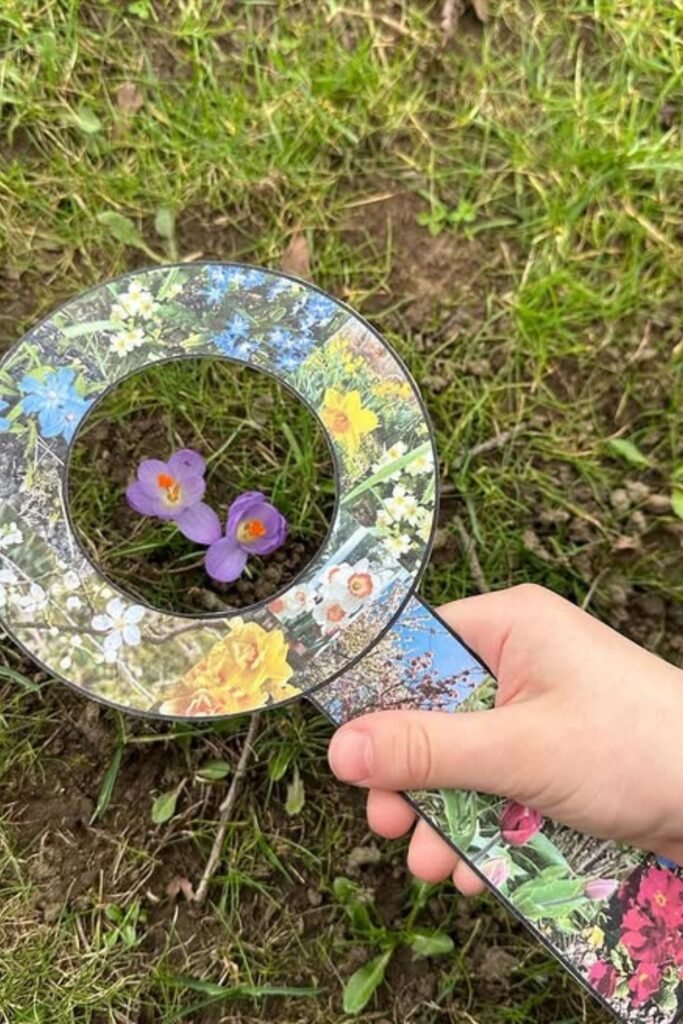
Give kids a mission, and boredom disappears fast. Hand them a magnifying glass and challenge.
kids to look for the first signs of spring, such new buds, tiny flowers, bustling insects, and grass pushing through earth.
A little bit of grass in the backyard, a park, or even a small area next to the sidewalk can do. No need for a fancy setup.
Make it a basic list or ask them to tell you what they see. When kids crouch down and gaze closer, the world seems bigger and more exciting all of a sudden.
They move around naturally as they look around. They stay outside longer than any timer could because they are curious.
Butterfly Coloring
Quiet afternoons don’t have to mean screen time. Spread out large butterfly outlines on the table, set out markers, paint, or colored pencils.
And let kids bring them to life in any way they wish. Put actual flowers in the middle of the table to get people thinking about colors and patterns.
This kind of focused activity works great in playrooms, corners of classrooms, or even at the kitchen table.
If you want to be courageous, you can try bold designs, blended colors, or even glitter. When they start filling in wings and making their own patterns.
They naturally become more focused. This quiet, creative time balances off all the jogging you do outside.

Paper Hyacinths
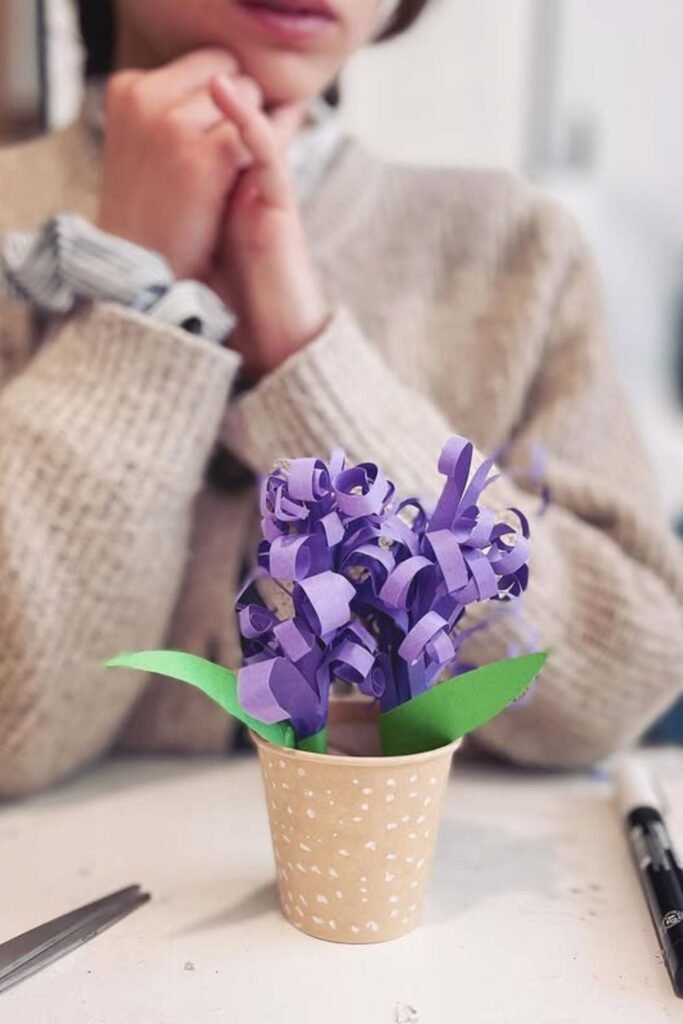
Small hands love projects that actually look real at the end. Grab purple paper, cut thin strips, and help your child curl them.
Around a pencil to create soft flower petals. Put them on a simple paper stem and put the finished flower in a small cup or pot that you can recycle.
This style of focused craft works well on dining tables or classroom desks. If purple is too boring.
Let the kids pick their own colors. When they see a full “plant” standing up straight, they get proud right away.
With just a few simple supplies, steady hands, and some time, you can make spring decorations that they will want to show off.
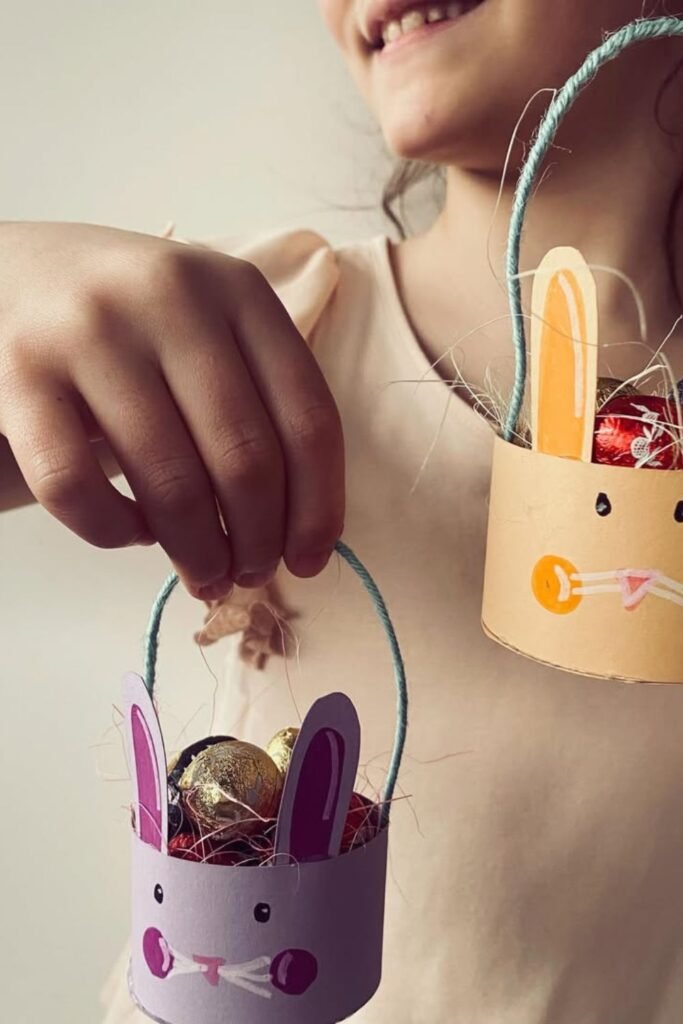
Bunny Baskets
Excitement doubles when kids make the basket themselves. Cut colored paper into wide strips, form a simple circle, staple or glue it closed.
Then, put on paper ears and a string handle. Instead of replicating a perfect example, let kids draw silly faces.
Put shredded paper, little goodies, or even tiny toys within. It works best to have everything in one location on kitchen.
Countertops or craft tables. You can use it for Easter egg hunt a spring party, or just to play pretend around the house.
It feels good when kids hold something they made. They hop around collecting their treasures during craft time.
Daisy Butterflies
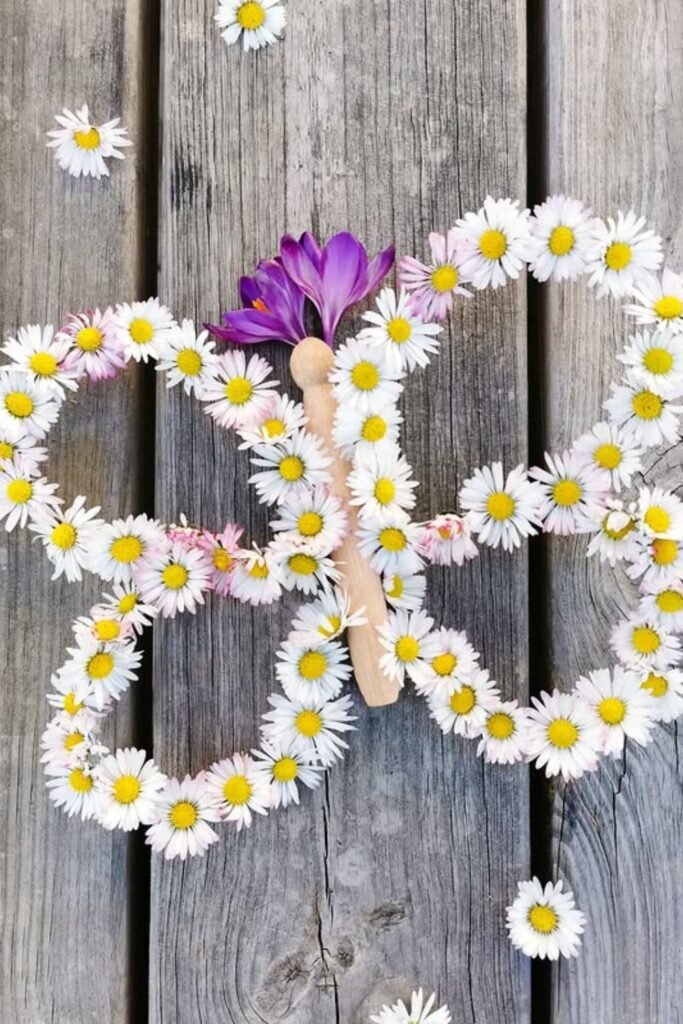
Ordinary walks turn magical when you give kids a creative goal. Head outside, gather fresh daisies.
And put them in the shape of butterflies on the ground or on a wooden deck. Let them make the wings.
Whatever they choose by using a little stick or leaf for the body. Parks, backyards, or even a small plot of grass near your house are great places to go.
If you’re building right on the surface. You don’t need adhesive. Tell them to take a picture before the wind blows things around.
These kinds of projects combine art and movement, so kids can stay active while making something beautiful out of what they have around them.
Spring Playhouse
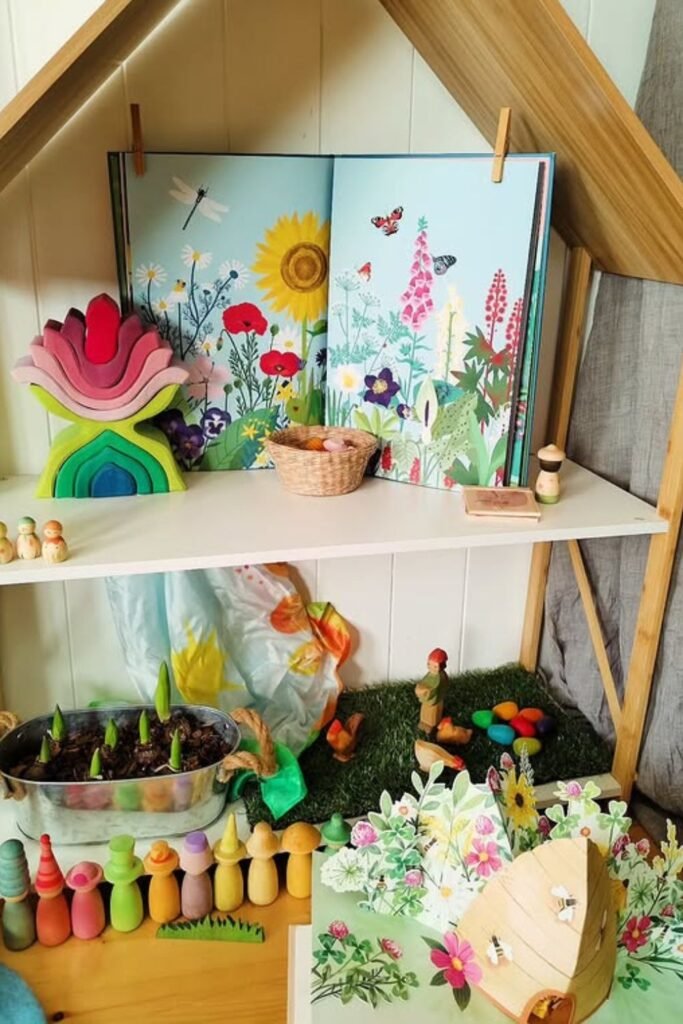
Change the space, and their imagination wakes up. Turn a small shelf or corner into a spring-themed play station with flowers.
A modest picture book with a vivid garden page, little miniatures, and painted eggs. If you can, put a tray of soil with genuine sprouts on it.
As long as the layout is welcoming, living rooms, bedrooms, or corners of classrooms will work.
Kids can move the pieces around and make their own small universe if you keep them loose.
When everything is within reach, pretend gardens, animal stories, or egg hunts start on their own.
Leaf Garlands
Color plus nature always grabs attention. Head outside, collect a handful of different leaves, then bring them inside to paint simple stripes, dots, or blocks of color.
When they are dry, use a hole punch to make small holes in them and thread them together to hang them up in a window, on a bookshelf, or on a porch.
Kids adore having their art on display, especially if it began out as something they found on the ground.
Don’t worry about making things perfect; keep designs open and fun. It works well on rainy afternoons when you still want to be outside.
Making, threading, and hanging the garland keeps your hands busy and your mind occupied for much longer than watching another video.

Nature Lantern
Evening feels different when kids help create the glow. Grab a balloon, layer tissue paper and real pressed leaves over it with glue, let it dry.
Then, pop the balloon to show a luminous shell. Put in a battery-powered tea light and watch their face change when it turns on.
Tables or patios in the backyard are excellent because they keep the area clean while the items dry.
To increase excitement, tell children to gather the leaves themselves earlier in the day.
Put the lantern outside as it becomes dark and speak about what they see and hear.
This kind of calm, hands-on project makes regular spring nights into something they will remember.

Pinecone Sorting
Fine motor practice doesn’t need worksheets. Hand your child a pinecone and a bowl of colorful pom-poms.
Then let them push each piece into the gaps. They don’t even know their fingers are getting stronger. Put it outside on a picnic table or indoors on a tray.
So it’s easy to clean up. If kids need help, make it a color challenge by filling one pinecone with warm colors and the other with cool hues.
Younger kids are more interested in where things go, whereas older youngsters may make patterns. This kind of quiet, repeated action calms hectic energy quickly.
They’ve worked their hands and minds much more than any screen ever could by the time the pinecone is full.

Leaf Rubbings
Simple paper and crayons can turn into real discovery. Place a leaf under a blank sheet, hold it steady.
And let your youngster lightly rub it with the side of a crayon. The veins and edges gently show up, like magic.
They can lean in close to kitchen tables or art areas. Use different forms of leaves to see how they differ in size and pattern.
Kids who are older can put labels on what they see or classify them by type. This kind of quick, low-prep activity gets people interested without needing a lot of setup.
No one asks for a break from the screen while watching secret information appear on paper.

Color Hunt
Movement happens faster when you turn it into a challenge. Print or draw a simple color chart, head outside.
Then have your kids identify something in nature that matches each color. Orange could be a flower, green could be a leaf, and brown could be bark.
When they get back, have them clip or tape their finds to the page. This works great in parks, backyards and even on sidewalks.
They don’t just walk around they look for something specific. If they like competition, give them a time limit.
Walking, bending, reaching, and comparing keeps their bodies and minds engaged. It doesn’t feel like a lecture it seems like a game.

Mini Botanists
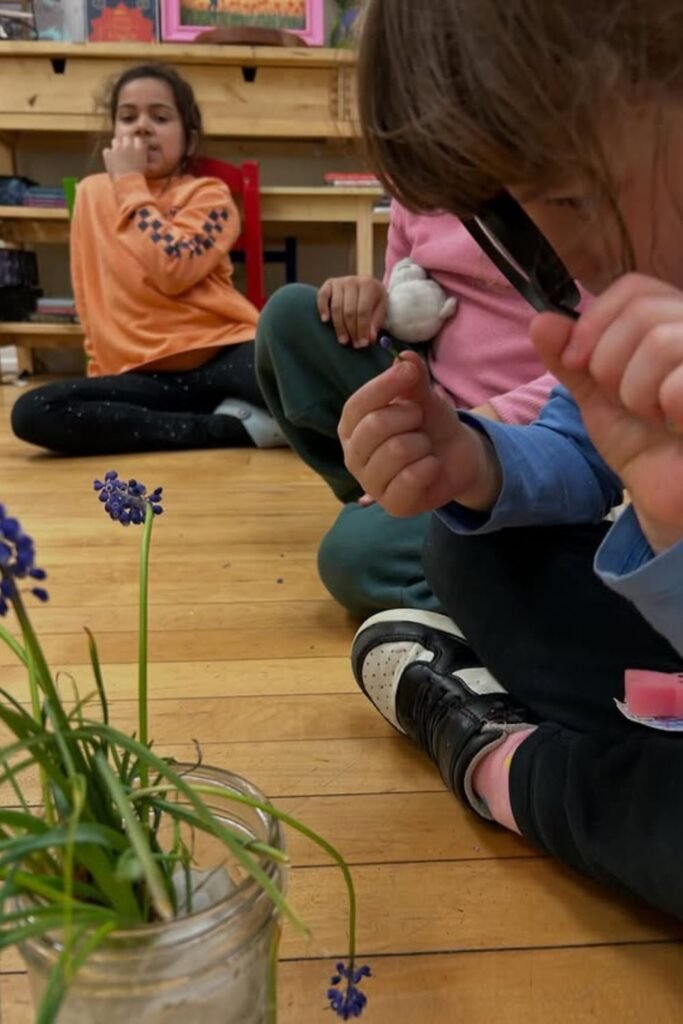
Curiosity grows when kids get to investigate like scientists. Hand them a simple magnifying glass.
And put some fresh spring flowers in a container on the floor. Tell them to sit down and look closely at the petals, stems, and other small things that most people miss.
If the weather isn’t great outside, living rooms or classrooms are good places to go. Instead of delivering answers, ask open-ended questions.
What do they see? How many petals do they see? They stay concentrated longer when they watch quietly than when they see fast-moving cartoons.
Taking the time to fully look at something helps kids be more patient, pay more attention, and feel more connected to the world around them.
Paper Blossoms
Cutting and pasting can burn off restless energy faster than you think. Draw a large simple flower outline on paper.
Then let your youngster rip or cut colorful paper into little pieces to fill each flower. You don’t need perfect squares. It looks better when the shapes are not even.
To make it easier to handle, put it on the kitchen table with two bowls: one for scraps and one for glue.
Younger kids should focus on staying between the lines, while older youngsters should mix colors to make things look deeper.
They’ve made something vivid and bold by the time the petals are full, and they didn’t even need a screen.

Clay Ornaments
Cold clay between little fingers instantly pulls them in. Roll out air-dry clay, press it flat, and cut simple heart or oval shapes using a cup.
Let your youngster gently push little leaves into the surface before it dries to produce natural marks.
For texture, wrap some string around the item and hang it up once it hardens. It’s best to dry things.
On a porch table or a sunny windowsill. Put a bead or wooden ball on top to give it a little color.
They feel proud when they make something that lasts longer than a drawing, and it provides them an incentive to get off their screens.

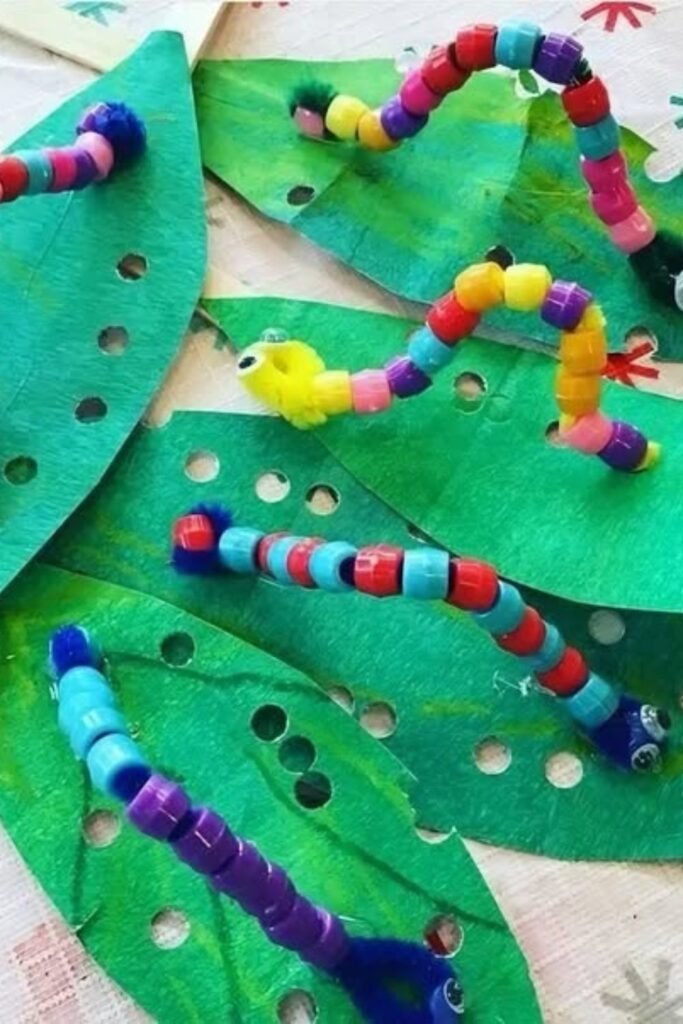
Bead Caterpillars
Bright colors plus tiny movements keep little fingers busy for a long time. Cut large leaf shapes from sturdy paper, paint them green.
And make little holes all over the surface. Then give your youngster some big beads and pipe cleaners so they can make their own wiggly caterpillars.
Put everything on a low table or floor mat so the beads don’t roll around. Younger youngsters work on threading.
While older kids can make color patterns or even name their bugs. The caterpillars look alive when they bend the pipe cleaners into curves.
Simple materials, steady hands, and a fun imagination can all come together to make focused time that readily replaces screen time.
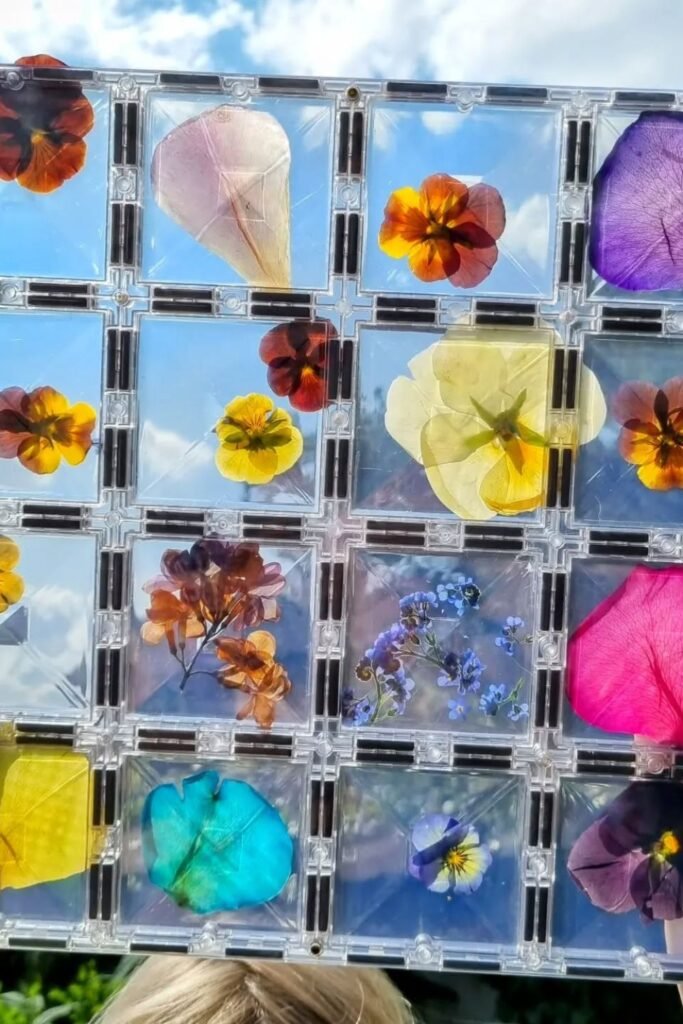
Petal Panels
Sunlight becomes part of the activity when you use it right. Collect fresh petals and small blossoms.
Then, put them between two pieces of contact paper or clear magnetic tiles. Put the final panel in the sky or tape it to a window.
That gets a lot of the sun and watch the colors shine. Instantly, backyards, balconies, and even classroom windows became art exhibitions.
Before you seal them in, tell the kids to sort them by color or size. Move things around until they seem right, then close it.
When light pours through their design, they perceive nature in a completely new way. That moment is much more exciting than any screen.
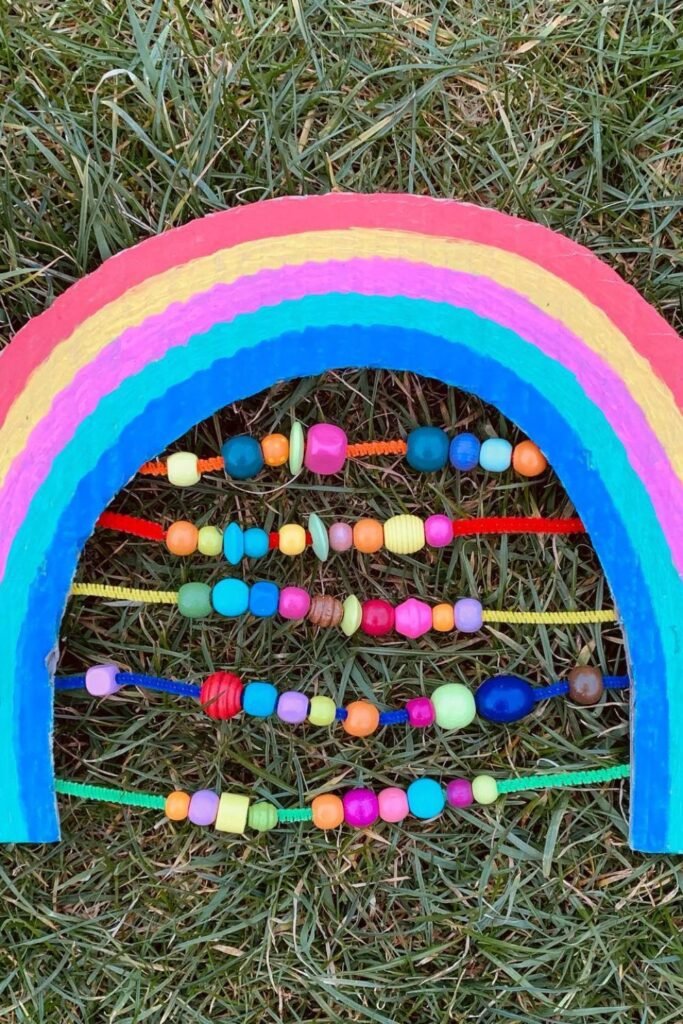
Rainbow Lacing
Color plus threading keeps hands busy longer than you expect. Cut a large rainbow shape from cardboard, paint bold stripes.
Then make little holes in the middle. Put pipe cleaners or thread through the holes and big beads for kids to slide and arrange.
Put it on the lawn or a low table so kids can sit comfortably and pay attention. Younger kids learn how to thread things together.
While older youngsters can make color patterns or count beads as they go. Movement stays tiny but consistent, which helps calm down restless energy.
They won’t even think about screens because the bright colors and hands-on movement make it feel like play, not practice.
Cotton Flowers
Messy hands usually mean engaged kids. Pour a little watered-down paint into shallow bowls, hand over cotton balls, and let them dab soft petals onto paper.
Adding a fast green stem with a brush makes the flowers pop. It’s allowed to use kitchen tables as long as you put down newspaper first.
Want more power? To help younger kids know where to put each cotton piece, draw a light circle around it.
The texture keeps kids interested because it’s not like drawing on paper. The best technique to slow them down is to blot, press, and layer color.
They’ve made brilliant spring art without even thinking about screens by the time the page dries.

Pressed Bowls
Soft clay turns into something they can actually use. Roll air-dry clay into small circles, press the center gently with fingers to form a shallow bowl.
And make the edges smooth. Put fresh flowers or leaves inside and press down lightly to make a print before it dries.
Take off the peel and leave the designs behind. Counters in the kitchen are great; just put a little flour under them so they don’t stick.
Add a little paint to the details once they are dry. These little bowls can hold jewelry or other small things.
Making something helpful and beautiful is much more gratifying than just tapping a screen.

Carrot Playdough
Tiny hands stay busy when you mix pretend play with texture. Shape orange playdough into a chunky carrot patch.
Then, to make it look like it just came from the garden, put little carrot tops or green herbs on top.
This kind of sensory play works great on kitchen counters or a play table. Put some little toy eggs or animals nearby and let the story grow on its own.
Younger youngsters mold and squeeze while older kids make scenes and perform rudimentary roles.
Soft dough keeps your fingers busy while your mind does the rest. Screens can’t compete with play that feels this real.

Sticker Leaves
Patterns grab attention fast. Collect a handful of large leaves, lay them flat on a table, and hand over sheets of colorful dot stickers.
You can let your youngster design the surface in whatever way they choose, like with rows, random places, or colors that match along the middle.
No adhesive, no time to dry, and no hard setup. Great for when you’re bored in the afternoon and need something simple to do.
Younger youngsters practice peeling and putting, which helps them get better at controlling their fingers. Older kids can make it a game of symmetry.
Put the leaves on a wall or window for a few days after they are done. Screens will always lose against things that are quick, vibrant, and hands-on.

Ice Flowers
Warm days make this even better. Fill small cups or an ice tray with water, drop in flower petals or tiny blossoms, and freeze overnight.
The next day, put the frozen pieces in a big bowl outside and give your child a small jug of warm water.
Let them pour and watch the ice slowly melt to show the blooms inside. Patios, driveways, or tables.
In the backyard are excellent because stuff will get wet. Talk about why certain things melt faster than others.
You might not think that slow shifts like these keep people’s attention longer than you think. Without a screen, curiosity, movement, and a little science all happen.

Flower Puppets
Imagination takes over fast when flowers turn into characters. Tape or glue simple paper faces onto fresh blooms.
And have your youngster make a little puppet show with the stems as handles. Put them in a line along a box, basket, or even the side of a couch to make a “stage.”
Patios, living rooms, and classrooms all work. Give each flower a name and a voice, and then watch the stories emerge.
Kids who are shy frequently feel more comfortable talking through a puppet than through themselves.
You may tell stories, walk about, and be creative without even trying. The play can go on for a lot longer than you think. That type of fun won’t be beat by screens.

Leaf Masks
Costumes don’t need a store run. Cut a simple eye mask shape from sturdy paper, head outside.
And let your youngster pick out leaves of different colors and shapes to glue on top. For texture, mix big, bold leaves with small ones.
Tie thread around the sides, and all of a sudden they’re a forest hero or animal. You can have fun in your backyard, a park, or even on your balcony.
Once they put on the mask, tell them to move like their character crawl, sneak, or tiptoe. Crafting integrates right.
Into actual play, and the switch from making to movement keeps the energy going in a way that screens can’t.

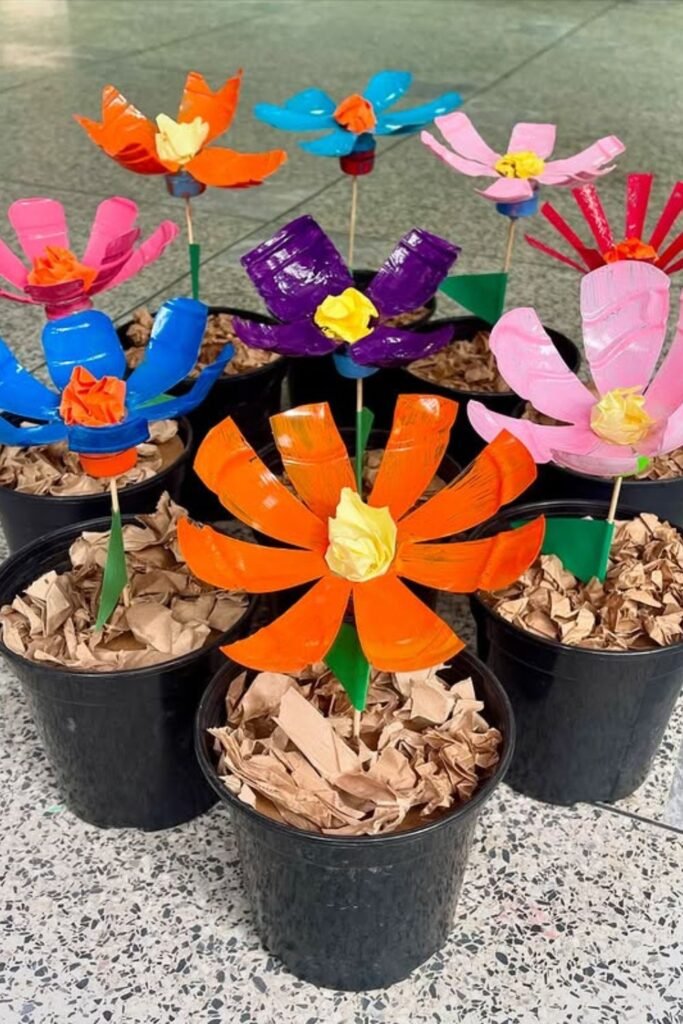
Bottle Blossoms
Trash turns into color fast when you look at it differently. Cut the bottom halves of plastic bottles into petal shapes.
Use vibrant spring colors to paint them, then adhere them on rods or skewers. To make a mini recycled garden.
Push them into miniature pots that are filled with dirt, sand, or crumpled paper. You may line them up in driveways, patios, or classrooms.
Let them play around with the shapes of the petals. For enormous flowers, make wide slices; for spiky flowers, make thin pieces.
When kids “plant” their inventions, they can pretend to water them as part of the game.
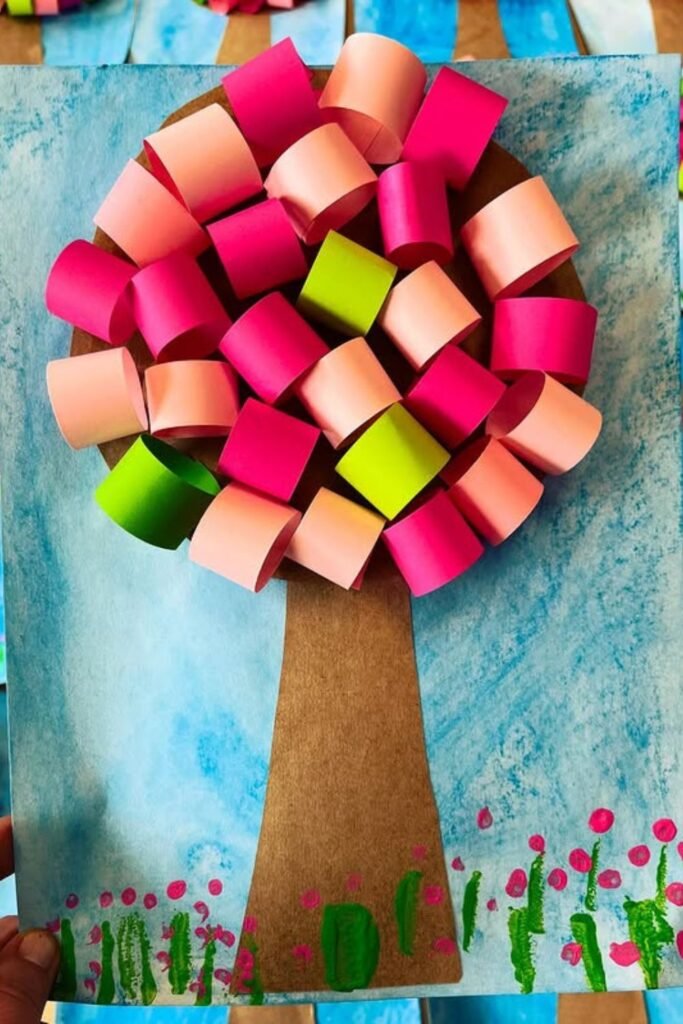
Paper Trees
Bold shapes grab attention instantly. Cut strips of colorful paper, roll them into loose loops, and glue.
Them close together to form a full spring tree top. To finish the image, paint a basic trunk at the bottom and add little flower dots around it.
This is a great project for the kitchen table or an art area because you’ll need some room to stretch out the loops.
Instead than keeping to one hue, let the youngsters mix tints so the tree seems alive. Rolling and gluing helps.
You learn to be patient without getting bored. Pride takes over boredom in seconds when they see that gigantic 3D tree leap off the page.
Painted Leaves
Nature already gives you the canvas. Spread collected leaves across a table and hand over paint markers in bold colors.
Kids can trace the veins, add dots, make swirls, or make tiny drawings that follow the form of the leaf. No need to draw.
It’s interesting since every leaf is different. Works well after a trip to the park when your pockets are already full of treasures.
Get them to attempt one complicated design and one simple pattern to see how they are different. Fine lines and small dots help you focus without making.
You feel like you’re “practicing.” When regular leaves become colorful works of art, creativity becomes real and screens lose their charm.

FAQs
How do you get kids excited about outdoor spring activities when they only want screens?
Don’t start with saying no to screens. Give them something better to start with. Instead of leisure time, give them a job to do.
Tell them to locate five different colors of flowers, make a miniature fairy garden, or make a mask out of leaves. Kids respond to having a purpose.
What if I don’t have a big backyard for spring activities?
You don’t need one. A balcony, a sidewalk, a park corner, or even a sunny window can do. You only need a table.
Some paper, and things from nature like leaves or flowers for a lot of spring activities.
Do simple things with your hands. The experience is more important than the location.
Hi, I’m Afaf! I’m a law student who loves writing about everyday life – from home projects and crafts to fashion, beauty, and parenting tips.
I’ve been writing for over a year, sharing ideas that are simple, practical, and easy to try. I write about things I find interesting and useful, whether that’s organizing a space, trying a new DIY, or finding activities to keep kids entertained.
My goal is to share helpful ideas without making things complicated. If it works in real life, I’ll write about it.
When I’m not studying or writing, I’m usually experimenting with new projects or scrolling for inspiration!