
32 Scavenger Hunt Ideas For Kids Outdoor For 2026

You manage to get the kids outside, and within minutes, they’re either bored, squabbling, or clamoring for a screen.
You want something enjoyable, but not another activity that requires an hour of planning or fizzles out after a few minutes.
Figuring out what kids should be looking for shouldn’t be this difficult. That’s precisely why this guide was created.
In this article, you’ll find 32 Scavenger Hunt Ideas For Kids that balance fun, movement, and home comfort in 2026.
What Items Can Kids Find in an Outdoor Scavenger Hunt?
The most common error is overloading the list or selecting items that are practically impossible to spot.
Consider everyday outdoor elements that children naturally observe when they take a moment to look.
Think leaves, pebbles, blossoms, twigs, birds, insects, or anything red or round. If you’re working with younger children, concentrate on colors and shapes.
For older kids, introduce small challenges, such as finding something textured or something that makes a noise.
Save this article for later!👇👇👇

What Items Can Kids Find in an Outdoor Scavenger Hunt?
The most common error. Overloading the list or selecting items that are practically invisible to children.
Consider everyday outdoor elements that kids naturally observe when they take a moment to look.
Think leaves, pebbles, blossoms, twigs, birds, insects or something red or circular. If you are working with younger children, emphasize colors and shapes.
For older kids, introduce small challenges, such as finding something textured or something that makes a noise.
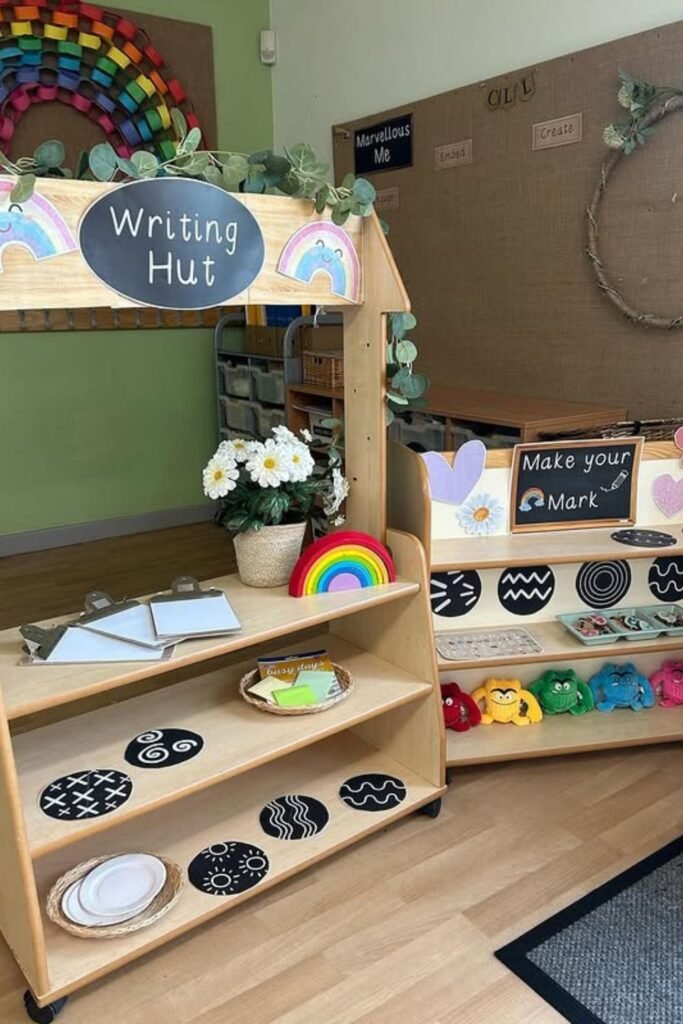
Writing Station
Turn part of the scavenger hunt into a calm stop where kids slow down and create instead of running.
Set up a little outdoor station a table or shelf will do stocked with clipboards, paper and some crayons or chalk.
Invite the kids to draw something they discover, trace patterns or jot down a word that comes to mind when they think of nature.
Color Zones
Bright color stations turn searching into movement with purpose. Spread mats, paper or trays outdoors and assign each one a color.
Kids hunt for objects that match then place them in the right zone. Backyard and patios work best because the space stay and controlled.
Fewer colors keeps it calm for younger kids while older ones enjoy racing to complete every zone before time runs out.

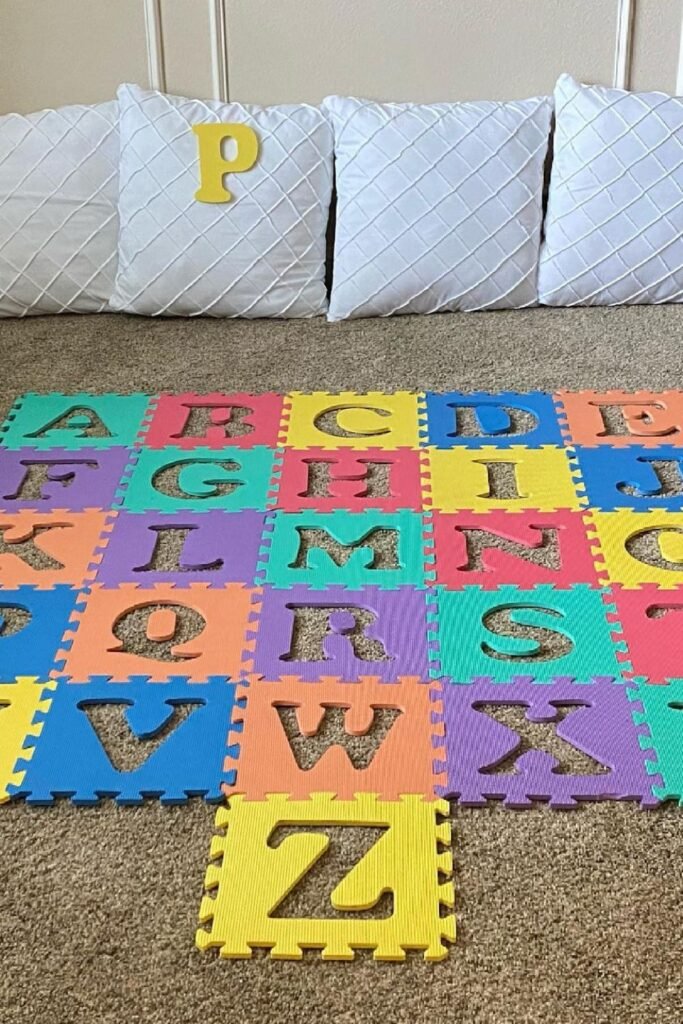
Alphabet Hunt
Letters turn the hunt into a thinking game instead of pure running. Spread alphabet mats, cards, or chalk letters across grass or patio space.
Children hunt for items beginning with each letter and then position them on the corresponding square.
For older children, you might make it a competition to see who can complete their name first, or spell out short words using the materials they’ve collected.
Shape Match
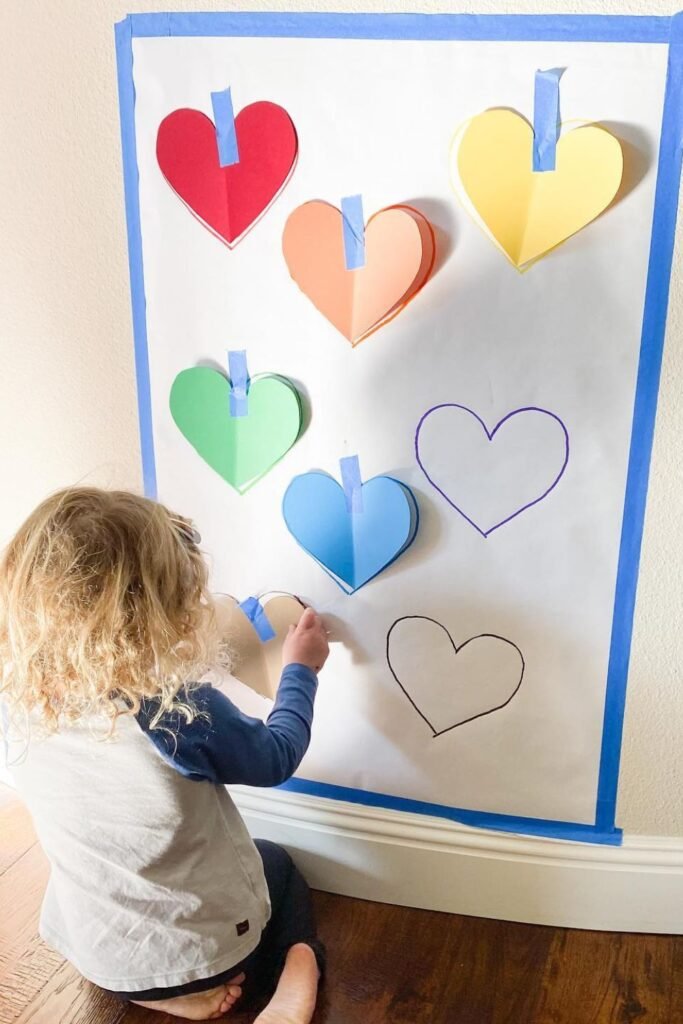
Matching shapes gives younger kids a win without turning it into a race.
Tape large outlines on a fence, wall, or board and scatter matching cutouts around the yard.
Children search for the correct piece and then place it correctly. Compact outdoor areas are ideal, as they minimize the chances of losing pieces.
Shape Search
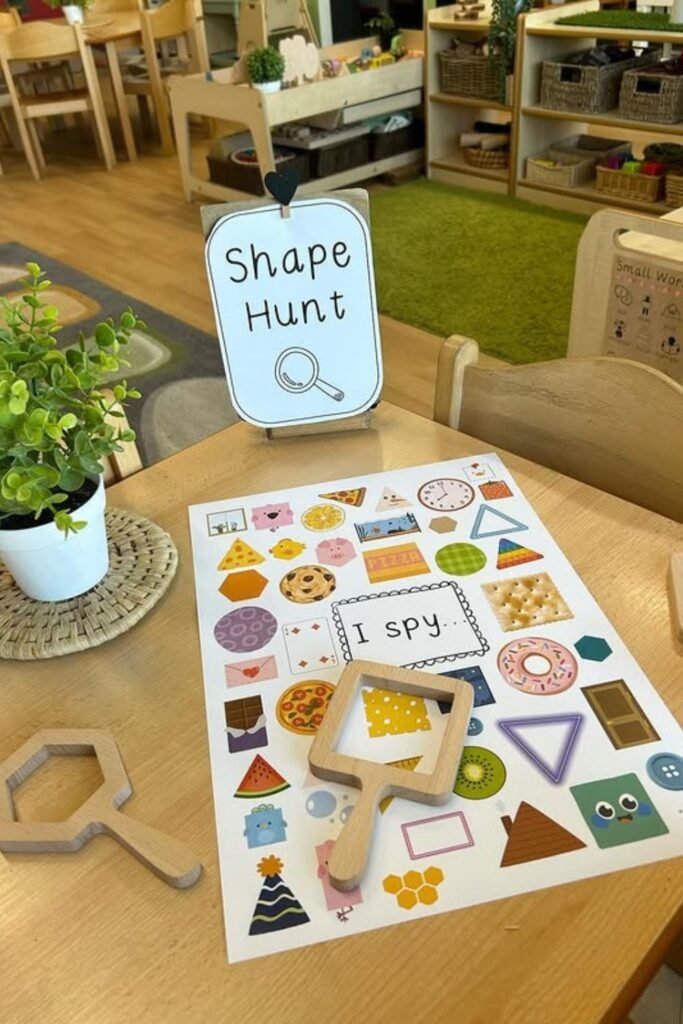
Kids notice patterns faster than objects which makes this hunt feel easy and rewarding. Print a simple shape sheet or draw icons on paper.
Next, send the kids out to find shapes that match. They can look on play equipment, fences, windows or even garden walks.
Parks and schoolyards are perfect for this. Keeping it visual is a great way to make younger kids feel good about themselves, even as they’re tackling a real difficulty.
Sensory Sorting
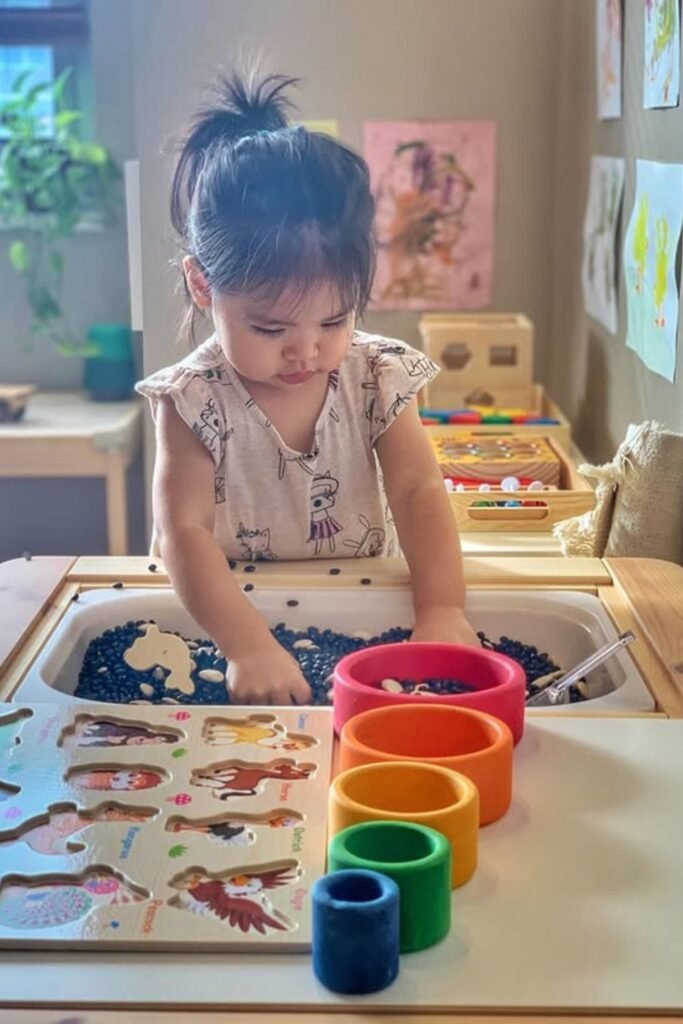
Scooping and sorting slow kids down in the best way possible. Fill a shallow bin with beans, sand, or rice and hide small toys or objects inside.
Place colorful cups or containers about then have the kids search by feel and sort their finds. A quiet spot in the backyard or on the patio is ideal.
This keeps their hands occupied, extends their attention span and even keeps energetic youngsters interested.
Mirror Hunt
Curiosity spikes when kids realize they can search without touching anything. Hand out small mirrors and challenge.
They search for concealed treasures beneath benches among the leaves, or along the edges of playgrounds.
This works well in paths, parks and along garden borders. The guidelines are straightforward observe, don’t disturb. .

Ice Painting
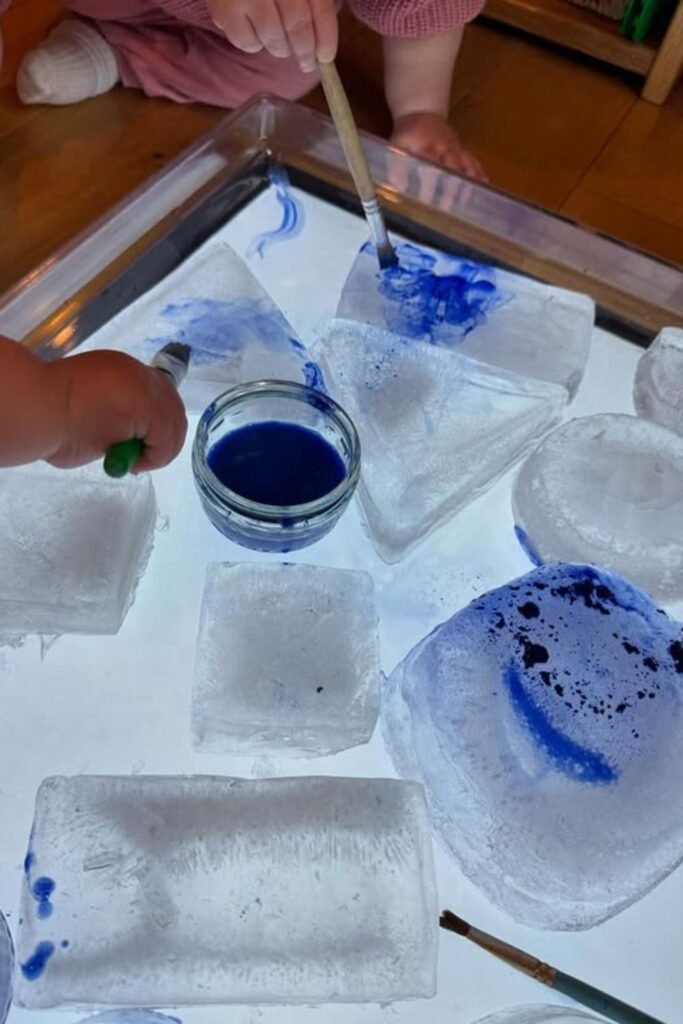
Cold surfaces slow everything down and stretch attention in a way crayons never do. Freeze water in different shapes.
Place the ice shapes on a tray outdoors then provide washable paint, brushes or droppers. Shaded patios or yards in warmer weather are ideal.
As the children paint, the ice melts transforming the activity into a blend of art and exploration as they search for shapes, colors, or patterns.
Trail Quest
Walking paths turn into missions once kids have something to look for. Pick a short trail and challenge them to spot textures, natural colors, animal signs.
To keep the group together and avoid straying, the best places to find fallen objects are forest paths and nature reserves, where biodiversity is abundant.
Providing each person with a tiny notebook or checklist helps the group stay organized and stops them from drifting off.

Bug Safari
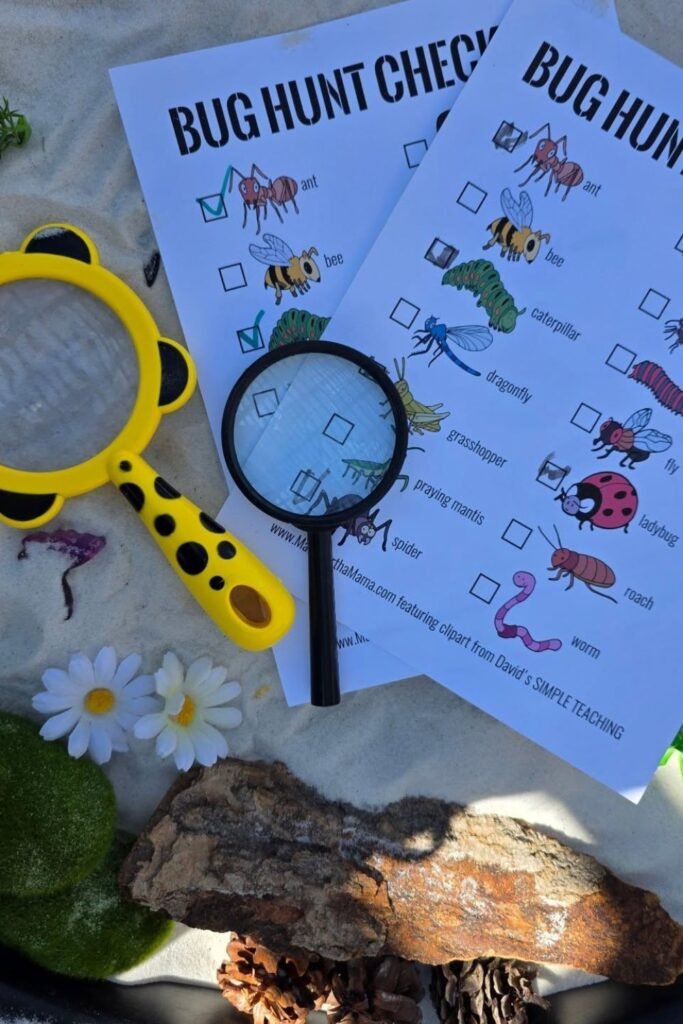
Tiny creatures turn ordinary outdoor spaces into high interest zones fast. Hand kids a simple bug checklist and a magnifying glass.
Then, let them explore around the grass, rocks, tree bark or the boundaries of the garden.
Sandy spots and flower beds are particularly good places to look. It’s important to have clear guidelines observe, don’t touch.
Garden Search
Growing spaces naturally slow kids down and sharpen attention. Turn garden beds into a hunt by asking kids to spot leaf shapes, plant colors, insects.
Signs of growth, like budding plants and climbing vines, are everywhere. Raised beds are particularly effective they keep everything in sight and easy to access.
Provide subtle nudges instead of a strict set of instructions and keep the environment relaxed while you guide their focus during their exploration.

Snow Search
Cold textures immediately alter a childs exploratory behavior. Simply fill a shallow container with artificial snow or crushed ice and conceal small winter themed objects.
The search the act of finding is the thrill. This works well in classrooms, on patios or at shaded tables outside.
Keeping the number of hidden treasures small helps maintain concentration transforming the experience into a deliberate, enjoyable exploration than a frantic race.

Leaf Collecting
Natural treasures feel more special when kids carry them themselves. Hand over a small basket or bag and send them searching for different leaf sizes, colors, or textures.
Tree-lined yards and parks offer a natural setting, requiring no preparation. Keeping the request to just a few items simplifies things.
And avoids overwhelming participants. The final comparison of leaves transforms the activity into a subtle educational experience.

Bike Quest
Pedaling instantly raises excitement and keeps groups moving together. Turn a bike ride into a hunt by giving simple clues kids can spot.
While you’re out there, keep an eye out for things like trail markers, animal tracks, bridges, or any indications that catch your eye.
Snowy trails, park loops, or even just a quiet neighborhood may be great, especially if there are clear place to the halt.

Map Challenge
Holding a simple map makes kids feel in charge of the adventure. Hand out printed picture maps or hand-drawn paths.
Let them follow the clues to identify the matching items. Schoolyards, parks, and open playgrounds are ideal landmarks are readily identifiable.
Clear checkpoints help keep the group together. Crossing off location boosts confidence and give the search a tangible sense of advancement.

Glow Hunt
Darkness flips a simple hunt into instant excitement. Scatter glow sticks light up eggs or LED toys across grass just before sunset.
Give the kids a small bucket or bag. Backyards are ideal the edges are obvious even when the light fades.
Keeping the number of items minimal makes it easier and the glow in the dark aspect gives the smaller children a better chance of finding thing with out getting upset.

Pirate Treasure
Hidden loot turns imagination into movement fast. Bury coins, small toys, or clue cards under leaves, logs, or tree roots and let kids follow simple hints to find them.
Wooded regions or parks are ideal settings for this kind of adventure. Adding props such as eye patches or maps may really amp up the fun.
To keep the hunt from devolving into a chaotic free-for-all, it’s best to restrict the number of treasure locations.

Beach Dig
Sand naturally invites searching, scooping, and problem-solving.
Mark small digging zones with sticks or rope and hide shells, stones or toy treasures just under the surface.
Beaches and sandboxes are both effective, provided the boundaries are clear. Assigning each child their own designated area.

Fossil Dig
Buried surprises instantly pull kids into focused hands on searching. Hide plastic bones, shells or small toys under sand.
Let them explore treasures using brushes or spoons rather than frantically digging. Sandboxes and beach settings are ideal for this leisurely search.
Using delicate tools fosters patience and revealing stuff gradually transforms the experience into a small adventure one that seem considered, not hurried.

Egg Dash
High energy moments need clear rules or chaos takes over fast. Scatter plastic eggs or soft balls across a large open space.
Give the kids bags or buckets and let them gather as many as they can. Gyms fields or spacious backyards are ideal.
Short rounds keep things equitable and the reset between turns gives everyone a chance to get back in with out any pushing or crowding.

Path Search
Moving together keeps younger kids focused and confident. Turn a walking path into a guided hunt by giving one shared checklist the group follows step by step.
Parks and garden paths are effective because they naturally guide movement. A slower pace lessens the need to hurry.
And allowing children take turns finding things encourages teamwork and keeps everyone interested, preventing them from wandering off.

Texture Trail
Different surfaces make kids slow down and really notice what’s around them. Set out a simple texture board with words like soft, rough, smooth or bumpy.
Then, as they wander, let the kids collect natural items that match. Gardens, wooded trails and parks are ideal.
The options are practically limitless. To keep things focused, and to prevent a free-for-all, limit them to one item per texture.

Nature Walk
Guided curiosity turns wandering into learning without pressure. Walk kids through a garden or green space and pause to notice plants, leaves smells, or textures.
Schoolyards and parks are ideal settings for this kind of activity. Subtle guidance from an adult helps maintain focus.
And allowing children to touch objects and ask questions makes the search feel relaxed, purposeful and related to their surroundings.

Book Break
Quiet moments help kids reset before jumping back into searching. Set up a small reading spot with nature or animal books and challenge kids.
To discover facts about what they’ve observed outdoors, consider inside corners near windows or shaded outdoor carpets as ideal spots.
Setting brief reading objectives keeps things manageable and linking the pages to their real world discoveries transforms the search into a more engaging experience.

Hallway Hunt
Clipboards instantly make kids feel like they’re on a mission. Turn school hallways or long outdoor corridors into a hunt.
Adding picture or color checklists that kids can tick off as they travel makes the experience more engaging.
A one-way route helps prevent bottlenecks, and those little checkboxes keep youngsters engaged and feeling accomplished as they check off each item they spot.

Story Stations
Curiosity grows when kids move between small discovery zones instead of racing around.
Arrange themed trays, each filled with natural elements such as bark, stones, moss or even water clues and have the children move through the stations sequentially.
This setup is easily adaptable to backyards classrooms or outdoor learning spaces.

Sound Hunt
Silence turns into a challenge kids take seriously. Pause the group and ask them to listen for outdoor sounds like birds, wind footsteps or distant voices.
Each sound is quietly acknowledged or murmured to an adult. The best settings are backyards, parks, or quiet streets.
Concentrating on listening rather than racing around, quickly settles the group and encourages children to observe subtleties they often overlook when they are in motion.

Shadow Chase
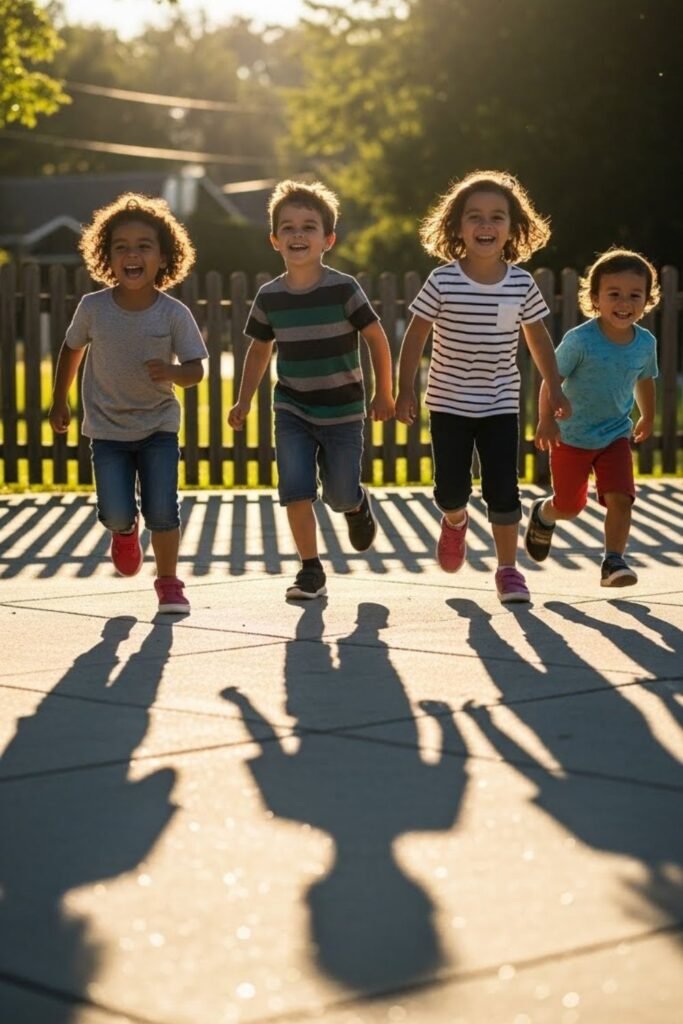
Sunlight does half the work here. Ask kids to find shadows that stretch long look tiny or move when they move.
Sidewalks, fences and trees offer immediate hints. The best time to do this is either early in the morning or late in the afternoon, when shadows are long and easy to see.
Children remain interested since each step reveals something new transforming observation into a fun game of finding things, without the need to gather anything.
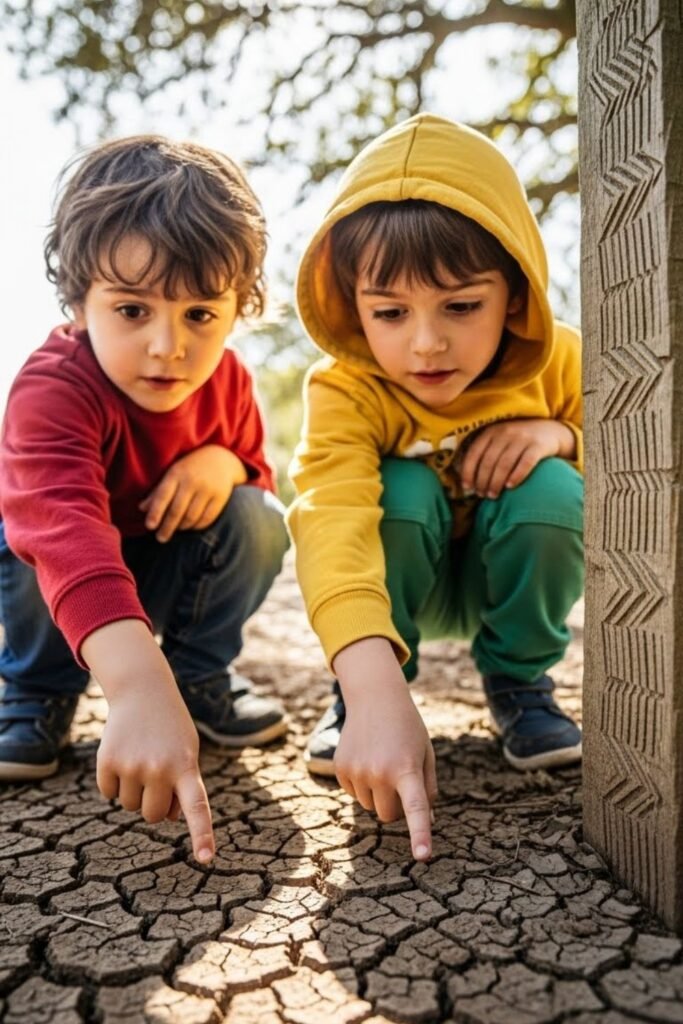
Pattern Spotting
Once children learn to look they are drawn to repeating details. Encourage them to hunt for patterns stripes on fences, dots on leaves, cracks in pavement or repeating bricks.
Surprisingly urban environments and playgrounds are excellent places for this. Providing examples beforehand is helpful for younger children, as it clarifies the objective.
Searching for patterns fosters concentration and naturally slows down their pace, particularly beneficial for those who tend to hurry through tasks.
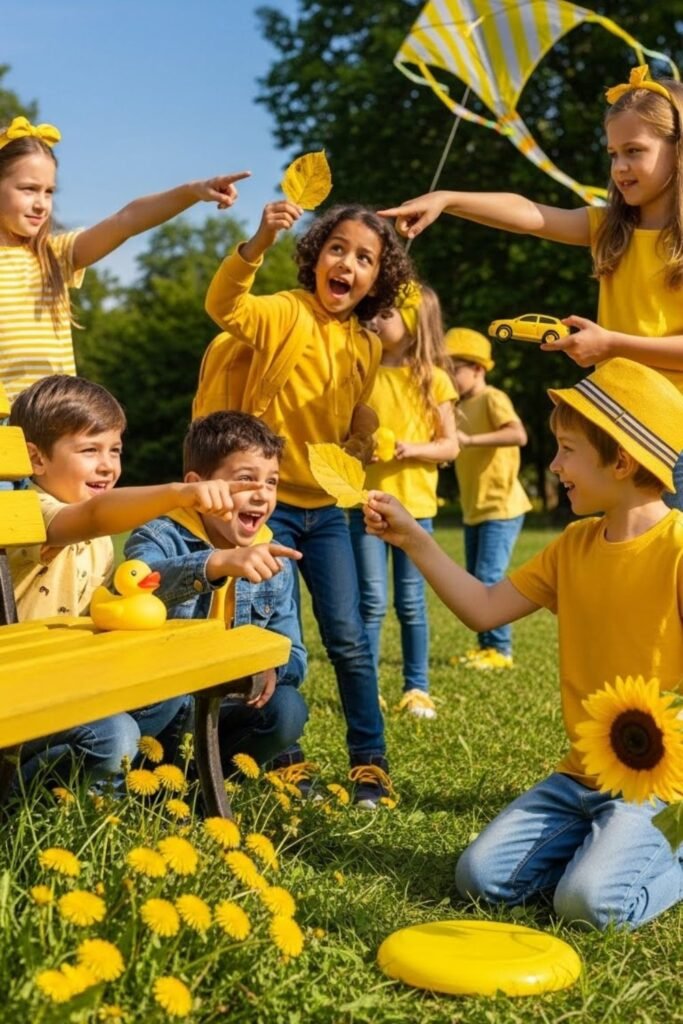
Color Count
Numbers add purpose without pressure. Pick one color and challenge kids to find five different outdoor items in that shade.
Grass, signs, clothes, flowers, or anything else that’s painted it all counts. Switching up the color mid-way through keeps things fresh.
This approach is particularly effective with groups of different ages everyone can be involved, no matter their skill level while still aiming for the same straightforward objective.
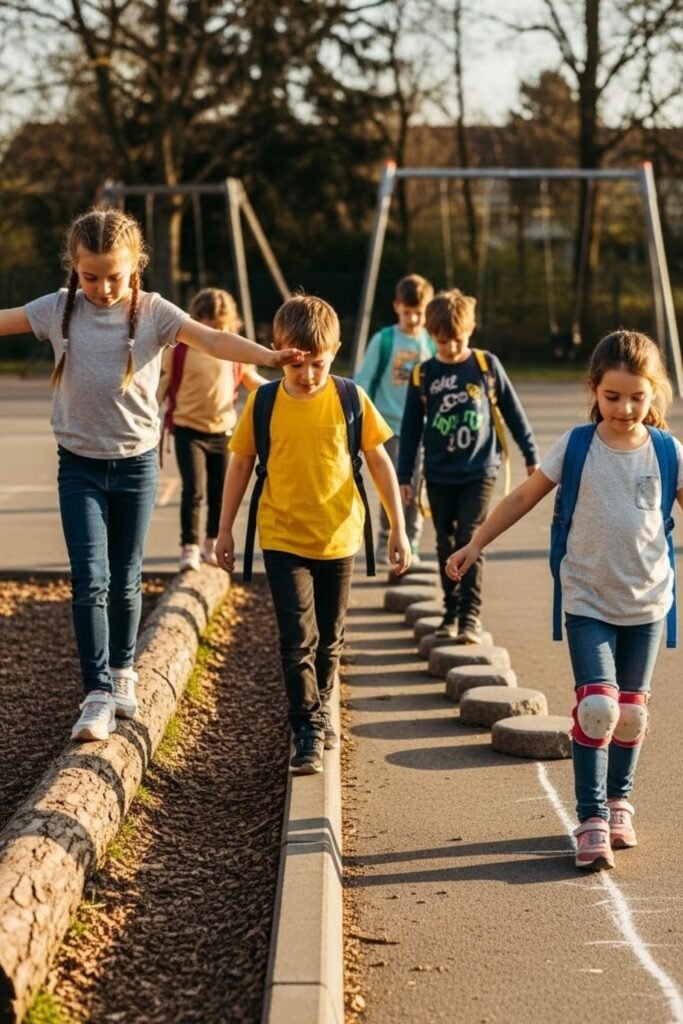
Balance Trail
Bodies stay engaged when movement feel playful instead of competitive.
Ask kids to follow a route using only balance points like curbs logs stepping stones or taped lines.
Parks and schoolyards provide numerous possibilities. Incorporating brief breaks at each location enhances safety.
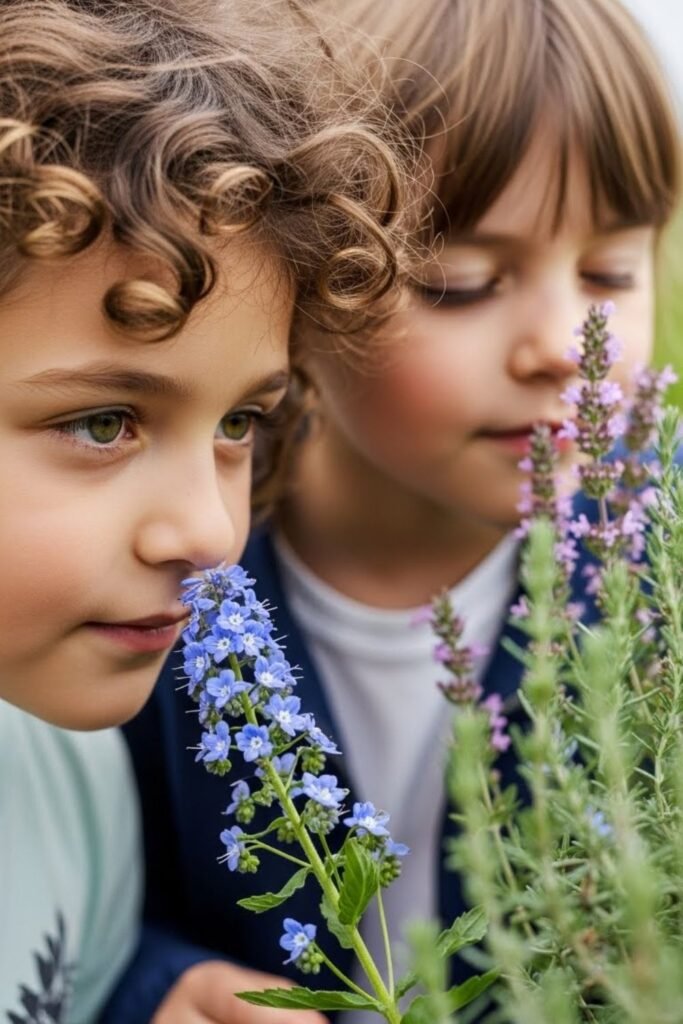
Scent Search
Smell shifts attention instantly. Invite kids to notice outdoor scents like grass, flowers, soil, food stands or rain in the air.
Discussing fragrances rather than physical contact, ensures a hygienic and secure experience. Gardens and parks offer the most diverse settings.
Identifying odors is unexpectedly enjoyable and can lead to engaging discussions, making this activity perfect for when you want to wind down but still sense of exploration.
FAQs
How long should an outdoor scavenger hunt last for kids?
Outdoor scavenger hunts are most effective when they last between fifteen and thirty minutes.
Because younger children tend to lose interest quickly, shorter hunts are better at keeping them engaged, which helps avoid frustration.
Older children can stay focused longer if the hunt includes physical activity, different tasks, or small challenges.
What should you do if kids lose interest halfway through a scavenger hunt?
Take a break from the search, rather than forcing it. Trim the list, switch to something physical or make the final items a team effort.
Altering the rhythm can revive interest without requiring a complete restart or the sense that the game has gone off the rails.

Hi, I’m Afaf! I’m a law student who loves writing about everyday life – from home projects and crafts to fashion, beauty, and parenting tips.
I’ve been writing for over a year, sharing ideas that are simple, practical, and easy to try. I write about things I find interesting and useful, whether that’s organizing a space, trying a new DIY, or finding activities to keep kids entertained.
My goal is to share helpful ideas without making things complicated. If it works in real life, I’ll write about it.
When I’m not studying or writing, I’m usually experimenting with new projects or scrolling for inspiration!