
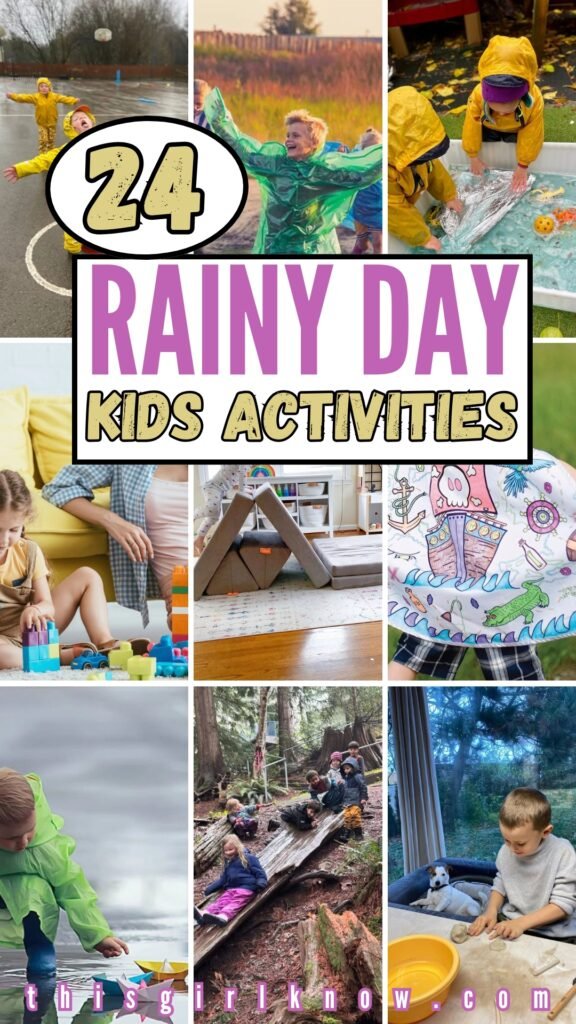
24 Rainy Day Activities For Kids 2026
There is rain. The youngsters can’t go outside. Someone just mentioned, “I’m bored,” for the fourth time in ten minutes.
You don’t want to give up your screen time again, but you also don’t have the stamina for a messy craft that takes an hour to clean up.
You just want something that works and is easy to use. Something that keeps them busy, gets them a little exercise, and provides you a break.
You don’t need a lot of fancy tools or a great strategy. You only need to know how to do it, and that’s what you’ll find here.
In this article, you’ll find 24 rainy days activities ideas for kids that parents and kids both enjoy in 2026.
Let’s jump in!
How Do You Turn a Boring Rainy Day into a Fun Day for Kids?
You don’t need a plan that is perfect. You need a basic one. First, quit believing that you have to “fill the whole day.”
Make it smaller pieces. If your kids have too much energy, get them moving first. You may set up an obstacle course for them to race through or let them dance.
If they’re in a bad mood, have them do something calm like doodle or create a fort. Use what you already have at home. Make setup quick.
Make cleanup easy. When you do something that matches their mood the day goes by faster and the boredom goes away quickly.
Save this article for later!👇👇👇
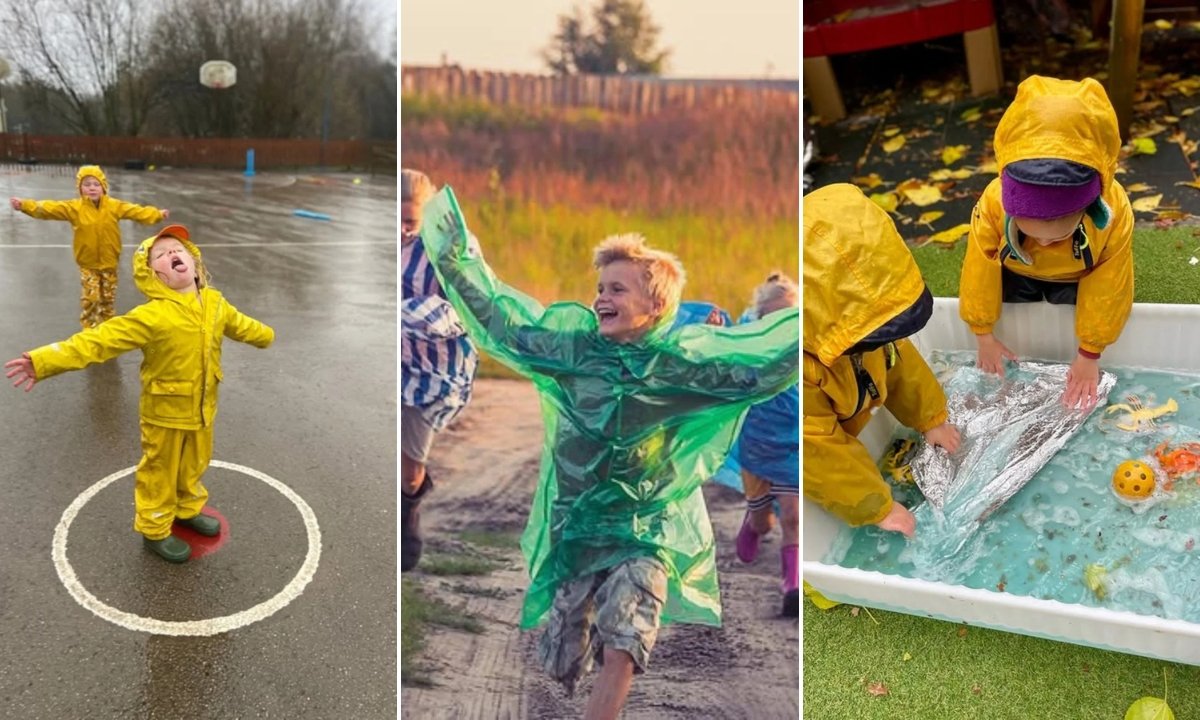
Rainy Run
Cabin fever disappears the second boots hit wet ground. Grab raincoats, pull on boots, and head outside instead of hiding indoors.
Puddles turn become racetracks. Adventure starts with mud. Set up easy tasks, like who can make the greatest splash in a puddle.
Dash to the fence and back, or discover the shiniest leaf. Fresh air quickly changes how you feel. Energy naturally burns out.
Whining is replaced by laughter. Not hard to put up. No supplies for crafts. Just water, room, and the ability to move.
What’s the best part? Kids who are tired come back inside joyful and much more ready for a quiet activity following.

Circle Splash
Rain feels different when you turn it into a game. Chalk a few circles on the pavement or use painted spots already there.
Every circle becomes a “home base.” Tell them a color or number and make them rush to the proper position.
Before the next drop of rain hits their face. Wet ground makes it more fun, not less. Once they land in the circle.
Have them spin, hop, or make goofy poses. A school playground, a driveway, or an empty parking lot are all great places to play.
Movement stays organized. The energy keeps in check. Even when it’s dreary outside, smiles stay big.

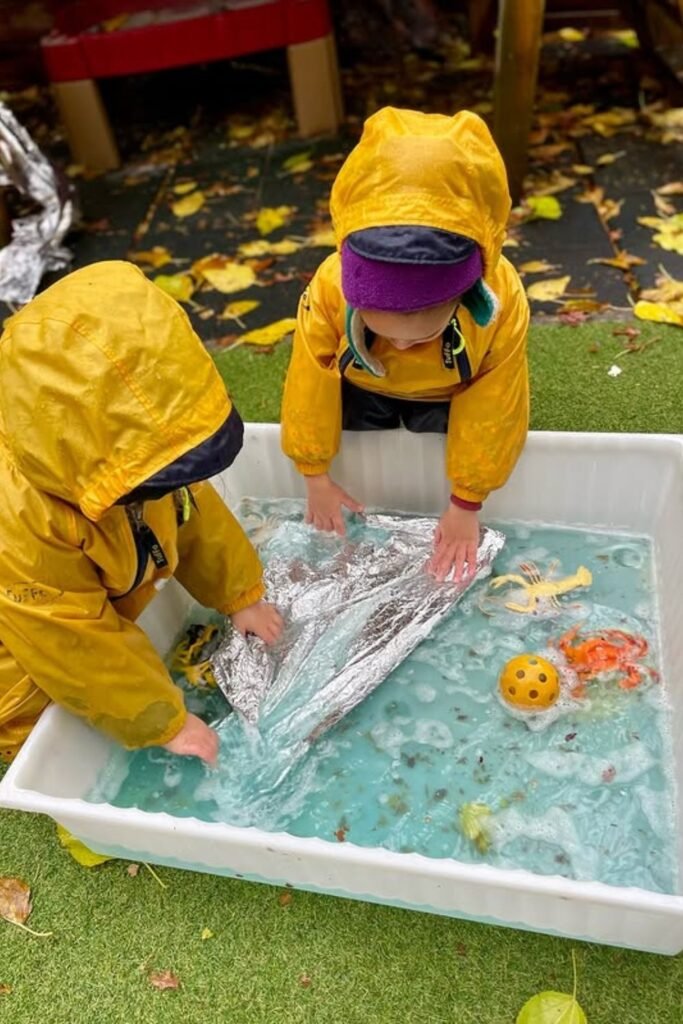
Water Play
Rain already brought the water use it. Fill a large bin with puddle water or tap water, toss in plastic animals, balls, or kitchen tools.
And let small hands touch things. Add foil to make “rivers” or “islands,” and then let your imagination run wild.
The sensory component is considerably more fun when it’s cold.
Toddlers may stay concentrated on scooping, pouring, and splashing longer than most indoor toys.
An outdoor nook, patio, or backyard is excellent because it’s easy to clean up. Get ready to work, keep towels close by, and let them try things out.
The mess stays in one place. The want to know more rises. Calm focus takes the place of pandemonium quickly.
Clay Creations
Rain tapping on the window sets the perfect mood for slow, quiet hands-on play. Pull out clay or homemade dough, clear a table.
Then let little fingers press, roll, and mold anything that comes to mind. No rules. No ideal result.
A butter knife, the edge of a cup, or even a fork can all be used as tools. They turn into animals, little bowls.
And beings that don’t exist. Window-side spots are wonderful since the natural light keeps kids quiet and focused.
Keep your hands busy. Minds keep open. And the house suddenly feels tranquil again as they shape something small.

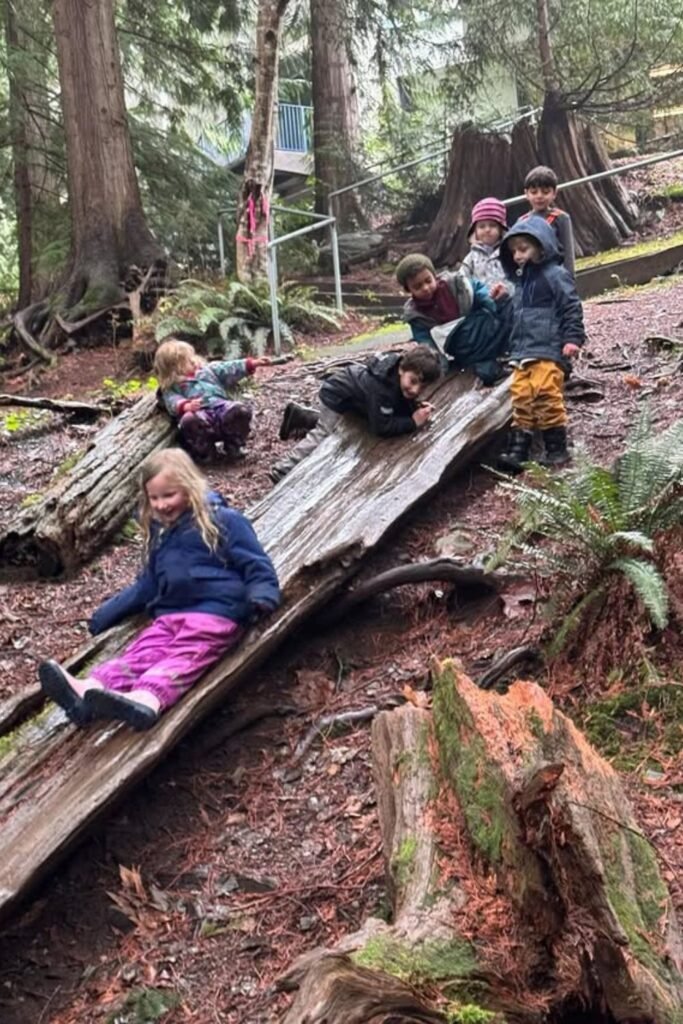
Log Climb
Adventure doesn’t stop just because the ground is wet. Fallen logs turn into balance beams, slides.
And little climbing challenges that the second pair of footwear steps on. Let toddlers crawl over, slide down slowly, or act like they’re crossing a bridge in the jungle.
This form of play is great in forests, nature paths, or even a vast park with tree trunks. Wet bark makes things a little harder.
Which makes them more fun without needing any extra gear. Make simple rules: move one at a time, stay still and help a friend if they need it.
They get more confident quickly when they learn how to balance on something genuine, not plastic.
Paper Boats
Rainwater turns into a tiny river the second you add paper boats. Grab scrap paper, fold a few simple boats.
And go to the nearest puddle or stream that moves slowly. Put them in and see which one stays afloat the longest.
Want to make the fun last longer? Make it a small race. Use a stick to mark a starting point and observe.
Whose boat goes the farthest without tipping over. After it rains, driveways, sidewalks, or quiet streets are excellent.
First, simple folding keeps small hands busy inside. The outdoor test makes it feel like more than simply play.

Cushion Course
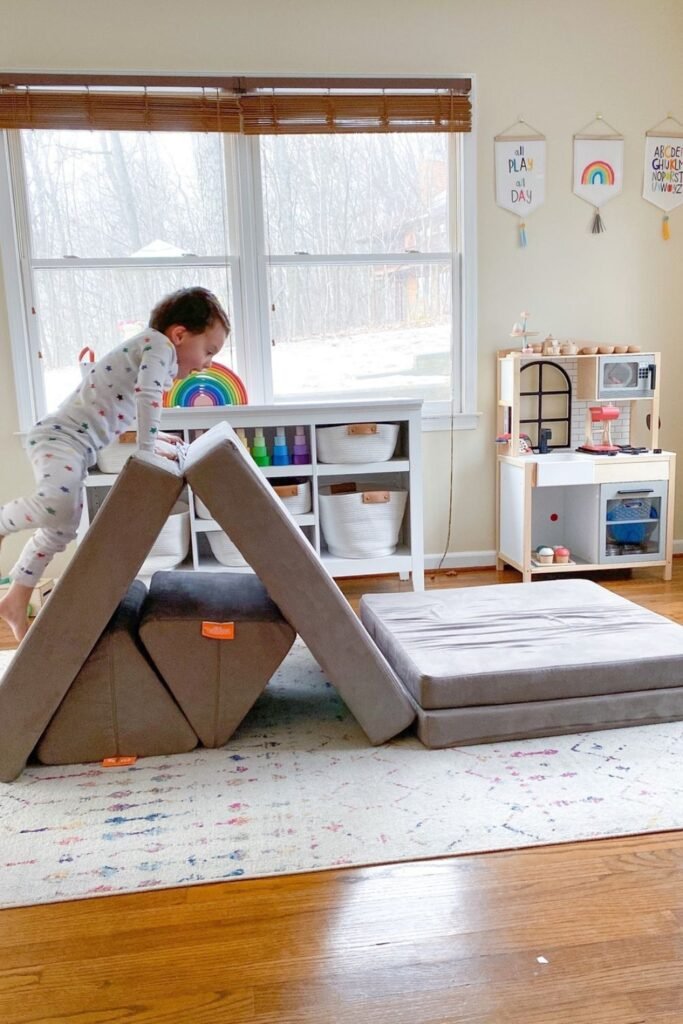
Living room furniture becomes a playground in minutes. Stack couch cushions, fold mattresses, or line up pillows.
To make a trail for climbing on the floor. The carpet suddenly turns like “lava,” and every jump counts.
Set small goals: crawl beneath one portion, balance across another, and finally jump to a safe place to land.
Change the arrangement halfway through to keep it interesting. Great for places where you can’t run because they’re too small.
Soft surfaces keep things safe while still allowing them use a lot of energy. You may easily have an hour of focused, vigorous gaming with just ten minutes of setup.
Dress-Up Tales
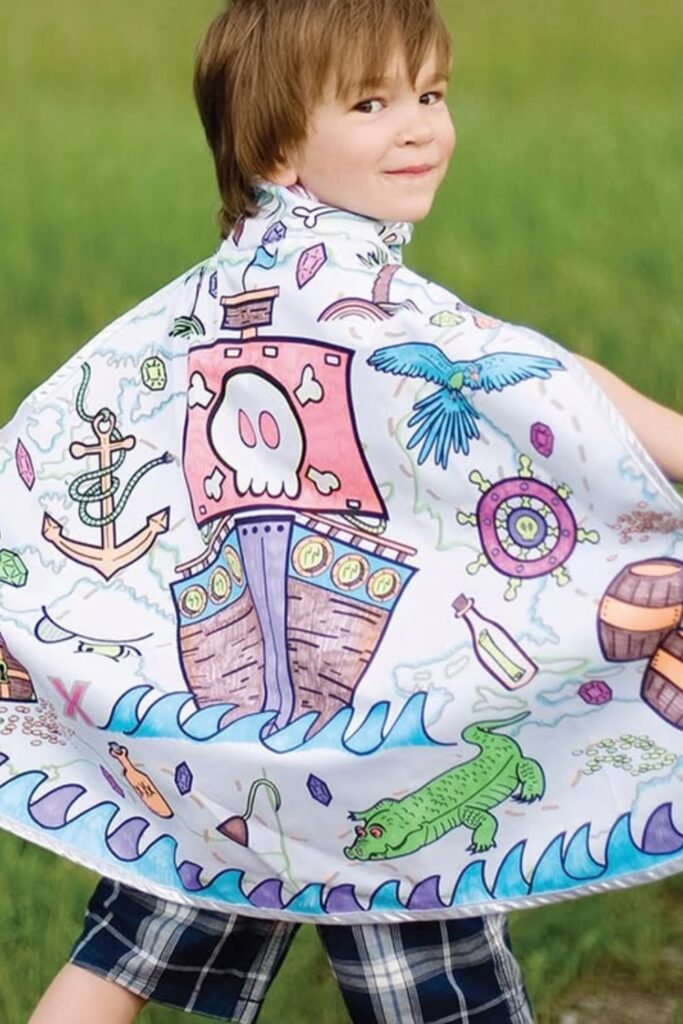
Rainy afternoons feel longer until imagination steps in. Grab a costume, an old sheet, or a themed cape.
And allow your youngster be the main character in their own story. Anything works: pirates, explorers, superheroes, etc.
Make the living room a stage. Add basic sidekicks like plush animals, cardboard swords, or paper treasure maps.
Ask questions that move the story along Where are you going to sail? Who needs help.
When you play story games, it’s best to let them take the lead instead than telling them what to do.
Block Builds
Quiet focus shows up fast when blocks hit the floor. Spread them out on a rug and challenge your child to build the tallest tower.
They can do it without it falling. Add a variation by using only three colors or making something that can “fit a toy car inside.”
Floor play is the best since it lets children contemplate and change things without feeling rushed. Sit nearby, not to control.
But to ask simple questions that get people thinking. Stacking teaches you to be patient. Knocking it down lets out energy.
Little hands stay busy building something they’re pleased of, so rainy days feel productive.

Puddle Parade
Rainwater becomes way more exciting once toys join the adventure. Drop small floating figures or bath toys.
Into a long puddle and make it a small river parade. Look at how the water moves them. Push them forward with a stick.
Puddles make natural “lanes” on driveways and sidewalks, which is fantastic. Set a simple rule: no touching, only blowing or splashing gently to move them.
Kids get curious right away when they see how water moves, slows down, or rotates each object in a different way.
Outdoor play is new again, and a puddle can keep kids busy for a lot longer than you thought it would.

Rain Craft
Gray skies inspire the best art projects. Grab white paper, cut out a big cloud shape, and let your child decorate it with a happy face or fun patterns.
Put colorful paper strips underneath to make it look like it’s raining. Put it near a window or door.
So that it moves a little with the breeze and feels alive. Older youngsters. Can write things like “kindness,” “goals,” or “chores for the week” on each strip.
When kids’ energy levels drop, craft time is a good time to do it. Instead of being bored, you may focus on being creative.
And the finished product can be used as decor on rainy days to make the area feel lighter right away.

Table Fort
Magic happens the second a blanket covers a table. Chairs become walls. A sheet becomes a roof.
All of a sudden, you’ve made a secret place to hide without buying anything new. Put pillows inside, a flashlight.
And maybe some novels or plush animals. Make it feel special by keeping the lights low. Living rooms and dining rooms are great.
Since they already have furniture in them. Fort play helps kids focus quietly when they need to settle down after rushing about.
Let them take charge and set things up inside the way they want. Not much room. A lot of inventiveness. And for a while, the wet day is gone.

Sketch Stories
Quiet corners create the best focus. Hand over paper, colored pencils, and a simple prompt like. “Draw what you would do if you had control over the weather.”
Watch ideas come out faster than you think they will. Having a clipboard makes it feel official. Cushions on the floor make it pleasant.
A hallway or museum-style space can even become a little art zone. Afterward, ask them to describe the drawing.
The discourse is more important than the picture. Drawing slows down rushing thoughts and keeps older kids interested for longer than quick projects do.
When you have room for your creativity to show up on paper rainy afternoons feel like work.

Play Dough
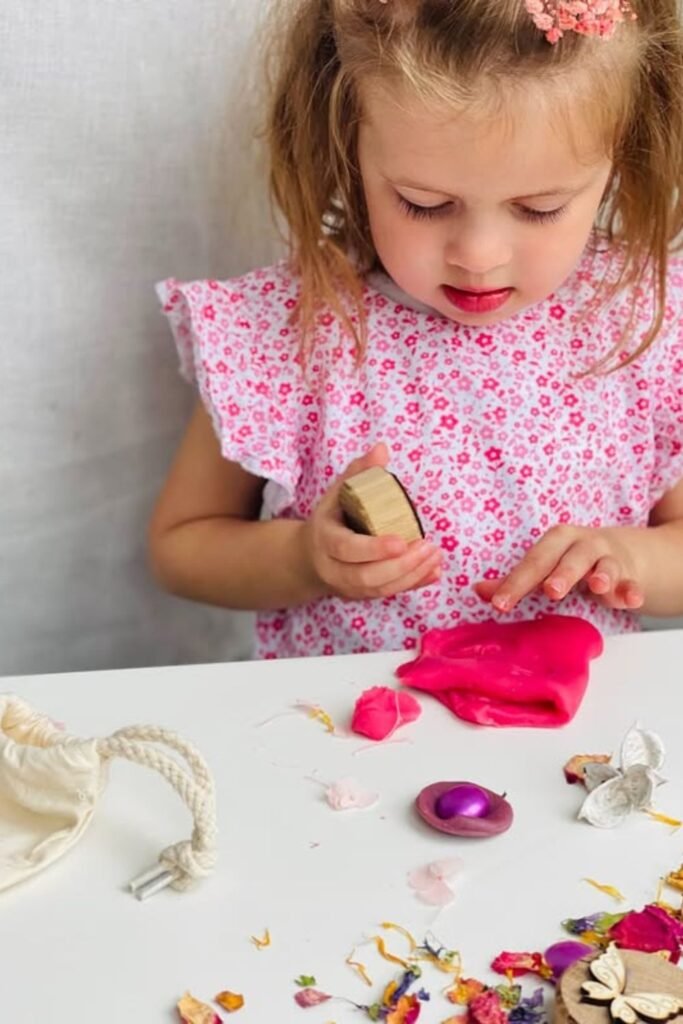
Little fingers calm down fast when they have something soft to press. Roll out colorful dough on the table.
And put small natural things close by, such flower petals, leaves, little stones, or stamps.
Making patterns in dough changes simple play into focused work. You can use cookie cutter to make the shapes.
You can let kids make pretend rainy day cookies for their stuffed animals. Kitchen tables are great since they are easy to clean.
Keep wipes nearby and make sure the dough doesn’t go too far. This kind of sensory play slows down the day and retains toddlers’ attention longer than most toys ever would.
Cotton Painting
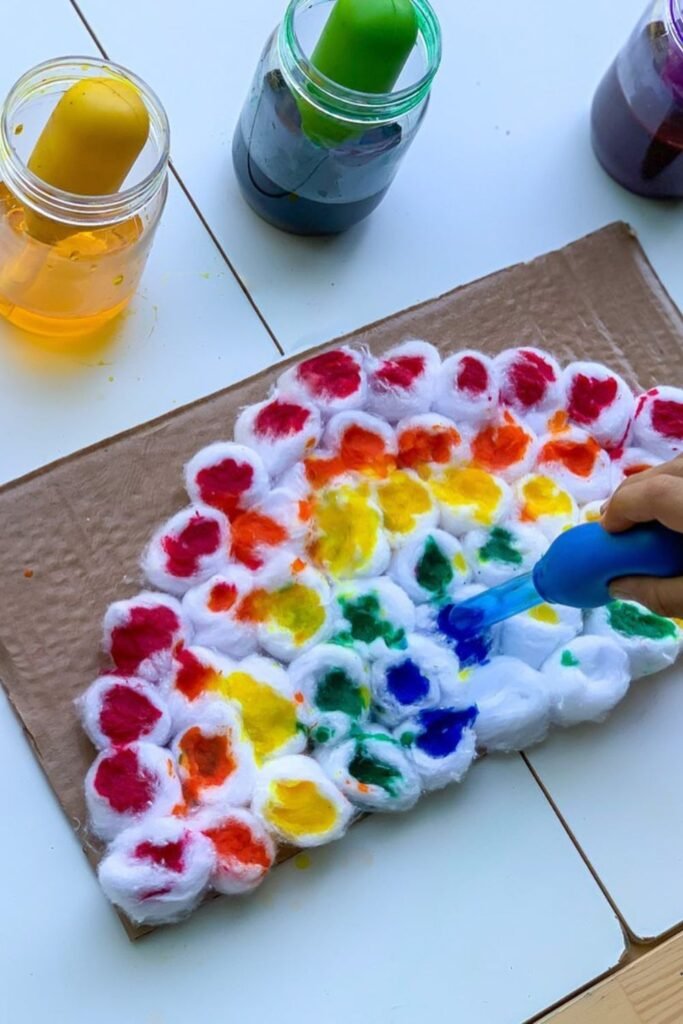
Color feels extra magical when it spreads through soft cotton. Glue cotton balls onto cardboard in a simple shape cloud, rainbow, heart.
Then give them droppers loaded with food coloring that has been watered down. With only one squeeze, the color blossoms right in front of their eyes.
If you set up a tabletop, it’s ideal to put an old tray below to catch any drips. Teach them to squeeze carefully so the colors mix instead of flooding.
Science comes in without feeling like a lesson. They’ll see how red and yellow meet and then turn orange.
Hands are always active. Curiosity stays alive. And dreary afternoons suddenly seem brilliant.
Kitchen Help
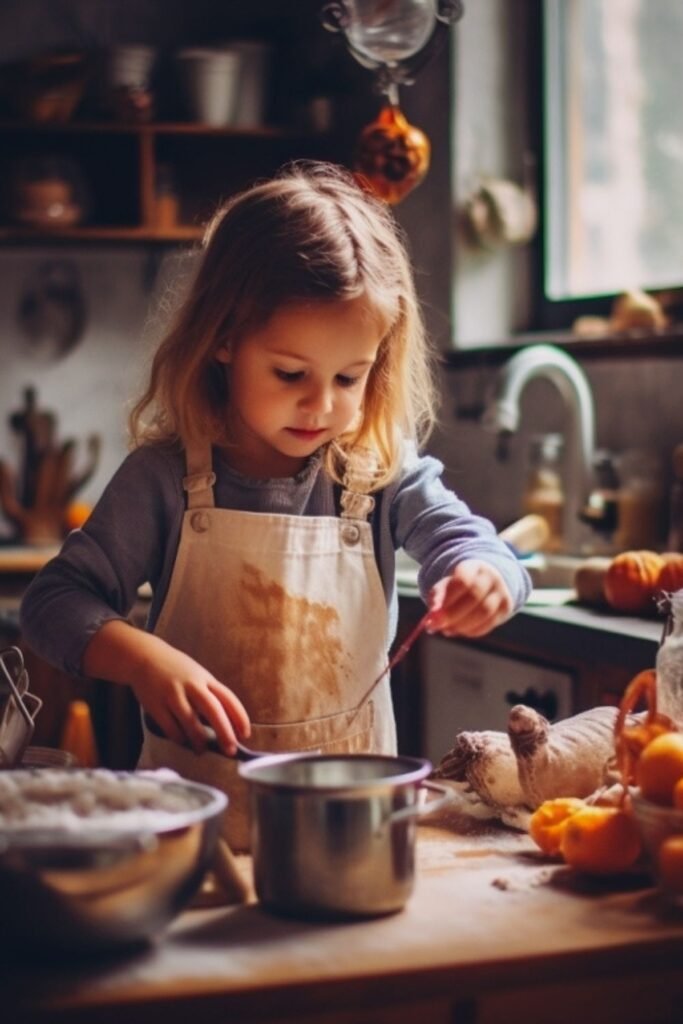
Rainy days feel warmer once the kitchen fills with little helpers. Hand over a small bowl, a spoon.
And one simple job stirring batter pouring flour or washing fruit. Aprons make it feel official.
Soft music in the background keeps the mood calm. Choose recipes that do not require constant rushing.
Like cookies and muffins. When you set up one work area and tidy as you go the mess stays under control.
Cooking together changes boredom into pride. The best thing is when kids say, “I made this” and while holding something hot from the oven.
Movie Night
Some days call for slowing everything down. Pick one family friendly movie dim the lights and turn your living room into a mini theater.
Put blankets on the floor, popcorn in bowls and maybe even “tickets” made out of scrap paper.
To make it feel special. Before you start, make a clear rule: one movie, no scrolling for hours following.
That stops it from becoming a marathon of screens all day. The sound of rain on the roof makes it feel cozier.
Screen time may be a shared experience instead than a babysitter if you use it the right way and everyone gets a calm resets together.

Mud Play
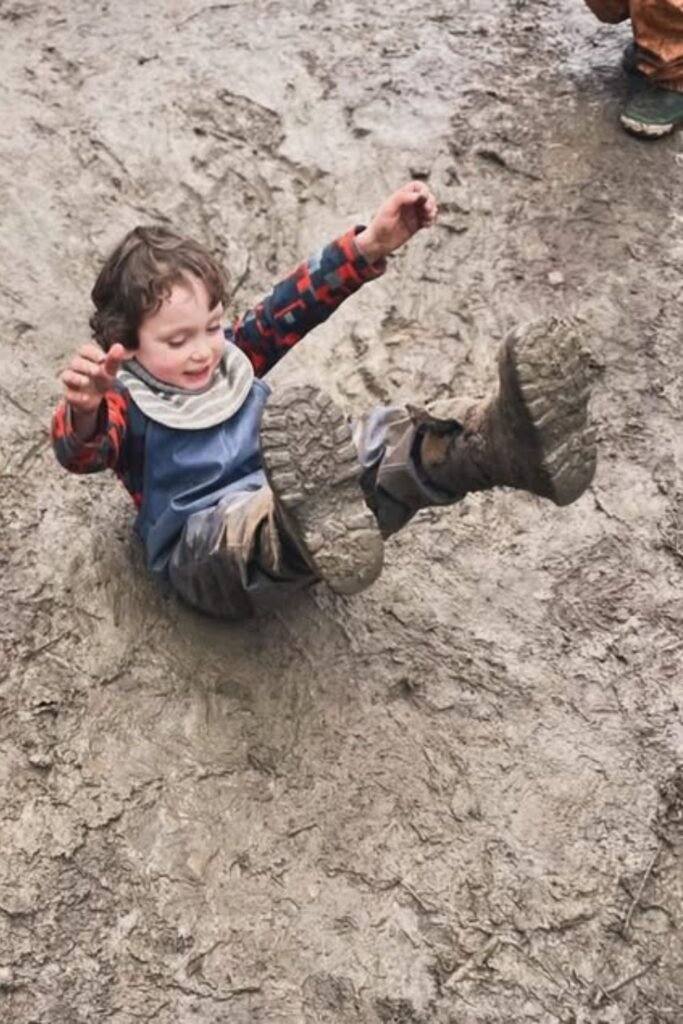
Laughter gets louder the second mud enters the picture. Old clothes on, boots tight, and suddenly the mess becomes the fun.
Let them stomp, slide and even sit in it without you having to tell them to be careful all the time.
Backyards, parks, and forest trails are the greatest places to keep the mess outside. Put a towel and a change of clothes.
Near the door so that coming back in is easy. Kids acquire confidence by playing in the mud because they can safely test their limits.
They learn how to balance and how slippery the ground is. Getting really messy and not worrying about it is sometimes the best way to remember a rainy day.
Paint Time
Creativity shifts fast once a blank canvas stands in front of them. Set up a small easel or tape paper to a wall.
Give them a couple paint colors and then step back. Keep the color palette to three or four shades so that people don’t feel overwhelmed by their options.
Put on the apron. The floor is covered. Make sure everyone knows where the paint goes. That makes it more pleasant and less stressful.
Kids can move their complete arm, not just their wrist, when they paint while standing. Big strokes let off energy in a peaceful way.
The rain outside becomes background music while the imagination takes center stage within.

Group Art
Big paper changes everything. Tape a large sheet to an outdoor table or patio surface and let multiple kids draw at the same time.
No twists. No waiting. Just a shared area and a lot of color. For rapid, bold strokes, thick crayons or washable markers are preferable.
Tell them to add to each other’s drawings instead of staying in their own corners. One person makes a shape, while another person changes it into something else.
Setting up outside makes cleanup easy especially after it rains when grass or pavement can handle stray marks.
When you share creative chaos it feels different. Working together keeps fights to a minimum and the focus on building something together.

Rain Bounce
Energy builds fast on stormy days, so give it a safe release. Trampoline time in light rain turns ordinary jumping into something unforgettable.
Rain on jackets, cool air on faces, and every bounce feels greater. Safety is the most important thing.
There is a non-slip surface, a zippered net, and close supervision. Make the sessions short so that no one gets too weary on a slippery surface.
Backyards with the right amount of padding work best. Don’t do this if there is thunder or strong wind.
Moving around and getting some fresh air might change your mood nearly right away.

Boat Race
Nothing sparks teamwork faster than a floating challenge. Fill a large tub and kiddie pool with water and let kids place paper or plastic boats inside.
Then use tape or markers to make a start and finish line around the edge. Blowing through straws makes it a real race without the mess of splashing.
No hands in the water and only calm breaths are the regulations. This works best in classrooms, patios, or play areas because the water stays in one place.
Playing together like this teaches kids how to be patient and work together without them knowing it.
Everyone stays interested in the friendly rivalry and the cheering makes wet days feel fun again.

Color Drops
Plain cotton rounds turn into mini art labs once color hits water. Place them on a tray and set small jars of the diluted food coloring in the center.
And give out droppers. One squeeze make designs that spread and mix on their own right away.
Science comes here with out making a sound. Kid can see and how colors blend without you having to say anything.
Round trays hold water in and make cleaning up easy. Instead of flooding the surface encourage gradual drops.
Focus gets stronger since each circle is unique. When inspiration flows one careful squeeze at a time rainy afternoons feel calm.

Umbrella Craft
Gray weather becomes colorful fast with a simple paper umbrella project. Draw or print an umbrella outline.
Stop it, and let the youngsters put glue and bright confetti on top. Cotton can convert into fluffy clouds on one side.
Black straws or paper strips are easy handles that don’t require any extra labor. To finish the scene, draw lines with a blue crayon to show the rain pouring.
Tabletop crafts is great for this, especially for younger kids who require a clear space and easy instructions.
Every sprinkle and press helps your fine motor skills get better. Also, placing the finished umbrella near a window makes rainy days less boring and more fun.

FAQs
How do you keep kids entertained on a rainy day without using screens?
Get them moving first, not doing crafts. Before kids can be creative, they usually feel restless.
First, try an indoor obstacle course, a dance challenge, or a dash down the corridor.
When your energy starts to wane, move to something that requires focus, like building blocks, drawing, or play dough.
What are the best rainy day activities for different age groups?
Toddlers need brief tasks and sensory play, such play dough, water containers, and simple art.
Kids in preschool like to play pretend, build forts, and do simple crafts.
Kids in school like to do things that are hard, like building contests, cooking, painting, or rudimentary science experiments.

Hi, I’m Afaf! I’m a law student who loves writing about everyday life – from home projects and crafts to fashion, beauty, and parenting tips.
I’ve been writing for over a year, sharing ideas that are simple, practical, and easy to try. I write about things I find interesting and useful, whether that’s organizing a space, trying a new DIY, or finding activities to keep kids entertained.
My goal is to share helpful ideas without making things complicated. If it works in real life, I’ll write about it.
When I’m not studying or writing, I’m usually experimenting with new projects or scrolling for inspiration!