
24 Quiet Activities For Kids For 2026
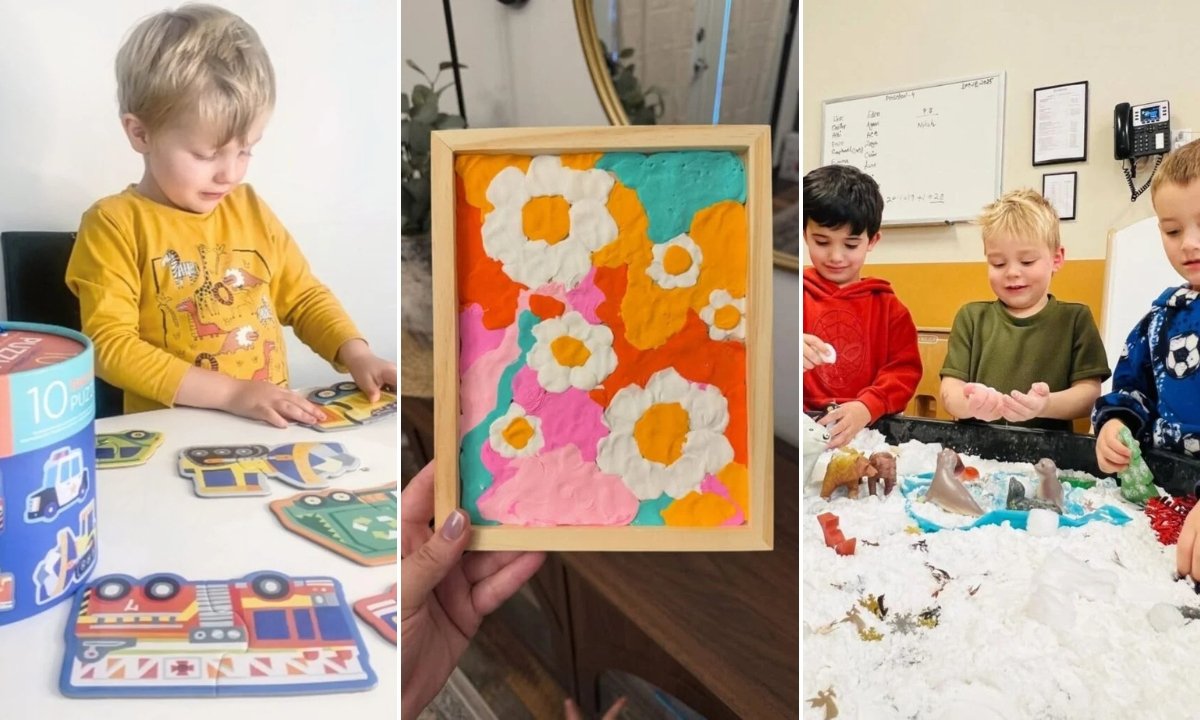
It usually happens at the worst time. You finally settle down to work, answer a message, or just take a break for five minutes.
And then your child starts making more noise than ever. You don’t want to give up a screen again.
You also don’t want a craft explosion that makes a mess. You just want something that will keep them busy and quiet for longer than three minutes.
You’re in the right place if it sounds familiar. Let’s speak about ways to keep kids busy without making noise and without going crazy.
In this article, you’ll find 23 quiet activities ideas for kids designed for safe and practical home play in 2026.
Let’s jump in!
How Do You Keep Kids Entertained Without Noise?
First, you should know that kids don’t make noise for no purpose. When they’re bored, overstimulated, or don’t know what to do next, they get noisy.
They’ll start chatting, jumping, and creating noise if you offer them toys that don’t have any rules.
But if you offer them something that needs their full attention, like sorting, building, matching, or solving, they will automatically calm down.
Concentration brings quiet. So if you want less noise, pick activities that will keep their hands and mind busy. Structure makes every thing peaceful.
Save this article for later!👇👇👇

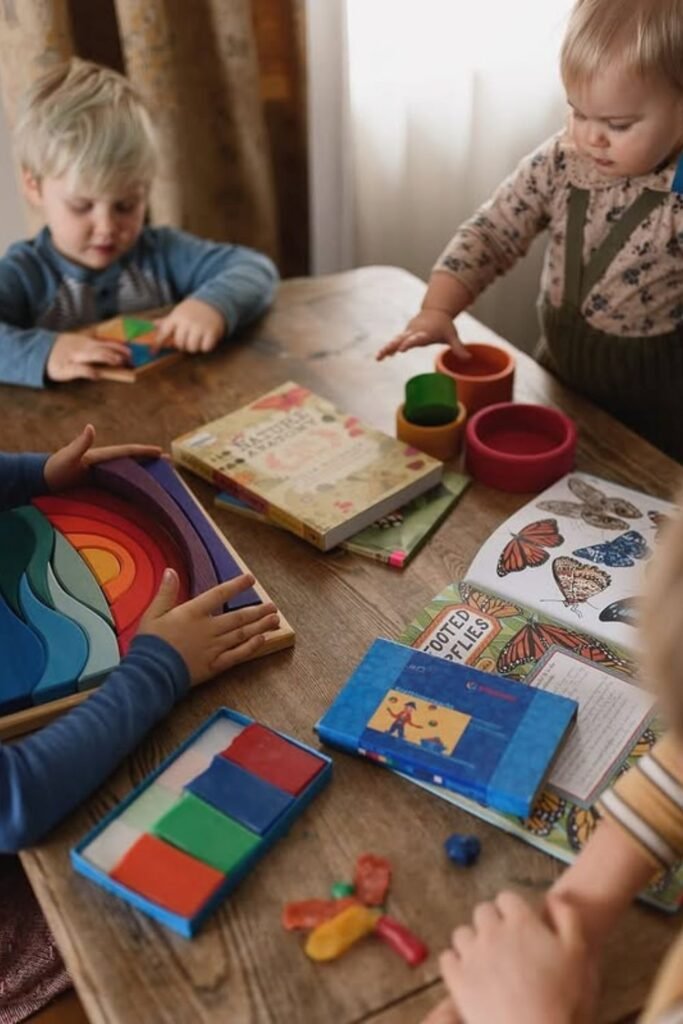
Rainbow Stacking
Color draws focus faster than instructions ever could. And Lay out a wooden rainbow stacker on table, watch and how quickly little hands settle into the place.
The curves make you want to sort, build, flip and balance them, and they do it all without any harsh sound effects.
Great for relaxing at home or after school when you need to settle down. Put it on a low shelf so your youngster can get it by themselves.
No batteries, no regulations and no cleaning up. Just putting things in stacks, moving them about, then building them again in silence.
Focus stays longer since it feels like free play, yet the shape lends just the right amount of structure to keep things peaceful.
Wire Tree
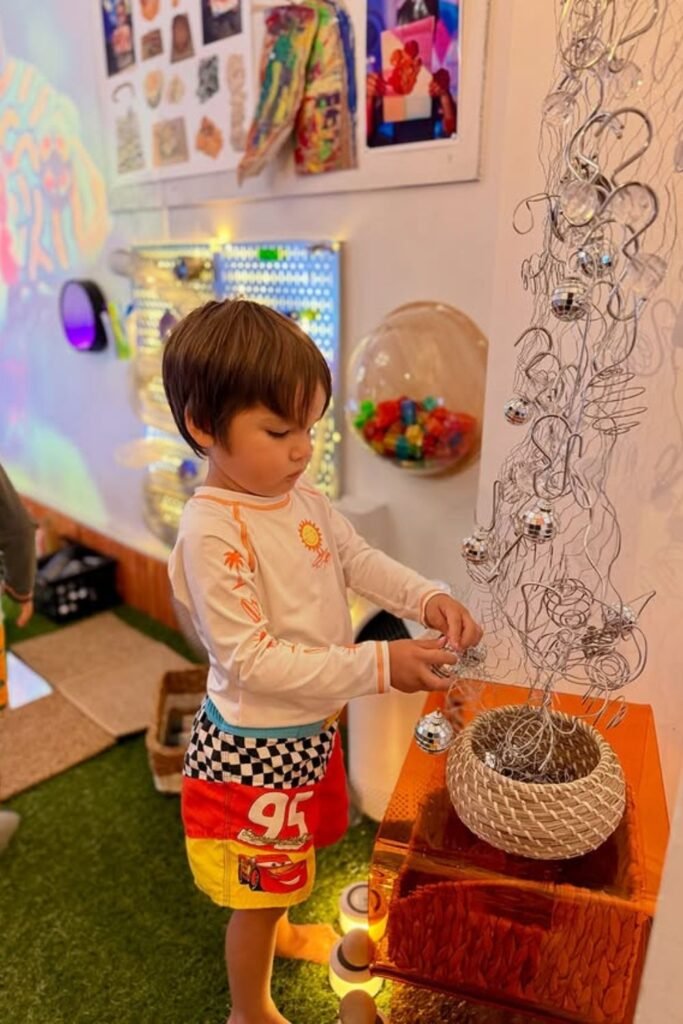
Curiosity gets quiet when little fingers have something detailed to work on. A simple wire tree with small hanging pieces.
Becomes a focus game without you having to say anything. Kids naturally start to twist, unhook, rearrange.
And carefully place each piece so it doesn’t fall. Put this in a quiet place or against a wall where they can stand and work on their own.
Fine motor activity. Keeps their hands busy, and precise positioning keeps their voices down.
No flash. Not too loud. Just steady, careful movement that naturally makes the room quieter.
Snow Sensory
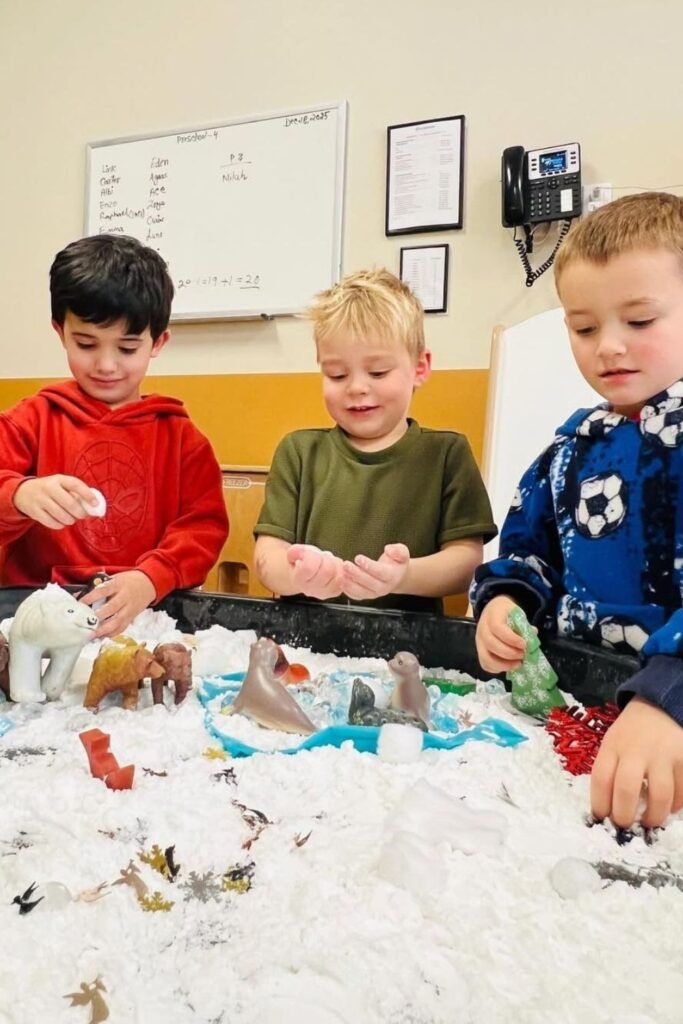
Cold texture slows everything down. Fill a shallow bin with fake snow or crushed ice, add a few animal figurines.
And let them look around discreetly. As soon as their hands touch the soft surface, their voices subside because they are focused on scooping, burying, and uncovering.
Works great for afternoons inside when you have a lot of energy but don’t want to play loudly.
Put a towel under the bin and keep it there to keep things from getting out of hand. Small cups or spoons.
Give kids something to do without making it too loud. When hands stay occupied and movement is soft focus builds on its own.
Color Sorting
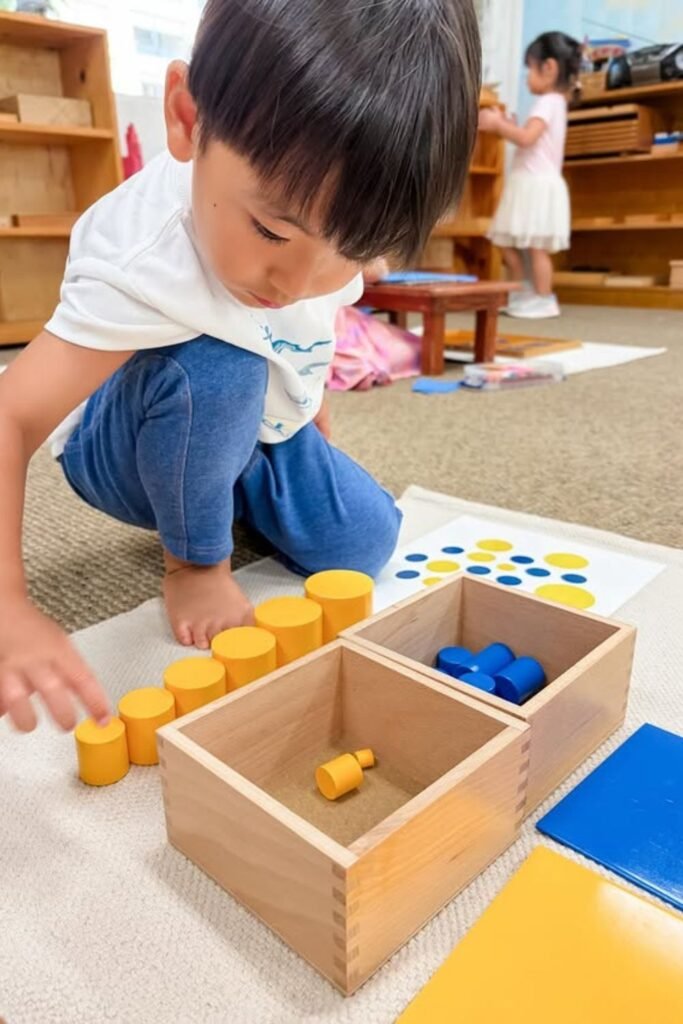
Order brings instant calm. Place a wooden box with separate sections on the floor, add colored cylinders, and let your child match each piece to its group.
No harsh directions are needed; kids only need to focus quietly as they compare colors and line everything up correctly.
Best for calm time in the morning or when you’re on the phone because it keeps them seated and focused.
Have a simple color guide booklet on hand in case they require it. The charm comes from the fact that it happens over and over. The more.
They sort and reset the longer they stay interested. And little hands prefer structure keep the noise down.
Scissor Practice
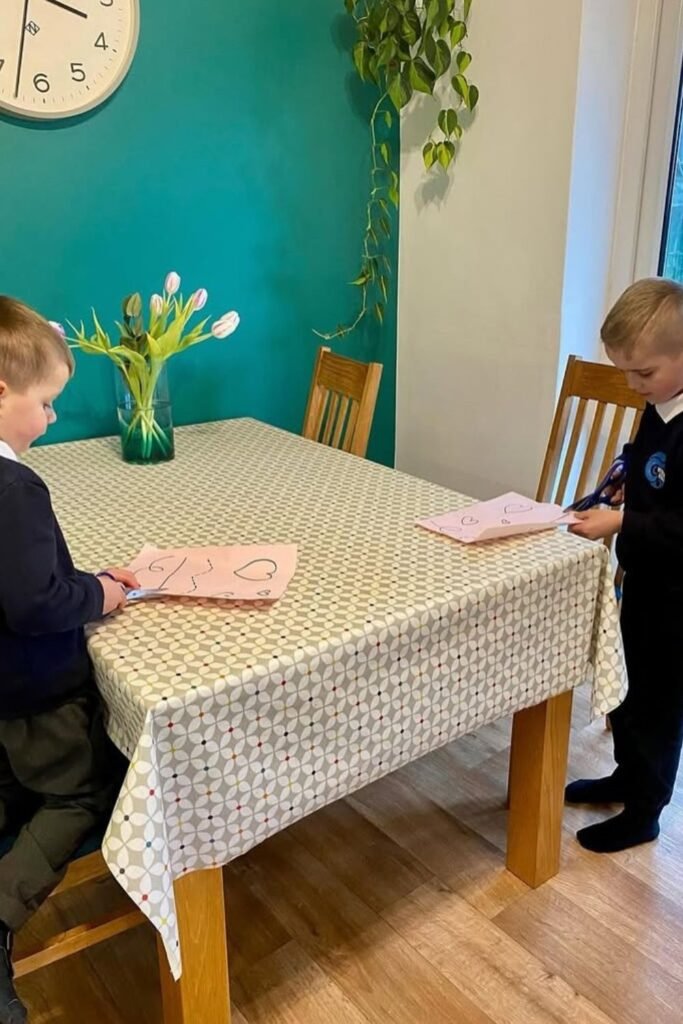
Silence happens fast when kids have something precise to cut. Hand them paper with bold shapes and simple lines drawn across it.
Use child-safe scissors and you’ll see immediate focus. They slow down without even realizing it, one snip at a time.
Great for quiet time at the kitchen table or immediately before dinner when you start to feel more energetic.
Put scraps in a small basin so that cleaning up is easy. Draw zigzags, curves, or huge shapes to follow to make the challenge harder.
With each meticulous cut, your focus gets stronger and the steady pace keeps the noise down with out you having to ask for it.
Clay Art
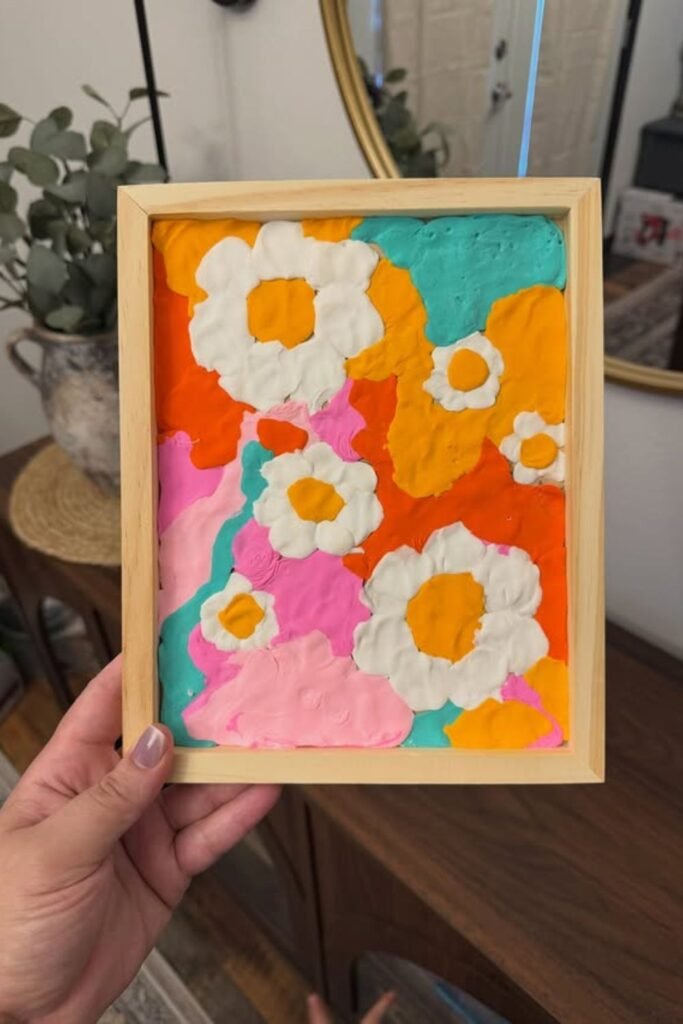
Hands slow down the moment soft clay hits the table. Pressing, flattening, and shaping keeps kids focused in a way loud toys never can.
Let them build quietly at their own pace using a tiny tray, some colors, and a simple theme like flowers, shapes or patterns.
Best for late afternoon when you need to relax yet your energy is growing. Use a placemat or shallow frame to keep the area defined so the mess does not spread.
Instead of frantic sculpting encourage pressing and stacking to keep the movement under control.
Texture keeps people attention longer than you think and steady hands usually mean steady speech.
Bead Patterns
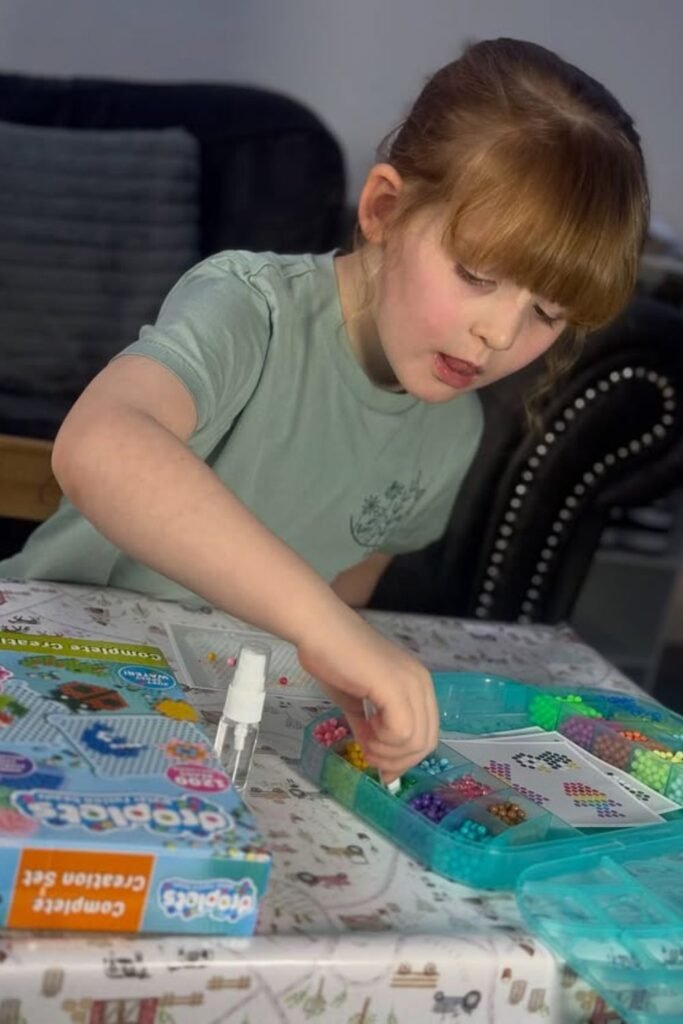
Tiny beads demand big focus. Spread out a tray with sorted colors and a simple pattern card and watch how quickly chatter fades.
Keeping your gaze on the design and your hands stable while you line up each bead helps.
Perfect for calm afternoons pauses from homework or as you make dinner nearby. Put everything in a container with dividers so that parts don’t roll around.
Younger youngsters can duplicate basic rows of colors and older kids can copy more complex shapes.
Accuracy naturally decreases the volume. When you match patterns you change energy into focus. Focus keeps the space calm with out having to be reminded all the time.
Focus Coloring
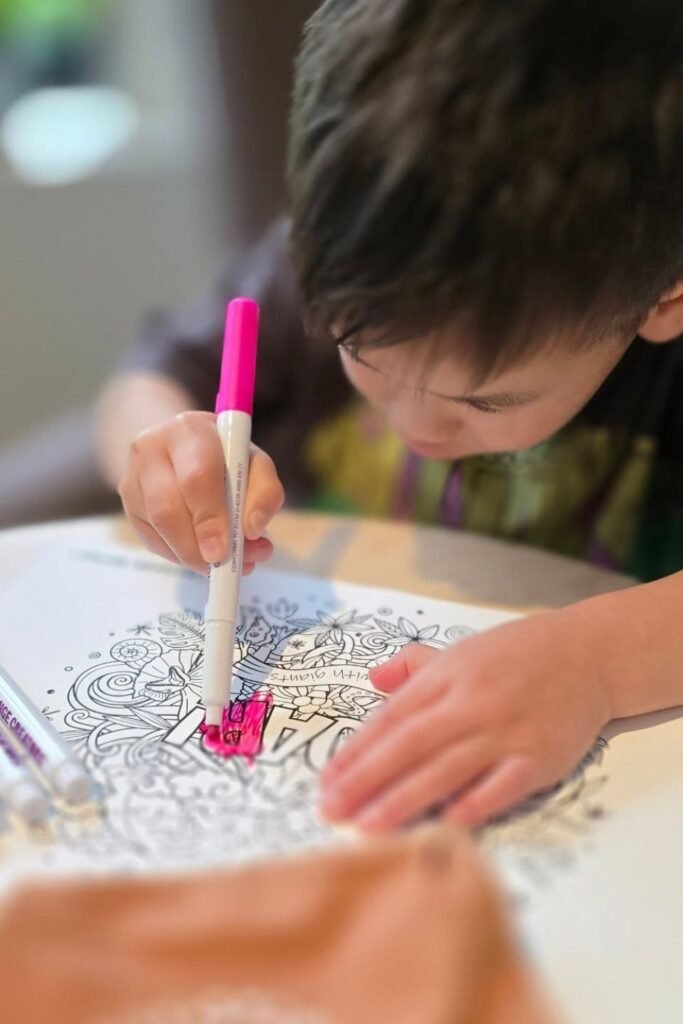
Silence settles in once the marker touches the page. Detailed coloring sheets pull kids into their own little world, especially.
When the design has little areas that need patience. Give them some markers and let them pick one part at a time instead of speeding through the whole page.
Good for calm mornings, trips to the library, or when you need twenty minutes of peace and quiet.
Limit the colors so the table doesn’t get too messy. If they like the challenge, tell them to take their time and stay inside the lines.
Coloring carefully helps you stay focused, and when you stay focused, the noise goes down on its own.
Puzzle Play
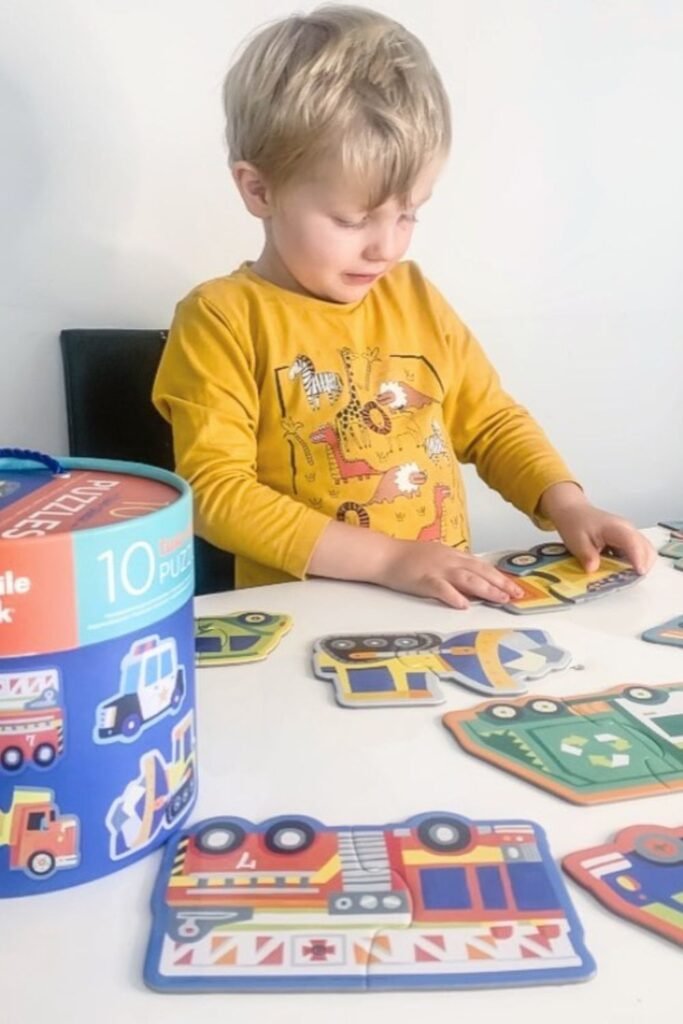
Piece by piece, the room gets quieter. Large floor puzzles or chunky tabletop puzzles give kids a clear goal.
And that goal keeps them on track. It requires exactly the perfect amount of cognitive effort to calm busy energy to match edges.
Turn pieces the right way, and figure out what fits next. Put it on a clean table or mat and keep the box close by so you can look at it.
Younger kids do better with short puzzles, but older kids stay focused longer with bigger scenes.
Problem-solving takes your mind off of noise. Once they start looking for the next match, the chatting usually stops on its own.
Color Transfer
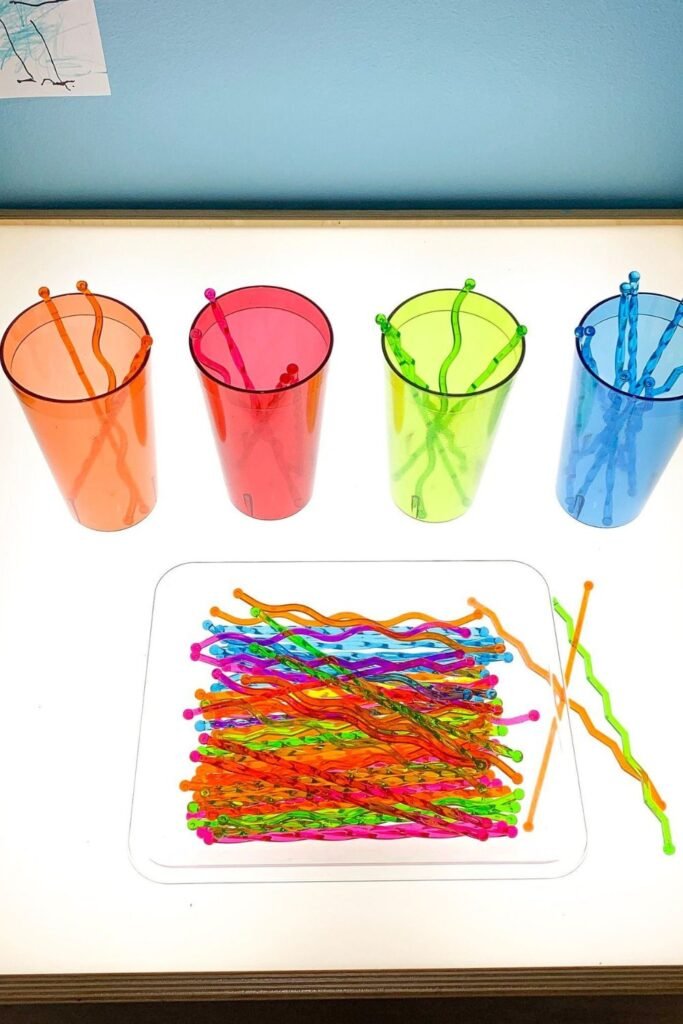
Sorting feels almost meditative when every piece has a place. Fill clear cups with different colored sticks and dump a mixed pile onto a tray.
Without rushing, ask your youngster to match each one back to the right cup. Standing at a kitchen counter.
Light table is a good way to keep the activity restricted and upright. No loud noises or moving parts.
Just cautious selection, matching, and dropping. Make it a quiet race against the clock, or just.
Let them work through the pile at their own speed. Color matching provides the room structure, and structure keeps the room peaceful.
Nature Collage
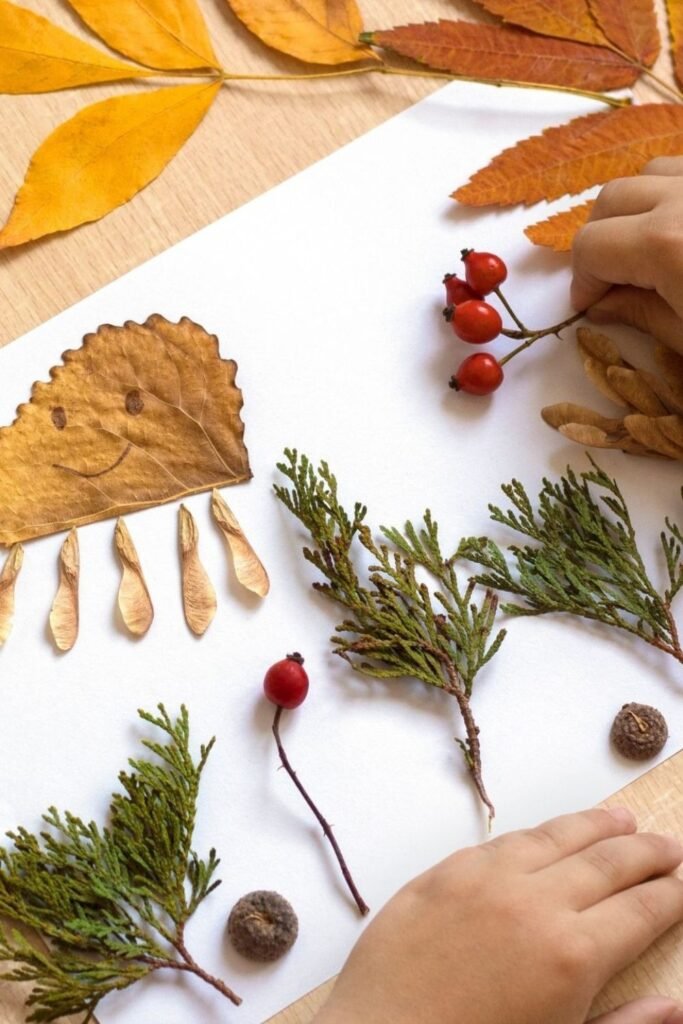
Fresh air turns into quiet focus once those little treasures hit the table. Leaves, twigs, berries, and seed pods.
suddenly turn into faces, animals, or little situations that need to be made. Put a blank sheet of paper on the table.
Let your youngster put everything in order before they glue anything down. They keep thinking instead of talking when you move things around.
Works great after a trip to the park or a walk in the backyard when you want to bring the tranquility of the outdoors indoors.
Keep a little glue stick close by and tell people to press softly instead of rushing. Making things with natural materials slows them down.
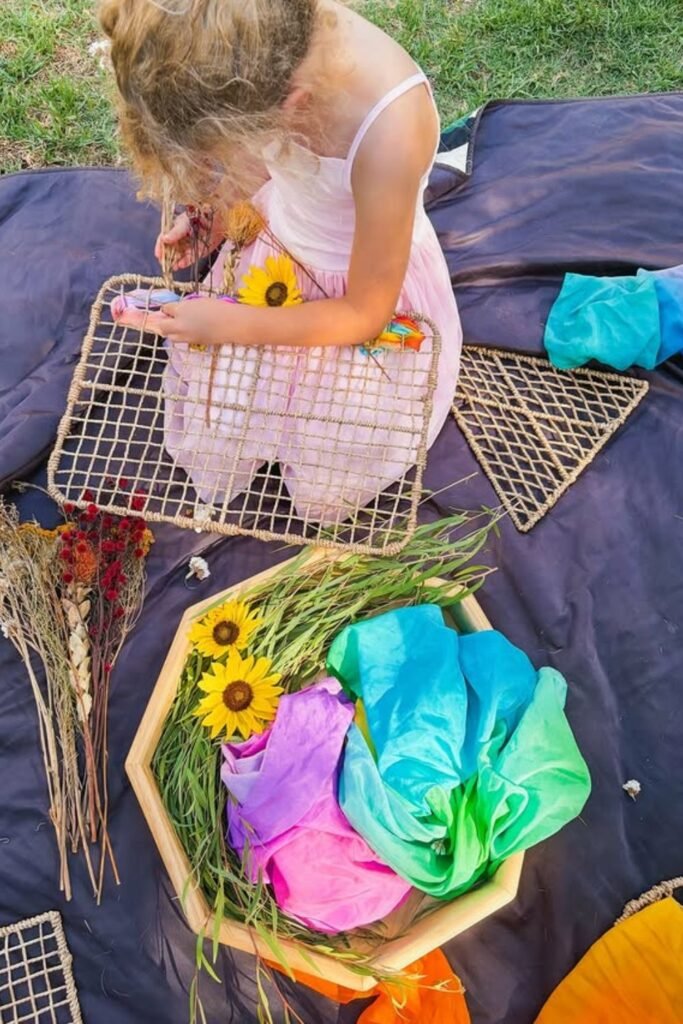
Flower Weaving
Outdoor quiet feels different it’s deeper. Hand over a simple woven mat or basket and a pile of flowers, grass, or colorful tissue.
Sliding each stem through the gaps makes a deliberate, meticulous pattern that keeps your attention without making any noise.
Put a blanket in the yard or park so kid that can sit comfortably while they work. Put the pieces where they can reach them so they don’t have to get up all the time.
There are no other instructions save “weave it through.”Weaving requires steady hands and a lot of focus.
The more fragile the materials, the more slowly they move, and slower movement keeps the volume down.
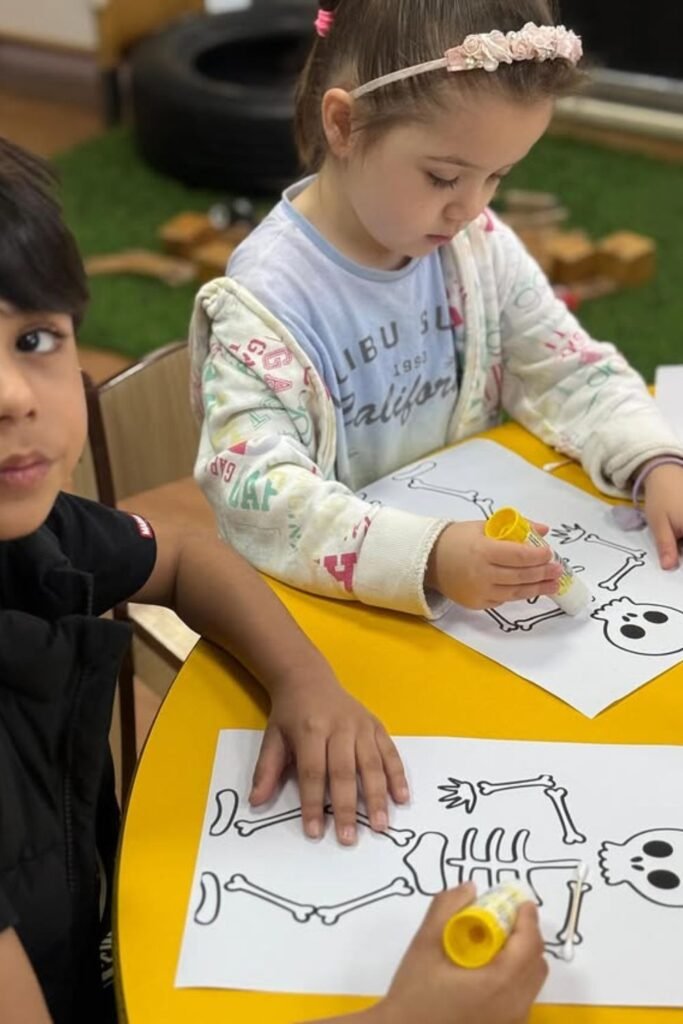
Glue Tracing
Precision changes the mood instantly. Hand over a glue stick and a bold outline—like a skeleton, animal.
Create a basic design and ask your youngster to carefully trace every line. The goal is to stay inside the outline, which requires silent focus.
Set it up at the kitchen table and only give them one sheet at a time so they don’t get distracted. After tracing.
Add some sand, glitter, or leave it as raised glue art to cure. Tracing carefully makes it harder to breathe and move.
The more steady their hands get, the less noise there is in the room without continuous reminders to “use inside voices.”
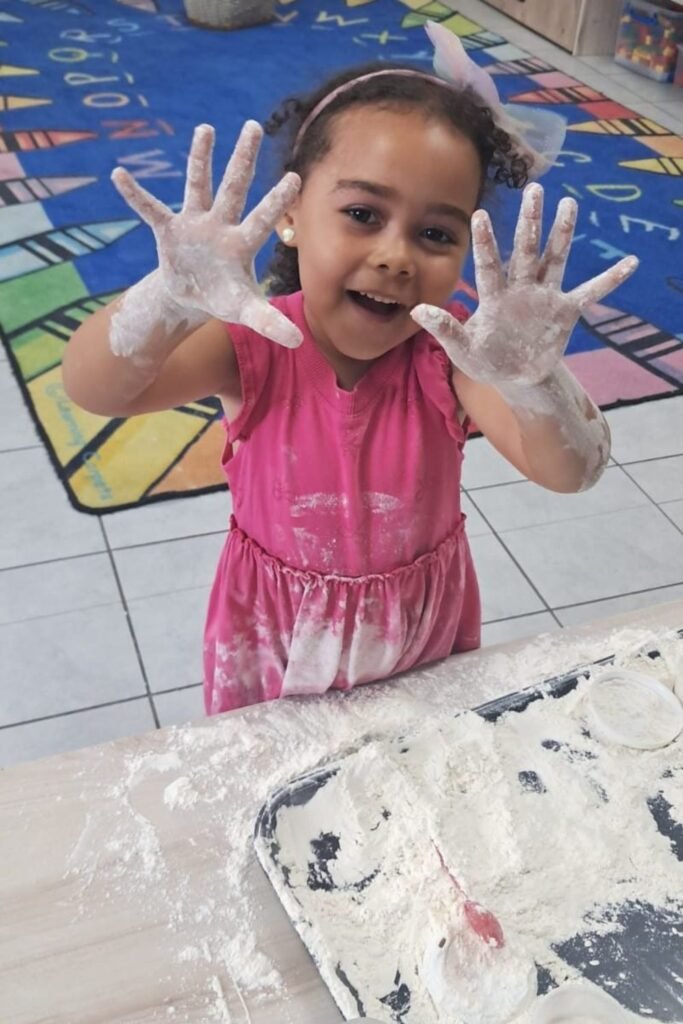
Flour Tray
Soft powder under little fingers can turn busy energy into quiet exploration. Pour flour into a shallow tray.
And have your youngster use their fingertip to create lines, shapes, letters, or patterns. The texture makes you want to walk slowly.
While moving slowly keeps voices low. Put a mat under the tray and keep it confined so that cleaning up is easy.
If they want to smooth things out and start over, give them a little brush or spoon. Tracing in flour is comforting since it is soft and repetitive.
Each swipe clears the surface, offering them a fresh start without any noise, screens, or complicated setup.
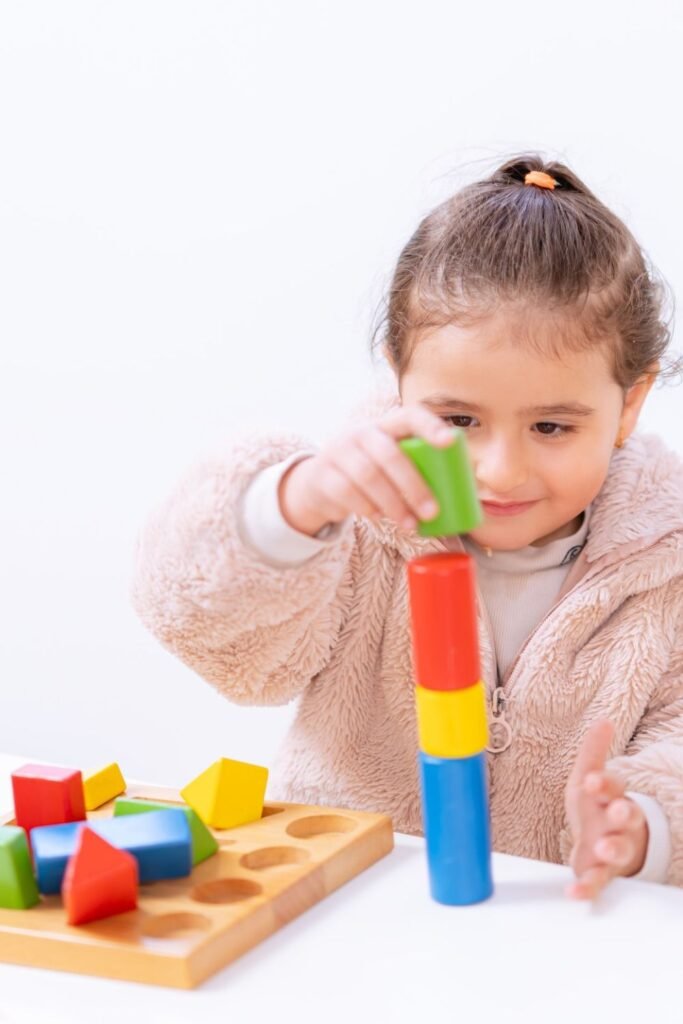
Block Stacking
Balance has a way of silencing a room. Line up a few wooden cylinders or blocks and invite your child to build the tallest tower.
They can do it without it falling. Every item that goes on top needs slower hands and a sharper focus.
Take everything off the table so they won’t get distracted, and keep extra blocks nearby in case they need to rebuild.
You don’t need regulations; all you need is the calm challenge of keeping it steady. Younger kids can stack things by color.
While larger youngsters can try out different designs. Stacking carefully changes energy into focus. As the tower becomes taller, the voices usually get softer.
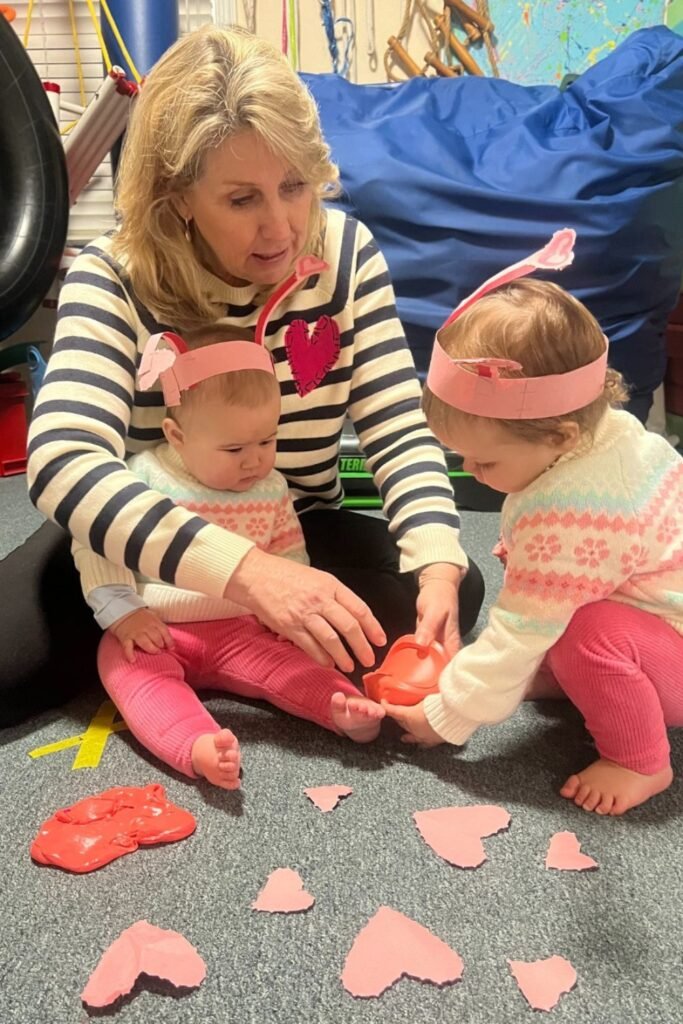
Playdough Hearts
Soft dough changes the energy in seconds. Rolling, pressing, and cutting heart shapes gives little hands something steady to work on.
As the room settles on its own. Add a simple cookie cutter or plastic cup and let them focus on forming one clean shape at a time.
Put a mat on the floor so they can sit comfortably and keep everything in one place. Change the colors every now.
And then to keep things interesting without making noise. Gentle squeezing and shaping are relaxing.
Because they keep the movement under control. The more they press and shape, the quieter the area gets.
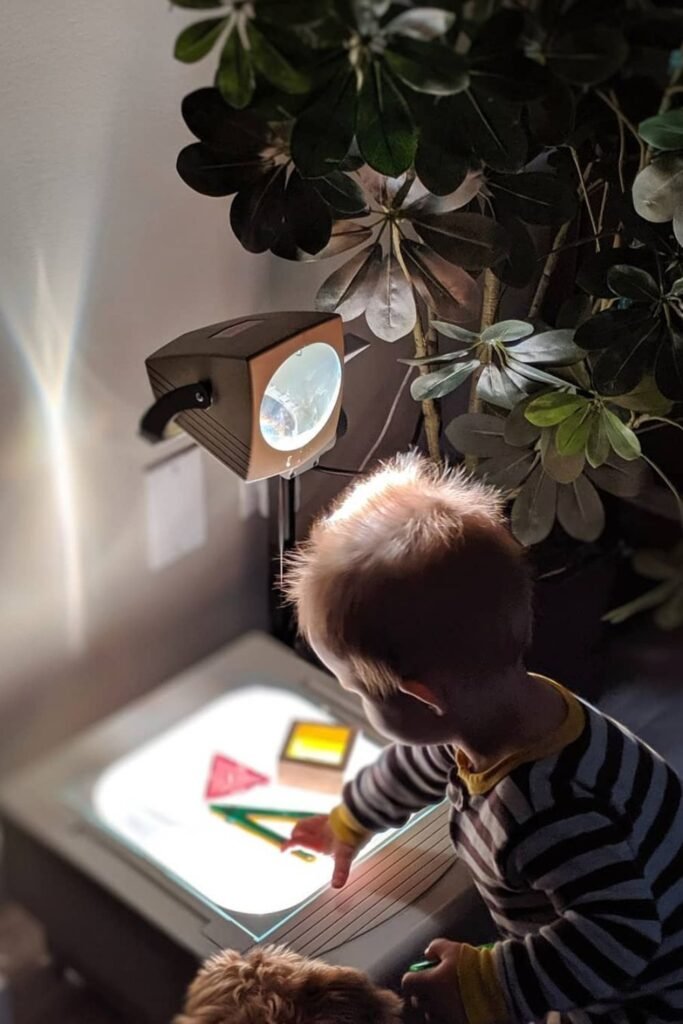
Light Exploration
Dim the room and suddenly curiosity becomes quiet. A small projector or overhead light shining onto a flat surface turns simple shapes.
Into something wonderful. Put out colored tiles, letters, or see-through blocks and let your youngster move them carefully under the beam.
Low illumination naturally lowers energy, so this is great to do before bed or when you’re winding down for the night.
Keep the area uncluttered so that nothing takes away from the glow. To move shapes through light.
You need to be very attentive and pay close attention. Without you having to ask, their voices go softer as the space feels softer.
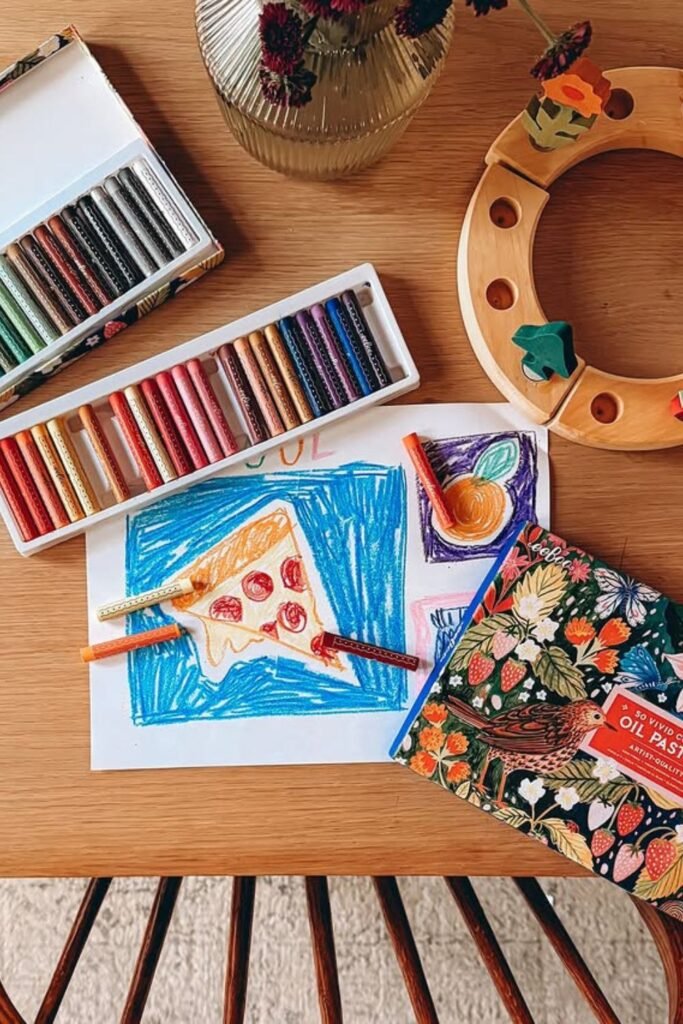
Oil Pastels
Color feels different when it glides smoothly across the page. Oil pastels give rich, bold strokes that keep kids absorbed longer than regular crayons.
Put some paper on the table and just let people pick a few colors so they don’t get too many.
Drawing simple things like food, animals, and shapes can help you stay focused without making it a noisy painting class.
Have a small stack of blank pages close by so they may start over without any problems. Slow movement comes naturally with smooth strokes.
The more they layer and merge, the deeper they sink into silent focus, which keeps the space peaceful.
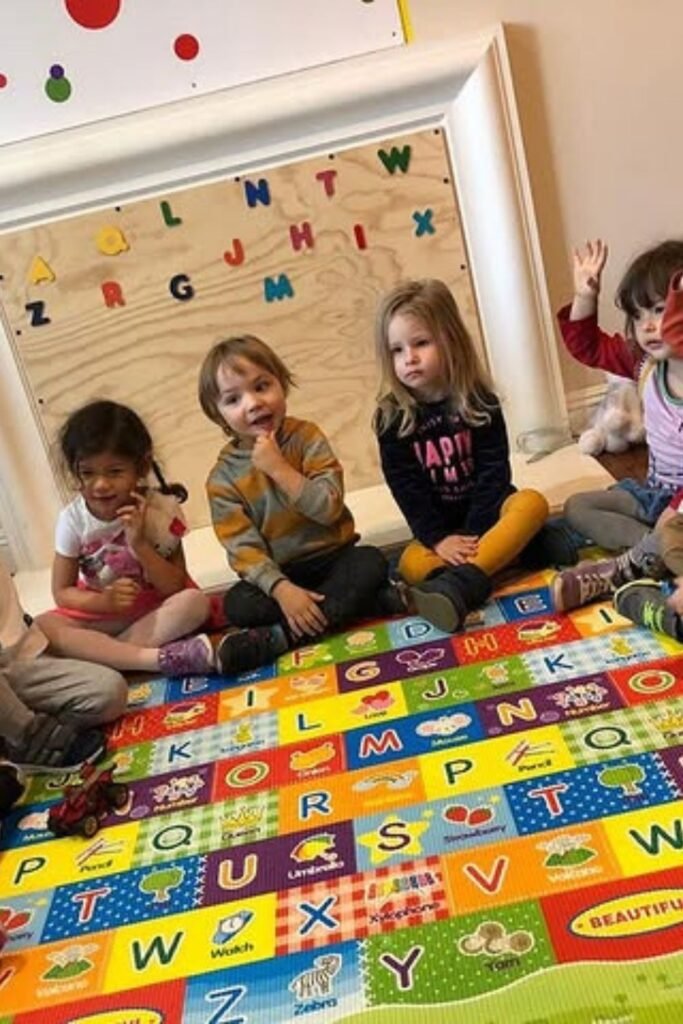
Whisper Circle
Energy shifts the moment you turn speaking into a quiet game. Gather kids on a rug and introduce a simple rule.
The voices stay at a whisper or the round stops. Ask gentle inquiries, play “guess the letter,” or pass a little thing around while each youngster answers softly.
Being boisterous during circle time doesn’t have to happen. Keeping everyone seated and focused on one small activity.
At a time stops things from getting out of hand. A soft item, such a stuffed animal or a little baton, can assist you figure out whose turn it is.
Part of the challenge is turning down the volume. When whispering is entertaining, the room will naturally follow.
Jelly Sorting
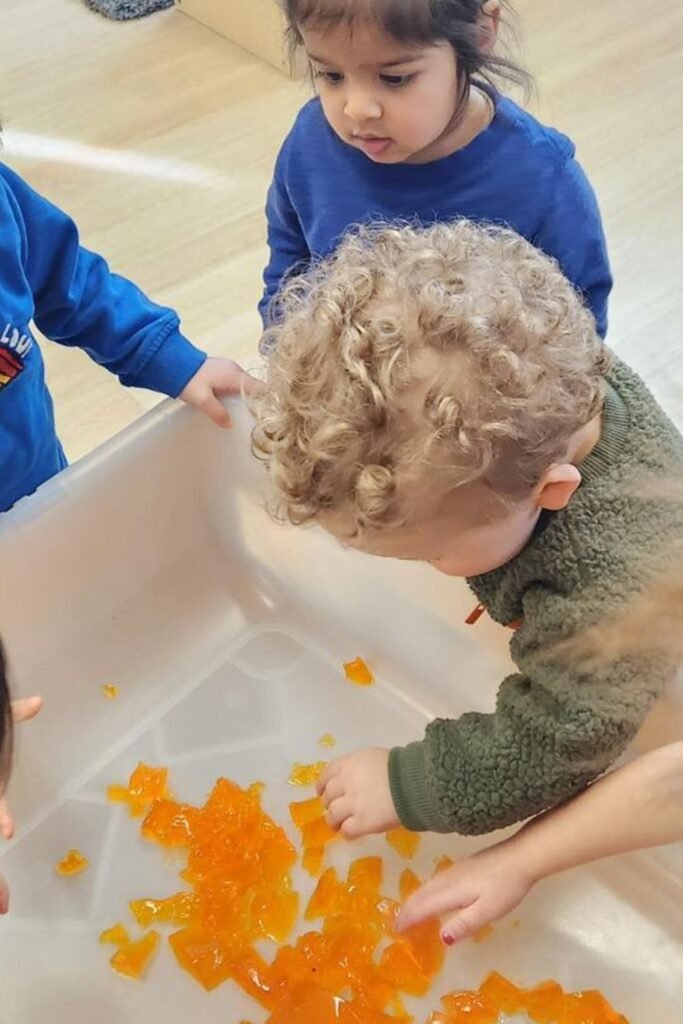
Cool, squishy textures instantly grab attention. Drop pieces of firm jelly or gelatin into a large clear bin.
And let the kids carefully pick them up, organize them, or put them in tiny cups. The slippery texture.
Keeps hands occupied and words low since they have to be careful. Put everything in a small container.
And put towels underneath it so it’s easy to wipe up. If you want to slow things down. Even further and make them more focused, use spoons or tweezers.
This kind of soft sensory activity uses up energy without making a lot of noise. Taking care of things changes excitement into peaceful focus.
Pattern Matching
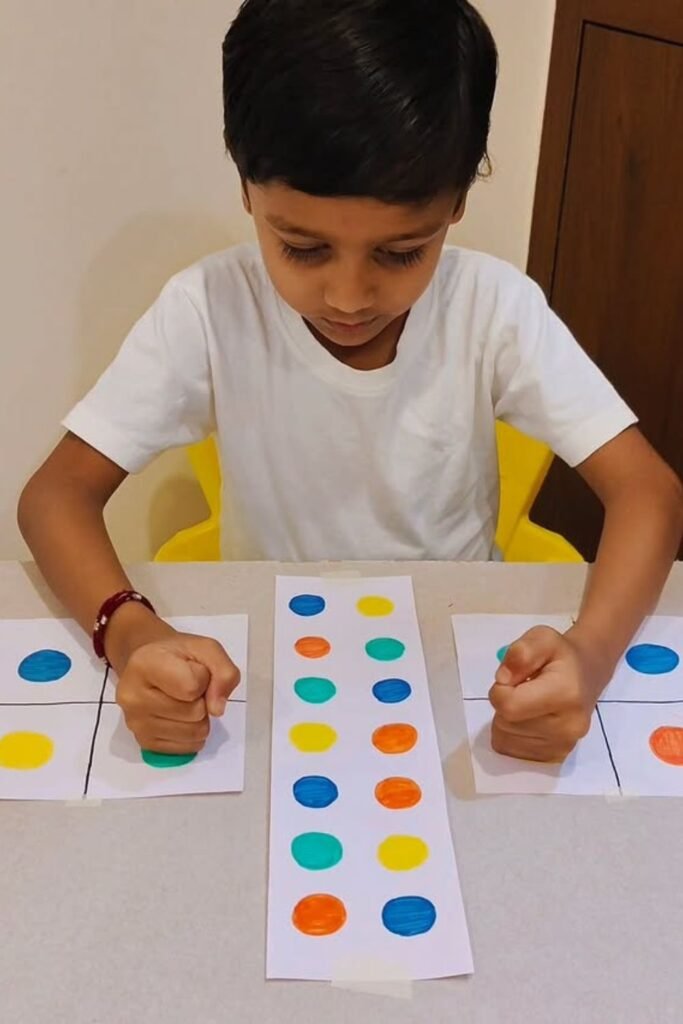
Brains get busy and mouths get quiet. Lay out a strip of colored dots in a specific order and place blank grids on either side.
The difficulty is easy: replicate the pattern perfectly, without skipping or changing colors. There should only be cards.
And a few markers or counters on the table to keep things neat. Younger youngsters can duplicate short rows, and older kids can copy longer ones.
If they like a quiet challenge, add a timer. To match patterns, you need to pay close attention to the details.
The noise usually fades into the background as they start to focus on getting the order right.
Stick Shapes
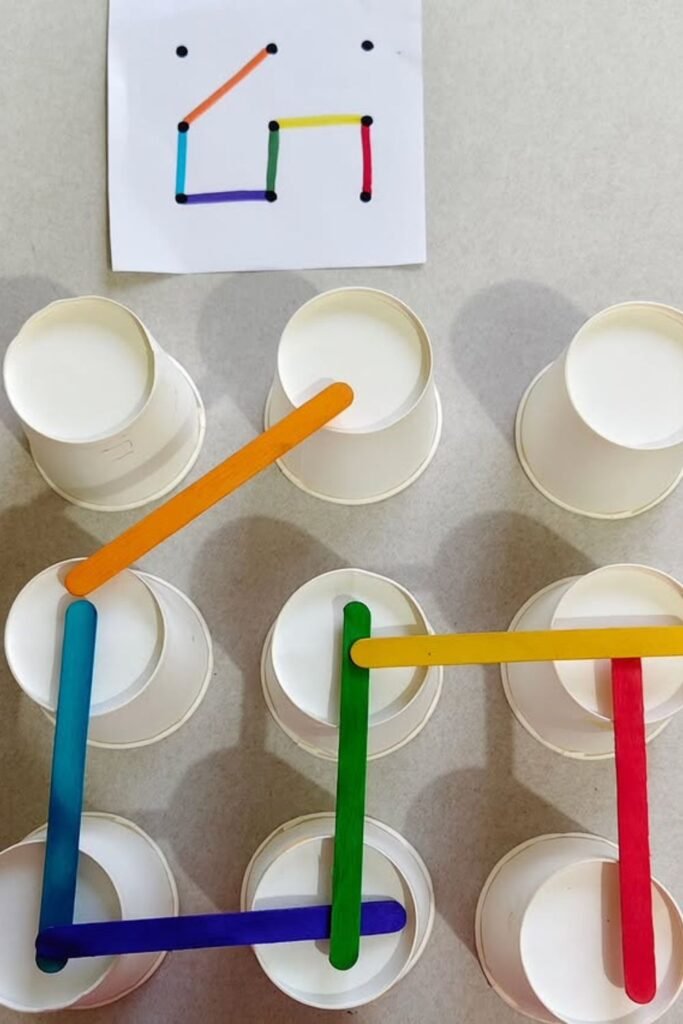
Simple materials can create serious focus. Arrange paper cups in rows and hand over a few colored craft sticks.
Includes a little picture of a shape or pattern. The goal is to reproduce the design perfectly by putting the sticks over the cups.
Have the example card close by so people can look at it instead of asking questions. Begin with simple shapes.
And then make them harder as they get better. To make lines and angles again, you need to pay attention.
When they start methodically moving each stick, their energy changes from being loud to solving problems without you having to be involved.
Egg Peeling
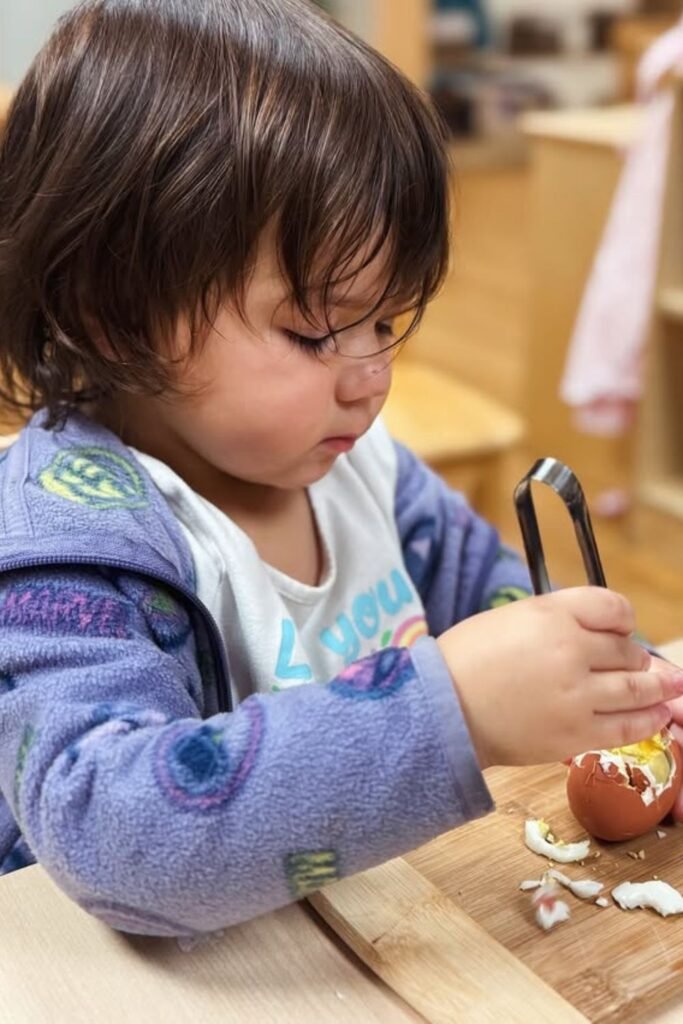
Careful hands change everything. Give a hard-boiled egg and a small bowl, then let your child peel it slowly piece by piece.
The tiny pieces of shell need time, and time inevitably diminishes the volume. Put it on the kitchen table with a tray below to catch crumbs.
A spoon or small tool that is safe for kids. Can help you lift tough bits without making a big mess.
You need steady hands and great attention to peel. Every little crack and lift keeps them focused on the job at hand.
Instead of looking for something louder to do. This little culinary task gives you just what you need for quiet concentration: precision.
Hammer Board
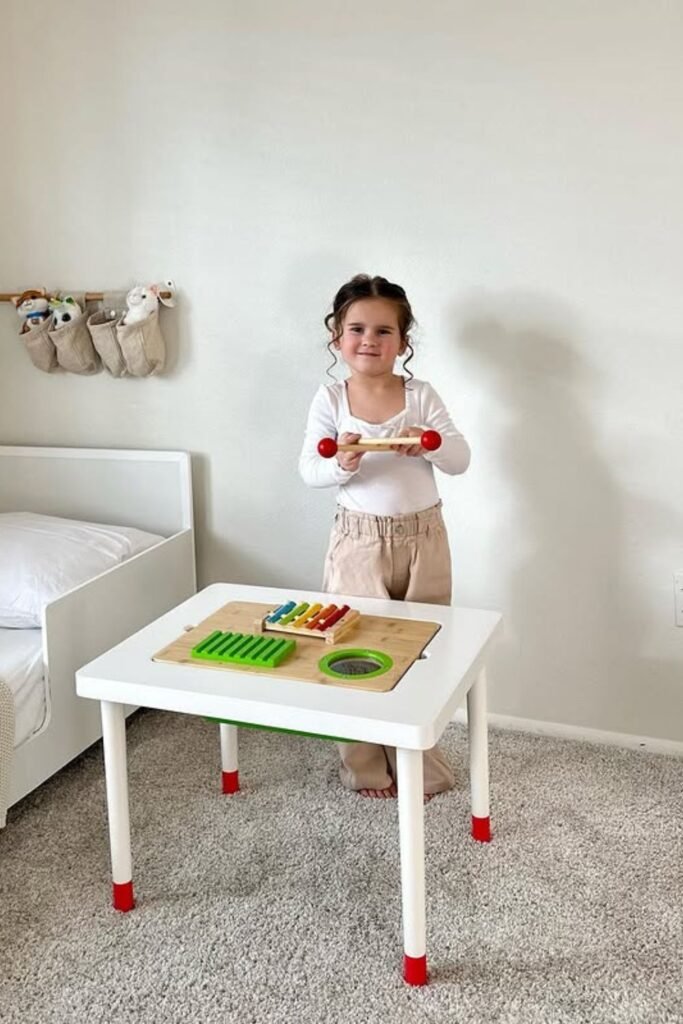
Rhythm can be quiet when it’s controlled. A wooden hammer board with pegs or balls gives kids the satisfaction of tapping without turning the room chaotic.
Make sure everyone knows what to expect: just light taps. Also, put the board on a sturdy table so that it can absorb sound.
Great for bedrooms or play areas where you want to be able to move around but not yell. Instead of swinging wildly.
Show them how to grasp the mallet securely and aim precisely. Tapping in a measured way helps with coordination and focus.
When they focus on reaching the target just right, the excitement turns into steady, purposeful movement instead of loud bursts of energy.
FAQs
How long should quiet time last for kids?
Begin with less than you anticipate. At first, ten to fifteen minutes is enough, especially for toddlers and preschoolers.
You can steadily add 20, then 30 minutes to the routine after they grow used to it. At first, expect pushback. That’s normal. Keep it up.
What if my child refuses quiet activities and keeps getting loud?
Loud usually means bored or not sure. Don’t make it quiet; change the activity. Instead of letting your child play as they like, let them do something with structure.
Limit the number of materials so it doesn’t feel too much. At first, sit close by, then progressively move away.

Hi, I’m Afaf! I’m a law student who loves writing about everyday life – from home projects and crafts to fashion, beauty, and parenting tips.
I’ve been writing for over a year, sharing ideas that are simple, practical, and easy to try. I write about things I find interesting and useful, whether that’s organizing a space, trying a new DIY, or finding activities to keep kids entertained.
My goal is to share helpful ideas without making things complicated. If it works in real life, I’ll write about it.
When I’m not studying or writing, I’m usually experimenting with new projects or scrolling for inspiration!