
26 Physical Activities For Kids For 2026
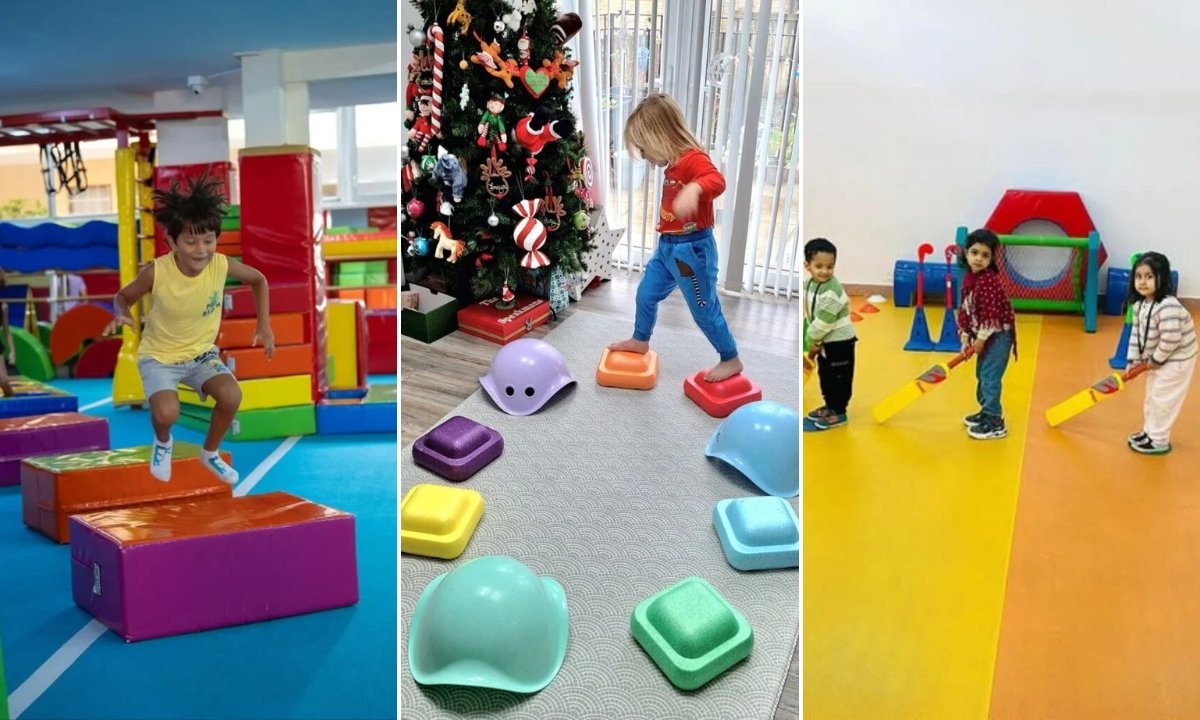
If you’ve ever seen your child glued to a screen for ages and felt that familiar pang of guilt, you are in good company.
You understand they need to be active but with school, assignments, and the daily grind finding the time can be a challenge.
You don’t want elaborate schedules or obligatory exercise sessions; you just want something that actually makes a difference.
In this article, you’ll find 26 Physical Activities Ideas that parents and kids both enjoy in 2026.
Why Are Physical Activities Important for Kids’ Growth?
Daily physical activity is a straightforward recipe for positive outcomes in children. It fortifies their muscles and bones, enhances balance, and fosters coordination.
If your child finds it hard to concentrate or experiences frequent mood fluctuations, consistent exercise can be beneficial.
Active children tend to sleep more soundly, experience increased self-assurance and manage stress more effectively.
Furthermore when movement is integrated into their daily routine from a young age, it establishes lasting habits.
Save this article for later!👇👇👇

Which Physical Activities Are Best for Different Age Groups?
Not every activity is a good fit for every age group, and that’s perfectly fine. Little ones benefit from straightforward, playful movement think running, jumping.
And climbing as their bodies are still figuring out how to move.
As children get older, they can manage more organized activities, such as biking, swimming, or team sports.
If something feels too difficult, they’ll likely push back. Conversely, if it’s enjoyable, they’ll want to do it again.
The key is to align the activity with your childs age and capabilities; this way, staying active will feel effortless not like a chore.
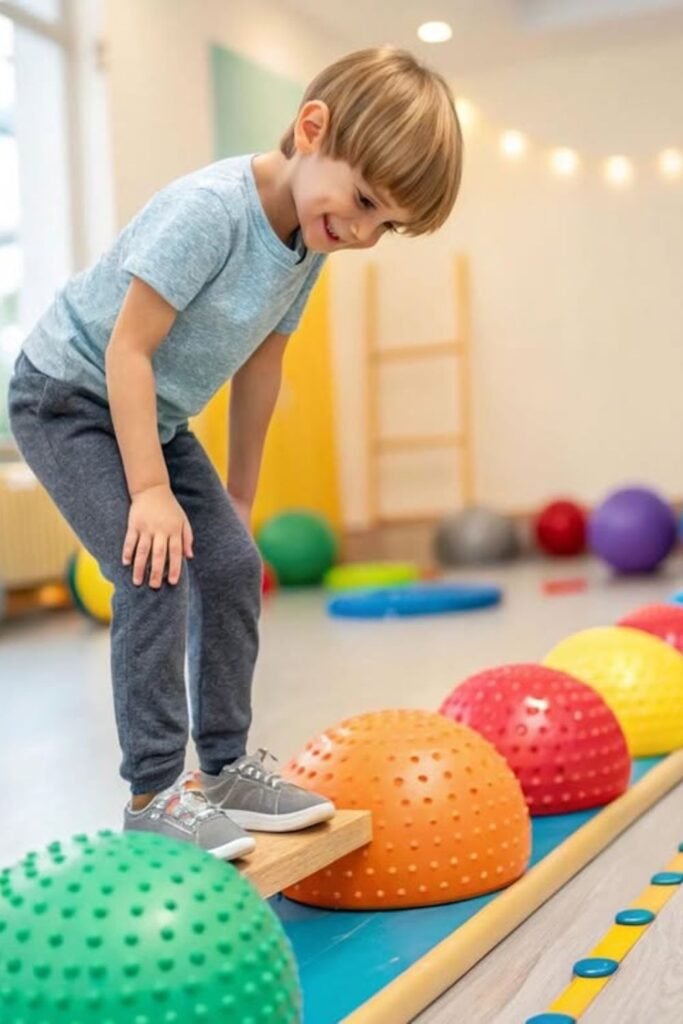
Balance Path
Watching kids carefully step from one surface to another builds more than balance it builds confidence.
This kind of setup is ideal for indoors, where you can manage the environment and ensure safety.
Arrange cushions textured mats and the firm pillows in a row allowing your child to navigate them at their own speed.
Ladder Challenge
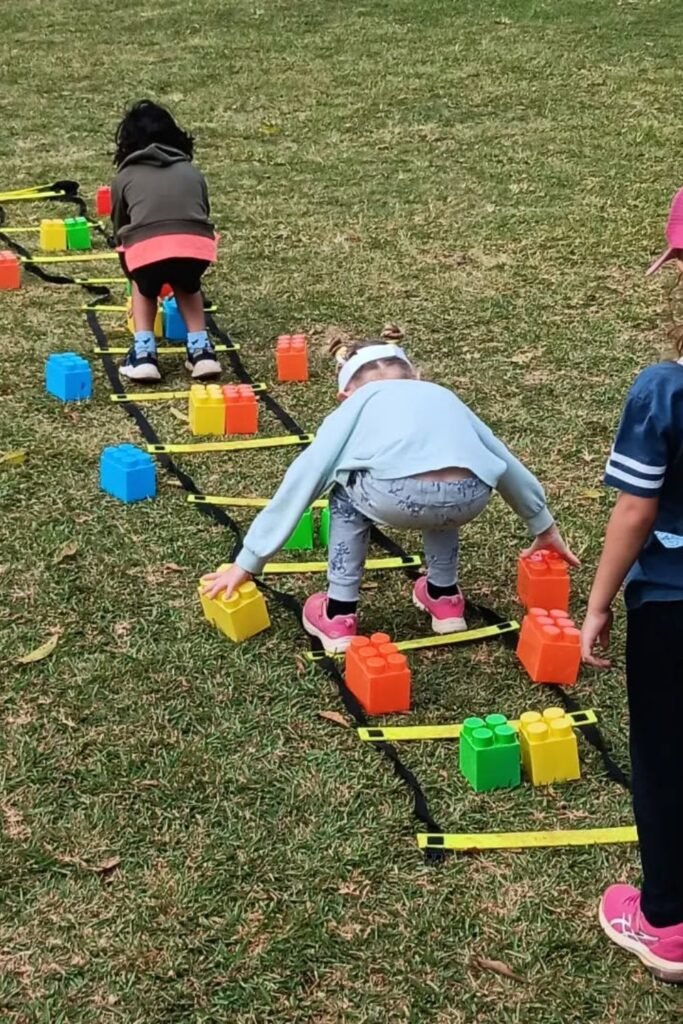
Brightly colored blocks transform basic crawling into a comprehensive workout, one that youngsters embrace without a second thought.
Lay a rope ladder out flat then set blocks beside each square. Have the kids move one block ahead with each step.
They’ll be squatting, reaching and balancing without even thinking about it, all while concentrating on completing the course not on the exertion itself.
Parachute Play
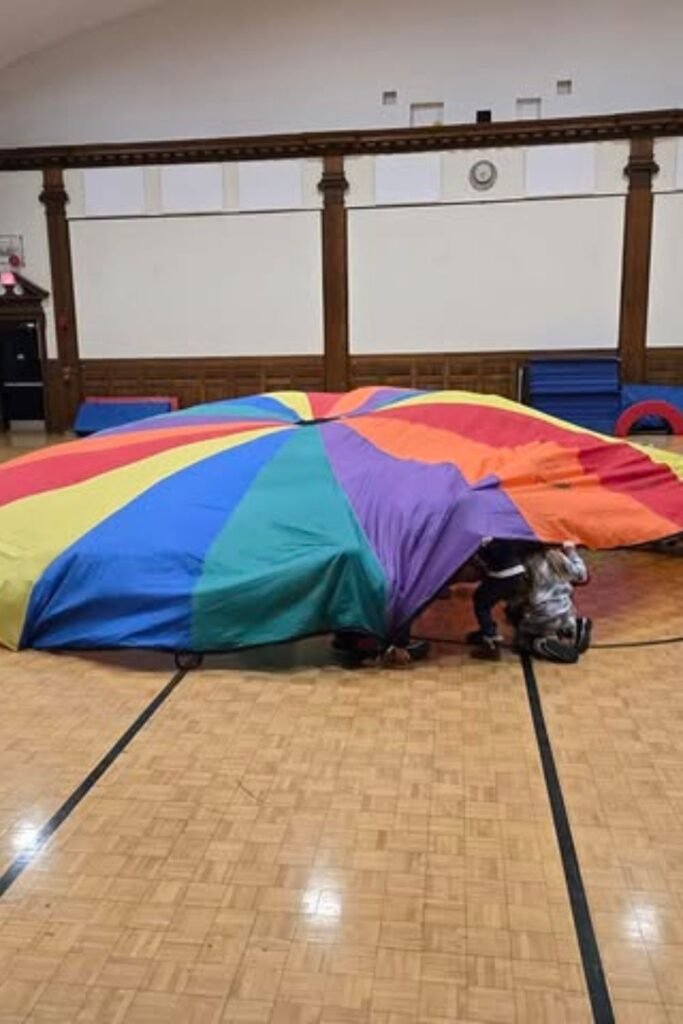
Colorful fabric instantly pulls kids in and keeps everyone moving together. Gym halls or large indoor spaces work best where the parachute can fully open and fall safely.
Hold the sides raise it up, and then bring it down gently as the children dash beneath or crawl over.
It’s a full body workout and requiring arms, legs and a good sense of timing, plus a bit of cooperation.
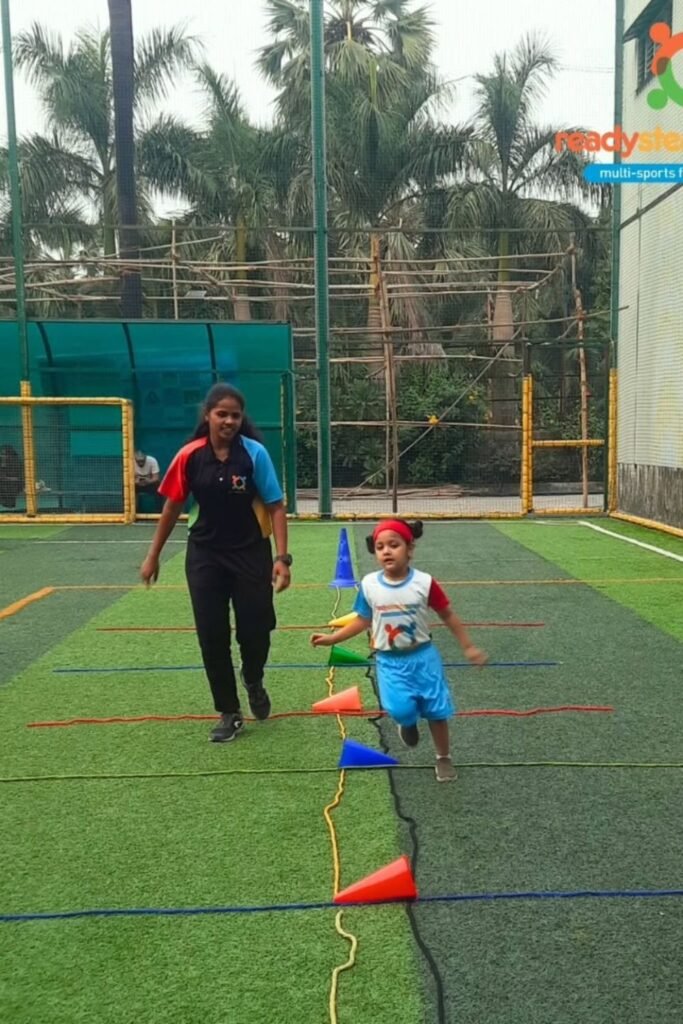
Cone Dash
Speed shows up naturally once kids see a clear path ahead. Open fields or turf areas work best where running feels safe and free.
Set up cones in a straight line or a zigzag pattern and then let your child dash through them, no need for flawless execution.
These quick sprints are great for building endurance, improving coordination and boosting self-assurance.
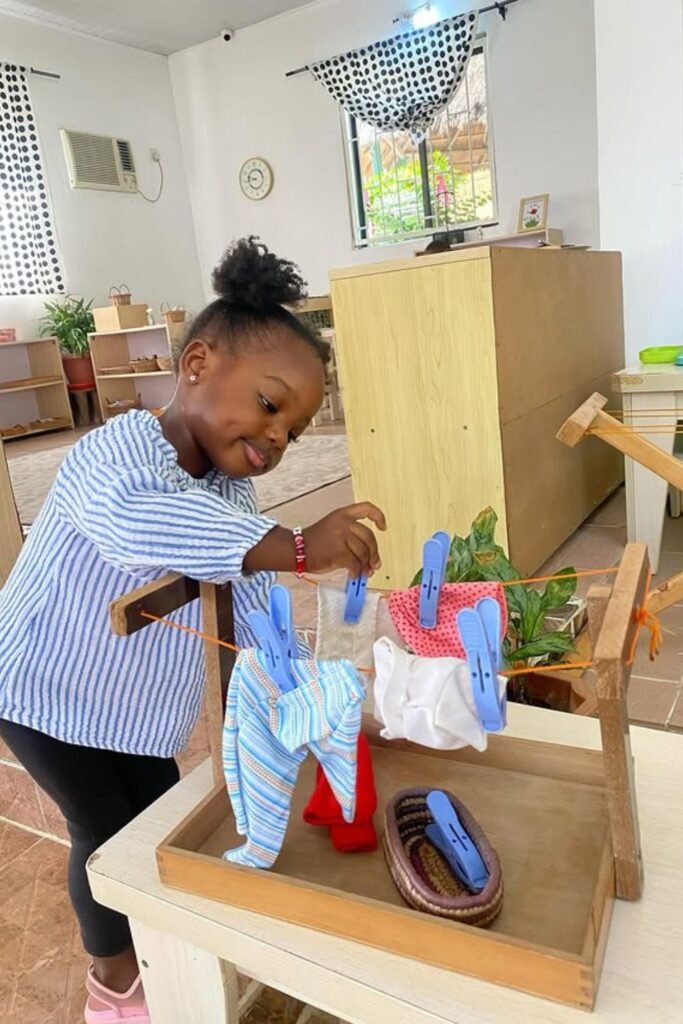
Clothesline Play
Tiny hands stay busy while the whole body stays involved. Indoor corners or playrooms work well for setting up a low clothesline using string and clips.
Let children hang their socks, scarves, or tiny towels whenever they feel like it. The act of reaching, pinching, and maintaining balance unfolds organically.
It may appear serene, although their muscles, concentration, and coordination are getting a subtle exercise with every passing moment.
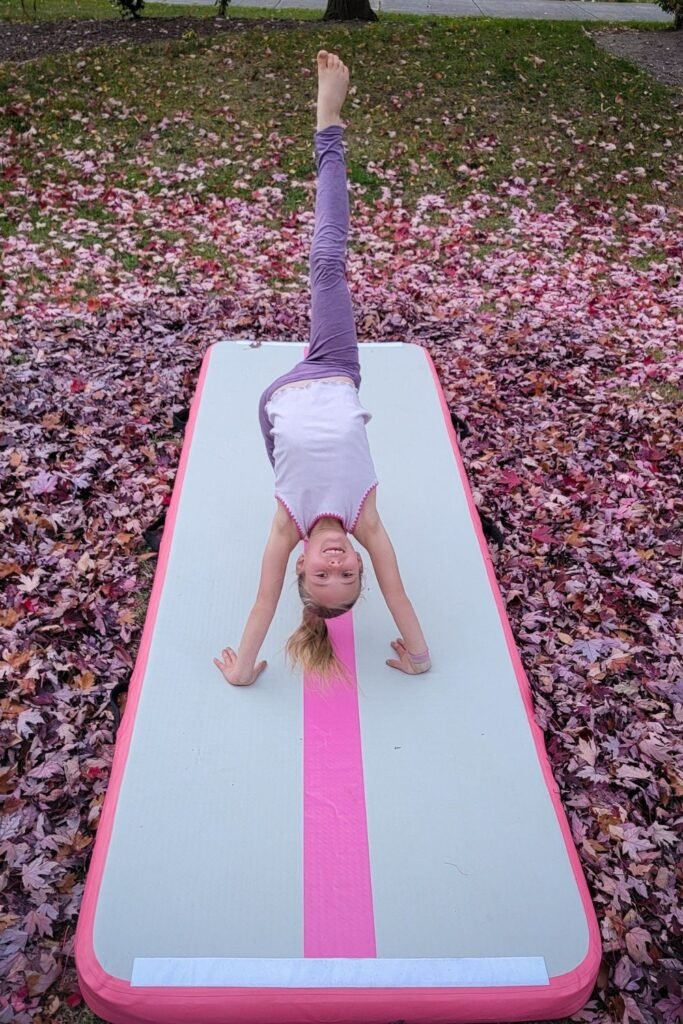
Handstand Fun
Upside-down moments turn strength into play with out any pressure. Soft mats placed on grass or carpeted floors give kids a safe place to experiment with balance.
Have children start by lifting one leg using a wall or their hands for balance if necessary.
Supporting their weight with their arms quickly builds core strength and the excitement of a new perspective keeps them interested.
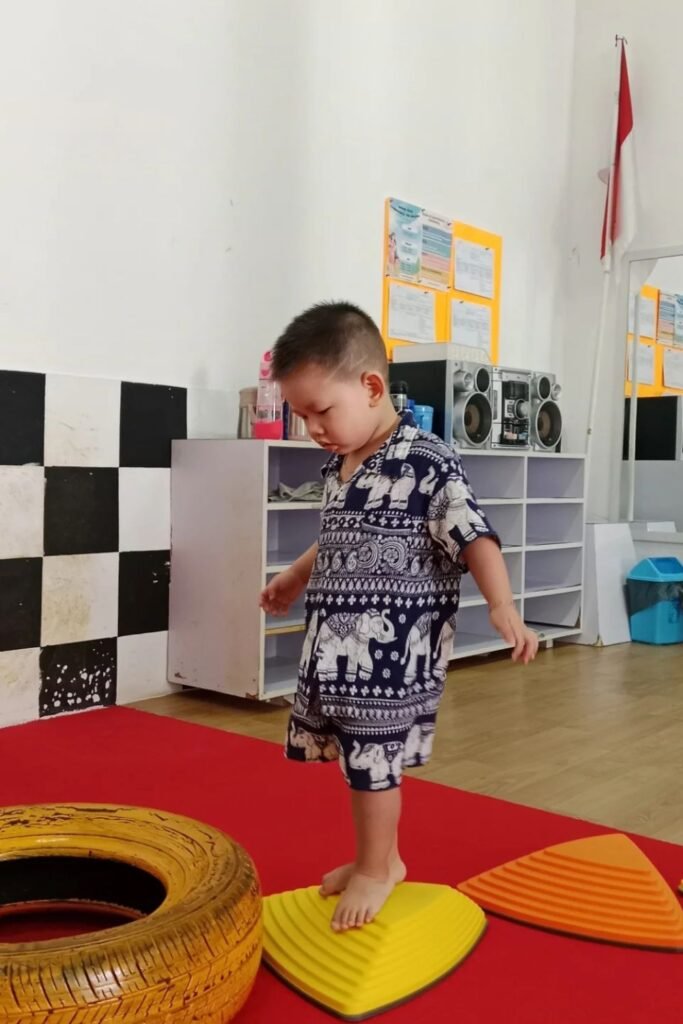
Stepping Stones
Deliberate foot placement transforms slow deliberate movement into a potent learning experience.
Room indoors with their cushioned floor provide children a secure environment to practice balance.
Lay out textured stepping stones or sturdy cushions in a casual route and encourage your kid to walk on them without shoes.
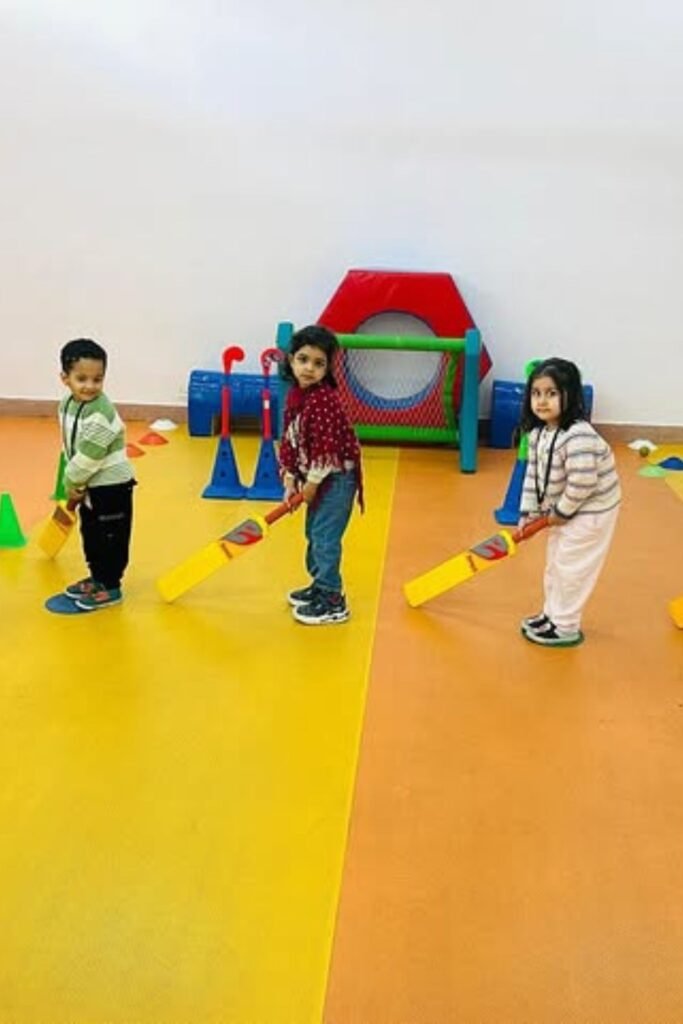
Mini Hockey
Gripping a stick gives kids instant purpose and focus. Indoor halls or playrooms with open floor space work well for this setup.
Set up cones as makeshift targets, and have the kids give a ball a gentle push or tap. The act of swinging, aiming.
By keeping the objectives nearby and the regulations relaxed every child remains engaged and eager to have another go.
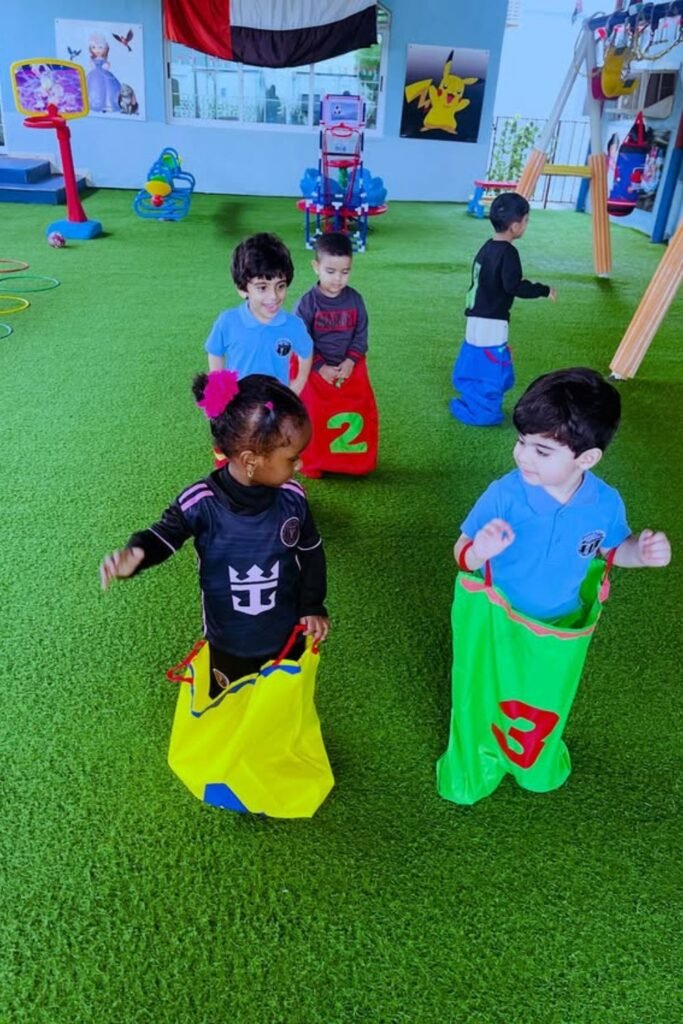
Sack Races
Laughing starts before the first jump even happens. Open indoor turf or grassy yards give kids enough room to move safely with out bumping into each other.
Use pillowcases or fabric bags and set up a short finish line. Jumping in unison gets those leg muscles working and improves balance quickly.
Keeping the distance short helps prevent falls ensuring the emphasis is on having a good time, not on winning.
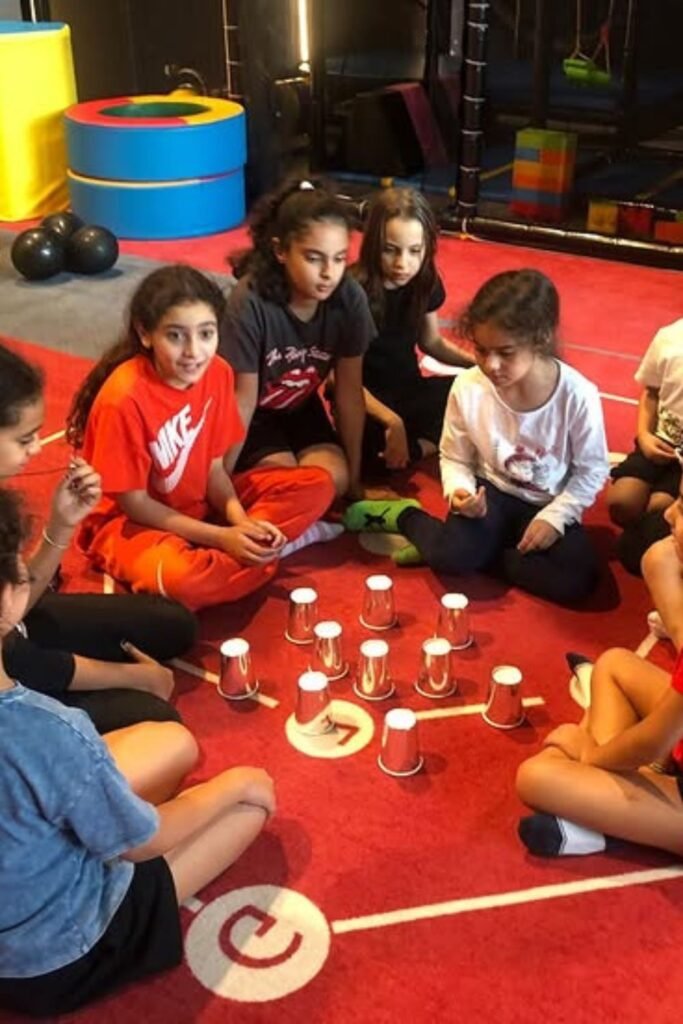
Cup Circuit
Hands are always moving, even as kids shift around, often without a second thought.
Open spaces are ideal, allowing children to sit, lean or stretch and then get back to it.
Place the cups in the middle and then give simple instructions stand, sit, reach, and switch.
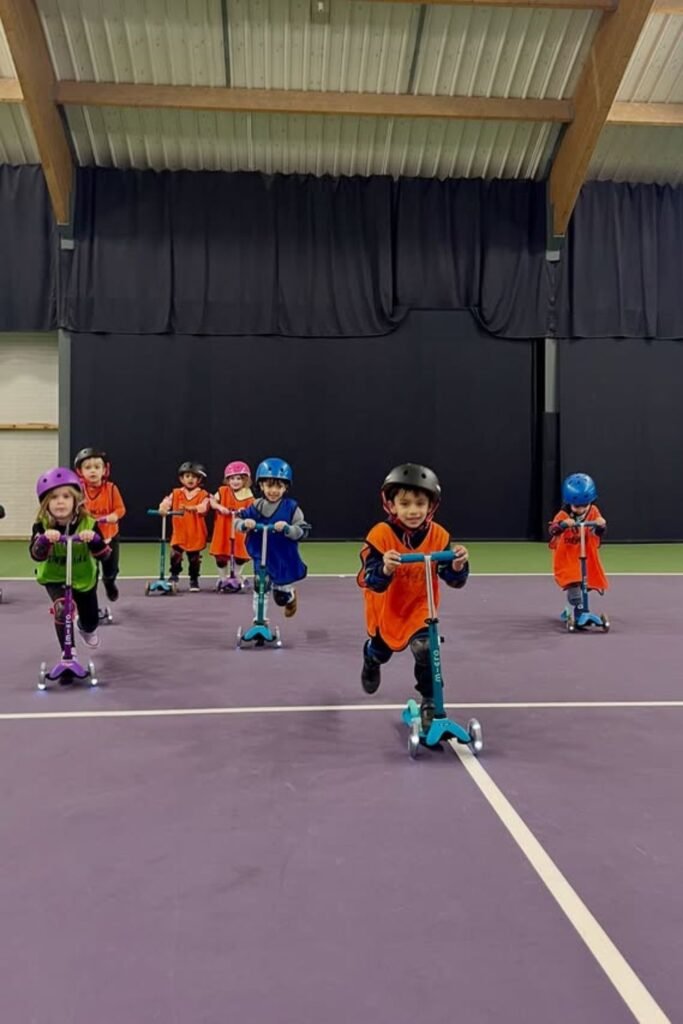
Scooter Sprint
Momentum changes everything once kids start gliding forward on their own. Smooth indoor courts or empty driveways give the safest space to practice control.
Helmets secured, lines drawn and short sprints make it all easier. The act of pushing, driving and braking simultaneously builds leg strength and balance.
Transforming it into a follow the leader game helps control speed and confidence skyrockets.
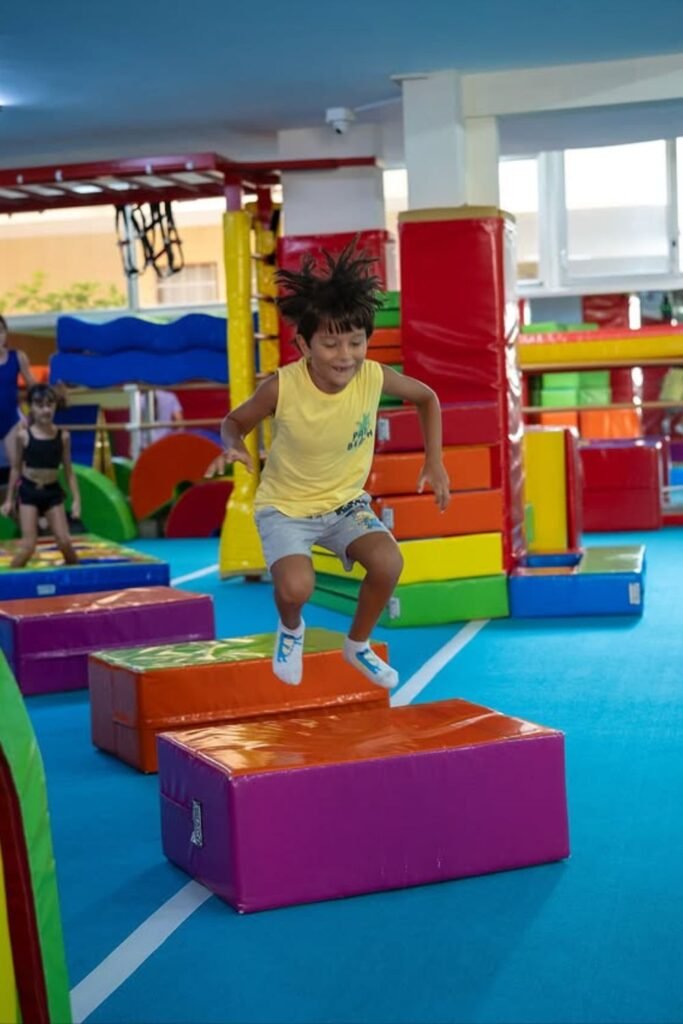
Soft Obstacles
Energy gets released fast once jumping turns into a mission. Padded playrooms or indoor gyms give kids freedom to move without fear of hard falls.
Set up a series of foam blocks or cushions, leaving small spaces between them and let the kids jump from one to the next whatever they choose.
This hopping the landing the push off and the need to regain balance all work to build leg strength and improve coordination.
Rope Climb
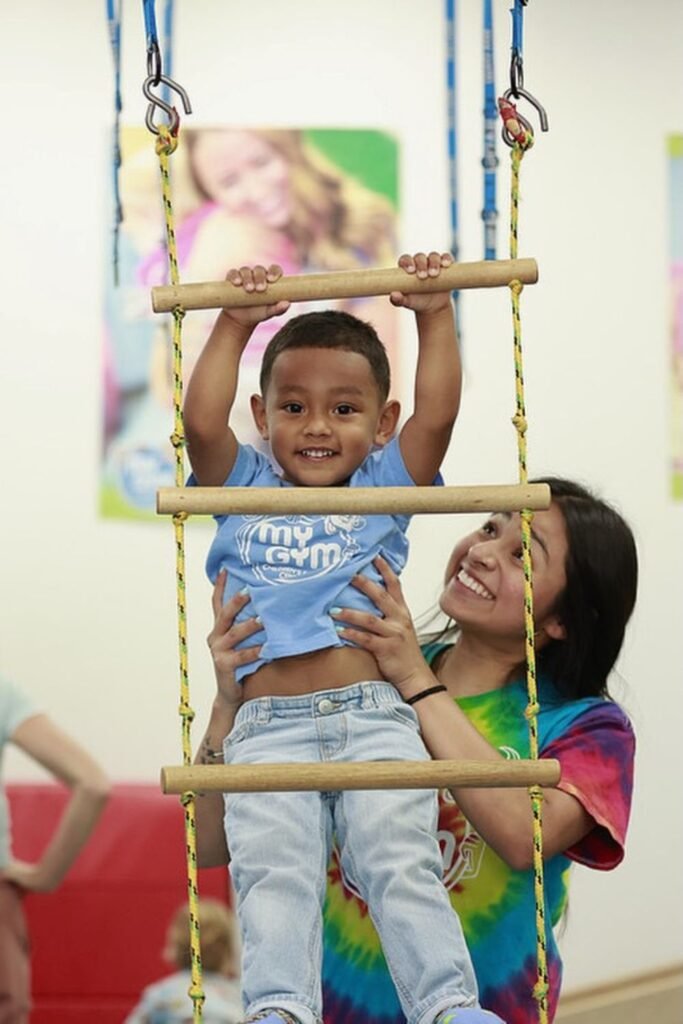
Hanging on for a few seconds works more muscles than it looks. Indoor gyms or sturdy backyard setups give kids a safe place to pull, grip and lift their own weight.
Begin with a gentle approach, providing encouragement as they gain assurance. The arms, shoulders and core engage simultaneously.
The joy of the experience is evident in their smiles a reflection of the empowerment that comes from discovering their own physical strength.
Hoop Chase
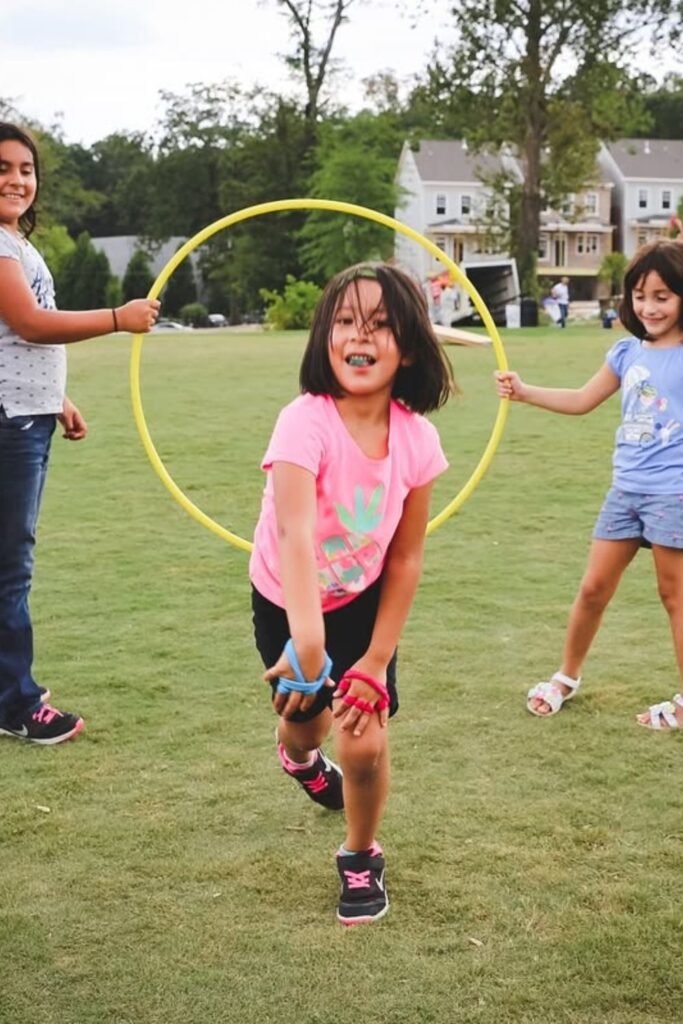
Giggles usually start before the hoop even moves. Open grassy areas give kids space to run, duck, and spin without worrying about bumps.
A child holds the hoop while another runs through or around it, and they swap places regularly.
The lack of strict rules encourages creativity, allowing players to use their own ideas instead of following set directions.
Bike Balance
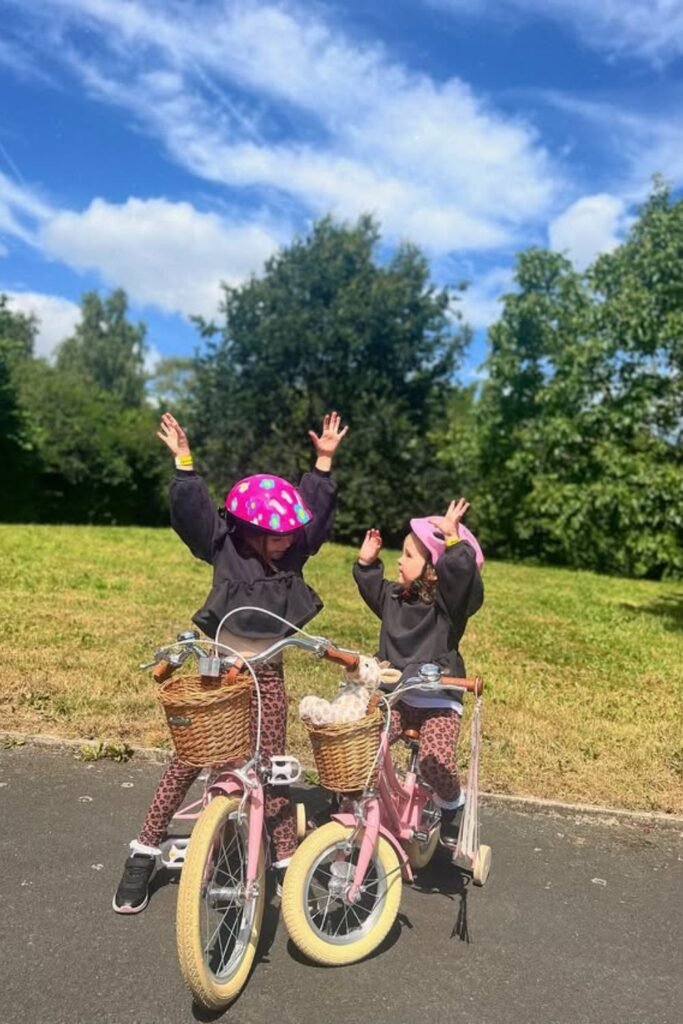
Freedom shows up the moment kids start pedaling on their own. Smooth park paths or quiet sidewalks give the safest space to practice with out pressure.
Begin with brief excursions allowing them to halt whenever they like. Steering, peddling and maintaining equilibrium all come together organically.
Riding alongside a brother or sister, or a friend transforms exertion into pleasure, fostering confidence more swiftly than any amount of training.
Jump Burst
Explosive jumps release built-up energy faster than almost anything else. Patios, driveways, or backyard corners give kids enough room to lift off safely.
Give them a jump rope, or just let them jump around for a little if you’re not sure about the timing.
Jumping builds leg strength, gets the heart pumping, and helps with coordination.

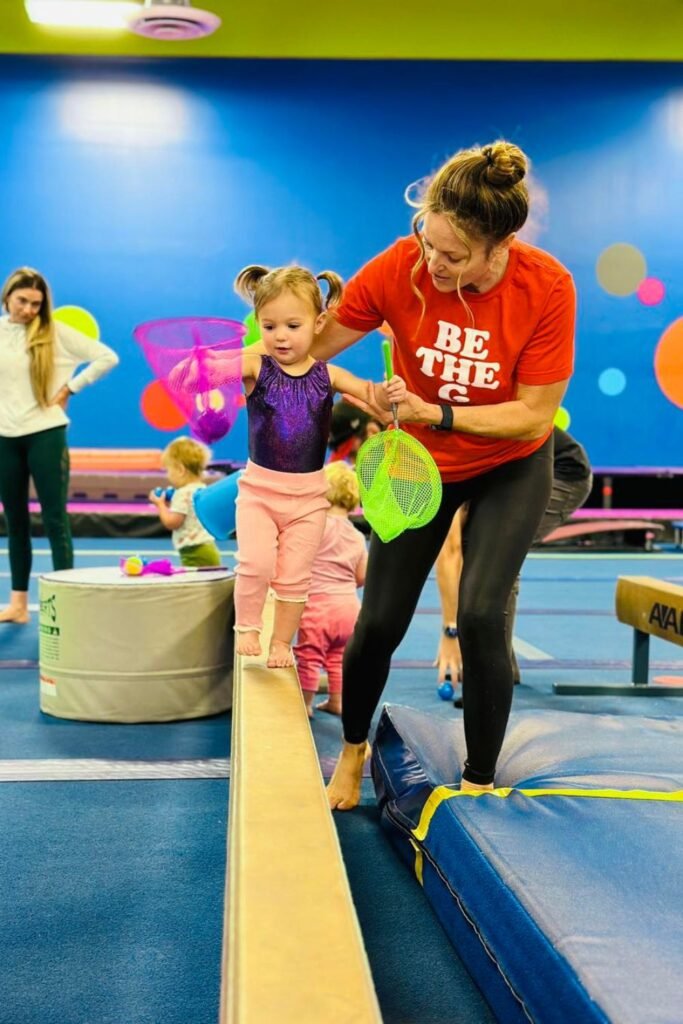
Balance Beam
Slow steps teach control better than any lecture ever could. Indoor gyms or living rooms with a taped line on the floor give kids a safe place to practice staying steady.
Have them walk heel to toe maybe while balancing a small object or reaching for specific targets.
The workout becomes less of a burden and more pleasurable if support is readily available.
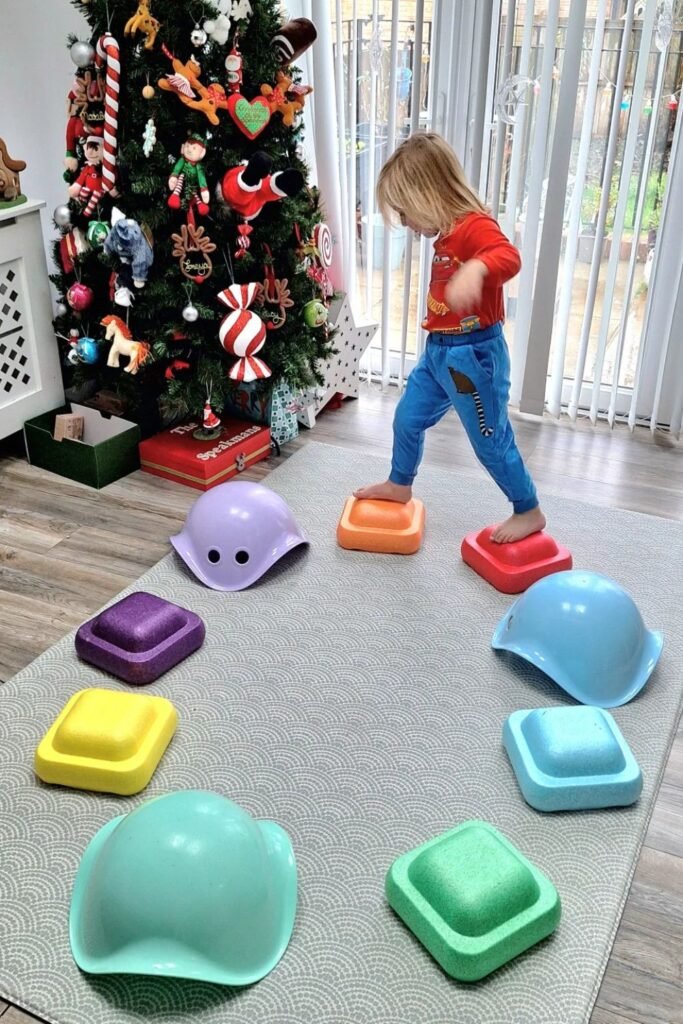
Floor Islands
Colorful pods, strewn about beckon for deliberate thought and careful steps. They are ideal for living rooms or play spaces some where a tumble isn’t a concern.
Set the pieces up and then let your child map out their own path, leaping from one island to the next.
Each step, each moment of stillness and each adjustment of their balance builds leg strength and concentration.
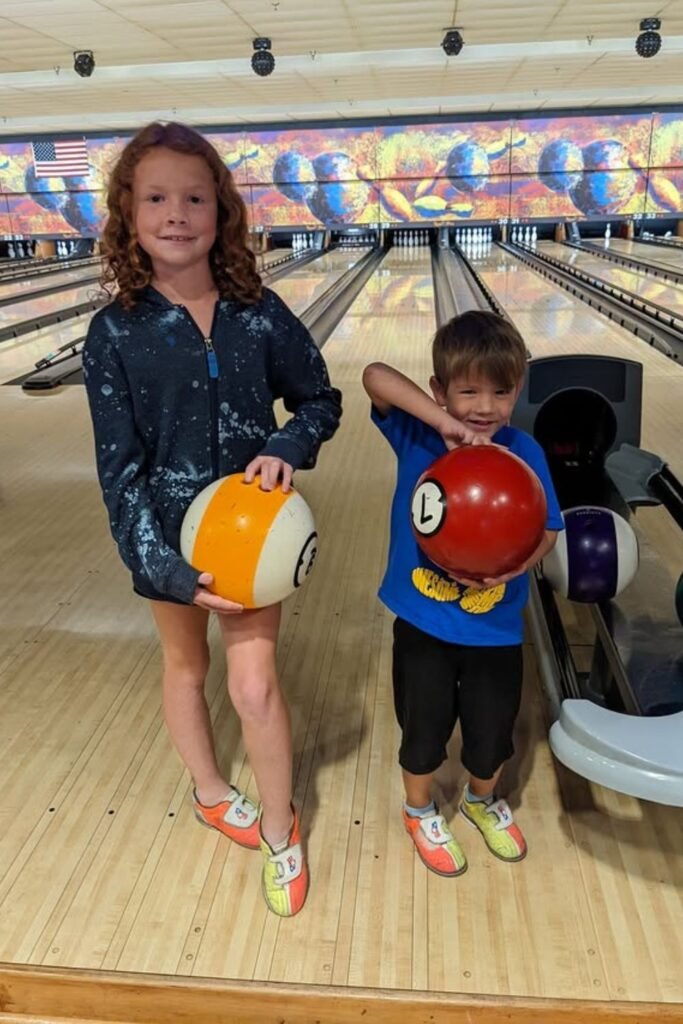
Bowling Roll
Heavy balls slow kids down in the best way possible. Bowling alleys or even home setups with soft pins give them space to focus on aim and control.
Let them approach sway a bit then let go at their own pace. Lifting, carrying and rolling things about helps develop arm strength.
And coordination simultaneously. Sharing the load fosters patience and keeps things from getting too wild.
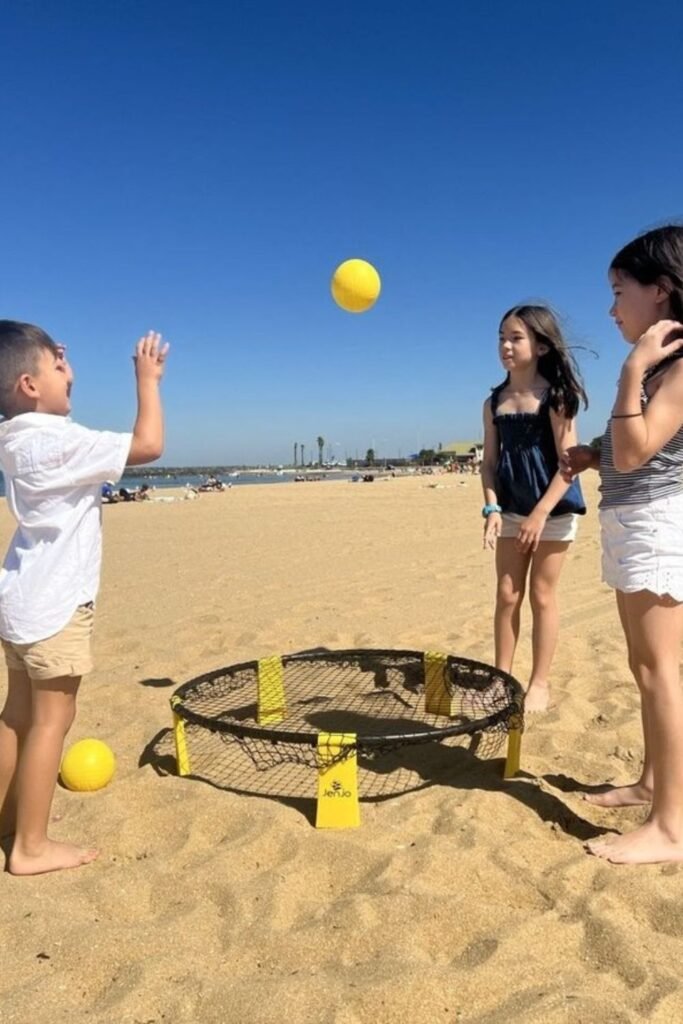
Beach Bounce
Sand slows movement just enough to make every jump and reach count. Wide open beaches or grassy yards give kids space to toss, react and move freely.
Set up a low bounce net or even a stretched cloth, as a target. Then let them take turns throwing and pursuing the ball.
Running on sand is a great way to increase strength quickly and making rapid catches help improve timing and team work.
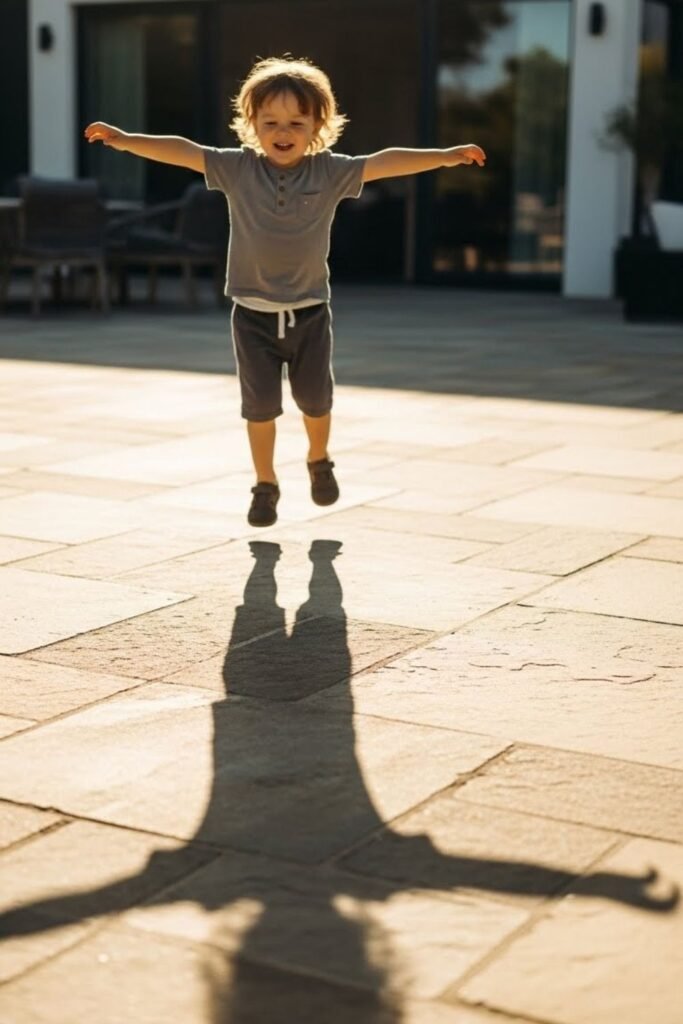
Shadow Chase
Sunlight turns movement into a game kids instantly understand. Outdoor patios or rooms with strong window light work best.
Have your child leap and reach or twirl all while trying to snag their own shadow or that of a brother or sister.
Sudden shifts in direction are great for coordination, and mimicking shapes keeps their brains busy.
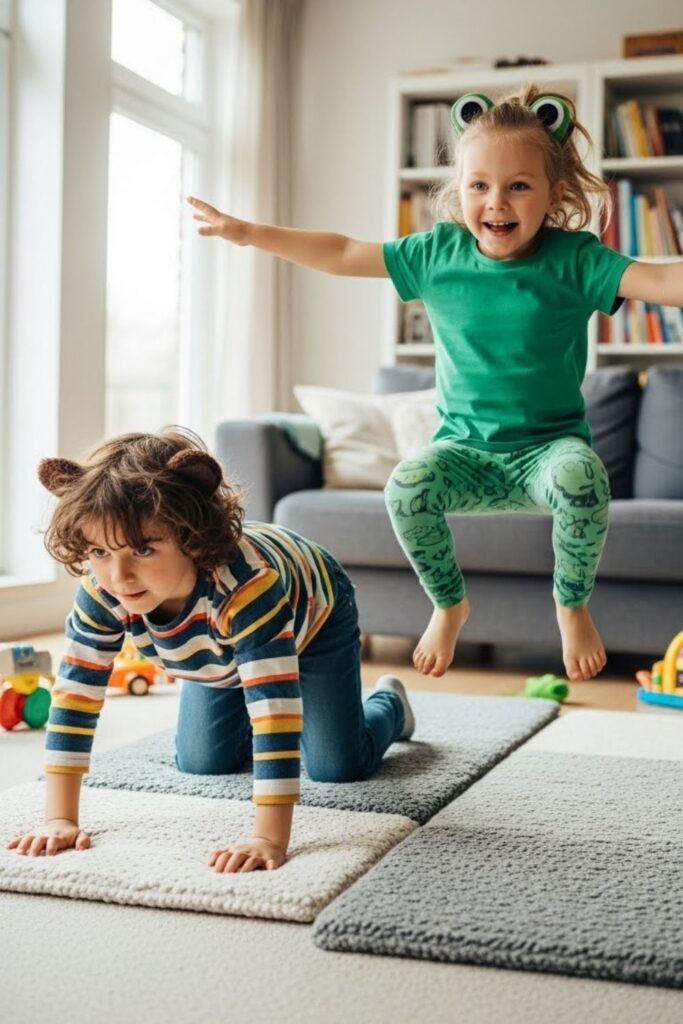
Animal Trails
Pretending to be an animal removes all limits on movement. Living rooms and hallways provide enough space for crawling, stomping and jumping.
Call out animal names, and let children move like those animals: bear crawls, frog jumps and crab walks.
These different movements work different muscles making the activity feel less repetitive.
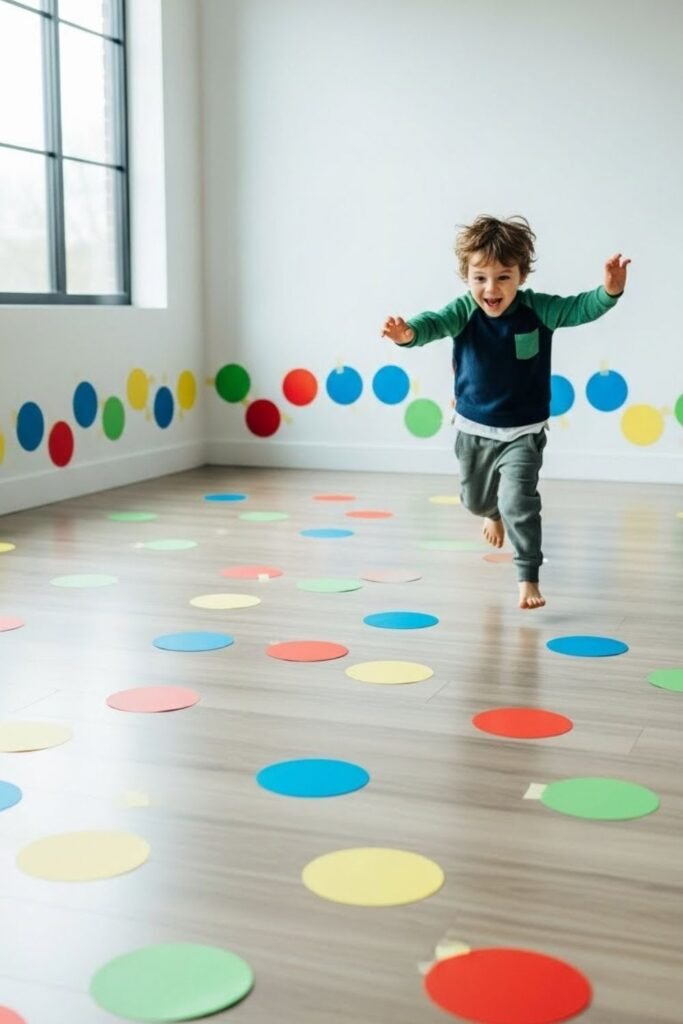
Color Runs
Visual goals push kids to move with purpose. Backyards or open rooms work well for placing colored paper or toys around the space.
Shout out a color, and watch your youngster dash, touch it, and then come back. This simple game of speed, halting, and pivoting is a quick way to boost agility.
To keep things interesting and mentally stimulating switch up the sequence or throw in some goofy rules.
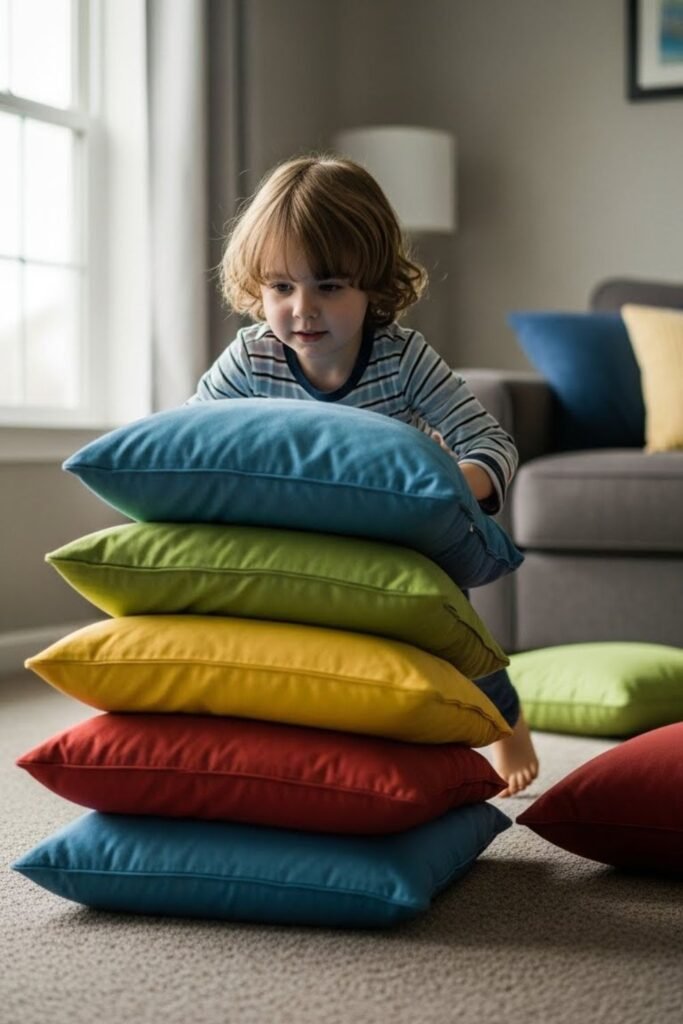
Pillow Push
Resistance training, in its own way, is a silent strength builder. You’ll want a soft surface, like a carpet or a mat for this. Grab some pillows.
Then, have the kids push themselves around the room, using their hands, shoulders or feet.
This steady, purposeful movement is great for building muscle and helping them develop a better awareness of their bodies.
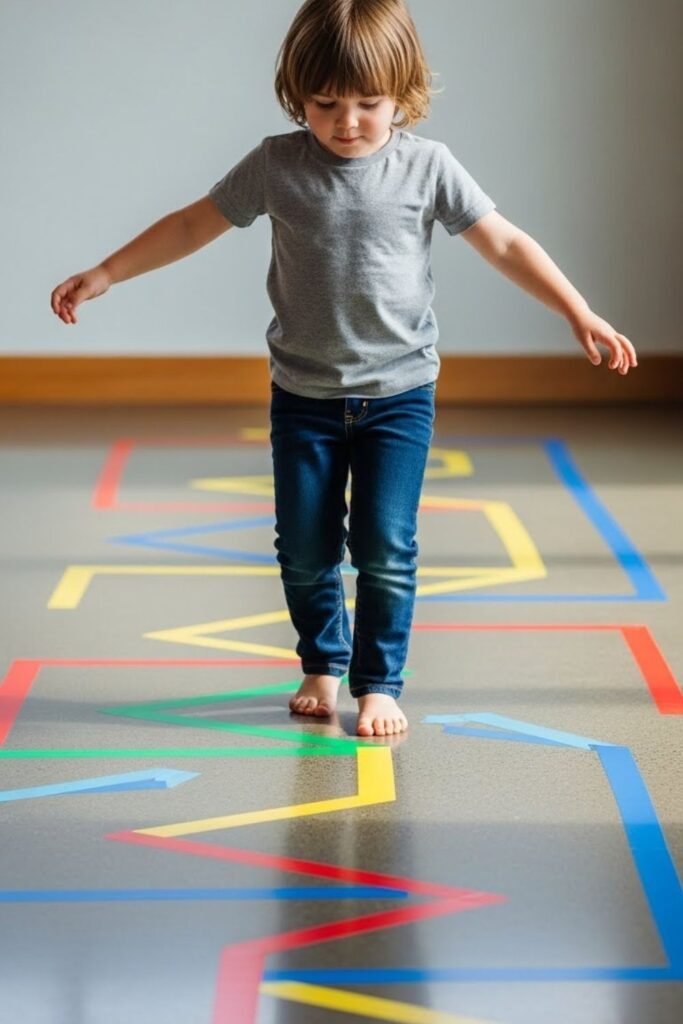
Tape Lines
Straight lines turn floors into movement guides. Hallways or playrooms work well with painter’s tape placed in curves, zigzags or loops.
Have the youngsters stroll, hop, or tiptoe down the paths. This simple exercise helps with balance and concentration.
Changing the patterns keeps things interesting and its easy to set up again whenever you want.
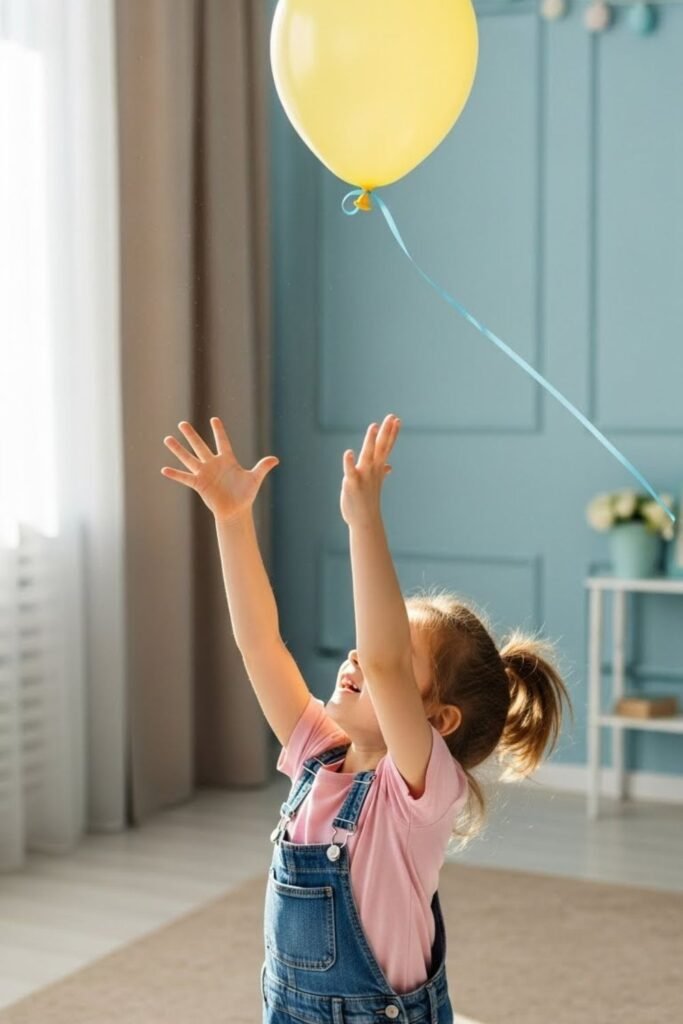
Balloon Reach
Floating targets encourage gentle movement and timing. Indoor spaces with clear ceilings work best for batting balloons upward.
The children should attempt to prevent the balloon from hitting the floor, using just their hands, elbows or knees.
This game encourages reaching up, which helps develop coordination and upper-body strength without putting too much pressure on them.
FAQs
How much physical activity does my child really need each day?
Forget about aiming for a specific target. If your child is getting their body moving in little spurts during the day running around, scaling things, leaping, or just playing with energy.
They accumulate quickly. Prioritize daily movement over formal exercise, and you will effortlessly establish a healthy pattern without any added pressure.
What if my child refuses to do physical activities?
Resistance often signals that the exercise feels like a chore. To get around this try joining in or transforming movement into a game, rather than a chore.
When movement becomes enjoyable and pressure is lifted, participation will follow effortlessly, and the disputes will fade away.

Hi, I’m Afaf! I’m a law student who loves writing about everyday life – from home projects and crafts to fashion, beauty, and parenting tips.
I’ve been writing for over a year, sharing ideas that are simple, practical, and easy to try. I write about things I find interesting and useful, whether that’s organizing a space, trying a new DIY, or finding activities to keep kids entertained.
My goal is to share helpful ideas without making things complicated. If it works in real life, I’ll write about it.
When I’m not studying or writing, I’m usually experimenting with new projects or scrolling for inspiration!