
24 Kids Room Organization Ideas For 2026
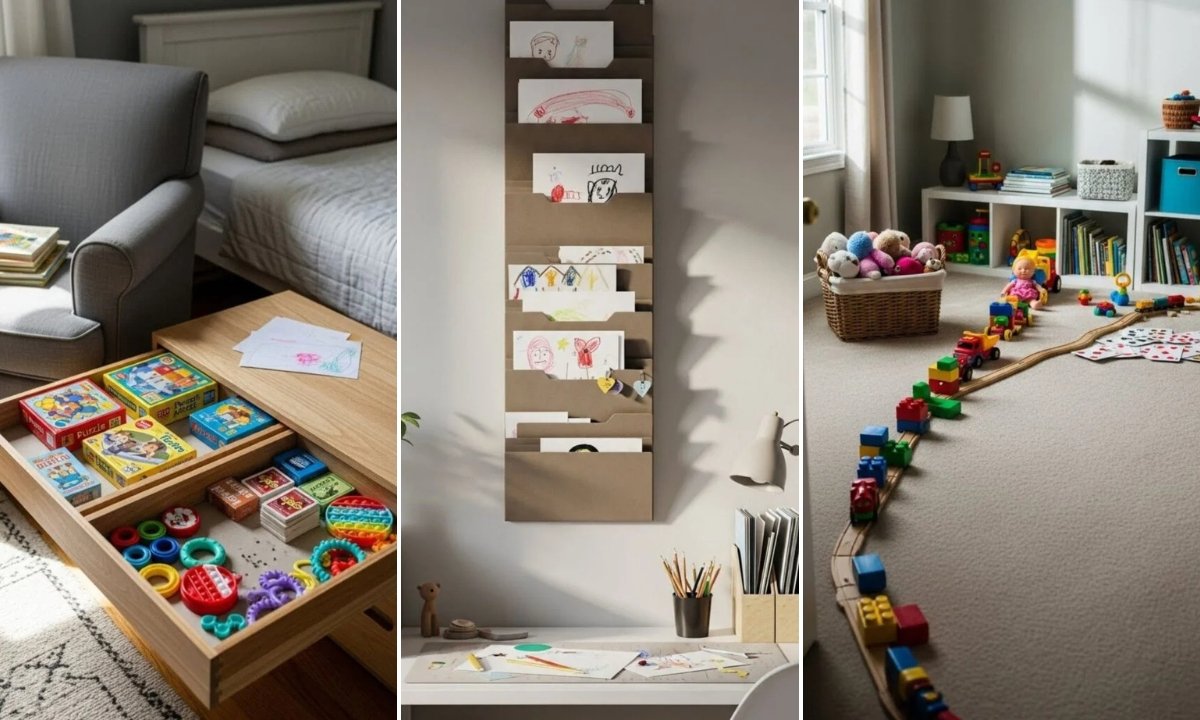
The truth is, most kids’ rooms are messy because the storage solutions just don’t work with how kids actually play.
Shelves are often out of reach, bins are too big, and there’s no designated spot for anything. As a result, toys end up strewn across the floor, day after day.
In this article, I will break down 24 small kids room organization ideas that help maximize space in 2026.
Let’s jump in!
What Storage Works Best for Small Kids Rooms?
In a cramped space, towering, cumbersome furniture just exacerbates the problem. The ideal storage solution for a child’s small room is low, accessible, and uncomplicated.
When children can readily see and retrieve their toys independently, they’re more inclined to tidy up.
Open bins, cube shelves and under bed storage are far more effective than closed cabinets. If accessing the storage requires multiple steps, kids will likely avoid it.
Keep storage straightforward, visible and within easy reach of your child.
Save this article for later!👇👇👇
How Do You Organize Kids Books Without Taking Up Space?
Books can quickly consume available space particularly in the compact confines of a child’s room.
A common misstep for many parents is opting for deep shelves, where books tend to disappear.
Front-facing book racks or slender wall shelves are a superior choice, allowing children to easily view covers and select a book.
If wall space is at a premium consider a small basket or a rolling cart dedicated solely to books. Limit the number of books on display at any given time.
Study Nook
Natural light makes this space easy to use every day, so wrapping it with shelves turns it into a functional homework zone.
Books remain neatly arranged on either side, with drawers underneath concealing extra materials that often contribute to a mess.
This arrangement is the particularly effective in shared spaces or for siblings who study together.

Toy Library
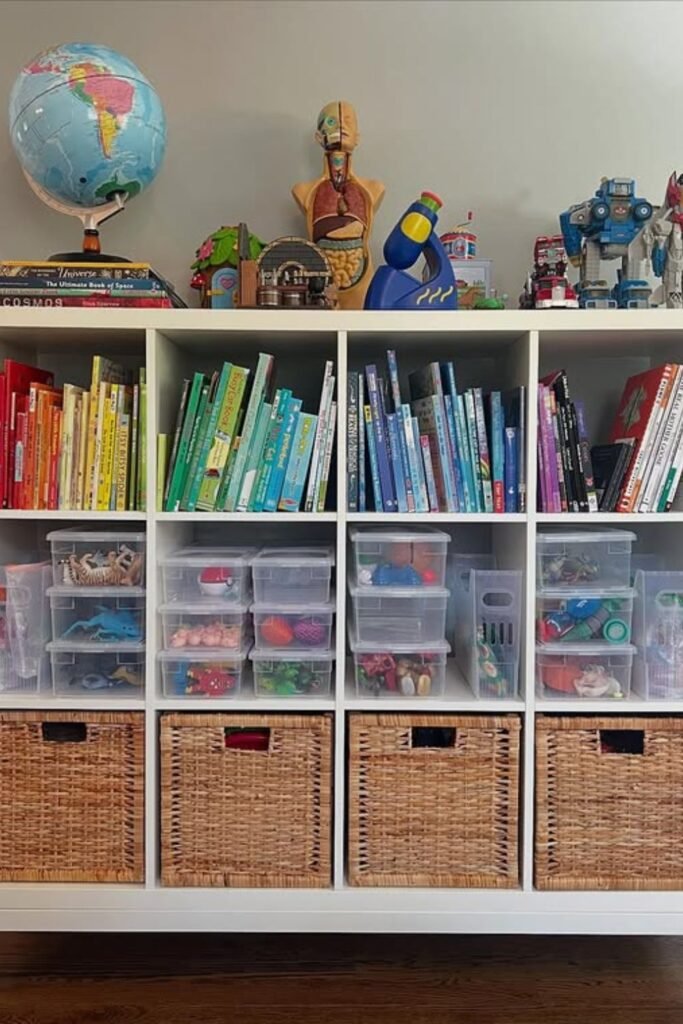
Color-coded books at eye level make it easy for kids to pick and return them without help. Clear boxes underneath stop small toys from mixing.
Keeping things tidy is the goal, not a free for all. Wicker baskets, placed low, are perfect for those larger objects that do not require any particular organization.
This setup works wonders on a bare wall and is especially great for kids. They tend to appreciate seeing their things out in the open rather than having to dig through drawers.
Play Storage
Soft colors and open bins make this setup feel calm instead of cluttered, which matters in play heavy rooms.
Low wooden storage allows children to access their toys without creating a mess, while wall mounted shelves keep smaller objects out of reach.
This setup is particularly effective in toddler rooms especially when toys are frequently swapped out.

Reading Corner
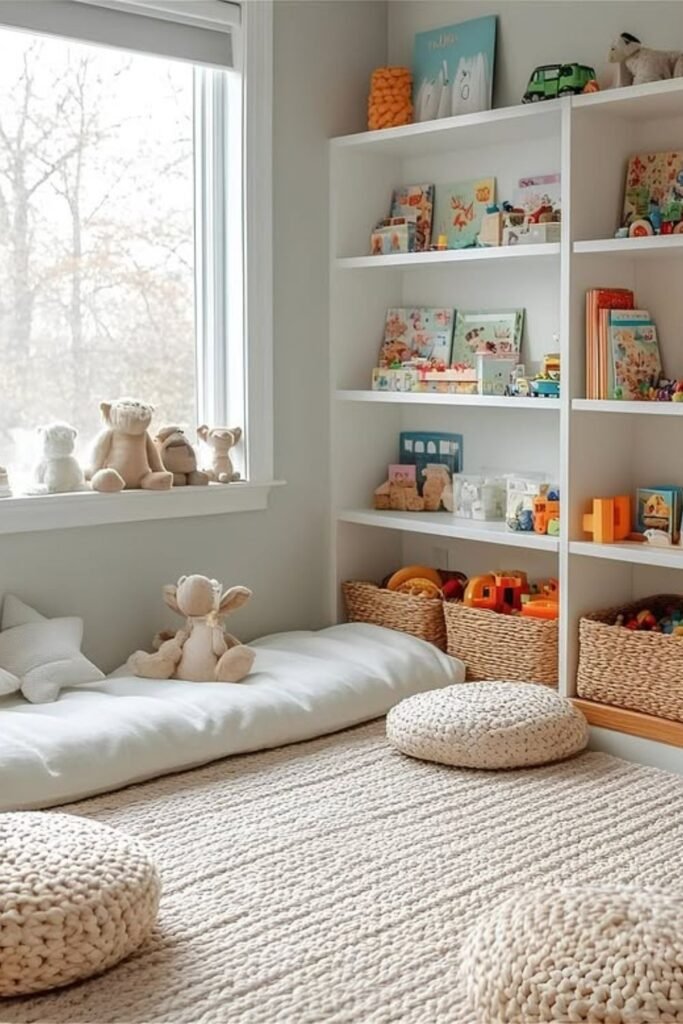
Floor seating instantly turns books into an everyday habit instead of a shelf decoration.
Low cushions invite kids to sit, flip and wander back for another book without asking for help.
Open shelves display book covers and making them easy to see while baskets underneath corral any toys that wander off.
Activity Zone
Rolling storage changes how kids use a room because everything moves with them. Toy bins art supplies and learning tools stay grouped without spreading across the floor.
A board like this is handy for drawing, sticking up magnets, or a fast lesson, and then it just rolls away when its time to play.
This kind of setup is ideal for smaller rooms when you need a space that can do double duty for play, learning and storage without feeling cramped.

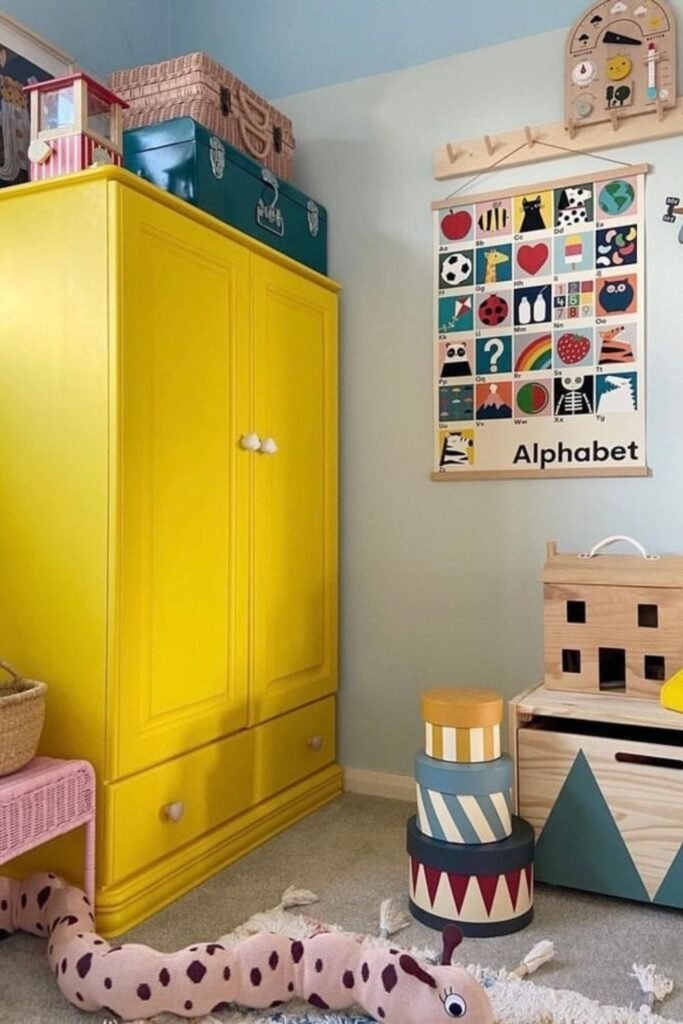
Color Closet
Bold furniture works harder when it hides everyday mess. A tall wardrobe like this keeps toys and clothes out of sight while using vertical space most rooms waste.
Baskets and boxes perched atop handles are a clever way to stow away seldom-used things, keeping the floor clear.
This method works well in compact spaces where you want storage to be out of sight.
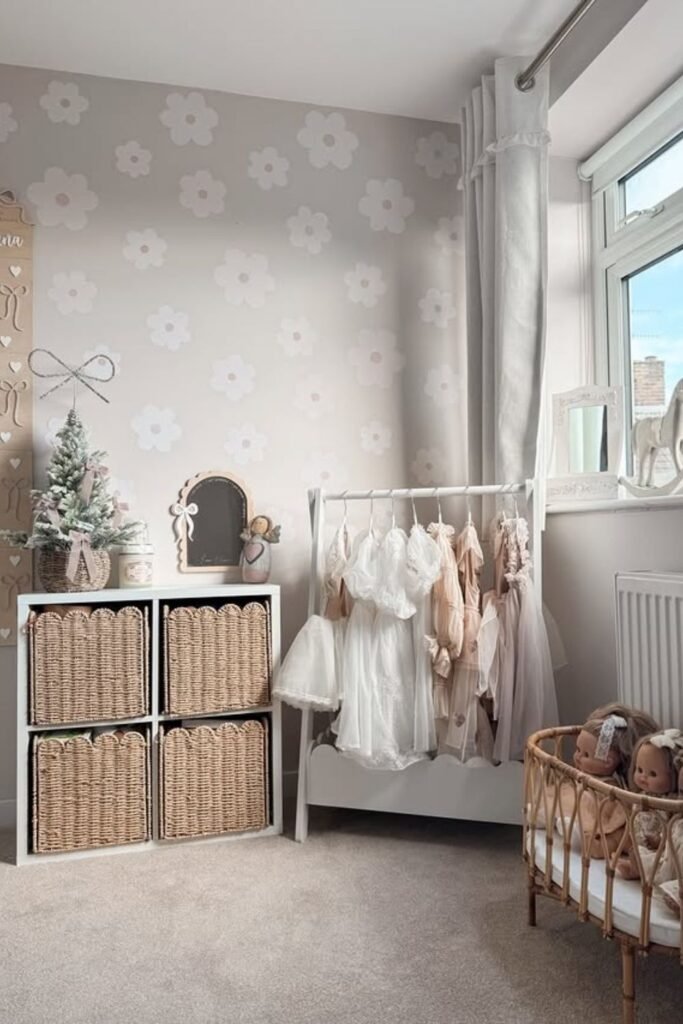
Dress Corner
When children can easily see and access their clothes, the clutter tends to disappear.
A low-hanging rail is better than a crowded closet because it encourages you to put clothes away properly, which prevents them from ending up on the floor.
Baskets tucked beneath handles, hold accessories and seasonal items, no fuss required. This arrangement is ideal for toddler and preschool classrooms.
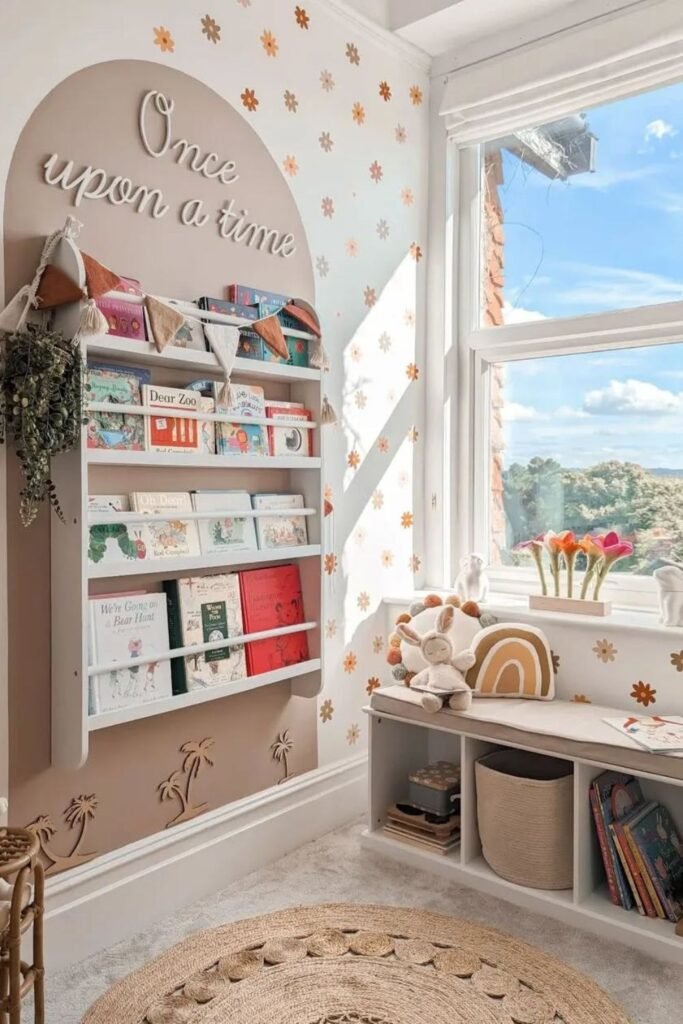
Book Wall
Storytime becomes part of the room when books live at eye level instead of tucked away.
A narrow front facing shelf like this one puts book covers on display, encouraging kids to pick their own reads.
The bench has a dual purpose and providing both a place to sit and hidden storage for other objects.
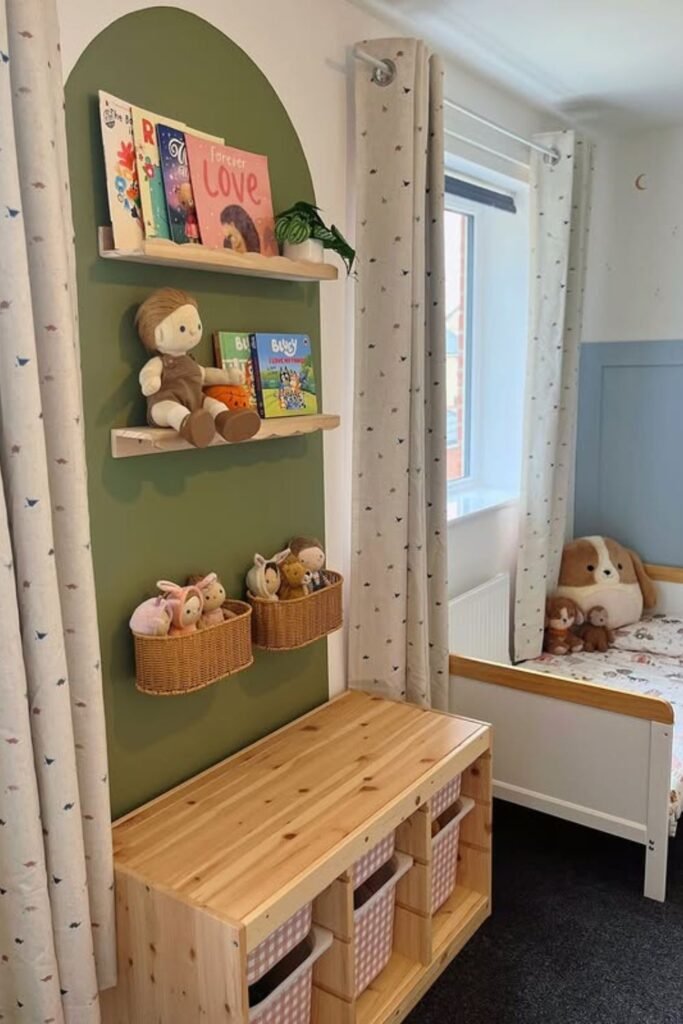
Bedside Storage
Books and comfort toys stay within reach here, which cuts down on bedtime wandering.
Narrow wall shelves display a rotating selection of books and hanging baskets corral soft toys, preventing a messy spread.
This arrangement is ideal for smaller bedrooms especially where a sense of calm and simplicity is key and avoiding a cluttered or overwhelming atmosphere.
Smart Closet
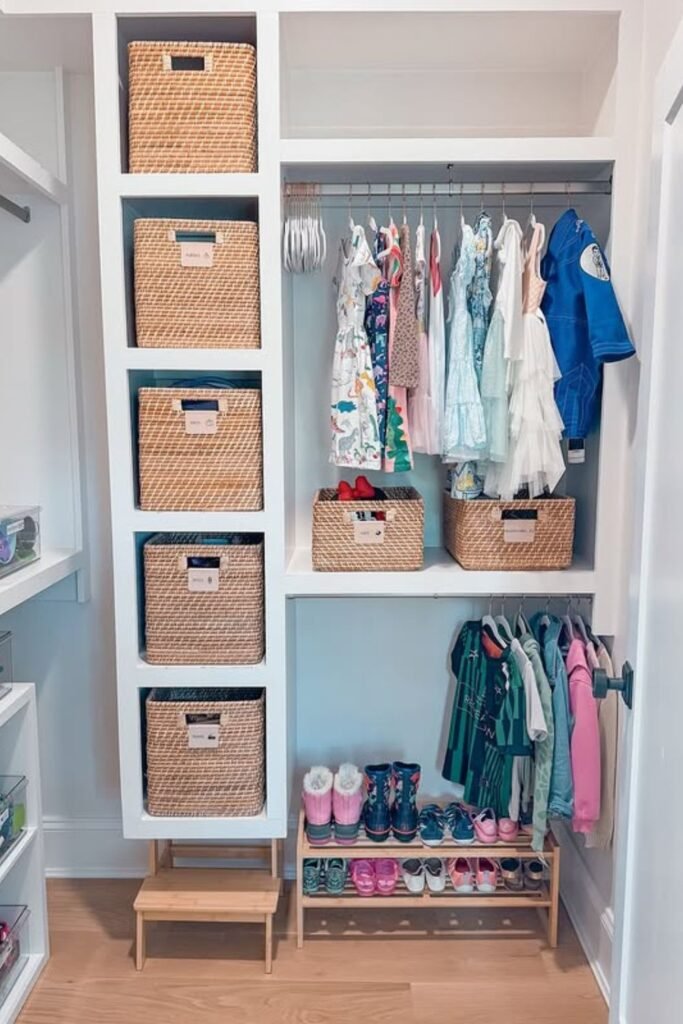
Morning chaos drops when clothes are sorted at a child’s height. Hanging rods placed low let kids grab outfits without digging.
Labeled baskets corral socks, pajamas and other items that tend to migrate to the floor. Shoes when lined up and visible are less likely to go missing.
This system shines in shared or compact bedrooms and where each area has a defined purpose and nothing is hidden away.
Low Storage
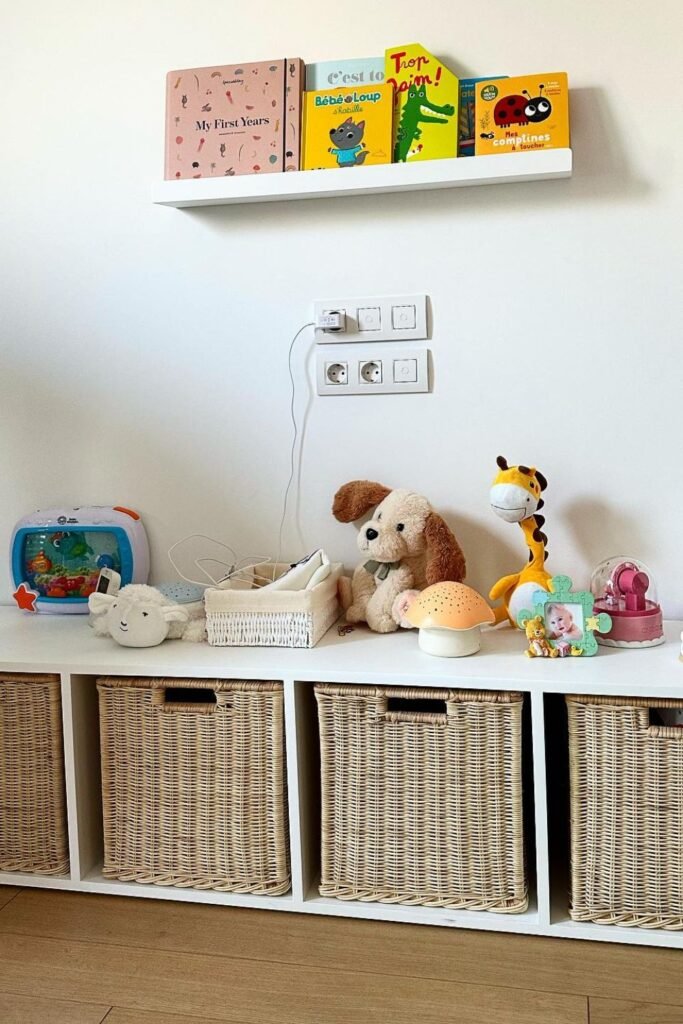
Floor level units like this keep everyday toys easy to grab and even easier to put back.
Baskets hide clutter without asking kids to sort perfectly which is why cleanup actually happens.
The upper surface is perfect for displaying cherished toys or a small collection and keeping things tidy.
Wardrobe Wall
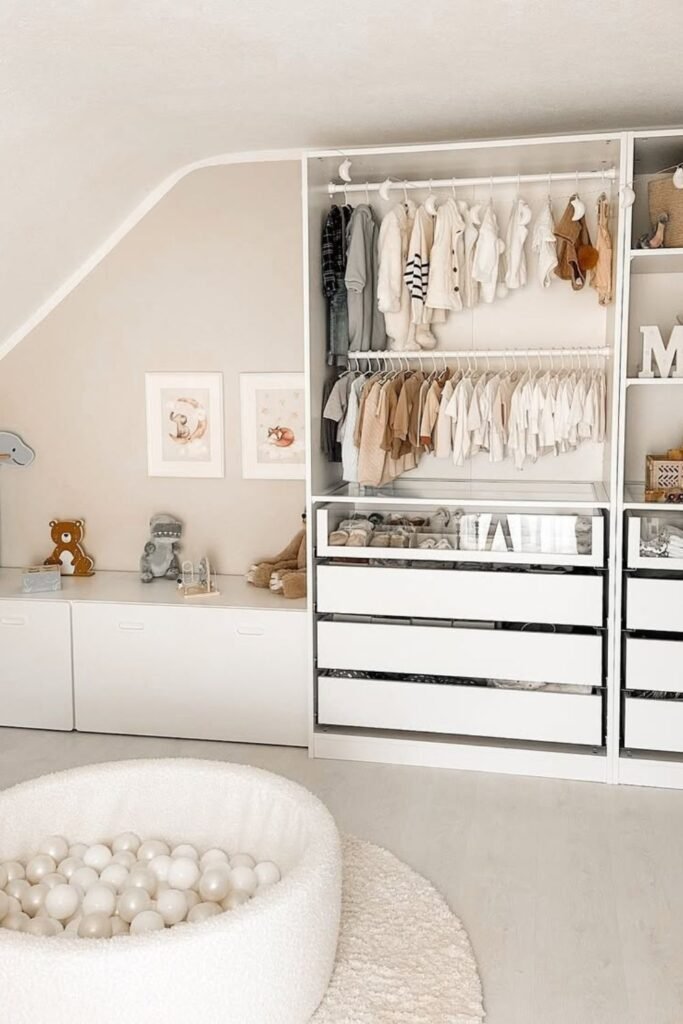
Slanted ceilings don’t have to kill storage. Turning the entire wall into a child-height wardrobe keeps clothes visible and easy to manage without cramming everything.
Double hanging rods keep your go to clothes apart from the less frequently used stuff, while drawers corral those pesky little items that always seem to vanish.
This setup shines in attic spaces or those tricky places where traditional wardrobes just eat up space and make getting dressed a chore.
Playroom Wall
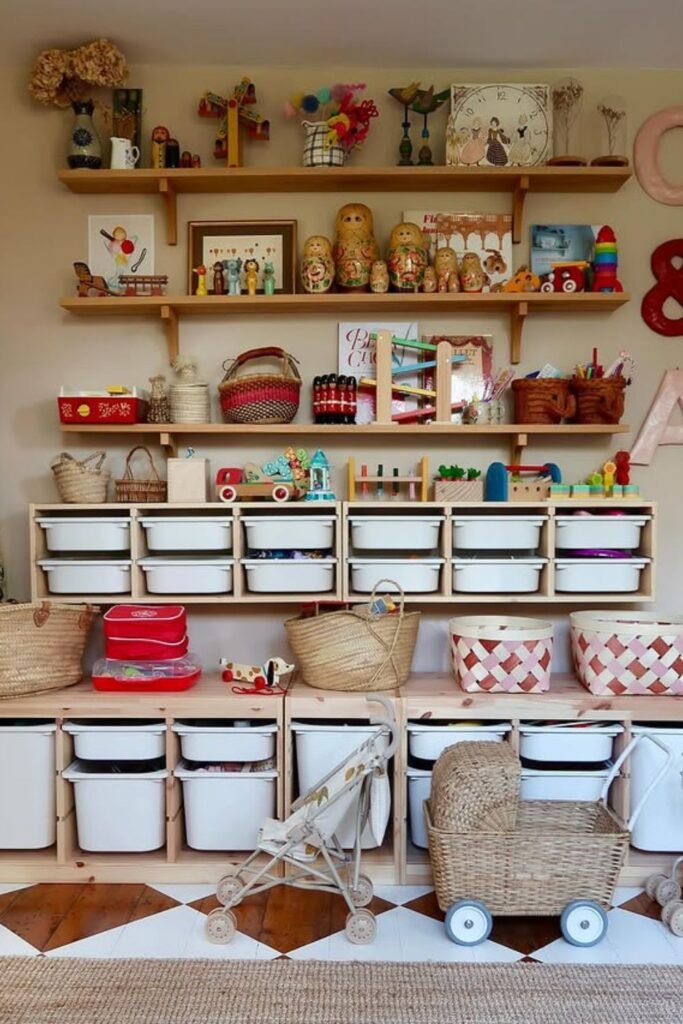
Keeping clutter at bay is easier when toys are visible, yet contained. Open bins are great for everyday play and the baskets underneath are wonderful for catching bigger things.
Shelves are ideal for storing toys that aren’t needed every minute, but that youngsters still like to look at.
This arrangement works well in playrooms designed for active play, where rotating toys is key.
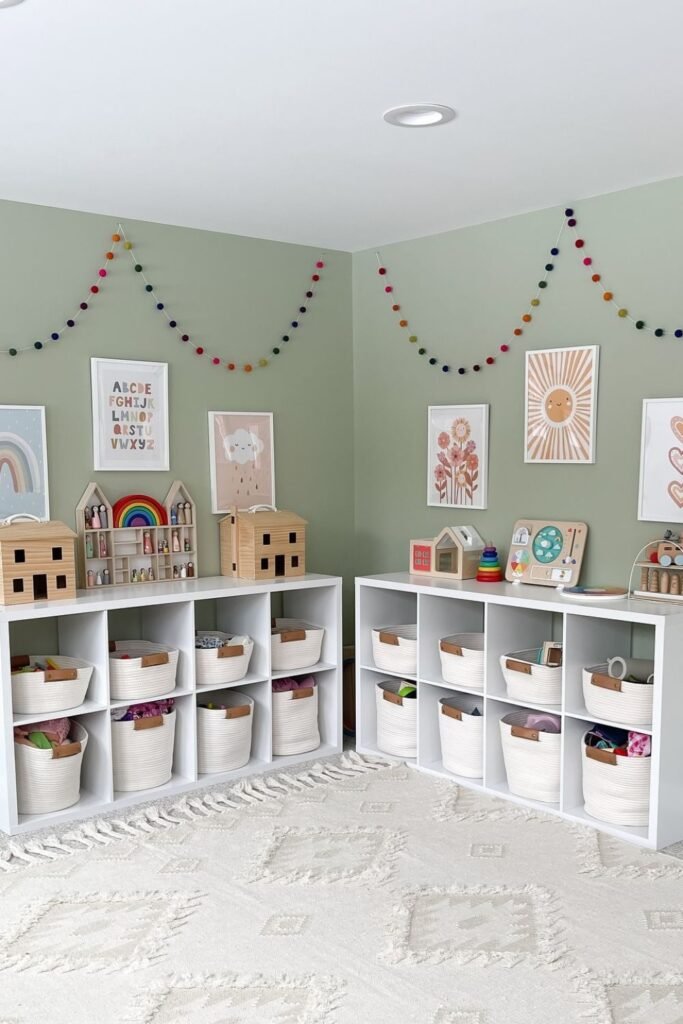
Corner Storage
Corners usually get ignored, but lining them with cube units turns dead space into usable storage.
Bins offer a practical solution for toy organization, allowing for a less-than-perfect cleanup, which is far more achievable.
By keeping storage low, the room’s center remains open for play, rather than being cluttered with furniture.
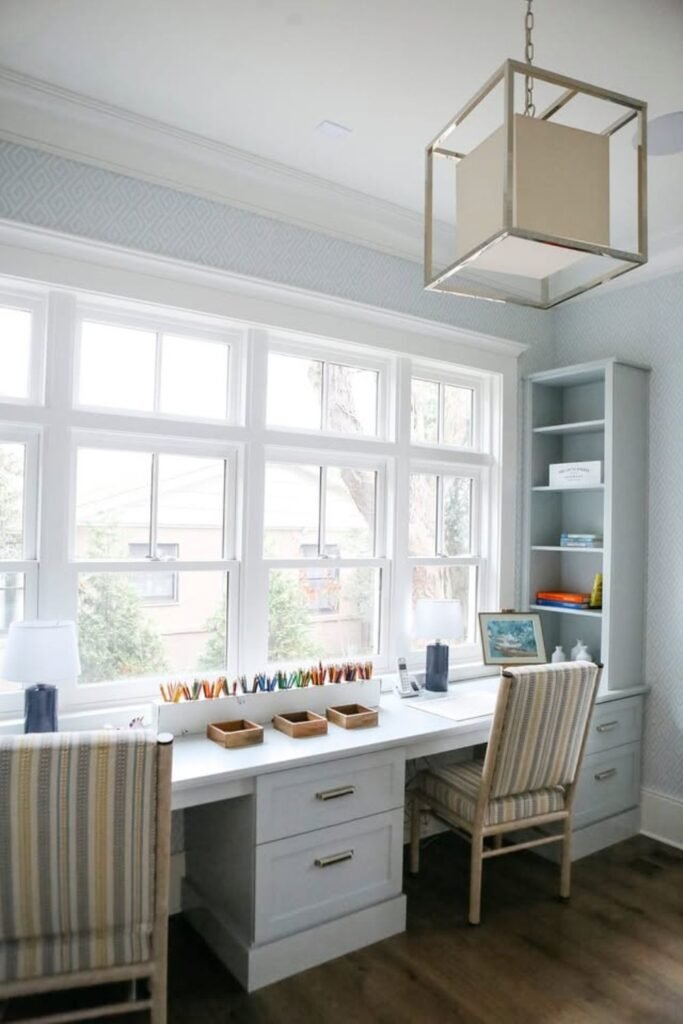
Window Desk
Daylight does half the work here by keeping kids focused without extra effort. A long desk under the window gives enough room for homework, drawing, or crafts.
Keeping supplies contained is key. Drawers on either side prevent a cluttered workspace.
This arrangement is ideal for shared rooms providing two children with individual areas while allowing them to collaborate.
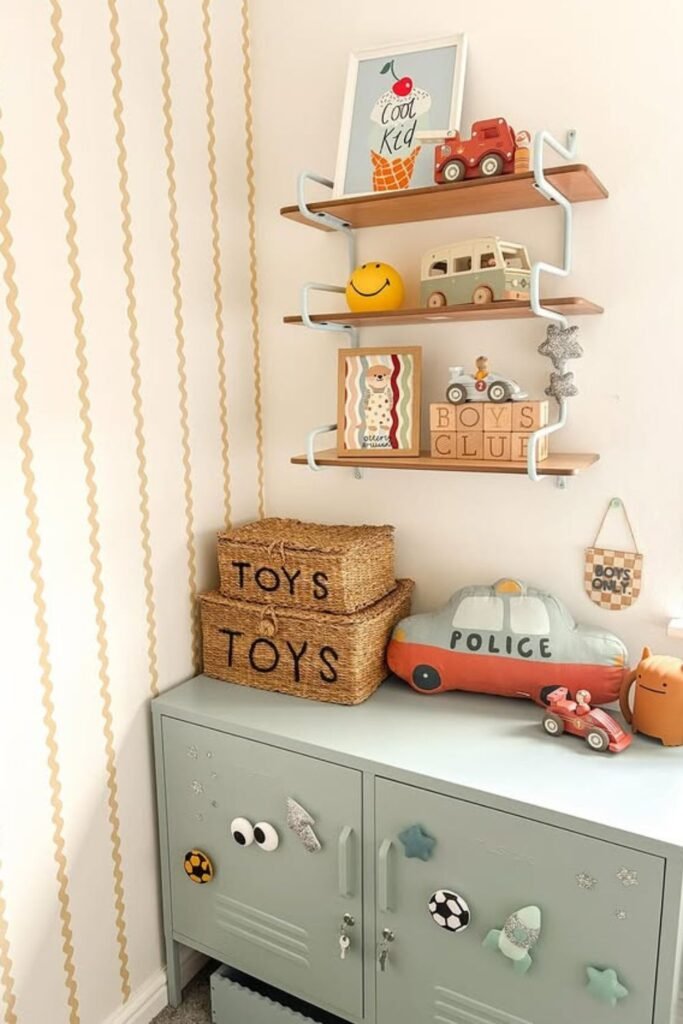
Display Shelf
Wall-mounted shelves work best when they hold toys kids love but don’t need every minute.
Keeping favorite cars, figures or decor pieces up high frees cabinet space for everyday clutter.
The storage beneath the handles makes for a swift tidy-up once playtime is over. This arrangement is ideal for compact bedrooms.
Calm Playroom
Soft textures and limited storage options fundamentally alter how children interact within a space.
Open bins, lined up against the wall, keep toys organized, eliminating the need for continual human intervention.
Floor cushions provide a simple solution for enlarging a play space keeping items contained.

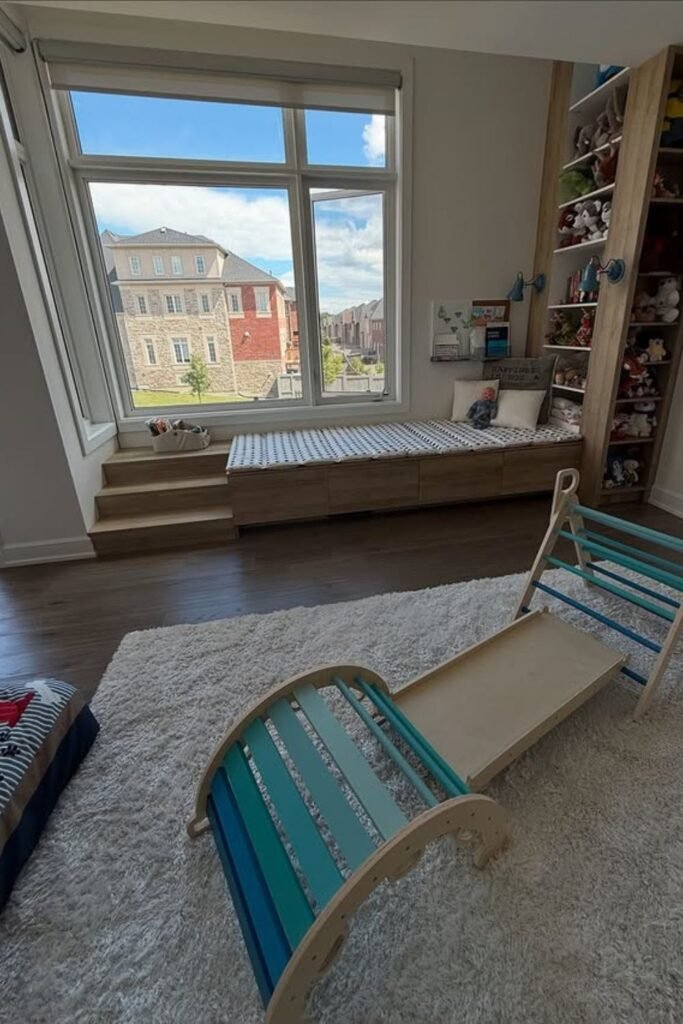
Window Bench
Seating becomes storage when the window wall does double duty. A built in bench like this keeps toys tucked away while giving kids a spot to read, rest or play quietly.
Drawers tucked beneath a work surface are perfect for stashing puzzles, games, or books that don’t need to be on display constantly.
In such spaces and when floor area is at a premium the influx of natural light creates a welcoming atmosphere.
Sound Zone
Noise is a hidden reason kids rooms feel chaotic. Creating a small sound-controlled zone helps control mess indirectly.
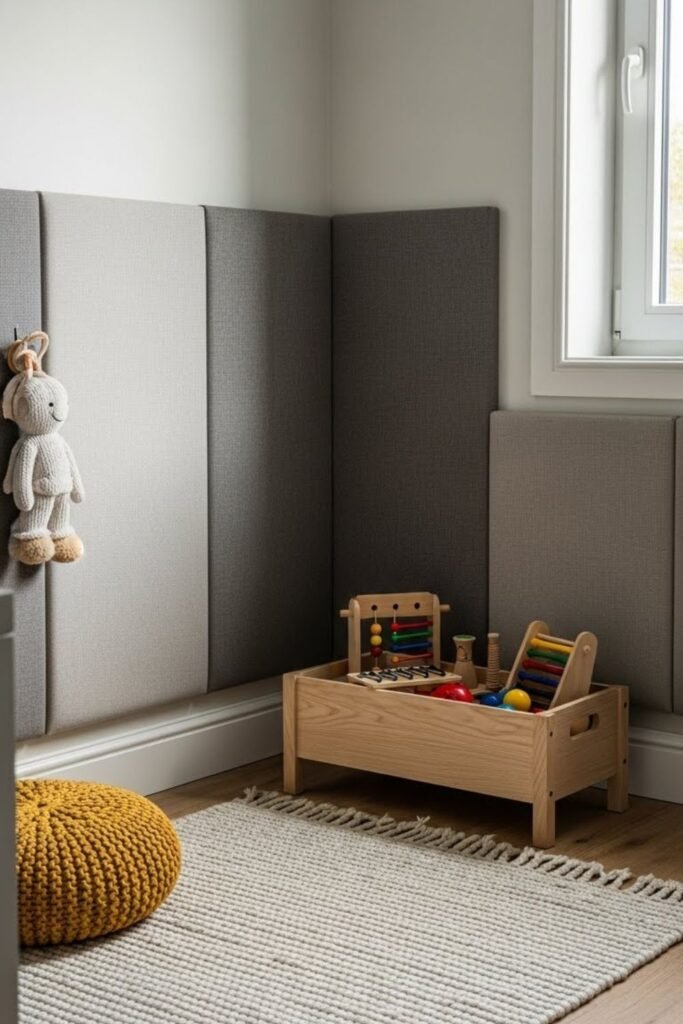
Soft wall panels, a rug and a single bin for noisy toys create a designated play area, keeping the ruckus contained.
This setup is especially useful in apartments or shared living spaces, where parents are often trying to minimize noise.
Rotation Closet
Instead of organizing everything at once, limit what exists in the room. A rotation closet holds toys and books that aren’t currently in use.
New items are added to the shelves weekly, which helps keep the space organized and prevents children from making a mess while looking for something.
This method works best for children who get bored easily or have trouble cleaning up.
Grab-and-Go Station
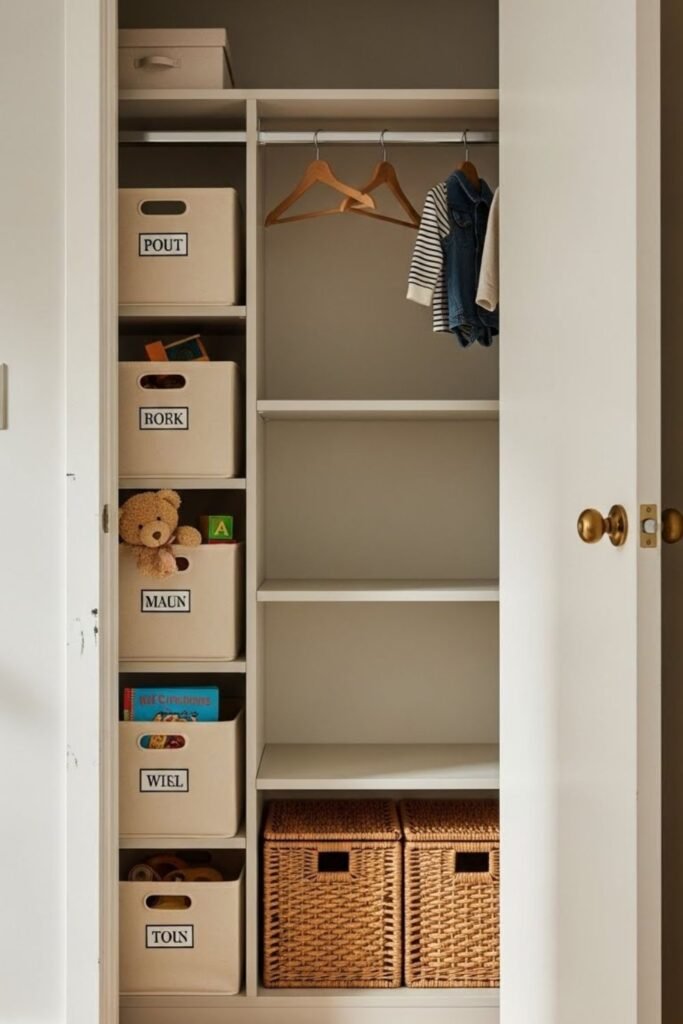
Kids often leave mess behind because they switch activities fast. A grab-and-go station solves that.
A single, shallow drawer or tray is perfect for quick play sessions, containing puzzles, cards, fidgets or compact games.
The key is that everything must be returned to its designated spot in a matter of seconds.

Vertical Art Storage
Art clutter builds quietly. Instead of stacking drawings or pinning everything to walls, use vertical folders or hanging sleeves.
Each child has a limited number of slots. When they are filled and something has to go.
This approach fosters decision-making skills without the stress and it prevents paper from accumulating on desks and floors.

Floor Reset Path
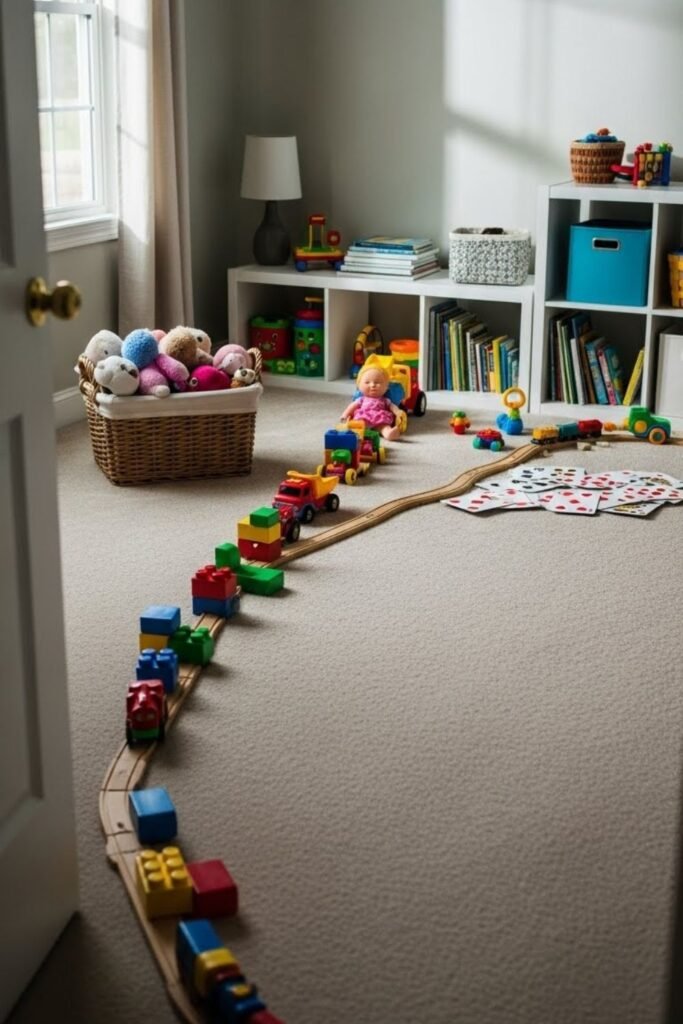
Most kids clean better when movement is involved. A floor reset path creates a simple cleanup flow. Start with one toggle basket near the door then shelves then bins.
Children move objects via a set path, which is better than trying to guess where things go.
This method is especially helpful for children who do not respond well to verbal directions. Movement substitutes the need for constant reminders.
Nighttime Drop Zone
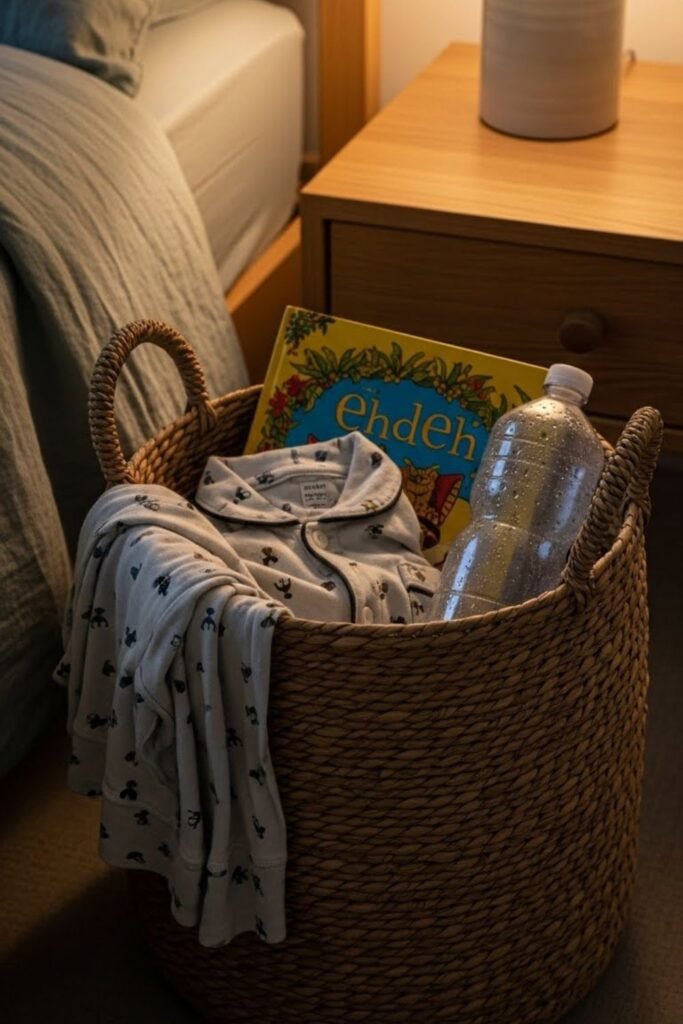
Even tidy rooms fall apart at night. Pajamas, books, cups and toys pile up by morning. A nighttime drop zone fixes this.
A single basket or drawer is the catch-all for post-dinner items. No need to sort through things.
Come morning, the contents either go back where they belong or remain until the next evening.
FAQs
Why does my child’s room get messy even after I organize it?
Children’s rooms sometimes become disorderly because they are designed with adult needs in mind, rather than those of the child.
Storage solutions often create issues, such as being positioned too high, having insufficient depth or requiring unduly complex retrieval techniques.
Consequently, when the effort involved in putting something away exceeds the perceived effort of leaving it out, children invariably opt for the floor.
How many toys should actually stay in a kid’s room at one time?
Less is often more. If everything finds its place without needing to be crammed or piled you are probably in the right ballpark.
When toys are spilling out or shelves are overflowing its time to reassess.
A smaller number of toys can actually make playtime more engaging and cleanup quicker, without sacrificing enjoyment or imagination.

Hi, I’m Afaf! I’m a law student who loves writing about everyday life – from home projects and crafts to fashion, beauty, and parenting tips.
I’ve been writing for over a year, sharing ideas that are simple, practical, and easy to try. I write about things I find interesting and useful, whether that’s organizing a space, trying a new DIY, or finding activities to keep kids entertained.
My goal is to share helpful ideas without making things complicated. If it works in real life, I’ll write about it.
When I’m not studying or writing, I’m usually experimenting with new projects or scrolling for inspiration!