
21 Kids Room Furniture Ideas
Kids’ rooms can get messy fast when toys, books, clothes and school supplies have nowhere specific to go.
Adding more freestanding cabinets may help with storage. Built-in furniture tackles both problems by turning walls, beds and awkward spaces into useful storage.
In this article, you’ll see smart furniture ideas that you can use in your kids room to make them kids friendly.
Let’s jump in!
How Built-In Storage Pieces Make Kids’ Rooms Easier to Keep Tidy?
Built-in storage makes cleanup easier because everything has a place instead of ending up on the floor, bed, or desk.
If you place shelves surrounding a study area, drawers beneath the bed or cabinets along an empty wall you can store more.
In smaller children’s rooms, where every square inch of floor space counts, this works particularly effectively.
Place commonplace toys and books in lower sections so children may access and return them on their own.
Every storage area has a purpose which speeds up daily housekeeping and prevents you from just transferring debris around the room.
Playhouse Bed
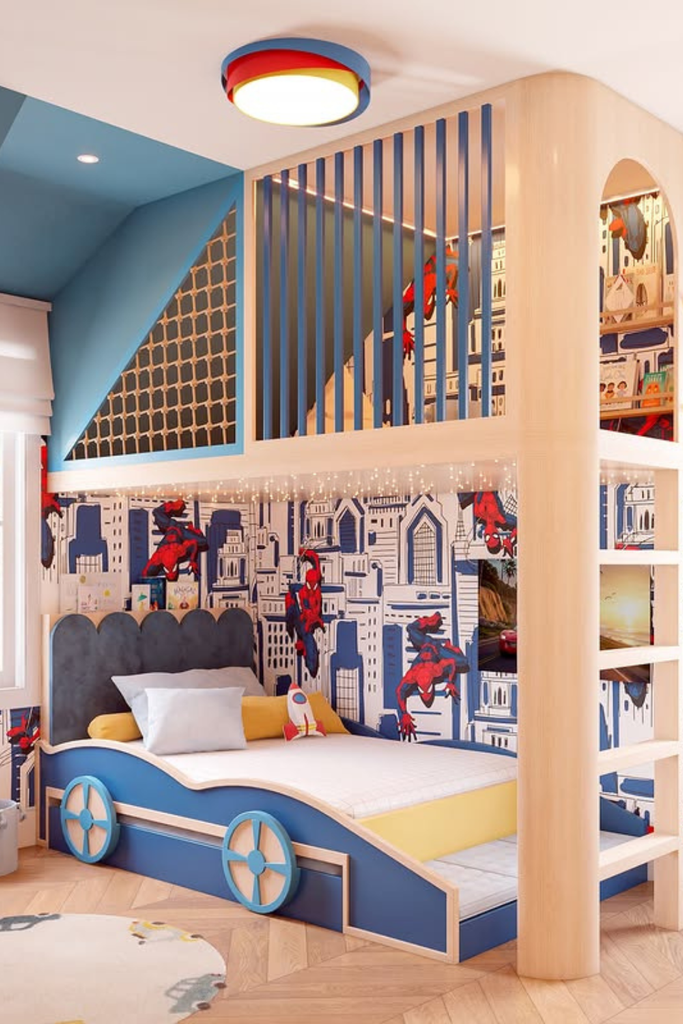
Turn the bed into part of the play space when a separate play corner would crowd the room. Soft string lights beneath the loft add a cozy layer.
Select a low bed with a theme then construct an elevated structure above it for toys, books, or pretend play.
While side shelving makes use of otherwise empty vertical space, open slats keep the upper section from seeming enclosed.
Shared Study Wall
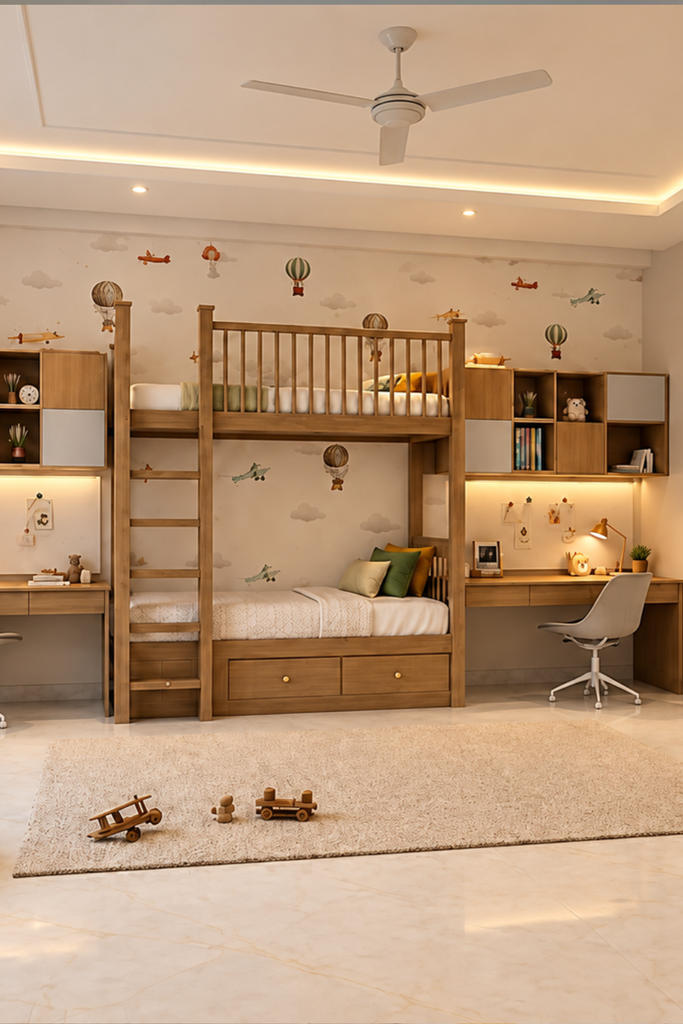
Two children share a room with little room for furnishings, make one wall manage sleeping, studying and storage.
Provide each youngster a designated work area, center the bunk beds and arrange matching desks and wall cabinets on either side.
Under-cabinet lights light both desktops and recessed ceiling lights provide comfortable ambient lighting.
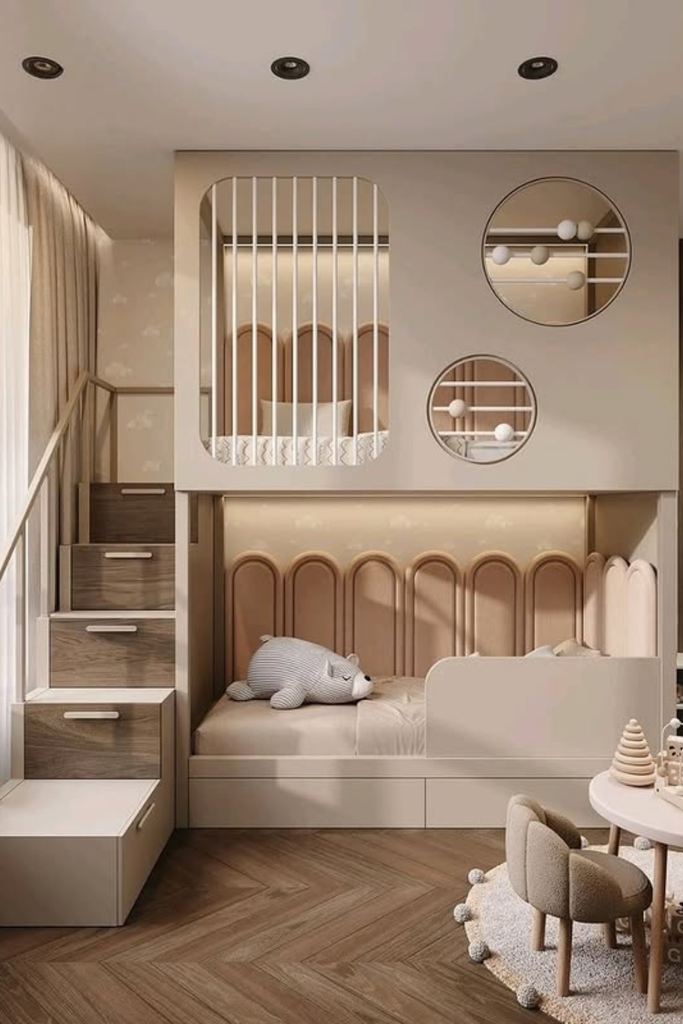
Staircase Storage
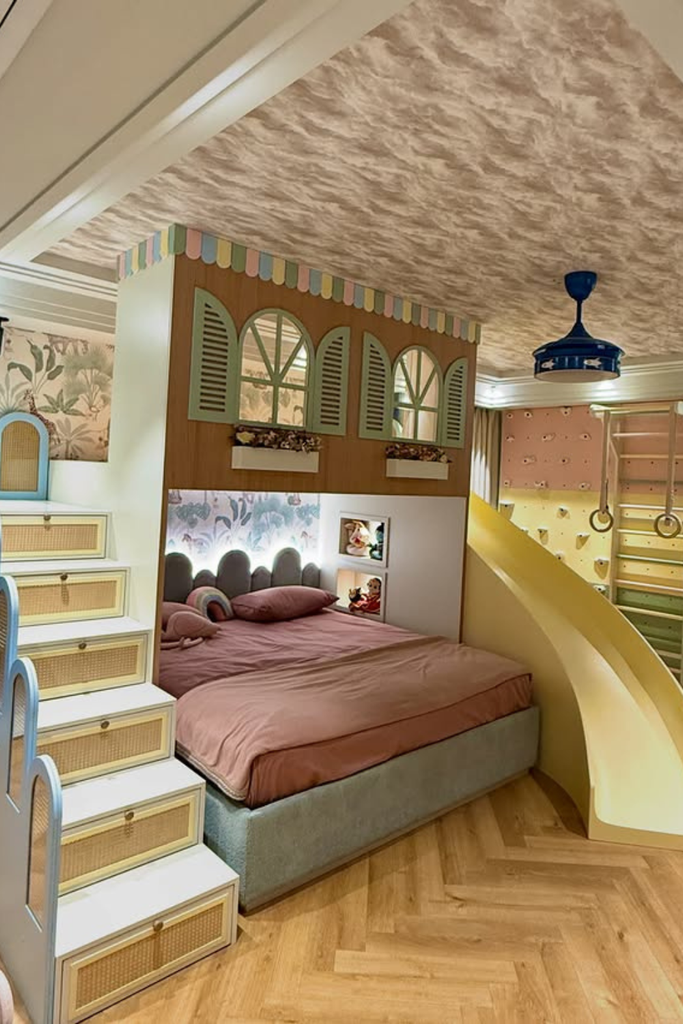
Avoid squandering space below, use each step as a secret storage location when an elevated play area requires secure access.
Pull-out drawers for toys, clothing, or art items should be built into the stairway. The bed should be positioned to make a single, small space for furnishings.
Slide adds a humorous element to the upper level. Soft ceiling lighting and recessed lighting maintain the tiered setup’s brightness.
Window Desk
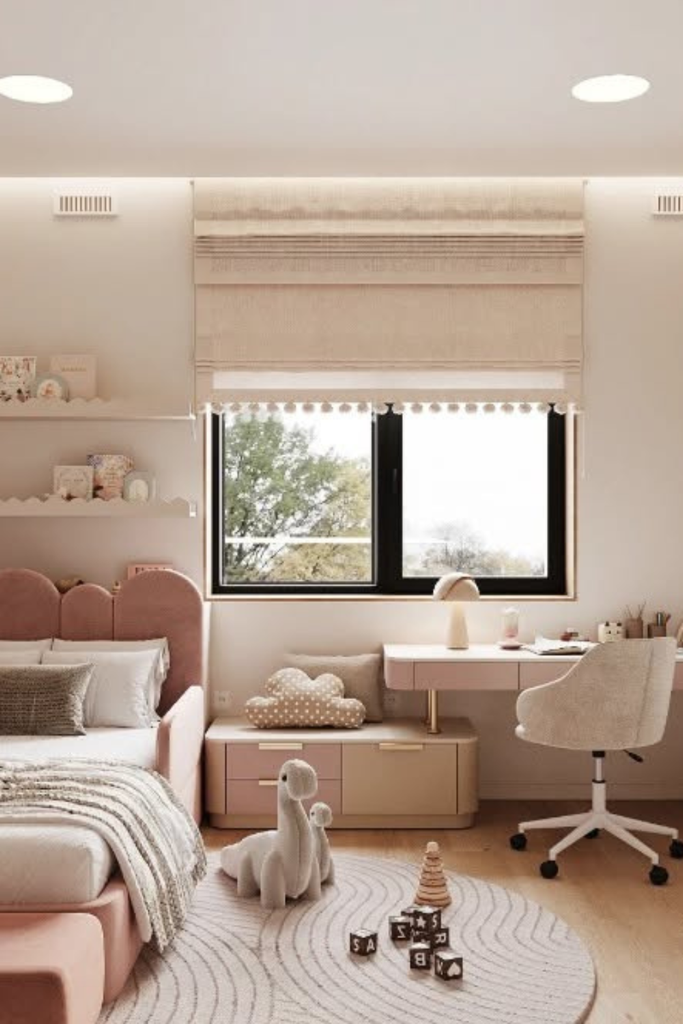
Claim the window wall for homework when you want a study area without squeezing another desk between larger furniture pieces.
Run a slim built-in desktop beneath the window then extend drawers along one side for stationery, books, and craft supplies.
Recessed ceiling lights illuminate the office after dusk natural sunshine supports activities during the day.
Dollhouse Shelves
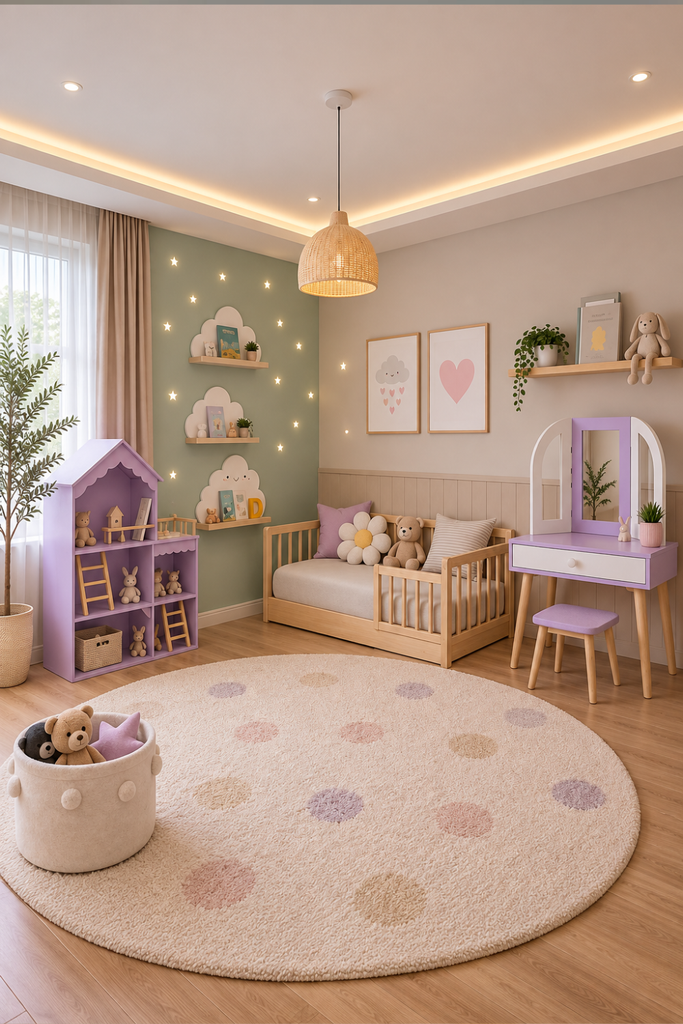
Use a dollhouse-style shelf to add storage to the play area so that toy organization feels like a natural part of the room.
To keep your favorite dolls, books, and little toys close at hand, place it close to the bed or an open play area.
While the pendant and natural window light fill the larger space, star wall lights provide a whimsical radiance.
Drawer Stairs
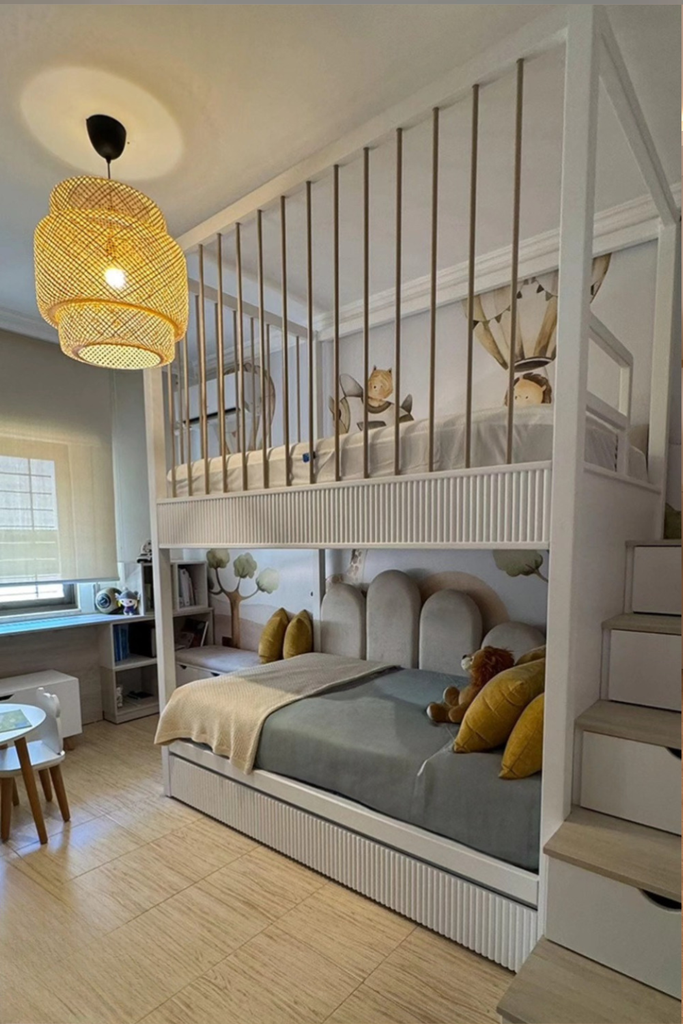
When bunk beds already occupy the majority of one wall, use the stairs. Include deep pull-out drawers at every phase.
Toys, clothing and additional bedding are concealed. Another practical storage area is added by the trundle drawer underneath the bottom bed.
Natural window light controls daytime consumption while a warm woven pendant creates softer evening lighting.
Overhead Cabinets
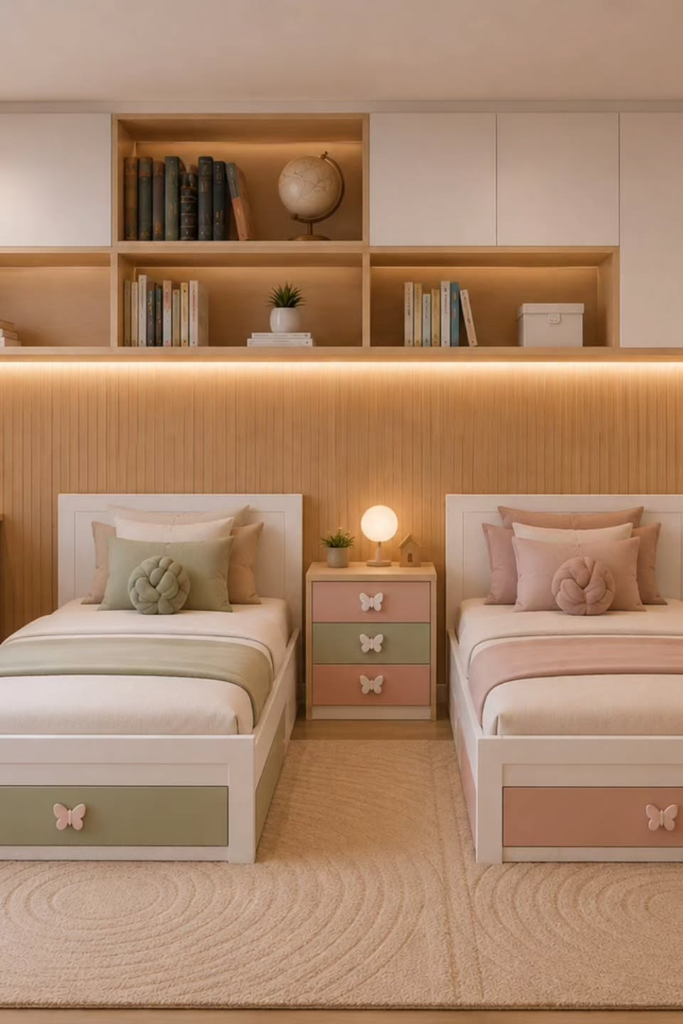
You need more space for books and other items, you can stretch storage over twin beds without putting another cabinet on the floor.
Add drawers underneath each bed after combining closed cupboards for debris with open niches for books and preferred display items.
While recessed ceiling lights manage brighter daily use built-in strip lighting beneath the shelves provides a cozy bedtime glow.
Storage Steps
Construct deep storage drawers on the steps next to an elevated bed to meet two purposes with a single structure.
Use each stage for bedding, clothes or toys so kids can get daily necessities without having to open a separate wardrobe.
Bigger items can be stored in drawers underneath the lower bed, leaving the middle free for play.
Even illumination is produced by recessed ceiling lights without the need to add lamps to the small furniture arrangement.
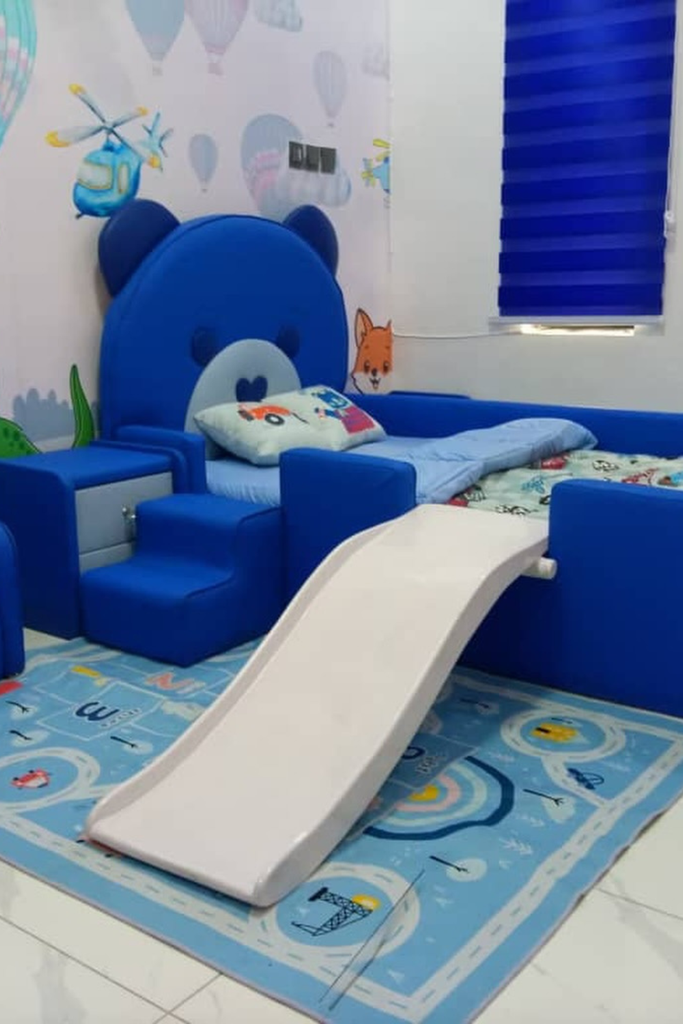
Slide Bed
Bring play directly into the sleeping zone when you do not have enough room for separate activity furniture.
Choose a low upholstered bed with padded steps for easier access then attach a compact slide at the foot.
Nearby windows let in lots of natural light and soft sides can make the chair more pleasant for younger children.
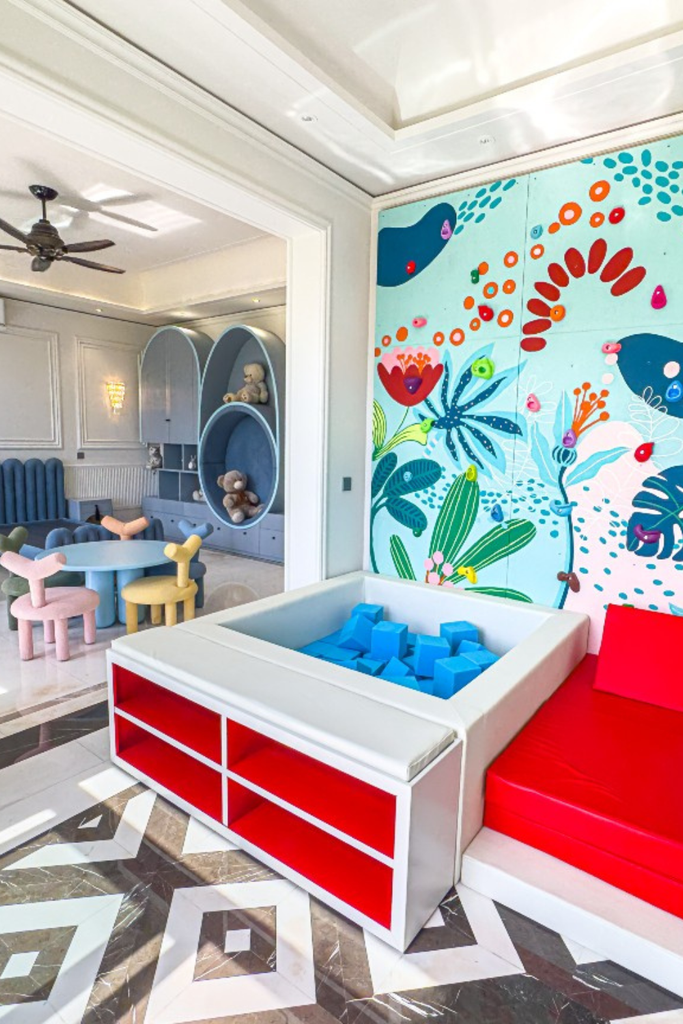
Play Storage
Select activity furniture with open cubbies built below to transform a designated play area into a simpler cleanup area.
Help kids understand where everything belongs, store larger toys, puzzles, and foam blocks in various places after playtime.
Combine the storage box with low, padded chairs to create a comfortable area for activities. The best is natural daylight.
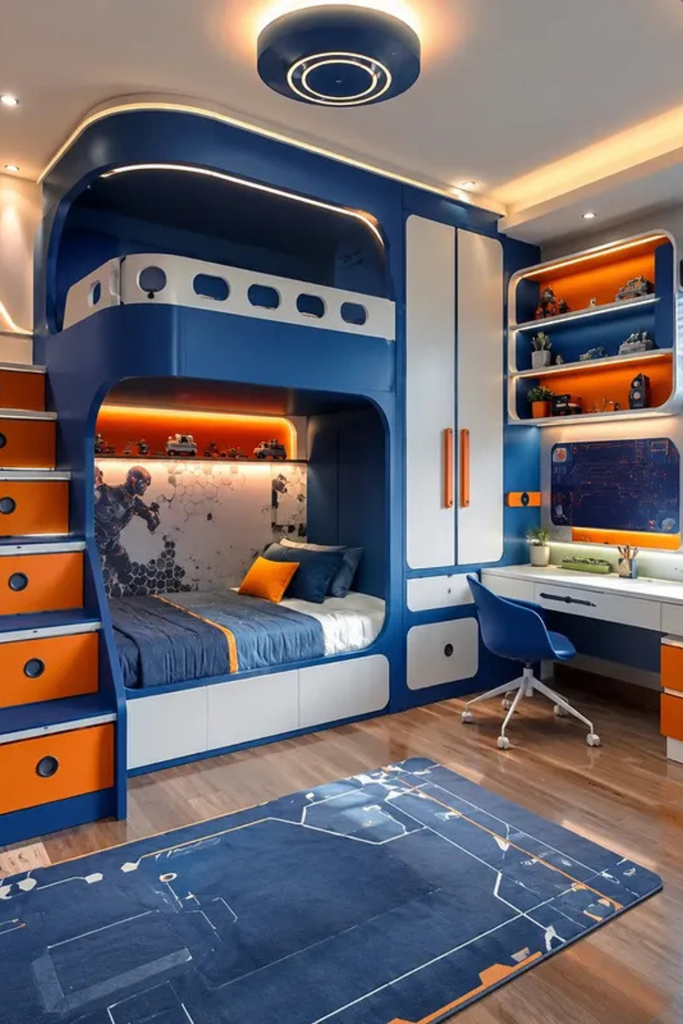
All-In-One Wall
Organize the desk, bookshelf, stair drawers, wardrobe, and bunk bed along one wall to save the most area of floor.
Give each cabinet a specific function so that books, toys, clothing, and school supplies never vie for the same amount of storage space.
Recessed areas, hidden ceiling strips and built-in shelf lighting provide practical light in every furniture zone.
Bedside Drawers
Siblings require storage, they can connect two different beds with a shared drawer unit instead of cramming two nightstands.
Use a tall shelving unit for objects that require additional space after giving each drawer a clear place for bedtime books, tiny toys, or personal belongings.
Both sleeping rooms are illuminated by recessed ceiling lights, and concealed ceiling lighting provides a gentler glow.
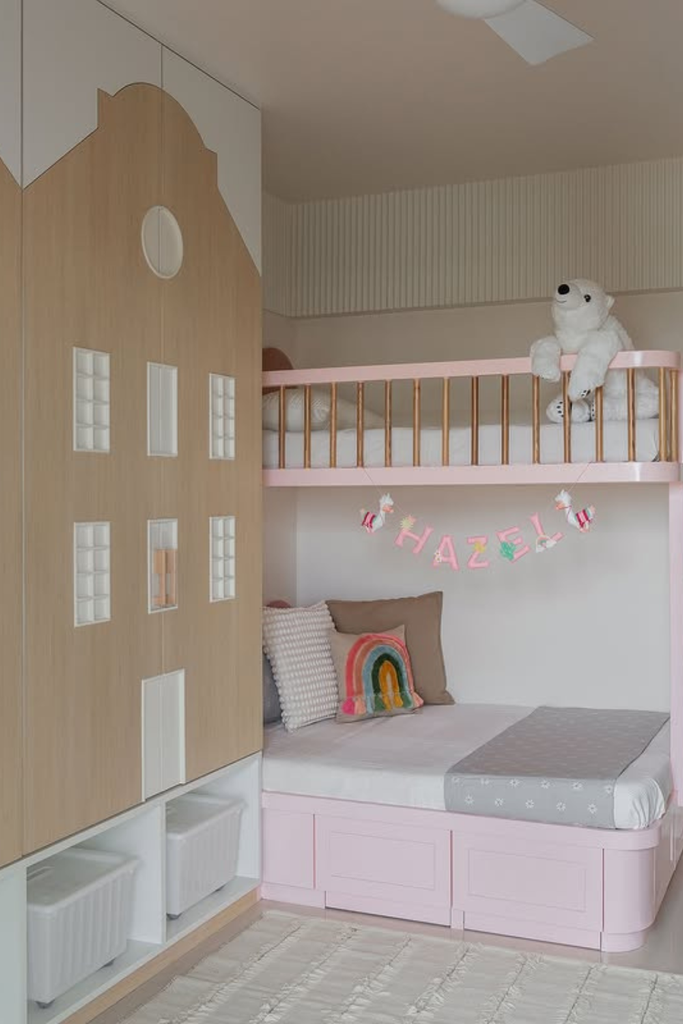
House Wardrobe
Shape the doors of a huge wardrobe like a tiny cottage and use the entire wall height for clothing and concealed storage.
After the unit is paired with bunk beds, leave open cubbies along the bottom for baskets full of everyday toys for children.
While a basic ceiling light can cover nighttime use, soft daylight keeps the pale finishes brilliant.
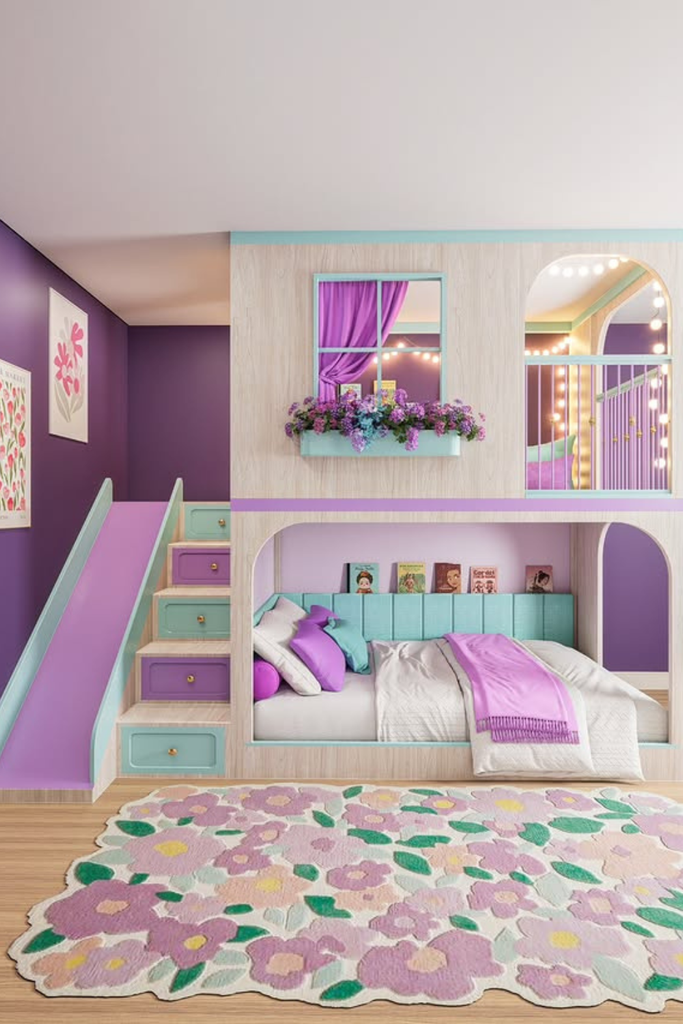
Playhouse Bunk
Combine a low bed, a raised playhouse, a slide and storage stairs into a small, multipurpose piece of bedtime furniture.
For toys or clothing, use the stair drawers so that any loose things may be promptly removed after playtime.
Easy area is also created by the slim ledge behind the lower bed. An lovely evening glow is added by the warm string lights.
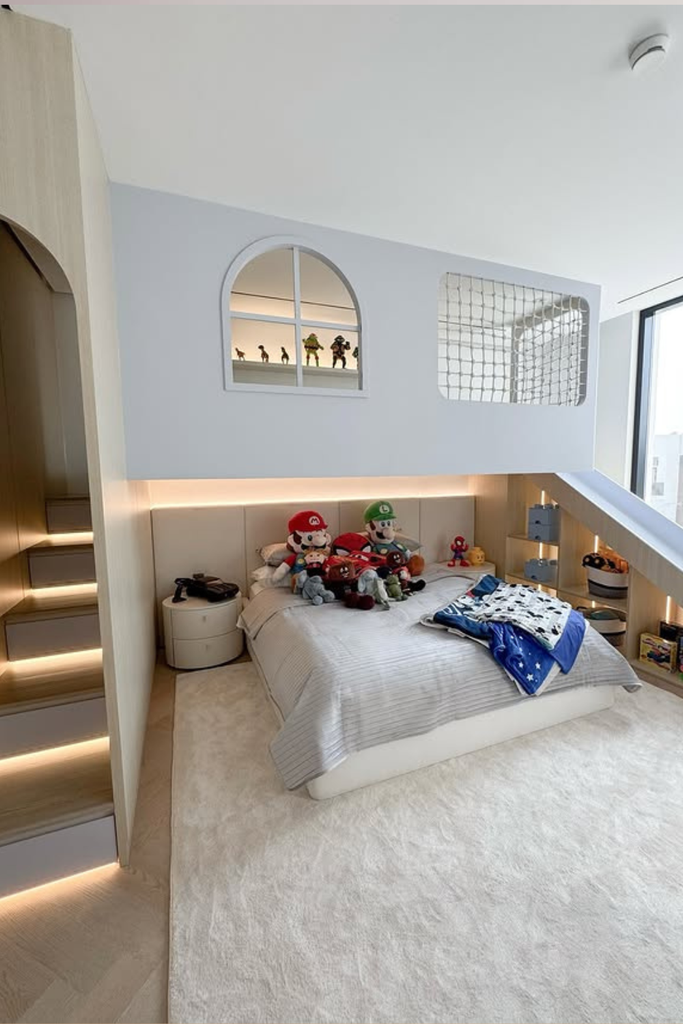
Platform Storage
You want storage and play features to share a small footprint, raise the sleeping area a little.
Use the stairs to access an upper play area after creating shallow cabinets and display niches for toys, books, and collectibles surrounding the bed.
Each level is easier to use after dark thanks to hidden LED strips underneath the platform and along the steps.
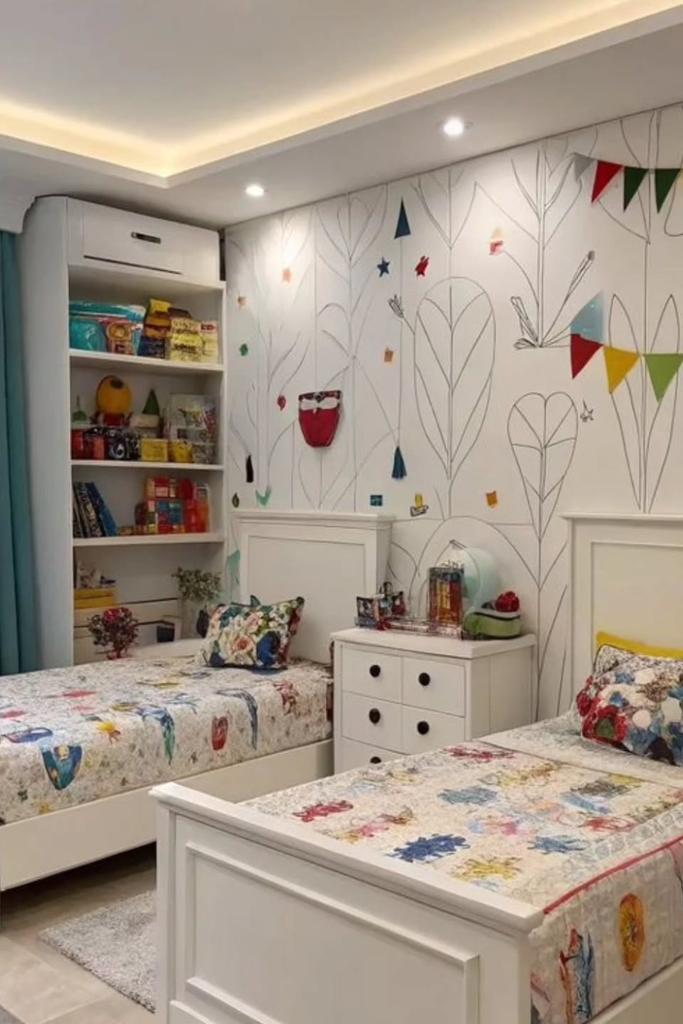
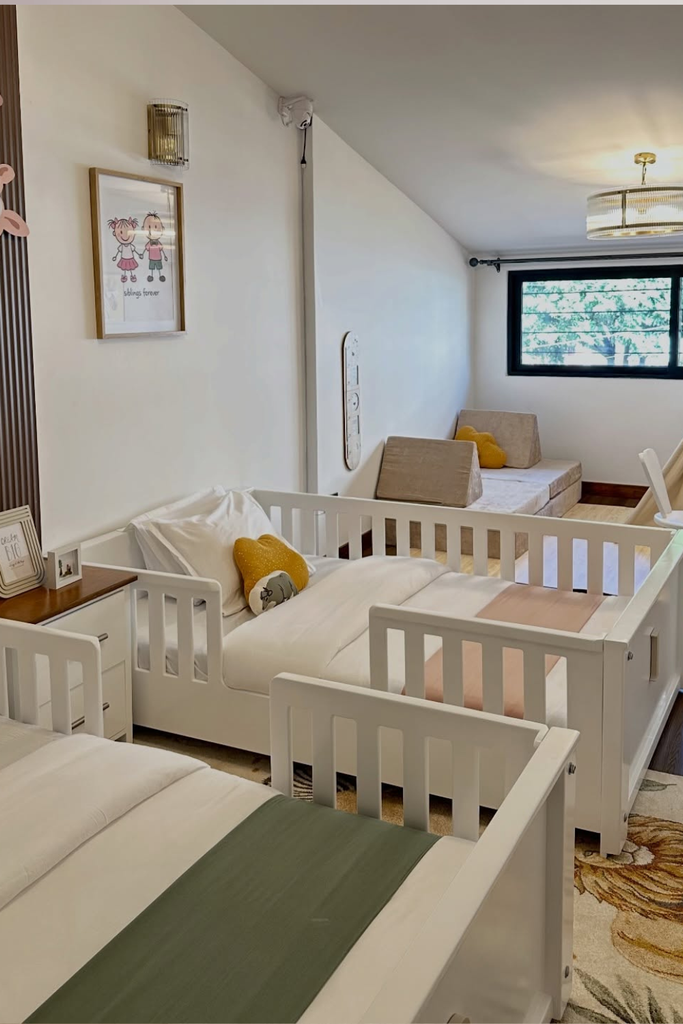
Shared Sleep Zone
Multiple children require their own sleeping area, arrange similar low beds around a tiny shared cabinet.
After placing nighttime supplies in the center drawers make sure there is a clear path leading to the play area for easy mobility.
While wall and ceiling lamps manage evening rituals natural window light improves play during the day.
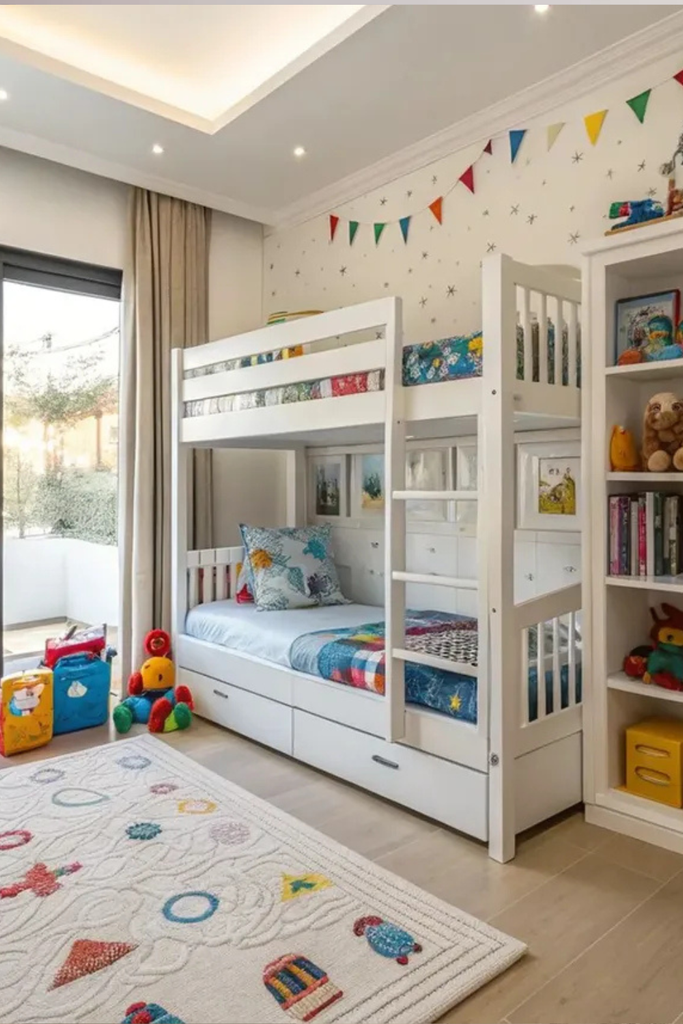
Bunk Drawers
Use the space beneath beds for deep pull-out drawers if you need storage in shared rooms without having another dresser take up floor space.
To ensure that every child knows where their favorite toys or clothes belong, give each youngster an own drawer.
Natural window light fills the room during the day while recessed ceiling lights provide even evening lighting.
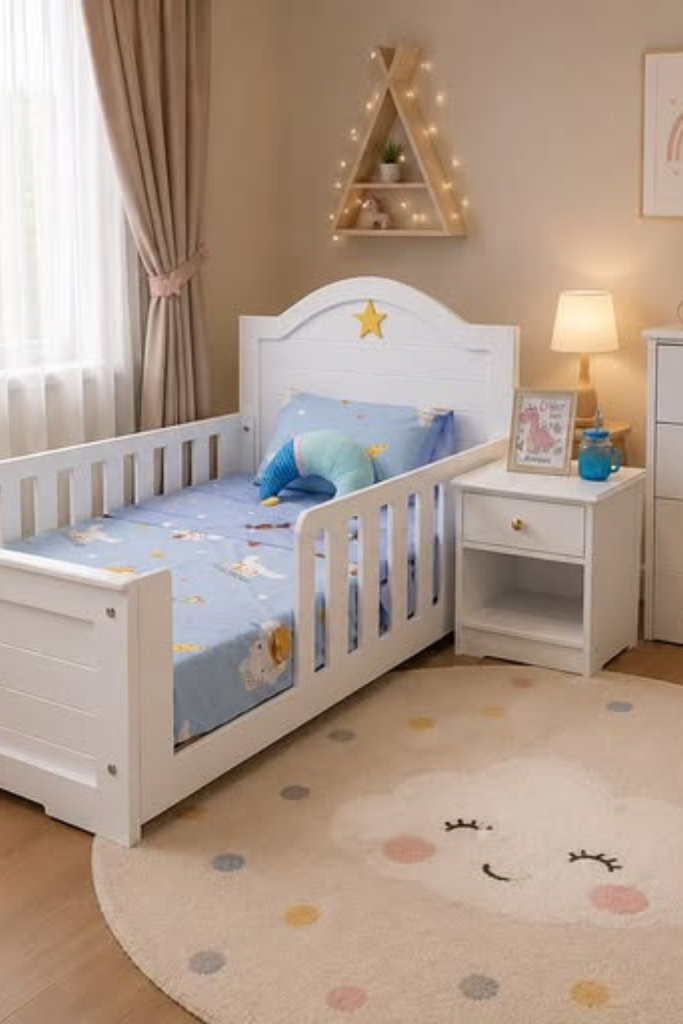
Bedside Storage
Choose a slim nightstand with open and closed storage when you want bedtime essentials close.
Use the open shelf for books that children frequently reach for and the drawer for smaller goods. Then, let a higher dresser handle nearby apparel.
While gentle ornamental lights on the wall shelves make the room feel cozier at nite, table lamps provide practical bedside light.
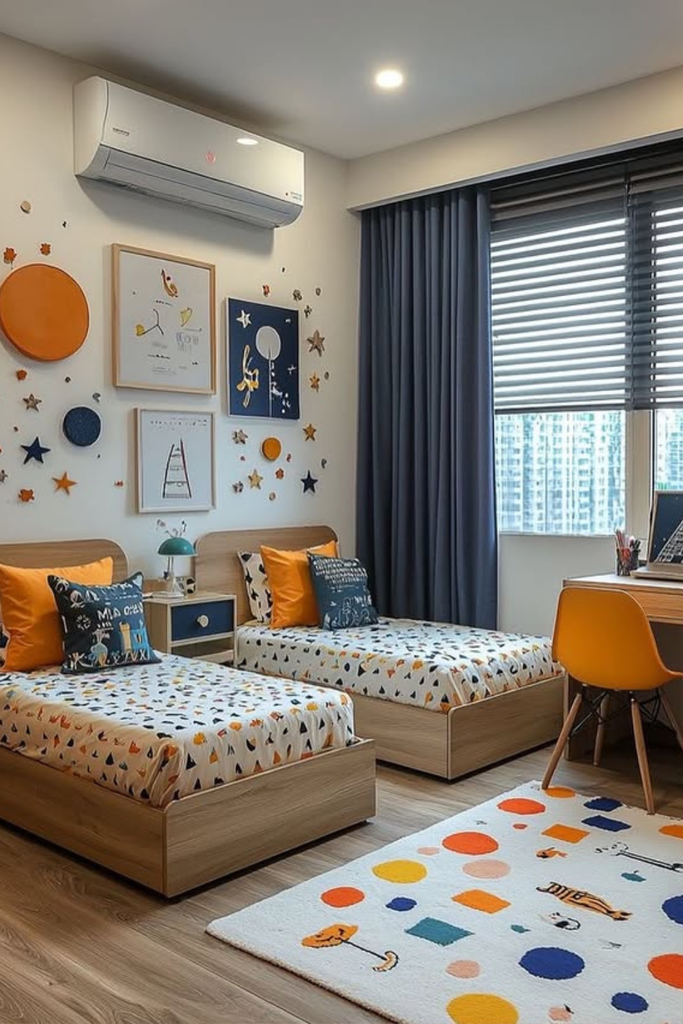
Twin Study Zone
Use the window wall to create a well-balanced sleeping and homework area and arrange matching single beds along one side.
After installing a tiny nightstand between the beds for needs before bed use desk drawers to keep stationery from spreading around the room.
While a ceiling light and small desk lamp can cover study sessions in the dark placing the desk next to the window lets in beneficial daylight.
Twin Playhouse
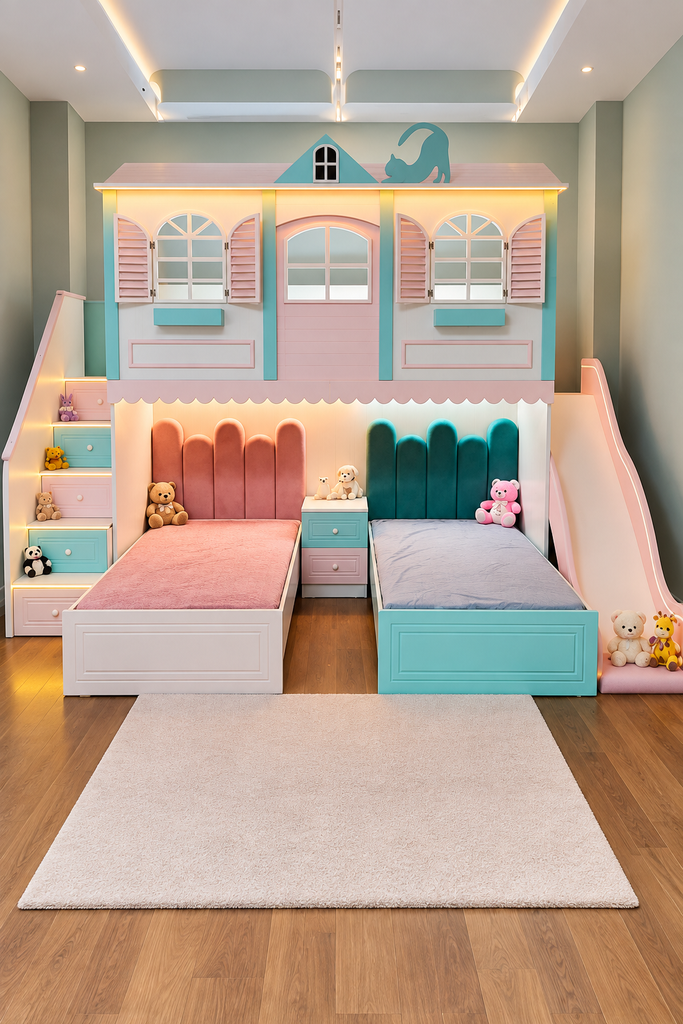
Siblings need shared furniture, you can fit two sleeping areas and a play area into one wall without losing the room’s core.
Build drawers inside the access steps for toys, clothes or nighttime necessities after placing matching beds underneath an elevated playhouse.
Another task is added by Slide. After dark, both beds are softly illuminated by hidden lighting beneath the upper structure.
Twin Bed Nooks
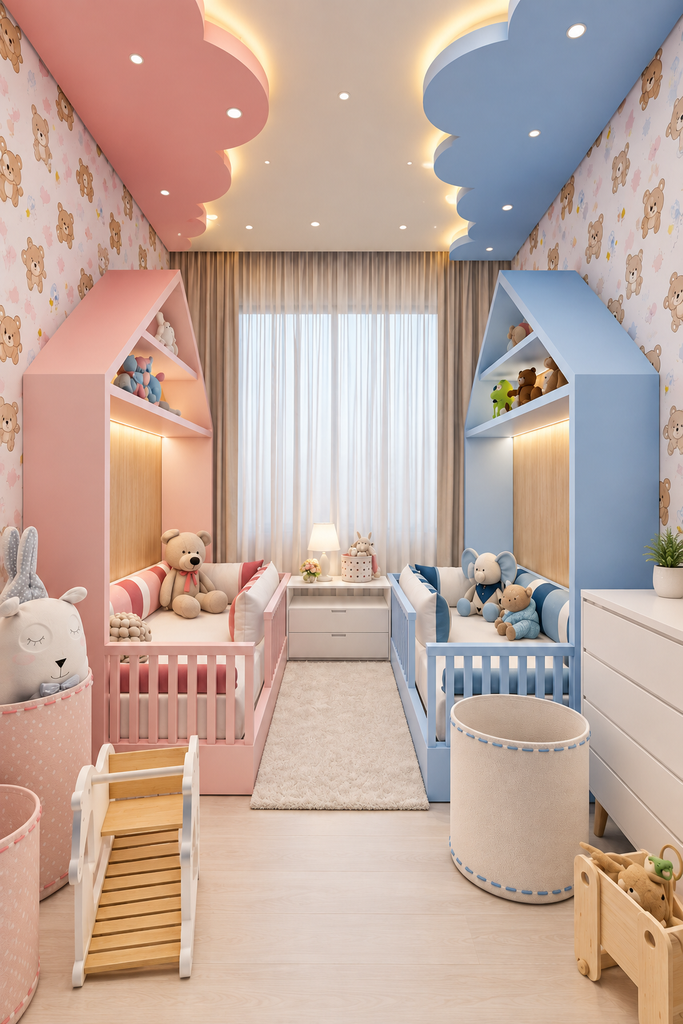
Two children require their own space, divide a shared room into matching sleep zones without packing the middle with excessive furniture.
Place shared drawers between the beds for minor everyday goods and use house-shaped bed frames with upper shelves for your favorite toys.
Keeping both units against opposite walls leaves a comfortable walkway through the middle. Built-in shelf lighting provide soft, balanced illumination.
FAQs
Which Kids Room Furniture Saves the Most Space?
Storage beds, bunk beds with drawers, built-in desks, and staircase storage can replace several separate pieces.
If the area is small, utilize taller storage along the walls and keep the center free so children may still play on the floor.
How Can Kids Access Their Storage More Easily?
Place school supplies, books, and ordinary toys in open cubbies, lower drawers, or shelves that children can easily access.
Set aside higher cupboards for seasonal clothing, additional bedding and goods that are rarely used. Additionally, because children are aware of clear storage zones, cleanup is made easier.