
25 Kids Reading Nook Ideas For 2026
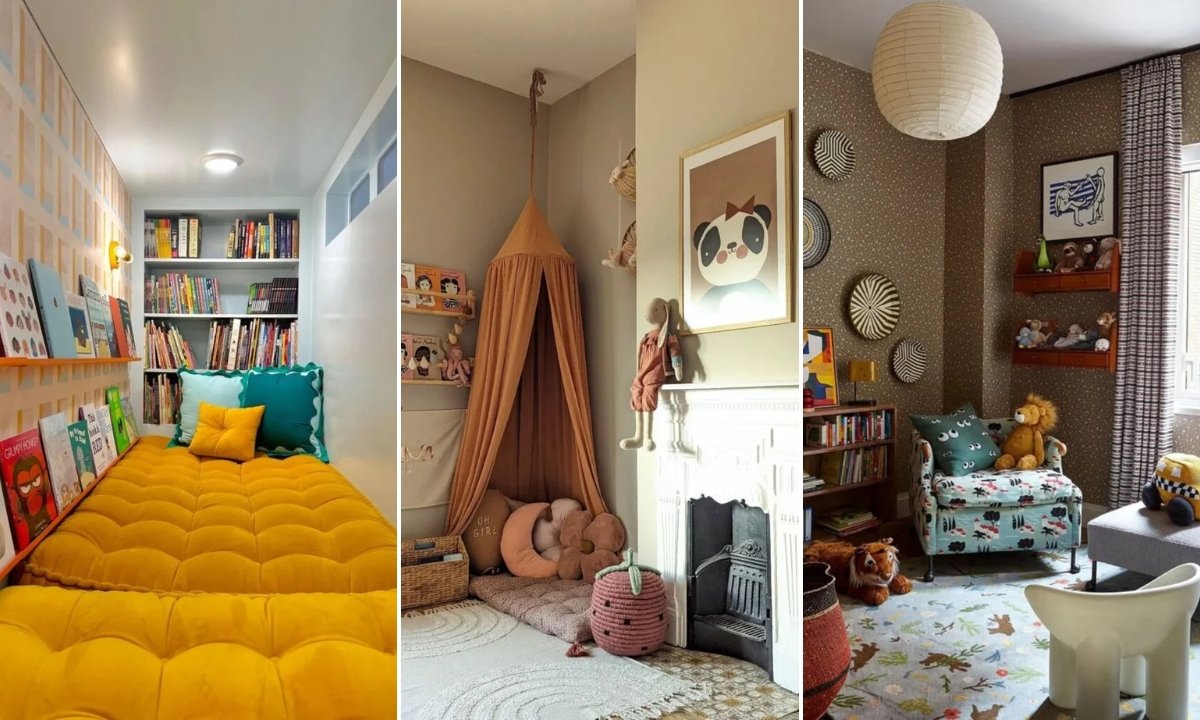
If you’ve ever shelled out for books only to watch them gather dust, you’re in good company. Most children don’t dislike reading they simply lack a welcoming environment.
The encouraging part. You do not need a dedicated room or expensive furnishings to make it happen.
With a few thoughtful decisions, you can fashion a straightforward reading nook that works with your available space, keeps books in order, and, most importantly.
In this article, you’ll explore 25 Kids Reading Nookideas that work for real family homes in 2026.
How Do You Create A Reading Nook In A Small Space?
You don’t need a dedicated room to carve out a reading nook. The key is to stop searching for space and start making the most of what you already possess.
A quiet corner, a space by a window or even the foot of a bed can be ideal. Begin by laying down something soft on the floor to make it comfortable for your child.
Next, eliminate distractions. If the area feels peaceful and inviting, your child will naturally linger.
Small spaces are most effective when everything is straightforward, accessible, and easy to use.
Save this article for later!👇👇👇

What Makes A Kids Reading Nook Feel Cozy And Inviting?
If a reading area isn’t inviting, children will quickly lose interest. Comfort is the main priority; appearance is less important.
Add some velvety pillows, a cozy rug or a comfortable cushion. This way, sitting becomes a pleasure, not a pain. Adequate illumination is also needed.
Children can focus better without straining their eyes when they have natural light during the day or a tiny lamp after sunset. Keep the ambiance calm and inviting.
A cozy nook, a sense of security and suddenly, reading once a task becomes a delightful retreat.
Quiet Corner
Corners naturally create boundaries, which helps kids settle in without feeling distracted. A comfortable chair anchors the space and signals that reading happens here.
Having books readily available without a mountain of them streamlines the selection process.
Keeping soft toys within reach can ease younger children into a more relaxed state and rather than feeling pressured during quiet time.

Wall Shelves
Books become more tempting when kids can see the covers instead of stacked spines.
Wall mounted shelves turn even a narrow corner into a reading spot without using floor space.
Floor cushions offer a versatile solution allowing the space to easily transition from a reading nook to a play area.

Soft Canopy
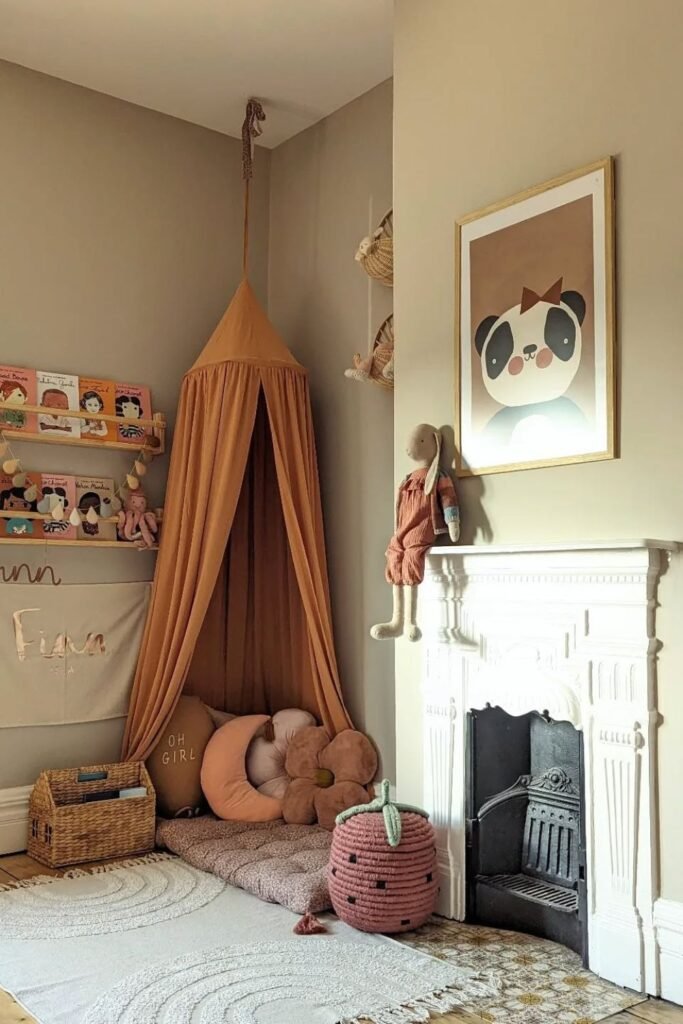
Reading feels safer for kids when the space feels slightly hidden. A light canopy creates that quiet, tucked away feeling without closing the area off completely.
Floor cushions offer a flexible and readily rearranged seating option, ideal for shared spaces.
Placing books within easy reach encourages individual selection allowing children to quickly engage with their chosen activity.
Canopy Corner
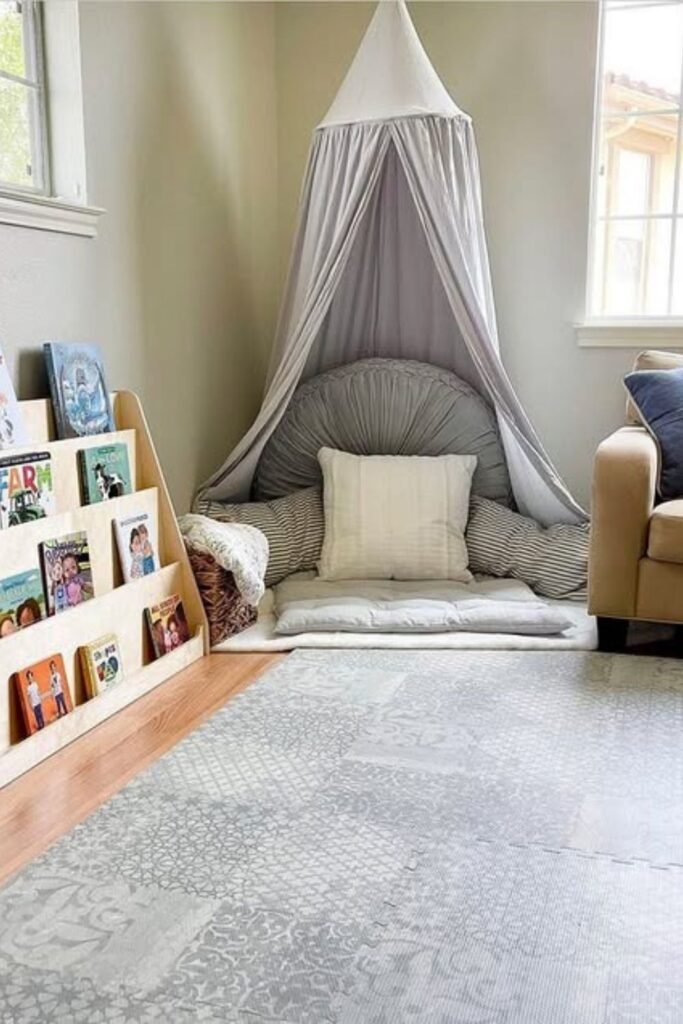
Kids stay longer with books when the space feels like their own little hideout. A tall canopy instantly defines the reading area without needing walls or furniture.
Floor cushions offer a laid back vibe, making them accessible for everyone. Wall shelves, positioned conveniently keep books off the ground, preventing clutter.
This layout operates well in bedrooms or living spaces and especially when you are struggling with those awkward corners.
Book Display
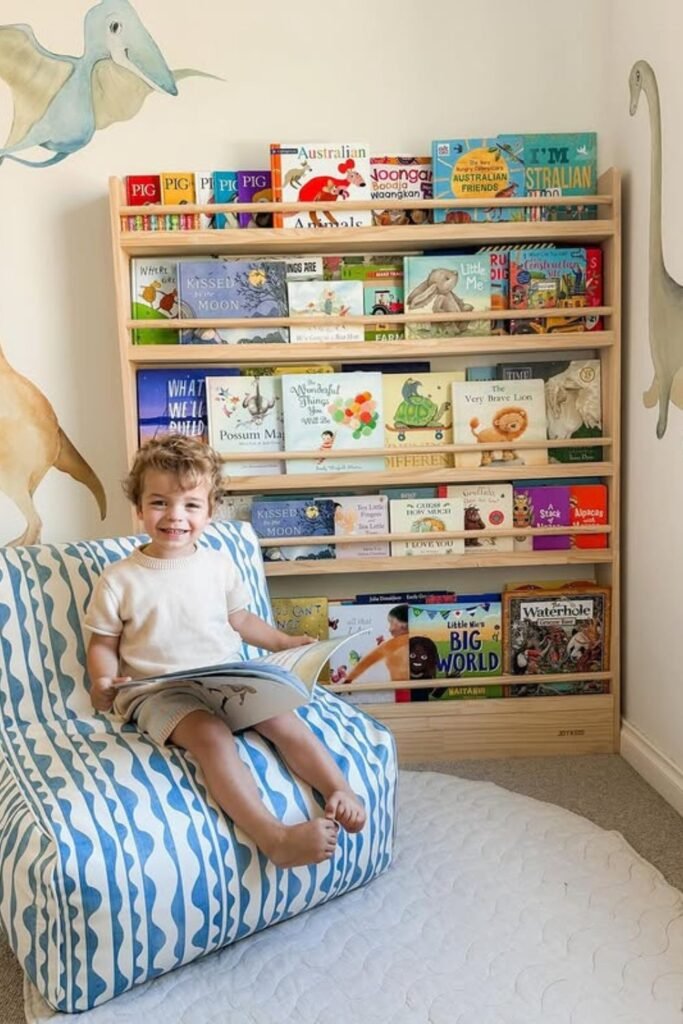
Children chose books more quickly when the covers are facing them, similar to how books are displayed on a store shelf rather of being stacked.
A nearby soft floor chair offers a landing spot immediately after a book is selected. Wall art or murals inject a sense of fun into the area avoiding any sense of overcrowding.
This arrangement is particularly effective in bedrooms or playrooms, where the goal is to keep books both visible and easily accessible throughout the day.
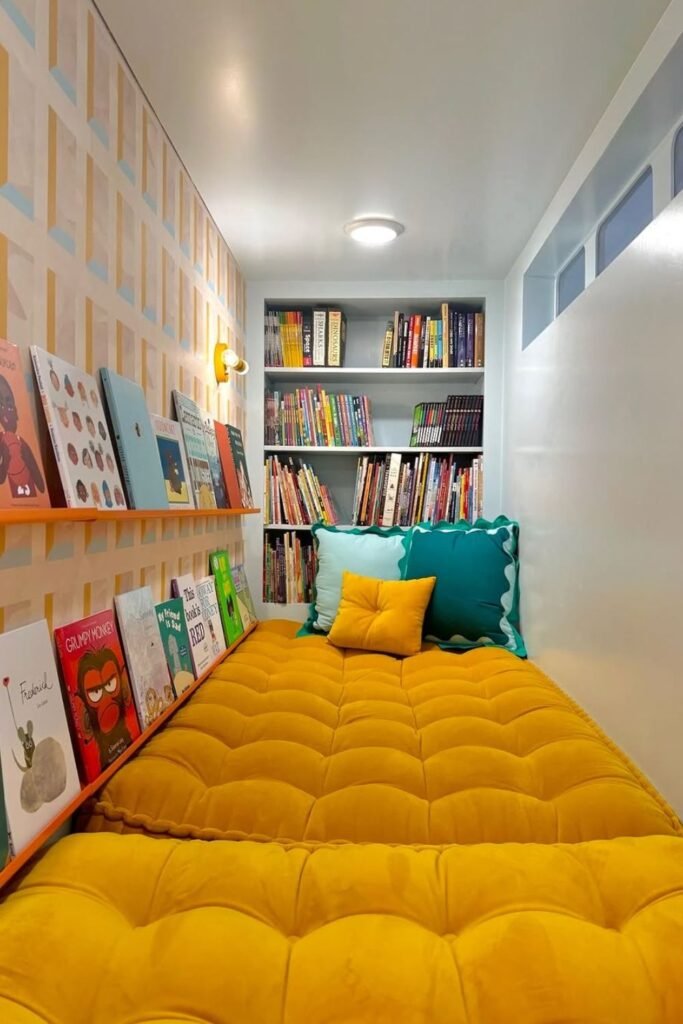
Narrow Nook
Long, unused spaces often feel awkward but they are perfect for reading. A floor mattress turns a tight area into a place where kids can stretch out and stay put.
Bookshelves, hugging the walls, offer a clear view of the options without overwhelming the area. Gentle wall sconces provide a warm glow eliminating harsh shadows.
This method shines in those tricky spots passageways tucked under staircases or other transitional areas.
Window Seat
Natural light does half the work for you. A window seat gives kids a bright calm place where reading feels easy on the eyes and unforced.
A well placed cushion offers relaxation without the need for cumbersome furniture, while wall shelves provide easy access to books without the need to get up.
This arrangement is ideal for bedrooms or stair landings particular where windows are present but often remain empty of practical purpose.

Floor Comfort
Reading becomes easier and when kids do not have to climb onto furniture. Floor cushions create a relaxed spot where kids can flop down with a book without rules.
A slender, upright book rack offers a clear view of available titles a boon in cramped quarters.
Nearby, soft pillows serve a dual purpose and providing both back support and when reading gives way to a nap a playful prop.

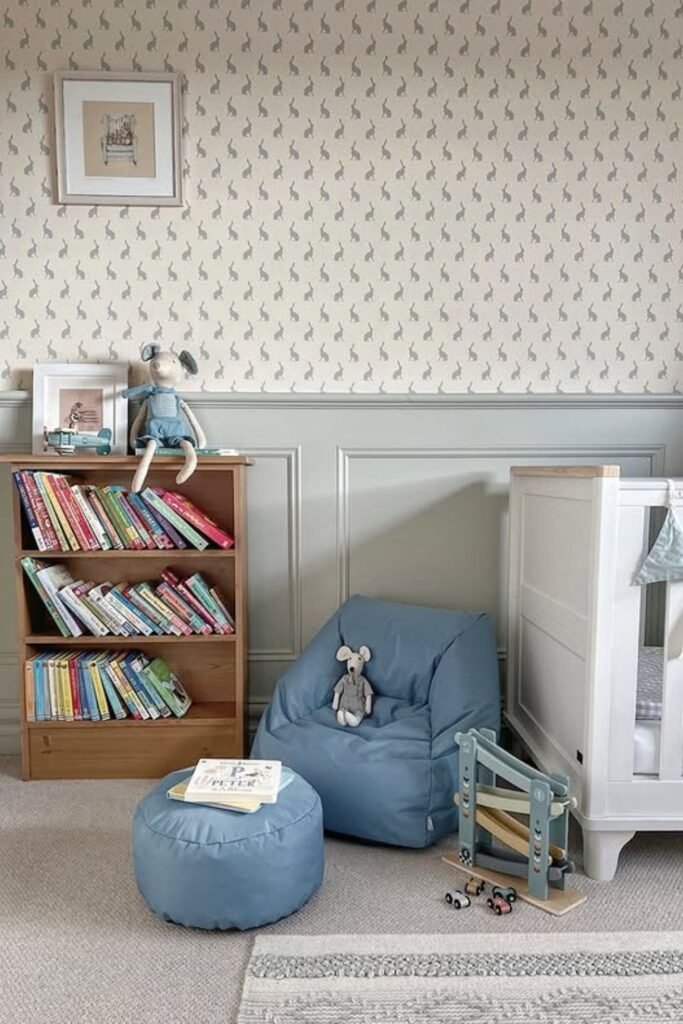
Nursery Corner
Children develop early reading skills more quickly when they have easy access to books in their daily lives.
A bean bag positioned near the crib, transforms those hushed instances into effortless reading sessions, no extra effort required.
A small bookcase offers a home for cherished volumes keeping them close at hand without dominating the room.
Fairy Hideout
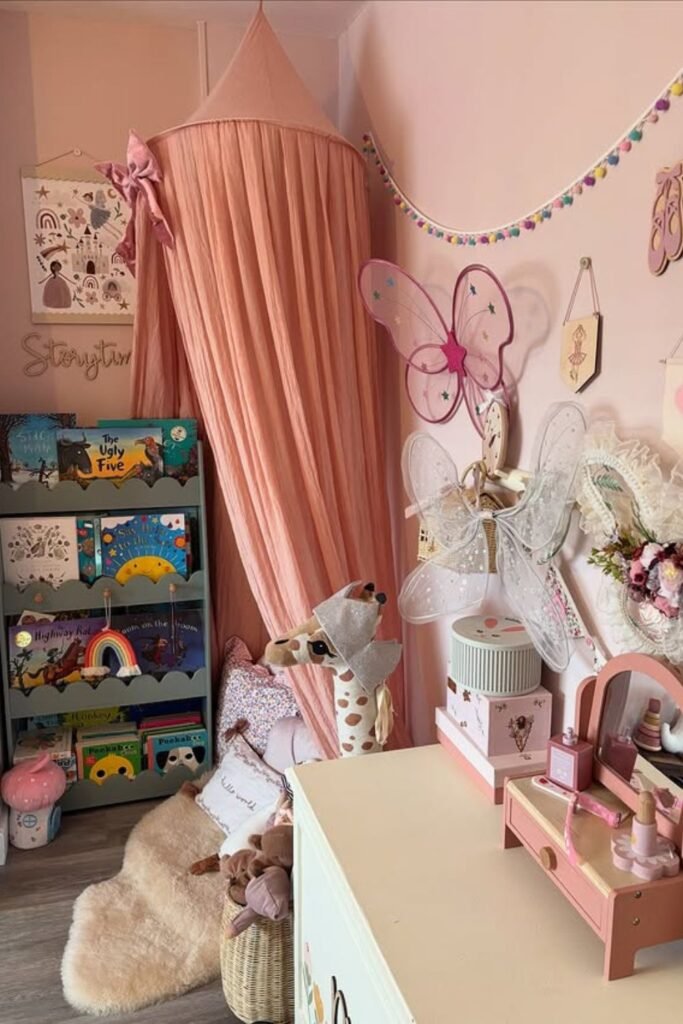
Children tend to read longer when the environment is lively rather than calm. A gentle canopy, along with imaginative decorations, transforms reading a world of make believe.
It resonates perfectly with children who possess active imaginations. Books, when shelved upright are readily visible.
It’s simple to pick one up and dive into a story no disruption to the flow. This arrangement works perfectly in those bedroom corners.
Built-In Bench
Reading sticks when the space feels permanent, not temporary. A built in bench instantly signals that books belong here.
Cushions provide a cozy spot and the shelves flanking the space make it easy to reach for a book without getting up.
The enclosed design inherently muffles sound encouraging children to settle down and concentrate.
Window Bench
Built-in seating under windows solves two problems at once unused space and scattered books.
A lengthy bench offers children space to sprawl and the storage beneath keeps books accessible without cluttering the walls with shelves.
This arrangement is particularly effective in bedrooms where floor space is at a premium yet wall to wall windows are present and frequently overlooked.
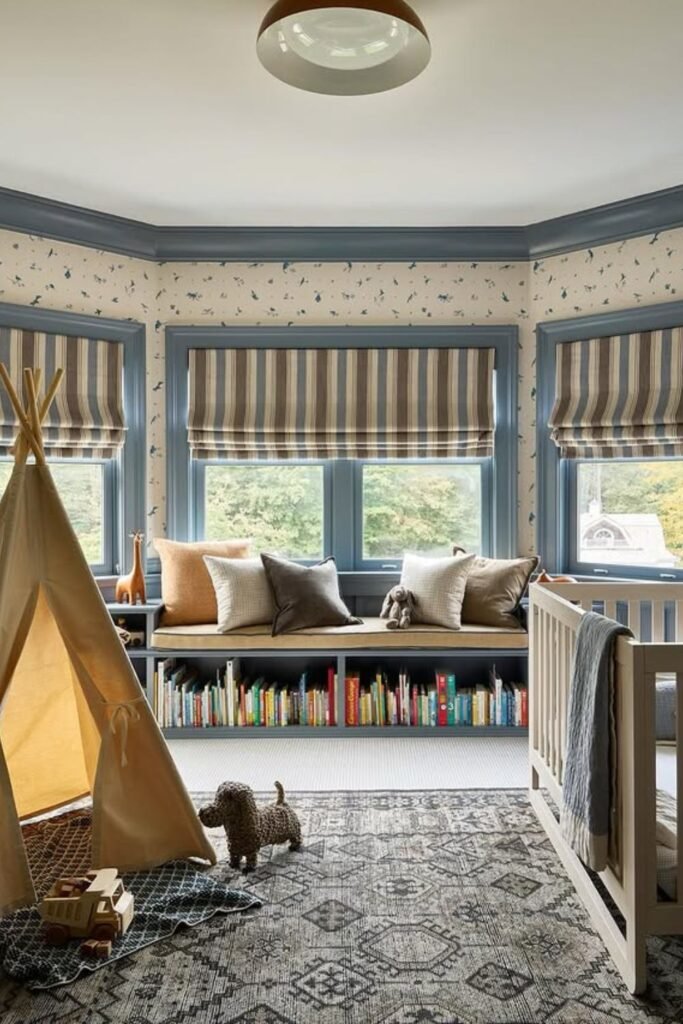
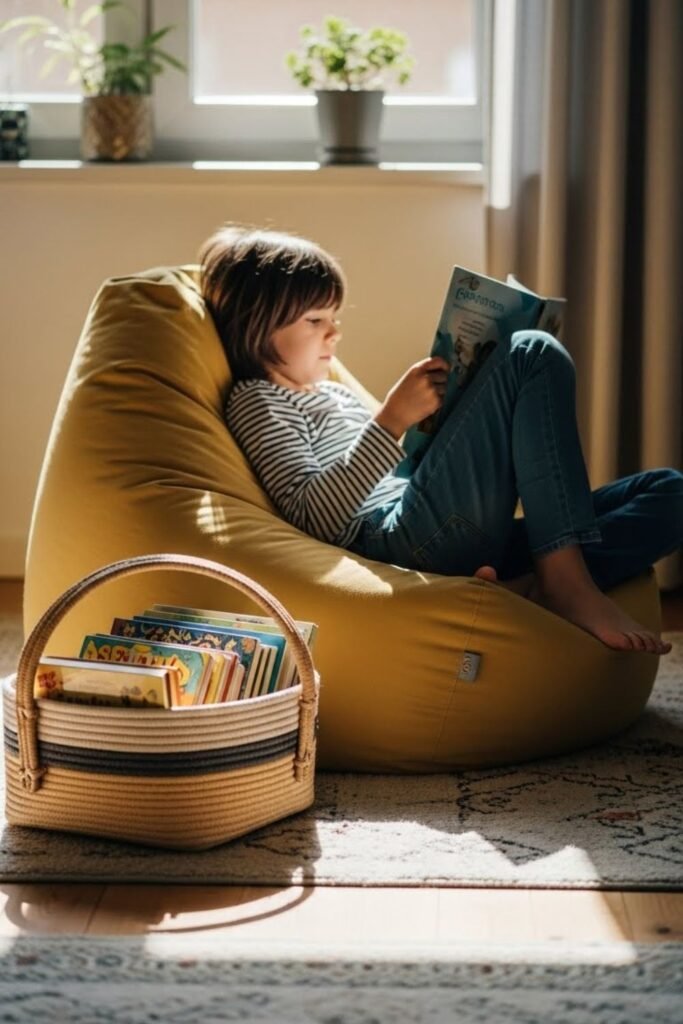
Cozy Beanbag
Some children show better attentiveness when they can curl up instead of sitting up straight.
A soft beanbag offers individuals that freedom transforming reading into a relaxing experience, rather than a rigid one.
Having books readily available on a nearby shelf allows children to easily access a narrative and immediately re engage without any disruption.
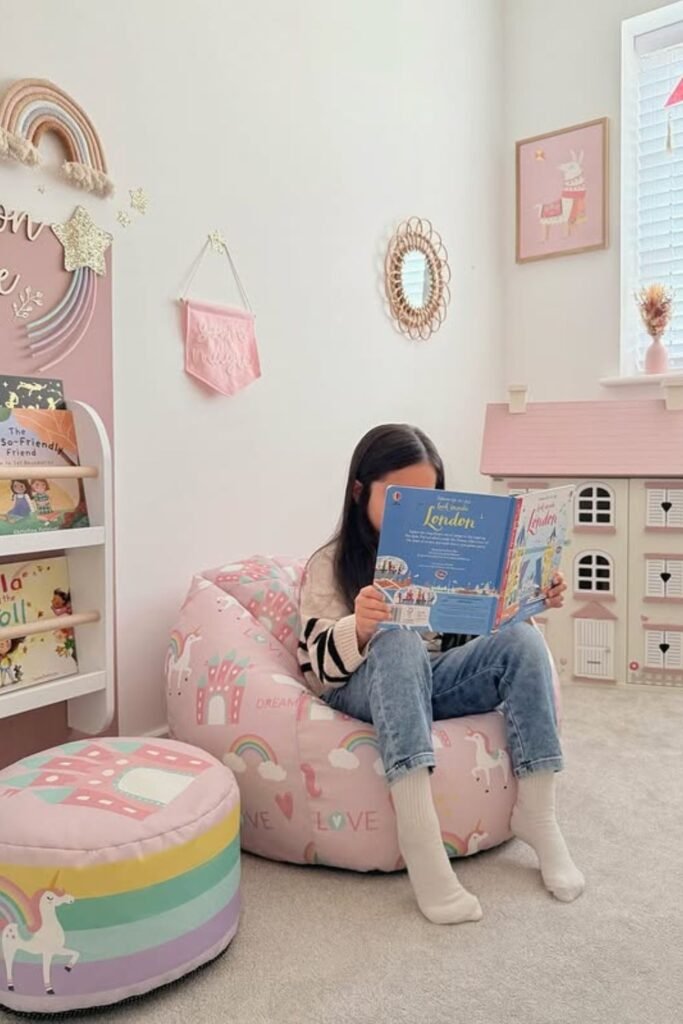
Reading Rocker
Movement helps some kids stay focused instead of restless. A gentle rocking seat gives their body something to do while their mind stays on the book.
Placing a book rack just behind a seat simplifies the task of choosing a narrative and making and the whole experience smoother.
This arrangement works especially well in the living rooms or play areas environments where kids sometimes struggle to stay put even as they enjoy quieter activities.
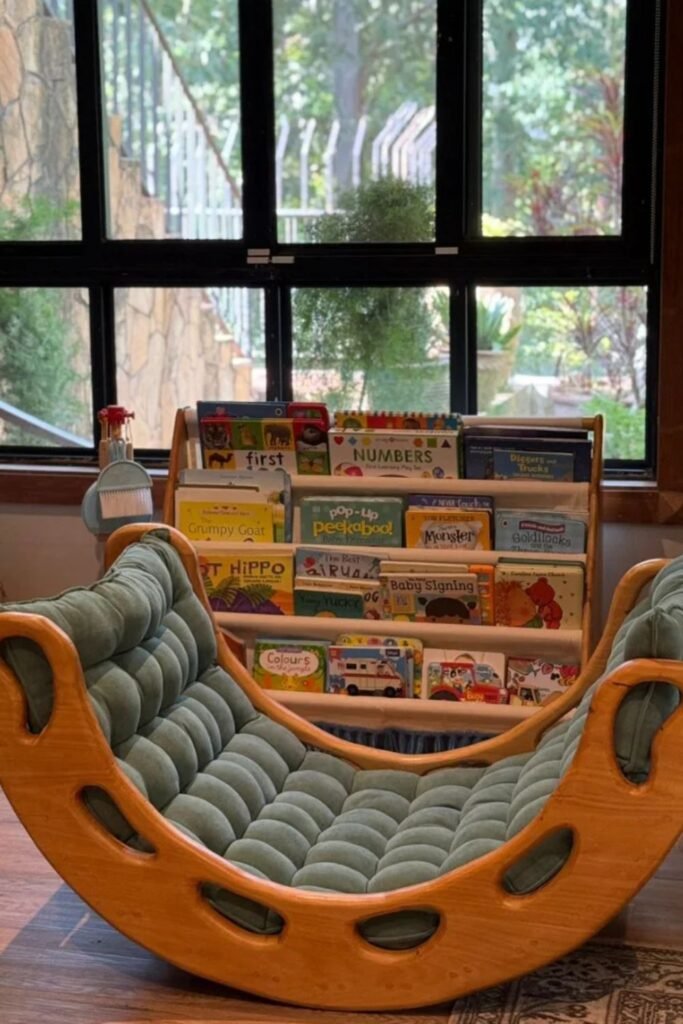
Shared Zone
Reading doesn’t always need to happen alone. A calm corner like this lets books live right alongside play and quiet activities.
A low shelf offers easy access to books and comfortable seating encourages children to come and go as they choose.
This arrangement is particularly effective in living spaces providing a cozy spot for youngsters to unwind with a story while remaining near their parents.
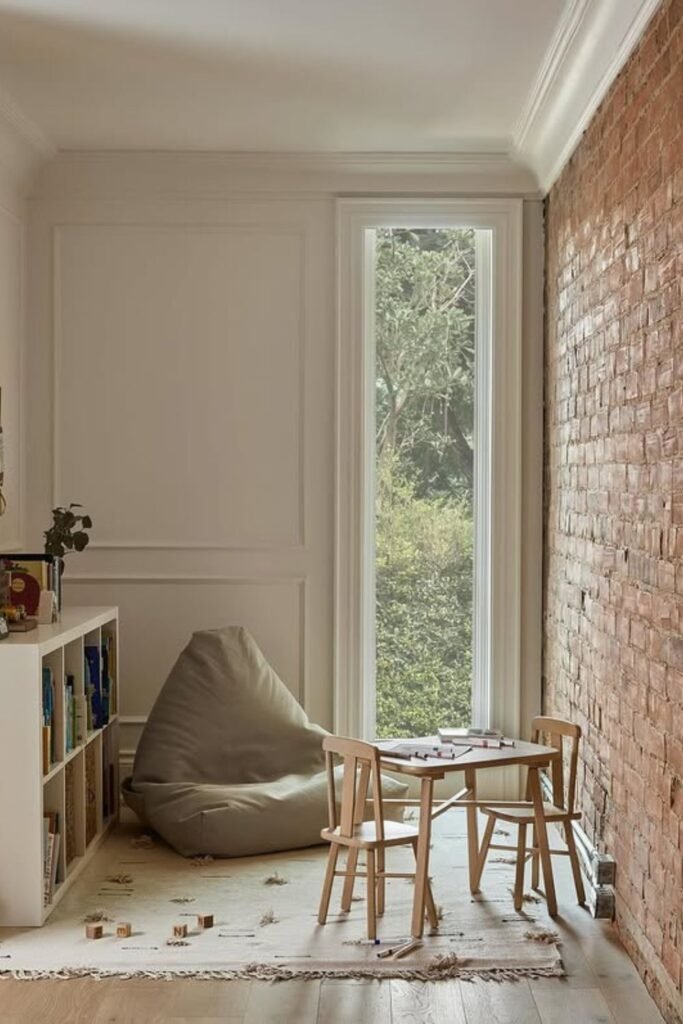
Play Station
Reading is often more effective when it’s combined with regular play. A low bookcase, along with open bins, creates a shared space for books and toys, keeping things tidy.
Children naturally move from building and arranging things to turning pages. Floor seating shifts the focus and putting everything within their grasp not yours.
This design is especially useful in living spaces or playroom where young children spend a lot of time.
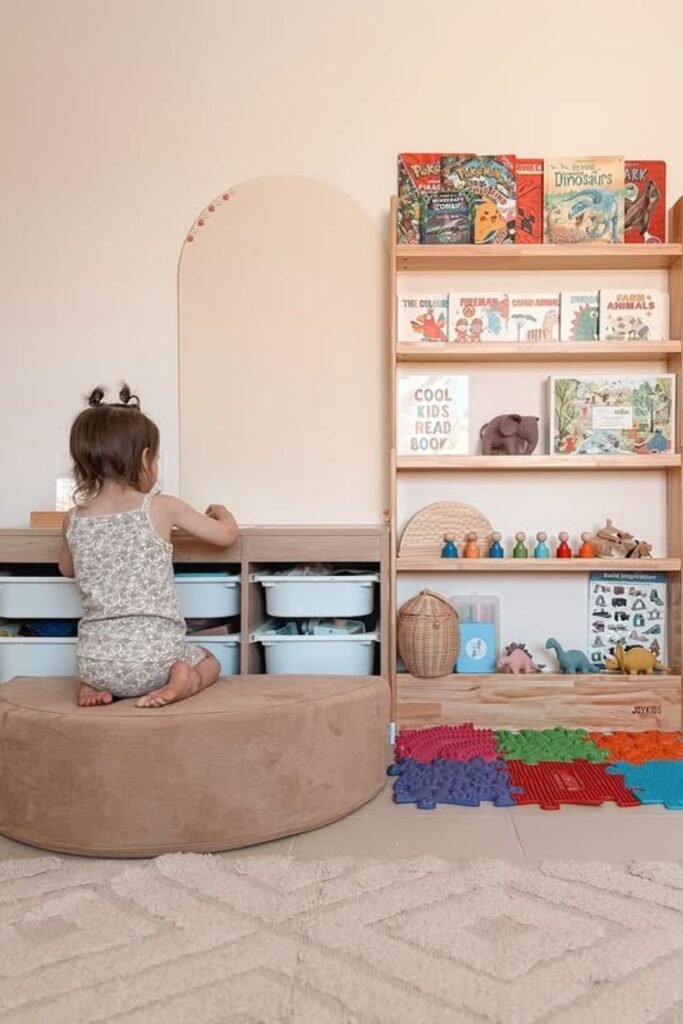
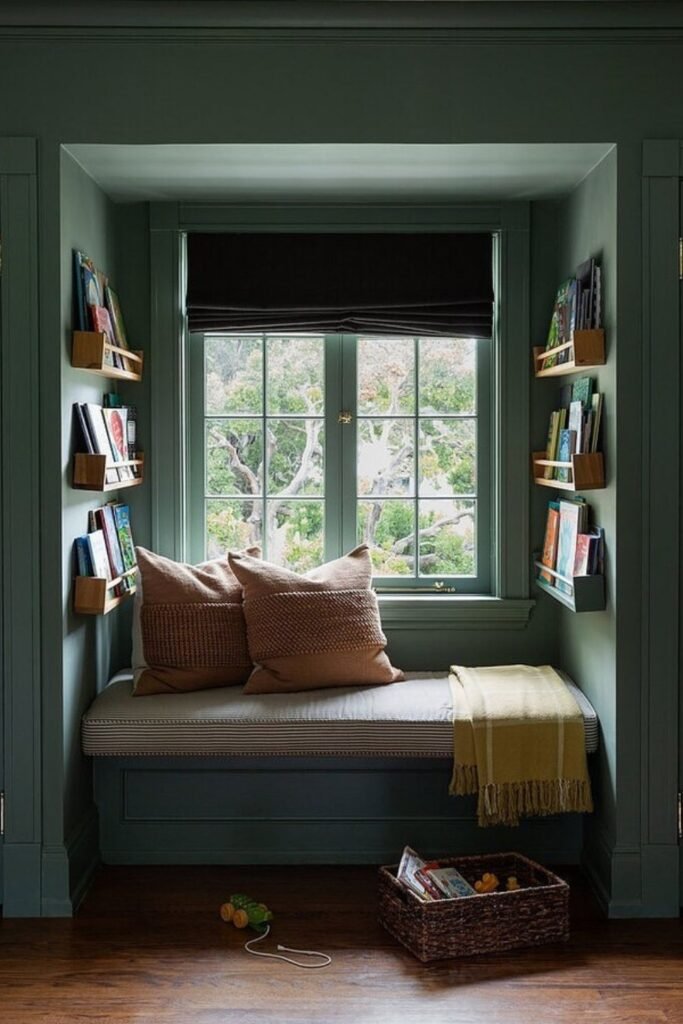
Window Alcove
Deep window gaps frequently go unnoticed, however they are ideal for savoring a good book. A padded bench offers a built in seating option, eliminating the need for additional furnishings.
Wall-integrated bookshelves provide convenient access while keeping the area tidy. Plush couches invite you to relax instantly making a space feel more welcoming.
This design is particularly effective in family rooms or bedrooms with built in window recesses, where the goal is to make reading a relaxed, everyday activity.

Story Niche
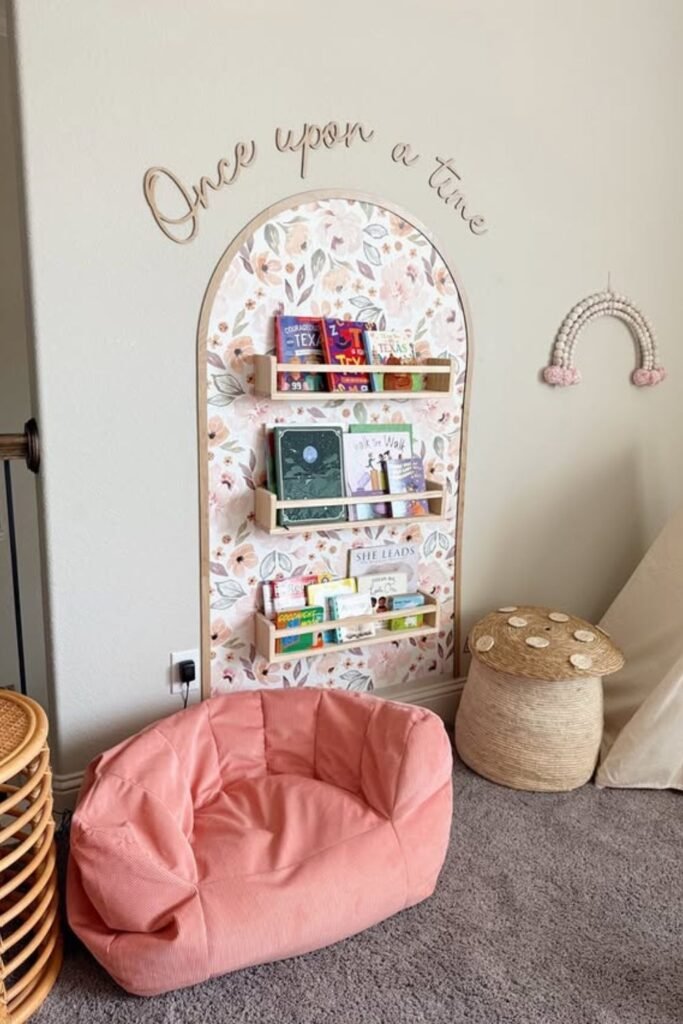
A small wall cutout can change how books feel to a child. An arched niche gives reading its own home, which makes books feel special instead of scattered.
Front-facing shelves make books easy to see freeing up floor space. A nearby soft bench encourages children to sit down and read.
This method is particularly effective in the bedrooms and playrooms where space is at a premium yet you want to highlight reading as a special activity.
Seasonal Corner
Reading feels more exciting when the space changes with the moment. A seasonal setup like this turns books into part of celebration instead of something separate.
Changing out a few decorative items can breathe new life into a space without a complete overhaul.
Floor cushions offer a quick and comfortable seating option while wall shelves keep books organized and easily accessible.

Sound Bubble
Noise kills reading faster than boredom. A sound-friendly nook focuses on blocking distraction instead of adding decor.
Soft wall panels, heavy drapes or a fabric room divider can all help soak up the sounds of daily life.
Combine that with a low chair or a floor cushion and your body stays relaxed while your ears get a break.

Bedside Pause
When reading seamlessly integrates into your daily life, it does not require a specific endpoint.
A bedside nook transforms reading into a natural interlude a gentle bridge between the days activities and the embrace of sleep.
Keep a small basket of the books nearby and a comfortable pillow against the wall or headboard.

Rotating Picks
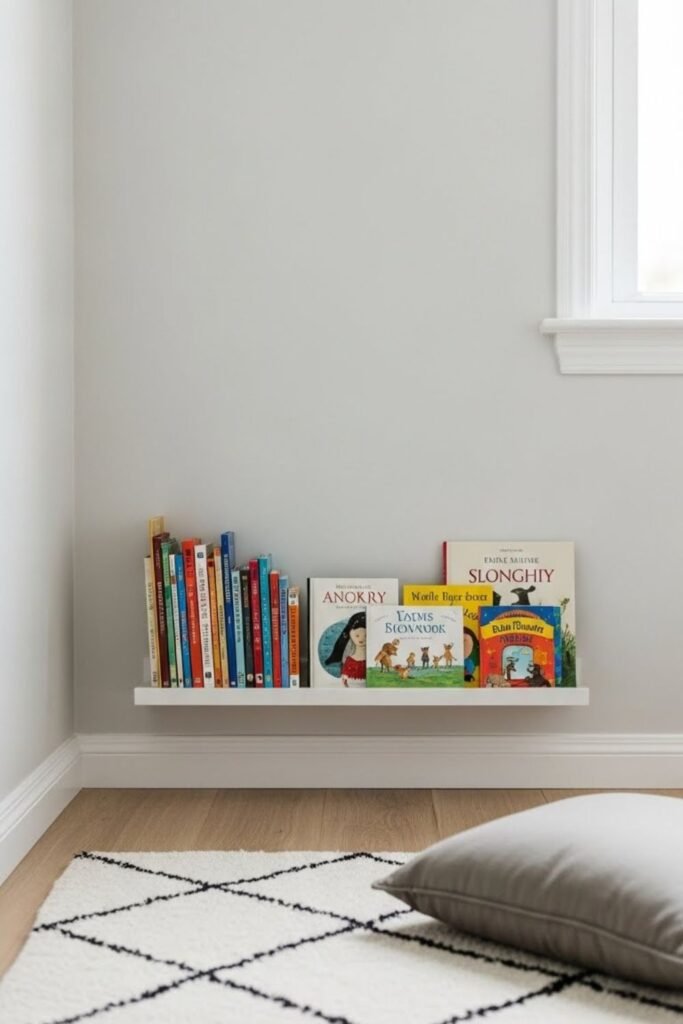
Too many books can overwhelm kids, even when they love reading. A rotating nook solves this by changing whats available instead of expanding storage.
Use a small shelf or basket, and rotate the books every week or two. This keeps the area looking tidy and it also keeps things interesting.
It’s particularly effective for kids who are not always eager to read. Fewer options mean less decision making and new books feel fresh without the need for constant purchases.
Homework Buffer
Some kids need separation between schoolwork and free reading. A buffer nook sits just far enough from desks to reset their mindset.
Softer seating, warmer lighting and a complete absence of school supplies that the key. And this change in surroundings signal the brain to change gears.
Its particularly effective in shared spaces like bedrooms or study areas where the lines between school or relaxation often blur.
Night Reader
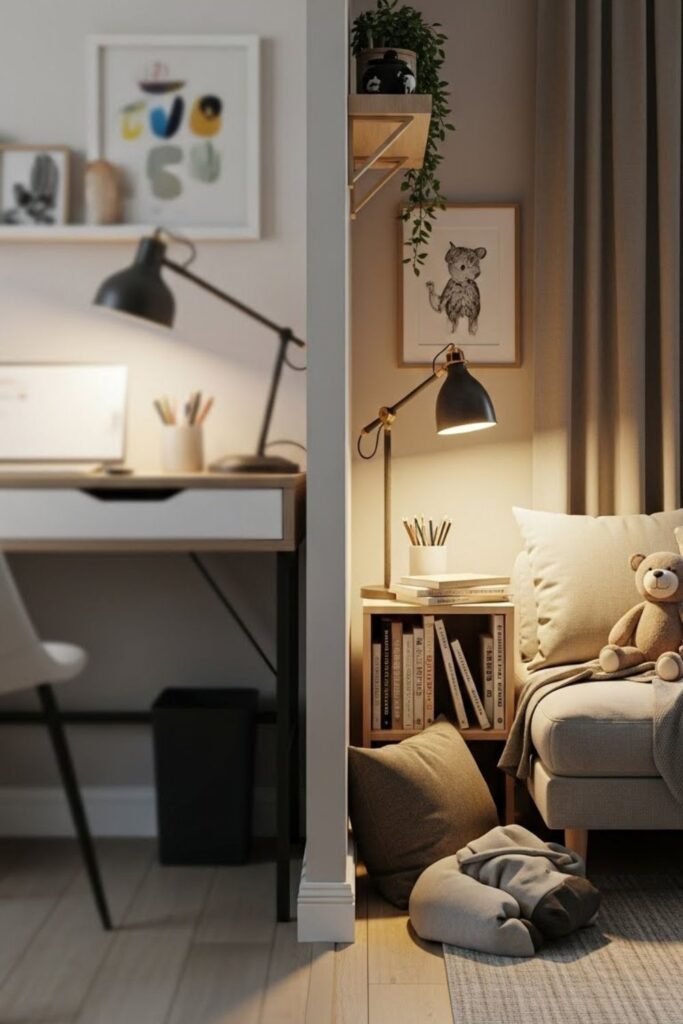
Evening readers need a setup that respects low energy and tired eyes. A night-focused nook uses warm lighting, darker colors and minimal visual clutter.
Think soft lighting, simple pillows and a small selection of well loved books. This setup is ideal for children who like to read before bed but are easily overstimulated.
The aim is comfort not a thrill. When the environment is calm and familiar kids are more likely to relax and stay engaged with their book rather than jumping out of bed.

Travel Spot
Some kids read best when the space feels temporary, not permanent. A movable reading spot uses lightweight seating, a portable book caddy and flexible placement.
One day, the book is sprawled out by a window the next and its tucked away in a cozy nook. This approach is ideal for children who bristle at rigid schedules or lose interest.
Reading transforms into a portable activity no longer confined to a certain spot. This mobility maintains engagement preventing reading from becoming a chore.
FAQs
How do you get kids to actually use a reading nook?
This section is about behavior, not aesthetics. You can discuss why certain areas are overlooked, the importance of placement over appearance.
And how simple practices such as keeping books in sight or reading together initially encourage children to revisit the space independently.
What mistakes make kids ignore a reading nook?
This approach plays on fear and irritation plain and simple. It lets you address familiar issues: cramped spaces inadequate lighting, the struggle to get kids to read.
The choice between style and comfort. Readers are drawn to sections that highlight mistakes they immediately see themselves in the examples and make adjustments.

Hi, I’m Afaf! I’m a law student who loves writing about everyday life – from home projects and crafts to fashion, beauty, and parenting tips.
I’ve been writing for over a year, sharing ideas that are simple, practical, and easy to try. I write about things I find interesting and useful, whether that’s organizing a space, trying a new DIY, or finding activities to keep kids entertained.
My goal is to share helpful ideas without making things complicated. If it works in real life, I’ll write about it.
When I’m not studying or writing, I’m usually experimenting with new projects or scrolling for inspiration!