
26 Indoor Activities Ideas For Kids For 2026
If you are cooped up with kids who seem to have an endless supply of energy and an insatiable appetite for screens, you are not alone.
It’s a familiar scenario boredom morphs into complaints furniture becomes a trampoline and the plea for just one more video begins.
You want your children to be active, engaged and learning, but you also don’t want to feel like you’re constantly on duty as their personal entertainer.
In this article, you’ll find 26 indoor activities ideas for kids that fit real homes and real routines in 2026.
Let’s jump in!
How Can Kids Stay Active Indoors Without Screens?
When children are cooped up indoors, their pent-up energy doesn’t vanish; it simply manifests in chaotic forms.
To help them regain composure and concentrate later, movement is essential. Activities such as jumping, crawling, dancing.
Transforming household tasks into playful challenges are effective because they expend energy without resorting to screens.
By providing children with a structured outlet for physical activity they can redirect their restlessness and begin to self-regulate.
Save this article for later!👇👇👇

Which Indoor Activities Help Kids Learn While Playing?
Children absorb information most effectively when the process feels less like a lesson and more like a game.
When you make learning enjoyable, their engagement lasts longer, and resistance diminishes.
Everyday activities, like making and arranging sketches or pretending to run a store help youngsters improve their ability to reason and do math.
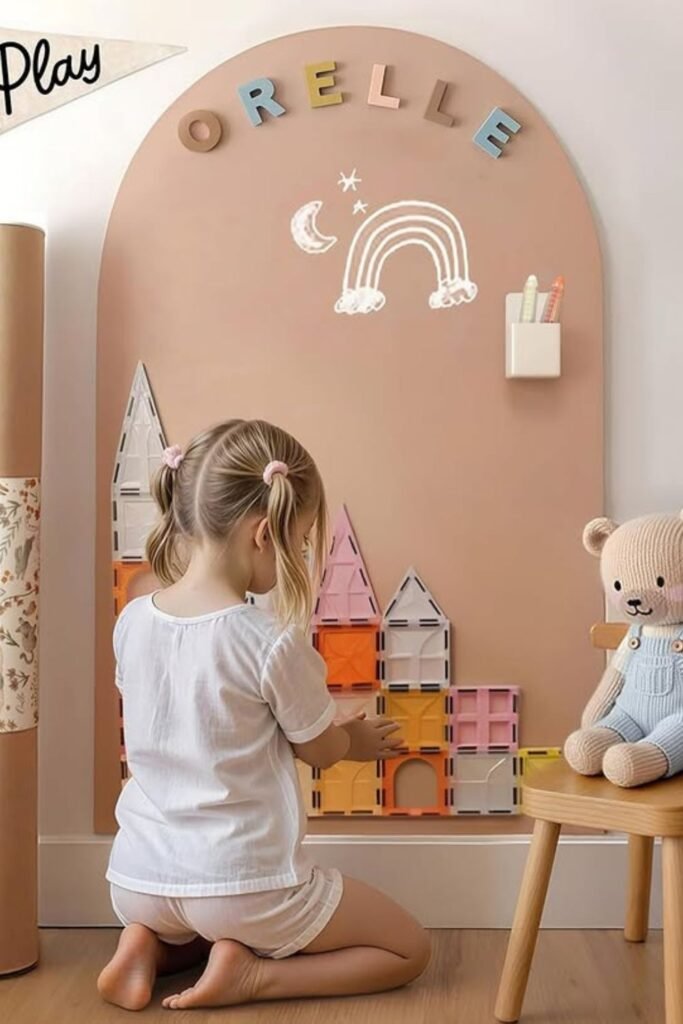
Magnetic Stacking
Stacking blocks turns quiet floor time into the focused play that last longer than the expected.
Colorful magnetic pieces invite small hands to plan adjust and rebuild without frustration.
Place this setup in a corner ideally somewhere that was not cause a disaster if things are knocked over.
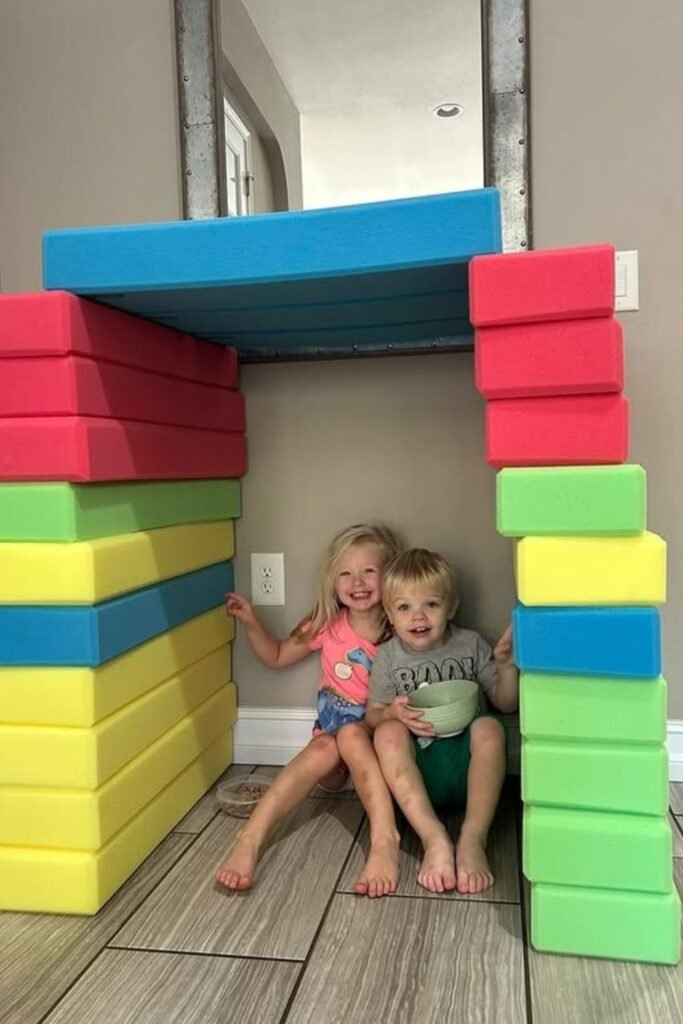
Foam Fort
Tall foam blocks instantly turn a hallway or living room into a mini hideout kids love. Stacking them into walls and a roof lets kids lift, balance.
And tackle challenges utilizing their entire physical being. This approach shines when energy levels are up, but room to move is constrained.
Soft blocks provide a safety net, and the process of reconstructing after a tumble transforms into an enjoyable experience, rather than a source of frustration.
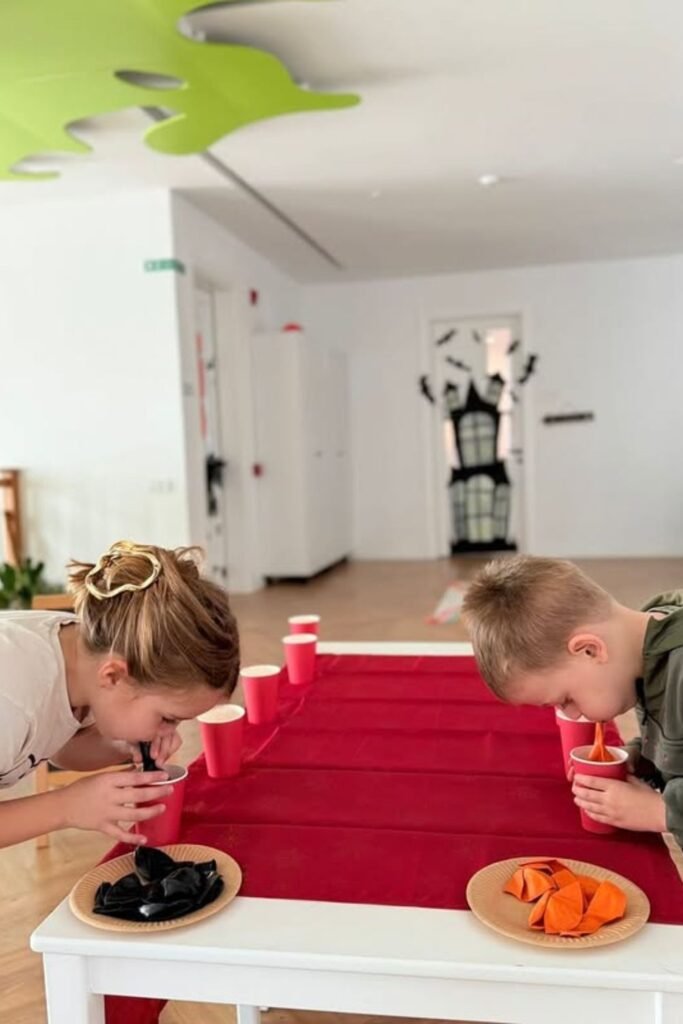
Balloon Challenge
Breathing control turns into a game kids instantly take seriously here. Using straws to move balloons from one cup to another.
Keeps hands off and brains locked in. Set this up on a table during those calm inside hours when a run is not in the cards.
You’ll need some balloons, paper cups and a clearly marked finish line. Concentration ramps up quickly, and failed attempts often lead to hilarity.
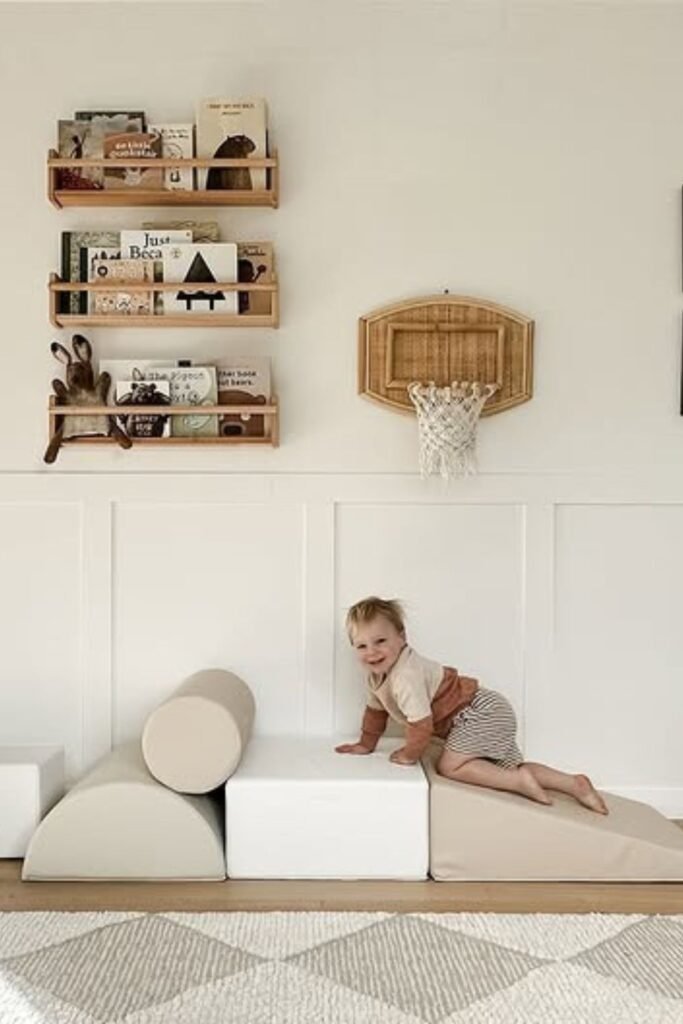
Soft Climbing
Foam shapes turn the floor into a safe place to crawl, climb, and slide without constant warnings.
Low-profile playthings allow toddlers to explore balance and build strength, all while remaining close to the floor.
Position them against a wall or in an open area where a tumble won’t result in injury. Rearranging the pieces frequently helps maintain their interest.
Chalk Station
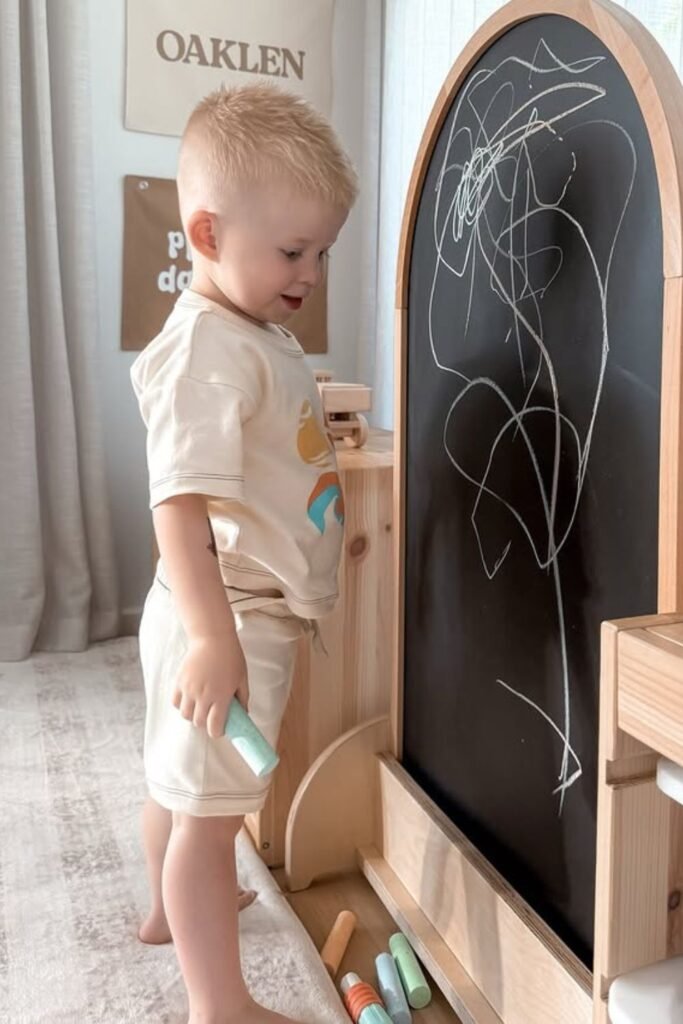
For little ones who struggle to stay put standing up to draw is a game changer. Vertical chalkboards offer the freedom of movement.
Set up the chalkboard near a window while they’re absorbed in their doodles, tracing, or creative writing.
This method works wonders during those quiet moments indoors when you want them occupied without the need for strict silence.
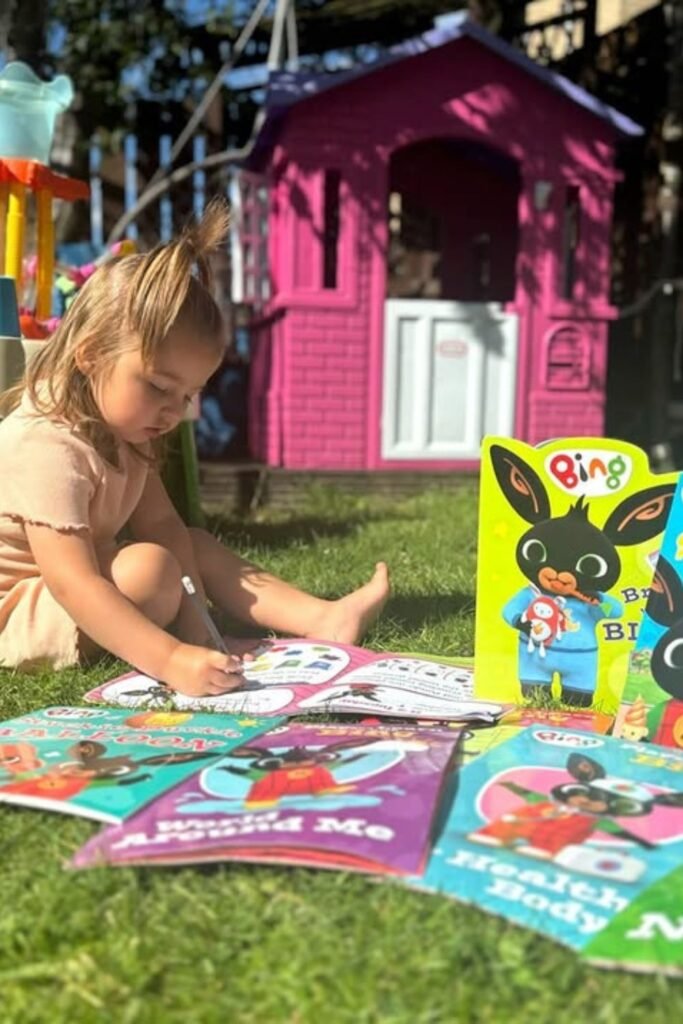
Book Play
Spreading books on the floor invites kids to slow down without being told to sit still. Coloring pages and picture books work best during low-energy moments.
When the clamor subsides have a few things close by to make decisions simple. Crayons, pencils and beloved characters.
Keep children engaged, allowing them to turn pages, sketch and narrate stories at their own speed.
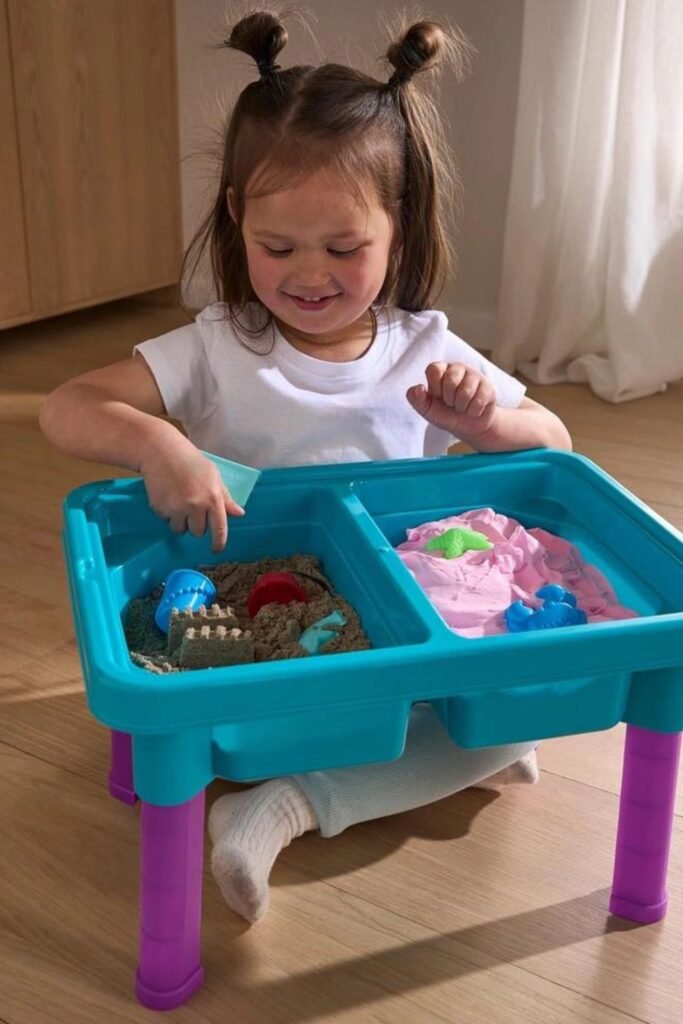
Sensory Table
Messy hands often mean a calm mind, especially indoors. Sand, dough, or soft fillers give kids something to scoop, press and explore without rules.
Set this up on a floor that’s a breeze to clean and then just let the play unfold.
Small tools or toys can provide a layer of engagement, though even basic textures can be plenty.
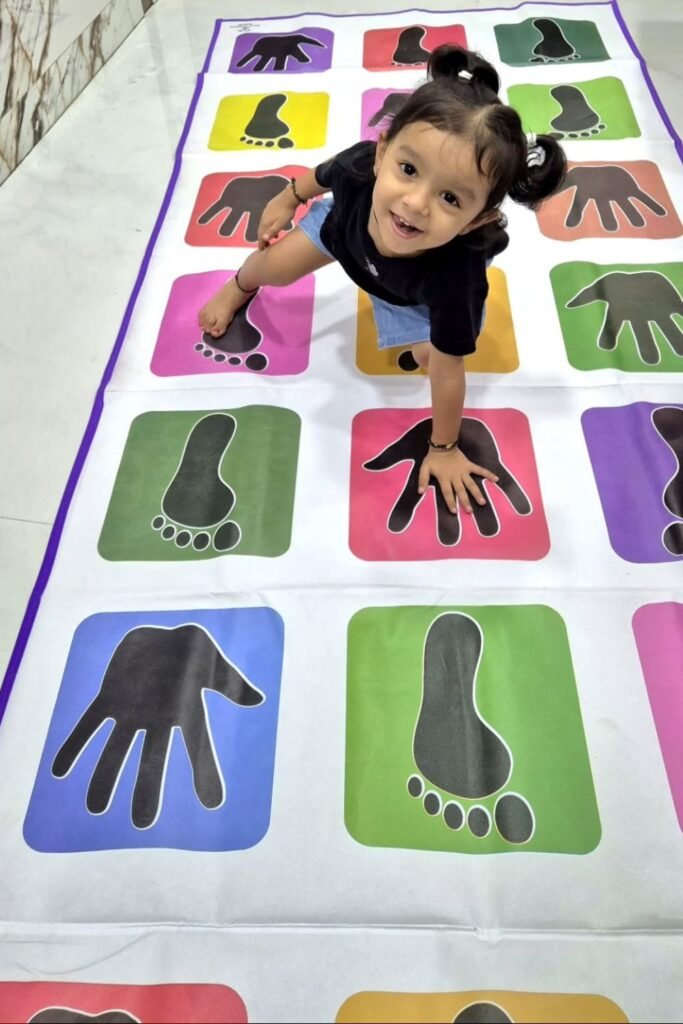
Body Twists
Bright squares on the floor turn movement into a thinking game without feeling like exercise.
Hands and feet choose their own paths, which means youngsters have to slow down, find their balance, and giggle at their own missteps.
Shouting out colors or body parts keeps things interesting particularly when a little structure is needed to channel all that energy.
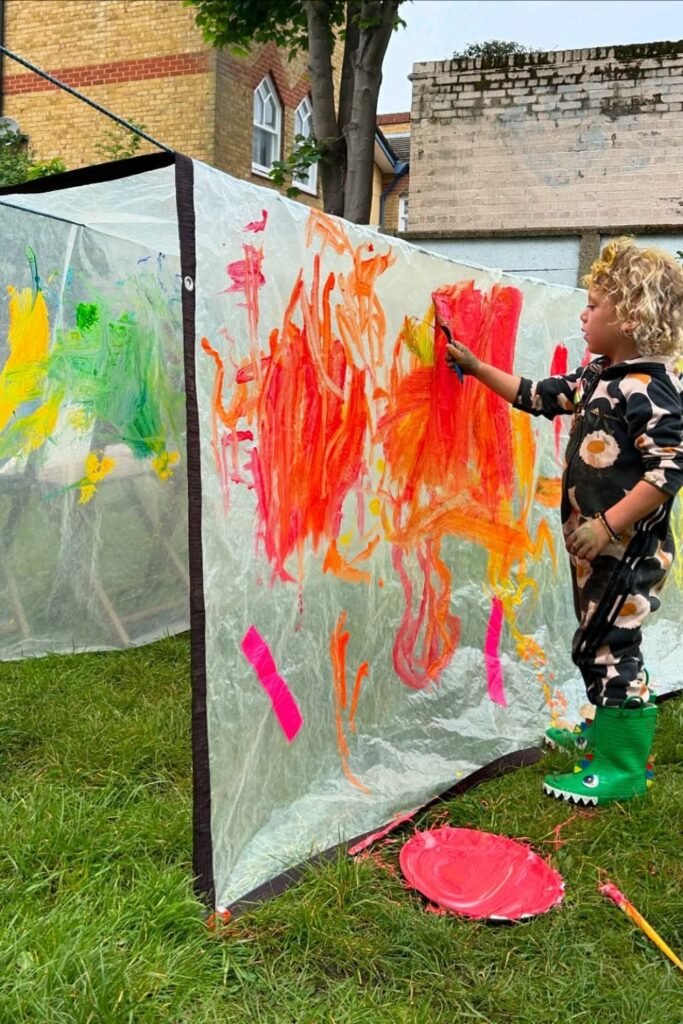
Messy Painting
Big movements matter more than neat results here. Painting on a clear sheet or plastic wall lets arms stretch, colors mix, and creativity flow without worrying about spills.
Suspend a shower curtain or some plastic wrap between two chairs or a frame. Brushes, sponges or just fingers will do the trick.
This arrangement is perfect for those days when kids crave creative expression, free from constant admonitions to be careful.
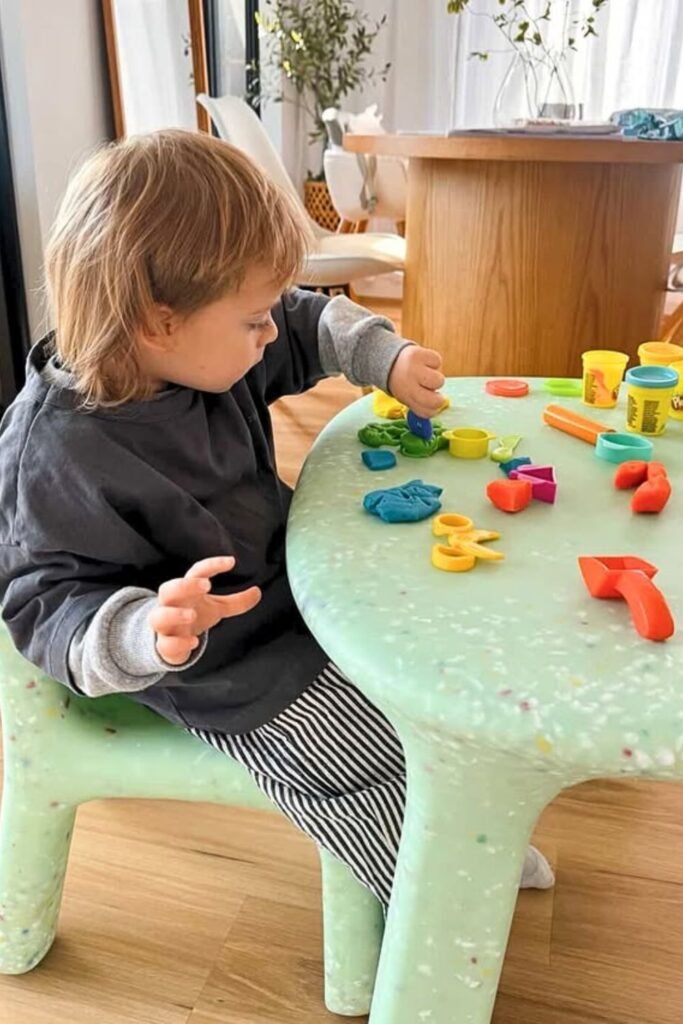
Dough Play
Rolling, pinching, and pressing dough keeps small hands busy while the brain slows down.
Soft clay at a small table is a lifesaver during those long indoor stretches when attention spans start to wane.
Cookie cutters, lids or even just simple tools provide a sense of direction without needing any guidance.
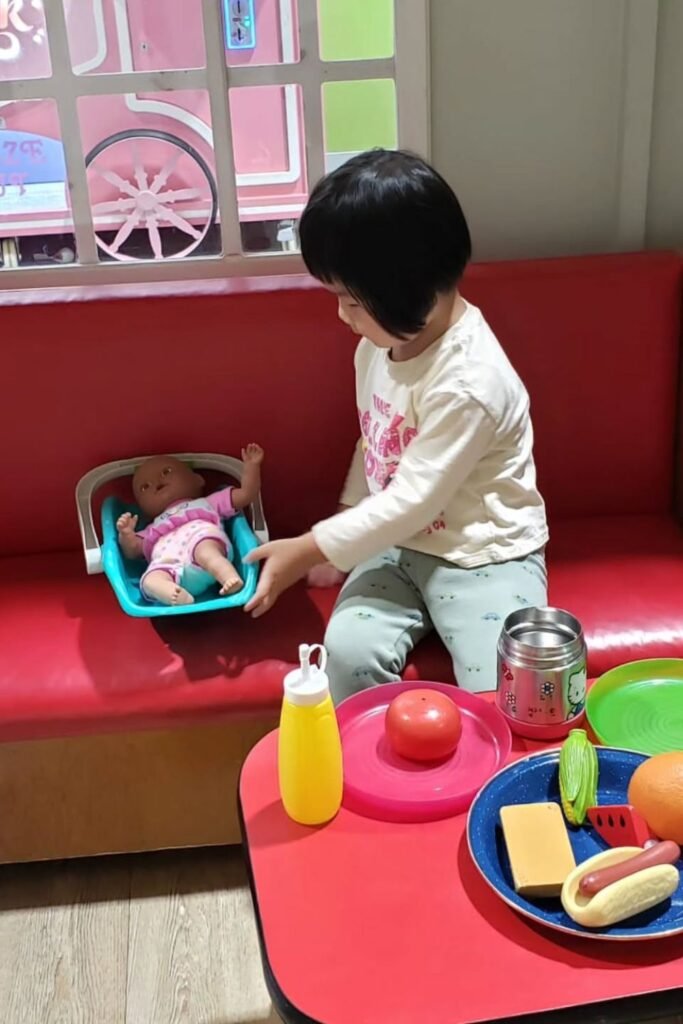
Pretend Cafe
Serving food to toys turns everyday play into long, focused storytelling. Plates, pretend food, bottles and a doll are enough to get kids talking, planning.
And the familiar patterns they observe. Arrange things on a low table or in a cozy spot, ensuring everything is easily accessible.
It’s most effective during those calm indoor periods when children crave autonomy, interaction and play that feels sophisticated all without the distraction of screens.
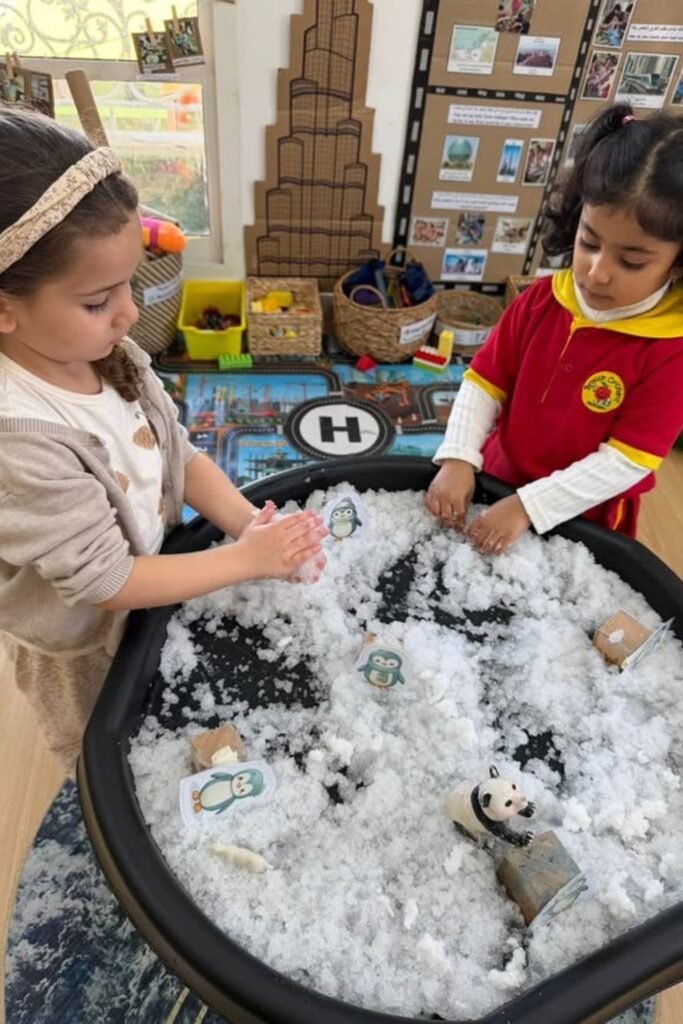
Snow Sensory
Cold textures instantly grab attention and slow busy hands down. Fake snow or crushed ice in a large bin lets kids dig, scoop, hide toys.
Invent little stories without needing any prompts. Lay out some towels and use simple instruments cups or spoons will do.
This is a great option when the weather keeps kids indoors, but they still crave a seasonal, hands-on activity.
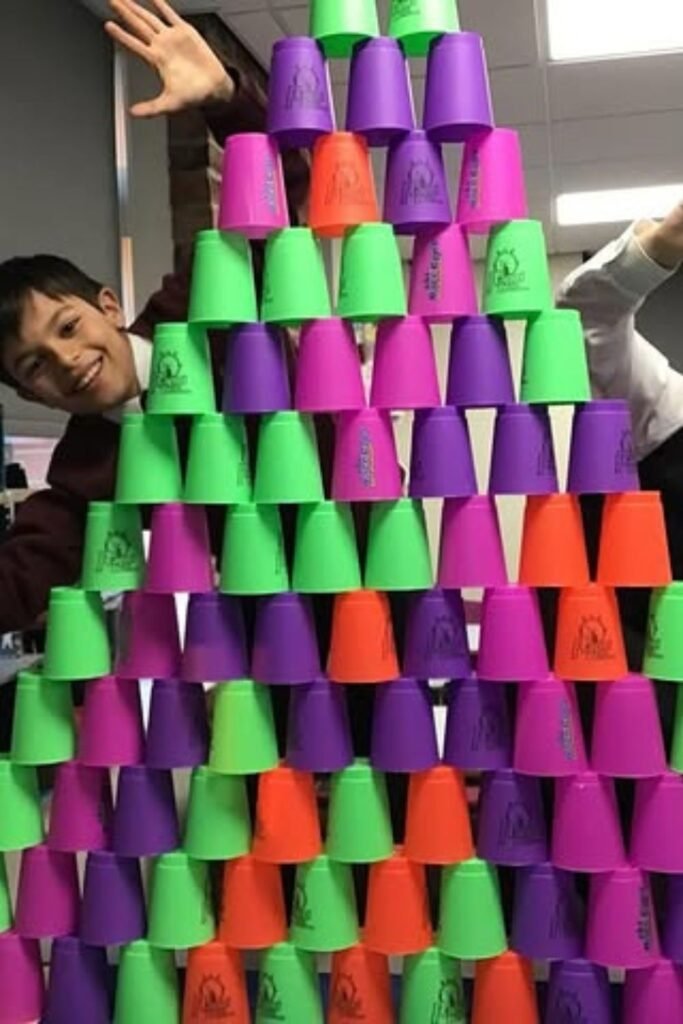
Cup Towers
Stacking cups into tall shapes pulls kids into quiet focus faster than most toys. Bright plastic cups invite planning, balance, and teamwork.
Especially when the prospect of building something taller seems like a worthy endeavor.
Set this up on the floor or a solid table some where that won’t be a disaster zone if a tower topples.
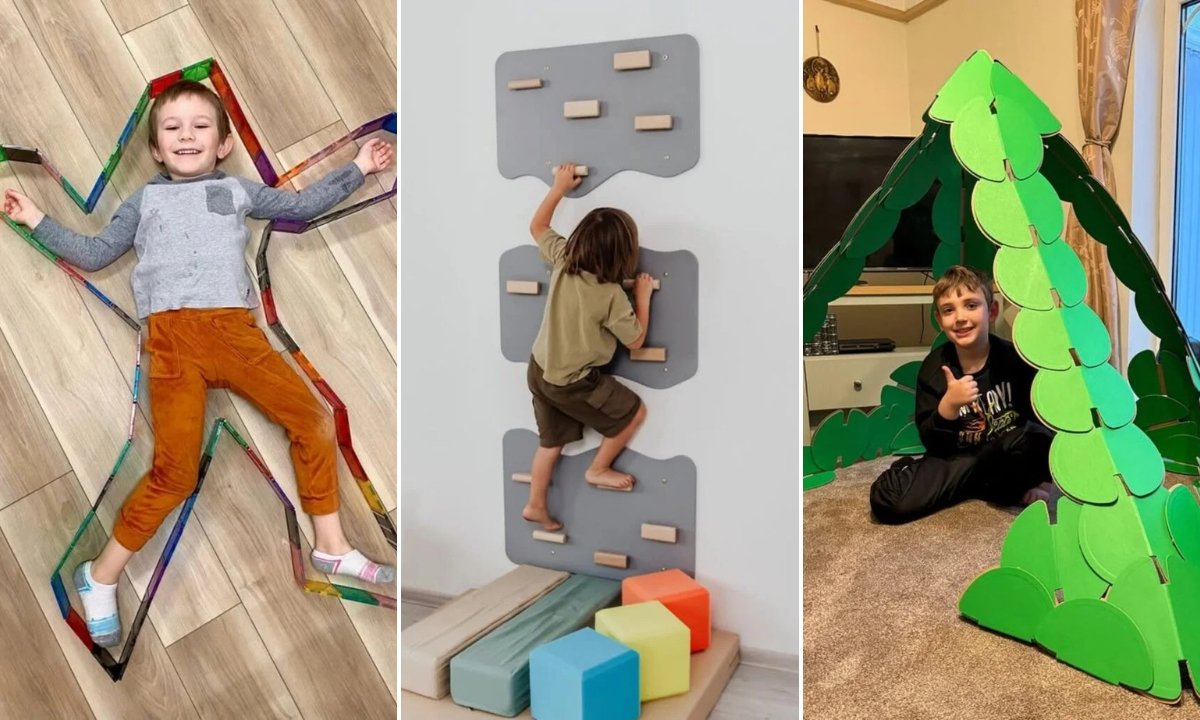
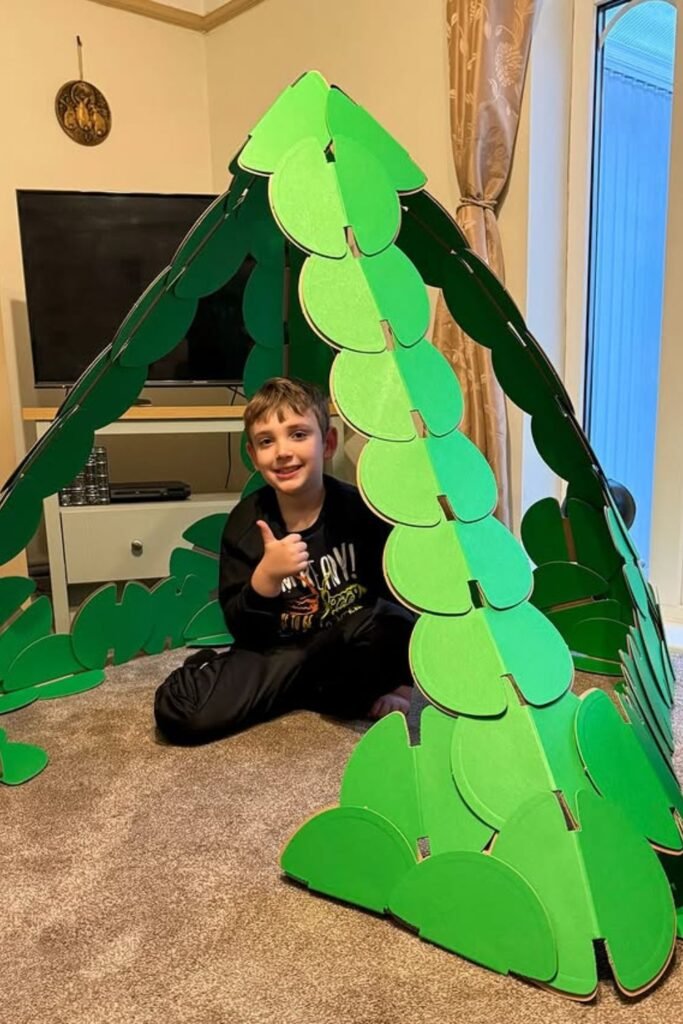
Build Hideout
Creating a space kids can sit inside instantly changes how long they stay engaged. Large cardboard pieces.
Interlocking panels are perfect for constructing tents, caverns, or even hidden chambers within your living space. Find a spot where furniture can stay put.
Once the framework is up, the real fun begins, transforming quiet moments into storytelling, imaginative play and peaceful, screen free independent activities.
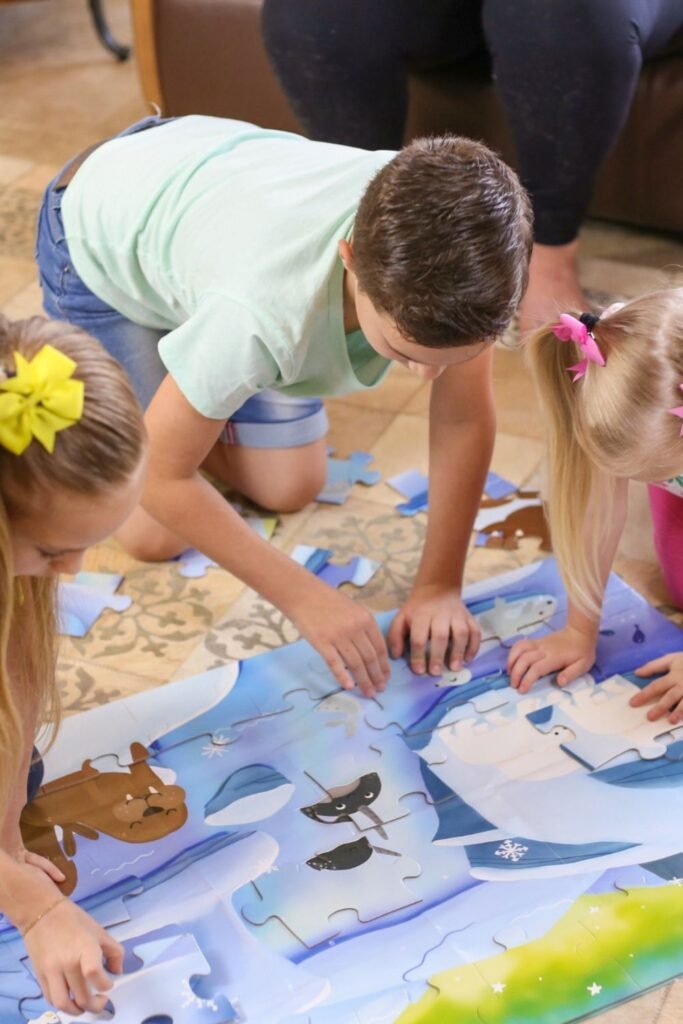
Puzzle Time
Scattered pieces on the floor naturally pull kids together and slow the room down. Big floor puzzles work best.
Because everyone can reach, search, and help without crowding. Create a little clearing, turn the cards over and let the children take charge.
Matching shapes and images keeps them occupied, fosters patience and subtly promotes collaboration on those long, indoor days.
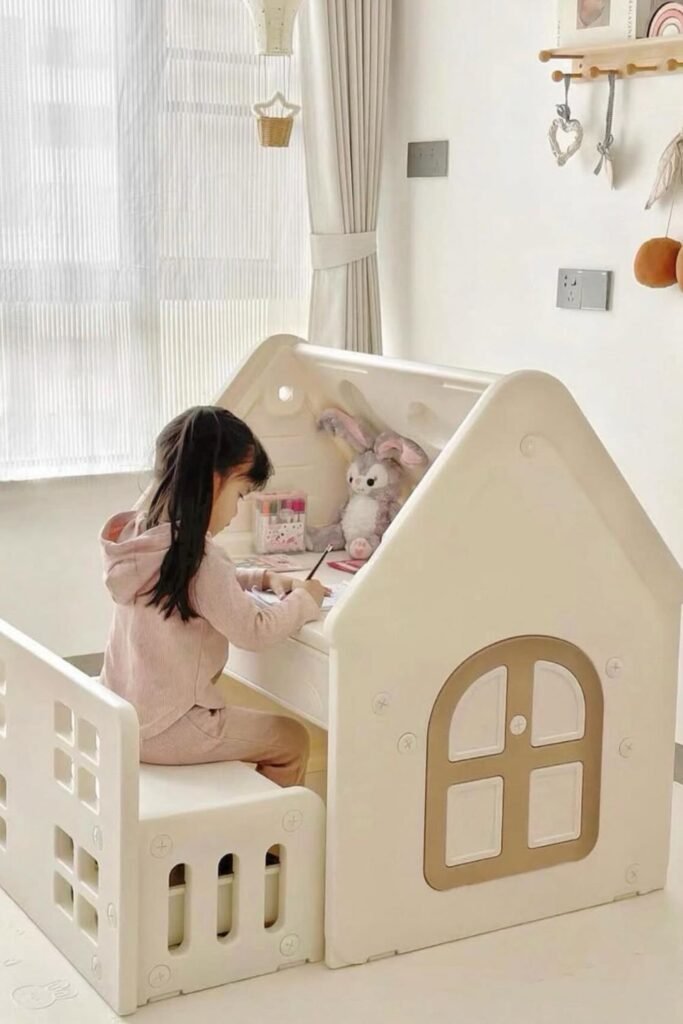
Cozy Desk
A small, enclosed desk gives kids a reason to slow down and focus without reminders. Writing, drawing, or coloring feels special.
When it unfolds in a room that feels like theirs, its magic. Position this near a window to let in natural light and keep the supplies minimal to keep things straightforward.
This arrangement shines when youngsters crave some quiet, yet still need a purposeful activity.
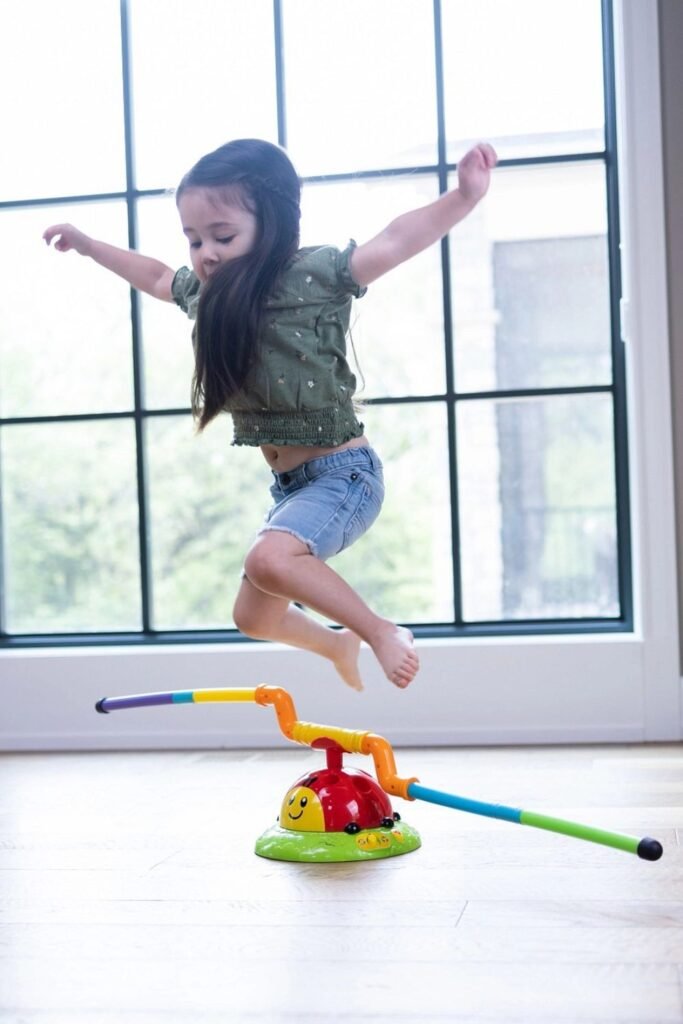
Jump Spinner
Spinning arms instantly turn jumping into a challenge kids want to beat. Timing the jump just right keeps bodies moving and minds alert without feeling chaotic.
Set this up on a clear, open space so everyone can move about without bumping into anything.
It’s particularly useful when kids need to get some exercise before they can settle down and concentrate.
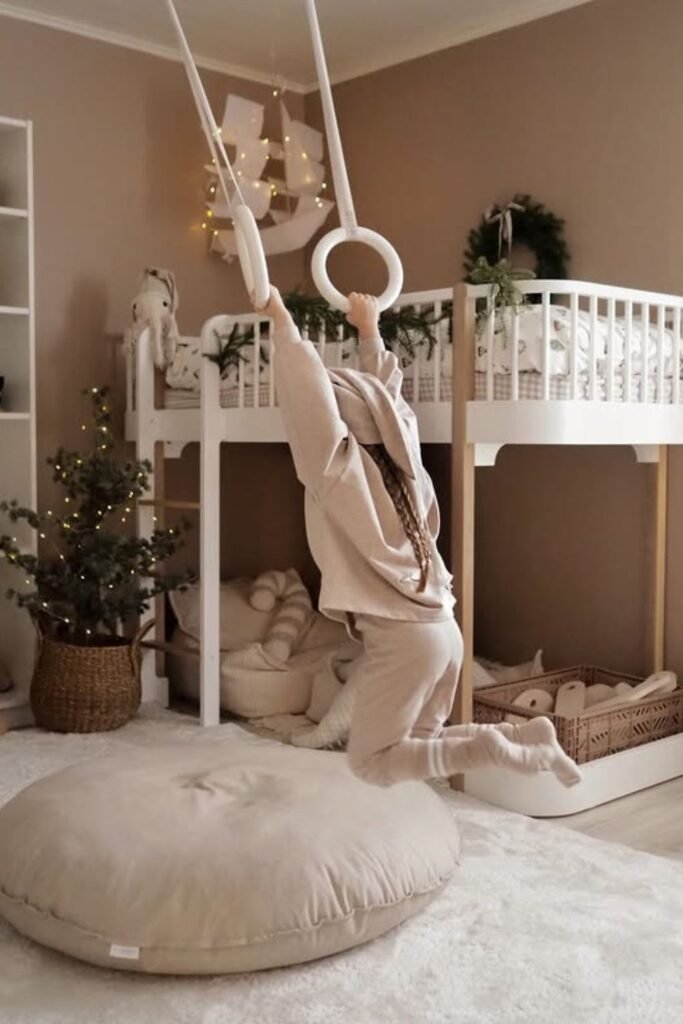
Ring Swings
Hanging rings invite full-body movement without turning the room into chaos. Gripping, lifting and swinging build strength while kids focus on staying balanced.
Mount rings from a solid beam or doorway bar and be sure to put a thick cushion below to soften any falls. Short intense sessions are the way to go.
A few minutes of swinging will sometimes burn off enough energy to make the remainder of the day indoors feel more manageable.
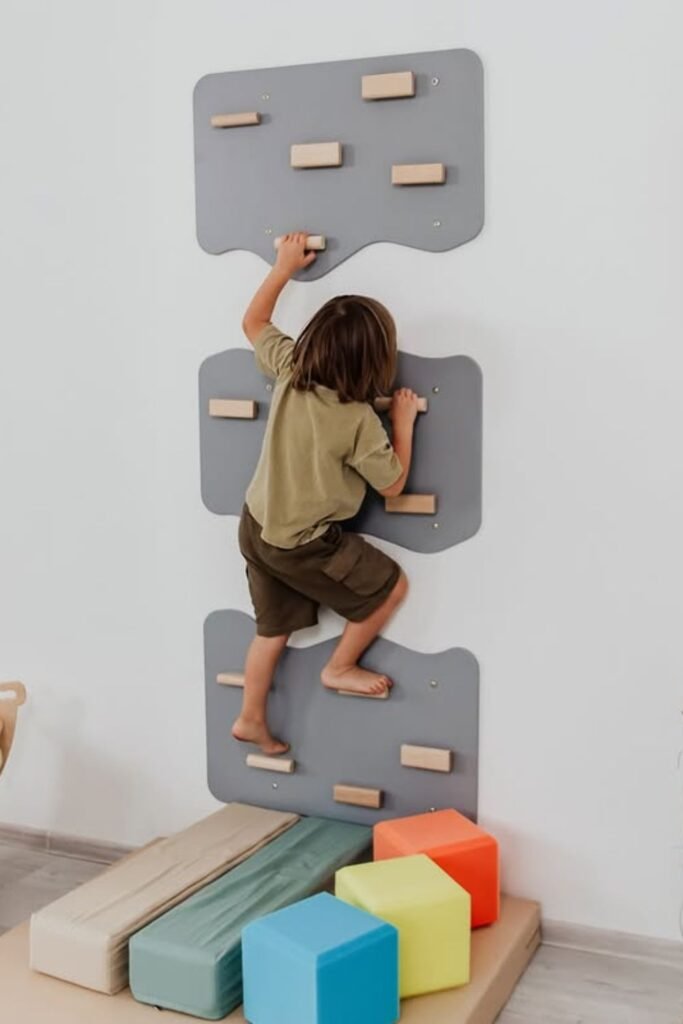
Wall Climb
Vertical movement gives kids a challenge that feels exciting but controlled. Gripping and stepping up a wall panel.
Keeps the full body engaged while focus remains fixed. Use soft mats or foam blocks to ensure climbing is safe and can be done again.
This arrangement is ideal for smaller spaces where running is not option and yet children still want opportunities to stretch balance and builds the strength beforecalm down.
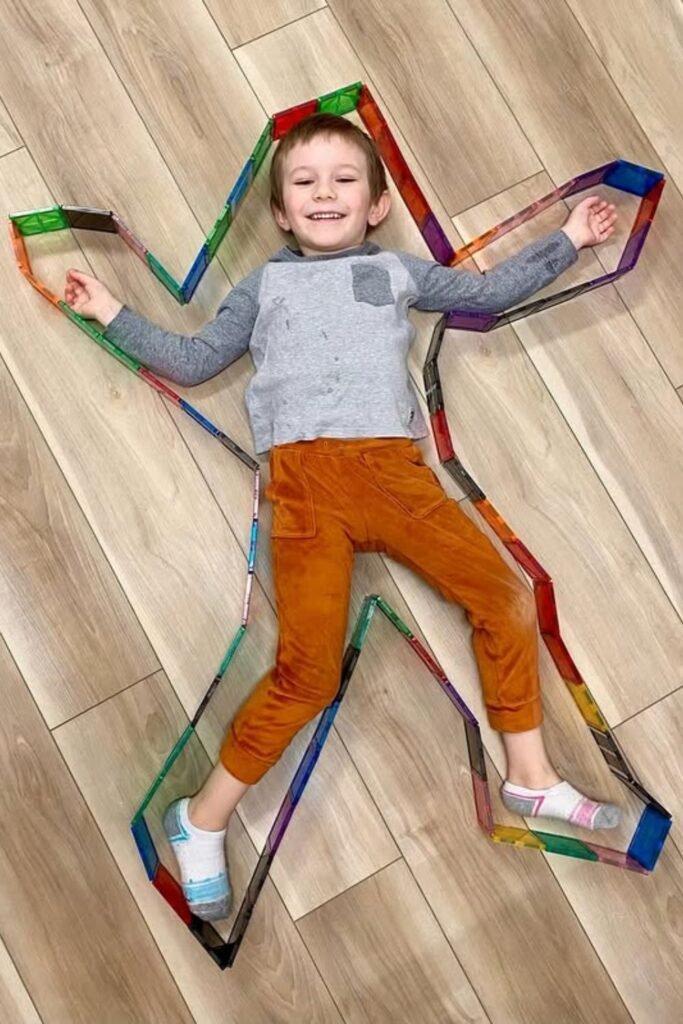
Body Shapes
Bodies become the blueprint here not toys or screens. Laying down and outlining arms or legs and poses with magnetic tiles or tape turns movement into a creative puzzle.
Floor space is all that’s needed and kids naturally adjust positions to make shapes work.
This fit perfectly into calm the indoor moment and where imagination and body awareness come together with out noise or mess.
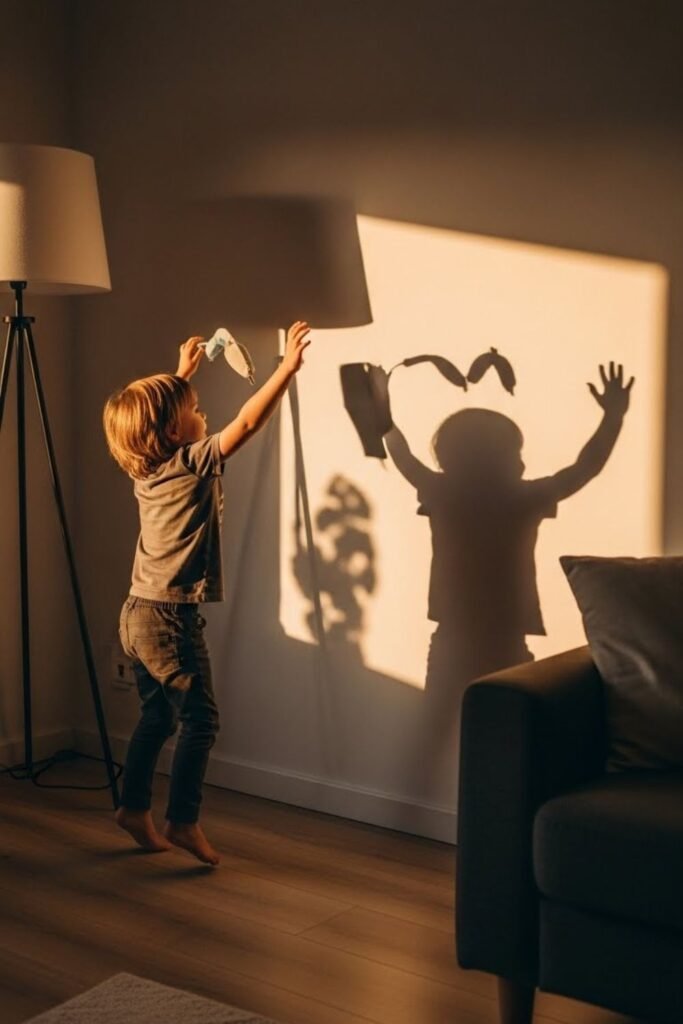
Shadow Trails
Shadows instantly turn empty walls into something worth chasing. A lamp or flashlight aimed at the wall lets kids move arms, jump, and stretch just to see shapes change.
Evenings, or rooms with dim lighting, are ideal for this activity. The game involves adjusting your distance, a dynamic element.
Its a way to keep everyone moving without making a sound which is particularly useful when children need to burn off energy.
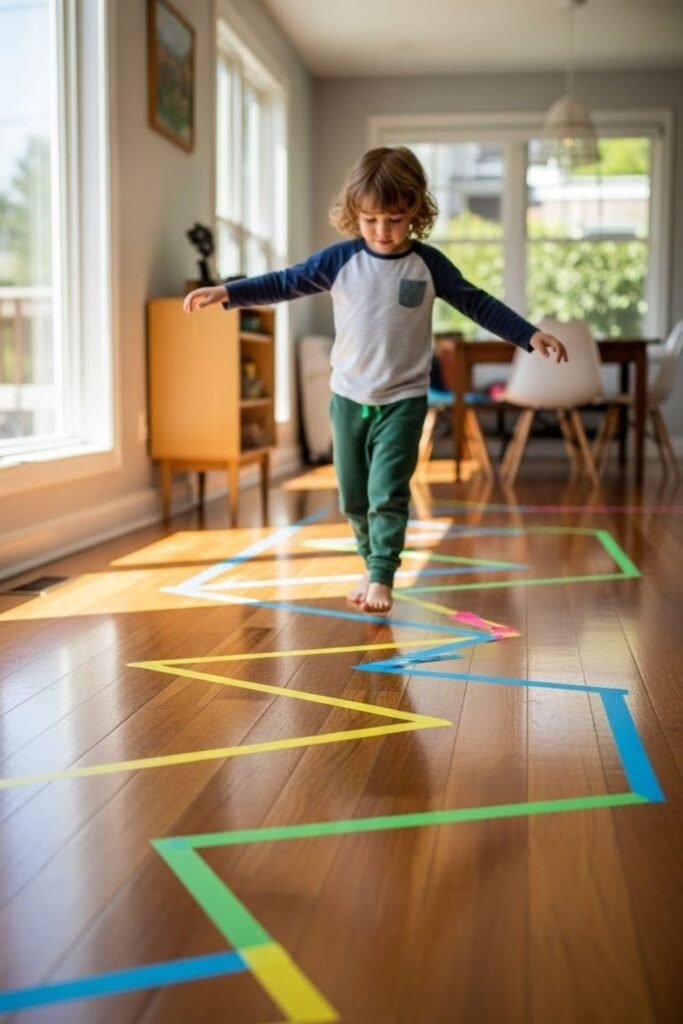
Tape Paths
Bright tape on the floor creates rules without saying a word. Lines can twist, zigzag, stop, or cross, giving kids a clear path to follow with feet, hands, or toy cars.
Hallways and open spaces are ideal for this. The act of balancing on lines inherently slows things down.
Altering the setup maintains engagement, and the quick cleaning makes it simple to do again and again.
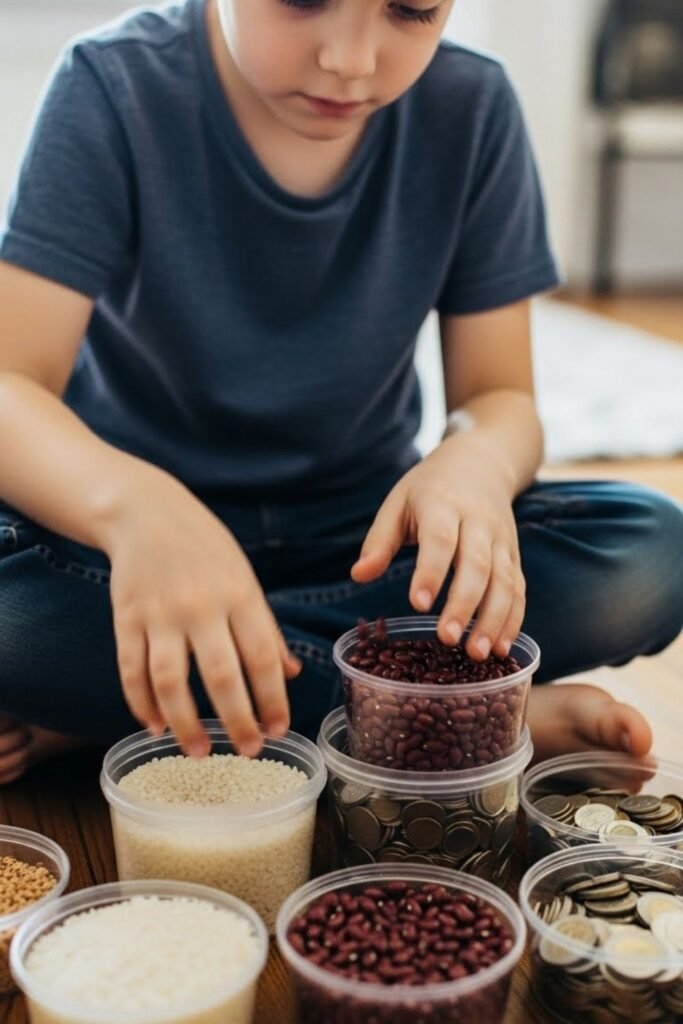
Sound Sorting
Listening becomes the challenge instead of watching. Small containers filled with rice, beans, coins or bells create different sounds kids can shake, compare, and group.
Quiet spaces allow children to concentrate on distinctions. Finding matching sounds requires both patience and focus even if they are not perfect still.
This method is particularly useful during quieter times allowing a way to participate that does not require technology or physical effort.
Story Moves
Movement sticks better when it follows a story. Calling out actions like crawl, jump tiptoe or spin as part of an imaginary adventure keeps kids active without chaos.
Living rooms and bedrooms offer enough space. Changing activities helps keep energy levels balanced.
This works especially well when children dislike exercise but enjoy imaginative play and converting simple move ments into something they want to keep doing.

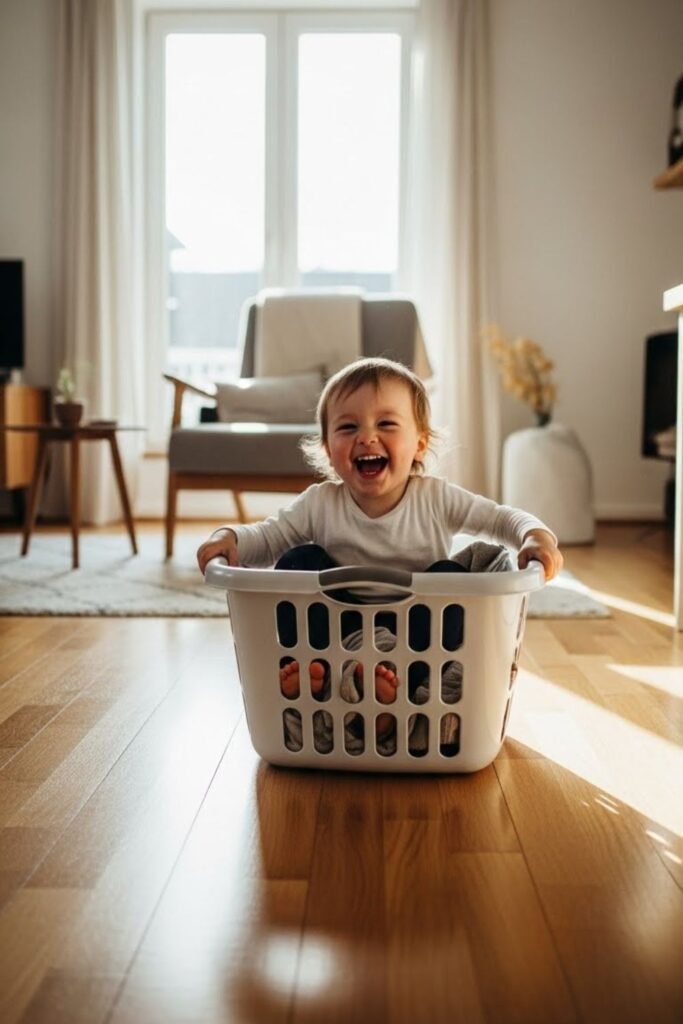
Basket Slides
Laundry baskets suddenly become vehicles when pushed gently across smooth floors. Sitting, pulling, or sliding short distances gives kids movement without needing speed.
Open spaces are most effective and monitoring is essential for safety. Incorporating stuffed animals or deliveries provides a sense of purpose.
This approach allows for the release of energy in short spurts, making it excellent before quieter activities, when children need to move without causing too much disruption.
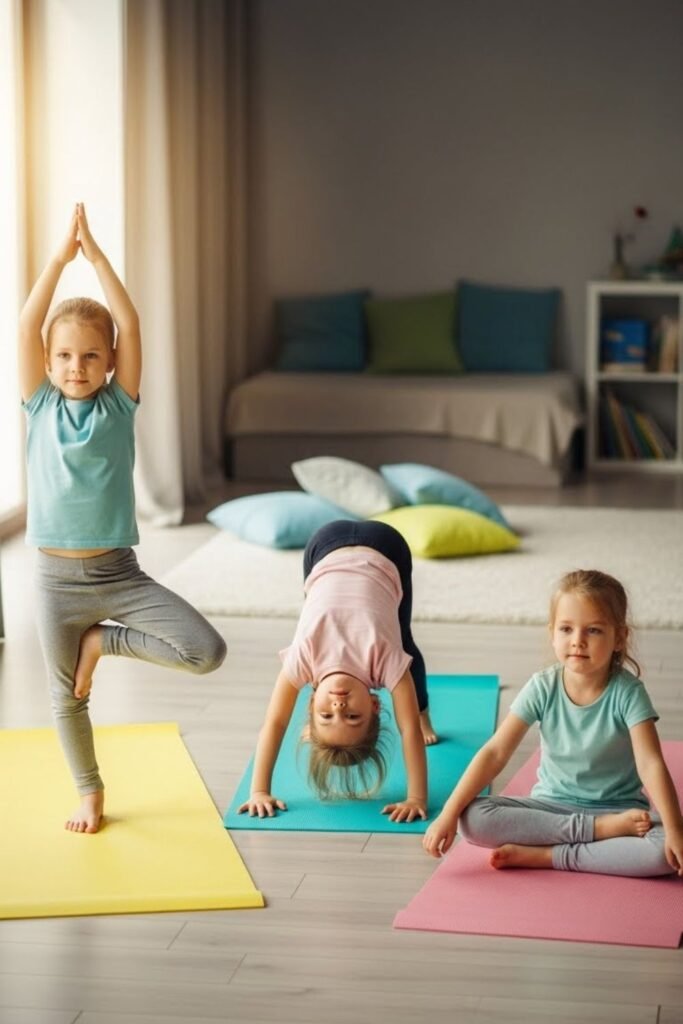
Color Yoga
Holding simple poses feels easier when colors lead the way. Calling out colors and matching them to mats, toys or tape spots encourages stretching without pressure.
Gentle motions offer children a chance to recalibrate. Adding soft lighting and music amplifies the effect, creating a more serene atmosphere.
This approach is particularly effective following vigorous play facilitating a smoother shift into quieter activities, all while keeping kids engaged indoors.
FAQs
Can indoor activities really replace outdoor play for kids?
Indoor play isn’t a complete substitute for the great outdoors, though it can serve a similar purpose when outside time is off the table.
When children have opportunities to move, climb, pretend, and concentrate indoors, their bodies and minds remain engaged.
The trick is to blend active play with quieter activities, allowing energy to be expended rather than pent up.
How do I keep kids interested in indoor activities without constant supervision?
Kids stay interested longer when they have a sense of agency. Create straightforward activities with defined limits and then give them space.
When children can explore, construct or imagine without constant intervention, their focus remains.
Swapping out materials, rather than constantly introducing new ones, also keeps things interesting without requiring much extra work.

Hi, I’m Afaf! I’m a law student who loves writing about everyday life – from home projects and crafts to fashion, beauty, and parenting tips.
I’ve been writing for over a year, sharing ideas that are simple, practical, and easy to try. I write about things I find interesting and useful, whether that’s organizing a space, trying a new DIY, or finding activities to keep kids entertained.
My goal is to share helpful ideas without making things complicated. If it works in real life, I’ll write about it.
When I’m not studying or writing, I’m usually experimenting with new projects or scrolling for inspiration!