
25 Garden Activities For Kids 2026
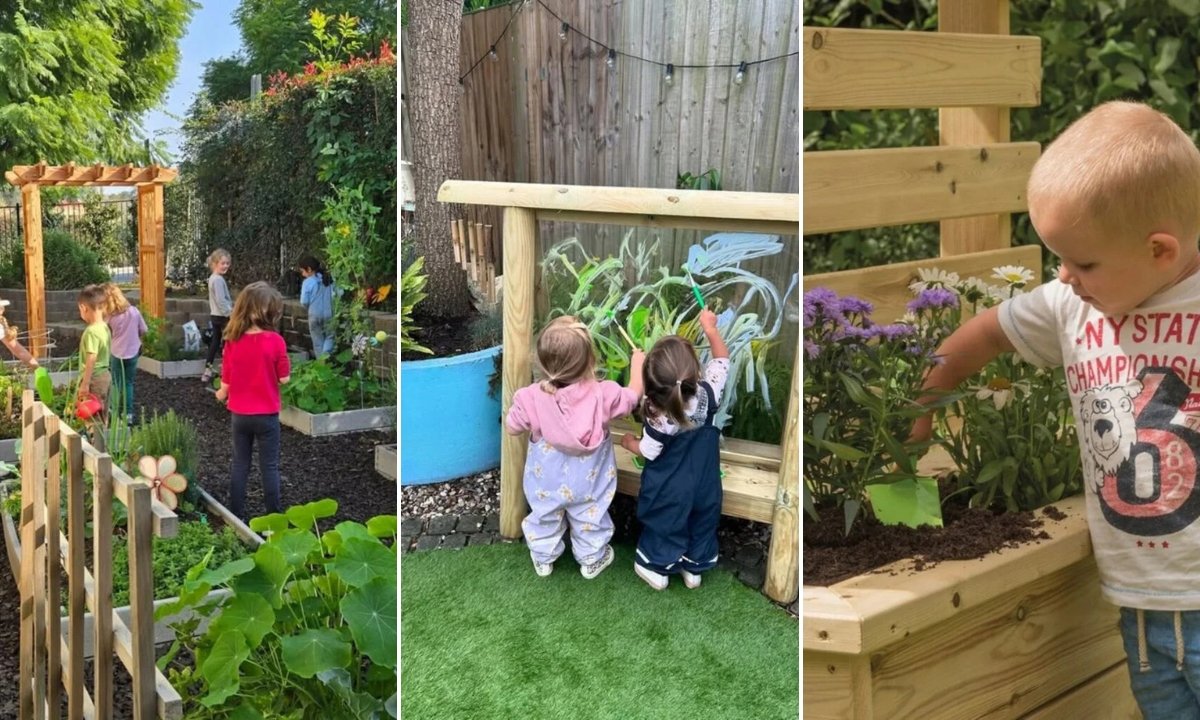
Most afternoons at my house were the same: snacks on the kitchen, kids addicted to devices, and me telling them to “go play outside,” knowing they’d be back in five minutes.
I didn’t require a flawless yard. I needed something that would really get them outside and keep their interest.
That’s when I stopped seeing our yard as a place to play and started seeing it as a place to learn.
You can make a space for your kids to study that doesn’t feel like school, and it’s easier than you think.
In this guide, you’ll find 25 garden activities ideas for kids designed for safe and practical home play in 2026.
Let’s jump in!
How Do You Turn a Backyard into a Fun Learning Garden for Kids?
You don’t need a vast yard, expensive tools, or a lot of money to accomplish landscaping. All you need is a plan.
If you want your kids to really explore, ask questions, and get their hands dirty in the backyard, you need to make it their own.
Let them plant, water, and see something grow in a little area. Include easy tasks like measuring how tall plants are or finding bugs.
Kids stay fascinated when they feel like they own something. Make the area interactive, and people will learn on their own.
Save this article for later!👇👇👇

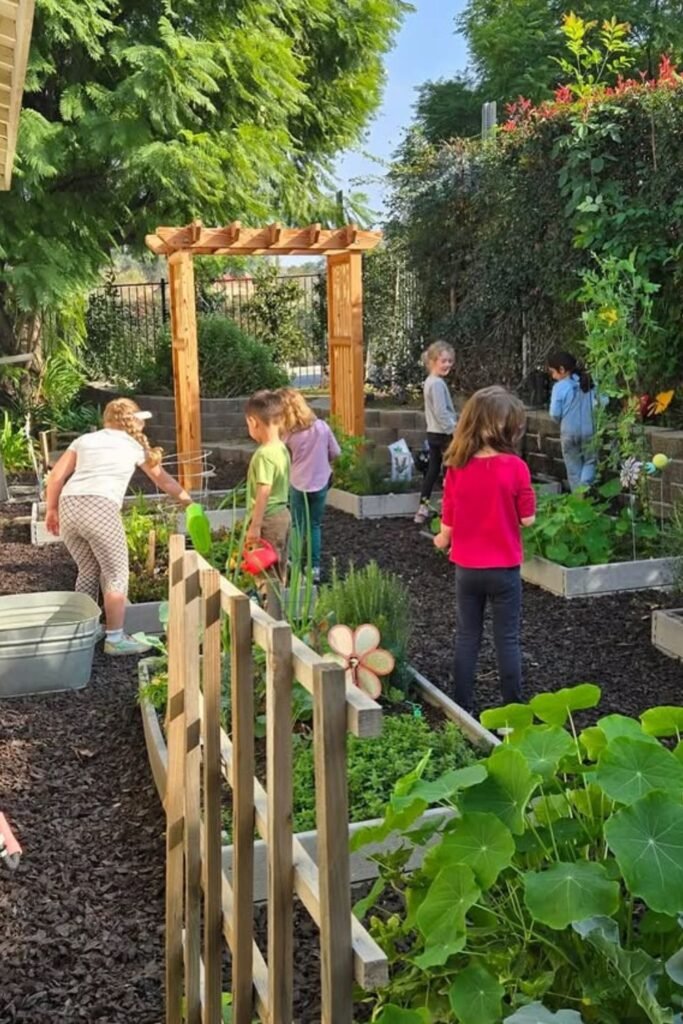
Raised Beds
Give kids a space that feels like it belongs to them, not part of your landscaping plan. A small raised bed.
Instantly creates that feeling. The height makes it easy for kids to dig, plant, and check on their flowers.
Without stepping on anything. Put it around the edge of a fence or patio so it feels safe and clear.
Put soft dirt in it and plant hardy flowers or herbs that thrive swiftly. Let your youngster help you dig up dirt, plant plants, and water them.
People are more interested when they own something, and they’ll keep coming back to see it flourish.
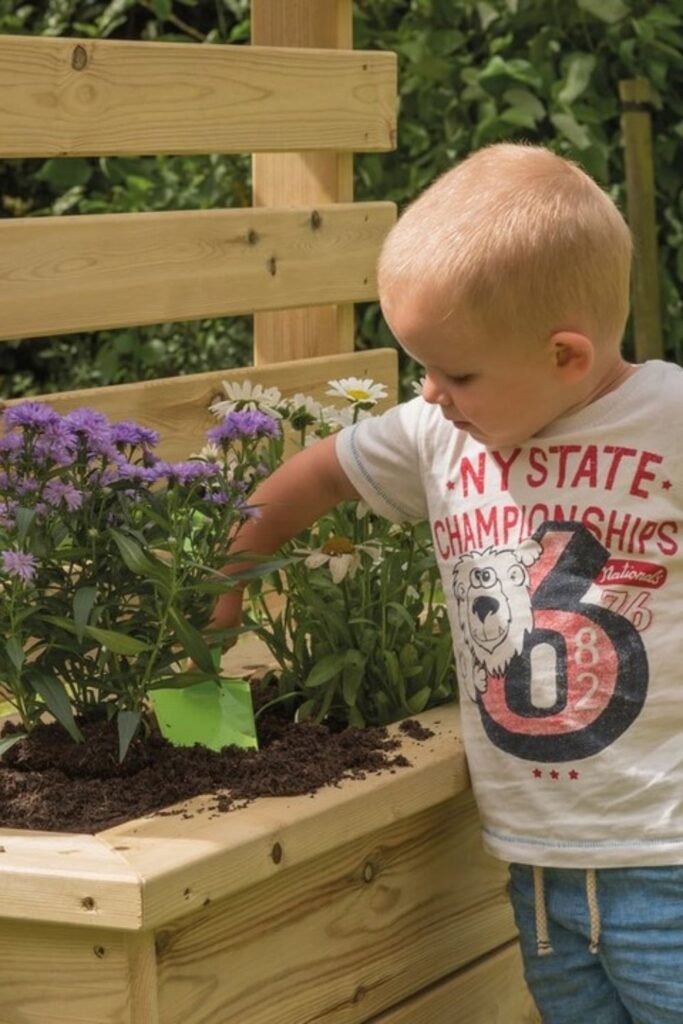
Outdoor Easel
Paint doesn’t have to stay inside. Mount a clear panel or old plexiglass sheet in a simple wooden frame.
And make it a wall of art in the garden. Instead of guessing from memory, kids can go outdoors and paint.
What they see, including flowers, leaves, and clouds. Place it beside plants or along a fence so that nature is the background.
Small hands do best with washable paints and big brushes. A hose makes it easier to clean up.
Art becomes a way to develop observation, and all of a sudden they see shapes, colors, and details they typically miss.

Garden Stations
Energy feels different when every child has a job. Break the backyard into small zones watering corner, planting bed, harvesting patch, and even a compost spot.
You can easily assign tasks without crowding when you have separate elevated beds. One child feeds the plants.
Another looks for ripe vegetables, and another picks weeds. Give them simple tools like little buckets and watering cans so they can do things on their own.
The layout is important here; clear paths and defined borders help keep things moving smoothly.
Gardening ceases feeling like a chore and starts feeling like teamwork once the kids switch stations.
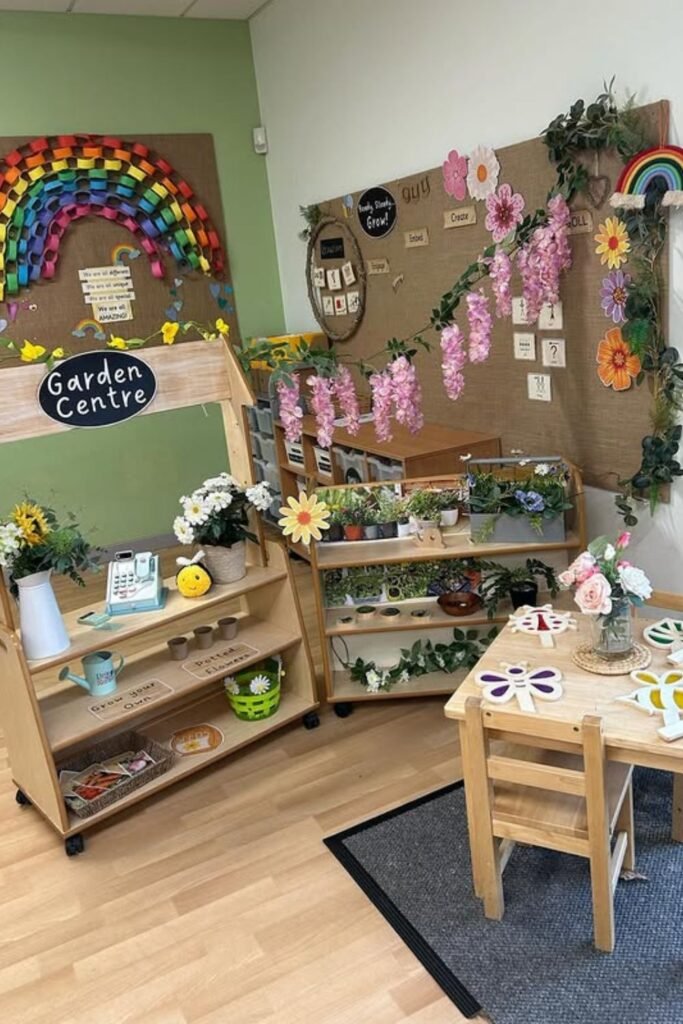
Garden Center
Pretend play turns simple plant care into something kids take seriously. Set up a small “garden shop” corner with pots.
A little checkout area, seed packets and fake money. Put genuine soil containers or dried herbs in the scene to make it look real, not faked.
This works nicely indoors, especially in the winter, but you can also put it near your backyard beds so you can easily switch between playing and planting.
Let kids “buy” seedlings, put labels on pots, and put tools in order. Role-playing helps you learn new words, be responsible.
And feel more sure of yourself. Instead of telling them to garden, they prefer to do it themselves.
Mud Kitchen
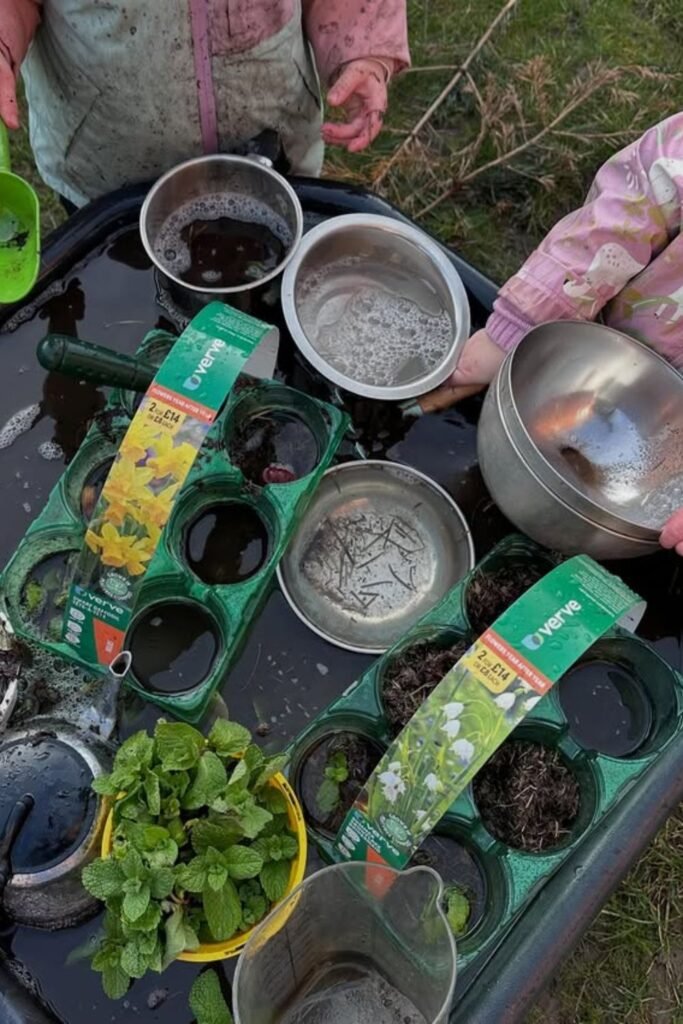
Messy hands usually mean real learning is happening. Set up a simple mud station using a low table or large plastic tub.
Next, add water, dishes, scoops, and old measuring cups. Put it close to your garden beds so youngsters may mix dirt, leaves, petals.
And water to make their own “recipes.” You can use seed trays and unused pots to plant things right in the play area.
Leave it outside where spills don’t matter. This kind of sensory play helps kids learn how to use their hands and get interested in different materials.
Let kids mix, pour, and try new things, and you’ll watch their creativity come out without any screens.
Nature Sorting
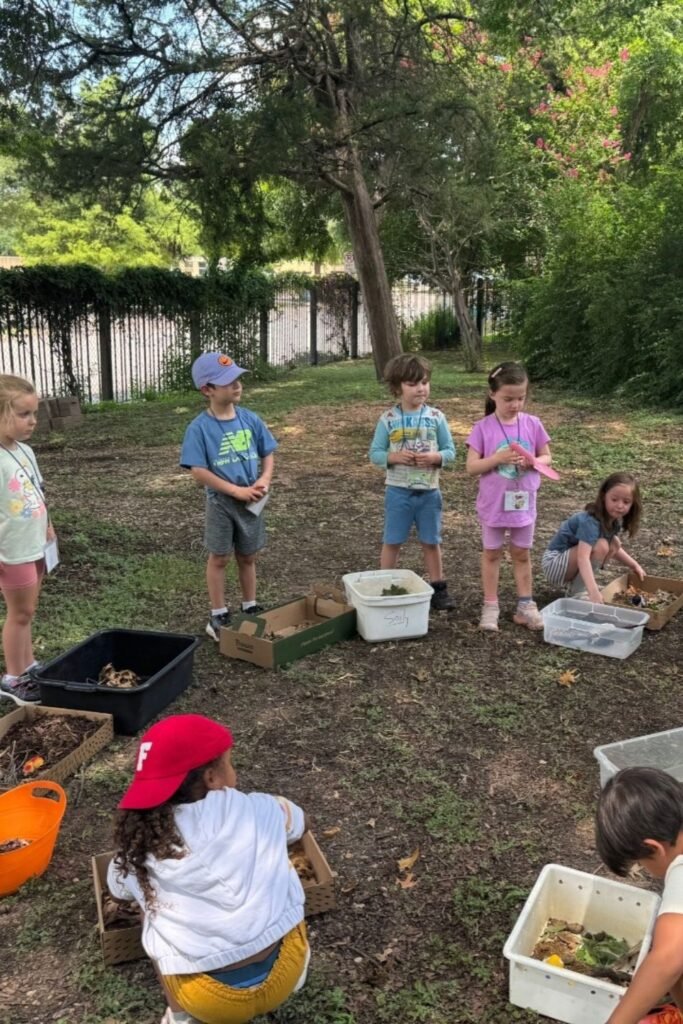
Curiosity grows fast when kids can touch what they’re learning about. Gather leaves, sticks, rocks, pinecones, and soil samples.
Then, put out shallow buckets or trays in a shady part of your yard or park. Instead than telling children where to put things.
Ask them simple questions: Which one feels rough? What is dry? Which one originated from a tree? It doesn’t feel like a science lesson when you sort things.
Works great for group play, outdoor activities, or even an afternoon in the backyard with your siblings. If you wish to keep going, you can add labels later.
The first round should be hands-on and open-ended. That’s where genuine observation abilities start.
Sensory Garden
Energy shifts the moment kids walk into a space designed for exploring, not just looking. Create a small zone filled with textures soft turf, wood chips, loose soil.
and a wide, shallow tub for digging. Put genuine tools, flower pots, and some strong plants that kids can water without anxiety in the box.
Put it near your main garden so it feels like it’s part of it, but yet safe for kids to play in. To keep things interesting, switch out the materials every now and then.
For example, use pinecones one week and sand or herbs the next. The space makes people curious.
Instead of giving them rules, so hands keep occupied, senses stay engaged, and time spent outside is longer.

Mini Greenhouse
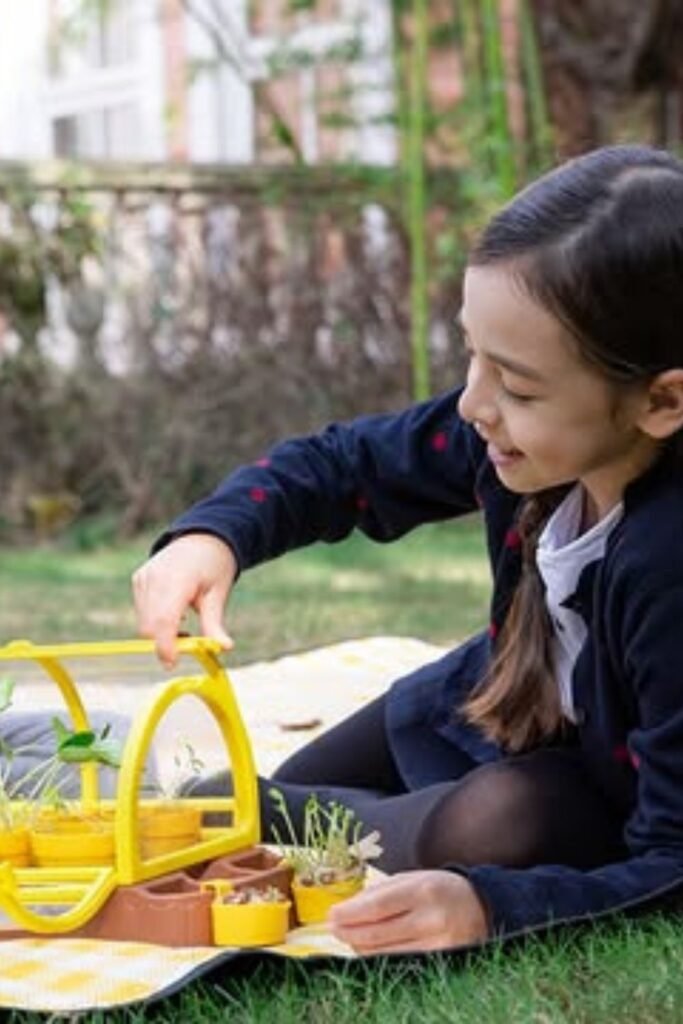
Watching seeds sprout changes everything. A small tabletop greenhouse makes that moment visible and exciting.
Set one up on the grass, patio, or even a picnic blanket so the kids can sit close and check on their development every day.
The clear coverings help keep the heat in while allowing people see the little shoots push through the dirt.
Pick seeds that develop quickly, like cress or beans, to keep interest strong. Give them water carefully and keep track of their growth using basic measurements.
Put it somewhere they walk by a lot so that checking on the plants becomes a habit.
Chalk Wall
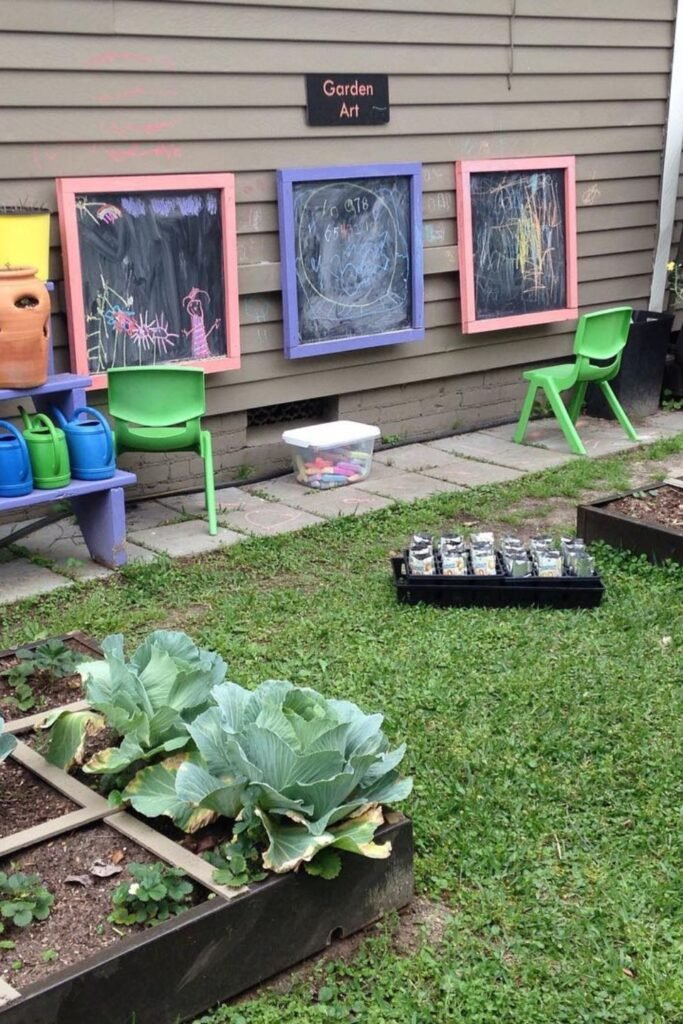
Blank walls waste opportunity. Mount a few framed chalkboards along a fence or exterior wall and turn that space into an outdoor thinking zone.
Put it close to your garden beds so kids may draw what they planted, keep track of how it grows, or draw bugs they find.
Keep a tiny bin of chalk close by and let your thoughts run freely. Works best in small backyards.
Where you want to do things up and down instead of making the ground more cluttered. Put in some stools so that kids may sit and watch comfortably.
They may slow down, observe details, and connect art with nature in a basic, daily way by drawing what they see.
Nature Table
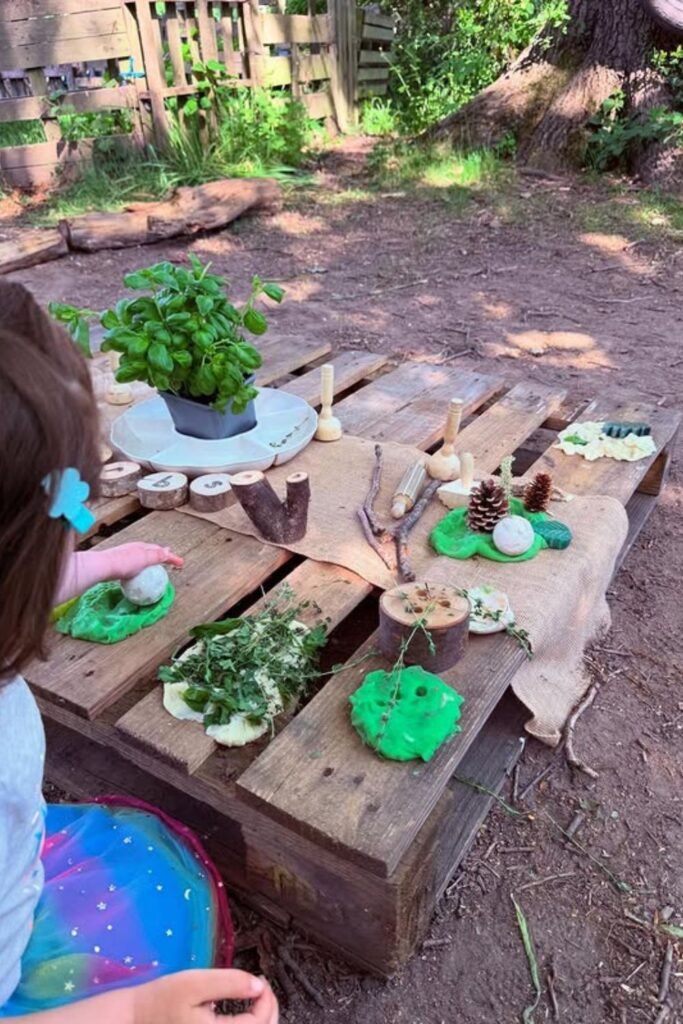
Kids don’t just need space to run they need space to create. Set up a low outdoor table using pallets or sturdy wood planks.
And make it a place for loose pieces. Put in clay or play dough, then put leaves, herbs, pinecones, sticks.
And small stones close by. Instead of telling them what to do, ask them to make patterns, press leaf prints.
Make little sceneries in the yard. Works great in a shady spot or under a tree where they can relax.
The layout changes with the seasons because natural materials do. When the tools come from the yard, creativity gets stronger.
Water Play
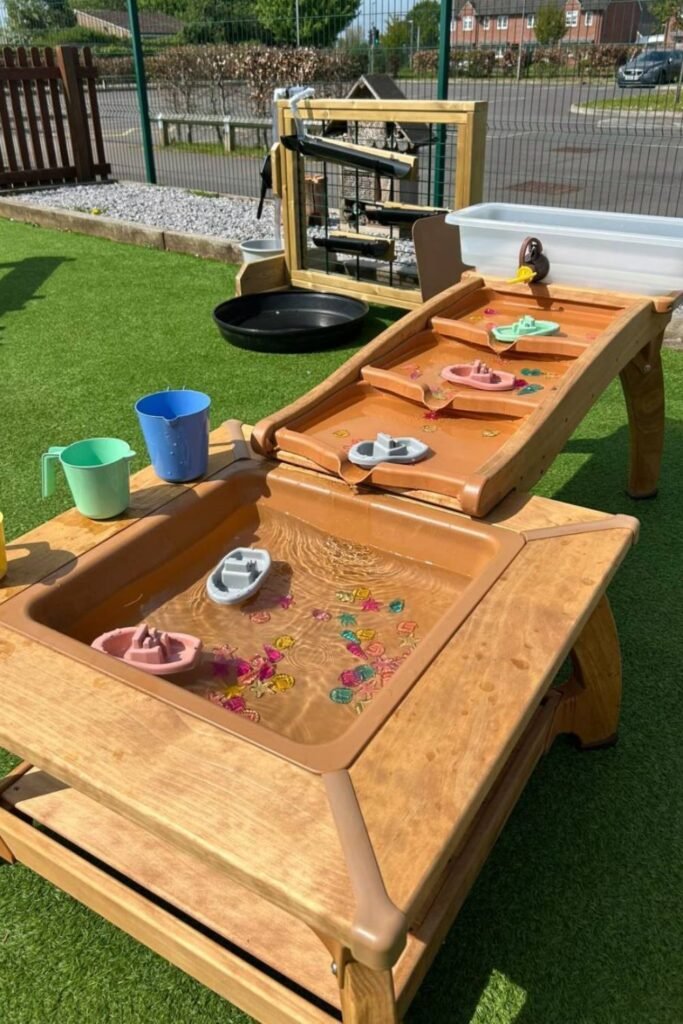
Flowing water keeps kids focused longer than almost anything else. Set up a simple water table with channels, tubs.
Add little boats, then let them try pouring, obstructing, and changing the flow of the water. Put it on grass or turf so that splashing don’t matter.
Add measuring cups or miniature pitchers to sneak in arithmetic without calling it that. Warm days are wonderful.
But even cooler afternoons may be a science lesson about how things move and how gravity works.
To keep people’s interest up, change the configuration every so often by adding stones, leaves, or floating toys.
Paint Ramps
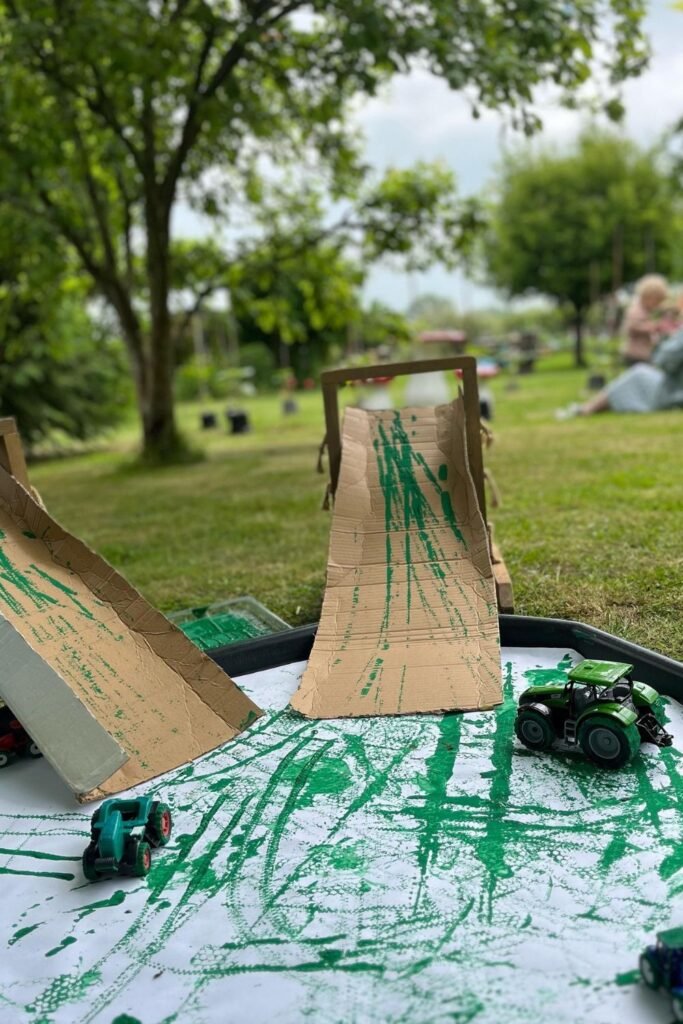
Gravity turns into a lesson the second wheels start rolling. Prop up a few cardboard ramps over a large tray or sheet of paper, add washable paint.
And let toy trucks drive their way down. Position it on the lawn where splashes won’t stress you out.
Dip the wheels lightly in paint and watch the tracks form as they race down. Change the height of the ramps to show.
How speed affects the patterns. Works especially well for kids who love vehicles but resist traditional art time.
Painting becomes movement, science, and creativity all at once, without anyone feeling like they’re “doing a craft.”
Bug Hunt
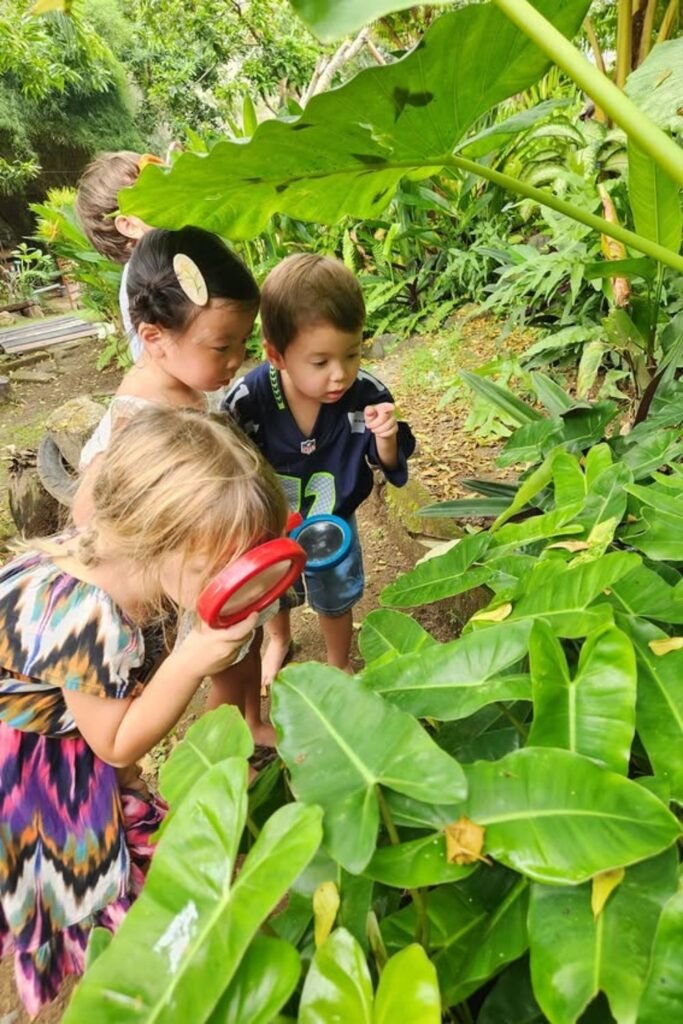
Adventure starts the moment you hand them a magnifying glass. Walk through leafy areas, lift low branches and check under big leaves for tiny movement.
Pick areas that are naturally shady and tell kids to look carefully and not grab. When they see ants transporting food or beetles lurking in the ground.
Their curiosity develops quickly. Don’t go into too much detail right immediately; just keep it simple.
Ask them what they see, how many legs they count, or where the bug might be going. Short excursions like this help you learn to be patient and pay attention.
When they learn the garden is full of life, being outside suddenly feels like a treasure hunt.
Garden Jobs
Responsibility sticks when it feels real. Hand kids a watering can, a small rake or a pair of gloves and assign simple weekly tasks.
One kid watered another looks for weeds, and a third loosens the dirt. Pick raised beds so kids can get to everything without stepping on plants.
Keep your tools light and close by so you don’t feel like you’re working when you start. Plants don’t respond right away.
So doing regular garden work teaches you to be patient. They start to recognize which leaves are dry and which spots require attention as time goes on.
As the vegetables develop, so does their pride, and helping outside becomes a regular part of their lives instead of something they do once.
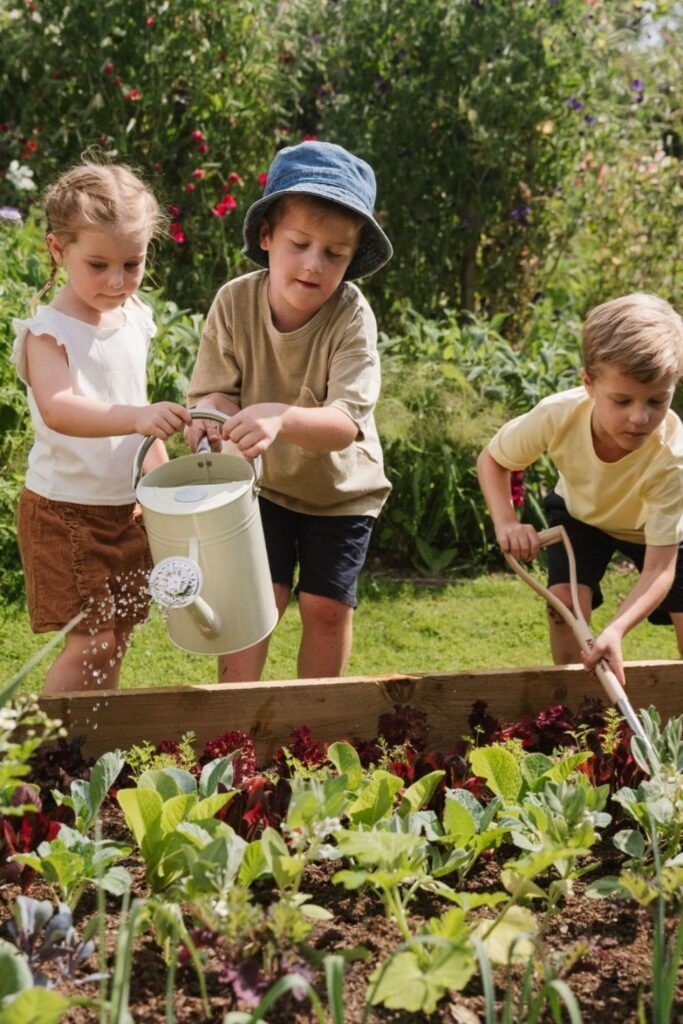
Tire Stack
Old tires can become the most exciting corner of your yard. Stack a few securely to create a climbing and balancing challenge.
That helps you get stronger and better at coordinating. For safety, put them on mulch or soft ground.
And let the kids figure out how to climb, lean, or peek over the top. To make it a discovery game, put little garden tools or hidden objects within.
This kind of physical play works best around garden beds, where movement and nature are close together.
Gross motor skills grow on their own, and being outside seems energetic instead of structured. Sometimes the simplest things make the largest adventures.
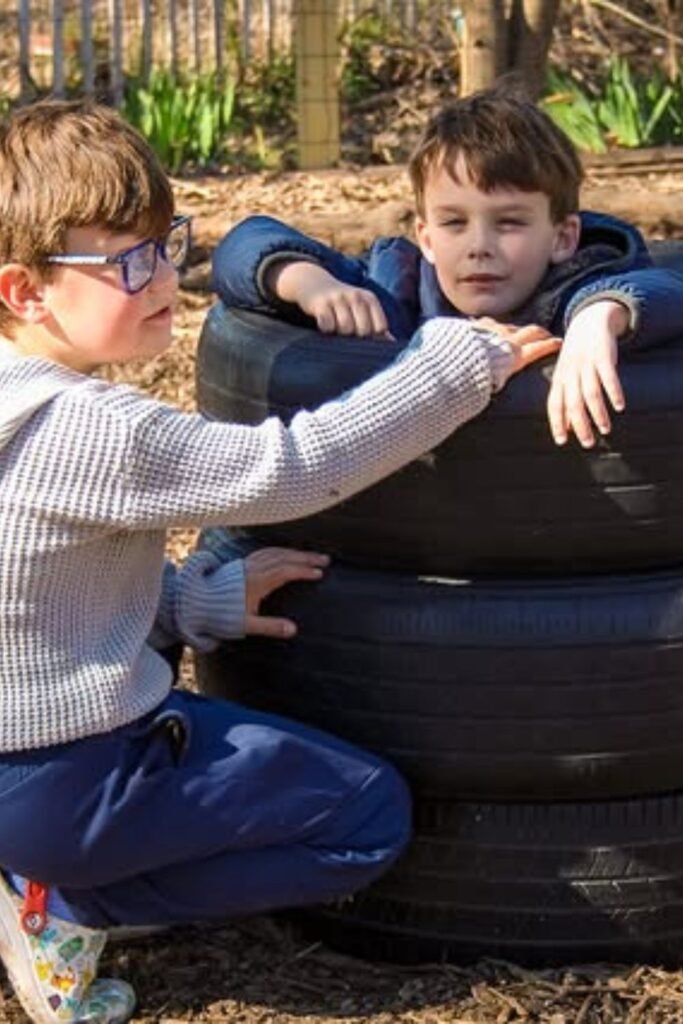
Flower Harvest
Handing a child a small basket changes how they see the garden. Suddenly blooms are not just pretty they are some thing they can gather and use.
Pick strong flowers that can tolerate careful picking and then show them how to cut stems instead of tugging them.
The greatest time is early evening, when the air is cooler and the petals appear new. You can use flowers you collect to make simple table decorations.
Pressed art, or gifts for your neighbors. When you harvest, you learn how to be careful and when to do it. If you pick too early or too roughly, the plant will suffer.
When done with care, it teaches youngsters to appreciate growth and shows them that taking care of a garden can lead to something lovely that they can hold.
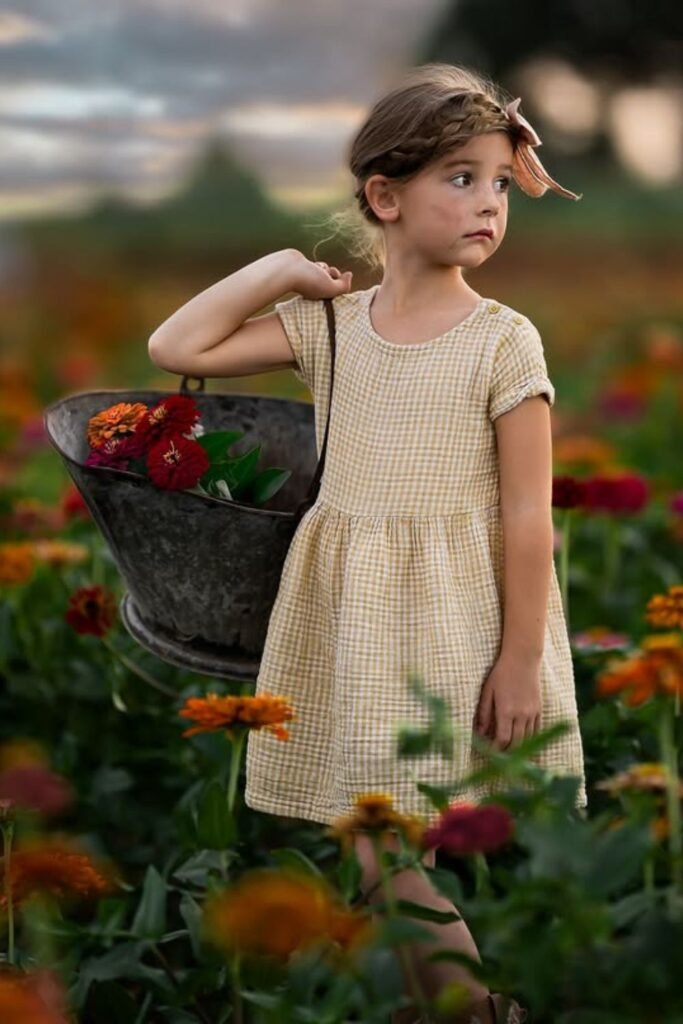
Garden Trails
Movement changes the mood of any garden. Create a simple walking path using gravel, stepping stones.
Or mulch and let it wind through flowers and gardens that are higher up. Put in a little arch, trellis, or shaded corner so that there is a “destination” at the end.
Ask kids to run from one place to another, follow a color theme, or look for certain flora along the way.
Paths are great for big yards where there isn’t a lot of room. Clear directions keep the energy going without hurting the plants.
A garden path provides kids a reason to investigate every nook and makes strolling around more meaningful.
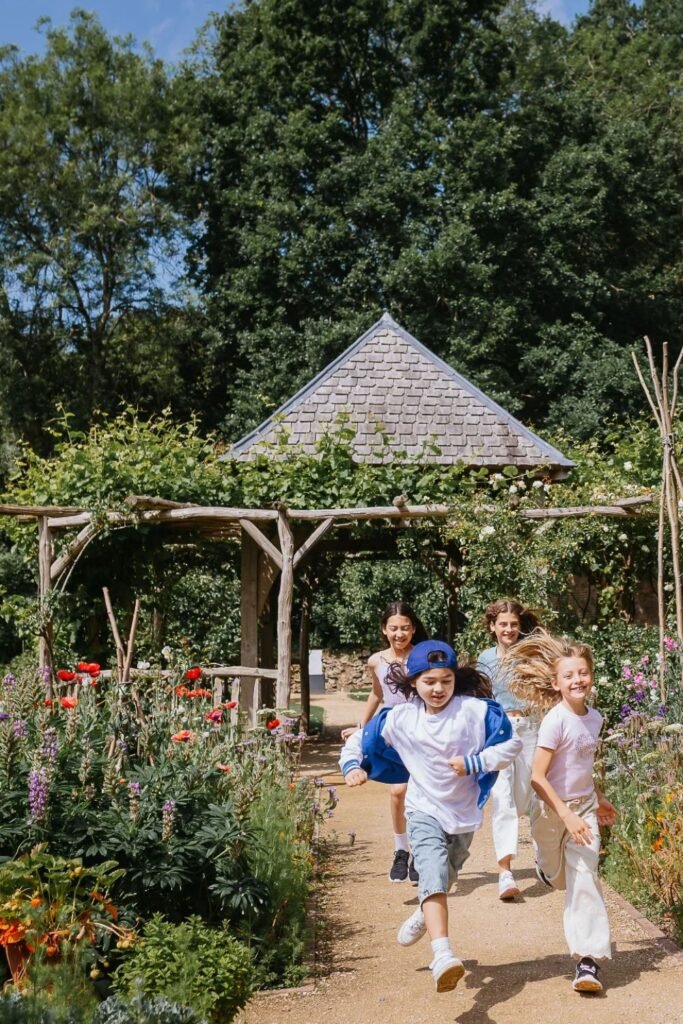
Group Planting
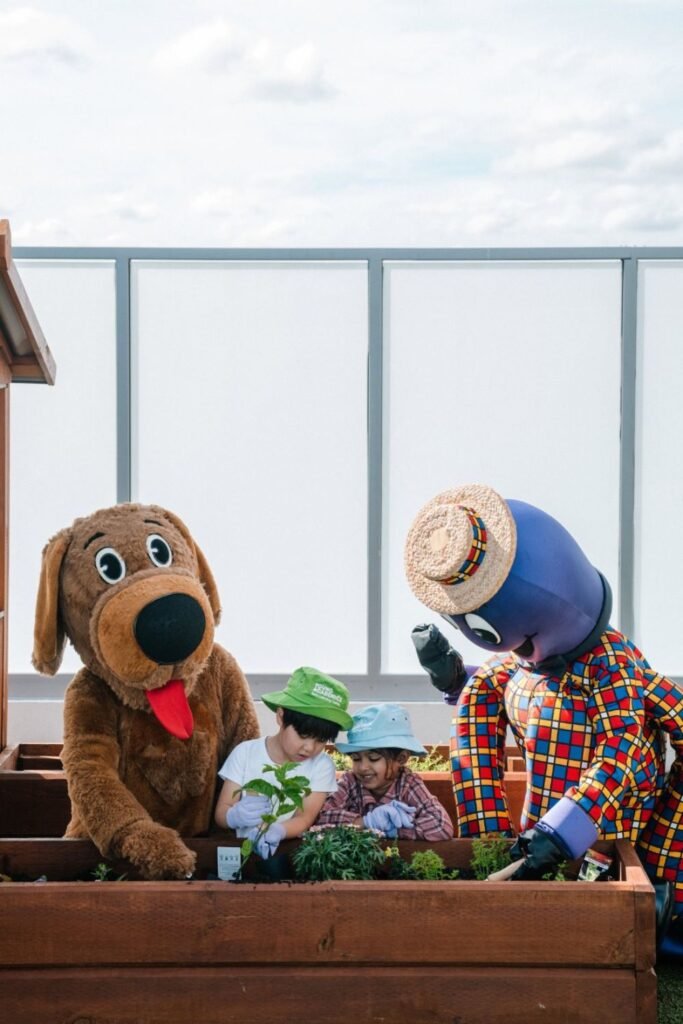
Excitement spreads faster when gardening becomes a shared moment. Gather a few kids around one raised bed.
And let each kid plant something else. One person presses seedlings into the ground, another adds compost, and a third person waters them gently.
Working together increases confidence, especially for kids who are afraid to try new things on their own.
This concept works well in community gardens, schools, or even informal gatherings in the backyard.
When kids plant together, they learn how to work together, and they leave feeling proud of both what they grew and what they built.
Harvest Day
Nothing builds pride faster than holding food you grew yourself. Plan a simple harvest moment where kids pull leafy greens, herbs.
Or little vegetables and bring them all inside. Pick vegetables that grow quickly and are easy to cut, like lettuce or kale.
Put together a little table where kids may wash and sort what they found. This works great in schools, homeschool groups.
Even when you’re getting ready for supper with your family. Seeing a garden blossom into food ties.
Hard work with getting something good. Gardening goes from being a hobby to a useful skill once they taste what they grew.

Scavenger Hunt
Give kids a simple mission and watch focus sharpen instantly. Hand out short lists with things to find smooth stone.
A golden blossom, a fallen leaf, and a short trail of insects let them go look around. As long as the space feels safe and open, parks, backyards.
And school grounds are all good places to go. Putting clipboards or papers behind their backs gives them a sense of purpose.
For younger kids, keep the list brief. For older kids, make it longer. Searching teaches you how to pay attention without making it feel like a lecture.
When they start to notice little things they usually miss, being outside becomes more of an adventure than just meandering about.

Leaf Printing
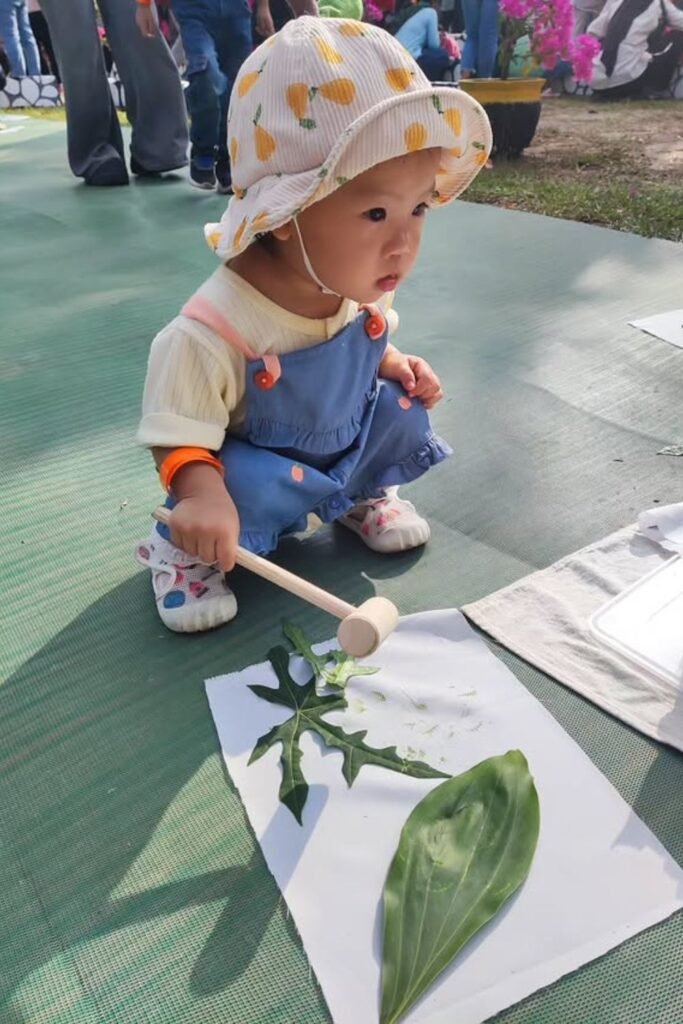
Toddlers don’t need complicated projects to learn. Spread a large sheet of paper on the ground, place fresh leaves on top.
And give them a tiny wooden spoon or mallet. Gentle tapping puts texture and shape right on the page.
For the greatest results, pick leaves that are thick and have prominent veins. Picnic blankets or outdoor mats make the area comfortable and easy to clean.
As they investigate, talk about the size, edges, and patterns. This kind of art helps kids become more aware of their senses and improve.
Their fine motor skills without making them feel like they have to “draw.” Every print is different, which makes the activity feel more like a discovery than a lesson.
Vegetable Picking
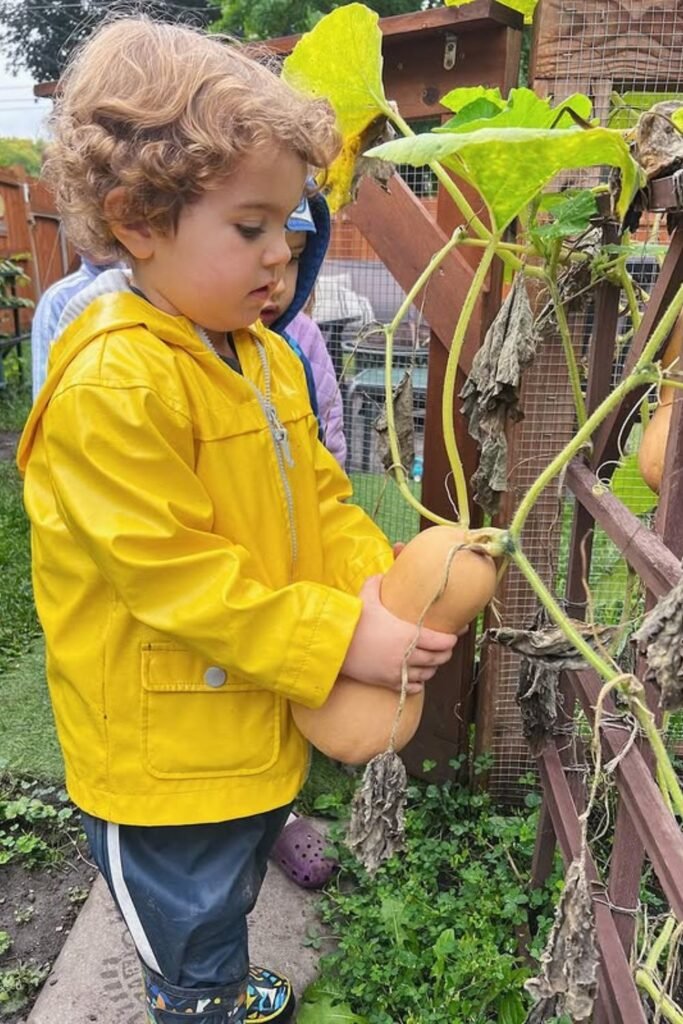
Pulling food straight from the vine changes how kids think about meals. Guide them to check color and size before picking.
Then show how to twist instead of pulling. It’s easy to see and handle crops like squash, beans, or tomatoes.
Let them see what’s ready and what needs more time. This kind of hands-on education is excellent for school plots or backyard gardening.
Harvesting teaches you to be patient, to know when to do things, and to respect progress.
When they bring their own vegetables inside dinner feels like something they worked for, not just something that shows up on a dish.
Mud Pit
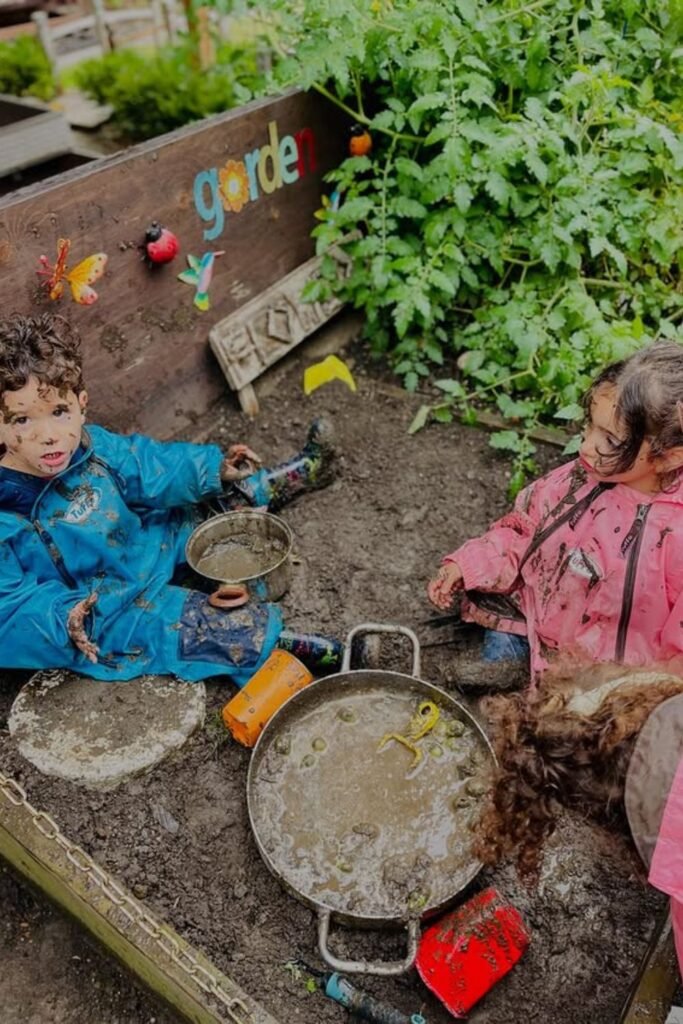
Shoes come off, sleeves roll up and suddenly learning gets real. Dedicate one raised bed or corner of the yard.
Is a full mud zone where you can dig. Put in old pots, spoons, buckets, and water so youngsters may mix, scoop, and pour without being admonished to stay clean.
Put it next to your main garden so that it feels like it’s part of it. This area is excellent when it rains.
Kids’ motor abilities and problem-solving skills get better when they play in mud because they have to figure out what to make.
If you let them do what they want here, you’ll witness their creativity flow quicker than the water they pour.
Nature Cooking
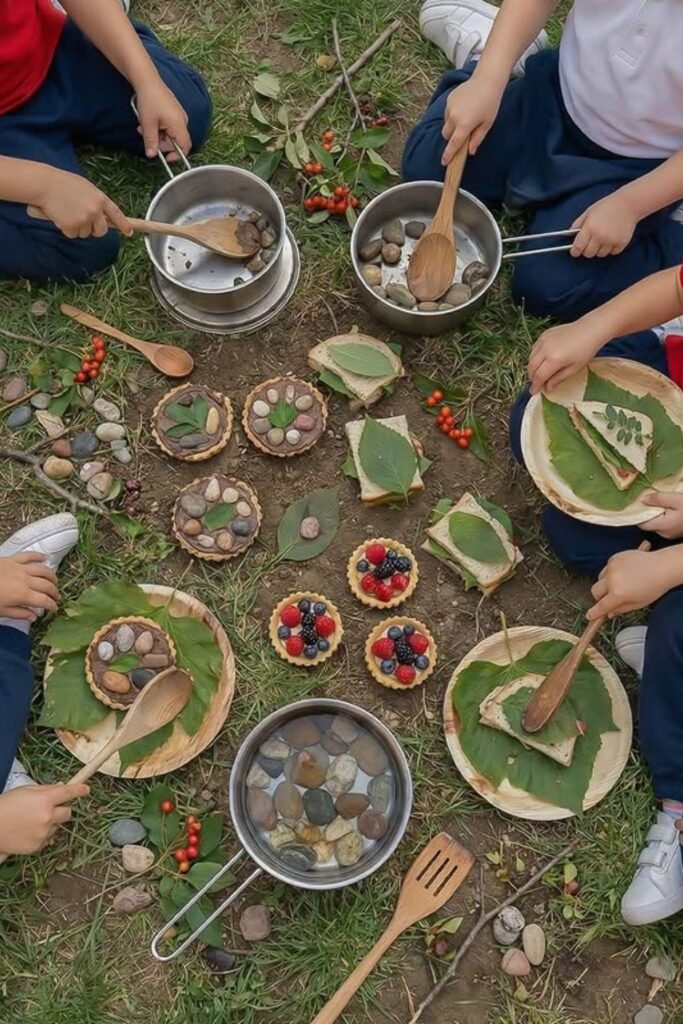
Imagination gets stronger when everyday objects become part of the play. Set up a simple outdoor “kitchen” on the grass.
Using berries, stones, leaves, and ancient pots and wooden utensils. Tell the youngsters to make up meals with things they find in the garden.
Works great in wide areas where they may sit in a circle and talk about their ideas. No need for recipes just go out and explore.
Putting leaves together as plates, mixing textures, and decorating with small stones all help kids be creative and get along with others.
Pretend cooking lets students use natural things without having to grow something first. Playing in the garden can sometimes be the first step toward really getting into it.
Sand Digging
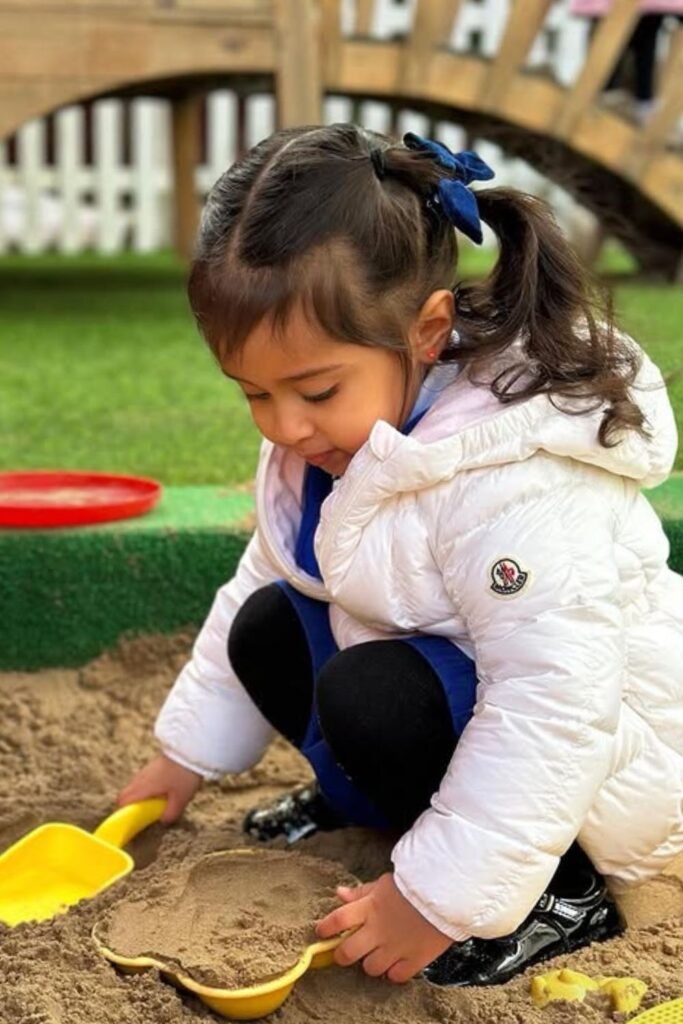
Digging never gets old. Create a small sand area close to your garden so kids can practice scooping, filling.
And sculpting without bothering plants. Put basic things like shovels, molds, and little buckets in the hands of kids to keep them busy.
Put it close to the raised beds so that you can simply relate the play to planting later. This pastime is extremely fun on warm days.
But it may also be done on chilly afternoons if you wear the correct clothing.
Scooping and leveling sand builds up the hand muscles you need for genuine gardening work.
First, let them build whatever they want. Then, show them how the same digging abilities may be used to plant seeds.
FAQs
How much space do I actually need to create a learning garden for kids?
You don’t need a big yard. You don’t need a lot of space; a few raised beds, big pots on a patio, or simply a corner with containers can do.
Instead of covering a huge area, focus on making clear areas for planting, excavating, and watching.
What if my child loses interest after a few days?
Kids generally lose interest when they only watch instead of do. Let them do real work, like watering, harvesting, looking for pests, or picking flowers.
Change up your activities often. One week, have scavenger hunts, and the next, have water play. Curiosity continues strong when the garden changes.

Hi, I’m Afaf! I’m a law student who loves writing about everyday life – from home projects and crafts to fashion, beauty, and parenting tips.
I’ve been writing for over a year, sharing ideas that are simple, practical, and easy to try. I write about things I find interesting and useful, whether that’s organizing a space, trying a new DIY, or finding activities to keep kids entertained.
My goal is to share helpful ideas without making things complicated. If it works in real life, I’ll write about it.
When I’m not studying or writing, I’m usually experimenting with new projects or scrolling for inspiration!