
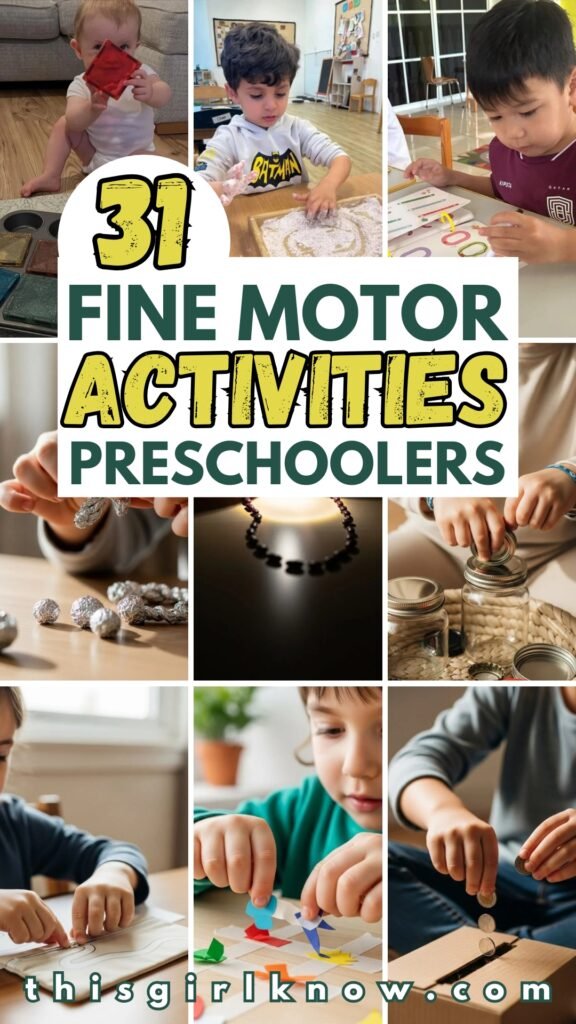
31 Fine Motor Activities For Preschoolers For 2026
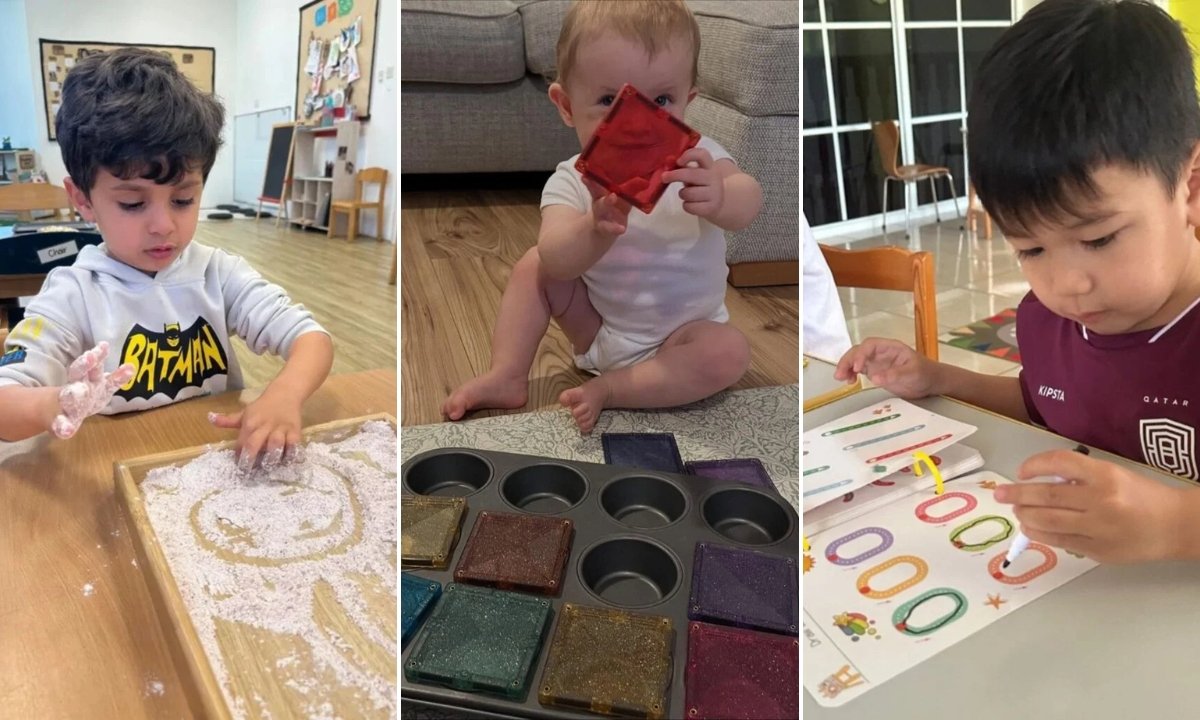
You plop your preschooler down with a box of crayons, and before you know it, they’re either done, upset, or begging to move on.
Scissors seem impossible. Buttons are a battle. And you begin to question if you’re doing something wrong, or if you should be doing more.
The reality most parents don’t get is this: before kids can write, cut, or draw with any real skill, their hands need to be strong and coordinated.
This Article focuses on 31 Fine Motor Activities For Preschoolers that parents can actually manage in 2026 homes.
Which Fine Motor Activities Improve Hand Strength in Preschoolers?
If your child’s hand tires easily or they shy away from drawing and cutting, its often a sign of weak hand muscles.
Hand strength develops through actions that require squeezing, pulling, pinching and resisting pressure.
Playing with dough, squeezing sponges using clothespins, tearing paper, or picking up small objects all force those muscles to engage.
The more your child practices these activities the more manageable everyday tasks will be.
Save this article for later!👇👇👇
What Are the Best Fine Motor Activities for Preschoolers at Home?
The most effective fine motor activities for kids at home are the ones that seamlessly integrate into your daily routine.
Everyday tasks like sorting buttons, threading pasta, peeling stickers, pouring water or lending a hand in the kitchen are all excellent for developing finger dexterity.
When a child engages both hands and concentrates on small, precise movements, their coordination naturally improves, often without them realizing it.
Just a few minutes, scattered throughout the day is sufficient to cultivate these skills without causing stress or frustration.
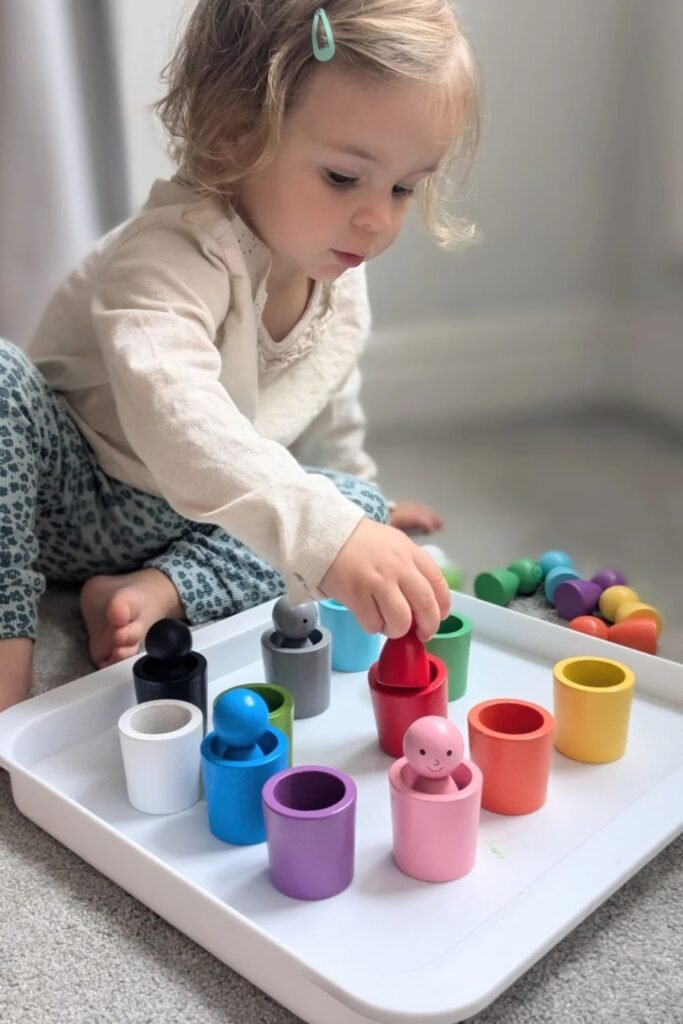
Color Sorting
Tiny hands learn fast when fingers have a clear job to do. Lifting each peg and dropping it into the matching cup builds grip strength and control without feeling like practice.
A tray, whether on the floor or a low table, is ideal for concentrating.
You can easily replicate this setup at the home using wooden pegs, bottle caps or even miniature cups.
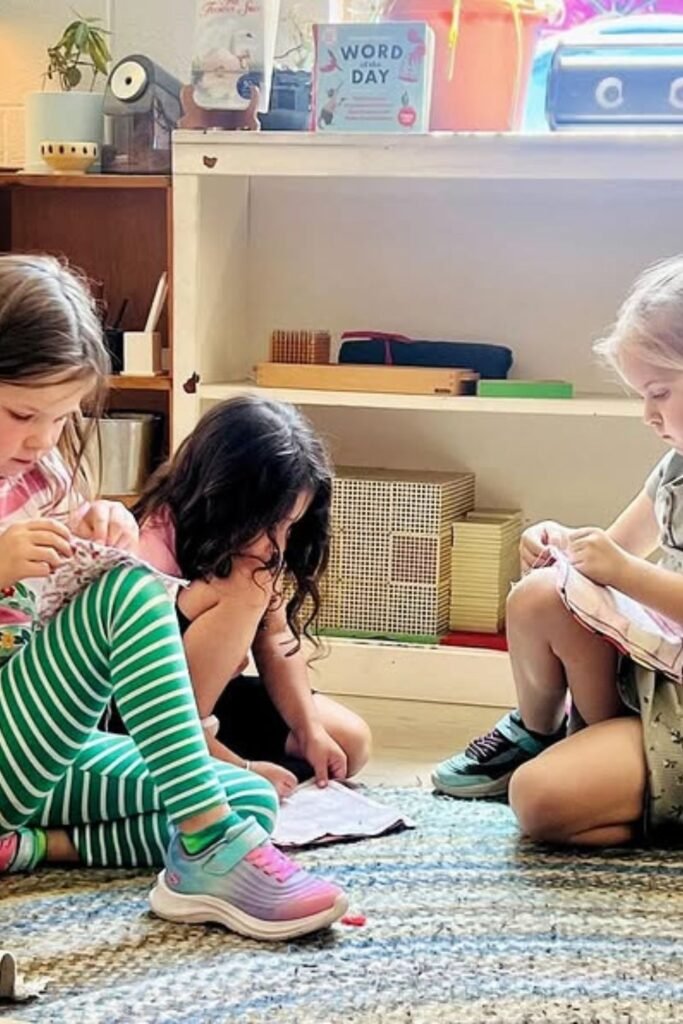
Sewing Cards
Focused fingers turn patience into progress here. Threading yarn through small holes forces both hands to work together while slowing movements down.
A calm space or some time spent on a rug can really help kids focus. You can easily set this up at home with some cardboard cutouts and shoelaces.
Begin with bigger holes, and then gradually make them smaller as their dexterity gets better.
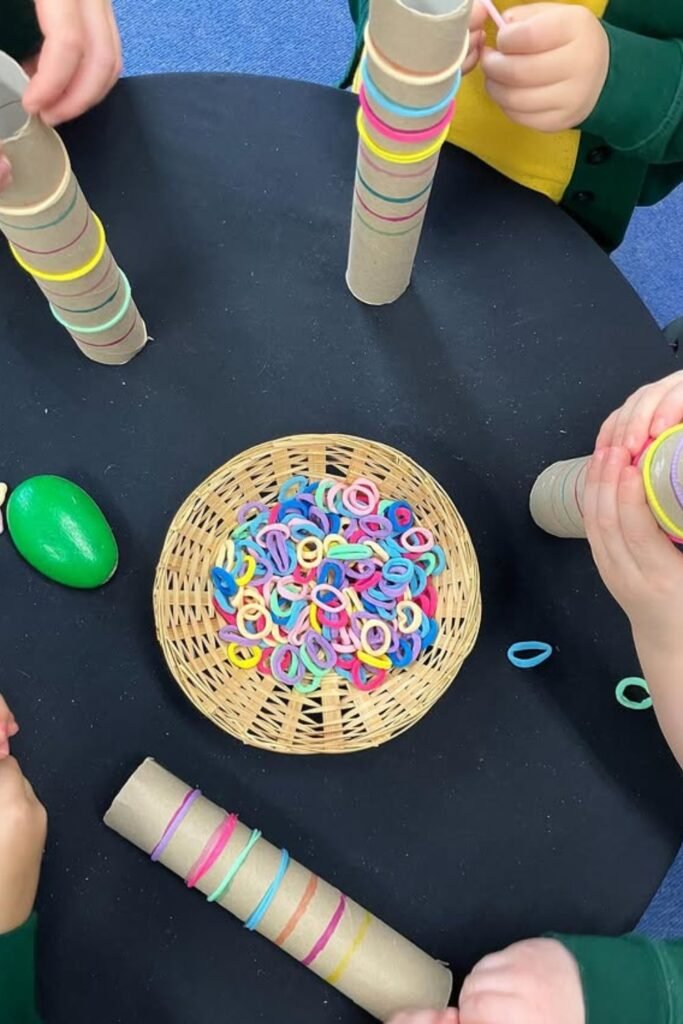
Elastic Stacking
Resistance is what makes fingers stronger, and stretching rubber bands delivers exactly that.
Sliding rubber bands over cardboard tubes is a simple way to slow down your hands, forcing you to apply pressure in a controlled manner.
The best results come from doing this at a table, where your arms can remain steady. You can easily replicate this at home using toilet paper rolls and hair ties.
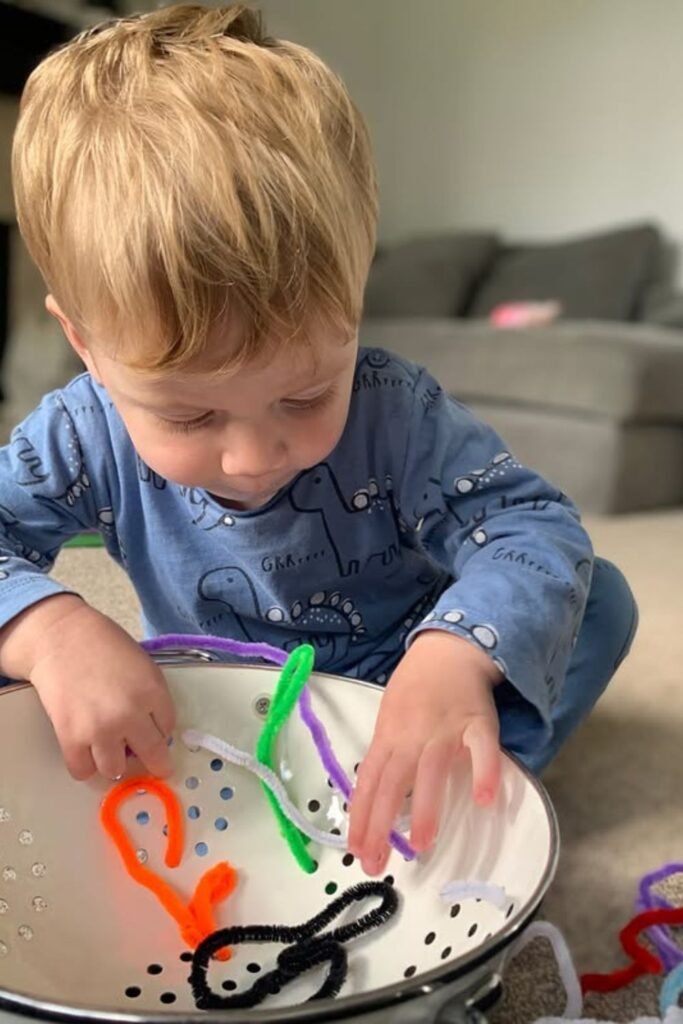
Pipe Threading
Little fingers slow down naturally when they have to aim, push, and pull. Feeding pipe cleaners through colander holes builds grip strength and hand control without pressure.
Floor play is a good option, allowing arms to relax while the hands are busy. All you need are a kitchen strainer and some craft cleaners.
Repeating the push through motion prepares fingers for writing and buttoning garments down the line.
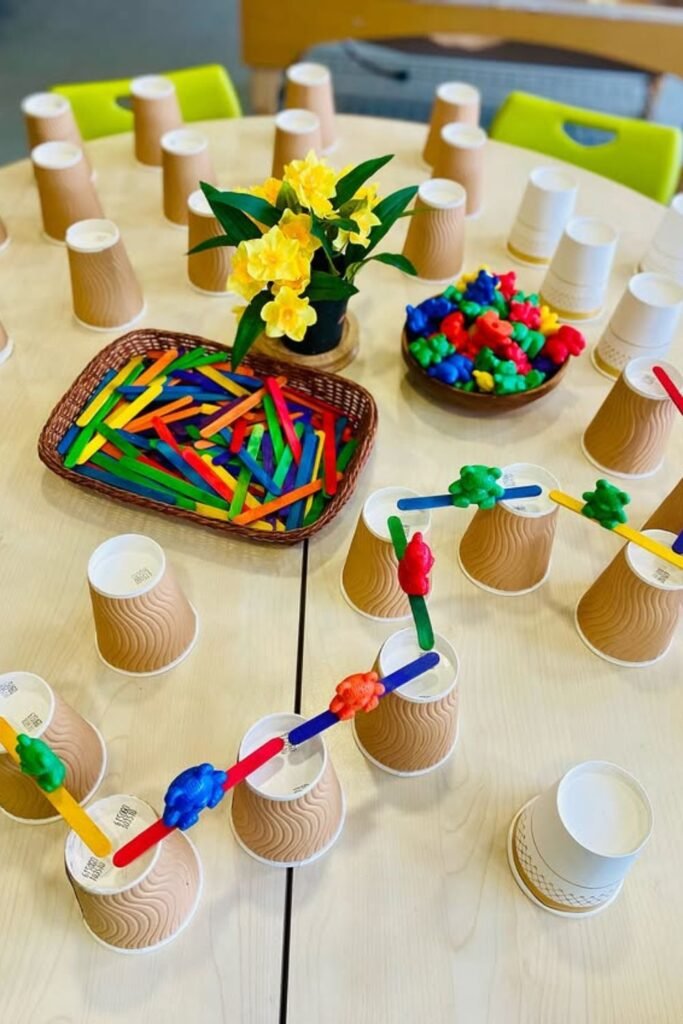
Stick Bridges
Balance and control matter more here than speed. Lining up sticks across cups and pressing dough in place forces fingers to adjust pressure again and again.
Table arrangements are ideal they allow kids to stop, adjust and experiment. You can easily replicate this at home with paper cups craft sticks and playdough.
Thoughtful arrangement build hand strength or provide the control necessary for tidy writing down the road.
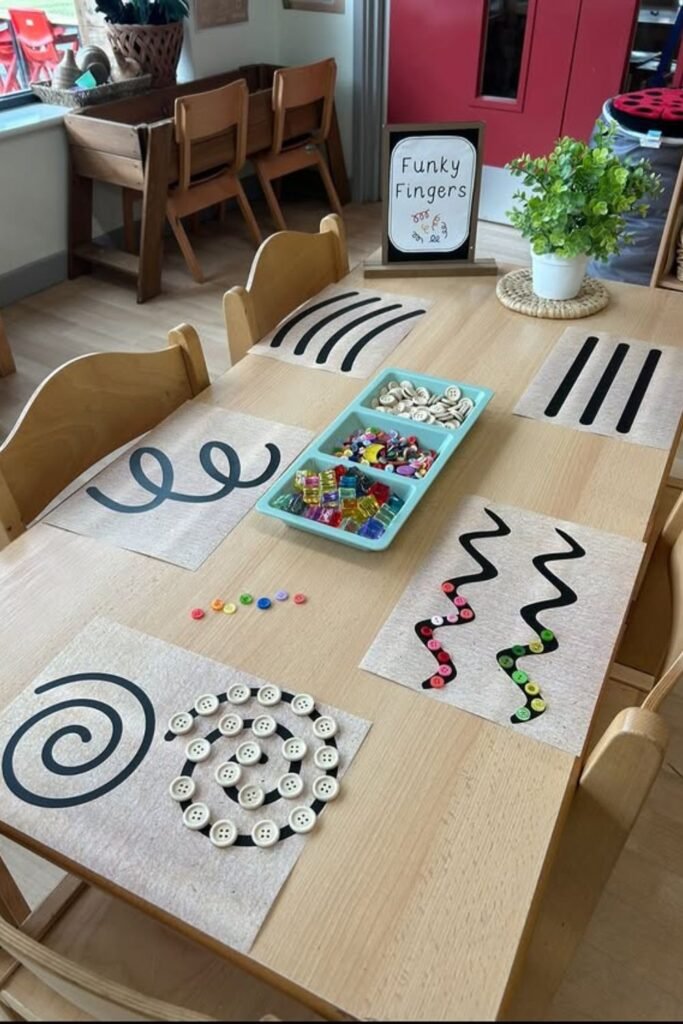
Button Paths
Control shows up when fingers follow a plan instead of rushing. Moving buttons along curved and straight lines slow hands down and builds steady pressure.
Table work is a great way to maintain good posture while your fingers are busy. You may easily replicate this with paper strips, drawing trails, and some extra buttons.
Tracing shapes such as spirals and waves gets your hands ready for more fluid letter formation down the line.
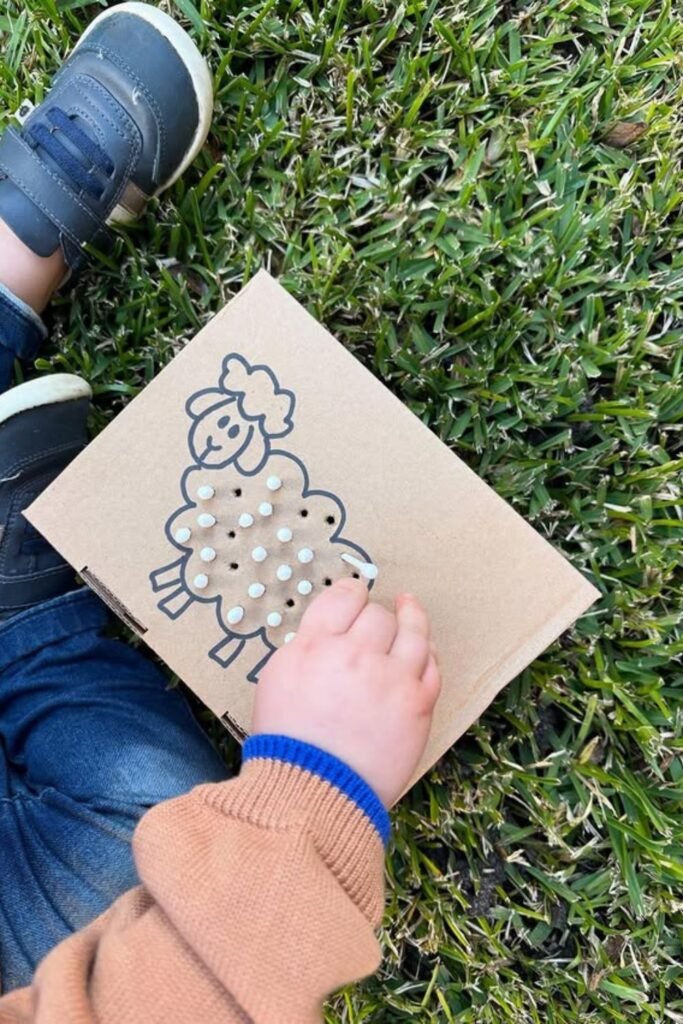
Peg Pushing
Pressure control builds fast when fingers have to line things up just right. Pushing small pegs into pre-punched holes works hand muscles without rushing.
Outdoor play or simply spending time on the floor helps the body unwind while the hands are busy.
You can easily replicate this with some cardboard, a marker, and either golf tees or cotton swabs.
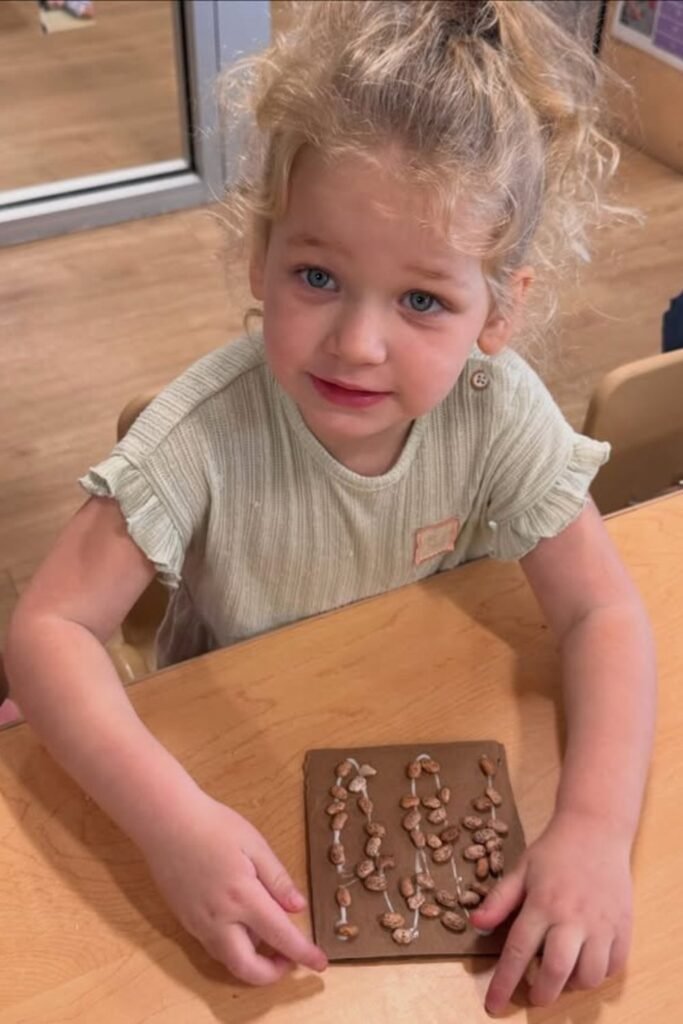
Seed Tracing
Little fingers work harder when movements have a clear path to follow. Pressing seeds along drawn lines slows the hand down and builds steady control.
Table work helps maintain good posture, allowing fingers to concentrate on where they go. You may easily replicate this with cardboard, glue, and dried beans.
This kind of activity, tracing curves and shapes, gets hands ready for the more fluid writing of letters and numbers down the line.
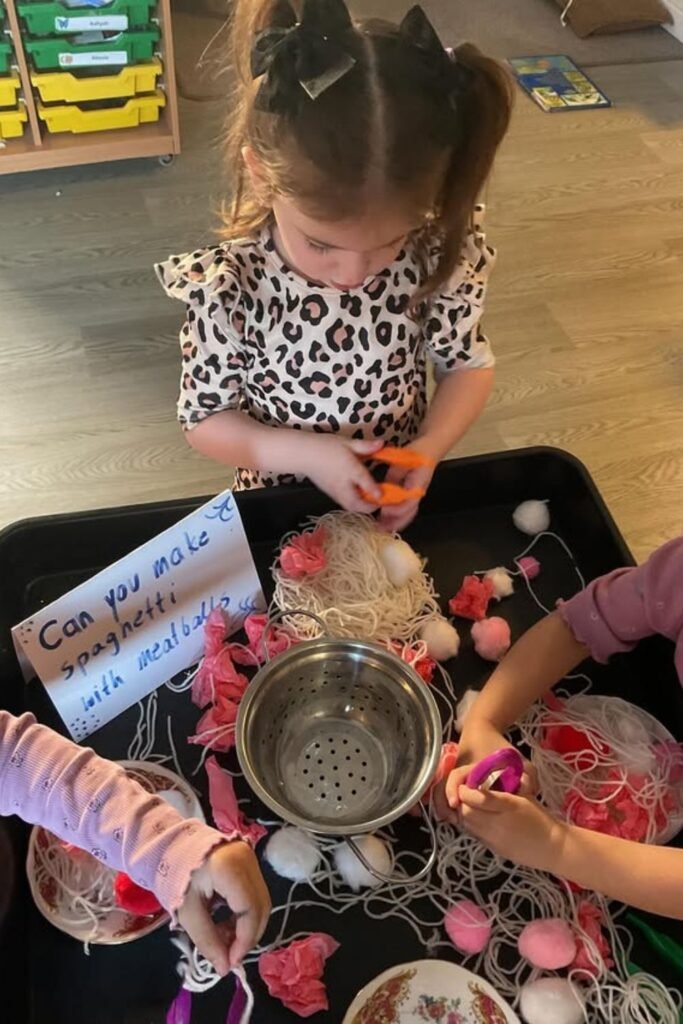
Spaghetti Tongs
Messy play keeps hands working longer without complaints. Grabbing slippery noodles and soft pom-poms with tongs or scissors forces fingers to squeeze, release, adjust grip.
Sensory bins or kitchen trays are perfect for this activity. You can simply replicate it with cooked spaghetti a strainer and some simple tongs.
The constant motion of squeezing and lifting build the muscle strength needed or the confidently use cutting and the handling instrument.
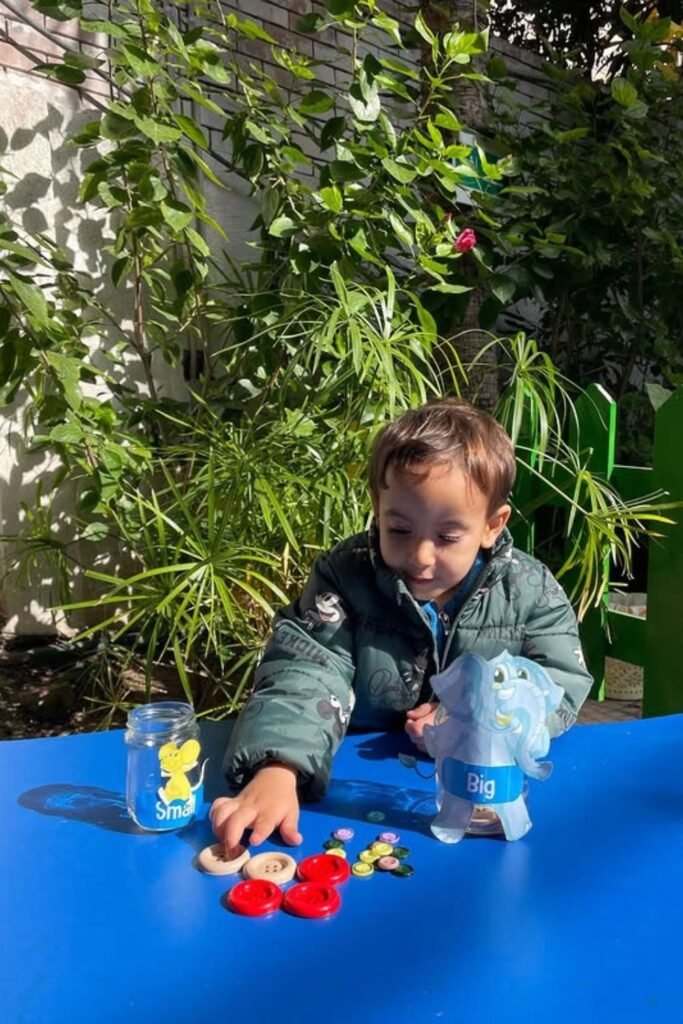
Button Sorting
Decision making slows hands in the best way possible here. Picking up buttons one by one and choosing where they belong forces careful pinching and control.
Outdoor tables or kitchen counters offer a straightforward arrangement. At home, jars, bowls or labeled cups are ideal.
Alternating between little and large items helps develop finger strength which in turn fosters the accuracy children require for tasks like buttoning garments.
Balance Stepping
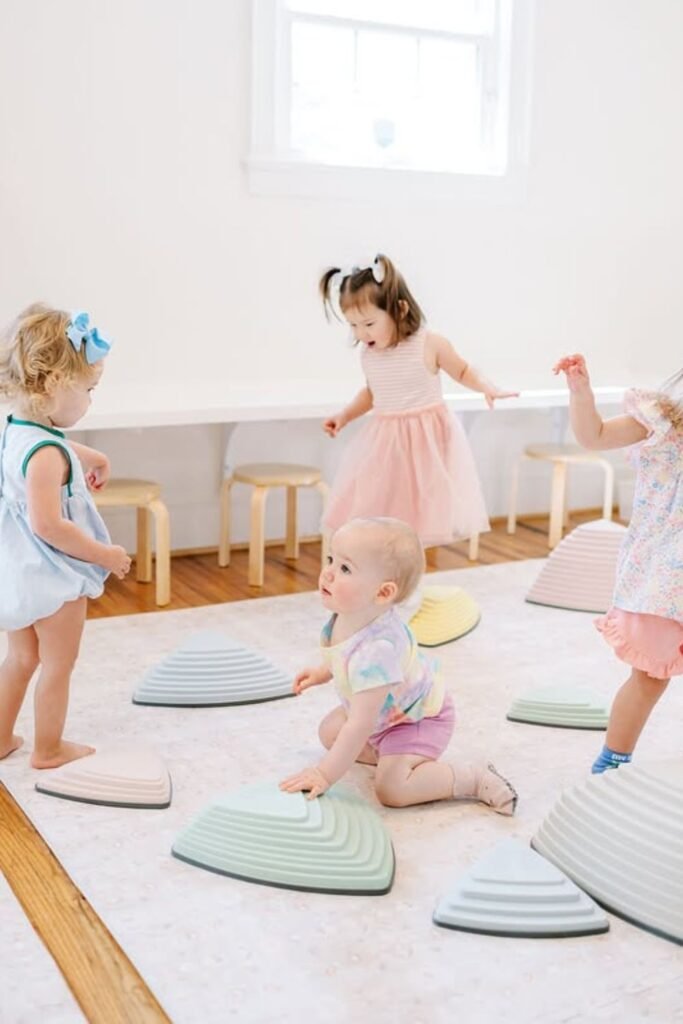
Stability starts in the body before it shows up in the hands. Stepping, kneeling, and pushing up on uneven surfaces forces palms and fingers to support weight.
Open floor space is ideal it allows for natural mobility. You can replicate this at home using cushions, pillows or even balance stones.
Providing robust support for the shoulders and hands in this way makes controlled table work and writing feel more manageable down the line.
Tool Picking
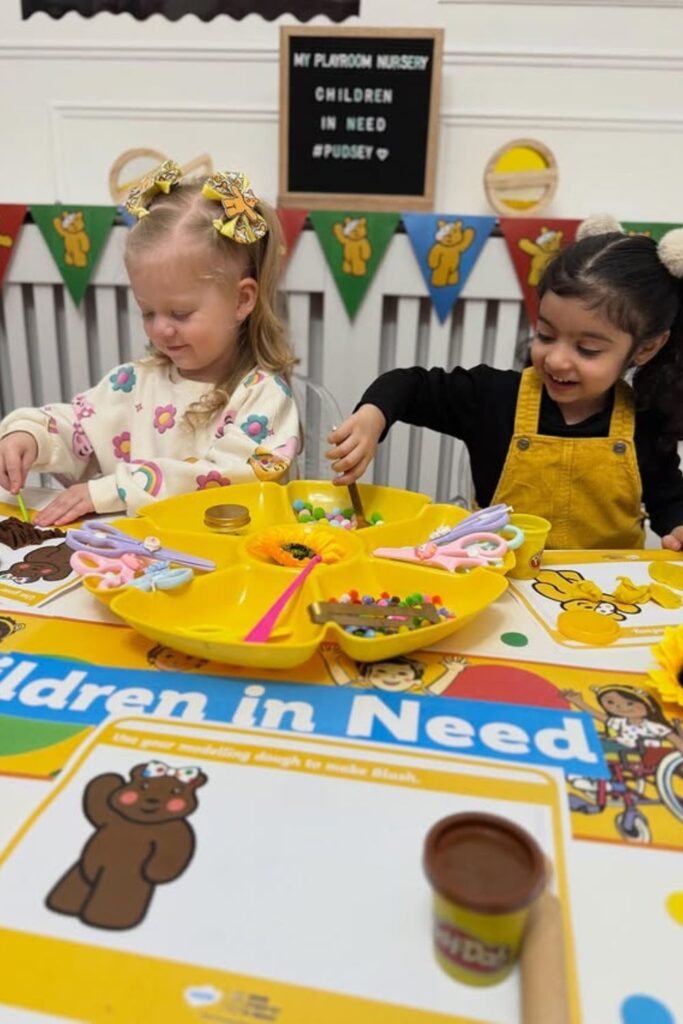
Control sharpens when fingers have to grab small pieces without rushing. Lifting beads, pom-poms or dough bits with tweezers.
Child scissors build strength by the action of squeezing and releasing.
Table arrangements help keep hands steady allowing the eyes to direct the movement.
Sponge Painting
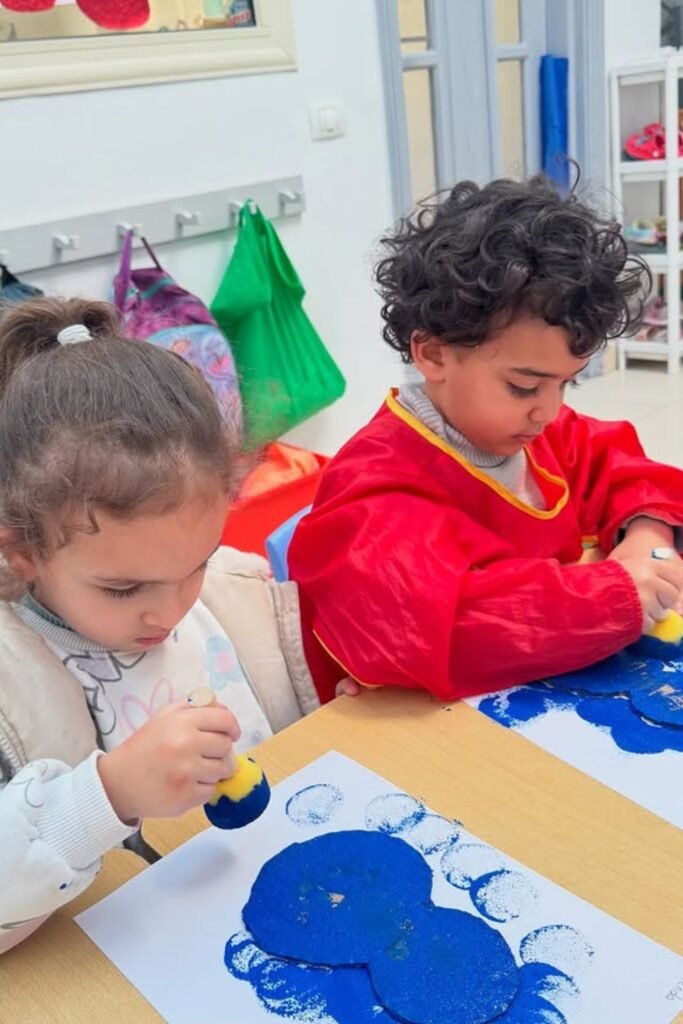
Firm presses matter more than perfect pictures here. Holding a sponge steady while dabbing paint forces fingers and wrists to control pressure again and again.
Table work allows the arms to rest letting the hands do the heavy lifting. You can easily replicate this with kitchen sponges and washable paint.
The repeated pressing and lifting motions help develop the strength and control required for later, more confident pencil use.
Paper Cutting
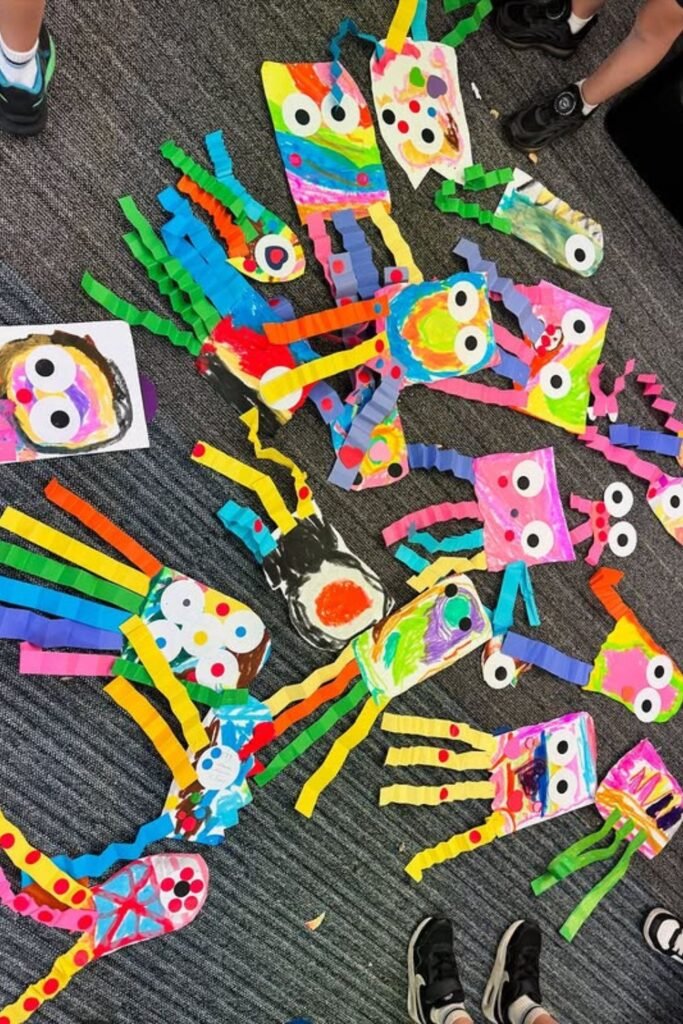
Scissors stop feeling scary once hands learn how to open and close with control. Snipping colorful strips and placing them onto paper keeps fingers busy and focused.
Floor or table art is a great way to go. All you need are some scrap paper, glue and child-safe scissors to begin.
Cutting things out again and over again helps develop the hand strength and coordination that are essential for better writing and other daily activities.
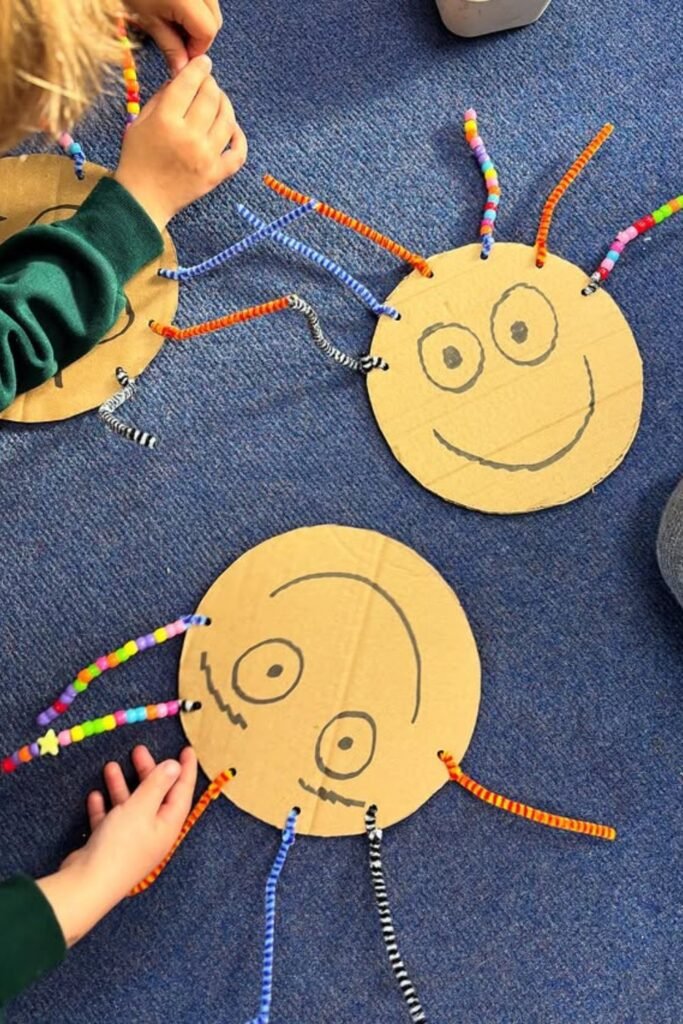
Bead Threading
Concentration deepens when fingers have to aim through tiny holes. Sliding beads or pipe cleaners.
Manipulating cardboard forms naturally slows down actions, fostering precise hand control. Floor play, a relaxed setting, keeps little hands engaged.
The act of pulling, pushing, and adjusting grip in this context builds the finger strength essential for writing, fastening and more delicate craft projects down the line.
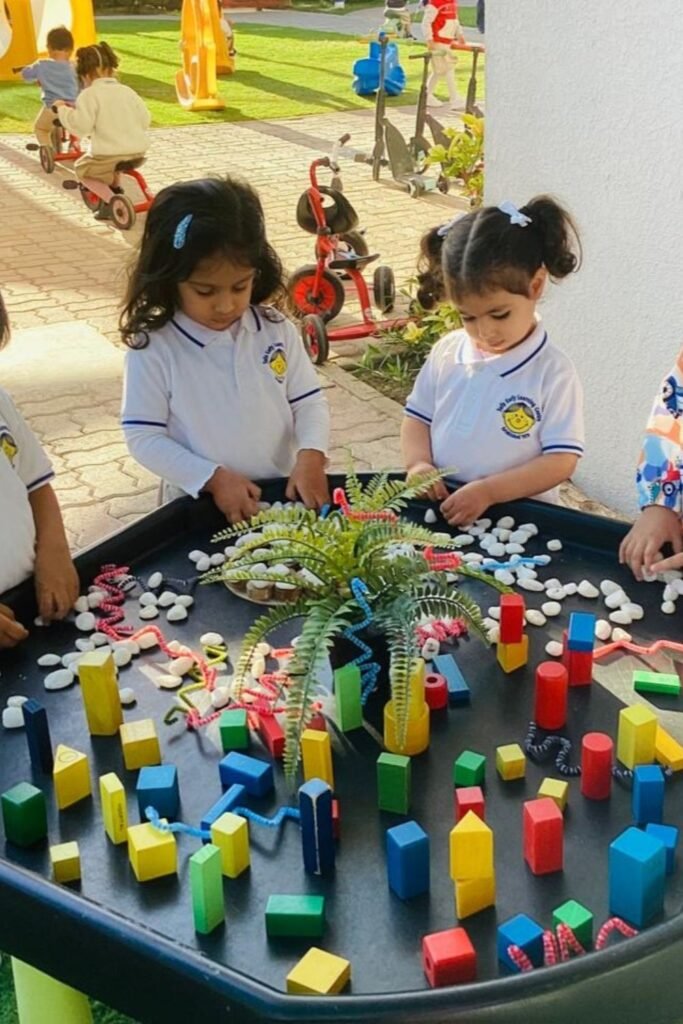
Sensory Building
Busy hands stay engaged longer when play feels open-ended. Picking up blocks, stones and flexible pieces to build.
Rearranging and manipulating objects builds finger strength and it does not have to lead to a specific result.
Outdoor tables or sensory trays provide children with the room to explore and concentrate.
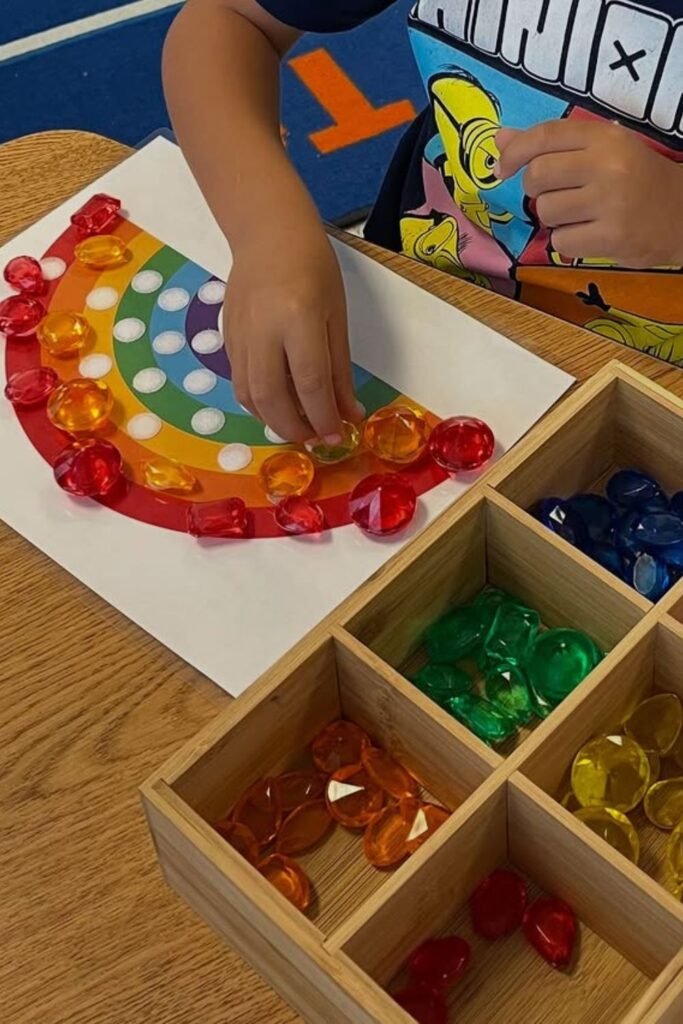
Gem Placing
Precision grows when fingers slow down and aim for a specific spot. Picking up smooth gems and setting them onto marked dots encourages careful pinching and control.
Table activity encourages purposeful, concentrated motions. You can use printed patterns, stickers or even painted dots at home to have the same effect.
The act of reaching, inserting, and adjusting items in this way builds up the little muscles essential for precise writing and intricate artwork down the line.
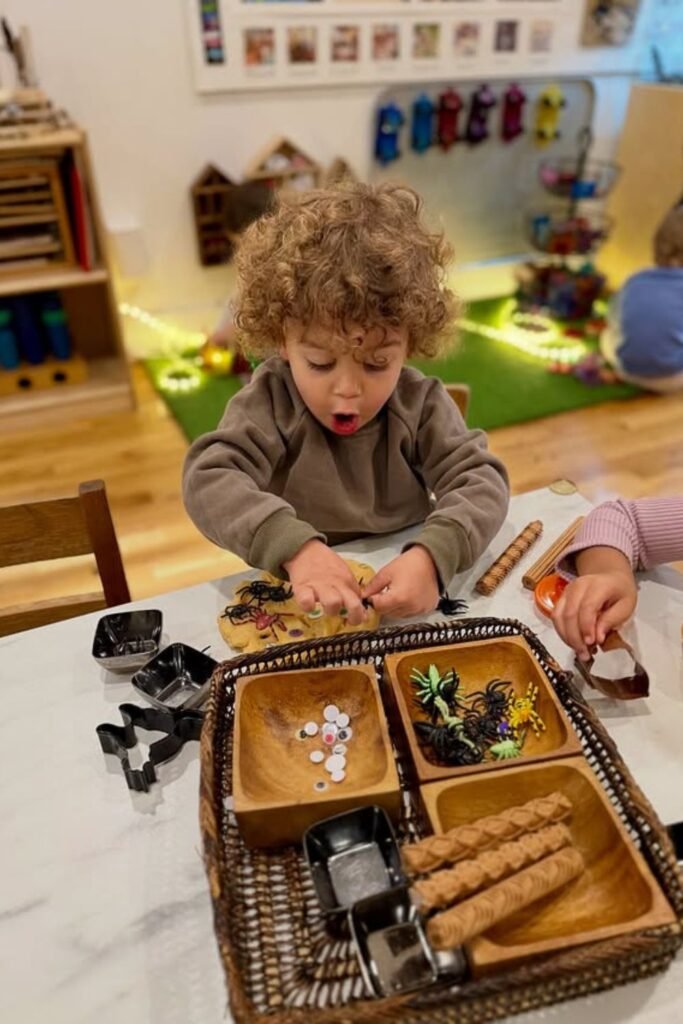
Dough Pressing
Soft resistance keeps fingers working without tiring them out. Pushing small objects, buttons, or cutters into dough forces steady pressure and controlled movements.
Table play is ideal; it allows hands to concentrate with out the need to support the body. Playdough and common, everyday objects are perfect for this.
The repeated pressing and pulling actions involved build strength in the fingers and wrists, which in turn makes subsequent activities such as writing, cutting, and fastening.
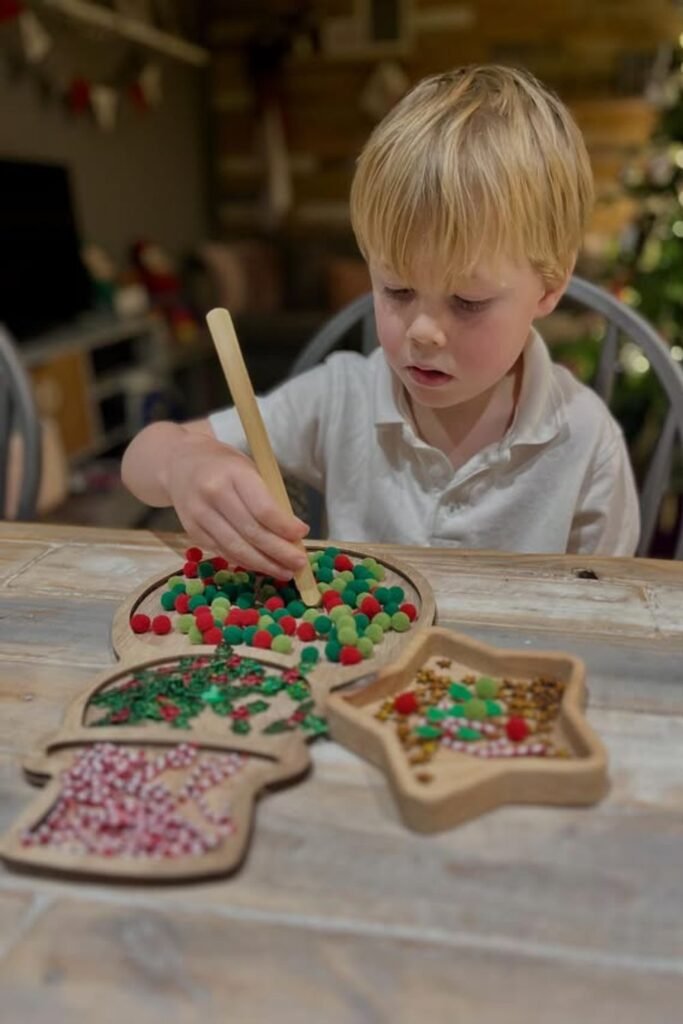
Pom Sorting
Small movements add up fast when fingers have to slow down and stay precise. Picking up pom-poms one by one.
Placing objects into shaped trays fosters a consistent grip and better control. Working at a table provides hand support and allowing the eyes to focus on precise placement.
This kind of careful sorting creates the muscle strength required for crisp hand writing and confident tool use.
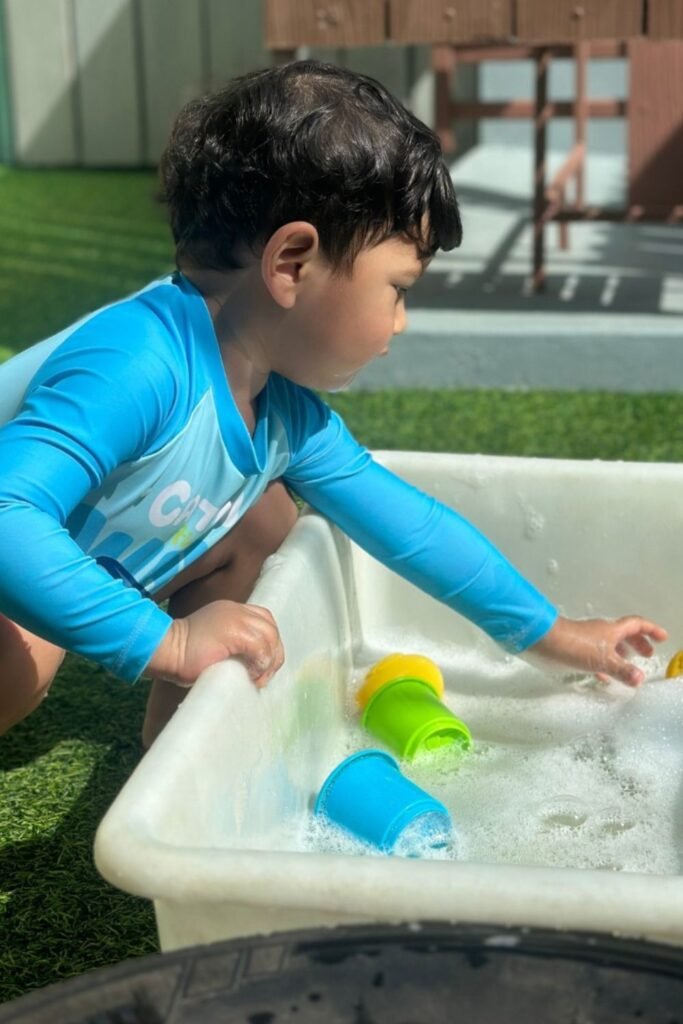
Water Scooping
Slippery objects make hands work harder without kids noticing. Reaching into soapy water, gripping cups.
Lifting floating toys, with their squeeze-and-release action, is a great way to build strength. Outdoor tubs or a simple bath can make it a stress-free, enjoyable experience.
The repeated scooping and pouring helps develop the grip control that’s essential for using utensils, crayons and just about anything else we do with our hands.
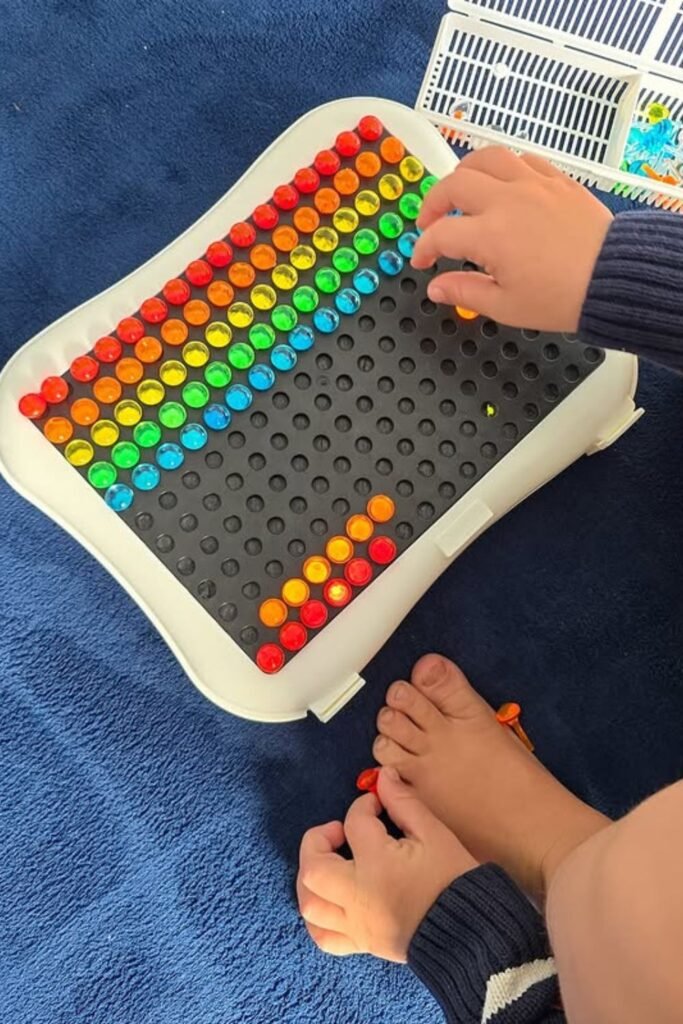
Peg Mosaics
Patterns quietly train fingers to slow down and stay accurate. Pressing small pegs into tight holes takes steady pressure and careful aim.
Especially when colors follow a sequence floor play helps keep the body relaxed while the hands are busy.
Repeating those press-and-fit movements builds the grip control essential for clear writing and the accurate use of tools.
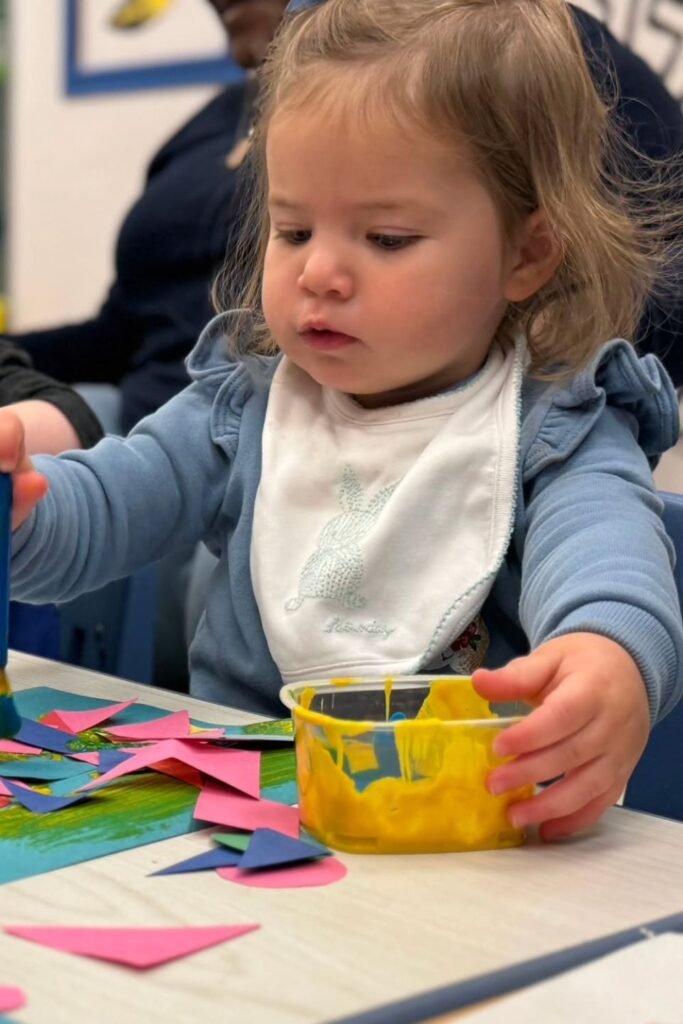
Shape Stamping
Purposeful movement shows up when hands switch between dipping, holding, and pressing. Grabbing foam shapes.
Loading paint onto stamps and pressing them onto paper engages fingers through deliberate grip adjustments.
The repeated dip and press actions build the hand control essential for writing, drawing and later, the steady use of tools.
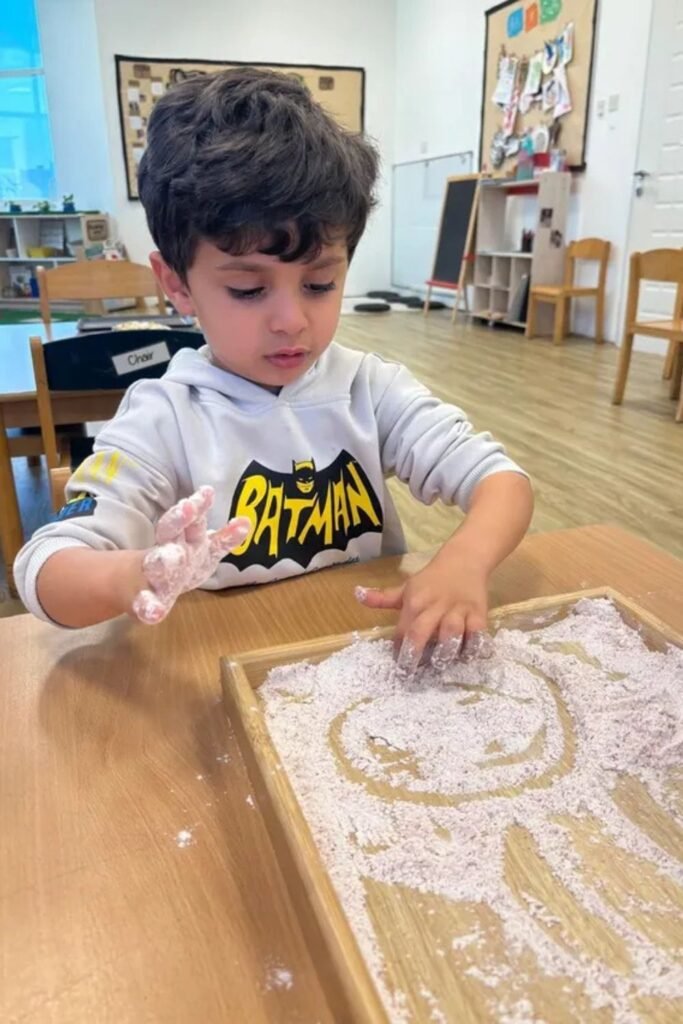
Flour Tracing
Mess-free writing practice begins long before pencils appear. Drawing lines and shapes through flour with fingertips builds control while keeping pressure light and relaxed.
Table trays are ideal they keep your arms firm. All you need is a shallow tray, some flour or salt and a finger.
This slow deliberate tracing helps develop hand stability and directional control and which in turn makes forming letters feel effortless and not strained.
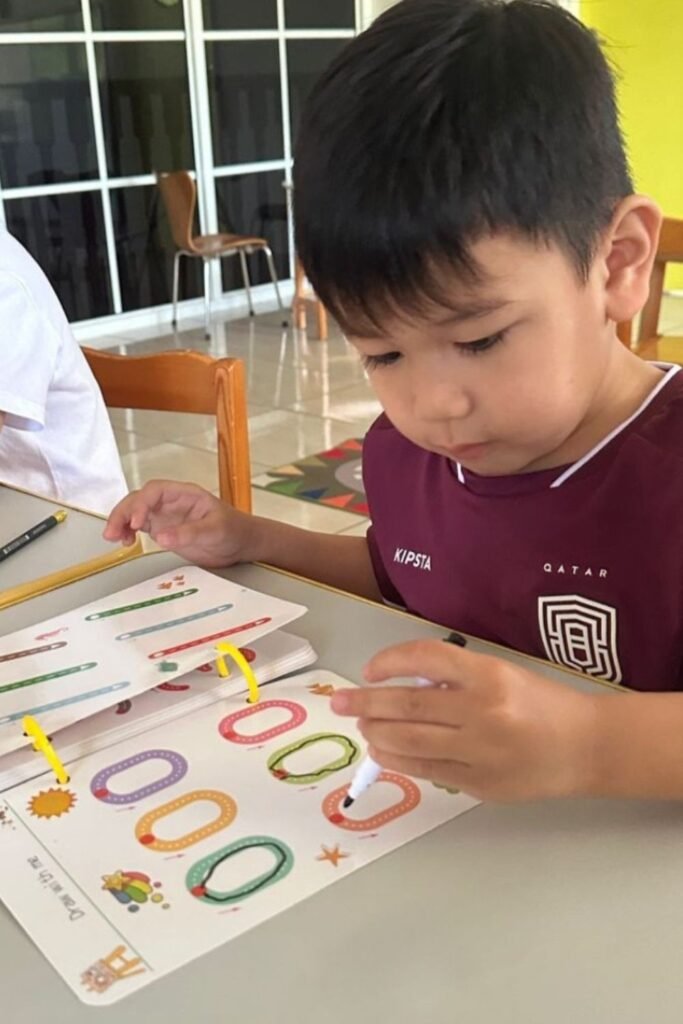
Marker Tracing
Confidence grows when lines give hands a clear path to follow. Tracing shapes with a marker slows movements and builds control without rushing.
Table work helps maintain good posture, allowing the fingers to direct the movement. At home, you can use reusable tracing cards, dry erase markers, or laminated printables.
Tracing loops and curves in this way gets the hands ready for writing letters fluidly and rather than with excessive pressure.
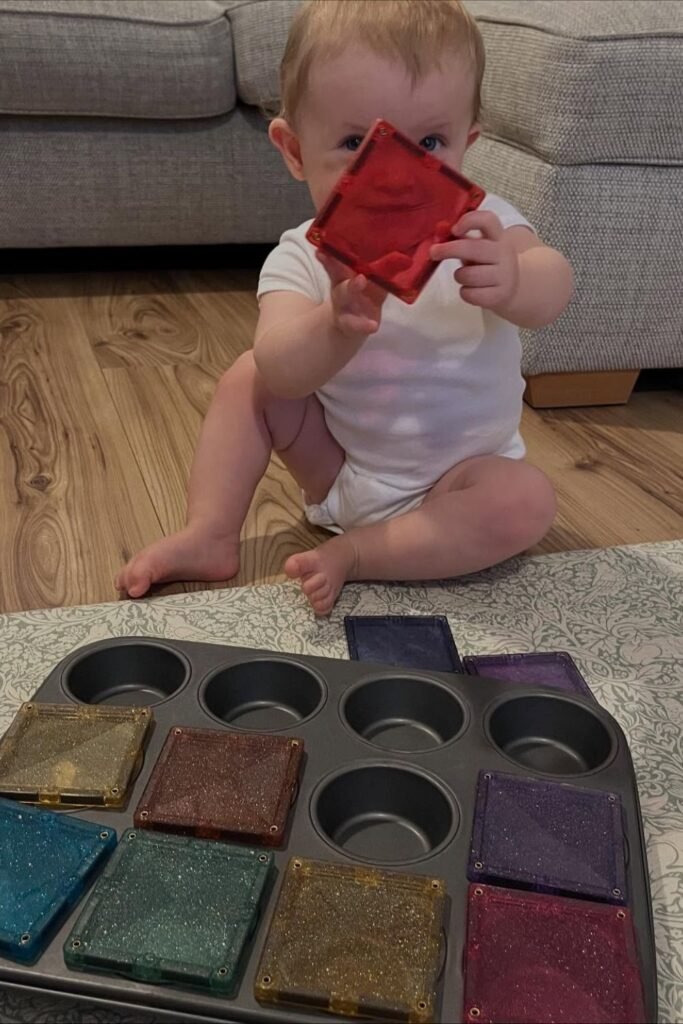
Shape Dropping
Grip strength builds early when hands learn to release with control. Picking up chunky tiles and dropping them into muffin cups trains fingers to open and close on purpose.
Floor play fosters a calm measured pace. You can easily replicate this with a muffin tin and some solid blocks or lids.
These lift-and-release actions provide the foundation for a regulated grip, the ability to release, and ultimately, more fluid tool use down the line.
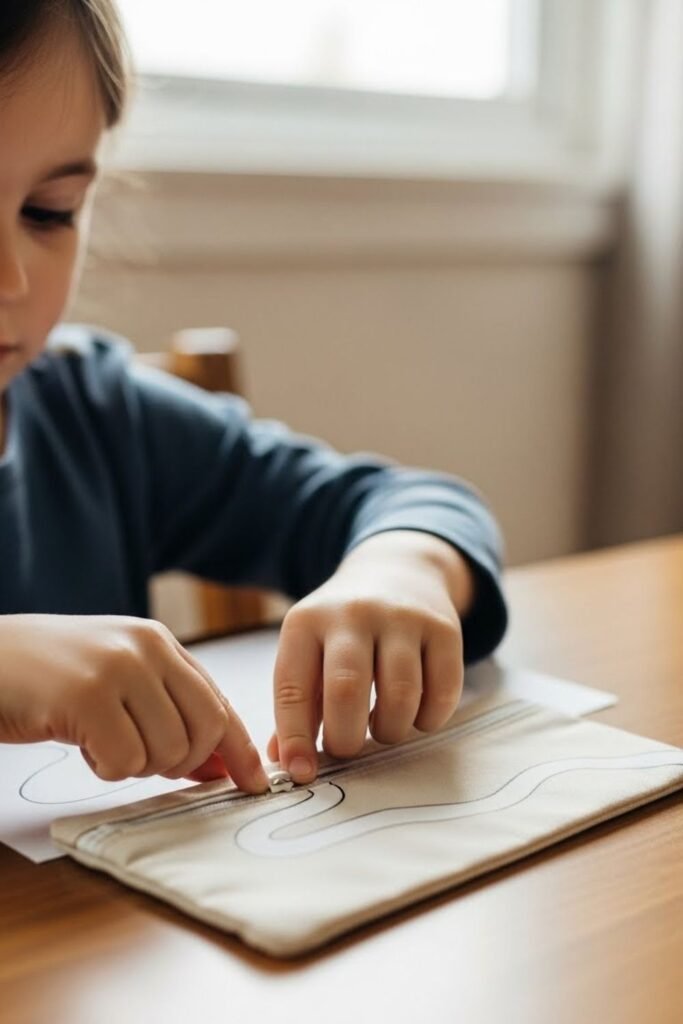
Zipper Trails
Getting fingers ready for writing starts with learning how to pull against resistance. Dragging a zipper slowly from one point to another.
It encourages the thumb and fingers to cooperate, rather than just gripping haphazardly. A zippered pouch, an old jacket or even a pencil case will do the trick.
Spread it out flat and draw a straightforward path next to it so your child can pull the zipper while staying on course.
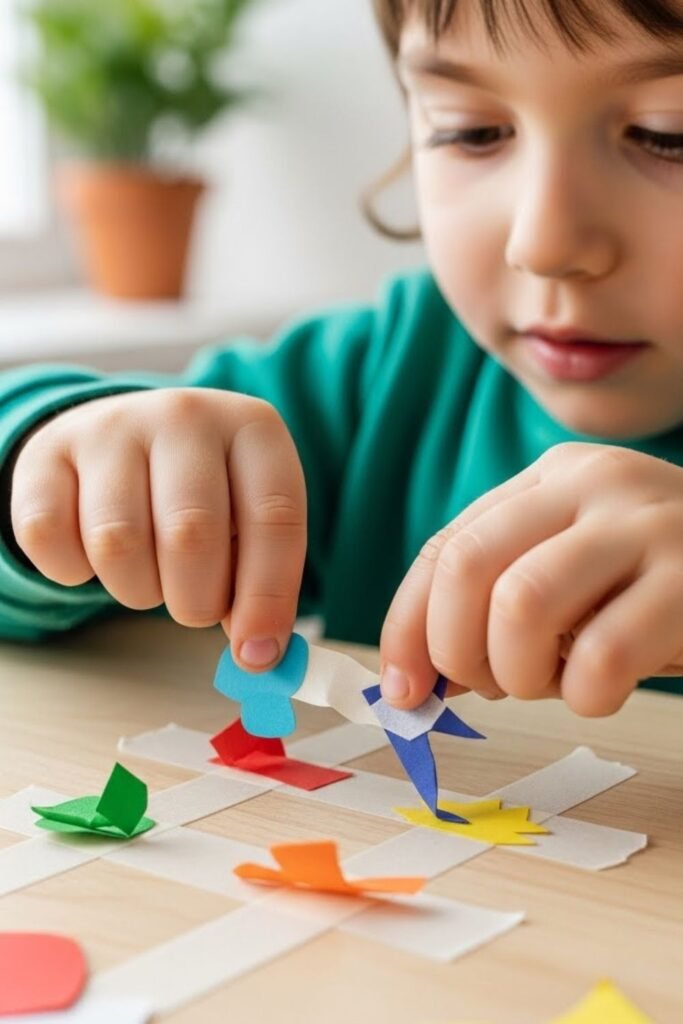
Tape Rescue
Sticky resistance alters finger movements in a beneficial way. Stick small toys or cut out paper shapes onto masking tape.
Next have your child carefully peel the tape away, trying not to tear it. They will be pinching, pulling and adjusting their grip throughout the process.
This exercise works well at a table or even mounted low on a wall for a different experience.
Coin Flips
Small, flat objects require a level of precision that larger toys simply don’t. The act of flipping a coin from palm to fingertips or sliding it into a narrow slot and finger isolation.
Cut a small hole in a box lid and let the child practice aiming. And keeping the activity on floor fosters a relaxed, focused approach.
This exercise aids in developing in-hand manipulation skills, which are essential for adjusting pencil grip while writing, without dropping the pencil.

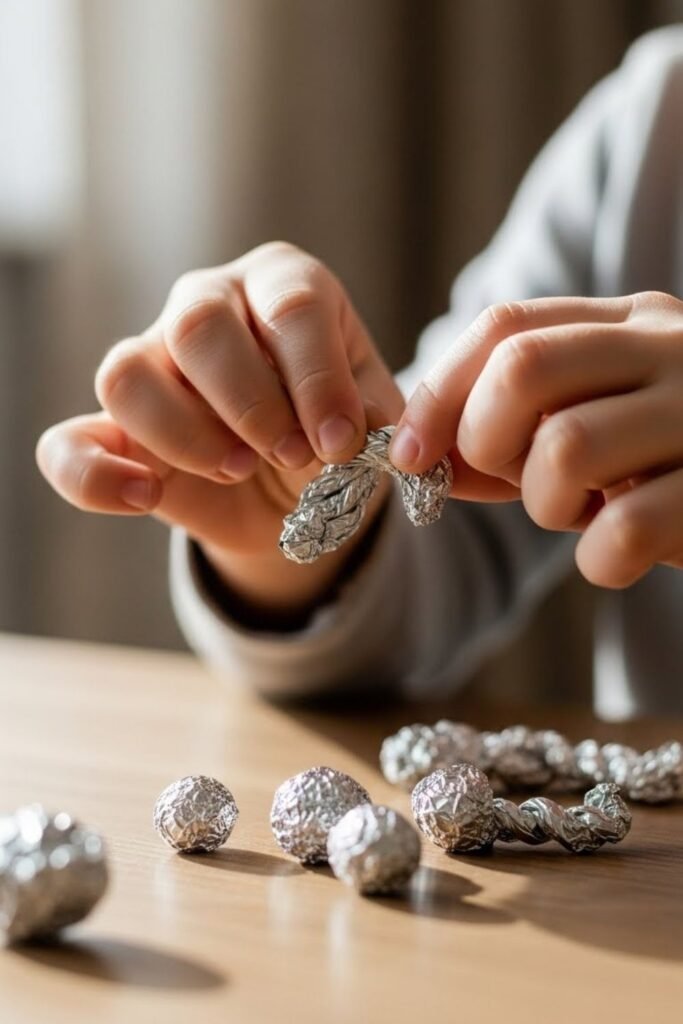
Foil Sculpting
Crumpling sounds turn hand work into play. Shaping aluminum foil into tight balls, snakes, or tiny towers forces fingers to squeeze, twist and press with purpose.
Begin with larger sheets of material, gradually transitioning to smaller pieces as your control develops.
Foil provides more resistance than paper which in turn demands more effort from your muscles.
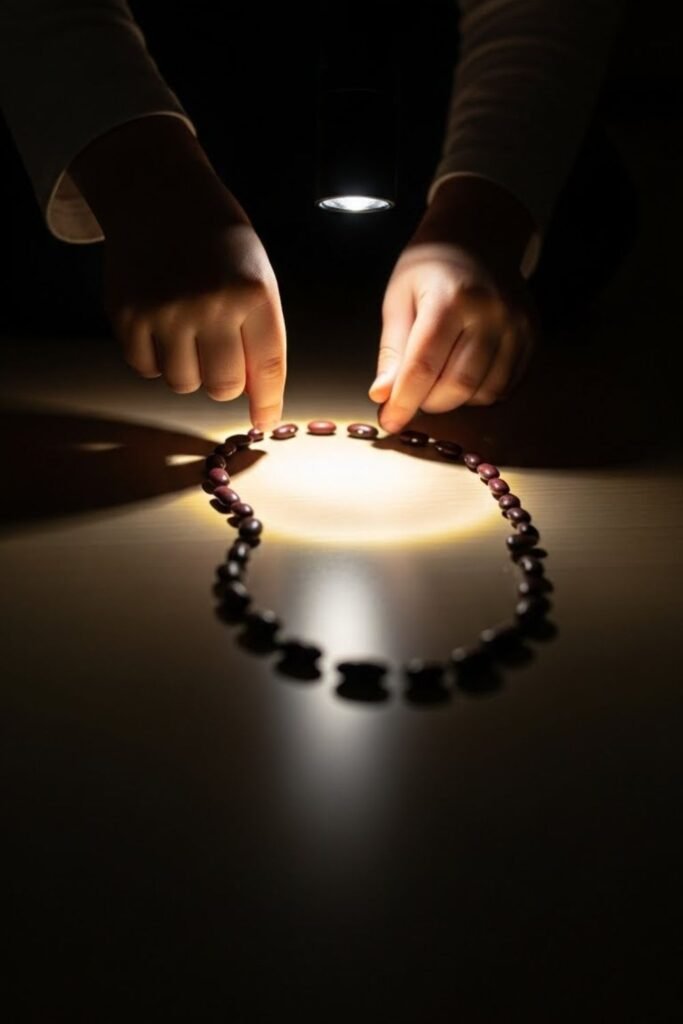
Shadow Pinching
Light changes how hands move. Set up a flashlight so shadows appear on a wall or floor then place small objects inside the shadow shape.
Pinching and placing fingers is key to filling the shadow, avoiding any contact with the outer lines. Evening light or a dimly lit space is ideal.
Taking the time to match the shapes fosters precision, patience and the visual-hand coordination necessary for forming letters accurately.
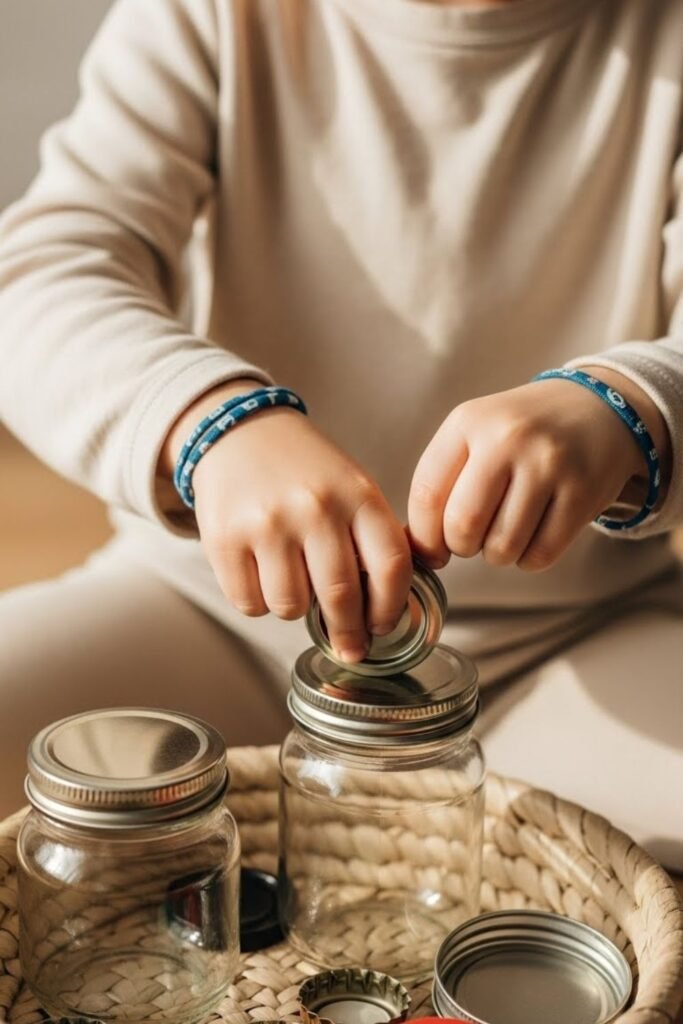
Lid Twisting
Twisting builds strength differently than squeezing. Opening and closing jars, spice lids, or bottle caps teaches fingers to rotate while maintaining grip.
Begin with lids that are n’t too tight, then gradually increase the pressure as you gain more control. Kitchen counters or floor baskets are both good options.
Using different sizes of lids adds an extra layer of difficulty. Rotational strength is frequently overlooked yet its vital for using scissors, turning pencils.
FAQs
How long should my preschooler spend on fine motor activities each day?
Short bursts of practice are more effective than lengthy sessions. A few minutes of concentrated hand exercises done several times a day, is sufficient to develop strength.
If your child begins to show signs of fatigue or irritation, its time to pause. Steady, consistent practice is what leads to improvement not extended periods of forced activity.
What if my child avoids fine motor activities completely?
Avoidance often signals a tasks difficulty, not a lack of desire. Begin with activities that involve larger motions or less resistance such as playing with dough or water.
When activities are enjoyable rather than frustrating, children remain engaged for longer periods, and their skills develop more organically.
Hi, I’m Afaf! I’m a law student who loves writing about everyday life – from home projects and crafts to fashion, beauty, and parenting tips.
I’ve been writing for over a year, sharing ideas that are simple, practical, and easy to try. I write about things I find interesting and useful, whether that’s organizing a space, trying a new DIY, or finding activities to keep kids entertained.
My goal is to share helpful ideas without making things complicated. If it works in real life, I’ll write about it.
When I’m not studying or writing, I’m usually experimenting with new projects or scrolling for inspiration!