
19 Cross Country Hairstyles Ideas 2026
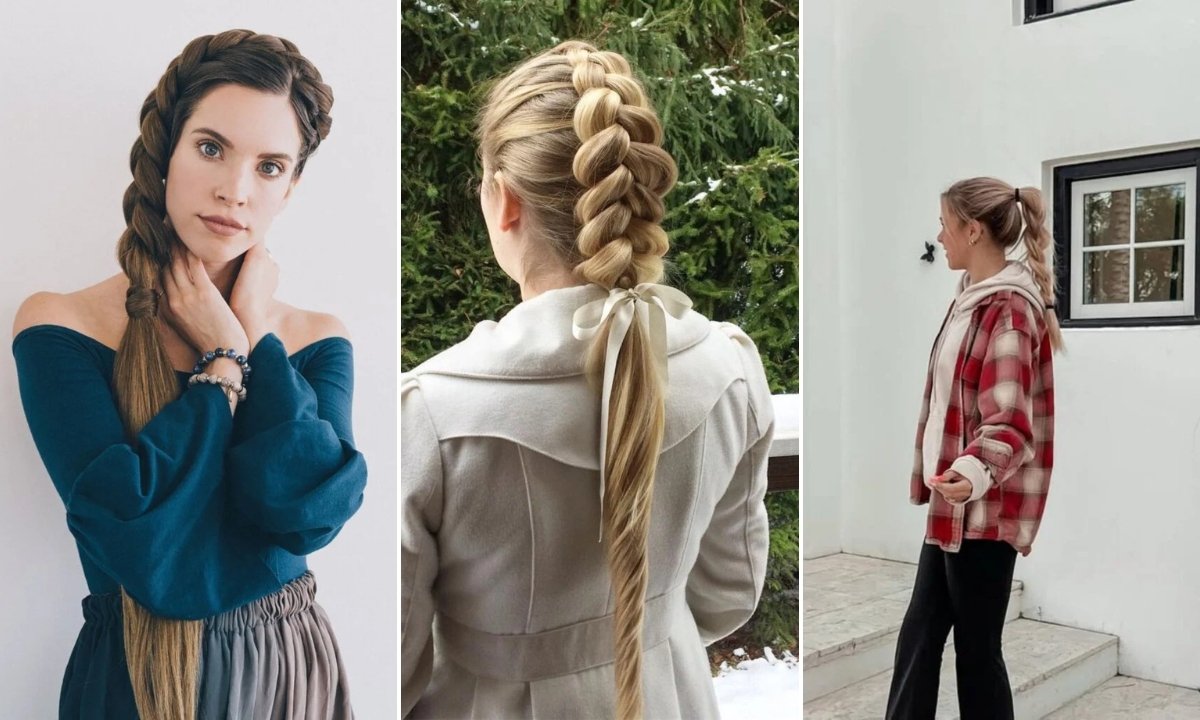
When loose bits strike your face, they might make it hard to concentrate. Most ponytails fall apart as soon as they get wet or windy.
Your hair may already look unkempt or start to fall out by the time you get to the starting line.
In this article, I will explain what cross country truly and give you 19 ideas you can try right away.
Let’s jump in!
What is Cross Country Exactly?
Cross country is running great distances on outdoor courses instead of on a track.
The weather and terrain change all the time because you run over grass, dirt, hills, uneven pathways, and open fields.
When you run cross country, you have to deal with wind, sweat, and movement for longer periods of time without stopping.
That’s why runners require tight, secure hairstyles. Loose hair can get in the way, obscure your vision.
Save this article for later!👇👇👇

How Do You Make Cross Country Hair Last Longer?
When you tighten the top first and the braid is near to the scalp, cross-country hair lasts longer.
Small, tidy pieces hold better, so the style won’t come loose when you sweat or move around.
Put some gel or mousse at the roots to keep flyaways down, and use a firm elastic to hold the ends together so the tail doesn’t come undone while you run.
Dutch Pull-Through Braid
Cold or windy race days feel easier when your hair sits close to the scalp, so this pull-through Dutch braid works well for any trail that pushes against you.
First, make the top part tight. Then, add each bubble by tying small elastics down the braid so nothing moves during the run.
If you want more hold, put a light gel on the roots before you start. Add a ribbon or tie at the end to keep it steady across long distances.
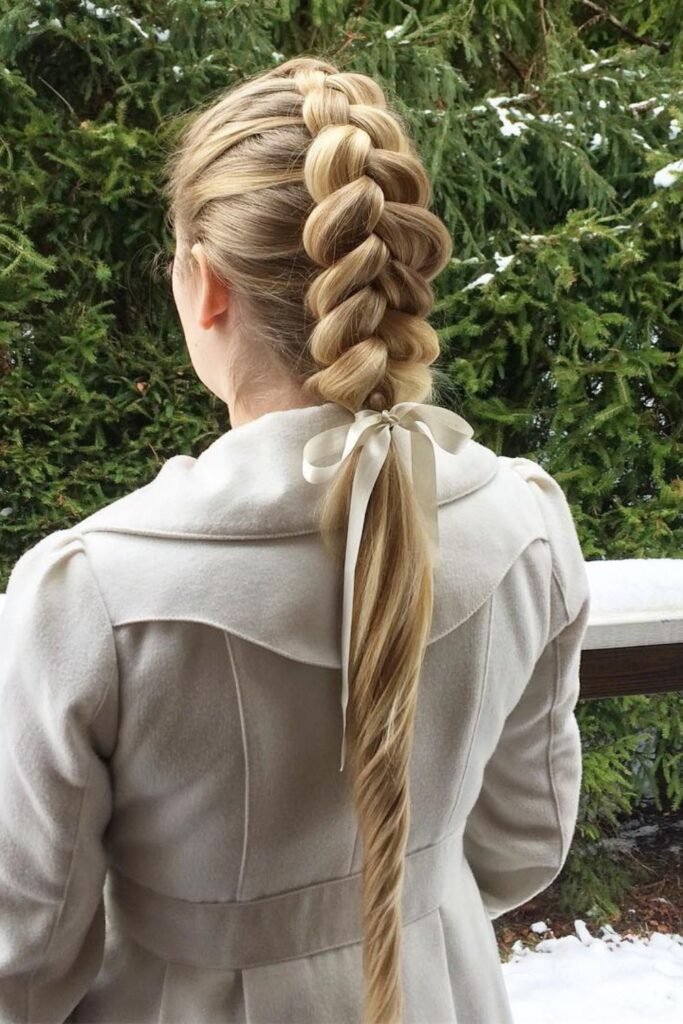
Side Dutch Braid
Nothing keeps long hair under control on sharp turns like a braid pulled to one side, and this setup gives you that steady feel right away.
Keep the initial few sections firm at the crown so the base doesn’t come free when you start to move.
Bring the braid down along the hairline, putting each piece under the next to maintain the pattern strong.

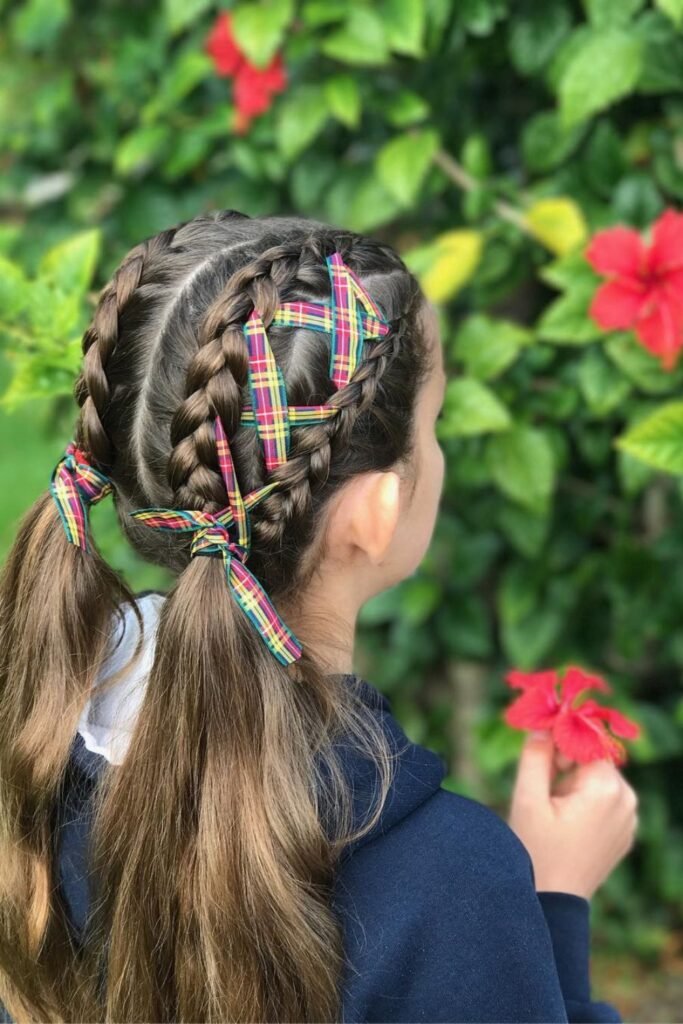
Ribbon Dutch Pigtails
Meet days feel smoother when each section of hair stays locked in place, and Dutch pigtails make that simple on long, busy courses.
Make two tight portions, then braid each side near to the scalp so the roots stay strong even when you move quickly.
If you want a tidy finish that doesn’t come loose with sweat, thread a ribbon through the braid.
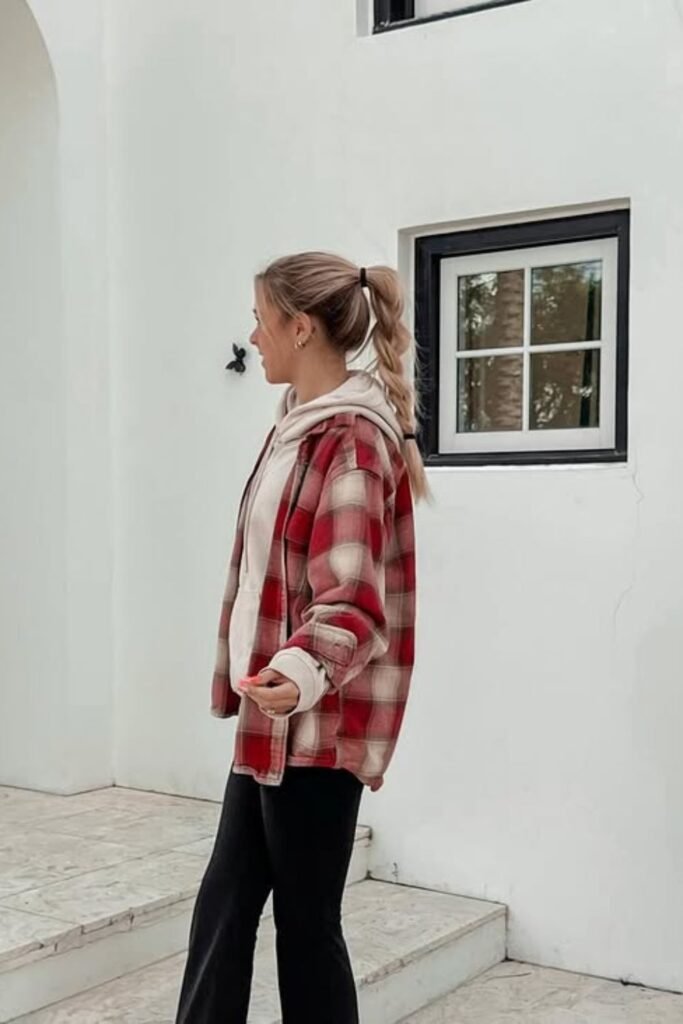
Bubble Ponytail
Strong momentum feels easier to hold when the length of your hair stays controlled from the very first step.
Make a tight ponytail at the top of your head, then use evenly spaced elastics to hold each bubble in place as you proceed down.
Pull the parts gently to shape them so they don’t get stiff. This will give you a ponytail that won’t swing around or get tangled, even when you run faster or longer.
Tight Dutch Pigtails
When every strand is secured against the scalp, it’s easier to handle heat and movement. Tight Dutch pigtails give you that control right away.
Make a neat center part, then braid each side with steady, uniform tension so the roots stay still when you speed up.
To keep shorter layers from falling out, work the braid straight down, and then add strong knots or ribbons for extra hold.
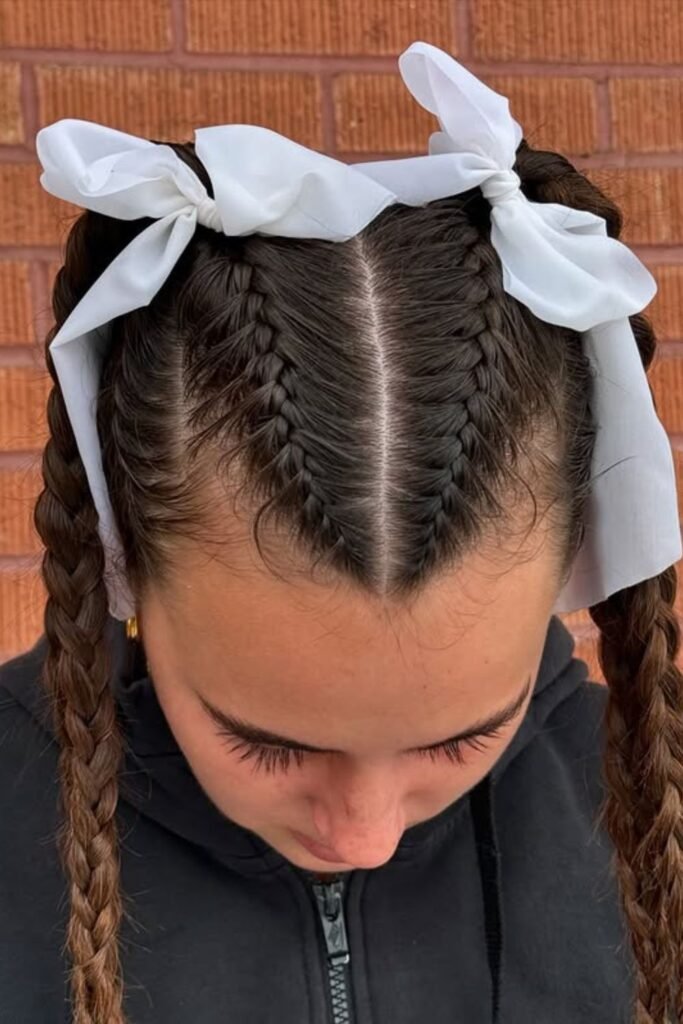
Classic Dutch Braid
Trail runs feel more controlled when your hair sits firmly against the scalp, and a classic Dutch braid gives you that steady hold without any slipping.
Start by tightening the crown so that the first few parts stay in place. Then, braid down with even tension to hold each layer in place.
Keep the braid straight back so that nothing moves when you turn your head while running.
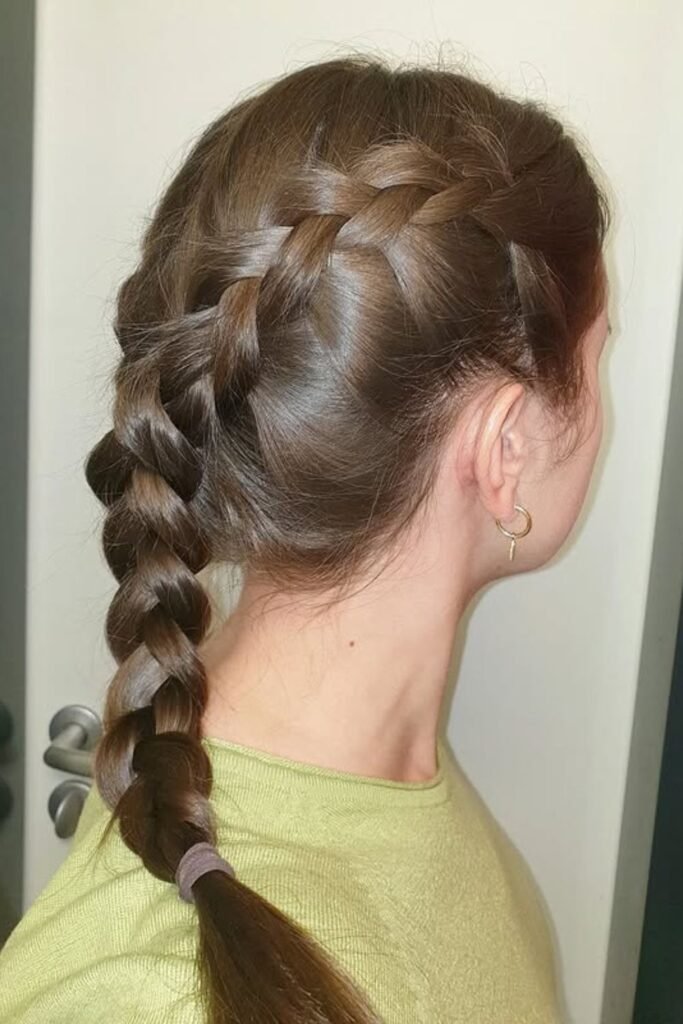
Braided High Pony
Fast starts feel cleaner when the top of your hair is locked down, and braiding the center first gives your ponytail the kind of grip that doesn’t budge.
Split the front into two narrow parts and braid them tightly so that the roots stay in place when you draw everything up into a high ponytail.
To keep the hold strong, wrap a section of hair around the base. Then, use a mild gel to smooth the sides.
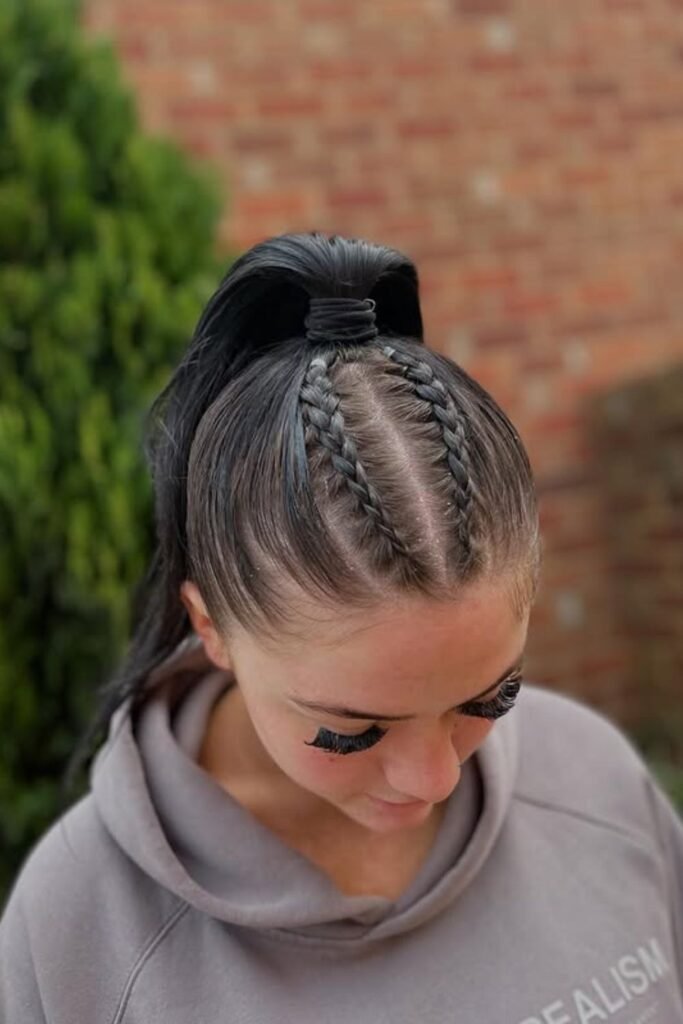
Sleek Braided Pony
Powerful strides stay easier to manage once the base of your ponytail is locked in with a clean, tight gather at the crown.
Smooth the hair up with a lot of stress, then tie it up high so the roots don’t move when you speed up.
Braid the whole thing all the way down to keep it from moving and getting tangled.
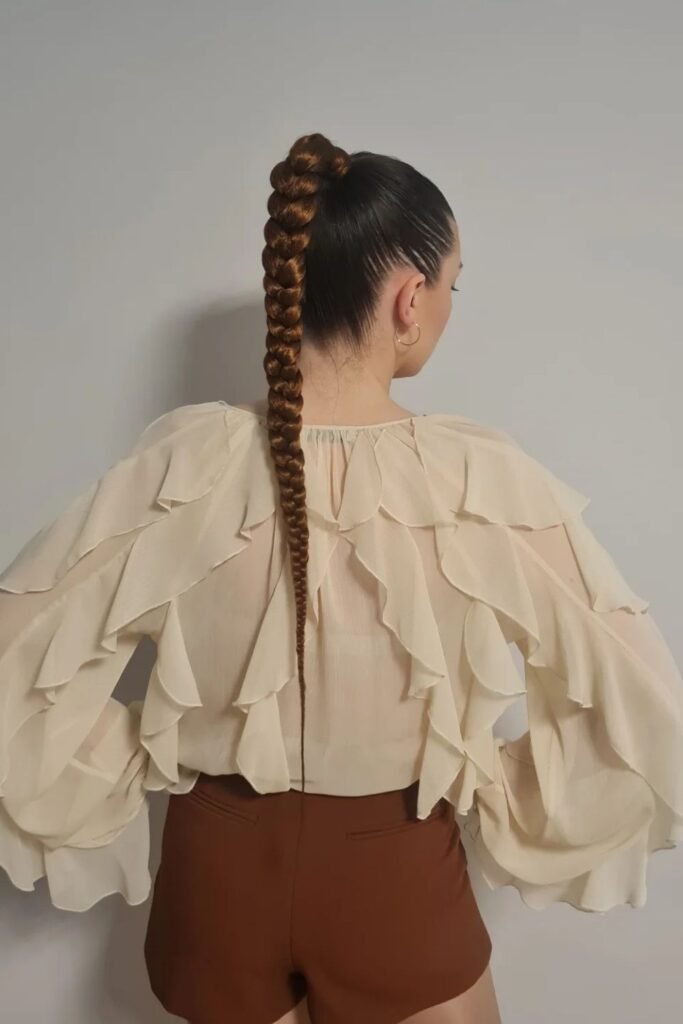
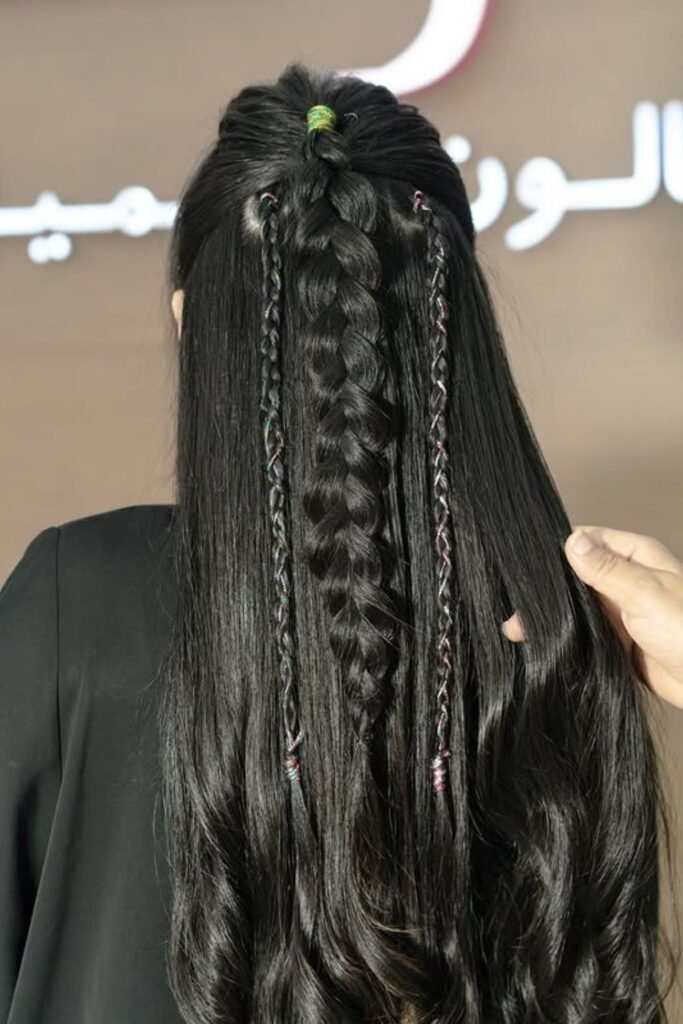
Half-Up Center Braid
Steadying the top section of your hair helps you stay focused on long courses, and a tight half-up braid gives you that control without pulling the full length.
First, get the crown and tie it up high so the roots stay strong while you move. To keep the top layers from slipping, make a thick braid .
Then, for extra grip along the edges, add two thin accent braids. If you like to move around, leave the rest loose.
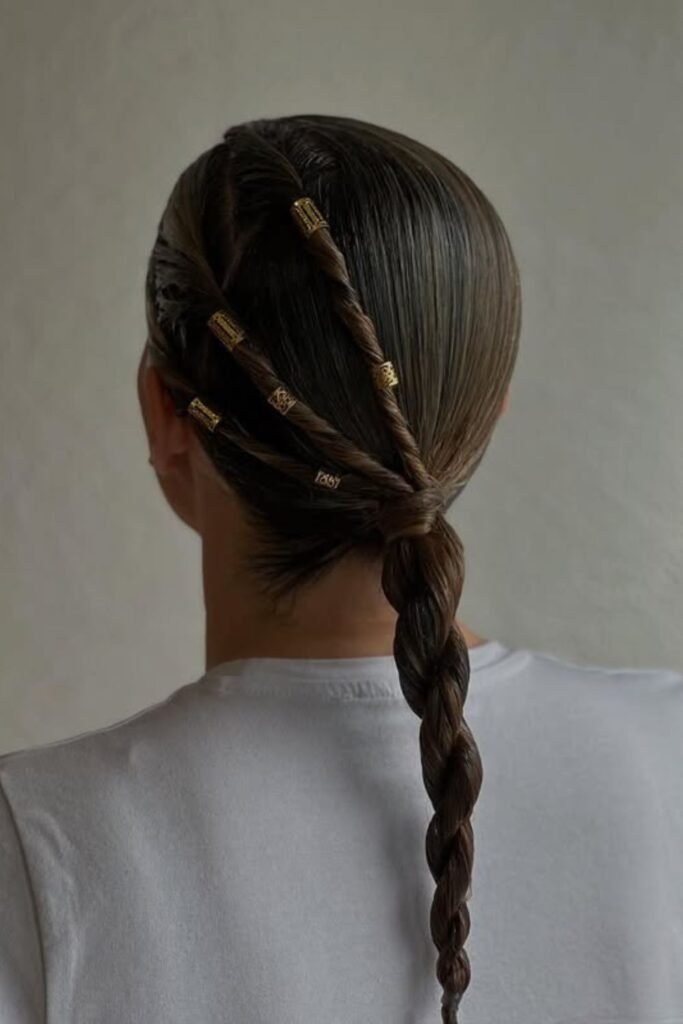
Decorative Side Braid
Side pressure on windy courses gets easier to handle when the hair is pulled firmly toward one direction.
Before you start braiding, twist little portions of hair first so the base is tighter. Then sweep the hair to the side you want.
Put your braid rings or cuffs on until when the twist seems solid so they don’t move around when you start moving.
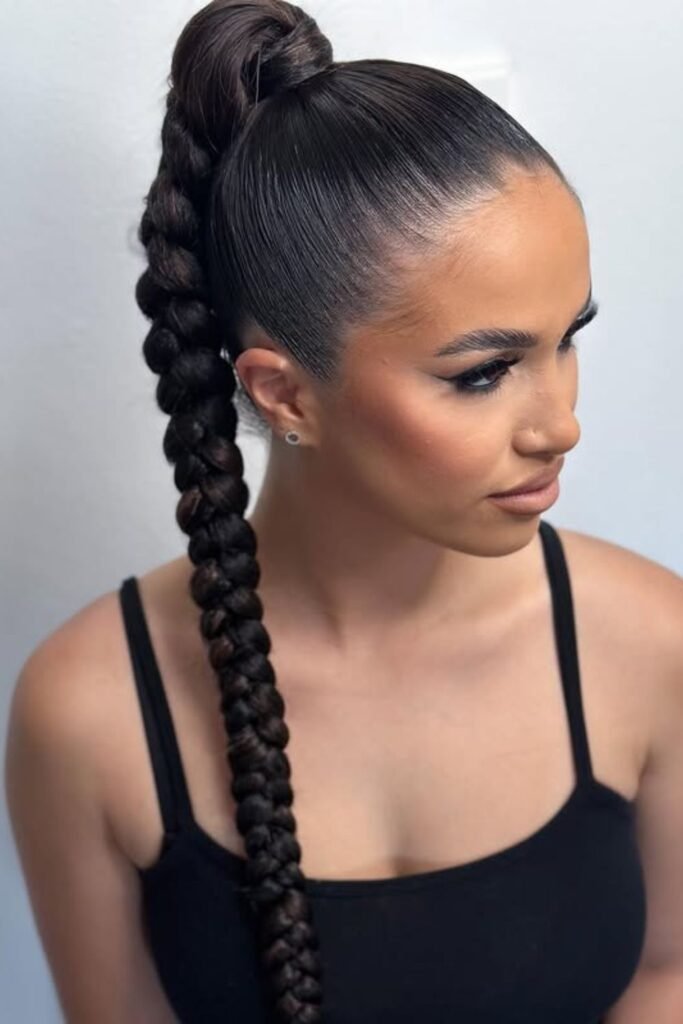
High Sleek Braid
Clean pacing gets simpler when every strand is pulled upward into a firm hold, and a sleek high braid gives you that locked-in feel from the first step.
Brush the hair straight back with a lot of tension, then tie it up high so that the base doesn’t move when you start to move.
To manage the length and cut off any whipping on quick portions, work a thick braid all the way down.
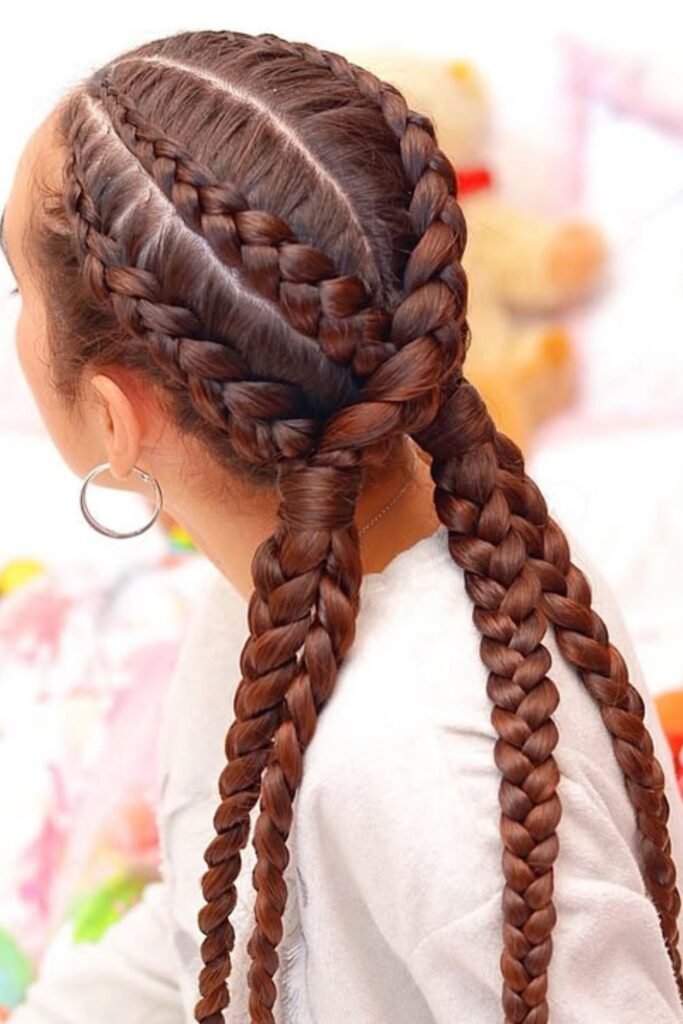
Multi-Section Dutch Braids
If you separate your hair into hard portions that won’t move when you start moving, it’s simpler to deal with strong mileage.
Make clean parts over the scalp, and then work each Dutch braid with consistent tension so that every row stays tight even when you sweat and turn.
To keep the weight even, tie the braids together at the back and wrap the base before tying the ends so nothing comes loose while you’re running.
Half-Up Dutch Rows
Smooth pacing stays easier to manage when the top layer is secured, and tight Dutch rows give you that steady hold without tying all the hair back.
First, divide the top half into two sections. Then, braid two strong rows toward the crown so that the front doesn’t shift as you move.
If you want a more natural flow on lighter runs, you can clip or knot the braided part together to hold the roots in place.
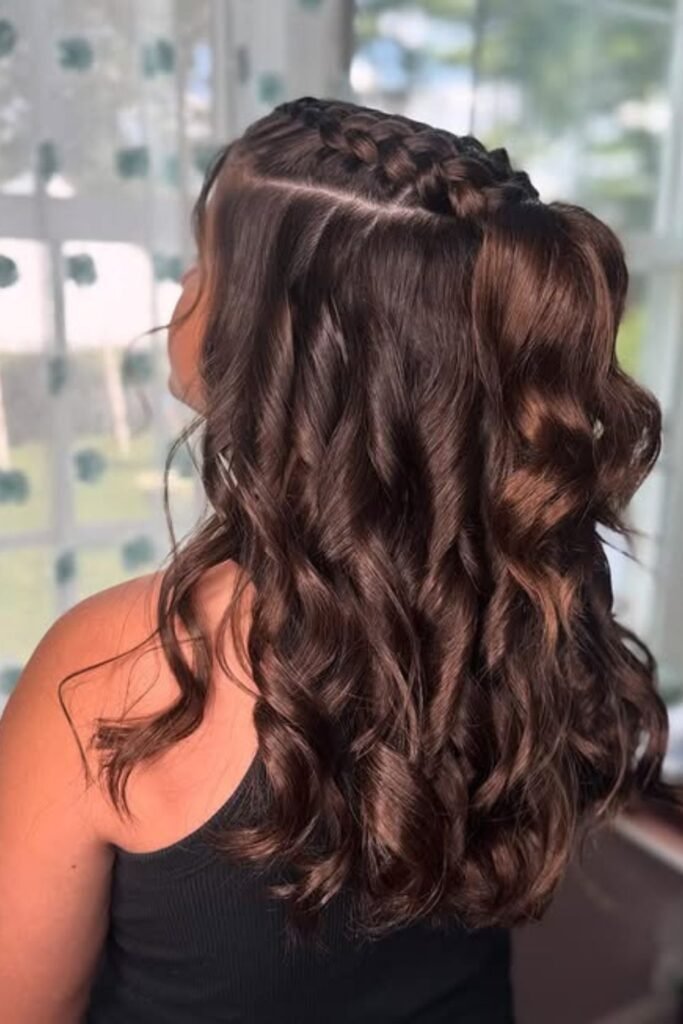
Loose Dutch Braid
Fresh air on slower trail days pairs well with a braid that holds the top steady without feeling tight, and this relaxed Dutch pattern delivers that mix easily.
With light stress, bring the top part together, then weave the strands under while keeping your hands slack so the braid stays soft.
To keep the swing under control without holding everything in place, bring the braid straight down the back.
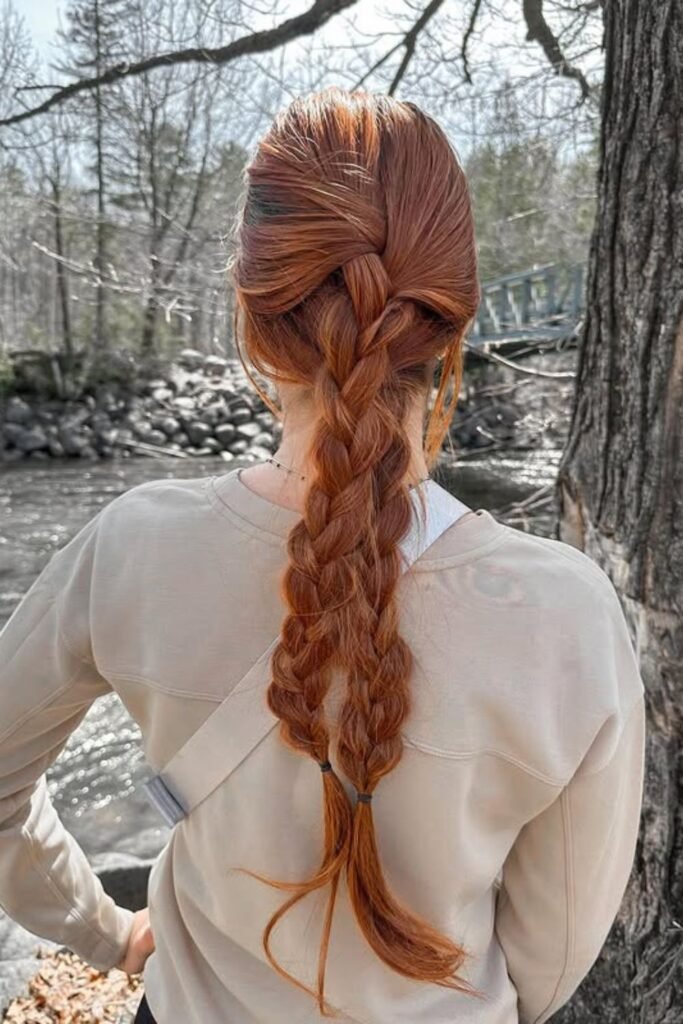
Weighted Dutch Rows
Sharp turns on tougher courses feel straightforward to handle once every strand is locked into tight, organized rows.
Start by cutting clean portions so that each braid has a clear path to follow. Then, pull the first few passes tight to hold the roots in place right away.
While you braid, keep your hands near to the scalp so that the tension keeps the same from front to back.
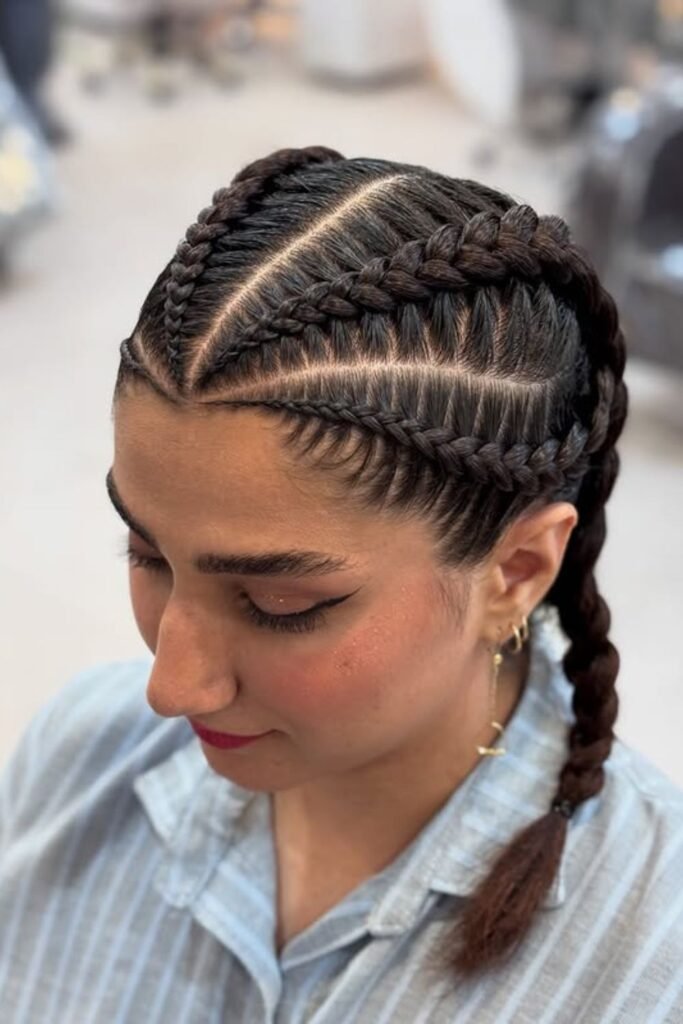
Braided Fishtail Blend
Cooler trail days pair well with a style that holds the top steady while giving the lower braid some flexibility.
First, tighten the two higher braids so that the crown stays in place while you go faster.
Join them in the middle, then switch to a fishtail pattern to control the length without adding bulk.
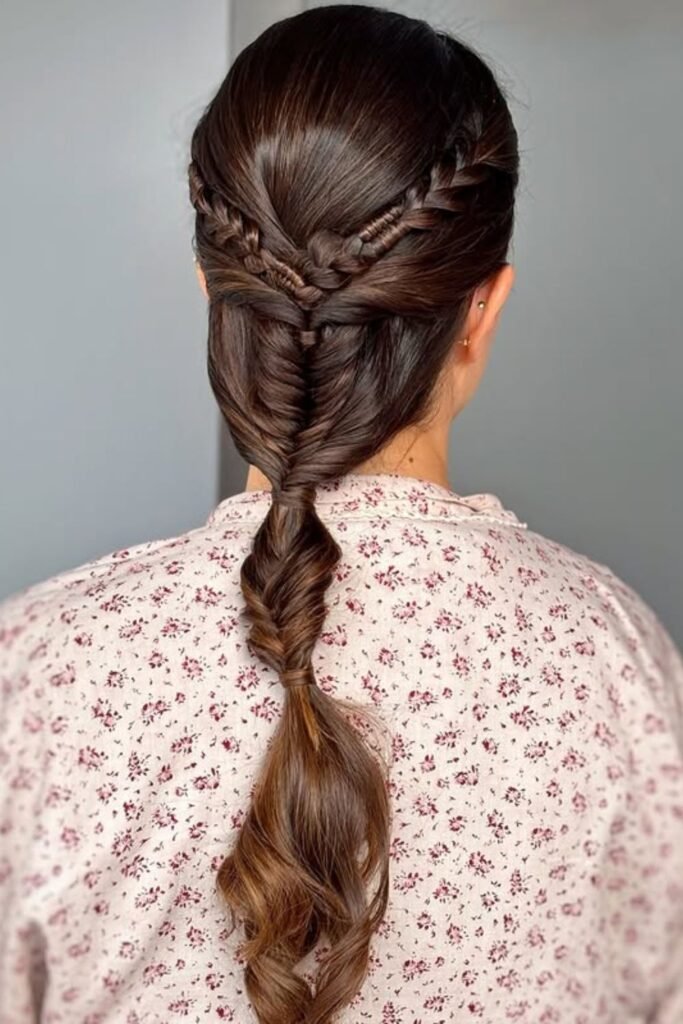
Side Dutch Trail Braid
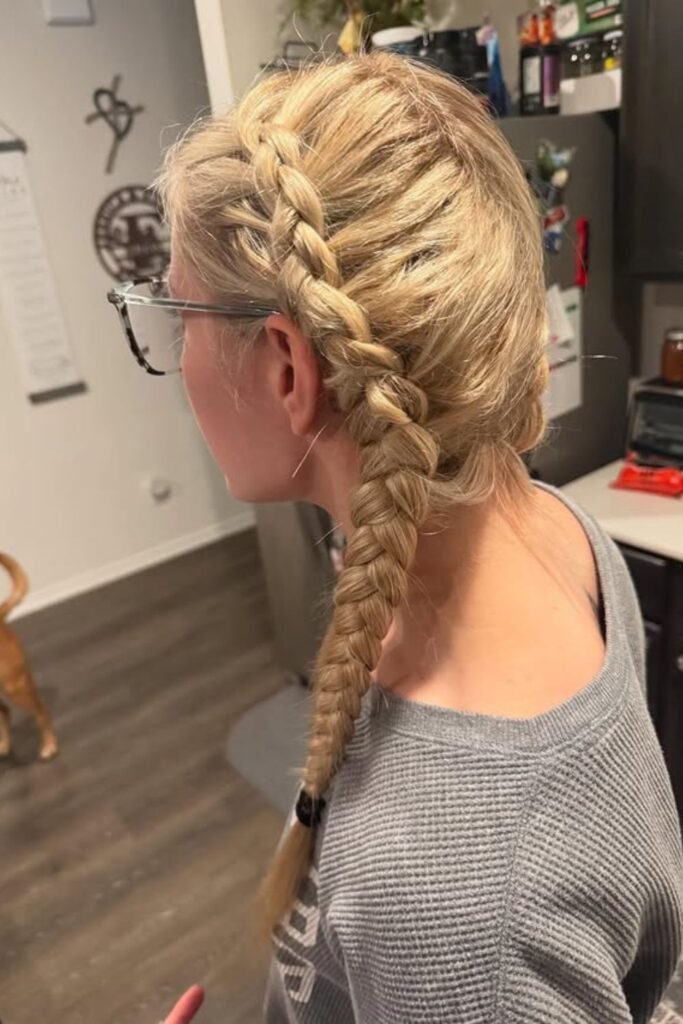
Long-distance days are simpler when your hair stays in place on one side. This diagonal Dutch braid provides you that tight, solid hold without dragging down the back.
Start at the temple and add little, neat pieces as you move toward the nape. This angle maintains the braid close to the scalp so it won’t move when you speed up.
For the first few inches, hold your hands tightly, and then finish the length with a strong three-strand braid.
Braided Pony Stack
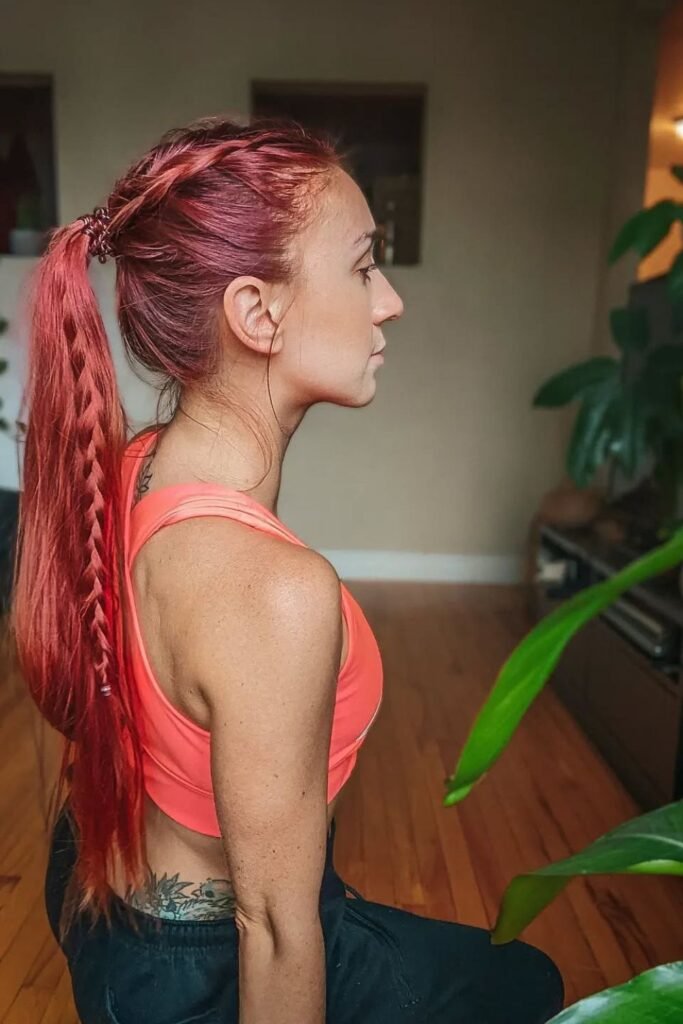
Fast workouts feel more controlled once the top section is anchored, and stacking a tight braid into a high ponytail gives you that steady hold right away.
To keep the roots in place, start by making a little Dutch braid up the middle. Then, pull all of your hair into a tight ponytail.
Put a few tiny braids through the ponytail to control the length and keep it from moving too much.
Tucked Dutch Twins
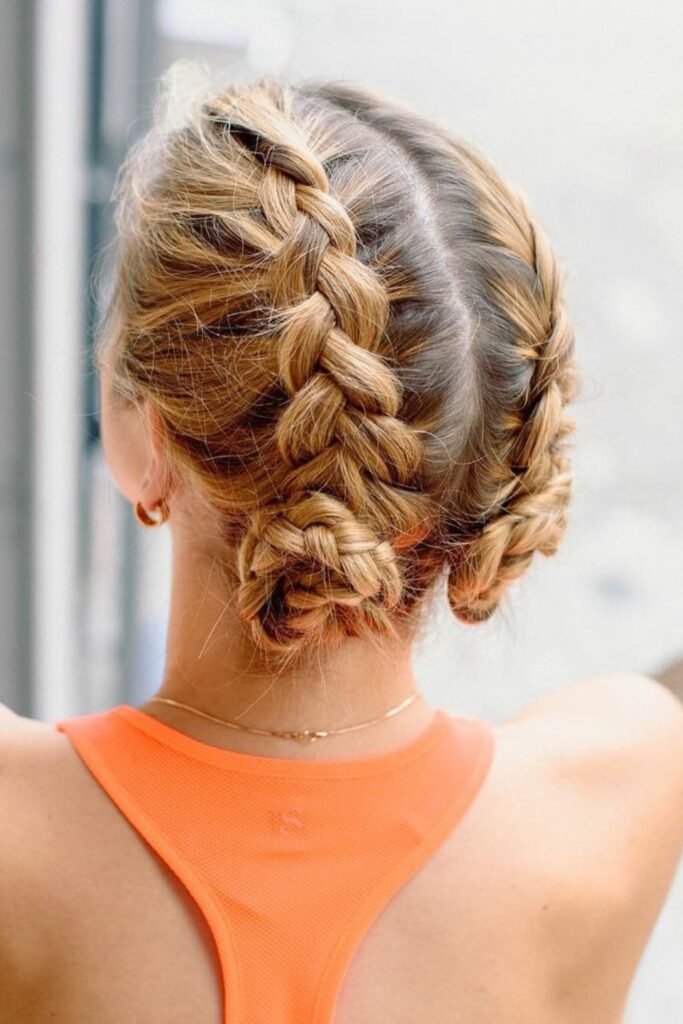
Long runs feel smoother when every strand is packed in tight, and this twin-braid setup delivers that locked-in hold without any loose ends flying around.
Start by separating the hair straight down the middle. Then, braid each Dutch portion with consistent tension so that the roots stay in place.
When you get to the nape, twist each braid up and pin it flat to keep the length from bouncing.
FAQs
How do I keep my cross-country hairstyle from loosening during long runs?
The simplest way to address this is to regulate the tension at the start, because sweat and regular movement can make your braids softer.
Use thin elastics that won’t slip when wet, keep your sections neat, and anchor the first few passes tightly.
A small spritz of hairspray or gel at the roots also helps the braid stay in place so it doesn’t come loose throughout the run.
What hairstyle lasts the longest for girls with thick hair during cross-country?
Dutch braids, cornrows, and tight braided ponytails work best on thick hair because they keep the weight from shifting and manage volume.
If your hair is thick, stick to styles that hold it down at the scalp and stay away from loose ponytails. They bounce more and come undone faster when you run long distances.

Hi, I’m Afaf! I’m a law student who loves writing about everyday life – from home projects and crafts to fashion, beauty, and parenting tips.
I’ve been writing for over a year, sharing ideas that are simple, practical, and easy to try. I write about things I find interesting and useful, whether that’s organizing a space, trying a new DIY, or finding activities to keep kids entertained.
My goal is to share helpful ideas without making things complicated. If it works in real life, I’ll write about it.
When I’m not studying or writing, I’m usually experimenting with new projects or scrolling for inspiration!