
20 Cow Craft Ideas For Kids For 2026
Most children can identify a cow in a book, sure, but ask them again a week later, and it’s gone.
The core issue with farm animal lessons, then, is this kids see the animals, but they don’t truly connect.
Worksheets don’t seem to make a difference, and videos barely hold their attention for a few fleeting moments.
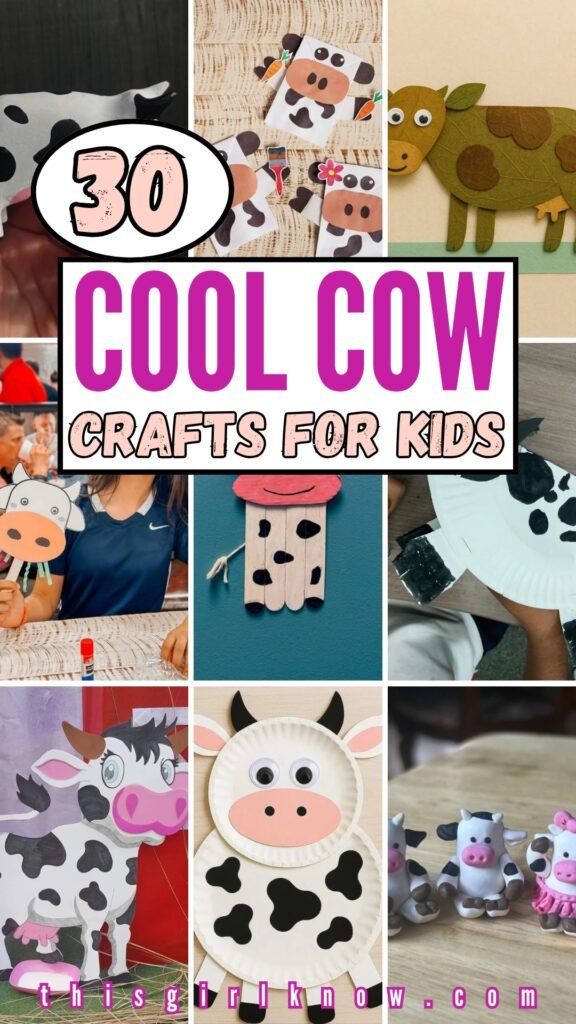
Here you’ll find 20 easy Cow kids’ craft projects designed for fun, learning, and creativity in 2026.
Let’s jump in!
How Can Cow Crafts Support Farm Animal Learning Activities?
To truly embed the concept of farm animals in a child’s mind, pictures aren’t enough. Children absorb information more effectively through tactile experiences.
They learn by doing, by constructing, by creating. Cow crafts transform a basic lesson about animals into a practical, engaging activity.
As a child cuts, pastes, and assembles a cow, they begin to observe details the animal’s anatomy, its hues, its proportions without needing constant guidance.
This is precisely why cow crafts are so effective during farm-themed lessons; they ensure the knowledge endures, rather than dissipating.
Save this article for later!👇👇👇
Cow Puppet
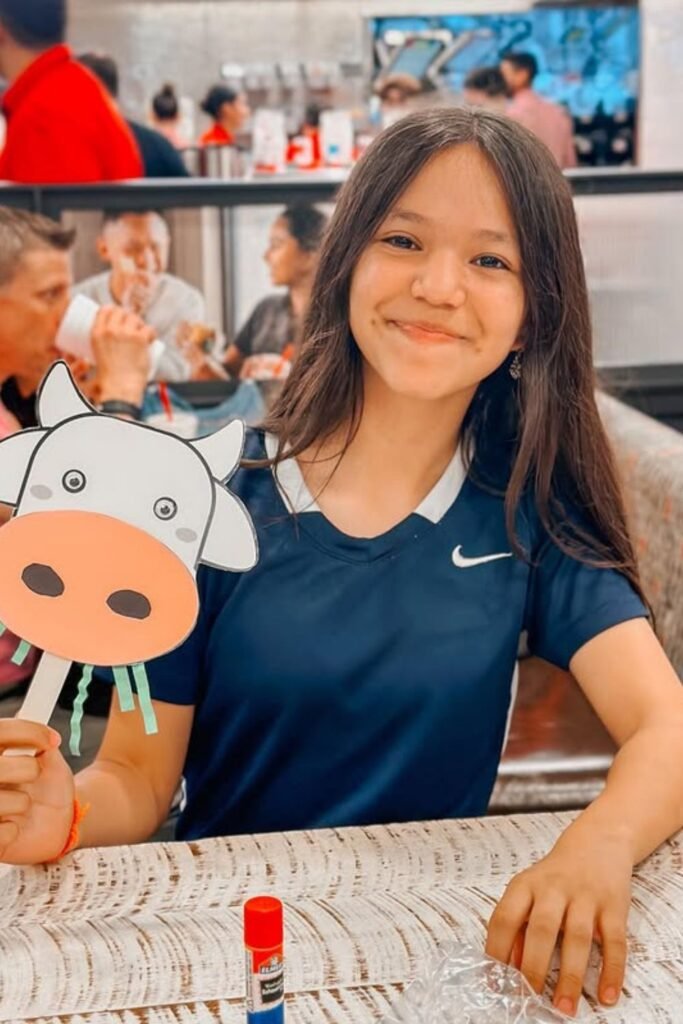
Holding a cow on a stick instantly turns a quiet table activity into a talking, storytelling moment.
This concept shines during farm animal classes especially when the little ones are restless.
A straightforward paper cow face, mounted on a craft stick, is all that’s required.
Children can name the cow, mimic its sounds, or even stage farmyard dramas. They learn via play, often without even noticing.
Stick Cow
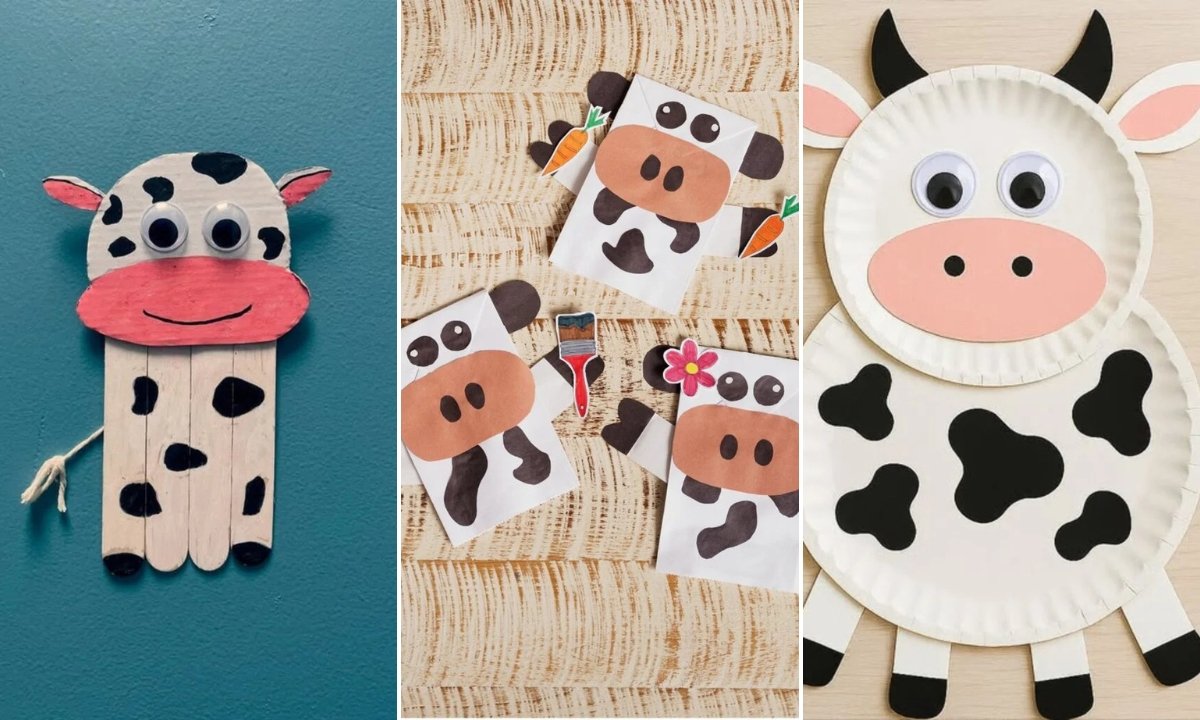
Craft sticks turn into a full farm animal without needing scissors, which makes this perfect for younger kids.
Arranging the sticks and dabbing on the paint encourages kids to take their time and concentrate, and the addition of googly eyes instantly injects some fun.
This approach is particularly effective for group projects when time is tight.
Attach the face at the end this gives the children the satisfying feeling of “animating” their cow.
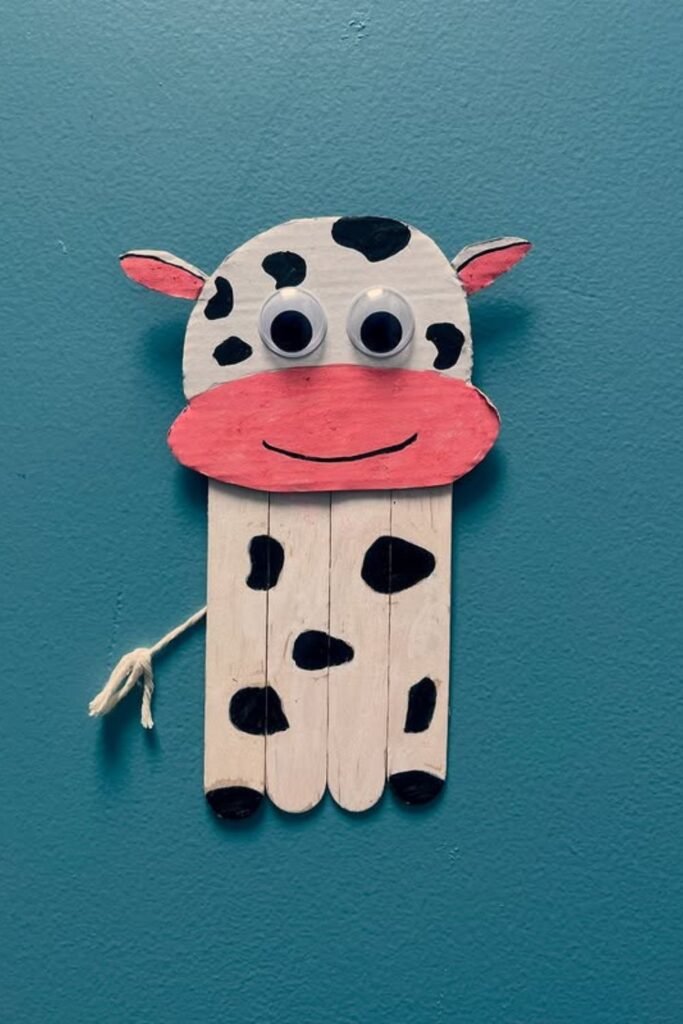
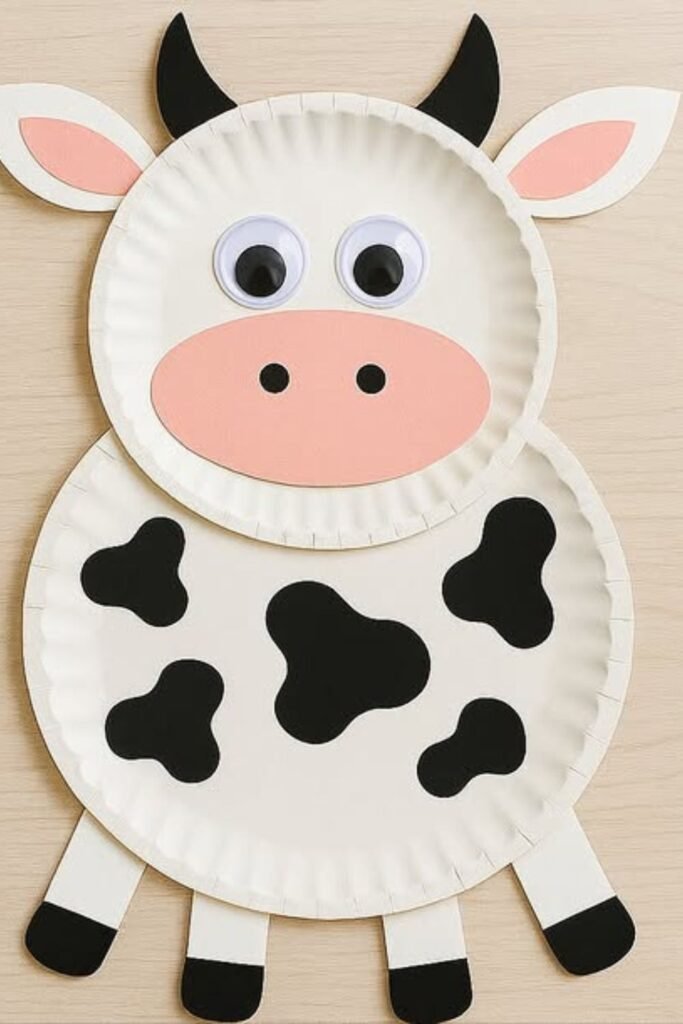
Plate Cow
Watching a cow take shape across two paper plates keeps kids focused longer than a flat worksheet ever could.
One plate transforms into a face, the other a body and just like that, farm animals spring to life, feeling substantial.
This project shines during farm-themed courses or in art centers where children can paint with abandon.
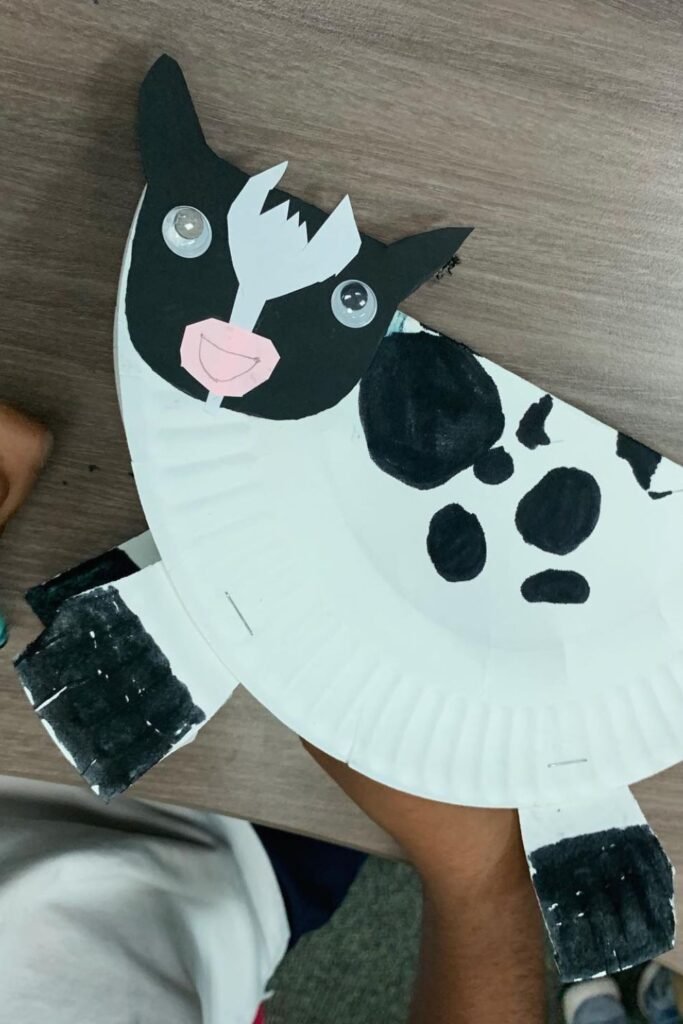
Friendly Cow
Big, bold shapes and easily identifiable characteristics ensure this cow is a hit with children, making it simple for them to identify and recall.
Paper plates are ideal for constructing the head and body, especially during those initial farm themed lessons.
Pre-cut the components then allow the children to position the eyes, spots, and legs as they see fit.
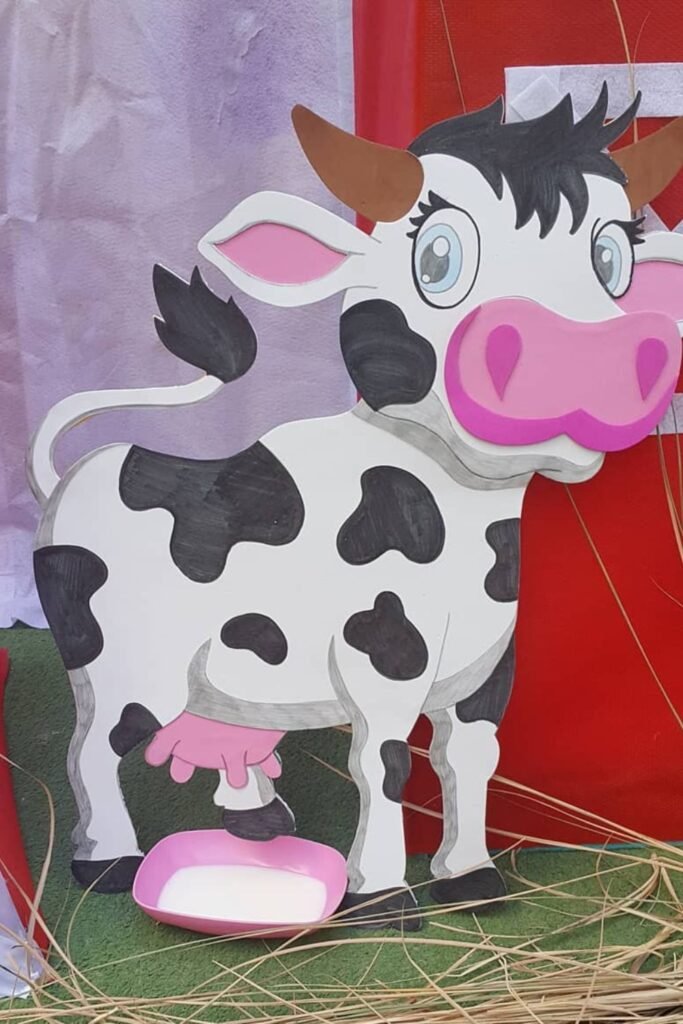
Milk Station
Life-size cows instantly pull kids into pretend play, especially during farm theme weeks. This setup works best in classrooms or play corners.
Where movement is permitted. Create a cardboard cow, give it some pronounced spots, and set a dish beneath it to spark a conversation on the origins of milk.
Children learn best and through active participation not passive listening that’s why this approach is more memorable than any lecture.
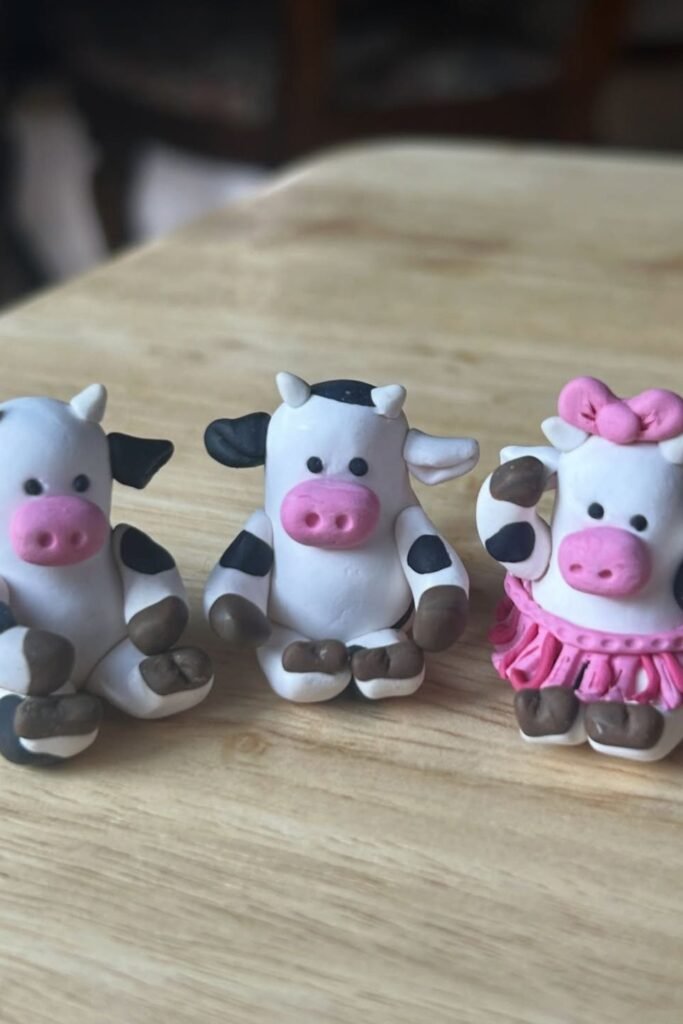
Clay Cows
Little hands slow down naturally when clay comes out, and that’s exactly why this works so well. Rolling shaping.
Adding spots allows children to identify body parts independently, without direct instruction.
This approach works well during quiet table activitie in the small groups where concentration is key.
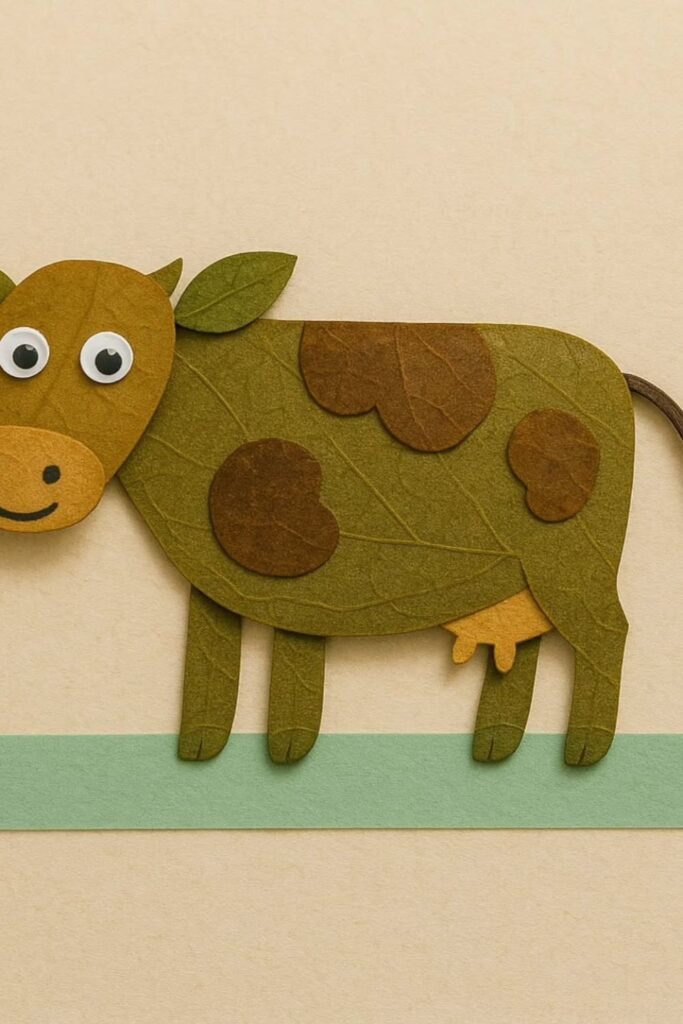
Nature Cow
Real leaves change the way kids look at animal crafts. Instead of coloring spots, they match shapes and textures straight from nature.
This concept is ideal for outdoor classes or autumn endeavors, when the ground is littered with leaves.
Begin by pressing the leaves, and then have the children assemble the cow, bit by little. It’s a subtle way to link farm animals with the natural environment.
Rock Cow
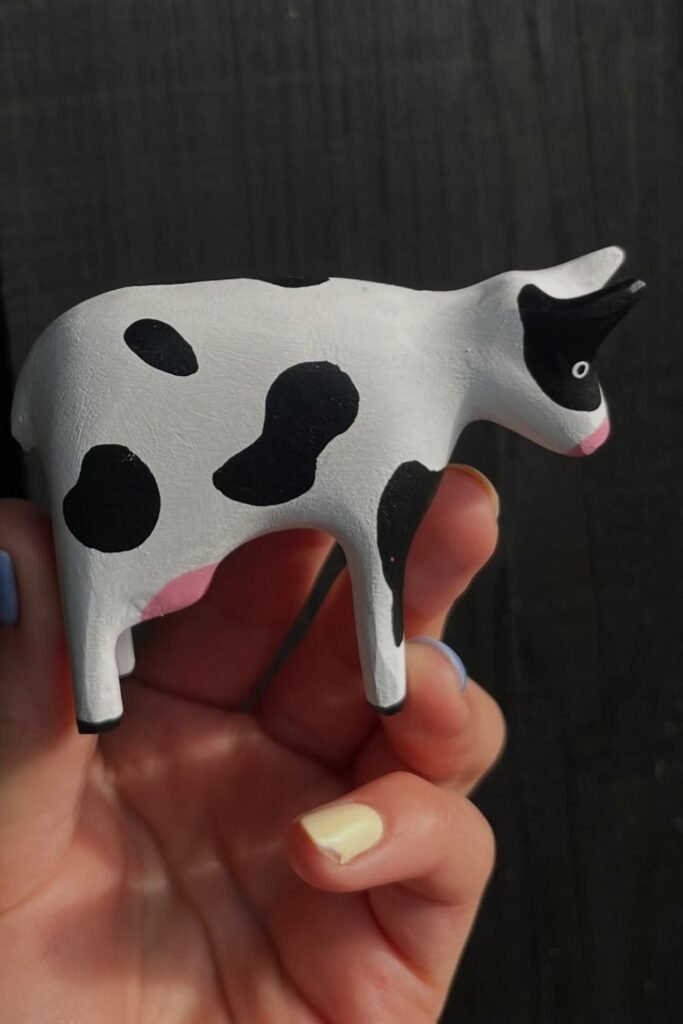
Smooth stones already feel interesting in a child’s hand, so turning one into a cow feels almost magical.
This idea fits calm craft time or outdoor lessons where kids collect their own rocks first.
Paint the base white add simple black spots and stop there details are not the goal.
Holding a finished cow and make farm animal feels solid and real not just something seen on paper.
Build Cow
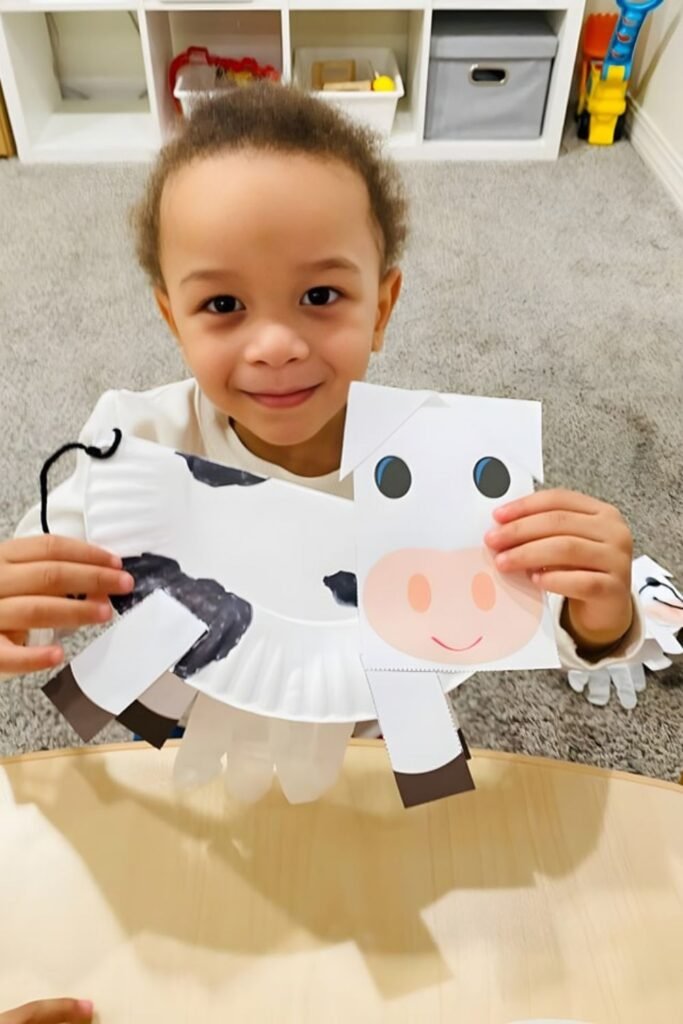
Putting a cow together piece by piece helps toddlers feel proud fast. Separate the face, body and legs before starting.
Then, have the kids attach each piece individually. This method is especially effective during those early farm lessons when youngsters’ attention might be fleeting.
Holding the completed cow provides a tangible success, subtly reinforcing their understanding of a cows anatomy, from its head to its tail.
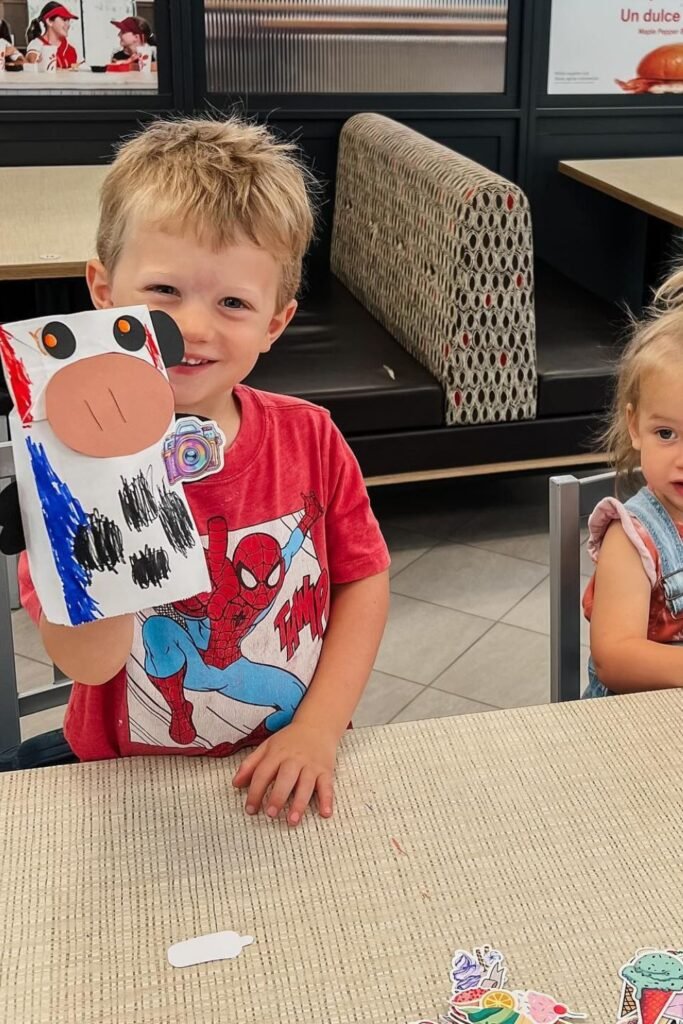
Bag Cow
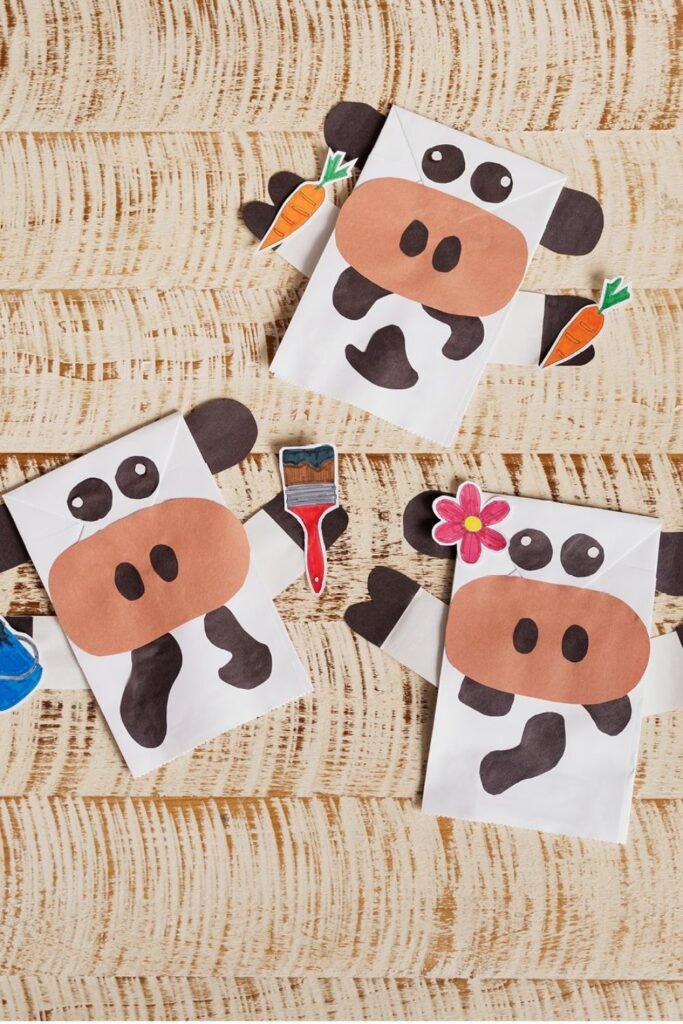
Paper bags transform cows into engaging characters, instantly appealing to children. The top fold serves as the face.
While the bags opening become a mouth perfect for imaginative play. This activity is ideal after reading and farm themed stories during group activities.
To enhance the experience, provide small paper props, such as food items or tools, allowing children to reenact farm tasks, rather than simply holding the craft.
Color Cow
Markers in tiny hands turn cow crafts into personal stories fast. Blank cow faces give kids freedom to add spots, lines.
Or go for bold, unexpected hues, no need to stick to any particular guidelines. This approach shines in settings with a mix of ages and abilities.
Keep the cow’s form uncomplicated and let the coloring be the lesson. Children are more engaged when they’re free to create, rather than following step-by-step directions.
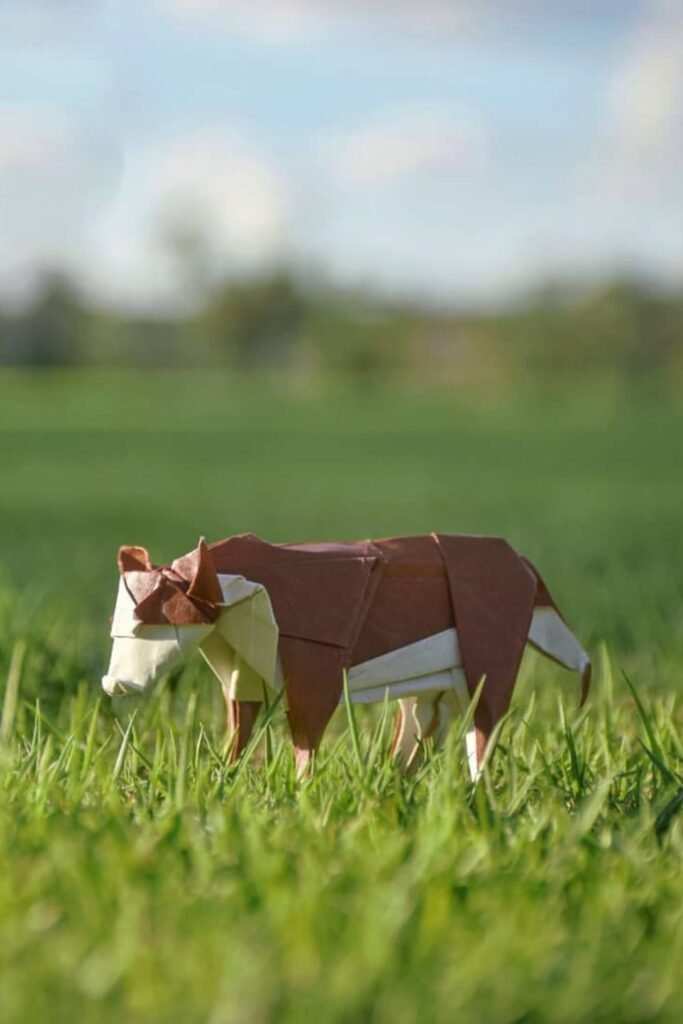
Paper Cow
Folding a cow, rather than butchering one, encourages children to take their time and adhere to a sequence.
This approach is particularly effective with older children, who often appreciate minor challenges within farm themed lessons.
Employ straight forward origami techniques and halt the process before it becomes overly complex.
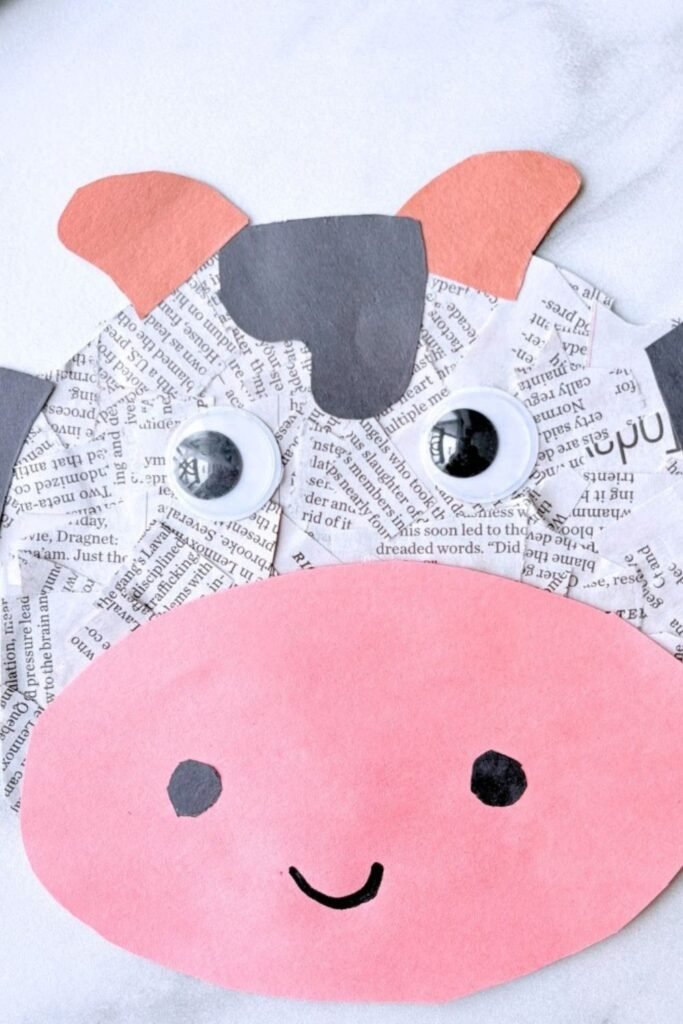
Newsprint Cow
Old newspapers turn into instant texture without extra supplies. Tearing paper instead of cutting keeps hands busy and stress low, especially for younger kids.
This concept works well for art centers or recycled craft days, especially when you are aiming for the creative fun without the cleanup.
Start by gluing the paper down and then add facial features last. This way kids can easily understand how an animal is constructed from basic forms.
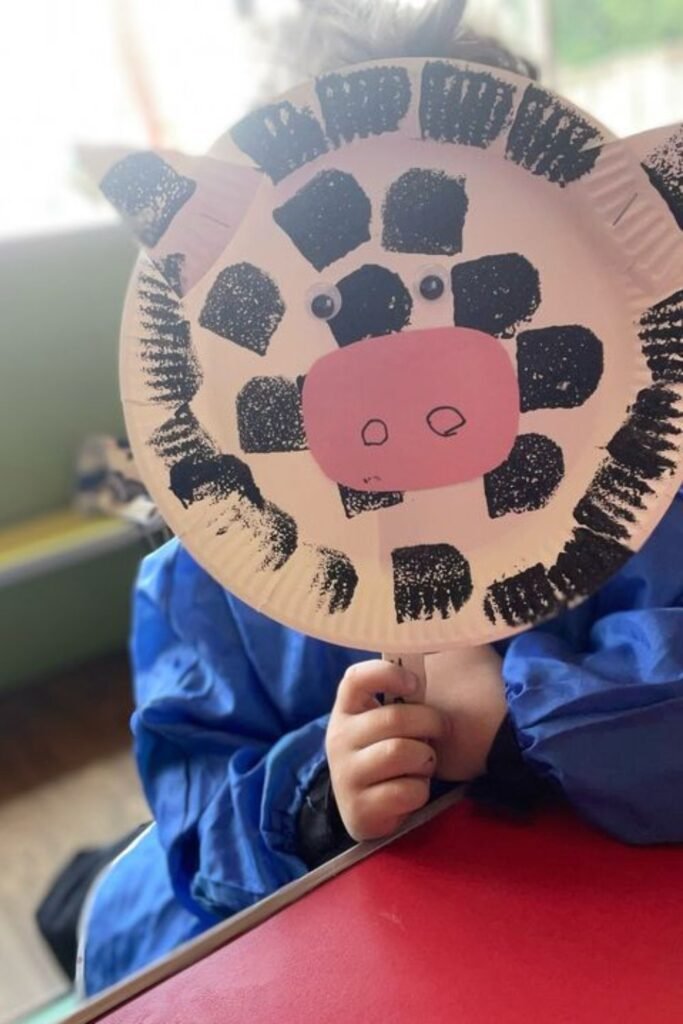
Stamp Cow
Sponges and paint turn cow spots into a hands-on experiment kids love. Dabbing instead of brushing keeps the process simple and mess controlled.
Especially for preschoolers, paper plates are a great choice. They’re robust and simple for little hands to manage.
Once you attach a stick, the project transforms from an artistic endeavor into a pretend play session, eliminating the need to start a completely different game.
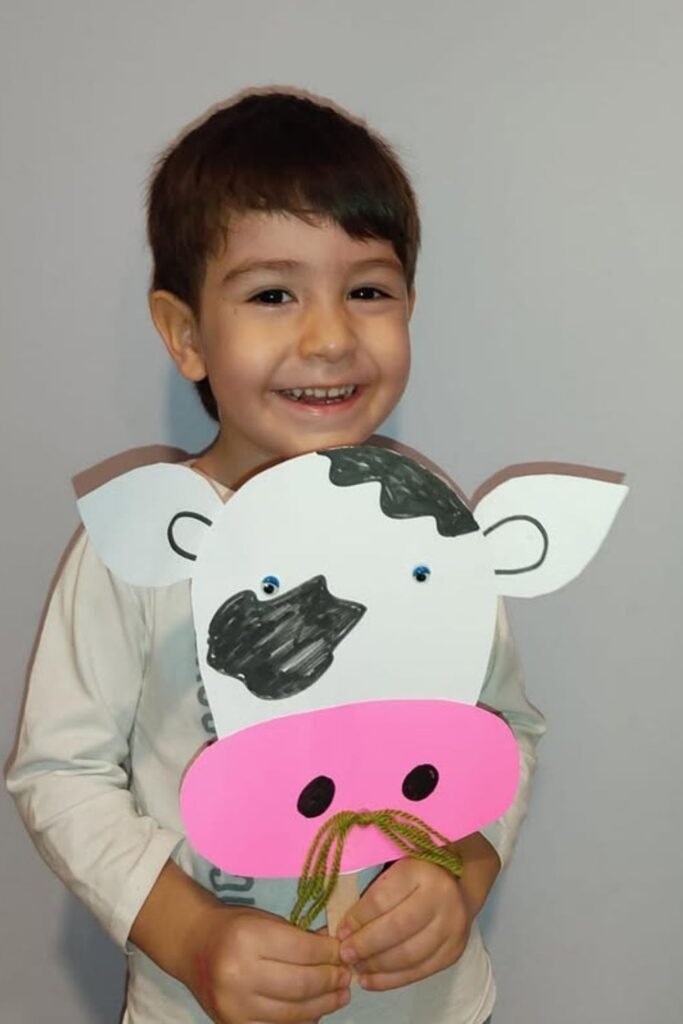
Cow Mask
Wearing a cow changes how kids participate in farm lessons. Suddenly, they’re not just learning about animals they are pretending to be one.
This concept shines in group settings, whether it’s for a sing-along or storytime. Pre-cut the mask shapes, then let the children embellish them with spots and noses.
Attaching a stick makes it easier to manage, eliminating the need for elastic bands which may be tricky for little ones.
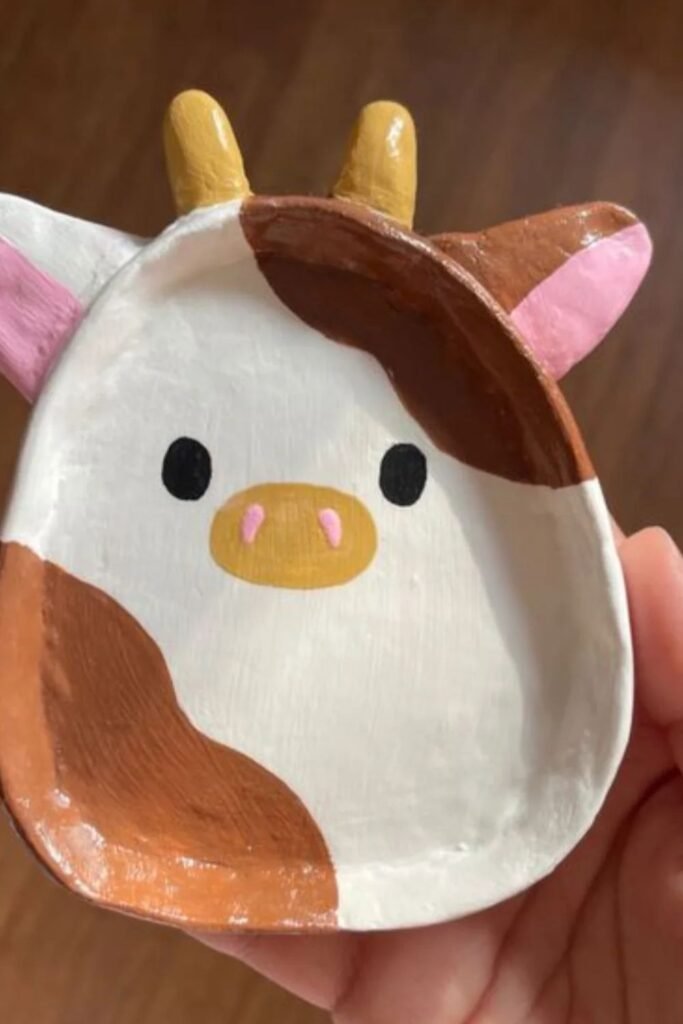
Clay Bowl
Turning a pinch pot into a cow makes kids think past flat shapes. Pressing clay into a bowl first, then adding ears and horns, shows how animals have depth and form.
This is a hit with older toddlers who love hands-on activities.
Keep the facial features basic the goal is to emphasize the shaping process, not achieving a flawless result.
Once they’re done, the bowls can be used as souvenir trays or as props for imaginative play.
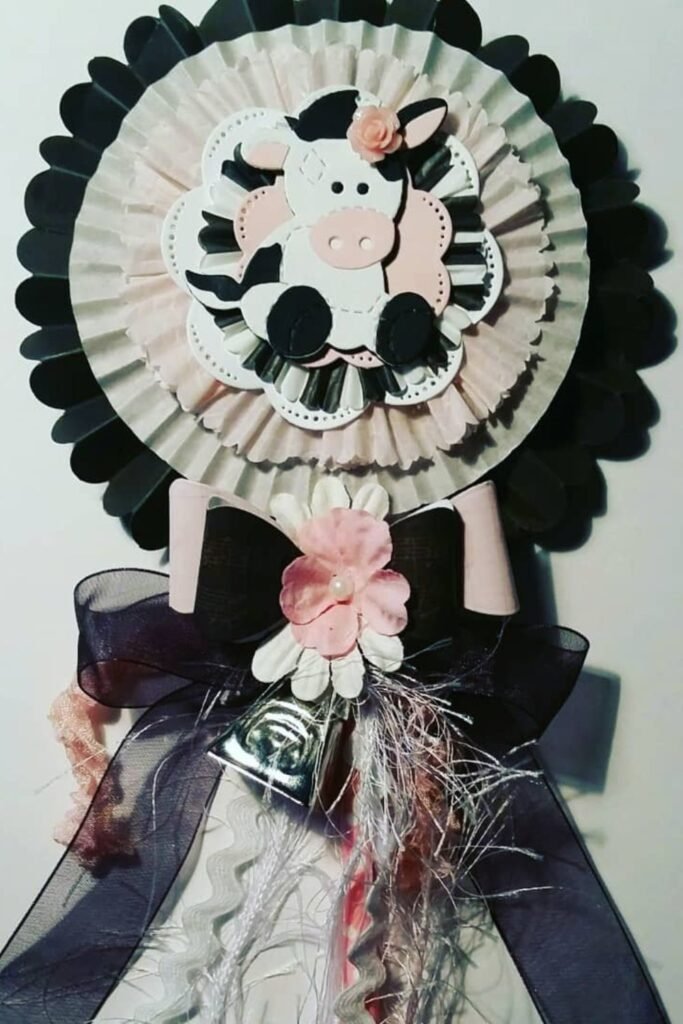
Cow Rosette
Award-style crafts give farm themes a finishing touch kids remember. Layered paper circles, ribbons.
A little cow cutout is perfect for farm week festivities or end of unit displays.
Keep the foundation straight forward and let the children pick ribbon colors or incorporate textures.
Hanging these on wall and cubbies transform learning into something worth displaying and rather than just putting in a bag to take home.
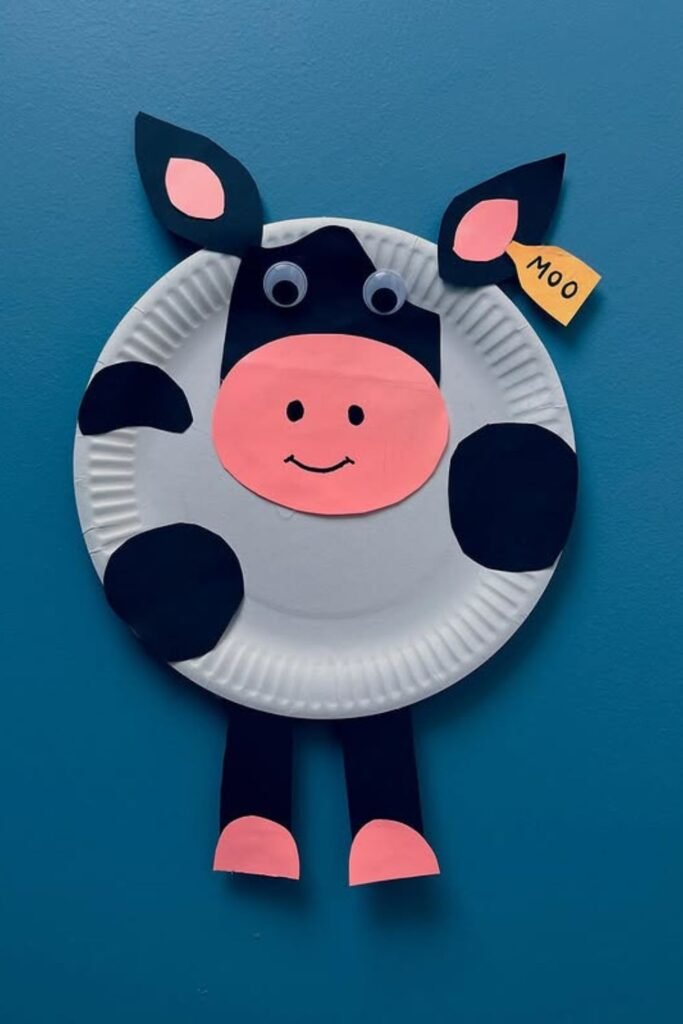
Moo Plate
Sound cues make animal learning stick longer. Adding a simple moo tag turns this paper plate cow into a talking prompt instead of just wall art.
It’s a great fit for circle time or language focused activities, especially when kids are imitating animal sounds. Construct the cow first, then take a break.
Allow the children to make the sound before you attach the tag. That brief pause really helps cement the lesson in their minds.
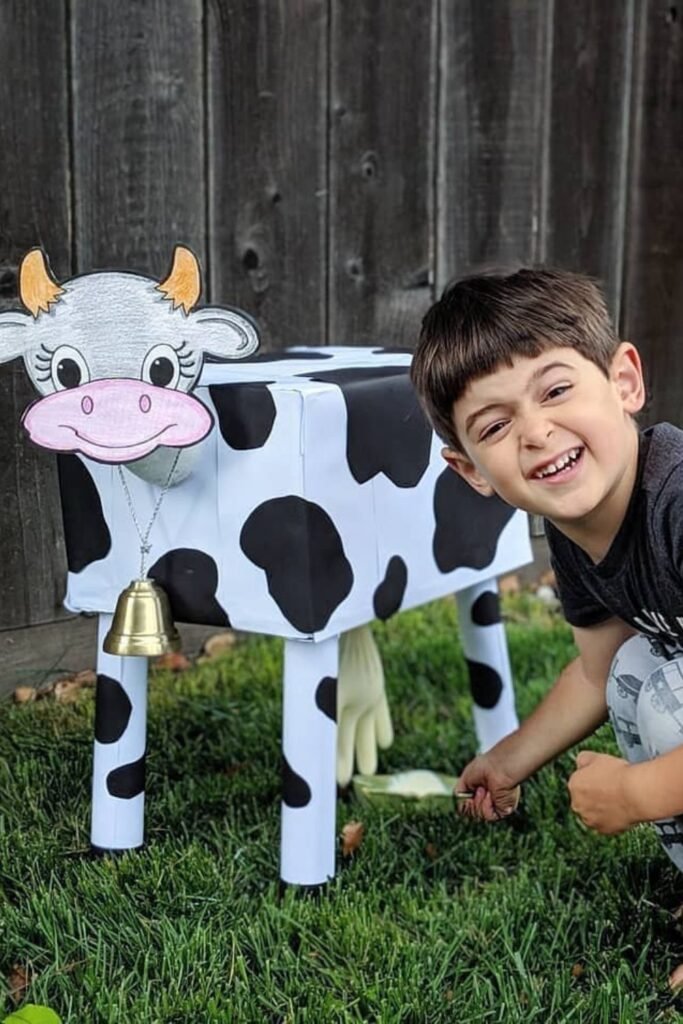
Box Cow
Big builds turn farm lessons into full-body play. A cardboard box cow works best outdoors or in open spaces where kids can move, crouch, and explore.
Wrap the box with paper, add bold spots, and keep the shape basic. When children interact with a cow.
They can move about which changes the learning process from passive hearing to active doing and remembering.
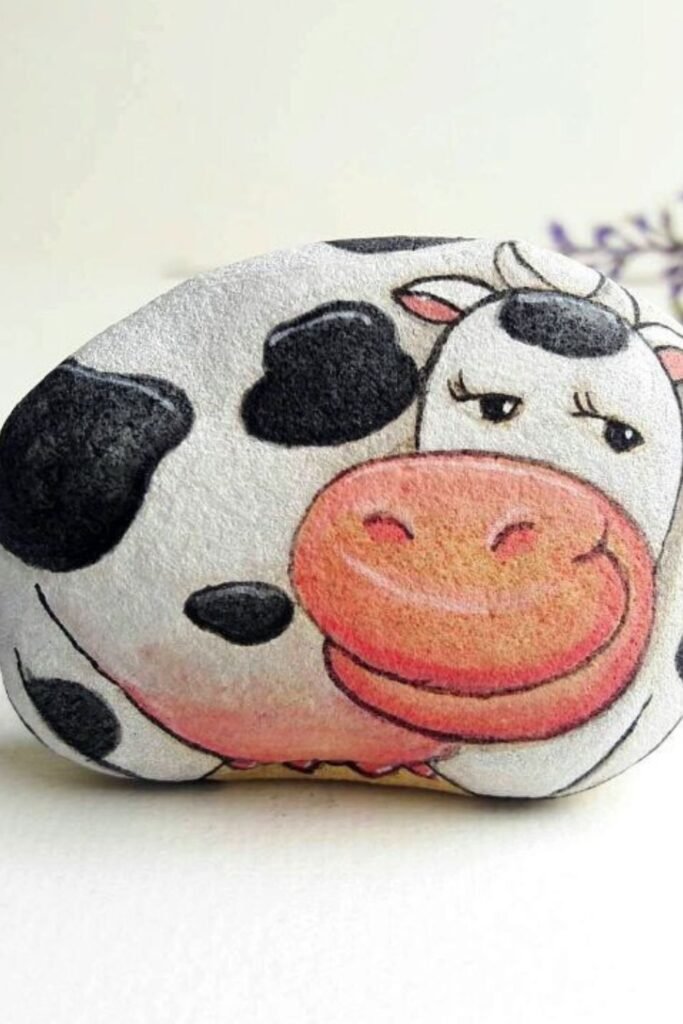
Painted Stone
A smooth rock already feels special before paint ever touches it. Turning that surface into a cow keeps kids engaged longer.
The form dictates the design not the reverse. This approach is ideal for serene craft sessions or for creating mementos for children to bring home.
Maintain a bold, uncomplicated facial expression to ensure the cow remains recognizable when the paint sets.
FAQs
Do cow crafts really help kids learn farm animals, or are they just for fun?
Cow crafts offer more than just a way to pass the time. As youngsters construct their own cows, they naturally observe features such as spots, legs, and facial characteristics.
This active engagement aids in the animal’s retention. The enjoyment draws them in, however the learning unfolds subtly during the creative process.
What age works best for cow craft activities?
Cow crafts appeal to all age groups, but the approach is key. Young children thrive on straightforward activities like coloring or gluing.
For older kids, folding molding or constructing larger cow figures is the way to go. Its the modifications to the process that truly count not the core concept.
Hi, I’m Afaf! I’m a law student who loves writing about everyday life – from home projects and crafts to fashion, beauty, and parenting tips.
I’ve been writing for over a year, sharing ideas that are simple, practical, and easy to try. I write about things I find interesting and useful, whether that’s organizing a space, trying a new DIY, or finding activities to keep kids entertained.
My goal is to share helpful ideas without making things complicated. If it works in real life, I’ll write about it.
When I’m not studying or writing, I’m usually experimenting with new projects or scrolling for inspiration!