
26 Construction Paper Crafts Ideas For Kids 2026
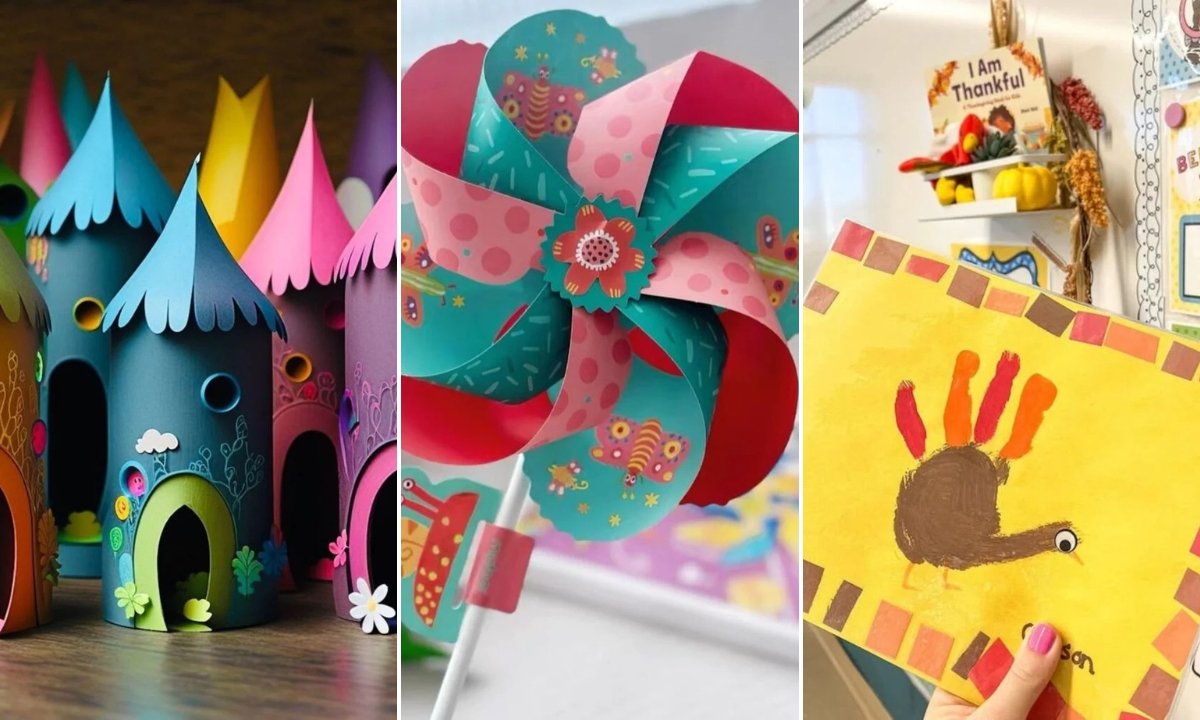
You grab a stack of construction paper, hoping to entertain the kids, and five minutes in, you’re at a standstill.
No clear direction, a million online tutorials with too many steps, and every “simple” project requires supplies you don’t possess.
To make matters worse, the kids lose interest before they even get started. If this resonates, you’re not alone most craft guides miss the mark.
In this article, you’ll uncover 26 easy Construction Paper Crafts Ideas For Kids that make creativity accessible in 2026.
Let’s jump in!
How Do You Create Easy Crafts Using Construction Paper?
Crafting success begins in the mind, not with the finished product. Overly complex designs are a surefire way to lose a child’s interest. Simplicity is key.
Start with a single, fundamental shape, cut it out and then construct everything else around it.
To maintain engagement allow children to select their colors before you begin.
Always present a completed example beforehand when children understand the end goal, they work with intention rather than uncertainty.
Simple shapes, straightforward instructions and rapid outcomes are the hallmarks of an easy craft project using construction paper.
Save this article for later!👇👇👇
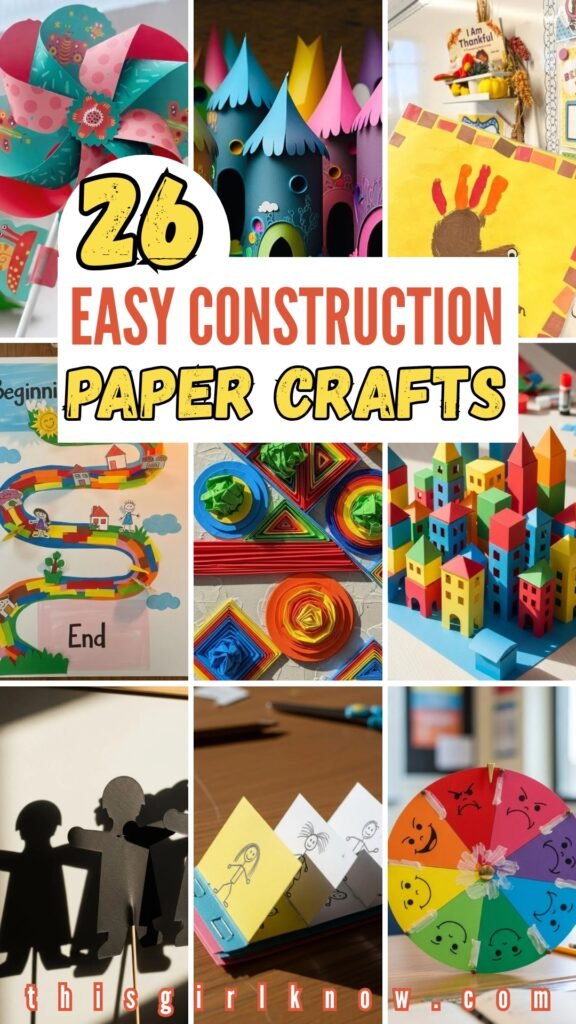
How Can Construction Paper Be Used for School Projects?
Construction paper is a solid choice for school projects, largely because it’s manageable and doesn’t create a huge mess.
When assisting with homework or a class assignment, begin by aligning the project with the subject matter.
Paper cutouts are great for creating letters, numbers, or basic diagrams. For presentations.
Layering various colors can highlight key concepts without the need for excessive embellishments.
Veggie Faces
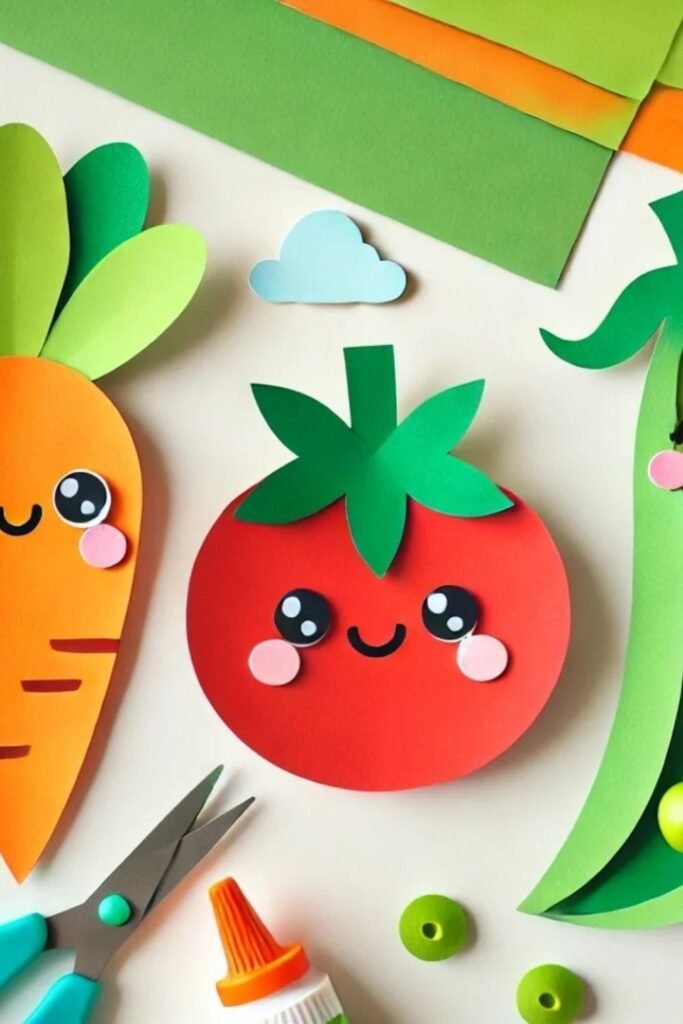
Smiling vegetables turn cutting practice into play without kids even noticing. Bright paper carrots, tomatoes, and peas.
These activities shine during food-themed lessons or when discussing fussy eaters. Start with basic shapes.
Then let the children create faces by sticking on eyes, cheeks, and leaves wherever they like.
Bubble Fish
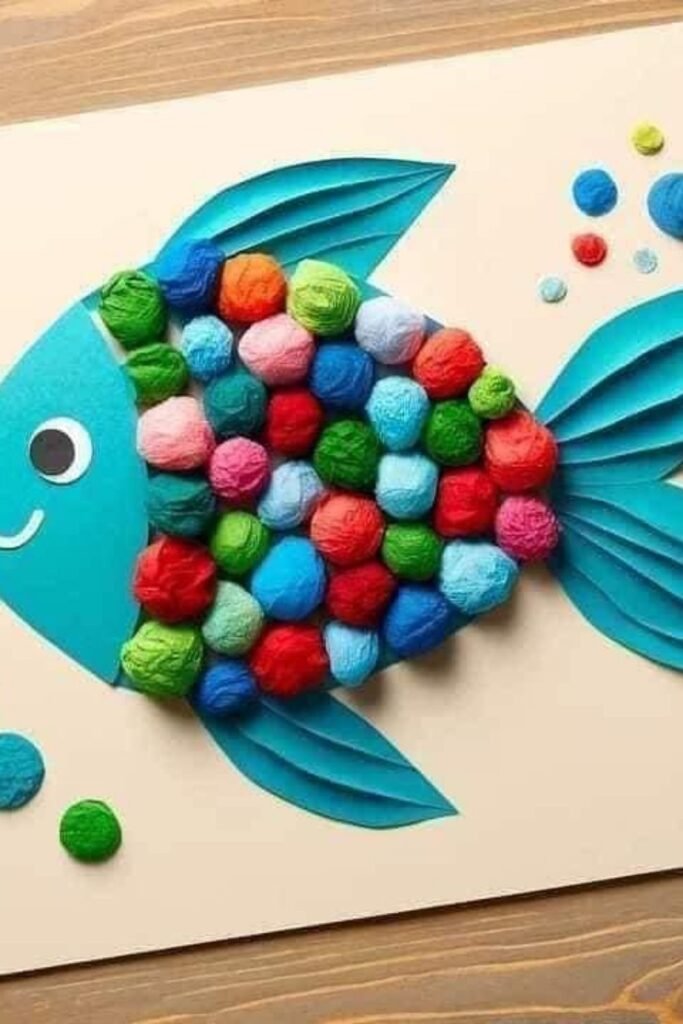
Tiny paper balls glued one by one keep little hands busy longer than flat crafts ever do. Fish shapes like this work well during quiet time.
Art centers are great for kids, as they get absorbed in rolling, pressing, and arranging each piece.
Mixing colors introduces texture and aids in color recognition, all without making the activity feel overwhelming.
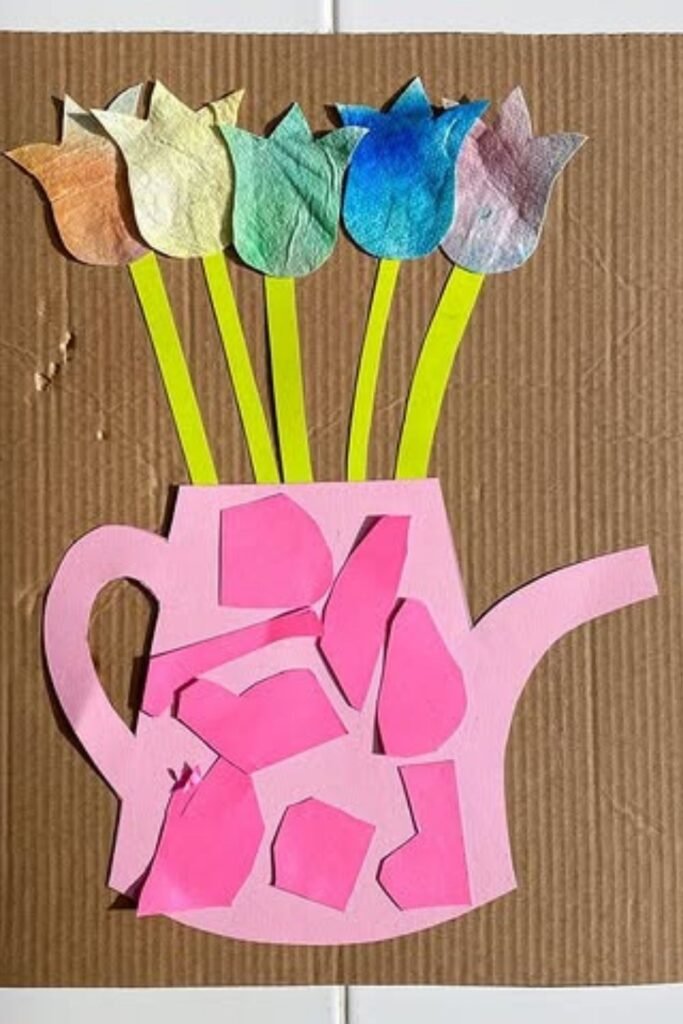
Paper Bouquet
Spring-themed activities feel calmer when kids work upward instead of filling a page randomly.
Flower stems emerging from a paper watering can are a perfect fit for classrooms, particularly when creating seasonal displays.
Start by cutting out basic tulip shapes, then affix long strips to serve as stems, and last, layer the components onto a backing.
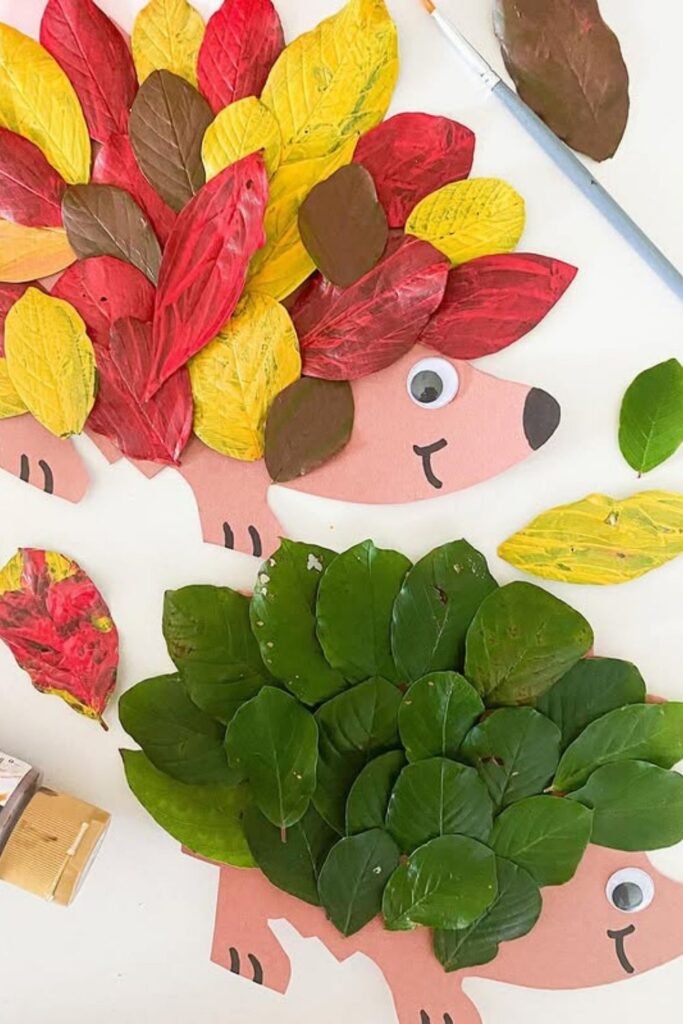
Leaf Hedgehog
Nature walks turn into craft time without extra planning here. Gather fallen leaves then let kids sort them by color or size before gluing.
Paper hedgehogs are best tackled on those calm afternoons if concentration trumps a quick finish.
Building them with leaves cultivates patience and the fact that each one turns out differently means kids feel a sense of accomplishment.
Rainbow Arches
Color order becomes hands-on instead of something kids just memorize. Curved paper strips stacked into a rainbow fit perfectly.
During weather lessons or quiet painting sessions begin by cutting long strips. Next bend the strips and secure both ends with glue to maintain the desired shape.
Incorporating soft clouds on either side provides children with a clear beginning and endpoint, helping to keep the work organized and concentrated.

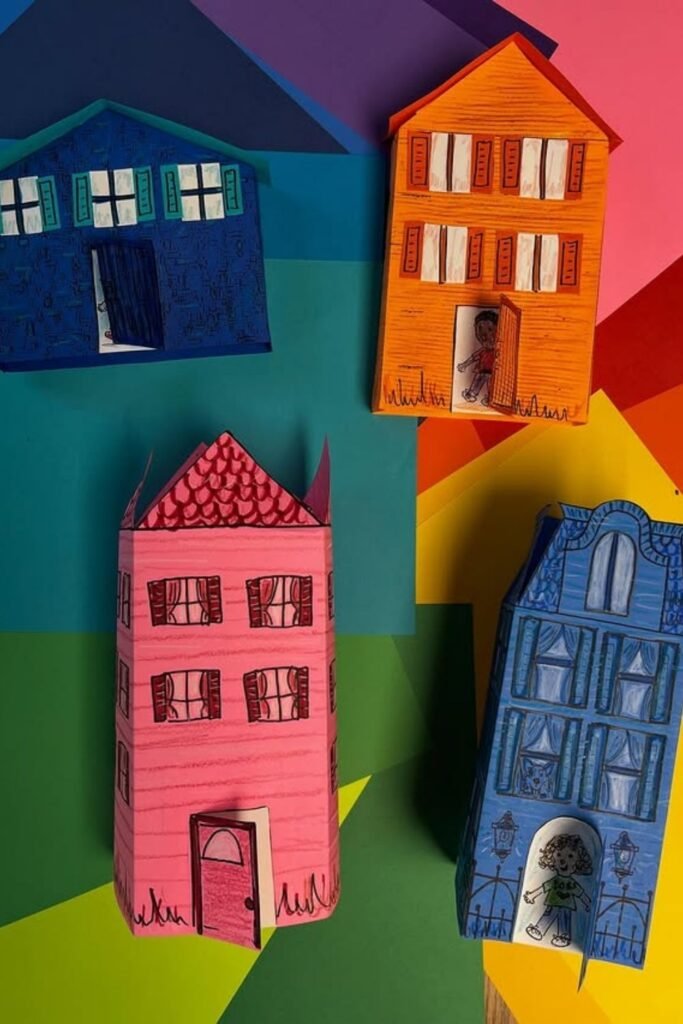
Paper Houses
Storytelling becomes easier once kids can open doors and peek inside. Folded paper houses like these work well for quiet play corners or social studies lessons.
Begin with basic box folds. Next, encourage children to add their own touches: windows, roofs, and even people.
Using different colors can help distinguish the various elements, and the flaps, when opened.
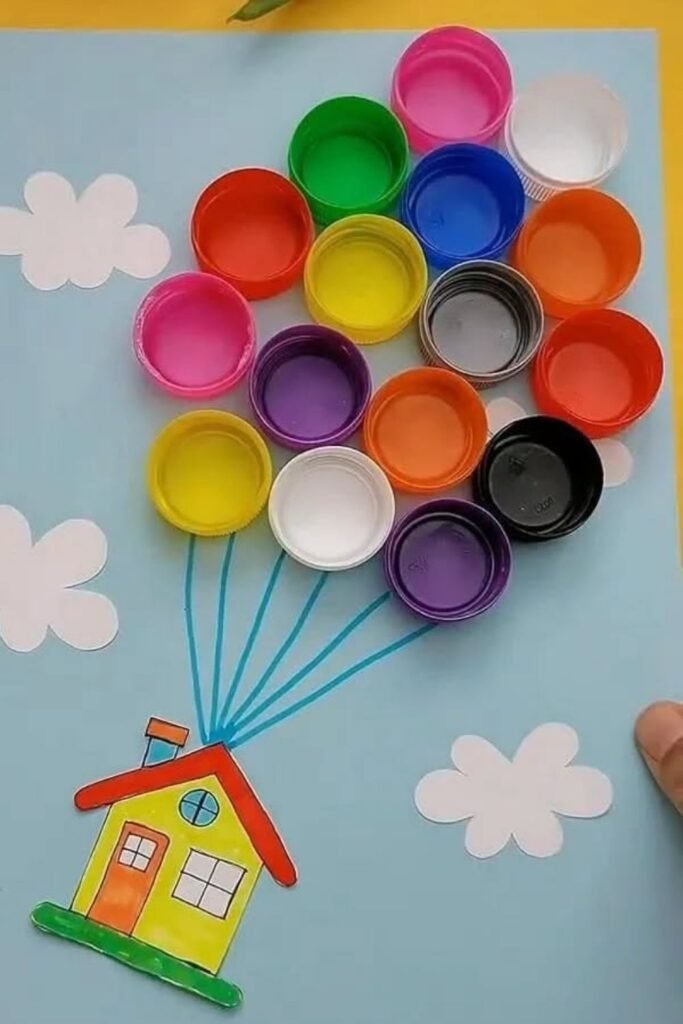
Balloon House
Flying balloons made from bright circles instantly grab attention during calm art time. Arrange paper circles above a small house cutout.
Next, link everything together using slender paper strips, acting as threads. This kind of activity is great for practicing shapes and sorting colors.
Children have fun figuring out where to put the balloons, and the straight forward design helps limit the amount of glue used and preventing a mess.
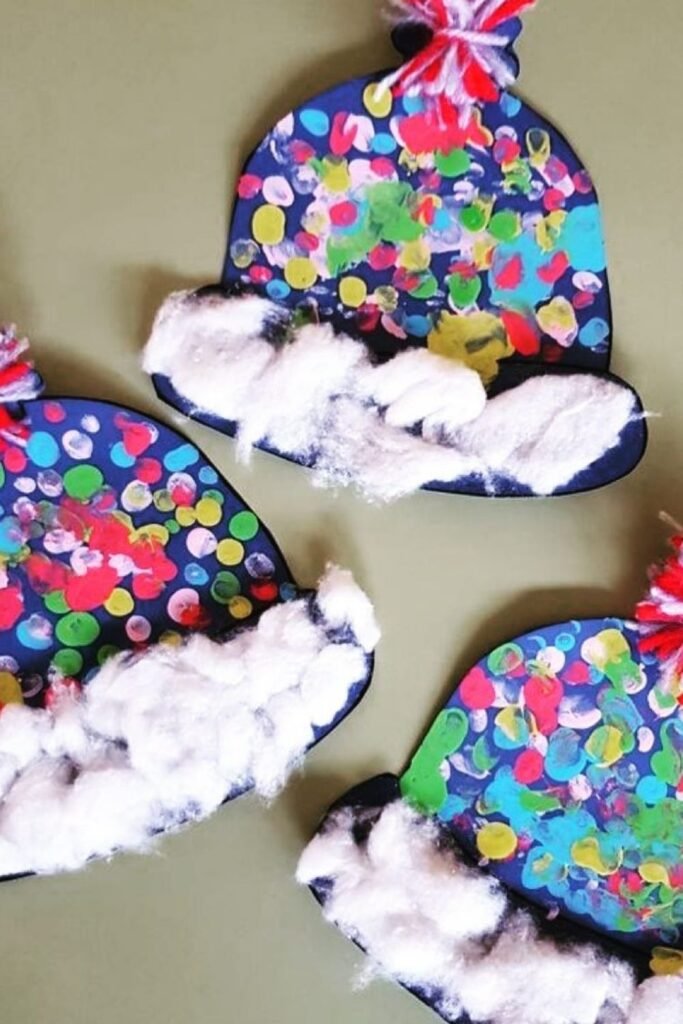
Cozy Hats
Cold-weather themes feel more fun once texture enters the activity. Winter hats like these work well during indoor days when kids need freedom without chaos.
Begin with basic hat shapes then have the children use vivid paint to stamp dots or fingerprints.
Adding cotton along the brim provides a gentle contrast and encourages a slower pace which is perfect for focused art sessions with smaller groups.
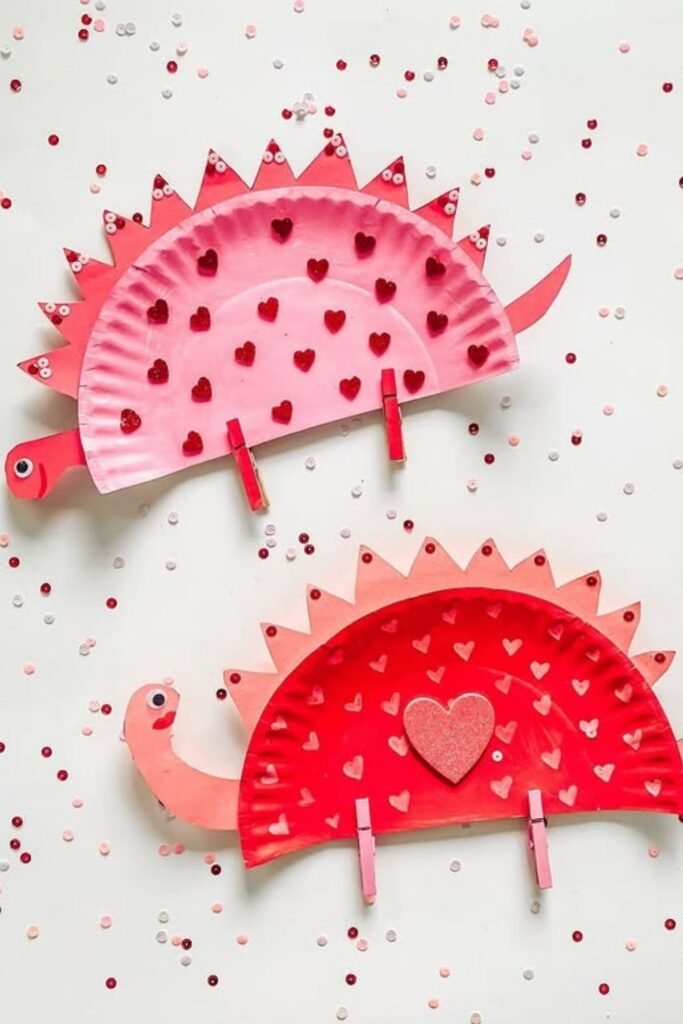
Heart Hedgehog
Valentine themes don’t need cards to feel meaningful. Folded paper plates shaped into hedgehogs work well during short holiday sessions.
When attention wanes a quick fix let the kids decorate themselves. They can stamp or draw hearts on their arms and legs then connect paper legs to get things moving.
This combination of folding, decorating and assembly keeps the energy up without creating a disaster zone.
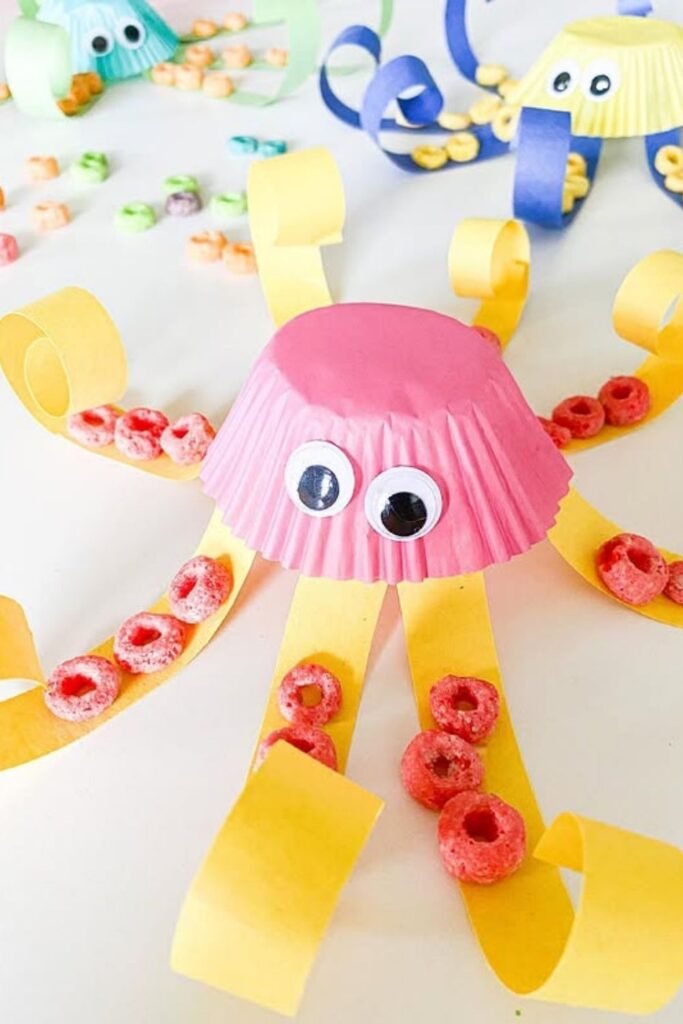
Curly Octopus
Busy hands thrive on movement, not stillness. This octopus crafted from curled paper strips, is ideal for honing fine motor skills during tabletop activities.
Simply cut long strips, then curl them using your fingers or a pencil. Attach the curled strips beneath a paper circle or liner.
To transform it into a counting or pattern game add small objects along the arms, making it feel less like a lesson and more like play.
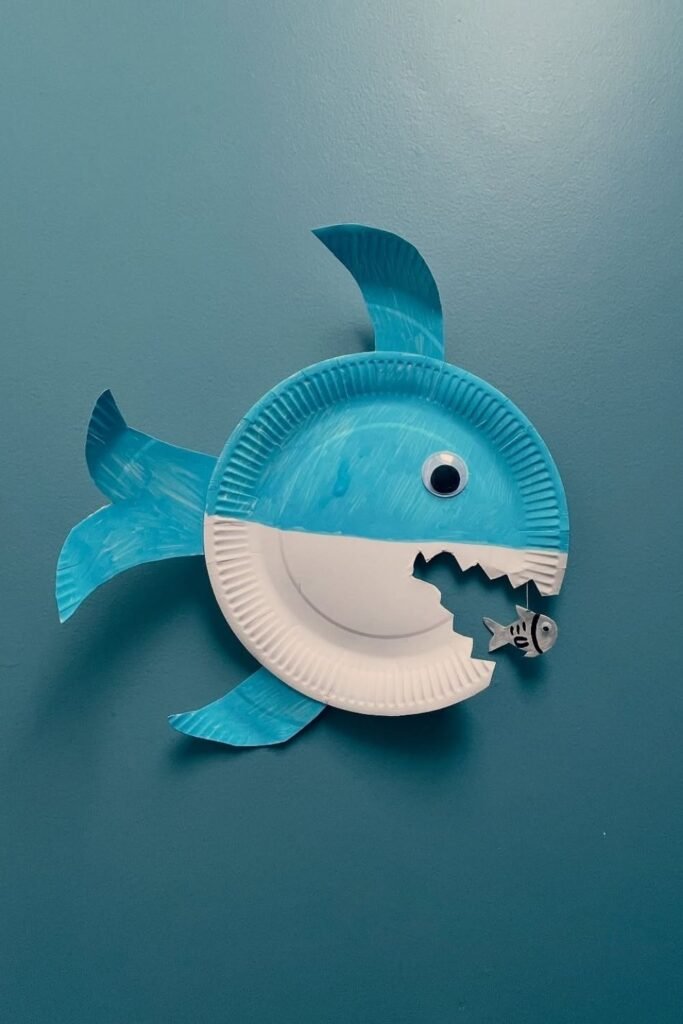
Shark Snack
Ocean themes feel more exciting once movement gets involved. A paper plate shark with a cut-out mouth turns pretend play into a hands-on activity.
Craft a basic jaw outline then affix fins using construction paper. Next, insert a little paper fish, allowing it to move in and out.
The repetitive action of opening and closing the mouth will keep children entertained, all the while subtly developing their hand strength and coordination.
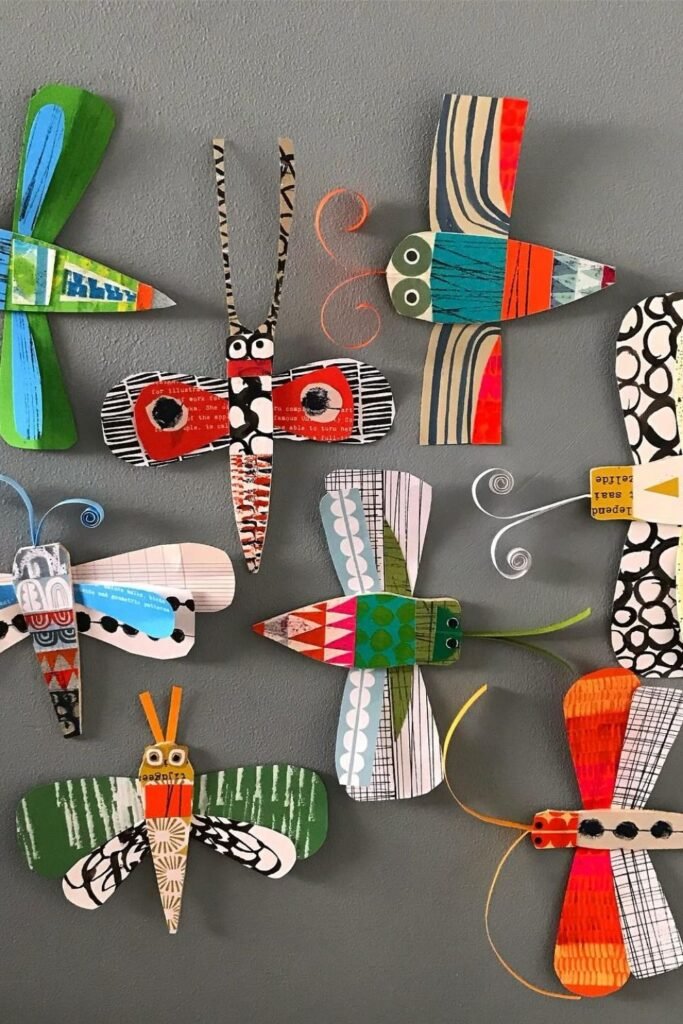
Pattern Bugs
Scrap paper turns valuable once patterns start mixing. Insect shapes like these fit well during creativity blocks where rules stay loose.
Cut out basic shapes for the body and wings, and then let the kids go wild with layering different prints or colors. No need to worry about things matching.
Putting the pieces together in various orientations boosts their confidence, and when they hang their creations on walls or strings.
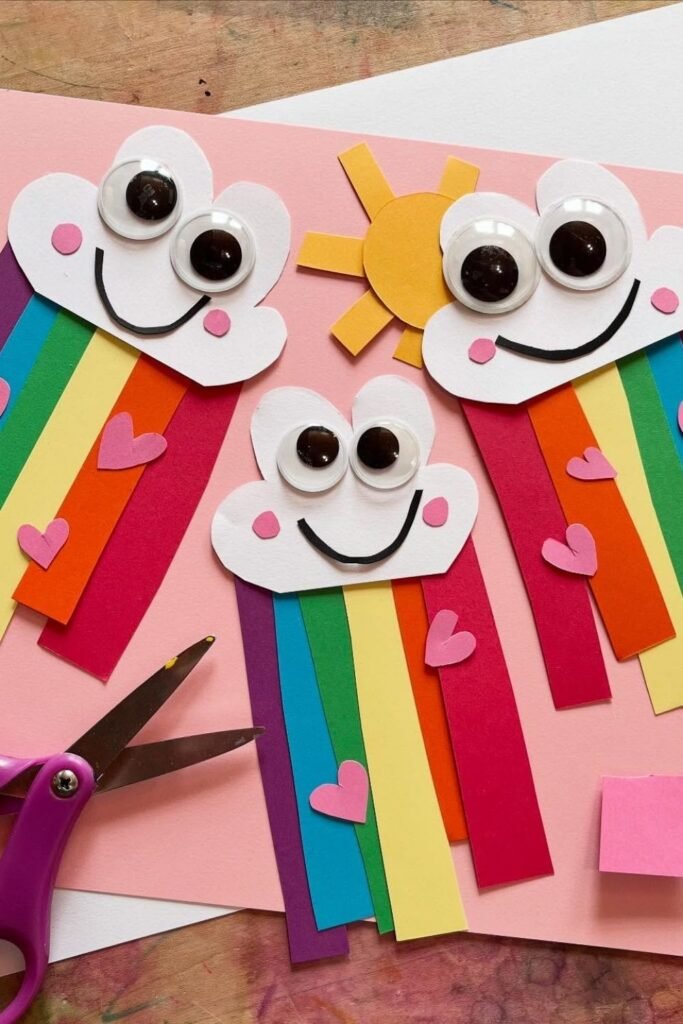
Happy Rainbows
Color order becomes a tactile experience for children. Long strips of paper, affixed beneath cheerful clouds are perfect for quiet craft sessions or color-themed lessons.
Begin by cutting the strips, then allow the children to arrange the colors as they please before securing them.
Incorporating small paper hearts encourages attention to placement and spacing, rather than a hurried completion.
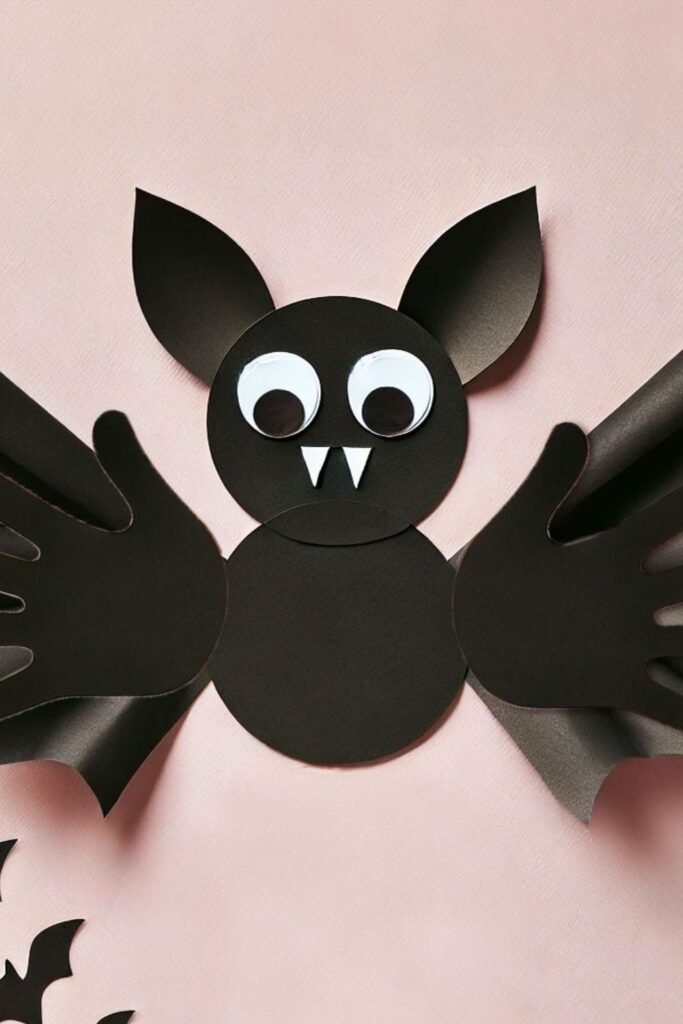
Handprint Bat
Hand tracing transforms into immediate wings, eliminating the need for additional cutting. These black paper bats are ideal for Halloween or shadow-themed activities.
Simply trace both hands, cut them out, and then affix them to a circular body. A slight fold in the wings creates a sense of motion.
And basic eyes or teeth keep the design lighthearted, rather than frightening, for younger children.
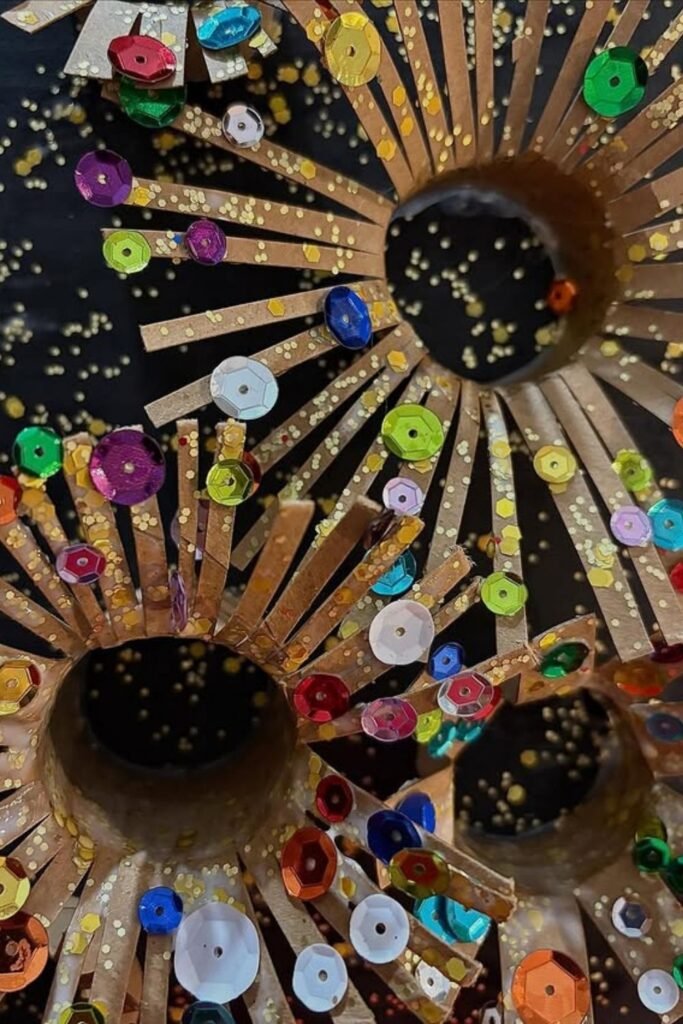
Spark Rings
Recycled tubes turn into eye-catching art without needing a clear “right” result. Cut slits around cardboard rolls, press them flat.
Then, dip or dab the paint, moving it outward to form bursts. This kind of activity is perfect for free-art sessions, when the emphasis is on discovery rather than precision.
Adding sequins or dots once the paint is dry encourages kids to slow down, paying closer attention to detail and spacing.
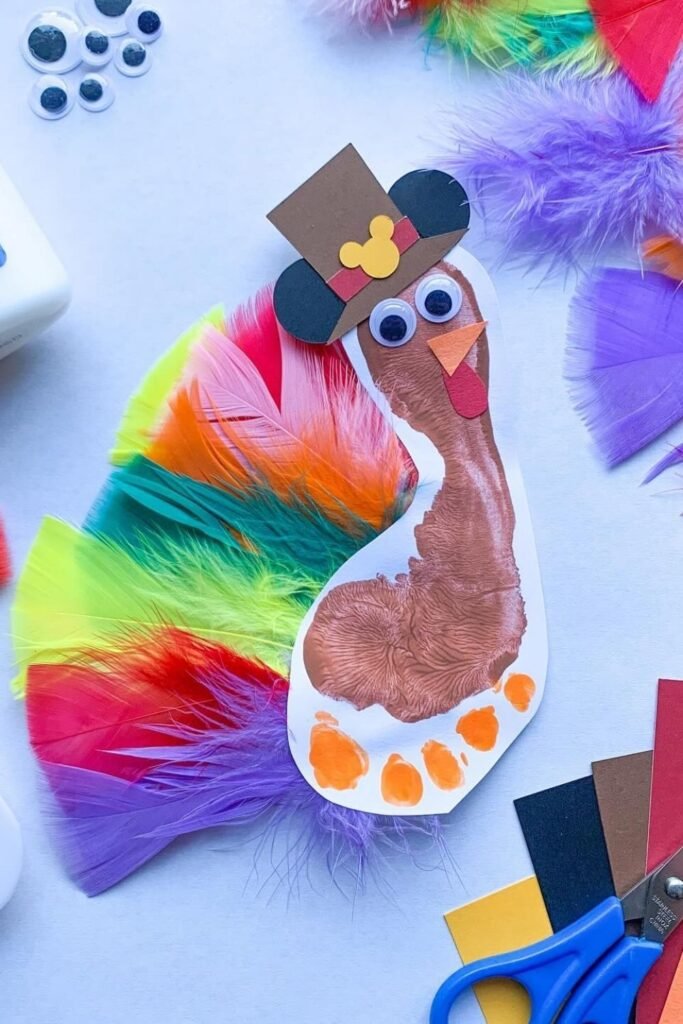
Feather Turkey
Thanksgiving crafts are less frantic when children tackle them in manageable chunks.A handprint turkey, complete with vibrant paper feathers.
Is perfect for the holiday season or lessons on thankfulness. Start by tracing the hand then construct the tail using layered strips or actual feathers.
A little hat or a facial feature and add a personal touch transforming a basic print into a cherished memento.
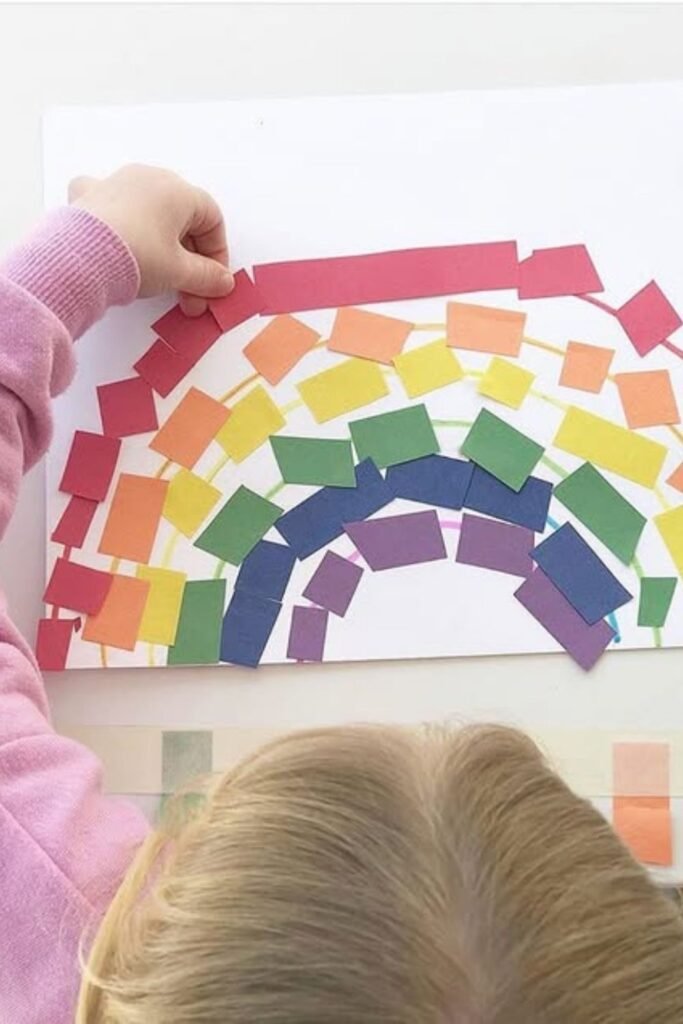
Patch Rainbow
Small paper pieces slow kids down in a good way. Gluing rectangles one by one helps with patience and color order at the same time.
First, sketch the rainbows arc with a light touch. Then, let the children to fill in each section with the corresponding colors.
This activity is particularly effective during concentrated table work the repetitive action is soothing, not exhausting.
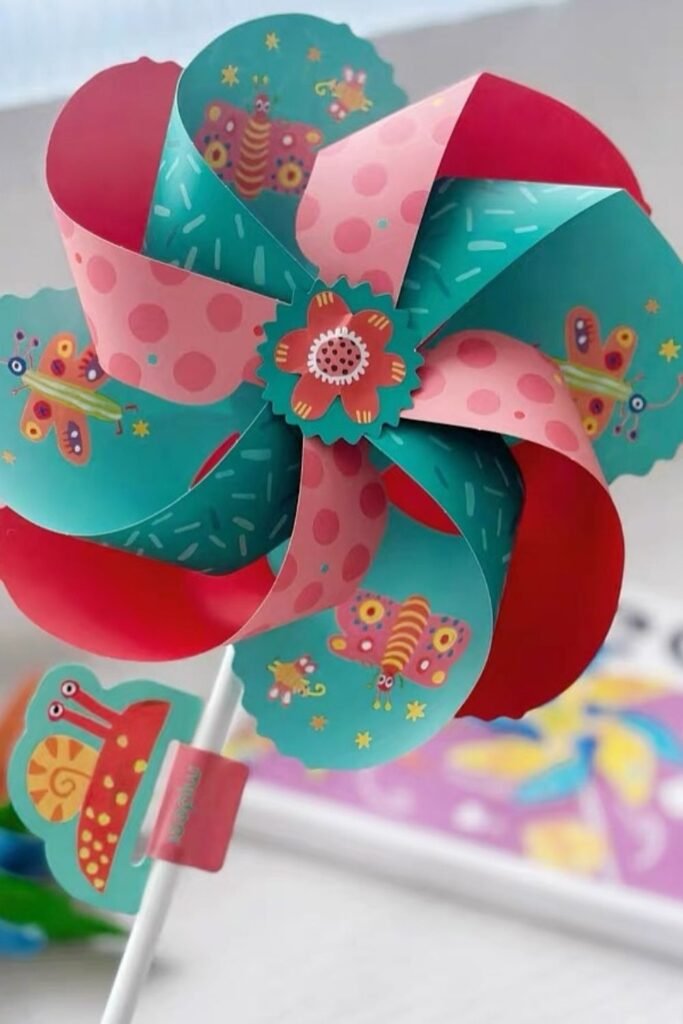
Paper Pinwheel
Spinning crafts instantly change the energy of a room. Folded paper pinwheels work best near windows, fans, or outdoor playtime where movement matters.
Cut a square piece of paper. Fold each corner toward the center. Then, bind the folds with a fastener or a pasted paper circle.
The spinning motion provides children with a reward for their meticulous folding, and it helps them comprehend cause and effect without needing a formal explanation.
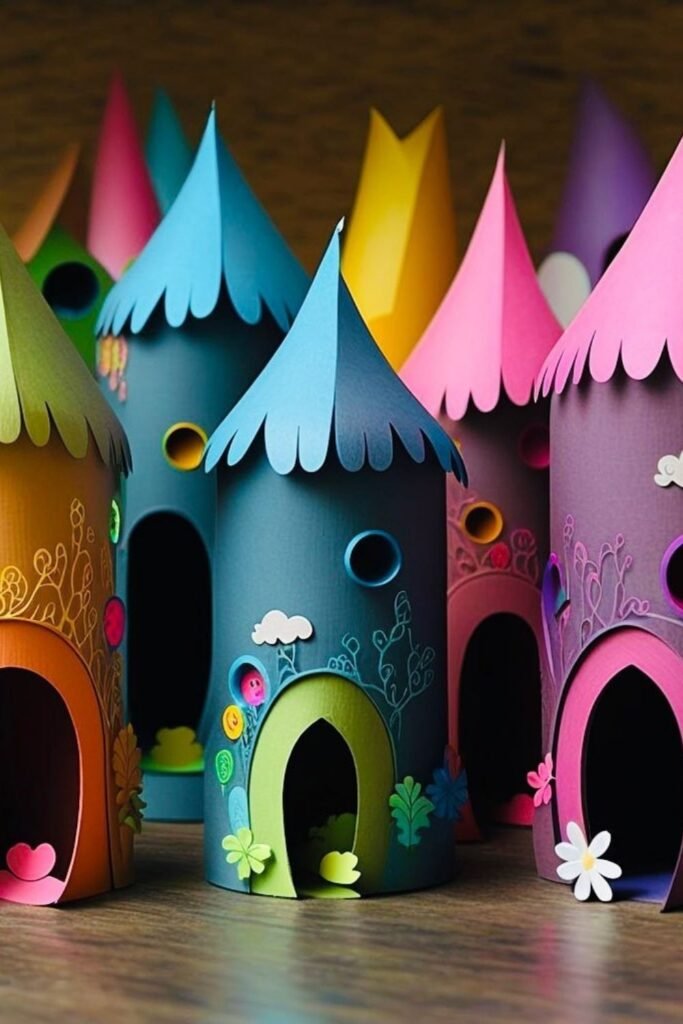
Fairy Houses
Imagination takes over once kids start building something that can be “lived in.” Tall paper houses like these work best.
During open-ended craft time or story sessions, kids can roll construction paper into tubes, affixing cone roofs, and then cut out doors and windows.
Decorating the exterior with small forms or drawings encourages children to slow down, focusing on the finer points rather than hurrying to complete the project.
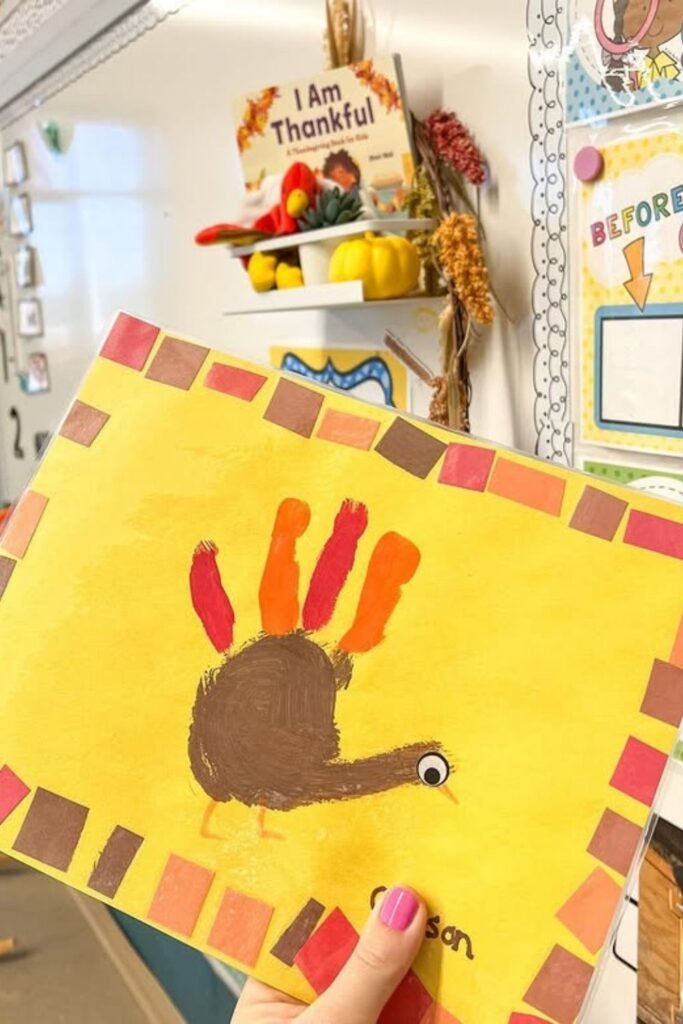
Thankful Turkey
Gratitude lessons feel more real when kids put their own hands into the work. Handprint turkeys like this fit perfectly.
During Thanksgiving week or morning meetings. First, paint the hand, then press it down. Once it’s dry, add some basic touches.
Writing a short, thankful remark or a name around the edge makes the craft feel personal, something the kids will truly want to keep.
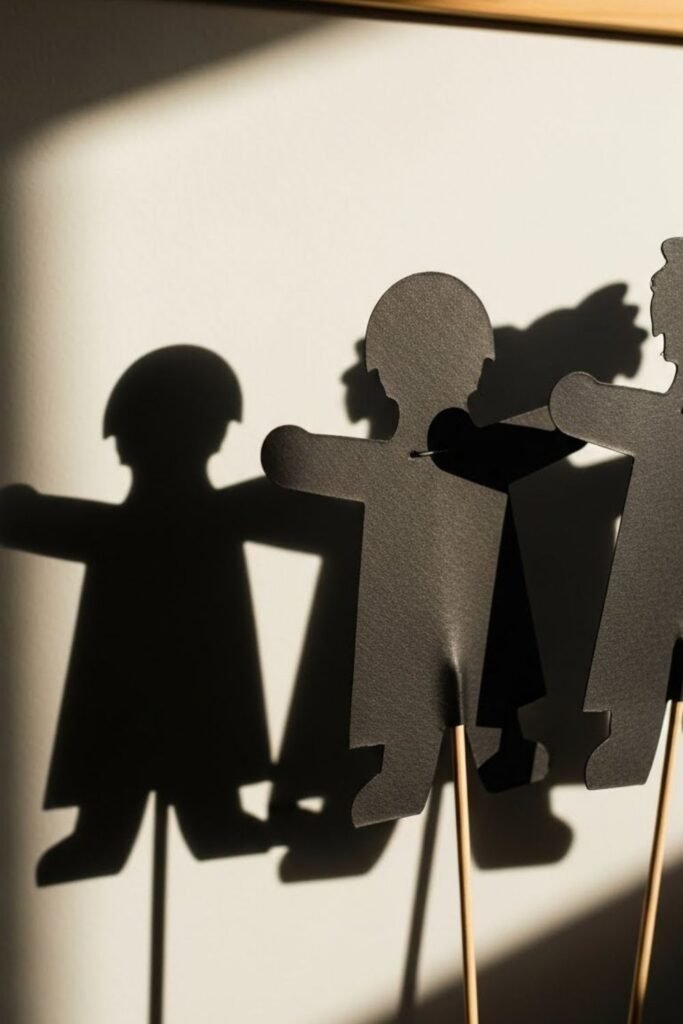
Shadow Puppets
Light instantly changes how kids interact with paper. Cut bold silhouettes like hands, trees, or simple characters, then tape them to sticks.
Dark paper is ideal when you’re up against a lamp or the sun streaming through a window. Storytime comes alive.
When the shadows begin to dance, and children instinctively play with distance, scale, and movement, figuring it all out on their own.
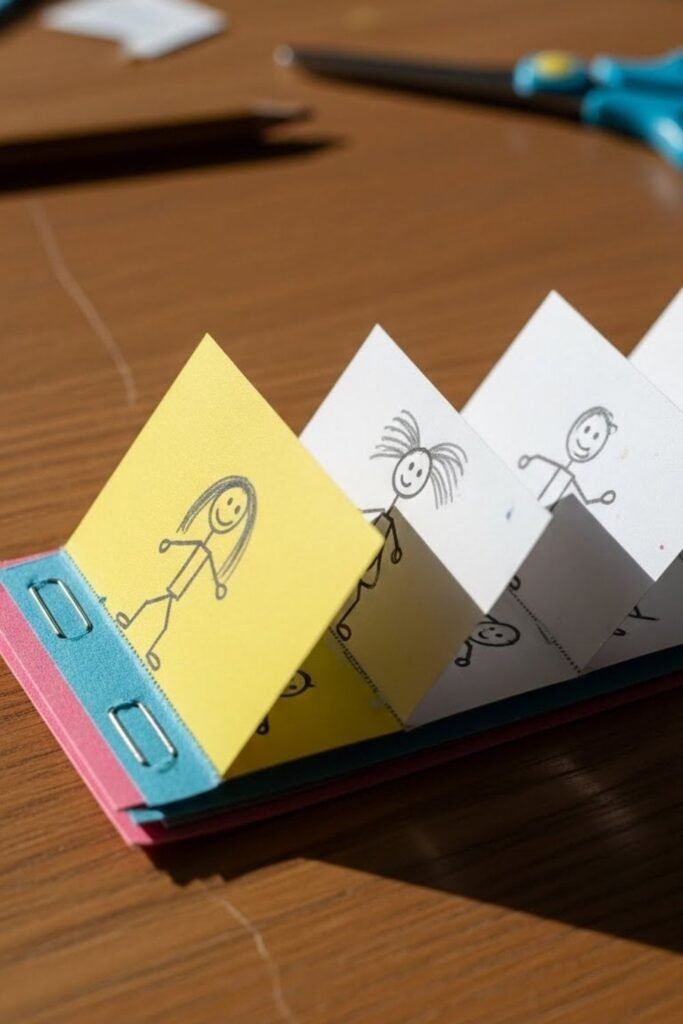
Flip Books
Movement becomes enchanting when paper pages begin to accumulate. Little rectangles, folded and stapled along one side.
Allow children to depict minuscule alterations across the pages. Stick figures leaping or balls in motion keep things straightforward.
Observing the drawings spring to life offers a greater reward for patience than any completed artwork displayed on a wall.
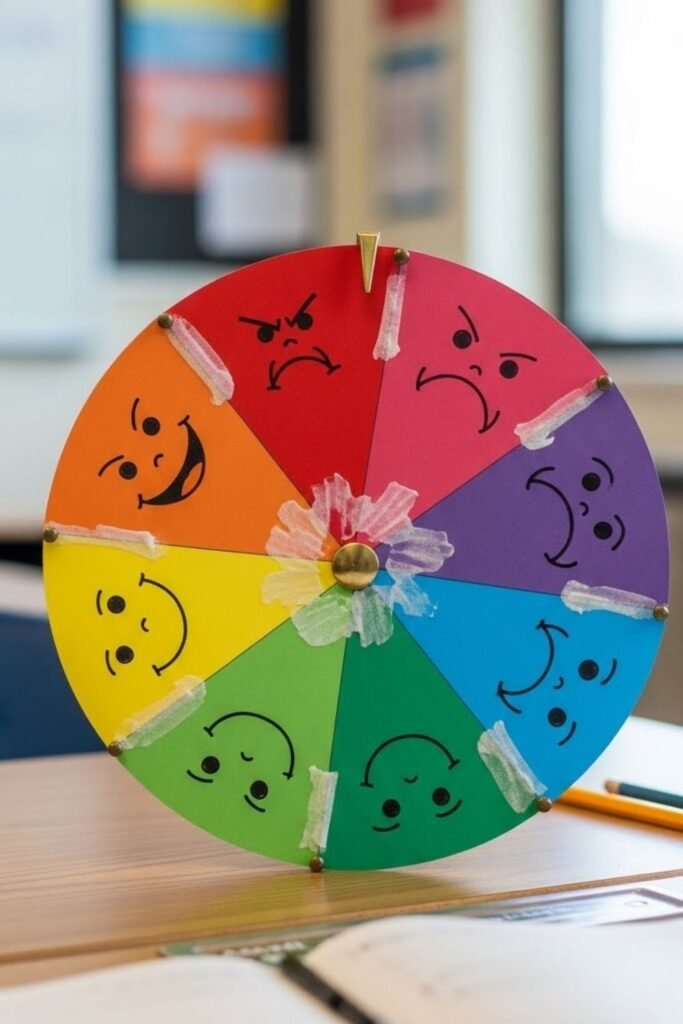
Emotion Wheels
Talking about feelings feels easier with something to turn. Circles divided into sections help kids match faces colors or words to emotions.
The wheel spins freely thanks to a paper fastener at its center.
These calm down corners, often found in classrooms are particularly useful during those tricky transition periods.
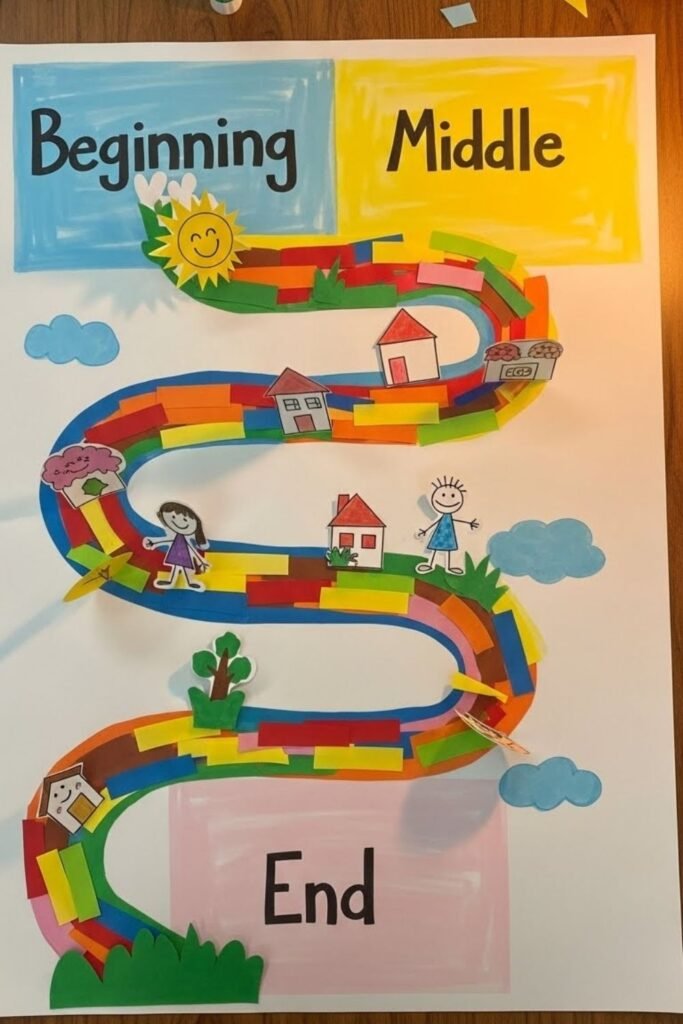
Story Maps
Stories stick better once kids can see them laid out. Large paper sheets divided into paths help track beginning, middle and end.
Small cutouts stand in for locations, individuals, or events. Arranging the pieces before committing them with glue fosters a bit of forethought.
This approach is particularly effective when used after a read-aloud session transforming listening into a tactile exercise in memory.
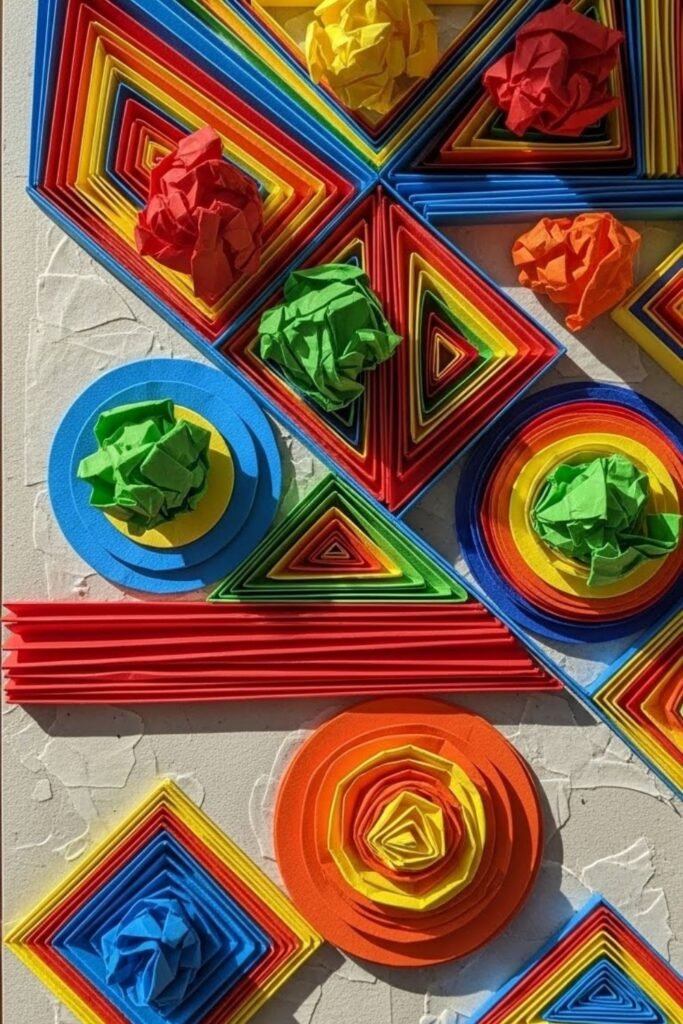
Texture Boards
Hands learn faster than eyes alone. Glue paper strips, folded edges, crumples, and layered shapes onto one base sheet.
Smooth and rough textures beg to be explored, sorted and compared. These tactile experiences are particularly beneficial during quiet sensory moments.
Especially for children who find it hard to remain still yet concentrate better when their hands are occupied.
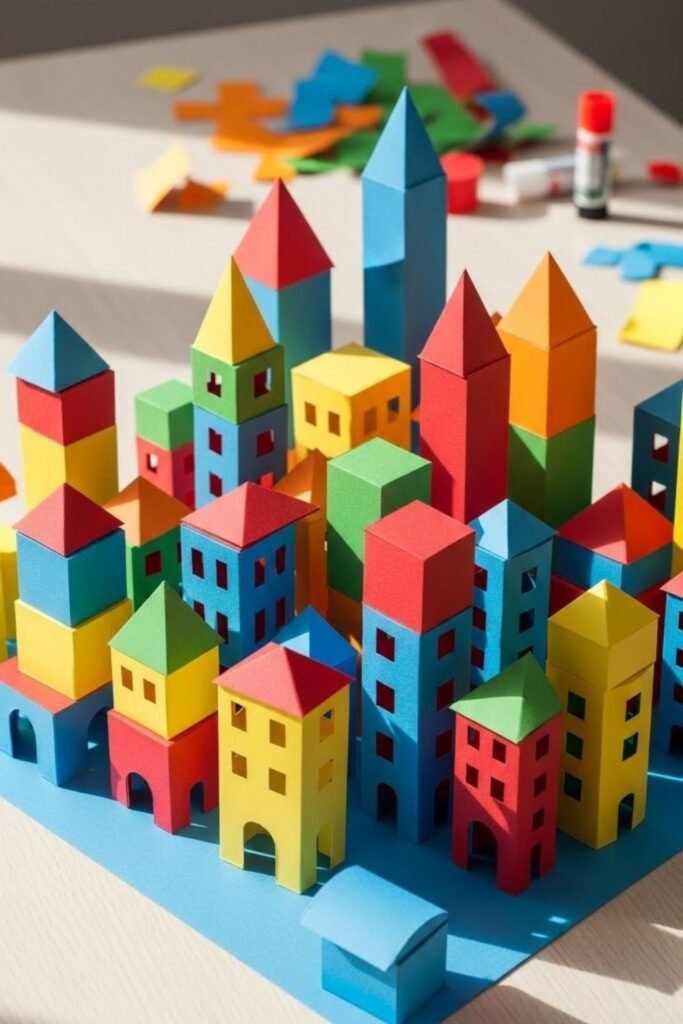
Shape Cities
Cities don’t need drawings to feel real. Rectangles, triangles, and arches stacked upright create streets and skylines.
Taller forms evolve into structures, whereas the smaller elements transform into signals or pathways. Group tables are particularly effective in this setting.
Children instinctively navigate space, height and equilibrium when collaborating on a construction project, rather than engaging in competition.
FAQs
Can construction paper crafts work for kids with short attention spans?
Yes. When kids lose interest, it’s often because the task is overly complicated or the outcome is not immediately apparent.
Simple actions like cutting, folding or gluing provide rapid gratification, keeping kids engaged without the stress of striving for perfection.
Is construction paper better than worksheets for learning activities?
In many circumstances, the answer is yes. Using construction paper makes learning a hands-on experience.
Children remember things better when they cut, arrange, or create things, compared to just filling in blanks.

Hi, I’m Afaf! I’m a law student who loves writing about everyday life – from home projects and crafts to fashion, beauty, and parenting tips.
I’ve been writing for over a year, sharing ideas that are simple, practical, and easy to try. I write about things I find interesting and useful, whether that’s organizing a space, trying a new DIY, or finding activities to keep kids entertained.
My goal is to share helpful ideas without making things complicated. If it works in real life, I’ll write about it.
When I’m not studying or writing, I’m usually experimenting with new projects or scrolling for inspiration!