
24 Caterpillar Craft Ideas for 2026
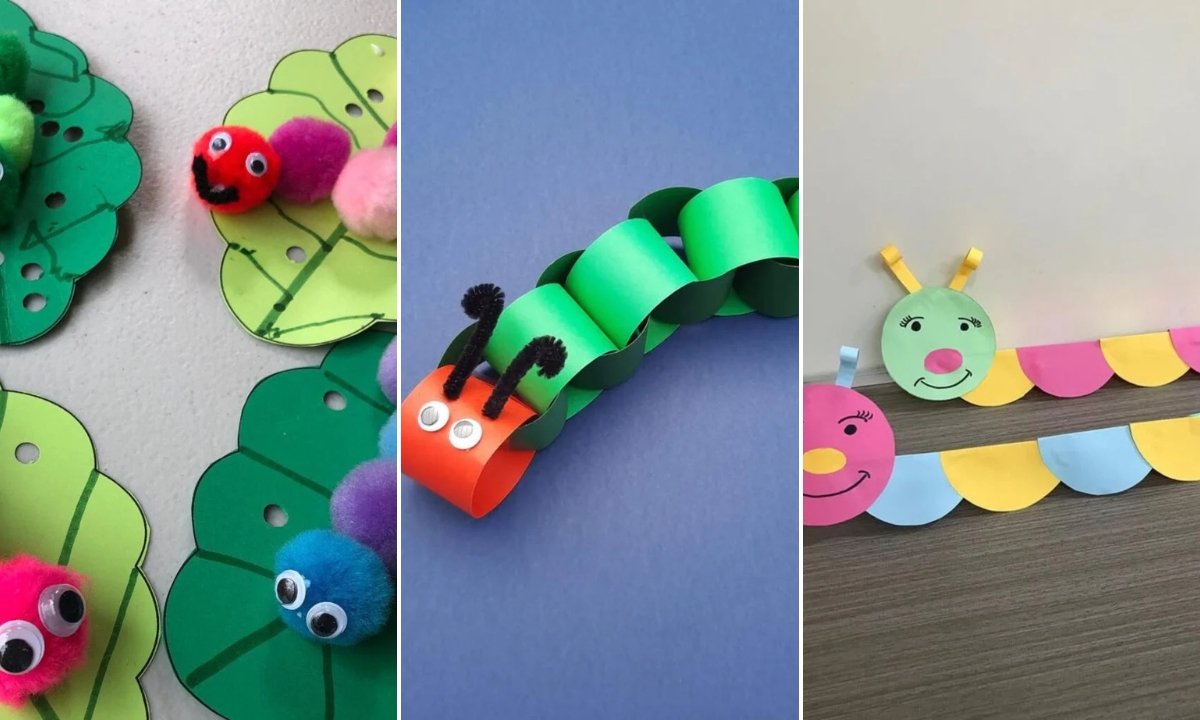
You give your child a pencil and sit them down, and in a few minutes they are angry. The grip doesn’t feel right, the lines are unsteady.
And you start to worry whether you’re doing anything wrong. The truth is that problems with writing don’t start with pencils; they start far earlier, in the hands.
Before kids can understand letters, they need to be strong, in control, and sure of themselves. That’s where crafts with caterpillars come in.
In this article, you’ll find 24 fun caterpillar craft ideas for kids that your kids can start making right away.
Let’s jump in!
How Do Caterpillar Crafts Support Fine Motor Development?
Kids can use their hands in little, controlled ways that don’t feel like practice when they do caterpillar crafts.
Their fingers develop stronger and more coordinated every time they pick up a little piece, squeeze glue, or press a piece into place.
These little things need to happen first if you want to be able to manage your pencil better later. The best aspect is that kids keep focused.
Since they’re not doing an exercise; they’re making something interesting. It’s hands-on learning that gently gets kids ready for writing, cutting, and other daily duties.
Save this article for later!👇👇👇
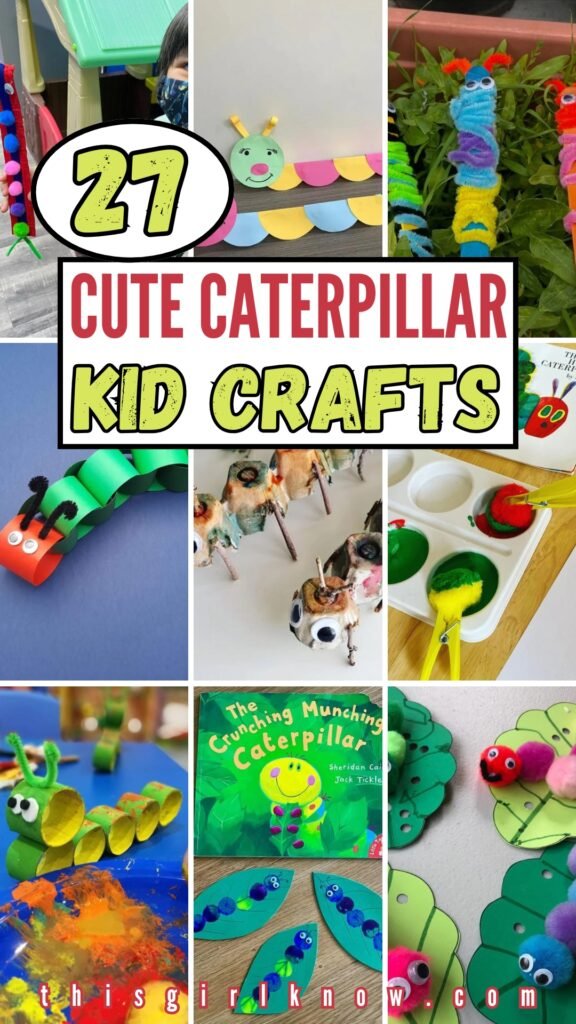
Egg Carton
Painted egg cartons turn into a powerful hand workout without feeling like practice. Small paintbrush strokes force fingers.
To slow down and stay controlled. Which is just what hands that shake require. Poking holes and shoving twigs through for legs.
Makes it harder, which helps increase grip strength in a natural way. Kids may focus on this craft best.
When they are at a quiet table or in a small group where they don’t have to rush. To save money, use recycled boxes.
And let the paint dry between processes so that hands can grip, press, and adjust several times. Getting things wrong is part of the learning process.
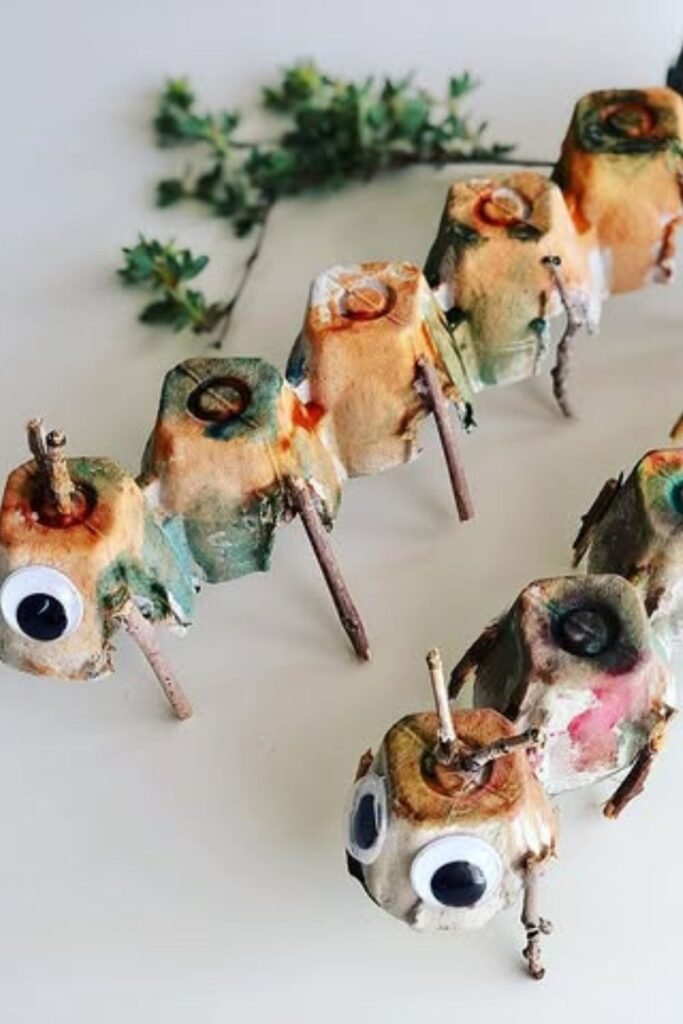
Sponge Stamping
Bright paint circles land on paper when little hands squeeze and press sponges again and again.
Clothespins on sponges convert messy painting into a grip-strengthening workout that youngsters don’t even notice.
This project is ideal for after reading The Very Hungry Caterpillar, especially during story time or art centers.
Set out two or three colors show them how to dip lightly, and then let them do it again and over again.
Each press helps you learn how to control your fingers and matching together prints makes a caterpillar shape.
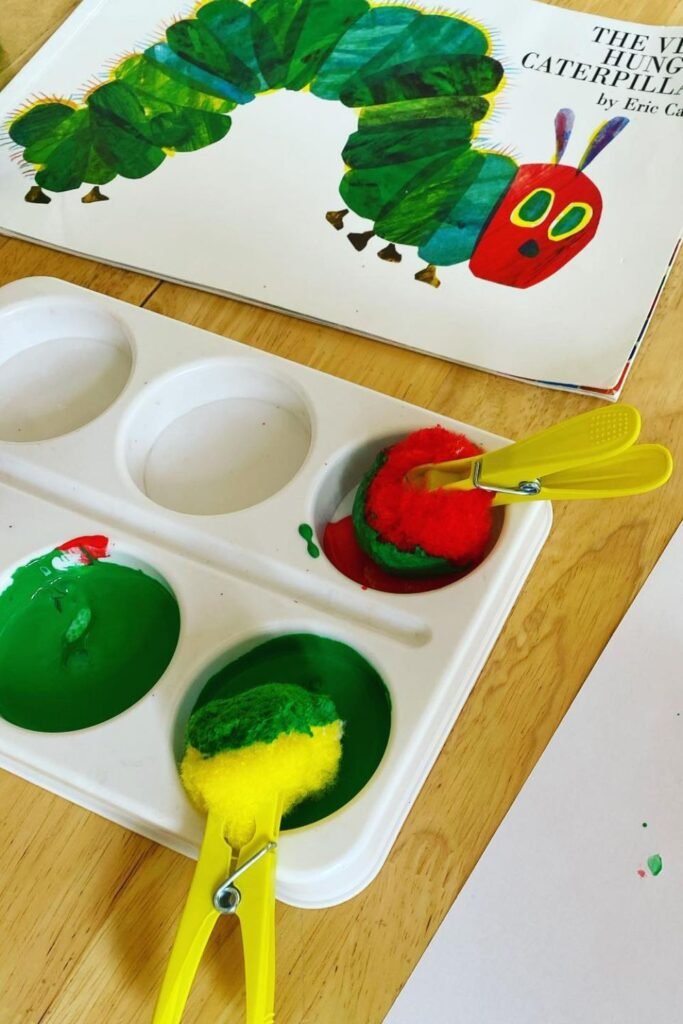
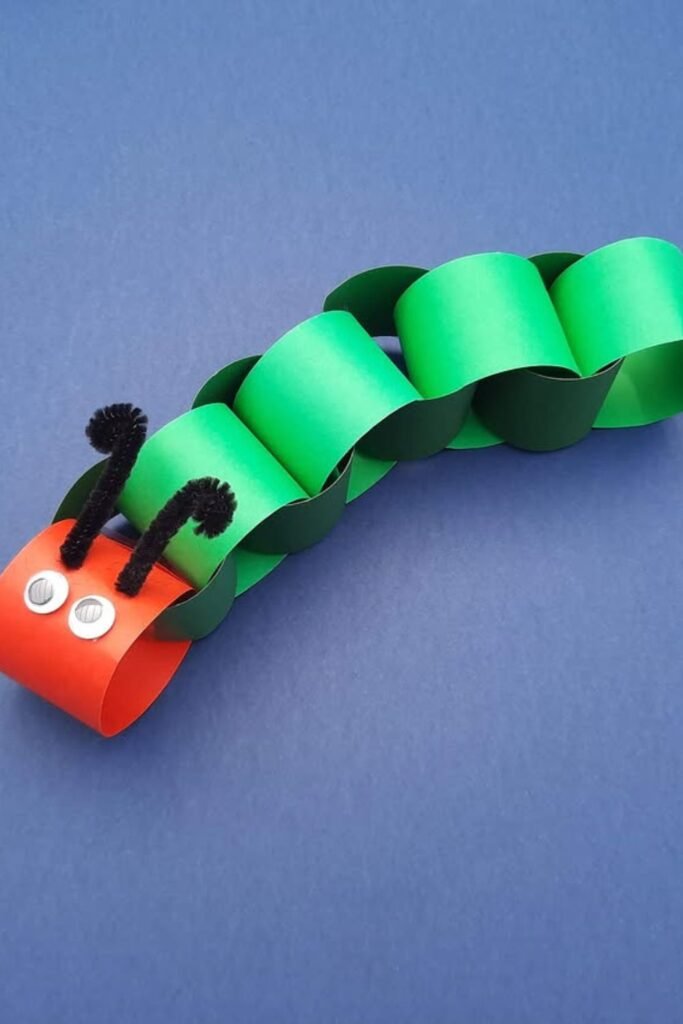
Paper Loops
Curled paper strips turn into instant hand training with almost no setup. Folding, bending, and gluing loops force fingers to slow down and work together.
This assists with coordination and control. This craft is great for quiet table activities or early classroom centers.
Where kids require structure but not a lot of stress. For younger kids, cut long strips ahead of time.
For older kids, give them scissors to make it harder. Putting each loop together one at a time teaches patience.
And the caterpillar’s body is flexible, which makes the task more fun. A great choice if you want to learn without getting paint or muck on your hands.
Leaf Dots
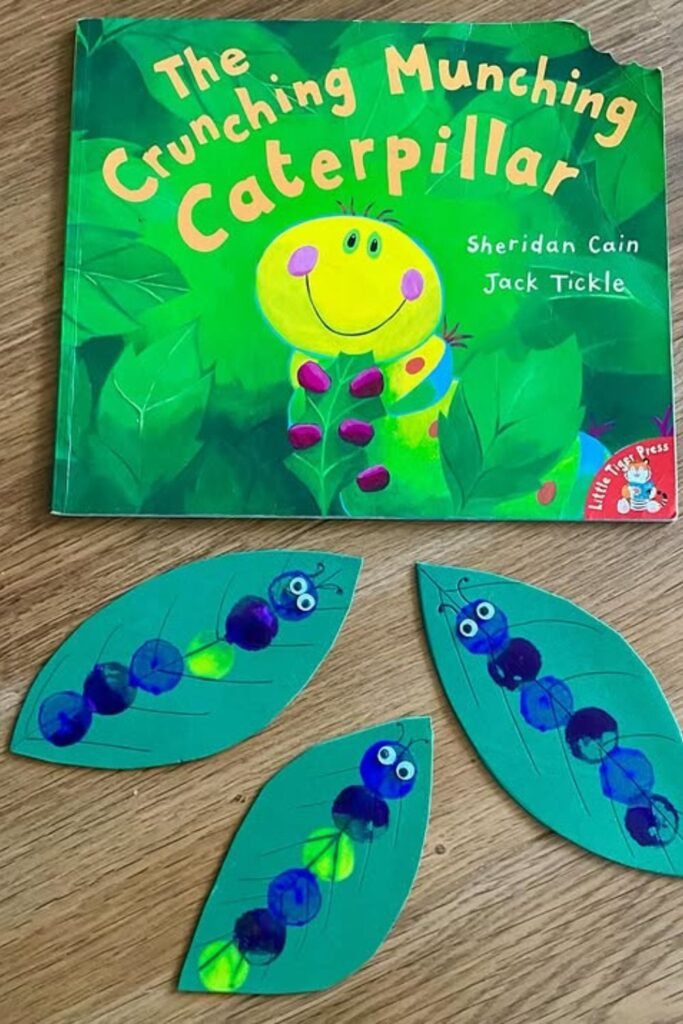
Story time flows naturally into art when paint dots start filling leaf shapes. Finger dipping encourages controlled tapping.
It makes fingertips stronger without making small hands too strong. Leaf cutouts keep the area defined, which helps kids aim instead of painting all over the place.
This project is great to do shortly after reading a book about caterpillars, when kids are already calm and focused.
Give them cotton swabs if they need more control, or let them use their fingers if they want to feel anything.
Adding dots along the edge of the leaf makes painting a fun and relaxing way to learn how to follow a sequence.
Pom Lacing
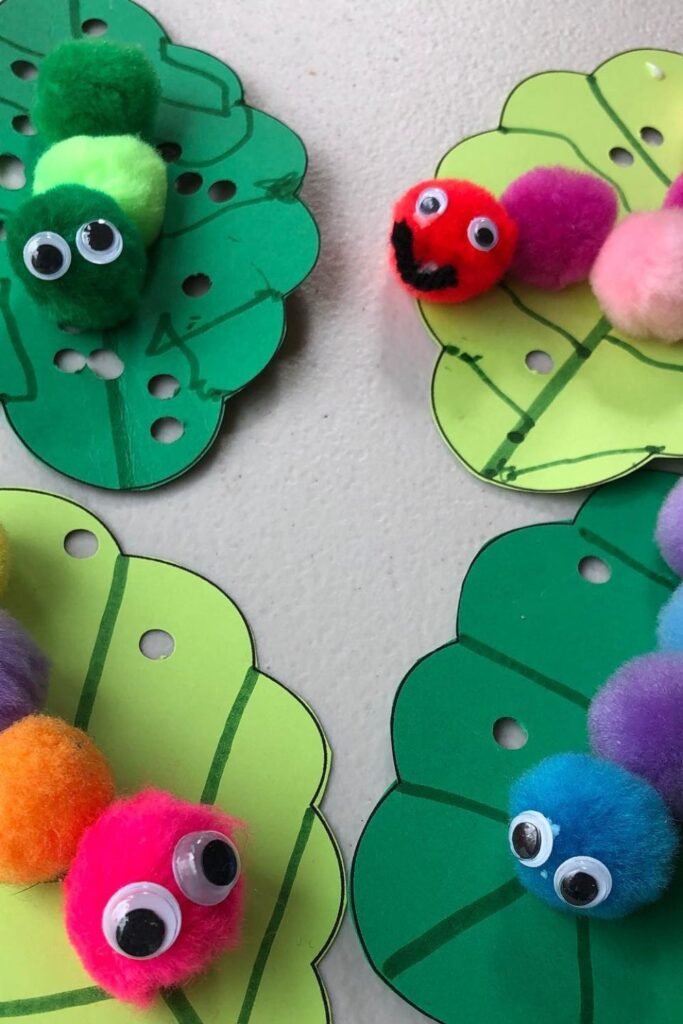
Threading soft pom-poms through holes slows hands down in the best way possible. Fingers have to pinch, guide, and pull with intention.
This builds control without making you mad. Leaf cards make a clear path for kids to follow, so they know exactly.
Where the caterpillar body should grow. This layout is great for tables, study centers, or calm afternoon play when you need to pay attention.
Depending on how good you are, you can use either pipe cleaners or shoelaces. Choosing colors makes the exercise more like making decisions.
And the constant push-and-pull motion works the same muscles that are needed for buttoning, tying, and early writing.
Roll Painting
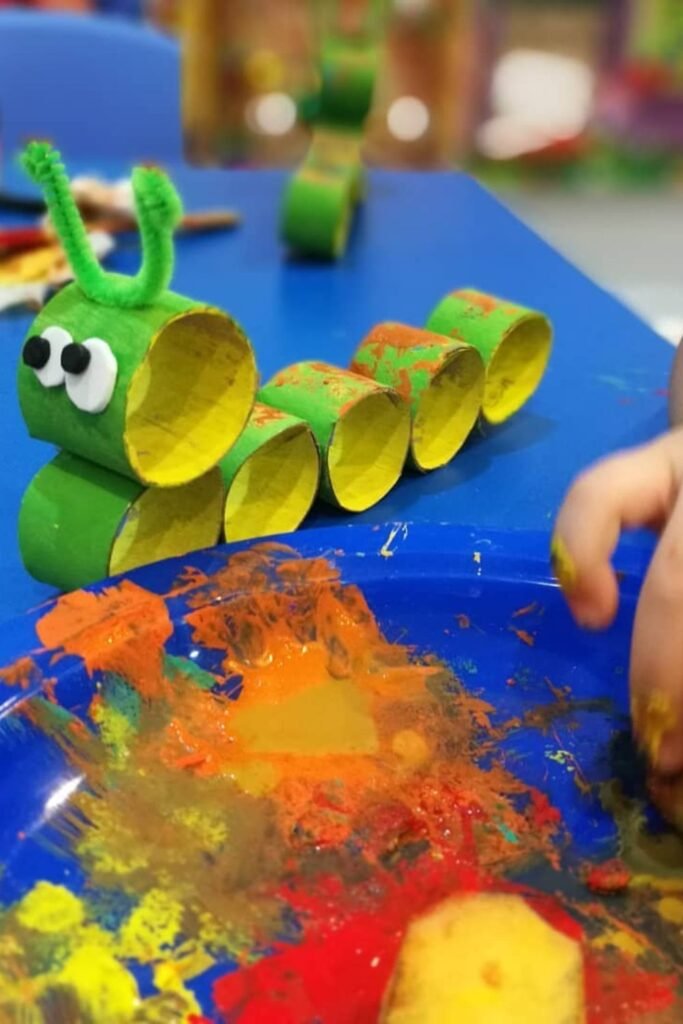
Cardboard rings invite hands to grip, turn, and press without needing precision. Holding each roll steady while adding paint builds wrist control in a very natural way.
This exercise is best done at a messy art table so youngsters can play with color without thinking about how nice their work will be.
Painting the inside and outside of rolls offers variation and keeps your fingers moving in different ways.
Putting the rolls together to make a caterpillar is an easy way to turn loose painting into a building project.
Great for sensory days when being creative and moving around is more important than being perfect.
Stick Wraps
Twisting pipe cleaners around craft sticks slows hands down and forces fingers to work with intention.
Wrapping, tweaking, and tightening each turn makes the grip stronger and helps both sides of the hand work together better.
This craft is great for outdoor learning, garden themes, or spring lessons where nature is already being talked about.
Give one stick at a time so that the focus is on the action and not the speed. Kids stay interested longer when they mix colors.
And putting googly eyes on the end gives the work a purpose. Simple materials, excellent motor skills, and no pressure to be flawless.
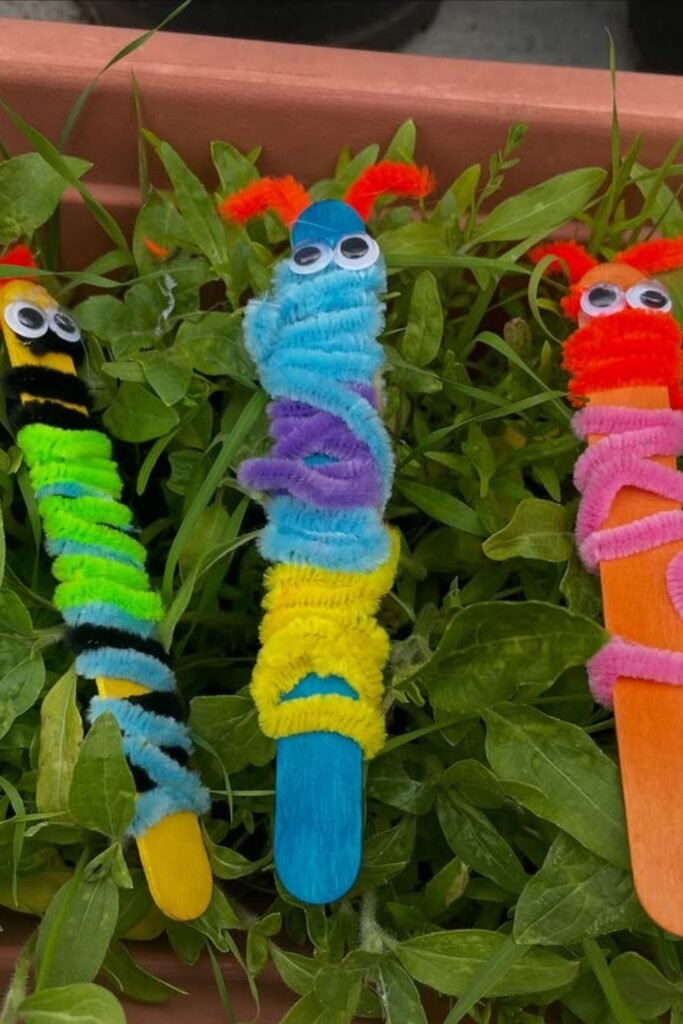
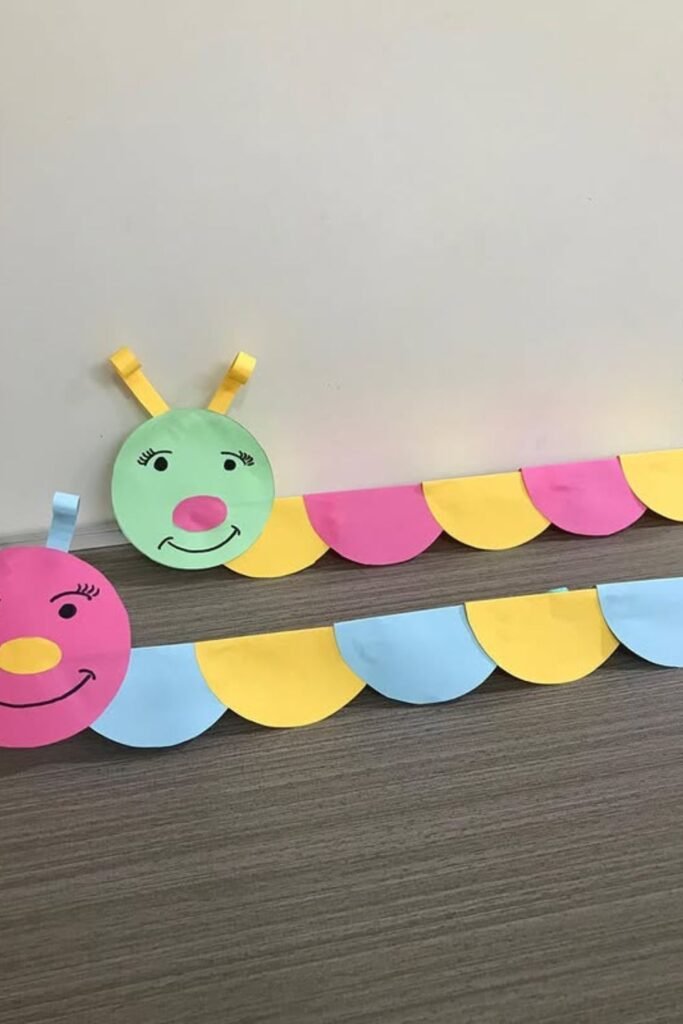
Circle Chains
Colorful half-circles naturally slow kids down and guide hand movement without extra instructions.
Folding, lining up, and gluing each piece together helps kids learn how to control things because they have to be careful.
Where they put the shapes to keep the caterpillar balanced. This exercise is great for group craft time or quiet indoor play when you want to keep things organized.
Younger kids can use pre-cut shapes, but older kids can trace and cut their own shapes for a bigger challenge.
Doing the same motion over and over in different parts of the body helps with coordination, and minor details on the face give careful work a reason to take its time.
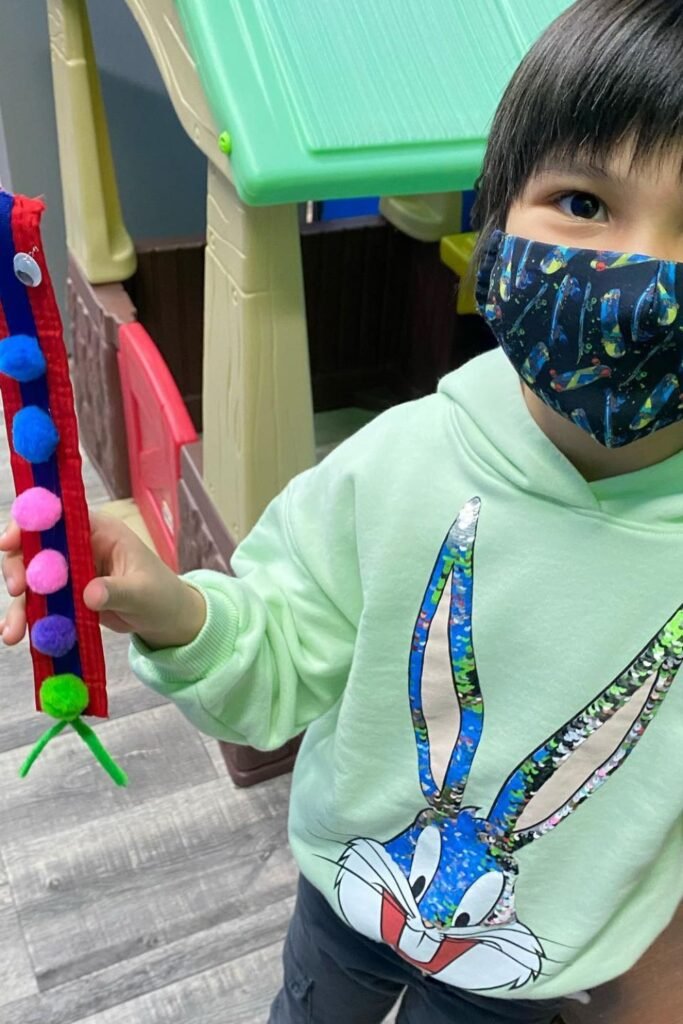
Felt Strips
Long felt pieces turn hand movement into a slow, controlled task that keeps fingers busy without mess.
Kids have to apply just the right amount of force to push the pom-poms into place, which is how grip strength becomes better.
This project is great for classrooms or therapy-style play when focus is more important than speed.
Felt keeps things in place better than paper, so kids can make changes without getting upset.
Adding eyes to the top offers kids a distinct ending point and a sense of direction which keeps them interested from start to the finish while they conduct steady.
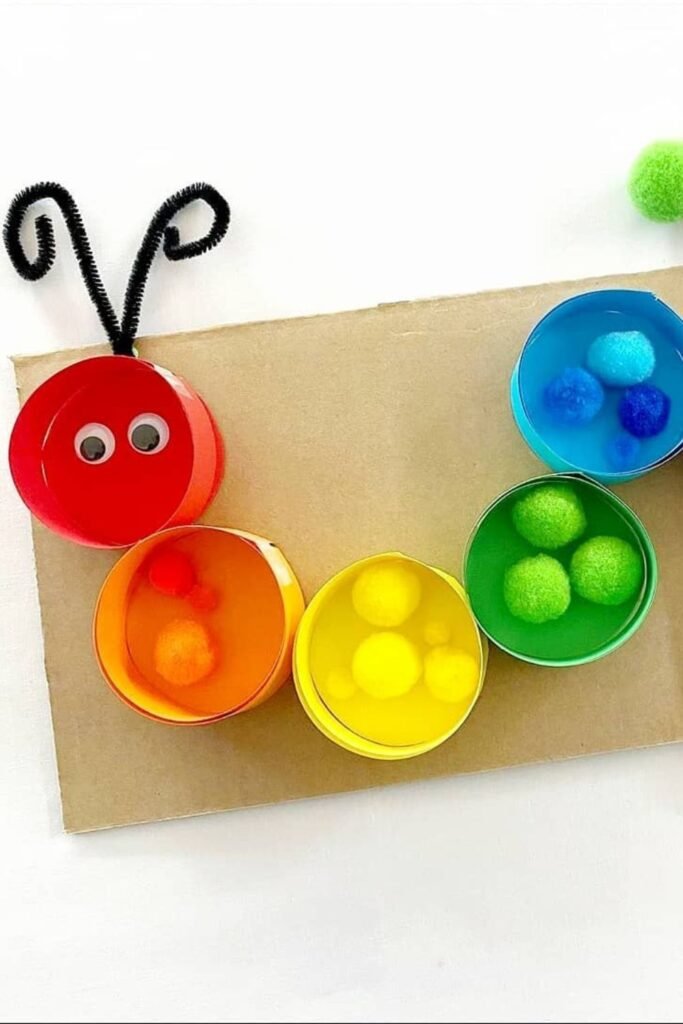
Color Sorting
Tiny hands slow down naturally when pom-poms need to land in the right spot. Sorting by color turns a caterpillar craft.
Into focused finger work without feeling demanding. Picking up soft balls, changing how you hold them.
And dropping them into small cups is a calm, controlled technique to improve coordination. This configuration is great for times.
When kids are playing or learning on their own and require some guidance but not continual help.
Younger kids can handle fewer colors, while older kids can handle mixed sizes.
The caterpillar design gives the chore a purpose, so it feels more like building than organizing.
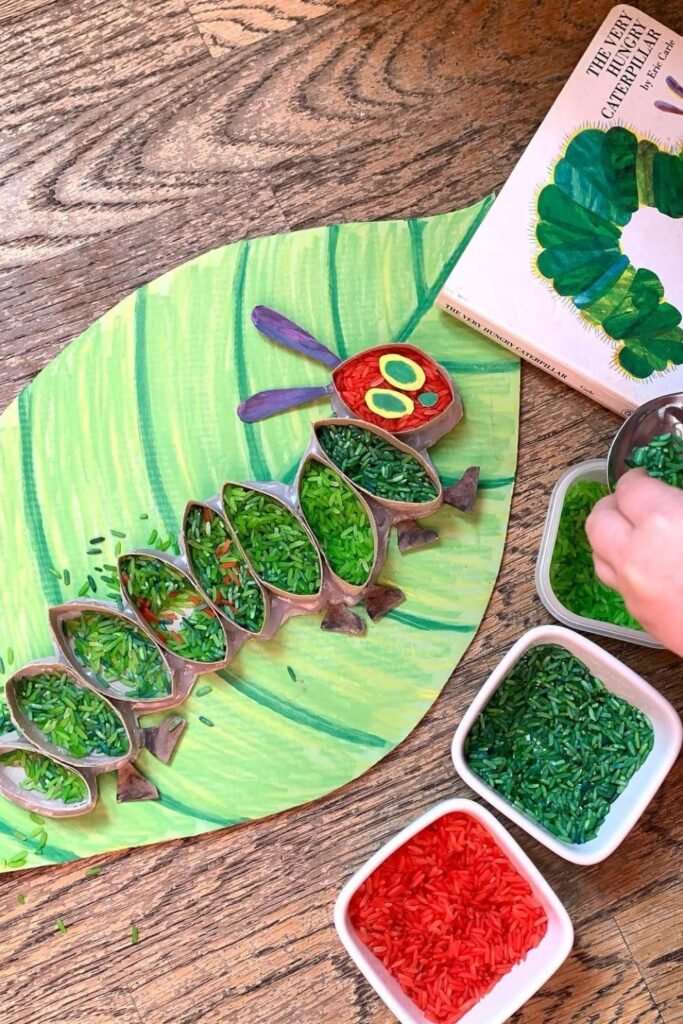
Rice Scooping
Scooping tiny grains into narrow spaces forces hands to slow down and stay precise. Holding a spoon steady.
While aiming for each segment increases finger coordination and wrist control at the same time.
This exercise is great for after reading The Very Hungry Caterpillar, when youngsters are already thinking about food and how to put things in order.
Small bowls help keep servings small, so spills don’t make things too hard. Changing colors between sections makes it easier to focus without making it harder.
This activity is quiet, full of sensory experiences, and surprisingly hard. It keeps hands occupied and helps people learn how to control and be patient.
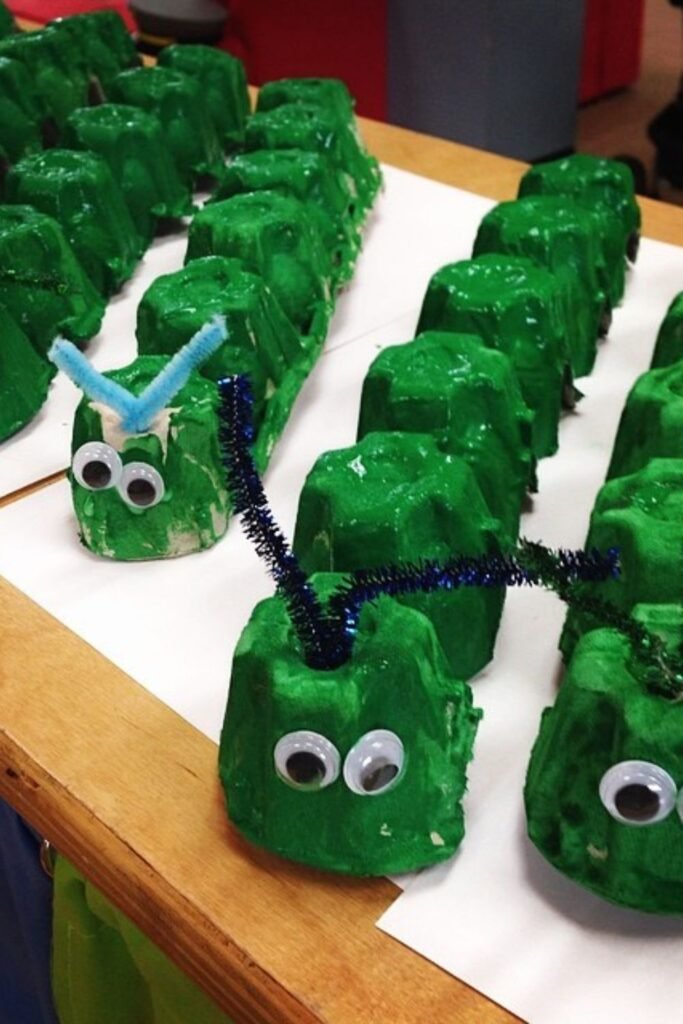
Carton Rows
Green egg cartons lined up across a table turn crafting into steady, focused work. Painting each section asks.
Kids to control brush pressure instead of rushing.This helps hands that shake slow down.
Putting pipe cleaners into small holes for antennae makes it tougher for your fingers to operate, which is a good thing.
This practice works best in groups or classrooms where people are okay with doing things over and over again and don’t have to rush.
Kids can show their development without having to be flawless by doing the same things over and over again with different caterpillars.
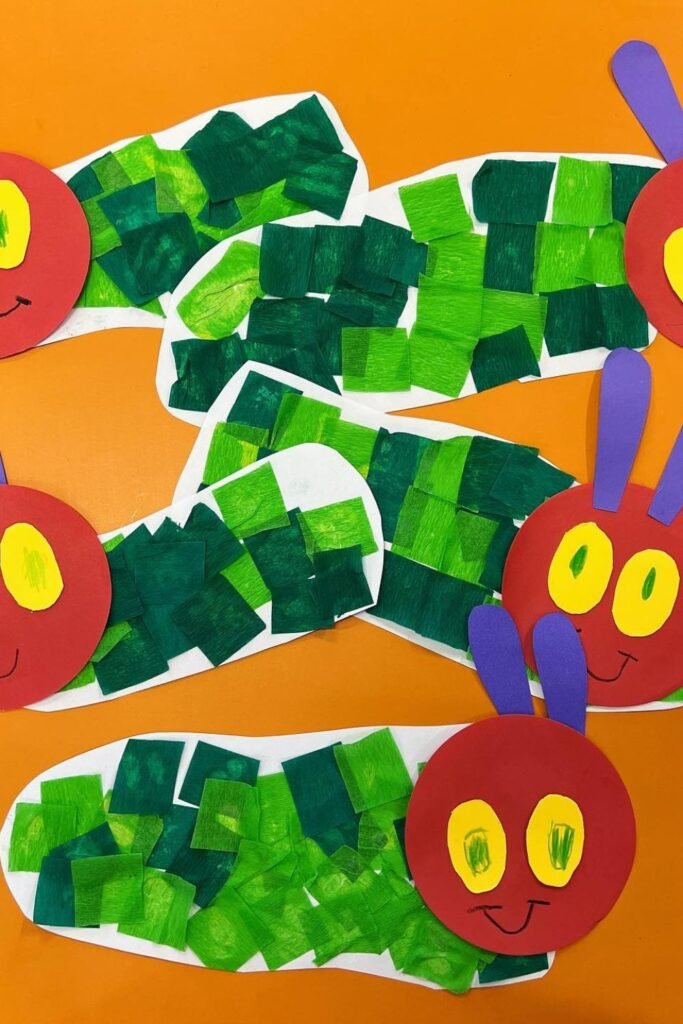
Tissue Collage
Tiny paper squares demand patience in a way scissors and pencils never do. Pinching, lifting, and placing each piece builds finger strength.
While organically slowing down hands. This craft is great for quiet time indoors when youngsters need to concentrate without feeling rushed.
Instead of cutting, tearing tissue makes it harder and gives your hands more to work against.
Adding different hues of green makes the exercise more fun and forgiving because imperfect pieces still look good.
Kids are more likely to take their time with the body before hurrying ahead because the faces go on last. Real progress with simple tools and calm hands.
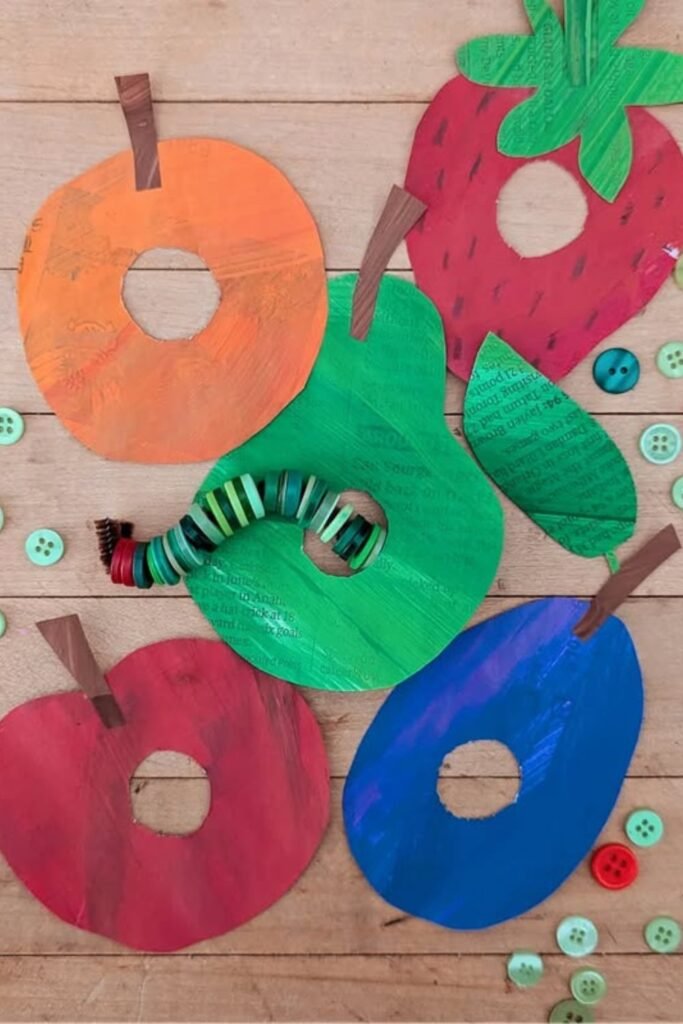
Button Threading
Buttons sliding one by one through a tight space slow hands down in a way worksheets never can.
To thread each piece, you have to pinch, turn, and guide with care, which builds actual control through practice.
Fruit shapes give the caterpillar a reason to move, making it feel like it’s traveling instead of merely being put together.
This practice is great for times when you need to be quiet, like at the table or at fine motor stations.
Beginners should use bigger buttons, while more advanced players should use smaller ones.
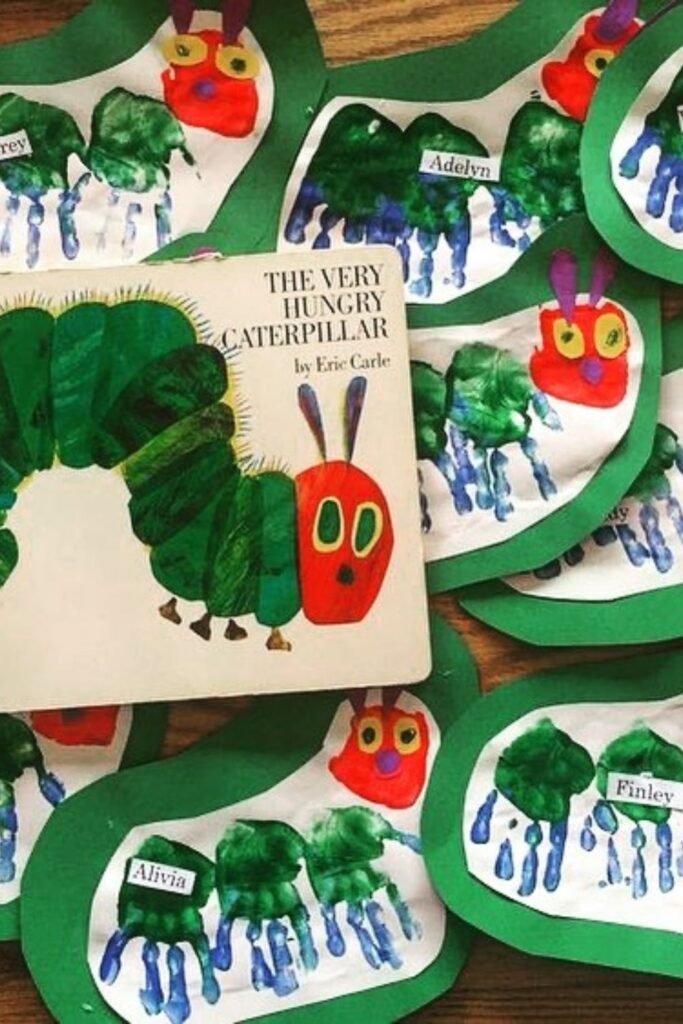
Handprint Trails
Paint-covered palms turn simple presses into meaningful hand control. Spreading fingers, lining up prints.
And lifting hands cleanly all work little muscles without feeling like a lot of work. This activity is great for classroom projects or souvenir crafts.
Where kids can see their names on things and feel proud of them. Using handprints for the body maintains the focus on where things go instead of how flawless they are.
Which makes things less frustrating. Washing and repainting between prints adds natural breaks, which lets hands take little breaks while still being busy.
Kids can stay focused longer when they do a craft that goes along with a narrative they already know.
Sock Sewing
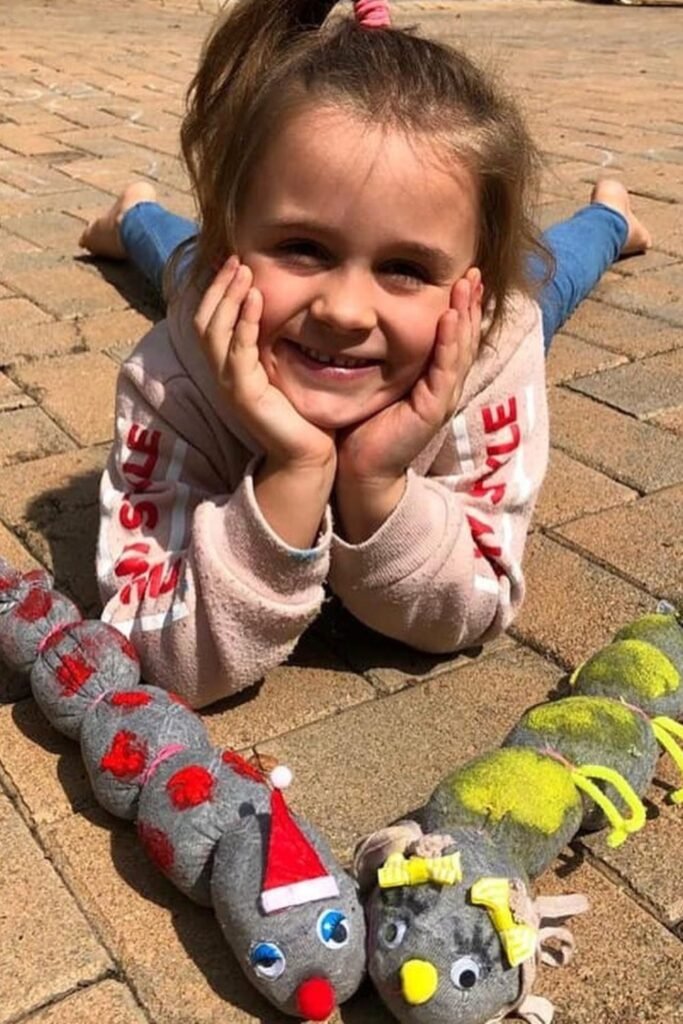
Soft socks turn into a slow, hands on project that keeps fingers busy longer than paper ever could.
Stuffing, forcing filler into corners, and connecting parts together adds strength by making it harder to do things quickly.
Older preschoolers or early elementary school students who like longer projects and hands-on play will like this craft the most.
Using rubber bands or yarn to divide the body into sections makes it easier to sew without having to know how to sew well.
Kids get a clear incentive for finishing the work when they decorate faces at the end.
Careful Painting
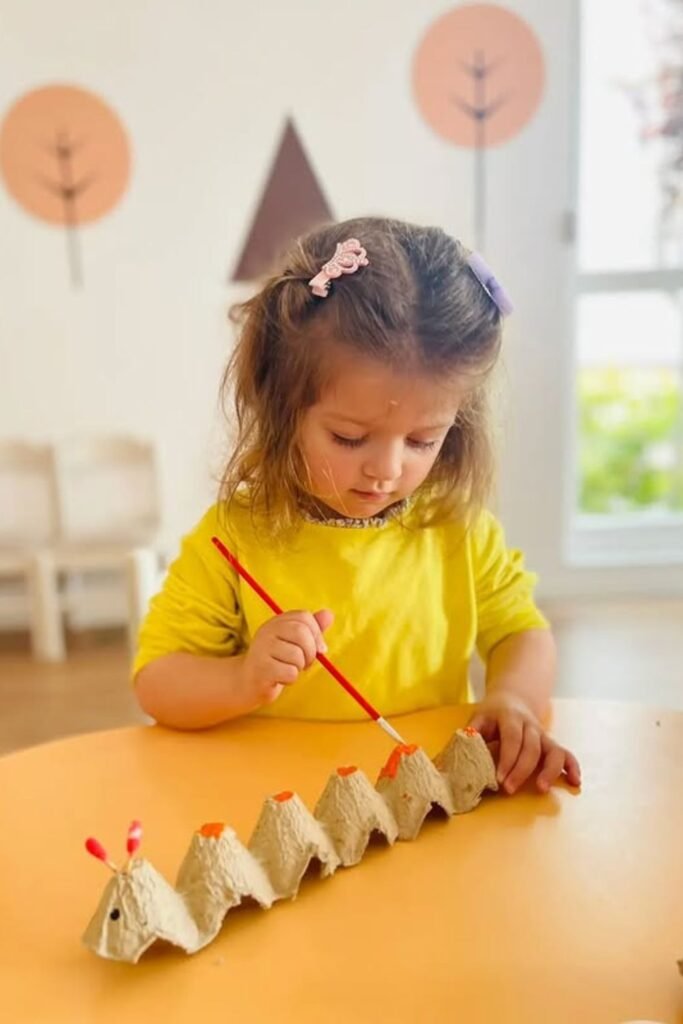
Slow brush strokes across egg carton bumps train hands to stay steady instead of rushing.
Every time you dip your fingers in paint and gently tap the surface, they have to manage the pressure, which is just what nervous hands need.
This activity is best done when everyone is calm and attentiveness is more important than speed.
Kids can focus on moving instead of making choices when there are fewer colors. Painting one part at a time naturally teaches you to be patient.
Easy to set up, great for practicing fine motor skills, and a relaxing pattern that kids can quickly get used to.
Bead Threading
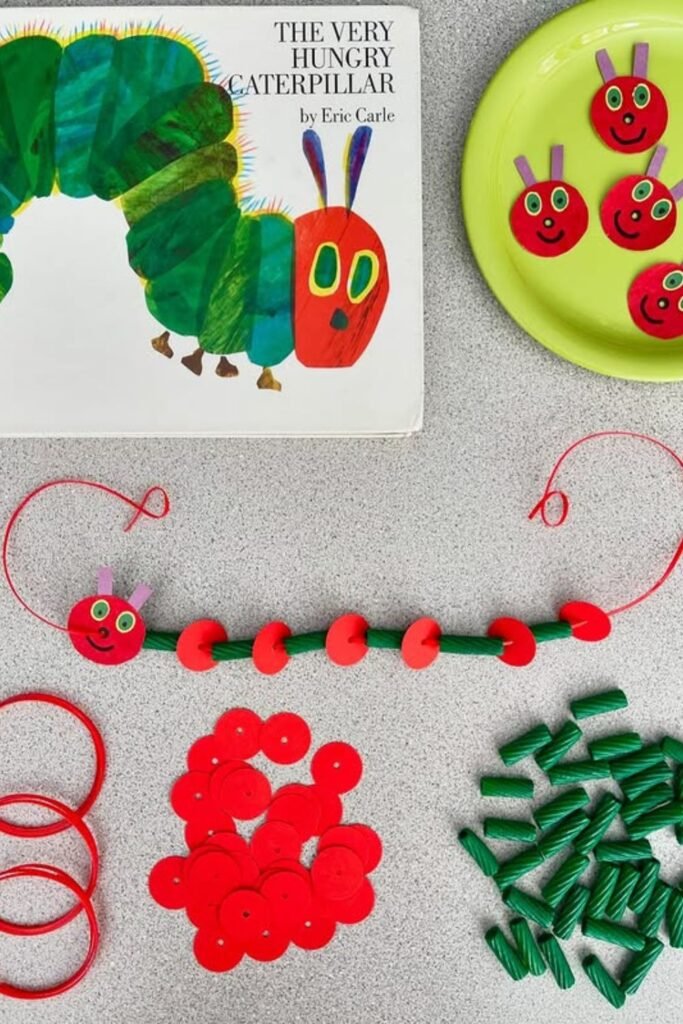
Sliding chunky beads along a string turns patience into progress. Fingers must pinch, rotate and guide each piece through a small opening.
That builds actual control without feeling like you have to. This project works best at tables or fine motor stations where youngsters can concentrate without being bothered.
Depending on how skilled you are, you can use pasta tubes, foam beads, or cardboard circles.
Short strings keep kids from getting too frustrated, but longer ones are harder for older kids.
Finishing with a smile on your face gives you a clear goal and direction, so your hands keep busy until the last bead clicks into place.
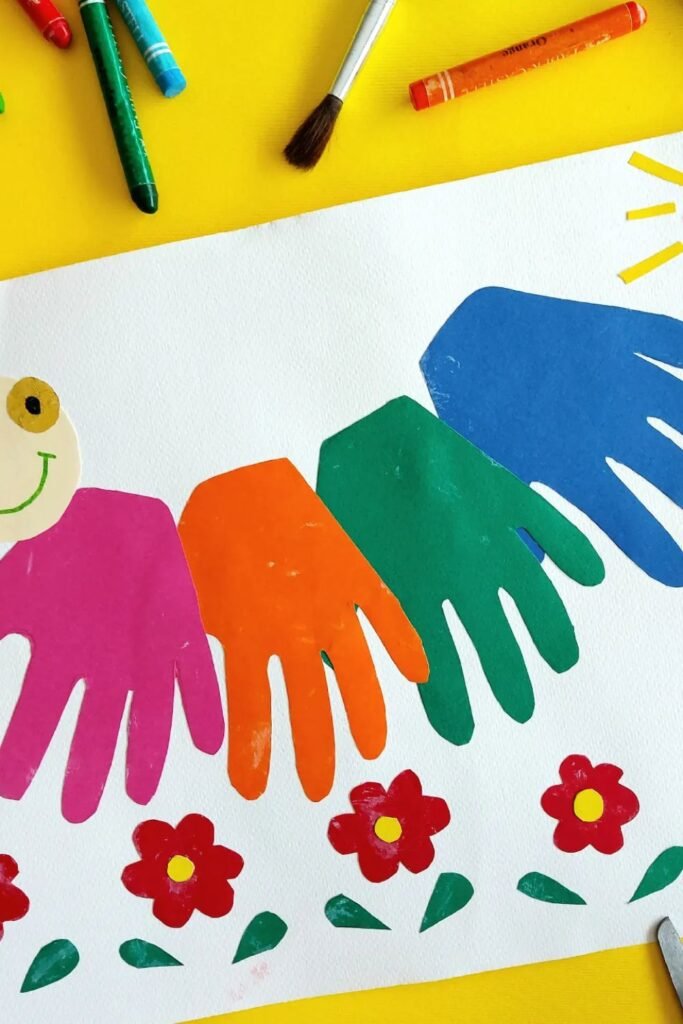
Hand Prints
Painted palms turn into bold caterpillar segments that make kids slow down and spread fingers with control.
Pressing each hand flat, lifting slowly, and lining up prints helps people learn where to put their fingers without having to be flawless.
This craft is great for little kids who aren’t ready to use scissors yet but still need to build up their hand strength.
Changing colors between prints keeps people interest up, but repetition is what really works.
Adding minor embellishments like eyes or antennae at the end creates a clear ending point so hands stay busy from the first press to the last smile.
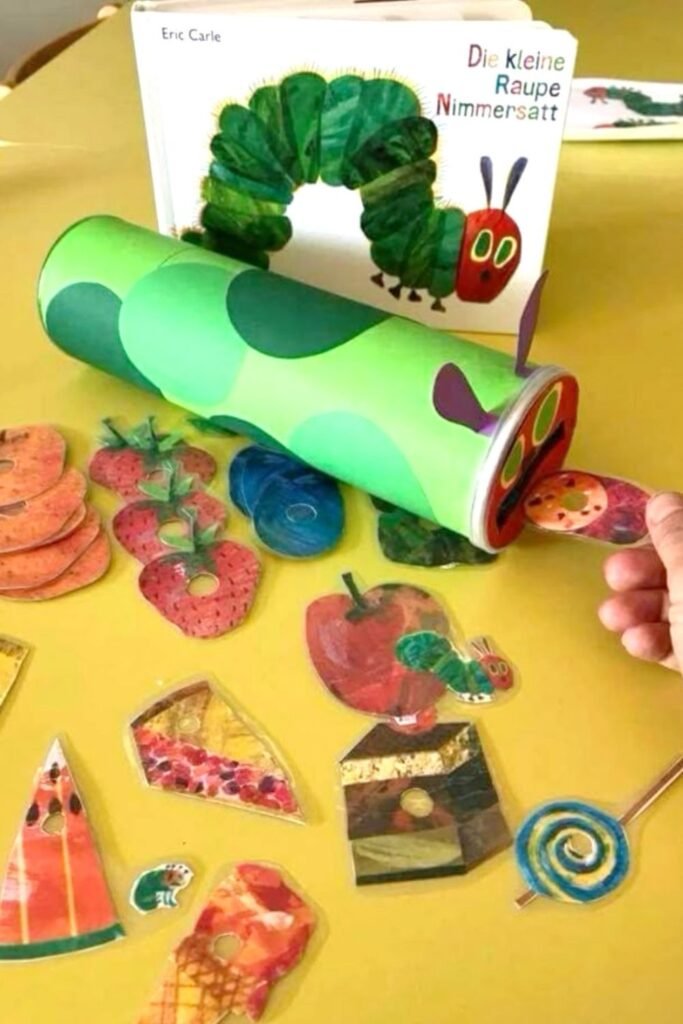
Feeding Tube
Pulling food pieces through a narrow opening turns story play into serious finger work. Grasping each shape lining it up.
And pushing it within makes hands slow down and stay exact. This exercise goes great with The Very Hungry Caterpillar.
Especially when you’re teaching reading or putting things in order. Short sessions are excellent because the movement needs focus and control.
Beginners find it easier to handle thicker paper or laminated pieces, whereas tiny items make it harder.
Every pull makes coordination better, and kids have a clear reason to keep going until the last piece is gone: seeing the caterpillar “eat.”
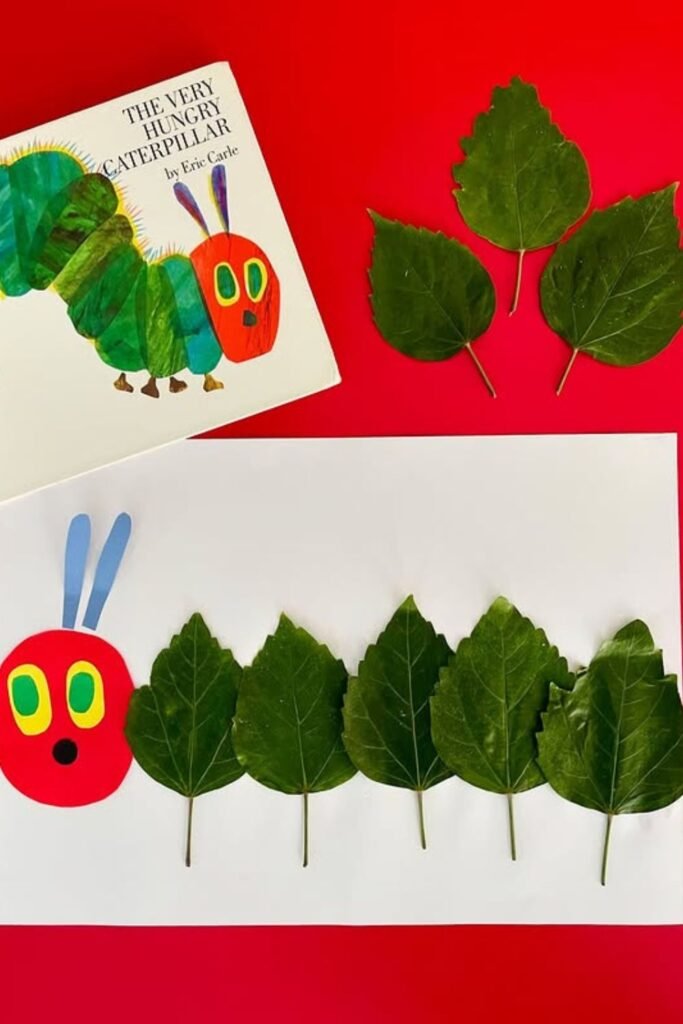
Leaf Lining
Fresh leaves bring nature straight into fine motor practice without extra supplies. Picking, turning.
Putting each leaf down makes your fingers slow down and change their grasp on purpose.
Veins and stems act as built-in guidelines, letting people line up pieces instead of dropping them at random.
This practice is best done after playing outside or going for a stroll in nature, when you have a lot of energy yet need to focus.
Older kids have to match the sizes of the leaves, which makes it harder. Younger kids can just put them where they want them.
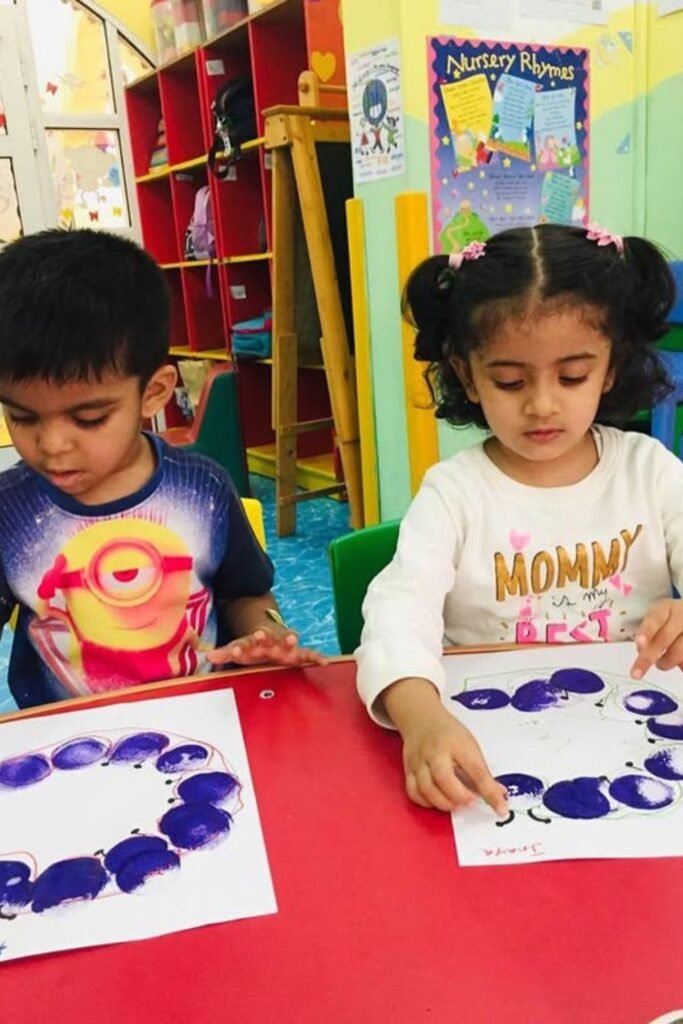
Finger Dots
Painted fingertips leave bold circles that naturally slow hands down and demand control.
Pressing one finger at a time helps kids isolate movement. This is a significant step toward holding a pencil better later.
This project is great for short attention spans or art time in the classroom. Because each dot feels like a small win.
One color keeps the focus on movement instead of options, while several colors make it harder for older youngsters.
When you space dots in a curving line, you can make random prints look like a caterpillar without any help. Easy, soothing and surprisingly good for making your fingers stronger
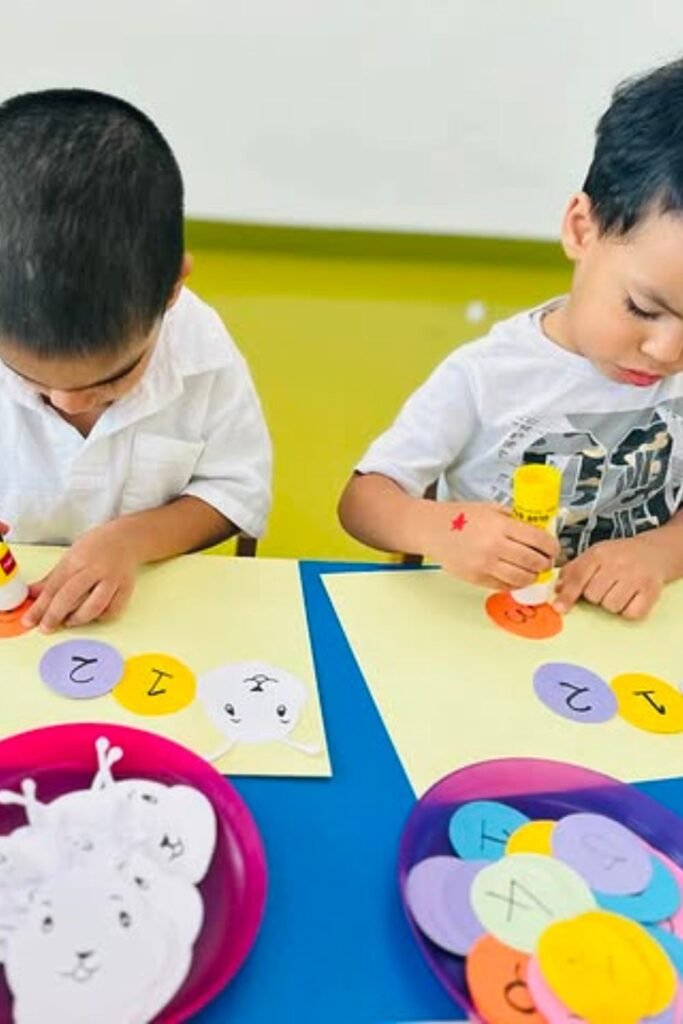
Number Circles
Gluing small circles in order turns counting into steady hand practice. Pressing each piece down with just enough force builds finger control.
while putting numbers in the right places keeps people interested. This exercise is great for preschool arithmetic centers or early learning tables.
Where structure helps kids stay focused. Kids slow down to check the sequence before sticking when they use numbered pieces.
For beginners, glue sticks are easy to use, but liquid glue makes things harder. Watching the caterpillar grow one number at a time.
Helps kids learn how to sequence without it feeling like a lesson. This makes learning and fine motor skills occurring at the same time.
Wooden Discs
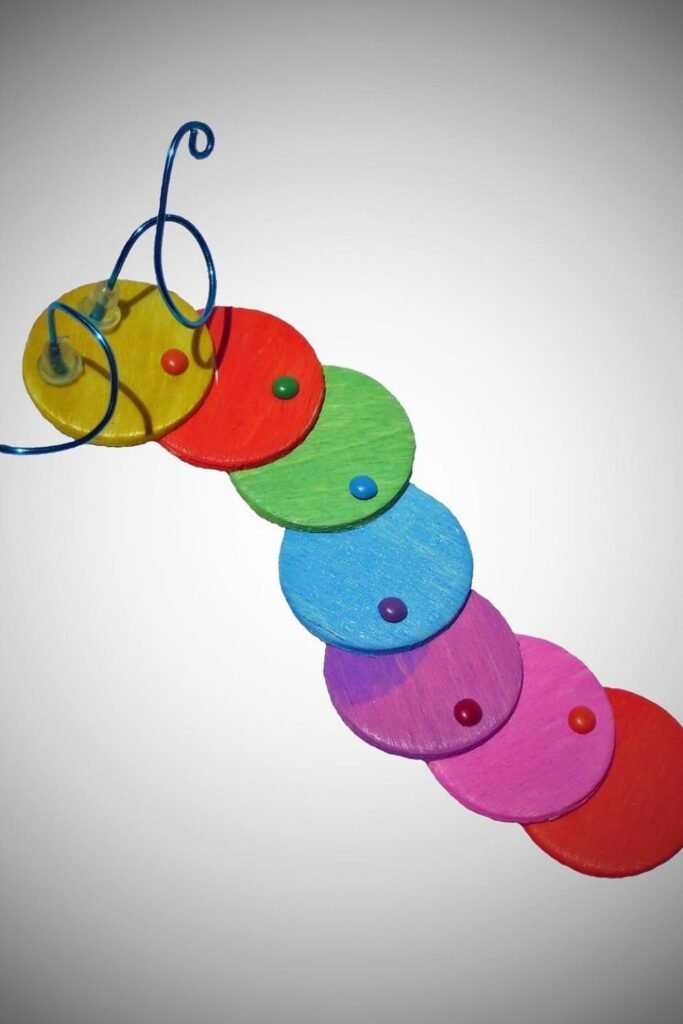
Smooth wooden circles instantly change the feel of fine motor work by adding weight and resistance.
Putting each disc on a stiff wire makes your fingers turn, line up the holes, and press with control instead of force.
This practice is great for older preschoolers who need to strengthen their hand muscles before they can write.
Painting the discs ahead of time makes people feel like they own them and focuses their attention on the assembly.
Bending the ends of the wire into curls makes a definite stop point and stops it from slipping.
FAQs
Can caterpillar crafts help kids who avoid writing or coloring?
Yes, and that’s why they work so well. Kids who don’t want to use pencils frequently have trouble with hand strength or control, not motivation.
They can work on those abilities without feeling rushed when they make caterpillar crafts.
How often should kids do fine motor crafts like these?
Short and steady works better than extensive sessions. A few times a week for 10 to 15 minutes is enough to make a difference.
Repetition makes hands stronger, and cycling through different caterpillar crafts keeps youngsters interested while strengthening the same core muscles again and over.
Hi, I’m Afaf! I’m a law student who loves writing about everyday life – from home projects and crafts to fashion, beauty, and parenting tips.
I’ve been writing for over a year, sharing ideas that are simple, practical, and easy to try. I write about things I find interesting and useful, whether that’s organizing a space, trying a new DIY, or finding activities to keep kids entertained.
My goal is to share helpful ideas without making things complicated. If it works in real life, I’ll write about it.
When I’m not studying or writing, I’m usually experimenting with new projects or scrolling for inspiration!