
25 Big Kids Room Ideas for 2026
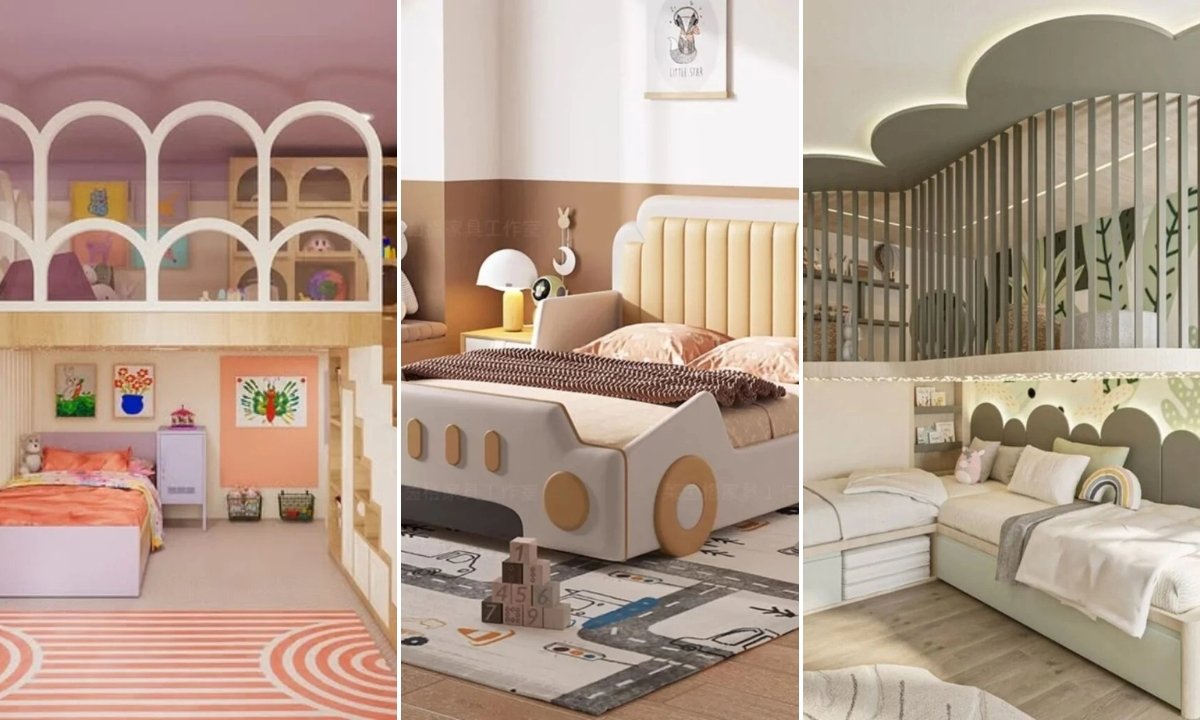
You are not the only one whose child’s room looks like a toy store on one side and an untidy office on the other.
There are crayons all over the desk, LEGO all over the floor, and when it’s time to do schoolwork, there’s nowhere quiet to concentrate.
You want them to have room to play. You also want them to sit down and study. But in a small room, everything seems to be jammed together.
The good news is that you don’t need a bigger house or a full remodel. You just need a better plan.
This article highlights 23 big kids room ideas that actually work in real homes. No complicated setups or unrealistic styling.
Let’s jump in!
How Can You Mix Play Space and Study Space in One Room?
First, you need to recognize that one area can accomplish both. But only if you stop letting everything sit about.
When the desk is next to the toy box, homework becomes playtime. When toys flow into the study space, you lose your attention.
You need to make clear areas. Put the desk in a peaceful place, preferably one with a lot of natural light. Put the toy storage somewhere else.
Put down carpets, shelves, or even furniture to “draw a line” between play and study. Your youngster will know what to do in each area if it has a clear purpose.
Save this article for later!👇👇👇
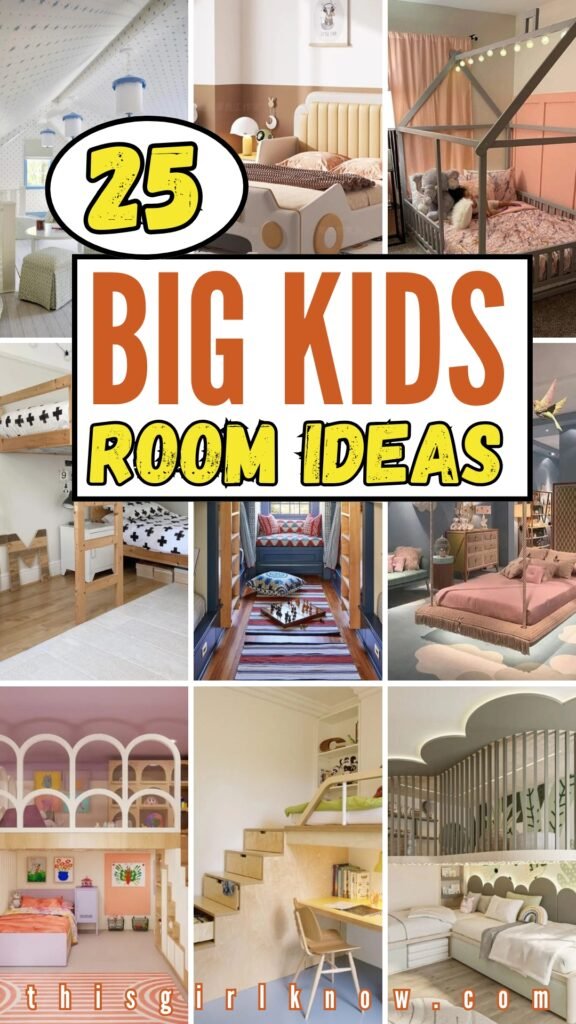
Floating Bed
Gravity doesn’t get to decide how fun a bedroom feels. A suspended bed like this instantly turns sleep into an experience, not just a routine.
This layout is great for bigger rooms with higher ceilings. It works best when you want the bed to be the main focus of the room.
Strong ceiling support is a must, thus it’s important to have a professional do the work. Keep the remainder of the furniture simple and grounded.
A soft rug under the furniture helps define the area and makes it safer.
Notice how the seats and storage around the room stay low-profile; that balance keeps the room from feeling messy.
The soft colors on the walls and the fun decorations on the ceiling make it dreamlike without becoming too childish.
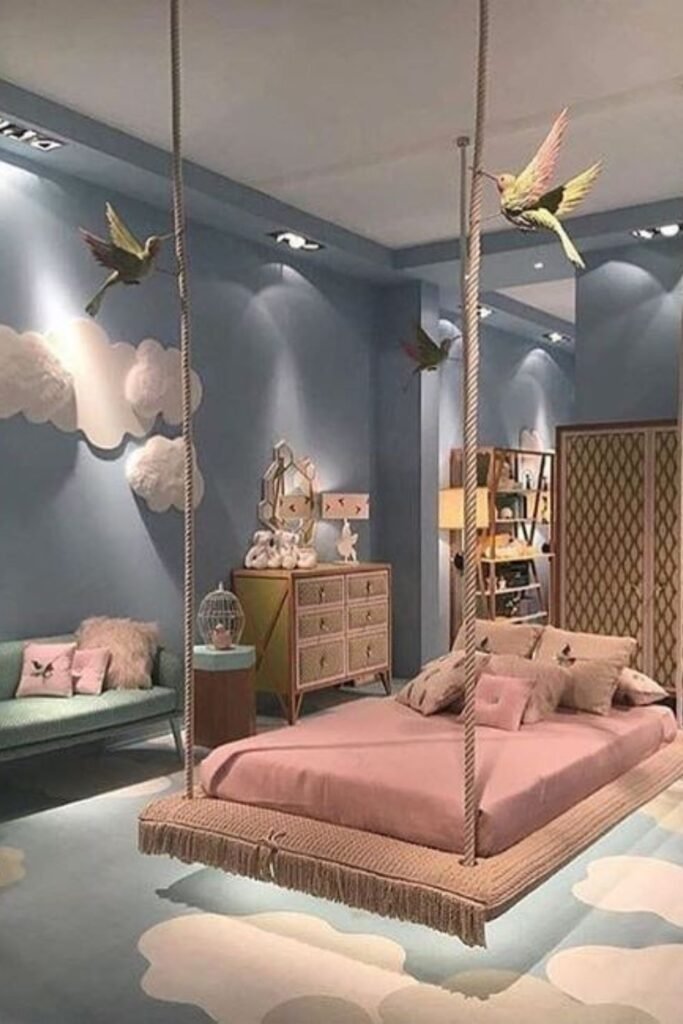
Cabin Bunks
Privacy changes everything in a shared room. Built-in bunk alcoves like this give each child a clear personal zone without needing extra square footage.
Works great in long or attic-style rooms where the walls may organically frame each bed.
The enclosed sides make sleeping feel warm and keep distractions to a minimum. Which is especially helpful when bedtimes are different.
Storage shelves at the end of each bunk make it easy to reach books and small things, which keeps the area tidy.
The window seat at the end of the room can be used as a reading nook or a quiet place to hang out, so the central floor is free for play.
If siblings share a room and fight over space this vertical division will fix more problems than moving furniture around will.
Loft Corner
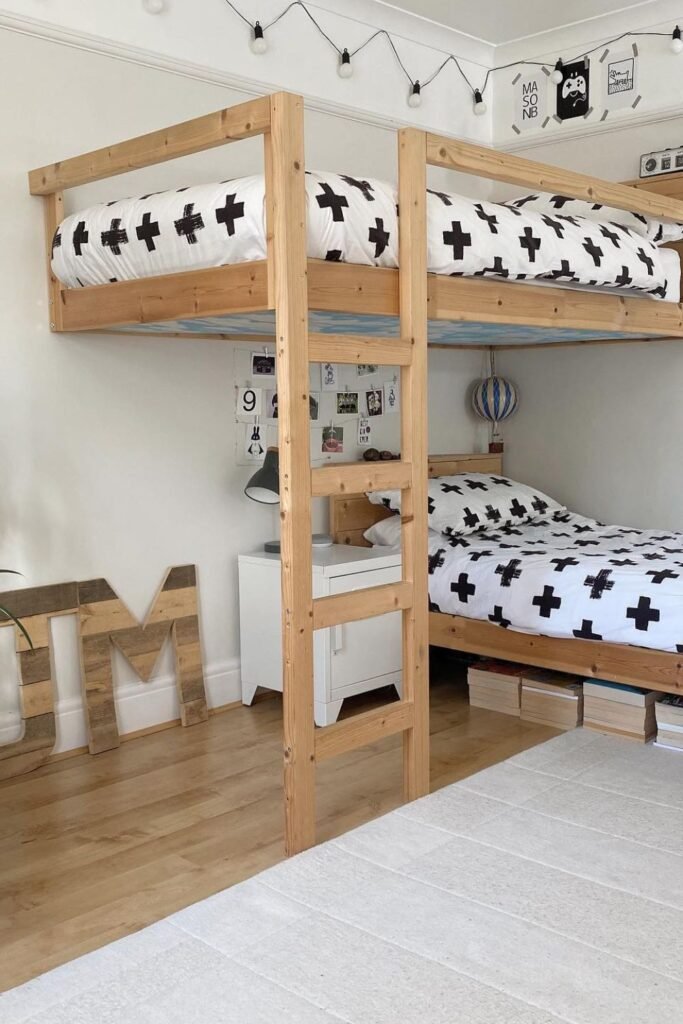
Floor space opens up fast once the bed goes up. A simple wooden loft like this turns one wall into a full sleep zone.
This leaving the remainder of the space open for play, homework, or perhaps a modest reading chair.
Great for bedrooms that aren’t very big and where every square foot counts.
Look how the desk and nightstand fit perfectly under the bed without taking up too much space. That’s the most important thing: make sure your furniture is small and useful.
The room feels older without trying too hard because the walls are neutral and the bedding is plain black and white.
Lifting the bed might be the best thing you can do if your youngster needs both space to move around and a good place to work.
Play Loft
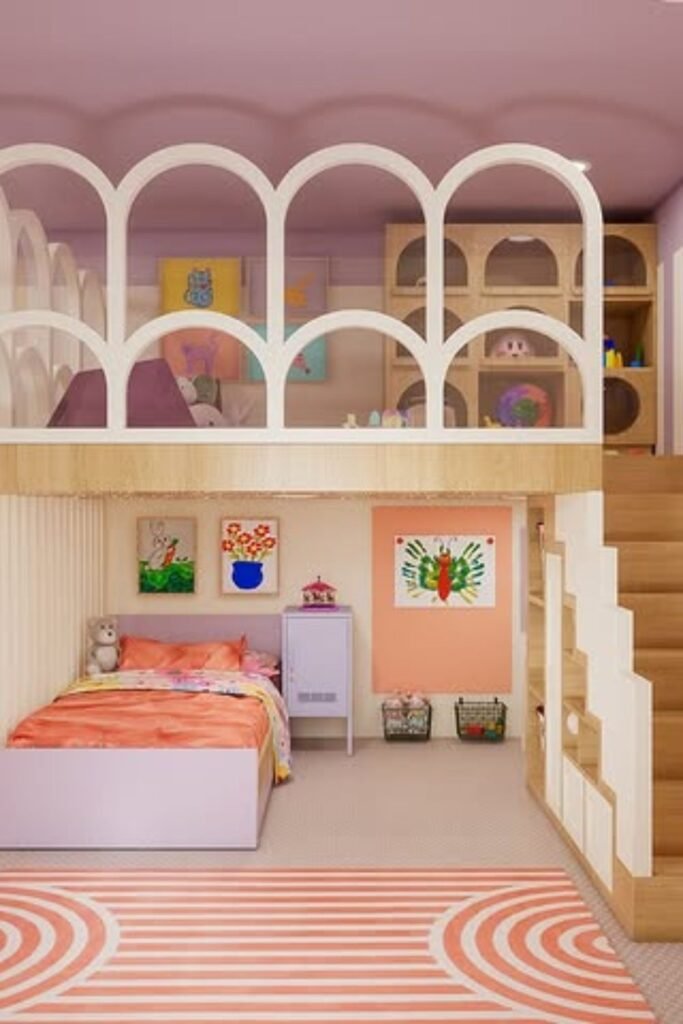
Bedtime doesn’t have to take over the whole room. Raising the sleep area like this frees the lower level for a private little zone that feels separate and cozy.
Works great in spaces with high ceilings, especially when one youngster wants a fun place to hide and a place to sleep.
Stairs with built-in storage make the ascent safe and useful. Each step is like a drawer or shelf. The open rail design makes the top feel open instead of closed off.
The soft colors on the walls and the minimalist paintings make the room feel less busy. If your youngster likes having a “secret” section.
But still requires structure, partitioning the room vertically provides them both without needing more furniture.
Stair Storage
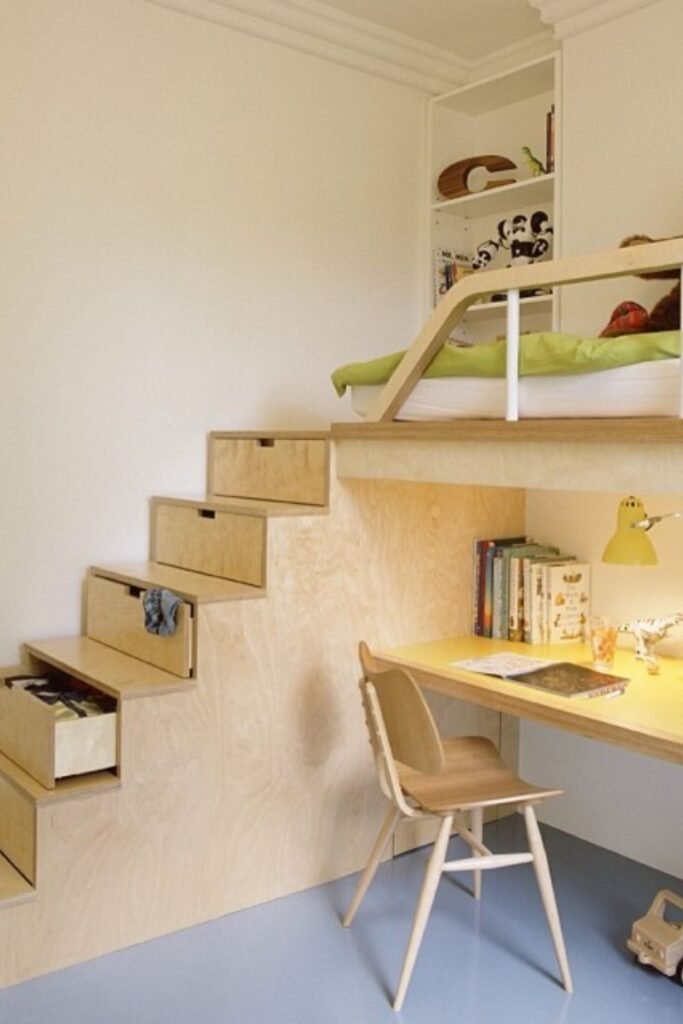
Clutter hides in plain sight unless you give it a home. Built-in stairs with drawers solve two problems at once: safe access to the loft bed.
Obtain more storage space without having to buy big furnishings. Great for small bedrooms where you can’t afford a separate dresser.
Each step turns into a drawer for clothes, toys, or school supplies. This keeps the floor clear and makes the room easy to clean.
The desk that fits underneath makes the lower section a good place to study without feeling crowded. Light wood makes things look tranquil instead than weighty.
This kind of hidden storage makes cleaning up easy and automatic if your youngster has trouble keeping things in order.
Double Loft
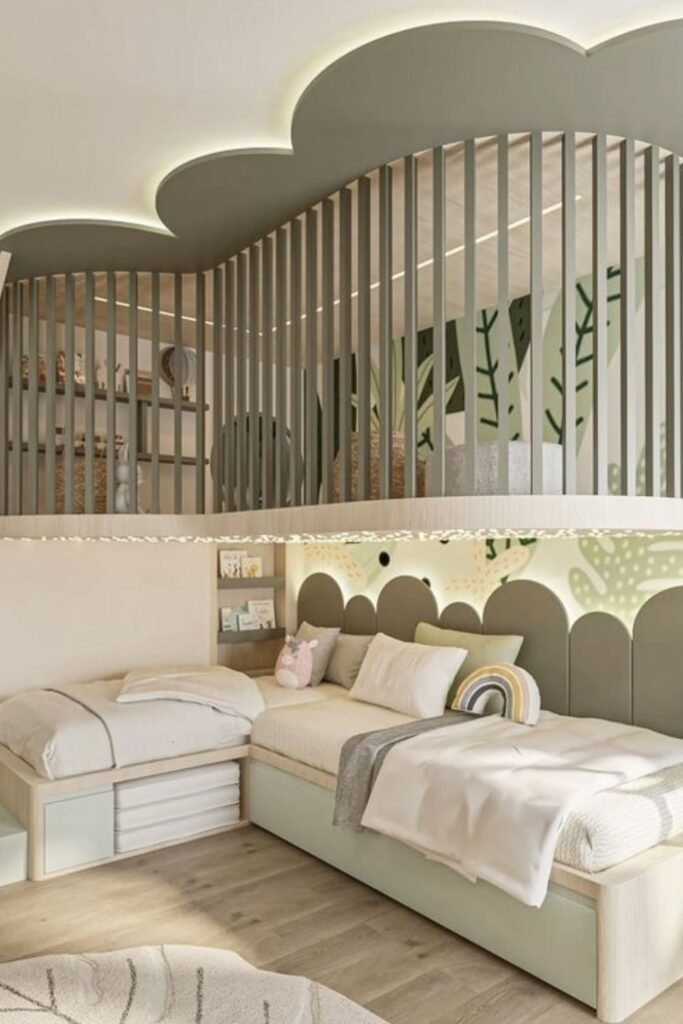
Two kids, one room, zero chaos that’s the goal. Splitting the room into upper and lower sleep zones.
Instantly gives each child their own defined spot without building walls. One bed stays on the ground and is easy to get to.
While the loft above makes a cozy space that feels special. Vertical slats keep it open and safe while still making it feel like it’s separate.
The built-in drawers under the lower bed can hold extra bedding or clothes. So you don’t need big dressers taking up space on the floor.
The soft lighting under the loft makes the bottom area feel comfortable. And like it was meant to be there, not like it was jammed in.
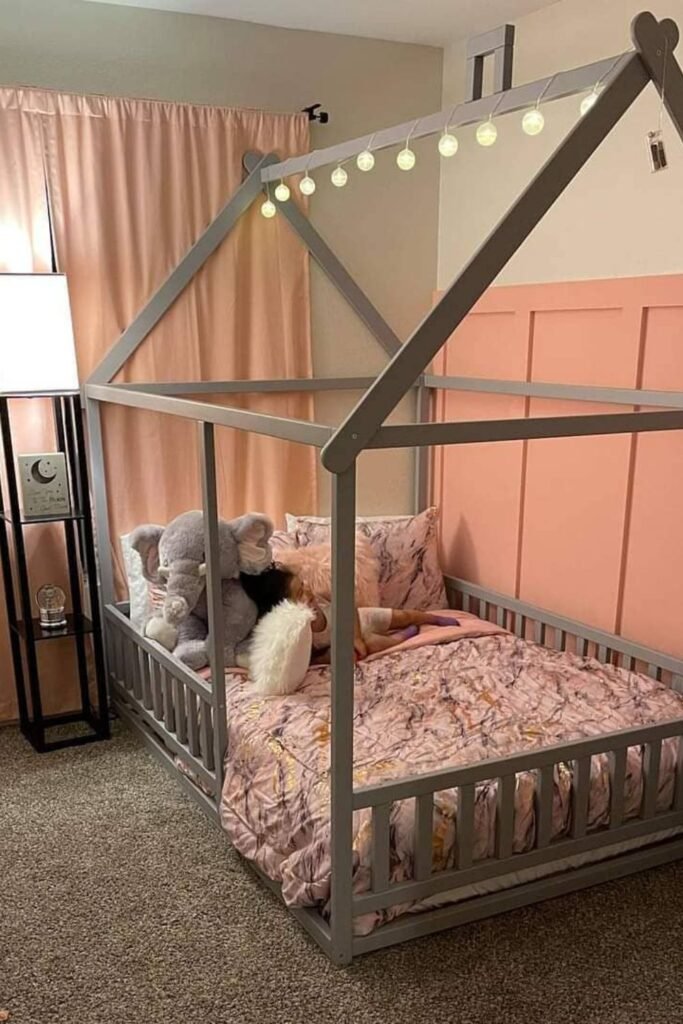
House Frame
Magic lives in small details, not in expensive makeovers. A house-frame bed instantly gives personality without overwhelming the room.
It works great for kids who still like to use their imaginations but want something more grown-up than cartoons.
Let the bedding and wall color speak for themselves by keeping the frame basic.
Soft panels behind the bed give the area more depth and make it feel like a planned sleep.
String lights around the top make it a nice place to relax at night without taking up too much space with lamps.
Shaping the bed like a miniature house gives the space a fun, age-appropriate ambiance while yet being clean and organized.
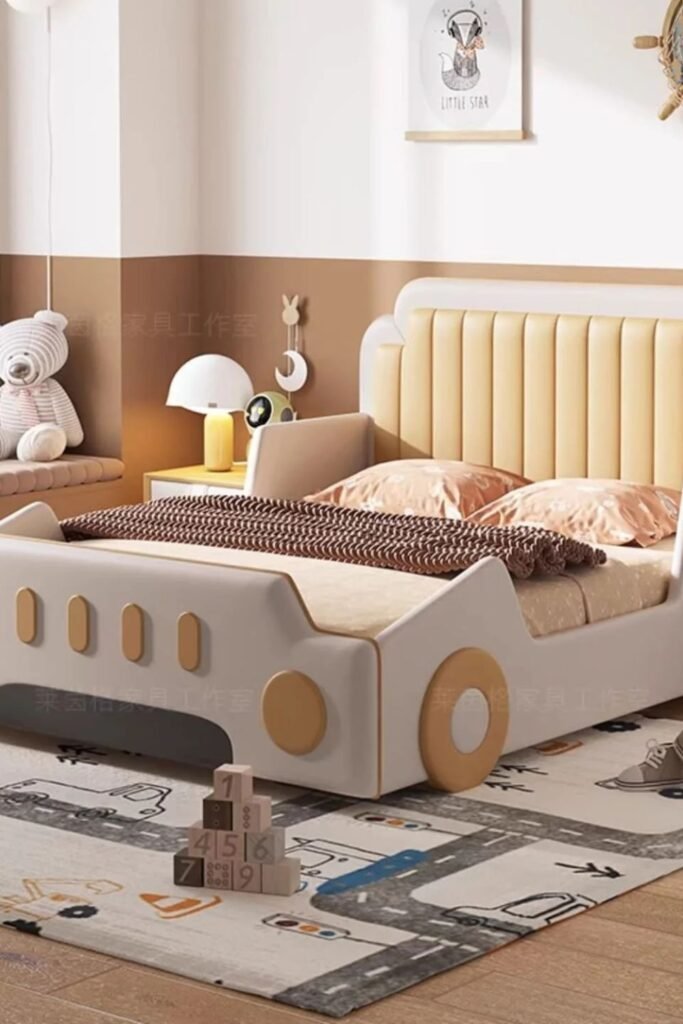
Car Bed
Speed meets comfort in a setup like this. A car-shaped bed keeps imagination alive while still giving enough structure for a growing child.
Works well for youngsters who still want to play but require a place that looks more put together.
Make the remainder of the room minimalistic so that the bed is the main focus.
The dramatic design is balanced by the neutral walls and soft lighting, which keeps the room from seeming cluttered.
Put it next to a useful nightstand and a good reading lamp so that bedtime routines stay useful and not crazy.
If your child likes themed things, only allow them have one statement piece like this and keep everything else neat and tidy.
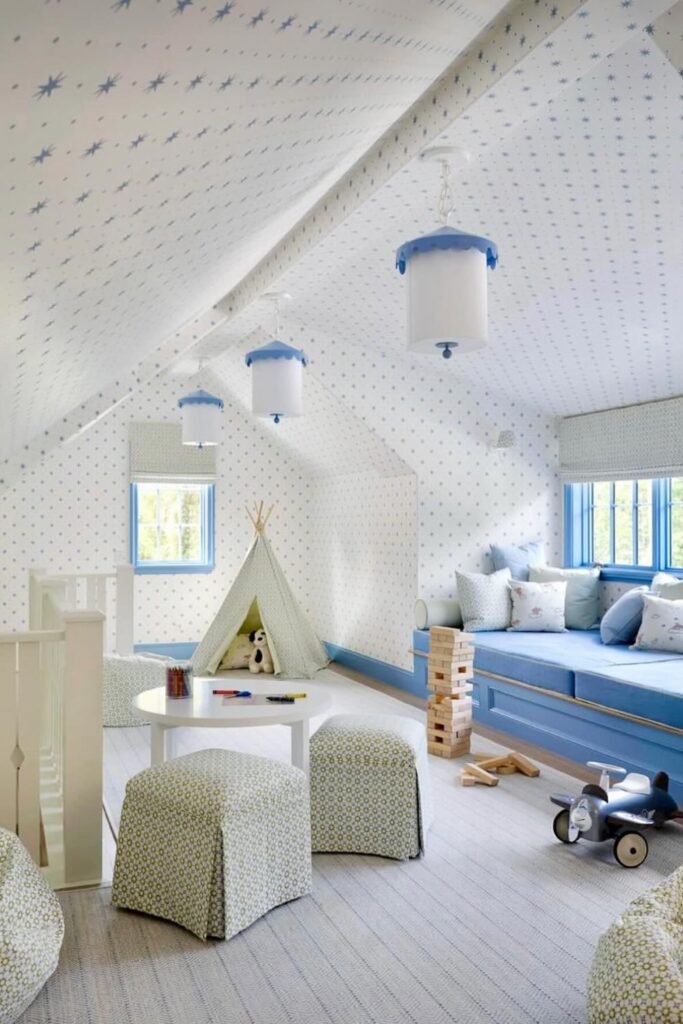
Attic Nook
Sloped ceilings don’t limit a room they give it character. An attic layout like this turns awkward angles into cozy zones that feel private and special.
Low window sitting along the wall makes a built-in place to hang out without blocking out natural light.
The soft cushions make it a great place to read, speak, or just relax.
The little round table in the middle keeps the play area compact, and the floor poufs can be moved around easily when additional room is needed.
The light hues and small designs on the ceiling make it feel less hefty. Great for additional rooms or lofts that have been turned into living spaces.
Where regular furniture won’t fit well. Instead of battling the angles, lean into them and make low, useful seating that fits the shape of the room.
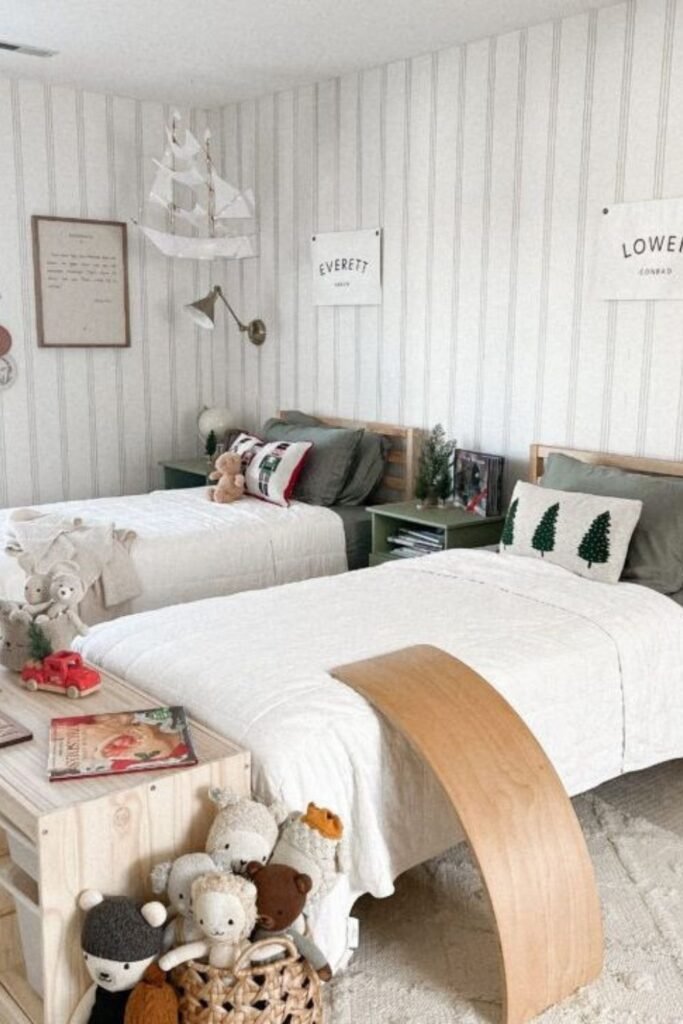
Twin Balance
Peace starts with equal space. Two identical beds placed side by side instantly remove the “who gets what” argument.
Works great for siblings who are close in age and require fairness more than space. Matching bedding keeps the room peaceful.
While modest personal touches on each cushion let their personalities emerge without getting in the way.
You can see that there are storage units at the foot of the beds instead of big dressers along the walls. This keeps the layout open and easy to walk around.
Symmetry is frequently better than fancy design methods when it comes to making a shared bedroom feel tidy and peaceful.
Ceiling Focus
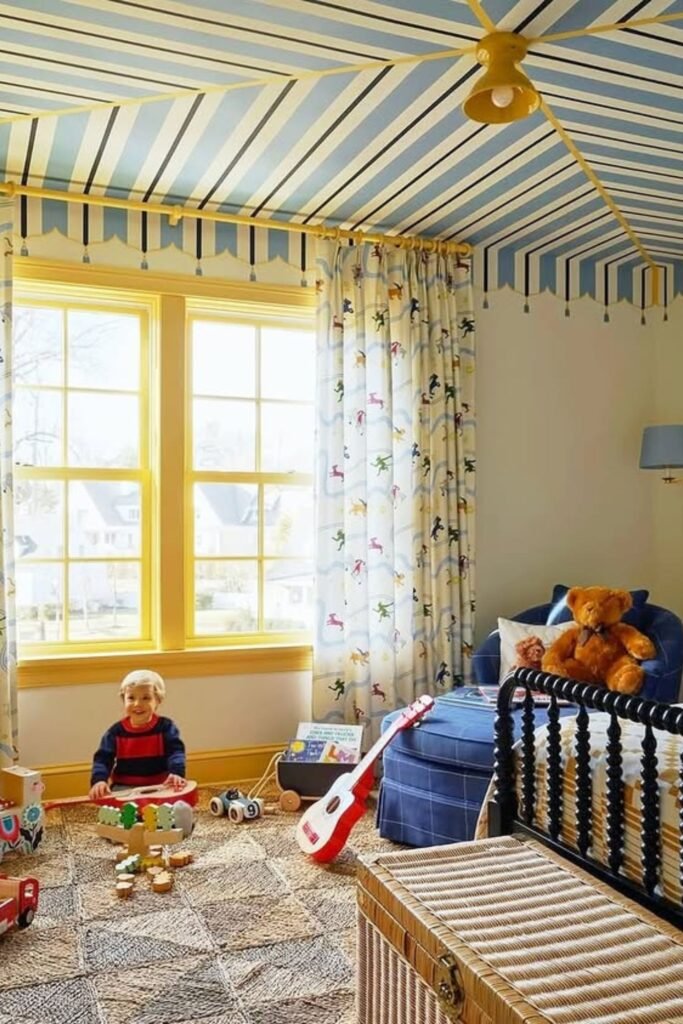
Eyes naturally go up in a room like this. Bold ceiling stripes turn a simple bedroom into something playful without crowding the walls.
Great for kids who like color but don’t want every surface to have theme decorations on it.
Keeping the lower half of the room calmer allows toys and furniture to stand out without visual overload.
You can see that the window trim and curtain rod are the same yellow color as the wall above. Small things like that make the room feel planned.
It’s more important to keep the floor space available for play than to fill in corners with extra pieces.
Blue Bunks
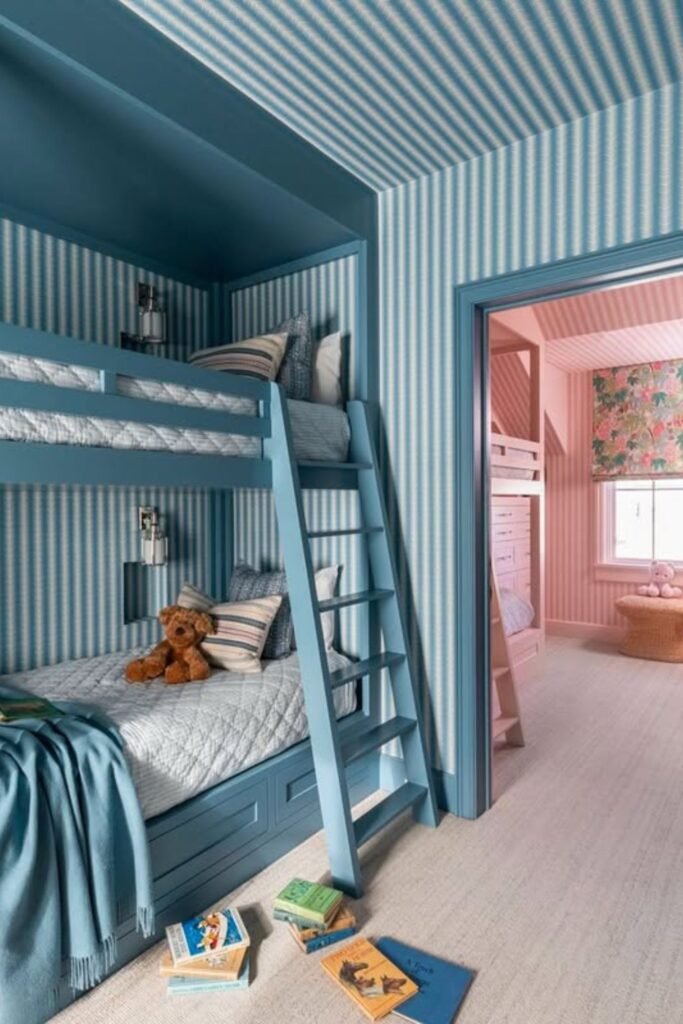
Color can define a space before furniture ever does. Deep blue paneling wrapped around built-in bunks instantly creates a sleep zone that feels tucked away and intentional.
Great for shared rooms if you want both beds along one wall without taking up too much space in the middle.
here are built-in drawers underneath that can hold extra things, so you don’t need a big dresser.
Reading lights that are installed on the wall free up room on the floor and make bedtime easier.
The striped wallpaper goes all the way across the walls and ceiling, which makes the bunks feel like they are part of the building, not just furniture.
Building the beds into one strong feature wall is a great way to keep everything neat and tidy in a shared bedroom.
Space Loft
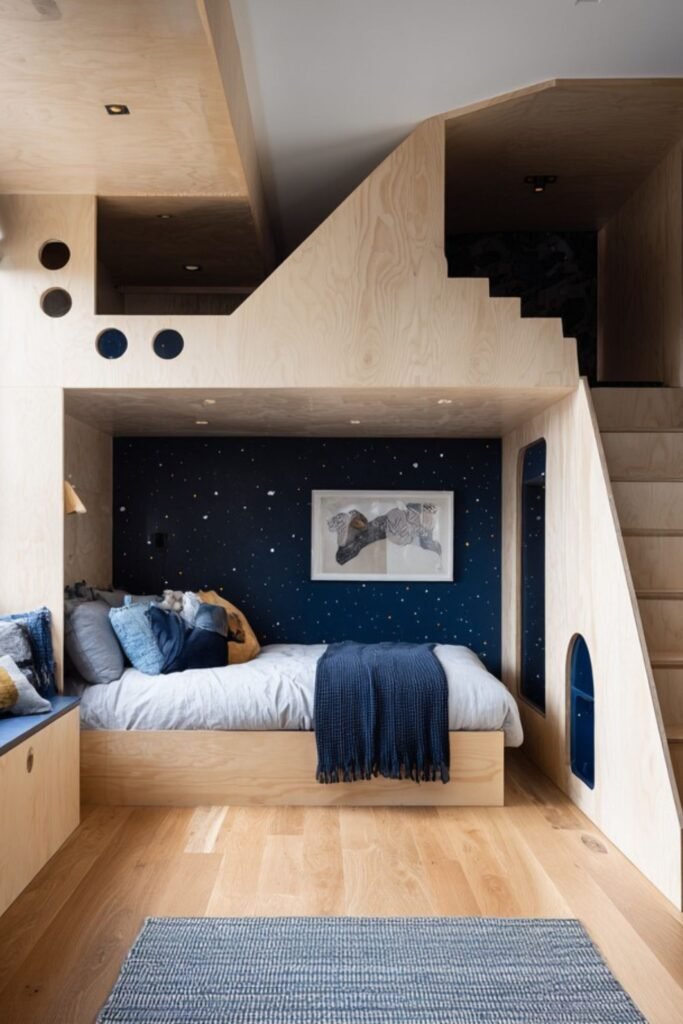
Adventure starts the moment the stairs go up. A built-in loft like this turns one wall into a full sleep-and-play structure without stealing floor space.
The lower bunk feels like a separate room, especially with the darker wall color behind it that makes it look bigger.
The upper level can be a place to hide or read, which gives older kids the independence they want.
Stairs serve as both a safe way to get to the top and a powerful visual anchor making the setup feel permanent instead of transient.
Putting the desk to the side keeps the study area apart from the pleasant sleep area, which helps you concentrate.
Soft Symmetry
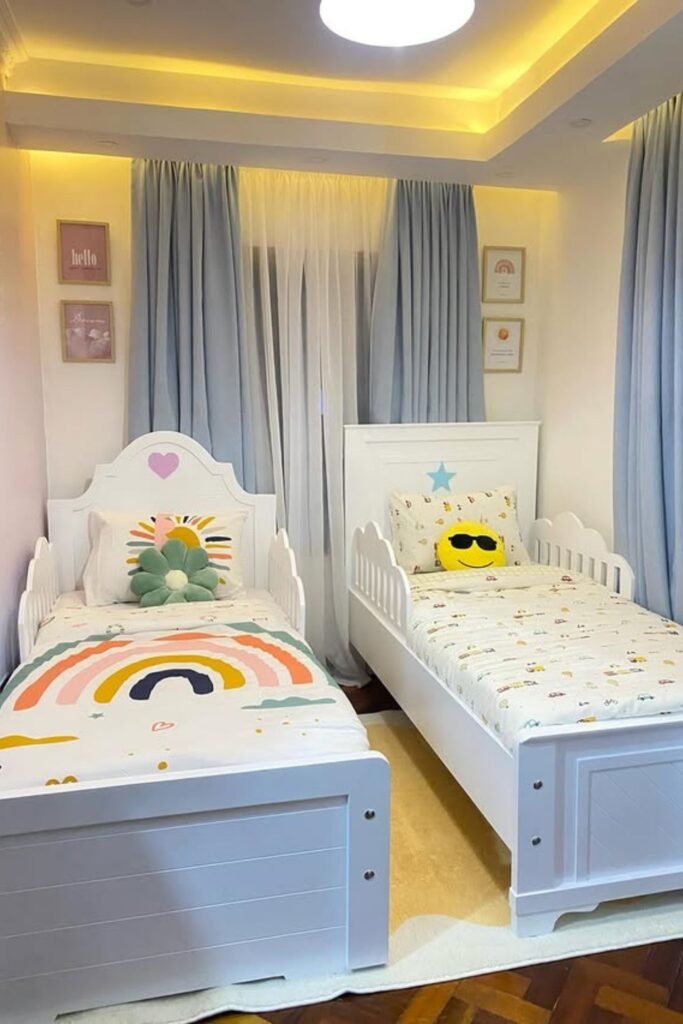
Sharing feels easier when everything looks fair. Two matching beds placed side by side instantly bring balance to a narrow room.
Great for brothers and sisters who require equal room but don’t want bunk beds. Keeping the frames the same takes away competition.
But using different pillows or bedding prints gives the room character without making it look bad.
The curtains and wall colors are peaceful and neutral, which saves the room from seeming crowded even with two big beds.
The soft lighting in the ceiling makes the room feel warm and inviting at night. There is always enough room on the floor between and around the beds for play.
Wall Library
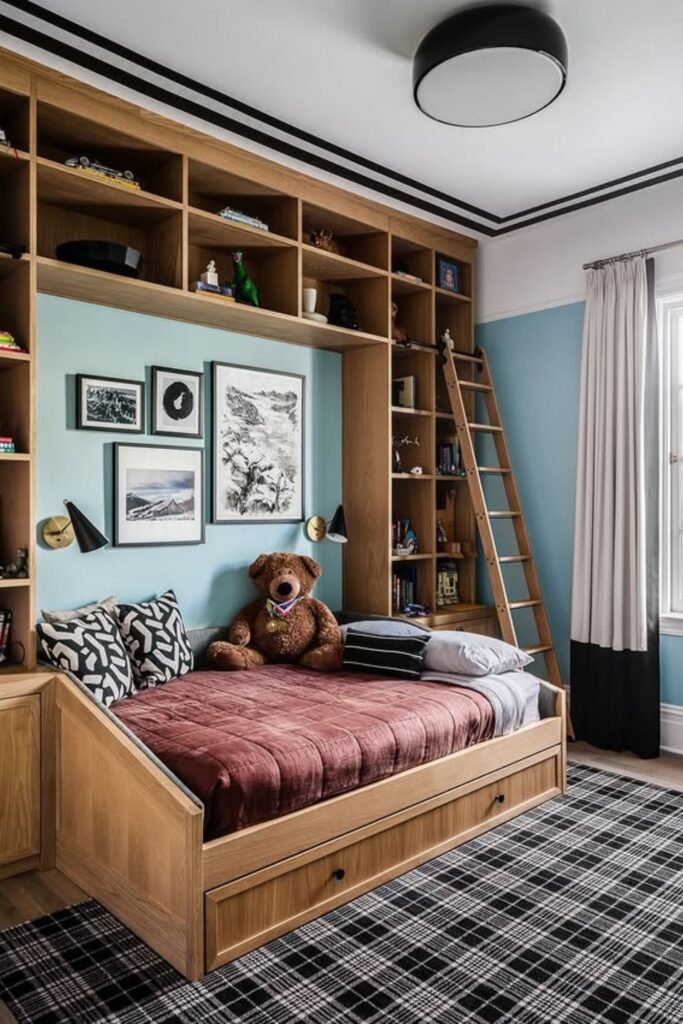
Storage can shape the entire room if you let it. Floor-to-ceiling shelving built around the bed turns one wall into a functional command center.
Great for kids who like to collect books, trophies, or little things and need to be able to reach them all.
There are drawers under the bed for clothes, so you don’t need a separate dresser and can keep the room open.
Ladders that let you go to the upper shelves make the vertical space useful instead of useless. Notice how the artwork is in the middle and surrounded by storage.
This makes the setup feel lighter. Works well in settings that are medium to large, so one wall can be the main focus.
Corner Loft
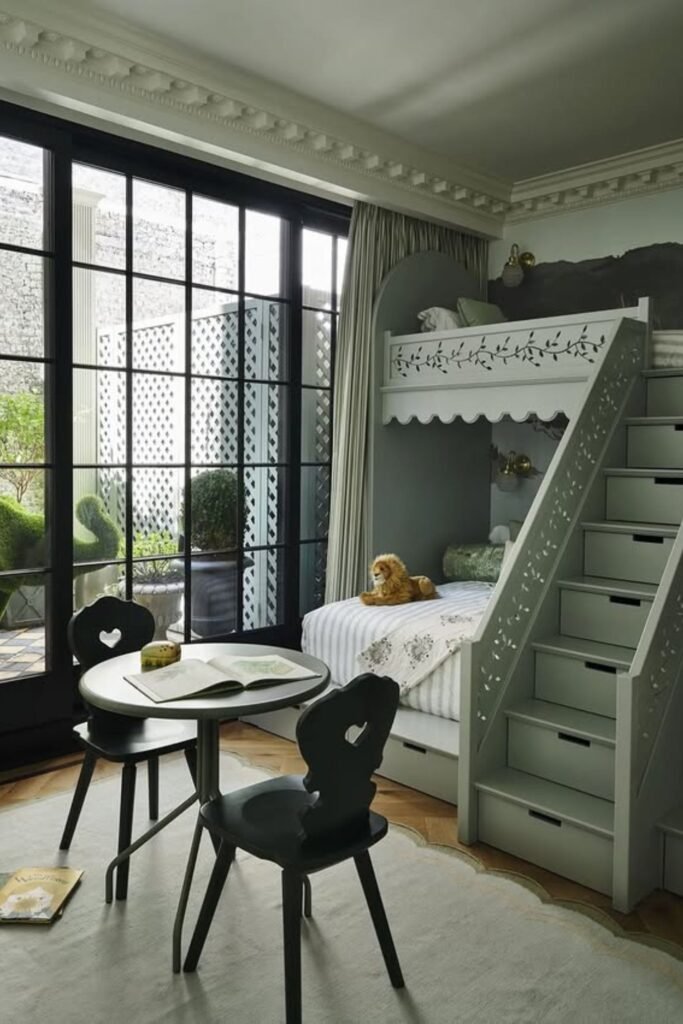
Natural light changes how a small room feels. Placing a loft bed beside large windows keeps the upper sleep area bright instead of boxed in.
Built-in stairs with drawers add serious storage without stealing extra floor space. Under the loft the lower bed sits tucked in but still open enough to feel comfortable.
A small round table near the window creates a simple study or craft spot that doesn’t compete with the beds.
Dark window frames and muted bedding give the room a slightly more grown-up look, perfect for older kids who want something less childish.
Best for rooms with good ceiling height and one strong wall to anchor the structure. Stack the beds, add storage inside the stairs, and let the rest of the space breathe.
Box Retreat
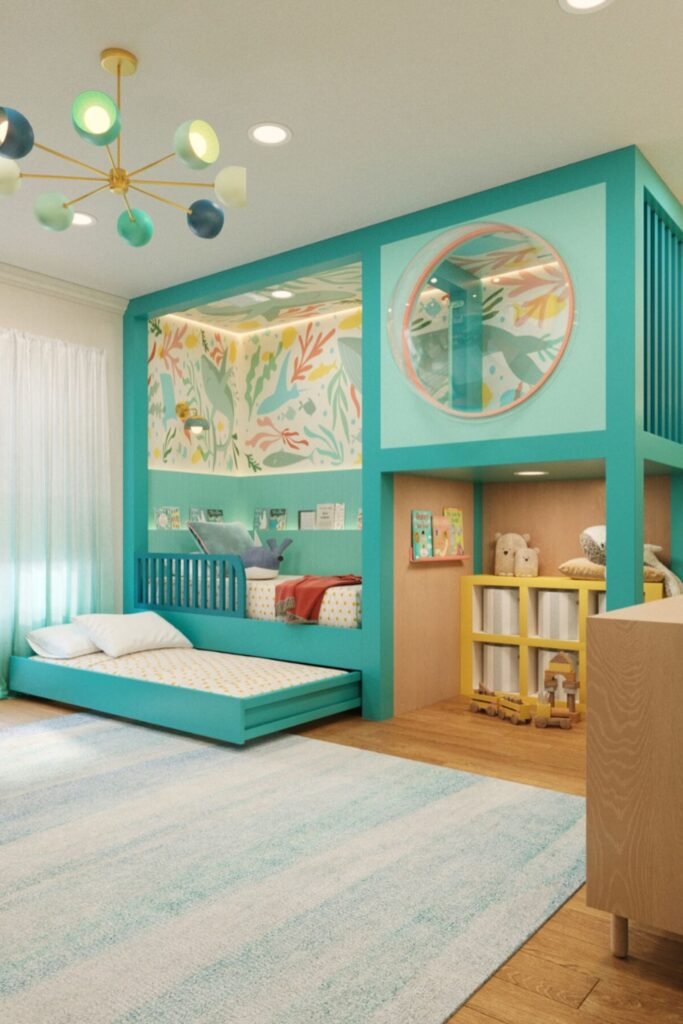
Kids love having a space that feels like their own little world. A built-in cube loft like this creates a clear sleep zone above.
Create a comfortable corner below without having to move furniture around the space.
The bright color framing makes the building feel planned, like a room inside a room.
The lower pull-out bed keeps the floor space free during the day, which is great for playing.
The round window element gives the room character without needing more wall art. Works well in medium-sized bedrooms where one corner can stand out.
Instead of putting things on every wall, design one robust unit that can hold both sleep and storage in one neat space
Treehouse Loft
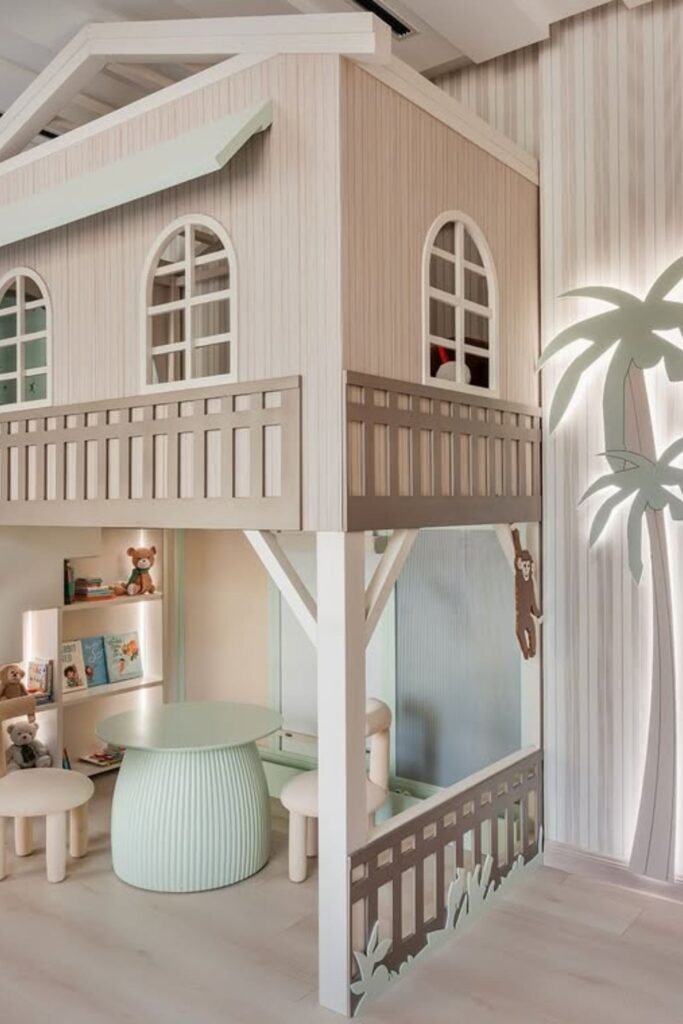
Childhood feels bigger when the bed becomes a house. A raised treehouse-style loft instantly creates two levels of living without needing a large footprint.
The upper platform turns sleep into a quiet hideaway, and the lower space becomes a little study or reading nook with its own table and shelves.
Works great in areas with high ceilings and walls that aren’t too bright so the structure stands out. The soft hues make it fun without being too much.
The built-in rails make it safe, while the open sides keep it from feeling closed in.
Instead of putting a desk, bed, and storage unit in the same room, put them all together in one vertical unit.
This way of stacking keeps the floor uncluttered and allows youngsters clear areas to sleep, play, and concentrate.
Calm Corner
Noise drops the moment a room feels simple. Clean walls, low bed, and soft earthy colors create a space that helps kids wind down instead of overstimulating them.
Great for kids who have trouble with nighttime routines or who get easily sidetracked. The room feels bigger and safer when the furniture is low.
A tiny table and matching stools can be used as a quiet place to do crafts or homework without taking over the room.
Notice how there isn’t much storage space just a dresser and a few baskets. This keeps things from getting too messy.
Soft lighting and warm wood floors make a room more comfortable without making it look messy.
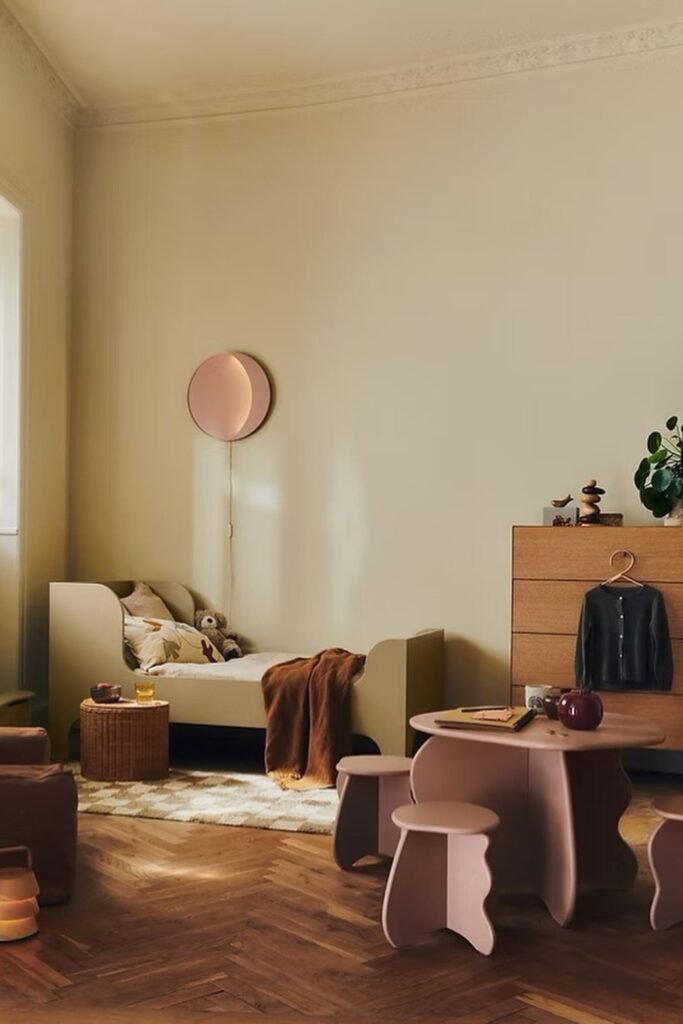
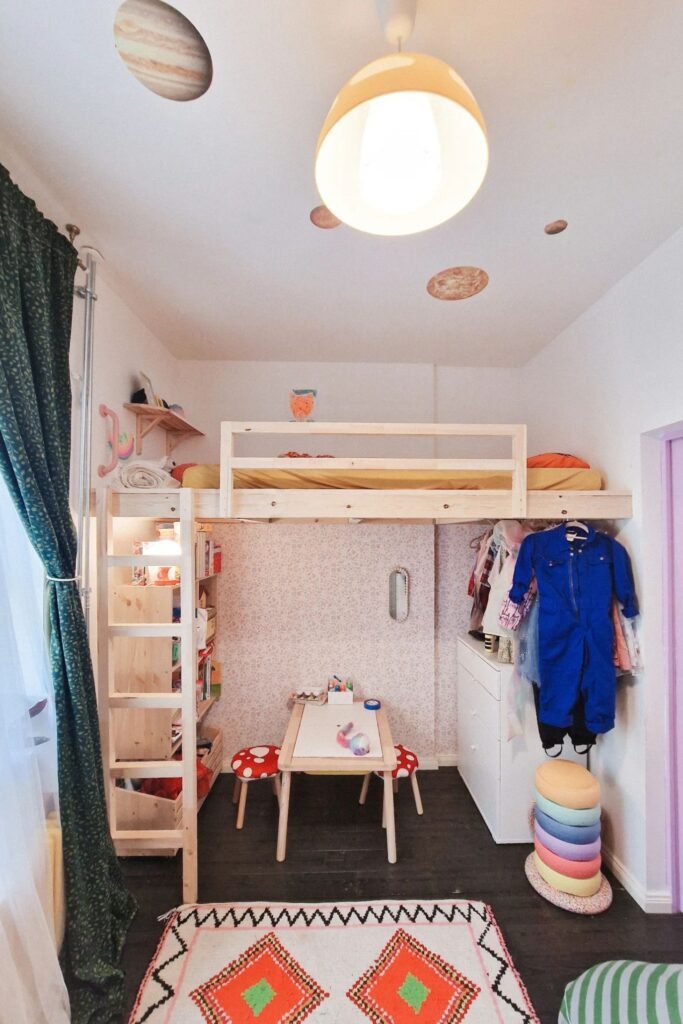
Mini Studio
Tiny room? Stack it smart. Lifting the bed instantly frees the entire lower wall for a small table, storage shelves, and a clothing unit without squeezing everything together.
Great for small bedrooms where every inch counts. Keeping the workstation in the middle of the loft makes it easy to tell the difference between work and sleep.
Open shelf next to the ladder holds books and other things you use every day, so the table doesn’t get cluttered. Instead of utilizing a big closet, hang clothes on a rail.
This saves space and keeps the layout light. The space doesn’t feel packed, even with bright drapes and a rug with a pattern on it, because the floor is generally open.
This kind of vertical planning converts one small corner into a whole sleep, play, and storage area that works.
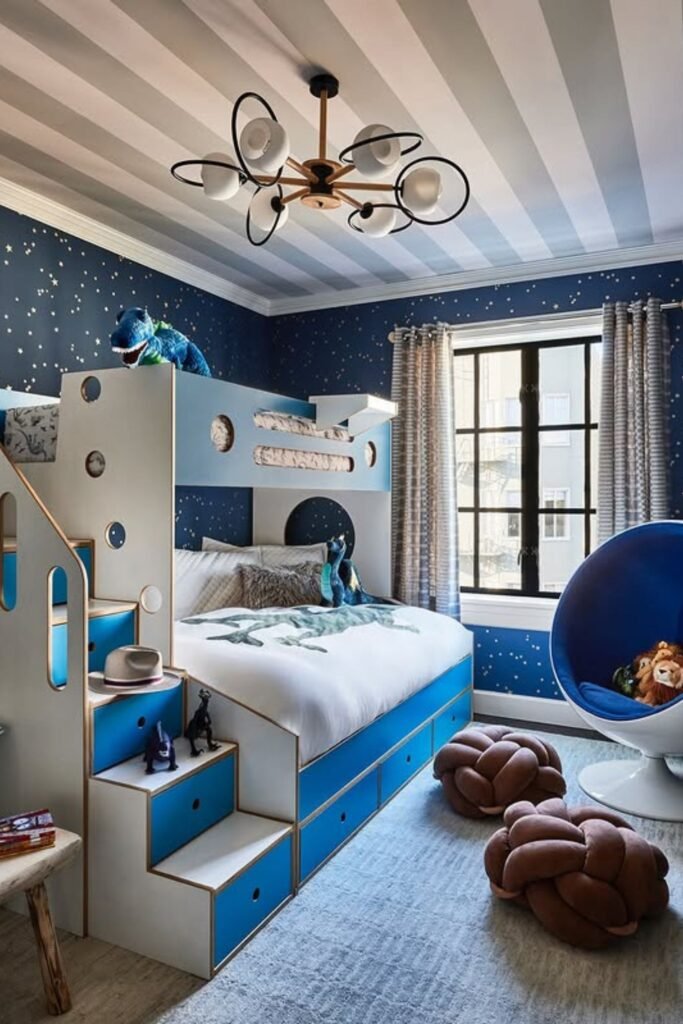
Star Station
Energy changes when the whole room follows one strong theme. Deep blue walls with tiny stars create a night-sky backdrop that feels immersive without being overwhelming.
The built-in loft bed with storage drawers underneath hides clothes and toys so that the bright walls don’t clash with the mess.
The stairs may also be used as shelving, so every step is useful. Great for kids who like to go on adventures but still require a schedule for their daily activities.
A comfortable chair in the corner gives you a quiet place to read that feels separate from the sleep area.
Ceiling stripes and modern lighting make things more interesting without making them too busy.
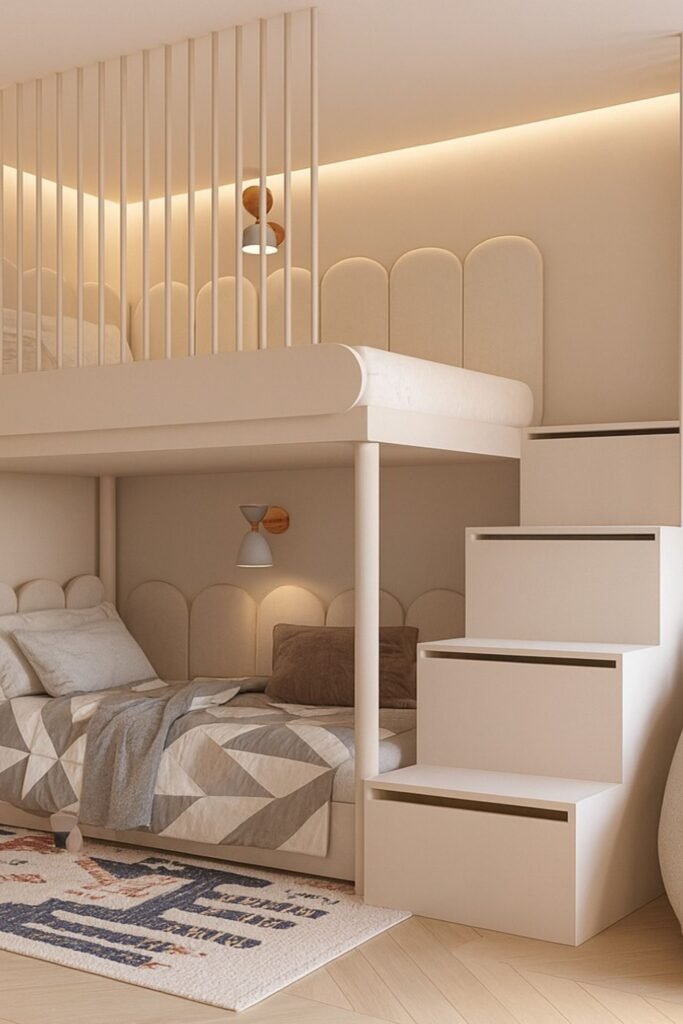
Neutral Layers
Calm design grows with your child longer than bold trends ever will. Soft beige tones, padded wall panels.
And bunks with clean lines make the space seem snug without looking like a baby’s room.
Great for families that want something that won’t need to be painted again in two years.
The vertical slats on top separate the two areas while keeping the upper bunk open and airy.
The built-in steps with hidden storage keep things out of sight, which makes it easier to keep the room clean.
Under-bunk lighting lets the lower bed feel like it belongs there instead of being crammed in.
Cozy Glow
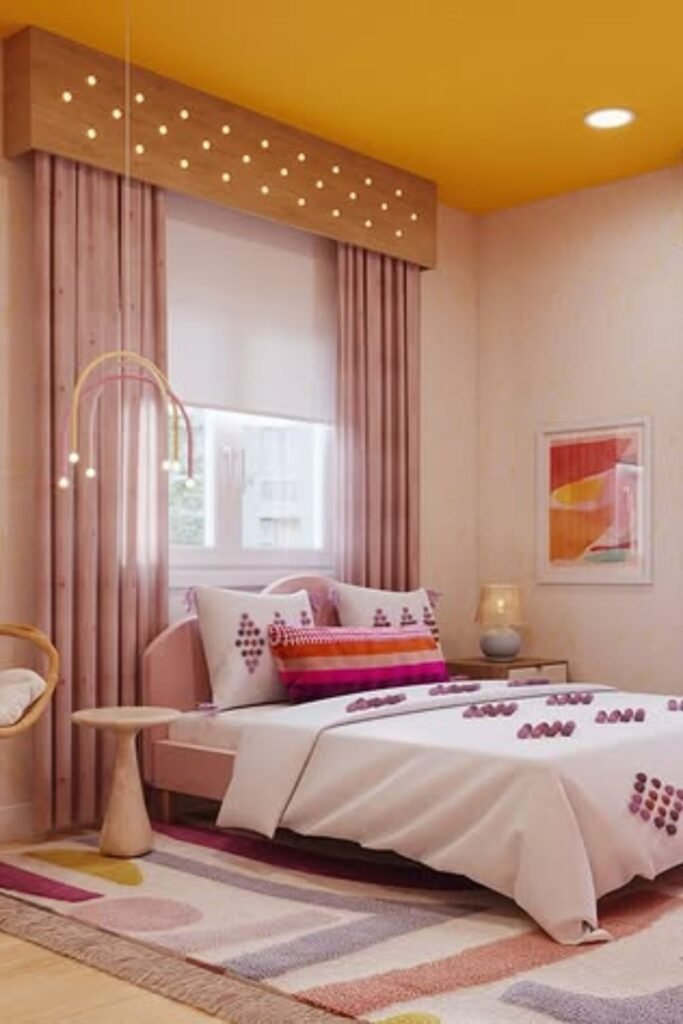
Warm light can change the whole mood of a bedroom. Soft ceiling color paired with subtle string lights above the windows makes the space feel inviting.
Great for kids who like a calm, homey vibe instead of big themes. The floor bed maintains the arrangement open and safe.
Which is especially good for older kids who are moving from toddler beds.
A hanging chair in the corner makes a special place to read or rest without taking over the space.
Minimal furniture lets rugs and other fabrics contribute character in a way that is easy to change.
If your child likes quiet evenings and gentle surroundings using warm colors and basic lighting can make the environment feel cozy without being too much.
Canopy Charm
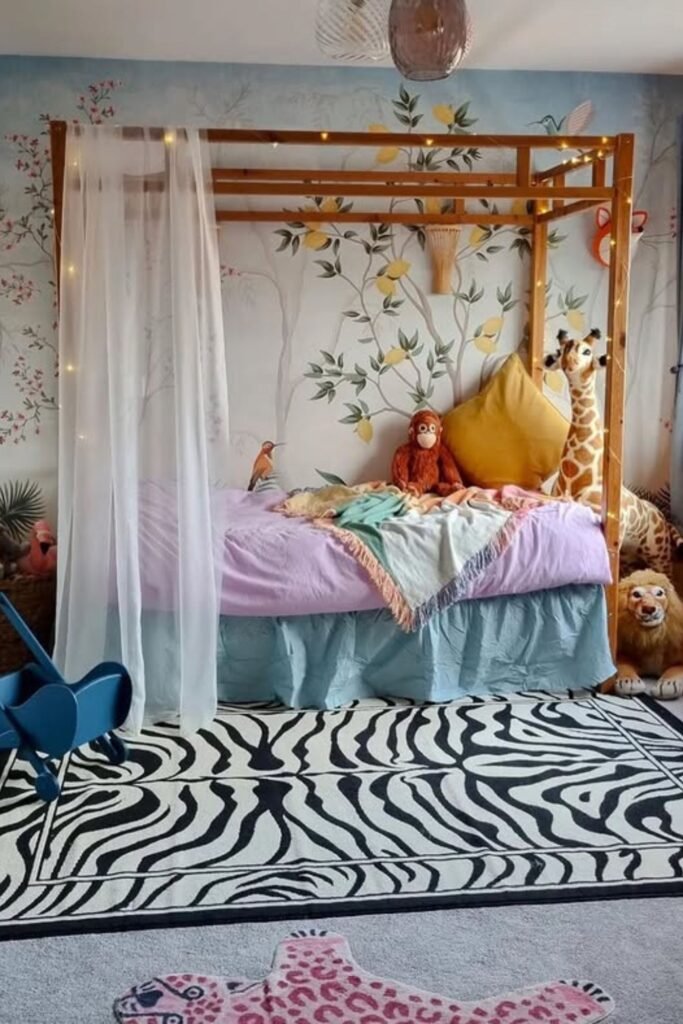
Bedtime feels different when the bed becomes a soft retreat. A simple canopy frame with light curtains adds privacy without closing the room off.
Great for kids who like to have a snug place to hide out but yet need room to move around and play.
String lights surrounding the frame make the bed feel cozy and special at night.
Botanical wall painting behind the bed gives the room character without needing more decorations.
The big rug on the floor makes the sleep area clear and maintains the floor comfy for play. Layered bedding and plush toys are easy ways to add color.
This way of framing the bed turns a normal corner into a soft retreat for your child if they prefer to use their imagination and feel safe.
Arch Divide
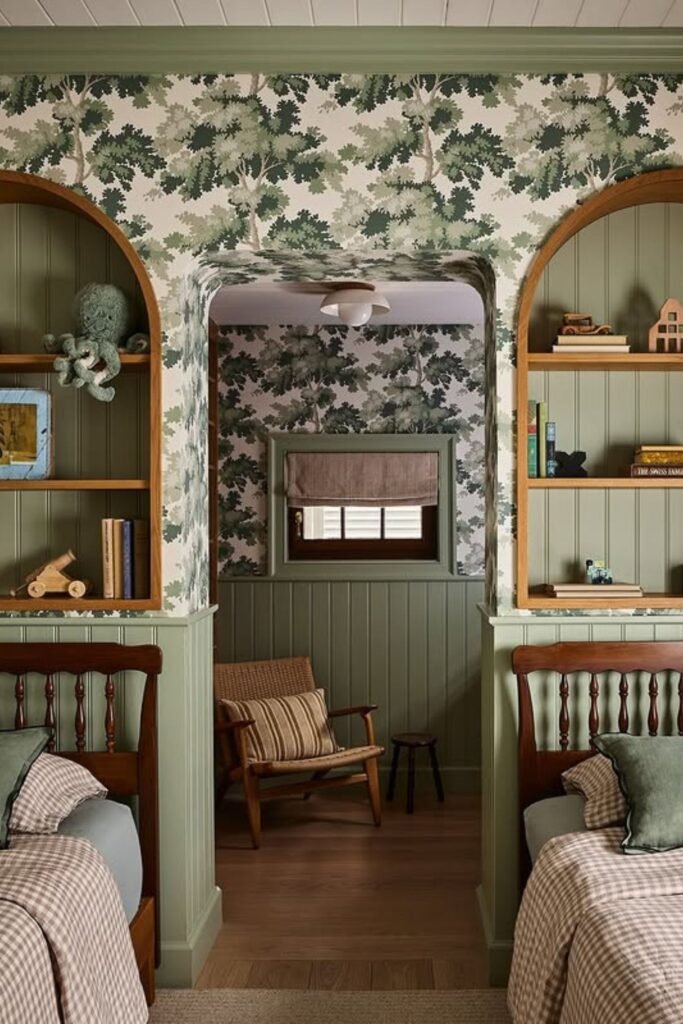
Sharing space doesn’t mean losing privacy. Built-in arches between two beds create a soft divider that separates each child’s zone without building a full wall.
Each arch has open shelves that keep books and personal items close without making the nightstands messy.
The matching bedding keeps the space in balance, and the split layout makes you feel like you own it.
The short passageway in the middle even makes a small transition space, like going into a peaceful corner. Works well in bigger rooms where you can split the wall in half.
Instead of pushing mattresses into opposite corners, utilize structure to clearly define space and maintain the room looking neat and well-thought-out.
FAQs
How do you design a big kid’s room that won’t feel outdated in a few years?
Begin with the things that don’t change: neutral walls, uncomplicated furniture, and plenty of storage.
Don’t use major character themes on big things like beds or closets. Instead, let your personality emerge through bedding, wall art, rugs.
You won’t have to repaint the whole room if your child likes dinosaurs today and sports next year.
What’s the best layout for a small big kid’s bedroom?
Before you get broader, go up. Loft beds, bunk beds, or beds with drawers underneath make the floor space open up right away.
To cut down on distractions, keep the desk close to natural light and away from where toys are stored.
Even a small room might feel organized and easier to deal with every day if it has clear areas for sleeping, studying, and playing.

Hi, I’m Afaf! I’m a law student who loves writing about everyday life – from home projects and crafts to fashion, beauty, and parenting tips.
I’ve been writing for over a year, sharing ideas that are simple, practical, and easy to try. I write about things I find interesting and useful, whether that’s organizing a space, trying a new DIY, or finding activities to keep kids entertained.
My goal is to share helpful ideas without making things complicated. If it works in real life, I’ll write about it.
When I’m not studying or writing, I’m usually experimenting with new projects or scrolling for inspiration!